Accidente Atlas Air B767-300 en Houston

El sitio del accidente

AW | 2019 02 24 20:47 | AVIATION SAFETY

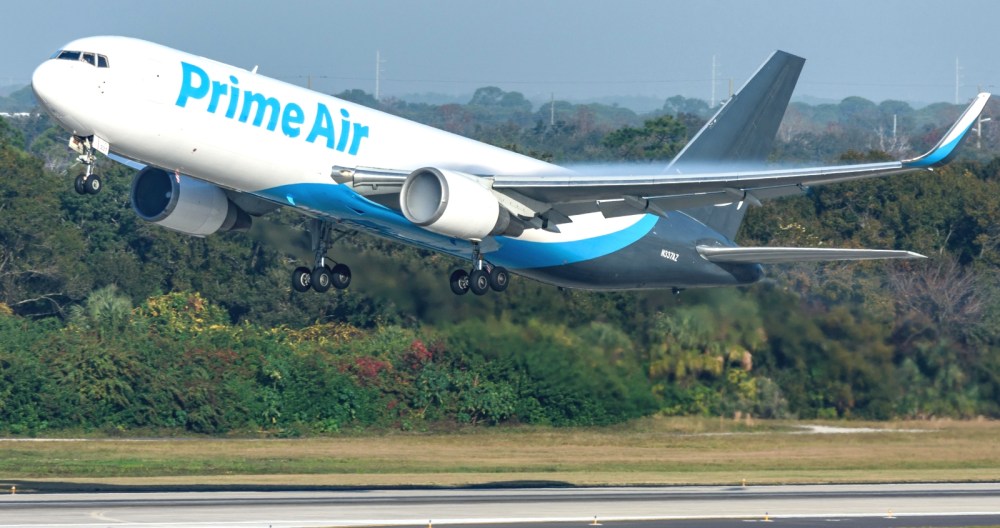
Boeing 767-300 Carguero de Atlas Air se accidenta en Houston

Una aeronave Boeing 767-300C (carguero) con registro de N1217A de la aerolínea Atlas Air sirviendo para Amazon Prime Air, realizó el vuelo 5Y-3591 desde Miami (FL) a Houston (TX) en Estados Unidos. La tripulación estuvo compuesta por tres tripulantes de cabina. El Boeing 767-300C se perdió contacto por radio y radar con la aeronave a unos 30 nm al sureste del Aeropuerto Intercontinental de Houston a aproximadamente 12:40L (18:40Z). La Torre llamó a la aeronave una vez sin respuesta aproximadamente a las 18:40Z y de nuevo a las 18:47Z, a las 18:47Z ATC preguntó «¿cómo lee?» En el siguiente enfoque, preguntamos a varias otras aeronaves en aproximación si podían ver la aeronave en algún lugar (en tierra), todas respuestas negativas.

El avión se encontró cerca de la posición N29.7636 W94.7145 que impactó las aguas de Trinity Bay aproximadamente a 1.5 nm al noroeste de Anahuac ‘Dos cuerpos fueron recuperados del lugar del accidente. La policía local informó que el avión estaba ubicado en Trinity Bay, cerca de Anahuac, TX (EE.UU). Los servicios de rescate y recuperación están en camino a los restos. El sheriff caracterizó el sitio como una devastación total, no cree que nadie pudiera haber sobrevivido. Testigos oculares informaron que el avión entró por la nariz primero.

A última hora de la tarde (hora local) del 23 Febrero 2019, la oficina del Sheriff informó que un cuerpo fue recuperado. Los esfuerzos conjuntos de la oficina del Sheriff, el FBI y la NTSB continúan recuperando a las víctimas y las cajas negras. La escena del accidente se extiende sobre una distancia de 3 millas en aguas poco profundas de hasta 5 pies de profundidad. Varios equipos de buceo de la policía de Baytown, la policía de Houston y el Departamento de Seguridad Pública de Texas están trabajando en el lugar del accidente.

La FAA informó que se generó una alerta para un Atlas Air Boeing 767 con 3 tripulantes a bordo después de que la radio y el contacto por radar se perdieron a unos 30 nm al sureste del aeropuerto de Houston.

La NTSB envió un Go-Team para investigar el accidente de un avión de carga cerca de Baytown, TX. En una primera y breve declaración preliminar, la NTSB informó que la aeronave estaba en un estado de descenso normalizado, cuando a 6300 pies comenzó lo que la NTSB caracteriza como un descenso muy rápido. Se produjo una pérdida simultánea de radar y contacto por radio.

El 24 Febrero 2019, la NTSB informó en una conferencia de prensa que la aeronave se encontraba en una ruta de llegada estándar desde el sureste, la tripulación se registró con el enfoque de Houston a aproximadamente 18,000 pies, aproximadamente 76nm al sureste del Aeropuerto Intercontinental de Houston, aproximadamente a las 12: 30L, ATC Aconsejó que había lluvia ligera o intensa por delante y ofreció vectores alrededor del clima. Aproximadamente a las 12:36L, la aeronave fue autorizada para descender a 3000 pies. A las 12:41L, la radio y el contacto por radar se perdieron cuando el avión estaba a 240 KIAS a unos 6000 pies. Un video de vigilancia fue localizado por la NTSB de la Cárcel del Condado de Chambers a aproximadamente 1.4 nm del área de impacto que muestra a la aeronave en un descenso pronunciado en una pronunciada inclinación hacia abajo, el video muestra la aeronave durante aproximadamente 5 segundos. No hubo llamada de socorro. La ubicación principal de los restos está orientada en dirección noroeste y tiene aproximadamente 200 yardas de largo y 100 yardas de ancho. Las alas y el tren de aterrizaje están más al noroeste. La NTSB todavía está buscando las cajas de atrás. No había materiales peligrosos a bordo. La carga de combustible aún no se conoce, sin embargo, se anticipa que los tanques de combustible se rompieron en el momento del impacto y se liberó todo el combustible. Aún no hay información disponible sobre cuánto tiempo se tardó en ingresar al empinado descenso hasta el impacto. No hubo intentos, según el video de vigilancia, de girar o detenerse durante los últimos momentos de vuelo. Los pingers conectados a las cajas negras no pueden escucharse, posiblemente debido a que están enterrados en el lodo y se reduce la efectividad. El video de vigilancia se colocará en el expediente NTSB y se publicará cuando el expediente se haga público. Dos cuerpos fueron recuperados del lugar del accidente hasta el momento. Dentro de la conferencia de la NTSB, el Sheriff declaró que no encontraron el sitio del accidente debido al combustible sino a los escombros. Había muy poco o nada de combustible alrededor.

Boeing está profundamente entristecido al enterarse del accidente que involucró a un Atlas Air Boeing 767 en Trinity Bay y está preocupado por la seguridad de las tres personas a bordo. Boeing está preparado para brindar asistencia técnica a la NTSB a cargo de la investigación.AW-Icon-TXT-01

AW-NetAirspace-0001.jpgAccident Atlas Air B767-300 in Houston

Atlas Air Boeing 767-300 Freighter crashes in Houston

A Boeing 767-300C (freighter) aircraft with registration of N1217A of the Atlas Air airline serving for Amazon Prime Air, made flight 5Y-3591 from Miami (FL) to Houston (TX) in the United States. The crew was composed of three cabin crew. The Boeing 767-300C was lost by radio and radar contact with the aircraft about 30 nm southeast of the Houston Intercontinental Airport at approximately 12: 40L (18: 40Z). The Tower called the aircraft once unanswered at approximately 18: 40Z and again at 6:47 PM, at 6:47 PM ATC asked «how do you read?» In the following approach, we asked several other approaching aircraft if they could see the aircraft somewhere (on land), all negative responses.

The aircraft was found near position N29.7636 W94.7145 that impacted the waters of Trinity Bay approximately 1.5 nm northwest of Anahuac. Two bodies were recovered from the crash site. Local police reported that the plane was located in Trinity Bay, near Anahuac, TX (USA). The rescue and recovery services are on their way to the remains. The sheriff characterized the site as total devastation, he does not believe that anyone could have survived. Eyewitnesses reported that the plane entered through the nose first.

In the late afternoon (local time) of February 23, 2019, the Sheriff’s office reported that a body was recovered. The joint efforts of the Sheriff’s Office, the FBI and the NTSB continue to recover the victims and the black boxes. The scene of the accident extends over a distance of 3 miles in shallow water up to 5 feet deep. Several dive teams from the Baytown police, the Houston police and the Texas Department of Public Safety are working at the scene of the accident.

The FAA reported that an alert was generated for an Atlas Air Boeing 767 with 3 crew on board after radio and radar contact were lost about 30 nm southeast of the Houston airport.

The NTSB sent a Go-Team to investigate the crash of a cargo plane near Baytown, TX. In a first and brief preliminary statement, the NTSB reported that the aircraft was in a state of normalized descent, when at 6300 feet began what the NTSB characterized as a very rapid descent. There was a simultaneous loss of radar and radio contact.

On February 24, 2019, the NTSB reported at a press conference that the aircraft was on a standard arrival route from the southeast; the crew registered with the Houston approach at approximately 18,000 feet, approximately 76 nm southeast of the Intercontinental Airport. Houston, at approximately 12:30 AM, ATC advised that there was light or heavy rain ahead and offered vectors around the weather. At approximately 12: 36L, the aircraft was authorized to descend to 3000 feet. At 12:41 L, radio and radar contact were lost when the plane was at 240 KIAS at about 6,000 feet. A surveillance video was located by the NTSB of the Chambers County Jail at approximately 1.4 nm from the impact area that shows the aircraft in a steep descent at a steep downward slope, the video shows the aircraft for approximately 5 seconds. There was no distress call. The main location of the remains is oriented northwest and is approximately 200 yards long and 100 yards wide. The wings and the landing gear are more to the northwest. The NTSB is still looking for the back boxes. There were no hazardous materials on board. The fuel load is not yet known, however, it is anticipated that the fuel tanks broke at the time of impact and all the fuel was released. There is still no information available on how long it took to enter the steep descent to the impact. There were no attempts, according to the surveillance video, to turn or stop during the last moments of flight. The pingers connected to the black boxes can not be heard, possibly because they are buried in the mud and the effectiveness is reduced. The surveillance video will be placed in the NTSB file and will be published when the file is made public. Two bodies were recovered from the accident site so far. Within the NTSB conference, the Sheriff stated that they did not find the site of the accident due to the fuel but to the debris. There was very little or no fuel around.

Boeing is deeply saddened to learn of the accident that involved an Atlas Air Boeing 767 at Trinity Bay and is concerned about the safety of the three people on board. Boeing is prepared to provide technical assistance to the NTSB in charge of the investigation. A \ W


Ξ A I R G W A Y S Ξ
SOURCE: Airgways.com
DBk: Avherald.com / Netairspace.net
AW-POST: 201902242047AR

A\W   A I R G W A Y S ®

Reporte Final SLI-2431 Aeroméxico

Resultado de imagen para aeromexico connect E190 air crash

AW | 2019 02 24 20:30 | AIR INVESTIGATION / AVIATION SAFETY

Resultado de imagen para sli 2431 aeromexico connect E90Informe final causas accidente E190-100 Aeroméxico Connect

La Dirección General de Aeronáutica Civil (DGAC) de México dio a conocer el dictamen final sobre el accidente del vuelo SLI-2431 un avión Embraer 190-100 de Aeroméxico Connect en el Aeropuerto de Durango ocurrido el 31 Julio 2018. La Comisión Investigadora y Dictaminadora de Accidentes e Incidentes de Aviación concluyó que un tercer piloto, con licencia para operar otro tipo de aviones, tomó el Resultado de imagen para dirección general de aeronáutica civil (dgac) mexicolugar del Primer Oficial (asiento lado derecho) e iba desempeñando las funciones de piloto a los controles hasta 5 segundos antes de que ocurriera el accidente. Este tercer piloto cuenta con licencia para operar aviones Beechcraft King Air F90, KA 200, instrumentos, multimotor, RTARI nivel 4; pero no para operar aviones Embraer 190. De acuerdo con información de la aerolínea, el piloto acumuló 64 horas de vuelo en simulador Embraer.
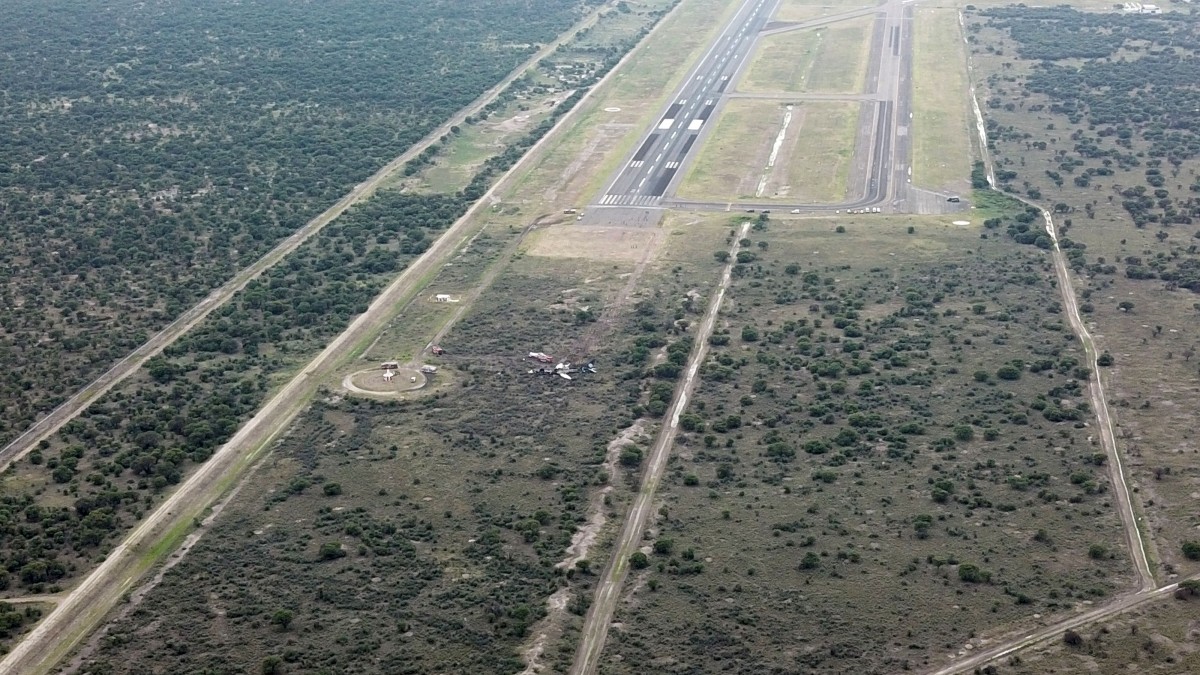
La Comisión encontró que el piloto que originalmente debió tomar la posición de Comandante del Vuelo, le cedió su lugar al piloto en entrenamiento de equipos Embraer, he iba monitoreando el despegue hasta 5 segundos antes del accidente cuando le pidió al piloto en entrenamiento los controles del avión. En tanto, el copiloto iba sentado en el asiento asignado para el Tripulante Viajando en Cabina, es decir, el asiento que debió ocupar el piloto en entrenamiento; por lo tanto, no iba desempeñando las funciones de vuelo asignadas por la aerolínea para el vuelo.

Respecto a las condiciones climatológicas, la Comisión Dictaminadora encontró que a las 15:22 horas se emitió un reporte especial donde se notificaba una visibilidad de 0 SM, presencia de tormenta eléctrica con lluvia, así como disminución del techo, disminuyó la temperatura y los datos de corrección altimétrica aumentaron, pero este reporte no se publicó debido a que hubo una interrupción en el suministro de energía eléctrica en el Aeropuerto y como consecuencia en la Torre de control Durango. Al final, la Comisión determinó que el avión se impactó contra la pista debido a la pérdida de control de la aeronave en la fase final de la carrera de despegue por una ráfaga de viento de baja altura.

Los Servicios a la Navegación en el Espacio Aéreo Mexicano también cometieron omisiones que contribuyeron al accidente como que el controlador de tránsito aéreo no proporcionó información sobre lluvia sobre la estación y omitió una advertencia de seguridad operacional a la tripulación sobre la posible presencia de cizalleo a baja altura. Además, se detectó falta de personal supervisor en la Torre de Control del Aeropuerto de Durango, pues el controlador aéreo se encontraba solo, aunque cabe señalar que la reglamentación no establece un número mínimo de controladores en una torre de control.

En el vuelo de Aeroméxico viajaban 88 adultos, 9 menores y 2 infantes; así como cuatro miembros de la tripulación. Antes de que se tuvieran los resultados definitivos de la investigación, la aerolínea despidió al comandante de la aeronave, Carlos Galván Meyran; al copiloto, Daniel Dardon Chávez; y al piloto en entrenamiento, José Ramón Vázquez.AW-Icon-TXT-01

Imagen relacionadaFinal Report flight SLI2431 Aeromexico Connect


Final report causes accident Embraer E190-100 Aeroméxico Connect

The General Directorate of Civil Aeronautics (DGAC) of Mexico announced the final ruling on the accident of flight SLI-2431 an Embraer 190-100 aircraft of Aeroméxico Connect at Durango Airport on July 31, 2018. The Aviation Accident and Incident Investigation and Accuracy Committee concluded that a third pilot, licensed to operate another type of aircraft, took the place of the First Officer (seat on the right side) and was performing the functions of pilot at the controls for up to 5 seconds before the accident happened. This third pilot is licensed to operate Beechcraft King Air F90 aircraft, KA 200, instruments, multi-engine, RTARI level 4; but not to operate Embraer 190 aircraft. According to information from the airline, the pilot accumulated 64 hours of flight in Embraer simulator.

The Commission found that the pilot who originally had to take the position of Commander of the Flight, gave his place to the pilot in Embraer equipment training, and was monitoring the takeoff until 5 seconds before the accident when he asked the pilot in training for the controls of the airplane. In the meantime, the co-pilot was seated in the assigned seat for the Crewmember Traveling in Cabin, that is, the seat that the pilot had to occupy in training; therefore, it was not performing the flight functions assigned by the airline for the flight.

Regarding the weather conditions, the Judging Commission found that at 15:22 a special report was issued, notifying a visibility of 0 SM, presence of an electrical storm with rain, as well as a decrease in the roof, temperature and data of altimetric correction increased, but this report was not published because there was an interruption in the supply of electric power at the airport and as a consequence at the Durango control tower. In the end, the Commission determined that the aircraft impacted the runway due to the loss of control of the aircraft in the final phase of the takeoff run due to a low-altitude wind gust.

The Navigation Services in the Mexican Air Space also made omissions that contributed to the accident, such as that the air traffic controller did not provide information about rain on the station and omitted a safety warning to the crew about the possible presence of shearing at low height. In addition, a lack of supervisory personnel was detected in the Control Tower of the Durango Airport, since the air traffic controller was alone, although it should be noted that the regulations do not establish a minimum number of controllers in a control tower.

On the Aeroméxico flight, 88 adults, 9 minors and 2 infants traveled; as well as four members of the crew. Before the final results of the investigation were available, the airline dismissed the aircraft’s commander, Carlos Galván Meyran; to the co-pilot, Daniel Dardon Chávez; and the pilot in training, José Ramón Vázquez. A \ W

Ξ A I R G W A Y S Ξ
SOURCE: Airgways.com
DBk: Sct.gob.mx/transporte / Airgways.com
AW-POST: 201902242030AR

A\W   A I R G W A Y S ®

Justicia suspende JV Boeing-Embraer

Resultado de imagen para Boeing Embraer airgways.com

AW | 2019 02 23 16:06 | INDUSTRY

Resultado de imagen para Boeing Embraer airgways.comCorte de Brasil suspende negociaciones sobre fusión de Embraer y Boeing

Un juez brasileño suspendió este Viernes, 22 Febrero 2019 las negociaciones para el Joint Venture del fabricante brasileño Embraer SA y The Boeing Company, según un documento judicial. El tribunal emitió una orden judicial que suspendía una reunión de accionistas de Embraer programada para el 26 Febrero 2019 que votaría sobre si aprobar los términos ya acordados por las dos compañías. La decisión probablemente será apelada ante un Tribunal Superior.

Embraer dijo en una declaración que tomará todas las medidas disponibles para mantener la fecha de la junta de accionistas para el 26 Febrero 2019. Boeing no respondió de inmediato a las solicitudes de comentarios. La Justicia de Brasil se ha expedido sobre la decisión de una demanda sindical contra Embraer que hasta que se evalúen todas las supuestas ilegalidades en el proceso de negociación, la junta de accionistas debe suspenderse.

En el acuerdo, Embraer venderá el 80% de su división de aviones comerciales por US$ 4.2 mil millones a Boeing, que tendrá el control total de la nueva empresa. En la demanda, los sindicatos que representan a los trabajadores de Embraer dijeron que la administración de la compañía no respetaba la legislación local para las empresas que cotizan en bolsa, en particular con respecto a las decisiones que deberían haberse tomado a los accionistas en lugar de ser tomadas únicamente por la administración de la empresa. El gobierno brasileño, que posee una participación de oro en Embraer, ya aprobó el acuerdo.AW-Icon-TXT-01

Resultado de imagen para Boeing Embraer airgways.com

Justice Brazil suspends Boeing-Embraer agreement

Brazil court suspends negotiations on Embraer and Boeing merger

A Brazilian judge suspended this Friday, February 22, 2019 negotiations for the Joint Venture of Brazilian manufacturer Embraer SA and The Boeing Company, according to a court document. The court issued a court order suspending an Embraer shareholders meeting scheduled for February 26, 2019 that would vote on whether to approve the terms already agreed by the two companies. The decision will probably be appealed to a Superior Court.

Embraer said in a statement that it will take all available measures to maintain the date of the shareholders’ meeting for February 26, 2019. Boeing did not respond immediately to requests for comments. The Justice of Brazil has been issued on the decision of a union complaint against Embraer that until all the alleged illegalities in the negotiation process are evaluated, the shareholders’ meeting should be suspended.

In the agreement, Embraer will sell 80% of its commercial aircraft division for US$ 4.2 billion to Boeing, which will have full control of the new company. In the lawsuit, the unions representing the Embraer workers said that the company’s management did not respect local legislation for listed companies, particularly with respect to decisions that should have been made to shareholders instead of be taken only by the administration of the company. The Brazilian government, which holds a gold stake in Embraer, has already approved the agreement. A \ W

Resultado de imagen para Boeing Embraer airgways.com

Justiça Brasil suspende acordo da Boeing-Embraer

AW-BOINGBRAERJustiça do Brasil suspende negociações sobre fusão da Embraer e da Boeing

Um juiz brasileiro suspendeu nesta sexta-feira, 22 de fevereiro de 2019, as negociações para a Joint Venture da fabricante brasileira Embraer SA e The Boeing Company, de acordo com um documento judicial. O tribunal emitiu uma ordem judicial suspendendo uma assembléia de acionistas da Embraer marcada para 26 de fevereiro de 2019 que votaria se aprovaria os termos já acordados pelas duas empresas. A decisão provavelmente será apelada para um tribunal superior.

A Embraer informou em comunicado que tomará todas as medidas disponíveis para manter a data da assembléia de acionistas para 26 de fevereiro de 2019. A Boeing não respondeu imediatamente aos pedidos de comentários. A Justiça do Brasil foi autuada sobre a decisão de uma queixa sindical contra a Embraer de que até que todas as alegadas ilegalidades no processo de negociação sejam avaliadas, a assembléia de acionistas deve ser suspensa.

No acordo, a Embraer venderá 80% de sua divisão de aeronaves comerciais por US $ 4,2 bilhões para a Boeing, que terá o controle total da nova empresa. Na ação, os sindicatos que representam os trabalhadores da Embraer disseram que a administração da empresa não respeitava a legislação local para as empresas listadas, especialmente no que diz respeito às decisões que deveriam ter sido tomadas aos acionistas em vez de serem tomadas apenas pela administração da empresa. O governo brasileiro, que detém uma participação de ouro na Embraer, já aprovou o acordo. A \ W


Ξ A I R G W A Y S Ξ
SOURCE: Airgways.com
DBk: Stf.jus.br / Embraer.com / Boeing.com / Reuters.com / Airgways.com
AW-POST: 201902231606AR

A\W   A I R G W A Y S ®

Bombardier Inc. elección compra participación CSeries-Québec

Imagen relacionadaAW | 2019 02 23 15:50 | INDUSTRY

bombardier_old-svg.pngBombardier podría comprar la participación de Quebec en la CSeries

La multinacional Bombardier Inc. tiene hasta Junio 2023 para anunciar una decisión de compra de la unidad de la línea CSeries en Quebec. Bombardier no descarta comprar la inversión de Quebec en el programa de aviones de la CSeries, dijo el viernes el CEO de Bombardier, Alain Bellemare.

En 2016, el gobierno invirtió US$ 1.3 mil millones en el Programa CSeries, en la actualidad denominado A220 desde que fue transferida a Airbus. Québec puede revender esta participación a partir del 30 Junio 2023. De acuerdo con la valoración contable realizada por Airbus, la inversión del gobierno tenía un valor de US$ 1.136 mil millones a partir del 1 Julio 2018, que es US$ 179 millones menos que los US$ 1.315 mil millones desembolsados ​​en 2016. Por su parte, Bombardier podrá revender su participación del 33,6% en el A220 a Airbus a partir del 1 Enero 2026. Airbus podría a partir de esa fecha, obligar a Bombardier a venderle su participación a un valor justo de mercado. El objetivo es hacer que el programa sea un gran éxito trabajando junto a Airbus en Québec, Canadá.

Desde la adquisición del A220 por parte de Airbus, ha recibido órdenes de aerolíneas estadounidenses por más de 135 aeronaves. Sin embargo, el programa sigue en gran medida con déficit. En los últimos seis meses de 2018, sufrió una pérdida neta de casi US$ 159 millones, o casi US$ 8 millones por aeronave entregada.AW-Icon-TXT-01

Resultado de imagen para Bombardier Quebec factoryBombardier purchase purchase CSeries-Québec

Bombardier could buy Quebec’s stake in CSeries

The multinational Bombardier Inc. has until June 2023 to announce a purchase decision for the CSeries line unit in Quebec. Bombardier does not rule out buying Quebec’s investment in the CSeries aircraft program, Bombardier CEO Alain Bellemare said Friday.

In 2016, the government invested US$ 1.3 billion in the CSeries Program, currently called A220 since it was transferred to Airbus. Québec can resell this participation as of June 30, 2023. According to the accounting valuation made by Airbus, the government investment had a value of US$ 1,136 billion as of July 1, 2018, which is US$ 179 million less than the US$ 1,315 billion disbursed in 2016. For its part, Bombardier may resell its 33.6% stake in the A220 to Airbus as of January 1, 2026. Airbus could, from that date, force Bombardier to sell your stake at a fair market value. The goal is to make the program a great success by working together with Airbus in Quebec, Canada.

Since the acquisition of A220 by Airbus, it has received orders from US airlines for more than 135 aircraft. However, the program remains largely deficient. In the last six months of 2018, it suffered a net loss of almost US$ 159 million, or almost US$ 8 million per aircraft delivered. A \ W

Imagen relacionadaBombardier achat achat CSeries-Québec

Bombardier pourrait acheter la participation du Québec dans CSeries

La multinationale Bombardier Inc. a jusqu’en juin 2023 pour annoncer une décision d’achat de l’unité de production CSeries au Québec. Bombardier n’exclut pas l’achat de l’investissement du Québec dans le programme d’avions CSeries, a déclaré vendredi le chef de la direction de Bombardier, Alain Bellemare.

En 2016, le gouvernement a investi US$ 1,3 milliard dans le programme CSeries, actuellement appelé A220 depuis son transfert à Airbus. Le Québec peut revendre cette participation au 30 juin 2023. Selon l’évaluation comptable effectuée par Airbus, la valeur de l’investissement gouvernemental s’élevait à 1 136 milliards USD au 1er juillet 2018, soit US$ 179 millions  de moins que les US$ 1 315 milliards de dollars versés en 2016. De son côté, Bombardier pourrait revendre sa participation de 33,6% dans A220 à Airbus à compter du 1er janvier 2026. À compter de cette date, Airbus pourrait contraindre Bombardier à: vendre votre mise à une juste valeur marchande. L’objectif est de faire de ce programme un grand succès en collaborant avec Airbus au Québec, au Canada.

Depuis l’acquisition d’A220 par Airbus, la compagnie aérienne américaine a commandé plus de 135 appareils. Cependant, le programme reste largement déficient. Au cours des six derniers mois de 2018, il a subi une perte nette de près de 159 millions USD, soit près de 8 millions USD par avion livré. A \ W


Ξ A I R G W A Y S Ξ
SOURCE: Airgways.com
DBk: Bombardier.com / Journaldemontreal.com / Cbc.ca
AW-POST: 201902231550AR

A\W   A I R G W A Y S ®

Sukhoi inspecciona SSJ-100

Resultado de imagen para Sukhoi SSJ100 titaniumAW | 2019 02 232 15:16 | INDUSTRY / AVIATION SAFETY

logo_sukhoiSukhoi Civil aircraft inspecciona 48 SSJ-100 por grietas en componentes
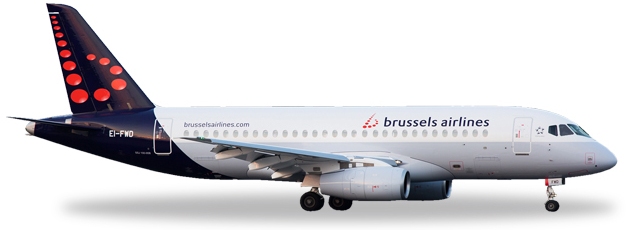
Sukhoi Civil Aircraft (SCAC) continúa con problemas derivados de la línea fabricación del modelo SSJ-100, esta vez con errores de diseño de piezas de titanio de baja calidad en aproximadamente un cuarto de la flota activa de los Superjet.

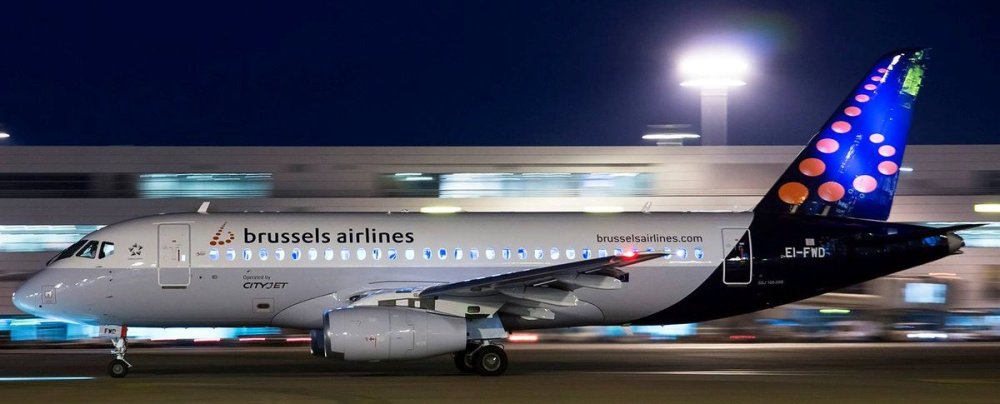
Unas seis semanas después de que Brussels Airlines terminara prematuramente las operaciones con las aeronaves SSJ100 debido a largos tiempos de inactividad y complejidad de las aeronaves; el Miércoles, 20 Febrero 2019 los medios rusos informaron que alrededor de 50 aviones podrían haber desarrollado micro grietas en el tren de aterrizaje y en los puntos de sujeción del motor y la aleta supuestamente hechos de aleación de titanio no certificada. Una directiva de aeronavegabilidad emitida por la Autoridad de Aviación Civil Rosaviatsiya el 29 Diciembre 2018 parece apoyar las reclamaciones.AW-770002SCAC.jpgLa directiva aconsejó a SCAC realizar inspecciones de la aeronave afectada para evaluar la calidad de fabricación de los miembros estructurales SSJ100 posiblemente hechos de aleaciones de titanio de origen no confirmado dentro de los 100 días calendario. De acuerdo con la directiva, el proveedor de metales VSMPO-Avisma no había confirmado oportunamente la calidad de fabricación de los lingotes de titanio suministrados a SCAC y sus socios industriales. En respuesta a la orden, el Diseñador Jefe de SSJ100, Vladimir Lavrov, redactó un calendario de inspecciones en un total de 48 armazones, incluyendo 15 en servicio con Aeroflot, ocho con Azimuth Airlines, nueve con Yamal Airlines y cuatro con IrAero. Las inspecciones con endoscopios comenzaron a fines de Enero 2019.
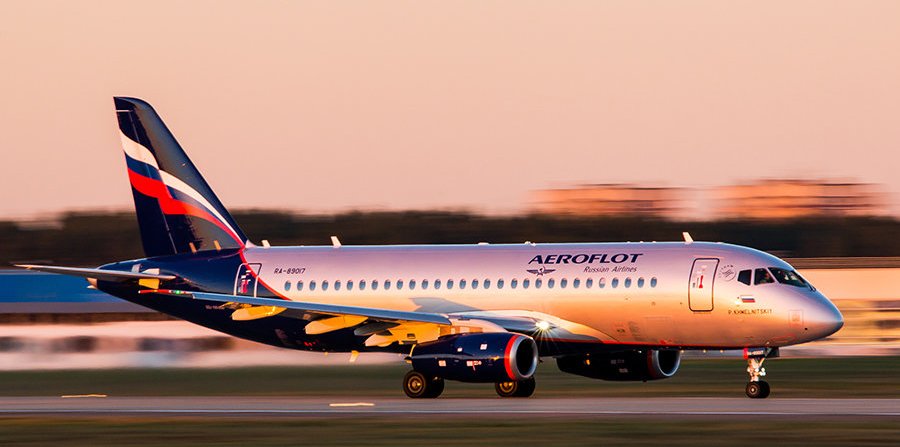
En respuesta a las publicaciones en los medios locales, SCAC emitió una declaración el 19 Febrero 2019 que indicaba que había abordado las preocupaciones sobre la calidad cuestionable del metal en las piezas del Superjet SSJ100. La declaración de la compañía se refiere a una directiva de aeronavegabilidad Rosaviatsiya del 6 Febrero 2019 que indica que el fabricante inspeccionó todas las piezas de titanio sospechosas y confirmó su calidad. La directiva también se refiere a los resultados de las pruebas realizadas en la composición química de los lingotes de titanio sospechosos en la fábrica de VASO en Voronezh, que confirmó el cumplimiento de la receta prescrita para la aleación en cuestión.

En su propia declaración, SCAC señaló que las inspecciones realizadas en la flota implicaban solo una evaluación visual única de ciertos miembros estructurales durante el mantenimiento de rutina. El fabricante afirma que no encontró evidencia de ningún uso de materiales de calidad inferior a la normal. Efectivamente, las inspecciones hicieron que la aeronave cumpliera totalmente con las especificaciones y en buen estado de funcionamiento.

En Diciembre 2018, el fabricante se comprometió a combatir la falsificación de piezas mediante la introducción del llamado Pasaporte Electrónico de la Aeronave (AEP). «Lamentablemente, la falsificación sigue viva. Seguramente, la ‘pasaporte’ electrónica nos ayudará a combatirla», dijo el CEO de SCAC, Alexander Roubtsov.AW-Icon-TXT-01

Resultado de imagen para Sukhoi SSJ100 inspectionsSukhoi inspects SSJ-100

Sukhoi-logo-350Sukhoi Civil aircraft inspects 48 SSJ-100 for component cracks
Sukhoi Civil Aircraft (SCAC) continues with problems derived from the manufacturing line of the SSJ-100 model, this time with design errors of low quality titanium parts in about a quarter of the Superjet’s active fleet.

About six weeks after Brussels Airlines prematurely terminated operations with SSJ100 aircraft due to long downtimes and aircraft complexity; On Wednesday, 20 February 2019 the Russian media reported that around 50 aircraft could have developed micro cracks in the landing gear and in the attachment points of the engine and fin supposedly made of non-certified titanium alloy. An airworthiness directive issued by the Civil Aviation Authority Rosaviatsiya on December 29, 2018 seems to support the claims.

The directive advised SCAC to conduct inspections of the affected aircraft to assess the manufacturing quality of SSJ100 structural members possibly made of titanium alloys of unconfirmed origin within 100 calendar days. In accordance with the directive, the metals supplier VSMPO-Avisma had not confirmed in good time the manufacturing quality of the titanium ingots supplied to SCAC and its industrial partners. In response to the order, the Chief Designer of SSJ100, Vladimir Lavrov, drafted a schedule of inspections in a total of 48 frames, including 15 in service with Aeroflot, eight with Azimuth Airlines, nine with Yamal Airlines and four with IrAero. Inspections with endoscopes began at the end of January 2019.

In response to publications in the local media, SCAC issued a statement on February 19, 2019 stating that it had addressed concerns about the questionable quality of the metal in the parts of the Superjet SSJ100. The company’s declaration refers to an airworthiness directive Rosaviatsiya of February 6, 2019 that indicates that the manufacturer inspected all suspicious titanium parts and confirmed their quality. The directive also refers to the results of the tests carried out on the chemical composition of the suspected titanium ingots at the VASO factory in Voronezh, which confirmed compliance with the prescription prescribed for the alloy in question.

In its own statement, SCAC noted that inspections performed on the fleet involved only a single visual evaluation of certain structural members during routine maintenance. The manufacturer states that it found no evidence of any use of inferior quality materials. Indeed, the inspections made the aircraft fully comply with the specifications and in good working order.

In December 2018, the manufacturer undertook to combat the counterfeiting of parts by introducing the so-called Electronic Passport of the Aircraft (AEP). «Unfortunately, the forgery is still alive, and surely the electronic ‘passport’ will help us fight it», said SCAC CEO Alexander Roubtsov. A \ W

C9IpaEtXUAEOZjg.jpgСухой осматривает SSJ-100

logo_suhoyГражданский самолет Сухого проверяет 48 SSJ-100 на наличие трещин

Гражданские самолеты Сухого (SCAC) продолжают сталкиваться с проблемами, связанными с производственной линией модели SSJ-100, на этот раз с ошибками проектирования низкокачественных титановых деталей примерно в четверти активного парка Superjet.

Примерно через шесть недель после того, как Брюссельские авиалинии досрочно прекратили полеты на самолете SSJ100 из-за длительных простоев и сложности самолета; В среду, 20 февраля 2019 года, российские СМИ сообщили, что примерно у 50 самолетов могли появиться микротрещины в шасси и в точках крепления двигателя, а также оребрение, предположительно, из не сертифицированного титанового сплава. Директива о летной годности, выпущенная Управлением гражданской авиации Росавиация 29 декабря 2018 года, похоже, подтверждает претензии.

Директива рекомендовала SCAC провести проверки поврежденного самолета для оценки качества изготовления конструктивных элементов SSJ100, возможно, изготовленных из титановых сплавов неподтвержденного происхождения, в течение 100 календарных дней. В соответствии с директивой поставщик металлов ВСМПО-Ависма своевременно не подтвердил качество изготовления титановых слитков, поставляемых SCAC и его промышленным партнерам. В ответ на приказ главный конструктор SSJ100 Владимир Лавров составил план проверок в общей сложности 48 кадров, в том числе 15 в Аэрофлоте, восемь в авиакомпании «Азимут», девять в авиакомпании «Ямал» и четыре в «ИрАэро». Проверки с помощью эндоскопов начались в конце января 2019 года.

В ответ на публикации в местных средствах массовой информации 19 февраля 2019 года SCAC опубликовал заявление, в котором говорится, что в нем рассматриваются вопросы, касающиеся сомнительного качества металла в деталях Superjet SSJ100. Декларация компании ссылается на директиву Росавиации по летной годности от 6 февраля 2019 года, которая указывает, что производитель проверил все подозрительные титановые детали и подтвердил их качество. Директива также ссылается на результаты испытаний химического состава предполагаемых титановых слитков на заводе VASO в Воронеже, которые подтвердили соответствие предписаниям, предписанным для данного сплава.

В своем собственном заявлении SCAC отметил, что проверки, проводимые на флоте, включали только одну визуальную оценку определенных конструктивных элементов во время текущего обслуживания. Производитель заявляет, что не обнаружил никаких доказательств использования материалов низкого качества. Действительно, проверки позволили самолету полностью соответствовать техническим требованиям и в исправном рабочем состоянии.

В декабре 2018 года производитель обязался бороться с контрафакцией деталей, введя так называемый электронный паспорт самолета (AEP). «К сожалению, подделка все еще жива, и, безусловно, электронный «паспорт» поможет нам с этим бороться», сказал генеральный директор SCAC Александр Рубцов. A \ W


Ξ A I R G W A Y S Ξ
SOURCE: Airgways.com
DBk: Scac.ru / Ruaviation.com / Airgways.com / Englishrussia.com
AW-POST: 201902231516AR

A\W   A I R G W A Y S ®

Diseñan terminal Aeropuerto Pittsburgh

Resultado de imagen para Pittsburgh Airport LVA GenslerAW | 2019 02 23 14:28 | AIRPORTS

La firma española Luis Vidal Architecs (LVA) y Gensler diseñan nueva Terminal Aeropuerto internacional Pittsburgh

La firma española Luis Vidal + architects (LVA) se asoció con Gensler para diseñar una nueva Terminal en el Aeropuerto Internacional de Pittsburgh en el Estado de Pensilvania, Estados Unidos. Las representaciones iniciales publicadas el miércoles del proyecto de US$ 1.1 mil millones muestran la nueva terminal que se abrirá en 2023.

Según los arquitectos, el diseño combina naturaleza, tecnología y comunidad (una filosofía marcada por el aeropuerto como NaTeCo) como un guiño a la ubicación de Pittsburgh , sus residentes locales y su compromiso con la innovación. El equipo de diseño estudió el paisaje de la ciudad para idear una visión que evoca sus icónicas colinas y los ríos que la atraviesan. La nueva terminal, construida entre las salas C y D, contará con un techo ondulado, diseñado para llevar focos de luz a los espacios públicos que se encuentran debajo. Se utilizarán maderas cálidas y amplias plantaciones en todo el interior como un guiño al entorno natural de la región. Vidal diseñó un techo ondulado para la nueva terminal que recuerda a las colinas y ríos de la región. «La combinación de naturaleza, tecnología y comunidad forma el ADN de la región y eso debe reflejarse en la estructura del edificio para mejorar la experiencia de todos los usuarios y dejar una impresión memorable», dijo LVA.

Los conceptos de Vidal y Gensler se centran en una nueva terminal de 51 puertas que incluirá un moderno vestíbulo de check-in, un punto de control TSA ampliado, así como plazas verdes interiores y exteriores y espacios de reunión. El diseño ayudará a mejorar el trazado y la circulación desde las zonas de salida y llegada, mientras que también disminuirá las distancias para caminar entre esas áreas. HDR , una consultoría de ingeniería con sede en Omaha, Nebraska, ayudará a planificar futuros avances tecnológicos dentro del aeropuerto y buscará espacio para nuevos sistemas automatizados. El director de Gensler y el líder de aviación, Ty Osbaugh, dijeron que el primer conjunto de presentaciones es el resultado de un enorme proceso de participación de la comunidad, que continuará durante la fase de diseño esquemático.

Esta no es la primera actualización importante que ha recibido el Aeropuerto Internacional de Pittsburgh. En 1992, una expansión de mil millones de dólares por parte del arquitecto Tasso Katselas Associates recibió un elogio generalizado, en particular por la adición de la entonces nueva Terminal Airside del aeropuerto. El gran espacio presentaba un techo abovedado y un amplio espacio dedicado a un distrito comercial conocido como Airmall. Ese diseño ayudó a simplificar el movimiento de aeronaves y facilitó el tráfico peatonal, convirtiéndose más tarde en un modelo global para una arquitectura de aviación eficiente.

LVA y Gensler esperan construir sobre el legado de la Terminal Aérea al construir una estructura moderna que consolida las operaciones en tierra y en vuelo en un solo lugar. El proyecto, con su diseño amplio y su interior lleno de luz, evoca el premiado diseño de Vidal 2014 de la Terminal 2 en el aeropuerto londinense de Heathrow.AW-Icon-TXT-01

Resultado de imagen para Pittsburgh AirportNew Pittsburgh Airport terminal designed

Spanish firm Luis Vidal Architecs (LVA) and Gensler design new Pittsburgh International Airport Terminal

The Spanish firm Luis Vidal + architects (LVA) partnered with Gensler to design a new terminal at the Pittsburgh International Airport in the State of Pennsylvania, United States. The initial representations published on Wednesday of the US $ 1.1 billion project show the new terminal that will open in 2023.

According to the architects, the design combines nature, technology and community (a philosophy marked by the airport as NaTeCo) as a nod to the location of Pittsburgh, its local residents and its commitment to innovation. The design team studied the landscape of the city to devise a vision that evokes its iconic hills and the rivers that cross it. The new terminal, built between rooms C and D, will have a corrugated roof, designed to carry spotlights to the public spaces below. Warm woods and extensive plantings will be used throughout the interior as a nod to the natural environment of the region. Vidal designed a corrugated roof for the new terminal that resembles the hills and rivers of the region. «The combination of nature, technology and community forms the DNA of the region and that should be reflected in the structure of the building to improve the experience of all users and leave a memorable impression,» said LVA.

The concepts of Vidal and Gensler are focused on a new 51-door terminal that will include a modern check-in lobby, an expanded TSA control point, as well as indoor and outdoor green spaces and meeting spaces. The design will help improve the layout and circulation from the departure and arrival areas, while also decreasing the distances to walk between those areas. HDR, an engineering consultancy based in Omaha, Nebraska, will help plan future technology developments within the airport and will look for space for new automated systems. Gensler’s director and aviation leader, Ty Osbaugh, said that the first set of presentations is the result of a huge process of community participation, which will continue during the schematic design phase.

This is not the first major update that Pittsburgh International Airport has received. In 1992, a billion-dollar expansion by architect Tasso Katselas Associates received widespread praise, particularly for the addition of the airport’s then new Airside Terminal. The large space featured a vaulted ceiling and a large space dedicated to a commercial district known as Airmall. That design helped simplify the movement of aircraft and facilitated pedestrian traffic, later becoming a global model for efficient aviation architecture.

LVA and Gensler hope to build on the legacy of the Air Terminal by building a modern structure that consolidates operations on land and in flight in one place. The project, with its broad design and light-filled interior, evokes the award-winning Vidal 2014 design of Terminal 2 at London’s Heathrow Airport. A \ W


Ξ A I R G W A Y S Ξ
SOURCE: Airgways.com
DBk: Archpaper.com / Flypittsburgh.com
AW-POST: 201902231428AR

A\W   A I R G W A Y S ®

Unión Europea extiende la validez del Certificado Seguridad Aviación

Resultado de imagen para airliners London Heathrow

AW | 2019 02 23 14:09 | AIR TRAFFIC / AVIATION ORGANISMS

Resultado de imagen para Council of the European UnionEl Consejo de la Unión Europea aprueba acuerdo Certificados Seguridad Aviación post-Brexit

Los representantes permanentes ante el Consejo de la Unión Europea han aprobado un acuerdo con el Parlamento Europeo sobre un proyecto de resolución destinado a garantizar la validez continua de los Certificados de Seguridad de Aviación. El acuerdo, que entrará en vigencia si el Reino Unido abandona la UE sin un acuerdo posterior al retiro, extiende la validez de dichos certificados durante nueve meses, y potencialmente si es necesario.

Proporcionará una ventana de tiempo para que la Agencia Europea de Seguridad Aérea (EASA) continúe emitiendo los certificados requeridos para ciertas partes y productos aeronáuticos, así como certificados de capacitación, teniendo en cuenta el estado del Reino Unido como un tercer país. «El impacto de [Brexit] en los certificados y aprobaciones puede ser remediado por muchas partes interesadas a través de varias medidas», dice el proyecto de resolución.

Pero afirma que, en algunos casos específicos, tales medidas no serían posibles. Esto se debe a que la salida del Reino Unido de la UE significa que reanudará su estado como estado de diseño y tendrá que asumir la responsabilidad de las tareas, incluida la emisión de certificados de tipo y otras aprobaciones. Esto hace que un mecanismo temporal extienda la validez de ciertos certificados de seguridad sea necesario. El proyecto de certificaciones está configurado para ser aprobado formalmente por el Consejo y el Parlamento Europeo.AW-Icon-TXT-01

Resultado de imagen para Parliament EuropeanEU extends validity Aviation Security Certificate

Imagen relacionadaThe Council of the European Union approves Security Aviation Certificates post-Brexit

Permanent representatives to the Council of the European Union have approved an agreement with the European Parliament on a draft resolution aimed at guaranteeing the continued validity of Aviation Security Certificates. The agreement, which will come into effect if the UK leaves the EU without a post-retirement agreement, extends the validity of such certificates for nine months, and potentially if necessary.

It will provide a window of time for the European Aviation Safety Agency (EASA) to continue issuing the required certificates for certain aeronautical parts and products, as well as training certificates, taking into account the state of the United Kingdom as a third country. «The impact of [Brexit] on certificates and approvals can be remedied by many stakeholders through various measures», says the draft resolution.

But he says that, in some specific cases, such measures would not be possible. This is because the UK exit from the EU means that it will resume its status as a design state and will have to take responsibility for the tasks, including issuing type certificates and other approvals. This makes a temporary mechanism extend the validity of certain security certificates is necessary. The project of certifications is configured to be formally approved by the Council and the European Parliament. A \ W


Ξ A I R G W A Y S Ξ
SOURCE: Airgways.com
DBk: Consilium.europa.eu / Europarl.europa.eu / Wsj.com
AW-POST: 201902231409AR

A\W   A I R G W A Y S ®

Amaszonas Uruguay reduce operaciones

Resultado de imagen para amaszonas uruguay

AW | 2019 02 23 13:00 | AIRLINES MARKET / AIRLINES ROUTES

Resultado de imagen para amaszonas uruguayAmaszonas Uruguay afronta dificultades financieras y operativas

La aerolínea Amaszonas Uruguay reduce operaciones aerocomerciales al quedarse con una aeronave Bombardier CRJ-200 en actividad reduciendo al 50% los vuelos de su red de servicios. La filial uruguaya está atravesando un déficit desde hace un tiempo y ahora optó por tomar medidas drásticas, suspendiendo a 36 trabajadores. Reclama apoyo del Estado uruguayo para solventar el combustible.

Esta semana, la compañía aérea comunicó a sus trabajadores la decisión de enviar a 36 trabajadores al seguro de paro rotativo ya que reducirá de dos a una las aeronaves en actividad desde el próximo 1 Marzo 2019. El principal motivo de la crisis sería las dificultades de afrontar el combustible, que hace inviable la operativa de varias rutas, lo que se suma a una retracción de la demanda, según explicaron desde la aerolínea.

Esta advertencia ya había sido lanzado en las últimas semanas desde la Cámara Aeronáutica y el concesionario privado del Aeropuerto Internacional de Carrasco, ante el retiro de aerolíneas y el recorte de la malla de vuelos de la principal terminal aérea del país. Amaszonas Línea Aérea prevé la incorporación de Embraer 195 estimado para el segundo semestre 2019, pero la plantilla de 74 trabajadores de Amaszonas Uruguay se reducirá a 38 colaboradores, quedando operativo un vuelo diario de Montevideo a Buenos Aires, Asunción y Santa Cruz de la Sierra.

El Presidente de Amaszonas, Sergio Urioste, explicó los motivos del achique y pidió al gobierno por medidas de apoyo con el precio del combustible porque es el más caro de la región. El empresario indicó que «la recesión de la economía argentina y la lenta recuperación de Brasil han derramado sus coletazos sobre la actividad aérea en Uruguay. Esto hace que nuestros vuelos sufran el factor de ocupación al igual que las tarifas. Eso fue lo que nos lleva a tomar una serie de medidas operativas que, al nal, caen en la parte económica», comentó. El ejecutivo de Amaszonas dijo que su empresa «quiere seguir apostando a Uruguay, pero necesitamos apoyo del gobierno y el Estado como línea de bandera uruguayo. No solo bajando los combustibles, sino también con algún otro tipo de subvención», reclamó. Los directivos de Amaszonas Uruguay indicaron que la aerolínea necesita un apoyo claro del gobierno uruguayo a la única aerolínea del país para continuar volando.

Uruguay se contrae

La aerolínea Avianca Colombia dejará de volar la ruta Bogotá-Montevideo el próximo mes de Marzo 2019. La decisión se enmarca en la optimización y mejora de la red de rutas en América del Sur y la priorización de servicios de otras conexiones. Sky Airline también anunció el cese de operaciones en la ruta Santiago-Montevideo para el 22 Abril 2019; centrándose en las operaciones hacia el Perú por el aumento de la demanda en esa región. Tiempo atrás, la aerolínea low cost brasileña Gol Linhas Aéreas abandonó la ruta Porto Alegre-Montevideo.

Uruguay actualmente tiene conexiones en la región con las aerolíneas Latam Airlines y Azul Linhas Aéreas, esta última conecta Porto Alegre-Montevideo.AW-Icon-TXT-01


AW-70000323.jpgAmaszonas Uruguay reduces operability

Amaszonas Uruguay faces financial and operational difficulties

The airline Amaszonas Uruguay reduces aero commercial operations by staying with a Bombardier CRJ-200 aircraft in activity reducing to 50% the flights of its service network. The Uruguayan subsidiary has been running a deficit for some time and now opted to take drastic measures, suspending 36 workers. Claims support from the Uruguayan State to solve the fuel.

This week, the airline informed its workers of the decision to send 36 workers to the rotating unemployment insurance, since it will reduce the active aircraft from two to one from 1 March 2019. The main reason for the crisis would be the difficulties of face the fuel, which makes the operation of several routes unfeasible, which adds to a retraction of demand, as explained from the airline.

This warning has already been released in recent weeks from the Aeronautics Chamber and the private concessionaire of the Carrasco International Airport, before the withdrawal of airlines and the cut-off of the flight network of the main air terminal in the country. Amaszonas Línea Aérea anticipates the incorporation of Embraer 195 estimated for the second semester 2019, but the staff of 74 Amaszonas Uruguay workers will be reduced to 38 employees, leaving a daily flight from Montevideo to Buenos Aires, Asunción and Santa Cruz de la Sierra.

The President of Amaszonas, Sergio Urioste, explained the reasons for the bailing and asked the government for support measures with the price of fuel because it is the most expensive in the region. The businessman indicated that «the recession of the Argentine economy and the slow recovery of Brazil have spilled their throats on the air activity in Uruguay, which means that our flights suffer the occupation factor as well as the rates. to take a series of operative measures that, at the end, fall in the economic part», commented. The executive of Amaszonas said that his company «wants to continue betting on Uruguay, but we need support from the government and the State as a Uruguayan flag line, not only lowering the fuel, but also with some other type of subsidy», he complained. The directors of Amaszonas Uruguay indicated that the airline needs a clear support from the Uruguayan government to the only airline in the country to continue flying.

Uruguay it contracts

The airline Avianca Colombia will stop flying the Bogotá-Montevideo route next March 2019. The decision is part of the optimization and improvement of the route network in South America and the prioritization of services from other connections. Sky Airline also announced the cessation of operations on the Santiago-Montevideo route for April 22, 2019; focusing on operations towards Peru due to the increase in demand in that region. Some time ago, the Brazilian low cost airline Gol Linhas Aéreas left the Porto Alegre-Montevideo route.

Uruguay currently has connections in the region with airlines Latam Airlines and Azul Linhas Aéreas, the latter connecting Porto Alegre-Montevideo. A \ W


Ξ A I R G W A Y S Ξ
SOURCE: Airgways.com
DBk: Amaszonas.com / Airgways.com
AW-POST: 201902231300AR

A\W   A I R G W A Y S ®

Air Tanzania vuela a Harare

Resultado de imagen para Air Tanzania A220-300AW | 2019 02 23 12:28 | AIRLINES ROUTES

Air Tanzania inicia operaciones Dar es Salaam-Harare

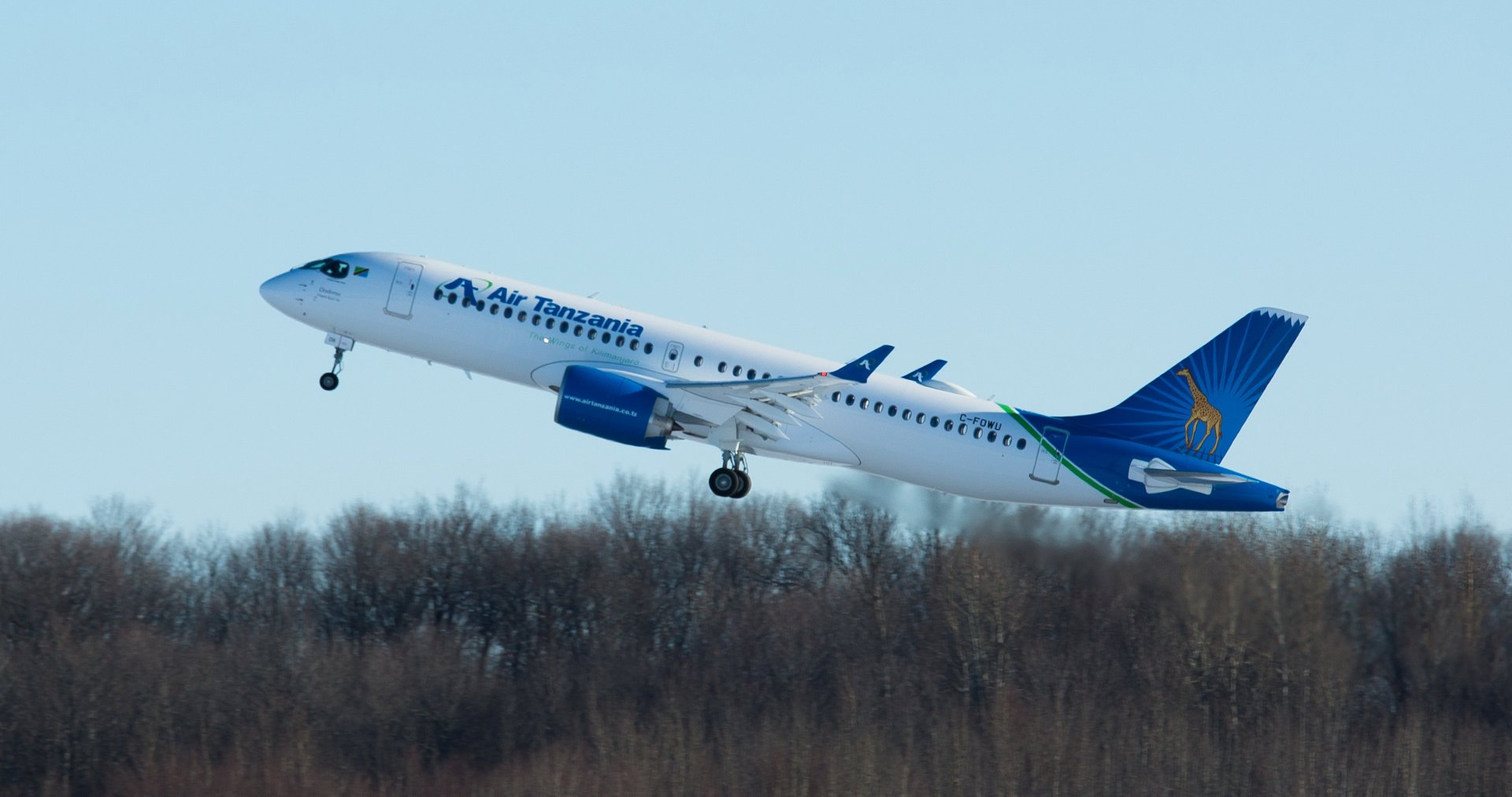
Resultado de imagen para Air Tanzania A220Air Tanzania volvió a introducir vuelos a Harare, República de Zimbabwe. La aerolínea nacional de Tanzania ha incorporado la ruta Dar es Salaam-Harare debido al aumento de flujo de tráfico hacia este país. Air Tanzania tendrá una frecuencia de tres veces a la semana (3Fq/S), los Martes, Jueves y Domingos, empleando la nueva aeronave regional Airbus A220-300. Air Tanzania es la primer compañía en entrar en operaciones el A220 en el continente africano, incorporando a Harare dentro de sus primeras rutas con esta aeronave.
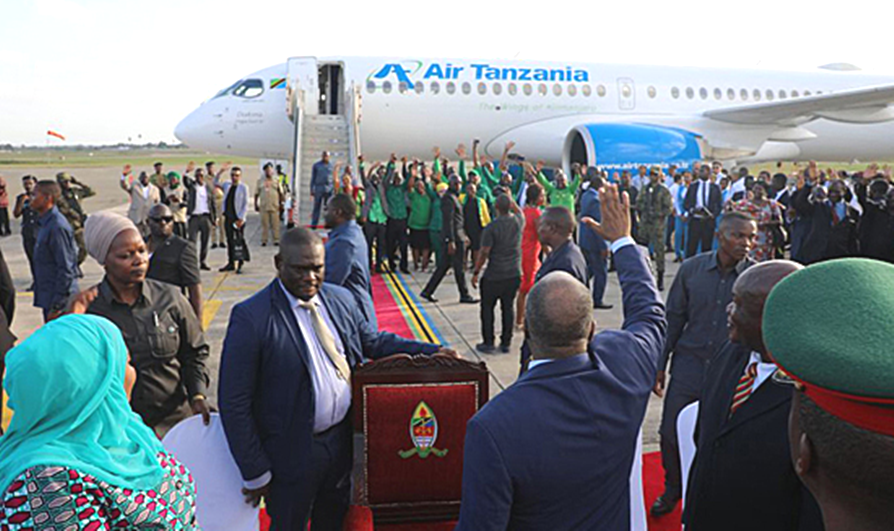
La ministra de Industria de Turismo y Hostelería de Zimbabwe, Prisca Mupfumira, dio la bienvenida al relanzamiento de la ruta aérea, abriendo un nuevo capítulo para la economía del país al mejorar las actividades comerciales y turísticas de Zimbabwe. «Se espera que este relanzamiento histórico abra un capítulo completo desde un punto de vista económico, ya que permite a nuestros ciudadanos disfrutar de nuestras diversas atracciones turísticas, que incluyen el Monte Kilimanjaro y Zanzíbar en Tanzania y, a nivel local, las majestuosas Cataratas Victoria y el Gran Zimbabue, así como la mejora del comercio y el comercio entre los dos países. Esta mayor conectividad facilitará que los turistas de todo el mundo visiten estas atracciones en beneficio de nuestros estados. La industria de la aviación desempeña un papel fundamental y es indispensable para el turismo, que se basa en servicios aéreos confiables y convenientes para facilitar la llegada de un gran número de turistas a una región o país».

Proyecciones

Se estima que poco más de la mitad de todos los turistas viajen en avión. El turismo relacionado con la aviación respalda un total de 35 millones de empleos en todo el mundo, contribuyendo así con más de $ 800 mil millones al PIB mundial. Regionalmente, el impacto del turismo puede ser aún más profundo con nuevos servicios aéreos que aumentan la propensión a viajar.

El Gobierno de Zimbabwe está trabajando en la liberalización de los mercados de transporte aéreo del país a medida que avanza para mejorar la conectividad del destino, comprometiendo la liberalización de los mercados de transporte aéreo con el objetivo de mejorar la conectividad del destino en beneficio de los viajeros. Zimbabwe ha firmado el Compromiso Solemne en el Mercado Único de Transporte Aéreo de África.

Por otro lado, RwandAir dice que a partir de Julio 2019 introducirá vuelos todos los días desde Harare a Ciudad del Cabo, mientras que también está considerando aprovechar otras rutas, que incluyen Victoria-Falls-Johannesburg, Mozambique y Zambia.AW-Icon-TXT-01

AW-700820002.pngAir Tanzania flies to Harare

Air Tanzania starts operations Dar es Salaam-Harare

Air Tanzania reintroduced flights to Harare, Republic of Zimbabwe. The national airline of Tanzania has incorporated the route Dar es Salaam-Harare due to the increase of traffic flow to this country. Air Tanzania will have a frequency of three times a week (3Fq/S), on Tuesdays, Thursdays and Sundays, using the new regional aircraft Airbus A220-300. Air Tanzania is the first company to enter into operations on the A220 on the African continent, incorporating Harare within its first routes with this aircraft.

The Minister of Tourism and Hospitality Industry of Zimbabwe, Prisca Mupfumira, welcomed the re-launch of the air route, opening a new chapter for the country’s economy by improving Zimbabwe’s commercial and tourist activities. «This historic re-launch is expected to open a whole chapter from an economic point of view, as it allows our citizens to enjoy our various tourist attractions, which include Mount Kilimanjaro and Zanzibar in Tanzania and, locally, the majestic Victoria Falls. and Greater Zimbabwe, as well as the improvement of trade and commerce between the two countries.This increased connectivity will make it easier for tourists from all over the world to visit these attractions for the benefit of our states.The aviation industry plays a fundamental role and is indispensable for tourism, which is based on reliable and convenient air services to facilitate the arrival of a large number of tourists to a region or country».

Projections

It is estimated that little more than half of all tourists travel by plane. Aviation-related tourism supports a total of 35 million jobs worldwide, contributing more than $ 800 billion to global GDP. Regionally, the impact of tourism can be even more profound with new air services that increase the propensity to travel.

The Government of Zimbabwe is working on the liberalization of the country’s air transport markets as it moves to improve the connectivity of the destination, compromising the liberalization of the air transport markets with the aim of improving the connectivity of the destination for the benefit of the Travellers. Zimbabwe has signed the Solemn Commitment in the Single African Air Transport Market.

On the other hand, RwandAir says that as of July 2019 it will introduce flights every day from Harare to Cape Town, while it is also considering taking advantage of other routes, including Victoria-Falls-Johannesburg, Mozambique and Zambia. A \ W


Ξ A I R G W A Y S Ξ
SOURCE: Airgways.com
DBk: Airtanzania.co.tz / Angelfire.com
AW-POST: 201902231228AR

A\W   A I R G W A Y S ®

JetSmart incorpora rutas en Argentina

Imagen relacionada

AW | 2019 02 22 15:34 | AIRLINES ROUTES

Resultado de imagen para jetsmart airlines pngJetSmart Airlines Argentina incorpora destinos Salta, Iguazú, Tucumán y Mendoza

JetSmart Airlines Argentina, parte del grupo de líneas aéreas del fondo de inversión estadounidense Indigo Partners, anunció la apertura de la ruta Iguazú-Salta. Desde el próximo 9 Mayo 2019, la aerolínea low-cost ampliará sus destinos vinculando en forma directa las terminales aéreas de Córdoba y Tucumán, con dos frecuencias semanales.

A partir de Abril 2019 la aerolínea JetSmart Airlines Argentina conectará Salta-Mendoza-Iguazú. La segunda low cost de Argentina iniciará su nueva ruta comercial el 22 Abril 2019 desde el Aeropuerto de Salta. JetSmart Airlines Argentina tendrá dos frecuencias entre el aeropuerto de El Palomar, Córdoba y Tucumán, posibilitando conexiones vía Córdoba con La Serena y Santiago de Chile.

JetSmart Airlines es la línea aérea sudamericana de bajo costo que maneja la flota más nueva de Airbus en toda América y opera en Argentina y Chile. Registra más de 2,5 millones de pasajeros transportados, según datos correspondientes al mes de Enero 2019. Entre sus objetivos, busca ofrecer las tarifas más bajas en toda Sudamérica, con la meta de llegar a 100 aviones y 100 millones de pasajeros en 2026.

AW-7000801Proyecciones hacia futuro

La aerolínea JetSmart Airlines estará enfocada en el mercado doméstico para los siguientes años. Con respecto al mercado internacional podrían estudiar abrir rutas de 2020 en adelante para poder identificar los mercados más rentables, según expresó Estuardo Ortiz, CEO de la aerolínea low cost. La compañía está inmersa en un cambio de cultura aérea: “Hay que romper la percepción de que low cost es low quality”.

Indigo Partners fue cofundado por Bill Franke y ha establecido varias aerolíneas de bajo costo en todo el mundo. Tiene su sede en Phoenix, Arizona. Indigo Partner Group es un fondo de inversión estadounidense con 20 años de experiencia en aviación, que tiene filiales en diferentes países. Indigo Partners LLC es una firma de capital privado que tiene una participación de control en Frontier Airlines, JetSmart en Chile, Volaris en México y aerolíneas europeas de bajo coste Wizz Air (Hungría), Wow Air (Islandia) y actualmente ha entrado al mercado en Argentina como JetSmart Airlines Argentina. El grupo está construyendo Enerjet para lanzar una nueva aerolínea canadiense de costo ultra bajo.AW-Icon-TXT-01


Resultado de imagen para jetsmart airlines pngJetSmart incorporates routes in Argentina

JetSmart Airlines Argentina incorporates destinations Salta, Iguazú, Tucumán and Mendoza

JetSmart Airlines Argentina, part of the airline group of the US investment fund Indigo Partners, announced the opening of the Iguazú-Salta route. From next May 9, 2019, the low-cost airline will expand its destinations by directly linking the air terminals of Córdoba and Tucumán, with two weekly frequencies.

As of April 2019, the airline JetSmart Airlines Argentina will connect Salta-Mendoza-Iguazú. The second low cost of Argentina will start its new commercial route on April 22, 2019 from Salta Airport. JetSmart Airlines Argentina will have two frequencies between the airport of El Palomar, Córdoba and Tucumán, enabling connections via Córdoba with La Serena and Santiago de Chile.

JetSmart Airlines is the low cost South American airline that handles the newest Airbus fleet in the Americas and operates in Argentina and Chile. Registers more than 2.5 million passengers transported, according to data for the month of January 2019. Among its objectives, it seeks to offer the lowest fares in all of South America, with the goal of reaching 100 aircraft and 100 million passengers in 2026.

AW-7000800Projections towards the future

The airline JetSmart Airlines will be focused on the domestic market for the following years. With regard to the international market could study open routes from 2020 on to identify the most profitable markets, said Estuardo Ortiz, CEO of the low cost airline. The company is immersed in a change of air culture: «We must break the perception that low cost is low quality».

Indigo Partners was co-founded by Bill Franke and has established several low-cost airlines around the world. It is headquartered in Phoenix, Arizona. Indigo Partner Group is an American investment fund with 20 years of experience in aviation, which has subsidiaries in different countries. Indigo Partners LLC is a private equity firm that has a controlling interest in Frontier Airlines, JetSmart in Chile, Volaris in Mexico and low cost European airlines Wizz Air (Hungary), Wow Air (Iceland) and has currently entered the market in Argentina as JetSmart Airlines Argentina. The group is building Enerjet to launch a new Canadian airline with ultra low cost. A \ W


Ξ A I R G W A Y S Ξ
SOURCE: Airgways.com
DBk: Jetsmart.com / Airgways.com
AW-POST: 20190221534AR

A\W   A I R G W A Y S ®