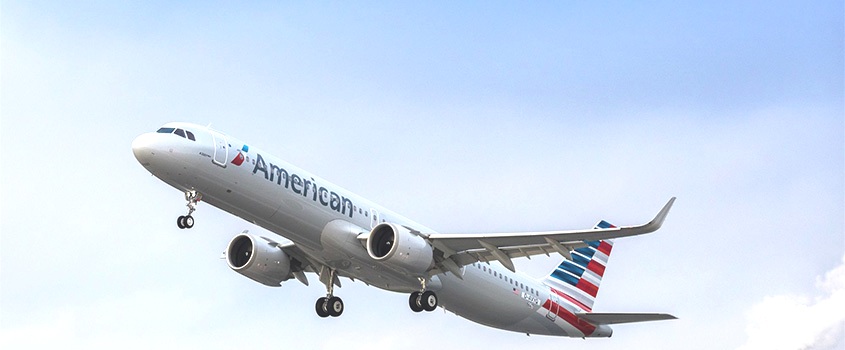
American introduce el Airbus A321NEO

Resultado de imagen para American A321neoAW | 2019 04 08 05:47 | AIRLINES / INDUSTRY

Logo_Airbus_2014.svgAmerican Airlines presenta discretamente al nuevo A321NEO

AW-70099433.jpgAmerican Airlines ha incorporado a su flota el nuevo avión narrowbody Airbus A321NEO a su flota de manera discreta y sin un comunicado de prensa. El primer vuelo fue el AA-682 en la ruta Phoenix-Orlando el Martes 2 Abril 2019.

aa_aa_ahz_tm_rgb_grd_pos.jpgAmerican ha pedido 100 aviones A321NEO y pronto los colocará en las rutas existentes. American ha promocionado las nuevas incorporaciones a la serie tradicional A321, con asientos con entretenimiento inalámbrico gratuito y televisión en vivo transmitida directamente al dispositivo de cada cliente. El avión cuenta con Wi-Fi de alta velocidad de puerta a puerta, junto con soportes de respaldo incorporados para tabletas y teléfonos.

La aerolínea dijo que también hay un interior de cabina completamente nuevo diseñado para una mayor comodidad y conveniencia para el pasajero, que incluye compartimentos de equipaje más grandes para el espacio aéreo Airspace XL que aumentan la capacidad del equipaje de mano. «Trabajamos estrechamente con Airbus para desarrollar esta configuración de cabina con las características que nuestros clientes desean, incluidas las bandejas aéreas Airbus XL, que son las más grandes disponibles para este avión y tienen 65 por ciento más maletas que nuestras A321 anteriores. El vuelo de hoy es la culminación de años de planificación y trabajo para asegurarnos de que este avión sea adecuado para todos a bordo, y creemos que a los clientes y miembros del equipo les va a encantar», Janelle Anderson, Vicepresidenta de Marketing de American Airlines para las Américas, expresó en un comunicado.

La configuración del nuevo avión A321NEO es de 196 asientos, un aumento de 15 asientos con respecto al A321CEO. Sin embargo, algunos han notado que 15 asientos más, incluyendo cuatro en Primera Clase, significa menos espacio para las piernas. American respondió que al señalar que hay 47 asientos adicionales en la cabina principal de la cabina extra, más que cualquier otro avión doméstico de American.

Airbus, en su propio comunicado de prensa, señaló que «el diseño de cabina seleccionado de American le permite a la aerolínea una mayor flexibilidad en la disposición de los asientos y el uso del espacio de la cabina». Ingo Wuggetzer, vicepresidente de mercadotecnia de Airbus, dijo: «Estamos muy contentos de que los primeros aviones A321 de American Airlines con las bandejas Airspace XL estén ahora en servicio. Trabajamos constantemente con clientes de aerolíneas para mejorar nuestras cabinas de aeronaves, y American, en particular, jugó un papel fundamental con nosotros en el desarrollo de nuestros compartimientos superiores más grandes y mejores hasta la fecha».AW-Icon-TXT-01

AW-700344.jpgAmerican introduces the Airbus A321NEO

AW-A321neo_logoAmerican Airlines discreetly presents the new A321NEO

American Airlines has added to its fleet the new Narrowbody Airbus A321NEO aircraft discreetly and without a press release. The first flight was the AA-682 on the Phoenix-Orlando route on Tuesday, April 2, 2019.

American has ordered 100 A321NEO aircraft and will soon place them on existing routes. American has promoted new additions to the traditional A321 series, with seats with free wireless entertainment and live television broadcast directly to each customer’s device. The aircraft has high-speed Wi-Fi from door to door, along with built-in backup brackets for tablets and phones.

The airline said there is also a completely new cabin interior designed for greater comfort and convenience for the passenger, which includes larger luggage compartments for Airspace XL airspace that increase the capacity of carry-on luggage. «We work closely with Airbus to develop this cabin configuration with the features our customers want, including the Airbus XL air trays, which are the largest available for this aircraft and have 65 percent more luggage than our previous A321. today is the culmination of years of planning and work to make sure that this airplane is suitable for everyone on board, and we believe that customers and team members will love it», Janelle Anderson, Vice President of Marketing for American Airlines for the Americas, he said in a statement.

The configuration of the new aircraft A321NEO is 196 seats, an increase of 15 seats with respect to the A321CEO. However, some have noticed that 15 more seats, including four in First Class, means less legroom. American responded by noting that there are 47 additional seats in the main cabin of the extra cabin, more than any other American domestic aircraft.

Airbus, in its own press release, noted that «American’s selected cabin design allows the airline greater flexibility in the arrangement of seats and the use of cabin space». Ingo Wuggetzer, vice president of marketing at Airbus, said: «We are very pleased that the first American Airlines A321 aircraft with the Airspace XL trays are now in service, we are constantly working with airline customers to improve our aircraft cabins, and American, in particular, he played a key role with us in the development of our largest and best top bins to date». A \ W


Ξ A I R G W A Y S Ξ
SOURCE: Airgways.com
DBk: Airbus.com / Aa.com / Airgways.com
AW-POST: 201904080547AR

A\W   A I R G W A Y S ®

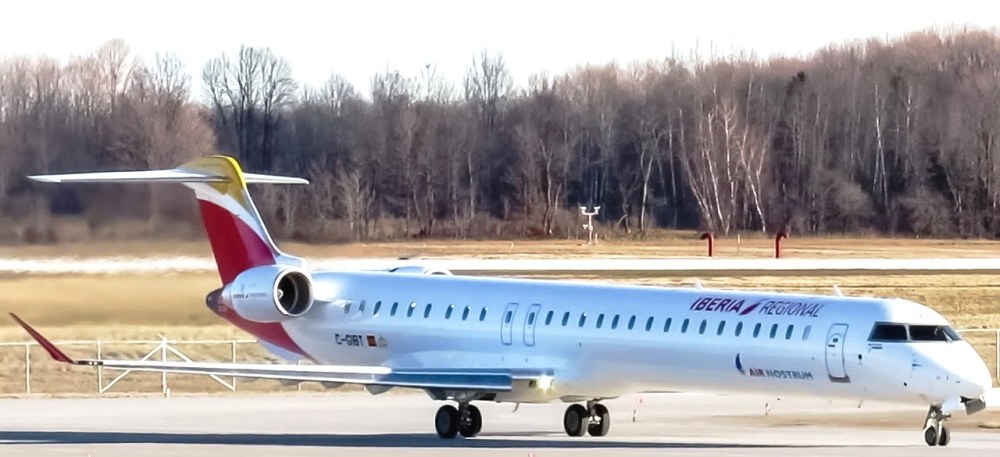
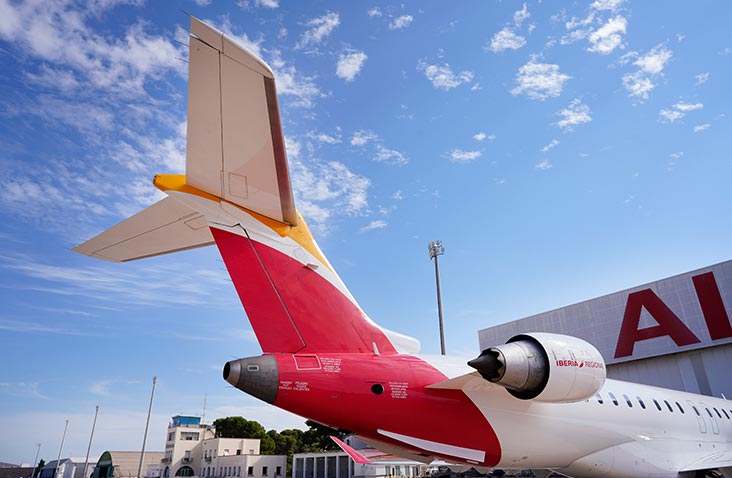
SEPLA convoca huelga en Air Nostrum

AW-7000008722.jpgAW | 2019 04 07 20:30 | AIRLINES

Image result for air nostrum logoSEPLA anuncia huelga en Air Nostrum por supuesto vaciamiento

El Sindicato SEPLA de España ha anunciado para los días 15, 16, 17, 22, 23 y 24 Abril 2019 para llevar a cabo una nueva huelga en Air Nostrum por el motivo de un vaciamiento. Los pilotos de Air Nostrum volverán a la huelga según ha anunciado Luis Ángel Ramos, Jefe de la Sección Sindical de SEPLA para la aerolínea regional Air Nostrum.

Image result for seplaSegún el comunicado del sindicato, se estuvo negociando con Air Nostrum hasta el Jueves 4 Abril 2019 motivando a la huelga por el desvío de los recursos de producción a otras aerolíneas creadas por sus mismos propietarios, lo que supone una amenaza directa a las condiciones laborales, la progresión profesional y el trabajo de los pilotos de Air Nostrum al dejar la compañía cada vez con menos medios para realizar su actividad. A pesar de los pactos alcanzados con SEPLA para limitar la externalización de los recursos, Air Nostrum ha seguido incrementándola sin ningún tipo de límite, contabilizando el traslado de 8 aeronaves hacia otra flota de aerolínea del grupo en lo que va en un año y medio.

El Sindicato SEPLA ha realizado un comunicado hacia la aerolínea Air Nostrum: “La Sección Sindical de SEPLA en Air Nostrum pide a la compañía un acuerdo que regule el desvío de la producción, como por ejemplo tiene Iberia con Iberia Express. De hecho se pactó un acuerdo de estas características el pasado junio, pero Air Nostrum viene incumpliéndolo sistemáticamente desde entonces. Nos hemos reunido hasta 42 veces para llegar a un acuerdo y por desgracia nos vemos abocados a esta medida por la indiferencia de la compañía”.

El delegado sindical de SEPLA en Air Nostrum, Enrique Fajardo, ha señalado: “La reducción de la producción merma la actividad de la compañía y, sin actividad, los puestos de trabajo se ven amenazados. Se están llevando un pedazo cada vez más grande de la tarta y nosotros lo único que pedimos es que se haga siguiendo unas reglas pactadas con nosotros, como ya tienen otras compañías como Iberia y Air Europa con sus filiales Express”.

Air Nostrum, por otro lado expresó que “considera absolutamente desproporcionada la huelga convocada, ha contestado a esta convocatoria de huelga señalando que el sindicato ha recurrido a esta radical medida en plena negociación y cuando se habían acercado posiciones. Las importantes concesiones de la empresa han ido seguidas de forma inmediata por nuevas reivindicaciones sindicales”.

Carlos Bertomeu, Presidente de Air Nostrum ha manifestado: “Tomar como rehenes a los pasajeros y complicarles las vacaciones para tener una posición de fuerza en la negociación es una estrategia inaceptable que además no tiene ningún sentido cuando se estaba tan cerca de alcanzar un acuerdo. Aunque posteriormente fuese desconvocada, el simple anuncio de la huelga, ya perjudica a la entrada de reservas. La agresividad de la medida no se corresponde con el punto en el que se encuentra la negociación y en este sentido ha iniciado las acciones legales oportunas para pedir daños y perjuicios al sindicato SEPLA por incumplimiento del acuerdo firmado ante el SIMA (Servicio de Intermediación Mediación y Arbitraje) el 7 de diciembre de 2018, por el cual el citado sindicato se comprometía a no convocar huelga por causas vinculadas a la negociación del convenio, y este es clarísimamente el caso. La empresa se había comprometido a importantes concesiones en temas salariales y de producción. Pero cada vez que la compañía cedía a una petición y se alcanzaba un principio de acuerdo, la sección sindical del SEPLA ponía sobre la mesa nuevas reivindicaciones dado que su pretensión era mejorar sus condiciones a cualquier precio”.

A estas declaraciones, desde el sindicato Sepla contestaron señalando que los días de huelga: “se convocan para llegar a un acuerdo con la compañía que regule la externalización de la producción. El motivo de la huelga no es otro que la negativa de la empresa a cerrar un acuerdo que garantice el cumplimiento de lo pactado el 14 de junio de 2018, sobre el desvío de la producción. Air Nostrum insiste en mantener abierto este conflicto, que ya provocó una huelga el pasado noviembre y otra convocatoria en diciembre, que se desconvocó posteriormente tras un preacuerdo que no fue ratificado por el colectivo de pilotos. Desde entonces, Air Nostrum ha acelerado esta externalización, sacando producción de la franquicia de Iberia a otras empresas. Sepla considera que el desvío de la producción es una amenaza directa a las condiciones laborales de los pilotos de Air Nostrum, por lo que recurre a estos paros con el único fin de impedir que se siga haciendo como hasta ahora. En ningún caso esta protesta tiene que ver con la negociación del convenio colectivo”.AW-Icon-TXT-01

Image result for air nostrum Iberia regionalSEPLA calls strike at Air Nostrum

Image result for air nostrum logoSEPLA announces strike in Air Nostrum of course emptying

The SEPLA Union of Spain has announced for the days 15, 16, 17, 22, 23 and 24 April 2019 to carry out a new strike in Air Nostrum for the reason of an emptying. The Air Nostrum pilots will go on strike again as announced by Luis Ángel Ramos, Chief of the Trade Union Section of SEPLA for the regional airline Air Nostrum.

According to the union’s statement, negotiations were held with Air Nostrum until Thursday, April 4, 2019, motivating the strike due to the diversion of production resources to other airlines created by their owners, which poses a direct threat to working conditions. the professional progression and the work of the Air Nostrum pilots when leaving the company every time with less means to carry out their activity. In spite of the agreements reached with SEPLA to limit the outsourcing of resources, Air Nostrum has continued to increase it without any type of limit, accounting for the transfer of 8 aircraft to another group’s airline fleet for a year and a half.

The SEPLA Union has made a statement to the airline Air Nostrum: «The Union Section of SEPLA in Air Nostrum asks the company for an agreement that regulates the diversion of production, as for example Iberia has with Iberia Express. In fact, an agreement of these characteristics was agreed on last June, but Air Nostrum has systematically failed to comply with it since then. We have met up to 42 times to reach an agreement and unfortunately we are led to this measure by the indifference of the company».

The union delegate of SEPLA in Air Nostrum, Enrique Fajardo, has indicated: «The reduction of the production reduces the activity of the company and, without activity, the jobs are threatened. They are taking a bigger and bigger piece of the cake and we only ask that it be done according to agreed rules with us, as other companies such as Iberia and Air Europa have with their Express subsidiaries».

Air Nostrum, on the other hand, said that «it considers the strike strike absolutely disproportionate, has answered this call for strike, saying that the union has resorted to this radical measure in full negotiation and when positions had been approached. The important concessions of the company have been followed immediately by new union demands».

Carlos Bertomeu, President of Air Nostrum said: «Taking passengers hostage and complicating the holidays to have a position of strength in the negotiation is an unacceptable strategy that also makes no sense when you were so close to reaching an agreement. Although it was subsequently dismissed, the simple announcement of the strike already harms the entry of reserves. The aggressiveness of the measure does not correspond to the point where the negotiation is and in this sense has initiated the appropriate legal actions to request damages to the union SEPLA for breach of the agreement signed with the SIMA (Mediation and Mediation Service). Arbitration) on December 7, 2018, by which the aforementioned union undertook not to call a strike for causes related to the negotiation of the agreement, and this is clearly the case. The company had committed to important concessions in salary and production issues. But every time the company yielded to a request and a principle of agreement was reached, the union section of SEPLA put new demands on the table, since its aim was to improve its conditions at any price».

To these statements, from the union Sepla responded by noting that the strike days: «are convened to reach an agreement with the company to regulate the outsourcing of production. The reason for the strike is none other than the refusal of the company to close an agreement that guarantees compliance with the agreement reached on June 14, 2018, on the diversion of production. Air Nostrum insists on maintaining open this conflict, which already provoked a strike last November and another call in December, which was subsequently dismissed after a pre-agreement that was not ratified by the group of pilots. Since then, Air Nostrum has accelerated this outsourcing, taking production from the Iberia franchise to other companies. Sepla considers that the diversion of production is a direct threat to the working conditions of Air Nostrum pilots, so it resorts to these stoppages with the sole purpose of preventing it from continuing to be done as before. In no case this protest has to do with the negotiation of the collective agreement». A \ W


Ξ A I R G W A Y S Ξ
SOURCE: Airgways.com
DBk: Sepla.es / Airnostrum.es / Iberia.com
AW-POST: 20190402030AR

A\W   A I R G W A Y S ®

Adria cancela orden por 15 SSJ-100

Resultado de imagen para SSJ-100 Adria Airways

AW | 2019 04 07 06:56 | AIRLINES / INDUSTRY

Resultado de imagen para adria airways logoAdria Airways cancela el pedido de Sukhoi Superjet SSJ100

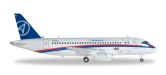
10106.jpgLa aerolínea europea Adria Airways ha cancelado recientemente una orden por 15 Sukhoi SSJ-100 a Sukhoi Civil Aircraft Company (SCAC). La aerolínea con sede en el Aeropuerto de Ljubljana firmó un Memorando de Entendimiento (MoU) con el fabricante ruso de aeronaves el 26 Noviembre 2018 para el arrendamiento a largo plazo de 15 Resultado de imagen para Sukhoi aircraft logoSSJ100. El comunicado de Adria Airways expresa que revoca el acuerdo debido a las dudas sobre la capacidad de Sukhoi para comprometerse a una asociación justa y estable a largo plazo acerca de su capacidad de apoyo postventa.

La aerolínea se había estado preparando intensamente para la llegada de la aeronave, pero los accionistas y la gerencia decidieron que ya no podían comprometerse con el acuerdo. «Naturalmente, nos decepciona que la colaboración con Sukhoi no haya llegado a una conclusión exitosa, pero la asociación solo fue viable si los objetivos establecidos por el plan estratégico de negocios eran alcanzables. Desafortunadamente, en este caso, no creímos que esto sea posible», dijo Holger Kowarsch, el Director General de Adria Airways.

Tras el colapso del acuerdo, Adria Airways continuará enfocándose en su red de rutas programada existente con su actual flota de aviones. La aerolínea también ha sido contratada recientemente por la aerolínea alemana Lufthansa en régimen wetlease para operar algunos vuelos fuera de Alemania. Austrian Airlines también está arrendando en mojado dos Bombardier CRJ-900 de una aerolínea eslovena.

Tras la cancelación de Adria después de muchas especulaciones de la prensa de que la aerolínea mexicana Interjet estaba a punto de devolver toda su flota de 22 SSJ-100, 16 de las cuales están actualmente conectadas a tierra por la aerolínea. Muchos de estos aviones están fuera de servicio debido a problemas mecánicos con los motores PowerJet SaM146 e Interjet no ha pagado las reparaciones.

Sin embargo, SCAC ha negado las noticias que advierten sobre el regreso de la flota de Interjet, diciendo que «No hay planes para devolver el avión. Interjet, el operador del SSJ-100, planea una nueva operación del SSJ100. SCAC y PowerJet, el fabricante de los motores, ofreció al operador varias soluciones para que la operación del SSJ100 fuera más eficiente. La aerolínea actualmente está considerando la oferta».

Actualmente, hay aproximadamente 138 SSJ100 en funcionamiento, 105 con aerolíneas y operadores rusos y 33 con otras aerolíneas. En Rusia, el avión pasa volando, Aeroflot, Gazrpomavia, Yakutiya, Yamal, IrAero, Azimut, Severstal, Ministerio de Asuntos Internos de Rusia, EMERCOM, Escuadrilla del Gobierno, RusJet. Fuera de Rusia, los twinjets son operados por Interjet, CityJet, Thai Royal Airforce y las estructuras gubernamentales de Kazajstán. Sin embargo, CityJet canceló la mitad de su orden y las 6 aeronaves restantes están almacenadas actualmente. Cualquier decisión sobre el retorno de la aeronave solo sería posible después de intensas negociaciones y consultas multilaterales.AW-Icon-TXT-01

Resultado de imagen para SSJ-100 Adria AirwaysAdria cancels order for 15 Sukhoi SSJ-100

Adria Airways cancels Sukhoi Superjet SSJ100 order

Resultado de imagen para adria airways logoThe European airline Adria Airways has recently canceled an order for 15 Sukhoi SSJ-100 from Sukhoi Civil Aircraft Company (SCAC). The airline based at the Ljubljana Airport signed a Memorandum of Understanding (MoU) with the Russian aircraft manufacturer on November 26, 2018 for the long-term lease of 15 SSJ100. The Adria Airways statement states that it revokes the agreement due to doubts about Sukhoi’s ability to commit to a fair and stable long-term partnership regarding its after-sales support capacity.

The airline had been preparing intensively for the arrival of the aircraft, but the shareholders and management decided that they could no longer commit to the agreement. «Naturally, we are disappointed that the collaboration with Sukhoi has not reached a successful conclusion, but the partnership was only viable if the objectives established by the strategic business plan were achievable, unfortunately, in this case, we did not believe that this is possible», said Holger Kowarsch, the CEO of Adria Airways.

Following the collapse of the agreement, Adria Airways will continue to focus on its existing scheduled route network with its current fleet of aircraft. The airline has also been recently hired by the German airline Lufthansa on wetlease regime to operate some flights outside Germany. Austrian Airlines is also leasing two Bombardier CRJ-900s from a Slovenian airline in the wet.

After the cancellation of Adria after much speculation in the press that the Mexican airline Interjet was about to return all its fleet of 22 SSJ-100, 16 of which are currently connected to the ground by the airline. Many of these aircraft are out of service due to mechanical problems with the PowerJet SaM146 engines and Interjet has not paid for the repairs.

However, SCAC has denied the news warning about the return of the Interjet fleet, saying that «there are no plans to return the plane. Interjet, the operator of the SSJ-100, plans a new operation of the SSJ100, SCAC and PowerJet, The manufacturer of the engines offered the operator several solutions to make the operation of the SSJ100 more efficient, the airline is currently considering the offer».

Currently, there are approximately 138 SSJ100 in operation, 105 with Russian airlines and operators and 33 with other airlines. In Russia, the plane flies by, Aeroflot, Gazrpomavia, Yakutiya, Yamal, IrAero, Azimut, Severstal, Ministry of Internal Affairs of Russia, EMERCOM, Government Squadron, RusJet. Outside of Russia, twinjets are operated by Interjet, CityJet, Thai Royal Airforce and Kazakhstan’s government structures. However, CityJet canceled half of its order and the remaining 6 aircraft are currently stored. Any decision on the return of the aircraft would only be possible after intense negotiations and multilateral consultations. A \ W


Ξ A I R G W A Y S Ξ
SOURCE: Airgways.com
DBk: Adria.si / Scac.ru / Aerotime.aero / Hmgaerospace.com
AW-POST: 201904070656AR

A\W   A I R G W A Y S ®

Hawaiian inaugura vuelo más largo

AW-70880100.jpg

AW | 2019 04 07 06:38 | AIRLINES ROUTES

Image result for hawaiian airlinesHawaiian Airlines inauguró el servicio más largo uniendo Honolulu-Boston

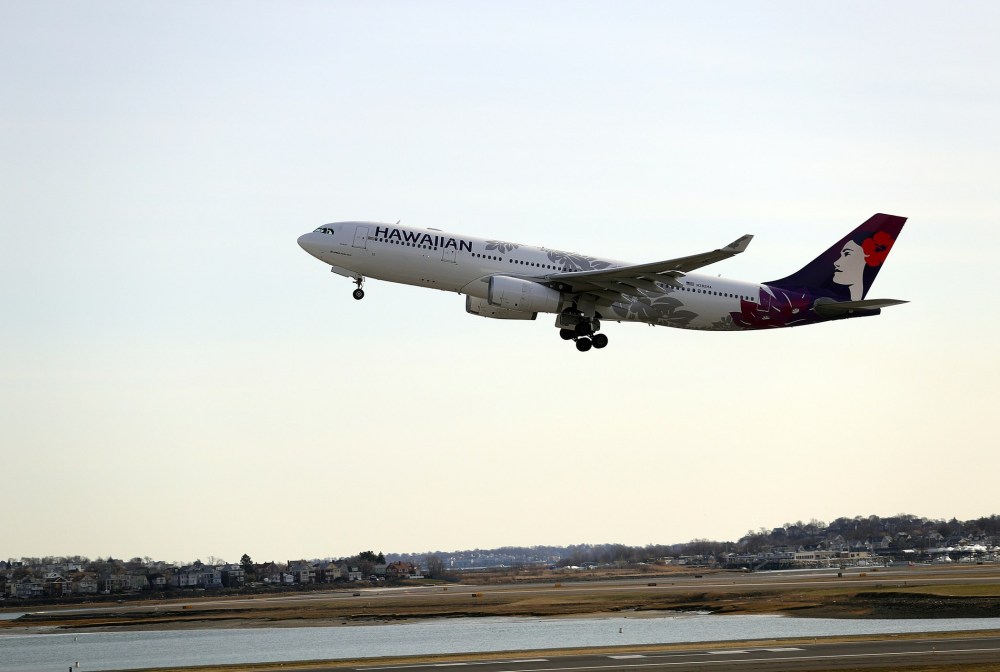
Hawaiian Airlines inauguró el vuelo más largo dentro de los Estados Unidos. El Viernes 4 Abril 2019 el vuelo HAL-090 de Hawaiian Airlines marcó un hito en la historia al inaugurar la ruta nacional más larga en la historia de los Estados Unidos, despegando desde el Aeropuerto Internacional Daniel K. Inouye (HNL) de Honolulu el día jueves y llegando al Aeropuerto Internacional Logan de Boston (BOS) el viernes por la mañana. La duración del vuelo fue de aproximadamente 10 horas para viajar desde Honolulu a Boston, mientras que vuelo de regreso toma alrededor casi 12 horas.

La aerolínea hawaiana utiliza aeronaves Airbus A330-200 para realizar la ruta. La configuración de la aeronave es de 68 asientos Extra Comfort en la cabina principal, con un espacio de 36 pulgadas y 18 asientos de cuero en primera clase totalizando 86 asientos para cubrir una distancia de casi 8.400 kilómetros de autonomía.

AW-7009000.png«Como aerolínea de Hawaii, nos enorgullecemos de compartir nuestro amor por estas islas, y al dar la bienvenida a nuestros huéspedes más nuevos de la costa este, confiamos en que descubrirán que sus vacaciones comienzan y terminan con nosotros. También queremos ayudar a los residentes de Hawai a llegar a donde quieren ir, y sabemos que la gente aquí viaja a Nueva Inglaterra con frecuencia», dijo en un comunicado el Presidente de Hawaiian Airlines y CEO Peter Ingram.

La ruta Boston-Honolulu es ahora el vuelo interestatal más largo de los Estados Unidos con una distancia de 5.095 millas (8.199,60 KM). La demanda del recorrido Honolulu-Boston es de 10 horas y el retorno de unas 11,5 horas viajar Boston-Honolulu. Con la diferencia horaria, el vuelo saldrá de Boston por la mañana y seguirá llegando a Hawai a última hora de la tarde ese mismo día.

«En nombre de la Commonwealth, nos complace dar la bienvenida a Hawaiian Airlines a Massachusetts. Este nuevo servicio brindará acceso a nuevos mercados para empresas y conectará dos destinos emocionantes para viajeros en ambos estados», dijo el Gobernador de Massachusetts, Charlie Baker, en un comunicado.AW-Icon-TXT-01

Resultado de imagen para Hawaiian Airlines A330 Honolulu BostonHawaiian opens longer flight

Hawaiian Airlines inaugurated the longest service joining Honolulu-BostonImagen relacionada

Hawaiian Airlines inaugurated the longest flight within the United States. On Friday 4 April 2019 the Hawaiian Airlines HAL-090 flight marked a milestone in history by inaugurating the longest national route in the history of the United States, taking off from the Daniel K. Inouye International Airport (HNL) of Honolulu on the day Thursday and arriving at Boston Logan International Airport (BOS) on Friday morning. The duration of the flight was approximately 10 hours to travel from Honolulu to Boston, while return flight takes around almost 12 hours.

The Hawaiian airline uses Airbus A330-200 aircraft to make the route. The configuration of the aircraft is 68 seats Extra Comfort in the main cabin, with a space of 36 inches and 18 leather seats in first class totalizing 86 seats to cover a distance of almost 8,400 kilometers of autonomy.

«As Hawaii’s airline, we are proud to share our love for these islands, and by welcoming our newest guests from the East Coast, we are confident that you will discover that your vacation begins and ends with us. from Hawaii to get where they want to go, and we know that people here travel to New England frequently», Hawaiian Airlines President and CEO Peter Ingram said in a statement.

The Boston-Honolulu route is now the longest interstate flight in the United States with a distance of 5,095 miles (8,199.60 KM). The demand for the Honolulu-Boston route is 10 hours and the return of about 11.5 hours to travel Boston-Honolulu. With the time difference, the flight will leave Boston in the morning and continue arriving in Hawaii late that afternoon.

«On behalf of the Commonwealth, we are pleased to welcome Hawaiian Airlines to Massachusetts, this new service will provide access to new markets for businesses and connect two exciting destinations for travelers in both states», said Massachusetts Governor Charlie Baker, a statement. A \ W


Ξ A I R G W A Y S Ξ
SOURCE: Airgways.com
DBk: Hawaiianairlines.com / Bizjournals.com
AW-POST: 201904070638AR

A\W   A I R G W A Y S ®

Boeing recorta producción de 737 MAX

AW-70080787889.jpg

AW | 2019 04 06 22:12 | INDUSTRY

FK,4923,36,737-max-round-pinBoeing-Company-LogoBoeing reduce la producción de la línea 737 MAX para enfocarse en solucionar fallos

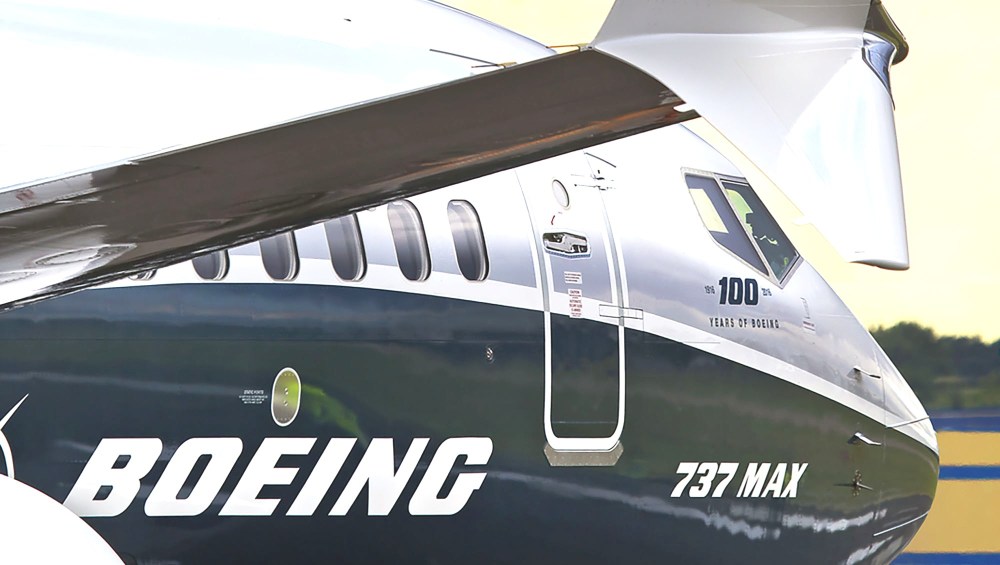
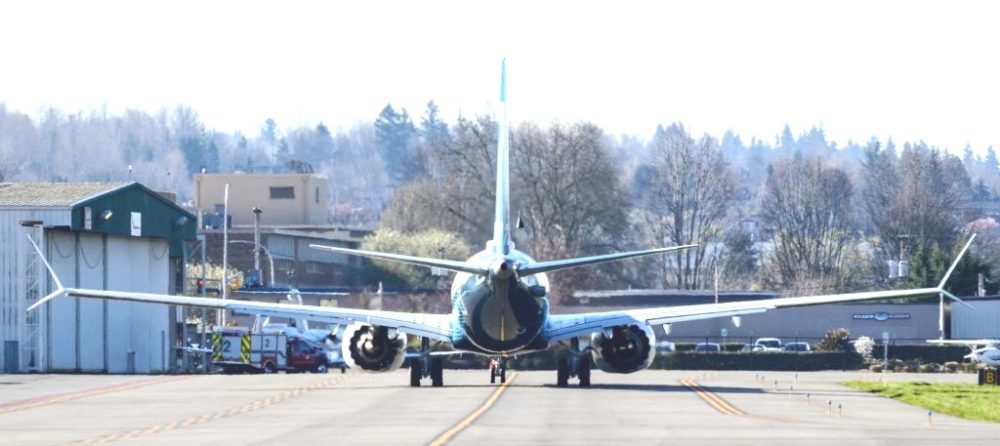
The Boeing Commercial Airplanes dijo el Viernes 5 Abril 2019 que estaba desacelerando la producción de su Boeing 737 MAX y estableciendo un nuevo comité de seguridad interno luego de que dos de los aviones se involucraron en accidentes aéreos en cinco meses.

La compañía americano Boeing comunicó la reducción de la tasa de producción de la línea Boeing 737 MAX de 52 actuales a 42, dijo el Presidente Ejecutivo de Boeing, Dennis A. Muilenburg. La línea 737 NG (Next Generation) no será sustancialmente afectada, pero los pedidos van en decrecimiento en reemplazo de la cuarta generación más moderna. La versión militar P-8 Poseidon como la P-8 Neptune no sufrirá modificaciones en la cartera de pedidos actuales.

Comité interno Seguridad

Boeing establecerá un comité interno de seguridad en su junta directiva para revisar cómo se desarrolla y construye los aviones. La compañía está realizando los movimientos de fiscalización teniendo presente la escalada de crisis tras los accidentes aéreos de dos aeronaves Boeing 737-8 MAX que estuvieron involucradas, el vuelo JT-610 de Lion Air en Indonesia el 29 Octubre 2018 y el vuelo ET-302 de Ethiopian Airlines el 10 Marzo 2019.

AW-77778-Leehamnews.jpegAW-70032-Heralnet.jpg

Carencia en línea producción

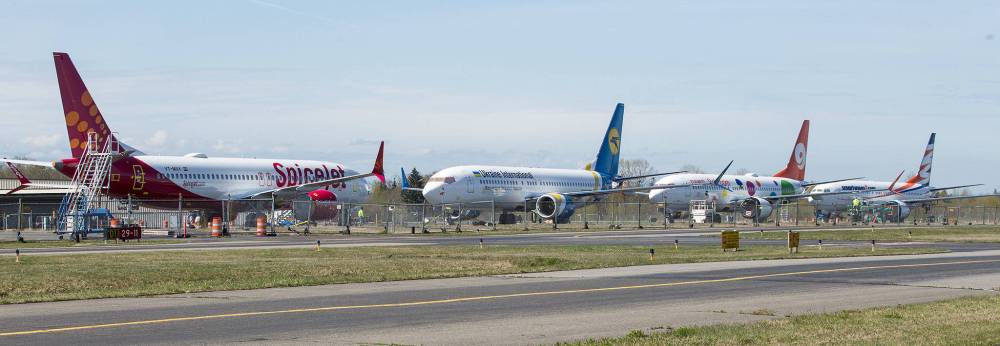
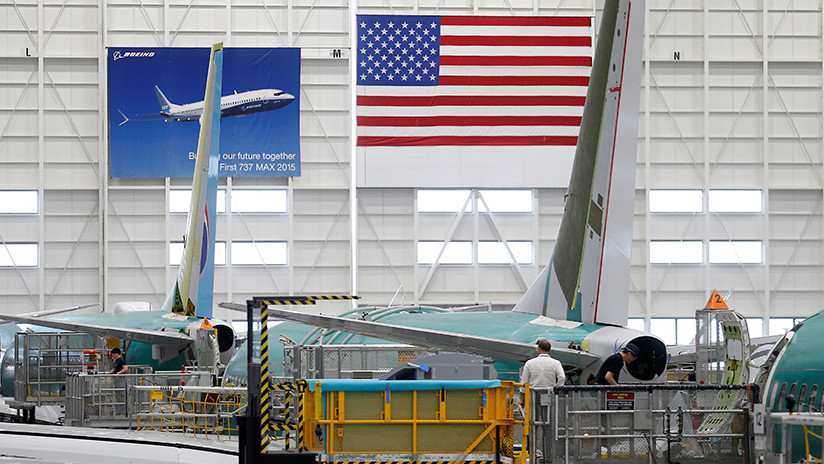
Tras la puesta a tierra de los Boeing 737 MAX en el mundo, la compañía americana vio resentida las entregas de las modernas aeronaves por lo se vio afectada en consecuencia la línea de producción tanto en Wichita, Texas, como así en Renton, Washington. La compañía ha estado almacenando aviones terminados en Renton y en las cercanías de Seattle.

AW-700000772M.png

El anuncio se produjo un día después de que los funcionarios etíopes publicaran su Informe Preliminar sobre el accidente del 10 Marzo 2019 del vuelo ET-302 de Ethiopian Airlines. Boeing ha emitido el comunicado de reducir la producción de 52 a 42 aviones por mes, que representan un 20% de la línea de producción, lo que le permitiría dedicar más recursos al proceso de certificación de software, sin afectar los empleos de los trabajadores en el Programa 737.

Boeing está desacelerando la producción de su aeronave estrella el Boeing 737 MAX y estableciendo un nuevo comité de seguridad interno para fiscalizar y monitorear la seguridad de manera más eficaz.

Competencia retrasada

El Boeing 737 MAX fue presentado en 2011, mientras el fabricante estadounidense se apresuraba a competir con su rival europeo el Airbus A320NEO. La cartera de pedidos del 737 MAX se convirtió en el avión más vendido de la Boeing valorados en unos US$ 100 millones de dólares. Las aerolíneas de todo el mundo tienen miles de pedidos pendientes para el avión Boeing 737 MAX, que representan miles de millones de dólares para los resultados de Boeing en los próximos años.

Declaración de Boeing

El CEO de Boeing, Dennis A. Muilenburg reconoció que el nuevo software anti-stall MCAS jugó un papel en los accidentes. «Tenemos la responsabilidad de eliminar este riesgo y sabemos cómo hacerlo. La seguridad es nuestra responsabilidad, y nos pertenece. Cuando el 737 MAX regrese a los cielos, les prometemos a nuestros clientes de las aerolíneas y sus pasajeros y tripulaciones que será tan seguro como cualquier avión para volar».

Actualizando software

Las Investigaciones Preliminares ahora indican que ambos aviones accidentados indicaron que después de que se activara el software antibloqueo Maneuvering Characteristics Augmentation System (MCAS) del Boeing 737-8 MAX debido a datos erróneos que enviaron a los aviones a inmersiones en la nariz irrecuperables.

El software MCAS incorporado a la cuarta generación del Boeing 737 tiene el propósito de compensar la corrección de balanceo del fuselaje en su eje longitudinal debido a que sus motores de mayor envergadura afectan el centro de gravedad de la aeronave cambiando la aerodinámica del avión, lo que plantea la posibilidad de que pudiera detenerse en algunas circunstancias.

Los ingenieros de Boeing comenzaron a trabajar en una actualización de software después del accidente del vuelo JT-610 de Lion Air, pero la compañía y los reguladores de la aviación en varios países consideraron que el 737 MAX seguía siendo seguro para volar. Aunque muchos pilotos no habían sido informados sobre el nuevo y poderoso software antes del accidente en Indonesia, Boeing dijo que era posible manejar una falla si los pilotos seguían un conjunto de instrucciones que emitió después de ese accidente. Ese reclamo, que fue respaldado por la Administración Federal de Aviación (FAA), ahora está bajo escrutinio.

El Jueves 4 Abril 2019, las autoridades de la Bureau d’Enquête Analyse (BEA) publicaron un Informe Preliminar de la investigación y encontraron que los pilotos en ese accidente inicialmente habían seguido las instrucciones en la lista de verificación de emergencia del Boeing 737-8 MAX. Las autoridades de la aviación de Etiopía han respaldado las conclusiones de las autoridades francesas de investigación de accidentes y seguridad aéreas.

Solo después del accidente aéreo del vuelo ET-302 del Boeing 737-8 MAX de Ethiopian Airlines, los reguladores dispusieron la puesta a tierra de toda la flota mundial de los Boeing 737 MAX. Boeing continúa trabajando en la actualización del software de la MCAS y en los procedimientos de capacitación revisados ​​para la tripulación de los 737 MAX, pronosticando que las correcciones demoraban más de lo previsto.

Boeing no ha dado un horario para la devolución del Boeing 737 MAX al aire. Las actualizaciones deberán ser certificadas por la FAA y otros reguladores antes de que los aviones puedan volar de nuevo. Pueden pasar semanas, meses, antes de que puedan retornar a los cielos del mundo.AW-Icon-TXT-01

AW-7098AirCurrent.jpgBoeing cuts 737 MAX production

Boeing-Logo.svgBoeing reduces the production of the 737 MAX line to focus on troubleshooting

The Boeing Commercial Airplanes said on Friday, April 5, 2019 it was slowing the production of its Boeing 737 MAX and establishing a new internal safety committee after two of the planes became involved in plane crashes in five months.

The American company Boeing reported the reduction of the production rate of the Boeing 737 MAX line from 52 to 42, said Boeing Executive Chairman Dennis A. Muilenburg. Line 737 NG (Next Generation) will not be substantially affected, but orders are decreasing in replacement of the fourth most modern generation. The military P-8 Poseidon version like the P-8 Neptune will not suffer modifications in the current order portfolio.

Internal Committee Security

Boeing will establish an internal safety committee on its board of directors to review how aircraft are developed and constructed. The company is carrying out the control movements taking into account the escalation of the crisis following the air accidents of two Boeing 737-8 MAX aircraft that were involved, the JT-610 flight of Lion Air in Indonesia on 29 October 2018 and the flight ET-302 of Ethiopian Airlines on March 10, 2019.

AW-700223-Rt.jpg

Lack in production line

After the grounding of the Boeing 737 MAX in the world, the American company resented the deliveries of the modern aircrafts so the production line was affected in both Wichita, Texas and Renton, Washington. The company has been stocking finished aircraft in Renton and in the vicinity of Seattle.

AW-700000773M.png

The announcement came a day after Ethiopian officials published their Preliminary Report on the accident of 10 March 2019 on Ethiopian Airlines flight ET-302. Boeing has issued the statement to reduce production from 52 to 42 aircraft per month, which represent 20% of the production line, which would allow it to devote more resources to the software certification process, without affecting the jobs of workers in the 737 Program.

Boeing is slowing the production of its flagship aircraft the Boeing 737 MAX and establishing a new internal safety committee to monitor and monitor safety more effectively.

Delayed competition

The Boeing 737 MAX was introduced in 2011, while the American manufacturer rushed to compete with its European rival the Airbus A320NEO. The order book of the 737 MAX became the Boeing’s best-selling aircraft valued at around US$ 100 million. Airlines around the world have thousands of pending orders for the Boeing 737 MAX aircraft, which represent billions of dollars for Boeing’s results in the coming years.

6951bc46-57f5-11e9-a3ae-f2742b367090_image_hires_073501.jpgAW-8700-AP.jpg

Statement by Boeing

Boeing CEO Dennis A. Muilenburg acknowledged that the new MCAS anti-stall software played a role in accidents. «We have a responsibility to eliminate this risk and we know how to do it, safety is our responsibility, and it belongs to us. When the 737 MAX returns to the skies, we promise our airline customers and their passengers and crews that it will be as safe as any plane to fly».

Updating software

The Preliminary Investigations now indicate that both of the accident planes indicated that after the Maneuvering Characteristics Augmentation System (MCAS) anti-lock software of the Boeing 737-8 MAX was activated due to erroneous data that sent the aircraft into unrecoverable nose dives.

The MCAS software incorporated in the fourth generation of the Boeing 737 is intended to compensate for the correction of the longitudinal axis of the fuselage due to the fact that its larger engines affect the center of gravity of the aircraft, changing the aerodynamics of the aircraft. raises the possibility that it could be stopped in some circumstances.

plane[1] (2).pngBoeing engineers began working on a software update after the crash of Lion Air’s JT-610 flight, but the company and aviation regulators in several countries felt that the 737 MAX was still safe to fly. Although many pilots had not been informed about the new and powerful software before the accident in Indonesia, Boeing said it was possible to handle a fault if the pilots followed a set of instructions issued after that accident. That claim, which was backed by the Federal Aviation Administration (FAA), is now under scrutiny.

On Thursday 4 April 2019, the Bureau d’Enquête Analyze (BEA) authorities published a Preliminary Investigation Report and found that the pilots in that accident had initially followed the instructions on the Boeing 737-8 emergency checklist MAX. Aviation authorities in Ethiopia have endorsed the conclusions of the French accident investigation and air safety authorities.

Only after the plane crash of the ET-302 flight of the Boeing 737-8 MAX of Ethiopian Airlines, the regulators arranged for the grounding of the entire world fleet of the Boeing 737 MAX. Boeing continues to work on updating the MCAS software and on the revised training procedures for the crew of the 737 MAX, predicting that the corrections took longer than expected.

Boeing has not given a timetable for the return of the Boeing 737 MAX to the air. The updates must be certified by the FAA and other regulators before the planes can fly again. It may take weeks, months, before they can return to the skies of the world. A \ W


Ξ A I R G W A Y S Ξ
SOURCE: Airgways.com
DBk: Boeing.com / Faa.gov / Bea.aero / Airgways.com / Leehamnews.com / Ap.com / Aircurrent.com / Heraldnet.com
AW-POST: 201904062212AR

A\W   A I R G W A Y S ®

TAP Portugal recibe 1er Airbus A321LR

Resultado de imagen para TAP Portugal a321lr

AW | 2019 04 06 17:43 | AIRLINES / INDUSTRY

Logo_Airbus_2014.svgTAP Portugal ha tomado entrega del primer Airbus A321LR en el mundo

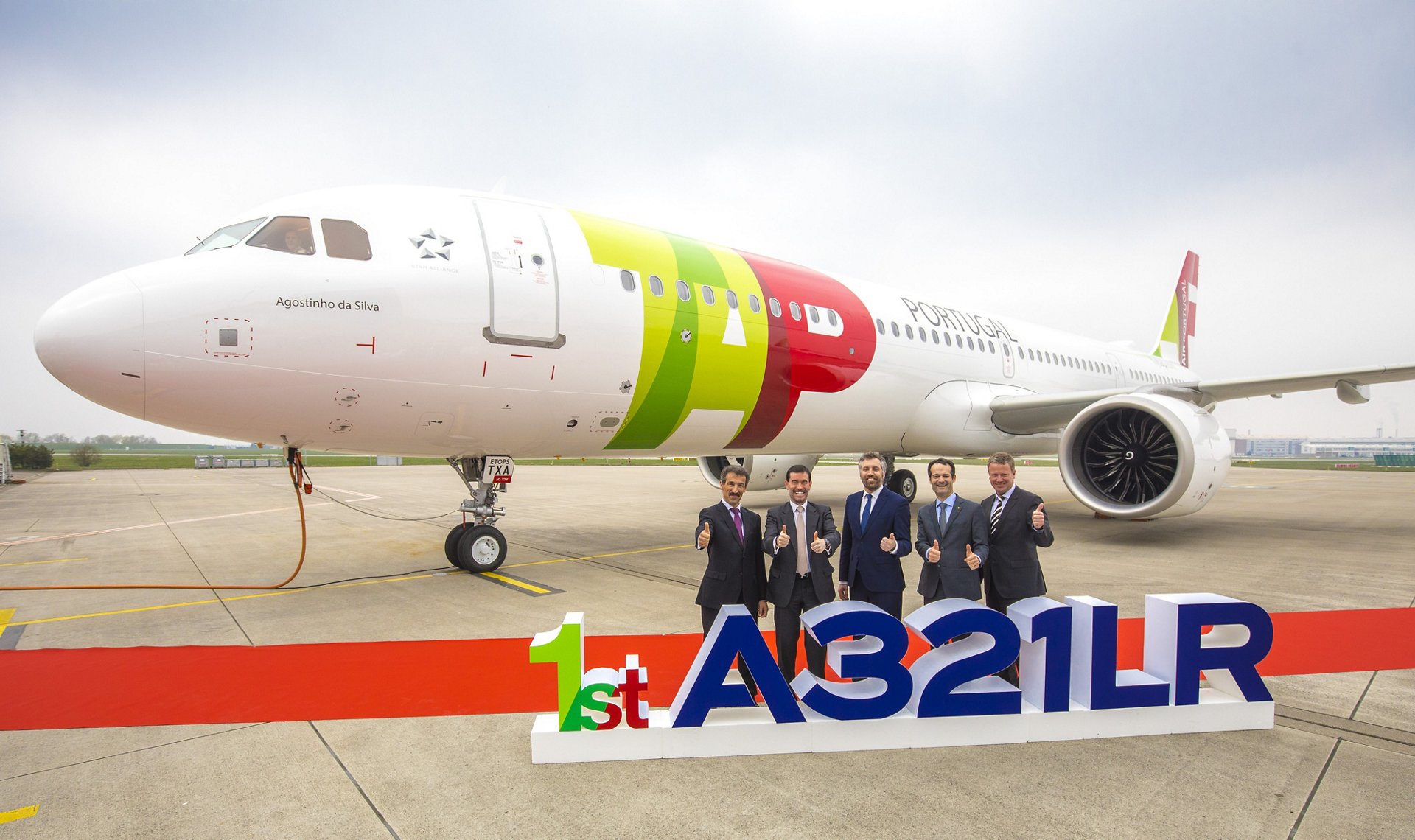
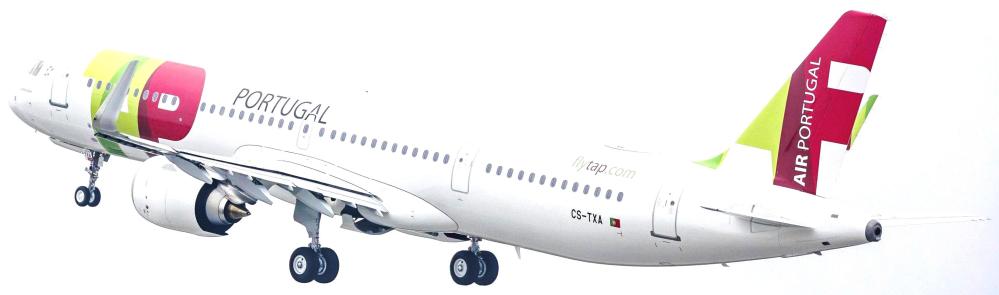
La aerolínea TAP Portugal Airlines ha recibido su primer Airbus A321LR a su flota, alcanzando el hito de ser la primera aerolínea mundial en tomar entrega del primer TAP Portugal.jpgA321LR, convirtiéndose en el primer operador europeo en simultáneo con la incorporación y operaciones con el A330NEO.

La primer aeronave Airbus A321LR posee registro nacional portugués CX-TXA y registro de fábrica CN8593. TAP Portugal ha solicitado una cartera de pedido por 12 Airbus A321LR, que cuentan con 171 asientos, 16 en clase ejecutiva que son Lie-Flat, 48 Economy Extra y 107 asientos Economy. TAP Portugal estrenará su primer A321LR en la ruta Lisboa-Tel Aviv (Israel). Para 2025, TAP habrá renovado su flota, con un pedido combinado de 757 nuevos aviones Airbus, lo que les otorgará una de las flotas más jóvenes de Europa.

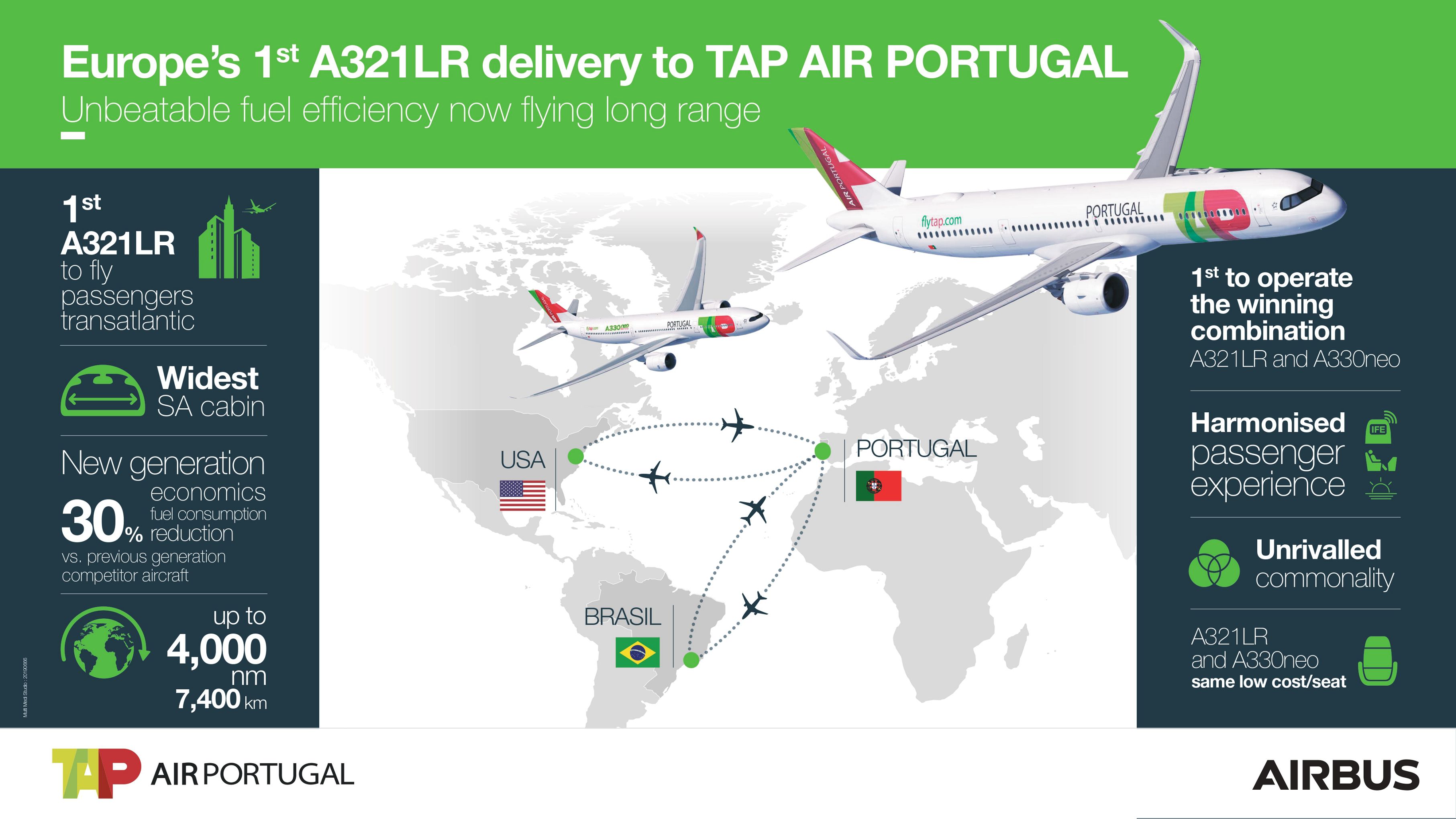
Antonoaldo Neves, CEO de TAP Air Portugal dijo en relación con la entrega: “El A321LR es fundamental para los planes de expansión de TAP. Con su gama superior, podemos explorar cómodamente los mercados de América del Norte, América del Sur y África desde Portugal, y encajará perfectamente con nuestro A330NEO’s. En América del Norte, nos permite explorar mercados en la costa este, como Nueva York, Boston, Montreal o Washington. En Brasil, el A321LR puede abrir nuevos mercados en el noreste y complementar los servicios existentes a ciudades como Recife, Natal, Fortaleza o Salvador. Los aviones están equipados con la clase de negocios completamente plana de última generación y asientos económicos de alto confort, un conjunto completo de IFE y conectividad, así como servicios de mensajería gratuitos».

Christian Scherer, Director Comercial (COO) de Airbus también dijo en relación con el primer A321LR de TAP: «Aplaudimos a TAP Air Portugal por ser la primera aerolínea en aprovechar los beneficios del A321LR y el A330NEO en una flota común. El A321LR y el A330NEO que trabajan en tándem tienen el segmento del mercado medio bien cubierto».

El constructor europeo Airbus expresó su oportunidad de defender a la familia A321NEO de tamaño mediano, que «son una combinación perfecta y capacidad sin precedentes y rango transatlántico con costo de un solo pasillo con el A321LR y una unidad imbatible costos y flexibilidad para una larga distancia con el A330NEO. Ambos con la tecnología más contemporánea y la comodidad de la cabina en su clase».

Este es otro hito para TAP Portugal, después de recibir su primer A320NEO y A321NEO hace un año, así como el primer A330-900NEO que se entregará en el mundo, en Noviembre 2018. El A321LR se adaptará muy bien al modelo operativo de TAP Portugal y será interesante donde la aerolínea despliegue el avión en los próximos años.AW-Icon-TXT-01

Resultado de imagen para TAP Portugal a321lr

TAP Portugal receives 1st Airbus A321LR

TAP Portugal has taken delivery of the first Airbus A321LR in the world

The airline TAP Portugal Airlines has received its first Airbus A321LR to its fleet, reaching the milestone of being the first airline in the world to take delivery of the first A321LR, becoming the first European operator in simultaneous with the incorporation and operations with the A330NEO.

The first Airbus A321LR aircraft has a Portuguese national registry CX-TXA and factory registration CN8593. TAP Portugal has requested an order portfolio for 12 Airbus A321LR, which have 171 seats, 16 in business class that are Lie-Flat, 48 Economy Extra and 107 Economy seats. TAP Portugal will debut its first A321LR on the Lisbon-Tel Aviv route (Israel). By 2025, TAP will have renewed its fleet, with a combined order of 757 new Airbus aircraft, which will give them one of the youngest fleets in Europe.

Antonoaldo Neves, CEO of TAP Air Portugal said in relation to the delivery: «The A321LR is fundamental for TAP’s expansion plans. With its superior range, we can comfortably explore the markets of North America, South America and Africa from Portugal, and it will fit perfectly with our A330NEO’s. In North America, it allows us to explore markets on the East Coast, such as New York, Boston, Montreal or Washington. In Brazil, the A321LR can open new markets in the northeast and complement existing services to cities such as Recife, Natal, Fortaleza or Salvador. The airplanes are equipped with the latest state-of-the-art flat-bottom business class and high-comfort budget seats, a full set of IFE and connectivity, as well as free messaging services».

Christian Scherer, Commercial Director (COO) of Airbus also said in relation to TAP’s first A321LR: «We applaud TAP Air Portugal for being the first airline to take advantage of the A321LR and the A330NEO in a common fleet, the A321LR and the A330NEO who work in tandem have the middle market segment well covered».

The European manufacturer Airbus expressed its opportunity to defend the medium-sized A321NEO family, which «are a perfect combination unprecedented capacity and transatlantic range with a single aisle cost with the A321LR and an unbeatable unit costs and flexibility for a long distance with the A330NEO, both with the most contemporary technology and the cabin comfort in its class».

This is another milestone for TAP Portugal, after receiving its first A320NEO and A321NEO a year ago, as well as the first A330-900NEO to be delivered in the world, in November 2018. The A321LR will adapt very well to the operational model of TAP Portugal and it will be interesting where the airline deploys the plane in the coming years. A \ W

TAP Portugal recebe 1º Airbus A321LR

Resultado de imagen para TAP Portugal logoTAP Portugal recebeu o primeiro Airbus A321LR no mundo

A companhia aérea TAP Portugal Airlines recebeu sua primeira Airbus A321LR à sua frota, atingindo a marca de ser a primeira companhia aérea do mundo a receber a entrega do primeiro A321LR, tornando-se o primeiro operador europeu simultaneamente com a incorporação e operações com o A330NEO.

A primeira aeronave Airbus A321LR tem um registo nacional português CX-TXA e registo de fábrica CN8593. TAP Portugal solicitou uma carteira de 12 Airbus A321LR ordem, que tem 171 assentos, 16 na classe executiva são Lie-Flat, 48 Economy Extra e 107 assentos Economy. A TAP Portugal vai estrear o seu primeiro A321LR na rota Lisboa-Tel Aviv (Israel). Para 2025, a TAP vai ter renovado a sua frota com uma ordem combinado 757 novas aeronaves Airbus, que irá dar-lhes uma das frotas mais jovens da Europa.

a321lr-tap-delivery-takeoff.jpg

Antonoaldo Neves, CEO da TAP Air Portugal, disse em relação à entrega: «O A321LR é fundamental para os planos de expansão da TAP. Com a sua gama superior, que pode confortavelmente explorar os mercados da América do Norte, América do Sul e África a partir de Portugal, e vai se encaixar perfeitamente com os nossos A330NEO. Na América do Norte, nos permite explorar mercados na costa leste, como Nova York, Boston, Montreal ou Washington. No Brasil, o A321LR pode abrir novos mercados no nordeste e complementar os serviços existentes a cidades como Recife, Natal, Fortaleza ou Salvador. A aeronave está equipada com o tipo de negócio de arte totalmente plana e economia assentos de conforto elevado, um conjunto completo de IFE e conectividade, bem como serviços de mensagens gratuitos».

Christian Scherer, Diretor Comercial (COO) da Airbus disse também em relação ao primeiro TAP A321LR. «Aplaudimos a TAP Portugal sendo a primeira companhia aérea a colher os benefícios de A321LR e A330NEO em uma frota em comum que trabalham em conjunto têm o segmento de gama média mercado bem coberto».

O fabricante europeu Airbus disse que sua oportunidade de defender a médias A321neo, que «são uma família combinação perfeita e sem precedentes e faixa transatlântica com custo de um único corredor com A321LR e um custo unitário sem concorrência e flexibilidade uma longa distância com o A330NEO, ambos com a tecnologia mais contemporânea eo conforto da cabine em sua classe».

Este é mais um marco para a TAP Portugal, depois de receber seu primeiro A320neo e A321neo um ano atrás, eo primeiro A330-900NEO a serem entregues em todo o mundo em novembro de 2018. O A321LR está bem adaptado ao modelo operacional TAP Portugal e será interessante onde a companhia aérea implanta o avião nos próximos anos. A \ W


Ξ A I R G W A Y S Ξ
SOURCE: Airgways.com
DBk: Airbus.com / Flytap.com / Airgways.com
AW-POST: 201904061743AR

A\W   A I R G W A Y S ®

Informe de interés por Jet Airways

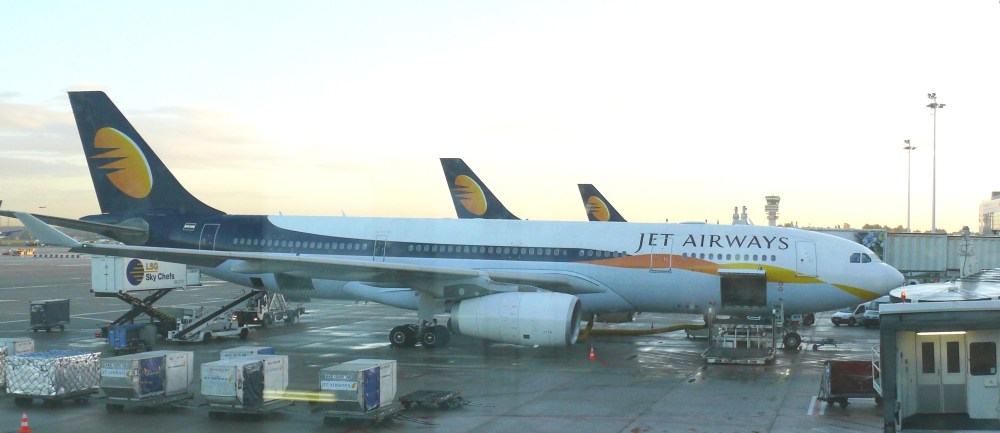
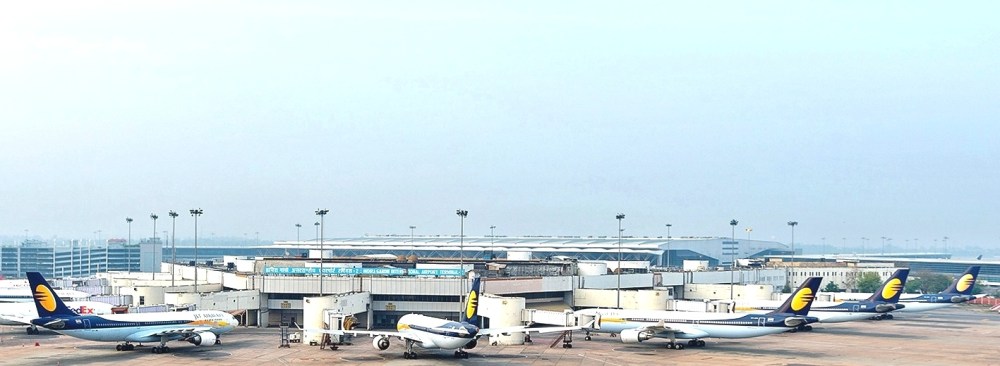
Brussels_airport_jet_airways.JPG

AW | 2019 04 06 17:00 | AIRLINES

Jet AirwaysEl State Bank of India lidera consorcio para rescate de aerolínea Jet Airways

El State Bank of India (SBI) es el banco que regula el consorcio de empresas para Image result for state bank of india (sbi)realinear las solicitudes de interés de compañías que han mostrado interés por la aerolínea Jet Airways. Ha solicitado a las partes que presenten informes de interés entre el 6-9 Abril. 2019.

Las empresas interesadas por la adquisición de la compañía Jet Airways figuran: TPG Capital, con sede en Dallas Forth Worth, Indigo Partners de capital estadounidense, el Fondo Nacional de Inversión e Infraestructura (NIIF), Delta Air Lines y Air France-KLM se unen para presentar una expresión de interés (EoI) para Jet Airways. El consorcio liderado por TPG Capital evaluará las condiciones de adquisición una vez que se hagan públicas durante el fin de semana. TPG e Indigo Partners han estado en la mezcla antes, y se comprometieron con SBI. Necesitaban un socio indio, y NIIF era el vehículo obvio.

Los equipos de las dos compañías aéreas extranjeras están en la India, aunque no se pudo verificar independientemente si presentarán una oferta. Fuentes del Ministerio de Aviación Civil dijeron que desconocían que las líneas aéreas globales se estaban acercando. El consorcio de prestamistas liderado por el OSE solicitó el jueves a las partes interesadas que presenten informes de interés entre el 6-9 Abril 2019, avanzando y acortando el plazo que se había anunciado anteriormente.

Pérdida pulseada

El personal de Etihad Airways liderado por Cramer Ball, un veterano de la industria de la aviación y ex director ejecutivo de Jet Airways, y Rangesh Embar se reunieron con funcionarios del OSE el jueves. La reunión desató una nueva especulación de que la aerolínea con sede en Abu Dhabi, que tiene el 12% de la aerolínea india con problemas, también puede echar a perder su tenencia.

Las fuentes dijeron que Tata Group y Adani Group, a los que se había contactado para rescatar a Jet Airways, es poco probable que participen en este momento. Adani pasó tiempo con la administración de la aerolínea en Enero 2019, antes de decidir ofertar agresivamente por infraestructura relacionada con la aviación, como aeropuertos.

TPG Group no quiso hacer comentarios, mientras que Delta dijo que no haría comentarios sobre especulaciones. Los correos enviados a NIIF, Indigo Partners y Air France-KLM no obtuvieron respuesta hasta la fecha de publicación el viernes.AW-Icon-TXT-01

Jet_Airways_planes_at_Brussels_Airport.jpgReport of interest by Jet Airways

The State Bank of India leads a consortium for the rescue of Jet Airways airline

The State Bank of India (SBI) is the bank that regulates the consortium of companies to realign the interest requests of companies that have shown interest in the airline Jet Airways. He has asked the parties to submit reports of interest between April 6-9, 2019.

The companies interested in the acquisition of the company Jet Airways include: TPG Capital, based in Dallas Forth Worth, Indigo Partners with US capital, the National Fund for Investment and Infrastructure (IFRS), Delta Air Lines and Air France-KLM join forces to present an expression of interest (EoI) for Jet Airways. The consortium led by TPG Capital will evaluate the acquisition conditions once they are made public during the weekend. TPG and Indigo Partners have been in the mix before, and committed to SBI. They needed an Indian partner, and IFRS was the obvious vehicle.

The teams of the two foreign airlines are in India, although it was not possible to verify independently whether they will present an offer. Sources from the Ministry of Civil Aviation said they were unaware that global airlines were approaching. The consortium of lenders led by the OSE on Thursday asked interested parties to submit reports of interest between 6-9 April 2019, advancing and shortening the period previously announced.

Arm wrestling loss

Staff from Etihad Airways led by Cramer Ball, a veteran of the aviation industry and former executive director of Jet Airways, and Rangesh Embar met with OSE officials on Thursday. The meeting sparked new speculation that the Abu Dhabi-based airline, which has 12% of the troubled Indian airline, may also spoil its tenure.

The sources said that Tata Group and Adani Group, which had been contacted to rescue Jet Airways, are unlikely to participate at this time. Adani spent time with the airline’s administration in January 2019, before deciding to bid aggressively for aviation-related infrastructure, such as airports.

TPG Group declined to comment, while Delta said it would not comment on speculation. The emails sent to NIIF, Indigo Partners and Air France-KLM did not receive a response until the publication date on Friday.

AW-708-Bangalore-Av.jpgजेट एयरवेज द्वारा ब्याज की रिपोर्ट

Image result for state bank of india (sbi)भारतीय स्टेट बैंक जेट एयरवेज एयरलाइन के बचाव के लिए एक संघ का नेतृत्व करता है

स्टेट बैंक ऑफ इंडिया (SBI) वह बैंक है जो एयरलाइन जेट एयरवेज में रुचि दिखाने वाली कंपनियों के ब्याज अनुरोधों को पुनः प्राप्त करने के लिए कंपनियों के संघ को नियंत्रित करता है। उन्होंने पार्टियों से 6-9 अप्रैल के बीच ब्याज की रिपोर्ट देने को कहा है। 2019।

Image result for Ministry of Aviation Indiaजेट एयरवेज के अधिग्रहण में दिलचस्पी रखने वाली कंपनियों में शामिल हैं: टीपीजी कैपिटल, डलास फोर्थ वर्थ में स्थित, यूएस कैपिटल के साथ इंडिगो पार्टनर्स, नेशनल फंड फॉर इनवेस्टमेंट एंड इंफ्रास्ट्रक्चर (IFRS), डेल्टा एयर लाइन्स और एयर फ्रांस-केएलएम जेट एयरवेज के लिए ब्याज की अभिव्यक्ति (ईओआई) पेश करने के लिए। सप्ताहांत में सार्वजनिक किए जाने के बाद TPG कैपिटल के नेतृत्व वाला कंसोर्टियम अधिग्रहण की शर्तों का मूल्यांकन करेगा। टीपीजी और इंडिगो पार्टनर्स इससे पहले एसबीआई में मिल चुके हैं। उन्हें एक भारतीय साथी की आवश्यकता थी, और IFRS स्पष्ट वाहन था।

दो विदेशी एयरलाइंस की टीमें भारत में हैं, हालांकि स्वतंत्र रूप से सत्यापित करना संभव नहीं था कि क्या वे एक प्रस्ताव पेश करेंगे। नागरिक उड्डयन मंत्रालय के सूत्रों ने कहा कि वे इस बात से अनजान थे कि वैश्विक एयरलाइंस संपर्क कर रही हैं। ओएसई के नेतृत्व वाले ऋणदाताओं के कंसोर्टियम ने गुरुवार को इच्छुक पक्षों से 6 से 9 के बीच ब्याज की रिपोर्ट प्रस्तुत करने को कहा अप्रैल 2019, पहले घोषित की गई अवधि को आगे बढ़ाने और छोटा करने के लिए।

भुजा कुश्ती हार

एविएशन इंडस्ट्री के एक दिग्गज और जेट एयरवेज के पूर्व कार्यकारी निदेशक क्रैमर बॉल के नेतृत्व में एतिहाद एयरवेज के कर्मचारी और रंगेश एमबर ने गुरुवार को OSE अधिकारियों के साथ मुलाकात की। बैठक ने नई अटकलें लगाईं कि अबू धाबी स्थित एयरलाइन, जिसमें 12% परेशान भारतीय एयरलाइन हैं, वह भी अपने कार्यकाल को खराब कर सकती हैं।

सूत्रों ने कहा कि जेट एयरवेज को बचाने के लिए टाटा ग्रुप और अदानी ग्रुप से संपर्क किया गया था, लेकिन इस समय इसमें भाग लेने की संभावना नहीं है। हवाईअड्डों जैसे विमानन से जुड़े बुनियादी ढांचे के लिए आक्रामक तरीके से बोली लगाने का फैसला करने से पहले, अदानी ने जनवरी 2019 में एयरलाइन के प्रशासन के साथ समय बिताया।

टीपीजी समूह ने टिप्पणी करने से इनकार कर दिया, जबकि डेल्टा ने कहा कि यह «अटकलबाजी» पर टिप्पणी नहीं करेगा। एनआईआईएफ, इंडिगो पार्टनर्स और एयर फ्रांस-केएलएम को भेजे गए ईमेल को शुक्रवार को प्रकाशन की तारीख तक कोई प्रतिक्रिया नहीं मिली। A \ W


Ξ A I R G W A Y S Ξ
SOURCE: Airgways.com
DBk: Onlinesbi.com / Civilaviation.dov.in / Bangaloreaviation.com / Wikimedia.org
AW-POST: 201904061700AR

A\W   A I R G W A Y S ®

Juicio por tragedia AU-2553

Resultado de imagen para AU2553 AustralAW | 2019 04 05 00:00 | AIR INVESTIGATION / GOVERNMENT

Continúa el juicio por la tragedia del vuelo AU-2553 de Austral Líneas Aéreas

En la Justicia Federal de Argentina continúa el juicio por la tragedia aérea del vuelo AU-2553 de Austral Líneas Aéreas donde fallecieron 74 personas a bordo de la aeronave McDonnell Douglas DC-9-32 con registro LV-WEG y S/N: 47446/561. La Causa Nº1.821 y Nº2.207, cuyo debate oral y público fue el día 26 Marzo 2019, continúa desarrollándose para determinar las implicancias correspondientes.

El 10 Octubre 1997 el vuelo AU-2553 de Austral Líneas Aéreas despegaba del Aeropuerto de Posadas a las 21:00 hs rumbo hacia el Aeropuerto Jorge Newbery de Buenos Aires. Pasadas dos horas de la estima de arribo no llega. Una hora después, cuando sobrevolaba la localidad entrerriana de Gualeguaychú, perdió contacto con los radares en medio de una tormenta en la zona donde atravesaba el DC-9 de Austral. El avión cayó a 1.000 kilómetros por hora. El fuselaje y los cuerpos se desperdigaron en un radio de 800 metros, sobre el fango de Nuevo Berlín, localidad ubicada a 32 kilómetros de Fray Bentos, Uruguay.

Descripción Tragedia AU-2553

El vuelo austral AU-2553 despegó de Posadas, Argentina a las 21:18 hs. para un vuelo doméstico a Buenos Aires-Aeroparque. Antes de la salida, no había ninguna advertencia específica sobre las condiciones climáticas que se encontrarían durante el vuelo.

En ruta en FL350, la aeronave encontró mal tiempo con nubes Cumulonimbus (supuestamente con un tope de 49000 pies), una temperatura del aire exterior de -59 °C y condiciones de viento con vientos de 80 km/h. La aeronave se desvió de la vía aérea y entró en la Región de Información de Vuelo (FIR) de Montevideo sin ponerse en contacto con el controlador de Montevideo. A las 22:04 hs. el avión entró en un área con condiciones de hielo. Tres minutos después, el primer oficial, que estaba volando como piloto, inició un descenso sin permiso previo. Mientras tanto el capitán contactó con Ezeiza Control, solicitando permiso para descender. Ezeiza Control comunicó por radio que el vuelo estaba sobre el territorio de Uruguay y que necesitaban ponerse en contacto con Montevideo Control para obtener permiso.

Durante el descenso, el primer oficial se quejó de que su indicador de velocidad aérea no parecía funcionar correctamente. Descendiendo a través de FL300, el primer oficial extendió los listones. Los pilotos fueron entrenados para extender las lamas al recuperarse del enfoque para atascarse en situaciones de 10.000 a 12.000 pies. Sin embargo, la velocidad del aire real en el momento de la extensión era más alta que la permitida. Esto superó el límite de diseño, provocando una asimetría. Los pilotos perdieron el control del avión que luego entró en un descenso descontrolado, estrellándose en un pantano en las orillas del río Uruguay. Los restos se encontraron a las 04:40 hs. de la mañana siguiente en un cráter de 25 pies de profundidad y 80 pies de ancho. Las indicaciones anómalas de velocidad del aire precedieron a la extensión del listón (un aumento repentino de 200 nudos a 450 nudos de IAS en 4 segundos), posiblemente debido a la formación de hielo en los Tubos de Pitot.

Informe Final AU-2553

CAUSA INMEDIATA: «La Comisión Investigadora de Accidentes de Aviación de la República Oriental del Uruguay, determinó que la causa probable inmediata del accidente fue, que a una altitud de presión de 30.000 ft., el copiloto, quien se encontraba a cargo de los mandos de la aeronave, se planteó una condición de vuelo tal, que lo indujo a extender los slats».

Esto lo hizo a una velocidad muy superior a la del limite del diseño estructural de ese sistema hipersustentador, desarrollándose, asimetrías por extensión y lo daños en los mismos, con la consiguiente pérdida de control e imposibilidad de recuperarlo. La interpretación del copiloto en cuanto a la necesidad de extender los slats, habría sido consecuencia de las indicaciones erróneas de baja velocidad (I.A.S.), provocada por la obstrucción de los tubos pitot debido a engelamiento atmosférico.

No se pudo determinar si esa obstrucción fue consecuencia de que la tripulación no activó el sistema de calentamiento mediante la llave selectora, luego de la puesta en marcha, o por falla de dicho sistema.

CAUSAS ENDÉMICAS:
a) Falta de indicación de N° de Mach de los velocímetros instalados en la aeronave accidentada, dentro de su envolvente de vuelo, con velocidades del aire inferiores a 250 KIAS.
b) Falta de entrenamiento de los pilotos en «falla de instrumentos de vuelo» y en «recuperación de actitudes anormales» .
c) Falta de entrenamiento de los pilotos en la recuperación de aproximación a la pérdida de la aeronave DC-9 en «configuración limpio» de acuerdo con los procedimientos estipulados en el F.C.O.M., sección 5, 10-0-0, code 30.
d) Falta de instrucción y entrenamiento de los pilotos en la gestión de los recursos en el puesto de pilotaje (CRM).
e) Ausencia de la luz de advertencia PITOT/STALL-HEATER OFF en el panel anunciador de fallas de la aeronave.
f) Deficiencia de los procedimientos para el despacho operacional del vuelo.

Las pericias determinaron que el Copiloto Horacio Núñez, ante una errada señal del instrumental que notificaba una pérdida de velocidad, abrió los slats para potenciar los motores y contrarrestarla. A 1.000 kilómetros por hora, eso provocó que las alas se despedazaran. El avión no había perdido velocidad, los tubos pitot, que miden la presión atmosférica y la traducen a velocidad relativa en el instrumental, habían sido cubiertos por hielo, en medio de la tormenta que capeaba el DC-9-32.

Había una alarma que advertía de esta falla, pero el avión de Austral no la tenía. A pesar de que era obligatorio, Iberia había tramitado y conseguido una prórroga para colocarla en sus aviones chatarra: los DC-9-32 habían volado más de 30 años en Europa. La Dirección Nacional de Aeronavegabilidad (DNA) de la Fuerza Aérea encargada del control, se la concedió. El costo de la alarma era de US$ 700 dólares.

Esa noche del 10 Octubre 1996 el vuelo AU-2553 de Austral despegó de Misiones pasadas las 21. Una hora después, cuando sobrevolaba la localidad entrerriana de Gualeguaychú, perdió contacto con los radares. El avión cayó a 1000 kilómetros por hora. El fuselaje y los cuerpos se desperdigaron en un radio de 800 metros, sobre el fango de Nuevo Berlín, en medio de la nada, a 32 kilómetros de Fray Bentos, Uruguay. El único registro del vuelo AU-2553 era un hoyo de 15 metros de diámetro y 6 de profundidad.

Tan sólo tres días después, Marcelo Lacavanne, Presidente de la Asociación de Pilotos de Líneas Aéreas (APLA) declaraba a los medios de comunicación: «Se utilizan aviones que otras empresas, como Iberia, descartan. Hace ocho meses que venimos denunciando que la inseguridad avanza en los vuelos nacionales. También puede ser que este accidente sea simplemente un acto de Dios». De esta manera se denunció al Grupo Aerolíneas por la compra de material de descarte por parte de Austral Líneas Aéreas a Iberia Líneas Aéreas de España.

El juicio por la tragedia del vuelo AU-2553 de Austral Líneas Aéreas continúa desarrollándose estas semanas para determinar las implicancias y veredictos sobre los 35 acusados por estrago culposo. A 22 años del accidente aéreo, se abre un halo de luz de justicia para los familiares del vuelo AU-2553.

Los 10 peritos que intervinieron en las pericias que fueron pedidas por la justicia y que llegan a la misma conclusión responsabilizando del accidente a los pilotos, claro, después de todo, ellos no se pueden defender. AW-Icon-TXT-01

Resultado de imagen para AU2553 Austral

Trial for tragedy AU-2553

The trial continues due to the tragedy of flight AU-2553 of Austral Líneas Aéreas

In the Federal Justice of Argentina the trial continues for the aerial tragedy of flight AU-2553 of Austral Líneas Aéreas where 74 people died on board the aircraft McDonnell Douglas DC-9-32 with registration LV-WEG and S/N: 47446/561. Cause No. 1,821 and No. 2,207, whose oral and public debate was held on March 26, 2019 by TOF No. 5, continues to develop to determine the corresponding implications.

On October 10, 1997, the AU-2553 flight of Austral Líneas Aéreas took off from the Posadas Airport at 9:00 p.m. toward the Jorge Newbery Airport in Buenos Aires. After two hours the estimated arrival does not arrive. An hour later, when flying over the Entrerriana locality of Gualeguaychú, it lost contact with the radars in the middle of a storm in the area where the DC-9 of Austral was passing. The plane dropped to 1,000 kilometers per hour. The fuselage and the bodies were scattered in a radius of 800 meters, on the mud of New Berlin, locality located to 32 kilometers of Fray Bentos, Uruguay.

Description Tragedia AU-2553

The austral flight AU-2553 took off from Posadas, Argentina at 21:18 hs. for a domestic flight to Buenos Aires-Aeroparque. Before departure, there was no specific warning about the weather conditions that would be encountered during the flight.

En route on FL350, the aircraft encountered bad weather with Cumulonimbus clouds (supposedly with a peak of 49,000 feet), an outdoor air temperature of -59 ° C and wind conditions with winds of 80 km/h. The aircraft deviated from the airway and entered the Flight Information Region (FIR) of Montevideo without contacting the controller of Montevideo. At 22:04 hs. the plane entered an area with icy conditions. Three minutes later, the first officer, who was flying as a pilot, started a descent without prior permission. Meanwhile the captain contacted Ezeiza Control, requesting permission to descend. Ezeiza Control communicated by radio that the flight was over the territory of Uruguay and that they needed to contact Montevideo Control to obtain permission.

During the descent, the first officer complained that his airspeed indicator did not seem to work properly. Descending through FL300, the first officer extended the ribbons. The pilots were trained to extend the slats when recovering from the approach to get stuck in situations of 10,000 to 12,000 feet. However, the actual air velocity at the time of extension was higher than allowed. This exceeded the design limit, causing an asymmetry. The pilots lost control of the plane which then went into an uncontrolled descent, crashing into a swamp on the banks of the Uruguay River. The remains were found at 04:40 hs. the next morning in a crater 25 feet deep and 80 feet wide. The anomalous air speed indications preceded the extension of the bar (a sudden increase of 200 knots to 450 knots of IAS in 4 seconds), possibly due to the formation of ice in the Pitot Tubes.

Final Report AU-2553

IMMEDIATE CAUSE: «The Aviation Accident Investigation Commission of the Oriental Republic of Uruguay determined that the immediate probable cause of the accident was that at a pressure altitude of 30,000 ft., The co-pilot, who was in charge of the controls of the aircraft, a flight condition was raised, which induced him to extend the slats».

This was done at a speed much higher than the limit of the structural design of this hyper-solar system, developing, asymmetries by extension and damage to them, with the consequent loss of control and inability to recover it. The interpretation of the copilot as to the need to extend the slats, would have been a consequence of the erroneous indications of low speed (I.A.S.), caused by the obstruction of the pitot tubes due to atmospheric icing.

It could not be determined if this obstruction was the result of the crew not activating the heating system by means of the selector key, after the start-up, or due to failure of said system.

ENDEMIC CAUSES:
a) Lack of indication of Mach number of the speedometers installed in the accident aircraft, within its flight envelope, with air speeds lower than 250 KIAS.
b) Lack of training of the pilots in «failure of flight instruments» and in «recovery of abnormal attitudes».
c) Lack of training of the pilots in the recovery of approach to the loss of the aircraft DC-9 in «clean configuration» in accordance with the procedures stipulated in the F.C.O.M., section 5, 10-0-0, code 30.
d) Lack of instruction and training of the pilots in the management of resources in the cockpit (CRM).
e) Absence of the PITOT / STALL-HEATER OFF warning light on the aircraft’s annunciator panel.
f) Deficiency of the procedures for the operational dispatch of the flight.

Experts determined that the co-pilot Horacio Nunez, before a wrong signal of the instruments that reported a loss of speed, opened the slats to boost the engines and counteract it. At 1,000 kilometers per hour, that caused the wings to shatter. The plane had not lost speed, the pitot tubes, which measure the atmospheric pressure and translate it at relative speed in the instruments, had been covered by ice, in the middle of the storm that was heading the DC-9-32.

There was an alarm warning of this fault, but the Austral plane did not have it. Although it was mandatory, Iberia had processed and got an extension to place it on its junk planes: the DC-9-32 had flown more than 30 years in Europe. The National Directorate of Airworthiness (DNA) of the Air Force in charge of the control, granted it. The cost of the alarm was US $ 700.

That night of October 10, 1996, the Austral flight AU-2553 took off from Misiones after 21. One hour later, when it was flying over the town of Gualeguaychú in Entre Ríos, it lost contact with the radars. The plane dropped to 1000 kilometers per hour. The fuselage and bodies were scattered in a radius of 800 meters, on the mud of New Berlin, in the middle of nowhere, 32 kilometers from Fray Bentos, Uruguay. The only record of flight AU-2553 was a hole 15 meters in diameter and 6 meters deep.

Just three days later, Marcelo Lacavanne, President of the Association of Airline Pilots (APLA), declared to the media: «Airplanes are used that other companies, such as Iberia, discard. Eight months ago we have been reporting that insecurity advance in domestic flights, it may also be that this accident is simply an act of God». In this way the Airlines Group was denounced for the purchase of discarding material by Austral Líneas Aéreas to Iberia Líneas Aéreas de España.

The trial for the tragedy of flight AU-2553 of Austral Líneas Aéreas continues to develop these weeks to determine the implications and verdicts about the 35 defendants for culpable damage. 23 years after the plane crash, a halo of light of justice opens for the relatives of flight AU-2553.

The 10 experts who intervened in the skills that were asked for justice and reach the same conclusion blaming the accident on the pilots, of course, after all they can not defend themselves. A \ W


Ξ A I R G W A Y S Ξ
SOURCE: Airgways.com
DBk: Pjn.gov.ar / Airgways.com
AW-POST: 201904050000AR

A\W   A I R G W A Y S ®

Aerolíneas inaugurará Puente Aéreo

AW-70001091.JPG

AW | 2019 04 04 15:44 | AIRLINES ROUTES

Aerolíneas_Argentinas_Logo_2010.svg[1].pngAerolíneas Argentinas inaugurará Puente Aéreo Buenos Aires-Córdoba
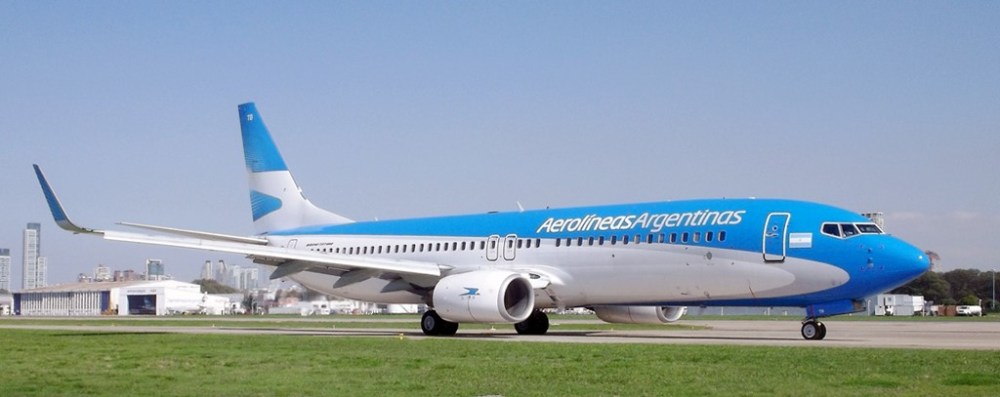
Aerolíneas Argentinas inaugurará próximamente vuelos shuttle, Buenos Aires-Córdoba. La aerolínea ofrecerá a los pasajeros ventajas destinadas al enlace de las ciudades de Buenos Aires y Córdoba con el denominado Puente Aéreo que permitirá volar en lanzadera en cualquier momento del día entre ambos destinos abonando una tarifa especial.

El Presidente de Aerolíneas Argentinas, Luis Malvido, anunció el lanzamiento de un «puente aéreo» entre Buenos Aires y Córdoba, que permitirá volar en cualquier momento del día entre estos destinos abonando una tarifa especial. Malvido detalló que «el puente aéreo le permite al pasajero comprar un pasaje con una tarifa y subirse al primer avión que pase. La explosión que tuvo el Aeropuerto Córdoba viene trabajando muy bien hace mucho tiempo, con los trabajos en la pista y la ampliación de la terminal».

«La competencia nos empuja a ser cada día mejores y en eso se enmarca el puente aéreo que estamos anunciando para ubicarnos a la altura de, por ejemplo, Nueva York y otras grandes ciudades. El mercado argentino ha estado atascado por décadas. Nuestro mercado, con el crecimiento que ha tenido desde hace tres o cuatro años, apunta a un mayor crecimiento en el que Aerolíneas tiene que ser el protagonista. El mercado argentino ha estado atascado por décadas. Nosotros supimos ser la principal empresa de todo el mercado de Latinoamérica hace 30 años y hoy se vuela más en Colombia, en Chile, en Brasil y eso demuestra que nuestro mercado, con el crecimiento que ha tenido desde hace tres o cuatro años, apunta a un mayor crecimiento y cuando ese crecimiento se da, hay oportunidades para muchos, principalmente para quién fue el líder de este mercado y Aerolíneas tiene que ser el protagonista de ese crecimiento», afirmó el CEO de Aerolíneas.AW-Icon-TXT-01

Aerolíneas_Argentinas_Boeing_737-800_LV-CTB.jpegAerolíneas will open next Air Bridge

Aerolíneas Argentinas will open Buenos Aires-Córdoba Air Bridge

Aerolíneas Argentinas will soon open shuttle flights, Buenos Aires-Córdoba. The airline will offer passengers benefits to link the cities of Buenos Aires and Cordoba with the so-called Air Bridge that will allow you to fly by shuttle at any time of the day between both destinations paying a special fare.

The President of Aerolíneas Argentinas, Luis Malvido, announced the launch of an «air bridge» between Buenos Aires and Córdoba, which will allow flying at any time of the day between these destinations by paying a special fare. Malvido explained that «the airlift allows the passenger to buy a passage with a fare and get on the first plane that passes.» The explosion that Córdoba Airport had been working very well for a long time, with the works on the track and the extension of the terminal».

«The competition pushes us to be better every day, and that is what the airlift we are announcing is part of, for example, New York and other big cities. The Argentine market has been stuck for decades. With the growth it has had for three or four years, it points to a higher growth in which Aerolíneas has to be the protagonist.The Argentine market, he said, has been stuck for decades.We knew how to be the main company in the entire market from Latin America 30 years ago and today we fly more in Colombia, in Chile, in Brazil and that shows that our market, with the growth it has had for three or four years, points to a higher growth and when that growth occurs, there are opportunities for many, mainly for who was the leader of this market and Airlines has to be the protagonist of that growth», said the CEO of Airlines. A \ W


Ξ A I R G W A Y S Ξ
SOURCE: Airgways.com
DBk: Aerolineas.com / Airgways.com
AW-POST: 201904051544AR

A\W   A I R G W A Y S ®


Airbus | Orders & Deliveries 03/2019

AW-Airbus-002.jpg

AW | 2019 04 05 15:18 | INDUSTRY

Logo_Airbus_2014.svg.pngAirbus comunica las órdenes y entregas de aeronaves comerciales para Marzo 2019

Airbus recibió pedidos para 58 aviones en Marzo 2019 dirigido por la familia de fuselaje ancho A350 XWB en las transacciones que incluían un nuevo cliente; mientras que la entrega 74 aviones a 40 clientes de toda su A220, A320, A330, A350 XWB y A380.

El nuevo negocio del mes fue el pedido del Grupo Lufthansa durante 20 A350-900 adicionales, con lo que sus pedidos totales del A350 XWB a 45. Grupo Lufthansa es el mayor operador de aviones Airbus.

También en Marzo, Starlux las aerolíneas de Taiwan firmó un pedido en firme de 17 A350 XWB, que comprende 12 A350-1000 y cinco más de corto fuselaje A350-900 versiones, convirtiéndose en un nuevo cliente de Airbus. La aerolínea tiene previsto desplegar los aviones en sus servicios de primera clase de larga distancia desde Taipei a Europa y América del Norte, así como a destinos seleccionados dentro de la región de Asia y el Pacífico. Completando nuevo negocio de fuselaje ancho del mes fue un pedido de un A350-900 de un cliente privado.

La operación de un solo pasillo con de marzo de participaron 20 aviones A320NEO para un cliente no revelado. Las entregas en Marzo 2019 estaban compuestos de 57 aviones A320 familia (13 en la configuración de CEO y 44 versiones NEO), ocho A350-900/A350-1000s, cinco A220s, tres A330 (todos en la versión NEO) y una A380.

Entre las entregas notables del mes fue el primer A350-900 entregado a Evelop Airlines. Con este avión alquilado a Air Lease Corporation el portador de la división de viajes española Ávoris del Grupo Barceló se convierte en el portador inicial vacaciones/ocio para operar un A350 XWB.

Otros hitos en Marzo 2019 incluyen la primera entrega del A380 a la japonesa All Nippon Airways (ANA), que es el operador 15º de aviones de pasajeros más grande del mundo. Además, Airbus entregó el primer A330NEO para la aerolínea africana Air Senegal al recibir su primer A330-900.

En el sector VIP, Airbus proporcionó la primera de tres aviones para ACJ320NEO Comlux, que comenzará ahora el equipamiento de la cabina por el centro de Finalización Comlux en los Estados Unidos. Comlux es el mayor cliente de la Familia ACJ320NEO Airbus Corporate Jets.

Tomando las últimas órdenes y cancelaciones en cuenta, la cartera de aviones restantes de Airbus que se entregarán al 31 Marzo 2019 se situó en 7.357 aviones.AW-Icon-TXT-01

Resultado de imagen para airbus family

Airbus | Orders & Deliveries 03/2019

Airbus_Group_Logo_2014.svg.pngAirbus communicates the orders and deliveries of commercial aircraft for March 2019

Airbus received orders for 58 aircraft in March 2019 led by the A350 XWB wide-body family in transactions that included a new customer; while delivering 74 aircraft to 40 customers across its A220, A320, A330, A350 XWB and A380.

The new business of the month was the Lufthansa Group’s order for 20 additional A350-900s, bringing its total orders from the A350 XWB to 45. Lufthansa Group is the largest operator of Airbus aircraft.

Also in March, Starlux Taiwan Airlines signed a firm order of 17 A350 XWB, comprising 12 A350-1000 and five more short-fuselage A350-900 versions, becoming a new customer of Airbus. The airline plans to deploy aircraft in its first-class long-distance services from Taipei to Europe and North America, as well as to selected destinations within the Asia-Pacific region. Completing new wide-body business of the month was an order for an A350-900 from a private client.

The operation of a single corridor with March of 20 participated A320NEO aircraft for an undisclosed customer. Deliveries in March 2019 consisted of 57 family A320 aircraft (13 in the CEO configuration and 44 NEO versions), eight A350-900 / A350-1000s, five A220s, three A330s (all in the NEO version) and one A380.

Among the notable deliveries of the month was the first A350-900 delivered to Evelop Airlines. With this aircraft rented to Air Lease Corporation, the carrier of the Spanish travel division Ávoris of the Barceló Group becomes the initial vacation / leisure carrier to operate an A350 XWB.

Other milestones in March 2019 include the first delivery of the A380 to the Japanese All Nippon Airways (ANA), which is the 15th largest passenger aircraft operator in the world. In addition, Airbus delivered the first A330NEO for the African airline Air Senegal to its first A330-900.

In the VIP sector, Airbus provided the first of three aircraft for ACJ320NEO Comlux, which will now start the cabin equipment through the Comlux Completion Center in the United States. Comlux is the largest customer of the ACJ320NEO Family Airbus Corporate Jets.

Taking the latest orders and cancellations into account, the portfolio of remaining Airbus aircraft to be delivered as of March 31, 2019 stood at 7,357 aircraft. A \ W


Ξ A I R G W A Y S Ξ
SOURCE: Airgways.com
DBk: Airbus.com
AW-POST: 201904051518AR

A\W   A I R G W A Y S ®