Líneas aéreas venezolanas esperan reapertura total a partir 11/02
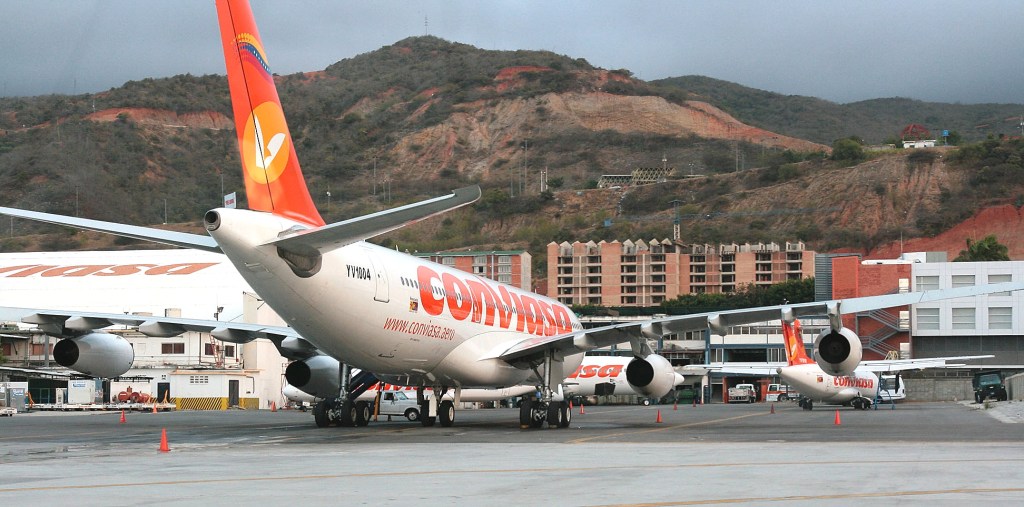
La Asociación de Líneas Aéreas de Venezuela (ALAV), dijo esperar que el 11 de Febrero de 2021 se abran todas las rutas de las nueve aerolíneas nacionales. Los aeropuertos están listos para abrir los vuelos, enfatizó Humberto Figuera, Director de ALAV. La asociación ha expresado que en el ámbito internacional hay muchas cosas pendientes para resolver, debido a la falta de conectividad con Europa. En el plano de vuelos regionales como Bogotá, Quito, Guayaquil, Lima y Buenos Aires sostiene que deberían abrirse, detalló Humberto Figuera.
Las aerolíneas venezolanas continúan soportando la supresión de los vuelos debido a la pandemia desde principios de 2020, considerada como una de las más largas, pero el Gobierno ha estado permitiendo realizar algunas liberaciones de rutas para cuando llega la segunda ola de contagios que postergó las aperturas totales.
Venezuelan airlines await reopening
Venezuelan airlines expect full reopening from 11/02
The Association of Air Lines of Venezuela (ALAV), said to expect that on February 11, 2021 all the routes of the nine national airlines will be opened. The airports are ready to open flights, emphasized Humberto Figuera, Director of ALAV. The association has expressed that in the international arena there are many pending issues to resolve, due to the lack of connectivity with Europe. In terms of regional flights such as Bogotá, Quito, Guayaquil, Lima and Buenos Aires, he maintains that they should be opened, explained Humberto Figuera.
Venezuelan airlines continue to support the suppression of flights due to the pandemic since the beginning of 2020, considered one of the longest, but the Government has been allowing some route releases for when the second wave of infections arrives that postponed the openings totals.
Aerolínea low cost alcazaría 100% ops en Abril 2021
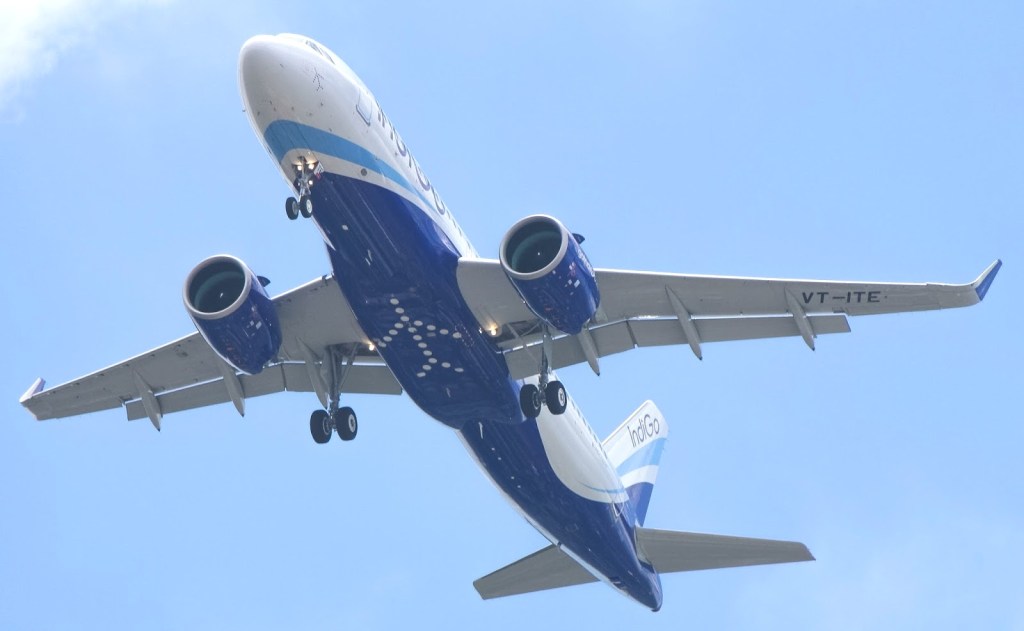
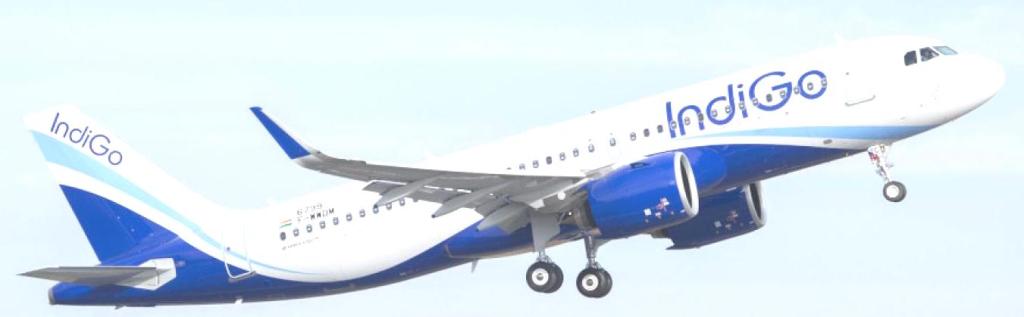
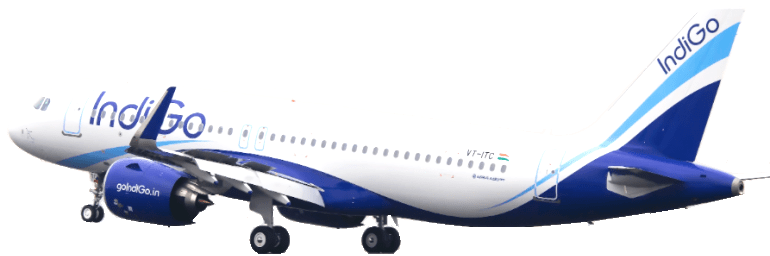
IndiGo, una compañía low cost de la India ha anunciado que espera recuperar su capacidad operativa a un 100% hacia Abril 2021. Ronojoy Dutta, Director Ejecutivo de la aerolínea india de presupuesto ha anunciado que las perspectivas de la línea aérea podrían alcanzar la plenitud de sus operaciones domésticas hacia principios del 2Q2021, mientras que la demanda internacional tendría los niveles pre-pandemia hacia finales del 4Q2021.
La recuperación de la malla aérea hacia el cuarto trimestre de 2020 había disminuido 40.8% menos de asientos, en comparación con la capacidad obtenida en 2019. Una recuperación sólida en los servicios de cabotaje permitieron reanudar en Mayo 2020; pero los vuelos internacionales aun tienen desafíos al enfrentarse a pruebas y cuarentenas obligatorias. “Esperamos una apertura gradual de los vuelos internacionales programados durante los próximos meses porque el aumento de la capacidad y la utilización de las aeronaves son fundamentales para nuestro retorno a la rentabilidad”, declaró Ronojoy Dutta en el reporte trimestral de la aerolínea. El impacto de la pandemia también afectó en las reservas de efectivo de la aerolínea, luego de pasar de ₹ 20.068 millones de Rubias en 2019 a ₹ 18.365 millones de Rupias en Diciembre 2020. La compañía matriz Interglobe Aviation reportó una pérdida de ₹ 6.270 millones de Rupias (US$ 85.9 millones de Dólares) en 4Q2020 en comparación con una ganancia de ₹ 4.900 millones de Rupias en 2019.
IndiGo recovers operational capacity
Low cost airline will reach 100% ops in April 2021
IndiGo, a low cost company in India has announced that it expects to recover its operational capacity to 100% by April 2021. Ronojoy Dutta, Executive Director of the Indian budget airline has announced that the airline’s prospects could reach the fullness of its domestic operations towards the beginning of 2Q2021, while international demand would have pre-pandemic levels towards the end of 4Q2021.
The recovery of the aerial mesh towards the fourth quarter of 2020 had decreased 40.8% fewer seats, compared to the capacity obtained in 2019. A solid recovery in cabotage services allowed to resume in May 2020; But international flights still face challenges facing mandatory testing and quarantines. «We expect a gradual opening of scheduled international flights over the next few months because increased capacity and aircraft utilization are critical to our return to profitability», Ronojoy Dutta stated in the airline’s quarterly report. The impact of the pandemic also affected the airline’s cash reserves, after going from ₹ 20,068 million Rubias in 2019 to ₹ 18,365 million Rupees in December 2020. Parent company Interglobe Aviation reported a loss of ₹ 6,270 million Rupees (US$ 85.9 million) in 4Q2020 compared to a gain of ₹ 4.9 billion in 2019.
इंडिगो परिचालन क्षमता को फिर से हासिल करता है
अप्रैल 2021 में कम लागत वाली एयरलाइन 100% तक पहुंच जाएगी
भारत में एक कम लागत वाली कंपनी इंडिगो ने घोषणा की है कि वह अप्रैल 2021 तक अपनी परिचालन क्षमता को 100% तक ठीक करने की उम्मीद करती है। भारतीय बजट एयरलाइन के कार्यकारी निदेशक रोनोजॉय दत्ता ने घोषणा की है कि एयरलाइन की संभावनाएँ अपने घरेलू कार्यों की पूर्णता तक पहुँच सकती हैं। 2Q2021 की शुरुआत, जबकि अंतरराष्ट्रीय मांग 4Q2021 के अंत में पूर्व-महामारी का स्तर होगा।
2019 में प्राप्त क्षमता की तुलना में 2020 की चौथी तिमाही में हवाई जाल की रिकवरी में 40.8% कम सीटों की कमी हुई थी। मई 2020 में फिर से शुरू करने की अनुमति दी गई कैबोटेज सेवाओं में एक ठोस वसूली; लेकिन अंतरराष्ट्रीय उड़ानों को अभी भी अनिवार्य परीक्षण और संगरोध का सामना करना पड़ रहा है। «हम अगले कुछ महीनों में अनुसूचित अंतरराष्ट्रीय उड़ानों के क्रमिक उद्घाटन की उम्मीद करते हैं क्योंकि वृद्धि की क्षमता और विमान का उपयोग लाभप्रदता के लिए हमारी वापसी के लिए महत्वपूर्ण है», रोनजॉय दत्ता ने एयरलाइन की तिमाही रिपोर्ट में कहा। महामारी का असर एयरलाइन के नकदी भंडार पर भी पड़ा, 2019 में the 20,068 मिलियन रुबिया से दिसंबर 2020 में to 18,365 मिलियन रुपये तक जाने के बाद। मूल कंपनी इंटरग्लोब एविएशन ने 4Q2020 में 6,270 मिलियन रुपए (यूएस $ 85.9 मिलियन) का नुकसान होने की सूचना दी। 2019 में in 4.9 बिलियन के लाभ की तुलना में।
Air Canada ha suspendido temporalmente ops de Rouge
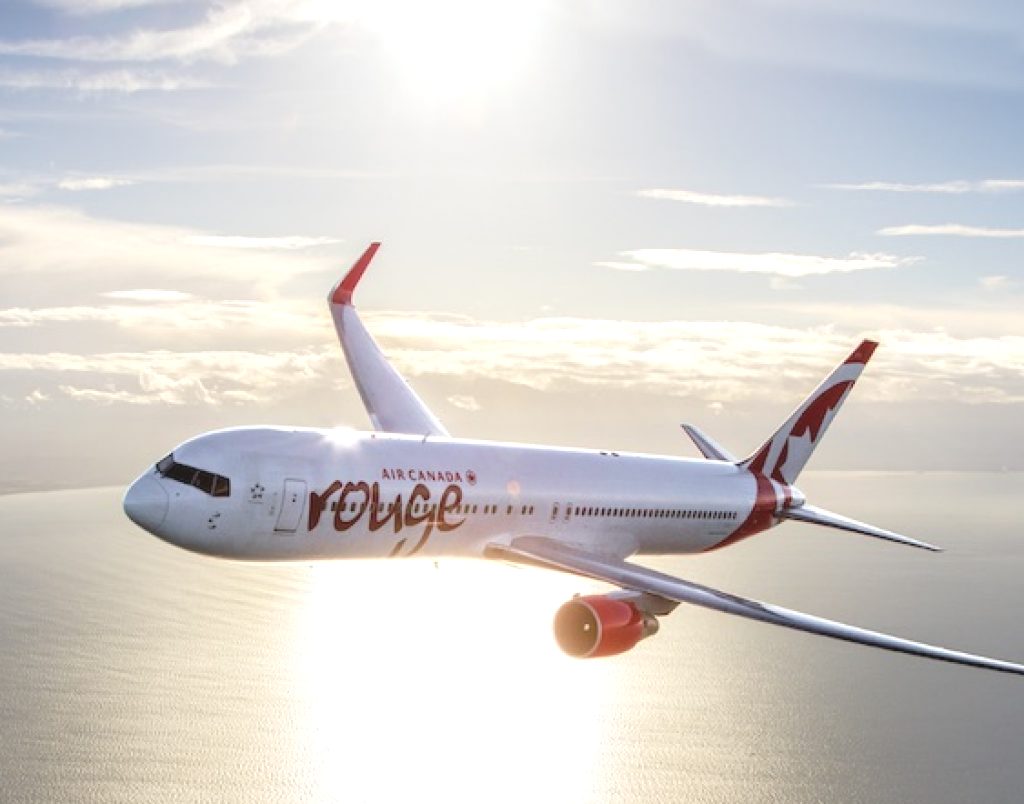
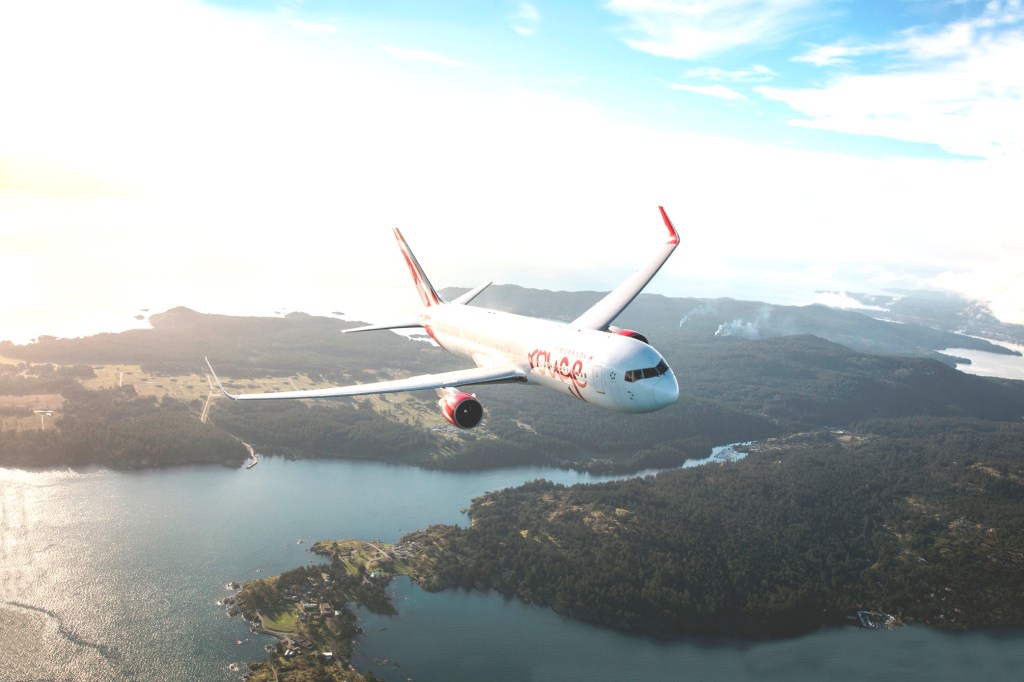
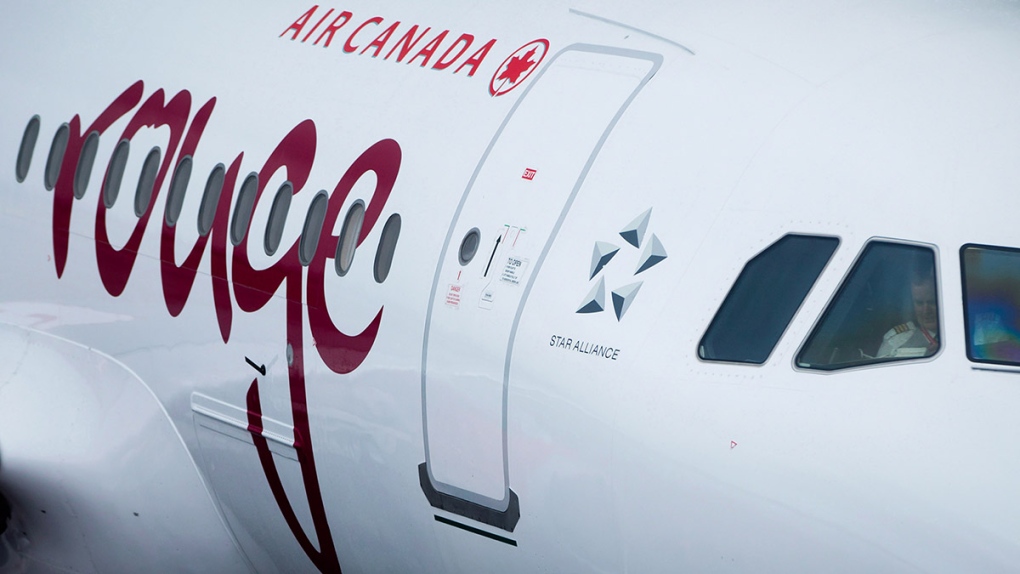
La compañía Air Canada ha comunicado la suspensión temporal de todos los vuelos y operaciones comerciales de la filial Air Canada Rouge, que opera vuelos turísticos a diferentes destinos. Como resultado de este movimiento, cerca de ochenta personas entrarán a un esquema de ausencia temporal de trabajo. La aerolínea ha señalado en un comunicado: “Como resultado de la suspensión de todos nuestros vuelos al Caribe y México, tras la petición del gobierno canadiense, estamos pausando nuevamente todas las operaciones de Rouge a partir del 8 de Febrero”.
Como parte de una reducción de vuelos por el creciente aumento de contagios de Coronavirus, el Gobierno de Canadá y cuatro aerolíneas han acordado suspender todos los vuelos a destinos de ocio en México y el Caribe hasta el 30 de Abril de 2021, como estrategia para establecer nuevas estrategias para evitar la propagación de la enfermedad. Air Canada Rouge es una compañía que forma parte del grupo Air Canada para viajes turísticos que posee una flota de 22 aeronaves: A319 (5), A320CEO (2), A321CEO (4) y seis Boeing 767 (6). El grupo ha expresado que “Rouge permanecerá como parte integral de la estrategia de negocios de Air Canada”.
Air Canada Rouge suspends flights
Air Canada has temporarily suspended Rouge ops
The Air Canada company has announced the temporary suspension of all flights and commercial operations of the Air Canada Rouge subsidiary, which operates tourist flights to different destinations. As a result of this movement, about eighty people will enter a temporary absence from work scheme. The airline said in a statement: «As a result of the suspension of all our flights to the Caribbean and Mexico, following the request of the Canadian government, we are again pausing all Rouge operations as of February 8».
As part of a reduction in flights due to the growing increase in Coronavirus infections, the Government of Canada and four airlines have agreed to suspend all flights to leisure destinations in Mexico and the Caribbean until April 30, 2021, as a strategy to establish new strategies to prevent the spread of the disease. Air Canada Rouge is a company that is part of the Air Canada group for tourist travel that owns a fleet of 22 aircraft: A319 (5), A320CEO (2), A321CEO (4) and six Boeing 767 (6). The group has stated that «Rouge will remain an integral part of Air Canada’s business strategy».
Air Canada Rouge suspend ses vols
Air Canada a temporairement suspendu opérations de Rouge
La compagnie Air Canada a annoncé la suspension temporaire de tous les vols et opérations commerciales de la filiale d’Air Canada Rouge, qui opère des vols touristiques vers différentes destinations. À la suite de ce mouvement, environ quatre-vingts personnes entreront en congé temporaire du travail. La compagnie aérienne a déclaré dans un communiqué: «En raison de la suspension de tous nos vols vers les Caraïbes et le Mexique, suite à la demande du gouvernement canadien, nous suspendons à nouveau toutes les opérations de Rouge à partir du 8 Février».
Dans le cadre d’une réduction des vols due à l’augmentation croissante des infections à coronavirus, le gouvernement du Canada et quatre compagnies aériennes ont convenu de suspendre tous les vols vers des destinations de loisirs au Mexique et dans les Caraïbes jusqu’au 30 avril 2021, dans le cadre d’une stratégie visant à établir de nouvelles stratégies pour empêcher la propagation de la maladie. Air Canada Rouge est une compagnie qui fait partie du groupe Air Canada pour les voyages touristiques qui possède une flotte de 22 appareils: A319 (5), A320CEO (2), A321CEO (4) et six Boeing 767 (6). Le groupe a déclaré que «Rouge continuera de faire partie intégrante de la stratégie commerciale d’Air Canada».
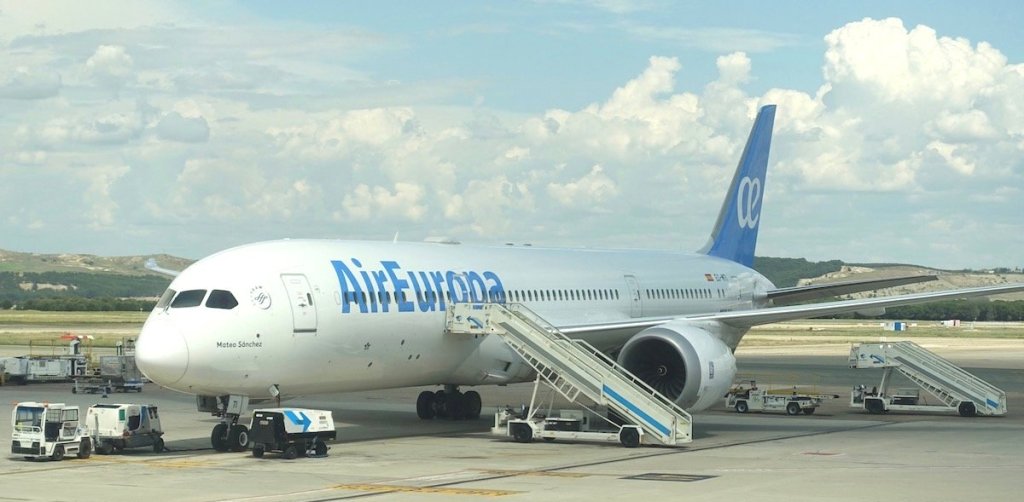
Air Europa sigue sin resolver sus problemas económicos por sus disputas con la Sociedad Estatal de Participaciones Industriales (SEPI) y está acumulando avisos de embargo de sus aeronaves. La SEPI ha bloqueado un cheque de € 100 millones. La aerolínea del grupo Globalia gasta unos € 243 millones de Euros anuales por el alquiler de 42 aeronaves a las empresas de leasing, además de otros € 180 millones en provisiones para abonar las reparaciones de los aviones. La compañía opera un total de 66 aeronaves, la mayoría de la línea Boeing. Tras la crisis sanitaria mundial y las restricciones a los vuelos, la compañía ha decidido devolver en 2020 una docena de aviones por problemas de liquidez y la reducción de la actividad aérea.
Air Europa afronta este Viernes 05/02 un Consejo de Administración clave para elegir al nuevo CEO de la compañía tras el rescate de la SEPI. La familia Hidalgo se opone a que el primer directivo de la aerolínea sea Juan Manuel Bujía, ex-Iberia, y por este bloqueo la SEPI ha congelado el pago de € 100 millones a la aerolínea.
Air Europa accumulates embargo notices
Consequences of clashes with the SEPI
Air Europa continues without solving its financial problems due to its disputes with Sociedad Estatal de Participaciones Industriales (SEPI) and is accumulating embargo notices for its aircraft. SEPI has blocked a check for € 100 million. The airline of the Globalia group spends around € 243 million per year for the rental of 42 aircraft to leasing companies, in addition to another € 180 million in provisions to pay for aircraft repairs. The company operates a total of 66 aircraft, most of the Boeing line. Following the global health crisis and restrictions on flights, the company has decided to return a dozen aircraft in 2020 due to liquidity problems and the reduction in air activity.
Air Europa faces this Friday 02/05 a key Board of Directors to elect the new CEO of the company after the rescue of SEPI. The Hidalgo family opposes that the first manager of the airline is Juan Manuel Bujía, ex-Iberia, and because of this blockade, SEPI has frozen the payment of € 100 million to the airline.
Acreedores reclaman ante Tribunal por leasing aeronaves
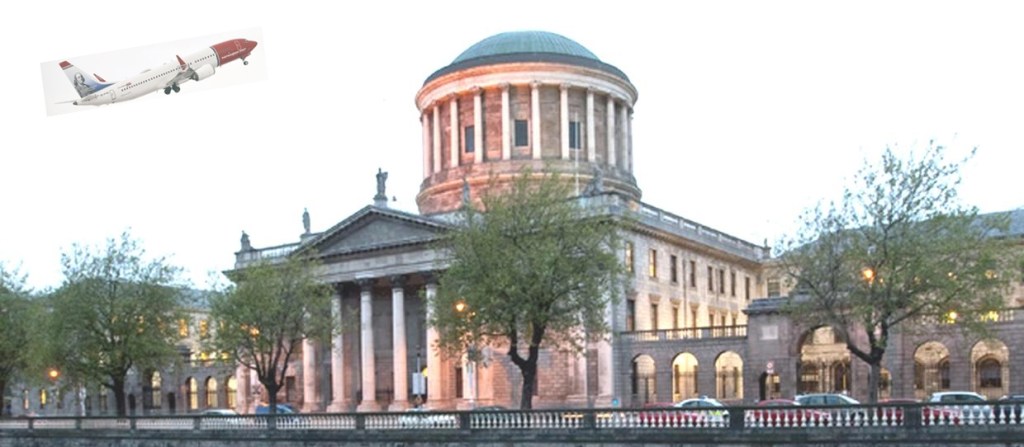
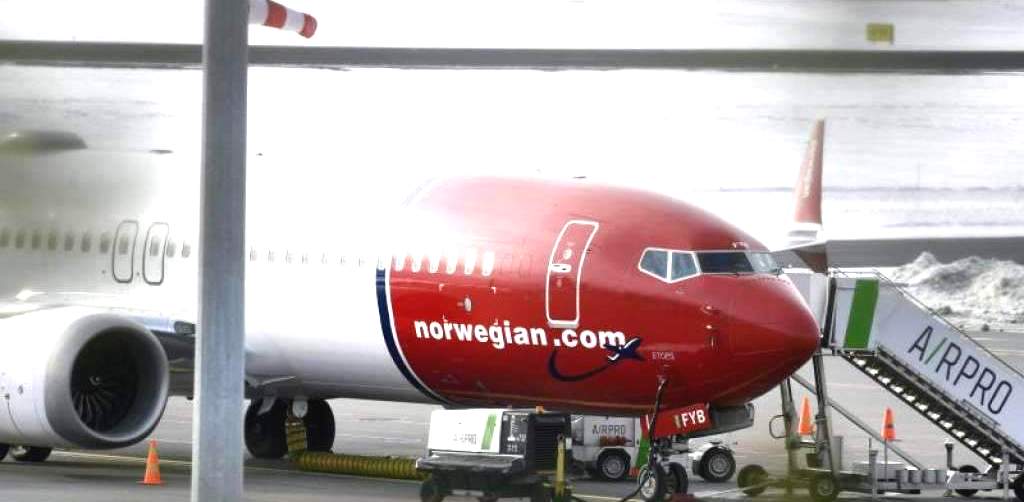
Los acreedores del transportador aéreo Norwegian Air Shuttle ASA están desafiando la oferta de la aerolínea de devolver más de treinta aviones a proveedores, una parte clave de los planes para rescatar al grupo. Norwegian Air y sus filiales irlandesas, Arctic Aviation Assets, Norwegian Air International, Drammensfjorden Leasing y Lysakerfjorden Leasing, están bajo la protección del Tribunal Superior de Irlanda de los acreedores, mientras que el examinador Kieran Wallace de la compañía holandesa KPMG trabaja a contrareloj en un plan de reestructuración para la aerolínea escandinava.
Las cinco compañías han pedido al Tribunal que repudie la acción de los leasor por los arrendamientos de más de 36 aviones, lo que les permite devolver el avión a los arrendadores, con el fin de restructurar su flota como parte de las propuestas para mantener a Norwegian Air en el negocio aéreo. Los abogados de varios arrendadores se quejaron el Jueves 04/02 de que no habían tenido tiempo suficiente para hacer frente a las preocupaciones planteadas por las solicitudes de las empresas ante el Tribunal, incluidas las posibles complicaciones derivadas del hecho de que algunos acuerdos se regían por el derecho inglés.
El arrendamiento de Industrial and Commercial Bank of China (ICBC), que ha suministrado 10 aviones a Norwegian Air, adujo que las solicitudes de las empresas carecían de información y análisis para permitir al Tribunal evaluar cómo eran onerosos los arrendamientos. El abogado superior del KPMG, Paul Sreenan, advirtió que el examen era el día 79 de 100, por lo que está previsto que finalice dentro de tres semanas.
Norwegian Air quiere reducir su flota en más de la mitad a 68 de 140, permitiendo quitar la red de larga distancia para centrarse en volar en Europa. La filial irlandesa, Torskefjorden Leasing, que alquilaba 24 aviones y formaba parte del examen, está en liquidación, por lo que ya no forma parte del procedimiento del Tribunal Superior. Las cinco empresas que permanecen en examen están alquilando 48 aeronaves, incluidas las 36 implicadas en la solicitud para poner fin a dichos acuerdos. El repudio implica que la empresa termine contratos de arrendamiento, pero pagar a los acreedores implicaba una liquidación basada en el monto adeudado en la fecha en que la empresa entró en examen, y una segunda liquidación que cubre pasivos del período del propio examinador. Los arrendadores obtendrían el mismo dividendo que todos los demás sobre la diferencia entre el total de la empresa pagada en las liquidaciones y el importe total adeudado. El Juez Michael Quinn propuso permitir hasta el Viernes 12 de Febrero de 2021 que los acreedores respondan a las solicitudes de las empresas. El asunto debe volver ante la Corte el Lunes 15/02.
El Jueves 04/02, Norwegian y sus subsidiarias solicitaron al Tribunal que repudiar los contratos con varios proveedores, incluyendo la compañía irlandesa, In Flight Audio, negocios de combustible, catering y aeropuertos estadounidenses como Boston/Logan Airport.
Brian Kennedy, el abogado Senior de las empresas del grupo Norwegian ha señalado que la rescisión de los contratos se remontaría al momento en que el grupo surja de la examidad. El Juez Michael Quinn dijo que se pronunciaría sobre esas solicitudes, que no se impugnan, la próxima semana.
Creditors challenge Norwegian offer
Creditors claim in court for aircraft leasing
Creditors of air carrier Norwegian Air Shuttle ASA are challenging the airline’s offer to return more than thirty planes to suppliers, a key part of plans to rescue the group. Norwegian Air and its Irish subsidiaries, Arctic Aviation Assets, Norwegian Air International, Drammensfjorden Leasing and Lysakerfjorden Leasing, are under the protection of the High Court of Ireland from creditors, while examiner Kieran Wallace of the Dutch company KPMG works against the clock on a restructuring plan for the Scandinavian airline.
The five companies have asked the Court to repudiate the leasors’ action for the leases of more than 36 aircraft, allowing them to return the aircraft to the lessors, in order to restructure their fleet as part of the proposals to keep Norwegian Air in the airline business. Lawyers for several landlords complained on Thursday 04/02 that they had not had enough time to address the concerns raised by the companies’ requests to the Court, including possible complications arising from the fact that some agreements were governed by English law.
The leasing of Industrial and Commercial Bank of China (ICBC), which has supplied 10 aircraft to Norwegian Air, argued that the companies’ requests lacked information and analysis to enable the Tribunal to assess how onerous the leases were. KPMG Senior Counsel, Paul Sreenan, noted that the exam was on the 79th of 100th, so it is scheduled to end in three weeks.
Norwegian Air wants to reduce its fleet by more than half to 68 out of 140, allowing it to remove the long-haul network to focus on flying in Europe. The Irish subsidiary, Torskefjorden Leasing, which leased 24 aircraft and was part of the review, is in liquidation and is therefore no longer part of the High Court proceedings. The five companies that remain under review are leasing 48 aircraft, including the 36 involved in the request to terminate those agreements. The repudiation implies that the company terminates leases, but paying creditors involved a settlement based on the amount owed on the date the company entered examination, and a second settlement covering liabilities for the examiner’s own period. The lessors would get the same dividend as everyone else on the difference between the total amount of the company paid in the settlements and the total amount owed. Judge Michael Quinn proposed to allow until Friday, February 12, 2021, that creditors respond to requests from companies. The matter must return to the Court on Monday 02/15.
On Thursday 02/04, Norwegian and its subsidiaries petitioned the Court to repudiate contracts with various suppliers, including the Irish company, In Flight Audio, fuel businesses, catering and US airports such as Boston/Logan Airport.
Brian Kennedy, the Senior Counsel for the Norwegian group companies has indicated that the termination of the contracts would go back to the time the group emerged from the examination. Judge Michael Quinn said he would rule on those undisputed requests next week.
Kreditorer utfordrer Norwegian tilbud
Kreditorer krever i retten for leasing av fly
Kreditorer til flyselskapet Norwegian Air Shuttle ASA utfordrer flyselskapets tilbud om å returnere mer enn tretti fly til leverandører, en viktig del av planene for å redde gruppen. Norwegian Air og dets irske datterselskaper, Arctic Aviation Assets, Norwegian Air International, Drammensfjorden Leasing og Lysakerfjorden Leasing, er under beskyttelse av High Court of Ireland fra kreditorer, mens sensor Kieran Wallace fra det nederlandske selskapet KPMG jobber mot klokken på en restrukturering plan for det skandinaviske flyselskapet.
De fem selskapene har bedt domstolen om å avvise leietakernes handling for leie av mer enn 36 fly, slik at de kan returnere flyet til utleierne, for å omstrukturere flåten som en del av forslagene om å holde Norwegian Air i flyselskapet. virksomhet. Advokater for flere utleiere klaget torsdag 04/02 over at de ikke hadde hatt nok tid til å ta opp bekymringene som ble reist av selskapenes forespørsler til domstolen, inkludert mulige komplikasjoner som følge av at noen avtaler var underlagt engelsk lov.
Leasing av Industrial and Commercial Bank of China (ICBC), som har levert 10 fly til Norwegian Air, hevdet at selskapenes forespørsler manglet informasjon og analyse for å gjøre det mulig for Tribunal å vurdere hvor belastende leiekontraktene var. KPMG Senior Counsel, Paul Sreenan, bemerket at eksamen var på 79th of 100th, så den er planlagt å avslutte om tre uker.
Norwegian Air ønsker å redusere flåten med mer enn halvparten til 68 av 140, slik at den kan fjerne fjerntransportnettverket for å fokusere på å fly i Europa. Det irske datterselskapet Torskefjorden Leasing, som leide 24 fly og var en del av gjennomgangen, er i avvikling og er derfor ikke lenger en del av High Court-saksbehandlingen. De fem selskapene som er under evaluering, leaser 48 fly, inkludert de 36 som er involvert i anmodningen om å si opp disse avtalene. Avvisningen innebærer at selskapet avslutter leiekontrakter, men betalende kreditorer involverte et oppgjør basert på skyldig beløp på datoen selskapet gikk inn i eksamen, og et andre oppgjør som dekker forpliktelser for sensorens egen periode. Utleierne ville få samme utbytte som alle andre på forskjellen mellom det totale beløpet til selskapet som ble betalt i bosetningene og det totale skyldte beløpet. Dommer Michael Quinn foreslo å tillate frem til fredag 12. februar 2021 at kreditorer svarer på forespørsler fra selskaper. Saken må komme tilbake til retten mandag 15.02.
Torsdag 02/04 begjærte Norwegian og dets datterselskaper domstolen å avvise kontrakter med forskjellige leverandører, inkludert det irske selskapet In Flight Audio, drivstoffvirksomheter, catering og amerikanske flyplasser som Boston/Logan Airport.
Brian Kennedy, seniorråd for de norske konsernselskapene, har indikert at avslutningen av kontraktene vil gå tilbake til det tidspunktet gruppen kom ut av undersøkelsen. Dommer Michael Quinn sa at han ville avgjøre disse forespørslene, som ikke blir utfordret, neste uke.
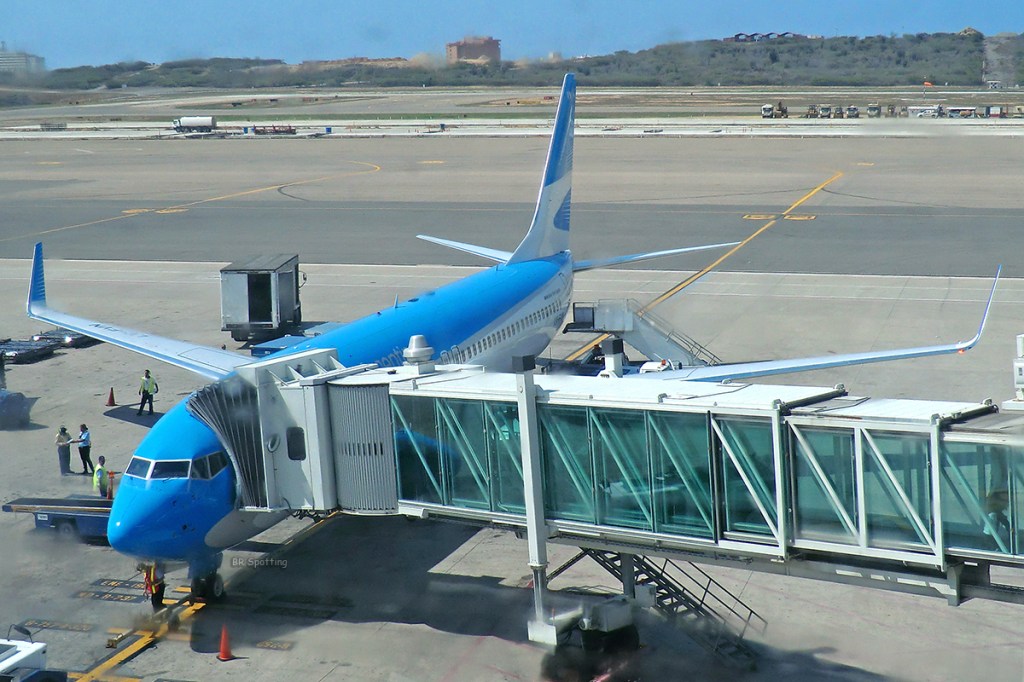
Gobierno de Argentina inyectó US$ 527 millones en Aerolíneas
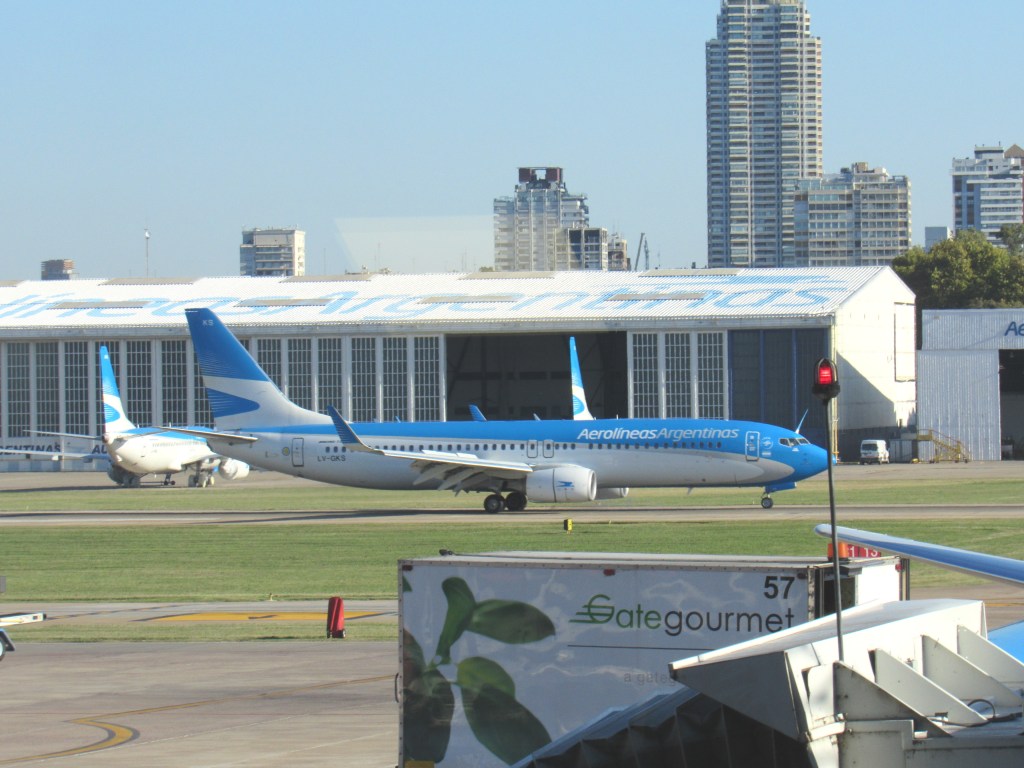
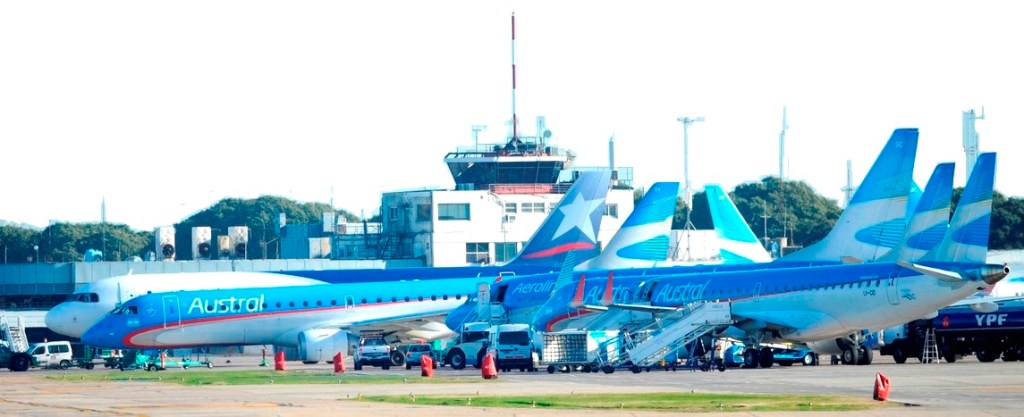
El Gobierno de la República Argentina ha informado gastos en el transportador del Grupo Aerolíneas para el ejercicio 2020 unos US$ 527 millones, permitiendo observar un incremento en los gastos desde 2015, según los datos proporcionados por la compañía aérea Aerolíneas Argentinas. Tras la introducción de la pandemia y los drásticos cambios en la supresión de los vuelos desde Marzo 2020 la reestructuración del grupo ha tenido como protagonismo la sinergia de Aerolíneas Argentinas y Austral Líneas Aéreas, suprimiendo la aerolínea regional en favor de la compañía de bandera.
El mercado aerocomercial también ha sufrido cambios, cuando en la pre-pandemia Aerolíneas y Austral tenían el 63% de la cuota de mercado doméstico, pero tras la introducción de nuevos operadores con el anterior Gobierno, ambas compañías perdieron el 11% de la cuota de mercado frente a compañías privadas como Latam Airlines Argentina, JetSmart Airlines Argentina, Flybondi Líneas Aéreas, Norwegian Air Argentina y Andes Líneas Aéreas. Pero la crisis del transporte aéreo mundial ha llevado a varias aerolíneas a reestructurarse, adaptarse o morir en el intento.
Gobierno y Aerolíneas
Entre 2018 y 2019, la aerolínea tenido una pérdida total de AR$ 58.73 mil millones de Pesos argentinos, un equivalente a US$ 670 millones. Actualmente la compañía Aerolíneas Argentinas todavía tiene que publicar los resultados financieros del ejercicio 2020, lo que genera mucha incertidumbre acerca del déficit acumulado. El comunicado de Aerolíneas expresa que la aerolínea ha disminuido un 97% de su mercado frente a las consecuencias de la pandemia permitiendo proyectar un nuevo retraso de cinco años vista para poder recuperar los índices pre-pandemia y poder alcanzar superhabit, una tarea difícil por delante. Mientras tanto, el Gobierno argentino ha invertido US$ 527 millones entre Enero y Noviembre de 2020.
Perspectivas aéreas
La República Argentina continúa basculando en las políticas aerocomerciales con una perspectiva distante de una recuperación completa. El Gobierno de Argentina está inmersa en un círculo vicioso de gastos en Aerolíneas Argentinas, que tras el anuncio de reestructuración, hacia el 2021 deberá continuar afrontando gastos corrientes y un déficit de arrastre.
La asistencia del Gobierno en materia de políticas aerocomerciales continúa desequilibrando la competitividad y el libre mercado del país, permitiendo asistir a una compañía históricamente deficitaria que condiciona el progreso del libre mercado aéreo de Argentina. Mientras que otros países como Brasil, que a pesar de la crisis actual mundial, continúa adaptándose y mejorando sus políticas con nuevas compañías aéreas y más conexiones, a ello Argentina continúa teniendo una materia pendiente, o mejor dicho, una asignatura que se ha perdido.
Argentine Government vs Aerolíneas expenses
Government Argentina injected US$ 527 million in Aerolíneas
The Government of the Argentine Republic has reported expenses on the Aerolíneas Group carrier for the 2020 financial year about US $ 527 million, allowing an increase in expenses since 2015, according to data provided by the airline Aerolíneas Argentinas. After the introduction of the pandemic and the drastic changes in the suppression of flights since March 2020, the restructuring of the group has had as a leading role the synergy of Aerolíneas Argentinas and Austral Líneas Aéreas, suppressing the regional airline in favor of the flag company.
The commercial aviation market has also undergone changes, when in the pre-pandemic Aerolíneas and Austral had 63% of the domestic market share, but after the introduction of new operators with the previous Government, both companies lost 11% of the share of market against private companies such as Latam Airlines Argentina, JetSmart Airlines Argentina, Flybondi Líneas Aéreas, Norwegian Air Argentina and Andes Lineas Aereas. But the global air transport crisis has led several airlines to restructure, adapt, or die trying.
Government and Aerolíneas
Between 2018 and 2019, the airline had a total loss of AR $ 58.73 billion Argentine pesos, an equivalent to US$ 670 million. Currently the company Aerolíneas Argentinas has yet to publish the financial results for the 2020 financial year, which generates a lot of uncertainty about the accumulated deficit. The Aerolíneas statement states that the airline has decreased by 97% of its market in the face of the consequences of the pandemic, allowing a new delay of five years to be projected to be able to recover the pre-pandemic indexes and to be able to reach superhabit, a difficult task ahead. Meanwhile, the Argentine government has invested US$ 527 million between January and November 2020.
Aerial perspectives
The Argentine Republic continues to swing in commercial air policies with a distant prospect of a complete recovery. The Government of Argentina is immersed in a vicious cycle of expenses at Aerolíneas Argentinas, which after the announcement of restructuring, by 2021 will have to continue facing current expenses and a drag deficit.
The government’s assistance in matters of commercial air policies continues to unbalance the country’s competitiveness and free market, allowing it to assist a historically deficient company that conditions the progress of Argentina’s free air market. While other countries such as Brazil, which despite the current global crisis, continues to adapt and improve their policies with new airlines and more connections, Argentina continues to have a pending matter, or rather, a subject that has been lost.
Aeropuerto Jorge Newbery continúan los trabajos de remodelación
El Aeropuerto Jorge Newbery SABE/AEP permanece fuera de servicio desde mediados del año 2020, permitiendo continuar con las modificaciones con las perspectivas de ampliar su capacidad operativa restableciendo los vuelos regionales/internacionales.
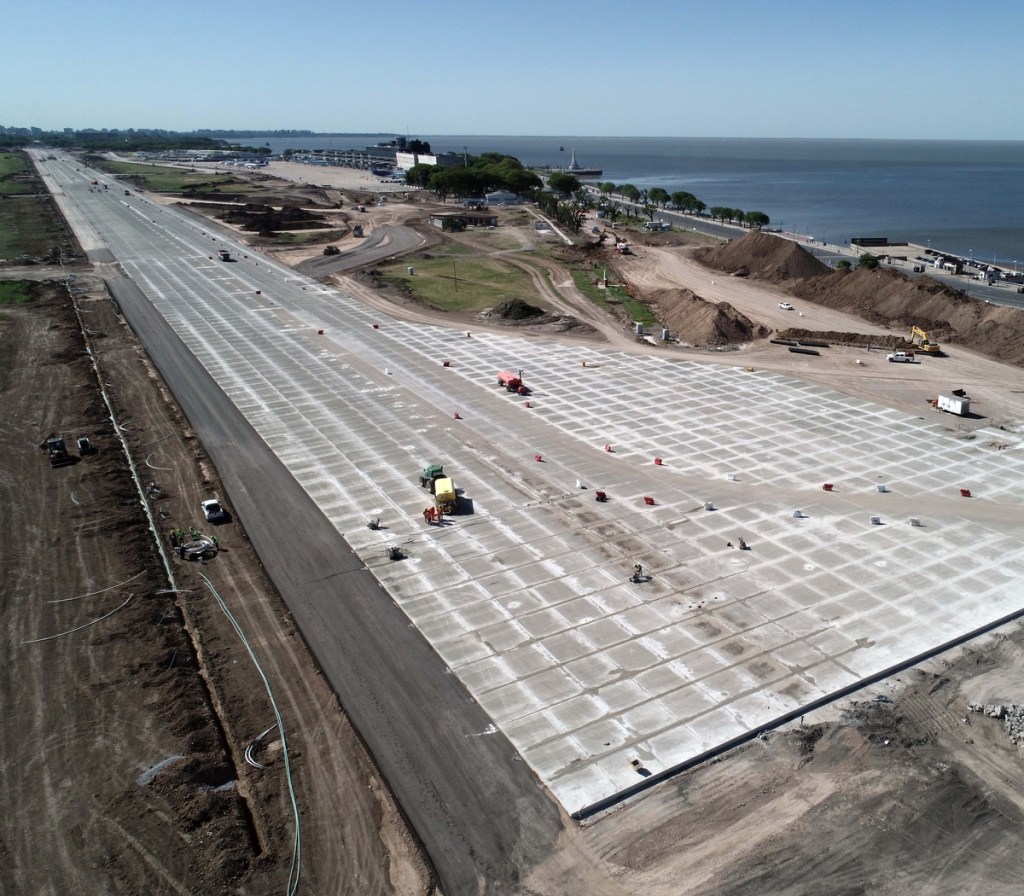
Las obras complementarias de la aeroestación continúan avanzando pese a los contratiempos que genera la pactual pandemia, con unos plazos fijados el año pasado por el Gobierno tuvieron que ser modificados a raíz demoras surgidas en el último tramo de 2020. Las perspectivas de la apertura del aeropuerto estaba anunciada para Febrero 2021, pero un ajuste en el cronograma establecido hicieron posponer la reapertura hacia el 15 de Marzo de 2021. «Se extendió el NOTAM de cierre hasta el 15 de Marzo, pero tiene que ver con cuestiones operativas relacionadas a calibraciones, verificaciones y capacitaciones que deben llevarse a cabo, previas a la habilitación. Las obras en el edificio ostentan un avance cercano al 50 por ciento. Puede parecer poco, pero hay que tener en cuenta que se mide en función del porcentaje de la inversión gastado hasta el momento. Y generalmente los equipamientos y todo lo que se coloca en las etapas finales de la arquitectura, que incluye desde los equipos de aire acondicionado hasta los artefactos de iluminación, tiene un peso grande en esa inversión», dijo un portavoz del Organismo Regulador del Sistema Nacional de Aeropuertos (ORSNA). La Pista 13/31 está renovada por completo. «La pista propiamente dicha está terminada. Ahora se está trabajando en los rodajes, que son las calles por las que los aviones acceden a ella, y en los márgenes. También en las franjas, que son esos paños de pasto a los costados, porque hay que nivelarlas», se informó desde el organismo.
Los cambios establecidos
En cuanto a los trabajos que se siguen haciendo en la terminal, el plan activo contempla inversiones por al menos AR$ 5.000 millones de Pesos. Aprovechando el momento particular de parálisis de la aviación comercial que ocurrió en 2020, el Organismo Regulador del Sistema Nacional de Aeropuertos (ORSNA) solicitó a Aeropuertos Argentina 2000 el estudio de la factibilidad para realizar una obra de envergadura, con vistas de largo plazo y así mejorar la categoría de la pista actual. La obra viene a complementar la transformación que está viviendo Aeroparque en el contexto de su regionalización con nuevos estacionamientos Sur y estacionamientos en subsuelos en tierra ganada al río, debajo de nuevo parque costero, check in, capacidad de la terminal, paseo costero, entre otros, se informó desde la concesionaria.
La pista del Aeropuerto Jorge Newbery contaba con 2.100 metros previo a estas labores. Ahora sumó 275 metros hacia el sur y 340 hacia el norte (615 metros en total). De esa manera llega a tener 2.715 metros de largo y, además, se ensanchó 20 metros. «Esto permitirá optimizar las operaciones regionales y mejorar la seguridad y la conectividad con el exterior», comunicó recientemente Aeropuertos Argentina 2000. En concreto, habilitará el movimiento de aviones de gran porte. Con vistas al arribo de vuelos internacionales, las obras en marcha sumarán 800 metros cuadrados de superficie, y además se promueve una ampliación del área de partidas, que abarcará algo más de 4.600 metros cuadrados. El retorno del Aeroparque representará un alivio para el Aeropuerto Internacional Ezeiza, que concentra toda la actividad aerocomercial de los vuelos domésticos e internacionales. «El preembarque internacional se diagramó para poder manejar la operación de seis vuelos en una hora, por lo que se refuncionalizó el espacio actual. Se mantienen los 3 scanners de la Policía de Seguridad Aeroportuaria y se agregan seis boxes dobles de migraciones (doce posiciones en total) y cinco e-gates de migraciones. Hay 2 puertas de preembarque nacional que funcionarán como posiciones flex, es decir, las puertas 12 y 13 de nacional se pueden usar para embarcar vuelos inter, y esto se hará mediante mamparas de vidrio similares a las que ya hay en el aeropuerto de Córdoba. Habrá dos locales gastronómicos», indicó la empresa
El plan de obras contempla desembolsos del orden de los AR$ 5.000 millones de pesos. Asimismo, en el sector de arribos internacionales, habrá tres cintas y se separarán para brindar mayor comodidad. Se quintuplicará la superficie de oficinas para Aduana y Migraciones. Los trabajos en marcha también incluyen mejoras en el sistema de señalización, con la perspectiva de garantizar la operatividad en situaciones climáticas adversas. «Las obras contemplarán un nuevo sistema de balizamiento de alta intensidad en configuración de Categoría Operacional III, rodajes y salidas rápidas, que incluye luces de eje pista, bordes, umbral y fin de pista, y nuevos sistemas de luces de aproximación en ambas cabeceras. Dichas instalaciones mejorarán sustancialmente la seguridad de las operaciones y permitirán operar en condiciones de baja visibilidad», concluyó la compañía.
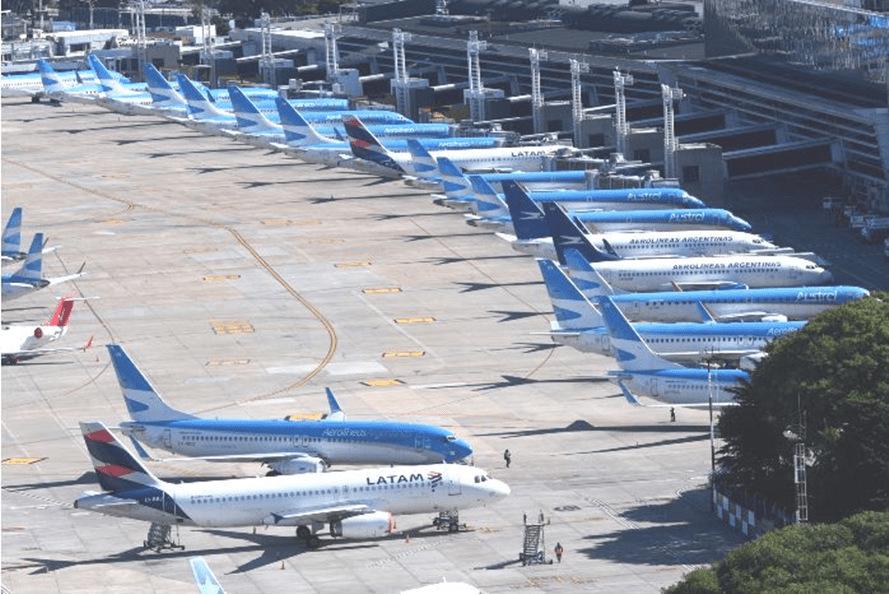
El retorno de la terminal aérea porteña permitirá a las low cost desembarcar en un aeropuerto de posoción estratégica para el país. JetSmart Airlines Argentina cuenta con tres amarres (slots) para comenzar a operar desde ese aeropuerto. Flybondi Líneas Aéreas continuará las negociaciones para activar un plan alternativo al del Aeropuerto El Palomar. Aerolíneas Argentinas detentará más del 80% de las operaciones aéreas. El retorno del Aeropuerto Jorge Newbery también traerá aparejado el despegue de los seis aviones A320CEO de Latam Airlines Argentina que permanecen dentro de la estación aérea.
Aeroparque opening around 15/03
Jorge Newbery Airport remodeling work continues
Jorge Newbery SABE/AEP Airport has been out of service since mid-2020, allowing the modifications to continue with the prospect of expanding its operational capacity by reestablishing regional/international flights.
The complementary works of the air station continue to advance despite the setbacks generated by the pactual pandemic, with deadlines set last year by the Government had to be modified due to delays arising in the last section of 2020. The prospects for the opening of the airport It was announced for February 2021, but an adjustment in the established schedule made the reopening postponed until March 15, 2021. «The closing NOTAM was extended until March 15, but it has to do with operational issues related to calibrations, verifications and training that must be carried out, prior to the habilitation. The works in the building show an advance close to 50 percent. It may seem little, but it must be taken into account that it is measured based on the percentage of the investment spent up to the moment. And generally the equipment and everything that is placed in the final stages of architecture, which includes air conditioning equipment. Even the lighting fixtures have a great weight in that investment», said a spokesman for the Regulatory Body of the National Airport System (ORSNA). Runway 13/31 is completely renovated. «The runway itself is finished. Now we are working on the filming, which are the streets through which the airplanes access it, and on the margins. Also on the strips, which are those grass patches on the sides, because you have to level them», it was reported from the agency.
The established changes
As for the work that continues to be done at the terminal, the active plan includes investments of at least AR$ 5,000 million Pesos. Taking advantage of the particular moment of paralysis of commercial aviation that occurred in 2020, the Regulatory Agency of the National Airport System (ORSNA) requested that Aeropuertos Argentina 2000 study the feasibility of carrying out a large-scale work, with long-term views and thus improving the current runway’s category. The work complements the transformation that Aeroparque is undergoing in the context of its regionalization with new South parking lots and underground parking lots on land reclaimed from the river, under a new coastal park, check in, capacity from the terminal, coastal walk, among others, was reported from the concessionaire.
The Jorge Newbery Airport runway had 2,100 meters prior to these tasks. Now it added 275 meters to the south and 340 to the north (615 meters in total). In this way it becomes 2,715 meters long and, in addition, it widened 20 meters. «This will make it possible to optimize regional operations and improve security and connectivity with the exterior», Airports Argentina 2000 recently reported. Specifically, it will enable the movement of large aircraft. With a view to the arrival of international flights, the works underway will add an area of 800 square meters, and an expansion of the departure area is also being promoted, which will cover just over 4,600 square meters. The return of the Aeroparque will represent a relief for the Ezeiza International Airport, which concentrates all the commercial aviation activity of domestic and international flights. «The international pre-boarding was planned to handle the operation of six flights in one hour, so the current space was re-functionalized. The 3 scanners of the Airport Security Police are maintained and six double migration boxes are added (twelve positions in total) and five migration e-gates. There are 2 national pre-boarding gates that will function as flex positions, that is, national gates 12 and 13 can be used to board inter flights, and this will be done through glass partitions similar to those that already exist in the Córdoba airport. There will be two gastronomic places», the company indicated.
The works plan includes disbursements in the order of AR$ 5,000 million pesos. Also, in the International Arrivals sector, there will be three ribbons and they will be separated to provide greater comfort. The office space for Customs and Immigration will be quintupled. Work underway also includes improvements to the signaling system, with the perspective of guaranteeing operability in adverse weather conditions. «The works will include a new high intensity beaconing system in Operational Category III configuration, taxiing and rapid departures, which includes runway center line, edge, threshold and end of runway lights, and new approach lighting systems at both headwaters. These facilities will substantially improve the safety of operations and will allow operating in low visibility conditions», the company concluded.
The return of the Buenos Aires air terminal will allow low cost companies to disembark at an airport with a strategic position for the country. JetSmart Airlines Argentina has three moorings (slots) to start operating from that airport. Flybondi Líneas Aéreas will continue negotiations to activate an alternative plan to that of El Palomar Airport. Aerolíneas Argentinas will hold more than 80% of the air operations. The return of the Jorge Newbery Airport will also bring about the takeoff of the six Latam Airlines Argentina A320CEO aircraft that remain inside the air station.









 airgways.com