Sindicatos rechazan propuesta salarial de Aerolíneas Argentinas
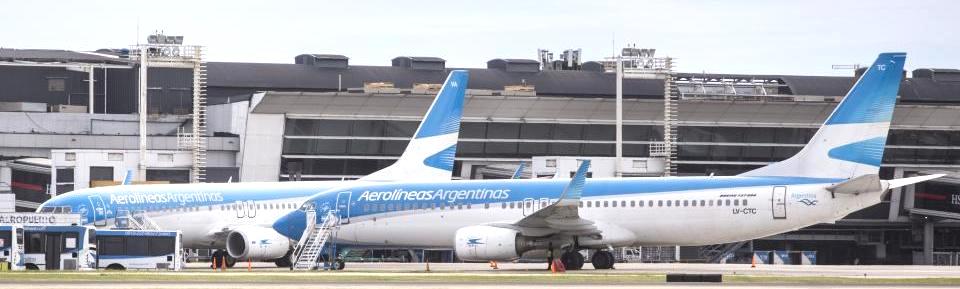
Los sindicatos aeronáuticos unidos rechazaron categóricamente las propuestas salariales presentadas por Aerolíneas Argentinas e Intercargo en el marco de las negociaciones paritarias y anticiparon: “No vamos a aceptar que pretendan seguir deteriorando nuestros ingresos”. Los gremios se han pronunciado en su postura firme, pero no han anunciado medidas de fuerza.
Los gremios aeronáuticos nucleados de Argentina iniciaron una ofensiva para obtener un incremento salarial con un piso del 40%, a cuenta de la paritaria 2020. La Asociación del Personal Aeronáutico (APA), el gremio que conduce Edgardo Llano, informó que junto al resto de sindicatos APLA, APTA y UPSA asistieron a una reunión solicitada con Aerolíneas Argentinas e Intercargo por la demorada negociación salarial. En medio de las negociaciones en la exposición de la reunión, la compañía ha remarcado sobre las dificultades financieras y operativas que enfrentan ambas empresas, las conducciones de Aerolíneas Argentinas e Intercargo presentaron sus propuestas salariales. Al respecto, el gremio APA ha confirmado que las mismas propuestas fueron rechazadas categóricamente, al señalar que no guardan relación alguna con la pérdida de poder adquisitivo registrada, ni con la inflación proyectada para los próximos meses. Ante la falta de un acuerdo, los sindicatos aeronáuticos se pronunciaron: “Hemos sido sumamente prudentes en cada paso que dimos; más aún, cuando las paritarias deberían haber estado cerradas desde hace meses. Sin embargo, no vamos a aceptar que pretendan seguir deteriorando nuestros ingresos”, indicaron los sindicatos.
ATEPSA
Mientras, tanto, los controladores aéreos, nucleados en la Asociación Técnicos y Empleados de Protección y Seguridad a la Aeronavegación (ATEPSA) han expresado una medida de fuerza que provocaría demoras y cancelaciones en los vuelos de este Viernes 14/05. La medida de fuerza anunciada por ATEPSA no guarda vinculación con la paritaria de aerolíneas, ya que los controladores negocian sus salarios y condicionales laborales con la Empresa Argentina de Navegación Aérea Sociedad del Estado (EANA).
The united aeronautical unions categorically rejected the salary proposals presented by Aerolíneas Argentinas and Intercargo in the framework of joint negotiations and anticipated: «We are not going to accept that they intend to continue deteriorating our income». The unions have spoken out in their firm stance, but have not announced force measures.
The nucleated aeronautical unions of Argentina began an offensive to obtain a salary increase with a floor of 40%, on account of the 2020 parity. The Aeronautical Personnel Association (APA), the union led by Edgardo Llano, reported that together with the rest of unions APLA, APTA and UPSA attended a meeting requested with Aerolíneas Argentinas and Intercargo due to the delayed salary negotiation. In the middle of the negotiations at the meeting’s presentation, the company has remarked on the financial and operational difficulties faced by both companies, the conduits of Aerolíneas Argentinas and Intercargo presented their salary proposals. In this regard, the APA union has confirmed that the same proposals were categorically rejected, stating that they are not related to the loss of purchasing power registered, nor to the inflation projected for the next few months. In the absence of an agreement, the aeronautical unions declared: “We have been extremely cautious in every step we took; even more so, when the joint ventures should have been closed for months. However, we are not going to accept that they intend to continue deteriorating our income”, indicated the unions.
ATEPSA
Meanwhile, the air traffic controllers, grouped in the Air Navigation Protection and Safety Technicians and Employees Association (ATEPSA) have expressed a measure of force that would cause delays and cancellations in the flights this Friday, 05/14. The measure of force announced by ATEPSA is not linked to the joint airline, since the controllers negotiate their salaries and working conditions with the Argentine Air Navigation Company Sociedad del Estado (EANA).
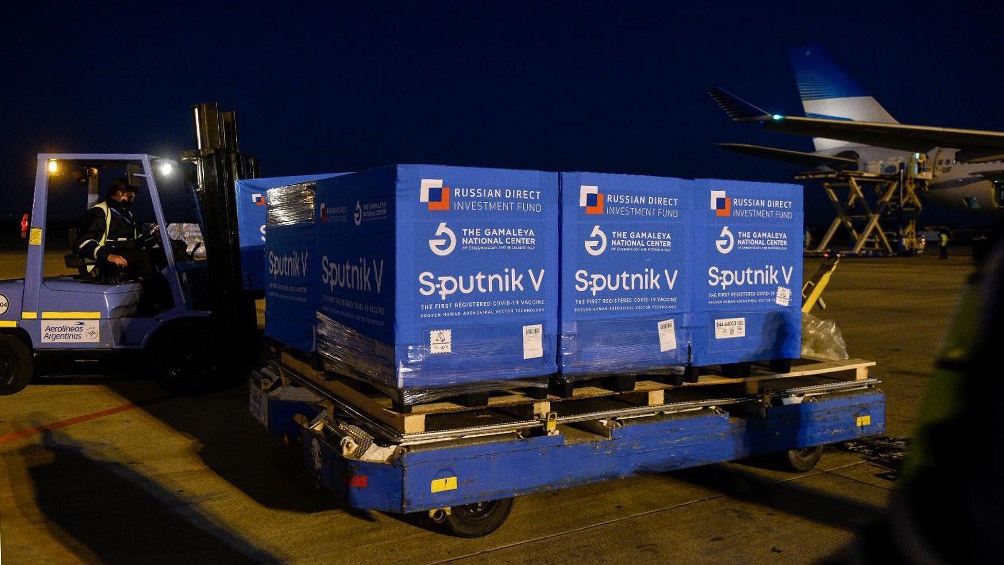
El nuevo vuelo AR1081 de Aerolíneas Argentinas con 500.000 mil dosis de vacunas Sputnik V. La aeronave Airbus 330-200 tocó tierra a las 06:16 hs al Aeropuerto Internacional Ezeiza/EZE, luego de haber despegado del Aeropuerto internacional de Moscú/Sheremetievo el Miércoles a las 13:38 hs. hora argentina [19:38 hora de Rusia]. El decimoquinto vuelo de Aerolíneas Argentinas proveniente de la Federación Rusia, con 500.000 vacunas Sputnik V destinadas a fortalecer el plan de inmunización contra el Coronavirus en el país, que ya recibió más de 12,6 millones de dosis, aterrizó esta mañana en el Aeropuerto Internacional de Ezeiza. La aeronave Airbus A330-200, matrícula LV-GIF, estuvo aparcada para la realización estiva de la carga aérea de las dosis por cinco horas en la aeroestación moscovita.
El vuelo fue recibido en Ezeiza por el titular de Aerolíneas Argentinas, Pablo Ceriani. Según fuentes oficiales, con los embarques de Sputnik V que llegaron esta semana se habrá vacunado con una dosis a todos los mayores de 60 años que se inscribieron en el país.
El avión, en el que viajaron veinte personas, entre comandantes, copilotos, personal técnico, de mantenimiento y de cabina, había aterrizado en tierras moscovitas el Miércoles 13/05 a las 08:40 hora argentina [14:40 de Moscú], tras haber despegado el Martes 12/05 a las 17:18 hs. desde Ezeiza. Tras el proceso de Aduana y el procesamiento de la carga, se iniciará la distribución de las vacunas para continuar con el programa de vacunación dispuesto por el Gobierno Nacional en todo el país. La Argentina sostiene la estrategia de avanzar con el esquema convencional de vacunación con ambos componentes de la Sputnik V. Como en los vuelos anteriores, las vacunas producidas por el instituto Gamaleya fueron trasladadas en contenedores del tipo «thermobox» a una temperatura de 18 grados bajo cero y con carga adicional de refrigeración.
Hasta el momento y con este vuelo, llegaron 10.692.490 de vacunas en 20 vuelos completados por Aerolíneas Argentinas: 14 vuelos desde Moscú con 6.533.290 dosis de Sputnik V y 5 vuelos desde Beijing con 3.659.200 dosis de Sinopharm, sobre un total de 12.698.250 dosis que ingresaron al país en 23 vuelos programados entre ellos también de Lufthansa German Airlines y KLM Airlines.
Aerolíneas 15th flight with new doses
New doses arrive in the Argentine Republic
The new flight AR1081 of Aerolíneas Argentinas with 500,000 thousand doses of Sputnik V vaccines. The Airbus 330-200 aircraft touched down at 06:16 am at Ezeiza International Airport/EZE, after taking off from Moscow/Sheremetievo International Airport on Wednesday at 01:38 p.m. Argentine time [19:38 Russian time]. The fifteenth flight of Aerolíneas Argentinas from the Russian Federation, with 500,000 Sputnik V vaccines destined to strengthen the immunization plan against the Coronavirus in the country, which has already received more than 12.6 million doses, landed this morning at the International Airport of Ezeiza. The Airbus A330-200 aircraft, registration LV-GIF, was parked for the estiva performance of the air cargo of the doses for five hours at the Moscow air station.
The flight was received in Ezeiza by the owner of Aerolíneas Argentinas, Pablo Ceriani. According to official sources, with the shipments of Sputnik V that arrived this week, all those over 60 who registered in the country will have been vaccinated with a dose.
The plane, in which twenty people traveled, including commanders, co-pilots, technical, maintenance and cabin personnel, had landed in Moscow on Wednesday 05/13 at 08:40 Argentine time [14:40 Moscow time], after take off on Tuesday 05/12 at 05:18 pm. from Ezeiza. After the Customs process and the processing of the cargo, the distribution of the vaccines will begin to continue with the vaccination program established by the National Government throughout the country. Argentina supports the strategy of advancing with the conventional vaccination scheme with both components of Sputnik V. As in previous flights, the vaccines produced by the Gamaleya Institute were transported in «thermobox» type containers at a temperature of 18 degrees below zero and with additional cooling load.
So far and with this flight, 10,692,490 vaccines have arrived in 20 flights completed by Aerolíneas Argentinas: 14 flights from Moscow with 6,533,290 doses of Sputnik V and 5 flights from Beijing with 3,659,200 doses of Sinopharm, out of a total of 12,698,250 doses that entered the country on 23 scheduled flights, including Lufthansa German Airlines and KLM Airlines.
AW | 2021 05 13 11:10 | AVIATION SAFETY / AIR TRAFFIC / AIRLINES
Principales aerolíneas cancelan sus vuelos a Tel Aviv
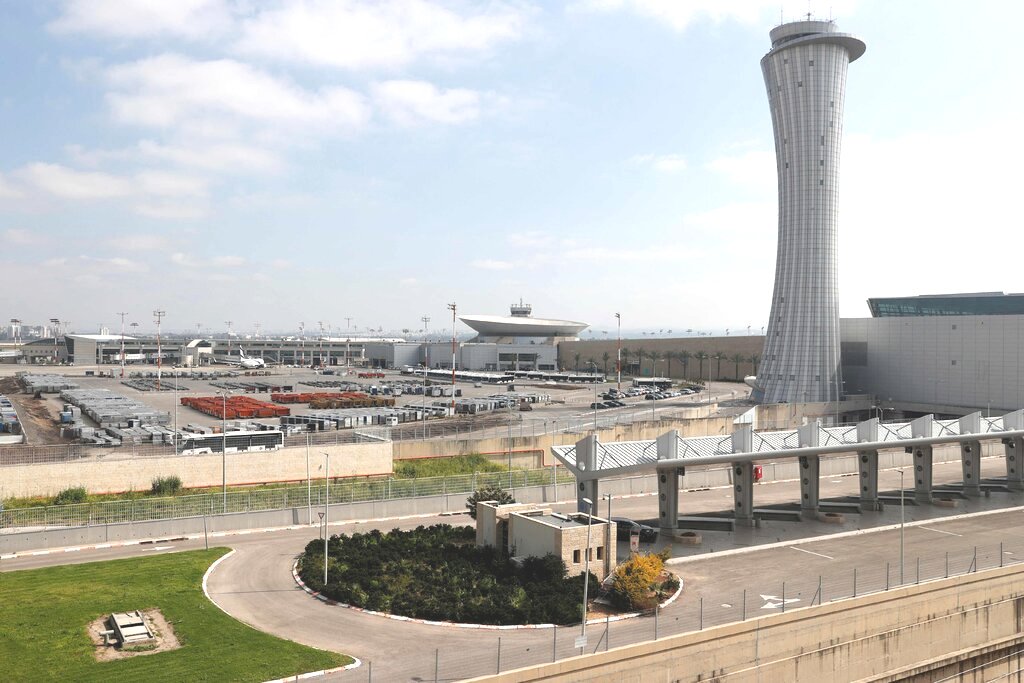
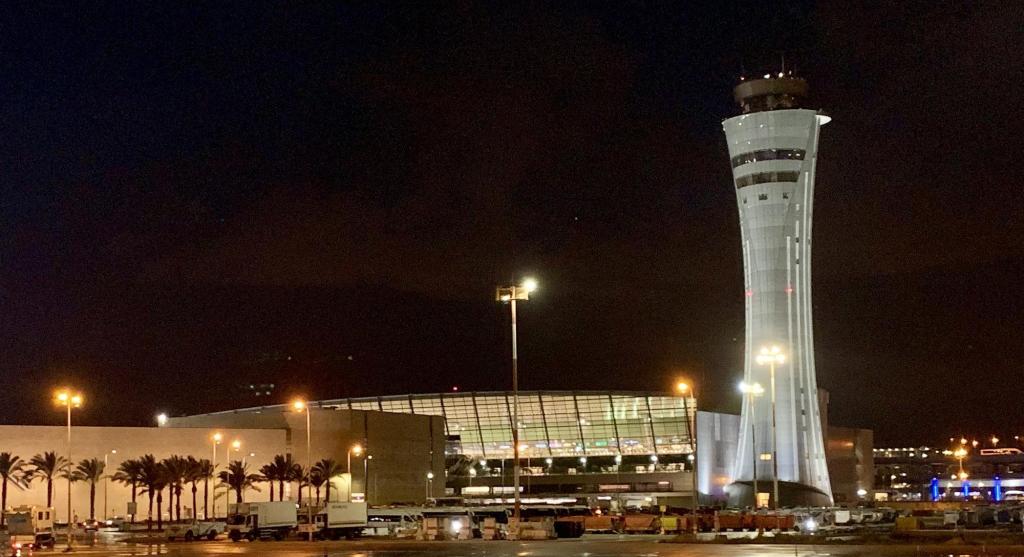
Las principales compañías han decidido cancelar sus vuelos al Aeropuerto Internacional Tel Aviv/Ben Gurion, República de Israel, por la seguridad de su tripulación y la de sus pasajeros ante la escalada de violencia. British Airways, Virgin Atlantic Airways e Iberia Líneas Aéreas cancelaron vuelos a Tel Aviv uniéndose así a las aerolíneas estadounidenses en su decisión de evitar volar a Israel.
Las aerolíneas europeas y americanas han mostrado su preocupación ante las escaladas bélicas producidas en el Franja de Gaza e Israel. “La seguridad de nuestros colegas y clientes es siempre nuestra principal prioridad, y continuamos monitoreando la situación de cerca”, dijo British Airways después de cancelar sus vuelos desde y hacia Tel Aviv. Virgin Atlantic, con sede en Reino Unido, canceló un vuelo allí el Miércoles 12/05 por la noche y dijo que estaba revisando si operar su vuelo este Jueves 13/05. Virgin Atlantic había dicho a principios de esta semana que las reservas a Israel se habían disparado después de un anuncio de Gran Bretaña de que Israel estaba en su “lista verde” para la reapertura de viajes de ocio al extranjero durante la pandemia de COVID-19. Pero la explosión de violencia ha hecho que las aerolíneas internacionales teman por la seguridad de sus trabajadores y viajeros. La aerolínea española Iberia también canceló sus vuelos a Tel Aviv el Jueves 13/05 y Viernes 14/05, dijo una portavoz, y agregó que la aerolínea tomará una decisión sobre los vuelos futuros en función de la evolución de la situación. La aerolínea alemana Lufthansa también suspende sus vuelos hasta este Viernes 14/05: “Lufthansa está controlando de cerca la situación actual en Israel y continúa manteniendo un estrecho intercambio con las autoridades, los proveedores de servicios de seguridad y nuestro propio personal en el terreno”, dijo la compañía en un comunicado. Lufthansa dijo que esperaba que los vuelos a Israel se reanudaran el Sábado 15 de Mayo de 2021. La aerolínea británica easyJet de momento no ha cancelado sus vuelos a Tel Aviv. Su próximo vuelo allí es desde Berlín y no está programado hasta el 16 de Mayo de 2021, con un servicio de London/Luton a Tel Aviv programado para el 18/05. “Por supuesto, continuaremos vigilando la situación”, dijo una portavoz de easyJet.
Las líneas aéreas americanas United Airlines, Delta Air Lines y American Airlines cancelaron el Miércoles 12/05 todos los vuelos entre Estados Unidos y Tel Aviv.
Por su parte, Israel desvió este Jueves 13/05 un vuelo entrante desde el Aeropuerto Tel Aviv/Ben Gurion al Aeropuerto Eilat Ramon, que represente el segundo en importancia en Israel, que se encuentra localizado al sur del país diseñado para servir como una alternativa en tiempos de guerra a su principal puerta de entrada internacional fuera de Tel Aviv. El vuelo LY-332 de El Al Israel Airlines aterrizó en el Aeropuerto Eilat Ramon cerca de Eilat, a más de 200 kilómetros de distancia de Gaza.
Las Brigadas al Qasam, brazo armado de Hamás, reivindicaron este Jueves 13/05 el lanzamiento de un misil hacia el Aeropuerto de Ramon, por lo que las autoridades aeroportuarias mantienen las alertas en la aeroestación del sur del país.
Flights to Tel Aviv canceled
Major airlines cancel their flights to Tel Aviv
The main companies have decided to cancel their flights to Tel Aviv, Republic of Israel, for the safety of their crew and that of their passengers in the face of the escalation of violence. British Airways, Virgin Atlantic Airways and Iberia Lineas Aereas canceled flights to Tel Aviv, joining US airlines in their decision to avoid flying to Israel.
European and American airlines have shown their concern over the escalation of warfare in the Gaza Strip and Israel. «The safety of our colleagues and customers is always our top priority, and we continue to monitor the situation closely», British Airways said after canceling its flights to and from Tel Aviv. UK-based Virgin Atlantic canceled a flight there on Wednesday 05/12 evening and said it was reviewing whether to operate its flight this Thursday 05/13. Virgin Atlantic had said earlier this week that reservations to Israel had skyrocketed after an announcement from Britain that Israel was on its «green list» for reopening leisure travel abroad during the COVID-19 pandemic. But the explosion of violence has made international airlines fear for the safety of their workers and travelers. Spanish airline Iberia also canceled its flights to Tel Aviv on Thursday 05/13 and Friday 05/14, a spokeswoman said, adding that the airline will make a decision on future flights based on developments in the situation. The German airline Lufthansa also suspends its flights until this Friday 05/14: «Lufthansa is closely monitoring the current situation in Israel and continues to maintain close exchanges with the authorities, security service providers and our own staff on the ground», the company said in a statement. Lufthansa said it expected flights to Israel to resume on Saturday, May 15, 2021. British airline easyJet has not yet canceled its flights to Tel Aviv. His next flight there is from Berlin and is not scheduled until May 16, 2021, with a service from London/Luton to Tel Aviv scheduled for 05/18. «Of course, we will continue to monitor the situation», said an easyJet spokeswoman.
American airlines United Airlines, Delta Air Lines and American Airlines canceled all flights between the United States and Tel Aviv on Wednesday 05/12.
For its part, Israel today diverted an incoming flight from Tel Aviv/Ben Gurion Airport to Eilat Ramon Airport, which represents the second largest in Israel, which is located in the south of the country designed to serve as a wartime alternative to its main gate. international entry outside of Tel Aviv. El Al Israel Airlines flight LY-332 landed at Ramon Airport near Eilat, more than 200 kilometers away from Gaza.
The Al Qasam Brigades, the armed wing of Hamas, claimed this Thursday 05/13 the launch of a missile towards the Ramon Airport, for which the airport authorities maintain alerts at the air station in the south of the country.
טיסות לתל אביב בוטלו
חברות תעופה גדולות מבטלות את טיסותיהם לתל אביב
החברות העיקריות החליטו לבטל את טיסותיהן לנמל התעופה הבינלאומי תל אביב / בן גוריון, רפובליקת ישראל, למען בטיחות הצוות שלהן ונוסעיהן לנוכח הסלמת האלימות. בריטיש איירווייס, וירג’ין אטלנטיק איירווייס ואיבריה ליניאס איראס ביטלו טיסות לתל אביב והצטרפו לחברות התעופה האמריקאיות בהחלטתן להימנע מטיסה לישראל.
חברות תעופה אירופאיות ואמריקאיות הראו את דאגתן מהסלמת הלחימה ברצועת עזה ובישראל. «בטיחות עמיתינו ולקוחותינו היא תמיד בראש סדר העדיפויות שלנו, ואנו ממשיכים לעקוב מקרוב אחר המצב», אמרה בריטיש איירווייס לאחר שביטלה את טיסותיה לתל אביב וממנה. וירג’ין אטלנטיק שבבריטניה ביטלה טיסה לשם ביום רביעי 05/12 בערב ואמרה כי היא בוחנת האם להפעיל את טיסתה ביום חמישי 05/13. וירג’ין אטלנטיק אמרה מוקדם יותר השבוע כי הסתייגויות לישראל הרקיעו שחקים לאחר הודעה של בריטניה כי ישראל נמצאת ב»רשימה הירוקה «שלה לפתיחה מחודשת של נסיעות פנאי לחו»ל במהלך מגפת ה- COVID-19. אולם התפוצצות האלימות גרמה לחברות התעופה הבינלאומיות לחשוש לשלומם של עובדיהן ונוסעותיהן. חברת התעופה הספרדית איבריה ביטלה גם את טיסותיה לתל אביב ביום חמישי 13/5 וביום שישי 05/14, אמרה דוברת והוסיפה כי חברת התעופה תקבל החלטה על טיסות עתידיות בהתבסס על התפתחויות במצב. גם חברת התעופה הגרמנית לופטהנזה מפסיקה את טיסותיה עד יום שישי 14.5: «לופטהנזה עוקבת מקרוב אחר המצב הקיים בישראל וממשיכה לקיים חילופי דברים הדוקים עם הרשויות, נותני שירותי האבטחה והצוות שלנו בשטח.» בהצהרה. לופטהנזה מסרה כי היא צפויה לחדש טיסות לישראל ביום שבת, 15 במאי 2021. חברת התעופה הבריטית איזיג’ט טרם ביטלה את טיסותיה לתל אביב. טיסתו הבאה לשם היא מברלין ואינה מתוכננת עד 16 במאי 2021, עם שירות מלונדון / לוטון לתל אביב המתוכנן לתאריך 05/18. «כמובן שנמשיך לעקוב אחר המצב», אמרה דוברת איזי ג’ט.
חברות התעופה האמריקאיות יונייטד איירליינס, דלתא איירליינס ואמריקן איירליינס ביטלו ביום רביעי 05/12 את כל הטיסות בין ארצות הברית לתל אביב.
ישראל מצידה הפנתה היום טיסה נכנסת מנמל התעופה תל אביב / בן גוריון לשדה התעופה אילת רמון, המייצג את השנייה בגודלה בישראל, הממוקמת בדרום הארץ שנועדה לשמש אלטרנטיבה בעתות מלחמה. לשער הבינלאומי הראשי שלך מחוץ לתל אביב. טיסה LY-332 של חברת התעופה אל על ישראל נחתה בשדה התעופה רמון ליד אילת, מרחק יותר מ- 200 קילומטרים מעזה.
גדודי אלקסאם, הזרוע החמושת של חמאס, טענו ביום חמישי 13/5 ביום שישי טיל לעבר שדה התעופה רמון, שבגינו מקיימים רשויות שדה התעופה התראות בתחנת האוויר בדרום המדינה.
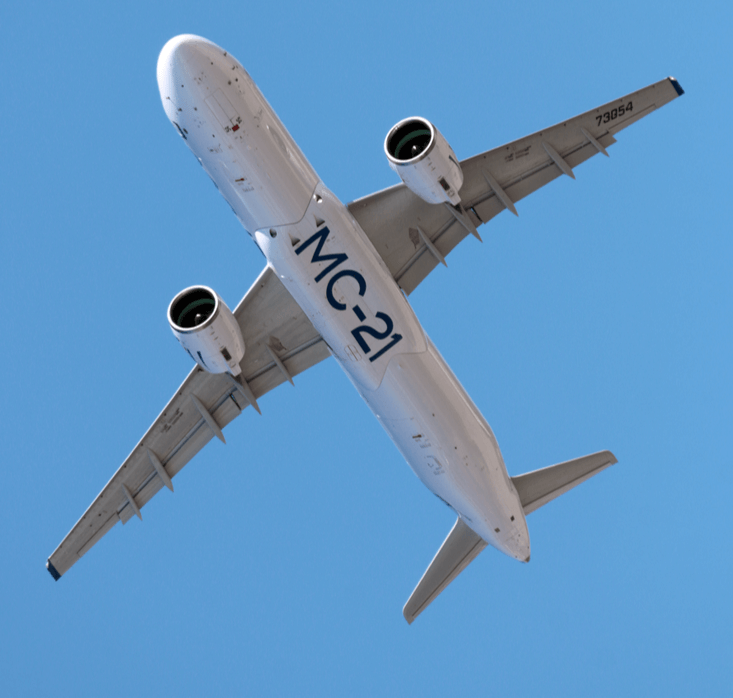
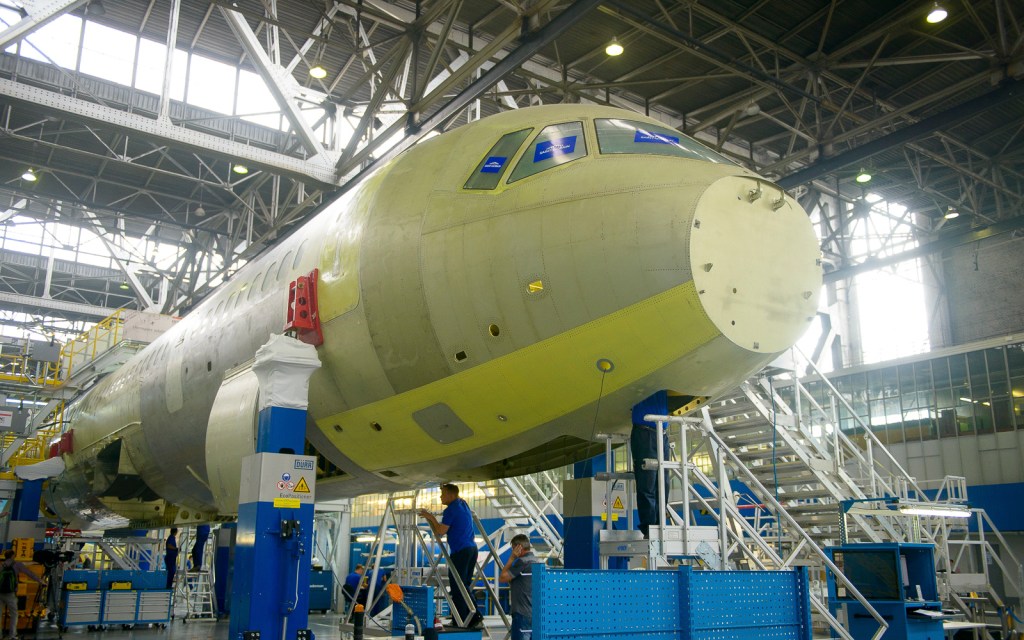
Rusia anuncia inicio producción en línea aeronave MC-21
Irkut Corporation de Rusia comenzará la etapa de la línea de ensamblaje de los narrowbodies MC-21-300 para avanzar en la fabricación en serie dela nueva aeronave insignia del fabricante. El Primer Ministro ruso, Mikhail Mishustin, ha anunciado que la Federación Rusia comenzará la producción en masa de nuevos aviones civiles de diseño nacional. El comunicado anunciado en su discurso ante la Duma del Estado con un informe anual sobre la labor del Gobierno. La nueva aeronave MС-21 se presentará por primera vez con motores de fabricación nacional PD-14. Está previsto producir en masa aviones MC-21 e Ilyushin Il-114-300.
MAKS 2021
Todas estas muestras podrán verse en el XV Salón Internacional de la Aviación y el Espacio (MAKS 2021). El XV Salón Internacional de la Aviación y el Espacio se llevará a cabo en Julio de 2021 en Zhukovsky, cerca de Moscú. Los organizadores del evento son el Ministerio de Industria y Comercio de la Federación de Rusia, así como la Corporación Estatal Rostec. El Salón Internacional de la Aviación y el Espacio es uno de los eventos públicos más importantes que se celebran en Rusia. Durante las jornadas de trabajo, la exposición cuenta con la asistencia de unas 500 mil personas. El récord establecido por la exposición MAKS-2001, a la que asistieron más de 660.000 personas, no ha sido superado por ninguna feria aeroespacial del mundo.
Irkut will start production line MC-21
Russia announces start-up of MC-21 aircraft line production
Irkut Corporation of Russia will begin the assembly line stage of MC-21-300 narrowbodies to advance serial production of the manufacturer’s new flagship aircraft. Russian Prime Minister Mikhail Mishustin has announced that the Russian Federation will begin mass production of new nationally designed civil aircraft. The statement announced in his speech to the State Duma with an annual report on the work of the Government. The new MС-21 aircraft will be presented for the first time with domestically manufactured PD-14 engines. MC-21 and Ilyushin Il-114-300 aircraft are planned to be mass-produced.
MAKS 2021
All these samples can be seen at the XV International Aviation and Space Show (MAKS 2021). The XV International Aviation and Space Salon will be held in July 2021 in Zhukovsky, near Moscow. The organizers of the event are the Ministry of Industry and Commerce of the Russian Federation, as well as the Rostec State Corporation. The International Aviation and Space Salon is one of the most important public events held in Russia. During the working days, the exhibition is attended by about 500 thousand people. The record set by the MAKS-2001 exhibition, which was attended by more than 660,000 people, has not been surpassed by any aerospace fair in the world.
Иркут запустит производственную линию МС-21
Россия объявляет о начале производства линии МС-21
Российская корпорация Иркут приступит к сборке узкофюзеляжных самолетов МС-21-300 с целью продвижения серийного производства нового флагманского самолета завода-изготовителя. Премьер-министр России Михаил Мишустин объявил, что в Российской Федерации начнется серийное производство новых гражданских самолетов отечественного производства. Об этом заявил в своем выступлении в Госдуме с ежегодным отчетом о работе правительства. Новый самолет МС-21 будет впервые представлен с двигателями ПД-14 отечественного производства. Планируется серийное производство самолетов МС-21 и Ил-114-300.
МАКС 2021
Все эти образцы можно будет увидеть на XV Международном авиационно-космическом салоне (МАКС-2021). XV Международный авиационно-космический салон пройдет в июле 2021 года в подмосковном Жуковском. Организаторами мероприятия выступают Минпромторг РФ, а также Госкорпорация Ростех. Международный авиационно-космический салон одно из важнейших массовых мероприятий, проводимых в России. В рабочие дни выставку посещают около 500 тысяч человек. Рекорд, установленный выставкой МАКС-2001, в которой приняло участие более 660 000 человек, не превзошла ни одна авиакосмическая выставка в мире.
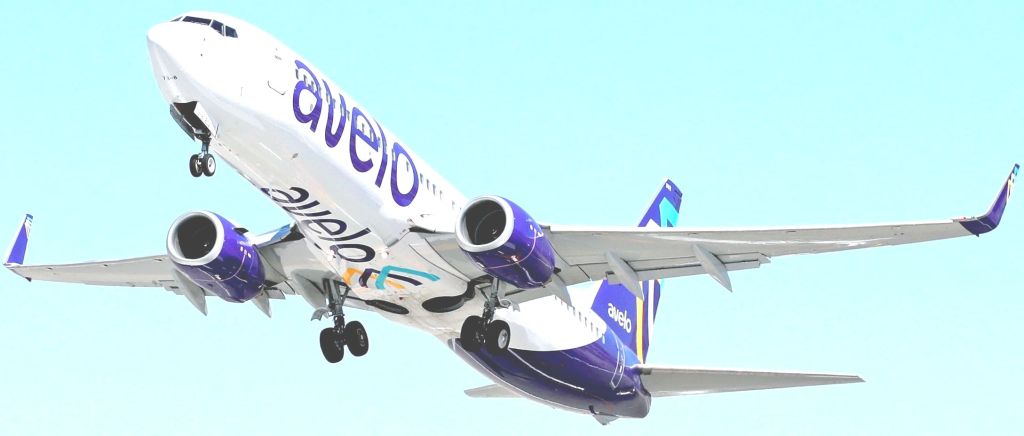
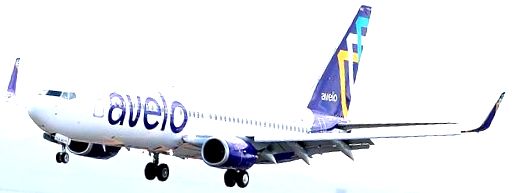
Avelo Airlines ha inaugurado su octavo destino a Eugene, localizado en el Estado de Oregon, Estados Unidos. El Aeropuerto Eugene ha recibido el primer vuelo sin escalas desde el Aeropuerto de Hollywood/Burbank en el Estado de California este 12 de Mayo de 2021 a través de la aerolínea de bajo presupuesto Avelo aterrizando en la aeroestación de Eugene a las 09:15 hs.
Eugene fue seleccionado como uno de los doce aeropuertos para servir como ciudades inaugurales para la nueva aerolínea low cost para atender destinos en la costa Oeste estadounidense. La aerolínea ofrecerá vuelos entre Burbank y Eugene con cuatro frecuencias semanales los Domingo, Lunes, Miércoles y Viernes. Los vuelos serán de Burbank a Eugene de 07:10 a.m. a 09:15 a.m. y de Eugene a Burbank de 09:55 a.m. a 12:10 p.m. Avelo emplea aeronaves Boeing 737-800 de 189 asientos y los pasajeros pueden elegir entre varias opciones de asientos, incluidos 129 asientos estándar y una sección de espacio adicional para las piernas con 60 asientos.
«Estamos encantados de haber sido seleccionados como uno de los aeropuertos inaugurales que será atendido por la primera nueva aerolínea principal de Estados Unidos en más de una década. Estamos muy entusiasmados con la incorporación del servicio al aeropuerto Hollywood Burbank, que brindará una opción más de viaje sin escalas para los pasajeros de nuestra región», dijo la Directora interina del Aeropuerto Eugene, Cathryn Stephens, en el comunicado.
Inversiones en Eugene
Como parte de las expansiones del Aeropuerto Eugene, el Congresista Peter DeFazio ha anunciado que se ha otorgado una subvención de US$ 5,5 millones de Dólares del Departamento de Transporte (DOT) al aeropuerto para reparaciones en el sistema de iluminación de pistas y vías de rodaje. Peter DeFazio dijo: «Como Presidente del Comité de Transporte e Infraestructura, he impulsado constantemente un aumento de la financiación para los aeropuertos pequeños y medianos debido al acceso crítico que proporcionan a toda la región». DeFazio dijo que a medida que se acerca la temporada de viajes de verano y aumenta el viaje aéreo, la subvención pagará por reparaciones críticas, mantener las operaciones en movimiento y mantener un centro económico crítico para el suroeste de Oregón. El Comité de Transporte ha obtenido más de US$ 25 millones para los aeropuertos del suroeste de Oregón como parte de la Ley de Ayuda, Socorro y Seguridad Económica (CARES).
Avelo incorporates eighth destination Eugene
Avelo lands in Eugene, Oregon this 05/12
Avelo Airlines has inaugurated its eighth destination to Eugene, located in the State of Oregon, United States. Eugene Airport has received the first non-stop flight from Hollywood/Burbank Airport in the State of California this May 12, 2021 through the low-budget airline Avelo landing at the Eugene airstation at 09:15 a.m.
Eugene was selected as one of twelve airports to serve as inaugural cities for the new low cost airline to serve destinations on the US West Coast. The airline will offer flights between Burbank and Eugene with four weekly frequencies on Sunday, Monday, Wednesday and Friday. Flights will be from Burbank to Eugene from 07:10 a.m. to 09:15 a.m. and from Eugene to Burbank from 09:55 a.m. at 12:10 p.m. Avelo uses 189-seat Boeing 737-800 airplanes and passengers can choose from several seating options, including 129 standard seats and a 60-seat extra legroom section.
«We are delighted to have been selected as one of the inaugural airports to be served by America’s first new major carrier in more than a decade. We are very excited about the addition of service to Hollywood Burbank Airport, which will provide one more option of non-stop travel for our region’s passengers», Eugene Airport Acting Director Cathryn Stephens said in the statement.
Investments in Eugene
As part of the Eugene Airport expansions, Congressman Peter DeFazio has announced that a US$ 5.5 million grant from the Department of Transportation (DOT) has been awarded to the airport for runway and road lighting system repairs. filming. Peter DeFazio said: «As Chairman of the Transportation and Infrastructure Committee, I have consistently pushed for increased funding for small and medium-sized airports due to the critical access they provide to the entire region.» DeFazio said that as the summer travel season approaches and air travel increases, the grant will pay for critical repairs, keep operations moving and maintain a critical economic hub for southwestern Oregon. The Transportation Committee has secured more than US$ 25 million for Southwestern Oregon airports as part of the Relief, Relief, and Economic Security Act (CARES).
AW | 2021 05 13 00:07 | AVIATION SAFETY / INDUSTRY
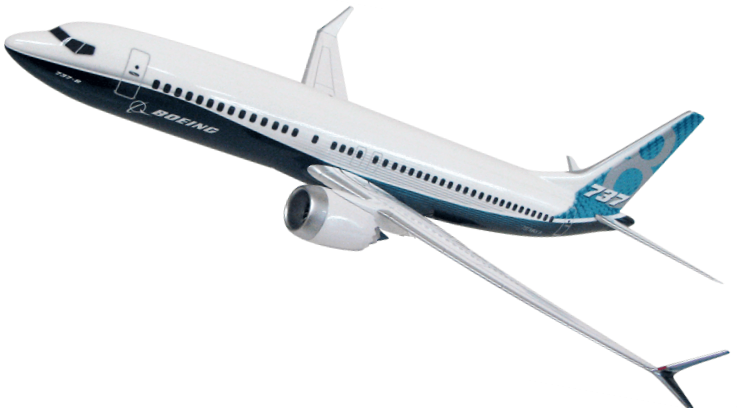
FAA observa corrección sencilla al problema eléctrico
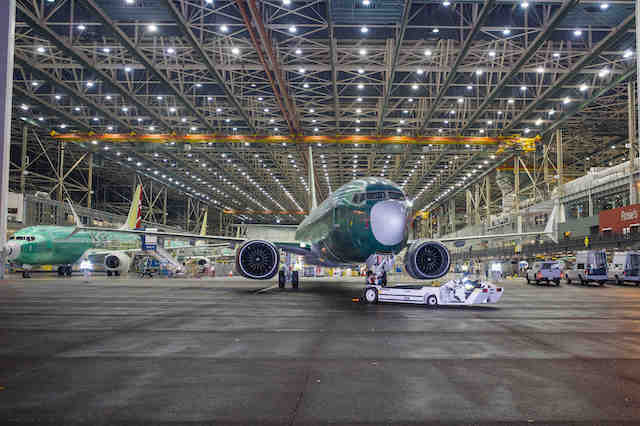
El Jefe de la Administración Federal de Aviación (FAA), Steve Dickson ha expresado a un panel de la Cámara de Representantes de Estados Unidos que un problema eléctrico que aterrizó alrededor de cien aviones Boeing 737 MAX el mes pasado en todo el mundo parecía ser una solución bastante sencilla. La FAA Steve Dickson ha expresado que se muestra confiada la supervisión de la seguridad en el Boeing 737 MAX que regresó al servicio después de haber estado en tierra durante veinte meses después de dos accidentes fatales en un lapso de cinco meses. «Está funcionando tan bien o mejor en general que cualquier otro avión en el sistema de aviación en este momento», dijo Steve Dickson.
Actualmente, la FAA mantiene reuniones diarias con Boeing para discutir el desempeño del 737 MAX. En Febrero 2021, la agencia de aviación estadounidense dijo que estaba rastreando todos los aviones Boeing 737 MAX utilizando datos satelitales bajo un acuerdo con la firma de vigilancia del tráfico aéreo Aireon LLC. El 4 de Mayo de 2021 la FAA pidió a Boeing que suministrara análisis frescos que mostraran que numerosos subsistemas 737 MAX no se verían afectados por problemas de puesta a tierra eléctrica marcados por primera vez en tres áreas del avión en Abril 2021. Los problemas eléctricos han suspendido casi una cuarta parte de su flota de 737 MAX. La FAA ha expresado que «está examinando tanto la causa raíz de cómo ese cambio se introdujo en el proceso de fabricación de hombres y asegurándonos de que nos agotemos si había otras implicaciones».
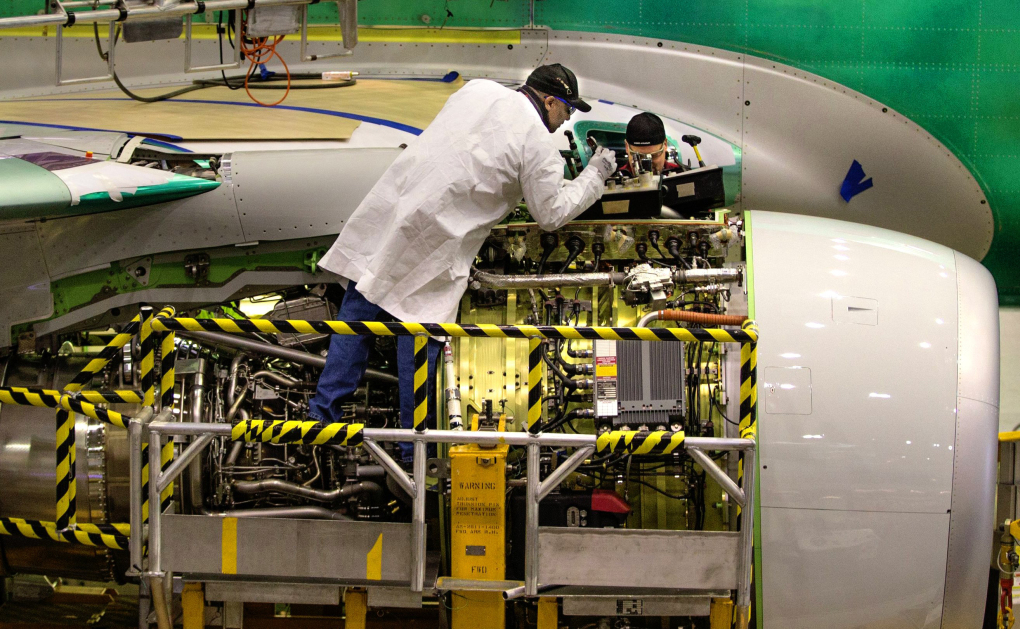
Las aerolíneas sacaron de servicio decenas de aviones 737 MAX a principios de Abril 2021 después de que Boeing advirtiera de un problema de puesta a tierra eléctrica relacionada con la producción en una unidad de control de energía de respaldo situada en la cabina de algunos aviones de reciente construcción. El problema, que también detuvo la entrega de nuevos aviones, se encontró en otros dos lugares de la cubierta de vuelo, incluyendo el bastidor de almacenamiento donde se mantiene la unidad de control afectada y el panel de instrumentos frente a los pilotos. La FAA dijo que el problema afecta actualmente a 109 aviones en servicio en todo el mundo.
FAA electrical correction to 737 MAX
FAA observes simple correction to electrical problem
The Chief of the Federal Aviation Administration (FAA) Steve Dickson has told a panel of the United States House of Representatives that an electrical problem that landed around one hundred Boeing 737 MAX aircraft last month around the world appeared to be a pretty straightforward solution. The FAA Steve Dickson has expressed confidence overseeing safety on the Boeing 737 MAX that returned to service after being on the ground for twenty months after two fatal accidents in a span of five months. «It is performing as well or better overall than any other aircraft in the aviation system right now», said Steve Dickson.
Currently, the FAA holds daily meetings with Boeing to discuss the performance of the 737 MAX. In February 2021, the US aviation agency said it was tracking all Boeing 737 MAX planes using satellite data under an agreement with air traffic surveillance firm Aireon LLC. On May 4, 2021, the FAA asked Boeing to provide fresh analysis showing that numerous 737 MAX subsystems would not be affected by electrical grounding problems first marked in three areas of the plane in April 2021. Electrical problems have suspended nearly a quarter of its 737 MAX fleet. The FAA has stated that it is «looking both at the root cause of how that change got into the man-making process and making sure we were exhausted if there were other implications».
Airlines took dozens of 737 MAX aircraft out of service in early April 2021 after Boeing warned of a production-related electrical grounding problem in a backup power control unit located in the cabin of some recent aircraft. building. The problem, which also stopped the delivery of new aircraft, was found in two other locations on the flight deck, including the storage rack where the affected control unit and the instrument panel are kept in front of the pilots. The FAA said the problem currently affects 109 aircraft in service around the world.
AW | 2021 05 12 23:47 | AVIATION SAFETY / INDUSTRY
Boeing 777 se acerca a corrección de las cubiertas de motores
El fabricante de aviones The Boeing Company se aproxima a completar las reparaciones en las cubiertas de los motores que impulsan al Boeing 777 como parte de la propuesta para fortalecer componentes de las piezas que se ensamblan en la motorización de las aeronaves widebodies. La Federal Aviation Administration (FAA) de Estados Unidos exigirá reforzar la pieza clave en el motor del modelo Boeing 777. La compañía está cerca de alcanzar una solución para las cubiertas de los motores después que un avión 777 despegara del Aeropuerto Denver (Colorado) de un vuelo de United Airlines, marcase un incidente en una de las turbinas alcanzadas por el desprendimiento de la cubierta que lo protege, causando daños al motor y comprometiendo al vuelo a principios de este año. El vuelo no ha sufrido mayores inconvenientes ni han resultado heridos, aterrizando la aeronave sin más problemas.
El Jefe de la Administración Federal de Aviación dijo el Miércoles 12/05 que la agencia va a ordenar el fortalecimiento de una parte clave del motor en los aviones Boeing 777 con motores Pratt & Whitney PW4000 como el involucrado en un aterrizaje de emergencia en Febrero 2021. El administrador de la FAA, Steve Dickson, dijo a un comité de la Cámara de Representantes de Estados Unidos que la agencia está «exigiendo a los fabricantes que aborden fortalecer el encogimiento. La agencia estaba trabajando con Boeing y PW para asegurar que «la estructura alrededor del motor, el acobardado y el área de entrada, no dañe la estructura del avión».
Un motor Pratt & Whitney PW4000 de United Airlines falló poco después de despegar de Denver el 20 de Febrero de 2021 desparramando escombros sobre ciudades cercanas, pero nadie resultó herido y el avión regresó sano y salvo al aeropuerto. La FAA ordenó en Febrero 2021 inspecciones inmediatas de 777 aviones con motores PW4000 antes de nuevos vuelos, después de que la Junta Nacional de Seguridad en el Transporte (NTSB) encontrara que una hoja de ventilador agrietada en el motor United era consistente con la fatiga del metal. Como resultado del incidente, United Airlines desprogramaba veinticuatro aviones fuera de servicio después del incidente de Denver, y los reguladores de seguridad aérea de Estados Unidos ordenaron inspecciones inmediatas de los álabes de esos motores en busca de grietas que potencialmente podrían conducir a fallas y sus cubiertas desprendidas. United ha dicho que tenía otros veintiocho aviones con motores Pratt & Whitney almacenados. Otras aerolíneas que operan 777 con esos motores incluyen aerolíneas surcoreanas y japonesas.
La solución, que se espera esté completada tan pronto como a principios de Junio 2021, fortalecería las cubiertas del motor para evitar que las piezas del avión se desprendieran en el aire y golpearan el avión o cayeran al suelo abajo. El progreso en el desarrollo de una solución para las cubiertas del motor se produce cuando United Airlines espera volver al servicio de ciertos aviones Boeing 777 que son propulsados por motores Pratt & Whitney. Se espera que la solución de Boeing incluya componentes metálicos que fortalecerían las cubiertas del motor.
Boeing 777 engine cover correction
Boeing 777 comes near engine cover correction
Aircraft maker The Boeing Company is close to completing repairs to the covers of the engines that power the Boeing 777 as part of a proposal to strengthen components of the parts that are assembled in the engines of wide-body aircraft. The Federal Aviation Administration (FAA) of the United States will demand to reinforce the key part in the engine of the Boeing 777 model. The company is close to reaching a solution for the engine covers after a 777 aircraft took off from Denver Airport (Colorado) in a United Airlines flight, marked an incident in one of the turbines hit by the detachment of the cover that protects it, causing damage to the engine and compromising the flight earlier this year. The na flight has suffered major inconveniences and they have not been injured, landing the aircraft without further problems.
The Head of the Federal Aviation Administration said on Wednesday 05/12 that the agency will order the strengthening of a key part of the engine in Boeing 777 aircraft with Pratt & Whitney PW4000 engines such as the one involved in an emergency landing in February 2021. FAA Administrator Steve Dickson told a committee of the US House of Representatives that the agency is «requiring manufacturers to address strengthening shrinkage». The agency was working with Boeing and PW to ensure that «the structure around the engine, the cowling and the intake area does not damage the structure of the plane».
A United Airlines Pratt & Whitney PW4000 engine failed shortly after taking off from Denver on February 20, 2021, spilling debris over nearby cities, but no one was injured and the plane returned safely to the airport. The FAA ordered in February 2021 immediate inspections of 777 PW4000-powered aircraft prior to new flights, after the National Transportation Safety Board (NTSB) found that a cracked fan blade on the United engine was consistent with engine fatigue. metal. As a result of the incident, United Airlines deprogrammed twenty-four planes out of service after the Denver incident, and U.S. aviation safety regulators ordered immediate inspections of those engine blades for cracks that could potentially lead to failure and their covers. detached. United has said it had 28 other Pratt & Whitney-powered planes in storage. Other airlines operating 777s on those engines include South Korean and Japanese airlines.
The solution, which is expected to be completed as soon as early June 2021, would strengthen the engine covers to prevent parts of the plane from detaching in midair and hitting the plane or falling to the ground below. Progress in developing an engine hood solution comes as United Airlines expects to return to service on certain Boeing 777 aircraft that are powered by Pratt & Whitney engines. Boeing’s solution is expected to include metal components that would strengthen the engine covers.
ATR optimizará las reparaciones de Asia Pacífico con Skyways Technics
El fabricante mundial líder de turbohélice ATR Aircraft está fortaleciendo su asociación con la sucursal malasia de Skyways Technics, para apoyar aún más las necesidades del mercado de accesorios en la región de Asia Pacífico. La sinergia ofrecerá soporte y facilitará la gestión de reparaciones de componentes estructurales sensibles, como reparaciones de bordes delanteros, controles de vuelo y solapas. Esta relación más profunda ofrecerá a los operadores una solución de reparación a un precio más atractivo, con un mayor soporte técnico.
Benjamin Nielsen, Director Ejecutivo y propietario de Skyways Technics A/S ha expresado: «Estamos orgullosos de asociarnos con ATR, cuyo liderazgo en el mercado regional de la aviación muestra tanto la calidad como la importancia de sus aviones. Con la industria enfrentando su peor crisis de la historia, ahora es vital ofrecer a las aerolíneas soluciones innovadoras y creativas para mantener sus aviones y pasajeros volando. Asociaciones como ésta desempeñarán un papel importante en el apoyo a la recuperación de los operadores, que siguen suministrando conectividad esencial a las comunidades a las que sirven en toda la región de Asia y el Pacífico».
David Brigante, de Programas SVP y Atención al Cliente de ATR Aircraft ha comentado: «Como fabricante siempre estamos buscando oportunidades para mejorar nuestra oferta a nuestras aerolíneas y clientes. Esta asociación nos permite consolidar y mejorar nuestra oferta de GMA. Los operadores pueden beneficiarse de lo mejor de ambos mundos; un socio de reparación especializado y la experiencia del fabricante. La fuerte presencia local de Skyways Technics en Asia Pacífico también garantiza a nuestros operadores de la región las reparaciones leading edge, flap y control de vuelo de la mejor calidad, gestionadas de manera oportuna y rentable«.
ATR-Skyways Technics alliance
ATR to optimize Asia Pacific repairs with Skyways Technics
Leading global turboprop manufacturer ATR Aircraft is strengthening its partnership with the Malaysian branch of Skyways Technics, to further support aftermarket needs in the Asia Pacific region. The synergy will provide support and facilitate the management of sensitive structural component repairs such as leading edge repairs, flight controls and flaps. This deeper relationship will offer operators a repair solution at a more attractive price, with increased technical support.
Benjamin Nielsen, CEO and owner of Skyways Technics A/S said: «We are proud to partner with ATR, whose leadership in the regional aviation market shows both the quality and importance of its aircraft. With the industry facing its worst. history crisis, it is now vital to offer airlines innovative and creative solutions to keep their planes and passengers flying. Partnerships like this one will play an important role in supporting the recovery of operators, who continue to provide essential connectivity to communities across the world. those serving the entire Asia-Pacific region».
David Brigante, SVP Programs and Customer Service at ATR Aircraft commented: «As a manufacturer we are always looking for opportunities to improve our offering to our airlines and customers. This partnership allows us to consolidate and improve our GMA offering. Operators can benefit from the best of both worlds; a specialized repair partner and manufacturer experience. Skyways Technics’ strong local presence in Asia Pacific also guarantees our regional operators the best quality leading edge, flap and flight control repairs, managed in a timely and profitable manner».
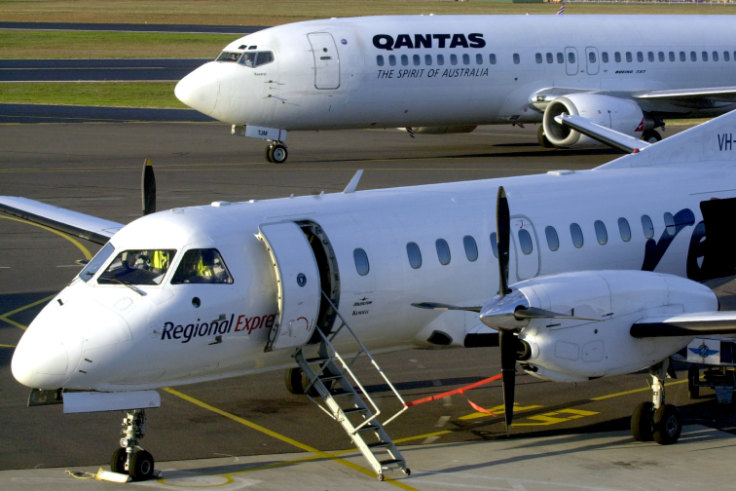
Regulador australiano lanza investigación dumping de capacidad
La Comisión Australiana de Competencia y Consumo (ACCC) está siendo arrastrada a una guerra continua de palabras entre Rex Airlines (Regional Express) y Qantas Airways sobre las estrategias de capacidad de la ruta. En una declaración el 10 de Mayo de 2021, la aerolínea regional Rex Airlines ha aplaudido lo que afirmó fue la decisión de la ACCC de «examinar el dumping masivo de capacidad en rutas nacionales y regionales» por parte de Qantas Airways, su filial de bajo costo Jetstar Airways y Virgin Australia Airlines.
El Vicepresidente de Rex Airlines, John Sharp, afirmó que había habido un esfuerzo concertado en Marzo de 2021 en la red nacional por parte de Qantas, Jetstar y Virgin para aumentar los vuelos entre Melbourne y Sídney en un idéntico 80% sobre la capacidad de febrero dirigida directamente a los servicios de Rex que se lanzaron el 1 de Marzo de 2021. «El factor de carga en Febrero fue de sólo el 55%, muy por debajo del factor de carga de ruptura de más del 75%. Desde el inicio de la pandemia, Qantas ha comenzado o anunciado que competirá con Rex en nueve nuevas rutas regionales, todas las cuales actualmente luchan por apoyar a un operador, y mucho menos a dos aerolíneas. Incluso a nivel pre-COVID, estas rutas no podían sostener a dos transportistas que tenían un horario regional completo, lo que explica por qué Qantas no entró en estas rutas en los últimos 20 años. La semana pasada, Qantas volvió a estar en ello, desvelando planes para los vuelos Melbourne Tullamarine – Burnie, una ruta marginal en el mejor de los momentos y ciertamente no una que pueda ser atendida visiblemente por dos operadores», dijo John Sharp.
Qantas Airways en una página especial en su sitio web para desacreditar las acusaciones de Rex Airlines dice en su descargo: «No comenzamos rutas si no creemos que serán comercialmente viables para nosotros. De hecho, en el segundo semestre del año calendario 2020, el 99% de las veces que pudimos volar, generamos un flujo de caja positivo. Sabemos que la capacidad adicional y las tarifas más bajas aumentan la demanda general de viajes, lo que es una buena noticia para las comunidades regionales a las que operamos». En un artículo de opinión reciente en el Australian Financial Review, el Director Ejecutivo de Qantas Airways, Alan Joyce, dijo que Rex Airlines era «bien conocido por lanzar rabietas cuando las cosas no salen bien. La frecuencia con la que Rex hace críticas infundadas a Qantas apunta a que es una parte clave de su estrategia», ha expresado el ejecutivo.
El presidente de la ACCC, Rod Sims, dijo a una investigación parlamentaria el 17 de Marzo de 2021: «Si Qantas tiene el avión, está incurriendo en los costos fijos, se da cuenta de que puede hacer una contribución en efectivo volando a algún lugar, es un poco difícil llamar a eso depredador». En su tercer informe de Airline Competition in Australia publicado el mismo día, la ACCC encontró que la expansión de Rex con tarifas promocionales en las principales rutas interurbanas como entre Melbourne y Sídney había provocado respuestas inmediatas de sus competidores. «Con tres transportistas en la ruta más transitada de Australia, la competencia ha sido vigorosa y los consumidores son los beneficiarios de esto. El proceso competitivo puede ser vigoroso y robusto a medida que las aerolíneas entran en nuevas rutas. Si bien el proceso puede tener consecuencias comerciales para las aerolíneas individuales, en esta etapa, la competencia de las aerolíneas nacionales parece estar aumentando en lugar de disminuir», constató la ACCC.
La ACCC dijo que el regreso de los vuelos interestatales había ayudado a Virgin Australia sobre todo porque había aumentado su participación de pasajeros totales del 20% al 24% durante el trimestre de Diciembre 2020. El Grupo Qantas,formado por Qantas, Jetstar y QantasLink, siguió siendo dominante con el 74% del mercado en diciembre de 2020. Qantas y Jetstar han lanzado 26 nuevas rutas nacionales y regionales desde junio de 2020, mientras que la flota internacional sigue en tierra debido a las restricciones de viaje por la pandemia.
ACCC Australia against dumping
Australian regulator launches capacity dumping investigation
The Australian Competition and Consumer Commission (ACCC) is being drawn into an ongoing war of words between Rex Airlines (Regional Express) and Qantas Airways over route capacity strategies. In a statement on May 10, 2021, regional airline Rex Airlines applauded what it claimed was the ACCC’s decision to «examine the massive dumping of capacity on domestic and regional routes» by Qantas Airways, its low-income subsidiary. cost Jetstar Airways and Virgin Australia Airlines.
Rex Airlines Vice President John Sharp stated that there had been a concerted effort in March 2021 on the national network by Qantas, Jetstar and Virgin to increase flights between Melbourne and Sydney by an identical 80% over February capacity. addressed directly to Rex’s services that were launched on March 1, 2021. «The load factor in February was only 55%, well below the breaking load factor of more than 75%. Since the inception of In the pandemic, Qantas has started or announced that it will compete with Rex on nine new regional routes, all of which are currently struggling to support one carrier, let alone two airlines. Even at the pre-COVID level, these routes could not sustain two carriers that had a full regional schedule, which explains why Qantas did not enter these routes in the past 20 years. Last week, Qantas was back at it, unveiling plans for Melbourne Tullamarine-Burnie flights, a route marginal at best and certainly not one that can be visibly serviced by two operators», said John Sharp.
Qantas Airways on a special page on its website to debunk the Rex Airlines allegations says in its discharge: «We do not start routes if we do not believe they will be commercially viable for us. In fact, in the second half of calendar year 2020, 99 % of the times we were able to fly, we generated positive cash flow. We know that additional capacity and lower fares increase overall travel demand, which is good news for the regional communities we serve».
In a recent opinion piece in the Australian Financial Review, Qantas Airways Chief Executive Alan Joyce said that Rex Airlines was «well known for throwing tantrums when things go wrong. The frequency with which Rex makes unfounded criticism of Qantas points out that it is a key part of its strategy», the executive said.
ACCC Chairman Rod Sims told a parliamentary inquiry on March 17, 2021: «If Qantas has the plane, it is incurring the fixed costs, it realizes that it can make a cash contribution by flying somewhere, it’s kind of hard to call that a predator». In its third Airline Competition in Australia report published on the same day, the ACCC found that Rex’s expansion with promotional fares on major inter-city routes such as between Melbourne and Sydney had elicited immediate responses from its competitors. «With three carriers on Australia’s busiest route, competition has been vigorous and consumers are the beneficiaries of this. The competitive process can be vigorous and robust as airlines move onto new routes. While the process may have business consequences for individual airlines, at this stage, competition from domestic airlines appears to be increasing rather than decreasing», the ACCC found.
The ACCC said the return of interstate flights had helped Virgin Australia mostly because it had increased its total passenger share from 20% to 24% during the December quarter. The Qantas Group, consisting of Qantas, Jetstar and QantasLink, remained dominant with 74% of the market as of December 2020. Qantas and Jetstar have launched 26 new national and regional routes since June 2020, while the international fleet remains on land due to travel restrictions due to the pandemic.
Mercado aerocomercial marcado por el estancamiento
El mercado aerocomercial argentino fue uno de los más afectados por la pandemia en el mundo entero, arrastrado por la crisis económica y la irrupción de la pandemia en el mundo. La profundización de la crisis de los viajes en Argentina como en el resto del mundo han sufrido un grave retroceso, impactando fuertemente en la atribulada economía argentina. Los informes respecto al 1Q2021 del número de pasajeros han disminuido fuertemente por la llegada de la segunda ola de la pandemia, mientras que se han reducido a un 20% la cantidad de aviones activos, trasladando las limitaciones de destinos nacionales e internacionales, mientras que otras aerolíneas han sucumbido al intento y dejaron de volar.
Los datos estadísticos proporcionados por el Banco Mundial (BM), ha establecido un referencial respecto al tráfico comparativo en la década de 1980 con un tráfico de 5.588.500 pasajeros, mientras que la proyección para este año alcanzaría de entre 5 y 6 millones de pasajeros, pero los índices quedarían mucho menor teniendo en cuenta que la población en Argentina casi se ha duplicado. Respecto a los destinos servidos, la situcación es más alarmante. En lamisma década de 1980, ciudades como Concordia (Entre Ríos), Paso de los Libres (Corrientes), General Pico (La Pampa), Villa Gessel (Buenos Aires) y General Roca (Río Negro) poseían destinos con vuelos regulares, mientras que en la actualidad muchas de ellas entre otras localidades han quedado aisladas producto de la crisis económica, la concentración de mercado y la crisis sanitaria actual. “La Argentina es de los pocos países donde en los 70/80 y 90 había más aeropuertos con vuelos regulares que en 2019″, comenta el abogado especializado en derecho aeronáutico Diego Fargosi, socio del estudio Fargosi y Asociados. Franco Rinaldi, especialista y asesor en el mercado aerocomercial, aporta otra estimación que estremece: “Me animo a decir que se está volando, sumado lo doméstico con lo internacional, menos que durante la hiperinflación de [Raúl] Alfonsín y la de [Carlos] Menem”.
Tras el cierre a las operaciones comerciales del Aeropuerto Internacional El Palomar, la tercera estación del área metropolitana de Buenos Aires, la primera terminal de low cost de América Latina, ha impactado profundamente en el sistema de malla de servicios aéreos en Argentina. La aeroestación se había convertido en una pieza clave en la política aerocomercial del Gobierno anterior, en tiempos de la denominada «Revolución de los aviones” y se incentivó el arribo de nuevos operadores aéreos al mercado aerocomercial.
En el mercado regional, las cifras comparativas del país han alcanzado una caída abrupta tras la paralización aérea que produjo la pandemia referente a los vuelos internacionales y regionales. Según datos de Asociación Latinoamericana y del Caribe de Transporte Aéreo (ALTA), la baja de pasajeros en la región en Febrero de 2021, respecto de igual mes de 2020 fue de 56%; mientras que esa reducción en la Argentina en el mismo período fue de 75%, según cifras de la Administración Nacional de Aviación Civil (ANAC).
Concentración mercado
Actualmente, Argentina mantiene el monopolio aéreo concentrado en Aerolíneas Argentinas con más del 90% de las operaciones vigentes. Operadores aéreos como Austral Líneas Aéreas y Latam Airlines Argentina, Flyest Líneas Aéreas y LASA Líneas Aéreas, que por diferentes causas, conjugadas con la crisis sanitaria han dejado de existir, mientras que Avianca Argentina había sufrido su colapso meses antes de la pandemia, Norwegian Air Argentina fue absorbida por JetSmart Argentina y Andes Líneas Aéreas continúa inactiva después de la apertura de los vuelos hacia finales de Noviembre de 2020. La actividad de American Jet Líneas Aéreas se reduce a una mínima expresión con vuelos charters.
Tras el proceso de reapertura aerocomercial, el mercado aerocomercial ha cambiado abruptamente. Tres operadores locales Aerolíneas Argentinas, JetSmart Airlines Argentina y Flybondi Líneas Aéreas son las líneas aéreas que actualmente han estado marcando el paso de la economía aerocomercial. En el área de carga, simplemente los datos son ínfimos, aunque alentados por la pandemia.
Impacto tráfico aeropuertos
En Aeropuertos Argentina 2000 (AA2000) expresan que mientras que antes de la pandemia pasaban por Ezeiza, en promedio, 30.000 pasajeros por día, actualmente esa cifra bajó a 779 pasajeros diarios entre arribos y partidas. “En lo que respecta estrictamente a pasajeros de cabotaje, en Diciembre de 2019 eran 1.100.000 de pasajeros entre Ezeiza y Aeroparque, mientras que en Diciembre de 2020 fueron solo 186.000″, indican desde el consorcio AA2000.
El Aeropuerto Córdoba, el segundo después de Buenos Aires, que crecía a gran ritmo antes de la pandemia, refleja parte del retroceso que vive la actividad aerocomercial en el país. En el período pre-pandemia la aeroestación desarrollaba dieciocho destinos nacionales (28 vuelos diarios y 58 semanales), mientras que 11 vuelos correspondían a las frecuencias internacionales (3 diarios y 42 semanales). Actualmente, elAeropuerto Córdoba conserva siete frecuencias de cabotaje y ningún vuelo internacional.
El Aeropuerto Rosario, que tiene al primer aeropuerto como alternativa para Ezeiza, el panorama no es más alentador. Directivos del Aeropuerto Internacional de Rosario (AIR), hacia Marzo de 2020, cuando operaba allí Aerolíneas Argentinas con vuelos a siete destinos, Flybondi Líneas Aéreas con dos frecuencias semanales a Salta y dos a Iguazú, Jetsmart Airlines Argentina con dos frecuencias semanales a Iguazú, dos a Mendoza y dos a Neuquén, GOL Linas Aéreas con 9 frecuencias semanales directas a Río de Janeiro, Latam Airlines con 7 frecuencias semanales directas a Lima, y Copa Airlines con 7 frecuencias semanales directas a Panamá. tras las autorizaciones de reapertura aerocomercial, solo dos compañías aéreas continúan volando Aerolíneas Argentinas y Jetsmart Argentina. “La aerolínea de bandera fue la primera en retomar las operaciones en Rosario, con vuelos Rosario-Ezeiza y posteriormente Rosario-Buenos Aires, tras la reapertura del Aeropuerto Jorge Newbery, y Rosario-Bariloche. En Enero a Marzo 2021 se incorporaba el destino estacional Mar del Plata y aumentaron los vuelos directos a Bariloche. Durante Mayo 2021 ofrecen 16 frecuencias semanales a Aeroparque y 2 frecuencias semanales a Bariloche. Jetsmart Airlines argentina reinició operaciones en la ruta Rosario-Neuquén, pero argumentaron que por baja ocupación interrumpieron la operatoria de esos vuelos por el mes de Mayo y evalúan cómo seguir durante Junio», señalan desde la aeroestación.
Desde Jetsmart Argentina, que actualmente cuenta con una flota de cuatro aviones Airbus A320CEO concentra sus operaciones desde Aeroparque hacia distintas provincias del país, han expresado que la incertidumbre que existe a partir de la situación de la pandemia, las restricciones a la circulación y la falta de turistas extranjeros genera una crisis en la demanda, sumado a que estacionalmente siempre hubo una baja importante entre Abril y Junio. “Es un buen momento para trabajar de cara a la reactivación de la demanda a partir de junio-julio, pensando en el avance en la vacunación y de la temporada de invierno”, indican en JetSmart Argentina. Mientras tanto, Aerolíneas Argentinas continúa reactivando sus operaciones aerocomerciales con una amplia cintura respaldada por el Gobierno. La flota de aeronaves Embraer E190-100AR continúan reactivándose a medida que la demanda aumenta.
Perspectivas aéreas
El mercado aerocomercial local padece desde hace décadas serias deficiencias estructurales que los gobiernos han intentado corregir, pero continúan latentes deficiencias muchas de las cuales son una mezcla de cuestiones propias del sector aéreo y de problemas de la estructura económica del país.
El transporte de pasajeros intentará nuevamente estimularse hacia el futuro, pero falta una política seria de mercado aerocomercial para estimular el ingreso de nuevos operadores para diversificar las ofertas y alentar la demanda. Respecto a la aviación regional, los operadores han dejado de existir radicalmente. Asomaba en el sueño de unir destinos de tercer nivel Avianca Argentina, pero ahora el aislamiento de muchas de las localidades han quedado a merced del desamparo, una meta fundamental para reactivar las economías regionales como motor para alimentar los vuelos de la red de cabotaje. En el área de la carga el atraso es abismal donde no existe empresa aérea de carga pura o divisiones de cargas en líneas aéreas en el país. Como botón de muestras, Uruguay cuenta actualmente con una empresa carguera, Air Class que desarrolla operaciones de transporte de mercancías con aeronaves Boeing 727-200F, mientras que Brasil continúa ampliando este sector como uno de los más prósperos en tiempos de crisis.
Argentine aviation impact
Commercial aviation market marked by stagnation
The Argentine commercial aviation market was one of the most affected by the pandemic in the entire world, dragged by the economic crisis and the outbreak of the pandemic in the world. The deepening travel crisis in Argentina as in the rest of the world has suffered a serious setback, strongly impacting the troubled Argentine economy. The reports regarding 1Q2021 of the number of passengers have decreased sharply due to the arrival of the second wave of the pandemic, while the number of active aircraft has been reduced to 20%, transferring the limitations of national and international destinations, while others Airlines have succumbed to the attempt and stopped flying.
Statistical data provided by the World Bank (WB) has established a benchmark regarding comparative traffic in the 1980s with a traffic of 5,588,500 passengers, while the projection for this year would reach between 5 and 6 million passengers, but the rates would be much lower considering that the population in Argentina has almost doubled. Regarding the destinations served, the situation is more alarming. In the same 1980s, cities such as Concordia (Entre Ríos), Paso de los Libres (Corrientes), General Pico (La Pampa), Villa Gessel (Buenos Aires) and General Roca (Río Negro) had destinations with regular flights, while At present, many of them, among other locations, have been isolated as a result of the economic crisis, market concentration and the current health crisis. «Argentina is one of the few countries where in the 70s/80s and 90s there were more airports with regular flights than in 2019», says Diego Fargosi, a lawyer specializing in aeronautical law, a partner in the Fargosi y Asociados study. Franco Rinaldi, specialist and advisor in the commercial aviation market, provides another estimate that shocks: “I dare to say that it is flying, adding the domestic with the international, less than during the hyperinflation of [Raúl] Alfonsín and that of [Carlos] Menem”.
After the closure of commercial operations at El Palomar International Airport, the third station in the metropolitan area of Buenos Aires, the first low cost terminal in Latin America, it has had a profound impact on the air services mesh system in Argentina. The aerospace had become a key element in the commercial aviation policy of the previous government, in times of the so-called «Revolution of the planes» and the arrival of new air operators to the commercial aviation market was encouraged.
In the regional market, the country’s comparative figures have fallen sharply after the air stoppage caused by the pandemic regarding international and regional flights. According to data from the Latin American and Caribbean Air Transport Association (ALTA), the decrease in passengers in the region in February 2021, compared to the same month of 2020 was 56%; while that reduction in Argentina in the same period was 75%, according to figures from the National Civil Aviation Administration (ANAC).
Market concentration
Currently, Argentina maintains the air monopoly concentrated in Aerolíneas Argentinas with more than 90% of the current operations. Air operators such as Austral Líneas Aéreas and Latam Airlines Argentina, Flyest Líneas Aéreas and LASA Líneas Aéreas, which for different reasons, combined with the health crisis, have ceased to exist, while Avianca Argentina had suffered its collapse months before the pandemic, Norwegian Air Argentina was absorbed by JetSmart Argentina and Andes Líneas Aéreas remains inactive after the opening of flights towards the end of November 2020. The activity of American Jet Líneas Aéreas is reduced to a minimum with charter flights.
Following the commercial aviation reopening process, the commercial aviation market has changed abruptly. Three local operators Aerolíneas Argentinas, JetSmart Airlines Argentina and Flybondi Líneas Aéreas are the airlines that are currently setting the pace for the commercial aviation economy. In the cargo area, the data is simply paltry, albeit encouraged by the pandemic.
Airport traffic impact
In Airports Argentina 2000 (AA2000) they state that while before the pandemic, an average of 30,000 passengers passed through Ezeiza per day, currently that number has dropped to 779 passengers per day between arrivals and departures. «With regard strictly to cabotage passengers, in December 2019 there were 1,100,000 passengers between Ezeiza and Aeroparque, while in December 2020 there were only 186,000», they indicate from the AA2000 consortium.
Córdoba Airport, the second after Buenos Aires, which was growing rapidly before the pandemic, reflects part of the decline in commercial aviation activity in the country. In the pre-pandemic period, the airstation developed eighteen national destinations (28 daily and 58 weekly flights), while 11 flights corresponded to international frequencies (3 daily and 42 weekly). Currently, the Córdoba Airport maintains seven domestic frequencies and no international flights.
Rosario Airport, which has the first airport as an alternative for Ezeiza, the outlook is not more encouraging. Directors of Rosario International Airport (AIR), around March 2020, when Aerolíneas Argentinas operated there with flights to seven destinations, Flybondi Líneas Aéreas with two weekly frequencies to Salta and two to Iguazú, Jetsmart Airlines Argentina with two weekly frequencies to Iguazú, two to Mendoza and two to Neuquén, GOL Linas Aéreas with 9 direct weekly frequencies to Rio de Janeiro, Latam Airlines with 7 direct weekly frequencies to Lima, and Copa Airlines with 7 direct weekly frequencies to Panama. After the authorizations for the reopening of commercial air, only two airlines continue to fly Aerolíneas Argentinas and Jetsmart Argentina. “The flag carrier was the first to resume operations in Rosario, with flights Rosario-Ezeiza and later Rosario-Buenos Aires, after the reopening of the Jorge Newbery Airport, and Rosario-Bariloche. In January to March 2021 the seasonal destination Mar del Plata was incorporated and direct flights to Bariloche increased. During May 2021 they offer 16 weekly frequencies to Aeroparque and 2 weekly frequencies to Bariloche. Jetsmart Airlines Argentina restarted operations on the Rosario-Neuquén route, but they argued that due to low occupancy they interrupted the operation of those flights for the month of May and are evaluating how to continue during June», they point out from the air station.
From Jetsmart Argentina, which currently has a fleet of four Airbus A320CEO aircraft concentrates its operations from Aeroparque to different provinces of the country, they have expressed that the uncertainty that exists from the situation of the pandemic, the restrictions on circulation and the lack of of foreign tourists generates a crisis in demand, added to the fact that seasonally there was always a significant drop between April and June. «It is a good time to work towards the reactivation of demand from June-July, thinking about the progress in vaccination and the winter season», they indicate inJetSmart Argentina. Meanwhile, Aerolíneas Argentinas continues to reactivate its commercial aviation operations with a broad waistline backed by the Government. The Embraer E190-100AR aircraft fleet continues to reactivate as demand increases.
Aerial perspectives
The local commercial aviation market has suffered from serious structural deficiencies for decades that governments have tried to correct, but latent deficiencies remain, many of which are a mixture of issues specific to the airline sector and problems in the country’s economic structure.
Passenger transport will again try to stimulate itself in the future, but a serious commercial aviation market policy is lacking to stimulate the entry of new operators to diversify offers and encourage demand. Regarding regional aviation, operators have radically ceased to exist. Avianca Argentina appeared in the dream of joining third-level destinations, but now the isolation of many of the localities has been left at the mercy of helplessness, a fundamental goal to reactivate regional economies as an engine to feed the flights of the cabotage network. In the cargo area, the backlog is abysmal where there is no pure cargo airline company or cargo divisions in airlines in the country. As a sample button, Uruguay currently has a cargo company, Air Class, which carries out freight transport operations with Boeing 727-200F aircraft, while Brazil continues to expand this sector as one of the most prosperous in times of crisis.


















 airgways.com