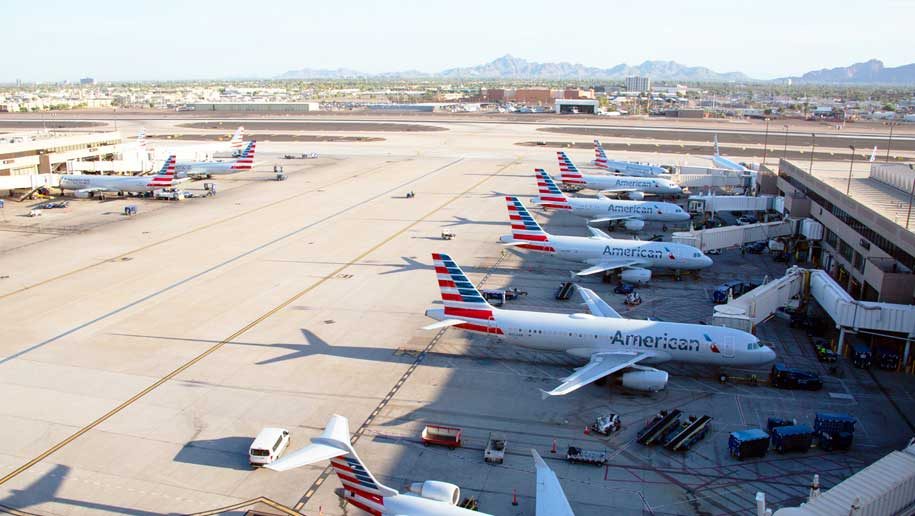
American Airlines ha anunciado el cierre de la edición en papel de la revista de a bordo American Way. Después de medio siglo acompañando a bordo de cada vuelos de la compañía, la revista American Way desaparecerá de la lectura de los pasajeros. Una portavoz de la aerolínea dijo que American retirará la revista y su versión en línea a finales de Junio 2021.
American Way empezó siendo una publicación anual para pasar a trimestral y luego a mensual, llena de historias sobre la aerolínea, los destinos a los que operaba y una variedad de otras características. Los temas que abordaba en su contenido editorial eran de cuatro destinos, dos o tres entrevistas entre otros detalles. También había mapas de terminal de aeropuertos y otra información sobre los pilotos, los modelos de aviones, etcétera. Pero la pandemia aceleró la desaparición de las revistas a bordo, ya que las aerolíneas las retiraron el año pasado para evitar que las personas hojeen las páginas que otros pasajeros habían tocado. Delta Air Lines y Southwest Airlines cerraron las suyas y British Airways dejó de almacenar copias en papel de High Life mientras conservaba la versión en línea. Pero los días de la revista a bordo estaban contados de todos modos, ya que los pasajeros comenzaron a pasar más tiempo navegando por otra información y entretenimiento en sus teléfonos, tabletas y computadoras portátiles.
American closes American Way magazine
American Airlines suppresses onboard magazine
American Airlines has announced the closure of the paper edition of the American Way in-flight magazine. After half a century accompanying on board each company flights, the American Way magazine will disappear from the reading of the passengers. An airline spokeswoman said American will retire the magazine and its online version by the end of June 2021.
American Way started out as an annual to quarterly and then monthly, filled with stories about the airline, the destinations it served, and a variety of other features. The topics it addressed in its editorial content were four destinations, two or three interviews, among other details. There were also airport terminal maps and other information about pilots, aircraft models, and so on. But the pandemic hastened the demise of onboard magazines, as airlines took them down last year to prevent people from flipping through pages other passengers had touched. Delta Air Lines and Southwest Airlines closed theirs and British Airways stopped storing paper copies of High Life while keeping the online version. But the days of the onboard magazine were numbered anyway, as passengers began to spend more time browsing other information and entertainment on their phones, tablets, and laptops.
Tras la quiebra de Stobart Air genera aislamiento en Irlanda
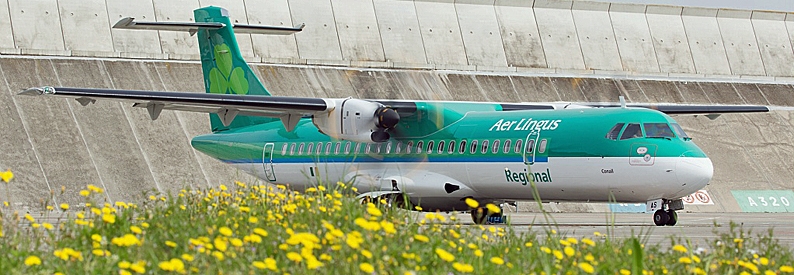
Los aeropuertos de Irlanda han sufrido el más grave aislamiento después de la quiebra de la aerolínea feeder Stobart Air. La isla «Esmeralda» es una isla que se puede recorrer por carretera, en tren o en bus en pocas horas, de manera que sus aeropuertos competían con dificultades. aún así, en tiempos de bonanza los aeropuertos regionales representaron un papel escencial para el progreso del país, cuando la aerolínea de presupuesto Ryanair dejó de volar desde ellos al extranjero. Pero la noticia en Irlanda de la supresión de los vuelos regionales tras la quiebra de Stobart Air ha dejado aislada de las conexiones entre islas y el continente.
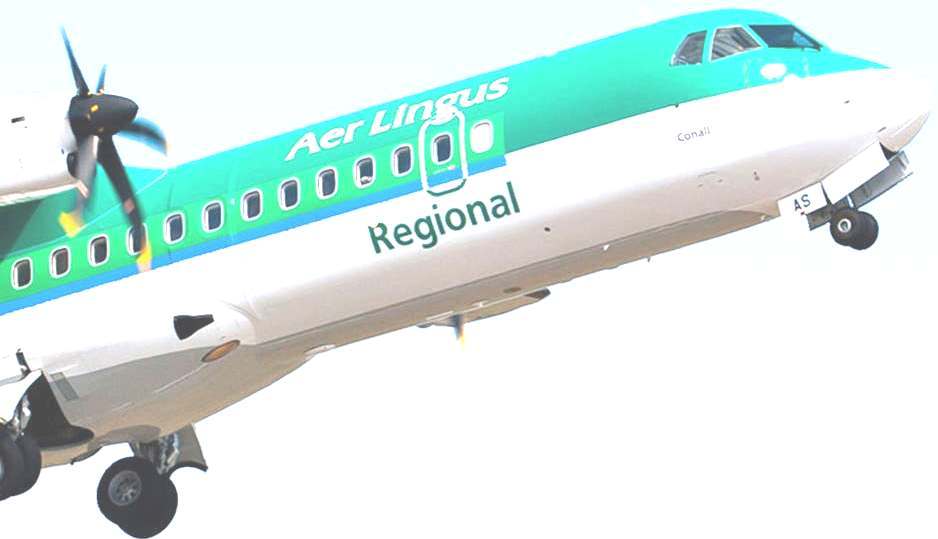
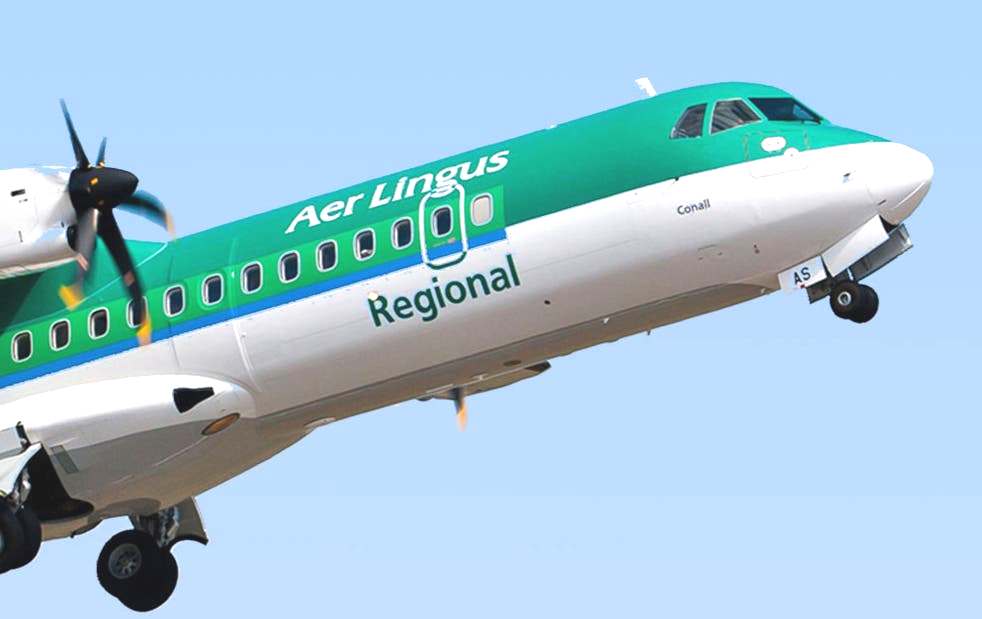
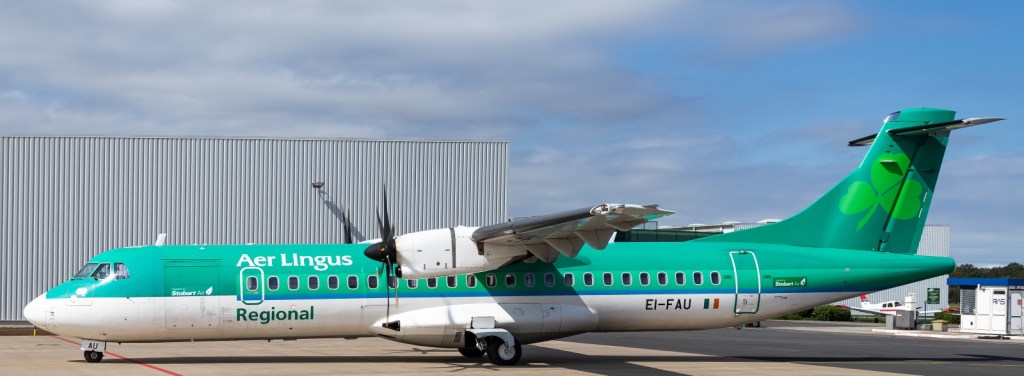
Las operaciones de Aer Lingus Regional fueron suspendidas este Domingo 13/06 por la quiebra del proveedor Stobart Air. La aerolínea regional operaba desde Dublín hacia Cork, Ireland West Knock, Shannon, Kerry, Donegal (Irlanda), Belfast, Glasgow, Edimburgo, Blackpool, Isla de Man, Manchester, Birmingham, Bournemouth, London/Southend, Durham Tees Valley, Doncaster/Sheffield, Cardiff, Bristol, Islas Jersey (Reino Unido), Lorient, La Rochelle (Francia).
Impactos en le región
La pérdida de los dos vuelos diarios al interior de Irlanda represente un duro golpe para las economías del país. Por ejemplo, de la falta de vuelo a Kerry implicaría un fuerte impacto para el turismo y el comercio que dependían en gran medida de la conectividad crítica que proporcionaba. El servicio a Dublín desde Kerry era una de las rutas más populares. Transportaba cerca de 60.000 pasajeros al año e iba creciendo año tras año. El Director Ejecutivo del Aeropuerto de Kerry, John Mulhern, dijo que era una noticia tremenda para el aeropuerto y para la comunidad de Kerry. Dijo que estaban pensando en los más de 400 empleados de Stobart Air que fueron sus colegas durante muchos años en el Aeropuerto de Kerry. También es un duro golpe para un condado que depende tanto del turismo, que proporciona ingresos de más de € 500 millones de Euros a la región cada año.
El impacto en Donegal, otro aeropuerto que ha perdido la conexión con Dublín, es importante. La Directora Ejecutiva del Aeropuerto de Donegal, Eilis Docherty, dijo que existen temores reales por la pérdida de puestos de trabajo en el aeropuerto si no se puede encontrar otra aerolínea para operar el servicio que Stobart Air tenía a Dublín. El aeropuerto perdió cuatro vuelos por día debido a la decisión. Actualmente emplea a treinta personas. El aeropuerto había perdido anteriormente su servicio de Loganair a Glasgow debido a la pandemia. El aeropuerto dijo que ha pedido garantías al gobierno para que una nueva aerolínea llegue rápidamente al Aeropuerto de Donegal. Los representantes locales han advertido que la pérdida de los vuelos de Dublín afectará profundamente a los pacientes con cáncer que los usaban para los tratamientos en la capital.
El Aeropuerto de Belfast no esperaba que las cosas se desmoronaran tan rápido. El Director Ejecutivo, Brian Ambrose, dijo que la noticia era muy decepcionante y que las rutas afectadas eran las seis más importantes. Actualmente posee una red de veintiséis conexiones, pero perder seis represente un impacto tremendo. Belfast, sin embargo, acababa de recibir la noticia de la apertura de una base de la aerolínea Ryanair, con lo que el impacto, siendo preocupante, no será tan duro.
Regional isolation in Ireland
Stobart Air bankruptcy creates isolation in Ireland
Ireland’s airports have suffered the most severe isolation after the bankruptcy of feeder airline Stobart Air. The «Emerald» island is an island that can be traveled by road, by train or by bus in a few hours, so that its airports competed with difficulties. even so, in good times regional airports played an essential role for the country’s progress, when budget airline Ryanair stopped flying from them abroad. But the news in Ireland of the abolition of regional flights following the bankruptcy of Stobart Air has isolated connections between islands and the mainland.
Aer Lingus Regional operations were suspended this Sunday 06/13 due to the bankruptcy of the supplier Stobart Air. The regional airline operated from Dublin to Cork, Ireland West Knock, Shannon, Kerry, Donegal (Ireland), Belfast, Glasgow, Edinburgh, Blackpool, Isle of Man, Manchester, Birmingham, Bournemouth, London/Southend, Durham Tees Valley, Doncaster/Sheffield, Cardiff, Bristol, Jersey Islands (UK), Lorient, La Rochelle (France).
Impacts in the region
The loss of the two daily flights to the interior of Ireland represents a severe blow to the economies of the country. For example, the lack of a flight to Kerry would imply a strong impact on tourism and commerce that depended heavily on the critical connectivity it provided. Service to Dublin from Kerry was one of the most popular routes. It carried about 60,000 passengers a year and was growing year after year. Kerry Airport Executive Director John Mulhern said this was tremendous news for the airport and for the Kerry community. He said they were thinking of the more than 400 Stobart Air employees who were his colleagues for many years at Kerry Airport. It is also a severe blow for a county that is so dependent on tourism, which provides revenues of more than € 500 million to the region each year.
The impact on Donegal, another airport that has lost connection with Dublin, is significant. Donegal Airport Executive Director Eilis Docherty said there are real fears of job losses at the airport if another airline cannot be found to operate Stobart Air’s service to Dublin. The airport lost four flights a day because of the decision. It currently employs thirty people. The airport had previously lost its service from Loganair to Glasgow due to the pandemic. The airport said it has asked the government for guarantees that a new airline will arrive quickly at Donegal Airport. Local representatives have warned that the loss of the Dublin flights will profoundly affect cancer patients who used them for treatments in the capital.
Belfast Airport did not expect things to fall apart so quickly. Executive Director Brian Ambrose said the news was very disappointing and the affected routes were the top six. You currently have a network of twenty-six connections, but losing six represents a tremendous impact. Belfast, however, had just received the news of the opening of a Ryanair airline base, so the impact, being worrying, will not be so hard.
Aonrú réigiúnach in Éirinn
Cruthaíonn féimheacht Stobart Air aonrú in Éirinn
D’fhulaing aerfoirt na hÉireann an t-aonrú is déine tar éis féimheachta na haerlíne friothálacha Stobart Air. Is oileán é an t-oileán «Emerald» ar féidir taisteal air de bhóthar, ar an traein nó ar bhus i gceann cúpla uair an chloig, ionas go mbeadh deacrachtaí ag a aerfoirt. ina ainneoin sin, in am trátha bhí ról riachtanach ag aerfoirt réigiúnacha maidir le dul chun cinn na tíre, nuair a stop an aerlíne buiséid Ryanair ag eitilt uathu thar lear. Ach tá naisc scoite idir na hoileáin agus an mórthír leis an scéala in Éirinn faoi dhíothú eitiltí réigiúnacha tar éis féimheachta Stobart Air.
Cuireadh oibríochtaí Aer Lingus Réigiúnacha ar fionraí Dé Domhnaigh seo 06/13 mar gheall ar fhéimheacht an tsoláthraí Stobart Air. D’oibrigh an aerlíne réigiúnach ó Bhaile Átha Cliath go Corcaigh, Éire West Knock, an tSionainn, Ciarraí, Dún na nGall (Éire), Béal Feirste, Glaschú, Dún Éideann, Blackpool, Oileán Mhanann, Manchain, Birmingham, Bournemouth, Londain/Southend, Durham Tees Valley, Doncaster/Sheffield, Caerdydd, Bristol, Oileáin Jersey (RA), Lorient, La Rochelle (An Fhrainc).
Tionchair sa réigiún
Buille mór do gheilleagair na tíre is ea cailliúint an dá eitilt laethúil chuig taobh istigh na hÉireann. Mar shampla, thabharfadh easpa eitilte go Ciarraí tionchar láidir ar thurasóireacht agus ar thráchtáil a bhí ag brath go mór ar an nascacht chriticiúil a sholáthraíonn sé. Bhí seirbhís go Baile Átha Cliath ó Chiarraí ar cheann de na bealaí ba choitianta. Bhí thart ar 60,000 paisinéir ann gach bliain agus bhí sé ag fás bliain i ndiaidh bliana. Dúirt Stiúrthóir Feidhmiúcháin Aerfort Chiarraí John Mulhern gur nuacht iontach é seo don aerfort agus do phobal Chiarraí. Dúirt sé go raibh siad ag smaoineamh ar níos mó ná 400 fostaí Stobart Air a bhí ina gcomhghleacaithe le blianta fada ag Aerfort Chiarraí. Is buille trom é freisin do chontae atá ag brath chomh mór sin ar an turasóireacht, a sholáthraíonn ioncam de níos mó ná € 500 milliún don réigiún gach bliain.
Tá an tionchar suntasach ar Dhún na nGall, aerfort eile a chaill nasc le Baile Átha Cliath. Dúirt Stiúrthóir Feidhmiúcháin Aerfort Dhún na nGall Eilis Docherty go bhfuil fíor-eagla ann go gcaillfear poist ag an aerfort mura féidir a fháil go n-oibríonn aerlíne eile seirbhís Stobart Air go Baile Átha Cliath. Chaill an t-aerfort ceithre eitilt in aghaidh an lae mar gheall ar an gcinneadh. Tá tríocha duine fostaithe aige faoi láthair. Chaill an t-aerfort a sheirbhís roimhe seo ó Loganair go Glaschú mar gheall ar an bpaindéim. Dúirt an t-aerfort gur iarr sé ar an rialtas ráthaíochtaí go dtiocfaidh aerlíne nua go tapa chuig Aerfort Dhún na nGall. Tá foláireamh tugtha ag ionadaithe áitiúla go gcuirfidh cailliúint eitiltí Bhaile Átha Cliath isteach go mór ar othair ailse a d’úsáid iad le haghaidh cóireálacha sa phríomhchathair.
Ní raibh Aerfort Bhéal Feirste ag súil go dtitfeadh rudaí as a chéile chomh gasta. Dúirt an Stiúrthóir Feidhmiúcháin Brian Ambrose gur ábhar mór díomá an nuacht agus gurb iad na bealaí a raibh tionchar orthu na sé cinn is fearr. Tá líonra de sé nasc is fiche agat faoi láthair, ach is tionchar iontach é cailliúint sé cinn. Bhí Béal Feirste, áfach, díreach tar éis an nuacht faoi oscailt aerlíne Ryanair a oscailt, mar sin ní bheidh an tionchar, chomh buartha, chomh deacair.
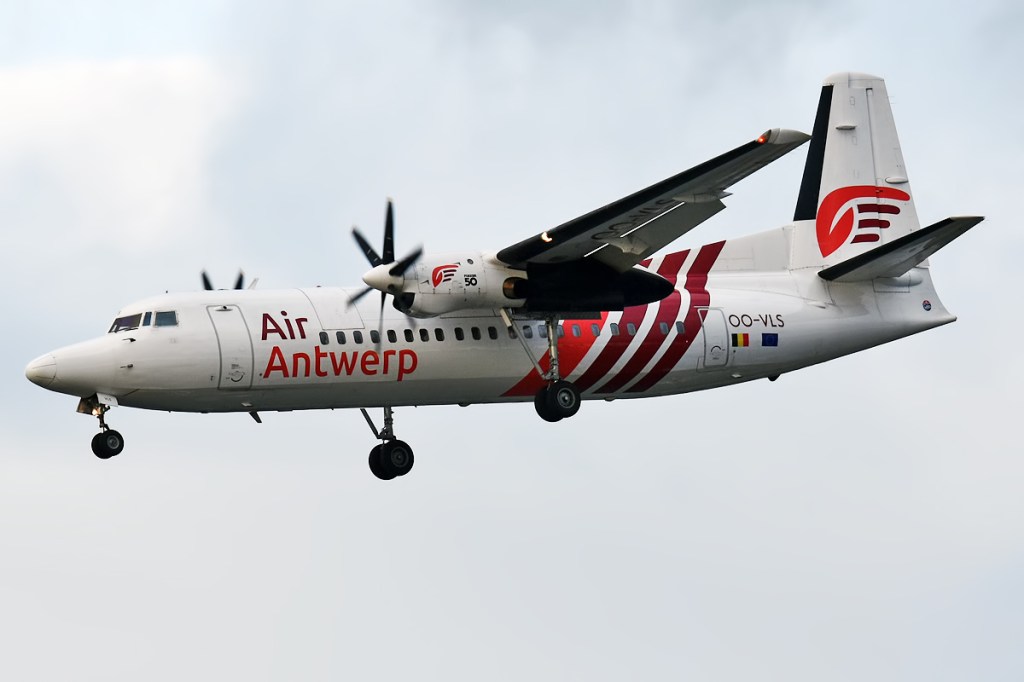
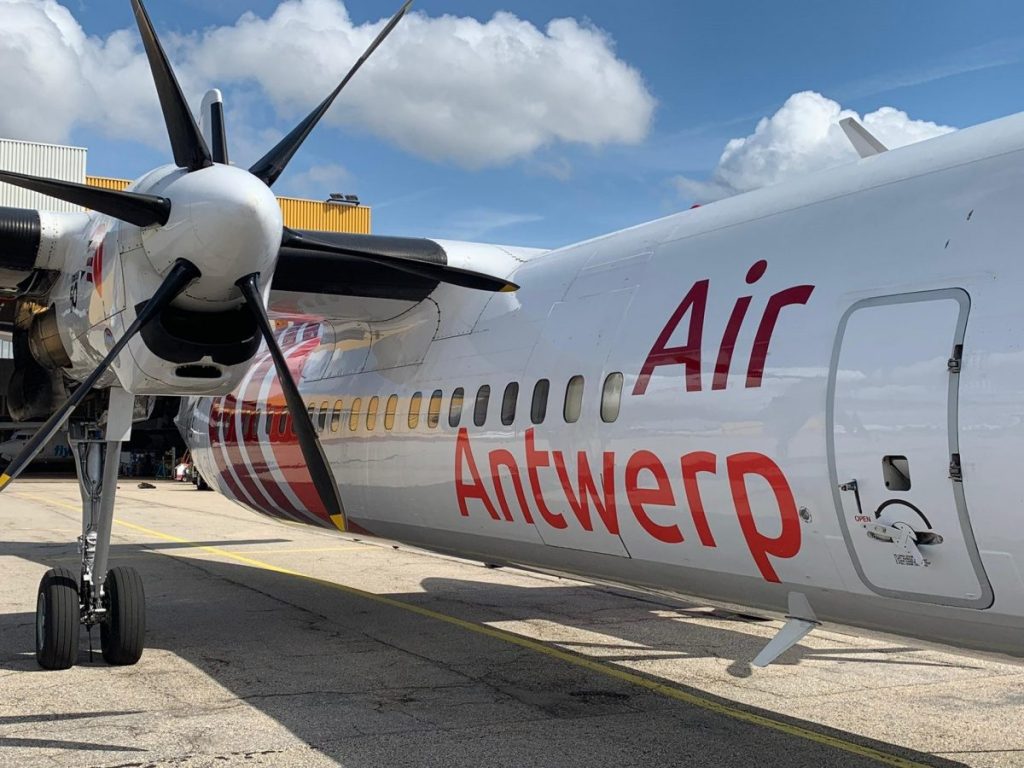
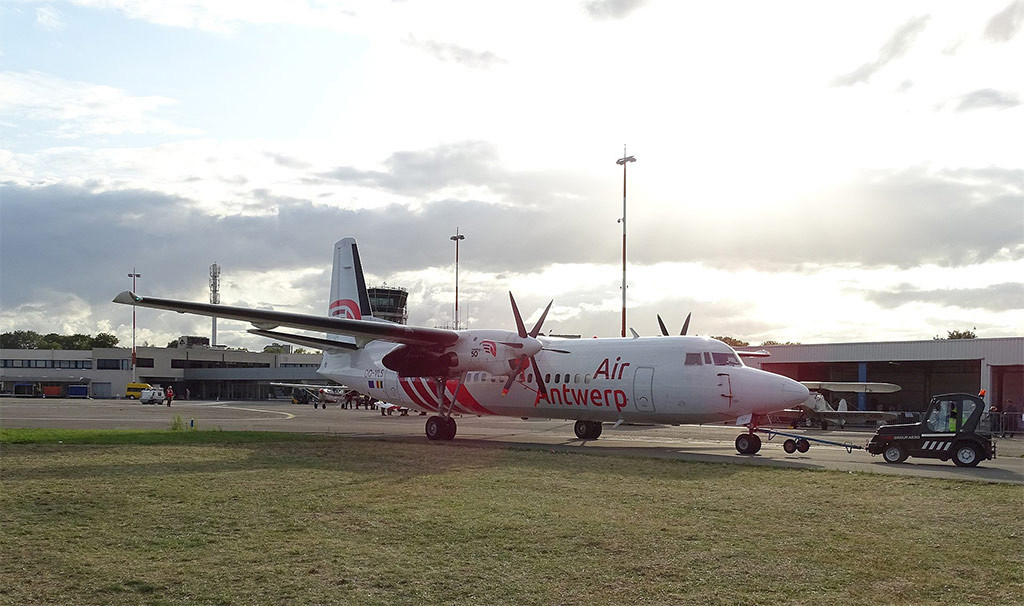
El Viernes 11 de Junio de 2021, la pequeña aerolínea regional belga Air Antwerp anunció que presentaba quiebra. La compañía comenzó a operar en Septiembre de 2019, empleando aeronaves Fokker 50 iniciando vuelos desde Amberes y Londres, en los que volaba tres veces al día entre semana. Air Antwerp poseía una única aeronave Fokker 50 turboprop para sus operaciones aéreas. Los impactos de la pandemia de Coronavirus y las restricciones de viaje relacionadas, Air Antwerp suspendió por primera vez sus operaciones en Marzo de 2020. Después de un receso de seis meses, el horario de retorno de los vuelos se redujo significativamente, operando cuatro veces a la semana en la línea entre Amberes-Londres.
Air Antwerp se estableció en 2019 como una empresa conjunta entre CityJet y KLM Airlines, con la aerolínea irlandesa con una participación del 75%, el resto en manos de aerolíneas holandesas. Las compañías querían llenar el vacío después de VLM Airlines, que voló desde Amberes y detuvo los vuelos en Agosto de 2019. El único servicio de Amberes al aeropuerto de la ciudad de Londres era el código compartido con KLM. En Mayo 2021 la participación del 75% de CityJet fue transferida a KLM, y la aerolínea holandesa se convirtió en el propietario del 100% de Air Antwerp.
Tras los prolongados cierres e interrupciones en el tráfico aéreo, la aerolínea anunció interrupciones de vuelos del 30 de Noviembre de 2020 al 2 de Enero de 2021. Posteriormente, la interrupción se extendió hasta el 01/03 como muy pronto, y posteriormente hasta el 1 de Abril de 2021. Al final, los vuelos no se reanudaron en la siguiente fecha del 4 de Mayo de 2021, y Air Antwerp anunció que había cancelado todos los vuelos hasta Agosto 2021.
El único Fokker 50 voló a Malmö, Suecia, a principios de Mayo 2021, donde fue cancelado. Eso fue un presagio del fin de la sociedad. El Viernes 11/06, un portavoz de Air Antwerp confirmó que la junta había decidido cerrar la aerolínea.
Air Antwerp closes operations
Belgian regional company files for bankruptcy
On Friday June 11, 2021, the small Belgian regional airline Air Antwerp announced that it was filing for bankruptcy. The company began operating in September 2019, employing Fokker 50 aircraft starting flights from Antwerp and London, in which it flew three times a day on weekdays. Air Antwerp owned a single Fokker 50 turboprop aircraft for its air operations. The impacts of the Coronavirus pandemic and related travel restrictions, Air Antwerp first suspended its operations in March 2020. After a six-month hiatus, the return schedule of flights was significantly reduced, operating four times at the week on the Antwerp-London line.
Air Antwerp was established in 2019 as a joint venture between CityJet and KLM Airlines, with the Irish airline holding a 75% stake, the remainder held by Dutch airlines. The companies wanted to fill the gap after VLM Airlines, which flew in from Antwerp and stopped flights in August 2019. The only service from Antwerp to London City Airport was codeshare with KLM. In May 2021 the 75% stake in CityJet was transferred to KLM, and the Dutch airline became the 100% owner of Air Antwerp.
After the prolonged closures and interruptions in air traffic, the airline announced flight interruptions from November 30, 2020 to January 2, 2021. Subsequently, the interruption was extended until 03/01 at the earliest, and subsequently until 01 April 2021. In the end, flights were not resumed on the following date of May 4, 2021, and Air Antwerp announced that it had canceled all flights until August 2021.
The only Fokker 50 flew to Malmö, Sweden, in early May 2021, where it was canceled. That was a harbinger of the end of society. On Friday 06/11, an Air Antwerp spokesperson confirmed that the board had decided to close the airline.
Air Antwerp sluit operaties
Belgisch regionaal bedrijf vraagt faillissement aan
Op vrijdag 11 Juni 2021 maakte de kleine Belgische regionale luchtvaartmaatschappij Air Antwerp bekend het faillissement aan te vragen. Het bedrijf ging in September 2019 van start met Fokker 50-vliegtuigen die begonnen met vluchten vanuit Antwerpen en Londen, waarmee het op weekdagen drie keer per dag vloog. Air Antwerp bezat een enkel Fokker 50-turbopropvliegtuig voor haar luchtoperaties. Door de gevolgen van de pandemie van het Coronavirus en de daarmee samenhangende reisbeperkingen schortte Air Antwerp voor het eerst haar activiteiten op in Maart 2020. Na een onderbreking van zes maanden werd het retourschema van de vluchten aanzienlijk ingekort, vier keer per week op de lijn Antwerpen-Londen.
Air Antwerp werd in 2019 opgericht als een joint venture tussen CityJet en KLM Airlines, waarbij de Ierse luchtvaartmaatschappij een belang van 75% heeft, de rest in handen van Nederlandse luchtvaartmaatschappijen. De bedrijven wilden het gat dichten na VLM Airlines, dat vanuit Antwerpen aanvloog en in Augustus 2019 de vluchten stopte. De enige dienst van Antwerpen naar London City Airport was codeshare met KLM. In Mei 2021 werd het 75%-belang in CityJet overgedragen aan KLM en werd de Nederlandse luchtvaartmaatschappij 100% eigenaar van Air Antwerp.
Na de langdurige sluitingen en onderbrekingen in het luchtverkeer kondigde de luchtvaartmaatschappij vliegonderbrekingen aan van 30 November 2020 tot 2 Januari 2021. Vervolgens werd de onderbreking verlengd tot op zijn vroegst 03/01 en vervolgens tot 1 April 2021. Uiteindelijk, vluchten werden niet hervat op de volgende datum van 4 Mei 2021, en Air Antwerp maakte bekend dat het alle vluchten tot Augustus 2021 had geannuleerd.
De enige Fokker 50 vloog begin Mei 2021 naar Malmö, Zweden, waar hij werd geannuleerd. Dat was een voorbode van het einde van de samenleving. Op Vrijdag 06/11 bevestigde een woordvoerder van Air Antwerp dat het bestuur had besloten de luchtvaartmaatschappij te sluiten.
Aeropuerto de Santiago concluye obras de Terminal 2
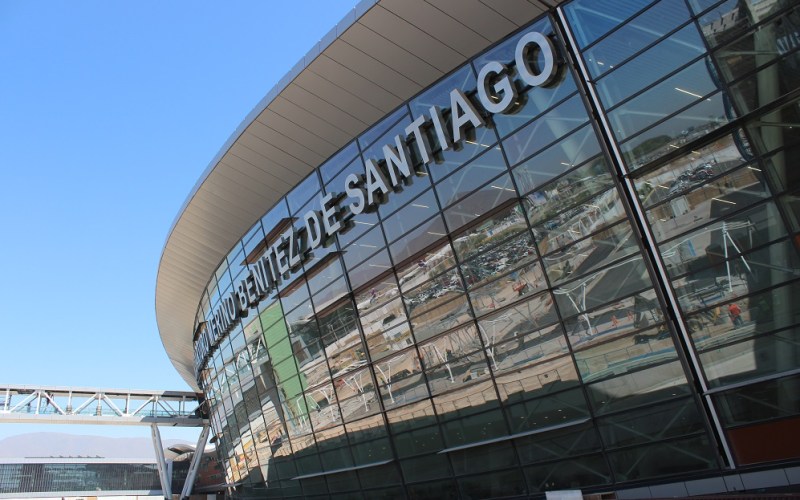
La concesionaria Nuevo Pudahuel del Aeropuerto Internacional Santiago/SCL ha informado la conclusión de las obras de la Terminal 2 (T2). En Marzo 2021 estaban concluyendo la última etapa tras cinco años de construcción y una inversión de US$ 1.000 millones de inversión, el nuevo terminal está listo para su entrega. La edificación tiene una superficie aproximada de 200.000 metros cuadrados. Su construcción comenzó en 2016 y debía terminar durante el 2020, pero debido a la pandemia los plazos se extendieron. Con un video promocional Nuevo Pudahuel informó que las obras del nuevo Aeropuerto de Santiago se encuentra completa y lista para ser entregada. “Es un orgullo construir, operar, atraer nuevas aerolíneas y abrir nuevas rutas, en un inédito trabajo de la alianza público-privada de la industria aérea donde la Dirección de Aeropuertos (DAP), Subsecretaría de Turismo, Dirección General de Aeronáutica Civil (DGAC), Invest Chile y la Junta de Aeronáutica Civil (JAC) trabajamos en conjunto para que tú puedas volar más barato y a más lugares”, explicó Branko Karlezi, Subgerente de Comunicaciones de Nuevo Pudahuel.
El Terminal 2 (T2), nombre del nuevo sector del aeropuerto, estará dedicado exclusivamente a los vuelos internacionales. El actual terminal Arturo Merino Benítez quedará para los vuelos nacionales. El nuevo edificio cuenta con cuatro espigones denominados C, D, E y F. De ellos, dos tendrán modalidad swing, Es decir, podrían usarse para operaciones nacionales en caso de ser necesario. Es operado por Grupo ADP y VINCI Airports, que en conjunto gestionan más de setenta aeropuertos alrededor del mundo. La fecha de inauguración está proyectada para el segundo semestre.
Esta nueva terminal llega con interesantes novedades que prometen mejorar la experiencia de viaje de todos los pasajeros. Por ejemplo, la zona de counters presenta grandes cambios. Habrá más de sesenta puestos para check-in ordenados de la A a la H y divididos en cuatro grandes islas. La mayoría de los puestos serán de autoservicio. Otra novedad es el Duty Free, que tendrá una amplia superficie en el recinto, con un tamaño superior a los 6.500 metros cuadrados; y el amplio salón vip que tendrá Latam AIrlines, que será además el primer lounge 100% sustentable de la aerolínea. Finalmente se destaca que el objetivo del nuevo aeropuerto de Santiago de reducir las emisiones de CO2 en un 40% para el año 2030. La idea es no producir ninguna emisión neta para 2050. Se trata de un desafío que particularmente VINCI Airports ha asumido como propio en diversos terminales que opera, como el del Aeropuerto Lyon/Saint Exupéry. Nicolás Notebaert, CEO de VINCI Concessions presentó un programa de reforestación que permitirá que Lyon se convierta en el primer aeropuerto de aviación comercial de Francia en lograr cero emisiones netas para 2026. Se apostará con un proyecto local a 30 kilómetros del terminal, en un bosque de Cantinière. “Con la ONF (Oficina Nacional de Bosques de Francia) y en asociación con el departamento de Rhône, restauraremos, reforestaremos, mantendremos y gestionaremos esta parcela con especies resilientes localmente seleccionadas por su gran capacidad para adaptarse al estrés hídrico y absorber CO2. Este proyecto nos permitirá almacenar más de 500 toneladas de CO2 durante el período de crecimiento de las plantas”, explicó la compañía.
New T2 Santiago Airport
Santiago Airport concludes works on Terminal 2
The Nuevo Pudahuel concessionaire of the Santiago/SCL International Airport has reported the completion of the works on Terminal 2 (T2). In March 2021 they were completing the last stage after five years of construction and an investment of US$ 1,000 million investment, the new terminal is ready for delivery. The building has an approximate area of 200,000 square meters. Its construction began in 2016 and was due to finish during 2020, but due to the pandemic the deadlines were extended. With a promotional video, Nuevo Pudahuel reported that the works for the new Santiago Airport are complete and ready to be delivered. “It is a pride to build, operate, attract new airlines and open new routes, in an unprecedented work of the public-private alliance of the airline industry where the Airports Directorate (DAP), Tourism Undersecretariat, Civil Aeronautics Directorate General (DGAC ), Invest Chile and the Civil Aeronautics Board (JAC) work together so that you can fly cheaper and to more places”, explained Branko Karlezi, Nuevo Pudahuel’s Communications Deputy Manager.
Terminal 2 (T2), the name of the new airport sector, will be exclusively dedicated to international flights. The current Arturo Merino Benítez terminal will remain for domestic flights. The new building has four breakwaters called C, D, E and F. Of them, two will have a swing mode, that is, they could be used for national operations if necessary. It is operated by Grupo ADP and VINCI Airports, which together manage more than seventy airports around the world. The opening date is projected for the second semester.
This new terminal comes with interesting news that promise to improve the travel experience for all passengers. For example, the counters area has big changes. There will be more than sixty check-in stations arranged from A to H and divided into four large islands. Most of the stalls will be self-service. Another novelty is the Duty Free, which will have a large area in the enclosure, with a size greater than 6,500 square meters; and the spacious VIP lounge that Latam AIrlines will have, which will also be the airline’s first 100% sustainable lounge. Finally, it is highlighted that the objective of the new Santiago airport to reduce CO2 emissions by 40% by 2030. The idea is not to produce any net emissions by 2050. It is a challenge that VINCI Airports has taken on as its own in particular. in various terminals that it operates, such as the Lyon/Saint Exupéry Airport. Nicolás Notebaert, CEO of VINCI Concessions presented a reforestation program that will allow Lyon to become the first commercial aviation airport in France to achieve zero net emissions by 2026. It will bet on a local project 30 kilometers from the terminal, in a forest of Cantinière. “With the ONF (French National Forest Office) and in partnership with the Rhône department, we will restore, reforest, maintain and manage this plot with locally selected resilient species for their great capacity to adapt to water stress and absorb CO2. This project will allow us to store more than 500 tons of CO2 during the growth period of the plants”, explained the company.
El mundo de la aviación comercial ha experimentado uno de los episodios más turbulentos del transporte aéreo por la crisis sanitaria de alcance mundial impactando con turbulencias financieras. El sector de las aerolíneas espera que el tráfico de pasajeros despegue a pesar de las preocupaciones sobre el impacto de la industria en las consecuencias económicas. La Asociación Internacional de Transporte Aéreo (IATA) ha expresado en su visión que no espera que el tráfico aéreo mundial se reanude a su nivel previo a la pandemia antes de 2023. Pero es optimista que en veinte años, el tráfico aéreo casi debería duplicarse, de 4.5 mil millones de pasajeros en 2019 a 8.5 mil millones en 2039.
El impacto de la crisis de la pandemia ha arrastrado una caída de mil millones de pasajeros con respecto a las previsiones previas a la crisis de la IATA. Sin embargo, esa será una buena noticia para los fabricantes de aviones, que ralentizaron la producción durante la crisis, mientras que las aerolíneas cancelaron los pedidos para mantenerse financieramente a flote. Airbus Group ha anunciado que planea aumentar la cadencia de fabricación de sus aviones de pasillo único A320 más vendidos y debería alcanzar un nivel récord hacia 2023. The Boeing Company, por su parte, prevé que las aerolíneas necesitarán 43.110 nuevos aviones hasta 2039, lo que se traduciría en una casi duplicación de la flota mundial. Sólo Asia representará el 40 por ciento de esa demanda.
Aviación resiliente
Los ataques del 11 de Septiembre de 2001 (11-S) o la crisis financiera global de 2007-2009 han marcado ala aviación en fuertes episodios de inestabilidad, pero «la industria volverá a ser resistente», dijo el año pasado Darren Hulst, Vicepresidente de Marketing de The Boeing Company.
Marc Ivaldi, Director de Investigación de la Escuela de Estudios Avanzados en Ciencias Sociales, con sede en París, señaló que solo el uno por ciento de la población utiliza actualmente el transporte aéreo: «Con el simple aumento demográfico y el hecho de que la gente se vuelva más rica habrá una creciente demanda de viajes aéreos y, por lo tanto, de aviones». Si las flotas de aviones más grandes se encuentran actualmente en Estados Unidos y Europa, los mayores aumentos se esperan en Asia y Oriente Medio, dijo la Consultora Oliver Wyman en un estudio reciente.
Airbus entregó el 19 por ciento de sus aviones a China, más que Estados Unidos, y no se espera que esta tendencia cambie. En muchos países emergentes donde la clase media se está expandiendo, el transporte aéreo se está volviendo posible para cada vez más personas. «Entre las naciones emergentes de Asia, uno de los mayores objetivos aspiracionales es simplemente la capacidad de volar internacionalmente. Es un signo de madurez social y económica y permite experiencias que eran impensables para sus padres. Era poco probable que estas personas compartieran el creciente sentimiento entre algunas personas en Occidente hacia la reducción de los viajes aéreos para reducir la huella de carbono. Para estos nuevos aspirantes a volantes, todo el concepto de ‘vergüenza de vuelo’ a nivel de base es tremendamente extraño. En consecuencia, en Asia es poco probable que la vergüenza de los vuelos gane mucha tracción», dijo el Centro de Aviación (CAPA). El movimiento «flight shaming» o «flygskam» despegó en Suecia en 2018 para desafiar la creciente popularidad de los viajes aéreos, que habían tenido un auge en Europa gracias a las aerolíneas de bajo coste que hicieron que las escapadas de fin de semana en todo el continente fuera asequible para un público más amplio. En 2019, el tráfico aéreo disminuyó en un cuatro por ciento en Suecia, pero alcanzó un récord en toda Europa, según el organismo de control de tráfico aéreo Eurocontrol.
Marc Ivaldi de EHESS cree que la vergüenza de vuelo tendrá poco impacto a largo plazo: «Alguien que hace un vuelo por año en un avión, ¿realmente crees que dirán que es demasiado contaminante y lo abandonarán?». Pero países como Suecia han comenzado a reintroducir los trenes nocturnos para dar a los viajeros opciones más ecológicas para viajar. Francia, que está impulsando sus trenes nocturnos, también está recortando los vuelos nacionales cuando es posible realizar el viaje en tren en menos de dos horas y media. Marc Ivaldi cree que es un gesto en gran parte vacío, ya que los trenes rápidos ya han tomado la mayor parte del mercado en este tipo de rutas.
El sector aéreo se ha comprometido a reducir sus emisiones de carbono a la mitad para 2050 con respecto a su nivel de 2005. Las aerolíneas tienen un incentivo económico para hacerlo, ya que la adopción de aviones más eficientes en el consumo de combustible reduce los costos operativos.
Global aviation long-term rebound
Aviation industry sees long-term rebound
The world of commercial aviation has experienced one of the most turbulent episodes in air transport due to the global health crisis, impacting with financial turmoil. The airline industry expects passenger traffic to take off despite concerns about the industry’s impact on the economic fallout. The International Air Transport Association (IATA) has expressed in its vision that it does not expect global air traffic to resume to its pre-pandemic level before 2023. But it is optimistic that in twenty years, air traffic should almost double, from 4.5 billion passengers in 2019 to 8.5 billion in 2039.
The impact of the pandemic crisis has led to a drop of one billion passengers compared to IATA’s pre-crisis forecasts. However, that will be good news for aircraft manufacturers, who slowed production during the crisis, while airlines canceled orders to stay financially afloat. Airbus Group has announced that it plans to increase the production rate of its best-selling A320 single-aisle aircraft and should reach a record level by 2023. The Boeing Company, for its part, forecasts that airlines will need 43,110 new aircraft by 2039, which it would translate into a near doubling of the world fleet. Asia alone will account for 40 percent of that demand.
Resilient aviation
The attacks of September 11, 2001 (9/11) or the global financial crisis of 2007-2009 have marked aviation in strong episodes of instability, but «the industry will once again be resilient», said Darren Hulst, Vice President last year. Marketing Department.
Marc Ivaldi, Director of Research at the Paris-based School for Advanced Studies in Social Sciences (EHESS), noted that only one percent of the population currently uses air travel: «With the simple increase in population and the fact that people As you get richer there will be a growing demand for air travel and therefore for airplanes». If the largest aircraft fleets are currently in the United States and Europe, the largest increases are expected in Asia and the Middle East, Consultant Oliver Wyman said in a recent study.
Airbus delivered 19 percent of its jets to China, more than the United States, and this trend is not expected to change. In many emerging countries where the middle class is expanding, air travel is becoming possible for more and more people. «Among emerging Asian nations, one of the greatest aspirational goals is simply the ability to fly internationally. It is a sign of social and economic maturity and enables experiences that were unthinkable for their parents. These people were unlikely to share the growing sentiment. among some people in the West towards reducing air travel to reduce the carbon footprint. For these new aspiring fliers, the whole concept of ‘flight shame’ at the grassroots level is wildly strange. Consequently, in Asia it is little Flight embarrassment is likely to gain a lot of traction», said the Center for Aviation (CAPA). The «flight shaming» or «flygskam» movement took off in Sweden in 2018 to challenge the growing popularity of air travel, which had been booming in Europe thanks to budget airlines that made weekend getaways all over the place. the continent was accessible to a wider audience. In 2019, air traffic declined by four percent in Sweden, but reached a record across Europe, according to air traffic control body Eurocontrol.
Marc Ivaldi of EHESS believes that flight embarrassment will have little long-term impact: «Someone who does one flight per year on an airplane, do you really think they will say that it is too polluting and abandon it?» But countries like Sweden have started to reintroduce night trains to give travelers greener options for travel. France, which is boosting its night trains, is also cutting domestic flights when it is possible to make the train journey in less than two and a half hours. Marc Ivaldi believes that it is a largely empty gesture, as fast trains have already taken over most of the market on these types of routes.
The airline industry has committed to halving its carbon emissions by 2050 from its 2005 level. Airlines have an economic incentive to do so, as the adoption of more fuel-efficient aircraft reduces costs operational.
Gobierno ha gastado US$ 7 millones en transporte por vacunas
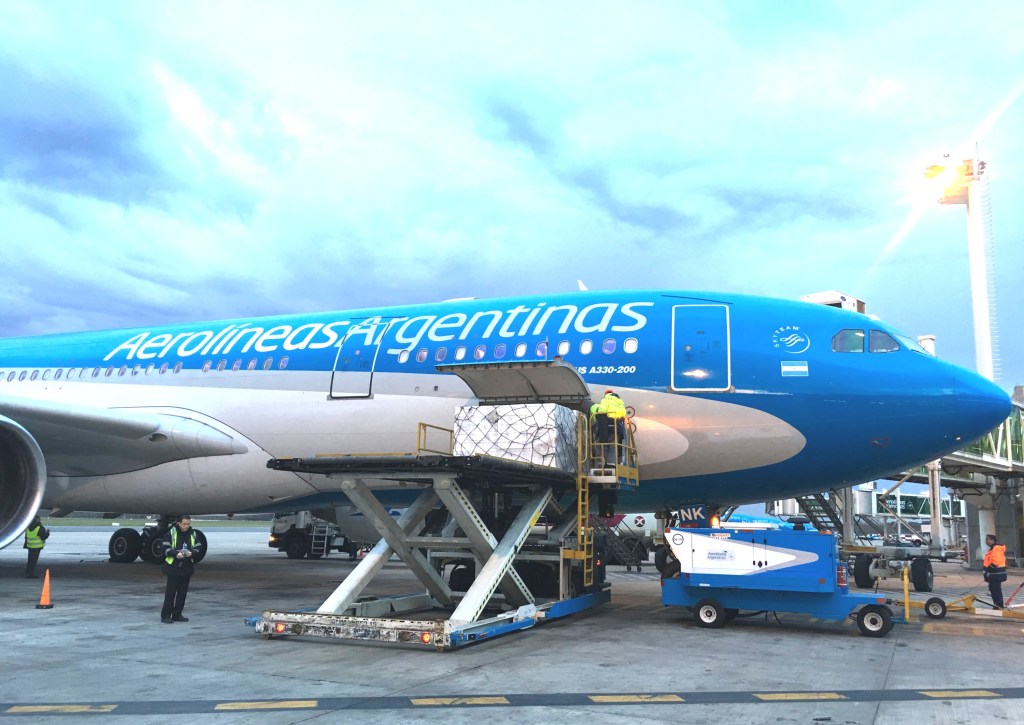
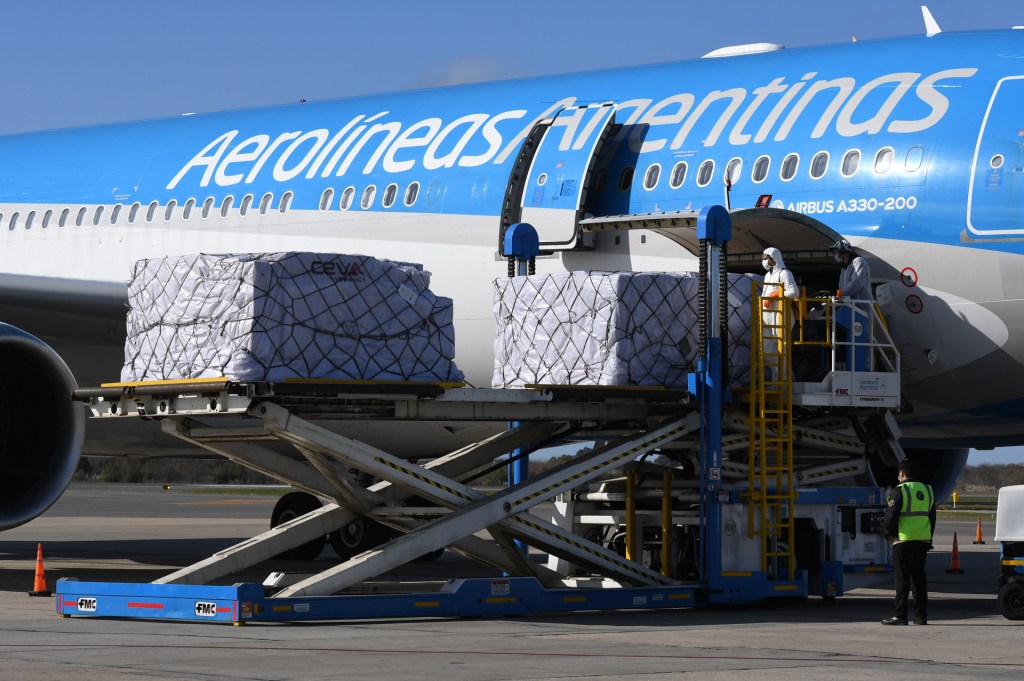
El Gobierno de Argentina ha informado un gasto de casi US$ 7 millones en veintiún vuelos de Aerolíneas Argentinas para traer vacunas, donde se realizaron hasta el 25/05, dieciséis viajes se a la Federación Rusia y cinco a la República Popular de China. El 23 de Diciembre de 2020, un Airbus 330-200 de Aerolíneas Argentinas aterrizó el primer vuelo hacia el Aeropuerto de Moscú, donde cargó el primer lote con 300.000 dosis de la vacuna Sputnik V.
El gasto total reportado por el Estado ha sido de US$ 6.914.830,95 millones de Dólares en 21 vuelos de la línea de bandera registrados hasta el 25 de Mayo de 2021, según la información que se desprende de la base de datos pública sobre los fletes aéreos llevados a cabo en el traslado de vacunas contra el Coronavirus. De los veintiún vuelos realizados por Aerolíneas Argentinas para traer vacunas, dieciséis se hicieron a Rusia y cinco a China. Los viajes que se realizaron al gigante asiático tuvieron un costo de US$ 428.000 Dólares cada uno, mientras que en el caso de la Federación Rusa se presentaron algunas variaciones que oscilaron entre los US$ 268.655 Dólares a los US$ 304.400 Dólares por cada uno. Este registro público no reportó los vuelos operados por Qatar Airways, KLM Airlines o Lufthansa German Airlines, que trajeron vacunas de AstraZeneca y Sinopharm, y tampoco incluyó los últimos vuelos de Aerolíneas Argentinas realizados el 26/05 con 470.035 dosis, el 03/06 con 818.150 dosis y el 08/06 con 481.850 dosis.
Representa una serie de ventajas competitivas en términos de logística y disponibilidad, así lo definen fuentes oficiales a la contratación de Aerolíneas Argentinas para traer las vacunas. El primer motivo tiene que ver con la distancia recorrida por la aeronave, a lo que se suma la cantidad de dosis que traiga el avión, que incrementará su peso y, en consecuencia, hará mayor el consumo de combustible. A esto también se puede sumar la necesidad de realizar algún tipo de escala a la espera de la liberación de los lotes, algo que eleva aún más los valores. “Cada destino de donde vienen las vacunas tienen particularidades distintas. El personal que viaja cobra viáticos, que forma parte del convenio de los trabajadores aeronáuticos, de acuerdo a los días que dura la operación o si tiene escalas. A eso se suma el combustible y el mantenimiento para realizar la operación. Y después puede haber imprevistos que puedan sumar”, enumeraron fuentes de la línea aérea. Además de los llamados fletes aéreos, el Ministerio de Salud contrató a las compañías Hellmann Worldwide Logistics S.A. y DHL Global Forwarding para realizar el servicio de logística. La primera firma se encargó de realizar la logística de los viajes a China, India y los Países Bajos, y se le pagó un total de US$ 520.476,36 Dólares entre Diciembre 2020 y Mayo 2021. En tanto, DHL trabajó en los servicios logísticos de los traslados de vacunas para la Federación rusa y requirió en ese período un costo total de € 1.687.349,60 Euros y US$ 83.549,31 Dólares.
Los servicios de logística incluyen el traslado de vacunas, el embalaje y la descarga, y puede sufrir variaciones según la cantidad de kilómetros que implique ese trayecto. “En el primer vuelo fueron a San Petersburgo a buscar las vacunas, a 800 kilómetros del aeropuerto de Moscú”, ejemplificaron en la aerolínea local.
Desde Aerolíneas Argentinas insistieron en que realizar las operaciones a través de la aerolínea de bandera representa una serie de ventajas competitivas en términos de logística y disponibilidad. “Por un lado, no existe tráfico regular de cargas entre Argentina y Rusia que permita transportar mercadería ida y vuelta optimizando costos de operación y que sea atractiva para un privado. De realizar esta ruta vía un operador currier, debería hacerse con escalas intermedias, con los inconvenientes logísticos que esto representa para la correcta conservación de la cadena de frío que las vacunas requieren. Por otra parte, tanto en los vuelos a Rusia como a China, al contratar a Aerolíneas Argentinas, el Estado Nacional se garantiza disponibilidad inmediata de aviones para realizar los vuelos a demanda. Además, también se evita todo tipo de penalidades ante cualquier inconveniente logístico -demoras en el envío de vacunas a los aeropuertos de orígenes o tiempos de carga, ventaja competitiva que el mercado tradicional de cargas no ofrece sin costo adicional”, respondió el Jefe de Gabinete, Santiago Cafiero en el último informe que envió al Congreso de la Nación.
Argentina US$ 7 million flight expenses
Government has spent US$ 7 million on transportation for vaccines
The Government of Argentina has reported spending almost US$ 7 million on twenty-one Aerolíneas Argentinas flights to bring vaccines, where they were made until 05/25, sixteen trips to the Russian Federation and five to the People’s Republic of China. On December 23, 2020, an Aerolíneas Argentinas Airbus 330-200 landed the first flight to Moscow Airport, where it loaded the first batch with 300,000 doses of the Sputnik V vaccine.
The total expenditure reported by the State has been US$ 6,914,830.95 million in 21 flights of the flag line registered until May 25, 2021, according to the information that emerges from the public database on air freight carried out in the transfer of vaccines against the Coronavirus. Of the twenty-one flights made by Aerolíneas Argentinas to bring vaccines, sixteen were made to Russia and five to China. The trips to the Asian giant had a cost of US$ 428,000 dollars each, while in the case of the Russian Federation there were some variations that ranged from US$ 268,655 to US$ 304,400 Dollars for each one. This public registry did not report the flights operated by Qatar Airways, KLM Airlines or Lufthansa German Airlines, which brought vaccines from AstraZeneca and Sinopharm, nor did it include the last Aerolíneas Argentinas flights carried out on 05/26 with 470,035 doses, on 06/03 with 818,150 doses and on 06/08 with 481,850 doses.
It represents a series of competitive advantages in terms of logistics and availability, as defined by official sources when hiring Aerolíneas Argentinas to bring vaccines. The first reason has to do with the distance traveled by the aircraft, to which is added the amount of doses that the aircraft brings, which will increase its weight and, consequently, increase fuel consumption. To this can also be added the need to carry out some kind of scale while waiting for the release of the lots, something that raises the values even more. “Each destination where the vaccines come from has different characteristics. The traveling personnel collect per diem, which is part of the aeronautical workers’ agreement, according to the days that the operation lasts or if it has stopovers. Added to that is fuel and maintenance to carry out the operation. And then there may be unforeseen events that can add up”, listed airline sources. In addition to the so-called air freight, the Ministry of Health contracted the companies Hellmann Worldwide Logistics S.A. and DHL Global Forwarding to perform the logistics service. The first firm was in charge of carrying out the logistics of the trips to China, India and the Netherlands, and was paid a total of US$ 520,476.36 between December 2020 and May 2021. Meanwhile, DHL worked in logistics services of vaccine transfers for the Russian Federation and required in that period a total cost of € 1,687,349.60 Euros and US$ 83,549.31 Dollars.
Logistics services include the transfer of vaccines, packaging and unloading, and may vary depending on the number of kilometers involved in that journey. «On the first flight they went to St. Petersburg to get the vaccines, 800 kilometers from the Moscow airport», they exemplified in the local airline.
From Aerolíneas Argentinas they insisted that carrying out operations through the flag carrier represents a series of competitive advantages in terms of logistics and availability. “On the one hand, there is no regular cargo traffic between Argentina and Russia that allows the transportation of goods to and from, optimizing operating costs and making it attractive to a private party. If this route is carried out via a currier operator, it should be done with intermediate stops, with the logistical inconveniences that this represents for the correct conservation of the cold chain that vaccines require. On the other hand, both on flights to Russia and China, when hiring Aerolíneas Argentinas, the National State guarantees immediate availability of airplanes to carry out flights on demand. In addition, all kinds of penalties are also avoided in the event of any logistical inconvenience delays in the shipment of vaccines to the airports of origin or loading times, a competitive advantage that the traditional cargo market does not offer at no additional cost”, replied the Chief of Staff, Santiago Cafiero in the last report he sent to the National Congress.
Eurowings Discover especializará en vuelos charters
La startup alemana Eurowings Discover permitirá enfocarse en vuelos a medida. Cuando el tráfico de verano boreal comienza a repuntar ligeramente, Lufthansa German Airlines ha podido preparar el primer vuelo de la aerolínea más nueva de la compañía de amplio rango de acción, mientras que continúa el proceso de obtención de la licencia de operación OAC en Alemania. Tanto la operación de la aerolínea como la administración están separadas de la compañía principal Eurowings. La filial actuará como una compañía de vuelos chárter bajo la marca Eurowings, pero con su propia licencia AOC y una selección separada de destinos. La nueva compañía utilizará el código 4Y asignado de la IATA.
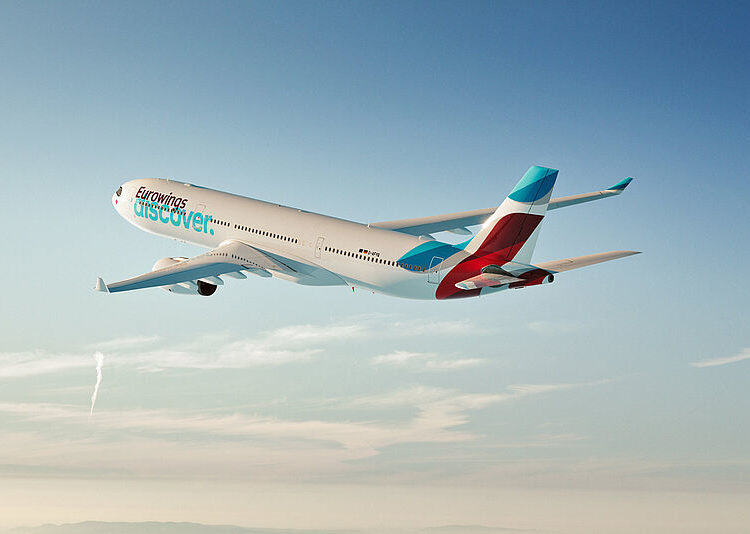
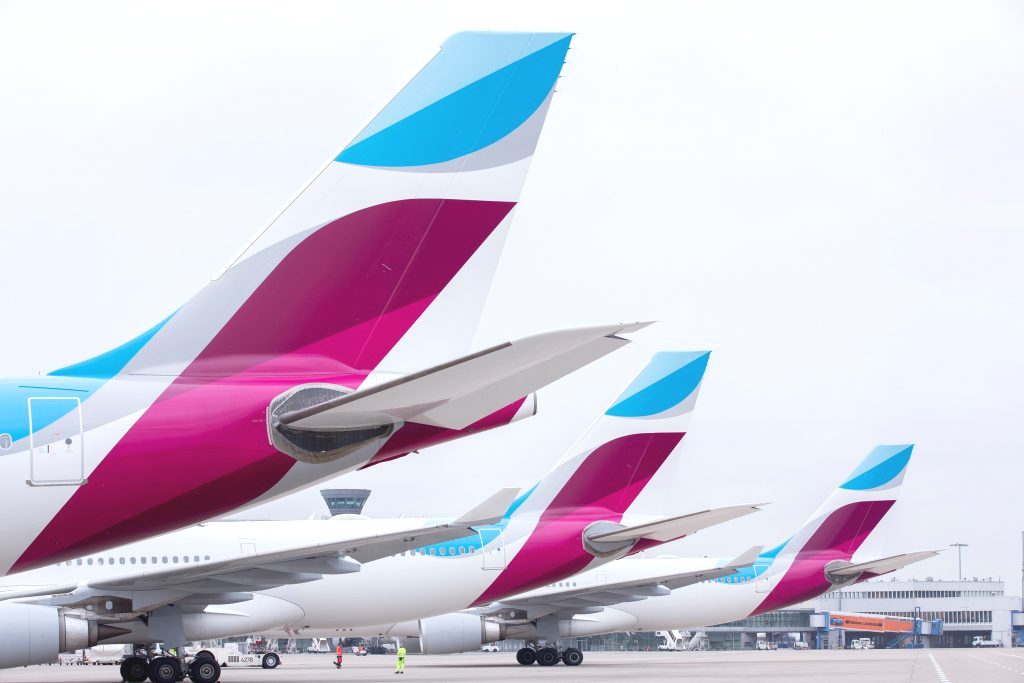
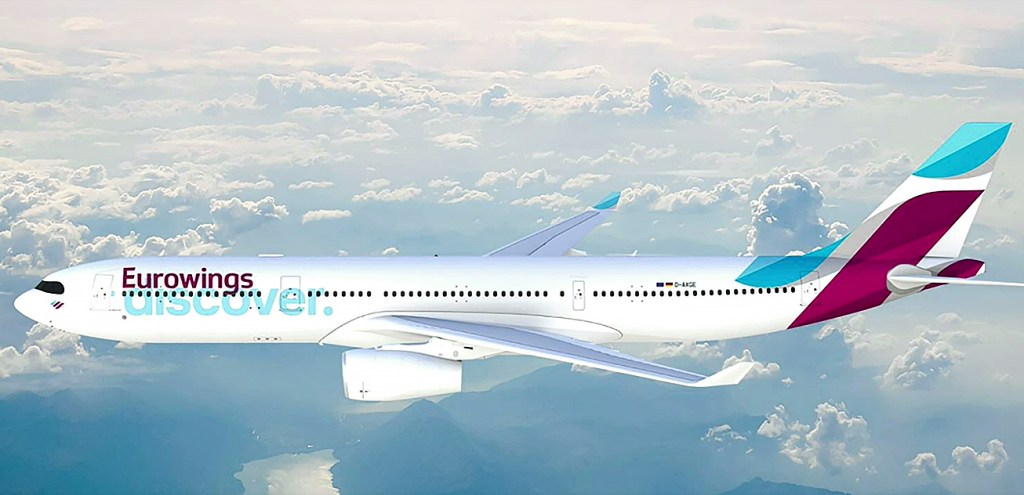
La compañía estará compuesta por una flota de amplio radio de acción. Esta semana, el Airbus A330-200 con registro D-AXGB arribó con el descubrimiento de títulos en el fuselaje, como el primero de los cuatro aviones de la flota de la nueva marca. El avión proviene de la flota de Eurowings donde opera desde 2015, antes de que este fuera parte del servicio de diez años en Qatar Airways como A7-AFP.
Mercado de Eurowings Discover
Los destinos de la nueva aerolínea se encuentran principalmente en el mercado de ocio del Caribe, América del Norte y África. Estos son destinos que Eurowings también ofreció anteriormente, y el competidor Condor Airlines ofrece actualmente. La compañía también volará a Calgary, Canadá, tres veces a la semana (3Frq/S) desde Frankfurt, Alemania, durante la temporada de verano boreal de 2021.
Mientras que Eurowings se mantiene en gran medida lejos de los centros de Lufthansa de Frankfurt y Munich, abandonando las rutas de larga distancia en el programa, en cambio, Eurowings Discover comienza en estos mismos aeropuertos, iniciando sus servicios desde Frankfurt. Los aproximadamente 400 empleados de Eurowings Discover han sido reclutados entre empleados que perdieron sus empleos en Lufthansa German Airlines durante la pandemia.
Eurowings Discover approaches A330
Eurowings Discover will specialize in charter flights
The German startup Eurowings Discover will allow to focus on tailor-made flights. As the summer traffic begins to pick up slightly, Lufthansa German Airlines has been able to prepare the first flight of the company’s newest wide-range airline, while the process of obtaining the OAC operating license in Germany continues. Both the airline’s operation and management are separate from the parent company Eurowings. The subsidiary will act as a charter company under the Eurowings brand, but with its own AOC license and a separate selection of destinations. The new company will use the assigned IATA code 4Y.
The company will be made up of a fleet with a wide radius of action. This week, the D-AXGB registered Airbus A330-200 arrived with the discovery of titles on the fuselage, as the first of four aircraft in the new brand’s fleet. The aircraft comes from the Eurowings fleet where it has operated since 2015, before it was part of Qatar Airways’ ten-year service as A7-AFP.
Eurowings Discover marketplace
The destinations of the new airline are mainly in the leisure market of the Caribbean, North America and Africa. These are destinations that Eurowings also previously offered, and competitor Condor Airlines currently offers. The company will also fly to Calgary, Canada, three times a week (3Frq/S) from Frankfurt, Germany, during the 2021 boreal summer season.
While Eurowings is largely staying away from Lufthansa hubs in Frankfurt and Munich, ditching long-haul routes in the program, instead, Eurowings Discover starts at these same airports, starting its services from Frankfurt. The approximately 400 Eurowings Discover employees have been recruited from among employees who lost their jobs at Lufthansa German Airlines during the pandemic.
Eurowings Discover fliegt A330
Eurowings Discover wird sich auf Charterflüge spezialisieren
Das Deutsche startup Eurowings Discover wird es ermöglichen, sich auf maßgeschneiderte Flüge zu konzentrieren. Da der Sommerverkehr wieder leicht anzieht, konnte Lufthansa German Airlines den Erstflug der neuesten Wide-Range-Airline des Unternehmens vorbereiten, während das Verfahren zur Erlangung der OAC-Betriebserlaubnis in Deutschland weiterläuft. Sowohl der Betrieb als auch das Management der Airline sind von der Muttergesellschaft Eurowings getrennt. Die Tochtergesellschaft wird als Chartergesellschaft unter der Marke Eurowings auftreten, jedoch mit eigener AOC-Lizenz und separater Destinationsauswahl. Das neue Unternehmen wird den zugewiesenen IATA-Code 4Y verwenden.
Das Unternehmen wird aus einer Flotte mit einem breiten Aktionsradius bestehen. Diese Woche kam der D-AXGB-registrierte Airbus A330-200 mit der Entdeckung von Titeln am Rumpf als erstes von vier Flugzeugen in der Flotte der neuen Marke an. Das Flugzeug stammt aus der Eurowings-Flotte, in der es seit 2015 im Einsatz ist, bevor es als A7-AFP Teil des zehnjährigen Dienstes von Qatar Airways war.
Eurowings marktplatz entdecken
Die Ziele der neuen Airline liegen hauptsächlich im Freizeitmarkt der Karibik, Nordamerika und Afrika. Dies sind Destinationen, die bisher auch Eurowings und aktuell der Wettbewerber Condor Airlines anbietet. Das Unternehmen fliegt während der borealen Sommersaison 2021 außerdem dreimal pro Woche (3Frq/S) von Frankfurt aus nach Calgary, Kanada.
Während Eurowings sich weitgehend von den Lufthansa-Drehkreuzen in Frankfurt und München fernhält und Langstrecken im Programm streichen lässt, startet Eurowings Discover stattdessen an diesen Flughäfen und startet seine Dienste ab Frankfurt. Die rund 400 Eurowings Discover-Mitarbeiter wurden aus Mitarbeitern rekrutiert, die während der Pandemie ihren Arbeitsplatz bei Lufthansa German Airlines verloren haben.
La aerolínea irlandesa Stobart Air ha colapsado y entrará en liquidación convirtiéndose en una víctima más de la crisis sanitaria mundial que ha sumido a la aviación durante la pandemia de Coronavirus. La compañía de vuelos chárter ha responsabilizado su situación económica al impacto continuo de la pandemia al anunciar que cesaría sus operaciones este 11 de Junio de 2021, después de no encontrar un comprador.
Stobart Air Unlimited Company ha dejado de ser una aerolínea regional irlandesa con sede en Dublín. Operaba servicios regulares bajo las marcas Aer Lingus Regional, BA CityFlyer y KLM Cityhopper en nombre de sus respectivos propietarios. La compañía tenía bases operativas en Cork, Dublín y Belfast para Aer Lingus Regional.
El 19 de Marzo de 2014, Aer Arann anunciaba que cambiaría su nombre corporativo a Stobart Air a finales de 2014. Fundada en 1970, utilizando aviones turbohélice a lo largo de la costa oeste de Irlanda, Stobart Air creció hasta convertirse en un jugador relativamente importante en los vuelos chárter de corto recorrido europeos. Antes de la pandemia operaba más de 900 vuelos a la semana en 30 rutas de toda Europa occidental, pero se vio obligado a reducir sus horarios en un 94% durante la crisis. Recientemente, solo ha estado operando vuelos regionales en nombre de Aer Lingus.
Esken, anteriormente conocido como Stobart Group, anunció en Abril 2021 que vendería Stobart Air y el Aeropuerto de Carlisle Lake District a la compañía Ettyl, con sede en la Isla de Man, pero al mes siguiente advirtió que la transacción se retrasó debido a problemas de financiación. El Sábado 12/06 Stobart Air dijo que la financiación para el acuerdo no está en su lugar y el nuevo propietario ahora no puede concluir la transacción. «Dado el impacto continuo de la pandemia que prácticamente ha detenido los viajes aéreos desde marzo de 2020 y en ausencia de compradores alternativos o fuentes de financiación, la Junta de Stobart Air debe tomar la decisión necesaria, inevitable y difícil de buscar nombrar un liquidador», dijo la compañía.
Ettyl es propiedad de Jason Scales, un empresario de unos veinte años con sede en la Isla de Man cuyos intereses comerciales incluyen una compañía de criptomonedas. Scales dijo en un mensaje publicado en Twitter que había luchado duro para rescatar el acuerdo después de que los problemas se marcaron para hacer con un financiador de Ettyl. El Aeropuerto de Carlisle, que no está manejando ningún vuelo en este momento, se mantendría y se explorarían todas las opciones para su futuro, dijo Esken.
La industria de la aviación está soportando la peor crisis de su historia, ya que los viajes se han visto severamente restringidos por los cierres de fronteras y las restricciones gubernamentales. Flybe colapsó la primavera pasada al comienzo de la crisis, mientras que el aeropuerto de Cardiff ha dependido del apoyo en efectivo del gobierno galés para permanecer abierto. Mientras que las principales aerolíneas que cotizan en bolsa han sido capaces de recaudar miles de millones de Libras para protegerse de la recesión, los actores regionales más pequeños sin acceso a las principales fuentes de capital han sido más vulnerables.
Stobart Air airline collapse
Stobart Air files bankruptcy in Ireland
The Irish airline Stobart Air has collapsed and will go into liquidation becoming one more victim of the global health crisis that has engulfed aviation during the Coronavirus pandemic. The charter company has blamed its economic situation for the continued impact of the pandemic by announcing that it would cease operations on June 11, 2021, after not finding a buyer.
Stobart Air Unlimited Company is no longer an Irish regional airline based in Dublin. It operated regular services under the Aer Lingus Regional, BA CityFlyer and KLM Cityhopper brands on behalf of their respective owners. The company had operational bases in Cork, Dublin and Belfast for Aer Lingus Regional.
On March 19, 2014, Aer Arann announced that it would change its corporate name to Stobart Air at the end of 2014. Founded in 1970, using turboprop aircraft along the west coast of Ireland, Stobart Air grew to become a relatively important player. on European short-haul charter flights. Before the pandemic, it operated more than 900 flights a week on 30 routes across Western Europe, but was forced to cut its schedules by 94% during the crisis. Recently, it has only been operating regional flights on behalf of Aer Lingus.
Esken, formerly known as the Stobart Group, announced in April 2021 that it would sell Stobart Air and Carlisle Lake District Airport to the Isle of Man-based company Ettyl, but warned the following month that the transaction was delayed due to business problems. financing. On Saturday 06/12 Stobart Air said financing for the deal is not in place and the new owner is now unable to finalize the transaction. «Given the continuing impact of the pandemic that has virtually halted air travel since March 2020 and in the absence of alternative buyers or sources of funding, the Stobart Air Board must make the necessary, unavoidable and difficult decision to seek to appoint a liquidator», the company said.
Ettyl is owned by Jason Scales, an Isle of Man-based businessman in his twenties whose business interests include a cryptocurrency company. Scales said in a message posted on Twitter that he had fought hard to salvage the deal after problems were flagged to do with an Ettyl funder. Carlisle Airport, which is not handling any flights at this time, would remain and all options for its future would be explored, Esken said.
The aviation industry is enduring the worst crisis in its history as travel has been severely restricted by border closures and government restrictions. Flybe collapsed last spring at the start of the crisis, while Cardiff Airport has relied on cash support from the Welsh government to stay open. While the major publicly traded airlines have been able to raise billions of Pounds to hedge against the recession, smaller regional players without access to major sources of capital have been more vulnerable.
Cirium califica a Red Wings como la más puntual en 05/2021
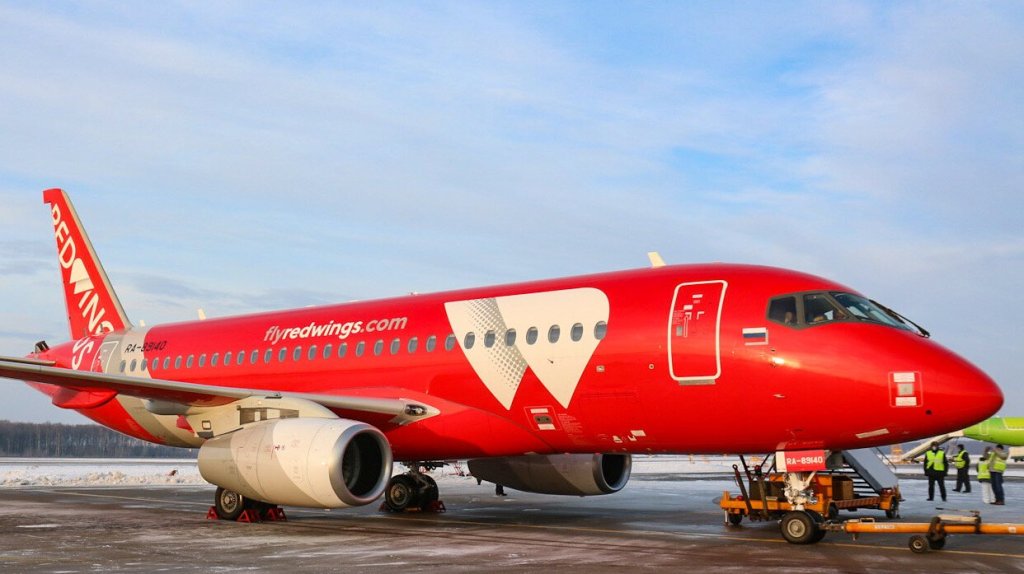
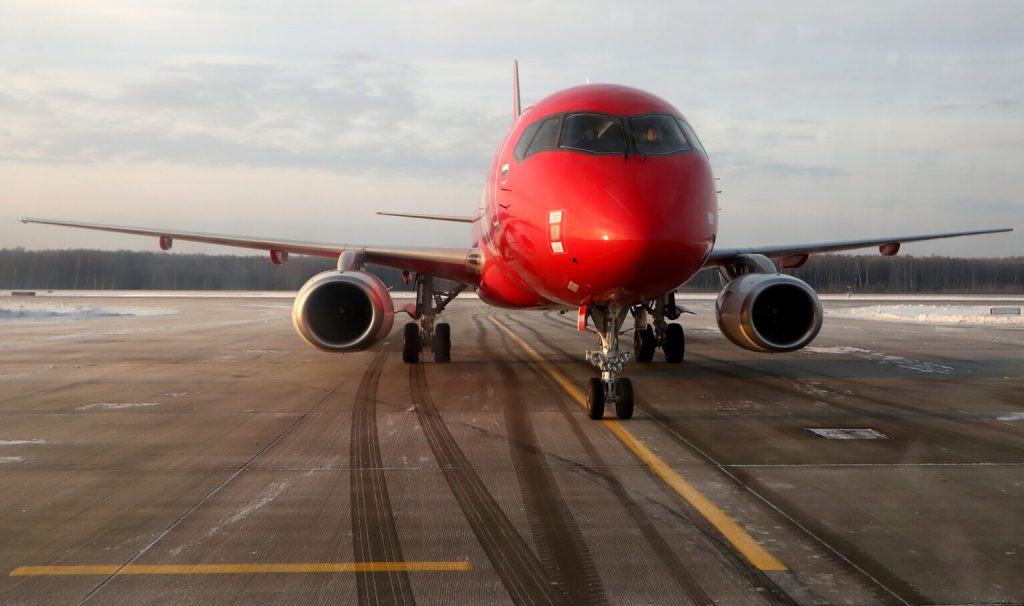
La aerolínea rusa Red Wings Airlines ha alcanzado el primer puesto como la aerolínea más puntual del mundo en Mayo 2021. El informe de rendimiento puntual de web Cirium, la aerolínea superó a compañías como Japan Airlines, ANA Airways y Vueling. Red Wings Airlines tuvo el mayor rendimiento puntual de un 96,18% de los 1.812 vuelos de la aerolínea llegaron puntualmente a su destino. En Europa, la española Vueling obtuvo un rendimiento del 96,07%.
Los expertos en datos de aviación Cirium han emitido informes mensuales de rendimiento a tiempo durante más de una década. Aunque la compañía había decidido suspender los análisis desde principios de 2020 debido a la crisis sanitaria mundial, a medida que la aviación parece estar recuperándose lentamente, se ha restablecido los estadísticas desde Mayo de 2021.
Detrás de Red Wings Airlines, Japan Airlines (JAL) la aerolínea más puntual de la región Asia-Pacífico con un cumplimiento del 95,19% de los vuelos. ANA Airways quedó en segunda en la región con el 94,6%. En América del Norte, Hawaiian Airlines ha liderado con un 93,22%. En tanto, Avianca Airlines la sido la primera en América Latina con un 93,69% de sus vuelos en tiempo.
Red Wings most punctual airline
Cirium rates Red Wings as the most punctual on 05/2021
The Russian airline Red Wings Airlines has reached the top position as the most punctual airline in the world in May 2021. In the punctual performance report of web Cirium, the airline surpassed companies such as Japan Airlines, ANA Airways and Vueling. Red Wings Airlines had the highest on-time performance of 96.18% of the airline’s 1,812 flights reached their destination on time. In Europe, the Spanish Vueling obtained a yield of 96.07%.
Aviation data experts Cirium have issued monthly performance reports on time for over a decade. Although the company had decided to suspend the analyzes. Since early 2020 due to the global health crisis, as aviation appears to be slowly recovering, statistics have been reset since May 2021.
Behind Red Wings Airlines, Japan Airlines (JAL) is the most punctual airline in the Asia-Pacific region with a compliance of 95.19% of flights. ANA Airways came in second in the region with 94.6%. In North America, Hawaiian Airlines has led with 93.22%. Meanwhile, Avianca Airlines was the first in Latin America with 93.69% of its flights on time.
Red Wings самая пунктуальная авиакомпания
Cirium оценил Red Wings как самую пунктуальную на 05/2021
Российская авиакомпания Red Wings Airlines вышла на первое место как самая пунктуальная авиакомпания мира в мае 2021 года. В отчете о пунктуальности веб-сайта Cirium авиакомпания опередила такие компании, как Japan Airlines, ANA Airways и Vueling. У Red Wings Airlines были самые высокие показатели своевременности: 96,18% из 1812 рейсов авиакомпании достигли пункта назначения вовремя. В Европе испанский Vueling получил доходность 96,07%.
Эксперты по авиационным данным Cirium выпускали ежемесячные отчеты о производительности вовремя на протяжении более десяти лет. Хотя компания решила приостановить анализы. С начала 2020 года из-за глобального кризиса в области здравоохранения, поскольку авиация, похоже, медленно восстанавливается, статистика была сброшена с мая 2021 года.
После Red Wings Airlines, Japan Airlines (JAL) является самой пунктуальной авиакомпанией в Азиатско-Тихоокеанском регионе с соблюдением 95,19% рейсов. На втором месте в регионе авиакомпания ANA Airways с 94,6%. В Северной Америке лидирует Hawaiian Airlines с показателем 93,22%. Между тем, Avianca Airlines была первой в Латинской Америке, вовремя выполнив 93,69% рейсов.
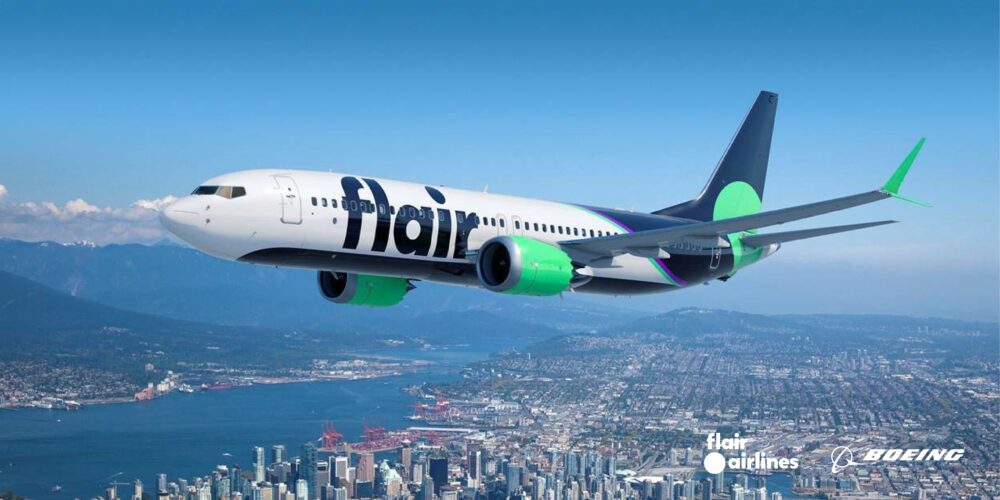
La compañía aérea canadiense Flair Airlines continúa su crecimiento con la incorporación del servicio al Aeropuerto Internacional de Ottawa/YOW en Ontario a partir de este Jueves, 10 de Junio de 2021. La aérea ULCC está agregando vuelos de tarifas bajas entre Ottawa y ocho ciudades canadienses. Los vuelos de Ottawa en Junio 2021 proporcionarán servicio sin escalas a Toronto, Vancouver, Edmonton, Winnipeg y Calgary. En Agosto 2021, el horario crece con la adición de servicio a Halifax, Kelowna y Abbotsford. «Estamos encantados de comenzar las operaciones en nuestra base más nueva en Ottawa.Justo a tiempo para el verano, estamos trayendo opciones de viaje asequibles con tarifas de ida tan bajas como US$ 49 en varias rutas. Para agosto, tendremos dos aviones con base en Ottawa y proporcionaremos tarifas bajas sin escalas a ocho ciudades, al tiempo que crearemos más de 70 empleos en la comunidad», dice Garth Lund, Director Comercial.
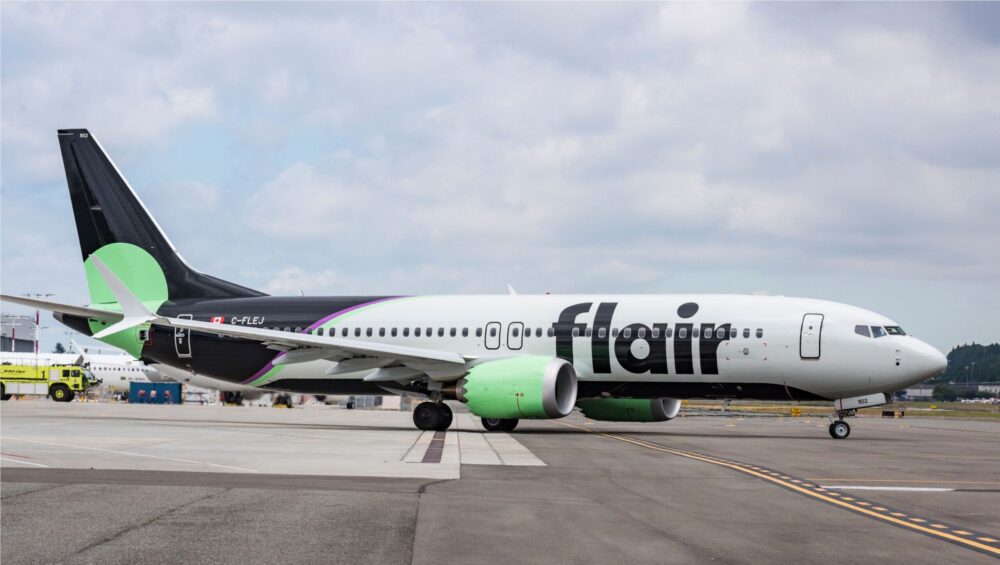
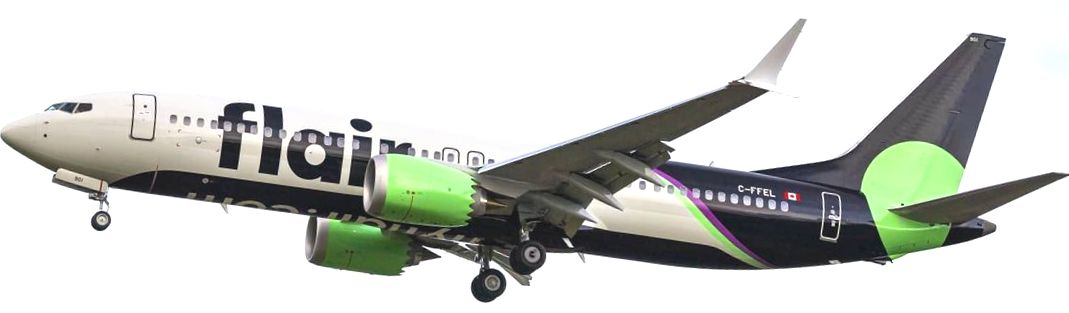
Ottawa es uno de los varios destinos nuevos que Flair está agregando a su red a medida que la aerolínea crece para servir a diecinueve ciudades canadienses. El primero de los trece nuevos aviones Boeing 737-8 MAX de Flair comenzó el servicio de pasajeros el 10/06 y más de los nuevos aviones se unirán a la flota a lo largo de 2021.
La compañía ha informado ejemplos de tarifas base de ida actualmente disponibles. Todas las tarifas base incluyen impuestos y tarifas, y hay asientos limitados y disponibilidad limitada: Ottawa a Halifax: US$ 49 por trayecto, viaje el 14 de Octubre de 2021, Ottawa a Abbotsford: US$ 59 por trayecto, viaje el 9 de Septiembre de 2021, Ottawa a Toronto: US$ 49 por trayecto, viaje el 7 de Julio de 2021, Ottawa a Winnipeg: US$ 49 por trayecto, viaje el 27 de Octubre de 2021, Ottawa a Edmonton: US$ 49 por trayecto, viaje el 10 de Septiembre de 2021, Ottawa a Calgary: US$ 49 por trayecto, viaje el 11 de Noviembre de 2021, Ottawa a Vancouver: US$ 59 por trayecto, viaje el 26 de Octubre de 2021, Ottawa a Kelowna: US$ 59 por trayecto, viaje el 23 de Octubre de 2021.
Flair starts ops to Ottawa
Flair Airlines starts service to Ottawa
The Canadian airline Flair Airlines continues its growth with the addition of service to the Ottawa/YOW International Airport in Ontario starting this Thursday, June 10, 2021. The airline ULCC is adding low-fare flights between Ottawa and eight Canadian cities. Ottawa flights in June 2021 will provide nonstop service to Toronto, Vancouver, Edmonton, Winnipeg and Calgary. In August 2021, the schedule grows with the addition of service to Halifax, Kelowna and Abbotsford. «We are delighted to begin operations at our newest base in Ottawa. Just in time for the summer, we are bringing affordable travel options with one-way fares as low as US$ 49 on various routes. By August, we will have two aircraft based in Ottawa and we will provide nonstop low rates to eight cities, while creating more than 70 jobs in the community», says Garth Lund, Chief Commercial Officer.
Ottawa is one of several new destinations Flair is adding to its network as the airline grows to serve nineteen Canadian cities. The first of 13 new Flair Boeing 737-8 MAX aircraft began passenger service on 06/10 and more of the new aircraft will join the fleet throughout 2021.
The company has reported examples of one-way base fares currently available. All base fares include taxes and fees, and there are limited seats and limited availability: Ottawa to Halifax: US$ 49 one way, travel October 14, 2021, Ottawa to Abbotsford: US$ 59 one way, travel September 9 from 2021, Ottawa to Toronto: US$ 49 one way, travel July 7, 2021, Ottawa to Winnipeg: US$ 49 one way, travel October 27, 2021, Ottawa to Edmonton: US$ 49 one way, travel 10 September 2021, Ottawa to Calgary: US$ 49 one way, travel November 11, 2021, Ottawa to Vancouver: US$ 59 one way, travel October 26, 2021, Ottawa to Kelowna: US$ 59 one way, travel on October 23, 2021.

















 airgways.com