Industria recibe fuerte aumento de entregas comerciales
El impacto de la pandemia de Coronavirus causó una ruptura sin precedentes en la historia del mercado aeroespacial. Pero tras la lenta salida de la crisis sanitaria, el fuerto impulso de las órdenes parecen eclipsar a la industria aeronáutica.
En Junio 2021 ha sido un mes que se ha visto reflejado en el incremento de las entregas de aeronaves comerciales en todo el mundo. Analizando las nuevas entregas de aviones realizadas por gigantes aeroespaciales como Airbus, Boeing, ATR, COMAC, Embraer, Irkut y Bombardier, se puede concluir que este 06/2021 vio el mayor número de entregas de aviones de 139 unidades, con 135 entregas a valores interanuales (06/2020) antes del brote de la pandemia. El pasado mes de Julio 2021, el número de aviones entregados fue de 54, lo que supone un 157% menos que el de Julio de 2021. El transporte de aviones se desplomó en Abril y Mayo 2021, ascendiendo a 71 y 73 unidades respectivamente este año. Sin embargo, la producción fue bastante mayor en Marzo, donde se entregaron 111 aviones en total en todo el mundo.
The Boeing Company tuvo un incremento significativo en Junio 2021, que se atribuye a la entrega a gran escala de los aviones de la línea Boeing 737 MAX estacionados tras las inspecciones de los organismos fiscalizadores. Boeing entregó 46 aviones, lo que supone un 44% más que en Junio de 2019 32 entregas de aviones. En Junio de 2020, solo se pudieron transportar aviones Boeing a aerolíneas que son un 557% menos que en Junio de 2021. De los 46 aviones transportados por Boeing, Aeroméxico recibió siete (7), Turkish Airlines adquirió cinco (5), Boeing Defense, Space & Security (4), Flair Airlines (4)obtuvieron cuatro (4) y FedEx Express (3) y TUI Airways (3). Las aerolíneas que recibieron pedidos en Junio de 2021 incluyen FlyDubai (2), GOL Linhas Aereas (2), Neos Air (2), Qatar Airways (2), Ryanair (2) y TUI fly/Países Bajos (2), Aerologic (1), Alaska Airlines (1), Blue Air (1), Southwest Airlines (1), TUI fly/Alemania (1), Turkmenistan Airlines (1) y United Airlines (1).
Airbus Group entregó 77 aviones en Junio 2021. Las entregas de aviones del consorcio europeo, fueron un total de 77 aviones en Junio 2021, que superaron a Junio 2020 en un 13%, ya que el número de entregas de aviones fue de solo 33 unidades. Sin embargo, se realizaron 78 entregas de aeronaves antes de la pandemia en Junio 2019.
ATR Aircraft entregó dos aviones en Junio 2021, mientras que Bombardier Inc. y De Havilland Canada no pudieron realizar ninguna entrega. Las entregas de COMAC Corporation fueron dos aeronaves en Junio 2021. Embraer entregó seis aviones en Junio 2021, superando la entrega de unidades en Junio 2020, que fue de solo cinco aviones. Las entregas de Irkut Corporation fueron nulas en Junio durante los tres últimos años seguidos.
Las entregas de aviones desempeñan un papel vital en las perspectivas financieras de la fabricación de la industria aeronáutica mundial. El aumento vertiginoso de las entregas de aviones en todo el mundo en Junio 2021 permite visualizar una señal positiva de que la industria de la aviación se está recuperando.
Increase in aircraft deliveries
Industry receives strong increase in commercial deliveries
The impact of the Coronavirus pandemic caused an unprecedented break in the history of the aerospace market. But after the slow exit from the health crisis, the strong impulse of the orders seems to overshadow the airline industry.
June 2021 has been a month that has been reflected in the increase in deliveries of commercial aircraft around the world. Analyzing the new deliveries of aircraft made by aerospace giants such as Airbus, Boeing, ATR, COMAC, Embraer, Irkut and Bombardier, it can be concluded that this 06/2021 saw the highest number of aircraft deliveries of 139 units, with 135 deliveries at values y-o-y (06/2020) before the outbreak of the pandemic. Last July 2021, the number of aircraft delivered was 54, which is 157% less than that of July 2021. Aircraft transport collapsed in April and May 2021, amounting to 71 and 73 units respectively this anus. However, production was significantly higher in March, where 111 aircraft in total were delivered worldwide.
The Boeing Company had a significant increase in June 2021, which is attributed to the large-scale delivery of Boeing 737 MAX aircraft parked after inspections by regulatory agencies. Boeing delivered 46 aircraft, which is 44% more than in June 2019 32 aircraft deliveries. In June 2020, only Boeing aircraft could be transported to airlines that are 557% less than in June 2021. Of the 46 aircraft transported by Boeing, Aeroméxico received seven (7), Turkish Airlines acquired five (5), Boeing Defense , Space & Security (4), Flair Airlines (4) got four (4) and FedEx Express (3) and TUI Airways (3). Airlines that received orders in June 2021 include FlyDubai (2), GOL Linhas Aereas (2), Neos Air (2), Qatar Airways (2), Ryanair (2) and TUI fly / Netherlands (2), Aerologic ( 1), Alaska Airlines (1), Blue Air (1), Southwest Airlines (1), TUI fly/ Germany (1), Turkmenistan Airlines (1) and United Airlines (1).
Airbus Group delivered 77 aircraft in June 2021. The aircraft deliveries of the European consortium were a total of 77 aircraft in June 2021, which exceeded June 2020 by 13%, since the number of aircraft deliveries was only 33 units. However, 78 aircraft deliveries were made prior to the pandemic in June 2019.
ATR Aircraft delivered two aircraft in June 2021, while Bombardier Inc. and De Havilland Canada were unable to make any deliveries. COMAC Corporation deliveries were two aircraft in June 2021. Embraer delivered six aircraft in June 2021, surpassing the delivery of units in June 2020, which was only five aircraft. Irkut Corporation deliveries were nil in June for the last three years in a row.
Aircraft deliveries play a vital role in the financial prospects of the global aviation industry manufacturing. The skyrocketing increase in aircraft deliveries around the world in June 2021 provides a positive sign that the aviation industry is on the mend.
Próxima generación de helicópteros transporte pasajeros
Airbus Group ha anunciado este 21 d eSeptiembre de 2021 planes para un nuevo CityAirbus en la primera cumbre Airbus sobre “Pioneros en el sector aeroespacial sostenible” a medida que el mercado emergente de movilidad aérea urbana (UAM) comienza a consolidarse. Marcando el comienzo de la próxima generación de CityAirbus, T él completamente vehículo eléctrico está equipado con alas fijas, una cola en forma de V, y ocho hélices accionados eléctricamente como parte de su propulsión sistema distribuido de diseño único. Está diseñado para transportar hasta cuatro pasajeros en un vuelo de cero emisiones en múltiples aplicaciones.
“Estamos en una búsqueda para co-crear un mercado completamente nuevo que integre de manera sostenible la movilidad aérea urbana en las ciudades mientras aborda las preocupaciones ambientales y sociales. Airbus está convencido de que los verdaderos desafíos tienen que ver tanto con la integración urbana, la aceptación pública y la gestión automatizada del tráfico aéreo, como con la tecnología de los vehículos y los modelos de negocio. Aprovechamos todas las capacidades para ofrecer un servicio seguro, sostenible y completamente integrado a la sociedad”, dijo Bruno Even, CEO de Airbus Helicopters.
CityAirbus se está desarrollando para volar con un alcance de 80 km y alcanzar una velocidad de crucero de 120 km/h, lo que lo hace perfectamente adecuado para operaciones en las principales ciudades para una variedad de misiones. Los niveles del sonido son un factor clave para una misión urbana; La amplia experiencia de Airbus en diseños amigables con el ruido está impulsando los niveles de sonido de CityAirbus por debajo de 6 5 dB (A) durante el sobrevuelo y por debajo de 70 dB (A) durante el aterrizaje. Está optimizado para la eficiencia de vuelo estacionario y crucero, mientras que no requiere superficies móviles o piezas inclinadas durante la transición. El CityAirbus NextGen cumple con los más altos estándares de certificación (categoría mejorada EASA SC-VTOL). Diseñado pensando en la simplicidad, CityAirbus NextGen ofrecerá el mejor rendimiento económico de su clase en operaciones y soporte.
Airbus se beneficia de años de investigación, innovación, dos demostradores eléctricos de despegue y aterrizaje verticales (eVTOL) y desarrollo de tecnología de sonido en toda su cartera de productos, así como décadas de experiencia en la certificación de aeronaves. Los demostradores de Vahana y CityAirbus han realizado conjuntamente 242 pruebas de vuelo y en tierra y han volado alrededor de 1.000 km en total. Además, Airbus ha utilizado extensas pruebas de vuelo de subescala y campañas de túnel de viento y ha aprovechado su poder de cálculo y modelado. CityAirbus NextGen se encuentra en una fase de diseño detallado en este momento y el primer vuelo del prototipo está planeado para 2023.
“Hemos aprendido mucho de las campañas de prueba con nuestros dos manifestantes, CityAirbus y Vahana. El CityAirbus NextGen combina lo mejor de ambos mundos con la nueva arquitectura que logra el equilibrio adecuado entre vuelo estacionario y hacia adelante. El prototipo está allanando el camino para la certificación prevista para 2025”, dijo Bruno Even.
Airbus reveals CityAirbus
Next generation passenger transport helicopters
Airbus Group announced plans for a new CityAirbus on September 21, 2021 at the first Airbus Summit on “Pioneers in Sustainable Aerospace” as the emerging urban air mobility (UAM) market begins to consolidate. Ushering in the next generation of CityAirbus, the fully electric vehicle is equipped with fixed wings, a V-shaped tail, and eight electrically driven propellers as part of its uniquely designed distributed system propulsion. It is designed to carry up to four passengers on a zero-emission flight in multiple applications.
“We are on a quest to co-create an entirely new market that sustainably integrates urban air mobility in cities while addressing environmental and social concerns. Airbus is convinced that the real challenges are as much about urban integration, public acceptance and automated air traffic management, as they are about vehicle technology and business models. We leverage all capabilities to offer a safe, sustainable and fully integrated service to society”, said Bruno Even, CEO of Airbus Helicopters.
CityAirbus is being developed to fly with a range of 80 km and reach a cruising speed of 120 km / h, making it perfectly suitable for operations in major cities for a variety of missions. Sound levels are a key factor for an urban mission; Airbus’ extensive experience in noise-friendly designs is driving CityAirbus sound levels below 6 5 dB (A) during the flyby and below 70 dB (A) during landing. It is optimized for hover and cruise efficiency, while requiring no moving surfaces or inclined parts during the transition. The CityAirbus NextGen meets the highest certification standards (EASA SC-VTOL upgraded category). Designed with simplicity in mind, CityAirbus NextGen will deliver best-in-class economic performance in operations and support.
Airbus benefits from years of research, innovation, two electric vertical take-off and landing (eVTOL) demonstrators and sound technology development across its entire product portfolio, as well as decades of experience in aircraft certification. The Vahana and CityAirbus demonstrators have jointly conducted 242 flight and ground tests and have flown around 1,000 km in total. In addition, Airbus has used extensive subscale flight tests and wind tunnel campaigns and harnessed its computational and modeling power. CityAirbus NextGen is in a detailed design phase at the moment and the first flight of the prototype is planned for 2023.
“We have learned a lot from the test campaigns with our two protesters, CityAirbus and Vahana. The CityAirbus NextGen combines the best of both worlds with new architecture that strikes the right balance between hover and forward. The prototype is paving the way for certification scheduled for 2025”, Bruno Even said.
Inmarsat ha lanzado una nueva plataforma de experiencia al cliente con el concepto de cambiar la experiencia para que las aerolíneas moneticen la conectividad a bordo. La nueva solución innovadora reúne una gran cantidad de servicios a bordo dentro de una única interfaz de portal, lo que brinda una oportunidad comercial para que las aerolíneas atraigan ingresos auxiliares
Inmarsat, el líder mundial en comunicaciones móviles globales por satélite, anunció este 21 de Septiembre de 2021 el lanzamiento de su nueva e innovadora plataforma de experiencia del cliente OneFi (CXP) para aerolíneas. La primera solución de su tipo servirá como catalizador para monetizar la conectividad a bordo al reunir una gran cantidad de servicios a bordo dentro de una única interfaz de portal, a la que los pasajeros pueden acceder fácilmente utilizando sus propios dispositivos personales.
OneFi ofrece una rica plataforma digital de marca de aerolínea para mejorar la experiencia de los pasajeros a bordo de los vuelos. Permite a los pasajeros pedir alimentos y bebidas, comprar mejoras de asiento, recibir la información más reciente sobre vuelos y destinos, y registrarse en los programas de viajero frecuente de la aerolínea, todo en tiempo real desde la comodidad de su asiento. Además, los pasajeros pueden navegar por Internet, transmitir videos y audio, comprar en línea y disfrutar de otras ofertas de comercio electrónico, utilizando banda ancha a bordo de alta velocidad que las aerolíneas podrían elegir ofrecer de forma gratuita, financiada a través de las funciones de patrocinio y publicidad de OneFi.
El lanzamiento de OneFi llega en un momento crítico para las aerolíneas, ya que la pandemia mundial ha acelerado la demanda de pasajeros de experiencias digitales a bordo. El reciente Rastreador de Confianza del Pasajero 2021de Inmarsat, la encuesta global más grande y completa de su tipo desde que comenzó la pandemia, encontró que las soluciones digitales que mantienen a los pasajeros conectados y minimizan su contacto con la tripulación de cabina y otros pasajeros pueden ser de gran ayuda para aumentar la confianza. Además, de los 10.000 encuestados en todo el mundo, el 41% creía que el Wi-Fi a bordo había aumentado en importancia después de la pandemia.
Inmarsat launches OneFi
New customer experience platform
Inmarsat has launched a new customer experience platform with the concept of changing the experience for airlines to monetize inflight connectivity. The new innovative solution brings together a large number of inflight services within a single portal interface, providing a business opportunity for airlines to attract ancillary revenue.
Inmarsat, the world leader in global mobile satellite communications, announced on September 21, 2021 the launch of its new and innovative OneFi customer experience platform (CXP) for airlines. The first-of-its-kind solution will serve as a catalyst to monetize on-board connectivity by bringing together a large number of on-board services within a single portal interface, which passengers can easily access using their own personal devices.
OneFi offers a rich airline-branded digital platform to enhance the passenger experience on board flights. It allows passengers to order food and beverages, purchase seat upgrades, receive the latest information on flights and destinations, and register for the airline’s frequent flyer programs, all in real time from the comfort of their seat. Additionally, passengers can surf the internet, stream video and audio, shop online, and enjoy other e-commerce offers, using high-speed onboard broadband that airlines could choose to offer for free, funded through features. sponsorship and advertising of OneFi.
The launch of OneFi comes at a critical time for airlines as the global pandemic has accelerated passenger demand for onboard digital experiences. Inmarsat’s recent 2021 Passenger Confidence Tracker, the largest and most comprehensive global survey of its kind since the pandemic began, found that digital solutions that keep passengers connected and minimize their contact with cabin crew and other passengers can be of great help to increase confidence. In addition, of the 10,000 respondents worldwide, 41% believed that onboard Wi-Fi had increased in importance after the pandemic.
AW | 2021 09 21 16:28 | AIRLINES / AIR TRAFFIC / GOVERNMENT
Reapertura vuelos transatlánticos presenta desafíos mundiales
A medida que las autoridades levantan las prohibiciones de viajes a ambos lados del Atlántico Norte, Estados Unidos y Europa se preparan para enfrentar se a una ola de desafíos post-pandemia ante la sensible situación que ha dejado a múltiples aerolíneas al atravesar el período de crisis sanitaria provocada por la pandemia mundial. En un esfuerzo por recomponerse, las líneas aéreas procuras restablecer su red de servicios internacionales, pero esto representan nuevos desafíos económicos, financieros, institucional que envuelven los procesos de las diferentes áreas como tripulaciones, personal de tierra, mantenimiento de aeronaves, servicios aéreos, tecnología de la Información (IT), entre otros aspectos.
Reservas viajes
Las reservas de vuelos de aerolíneas han impactado después de que Estados Unidos aliviara las restricciones de viaje transatlánticos. Las aerolíneas europeas y las aerolíneas estadounidenses como American Airlines, United Airlines y Delta Air Lines se beneficiarán de las nuevas reglas. Las reservas de vuelos a Estados Unidos se dispararon tras la muy esperada reapertura del corredor transatlántico el Lunes 20/09.
El Lunes 20/09, Estados Unidos anunció que los extranjeros pueden volar al país si tienen prueba de vacunación y una prueba negativa de COVID-19 a partir de noviembre. La medida marcó una importante relajación de las restricciones de viaje de la pandemia y reemplazará efectivamente una mezcolanza de restricciones que habían prohibido a los no ciudadanos que habían estado en Europa, gran parte de Asia y algunos otros países en los 14 días anteriores ingresar a los Estados Unidos.
La política permitirá a las familias y otras personas que han estado separadas por las restricciones de viaje durante 18 meses planificar las reunificaciones largamente esperadas y permitir que los extranjeros con permisos de trabajo regresen a sus trabajos en los Estados Unidos. Bajo las nuevas políticas, anunciadas por el coordinador de COVID-19 de la Casa Blanca, Jeff Zients, los viajeros extranjeros que vuelen a los Estados Unidos aún tendrán que demostrar una prueba de vacunación antes de abordar, así como una prueba de una prueba negativa de COVID-19 tomada dentro de los tres días posteriores al vuelo. El Presidente de Estados Unidos, Joe Biden también endurecerá las reglas de prueba para los ciudadanos estadounidenses no vacunados, que deberán hacerse la prueba dentro de un día antes de regresar a los Estados Unidos, así como después de que lleguen a casa.
Las reservas en Virgin Atlantic Airways el Lunes por la noche aumentaron en más del 600% en comparación con la semana anterior, y Nueva York representa la mayoría de las reservas, dijo la aerolínea. El interés en los destinos de ocio de la aerolínea también se disparó, con las reservas de Orlando un once veces, Miami nueve veces y Las Vegas ocho veces, según la aerolínea. «Tras la relajación gradual de las restricciones de viaje, hemos visto aumentar la demanda en muchos de nuestros destinos globales, pero Estados Unidos siempre ha sido nuestro corazón», dijo el Director Comercial de Virgin Atlantic Airways, Juha Jarvinen, en un comunicado.
British Airways, propiedad de IAG ha observado un aumento de alrededor del 900% en las búsquedas de vuelos y paquetes de vacaciones a destinos clave de Estados Unidos para los días previos a la Navidad en comparación con hace una semana. Del mismo modo, las búsquedas de vuelos a los Estados Unidos alrededor del Día de Acción de Gracias aumentaron casi un 2,000%. Junto con IAG, las principales compañías europeas como Lufthansa y Air France-KLM también se beneficiarán de los cambios, además de las principales aerolíneas estadounidenses como American Airlines, United Airlines y Delta Air Lines. «El mercado transatlántico es un generador de ganancias clave para los principales grupos de aerolíneas heredadas europeas», dijo el Analista de Bernstein, Daniel Roeska.
Desafío Tripulaciones
La escasez de pilotos se vislumbra como próximo desafío para las aerolíneas. Después de ser empujada a la crisis por COVID-19, la industria de la aviación enfrenta aún más problemas a medida que el mundo emerge de lo peor de la pandemia para descubrir que es probable que haya una escasez de pilotos después de que miles fueron despedidos o decidieron retirarse.
Las políticas gubernamentales, como las vacunas obligatorias para los pilotos en prácticas y las restricciones de viaje, también han mantenido alejado a un nuevo grupo de aviadores potenciales, dijo Bhanu Choudhrie, director ejecutivo de Alpha Aviation Group, que dirige escuelas de vuelo en los Emiratos Árabes Unidos y la más grande en el centro de entrenamiento del sudeste asiático, Filipinas. Alpha Aviation ha capacitado a más de 2.500 pilotos para aerolíneas como Philippine Airlines, AirAsia Group, Cebu Pacific Air Inc y Air Arabia. Los aviones modernos de fuselaje estrecho de larga distancia, como los aviones A321 XLR de Airbus Group, que se entregarán a partir de 2023, requerirán más pilotos que los modelos anteriores, lo que agrava la escasez. «Las aerolíneas van a seguir comprando, modernizando sus flotas, y mientras lo hacen, van a requerir pilotos. El mercado se está volviendo interesante de nuevo, y estamos empezando a ver esa tendencia al alza, estamos empezando a ver a las aerolíneas venir a nosotros y decir: ‘Mira este es mi horario de entrega, ¿puedes tener pilotos listos para mí dentro de dos años?'», expresó Bhanu Choudhrie.
Muchas aerolíneas están tratando agresivamente de recontratar a los pilotos, así como a la tripulación de cabina y al personal de tierra, pero ese no ha sido un proceso simple, y algunos trabajos quedan sin cubrir. Las carreras en la industria ya no parecen tan seguras como antes. Las capacitaciones demandan un período de 18 a 24 meses para entrenar a un piloto. Esto significa que los transportistas deben trabajar para prepararlos mucho antes de la entrega de nuevos aviones, incluidos los aviones de fuselaje estrecho, como el A321 XLR, que puede volar más tiempo. Las aerolíneas suelen pedir aviones con años de anticipación dada la limitada capacidad de producción de los fabricantes de aviones.
Seguridad a bordo
El alcohol ha representado un problema que las aerolíneas lo han agregado a los anuncios de seguridad y lo han prohibido. Southwest Airlines y American Airlines dijeron que el alcohol no regresará a los vuelos hasta al menos Enero 2022. Los viajeros aéreos están escuchando más que solo anuncios sobre cinturones de seguridad, dispositivos de flotación, tiempo de viaje y máscaras antes de despegar. Varias aerolíneas han agregado recordatorios sobre su política de alcohol durante la pandemia, como en, no lo beba si no lo sirvieron. No todas las aerolíneas lo están sirviendo. Después de que el mandato federal de máscaras se extendió hasta Enero de 2022, Southwest, que no ha estado sirviendo alcohol, dijo a principios de este mes que no tiene planes de recuperar las ventas antes de 01/2022. American Airlines, que anteriormente había suspendido las ventas de alcohol en la cabina principal hasta el 13/09, dijo en agosto que continuaría esa pausa hasta el 18 de Enero de 2022. «Estamos haciendo todo lo posible para ayudar a crear un entorno seguro para nuestra tripulación y clientes a bordo de nuestro avión», dijo American en una carta a los asistentes de vuelo. United Airlines y Delta Air Lines reiniciaron el servicio de alcohol, aunque hay algunas limitaciones dependiendo de la duración de los vuelos.
La suspensión de las ventas de cerveza, vino y licor no significa que los viajeros puedan beber su propio alcohol, incluso si pueden llevar mini botellas a bordo. La Administración Federal de Aviación (FAA) dice que las regulaciones «prohíben a los pasajeros beber alcohol a bordo de la aeronave a menos que sea servida por la compañía aérea». American Airlines dijo en un comunicado que ha actualizado sus anuncios previos al vuelo para reflejar nueva información sobre las reglas de máscaras, las medidas de seguridad contra el coronavirus y las políticas relacionadas con el consumo de alcohol a bordo. «Estos anuncios se hacen regularmente a lo largo del viaje por agentes de puerta de embarque, asistentes de vuelo y pilotos», dijo el comunicado.
JetBlue Airways ha ajustado de manera similar sus anuncios para «dejar en claro que el consumo de alcohol personal no está permitido», dijo el Portavoz Derek Dombrowski en un correo electrónico. Southwest Airlines no ha agregado la advertencia a su guión oficial, pero los asistentes de vuelo tienen la autoridad para incluir recordatorios si lo consideran oportuno. Frontier Airlines señaló el problema e incluyó el lenguaje incluso antes de la pandemia. Delta Air Lines también ha actualizado su lenguaje para los auxiliares de vuelo, primero con menciones al mandato de mascarilla y luego con un recordatorio sobre las regulaciones que prohíben el consumo de alcohol. «Los recordatorios de máscaras han estado en vigor desde mediados de 2020 y la porción de alcohol ha estado en vigor desde finales de 2020», dijo el portavoz de Delta, Morgan Durrant, en un correo electrónico.
Más de veinte pasajeros han enfrentado multas en los últimos meses por delitos que incluyen consumir su propio alcohol, según actualizaciones de la FAA. Las aerolíneas han reportado un aumento sin precedentes en el comportamiento disruptivo de los pasajeros en los últimos meses, en gran parte impulsado por la resistencia al mandato federal de máscaras. Pero la FAA dijo el mes pasado que el alcohol es a menudo un factor contribuyente. «A pesar de que las regulaciones de la FAA prohíben específicamente el consumo de alcohol a bordo de un avión que no es servido por la aerolínea, hemos recibido informes de que algunos concesionarios del aeropuerto han ofrecido alcohol para ser tomado, y los pasajeros creen que pueden llevar ese alcohol a sus vuelos o embriagarse durante el proceso de embarque», escribió el Administrador de la FAA, Steve Dickson, en una carta a los funcionarios del aeropuerto. Pidió a los aeropuertos que ayudaran a frenar la práctica.
American dijo el mes pasado en su carta a los empleados que estaba ganando terreno en los esfuerzos junto con la FAA para deshacerse de las bebidas para llevar en los aeropuertos de Dallas y Charlotte. «Continuaremos trabajando y esperamos que otros aeropuertos y proveedores lo sigan», dice la carta de American Airlines.
Post-pandemic aviation challenges
Transatlantic flights open presents global challenges
As authorities lift travel bans on both sides of the North Atlantic, the United States and Europe prepare to face a wave of post-pandemic challenges in the face of the sensitive situation that has left multiple airlines going through the crisis period. health caused by the global pandemic. In an effort to rebuild themselves, the airlines try to reestablish their network of international services, but this represents new economic, financial and institutional challenges that involve the processes of the different areas such as crews, ground personnel, aircraft maintenance, air services, technology. Information (IT), among other aspects.
Travel reservations
Airline flight bookings have hit after the United States eased transatlantic travel restrictions. European airlines and US airlines such as American Airlines, United Airlines and Delta Air Lines will benefit from the new rules. Flight bookings to the United States soared after the long-awaited reopening of the transatlantic corridor on Monday 20/09.
On Monday 09/20, the United States announced that foreigners can fly into the country if they have proof of vaccination and a negative test for COVID-19 beginning in November. The move marked a major relaxation of the pandemic’s travel restrictions and will effectively replace a hodgepodge of restrictions that had barred non-citizens who had been to Europe, much of Asia, and a few other countries in the previous 14 days from entering the US. USA.
The policy will allow families and others who have been separated by travel restrictions for 18 months to plan for long-awaited reunifications and allow aliens with work permits to return to their jobs in the United States. Under the new policies, announced by White House COVID-19 Coordinator Jeff Zients, foreign travelers flying to the United States will still have to show proof of vaccination before boarding, as well as proof of a negative test. of COVID-19 taken within three days of the flight. US President Joe Biden will also toughen testing rules for unvaccinated US citizens, who will need to be tested within one day before returning to the United States, as well as after they get home.
Bookings on Virgin Atlantic Airways on Monday night were up more than 600% compared to the previous week, with New York accounting for the majority of bookings, the airline said. Interest in the airline’s leisure destinations also soared, with bookings from Orlando eleven times, Miami nine times and Las Vegas eight times, according to the airline. «Following the gradual relaxation of travel restrictions, we have seen demand increase in many of our global destinations, but the United States has always been our heart», Virgin Atlantic Airways Chief Commercial Officer Juha Jarvinen said in a statement.
British Airways, owned by IAG, has seen an increase of around 900% in searches for flights and vacation packages to key US destinations in the days leading up to Christmas compared to a week ago. Similarly, searches for flights to the United States around Thanksgiving were up nearly 2,000%. Along with IAG, major European carriers such as Lufthansa and Air France-KLM will also benefit from the changes, in addition to major US airlines such as American Airlines, United Airlines and Delta Air Lines. «The transatlantic market is a key profit generator for major European legacy airline groups», said Bernstein Analyst Daniel Roeska.
Crews Challenge
The pilot shortage is looming as the next challenge for airlines. After being pushed into crisis by COVID-19, the aviation industry faces even more trouble as the world emerges from the worst of the pandemic to discover that there is likely a shortage of pilots after thousands were laid off. or they decided to withdraw.
Government policies, such as mandatory vaccinations for trainees and travel restrictions, have also kept a new pool of potential aviators at bay, said Bhanu Choudhrie, chief executive of Alpha Aviation Group, which runs flight schools in the Emirates. Arab Emirates and the largest training center in Southeast Asia, the Philippines. Alpha Aviation has trained more than 2,500 pilots for airlines such as Philippine Airlines, AirAsia Group, Cebu Pacific Air Inc, and Air Arabia. Modern long-haul narrow-body jets, such as Airbus Group’s A321 XLR jets, due for delivery from 2023, will require more pilots than previous models, compounding the shortage. «Airlines are going to keep buying, modernizing their fleets, and as they do so, they are going to require pilots. The market is getting interesting again, and we’re starting to see that upward trend, we’re starting to see airlines come to us and say, ‘Look at this is my delivery schedule, can you have pilots ready for me inside? two years?'», Bhanu Choudhrie said.
Many airlines are aggressively trying to rehire pilots, as well as cabin crew and ground crew, but that has not been a simple process, with some jobs left unfilled. Careers in the industry no longer seem as safe as they used to. The trainings require a period of 18 to 24 months to train a pilot. This means that carriers must work to prepare them well in advance of the delivery of new aircraft, including narrow-body aircraft such as the A321 XLR, which can fly longer. Airlines often order planes years in advance given the limited production capacity of aircraft manufacturers.
Safety on board
Alcohol has been a problem that airlines have added to safety announcements and banned it. Southwest Airlines and American Airlines said alcohol will not return to flights until at least January 2022. Air travelers are hearing more than just announcements about seat belts, flotation devices, travel time and masks before takeoff. Several airlines have added reminders about their alcohol policy during the pandemic, such as, don’t drink it if it wasn’t served. Not all airlines are serving it. After the federal mask mandate was extended through January 2022, Southwest, which has not been serving alcohol, said earlier this month that it has no plans to recover sales before 01/2022. American Airlines, which had previously suspended alcohol sales in the main cabin until 09/13, said in August that it would continue that hiatus until January 18, 2022. «We are doing everything we can to help create a safe environment for our crew and customers aboard our aircraft», American said in a letter to flight attendants. United Airlines and Delta Air Lines have restarted alcohol service, although there are some limitations depending on the length of the flights.
The suspension of beer, wine and liquor sales does not mean that travelers can drink their own alcohol, even if they can carry mini bottles on board. The Federal Aviation Administration (FAA) says the regulations «prohibit passengers from drinking alcohol on board the aircraft unless it is served by the airline». American Airlines said in a statement that it has updated its pre-flight announcements to reflect new information on mask rules, Coronavirus safety measures and policies related to the consumption of alcohol on board. «These announcements are made regularly to throughout the journey by gate agents, flight attendants and pilots», the statement said.
JetBlue Airways has similarly adjusted its ads to «make it clear that personal alcohol consumption is not allowed», Spokesperson Derek Dombrowski said in an email. Southwest Airlines has not added the warning to its official script, but flight attendants have the authority to include reminders if they see fit. Frontier Airlines pointed out the problem and included the language even before the pandemic. Delta Air Lines has also updated its language for flight attendants, first with mentions of the mask mandate and then with a reminder about regulations prohibiting alcohol consumption. «The mask reminders have been in effect since mid-2020 and the alcohol portion has been in effect since late 2020,» Delta spokesperson Morgan Durrant said in an email.
More than twenty passengers have faced fines in recent months for crimes including consuming their own alcohol, according to FAA updates. Airlines have reported an unprecedented increase in disruptive passenger behavior in recent months, largely driven by resistance to the federal mask mandate. But the FAA said last month that alcohol is often a contributing factor. «Despite the fact that FAA regulations specifically prohibit the consumption of alcohol on board an aircraft that is not served by the airline, we have received reports that some airport concessionaires have offered alcohol to be drunk, and passengers believe that they can carry that alcohol on their flights or get drunk during the boarding process», wrote FAA Administrator Steve Dickson in a letter to airport officials. He asked airports to help curb the practice.
American said last month in its letter to employees that it was gaining ground in efforts with the FAA to ditch take-out beverages at the Dallas and Charlotte airports. «We will continue working and we hope that other airports and suppliers will follow suit», says the letter from American Airlines.
AW | 2021 09 20 21:10 | AIRLINES MARKET / AIR TRAFFIC / GOVERNMENT
Euforia tras levantamiento de restricciones de vuelos
Los recientes anuncios por parte de los gobiernos a ambos lados del Atlántico han permitido a las aerolíneas y aeropuertos transatlánticos más grandes de Europa restablecer las operaciones aerocomerciales. El júbilo en el ambiente aeronáutico ha permitido en medida alcanzar una nueva etapa para poder viajar cumplimentando los requisitos sanitarios, poniendo fin a una prohibición vigente desde Marzo 2020.
Las acciones de la matriz de British Airways, IAG SA, Air France-KLM y Deutsche Lufthansa AG subieron en las acciones bursátiles tras el anuncio de este Lunes 20/09 despejando las dudas respecto a favorecer el transporte aéreo a aquellos usuarios que se encuentren totalmente vacunados.
El CEO de British Airways, Sean Doyle, dijo que el replanteamiento marca un momento histórico que finalmente permitirá a los viajeros reservar con confianza, mientras que el Aeropuerto London/Heathrow, el más concurrido de Europa antes de la pandemia pero golpeado por las restricciones de Estados Unidos, dijo que la medida proporcionaría un impulso económico vital. Virgin Atlantic Airways informó de un aumento de 91% en las reservas de Estados Unidos en la hora siguiente al anuncio, y el CEO Shai Weiss destacó la dependencia de la empresa en los vuelos estadounidenses.
El corredor del Atlántico Norte que conecta a Estados Unidos y Europa era el rincón más rentable del mercado de la aviación antes de la crisis del Coronavirus, un punto de acceso para quienes pagaban más por asientos en clase de primera y ejecutiva. Los operadores de bandera europea dependen mucho más de esas rutas que sus contrapartes estadounidenses, que tienen redes nacionales extensas y rentables a las que recurrir. En Europa, el tráfico regional está dominado por aerolíneas de descuento como Ryanair Holdings Plc, EasyJet Plc y Wizz Air Holdings Plc.
Los transportistas de ambos lados del Atlántico han presionado enérgicamente para que se relajen las restricciones de viaje durante la pandemia, y particularmente después de que los lanzamientos de vacunas se aceleraran a principios de este año. Si bien la Unión Europea y el Reino Unido comenzaron a permitir la entrada de estadounidenses vacunados durante el verano, la administración de Biden se abstuvo de reciprocar. «Hay una demanda reprimida tanto en el sector del ocio como en el empresarial», dijo el CEO Benjamín Smith de Air France. La aerolínea confió en las rutas estadounidenses para 40% de la capacidad y las ventas en 2019 y planea comenzar a realizar vuelos a partir del Martes 21/09. Carsten Spohr, Director Ejecutivo de Lufthansa German Airlines, dijo que la flexibilización de las restricciones también es una excelente noticia para la asociación transatlántica, con empresas capaces de desarrollar sus relaciones personalmente de nuevo.
Airlines For Europe (A4A), una asociación que nuclea a las aerolíneas europeas dijo que la reapertura en Noviembre 2021 llegará justo a tiempo para que amigos y familiares se reúnan durante la temporada festiva. “Con más de 70% de los adultos completamente vacunados en Europa, estamos felices de ver que la formulación de políticas basada en la evidencia que hemos estado pidiendo finalmente se haga realidad”, dijo una portavoz.
Transatlantic flights reopening
Euphoria after lifting of flight restrictions
Recent announcements by governments on both sides of the Atlantic have allowed Europe’s largest transatlantic airlines and airports to re-establish commercial air operations. The jubilation in the aeronautical environment has allowed us to reach a new stage to be able to travel complying with health requirements, ending a ban in force since March 2020.
The shares of the parent company of British Airways, IAG SA, Air France-KLM and Deutsche Lufthansa AG rose in the tradable shares after the announcement of this Monday 20/09, clearing up the doubts regarding favoring air transport to those users who are fully vaccinated.
British Airways CEO Sean Doyle said the rethinking marks a historic moment that will finally allow travelers to book with confidence, while London/Heathrow Airport, the busiest in Europe before the pandemic but hit by restrictions on The United States said the move would provide a vital economic boost. Virgin Atlantic Airways reported a 91% increase in US bookings in the hour following the announcement, and CEO Shai Weiss highlighted the company’s reliance on US flights.
The North Atlantic corridor connecting the United States and Europe was the most profitable corner of the aviation market before the Coronavirus crisis, a hotspot for those who paid the most for first and business class seats. European-flagged operators are far more reliant on these routes than their US counterparts, which have extensive and profitable national networks to tap into. In Europe, regional traffic is dominated by discount airlines such as Ryanair Holdings Plc, EasyJet Plc and Wizz Air Holdings Plc.
Carriers on both sides of the Atlantic have lobbied for travel restrictions to be relaxed during the pandemic, and particularly after vaccine launches accelerated earlier this year. While the European Union and the United Kingdom began allowing vaccinated Americans to enter over the summer, the Biden administration refrained from reciprocating. «There is pent-up demand in both the leisure and business sectors», said Air France CEO Benjamin Smith. The airline relied on US routes for 40% of capacity and sales in 2019 and plans to begin operating flights as of Tuesday 09/21. Carsten Spohr, CEO of Lufthansa German Airlines, said the easing of the restrictions is also excellent news for the transatlantic partnership, with companies able to develop their relationships personally again.
Airlines For Europe (A4A), an association that brings together European airlines, said the reopening in November 2021 will come just in time for friends and family to gather during the holiday season. «With over 70% of adults fully vaccinated in Europe, we are happy to see the evidence-based policy making that we have been calling for finally become a reality», said a spokeswoman.
Croatia Airlines y Aegean Airlines asociación estratégica
Croatia Airlines y Aegean Airlines de Grecia buscan acercar una alianza estratégica para desarrollar una red de servicios que complemente y beneficie a los usuarios de la región. El Primer Ministro de Croacia, Andrej Plenković, ha comunicado que las negociaciones entre Croatia Airlines y Aegean Airlines de Grecia sobre un acuerdo de asociación estratégica se renovarán en los próximos meses.
La aerolínea de Grecia Aegean Airlines apuntaba a buscar una participación accionaria en la aerolínea croata hacia Enero 2021, fase del proceso que consistiría en que el Gobierno de Croacia anunciara una licitación para la presentación de ofertas vinculantes y estableciera el número de acciones que estaba dispuesto a vender en la compañía de alrededor del 70% del paquete. Aegean había expresado oportunamente: «Cualquier decisión significativa sobre si es probable que la compañía participe o no en la próxima fase del proceso de privatización [de Croatia Airlines] se tomará en los próximos meses, después de la provisión de información y discusiones, de acuerdo con el procedimiento establecido por la República de Croacia».
Desde el inicio de la pandemia de Coronavirus, el Gobierno croata ha proporcionado apoyo financiero a su aerolínea nacional, mientras que Aegean Airlines ha terminado su servicio entre Atenas y Zagreb. Sin embargo, la aerolínea croata se enfrenta a una creciente presión en su base principal con la aerolínea de bajo coste Ryanair expandiéndose a un ritmo rápido. A finales del 2020, el Ministro croata de Mar, Transporte e Infraestructura, Oleg Butković, dijo que el Gobierno reanudaría el proceso de privatización de Croatia Airlines una vez que la crisis del coronavirus se estabilice. «Cuando la situación comience a mejorar y normalizarse, retomaremos la búsqueda de un socio estratégico. Hubo interés, no es como si nadie estuviera mirando a Croatia Airlines, pero tendremos que esperar un poco más», dijo Oleg Butković en ese momento. La aerolínea croata contrató recientemente los servicios del Boston Consulting Group para redactar su estrategia post-Covid, que exige la renovación de la flota y la optimización de la red. Croatia Airlines dijo anteriormente que los dos solo serían posibles de lograr conjuntamente con un socio estratégico.
Croatia-Aegean seek to consolidate alliance
Croatia Airlines and Aegean Airlines strategic partnership
Croatia Airlines and Aegean Airlines of Greece seek to bring together a strategic alliance to develop a network of services that complements and benefits users in the region. Croatian Prime Minister Andrej Plenković has announced that negotiations between Croatia Airlines and Greece’s Aegean Airlines on a strategic partnership agreement will be renewed in the coming months.
The Greek airline Aegean Airlines aimed to seek a shareholding in the Croatian airline by January 2021, a phase of the process that would consist of the Croatian Government announcing a tender for the presentation of binding offers and establishing the number of shares it was willing to offer. sell in the company of about 70% of the package. Aegean had timely stated: «Any significant decision on whether or not the company is likely to participate in the next phase of the [Croatia Airlines] privatization process will be made in the coming months, after the provision of information and discussions, according to with the procedure established by the Republic of Croatia».
Since the start of the Coronavirus pandemic, the Croatian government has provided financial support to its national airline, while Aegean Airlines has terminated its service between Athens and Zagreb. However, the Croatian airline is facing increasing pressure at its main base with low-cost carrier Ryanair expanding at a rapid pace. At the end of 2020, the Croatian Minister of Sea, Transport and Infrastructure, Oleg Butković, said that the Government would resume the privatization process of Croatia Airlines once the coronavirus crisis stabilizes. «When the situation begins to improve and normalize, we will resume the search for a strategic partner. There was interest, it is not as if nobody was looking at Croatia Airlines, but we will have to wait a little longer», Oleg Butković said at the time. The Croatian airline recently engaged the services of the Boston Consulting Group to draft its post-Covid strategy, which calls for fleet renewal and network optimization. Croatia Airlines previously said that the two would only be possible to achieve jointly with a strategic partner.
Hrvatsko-Egejsko more nastoji učvrstiti savez
Strateško partnerstvo Croatia Airlinesa i Aegean Airlinesa
Croatia Airlines i Aegean Airlines iz Grčke nastoje okupiti strateški savez za razvoj mreže usluga koja nadopunjuje i koristi korisnicima u regiji. Hrvatski premijer Andrej Plenković najavio je da će se pregovori između Croatia Airlinesa i grčkog Aegean Airlinesa o sporazumu o strateškom partnerstvu obnoviti u narednim mjesecima.
Grčki zračni prijevoznik Aegean Airlines imao je za cilj tražiti udjele u hrvatskom zračnom prijevozniku do siječnja 2021., što je faza procesa koja bi se sastojala od raspisivanja natječaja za prezentiranje obvezujućih ponuda hrvatske Vlade i utvrđivanja broja dionica koje je spremna ponuditi prodati u tvrtki oko 70% paketa. Aegean je na vrijeme izjavio: «Svaka značajna odluka o tome hoće li tvrtka vjerojatno sudjelovati u sljedećoj fazi procesa privatizacije [Croatia Airlinesa] bit će donesena u narednim mjesecima, nakon pružanja informacija i rasprava, prema postupak koji je utvrdila Republika Hrvatska”.
Od početka pandemije koronavirusa, hrvatska vlada financijski je podržala svoju nacionalnu zračnu liniju, dok je Aegean Airlines prekinuo svoju uslugu između Atene i Zagreba. Međutim, hrvatski zračni prijevoznik suočen je s povećanjem pritiska u svojoj glavnoj bazi, a jeftini prijevoznik Ryanair brzo se širi. Krajem 2020. godine hrvatski ministar mora, prometa i infrastrukture Oleg Butković rekao je da će Vlada nastaviti proces privatizacije Croatia Airlinesa nakon što se kriza s koronavirusom stabilizira. «Kad se situacija počne poboljšavati i normalizirati, nastavit ćemo potragu za strateškim partnerom. Bilo je interesa, nije kao da nitko nije gledao Croatia Airlines, ali morat ćemo još malo pričekati», Oleg Butković rekao je tada. Hrvatski zračni prijevoznik nedavno je angažirao usluge Boston Consulting Group za izradu svoje strategije nakon Covida, koja poziva na obnovu flote i optimizaciju mreže. Croatia Airlines ranije je rekao da će to dvoje biti moguće postići samo zajedno sa strateškim partnerom.
Airbus Atlantic sustituirá a plantas en medio de reestructuración
El fabricante de aviones Airbus Group ha encontrado un nombre para las plantas de producción de Loire-Atlantique, en Saint-Nazaire, Montoir-de-Bretagne y Nantes. Una elección resultante de una reorganización completa. Más de 7.000 empleados están preocupados localmente.
Fuertemente sacudido por la crisis, el grupo Airbus había anunciado, en Abril de 2021, una reestructuración completa de su organización con el objetivo de hacer frente a los grandes retos de la aeronáutica. En Loira Atlántico, se trata de tres fábricas que llevan a cabo aeroestructuras: la planta de Airbus en Montoir-Saint-Nazaire, la planta de Stelia Aerospace en Saint-Nazaire, una filial 100% de Airbus, y la planta de Nantes, que albergan en conjunto 7.000 trabajadores directamente afectados, además de subcontratistas.
El nombre de la nueva empresa de montaje de aeroestructuras con sede en Francia y en el extranjero acaba de ser anunciado por el grupo: será Airbus Atlantic, una filial 100% de Airbus. Posicionado en el corazón del sistema industrial, debe reunir las fortalezas, los medios y las habilidades de los tres sitios y las funciones centrales asociadas con estas actividades. Con los otros sitios similares ubicados en Europa, Airbus Atlantic se beneficiará de una huella industrial global y reunirá a unos 12.000 empleados, en cinco países y tres continentes.
Airbus Atlantic estará operativo en Enero de 2022. «Su ambición es confiar en una fuerte agilidad, coherencia y competitividad, para establecerse como un campeón de aeroestructuras de dimensión internacional, al servicio de Airbus y una industria aeronáutica de alto rendimiento, más fuerte y sostenible», expresa el fabricante de aviones Airbus Group.
Airbus Saint-Nazaire/Nantes reorganization
Airbus Atlantic to replace plants amid restructuring
Aircraft manufacturer Airbus Group has found a name for the Loire-Atlantique production plants in Saint-Nazaire, Montoir-de-Bretagne and Nantes. An election resulting from a complete reorganization. More than 7,000 employees are concerned locally.
Strongly shaken by the crisis, the Airbus group had announced, in April 2021, a complete restructuring of its organization in order to face the great challenges of aeronautics. In the Loire-Atlantique, there are three factories that carry out aerostructures: the Airbus plant in Montoir-Saint-Nazaire, the Stelia Aerospace plant in Saint-Nazaire, a 100% Airbus subsidiary, and the Nantes plant, which together they house 7,000 directly affected workers, as well as subcontractors.
The name of the new aerostructures assembly company based in France and abroad has just been announced by the group: it will be Airbus Atlantic, a 100% Airbus subsidiary. Positioned at the heart of the industrial system, it must bring together the strengths, means and abilities of all three sites and the core functions associated with these activities. With the other similar sites located in Europe, Airbus Atlantic will benefit from a global industrial footprint and will bring together some 12,000 employees, in five countries and three continents.
Airbus Atlantic will be operational in January 2022. «Its ambition is to rely on strong agility, coherence and competitiveness, to establish itself as an aerostructures champion of international dimension, at the service of Airbus and a high performance, stronger and more sustainable aeronautical industry», says aircraft manufacturer Airbus Group.
Réorganisation Airbus Saint-Nazaire/Nantes
Airbus Atlantic remplacer FAL dans cadre d’une restructuration
L’avionneur Airbus Group a trouvé un nom pour les usines de production de la Loire-Atlantique à Saint-Nazaire, Montoir-de-Bretagne et Nantes. Une élection résultant d’une réorganisation complète. Plus de 7.000 salariés sont concernés localement.
Fortement secoué par la crise, le groupe Airbus avait annoncé, en avril 2021, une restructuration complète de son organisation afin de faire face aux grands défis de l’aéronautique. En Loire-Atlantique, trois usines réalisent des aérostructures : l’usine Airbus de Montoir-Saint-Nazaire, l’usine Stelia Aerospace de Saint-Nazaire, filiale à 100 % d’Airbus, et l’usine de Nantes qui, ensemble, abritent 7.000 les travailleurs directement touchés, ainsi que les sous-traitants.
Le nom de la nouvelle société d’assemblage d’aérostructures basée en France et à l’étranger vient d’être annoncé par le groupe: il s’agira d’Airbus Atlantic, filiale à 100% d’Airbus. Positionné au cœur du dispositif industriel, il doit fédérer les forces, les moyens et les capacités des trois sites et les fonctions cœurs associées à ces activités. Avec les autres sites similaires situés en Europe, Airbus Atlantic bénéficiera d’une empreinte industrielle mondiale et rassemblera quelque 12 000 salariés, dans cinq pays et trois continents.
Airbus Atlantic sera opérationnel en janvier 2022. «Son ambition est de s’appuyer sur une agilité, une cohérence et une compétitivité fortes, pour s’imposer comme un champion international des aérostructures, au service d’Airbus et d’une industrie aéronautique performante, plus forte et plus durable», déclare l’avionneur Airbus Group.
Embraer firma acuerdo servicios con Alliance Airlines
Embraer S.A. ha firmado un acuerdo de servicios de varios años con Alliance Airlines, aerolínea regional de Australia, que proporcionará soporte material para la flota de E190 de la aerolínea. A través de la cartera de soluciones de Servicios y Soporte de Embraer, el acuerdo cubre más de 300 componentes reparables e incluye tanto materiales como servicios de administración técnica respaldados desde las instalaciones de Embraer Asia Pacífico en Singapur. «Alliance tiene un liderazgo mundial en tiempo y rendimiento operativo, un atributo clave buscado por nuestros clientes en Australia y la región en general. El Programa de Servicio de Gestión de Reparaciones que tenemos con Embraer mejorará el rendimiento de nuestra flota y fortalecerá nuestro negocio a medida que crece», dijo Lee Schofield, Director Ejecutivo de Alliance Airlines.
Alliance Airlines tiene una flota comprometida de 32 Embraer E190 con 12 E190 actualmente en Australia y los 20 restantes entrarán en servicio de ingresos durante los próximos 12 meses. «Nos complace asociarnos con Alliance Airlines en este momento crucial. Alliance Airlines ha crecido rápidamente su flota de E-Jets, que ha demostrado ser fundamental a medida que la aviación nacional crece en Australia. Este acuerdo de servicios permitirá a Alliance asegurar la disponibilidad de su flota con soluciones efectivas, eficientes y competitivas», dijo Johann Bordais, Presidente y CEO de Embraer Services & Support.
Embraer brinda soporte a aerolíneas de todo el mundo, con su experiencia técnica y su vasta red de servicios de componentes. Los resultados son ahorros significativos en los costos de reparación y transporte de inventario y una reducción en el espacio de almacenamiento y los recursos necesarios para la gestión de reparaciones, al tiempo que proporcionan niveles de rendimiento garantizados. La cartera de Embraer Services & Support ofrece una amplia gama de soluciones competitivas diseñadas para cada cliente para respaldar la creciente flota de aviones Embraer en todo el mundo y ofrecer la mejor experiencia postventa en la industria aeroespacial global.
Embraer-Alliance sign agreement
Embraer signs services agreement with Alliance Airlines
Embraer S.A. has signed a multi-year service agreement with Alliance Airlines, Australia’s regional carrier, which will provide material support for the airline’s fleet of E190s. Through Embraer’s portfolio of Services and Support solutions, the agreement covers more than 300 repairable components and includes both materials and technical management services supported from Embraer Asia Pacific facilities in Singapore. «The Alliance has world leadership in time and operational performance, a key attribute sought after by our customers in Australia and the wider region. The Repair Management Service Program we have with Embraer will improve our fleet performance and strengthen our business as as it grows», said Lee Schofield, CEO of Alliance Airlines.
Alliance Airlines has a committed fleet of 32 Embraer E190s with 12 E190s currently in Australia and the remaining 20 will enter revenue service over the next 12 months. «We are pleased to partner with Alliance Airlines at this crucial time. Alliance Airlines has rapidly grown its fleet of E-Jets, which has proven critical as domestic aviation grows in Australia. This service agreement will enable Alliance to ensure the availability of your fleet with effective, efficient and competitive solutions», said Johann Bordais, President and CEO of Embraer Services & Support.
Embraer supports airlines around the world, with its technical expertise and vast network of component services. The results are significant savings in inventory transportation and repair costs and a reduction in storage space and resources required for repair management, while providing guaranteed levels of performance. The Embraer Services & Support portfolio offers a wide range of competitive solutions designed for each customer to support the growing fleet of Embraer aircraft around the world and provide the best after-sales experience in the global aerospace industry.
La Fiscalía ha solicitado absolver a todos los culpables sobre la tragedia del vuelo AU2553 de Austral Líneas Aéreas, mientras que los familiares denuncian impunidad. El representante del Ministerio Público entendió que las pruebas recabadas en la investigación y en los debates del Juicio Oral «no tiene el grado de consistencia requerido para que caiga el principio de inocencia». El fiscal Juan Patricio García Elorrio ha solicitado la absolución para los 35 acusados de estrago doloso en el juicio que se les sigue por la tragedia del avión McDonnell Douglas DC-9-32 de Austral Líneas Aéreas que unía la ruta Posadas-Buenos Aires/AEP que se estrelló el 10 de Octubre de 1997 en Fray Bentos, Uruguay, provocando la muerte de 74 personas, una decisión que para los familiares de las víctimas consagra la impunidad y los somete al más horrendo y cruel estado de indefensión.
Durante su alegato, que finalizó el Jueves 16/09 por la tarde, el representante del Ministerio Público entendió que las pruebas recabadas en la investigación y en los debates del juicio oral «no tiene el grado de consistencia requerido para que caiga el principio de inocencia. Es un doloroso retroceso que ilustra acabadamente que en el fuero penal Federal de Comodoro Py no existe el estado de justicia». Al respecto, García Elorrio agregó que ante esta realidad prima el principio de «In Dubio Pro Reo», lo que significa que ante la insuficiencia probatoria se está a favor del acusado. Incluso para llegar a esa conclusión, el funcionario recurrió a dar una clase de derecho penal para explicar los elementos objetivos y subjetivos de la teoría del delito; y sobre el dolo y la culpa, pese a que se llegó a este juicio con una clara imputación. Además, consideró que no resulta válido como prueba el Informe Final de la Comisión Investigadora de Accidentes de Aviación Civil de la República Oriental del Uruguay (CIADA), que determinó como una de las causas de la tragedia aérea la condición de engelamiento de los tubos Pitot que produjeron lecturas erróneas en los velocímetros. Esto se debe a las conclusiones de una pericia ordenada por el Tribunal Oral Federal (TOF) Nº 5, en la que la mayoría de los peritos consideraron válidas las observaciones que formuló la Junta de Investigaciones de Accidentes de Aviación Civil de la República Argentina (JIACC) a dicho Informe Final y, por ende, la responsabilidad de la tragedia recaía en los errores cometidos por los pilotos. Pero uno de los peritos oficiales puesto también por el Tribunal, Carlos Lupiáñez, presentó su propio informe en el que sostuvo que lo sucedido fue por una falla en la aeronave. No obstante, y en lo que a priori parece una contradicción, el fiscal decidió acusar por «falsedad ideológica» al imputado Danilo Wenk, quien era Director de Certificación Aeronáutica de la entonces Dirección Nacional de Aeronavegabilidad (DNA), para quien solicitó la pena de tres (3) años de prisión condicional. Esta situación, no hace más que confirmar que hubo elementos objetivos para que, en su momento, el Fiscal de Instrucción, Eduardo Taiano, procesara a los imputados y luego el Juez Sebastián Ramos elevara la causa a juicio oral y público.
A inicios de Septiembre 2021 los abogados Norberto Caputo y Silvina Rumachella que representan a los familiares y las víctimas del vuelo AU2553 de Austral habían pedido penas de entre 12 y 25 años de prisión a los imputados por el delito de estrago doloso agravado. Ahora, el Tribunal Oral Criminal Federal 5, integrado por los jueces Daniel Obligado, Adriana Palloti y José Martínez Sobrino, deberá escuchar los alegatos de las defensas y luego tendría que tomarse unos días para emitir su veredicto.
Justamente, el Tribunal es lo más temido por los familiares, ya que en lo que va del juicio que se realiza de manera virtual tuvo varios momentos desacertados, como cuando su Presidente Martínez Sobrino no dejó de mirar su celular durante una audiencia o cuando al finalizar el alegato fiscal este Jueves 16/09 hizo comentarios futbolísticos con los abogados defensores, algo que consideraron una total falta de respeto, según indicaron.
El Viernes 17/09 por la mañana, los familiares de las víctimas emitieron un comunicado en el que aseguraron que «el fiscal con su decisión de no acusar y pedir la absolución, consagra la impunidad y somete a las víctimas y sus familiares al más horrendo y cruel estado de indefensión».
El vuelo AU2553 de Austral Líneas Aéreas se estrelló el 10 de Octubre de 1997 y dejó la totalidad de las 74 personas a bordo fallecidas. «Es un doloroso retroceso que ilustra acabadamente que en el fuero penal Federal de Comodoro Py no existe el estado de justicia y solo reina el estado de indefensión, con mucho olor a podredumbre», aseguraron los familiares. El juicio se inició el 24 de Marzo de 2019 mostrando la desidia hacia donde nos lleva la Justicia argentina.
La lista de imputados tiene a la cabeza al ex-Presidente de Austral Líneas Aéreas, Manuel Morán Casero, seguida por su segundo en la firma Mario Sruber y quienes en su momento fueron los directores: Walter Hayas, Mario Cardoni, Gabriel Pérez Junqueira, Fernando Mayorga, Javier Monzón, Ángel Sanchís Herrero, Jorge Fernández del Área de Mantenimiento y Javier Loza de la Cruz perteneciente al Área Técnica.
El juicio tuvo sus momentos ríspidos, el más significativo y que se extendió por varias audiencias, se dio por las discordancias entre los peritos oficiales sobre las teorías de la tragedia, uno se ciñó al informe de la Comisión Investigadora de Accidentes Aéreos de Uruguay mientras que otra, puesta por el tribunal, discrepó y respaldó la hipótesis de los expertos de la defensa.
Pero sin lugar a dudas el episodio del debate de mayor impacto durante la etapa testimonial fue la reproducción de la última grabación de la cabina del McDonnell Douglas DC9-32, Matrícula LV-WEG después de 22 años de la tragedia. En el estremecedor registro que duró 18 minutos se escucharon los diálogos del Piloto Jorge Cécere y el Copiloto Horacio Núñez.
Durante los últimos 2 minutos y en medio de una cegadora tormenta tormenta manifestaron desesperadamente la imposibilidad de guiarse de forma visual y seguidamente advirtieron problemas en los instrumentos, los 60 segundos finales les rogaban a la torre de control de Aeroparque les autorizara el descenso, lo ultimo que se escuchó de la grabación fue al piloto decir: “¡Dios mío!, ¡nos matamos!».
Aparte de lo doloroso y ríspido, el debate tuvo su capítulo bochornoso y se dio cuando a la puerta de los alegatos, el abogado querellante Norberto Caputo pidió al Tribunal Oral Federal 5 postergar el juicio a raíz de la falta de las transcripciones de las audiencias. Los jueces Daniel Obligado, Adriana Pallioti y José Martínez Sobrino, rechazaron el requerimiento al tiempo que responsabilizaron la falta de presupuesto para esta diligencia por parte del Consejo de la Magistratura.
Tras el cierre de las acusaciones del fiscal García Elorrio con sus pedidos de condenas, será el turno de las defensas de los 35 acusados, que buscarán su absolución en base a su responsabilidad técnica y operativa en uno de los más graves siniestros de la historia aeronáutica del país junto a la tragedia de LAPA.
Según se indicó en un informe, el avión McDonnell Douglas DC-9-32 con matrícula argentina LV-WEG, que se dirigía desde la ciudad argentina de Posadas hacia la ciudad de Buenos Aires, se precipitó a tierra en la estancia Nuevo Berlín, zona rural cercana a la ciudad uruguaya de Fray Bentos, luego de una falla con el sistema de tubo de Pitot.
Austral air tragedy AU2553
Prosecutor asks to acquit charges Austral tragedy 2553
The Prosecutor’s Office has requested to acquit all those guilty of the tragedy of Austral Líneas Aéreas flight AU2553, while the relatives denounce impunity. The representative of the Public Ministry understood that the evidence gathered in the investigation and in the debates of the Oral Trial «does not have the degree of consistency required for the principle of innocence to fall». The prosecutor Juan Patricio García Elorrio has requested the acquittal of the 35 accused of malicious havoc in the trial that follows them for the tragedy of the McDonnell Douglas DC-9-32 plane of Austral Líneas Aéreas that linked the Posadas-Buenos Aires/AEP route that crashed on October 10, 1997 in Fray Bentos, Uruguay, causing the death of 74 people, a decision that for the families of the victims enshrines impunity and subjects them to the most horrendous and cruel state of defenselessness.
During his plea, which ended on Thursday, 09/16 in the afternoon, the representative of the Public Ministry understood that the evidence gathered in the investigation and in the oral proceedings «does not have the degree of consistency required for the principle of innocence to fall. It is a painful setback that fully illustrates that in the Federal criminal jurisdiction of Comodoro Py there is no state of justice». In this regard, García Elorrio added that in view of this reality the principle of «In Dubio Pro Reo» prevails, which means that in the face of insufficient evidence, one is in favor of the accused. Even to reach that conclusion, the official resorted to giving a class on criminal law to explain the objective and subjective elements of the theory of crime; and on fraud and guilt, despite the fact that this trial was reached with a clear accusation. In addition, it considered that the Final Report of the Civil Aviation Accident Investigation Commission of the Eastern Republic of Uruguay (CIADA) is not valid as evidence, which determined the icing condition of the Pitot tubes as one of the causes of the air tragedy. which produced erroneous readings on the speedometers. This is due to the conclusions of an expert opinion ordered by the Federal Oral Court (TOF) No. 5, in which most of the experts considered valid the observations made by the Board of Investigations of Civil Aviation Accidents of the Argentine Republic (JIACC) to said Final Report and, therefore, the responsibility for the tragedy fell on the mistakes made by the pilots. But one of the official experts also appointed by the Court, Carlos Lupiáñez, presented his own report in which he argued that what happened was due to a failure in the aircraft. However, and in what a priori seems a contradiction, the prosecutor decided to accuse the defendant Danilo Wenk, who was Director of Aeronautical Certification of the then National Airworthiness Directorate (DNA), for whom he requested the penalty of three (3) years of conditional prison. This situation only confirms that there were objective elements so that, at the time, the Investigating Prosecutor, Eduardo Taiano, prosecuted the defendants and then Judge Sebastián Ramos raised the case to oral and public trial.
At the beginning of September 2021, the lawyers Norberto Caputo and Silvina Rumachella, who represent the relatives and victims of Austral flight AU2553, had requested penalties of between 12 and 25 years in prison for those accused of the crime of aggravated malicious havoc. Now, the Federal Oral Criminal Court 5, made up of judges Daniel Obligado, Adriana Palloti and José Martínez Sobrino, will have to hear the arguments of the defenses and then it would have to take a few days to issue its verdict.
Precisely, the Court is the most feared by the next of kin, since so far in the trial that is carried out virtually, it had several unfortunate moments, such as when its President Martínez Sobrino did not stop looking at his cell phone during a hearing or when at the end The prosecutor’s argument this Thursday 16/09 made football comments with the defense lawyers, something that they considered a total lack of respect, as indicated.
On Friday, September 17, in the morning, the relatives of the victims issued a statement in which they assured that «the prosecutor, with his decision not to accuse and request acquittal, consecrates impunity and subjects the victims and their relatives to the most horrendous and cruel state of defenselessness».
Austral Lineas Aereas flight AU2553 crashed on October 10, 1997, leaving all 74 people on board dead. «It is a painful setback that fully illustrates that in the Federal criminal jurisdiction of Comodoro Py there is no state of justice and only the state of defenselessness reigns, with a lot of smell of rottenness», assured the relatives. The trial began on March 24, 2019 showing the apathy towards where the Argentine Justice takes us.
The list of defendants is headed by the former President of Austral Líneas Aéreas, Manuel Morán Casero, followed by his second in the firm Mario Sruber and who at the time were the directors: Walter Hayas, Mario Cardoni, Gabriel Pérez Junqueira, Fernando Mayorga, Javier Monzón, Ángel Sanchís Herrero, Jorge Fernández from the Maintenance Area and Javier Loza de la Cruz from the Technical Area.
The trial had its difficult moments, the most significant and that spanned several hearings, it occurred due to the disagreements between the official experts on the theories of the tragedy, one adhered to the report of the Uruguayan Air Accidents Investigative Commission while another, put by the court, disagreed and supported the hypothesis of the defense experts.
But without a doubt the episode of the debate with the greatest impact during the testimonial stage was the reproduction of the last recording of the McDonnell Douglas DC9-32 cockpit, License Plate LV-WEG after 22 years of the tragedy. In the shocking record that lasted 18 minutes, the dialogues of the Pilot Jorge Cécere and the Co-pilot Horacio Núñez were heard.
During the last 2 minutes and in the midst of a blinding storm storm, they desperately manifested the impossibility of visually guiding themselves and then they noticed problems in the instruments, the final 60 seconds they begged the Aeroparque control tower to authorize the descent, the last thing that was heard from the recording was the pilot saying: “¡My God, we killed!».
Apart from being painful and harsh, the debate had its embarrassing chapter and it occurred when at the door of the allegations, the plaintiff lawyer Norberto Caputo asked the Federal Oral Court 5 to postpone the trial due to the lack of transcripts of the hearings. Judges Daniel Obligado, Adriana Pallioti and José Martínez Sobrino, rejected the request while blaming the lack of budget for this diligence by the Council of the Magistracy.
After the closing of the accusations of the prosecutor García Elorrio with his requests for convictions, it will be the turn of the defenses of the 35 accused, who will seek their acquittal based on their technical and operational responsibility in one of the most serious accidents in aeronautical history. of the country with the tragedy of LAPA.
As indicated in a report, the McDonnell Douglas DC-9-32 plane with Argentine registration LV-WEG, which was heading from the Argentine city of Posadas to the city of Buenos Aires, crashed ashore at the Nuevo Berlin ranch, area rural area near the Uruguayan city of Fray Bentos, following a failure with the Pitot tube system.
Aerolínea saudita celebrea incorporación tercer A320NEO
La aerolínea de bajo costo propiedad del Gobierno de Arabia Saudita, flyadeal, celebra su cuarto aniversario el 23 de Septiembre de 2021 con la entrega del tercer Airbus A320NEO. La aerolínea de más rápido crecimiento de Medio Oriente compartió detalles en sus canales de redes sociales el 15 de Septiembre de 2021.
Flyadeal ha estado cambiando su estrategia como parte de una aerolínea de presupuesto exitosa del Reino de Arabia Saudita. La decisión de crear la aerolínea con sede en el Aeropuerto Internacional Rey Abdulaziz (JED) se inspiró en la Visión Saudita 2030, un plan estratégico para alejar a Arabia Saudita de su dependencia del petróleo. Arabia Saudita espera que al diversificar su economía y desarrollar los sectores públicos, pueda volverse menos dependiente de los combustibles fósiles para obtener ingresos, centrando sus objetivos en el desarrollo del turismo, propias fabricaciones de materiales, entre otros puntos.
La compañía ha recibido en el Aeropuerto Rey Abdulaziz en Jeddah, para conmemorar el arribo del tercer nuevo Airbus A320NEO, expresó el Director General de Saudi Arabian Airlines. Flyadeal es un excelente ejemplo de la visión saudí 2030 que demuestra el potencial del sector de la aviación del Reino saudita. Las tarifas más bajas de flyadeal permitirán que más personas viajen, fomentando el comercio y el turismo.
Flyadeal nació en 2017, lo hizo exclusivamente utilizando canales digitales y de redes sociales para demostrar el potencial de rápido crecimiento del mercado. flyadeal cree que su marca juvenil y su vibrante librea de color púrpura y lima atraerán a los jóvenes. Cuando flyadeal se lanzó, lo hizo con una pequeña flota de aviones Airbus A320CEO que ofrecía asientos baratos en vuelos entre Jeddah y el Aeropuerto Internacional Rey Khalid (RUH) en Riad. En menos de un año, flyadeal había aumentado sus vuelos semanales a 392, convirtiéndose en la segunda aerolínea más grande en la ruta de mayor tráfico de la región. El crecimiento excepcional de flyadeal dentro del mercado doméstico saudí ahora hace que la aerolínea opere más de 600 vuelos con una flota de 15 aviones Airbus A320. En julio, flyadeal comenzó las operaciones internacionales con una nueva ruta entre Riad y el Aeropuerto Internacional de Dubai (DXB) en los Emiratos Árabes Unidos. La LLC con sede en Jeddah tiene más rutas internacionales planificadas, pero aún no las ha anunciado.
Flyadeal continúa planificando su estrategia para expandir su red internacional en el mediano plazo, a medida que continúan arribando A320NEO adicionales a su flota. Actualmente, la flota de flyadeal posee Airbus A320NEO (4) y A320CEO (10) proyectando otras 27 unidades adicionales de la variante actual New Engine Option que se entregarán antes de 2025. Flyadeal también tiene una opción para comprar otros 20 A320NEO como parte de los contratos establecidos con el fabricante europeo. Flyadeal actualmente opera dieciocho rutas nacionales dentro de Arabia Saudita.
Flyadeal receives third Airbus A320NEO
Saudi airline celebrates third A320NEO addition
The government-owned low-cost airline of Saudi Arabia, flyadeal, celebrates its fourth anniversary on September 23, 2021 with the delivery of the third Airbus A320NEO. The fastest growing airline in the Middle East shared details on its social media channels on September 15, 2021.
Flyadeal has been changing its strategy as part of a successful budget airline from the Kingdom of Saudi Arabia. The decision to create the airline based at King Abdulaziz International Airport (JED) was inspired by the Saudi Vision 2030, a strategic plan to move Saudi Arabia away from its dependence on oil. Saudi Arabia hopes that by diversifying its economy and developing public sectors, it can become less dependent on fossil fuels for income, focusing its objectives on the development of tourism, its own manufacturing of materials, among other points.
The company has received at King Abdulaziz Airport in Jeddah, to commemorate the arrival of the third new Airbus A320NEO, said the CEO of Saudi Arabian Airlines. Flyadeal is an excellent example of the Saudi Vision 2030 demonstrating the potential of the Saudi Kingdom’s aviation sector. Lower flyadeal rates will allow more people to travel, encouraging trade and tourism.
Flyadeal was born in 2017, it did so exclusively using digital and social media channels to demonstrate the rapid growth potential of the market. flyadeal believes its youthful branding and vibrant purple and lime livery will appeal to young people. When flyadeal launched, it did so with a small fleet of Airbus A320CEO aircraft offering cheap seats on flights between Jeddah and the King Khalid International Airport (RUH) in Riyadh. In less than a year, flyadeal had increased its weekly flights to 392, making it the second largest airline on the region’s busiest route. Flyadeal’s exceptional growth within the Saudi domestic market now sees the airline operating more than 600 flights with a fleet of 15 Airbus A320 aircraft. In July, flyadeal started international operations with a new route between Riyadh and Dubai International Airport (DXB) in the United Arab Emirates. The Jeddah-based LLC has more international routes planned, but has yet to announce them.
Flyadeal continues to plan its strategy to expand its international network in the medium term, as additional A320NEOs continue to arrive to its fleet. Currently, the flyadeal fleet owns Airbus A320NEO (4) and A320CEO (10) projecting an additional 27 units of the current New Engine Option variant to be delivered before 2025. Flyadeal also has an option to buy another 20 A320NEOs as part of the contracts established with the European manufacturer. Flyadeal currently operates eighteen domestic routes within Saudi Arabia.
طيران أديل يستلم ثالث طائرة إيرباص A320NEO
الخطوط الجوية السعودية تحتفل بثالث إضافة لطائرة A320NEO
تحتفل طيران أديل ، شركة الطيران منخفضة التكلفة المملوكة للحكومة في المملكة العربية السعودية ، بعيدها الرابع في 23 سبتمبر 2021 بتسليم ثالث طائرة إيرباصA320NEO. نشرت شركة الطيران الأسرع نموًا في الشرق الأوسط التفاصيل على قنوات التواصل الاجتماعي الخاصة بها في 15 سبتمبر 2021.
لقد غيّر طيران أديل استراتيجيته كجزء من شركة طيران اقتصادية ناجحة من المملكة العربية السعودية. استلهم قرار إنشاء شركة طيران مقرها مطار الملك عبد العزيز الدولي (JED) من رؤية السعودية 2030 ، وهي خطة استراتيجية لإبعاد المملكة العربية السعودية عن اعتمادها على النفط. تأمل المملكة العربية السعودية أنه من خلال تنويع اقتصادها وتطوير القطاعات العامة ، يمكن أن تصبح أقل اعتمادًا على الوقود الأحفوري للحصول على الدخل ، مع التركيز على أهدافها في تطوير السياحة ، وتصنيع المواد الخاصة بها ، من بين نقاط أخرى.
قال الرئيس التنفيذي للخطوط الجوية العربية السعودية ، إن الشركة استقبلت في مطار الملك عبد العزيز بجدة ، احتفالاً بوصول طائرة إيرباص A320NEO الثالثة الجديدة. يُعد طيران أديل مثالاً ممتازًا على رؤية المملكة العربية السعودية لعام 2030 الذي يوضح إمكانات قطاع الطيران في المملكة العربية السعودية. ستسمح أسعار طيران أديل المنخفضة لمزيد من الناس بالسفر ، مما يشجع التجارة والسياحة.
وُلدت Flyadeal في عام 2017 ، وقد فعلت ذلك حصريًا باستخدام قنوات الوسائط الرقمية والاجتماعية لإظهار إمكانات النمو السريع للسوق. يعتقد طيران أديل أن علامته التجارية الشبابية وزينته النابضة بالحياة باللون البنفسجي والجير ستجذب الشباب. عندما تم إطلاق طيران أديل ، قامت بذلك بأسطول صغير من طائرات إيرباص A320CEO التي توفر مقاعد رخيصة على الرحلات بين جدة ومطار الملك خالد الدولي (RUH) في الرياض. في أقل من عام ، رفعت طيران أديل رحلاتها الأسبوعية إلى 392 ، مما يجعلها ثاني أكبر شركة طيران في أكثر المسارات ازدحامًا في المنطقة. النمو الاستثنائي لشركة Flyadeal في السوق المحلية السعودية يشهد الآن أن شركة الطيران تشغل أكثر من 600 رحلة بأسطول مكون من 15 طائرة من طراز Airbus A320. في يوليو ، بدأت طيران أديل عملياتها الدولية بخط جديد بين الرياض ومطار دبي الدولي (DXB) في الإمارات العربية المتحدة. تمتلك شركة ذات مسؤولية محدودة ومقرها جدة المزيد من الخطوط الدولية المخطط لها ، لكنها لم تعلن عنها بعد.
تواصل Flyadeal تخطيط استراتيجيتها لتوسيع شبكتها الدولية على المدى المتوسط ، مع استمرار وصول A320NEOs الإضافية إلى أسطولها. حاليًا ، يمتلك أسطول طيران أديل طائرات إيرباص A320NEO (4) و A320CEO (10) ويتوقع أن يتم تسليم 27 وحدة إضافية من البديل الحالي لخيار المحرك الجديد قبل عام 2025. ولدى طيران أديل أيضًا خيار شراء 20 طائرة أخرى من طراز A320NEO كجزء من العقود المبرمة مع الشركة المصنعة الأوروبية. تشغل طيران أديل حاليًا ثمانية عشر مسارًا محليًا داخل المملكة العربية السعودية.
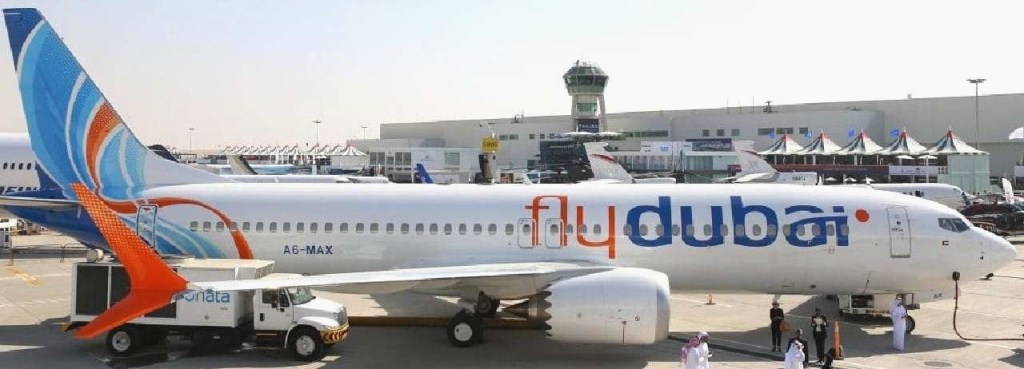

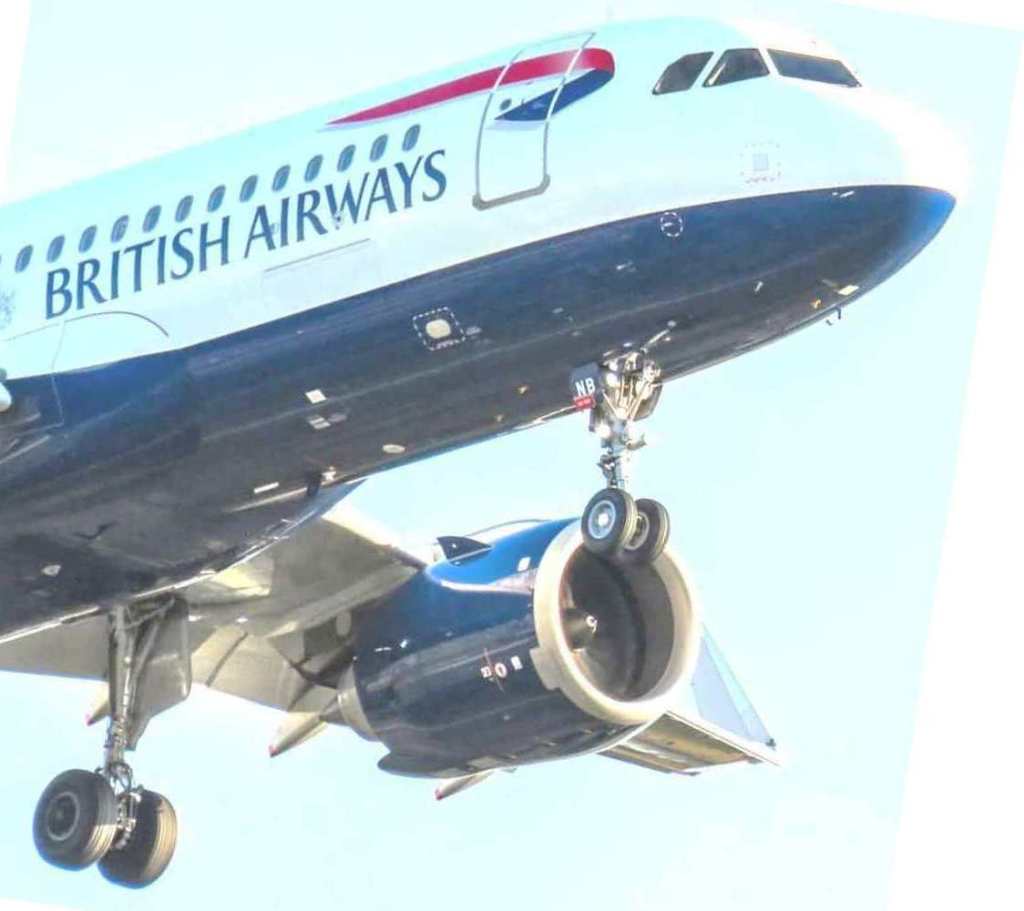


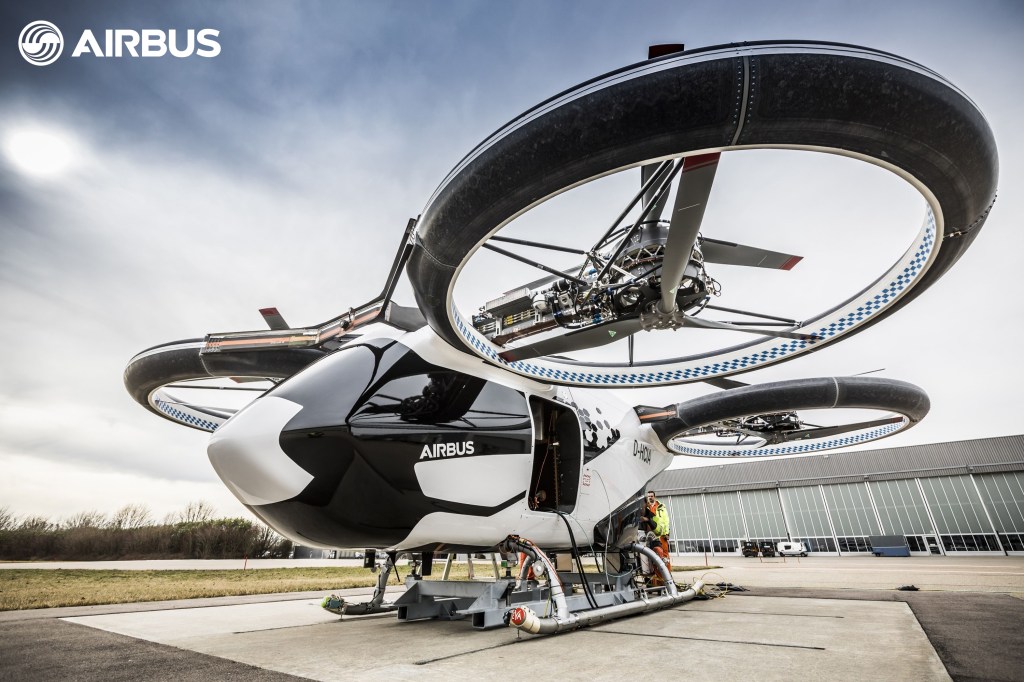



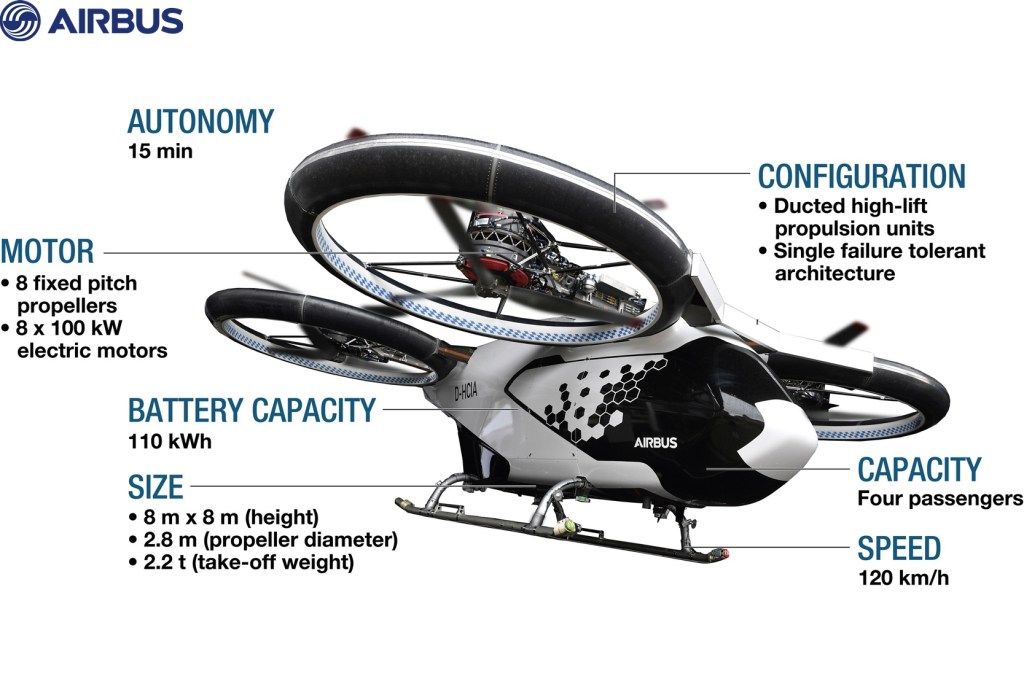



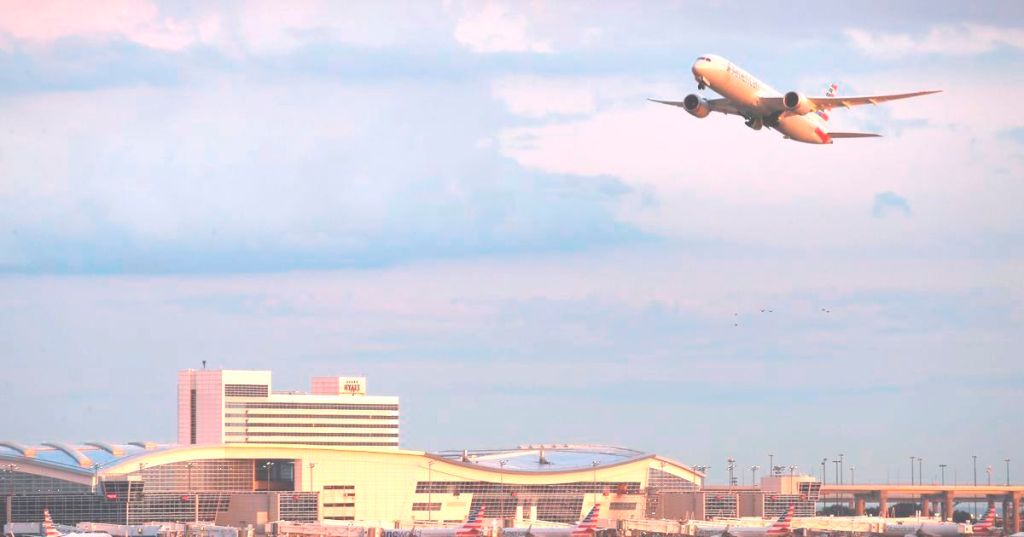

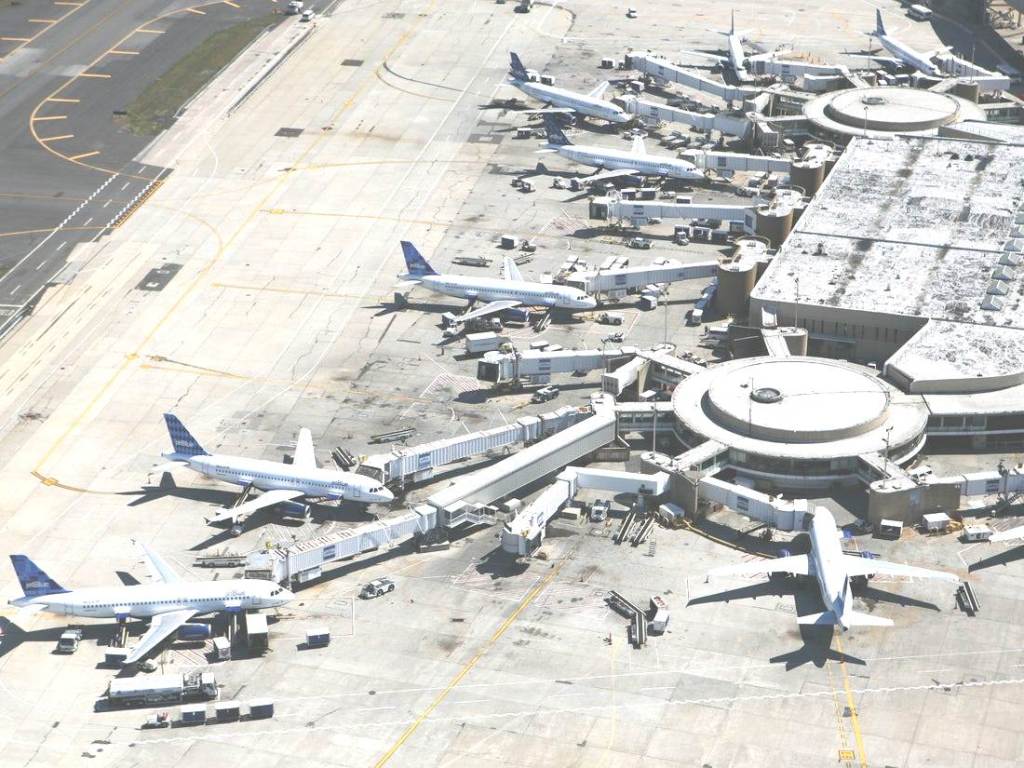




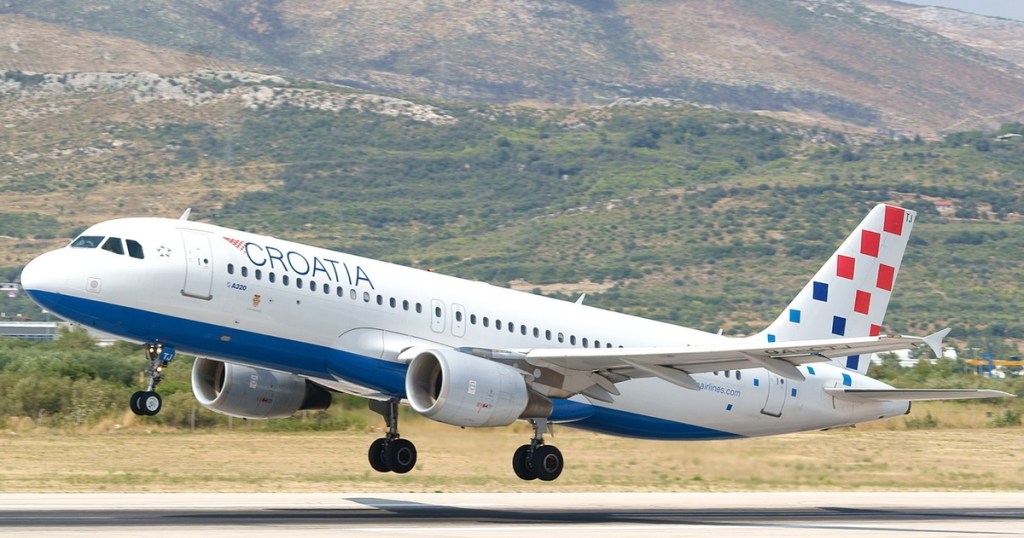

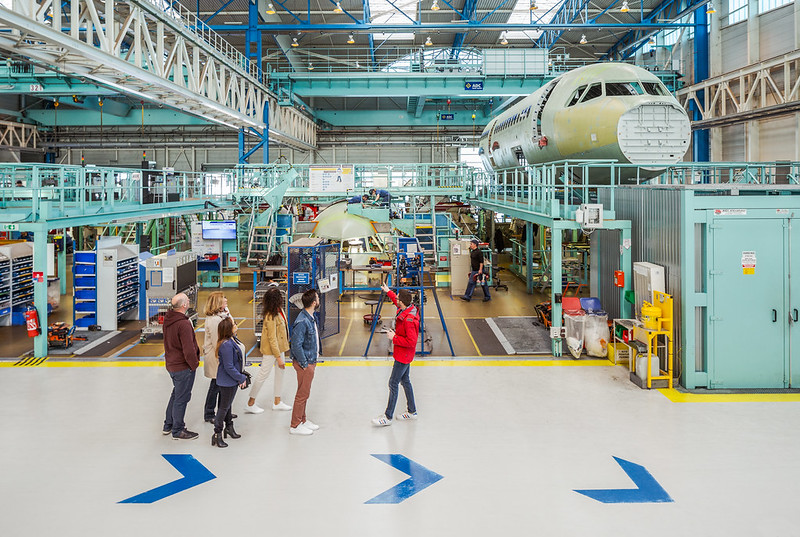


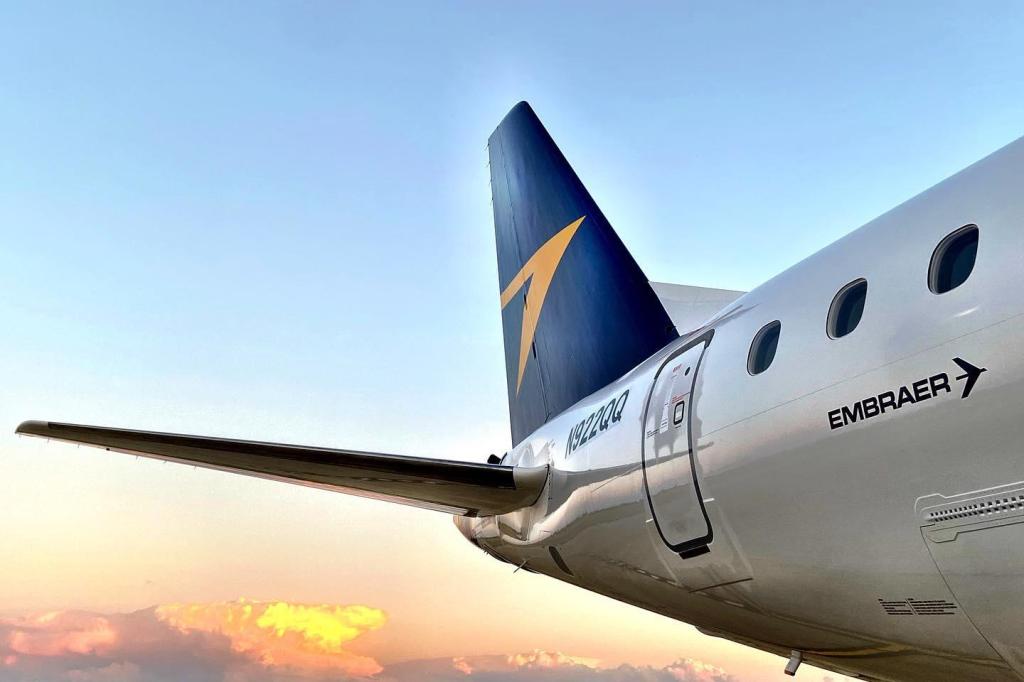


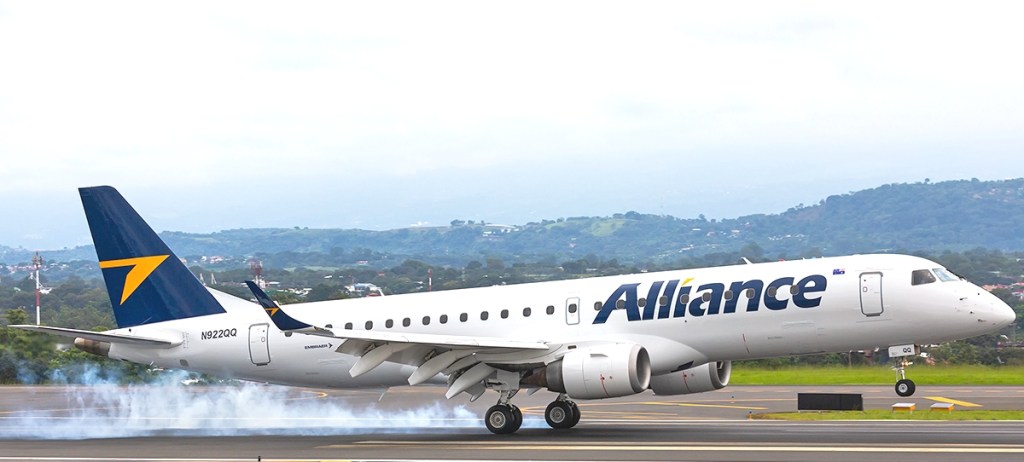
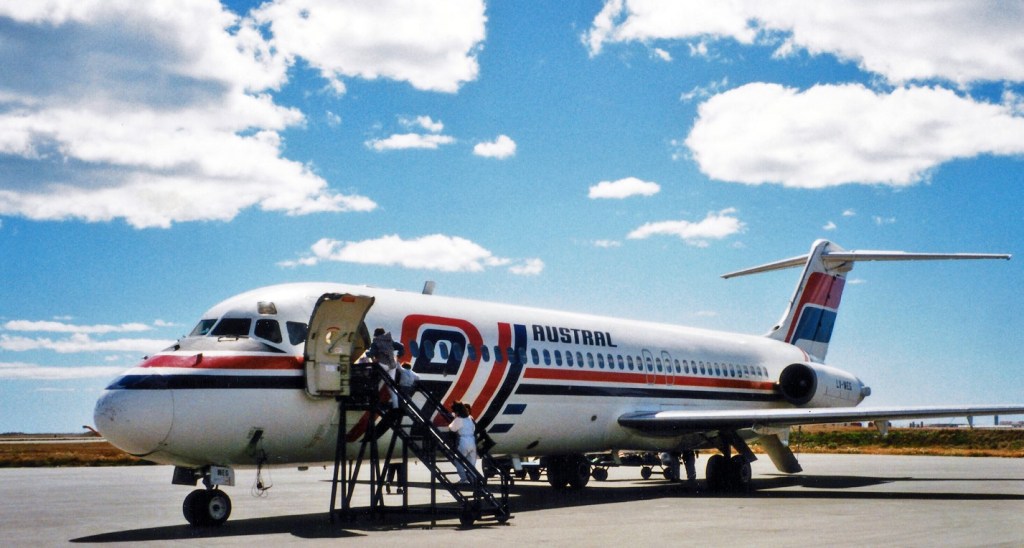

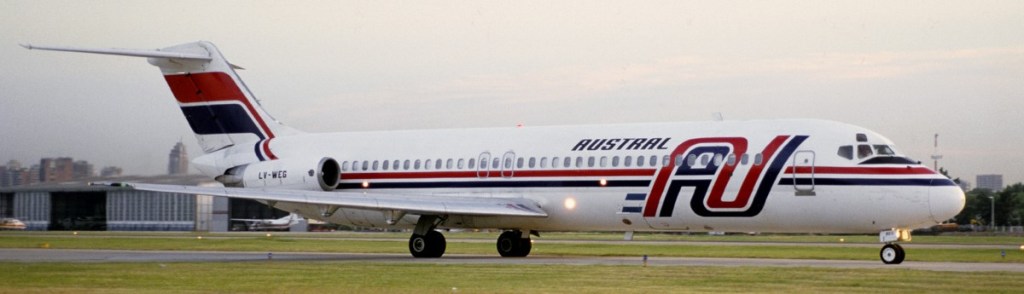
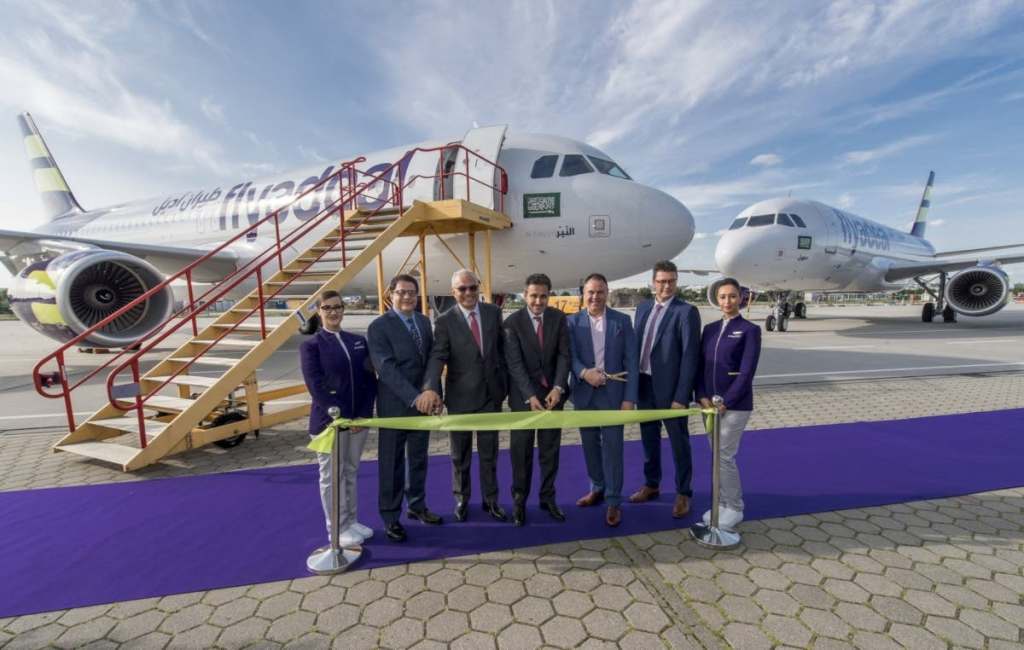




 airgways.com