Resiliencia en aviación china

AW | 2021 10 21 15:15 | INDUSTRY / AIRLINES MARKET

Aviación china vuelve a mostrar su resiliencia
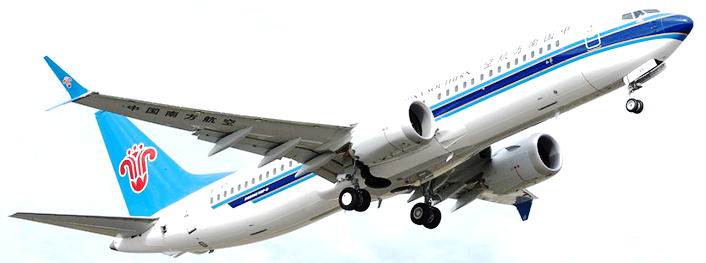
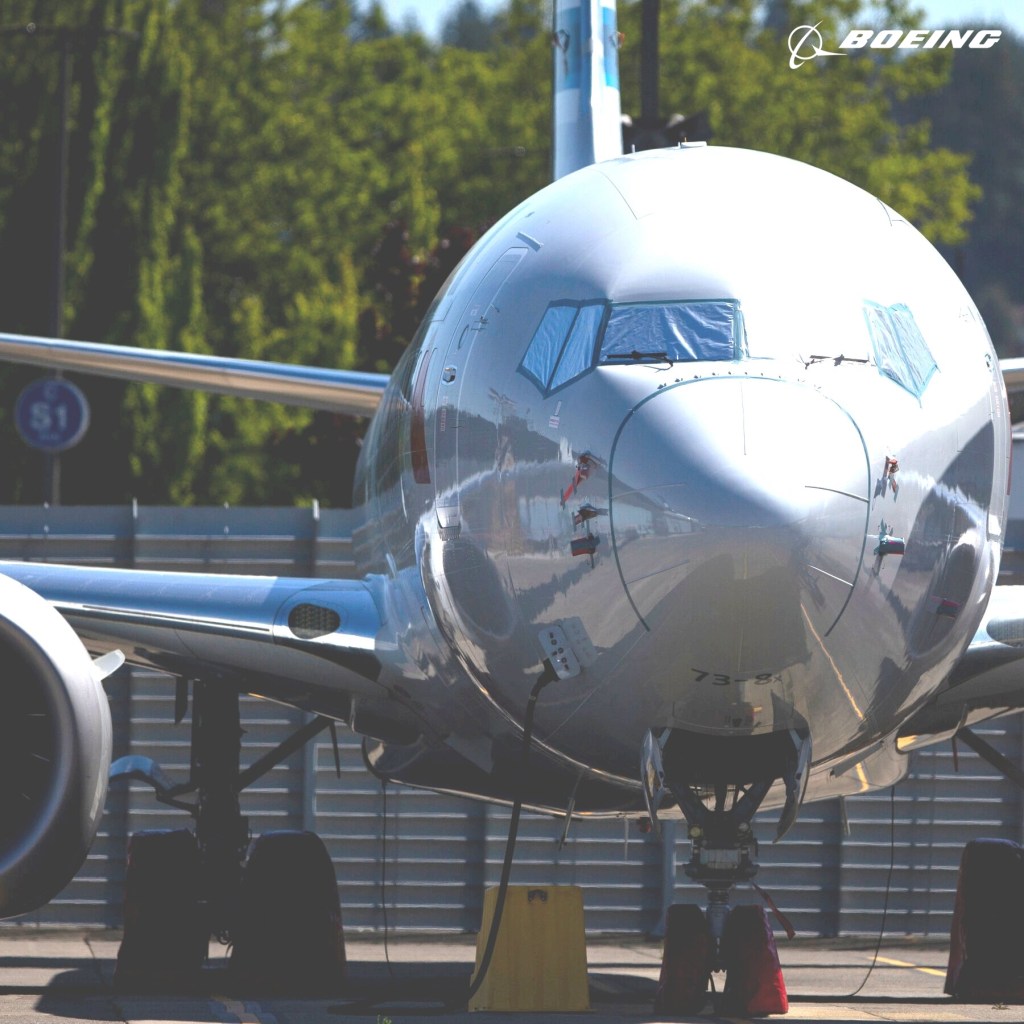
AW-Boeing 737-8 MAX (12)

El desempeño comercial del mercado de aviación comercial china fue peor de lo esperado en esta última semana, pues algunos casos esporádicos de la pandemia de COVID-19 en la República Popular China han afectado parte de la demanda de viajes. Sin embargo, la demanda ha mantenido una tendencia al alza, aunque con algunas fluctuaciones, y se espera que el mercado prospere aún más el próximo año, dijeron expertos de la industria. Del 1 al 7 de Octubre de 2021, China registró 515 millones de viajes turísticos nacionales, según el Ministerio de Cultura y Turismo. El promedio diario de vuelos domésticos operados durante el período llegó a 12.952, lo que fue un 11,27 por ciento inferior al del mismo período del año pasado, según la Administración de Aviación Civil de China (CAAC). El factor de carga promedio de pasajeros de los vuelos nacionales durante las vacaciones alcanzó el 73,7 por ciento, que fue 4,8 puntos porcentuales más bajo que el del mismo período del año pasado, según la CAAC.

«Con la pandemia de COVID-19 bajo un mejor control en China, se prevé que la demanda interna de viajes crezca gradualmente, y la circulación nacional proporciona un apoyo espina dorsal para la economía cuando la parte externa es relativamente débil. Cuando el estancado mercado internacional de viajes comenzó a volver a la normalidad, el mercado nacional y el mercado internacional volverán a lograr el equilibrio. Los transportistas restaurarán gradualmente su rentabilidad para entonces», han expresado analistas de Guotai Junan Securities en un informe.

A pesar de la disminución en las reservas de boletos de avión, el precio promedio del boleto se ha incrementado. Durante las vacaciones, el precio promedio de un vuelo doméstico de ida fue de ¥ 821 Yuanes/US$ 127,3 Dólares, que fue un 7 por ciento más alto que el del mismo período del año pasado, según datos de Trip.com Group, la agencia de viajes en línea más grande de China. En particular, los destinos populares experimentaron un aumento sustancial en los precios de los boletos de los vuelos a esos lugares. Por ejemplo, el precio promedio de un vuelo de ida desde Shenzhen en la provincia de Guangdong a Beijing durante las vacaciones aumentó un 47 por ciento desde el nivel visto durante las vacaciones del año pasado, según Trip.com. En Septiembre 2021, el número promedio diario de vuelos domésticos operados en China alcanzó los 21.329, que fue un 43 por ciento más alto que el número visto en agosto, según VariFlight, un proveedor de servicios de datos de aviación civil con sede en China, lo que muestra que la demanda regular de viajes de pasajeros nacionales se está recuperando constantemente.

Por otro lado, debido al impacto de la pandemia, la tasa de aumento de nuevos aviones en China se ha desacelerado. En 2020, el tamaño de la flota en China fue un 2,2 por ciento más alto que el de 2019. Esto es significativamente más bajo que la tasa de crecimiento anual promedio del 10 por ciento registrada antes de la pandemia, según la proyección de Guosen Securities. Además, el avión Boeing 737 MAX de pasillo único de Boeing permaneció en tierra en China. El modelo de avión ha sido puesto en tierra en todo el mundo después de dos accidentes fatales en Indonesia en 2018 y en Etiopía en 2019, y no hay un calendario específico para que el modelo reanude los vuelos en China. Con la puesta a tierra del Boeing 737 MAX y la suspensión de la introducción de nuevos aviones del modelo, el número de aviones comerciales en China creció solo un 4,9 por ciento en 2019.

Índices IATA

Mientras tanto, la Asociación Internacional de Transporte Aéreo (IATA) anunció su última perspectiva en Octubre 2021 para la industria de las aerolíneas, y el desempeño financiero mostró mejores resultados en medio de la continua crisis de COVID-19. Se espera que las pérdidas netas de la industria se reduzcan a US$ 11.6 mil millones en 2022 después de una pérdida de US$ 51.8 mil millones este año. Se espera que la demanda general de viajes aéreos sea del 40 por ciento de los niveles de 2019 para este año, y aumente al 61 por ciento en 2022, dijo la IATA.

La demanda internacional es la más lenta en recuperarse, debido a las continuas restricciones a la libertad de movimiento a través de las fronteras, las medidas de cuarentena y la incertidumbre de los viajeros. Este año, se espera que la demanda internacional alcance el 22 por ciento de los niveles previos a la pandemia en 2019. En 2022, se espera que la demanda internacional alcance el 44 por ciento de los niveles de 2019. La demanda interna, con menos restricciones en la mayoría de los países, está impulsando la recuperación. Este año, se espera que la demanda interna alcance el 73 por ciento de los niveles previos a la pandemia en 2019. En 2022, se espera que la demanda interna alcance el 93 por ciento de los niveles de 2019.

«La magnitud de la crisis del COVID-19 para las aerolíneas es enorme. Para sobrevivir, las aerolíneas han reducido drásticamente los costos y han adaptado su negocio a cualquier oportunidad disponible. Ya hemos superado el punto más profundo de la crisis. Si bien persisten problemas graves, el camino hacia la recuperación está a la vista. La aviación está mostrando su resiliencia una vez más. La gente no ha perdido su deseo de viajar, como vemos en la sólida resiliencia del mercado interno. Pero están siendo retenidos de los viajes internacionales por las restricciones, la incertidumbre y la complejidad. Más gobiernos están viendo las vacunas como una salida a esta crisis. Estamos totalmente de acuerdo en que las personas vacunadas no deben ver limitada su libertad de movimiento de ninguna manera. De hecho, la libertad de viajar es un buen incentivo para que más personas se vacunen», dijo Willie Walsh, Director General de la IATA.
Perspectivas COMAC

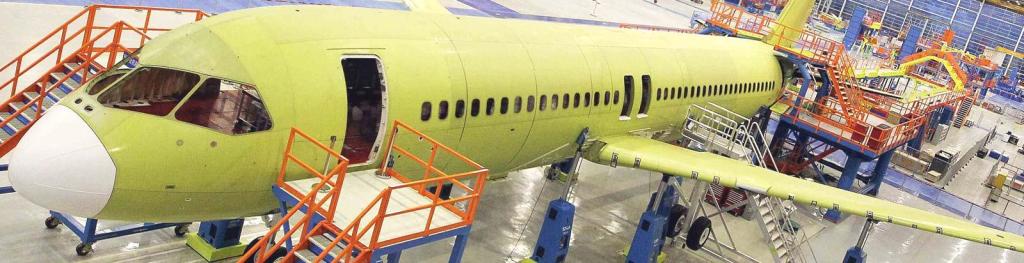
En los próximos veinte años, se espera que la tasa de crecimiento anual promedio de la facturación de pasajeros en China alcance el 5,7 por ciento, y se prevé que la tasa de crecimiento anual del tamaño de la flota en China sea del 5,2 por ciento, según el pronóstico del fabricante nacional de aviones Commercial Aircraft Corp of China (COMAC). Para 2040, el mundo necesitará 41,429 nuevos aviones comerciales valorados en US$ 6.1 billones, según el precio de catálogo del año pasado. Para entonces, China se convertirá en el mercado de aviación más grande, y se espera que las aerolíneas chinas adquieran 9.084 nuevos aviones con más de 50 asientos cada uno. La demanda de China representará el 22 por ciento del total de nuevos aviones requeridos a nivel mundial, según el informe. El C919, el avión de pasajeros de fuselaje estrecho de fabricación nacional de China, está en la vía rápida para recibir la certificación de aeronavegabilidad antes de su debut comercial en un futuro cercano. «La capacidad actual de fabricación de aviones de Boeing y Airbus no puede satisfacer completamente la demanda de las aerolíneas globales, y el futuro debut del C919 proporcionará nuevas opciones para las aerolíneas globales», dijo Yang Yang, Subgerente General de Marketing y Ventas de COMAC.

Resilience in Chinese aviation
Chinese aviation once again shows its resilience

AW-Donghai Airlines_00001

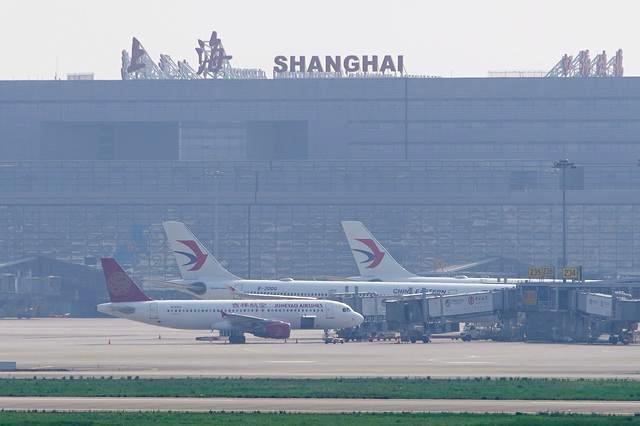
The commercial performance of the Chinese commercial aviation market was worse than expected in this last week, as some sporadic cases of the COVID-19 pandemic in the People’s Republic of China have affected part of the travel demand. However, demand has been on an upward trend, albeit with some fluctuations, and the market is expected to prosper further next year, industry experts said. From October 1-7, 2021, China recorded 515 million domestic tourist trips, according to the Ministry of Culture and Tourism. Average daily domestic flights operated during the period reached 12,952, which was 11.27 percent lower than the same period last year, according to the Civil Aviation Administration of China (CAAC). The average passenger load factor for domestic flights during the holidays reached 73.7 percent, which was 4.8 percentage points lower than the same period last year, according to the CAAC.

«With the COVID-19 pandemic under better control in China, domestic travel demand is projected to grow gradually, and domestic circulation provides backbone support for the economy when the external is relatively weak. When the market stagnant international travel began to return to normal, the domestic market and the international market will again achieve equilibrium. Carriers will gradually restore their profitability by then», analysts at Guotai Junan Securities said in a report.

Despite the decline in airline ticket reservations, the average ticket price has increased. During the holidays, the average price for a one-way domestic flight was ¥ 821 Yuan/US$ 127.3, which was 7 percent higher than the same period last year, according to Trip.com Group data, China’s largest online travel agency. Popular destinations in particular saw a substantial increase in ticket prices for flights to those locations. For example, the average price for a one-way flight from Shenzhen in Guangdong province to Beijing during the holidays increased 47 percent from the level seen during last year’s holidays, according to Trip.com. In September 2021, the average daily number of domestic flights operated in China reached 21,329, which was 43 percent higher than the number seen in August, according to VariFlight, a China-based civil aviation data service provider, which shows that the regular demand for domestic passenger travel is constantly recovering.

On the other hand, due to the impact of the pandemic, the rate of increase of new aircraft in China has slowed. In 2020, the fleet size in China was 2.2 percent higher than in 2019. This is significantly lower than the average annual growth rate of 10 percent recorded before the pandemic, according to the projection of Guosen Securities. Additionally, Boeing’s single-aisle Boeing 737 MAX aircraft remained grounded in China. The model aircraft has been grounded around the world after two fatal accidents in Indonesia in 2018 and Ethiopia in 2019, and there is no specific timetable for the model to resume flights in China. With the grounding of the Boeing 737 MAX and the suspension of the introduction of new aircraft of the model, the number of commercial aircraft in China grew by only 4.9 percent in 2019.

IATA indices

Meanwhile, the International Air Transport Association (IATA) announced its latest outlook in October 2021 for the airline industry, and financial performance showed better results amid the ongoing COVID-19 crisis. The industry’s net losses are expected to shrink to US$ 11.6 billion in 2022 after a loss of US$ 51.8 billion this year. Overall demand for air travel is expected to be 40 percent of 2019 levels for this year, increasing to 61 percent in 2022, IATA said.

International demand is the slowest to recover, due to continued restrictions on freedom of movement across borders, quarantine measures and uncertainty for travelers. This year, international demand is expected to reach 22 percent of pre-pandemic levels in 2019. In 2022, international demand is expected to reach 44 percent of 2019 levels. Domestic demand, with less restrictions in most countries is driving the recovery. This year, domestic demand is expected to reach 73 percent of pre-pandemic levels in 2019. In 2022, domestic demand is expected to reach 93 percent of 2019 levels.

«The magnitude of the COVID-19 crisis for airlines is enormous. To survive, airlines have dramatically reduced costs and adapted their business to whatever opportunities are available. We have already passed the deepest point of the crisis. While they persist serious problems, the road to recovery is in sight. Aviation is showing its resilience once again. People have not lost their desire to travel, as we see in the strong resilience of the domestic market. But they are being held back from travel international restrictions, uncertainty and complexity. More governments are seeing vaccines as a way out of this crisis. We fully agree that vaccinated people should not be restricted in their freedom of movement in any way. In fact, freedom travel is a good incentive for more people to get vaccinated», said Willie Walsh, IATA Director General.

COMAC perspectives

In the next twenty years, the average annual growth rate of passenger turnover in China is expected to reach 5.7 percent, and the annual growth rate of the fleet size in China is projected to be 5, 2 percent, according to the forecast of the national aircraft manufacturer Commercial Aircraft Corp of China (COMAC). By 2040, the world will need 41,429 new commercial jets valued at US$ 6.1 trillion, based on last year’s list price. By then, China will become the largest aviation market, and Chinese airlines are expected to acquire 9,084 new aircraft with more than 50 seats each. Demand from China will account for 22 percent of the total new aircraft required globally, according to the report. The C919, China’s domestically-made narrow-body airliner, is on the fast track to receiving airworthiness certification ahead of its commercial debut in the near future. «The current aircraft manufacturing capacity of Boeing and Airbus cannot fully meet the demand from global airlines, and the future debut of the C919 will provide new options for global airlines», said Yang Yang, Deputy General Manager of Marketing and Sales at COMAC.

中國航空的韌性
中國航空再次展現韌性

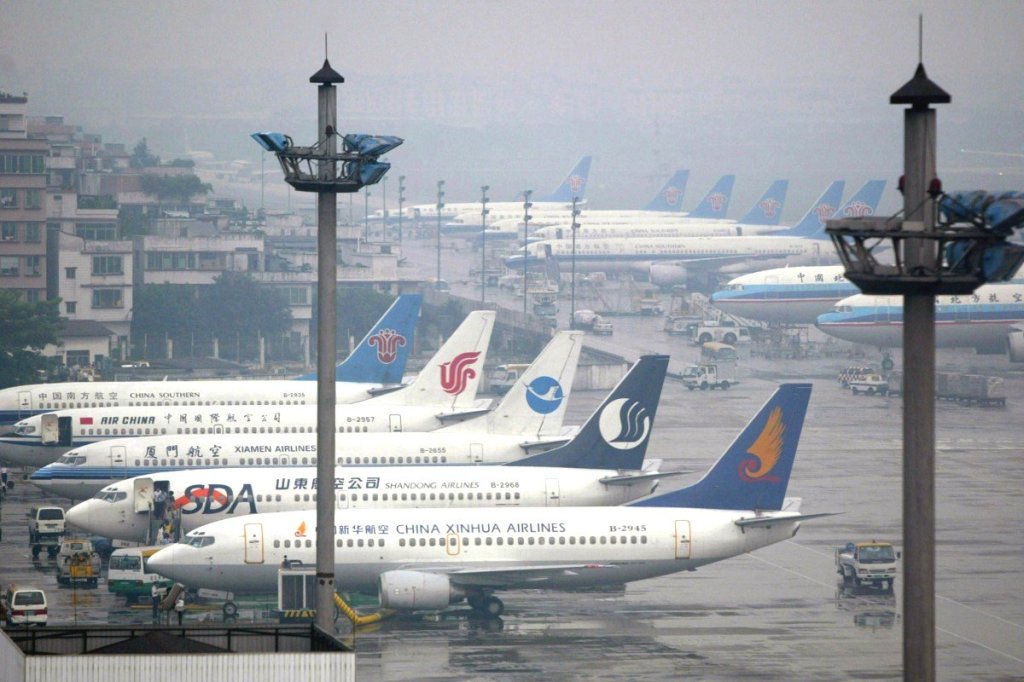
上周中國商用航空市場的商業表現低於預期,因為中華人民共和國發生的一些 COVID-19 大流行的零星病例影響了部分旅行需求。然而,行業專家表示,儘管存在一些波動,但需求一直呈上升趨勢,預計明年市場將進一步繁榮。根據文化和旅遊部的數據,2021 年 10 月 1 日至 7 日,中國記錄了 5.15 億人次國內旅遊。根據中國民用航空局(CAAC)的數據,期內平均每天運營的國內航班達到 12,952 架次,比去年同期下降 11.27%。民航總局數據顯示,假期國內航班平均客座率為73.7%,比去年同期下降4.8個百分點。

“隨著中國對COVID-19大流行的更好控制,預計國內旅遊需求將逐漸增長,國內流通在外部相對疲軟的情況下為經濟提供骨干支撐。當市場停滯的國際旅行開始回歸時國泰君安證券分析師在報告中表示,正常情況下,國內市場和國際市場將再次達到平衡,屆時運營商將逐步恢復盈利能力。

儘管機票預訂量有所下降,但平均機票價格卻有所上漲。中國最大的在線旅行社攜程集團數據顯示,假期期間,國內單程機票平均價格為821元人民幣/127.3美元,比去年同期上漲7%。特別是熱門目的地,飛往這些地點的機票價格大幅上漲。例如,據攜程網的數據,假期期間從廣東省深圳飛往北京的單程航班平均價格比去年假期的水平上漲了 47%。根據中國民航數據服務提供商 VariFlight 的數據,2021 年 9 月,中國國內運營的平均每日航班數量達到 21,329 架次,比 8 月份的數量增加了 43%,這表明對國內旅客出行不斷復甦。

另一方面,受疫情影響,中國新飛機增速放緩。據國信證券預測,2020年中國船隊規模較2019年增長2.2%,明顯低於疫情前10%的年均增長率。此外,波音的單通道波音 737 MAX 飛機仍在中國停飛。該模型飛機在2018年印度尼西亞和2019年埃塞俄比亞發生兩起致命事故後,已在全球範圍內停飛,該模型在中國恢復飛行還沒有具體時間表。隨著波音737 MAX停飛、該機型新機暫停引進,2019年中國商用飛機數量僅增長4.9%。
國際航協指數

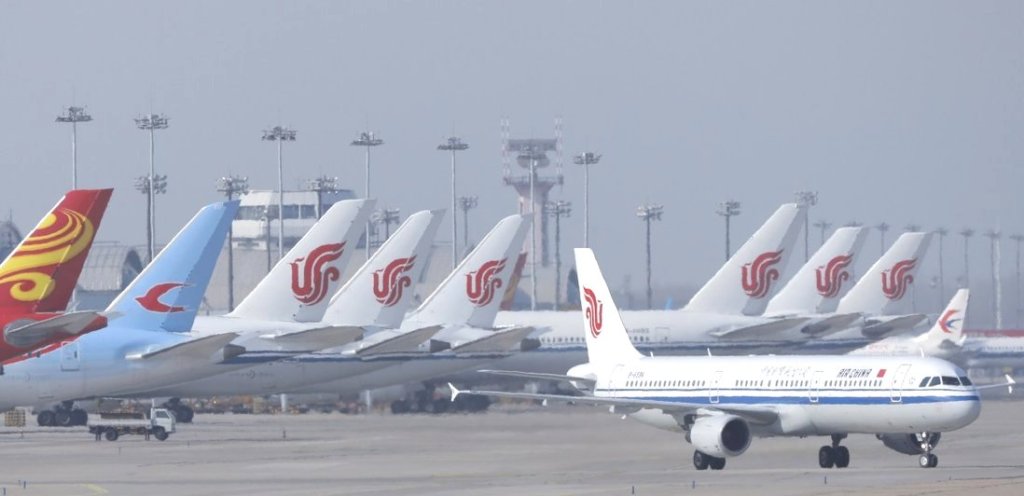
與此同時,國際航空運輸協會 (IATA) 於 2021 年 10 月宣布了其對航空業的最新展望,在持續的 COVID-19 危機中,財務業績顯示出更好的結果。該行業淨虧損在今年虧損518億美元後,預計2022年將縮水至116億美元。國際航空運輸協會表示,今年對航空旅行的總體需求預計將達到 2019 年水平的 40%,並在 2022 年升至 61%。

由於跨境行動自由繼續受到限制、隔離措施以及旅行者的不確定性,國際需求的恢復速度最慢。今年,國際需求預計將在2019年達到疫情前水平的22%。2022年,國際需求預計將達到2019年水平的44%,國內需求在大多數國家的限制較少的情況下正在推動復甦。今年,國內需求預計將達到 2019 年疫情前水平的 73%。 2022 年,國內需求預計將達到 2019 年水平的 93%。

AW-700000919

“對於航空公司來說,COVID-19 危機的嚴重程度是巨大的。為了生存,航空公司大幅降低了成本,並根據任何可用機會調整了業務。我們已經度過了危機的最深處。雖然它們仍然存在嚴重的問題,但復甦之路就在眼前。航空業再次展現出它的韌性。正如我們在國內市場的強大韌性中看到的那樣,人們並沒有失去旅行的慾望。但他們正受到國際旅行限制、不確定性和復雜性的阻礙“越來越多的政府將疫苗視為擺脫這場危機的出路。我們完全同意,不應以任何方式限制接種疫苗的人的行動自由。事實上,自由旅行是讓更多人接種疫苗的良好動力”, 國際航空運輸協會總幹事威利沃爾什說。

中國商飛觀點

據國家預測,未來20年,中國旅客周轉量年均增長率有望達到5.7%,中國機隊規模年均增長率預計為5%、2%。飛機製造商中國商用飛機有限責任公司(COMAC)。到 2040 年,全球將需要 41,429 架新的商用噴氣式飛機,以去年的定價為基礎,價值 6.1 萬億美元。屆時,中國將成為最大的航空市場,預計中國航空公司將新增50座以上飛機9084架。報告稱,來自中國的需求將佔全球新飛機需求總量的 22%。 C919是中國國產窄體客機,即將在不久的將來進行商業首演,即將獲得適航認證。中國商飛市場營銷副總經理楊洋表示:“波音和空客目前的飛機製造能力還不能完全滿足全球航空公司的需求,未來C919的亮相將為全球航空公司提供新的選擇”

PUBLISHER: Airgways.com
DBk: Caac.gov.cn / Iata.org / Comac.cc / Airgways.com
AW-POST: 202110211515AR

A\W   A I R G W A Y S ®
Tribunal Delaware demanda a Boeing

AW | 2021 10 21 14:33 | GOVERNMENT / AVIATION SAFETY / INDUSTRY

Justicia Delaware sostiene demanda contra Junta Directiva

AW-Boeing 737 MAX_png (38)

AW-Supreme Court Delaware_Isologotype

Tribunal de Justicia de Delaware (DE), Estados Unidos, ha rechazado la moción para desestimar demanda contra miembros de la Junta corporativa de The Boeing Company por no llevar a cabo una supervisión adecuada del cumplimiento de los sistemas de seguridad en la empresa. El Tribunal de la Cancillería de Delaware continúa su tendencia de permitir las reclamaciones de Caremark [Ɖ]: contra los miembros de la junta corporativa que no ejercen una supervisión y monitoreo adecuados de los programas de cumplimiento. La última decisión de la Corte de Delaware que involucra a la Junta de Boeing y su falta de supervisión adecuada del escándalo de seguridad del Boeing 737 MAX es otro ejemplo. En el fondo, el Tribunal de la Cancillería está aumentando las apuestas sobre la responsabilidad de los miembros de la Junta. El escándalo del Boeing 737 MAX es un caso problemático e inquietante en el que faltaba supervisión y responsabilidad de la Junta corporativa. Las implicaciones del fracaso de la Junta resultaron en la fallecimiento de pasajeros inocentes, la puesta a tierra del Boeing 737 MAX, un acuerdo de US$ 2.5 mil millones en concepto de multas, un caso penal contra un piloto Jefe Técnico de la línea 737 MAX y problemas técnicos y de seguridad continuos.

El Tribunal de Delaware no está alterando el estándar Caremark bien arraigado. En cambio, la Corte está aplicando el estándar Caremark para rechazar las mociones de desestimación, lo que permite que los casos procedan al descubrimiento y litigio. Los riesgos para los miembros de la junta corporativa están aumentando y la Corte de Delaware claramente está enviando un mensaje: los miembros de la junta deben atender los programas de cumplimiento y los riesgos relevantes o enfrentar el riesgo de responsabilidad personal.

El Tribunal de Delaware ha proporcionado otra decisión importante relacionada con el escándalo de seguridad del Boeing 737 MAX. El caso de Boeing se deriva del accidente del vuelo JT-610 de Lion Air el 29 de Octubre de 2018 y el accidente del vuelo ET-302 Ethiopian Airlines el 10 de Marzo de 2019. Los accidentes fueron el resultado directo de la falta de capacitación de los pilotos en el Sistema de Aumento de Características de Maniobra (MCAS).

En el Tribunal de la Cancillería de Delaware, varios demandantes hicieron demandas de libros y registros y presentaron demandas derivadas en 2019. Los demandantes afirmaron el incumplimiento de las reclamaciones de obligaciones fiduciarias contra los directores de Boeing, específicamente 1) Boeing no implementó un sistema de informes para monitorear la seguridad de los aviones de Boeing; 2) Boeing ignoró las banderas rojas y su deber de investigar; y 3) la Junta despidió al CEO y permitió que el CEO cobrara su compensación de capital.

El estándar Caremark requiere que los demandantes aleguen hechos que: 1) los directores fallaron por completo en implementar ningún sistema o control de informes o información; o 2) habiendo implementado tal sistema o controles, [los directores] conscientemente no monitorearon o supervisaron sus operaciones, lo que les impidió ser informados de los riesgos o problemas que requerían su atención.

En primer lugar, la supervisión de la Junta para los problemas de misión crítica debe ejercerse rigurosamente, lo que implica sensibilidad a los problemas de cumplimiento intrínsecamente críticos para la empresa. El Tribunal dictaminó que los demandantes habían alegado adecuadamente las reclamaciones contra los directores demandados. En apoyo de su conclusión, el Tribunal citó en primer lugar el hecho de que la junta no tenía un comité encargado directamente de supervisar la seguridad de los aviones, y que la Junta en general no estaba supervisando o debatiendo oficialmente la seguridad de forma regular. El Tribunal citó el hecho de que, tras el accidente del vuelo JT-610 de la compañía indonesia Lion Air, la agenda de la reunión de la Junta no incluyó una discusión específica sobre la seguridad, sino que se centró en la restauración de las ganancias y la eficiencia. En particular, el Tribunal citó que las discusiones de la Junta sobre los problemas del 737 MAX eran invocaciones pasivas de calidad y seguridad que no cumplen con la rigurosa supervisión que Caremark contempla. En segundo lugar, el Tribunal explicó que la Junta no exigía a la administración que presentara informes periódicos sobre cuestiones de seguridad. Específicamente, el Tribunal citó la estructura de informes defectuosa de Boeing y la administración se comunicó con la Junta solo sobre una base ad hoc con respecto a cuestiones de seguridad. El Tribunal señaló que la Junta estaba «aceptando pasivamente las garantías y opiniones de la gerencia».

El Tribunal de Justicia de Delaware ha tomado nota de pruebas documentales que indicaban que los miembros de la Junta Directiva eran conscientes de la importancia de las cuestiones de seguridad y que la Junta sabía que era necesario mejorar sus procedimientos de supervisión de la seguridad. El Tribunal también dictaminó que los demandantes declararon una reclamación bajo el punto dos de Caremark, basada en las acusaciones de que la Junta «aceptó pasivamente» las garantías de la administración de que el 737 MAX era seguro y que no tomó medidas frente a las alertas rojas que se encendían enla línea deproducción del Boeing 737 MAX.

Delaware court sues Boeing

Delaware Justice File Lawsuit Against Board of Directors

Boeing_Isologo.svg

AW-Dictionary _Symbol

Court of Justice of Delaware (DE), United States, has rejected the motion to dismiss lawsuit against members of the corporate Board of The Boeing Company for not carrying out adequate supervision of the compliance of the security systems in the company. The Delaware Chancery Court continues its trend of allowing Caremark [Ɖ]: claims against corporate board members who do not exercise adequate oversight and monitoring of compliance programs. The latest Delaware Court decision involving the Boeing Board and its lack of proper oversight of the Boeing 737 MAX safety scandal is another example. In the background, the Court of Chancery is raising the stakes on the liability of Board members. The Boeing 737 MAX scandal is a troubling and disturbing case in which corporate Board oversight and accountability was lacking. The implications of the Board’s failure resulted in the death of innocent passengers, the grounding of the Boeing 737 MAX, a US$ 2.5 billion settlement in fines, a criminal case against a Chief Technical pilot of the 737 MAX line and ongoing technical and security issues.

The Delaware Court is not altering the Caremark standard: well established. Instead, the Court is applying the Caremark standard to reject motions to dismiss, allowing cases to proceed to discovery and litigation. The risks to corporate board members are increasing, and the Delaware Court is clearly sending a message: Board members must address compliance programs and relevant risks or face personal liability risk.

The Delaware Court has provided another important decision related to the Boeing 737 MAX safety scandal. The Boeing case stems from the Lion Air flight JT-610 accident on October 29, 2018 and the Ethiopian Airlines flight ET-302 accident on March 10, 2019. The accidents were the direct result of lack of training. of pilots in the Maneuvering Characteristics Increase System (MCAS).

In Delaware Chancery Court, several plaintiffs made book and record lawsuits and filed derivative lawsuits in 2019. Plaintiffs claimed breach of fiduciary obligation claims against Boeing directors, specifically 1) Boeing did not implement a system of reports to monitor the safety of Boeing aircraft; 2) Boeing ignored the red flags and its duty to investigate; and 3) the Board fired the CEO and allowed the CEO to collect equity compensation from him.

The Caremark standard requires plaintiffs to allege facts that: 1) principals completely failed to implement any reporting or information system or control; or 2) having implemented such a system or controls, [the directors] consciously did not monitor or supervise their operations, which prevented them from being informed of the risks or problems that required their attention.

First, the Board’s oversight for mission-critical issues must be rigorously exercised, implying sensitivity to inherently business-critical compliance issues. The Court ruled that the plaintiffs had adequately argued the claims against the defendant directors. In support of its conclusion, the Court first cited the fact that the board did not have a committee directly charged with overseeing aircraft safety, and that the Board as a whole was not officially monitoring or discussing safety on a regular basis. The Court cited the fact that, following the accident of the Indonesian company Lion Air flight JT-610, the agenda of the Board meeting did not include a specific discussion on safety, but instead focused on restoring profits. and efficiency. In particular, the Court cited that the Board’s discussions of the 737 MAX issues were passive invocations of quality and safety that do not meet the rigorous oversight that Caremark envisions. Second, the Court explained that the Board did not require management to submit regular reports on security issues. Specifically, the Court cited Boeing’s faulty reporting structure and management communicated with the Board only on an ad hoc basis regarding safety issues. The Tribunal noted that the Board was «passively accepting management’s assurances and opinions».

The Delaware Court of Justice has noted documentary evidence indicating that the members of the Board of Directors were aware of the importance of safety issues and that the Board knew that their safety oversight procedures needed to be improved. The Court also ruled that the plaintiffs declared a claim under Caremark point two, based on allegations that the Board «passively accepted» management assurances that the 737 MAX was safe and failed to act on the alerts. flashing red lights on the Boeing 737 MAX production line.

Standard Caremark: Es un standard para la supervisión del cumplimiento normativo al establecer responsabilidades para que los demandantes se escalen al afirmar el incumplimiento de una junta con el deber de cuidado y los estándares de lealtad. Al abordar la responsabilidad de supervisión de una junta, el tribunal de Justicia describe lo que un demandante debe probar para demostrar que los directores incumplieron su deber.

La Corte Suprema de Delaware adoptó en Noviembre 2006 el estándar para la responsabilidad de «supervisión» del director de In re Caremark Int’l Inc. Deriv. Litig.,698 A.2d 959 (Del. Ch. 1996). La decisión proporciona consuelo a los directores de las corporaciones de Delaware preocupados por el riesgo de responsabilidad por irregularidades corporativas de las que no tenían conocimiento pero que ocurrieron bajo su supervisión.

Standard Caremark: It is a standard for the supervision of regulatory compliance by establishing responsibilities for claimants to escalate by affirming a board’s failure to comply with the duty of care and loyalty standards. In addressing the supervisory responsibility of a board, the court of law outlines what a plaintiff must prove to show that the directors failed to do their duty.

The Delaware Supreme Court adopted in November 2006 the standard for the «supervisory» responsibility of the director of In re Caremark Int’l Inc. Deriv. Litig., 698 A.2d 959 (Del. Ch. 1996). The decision provides comfort to Delaware corporate directors concerned about the risk of liability for corporate wrongdoing of which they were not aware but which occurred under their supervision.

PUBLISHER: Airgways.com
DBk: Courts.delaware.gov / Boeing.com / Airgways.com
AW-POST: 202110211433AR

A\W   A I R G W A Y S ®
Informe Comité EEUU 737 MAX

AW | 2021 10 21 07:22 | AVIATION SAFETY / GOVERNMENT

Investigaciones apuntan a fallas fiscalización línea 737 MAX

Boeing 737 MAX_Isologotype

AW-United States of Representatives_Isologotype

Un duro informe emitido por la Cámara de Representantes de los Estados Unidos señala fallas radicales y supervisión insuficiente en los desencadenamientos que llevaron a accidentes de los Boeing 737 MAX. Las fallas de ingeniería, el engaño de la compañía y los errores significativos en la supervisión del Gobierno han desarrollado una cadena de eventos que desembocaron en dos accidentes fatales del Boeing 737-8 MAX, concluyeron los investigadores del Congreso estadounidense.

En un informe de 245 páginas publicado el Miércoles 20/10 proporciona el relato más mordaz hasta ahora de los errores de cálculo que llevaron a 346 muertes, la puesta a tierra del avión más vendido de Boeing y miles de millones de Dólares en pérdidas para el gigante manufacturero. «Los accidentes del Max no fueron el resultado de una falla singular, un error técnico o un evento mal administrado. Fueron la horrible culminación de una serie de suposiciones técnicas defectuosas por parte de los ingenieros de Boeing, una falta de transparencia por parte de la administración de Boeing y una supervisión extremadamente insuficiente por parte de la Administración Federal de Aviación», dijo el informe del Comité de Transporte e Infraestructura de la Cámara de Representantes. El informe, resultado de cinco audiencias de investigación, una revisión de aproximadamente 600.000 páginas de documentos, entrevistas con altos funcionarios de Boeing y FAA e información proporcionada por denunciantes, justifica amplios cambios en la supervisión de la FAA de la industria aeronáutica. Ofrece una versión más abrasadora de los hechos que el lenguaje a veces técnico en informes e investigaciones de accidentes anteriores, incluido uno realizado por el Inspector General del Departamento de Transporte. Las conclusiones fueron extraídas por el personal mayoritario bajo el Presidente del Comité, Peter DeFazio. El informe cita cinco razones principales para los accidentes: Presiones para actualizar el diseño del 737 de forma rápida y económica, las suposiciones erróneas sobre el diseño, el rendimiento de los pilotos y el informe de cultura de ocultamiento por parte de Boeing, conflictos de intereses inherentes en el sistema que delega a los empleados de Boeing para que actúen en nombre del Gobierno y la influencia de la compañía sobre los altos directivos de la FAA

DeFazio dijo que le parecía alucinante que los funcionarios de Boeing y la FAA concluyeron, según el informe, que el diseño del avión había cumplido con las regulaciones a pesar de los accidentes. «El problema es que era una queja y no era seguro, y la gente murió. Obviamente, el sistema es inadecuado». Los legisladores están redactando una legislación diseñada para reformar la forma en que la FAA supervisa compañías como Boeing y revisa los diseños de aviones. El Comité de Comercio del Senado planea votar sobre un proyecto de ley bipartidista el miércoles. DeFazio, un demócrata de Oregón, aún no ha dado a conocer su legislación.

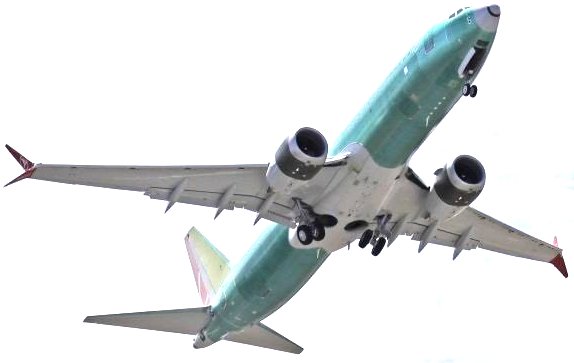
AW-Boeing_Test-001

Los líderes republicanos en el Comité de la Cámara de Representantes se sintieron en desacuerdo con los hallazgos del informe, diciendo que representaban una extralimitación partidista que iba más allá de lo que otras revisiones han encontrado. «Las recomendaciones de los expertos ya han llevado a cambios y reformas, con más por venir. Estas recomendaciones, no un informe de investigación partidista, deberían servir como base para la acción del Congreso», dijo una declaración conjunta de Sam Graves de Missouri y Garret Graves de Louisiana.

Boeing dijo en un comunicado que había cooperado con la investigación del Comité y que había tomado medidas en la compañía para mejorar la seguridad. «Hemos aprendido muchas lecciones difíciles como compañía de los accidentes del vuelo JT-610 de Lion Air y el vuelo ET-302 de Ethiopian Airlines, y de los errores que hemos cometido. El cambio siempre es difícil y requiere un compromiso diario, pero nosotros, como empresa, estamos dedicados a hacer el trabajo», expresó la compañía Boeing. La FAA dijo en un comunicado el Martes 19/10 por la noche que estaba comprometida a trabajar con el comité para hacer mejoras. «Ya estamos emprendiendo importantes iniciativas basadas en lo que hemos aprendido de nuestras propias revisiones internas, así como revisiones independientes de los accidentes de Lion Air y Ethiopian Airlines», dijo la agencia en el comunicado.

Pero las tensiones entre el personal del Comité y la FAA eran claramente evidentes. Ali Bahrami, quien supervisa la seguridad en la agencia, fue objeto de repetidas críticas en el informe por lo que el comité llamó su falta de conocimiento de los problemas que rodean al 737 MAX y los accidentes. El personal del Comité se negó a proporcionarle preguntas antes de la entrevista del 5 de Diciembre de 2021, lo que le dificultó recordar documentos y eventos, advirtió un abogado de la FAA al comienzo de la entrevista, según una transcripción.

El Presidente del Comité del Congreso Peter DeFazio y otros legisladores no han pedido una puesta a tierra permanente del avión, el padre de una mujer que murió en el accidente de Etiopía dijo que el informe planteaba preguntas sobre el regreso del avión al servicio. «La FAA debería detener inmediatamente el proceso de recertificación para el 737 MAX a la luz de este informe», dijo Michael Stumo, padre de Samya Stumo. Acusó a Boeing y a la FAA de retener información de las familias de las víctimas en un comunicado enviado por correo electrónico.

El 737 MAX fue puesto en tierra el 13 de Marzo de 2019, tres días después del segundo accidente que involucró al Maneuvering Characteristics Augmentation System (MCAS), que representa un sistema de Control de Vuelo implementada en el 737 MAX para mejorar las características de manejo de la aeronave, una característica de seguridad en el avión que funcionó mal y envió repetidamente a los aviones a una inmersión hacia el suelo.

Boeing y los reguladores habían aprobado el diseño bajo el supuesto de que las tripulaciones de vuelo podrían reconocer y anular un mal funcionamiento del sistema en unos pocos segundos. A pesar de que el sistema podría haberse desactivado accionando dos interruptores de la cabina, los pilotos de un vuelo de Lion Air que partió de Jakarta el 29 de Octubre de 2018 y un avión de Ethiopian Airlines que salió de Addis Abeba el 10 de Marzo de 2019, se confundieron, perdieron el control, lo que derivó en tragedias aéreas.

El Sistema de Aumento de Características de Maniobra fue diseñada para hacer que el MAX se sienta exactamente igual para los pilotos que la familia anterior de 737 conocidos como Next Generation. Sin embargo, el sistema fue activado erróneamente por un solo sensor que falló en ambas aeronaves y continuó empujando la nariz hacia abajo repetidamente. La FAA ha aprobado tentativamente múltiples cambios de diseño para evitar un accidente de este tipo en el futuro y el avión podría ser certificado para reanudar las operaciones en el otoño.

El informe de la Cámara de Representantes identifica numerosos casos en los que alega que la compañía debería haber sabido que el Sistema MCAS era potencialmente peligroso. Por ejemplo, un piloto de pruebas de Boeing durante el desarrollo temprano del avión en 2012 tardó más de diez segundos en responder a una activación errónea del MCAS, una condición que el piloto concluyó que podría ser catastrófica, según el informe. «El tiempo de reacción fue largo», dijo un empleado de Boeing a otro en un correo electrónico el 1 de Noviembre de 2012. El empleado no identificado preguntó si se debería elevar la calificación de los riesgos del sistema, lo que puede haber provocado una revisión de seguridad más exhaustiva.

Esas preocupaciones no se abordaron adecuadamente y la compañía no informó a la FAA, según el informe. Boeing finalmente concluyó que las tripulaciones de vuelo reaccionarían mucho más rápido a una falla del MCAS, generalmente en cuatro segundos. El informe también dijo que las respuestas de Boeing y la FAA al primer accidente, advertencias a los pilotos emitidas a principios de Noviembre de 2018, no fueron adecuadas para evitar un segundo accidente. «Tanto Boeing como la FAA apostaron con la seguridad del público después del accidente de Lion Air, lo que resultó en la muerte de 157 personas más en el vuelo ET-302 de Ethiopian Airlines, menos de cinco meses después», dijo el informe.

La guía sobre cómo evitar un accidente durante una falla de MCAS detalló los síntomas que los pilotos verían y recordó a las tripulaciones cómo apagarlo. El Comité criticó a Boeing y a la FAA por no mencionar el nombre del sistema. Los funcionarios de la FAA han dicho que debatieron si incluir MCAS en la directiva, pero optaron por no hacerlo porque no se mencionó en los manuales de vuelo de los pilotos. Boeing en cuestión de días envió orientación adicional a las aerolíneas sobre MCAS y cómo funcionaba. Los detalles sobre MCAS también fueron ampliamente reportados en los medios de comunicación y los documentos internos de las aerolíneas obtenidos por Bloomberg muestran que se había explicado a los pilotos de Ethiopian Airlines antes de su accidente. Un hallazgo clave involucra una práctica de larga data, que fue ampliada por el Congreso varias veces, para delegar a los empleados de Boeing a actuar en nombre de la FAA mientras revisan los diseños de las aeronaves. Según una encuesta de 2016 obtenida por el Comité, el 39% de los representantes autorizados de Boeing, ingenieros senior que realizaron revisiones para la FAA, a veces percibieron una presión indebida sobre ellos por parte de la gerencia.

Uno de esos ingenieros senior sabía que Boeing estaba entregando Boeing 737 MAX a clientes sin una alerta requerida en 2017 y 2018, pero no notificó a la FAA, según el informe. La falta de tal alerta fue citada por investigadores indonesios como un factor en el accidente de Lion Air. Se espera que tanto la legislación de la Cámara de Representantes como la del Senado busquen reformas del llamado sistema de delegación, que según el informe está plagado de conflictos de intereses inherentes. Boeing optó hace casi una década por actualizar el 737 para competir contra un rediseño similar de la familia Airbus A320NEO. Se enfrentó a una intensa presión para garantizar que, tal como lo prometió Airbus, los pilotos que se transfirieron de modelos 737 anteriores no necesitaron una costosa capacitación adicional en simuladores.

Simulador vs seguridad

La compañía había acordado pagar a Southwest Airlines US$ 1 millón por avión si los pilotos de MAX tenían que entrenar en el simulador antes de la transición al nuevo avión, lo que podría haberle costado entre US$ 200 millones y US$ 400 millones de Dólares. El impulso para evitar el entrenamiento en simuladores llevó a múltiples malas decisiones por parte de Boeing, alegó el Comité. El fabricante rechazó agregar un sofisticado sistema de seguridad que podría haber ayudado en los accidentes, al menos en parte, porque habría requerido capacitación adicional. En un documento de la compañía de 2013, Boeing dijo que describiría MCAS a la FAA como un complemento de un sistema existente. «Si enfatizamos que MCAS es una nueva función, puede haber un mayor impacto en la certificación y la capacitación», dijo el memorando.

El amplio fracaso para explicar completamente el sistema MCAS fue un problema crítico porque el sistema se hizo más poderoso a mitad de su desarrollo, pero muchos dentro de la FAA no lo sabían y la agencia delegó las aprobaciones de seguridad finales a la compañía, según el informe. «La combinación de estos problemas condenó los vuelos de Lion Air y Ethiopian Airlines», dijo el informe del Comité de Representantes de Estados Unidos.

House Representatives Report 737 MAX

Investigations point to inspection failures of line 737 MAX

AW-Senate US-737 MAX

A stark report issued by the US House of Representatives points to radical flaws and insufficient oversight in the triggers that led to Boeing 737 MAX crashes. Engineering failures, company deception and significant errors in government oversight have developed a chain of events that led to two fatal Boeing 737-8 MAX crashes, US Congressional investigators concluded.

In a 245-page report published Wednesday 10/20 provides the most scathing account yet of miscalculations that led to 346 deaths, the grounding of Boeing’s best-selling jet and billions of dollars in losses to the manufacturing giant. «The Max accidents were not the result of a singular failure, a technical error, or a poorly managed event. They were the horrible culmination of a series of flawed technical assumptions by Boeing engineers, a lack of transparency on the part of Boeing. Boeing management and grossly insufficient oversight by the Federal Aviation Administration», said the House Transportation and Infrastructure Committee report. The report, the result of five investigative hearings, a review of approximately 600,000 pages of documents, interviews with senior Boeing and FAA officials, and information provided by whistleblowers, justifies broad changes in the FAA’s oversight of the airline industry. It offers a more scorching version of events than the sometimes technical language in previous accident reports and investigations, including one by the Department of Transportation Inspector General. The conclusions were drawn by the majority staff under the Chairman of the Committee, Peter DeFazio. The report cites five main reasons for the crashes: Pressures to update the 737 design quickly and inexpensively, wrong assumptions about design, pilot performance and Boeing’s culture of stealth report, conflicts of interest. inherent in the system that delegates Boeing employees to act on behalf of the government and the company’s influence over senior FAA executives

DeFazio said he found it mind-boggling that Boeing and FAA officials concluded, according to the report, that the plane’s design had been in compliance with regulations despite the crashes. «The problem is that it was a complaint and it was not safe, and people died. Obviously, the system is inadequate». Lawmakers are drafting legislation designed to reform the way the FAA oversees companies like Boeing and reviews aircraft designs. The Senate Commerce Committee plans to vote on a bipartisan bill on Wednesday. DeFazio, a Democrat from Oregon, has yet to release his legislation.

Republican leaders on the House Committee disagreed with the report’s findings, saying they represented a partisan overreach that went beyond what other reviews have found. «Expert recommendations have already led to change and reform, with more to come. These recommendations, not a partisan investigative report, should serve as the basis for congressional action», said a joint statement by Sam Graves of Missouri and Garret Graves of Louisiana.

Boeing said in a statement that it had cooperated with the committee’s investigation and that it had taken steps at the company to improve safety. «We have learned many difficult lessons as a company from the accidents of Lion Air flight JT-610 and Ethiopian Airlines flight ET-302, and from the mistakes we have made. Change is always difficult and requires a daily commitment, but we As a company, we are dedicated to getting the job done», said the Boeing company. The FAA said in a statement Tuesday night that it was committed to working with the committee to make improvements. «We are already undertaking important initiatives based on what we have learned from our own internal reviews, as well as independent reviews of the Lion Air and Ethiopian Airlines accidents», the agency said in the statement.

But the tensions between the committee staff and the FAA were clearly evident. Ali Bahrami, who oversees security at the agency, came under repeated criticism in the report for what the committee called his lack of awareness of the issues surrounding the 737 MAX and the accidents. Committee staff declined to provide him with questions prior to the Dec. 5, 2021 interview, making it difficult for him to remember documents and events, an FAA attorney warned at the beginning of the interview, according to a transcript.

Congressional Committee Chairman Peter DeFazio and other lawmakers have not called for a permanent grounding of the plane, the father of a woman who died in the Ethiopia crash said the report raised questions about the plane’s return to service. «The FAA should immediately stop the recertification process for the 737 MAX in light of this report», said Michael Stumo, father of Samya Stumo. He accused Boeing and the FAA of withholding information from the victims’ families in an emailed statement.

The 737 MAX was grounded on March 13, 2019, three days after the second accident involving the Maneuvering Characteristics Augmentation System (MCAS), which represents a Flight Control system implemented in the 737 MAX to improve handling characteristics. of the aircraft, a malfunctioning safety feature on the aircraft and repeatedly sent the aircraft into a dive to the ground.

Boeing and regulators had approved the design on the assumption that flight crews could recognize and nullify a system malfunction within seconds. Although the system could have been deactivated by activating two cockpit switches, the pilots of a Lion Air flight that departed from Jakarta on October 29, 2018 and an Ethiopian Airlines plane that departed from Addis Ababa on March 10, 2019, they got confused, lost control, which led to air tragedies.

The Maneuvering Characteristics Enhancement System was designed to make the MAX feel exactly the same to pilots as the previous family of 737s known as the Next Generation. However, the system was erroneously activated by a single sensor that failed on both aircraft and continued to push the nose down repeatedly. The FAA has tentatively approved multiple design changes to prevent such an accident in the future and the aircraft could be certified to resume operations in the fall.

The House of Representatives report identifies numerous cases in which it alleges that the company should have known that the MCAS System was potentially dangerous. For example, a Boeing test pilot during the aircraft’s early development in 2012 took more than ten seconds to respond to an erroneous activation of MCAS, a condition the pilot concluded could be catastrophic, according to the report. «The reaction time was long», one Boeing employee told another in an email on November 1, 2012. The unidentified employee asked if the system’s risk rating should be raised, which may have led to a more comprehensive security review.

Those concerns were not adequately addressed and the company did not report to the FAA, according to the report. Boeing eventually concluded that flight crews would react much faster to an MCAS failure, typically within four seconds. The report also said that Boeing and the FAA’s responses to the first accident, warnings to pilots issued in early November 2018, were not adequate to prevent a second accident. «Both Boeing and the FAA bet on the safety of the public after the Lion Air crash, which resulted in the deaths of 157 more people on Ethiopian Airlines flight ET-302 less than five months later», the report said.

The guide on how to avoid an accident during an MCAS failure detailed the symptoms that pilots would see and reminded crews how to turn it off. The committee criticized Boeing and the FAA for not mentioning the name of the system. FAA officials have said they debated whether to include MCAS in the directive, but chose not to because it was not mentioned in the pilots’ flight manuals. Boeing within days sent additional guidance to airlines on MCAS and how it worked. Details about MCAS were also widely reported in the media and internal airline documents obtained by Bloomberg show that it had been explained to Ethiopian Airlines pilots prior to their accident. A key finding involves a long-standing practice, which was expanded by Congress multiple times, to delegate Boeing employees to act on behalf of the FAA as they review aircraft designs. According to a 2016 survey obtained by the Committee, 39% of Boeing authorized representatives, senior engineers who conducted reviews for the FAA, sometimes perceived undue pressure on them from management.

One of those senior engineers knew that Boeing was delivering the Boeing 737 MAX to customers without a required alert in 2017 and 2018, but did not notify the FAA, according to the report. The lack of such an alert was cited by Indonesian investigators as a factor in the Lion Air crash. Both the House and Senate legislation are expected to seek reforms of the so-called delegation system, which the report says is plagued with inherent conflicts of interest. Boeing chose nearly a decade ago to upgrade the 737 to compete against a similar redesign of the Airbus A320NEO family. It came under intense pressure to ensure that, as Airbus promised, pilots who transferred from previous 737 models did not need expensive additional simulator training.

Simulator vs security

The company had agreed to pay Southwest Airlines US$ 1 million per plane if MAX pilots had to train in the simulator before transitioning to the new plane, which could have cost between US$ 200 million and US$ 400 million. The push to avoid simulator training led to multiple bad decisions by Boeing, the committee alleged. The manufacturer refused to add a sophisticated safety system that could have helped in accidents, at least in part, because it would have required additional training. In a 2013 company document, Boeing said it would describe MCAS to the FAA as a supplement to an existing system. «If we emphasize that MCAS is a new role, there may be a greater impact on certification and training», the memo said.

The widespread failure to fully explain the MCAS system was a critical issue because the system became more powerful midway through its development, but many within the FAA were unaware of it and the agency delegated final safety approvals to the company, according to the report. «The combination of these problems doomed Lion Air and Ethiopian Airlines flights», said the US Representatives Committee report.

PUBLISHER: Airgways.com
DBk: House.gov / Boeing.com / Faa.gov / Lindsey Wasson / Airgways.com
AW-POST: 202110210722AR

A\W   A I R G W A Y S ®

Avelo inaugura Redding-Las Vegas

AW | 2021 10 20 18:31 | AIRLINES ROUTES

Avelo Airlines anuncia nuevo servicio sin escalas

AW-Avelos Airlines_New routes 2021 - copia

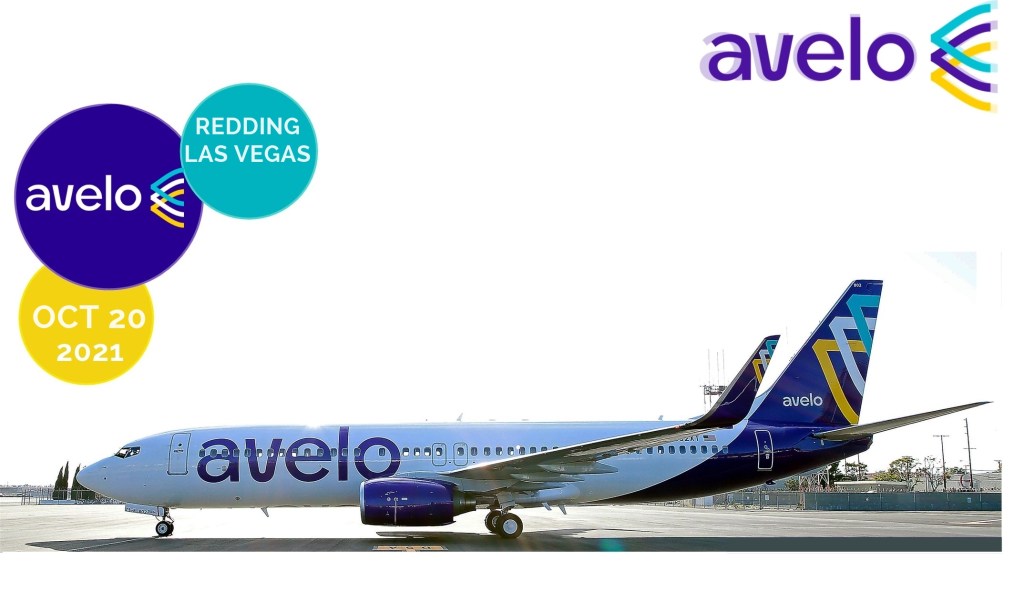
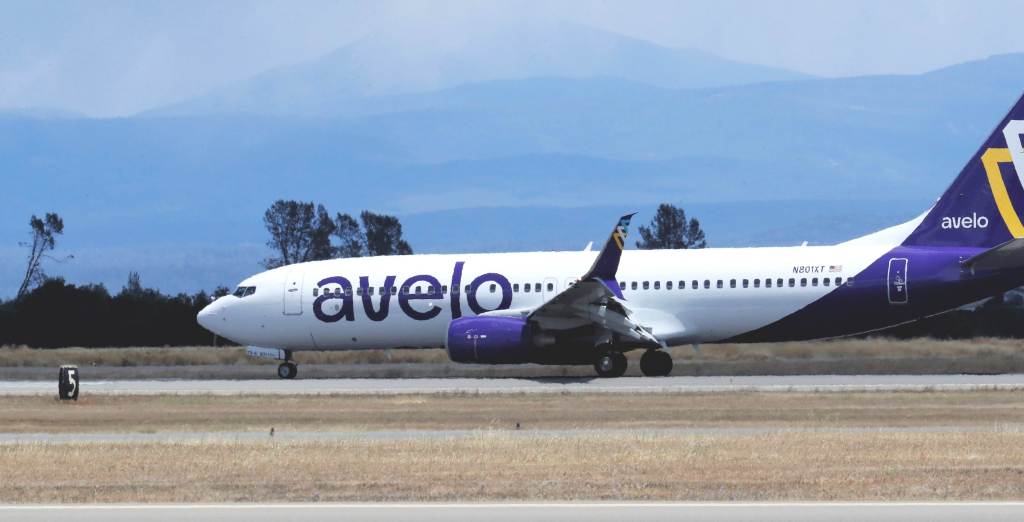
Avelo Airlines anunció este Miércoles 20/10 un nuevo servicio sin escalas entre Redding (CA) y Las Vegas (NV). La nueva ruta conectará la sede de aventuras al aire libre del norte de California con las luces de neón de la capital mundial del entretenimiento. El servicio directo dos veces por semana (2Frq/S) entre el Aeropuerto Municipal de Redding/RDD y el Aeropuerto Internacional McCarran/LAS comienza el 6 de Enero de 2022 y será operado por aviones Boeing 737-800 Next Generation. Las tarifas bajas diarias introductorias de ida son a partir de US$ 29, se encuentran disponibles en Aveloair.com.

El vuelo operará los Jueves y Domingos. El vuelo XP185 sale de Redding/RDD a las 09:30 a.m., llegando a Las Vegas/LAS a las 11:05 a.m. El vuelo XP186 sale de Las Vegas/LAS a las 11:45 a.m., llegando a Redding/RDD a la 01:25 p.m. Esta nueva ruta representa el segundo destino de Redding/RDD servido por Avelo Airlines además de Los Ángeles. Redding será el cuarto destino servido por Avelo en Las Vegas, además de Eureka (CA), Fort Collins (CO) y Santa Rosa (CA). «Estamos entusiasmados de conectar estos dos destinos vacacionales populares. Esta nueva ruta representa una puerta de entrada fácil y asequible para que los clientes de Avelo en Redding y Las Vegas experimenten la aventura, la emoción y la belleza que ofrecen ambos lugares», dijo el Presidente y CEO de Avelo, Andrew Levy.

Avelo opens Redding-Las Vegas

Avelo Airlines announces new nonstop service

Avelo Airlines_000007A

Avelo Airlines announced this Wednesday 10/20 a new nonstop service between Redding (CA) and Las Vegas (NV). The new route will connect the outdoor adventure headquarters of Northern California with the neon lights of the entertainment capital of the world. Twice weekly direct service (2Frq/S) between Redding Municipal Airport / RDD and McCarran International Airport / LAS begins January 6, 2022 and will be operated by Boeing 737-800 Next Generation aircraft. One-way introductory daily low rates starting at $ 29 are available on Aveloair.com.

The flight will operate on Thursdays and Sundays. Flight XP185 departs Redding/RDD at 09:30 a.m., arriving in Las Vegas/LAS at 11:05 a.m. Flight XP186 departs Las Vegas/LAS at 11:45 a.m., arriving in Redding/RDD at 01:25 p.m. This new route represents the second Redding/RDD destination served by Avelo Airlines in addition to Los Angeles. Redding will be the fourth destination served by Avelo in Las Vegas, in addition to Eureka (CA), Fort Collins (CO) and Santa Rosa (CA). «We are excited to connect these two popular vacation destinations. This new route represents an easy and affordable gateway for Avelo customers in Redding and Las Vegas to experience the adventure, excitement and beauty that both locations offer», said the President and CEO of Avelo, Andrew Levy.

PUBLISHER: Airgways.com
DBk: Aveloair.com / Airgways.com
AW-POST: 202110201831AR

A\W   A I R G W A Y S ®
JetSmart inaugura Comodoro Rivadavia

AW | 2021 10 20 18:20 | AIRLINES ROUTES

JetSmart inaugura ruta hacia Comodoro Rivadavia con 3Frq/S

JetSmart_Isologotype

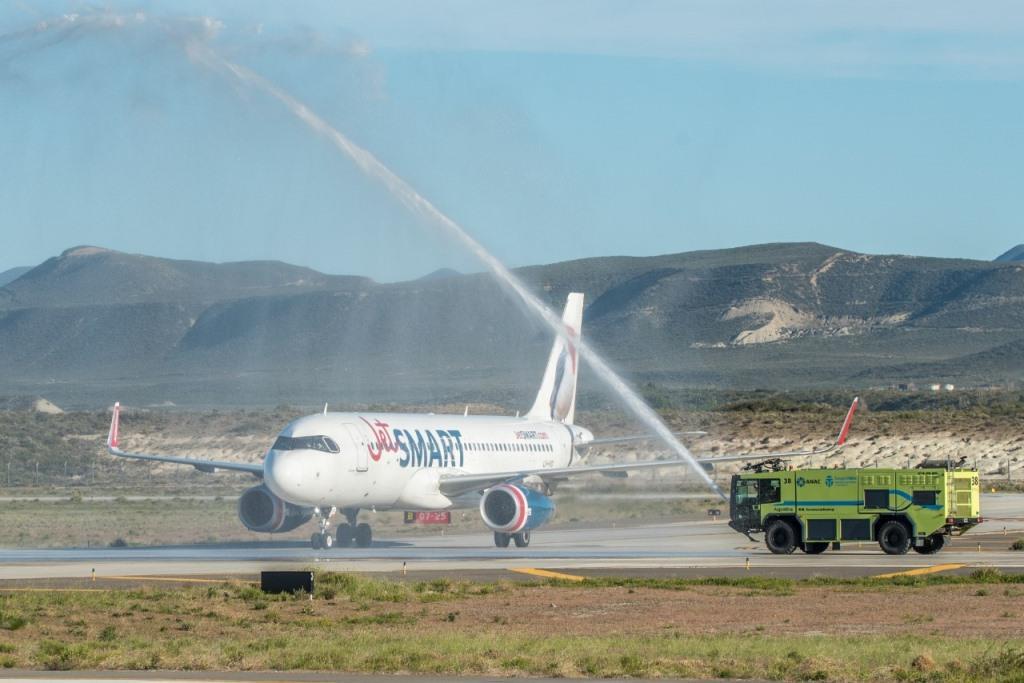
JetSmart Airlines Argentina ha anunciado vuelos hacia Comodoro Rivadavia, Provincia de Chubut. Este Miércoles 20 de Octubre de 2021 la low cost establece sus primeros vuelos regulares entre Buenos Aires/AEP y Comodoro Rivadavia/CRD. La low cost volará tres veces por semana (3Frq/S) con aeronaves los Airbus A320-200CEO con capacidad para 186 pasajeros en una clase Economy. Comodoro Rivadavia se incorpora como destino número catorce de la aerolínea.

El vuelo inaugural de este 20/10 ha reunido a funcionarios locales y autoridades de la compañía aérea este Miércoles 20/10 transcurridas las 08:00 hs. En conferencia de prensa, Gonzalo Pérez Corral, Gerente de JetSmart Airlines, indicó que se trata de una oferta nueva que complementa la existente y que da la oportunidad de que más comodorenses puedan viajar a Buenos Aires y viceversa. “Hoy es un día muy especial. Estamos cerrando el círculo de crecimiento con diecisiete nuevas rutas aéreas y una ruta internacional a Santiago de Chile”, destacó del directivo. Por su parte, Juan Pablo Luque, Intendente de Comodoro Rivadavia, aseguró ante los presentes que “es un placer recibirlos en nuestra ciudad y en este aeropuerto, que debe ser uno de los mejores que tiene el país”, dijo tras resaltar que esta nueva ruta es estratégica e importante por la conexión que tiene esta ciudad para quienes viajan hacia otros puntos de la región. “Estamos muy contentos de poder brindar más oportunidades a los comodorenses y a la región. Somos un lugar que permanentemente recibe los aviones llenos de pasajeros y eso significa que somos un destino importante. Por eso debemos buscar alternativas para mejorar los precios, y la calidad de servicio”, manifestó el Intendente de Comodoro Rivadavia.

El Gerente Comercial, Darío Ratinoff, precisó que esta nueva ruta aérea tendrá tres frecuencias saliendo desde Buenos Aires por la mañana los Lunes, Miércoles y Viernes. La compañía ha lanzado promociones que permitirá comprar pasajes con 20 por ciento de bonificaciones. Se puede abonar con tarjeta en seis cuotas sin interés.

Turismo celebra JetSmart

Germán Issa Pfister, Presidente de Comodoro Turismo, resaltó la importancia de que la ciudad petrolera pueda contar con mayores frecuencias que permitan que la ciudad sea un destino turístico y anunció «Vamos a duplicar el Presupuesto en Turismo para el año que viene porque Juan Pablo como responsable de este proyecto estamos convencidos de que este es el camino». Néstor García, Ministro de Turismo de Chubut , indicó que «la llegada de esta empresa aérea es un paso gigantesco para la conexión. La idea es que todas estas low cost se incorporen a nuestros cuatro aeropuertos. Es fundamental para nosotros». Flybondi estaría mostrando interés por arribar a Comodoro Rivadavia, mientras tanto reconocen que en la Región Patagonia continúa con un desfasaje de vuelos ante la falta de conexiones.

JetSmart inaugurates Comodoro Rivadavia

JetSmart opens route to Comodoro Rivadavia with 3Frq/S

AW-7000069

JetSmart Airlines Argentina has announced flights to Comodoro Rivadavia, Province of Chubut. This Wednesday, October 20, 2021, the low cost establishes its first regular flights between Buenos Aires/AEP and Comodoro Rivadavia/CRD. The low cost will fly three times a week (3Frq/S) with Airbus A320-200CEO aircraft with capacity for 186 passengers in Economy class. Comodoro Rivadavia is incorporated as the airline’s fourteenth destination.

The inaugural flight of this 10/20 has brought together local officials and authorities of the airline this Wednesday 10/20 after 8:00 am. At a press conference, Gonzalo Pérez Corral, Manager of JetSmart Airlines, indicated that it is a new offer that complements the existing one and that gives the opportunity for more people from Como to travel to Buenos Aires and vice versa. «Today is a very special day. We are closing the growth circle with seventeen new air routes and an international route to Santiago de Chile”, the executive highlighted. For his part, Juan Pablo Luque, Mayor of Comodoro Rivadavia, assured those present that «it is a pleasure to receive you in our city and at this airport, which must be one of the best the country has», he said after highlighting that this new The route is strategic and important due to the connection that this city has for those who travel to other parts of the region. “We are very happy to be able to provide more opportunities to the people of Comoros and to the region. We are a place that permanently receives airplanes full of passengers and that means that we are an important destination. That is why we must look for alternatives to improve prices and the quality of service”, said the Mayor of Comodoro Rivadavia.

The Commercial Manager, Darío Ratinoff, specified that this new air route will have three frequencies leaving from Buenos Aires in the morning on Monday, Wednesday and Friday. The company has launched promotions that will allow you to buy tickets with 20 percent discounts. It can be paid by card in six interest-free installments.

Tourism celebrates JetSmart

Germán Issa Pfister, President of Comodoro Turismo, highlighted the importance of the oil city being able to count on higher frequencies that allow the city to be a tourist destination and announced «We are going to double the Tourism Budget for next year because Juan Pablo is responsible for this project we are convinced that this is the way». Néstor García, Minister of Tourism of Chubut, indicated that «the arrival of this airline is a gigantic step for the connection. The idea is that all these low cost are incorporated into our four airports. It is fundamental for us». Flybondi would be showing interest in arriving at Comodoro Rivadavia, meanwhile they recognize that in the Patagonia Region it continues with a lag of flights due to the lack of connections.

PUBLISHER: Airgways.com
DBk: Jetsmart.com / Airgways.com
AW-POST: 202110201820AR

A\W   A I R G W A Y S ®
Flybondi restablecerá internacionales

AW | 2021 10 20 17:44 | AIRLINES ROUTES

Flybondi retorna vuelos regionales regreso a Florianópolis

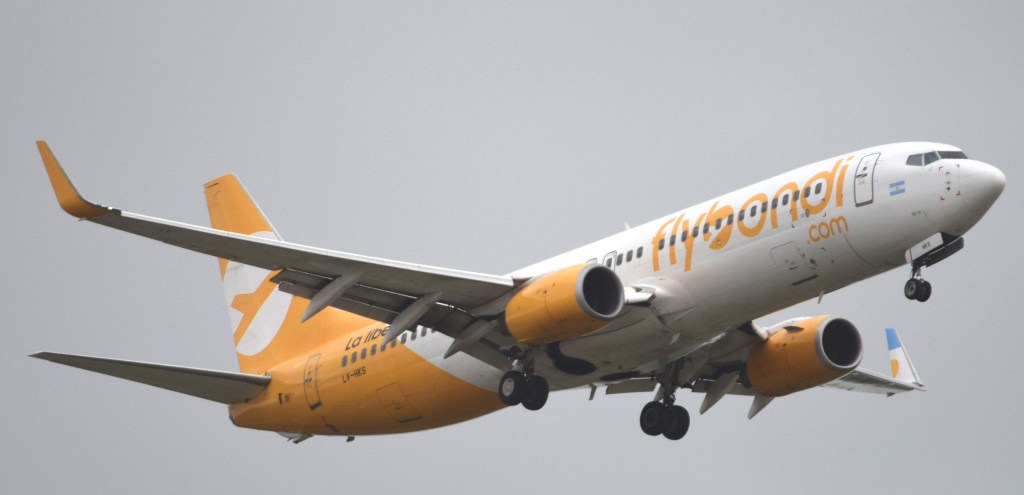
AW-Flybondi_B737800

La aerolínea de presupuesto argentina, Flybondi Líneas Aéreas ha anunciado mediante las redes sociales que a partir de Diciembre de 2021 retomará sus servicios regionales en Sudamérica después de un período de cancelación debido a la pandemia y los efectos de la crisis de los vuelos. La low cost reiniciará la etapa de vuelos al exterior iniciando la ruta Buenos Aires/AEP—Florianópolis/FLN. Los vuelos se iniciarán a partir del 17 de Diciembre de 2021 con una programación de tres frecuencias semanales (3Frq/S) los Viernes, Miércoles y Domingos a bordo de aeronaves Boeing 737-800 Next Generation. Las tarifas oscilan desde los AR$ 19.374 Pesos por tramo.

Flybondi había iniciado en Enero de 2018 estableciendo conexiones domésticas desde el Aeropuerto Internacional El Palomar, tras abordar posteriormente la etapa de vuelos regionales. En Diciembre de 2019 iniciaba la ruta hacia Florianópolis, como así también otros destinos hacia Rio de Janeiro, Sao Paulo y Porto Alegre. La compañía low cost opera desde el Aeropuerto Jorge Newbery/AEP empleando cuatro aeronaves Boeing 737-800 (4) registros LV-HFR, LV-HKN, LV-KAH y LV-KAY. Flybondi espera recuperar el mercado nacional y regional de acuerdo a demanda establecida con la apertura de los vuelos, mientras que prima la cautela ante los aumentos de casos de la nueva variante de Coronavirus Delta.

Flybondi will reestablish international

Flybondi returns regional flights return to Florianópolis

AW-Flybondi_Isologotype_Slogan

The Argentine budget airline, Flybondi Líneas Aéreas has announced through social networks that as of December 2021 it will resume its regional services in South America after a period of cancellation due to the pandemic and the effects of the flight crisis. The low cost will restart the flight stage abroad, starting the Buenos Aires/AEP—Florianópolis/FLN route. The flights will begin on December 17, 2021 with a schedule of three weekly frequencies (3Frq/S) on Fridays, Wednesdays and Sundays aboard Boeing 737-800 Next Generation aircraft. Rates range from AR$ 19,374 pesos per section.

Flybondi had started in January 2018 establishing domestic connections from El Palomar International Airport, after subsequently addressing the regional flights stage. In December 2019 the route to Florianópolis began, as well as other destinations to Rio de Janeiro, Sao Paulo and Porto Alegre. The low cost company operates from Jorge Newbery Airport/AEP using four Boeing 737-800 aircraft (4) registers LV-HFR, LV-HKN, LV-KAH and LV-KAY. Flybondi expects to recover the national and regional market according to established demand with the opening of flights, while caution prevails in the face of increases in cases of the new variant of Coronavirus Delta.

PUBLISHER: Airgways.com
DBk: Flybondi.com / Airgways.com
AW-POST: 202110201744AR

A\W   A I R G W A Y S ®
Palmerola aproximación aerocomercial

AW | 2021 10 20 15:53 | AIRPORTS

Palmerola acelera preparativos para iniciar vuelos comerciales

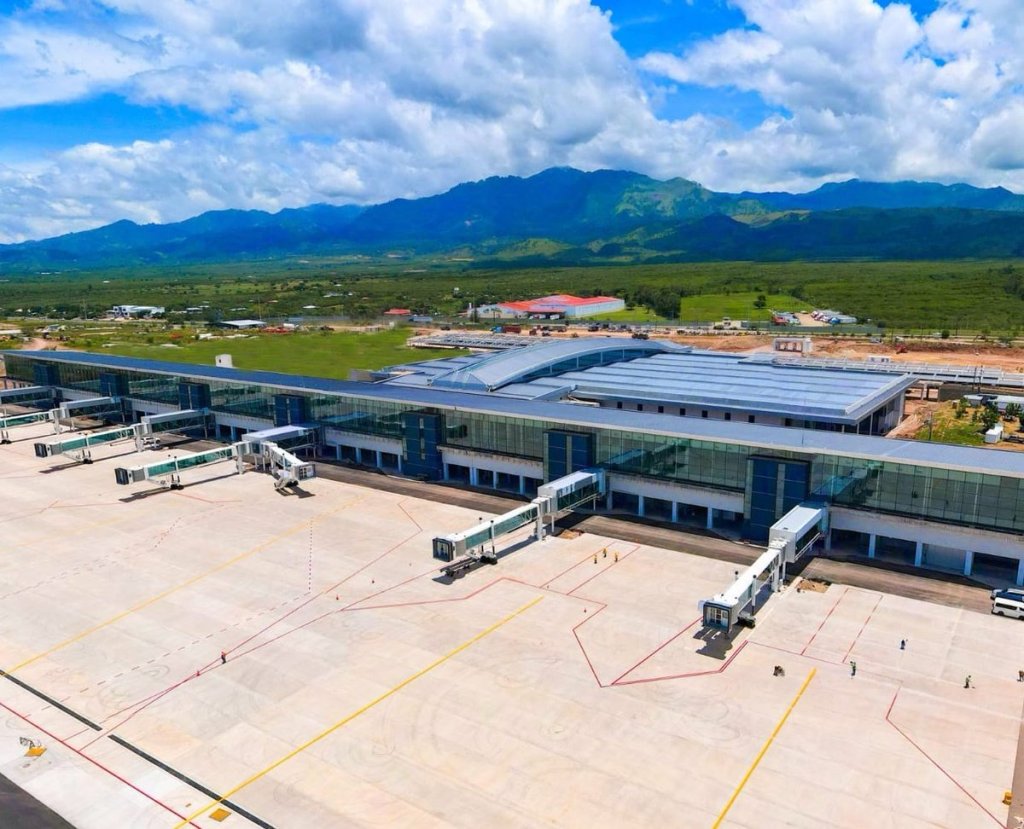
El Director del Aeropuerto Internacional de Palmerola/XPL, Peter Fleming, ha inaugurado la presentación oficial del aeropuerto, que se llevó a cabo el pasado Viernes 15 de Octubre de 2021, “estamos trabajando todo lo que tenemos que hacer para que el aeropuerto esté a tono. A nivel de terminales, estamos a un 95 por ciento y a nivel de campo aéreo estamos avanzando en más del 80 por ciento; están los viales construidos y algunos tienen que ser terminados. Ahora viene construir los edificios alternos, que son los más difíciles, pero que obviamente son necesarios para la implementación del aeropuerto. Estaremos en forma para el 15 de Noviembre, para el 16 de noviembre tenemos las líneas áreas anunciando sus primeros vuelos”.

El Director de Palmerola señaló que el beneficio que traerá el nuevo aeropuerto será evidente, puesto que el proyecto está diseñado para poder potenciar económica y socialmente el país. “El beneficio es más que evidente; la agroexportación, la generación de empleo, el desarrollo en nuevas inversiones, atraer inversión extranjera al país, todos esos son beneficios que todavía no podemos ni imaginar. Sabemos que ya tenemos buenas intenciones, tenemos una inversión hotelera, renta de vehículos, tengo entendido que ya hay intención de inversión en hospitales, centros de procesamiento y bodegas logísticas. Estamos comenzando apenas; en unos cinco años podremos ver el resultado un poco más tangible, pero estamos encaminados en generar más de 2.500 empleos directos y 4.000 indirectos una vez que abramos. La derrama económica va a ser enorme. Todas las áreas comerciales del aeropuerto están con mucha expectativa, esperando y sabiendo que de esta región de los departamentos de La Paz, Francisco Morazán, Comayagua y Valle vengan a visitar Palmerola y eso generará un plus al tráfico comercial”, expresó Peter Fleming.

Peter Fleming resaltó que para impulsar esta obra “se ha tenido buena disposición del presidente; él sabía que esa visión y ese ser visionario no cualquiera lo tiene, y el presidente Hernández lo tiene. Obviamente, gracias a él tenemos esta obra; por eso, durante la apertura pedí un aplauso hacia él a la concurrencia, porque tener esa visión no es cualquiera, saber que es algo para beneficio del país. Muy pocos lo pensaron. Pocas personas tienen la capacidad para generar obras para beneficio de los demás, siempre piensan en el beneficio propio, pero el presidente Hernández ha hecho un trabajo impresionante a nivel de infraestructura de país. Él mencionó que haría a Honduras el Centro Logístico de las Américas con los mejores aeropuertos, las mejores carreteras y los mejores puertos y lo está cumpliendo”, precisó Peter Flemming.

Palmerola commercial aviation approach

Palmerola accelerates preparations to start commercial flights

The Director of the Palmerola International Airport/XPL, Peter Fleming, has inaugurated the official presentation of the airport, which took place last Friday, October 15, 2021, “we are working on everything we have to do so that the airport is at tone. At the terminal level, we are at 95 percent and at the airfield level we are progressing by more than 80 percent; the roads are built and some have to be finished. Now comes the construction of alternate buildings, which are the most difficult, but are obviously necessary for the implementation of the airport. We will be in shape by November 15, by November 16 we have the airlines announcing their first flights”.

The Director of Palmerola pointed out that the benefit that the new airport will bring will be evident, since the project is designed to be able to promote the country economically and socially. “The benefit is more than evident; agro-exports, job creation, development of new investments, attracting foreign investment to the country, all of these are benefits that we cannot even imagine yet. We know that we already have good intentions, we have a hotel investment, vehicle rental, I understand that there is already an intention to invest in hospitals, processing centers and logistics warehouses. We are just beginning; In about five years we will be able to see the result a little more tangible, but we are on track to generate more than 2,500 direct jobs and 4,000 indirect jobs once we open. The economic spill is going to be enormous. All the commercial areas of the airport are with great expectations, waiting and knowing that from this region of the departments of La Paz, Francisco Morazán, Comayagua and Valle they will come to visit Palmerola and that will generate a plus for commercial traffic”, expressed Peter Fleming.

Peter Fleming emphasized that to promote this work “the president has had a good disposition; He knew that not just anyone has that vision and that visionary being, and President Hernández does. Obviously, thanks to him we have this work; For this reason, during the opening I asked the audience to applaud him, because having that vision is not just anyone, knowing that it is something for the benefit of the country. Very few thought about it. Few people have the capacity to generate works for the benefit of others, they always think of their own benefit, but President Hernández has done an impressive job at the country’s infrastructure level. He mentioned that he would make Honduras the Logistics Center of the Americas with the best airports, the best highways and the best ports and he is fulfilling it», said Peter Flemming.

PUBLISHER: Airgways.com
DBk: Emcoholding.com / Airgways.com
AW-POST: 202110201553AR

A\W   A I R G W A Y S ®

Bancarrota Aeropuerto Hunsrück/Hahn

AW | 2021 10 20 15:22 | AIRPORTS / GOVERNMENT

Quiebra Aeropuerto Hunsrück Hahn y consecuencias para Hesse

AW-Frankfurt-Hahn Airport_Isologotype

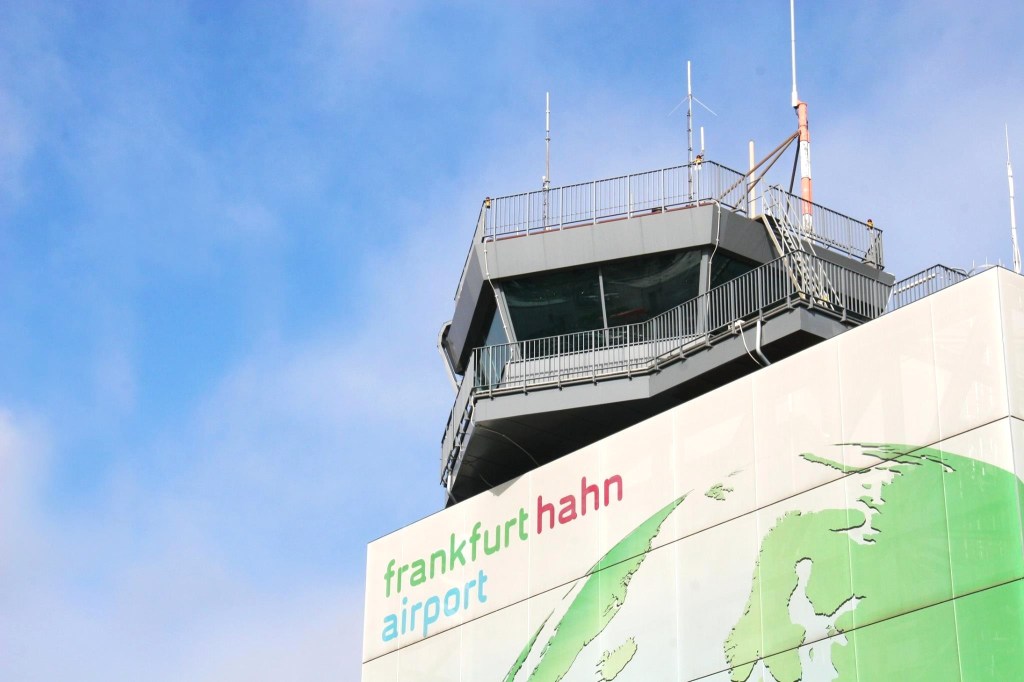
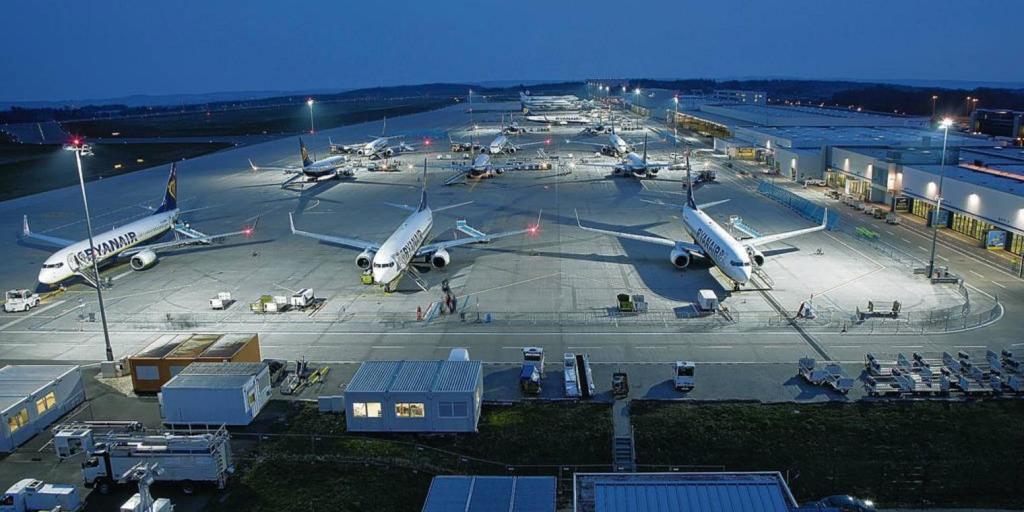
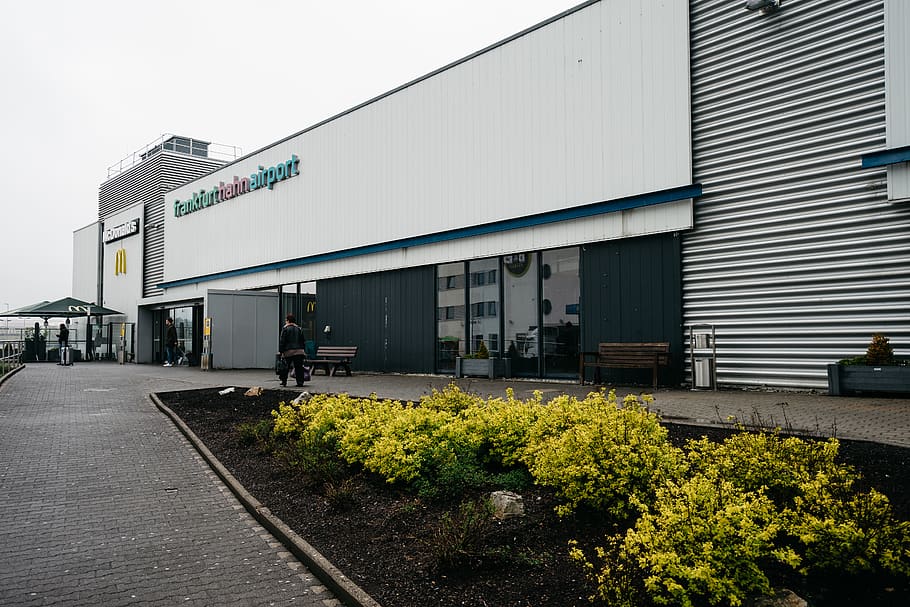
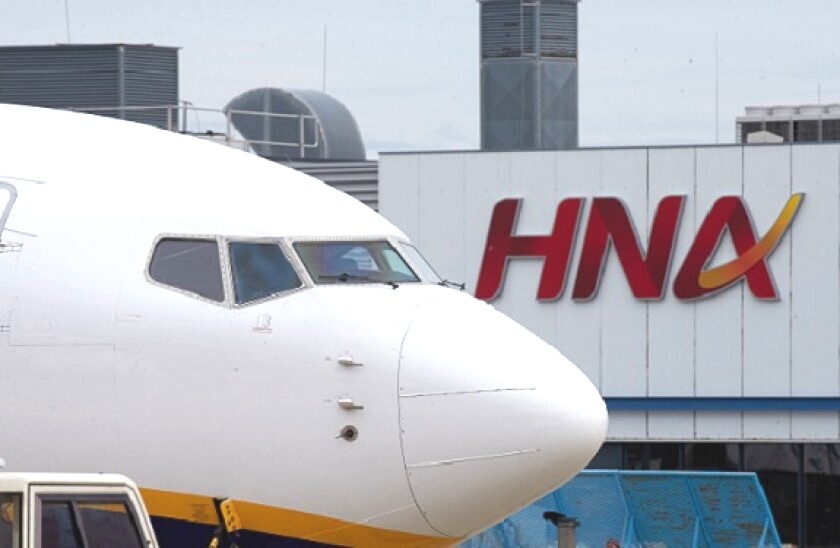
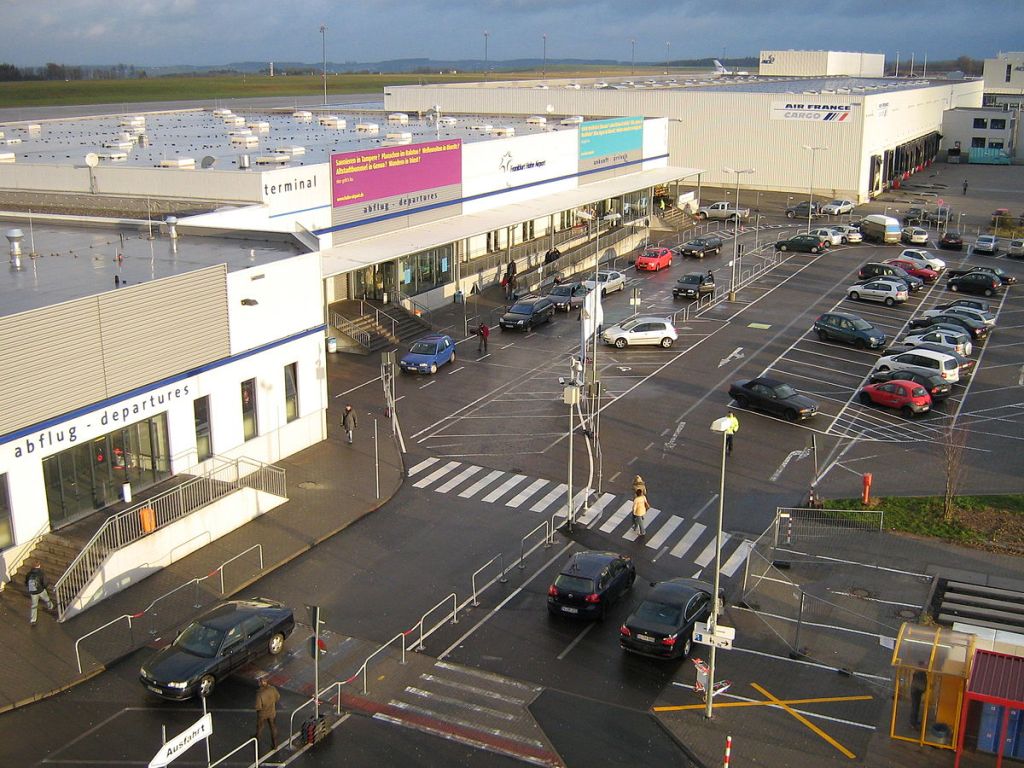
El Aeropuerto Frankfurt-Hahn/HHN en Hunsrück, Alemania, se ha declarado en insolvencia. Esto fue anunciado por el Tribunal de Justicia del Distrito competente en Bad Kreuznach en Renania-Palatinado el Martes 19/10. Alrededor de 300 personas trabajan actualmente allí. Además de Flughafen Frankfurt-Hahn GmbH, cuatro filiales que son importantes para la operación del aeropuerto también han declarado su insolvencia. El Aeropuerto Hahn es en gran parte propiedad del conglomerado chino HNA Group. Posee el 82,5 por ciento de las acciones y las compró al estado de Renania-Palatinado en 2017 por € 15 millones de Euros. HNA Group ha estado en bancarrota desde Febrero 2021. Pero el Estado de Hesse también tiene acciones en el Aeropuerto Hahn que posee el 17,5 por ciento restante. Ahora las cosas se están cociendo a fuego lento en el parlamento del Estado de Wiesbaden en vista de la cuestión de qué significa la insolvencia para Hesse.

El número de pasajeros se había desplomado hace mucho tiempo. El aeropuerto low cost Hunsrück/Hahn previo a la pandemia. Ahora se ha declarado en bancarrota. El Estado de Hesse también todavía tiene acciones en el Hahn, y ahora tiene que soportar preguntas críticas. El FDP en el parlamento estatal criticó que el país nunca haya vendido sus acciones a pesar de la crítica situación del aeropuerto: «Ya hemos exigido la venta de las acciones en 2014, 2015. Desafortunadamente, esta solicitud fue rechazada», dijo la Portavoz de Política Financiera, Marion Schardt-Sauer. En 2017, una venta planificada de las acciones de Hesse a Palatinate ADC GmbH colapsó a corto plazo. «Después de eso, el gobierno estatal ya no se encargó de eso», dijo Schardt-Sauer. El FDP solicita ahora una reunión especial del Comité de Presupuesto. «La pregunta clave es: ¿Se ha manejado con cuidado la parte que Hesse ha manejado? Debe aclararse si el gobierno estatal ha dormido demasiado la oportunidad de vender», según Schardt-Sauer.

El Partido de la Izquierda, por otro lado, subrayó que era bueno que el Estado de Hesse no hubiera vendido sus acciones como Renania-Palatinado y se hubiera librado de la responsabilidad. Más bien, el Presidente del grupo Parlamentario, Jan Schalauske, pidió al Gobierno estatal que ahora se involucre en los próximos procedimientos de insolvencia. Se necesita un plan social para los empleados. El Estado de Hesse es responsable como copropietario, según Jan Schalauske. Pero, no está claro si esto sucederá. El propio Gobierno estatal solo iba involucrarse este Martes 19/10 para una breve declaración. A petición de recursos humanos, se dijo desde el Ministerio de Finanzas de la Unión Demócrata Cristiana (CDU): «El estado de Hesse sigue teniendo el 17,5 por ciento y, por lo tanto, es un accionista minoritario de Flughafen Frankfurt-Hahn GmbH. Los efectos concretos de la presentación de la declaración de insolvencia están siendo revisados actualmente por el Estado», por lo que se presume que no habría obligaciones de apoyo financiero. El Miércoles 20/10, el ministerio agregó: «Está claro que el Estado de Hesse no tiene la obligación de proporcionar apoyo financiero a Flughafen Frankfurt Hahn GmbH incluso después de presentar la solicitud de insolvencia. Después del colapso del acuerdo en 2017, todavía estaba listo para desprenderse de sus acciones. Hasta ahora, sin embargo, ningún posible comprador se ha acercado al estado de Hesse», dijo el Ministerio de Finanzas.

El portavoz de política de aviación del grupo parlamentario de la CDU en el Parlamento estatal, Heiko Kasseckert, consideró que la noticia de la insolvencia era sorprendente. Recientemente, la compañía se había pensado a sí misma debido al aumento del negocio de carga todavía supuestamente en alza. Según Heiko Kasseckert, sin embargo, el gobierno estatal «trabajará por una solución rápida y buena del plan de sucesión en interés de los empleados».

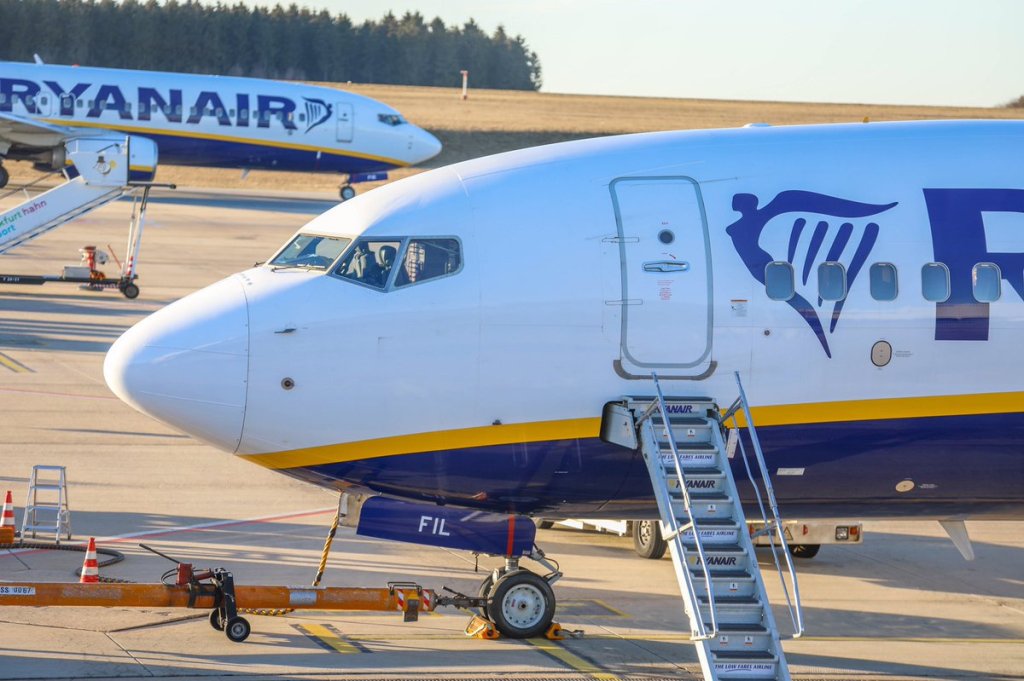
Sin embargo, el hecho de que las cosas no funcionaban bien en el Aeropuerto Hunsrück/Hahn había sido evidente durante algún tiempo. Aunque recientemente registró crecimiento en el negocio con vuelos de carga, entre otras cosas porque el comercio en línea se disparó. En 2019, se manejaron más de 170,000 toneladas de carga allí. Pero en el negocio de los pasajeros, el aeropuerto tuvo que aceptar disminuciones una y otra vez, y eso incluso antes de las restricciones de viaje por la pandemia en 2020. En sus buenos tiempos, el aeropuerto regional contaba con hasta cuatro millones de pasajeros al año, pero ahora está lejos de eso. En 2019, incluso antes de la pandemia, el número se había reducido a 1,5 millones de pasajeros. El perro principal en el negocio de pasajeros, la aerolínea irlandesa de bajo coste Ryanair, también se retiró parcialmente de allí y desde 2018 ha trasladado rutas de vacaciones cada vez más populares desde el Hunsrück/Hahn al Aeropuerto Frankfurt/FRA.

Litigios HNA Group

El arresto de la alta gerencia del HNA Group, financieramente enfermo, había causado revuelo. El Aeropuerto de Hunsrück enfatizó en ese momento que esto no tenía ningún efecto colateral. El aeropuerto estaba en un buen curso. El Gerente de la planta de Hahn, Christoph Goetzmann, había enfatizado a principios de octubre que había dirigido al aeropuerto a través de la pandemia sin subsidios y sin trabajo a corto plazo. Según su informe, la dirección del aeropuerto esperaba, sin embargo, un déficit para 2020. Dependiendo del curso de la pandemia, está previsto que se pueda lograr un resultado anual consolidado positivo para 2024. De acuerdo con la legislación de la Unión Eeropea (UE), los aeropuertos generalmente ya no pueden recibir subvenciones estatales.

Una disputa legal sobre millones de Euros (€) del dinero de los contribuyentes para el Aeropuerto Frankfurt-Hunsrück/Hahn se decidió este verano septentrional: el Tribunal de Justicia de la Unión Europea (TJUE) desestimó una demanda de Lufthansa German Airlines, confirmando así un fallo anterior. El litigio se refería a las ayudas estatales al Aeropuerto de Hunsrück desde 1997 y a los contratos con Ryanair para su aplicación de tasas aeroportuarias.

Críticas a aeropuertos regionales

Sin embargo, Hunsrück/Hahn no es el único aeropuerto regional que causa controversia repetidamente: muchos aeropuertos pequeños en las regiones están en rojo. En Hesse, la discusión sobre su significado y propósito se enciende en el Aeropuerto de Kassel Calden. Mientras que los defensores esperan empleos en la región, los críticos critican el impacto ambiental y la falta de rentabilidad. Durante la pandemia, el deficitario Aeropuerto Kassel luchó con una disminución masiva en el número de pasajeros. Allí se contabilizaron 27.755 pasajeros en 2020. El año anterior, había habido 120.712. Jan Schalauske, el líder del grupo Parlamentario del Partido de la Izquierda, también criticó el concepto de aeropuertos regionales en general con vistas a la insolvencia en Hunsrück/Hahn: «eran ecológicamente no justificables y económicamente insostenibles en casi todos los casos», dijo Jan Schalauske, quien se dirigió a Kassel Calden expresándole que «Sabemos que este es un negocio de subvenciones decente. Millones entran allí cada año, y no puede seguir siendo así. Habría que encontrar nuevos conceptos de uso».

El Gobierno de Hesse intervino el Miércoles 20/10. No se ve un efecto de la insolvencia de Hunsrück/Hahn en la operación del Aeropuerto de Kassel. El Ministerio de Finanzas, anunció: «El Aeropuerto de Kassel está dentro de la planificación económica para el año 2021». El Aeropuerto Regional de Frankfurt-Hunsrück/Hahn fue construido en los años 90 en un antiguo aeródromo militar estadounidense. En Abril 1999, el primer avión de pasajeros aterrizó allí, un avión Boeing 737-800 de la aerolínea low cost irlandesa Ryanair. Con esta fecha histórica, se había anunciado una nueva era del tráfico aéreo para toda Alemania: la de las aerolíneas low cost/low fare, se decía en su momento en el lateral del aeropuerto. En el Aeropuerto de Hunsrück/Hahn esta era podría llegar a su fin.

Hunsrück/Hahn Airport bankruptcy

Hunsrück Hahn Airport bankruptcy and consequences for Hesse

The Frankfurt-Hahn/HHN Airport in Hunsrück, Germany, has been declared insolvent. This was announced by the competent District Court of Justice in Bad Kreuznach in Rhineland-Palatinate on Tuesday 19/10. Around 300 people currently work there. In addition to Flughafen Frankfurt-Hahn GmbH, four subsidiaries that are important to the operation of the airport have also declared insolvency. Hahn Airport is largely owned by the Chinese conglomerate HNA Group. It owns 82.5 per cent of the shares and bought them from the state of Rhineland-Palatinate in 2017 for € 15 million Euros. HNA Group has been bankrupt since February 2021. But the State of Hesse also has shares in Hahn Airport which it owns the remaining 17.5 percent. Now things are simmering in the Wiesbaden state parliament in light of the question of what insolvency means for Hesse.

The number of passengers had plummeted a long time ago. Low cost Hunsrück/Hahn airport prior to the pandemic. Now he has declared bankruptcy. The State of Hesse also still has shares in the Hahn, and now has to endure critical questions. The FDP in the state parliament criticized that the country has never sold its shares despite the critical situation at the airport: «We have already demanded the sale of the shares in 2014, 2015. Unfortunately, this request was rejected», said the spokeswoman for Financial Policy, Marion Schardt-Sauer. In 2017, a planned sale of Hesse’s shares to Palatinate ADC GmbH collapsed in the short term. «After that, the state government no longer took care of that», Schardt-Sauer said. The FDP is now requesting a special meeting of the Budget Committee. «The key question is: Has the part Hesse handled been handled carefully? It needs to be clarified if the state government has overslept the opportunity to sell», according to Schardt-Sauer.

The Left Party, on the other hand, stressed that it was a good thing that the State of Hesse had not sold its shares as Rhineland-Palatinate and had been relieved of responsibility. Rather, the Chairman of the Parliamentary group, Jan Schalauske, called on the state government to now get involved in the upcoming insolvency proceedings. You need a social plan for employees. The State of Hesse is liable as a co-owner, according to Jan Schalauske. But, it is not clear if this will happen. The state government itself was only going to get involved this Tuesday 10/19 for a brief statement. At the request of human resources, it was said from the Ministry of Finance of the Christian Democratic Union (CDU): «The state of Hesse still holds 17.5 percent and is therefore a minority shareholder of Flughafen Frankfurt-Hahn GmbH. The specific effects of the filing of the insolvency declaration are currently being reviewed by the State», so it is presumed that there would be no financial support obligations. On Wednesday 10/20, the ministry added: «It is clear that the State of Hesse has no obligation to provide financial support to Flughafen Frankfurt Hahn GmbH even after filing the insolvency application. After the collapse of the deal in 2017, he was still ready to divest his shares. So far, however, no potential buyer has approached the state of Hesse», the Finance Ministry said.

The aviation policy spokesperson for the CDU parliamentary group in the state parliament, Heiko Kasseckert, found the news of the insolvency surprising. Recently, the company had thought to itself due to the increase in the cargo business still supposedly on the rise. According to Heiko Kasseckert, however, the state government «will work for a quick and good solution of the succession plan in the interest of the employees».

However, the fact that things were not working well at Hunsrück/Hahn Airport had been apparent for some time. Although it recently registered growth in the business with cargo flights, not least because online commerce soared. In 2019, more than 170,000 tons of cargo were handled there. But in the passenger business, the airport had to accept declines time and again, and that even before the pandemic travel restrictions in 2020. In its hey days, the regional airport had as many as four million passengers per year. year, but now it is far from that. In 2019, even before the pandemic, the number had dropped to 1.5 million passengers. The main dog in the passenger business, Irish low-cost carrier Ryanair, also partially withdrew from there and since 2018 has moved increasingly popular holiday routes from the Hunsrück/Hahn to Frankfurt/FRA Airport.

HNA Group Litigation

The arrest of the financially ill senior management of the HNA Group had caused a stir. Hunsrück Airport emphasized at the time that this had no collateral effect. The airport was on a good course. Hahn’s Plant Manager Christoph Goetzmann had emphasized in early October that he had led the airport through the pandemic with no subsidies and no short-term job. According to its report, the airport management expected, however, a deficit by 2020. Depending on the course of the pandemic, a positive consolidated annual result is expected to be achieved by 2024. In accordance with the legislation of the European Union (EU), airports are generally no longer eligible for state subsidies.

A legal dispute over millions of Euros (€) of taxpayers’ money for Frankfurt-Hunsrück/Hahn Airport was decided this northern summer: the Court of Justice of the European Union (CJEU) dismissed a lawsuit from Lufthansa German Airlines, thus confirming a previous failure. The dispute concerned state aid to Hunsrück Airport since 1997 and contracts with Ryanair for its application of airport charges.

Criticisms of regional airports

However, Hunsrück/Hahn is not the only regional airport repeatedly causing controversy: many small airports in the regions are in the red. In Hesse, the discussion about its meaning and purpose ignites at the Kassel Calden Airport. While advocates hope for jobs in the region, critics criticize the environmental impact and lack of profitability. During the pandemic, the deficit Kassel Airport struggled with a massive decline in passenger numbers. There, 27,755 passengers were counted in 2020. The previous year, there had been 120,712. Jan Schalauske, the leader of the Parliamentary group of the Left Party, also criticized the concept of regional airports in general with a view to insolvency in Hunsrück/Hahn: «They were ecologically unjustifiable and economically unsustainable in almost all cases», Jan said. Schalauske, who approached Kassel Calden saying, «We know this is a decent grant business. Millions come in there every year, and it can’t continue to be that way. New usage concepts would have to be found».

The Government of Hesse intervened on Wednesday 10/20. No effect of the Hunsrück/Hahn insolvency is seen on the Kassel Airport operation. The Ministry of Finance announced: «Kassel Airport is within the economic planning for the year 2021». The Frankfurt-Hunsrück/Hahn Regional Airport was built in the 1990s on a former US military airfield. In April 1999, the first passenger plane landed there, a Boeing 737-800 plane from the Irish low cost airline Ryanair. With this historic date, a new era of air traffic had been announced for the whole of Germany: that of low cost/low fare airlines, it was said at the time on the side of the airport. At Hunsrück/Hahn Airport this era could come to an end.

Insolvenz des Flughafens Hunsrück/Hahn

Insolvenz des Flughafens Hunsrück-Hahn und Folgen für Hessen

Der Flughafen Frankfurt-Hahn/HHN im Hunsrück wurde für insolvent erklärt. Das teilte das zuständige Landgericht im rheinland-pfälzischen Bad Kreuznach am Dienstag, 19.10., mit. Derzeit arbeiten dort rund 300 Menschen. Neben der Flughafen Frankfurt-Hahn GmbH haben vier für den Flughafenbetrieb wichtige Tochtergesellschaften Insolvenz angemeldet. Der Flughafen Hahn befindet sich im Wesentlichen im Besitz des chinesischen Mischkonzerns HNA Group. Sie besitzt 82,5 Prozent der Anteile und hat sie 2017 für 15 Millionen Euro vom Land Rheinland-Pfalz gekauft. Die HNA-Gruppe ist seit Februar 2021 pleite. Aber auch das Land Hessen hält Anteile am Flughafen Hahn, von denen es die restlichen 17,5 Prozent besitzt. Jetzt brodelt es im Wiesbadener Landtag bei der Frage, was Insolvenz für Hessen bedeutet.

Die Zahl der Passagiere war längst eingebrochen. Low Cost Flughafen Hunsrück/Hahn vor der Pandemie. Jetzt hat er Insolvenz angemeldet. Auch das Land Hessen ist noch am Hahn beteiligt und muss sich nun kritischen Fragen stellen. Die FDP im Landtag kritisierte, dass das Land trotz der kritischen Situation am Flughafen seine Anteile nie verkauft habe: „Wir haben den Verkauf der Anteile bereits 2014, 2015 gefordert. Dieser Antrag wurde leider abgelehnt“, sagte die Sprecherin von Finanzpolitik, Marion Schardt-Sauer. Im Jahr 2017 scheiterte kurzfristig ein geplanter Verkauf der hessischen Anteile an die Pfalz ADC GmbH. ,,Danach hat sich die Landesregierung nicht mehr darum gekümmert», sagte Schardt-Sauer. Die FDP beantragt nun eine Sondersitzung des Haushaltsausschusses. „Die entscheidende Frage ist: Wurde mit dem Teil, mit dem Hessen umgegangen wurde, sorgsam umgegangen? Es muss geklärt werden, ob die Landesregierung die Verkaufsmöglichkeit verschlafen hat», so Schardt-Sauer.

Die Linkspartei hingegen betonte, dass es gut sei, dass das Land Hessen seine Anteile nicht als Rheinland-Pfalz verkauft und sich der Verantwortung entledigt habe. Vielmehr forderte der Fraktionsvorsitzende Jan Schalauske die Landesregierung auf, sich jetzt in das anstehende Insolvenzverfahren einzumischen. Sie brauchen einen Sozialplan für Mitarbeiter. Das Land Hessen haftet laut Jan Schalauske als Miteigentümer. Es ist jedoch nicht klar, ob dies geschieht. Die Landesregierung selbst wollte sich erst an diesem Dienstag, 19.10., für eine kurze Stellungnahme einmischen. Auf Anfrage der Personalabteilung hieß es aus dem Finanzministerium der Christlich Demokratischen Union (CDU): „Das Land Hessen hält weiterhin 17,5 Prozent und ist damit Minderheitsgesellschafter der Flughafen Frankfurt-Hahn GmbH. Die konkreten Auswirkungen“ der Einreichung der Insolvenzerklärung derzeit staatlich geprüft werden, so dass davon auszugehen ist, dass keine finanziellen Unterstützungspflichten bestehen. Am Mittwoch, 20.10., fügte das Ministerium hinzu: ,,Es ist klar, dass das Land Hessen auch nach Stellung des Insolvenzantrags keine Verpflichtung zur finanziellen Unterstützung der Flughafen Frankfurt Hahn GmbH hat.» Nach dem Scheitern des Deals im Jahr 2017 war er immer noch bereit, seine Anteile zu veräußern. Bisher hat sich jedoch kein potenzieller Käufer an das Land Hessen gewendet“, teilte das Finanzministerium mit.

Der luftfahrtpolitische Sprecher der CDU-Bundestagsfraktion, Heiko Kasseckert, fand die Nachricht von der Insolvenz überraschend. Zuletzt hatte sich das Unternehmen aufgrund der Zunahme des Frachtgeschäfts angeblich noch im Vormarsch gedacht. Die Landesregierung werde sich laut Heiko Kasseckert aber ,,im Interesse der Mitarbeiter für eine schnelle und gute Lösung der Nachfolgeregelung einsetzen».

Dass es am Flughafen Hunsrück/Hahn nicht gut lief, war allerdings schon länger erkennbar. Zwar verzeichnete sie zuletzt Zuwächse im Geschäft mit Frachtflügen, nicht zuletzt weil der Online-Handel stark anzog. 2019 wurden dort mehr als 170.000 Tonnen Fracht umgeschlagen. Doch im Passagiergeschäft musste der Flughafen immer wieder Rückgänge hinnehmen, und das noch vor Reisebeschränkungen aufgrund der Pandemie im Jahr 2020. In seiner Blütezeit hatte der Regionalflughafen sogar vier Millionen Passagiere pro Jahr es ist weit davon entfernt. 2019, noch vor der Pandemie, war die Zahl auf 1,5 Millionen Passagiere gesunken. Auch der Leithund im Passagiergeschäft, die irische Billigairline Ryanair, zog sich teilweise von dort zurück und verlegt seit 2018 immer beliebtere Urlaubsrouten vom Hunsrück/Hahn zum Flughafen Frankfurt/FRA.

HNA Group rechtsstreitigkeiten

Die Festnahme der finanziell angeschlagenen Geschäftsleitung der HNA-Gruppe hatte für Aufsehen gesorgt. Der Flughafen Hunsrück betonte damals, dass dies keine Nebenwirkung habe. Der Flughafen war auf einem guten Weg. Hahns Werksleiter Christoph Goetzmann hatte Anfang Oktober betont, den Flughafen ohne Subventionen und ohne Kurzarbeit durch die Pandemie geführt zu haben. Die Flughafenleitung rechnet laut ihrem Bericht jedoch bis 2020 mit einem Defizit. Je nach Verlauf der Pandemie soll bis 2024 ein positives Konzernjahresergebnis erzielt werden. Gemäß der Gesetzgebung der Europäischen Union (EU), sind Flughäfen grundsätzlich nicht mehr förderfähig.

Im Sommer dieses Jahres wurde ein Rechtsstreit um Steuergelder in Millionenhöhe für den Flughafen Frankfurt-Hunsrück / Hahn entschieden: Der Gerichtshof der Europäischen Union (EuGH) hat eine Klage von Lufthansa German Airlines abgewiesen und damit eine frühere Versagen. Der Rechtsstreit betraf staatliche Beihilfen für den Flughafen Hunsrück seit 1997 und Verträge mit Ryanair über die Erhebung von Flughafenentgelten.

Kritik an regionalflughäfen

Hunsrück/Hahn ist jedoch nicht der einzige Regionalflughafen, der immer wieder für Kontroversen sorgt: Viele kleine Flughäfen in den Regionen schreiben rote Zahlen. In Hessen entzündet sich am Flughafen Kassel Calden die Diskussion um Sinn und Zweck. Während Befürworter auf Arbeitsplätze in der Region hoffen, kritisieren Kritiker die Umweltbelastung und mangelnde Rentabilität. Während der Pandemie hatte der Flughafen Kassel mit massiven Passagierrückgängen zu kämpfen. Dort wurden im Jahr 2020 27.755 Passagiere gezählt. Im Vorjahr waren es 120.712 gewesen. Auch Jan Schalauske, Fraktionsvorsitzender der Linkspartei, kritisierte das Konzept der Regionalflughäfen allgemein mit Blick auf die Insolvenz in Hunsrück/Hahn: „Sie waren in fast allen Fällen ökologisch nicht vertretbar und ökonomisch nicht tragbar“, sagte Jan. Schalauske, der an Kassel Calden herantrat, sagte: ,,Wir wissen, dass das ein ordentliches Fördergeschäft ist. Da kommen jedes Jahr Millionen herein, und das kann nicht so bleiben. Es müssten neue Nutzungskonzepte gefunden werden».

Die Hessische Landesregierung intervenierte am Mittwoch, 20.10. Auswirkungen der Insolvenz Hunsrück/Hahn auf den Betrieb des Flughafens Kassel sind nicht erkennbar. Das Finanzministerium teilte mit: ,,Der Flughafen Kassel liegt innerhalb der Wirtschaftsplanung für das Jahr 2021″. Der Regionalflughafen Frankfurt-Hunsrück/Hahn wurde in den 1990er Jahren auf einem ehemaligen US-Militärflugplatz errichtet. Im April 1999 landete dort das erste Passagierflugzeug, eine Boeing 737-800 der irischen Billigfluggesellschaft Ryanair. Mit diesem historischen Datum sei für ganz Deutschland eine neue Ära des Luftverkehrs angesagt: die der Billigflieger, hieß es damals auf der Seite des Flughafens. Am Flughafen Hunsrück/Hahn könnte diese Ära zu Ende gehen.

PUBLISHER: Airgways.com
DBk: Hahn-airport.de / Afp.com, Reuters.com, Dpa.com, Hessenschau.de/Malena Menke/Andreas Meyer-Feist / Airgways.com
AW-POST: 202110201522AR

A\W   A I R G W A Y S ®

Spirit Airlines anuncia Orlando—Ponce

AW | 2021 10 20 14:22 | AIRLINES ROUTES

Spirit Airlines vuelos diarios Orlando—Ponce

Spirit Airlines_Banner-001

Spirit Airlines, una aerolínea de presupuesto americana, ha anunciado este Martes 19/10 planes para ofrecer vuelos diarios desde Orlando/MCO a Ponce/PSE, Puerto Rico a partir de Febrero 2022. Spirit Airlines planea iniciar operaciones aerocomerciales hacia Ponce el 16 de Febrero de 2022. El aeropuerto, en el lado sur de la Isla de Puerto Rico, será el tercer aeropuerto importante con el que Spirit Airlines se conectará en Puerto Rico. Los funcionarios de Spirit Airlines y la población de Puerto Rico están de acuerdo en que es solo otra señal del fuerte vínculo que ha crecido desde que el huracán María azotó la isla en 2017.

El Director de Estaciones Internacionales de Spirit Airlines, Camilo Martelo, está de acuerdo en que la conexión también ha sido buena para los negocios: «El crecimiento, la migración de la vibrante comunidad puertorriqueña nos ha permitido aumentar nuestra presencia en el área de la Florida Central». Spirit ya tiene vuelos directos que conectan Orlando con San Juan y Aguadilla. Ponce será la tercera ciudad de Puerto Rico que llegará a Orlando y luego se conectará directamente con varias otras ciudades importantes de los Estados Unidos, incluidas Dallas, Atlanta, Baltimore y Cleveland.

Spirit Airlines Announces Orlando—Ponce

Spirit Airlines daily flights Orlando—Ponce

AW-Spirit Airlines_A320NEO-005

Spirit Airlines, an American budget airline, announced this Tuesday 10/19 plans to offer daily flights from Orlando/MCO to Ponce/PSE, Puerto Rico starting in February 2022. Spirit Airlines plans to start commercial air operations to Ponce on February 16 2022. The airport, on the south side of the Island of Puerto Rico, will be the third major airport with which Spirit Airlines will connect in Puerto Rico. Spirit Airlines officials and the people of Puerto Rico agree that it is just another sign of the strong bond that has grown since Hurricane Maria hit the island in 2017.

Spirit Airlines Director of International Stations, Camilo Martelo, agrees that the connection has also been good for business: «The growth and migration of the vibrant Puerto Rican community has allowed us to increase our presence in the Florida area. Central». Spirit already has direct flights connecting Orlando with San Juan and Aguadilla. Ponce will be the third city in Puerto Rico to come to Orlando and then connect directly with several other major cities in the United States, including Dallas, Atlanta, Baltimore, and Cleveland.

PUBLISHER: Airgways.com
DBk: Spirit.com / Ryan Patterson / Airgways.com
AW-POST: 202110201422AR

A\W   A I R G W A Y S ®
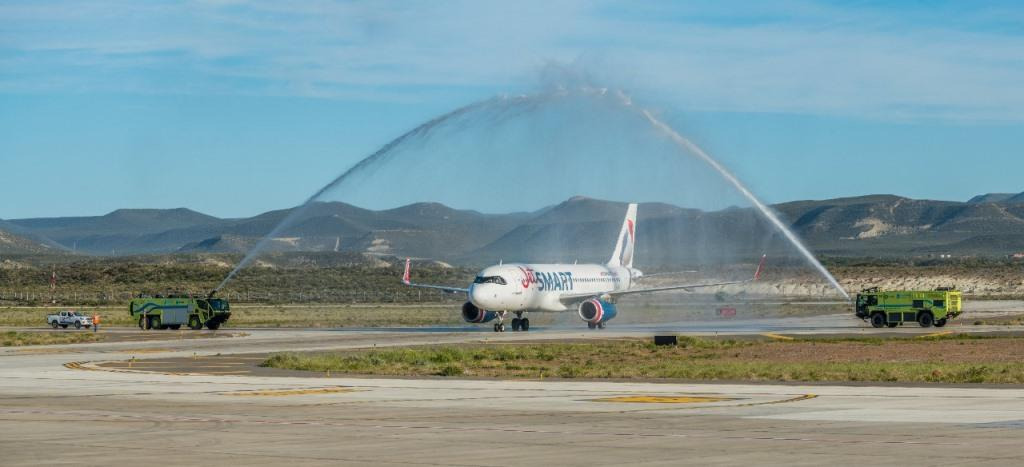
Nella respaldada por fondo saudí

AW | 2021 10 20 14:19 | AIRLINES

Nella Airlines expande sus perspectivas en Brasil

AW-Nella Airlines Inc._Isologotype

La aerolínea brasileña Nella Airlines Group operará 239 aviones con apoyo de fondo de Arabia Saudita. Nella Linhas Aéreas es una naciente aerolínea que aún espera autorización para volar en la República de Brasil, mientras cuenta con operaciones en Bolivia bajo Amaszonas Línea Aérea y en Venezuela con la compañía Albatraos Airlines. Nella Airlines Group anunció este Martes 19/10 un acuerdo con un fondo público saudí por un valor de US$ 350 millones de Dólares que le permitirá operar en el futuro hasta 239 aviones.

El acuerdo fue suscrito por Nella Airlines Group, conglomerado estadounidense que controla las empresas del grupo Nella, y la Falcon Vision, una de las empresas encargadas de captar recursos para el Public Investiment Fund (PIF) del Reino de Arabia Saudita, el mayor fondo público de inversiones del mundo, informó la aerolínea en un comunicado divulgado en Brasil. El acuerdo permitirá «el crecimiento y la aceleración de los negocios de Nella en el marco de un proyecto que será implementado por fases y que proyecta la operación de 239 aviones en una primera etapa», según el comunicado de la startup brasileña. Las inversiones iniciales previstas en el negocio suman US$ 350 millones de Dólares, según el acuerdo que Nella Group dijo haber firmado con Falcon Vision, una empresa con sede en Jeddah, Arabia Saudí.

Según lo negociado con el fondo saudí, Nella se convertirá en un referente de la aviación comercial y de MRO en Latinoamérica, teniendo responsabilidades en certificar, adquirir, estructurar, administrar y operar diferentes aerolíneas que permitirán una conexión global aérea de Medio Oriente con África, Asia, Europa y América Latina.

Nella Group

Nella Group, con sede en Brasilia es la primer aerolínea brasileña creada con capital extranjero, pertenece en un 100% al conglomerado estadounidense Nella Airlines Group, que es controlado por el empresario brasileño Mauricio Araújo de Oliveira Souza. Pertenece a un conglomerado estadounidense que controla las empresas del grupo Nella, y la Falcon Vision, una de las empresas encargadas de captar recursos para el Public Investiment Fund (PIF) del Reino de Arabia Saudita.

Nella Group había anunciado en Julio 2021 la adquisición de una participación en la venezolana Albatros Airlines, que ofrece vuelos a Aruba, Costa Rica, Margarita y Punto Fijo. El grupo anunció en Agosto 2021 la compra por un valor de US$ 50 millones de Dólares del control de la boliviana Amaszonas con una antigüedad de veintidós años y tiene vuelos regulares a Brasil, Chile y Paraguay.

Perspectivas Nella Group

Nella Airlines tiene planes para convertirse en un importante operador en América Latina y actualmente mantiene operaciones en Bolivia y Venezuela mediante las compañías Amaszonas by Nella y Albatros by Nella, respectivamente, mientras que espera la autorización para poder volar en Brasil, Chile y Paraguay. «Tenemos apetito para crecer y hemos demostrado eso con las últimas adquisiciones y acuerdos firmados. El mercado aéreo vivirá un boom en la pospandemia y estamos listos para ese crecimiento», afirmó Mauricio Souza, que fundó la aerolínea en 2019 con el objetivo de convertirla en una de las mayores de América Latina. Según Nella, Falcon Vision es una de las empresas vinculadas al Public Investiment Fund (PIF), el mayor fondo público de inversiones del mundo y que es comandado por Mohammad bin Salman bin Abdulaziz Al Saud, Príncipe heredero del Reino de Arabia Saudí, Viceprimer Ministro y actual Ministro de Defensa de su país.

Nella backed by Saudi fund

Nella Airlines expands its prospects in Brazil

The Brazilian airline Nella Airlines Group will operate 239 aircraft with fund support from Saudi Arabia. Nella Linhas Aéreas is a nascent airline that is still awaiting authorization to fly in the Republic of Brazil, while it has operations in Bolivia under Amaszonas Airline and in Venezuela with the Albatraos Airlines company. Nella Airlines Group announced this Tuesday 10/19 an agreement with a Saudi public fund worth US $ 350 million that will allow it to operate up to 239 aircraft in the future.

The agreement was signed by Nella Airlines Group, a US conglomerate that controls the Nella group companies, and Falcon Vision, one of the companies in charge of raising funds for the Public Investiment Fund (PIF) of the Kingdom of Saudi Arabia, the largest public fund. investment in the world, the airline informed in a statement released in Brazil. The agreement will allow «the growth and acceleration of Nella’s businesses within the framework of a project that will be implemented in phases and that projects the operation of 239 aircraft in a first stage», according to the statement from the Brazilian startup. The planned initial investments in the business total US$ 350 million, according to the agreement that Nella Group said to have signed with Falcon Vision, a company based in Jeddah, Saudi Arabia.

As negotiated with the Saudi fund, Nella will become a benchmark for commercial aviation and MRO in Latin America, having responsibilities in certifying, acquiring, structuring, managing and operating different airlines that will allow a global air connection from the Middle East with Africa, Asia, Europe and Latin America.

Nella Group

Nella Group, based in Brasilia, is the first Brazilian airline created with foreign capital, 100% owned by the US conglomerate Nella Airlines Group, which is controlled by Brazilian businessman Mauricio Araújo de Oliveira Souza. It belongs to an American conglomerate that controls the companies of the Nella group, and Falcon Vision, one of the companies in charge of raising resources for the Public Investiment Fund (PIF) of the Kingdom of Saudi Arabia.

Nella Group had announced in July 2021 the acquisition of a stake in the Venezuelan Albatros Airlines, which offers flights to Aruba, Costa Rica, Margarita and Punto Fijo. The group announced in August 2021 the purchase for a value of US$ 50 million dollars of the control of the Bolivian Amaszonas, which is twenty-two years old and has regular flights to Brazil, Chile and Paraguay.

Perspectives Nella Group

Nella Airlines has plans to become a major operator in Latin America and currently maintains operations in Bolivia and Venezuela through the companies Amaszonas by Nella and Albatros by Nella, respectively, while it awaits authorization to fly in Brazil, Chile and Paraguay. «We have an appetite to grow and we have shown that with latest acquisitions and agreements signed. The airline market will experience a boom in the post-pandemic and we are ready for that growth,», said Mauricio Souza, who founded the airline in 2019 with the aim of making it one of the largest in Latin America. According to Nella, Falcon Vision is one of the companies linked to the Public Investiment Fund (PIF), the largest public investment fund in the world and which is commanded by Mohammad bin Salman bin Abdulaziz Al Saud, Crown Prince of the Kingdom of Saudi Arabia, Deputy Prime Minister and current Minister of Defense of his country.

Nella apoiada por fundo saudita

Nella Airlines amplia suas perspectivas no Brasil

A companhia aérea brasileira Nella Airlines Group vai operar 239 aeronaves com apoio financeiro da Arábia Saudita. A Nella Linhas Aéreas é uma companhia aérea nascente que ainda aguarda autorização para voar na República do Brasil, embora tenha operações na Bolívia com a Amaszonas Airline e na Venezuela com a Albatraos Airlines. O Nella Airlines Group anunciou nesta terça-feira 19/10 um acordo com um fundo público saudita de US$ 350 milhões que permitirá operar até 239 aeronaves no futuro.

O acordo foi firmado entre o Nella Airlines Group, conglomerado norte-americano que controla as empresas do grupo Nella, e a Falcon Vision, uma das empresas responsáveis ​​pela captação de recursos para o Fundo de Investimentos Públicos (PIF) do Reino da Arábia Saudita, o maior público fundo de investimento no mundo, informou a companhia aérea em comunicado divulgado no Brasil. O acordo vai permitir “o crescimento e a aceleração dos negócios da Nella no âmbito de um projeto que será executado em fases e que prevê a operação de 239 aeronaves numa primeira fase”, informa o comunicado da startup brasileira. Os investimentos iniciais previstos no negócio são de US$ 350 milhões, segundo o acordo que o Nella Group afirma ter assinado com a Falcon Vision, empresa com sede em Jeddah, na Arábia Saudita.

Conforme negociado com o fundo saudita, Nella se tornará uma referência em aviação comercial e MRO na América Latina, tendo responsabilidades na certificação, aquisição, estruturação, gestão e operação de diferentes companhias aéreas que permitirão uma conexão aérea global do Oriente Médio com a África, Ásia, Europa e América Latina.

Nella Group

AW-Nella Linhas Aéreas_ATR42-001

O Nella Group, com sede em Brasília, é a primeira companhia aérea brasileira de capital estrangeiro, 100% detido pelo conglomerado norte-americano Nella Airlines Group, controlado pelo empresário brasileiro Mauricio Araújo de Oliveira Souza. Pertence a um conglomerado americano que controla as empresas do grupo Nella, e à Falcon Vision, uma das empresas responsáveis ​​pela captação de recursos para o Fundo de Investimentos Públicos (PIF) do Reino da Arábia Saudita.

O Grupo Nella havia anunciado em julho de 2021 a aquisição de uma participação na venezuelana Albatros Airlines, que oferece voos para Aruba, Costa Rica, Margarita e Punto Fijo. O grupo anunciou em agosto de 2021 a compra pelo valor de US$ 50 milhões de dólares do controle da boliviana Amaszonas, que tem vinte e dois anos e voos regulares para Brasil, Chile e Paraguai.

Perspectivas Nella Group

A Nella Airlines tem planos de se tornar uma grande operadora na América Latina e atualmente mantém operações na Bolívia e na Venezuela por meio das empresas Amaszonas by Nella e Albatros by Nella, respectivamente, enquanto aguarda autorização para voar no Brasil, Chile e Paraguai. “Temos apetite para crescer e temos demonstrado isso com últimas aquisições e acordos assinados. O mercado de aviação vai passar por um boom no pós-pandemia e estamos prontos para esse crescimento», disse Mauricio Souza, que fundou a companhia aérea em 2019 com o objetivo de torná-la uma das maiores da América Latina. Segundo Nella, a Falcon A Vision é uma das empresas vinculadas ao Fundo de Investimento Público (PIF), o maior fundo de investimento público do mundo e que é comandado por Mohammad bin Salman bin Abdulaziz Al Saud, príncipe herdeiro do Reino da Arábia Saudita, vice-primeiro-ministro e atual Ministro da Defesa de seu país.

PUBLISHER: Airgways.com
DBk: Voenella.com.br / Airgways.com
AW-POST: 202110201419AR

A\W   A I R G W A Y S ®