Auge de la aviación comercial Argentina

AW | 2016 12 07 02:22 | AIRLINES MARKET

La aviación comercial argentina a comenzado a reflotar. Cinco aerolíneas pidieron rutas de cabotaje e internacionales. Las solicitudes se debatirán en audiencia pública a fin de mes. Dos de las empresas tendrán base en el interior

Desde el año 2005, la ANAC no dio otorgamiento y ni concesión de nuevas rutas aéreas significativas para el beneficio de la libre competencia. Un caso ejemplar fue el de AirPampas que había solicitado reiteradamente la concesión de rutas aéreas pero desde el gobierno kirchnerista nunca fueron escuchadas. Aún para peores,entre pasillos se acusaba al gobierno argentino de corrupción por pedido de coimas.

Con un nuevo capítulo y aires de cambio, el cambio político hizo despertar el avispero aerocomercial. Será la primera vez, desde 2005, que se concretará una audiencia pública para la adjudicación de rutas y en caso de cumplir con todos los requisitos técnicos y operativos, las empresas podrían comenzar a cubrir las rutas solicitadas en unos seis meses.
aviation-argentina-new-companiesaw-700348

La apertura aerocomercial en Argentina

Las aéreas se lanzan a la competencia por la porción de mercado doméstico y regional

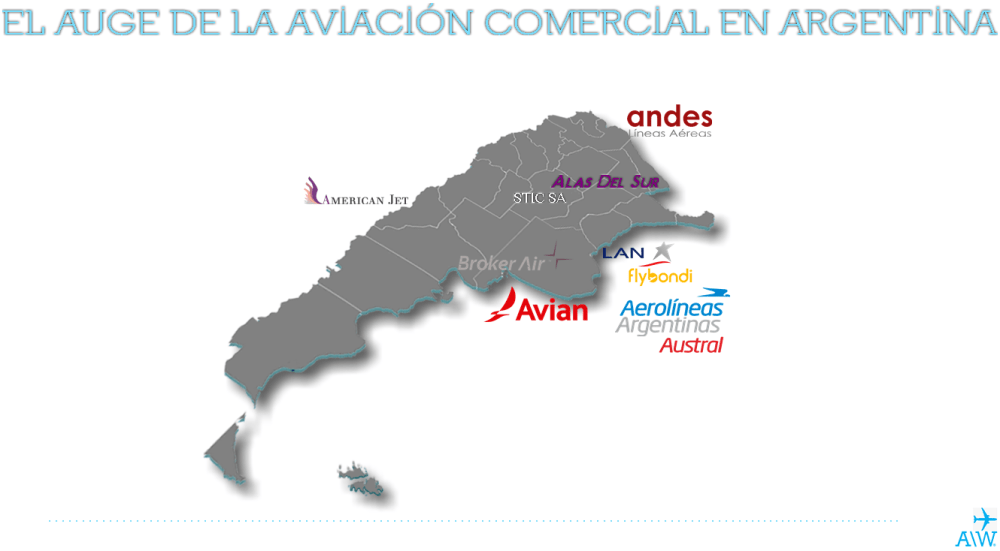
Según el edicto de la Administración Nacional de Aviación Civil (ANAC) que se publica este martes el Boletín Oficial, la empresas son Alas del Sur (21 rutas); American Jet S.A. (13 rutas); Andes Líneas Aéreas S.A. (23 rutas) y Avian Líneas Aréas (16 rutas) y FlyBondi, FB Líneas Aéreas, (99 rutas), con el Aeropuerto de El Palomar como base en Buenos Aires. La línea aérea Broker Air solicitó (1 ruta), la compañía conectará Buenos Aires-Tandil.

Dando el primer golpe, Ryanair solicitó pista para aterrizar «haciendo mucho ruido y pocas nueces». Luego de la mano de Air Norwegian se solicitan permisos para explotar rutas domésticas y transatlánticas despertando el interés colectivo de los argentinos por volar a Europa a un precio muy conveniente.

En la Provincia de San Luis se está gestando una nueva aerolínea bajo la firma Stic S.A. con capitales locales con base en el Aeropuerto de Merlo. La línea aérea planea incorporar aviones SAAB 340 a su flota.

En curso, cinco compañías aéreas solicitaron formalmente autorización para operar rutas de cabotaje e internacionales, pedidos que serán debatidos en una audiencia pública a fines de mes.

Latam Airlines va a cobrar tarifas «low cost». Habrá que pagar por la valija de mano, una tendencia en EE.UU. un poco delicada, ya que muchas compañias aéreas, como el caso de United Airlines están teniendo problemas. A esto se agrega que muchas estadounidenses quieren cobrar «todo», hasta la comida o la eliminación de muchos servicios básicos o elementales.

La única de ellas que ya realiza vuelos regulares de cabotaje es Andes Líneas Aéreas, que solicitó cuatro rutas dentro del país y tres internacionales, a Lima (Perú), Santiago (Chile) y San Pablo (Brasil).

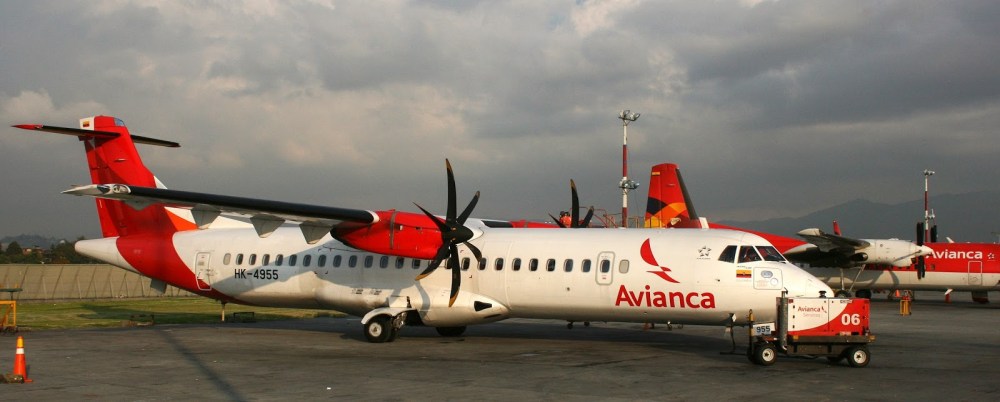
Avian Líneas Aéreas, filial local de la colombiana Avianca, solicitó rutas a ciudades del Litoral, del sur y del centro del país, todas con base en Buenos Aires y dos internacionales: a Porto Alegre (Brasil) y Montevideo (Uruguay). La firma no solicitó rutas con origen o destino en Tucumán, pese a que el titular de la misma, Germán Efromovich firmó un acuerdo con el gobernador de Tucumán, Juan Manzur, para operar con base en esa provincia con una inversión de u$s 80 millones, en tanto que el gobierno tucumano le garantiza el 65% de ocupación de esos vuelos. El pedido oficial se trata de 16 rutas que parten desde Buenos Aires y que no pasan por Córdoba capital; sólo dos rutas pasan por Río Cuarto y San Luis y por Sunchales y Villa María.

Alas del Sur es una empresa patagónica que solicitó operar vuelos no regulares y 21 rutas regulares, todas con Córdoba como origen y varias escalas en ciudades intermedias para unir diferentes puntos de cabotaje. De las 21 rutas solicitadas, 9 son internacionales: a Miami (EE.UU.), vía Lima; Miami con escala en Asunción (Paraguay); Miami vía Santiago de Chile; Santa Cruz de la Sierra (Bolivia); a Río de Janeiro (Brasil), vía Porto Alegre y San Pablo; Punta del Este, con escala en Montevideo; Roma (Italia), con escala en Barcelona; y, la más ambiciosa, Shangai (China), vía Los Ángeles (EE.UU.).

En tanto, American Jet pidió 13 rutas con base en Neuquén, siete internacionales, a Bolivia, Chile, Brasil, Uruguay y Paraguay. Y a un destino argentino para el cual es necesario un acuerdo negociado con el Reino Unido: las Islas Malvinas.

FlyBondi o FB Líneas Aéreas, cuyo proyecto es operar como aerolínea de bajo costo y solicitó 99 rutas, con base en el Aeropuerto de El Palomar. La compañía, que todavía está a la búsqueda de inversores para equiparse, adelantó que establecerá su base de operaciones en el aeropuerto de El Palomar, en Buenos Aires, a unos 30 kilómetros de la capital. Esto le permitirá reducir costos. De estas 99 rutas, 56 de ellas corresponden a destinos en el país como Córdoba, Rosario, Salta y Mendoza y 43 a internacionales que incluye a diversas ciudades de América del Sur, la mayoría de Brasil, pero también algunas de Bolivia, Ecuador, Perú, Uruguay, Chile, Venezuela.

Todas las compañías piden concesiones por 15 años a excepción de American Jet y Andes Líneas Aéreas, sobre las cuales la Anac no especifica el período.

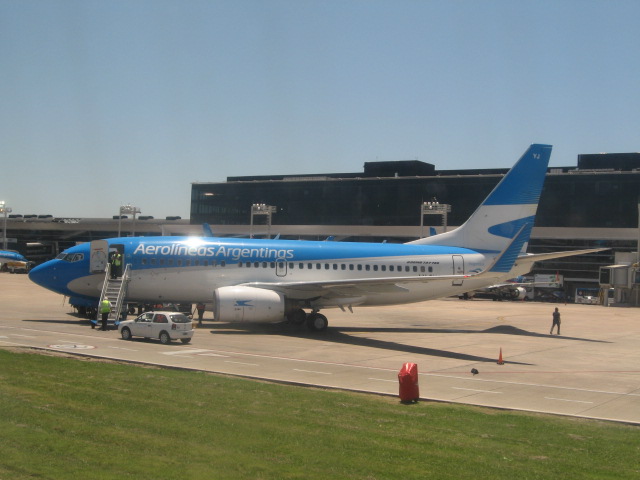
Esto generó mucho ruido en Aerolíneas Argentinas. Aerolíneas le marca la pista a la llegada de los vuelos low-cost por lo que enfatizó que peleará por un trato igualitario en el tarifario aeroportuario.

Aerolíneas sale con las garras afiladas

Para enfrentar a las líneas de bajo costo, Aerolíneas anunció cómo serán los vuelos en 2017

A partir del primero de enero pondrá en marcha una nuevo esquema de operaciones que contemplará, entre otras cuestiones, el fin del tradicional snack que se ofrece abordo de los vuelos de menos de dos horas.

Además se implementarán a partir del mes de abril del año próximo, mejoras en el sistema de entretenimiento abordo, ya que “la empresa viene trabajando en una mejora sustancial del sistema de entretenimiento abordo, que será renovado paulatinamente en toda la flora entre diciembre de 2016 y abril de 2017. Los cambios introducen un nuevo layout con imágenes de nuestro país, nuevas funcionalidades e iconos y un 65% más de contenido con más películas, más series, y más y mejor entretenimiento, que se renovará cada tres meses.

De la misma manera habrá mejoras en el sistema de acumulación y uso de millas con ARPLUS porque a partir del 5 de diciembre, Aerolíneas habilita a los socios Aerolíneas Plus residentes en Argentina a transferir sus millas con otros socios del programa, vía la página web.

También se prevé mejoras en el uso de la tarjeta ARPlus que incluirán la posibilidad de sumar doble millaje en el acceso a salas VIP del país y de Uruguay. También tendrán más beneficios los socios ARPlus en 2017 para comprar con descuento su asistencia al viajero, alquilar un auto y compras vía la plataforma ShopGallery, que comercializa productos en los Duty Free.

Los pedidos de ruta que no completaron la documentación y requisitos pertinentes serán incluidos en un próximo llamado a Audiencia Pública, en marzo.

El martes 27 de diciembre, en la primera audiencia pública del sector tras once años de negaciones, comenzará a definirse el nuevo escenario y un nuevo capítulo comenzará a escribirse en las páginas de la aviación comercial argentina. airgways-icon-aw

Resultado de imagen para Aeroparque aviones

The rise of airlines in Argentina

Argentine commercial aviation has begun to reflotar. Five airlines called for cabotage and international routes. Applications will be discussed at a public hearing at the end of the month. Two of the companies will be based in the interior

Since 2005, the ANAC has not granted any new significant air routes for the benefit of free competition. An exemplary case was the one of AirPampas that had repeatedly requested the concession of aerial routes but from the kirchnerista government never they were listened to. Even worse, between corridors the Argentine government was accused of corruption by requesting fines.

With a new chapter and airs of change, the political change awoke the aerial commercial hornet. It will be the first time, since 2005, that a public hearing for the adjudication of routes will take place and in case of fulfilling all the technical and operational requirements, the companies could begin to cover the routes requested in about six months.

Resultado de imagen para Aeroparque aviones

The opening of aerocomercial in Argentina

The airs are launched to the competition by the portion of domestic and regional market

According to the National Civil Aviation Administration (ANAC) edict published on Tuesday by the Official Gazette, the companies are Alas del Sur (21 routes); American Jet S.A. (13 routes); Andes Líneas Aéreas S.A. (23 routes) and Avian Líneas Aéreas (16 routes) and FlyBondi, FB Líneas Aéreas, (99 routes), with the Airport of El Palomar as base in Buenos Aires. The airline Broker Air requested (1st route), the line would connect Buenos Aires-Tandil.

Giving the first blow, Ryanair requested a runway to land «making a lot of noise and few nuts». After the hand of Air Norwegian are asked for permits to exploit domestic and transatlantic routes arousing the collective interest of the Argentines to fly to Europe at a very convenient price.

In the Province of San Luis a new airline is being developed under the signature Stic S.A. With local capitals based at Merlo Airport. The airline plans to incorporate SAAB 340 aircraft into its fleet.

In progress, five airlines formally requested authorization to operate cabotage and international routes, which will be discussed at a public hearing at the end of the month.

The routes were requested by Andes Líneas Aéreas, American Jet, Alas del Sur, Avian Líneas Aéreas and FB Líneas Aéreas – known as FlyBondi -, published the National Civil Aviation Administration (ANAC) in the Official Gazette.

Latam Airlines will charge «low cost» rates. You will have to pay for the handbag, a trend in the US. A bit delicate, as many airlines, such as the case of United Airlines are having problems. To this it is added that many Americans want to charge «everything», until the food or the elimination of many basic or elementary services.

The only one that already does regular cabotage flights is Andes Líneas Aéreas, which requested four routes within the country and three international ones, to Lima (Peru), Santiago (Chile) and San Pablo (Brazil).

Avian Líneas Aéreas, a local subsidiary of the Colombian Avianca, requested routes to cities in the Litoral, the south and the center of the country, all based in Buenos Aires and two international ones: Porto Alegre (Brazil) and Montevideo (Uruguay). The firm did not request routes with origin or destination in Tucumán, although the holder of the same, German Efromovich signed an agreement with the governor of Tucumán, Juan Manzur, to operate based in that province with an investment of u $ s 80 Millions, while the government of Tucuman guarantees the 65% of occupancy of those flights. The official order is about 16 routes that depart from Buenos Aires and do not pass through Córdoba capital; Only two routes pass through Río Cuarto and San Luis and through Sunchales and Villa María.

Alas del Sur is a Patagonian company that requested to operate non regular flights and 21 regular routes, all with Córdoba as origin and several stopovers in intermediate cities to unite different points of cabotage. Of the 21 routes requested, 9 are international: to Miami (USA) via Lima; Miami with stopover in Asunción (Paraguay); Miami via Santiago de Chile; Santa Cruz de la Sierra (Bolivia); To Rio de Janeiro (Brazil) via Porto Alegre and São Paulo; Punta del Este, with stopover in Montevideo; Rome (Italy), with stopover in Barcelona; And, most ambitiously, Shanghai (China), via Los Angeles (USA).

Meanwhile, American Jet ordered 13 routes based in Neuquén, seven international, to Bolivia, Chile, Brazil, Uruguay and Paraguay. And to an Argentine destination for which a negotiated agreement with the United Kingdom is required: the Malvinas Islands (Falkland Islands).

FlyBondi or FB Líneas Aéreas, whose project is to operate as a low cost airline and requested 99 routes, based at El Palomar Airport. The company, which is still looking for investors to equip itself, said it will establish its base of operations at El Palomar airport in Buenos Aires, about 30 kilometers from the capital. This will allow you to reduce costs. Of these 99 routes, 56 of them correspond to destinations in the country such as Cordoba, Rosario, Salta and Mendoza and 43 international routes that includes several cities in South America, most of Brazil, but also some in Bolivia, Ecuador, Peru , Uruguay, Chile, Venezuela.

All companies ask for concessions for 15 years with the exception of American Jet and Andes Airlines, over which Anac does not specify the period.

This generated a lot of noise in Aerolíneas Argentinas. Aerolíneas marks the track to him when the arrival of the flights low-cost for which he emphasized that will fight for an equal treatment in the airport tariff.

Aerolíneas leave with sharp claws

dmi-716

To address the low-cost airlines, Aerolíneas announced how flights will be in 2017

Starting January 1, it will launch a new operations plan that will include, among other things, the end of the traditional snack offered on board flights of less than two hours.

In addition, improvements in the onboard entertainment system will be implemented starting next April, as «the company has been working on a substantial improvement of the onboard entertainment system, which will be gradually renewed throughout the flora between December 2016 And April 2017. The changes introduce a new layout with images of our country, new features and icons and 65% more content with more movies, more series, and more and better entertainment, which will be renewed every three months.

In the same way there will be improvements in the system of accumulation and use of miles with ARPLUS because as of December 5, Aerolíneas enables the members Aerolíneas Plus residents in Argentina to transfer their miles with other partners of the program via the website.

Improvements are also expected in the use of the ARPlus card, which will include the possibility of adding double mileage in the access to the lounges of the country and Uruguay. ARPlus partners will also have more benefits in 2017 to discount their travel assistance, rent a car and shop via the ShopGallery platform, which markets Duty Free products.
Route requests that did not complete the relevant documentation and requirements will be included in an upcoming Public Hearing in March.

On Tuesday, December 27, in the first public hearing of the sector after eleven years of denials, the new scenario will begin to be defined and a new chapter will begin to be written on the pages of Argentine commercial aviation. A\W

Ξ A I R G W A Y S Ξ
SOURCE: A I R G W A Y S / Clarin.com
DBk: Photographic © DyN / A I R G W A Y S / Aviacionargentina.net / Mendozapost.com
AW-POST: 201612070222AR
A\W A I R G W A Y S ®

Fusión de low-cost en Francia

Resultado de imagen para xl airways la compagnie

AW | 2016 12 06 11:48 | AIRLINES MARKET

Las líneas aéreas XL Airways y La Compagnie efectivizaron su fusión para trabajar conjuntamente en el mercado de low-cost

Las aerolíneas francesas XL Airways y La Compagnie se unieron para ofrecer servicios de largo recorrido a bajo costo reforzando el liderazgo en este sector con propósito de incrementar su participación en el mercado europeo y competir con el gigante Air France. Ambas aerolíneas funcionarán como un sólo grupo llamado XL Airways-La Compagnie Group.

La sinergia de ambas líneas aéreas está enfocada en la reducción de los costos a través de la unión de operaciones. La nueva sociedad estará bajo el control de DreamJet Participations, holding de La Compagnie, pero ambas aéreas mantendrán sus identidades separadas.

XL Airways, tiene sede en el aeropuerto Charles De Gaulle (CDG), de París, vuela en el segmento de bajo costo hacia destinos en América del Norte, el Caribe y el Océano Índico, y opera una pequeña flota de Airbus A330 200 y 300. Por su parte, La Compagnie es una aerolínea business class que opera dos Boeing 757-200 de 74 plazas entre CDG y el Aeropuerto Internacional Liberty de Newark.

La dirección general del grupo estará a cargo de Laurent Magnin, actual CEO de XL Group, luego de la dimisión de Frantz Yvelin, CEO y fundador de La Compagnie y principal impulsor de la fusión. Se espera que la empresa combinada genere 800 empleos y 400 millones de euros en ingresos anuales. El segmento de mercado de XL Airways seguirá centrado en viajes económicos, mientras que La Compagnie continuará siendo sólo de negocios. airgways-icon-aw

Resultado de imagen para xl airways la compagnie

Low-cost merger in France

Airlines XL Airways and La Compagnie made their merger to work together in the low-cost market

French airlines XL Airways and La Compagnie have joined forces to offer low-cost long-haul services by strengthening their leadership in this sector with the aim of increasing their share of the European market and competing with the giant Air France. Both airlines will operate as a single group called XL Airways-La Compagnie Group.

The synergy of both airlines is focused on the reduction of costs through the union of operations. The new partnership will be under the control of DreamJet Participations, holding company of La Compagnie, but both airlines will keep their identities separate.

XL Airways, based at Paris Charles De Gaulle Airport (CDG), flies in the low-cost segment to destinations in North America, the Caribbean and the Indian Ocean, and operates a small fleet of Airbus A330 200 and 300 La Compagnie is a business class airline that operates two 74-seat Boeing 757-200s between CDG and Newark Liberty International Airport.

The general management of the group will be led by Laurent Magnin, current CEO of XL Group, following the resignation of Frantz Yvelin, CEO and founder of La Compagnie and the main promoter of the merger. The combined company is expected to generate 800 jobs and 400 million euros in annual revenue. The market segment of XL Airways will continue to focus on cheap travel, while La Compagnie will continue to be business only. A\W


Ξ A I R G W A Y S Ξ
SOURCE: A I R G W A Y S
DBk: Photographic © ch-aviation.com
AW-POST: 201612061148AR
A\W A I R G W A Y S ®

Aeropuerto Sáenz Peña reclama vuelos

Resultado de imagen para Aeropuerto Sáenz Peña

AW | 2016 12 06 09:57 | AIRPORTS

A 66 años del primer vuelo, el aeropuerto de Sáenz Peña cada vez con menos actividadResultado de imagen para Chaco Sáenz Peña mapa

Sáenz Peña, Chaco · “El Aeropuerto Sáenz Peña está cada vez con menos luces”, comentaba un empresario local que estuvo días atrás allí en ocasión de la visita presidencial. Lógicamente no se refería a la iluminación, sino a las posibilidades cada vez más alejadas de recuperar los vuelos de cabotaje, sobre todo con las últimas medidas adoptadas de llevarse a los controladores aéreos a otro aeropuerto del país que al menos tenga vuelos comerciales.

El 6 de diciembre del año 1950, llegó a Sáenz Peña el primer vuelo comercial de Aerolíneas Argentinas. Aterrizó en donde hasta hace poco funcionó el Aeroclub, en el sur de la ciudad. Así, hoy se cumplen 66 años de la llegada del primer vuelo comercial a nuestra zona. La empresa estatal Aerolíneas Argentinas inauguró el servicio de vuelos entre Resistencia y Tucumán, con escala en Sáenz Peña, con unidades Douglas DC 3. Tenían la representación de la empresa los hermanos Aldo y Efraín Boglietti.

Cuando llegó el presidente Mauricio Macri a la Ciudad Termal en su anteúltima visita, los periodistas le preguntaron por los vuelos. No hubo respuestas positivas.

La reactivación de los vuelos comerciales desde el aeropuerto de Sáenz Peña son una vieja demanda de comunidades del interior que pretenden estar conectados con los principales centros del país. La amenaza latente del posible retiro de los controles de vuelo del aeropuerto termal lo que haría perder definitivamente la posibilidad de contar con vuelos de cabotaje desde esta ciudad hizo que el tema se reflotara y fuera uno de las consultas obligadas durante la visita presidencial.

Consultado sobre si en un futuro cortoplacista el aeropuerto local podría volver a contar con vuelos de aerolíneas comerciales, el presidente Mauricio Macri respondió “no se si eso será posible en el corto plazo” pero señaló como objetivo de este gobierno “unir a los argentinos y conectar para hacer un país federal enserio, y de una vez por todas para que cada vez más la interconexión sea entre distritos sin pasar por la Capital sea una realidad”.

Resultado de imagen para Aeropuerto Sáenz Peña

Un Fokker 28 de la Presidencia a su paso por Sáenz Peña

Resultado de imagen para Aeropuerto Sáenz Peña Aerochaco

La empresa MacAir/Aerochaco realizaba servicios Resistencia-Sáenz Peña

La gestión de los hermanos Aldo y Efraín Boglietti

Los hermanos Aldo y Efraín Boglietti fueron los agentes locales de la empresa Aerolíneas Argentinas durante largos años, luego de la inauguración de la empresa estatal a principios de la década del 50. La iniciativa de ambos, junto al Gobierno de la provincia, logró que el 6 de diciembre de 1950 se inaugurara el servicio de vuelos.

En aquella época, con la creación de la empresa estatal bajo la presidencia del general Juan Domingo Perón, la actividad significó un gran crecimiento en el desarrollo aerocomercial nacional. Se ampliaron sensiblemente los vuelos con destinos a diferentes provincias, significando un amplio crecimiento en la demanda de pasajeros.

La formación de la nueva empresa pública estuvo en una etapa de crecimiento y los primeros aviones comerciales fueron Douglas DC-3. airgways-icon-aw

Sáenz Peña airport claims flights

66 years after the first flight, Sáenz Peña airport with less activity

Sáenz Peña, Chaco · «Sáenz Peña Airport is becoming less and less light,» a local businessman who was there a few days ago during the presidential visit. Logically, it was not about lighting, but about the possibilities that are increasingly far removed from catching up on cabotage flights, especially with the latest measures taken to take air traffic controllers to another airport in the country that has at least commercial flights.

On December 6, 1950, the first commercial flight of Aerolíneas Argentinas arrived in Sáenz Peña. It landed where until recently the Aeroclub operated, in the south of the city. Thus, today is 66 years since the arrival of the first commercial flight to our area. The state-owned company Aerolíneas Argentinas inaugurated the flight service between Resistencia and Tucumán, with stopover in Sáenz Peña, with Douglas DC 3 units. The brothers Aldo and Efraín Boglietti were represented.

When President Mauricio Macri arrived at the Thermal City on his last visit, journalists asked him about the flights. There were no positive responses.

The reactivation of the commercial flights from the airport of Sáenz Peña are an old demand of communities of the interior that pretend to be connected with the main centers of the country. The latent threat of the possible withdrawal of the flight controls of the thermal airport which would definitively lose the possibility of having flights of cabotage from this city made the subject to be reflected and one of the consultations forced during the presidential visit.

Consulted on whether in a short-term future the local airport could return to commercial airline flights, President Mauricio Macri replied «I do not know if that will be possible in the short term» but he pointed out as an objective of this government «to unite the Argentines and Connect to make a federal country serious, and once and for all so that more and more interconnection between districts without going through the capital is a reality.»

The management of the brothers Aldo and Efraín Boglietti

The brothers Aldo and Efraín Boglietti were the local agents of the company Aerolíneas Argentinas for many years, after the inauguration of the state-owned company in the early 1950’s. Their initiative, together with the provincial government, December 6, 1950, the flight service will be inaugurated.

At that time, with the creation of the state-owned company under the presidency of General Juan Domingo Perón, the activity meant a great growth in the national aerial commercial development. Flights with destinations to different provinces were significantly expanded, meaning a large growth in passenger demand.

The formation of the new public company was in a stage of growth and the first commercial aircraft were Douglas DC-3. A\W


Ξ A I R G W A Y S Ξ
SOURCE: diarionorte.com
DBk: Photographic © MacAir Jet / Chacodiaadia.com
AW-POST: 201612060957AR
A\W A I R G W A Y S ®

FADeA cerraría acuerdo con Airbus

Resultado de imagen para FADeA

Resultado de imagen para FADeAAW | 2016 12 06 09:34 | INDUSTRY

FADeA está cerca de cerrar un acuerdo como proveedora de Airbus, el mayor fabricante de aviones del mundo

Después de que la administración kirchnerista dejara en 2015 una pérdida de $1400 millones, la Fábrica Argentina de Aviones define su futuro.

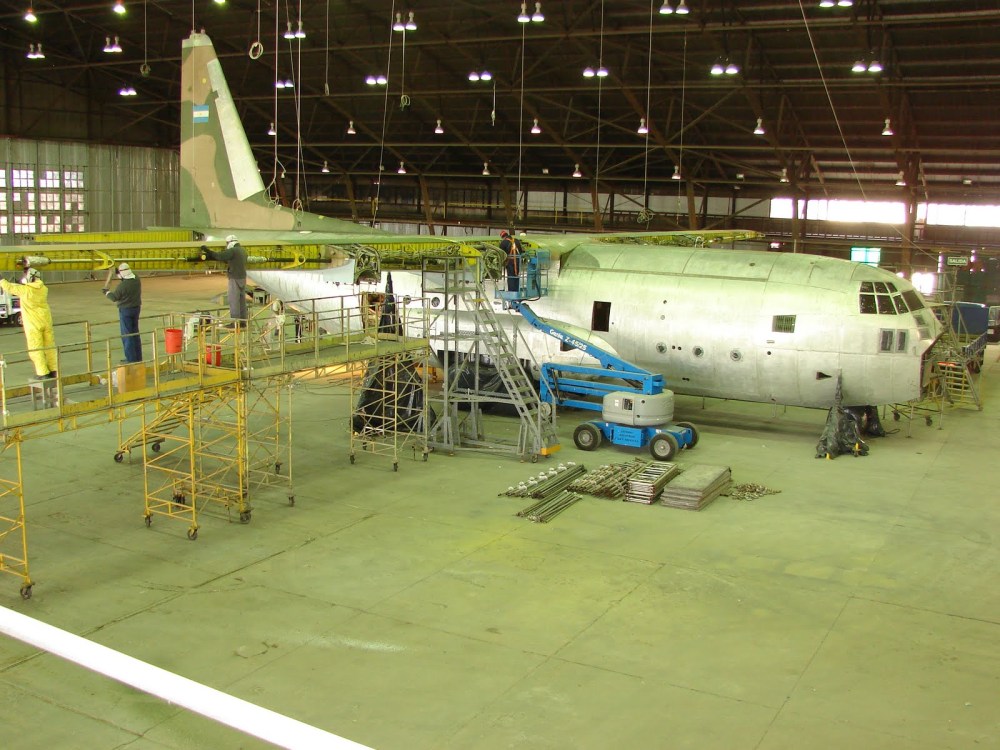
La Fábrica Argentina de Aviones Brigadier San Martín (FADeA) empieza a mejorar su horizonte. Después que la anterior administración dejara en 2015 una pérdida de $1400 millones, se prepara para firmar un acuerdo con Airbus para proveer aeroestructuras y entregar, el 22 de este mes, el Hércules reparado al gobierno.

La provisión de partes integra el convenio por el que el Estado Argentino compraría cuatro unidades a la empresa (naves un poco más chicas que los Hércules) para reequipar las fuerzas.

«El Estado nacional compraría cuatro unidades a Airbus para reequipar las fuerzas»

Las autoridades de FADeA el directorio lo preside el empresario Ercole Felippa, titular de la láctea Manfrey estuvieron presentes en todas las negociaciones que, en principio, apuntaban a la compra de seis aviones pero cerrarían en cuatro.

El borrador del acuerdo establece que FADeA certificará normas para ser proveedora de Airbus, habrá un proceso de transferencia de tecnología en materia comercial y se sumará como centro de mantenimiento regional.

Esos tres puntos -indicaron fuentes de la empresa a este diario- están firmes más allá de la compra de unidades. El cuarto, que convierte a la fábrica en proveedora de piezas de aeroestructura de material compuesto y de metal, sí está atado a la operación comercial.

«En un plazo de seis meses estaríamos trabajando», apuntó el vocero y subrayó que el acuerdo le daría un «horizonte de actividad a largo plazo». Por ahora, retomaron la entrega de piezas para el KC 390, el prototipo de avión brasileño de la Embraer. «Se venía haciendo algo, pero es una producción que sólo abarca al 20% del personal», aclaró.

De la reestatización a la actualidad

En 2009 la presidenta Cristina Kirchner reestatizó la fábrica después de 15 años bajo la concesión de Lockheed Martin, una multinacional de origen norteamericano cuya gestión también fue mala. En 2013 quedó a cargo de La Cámpora. Hay denuncias judiciales por esa administración.

«El eje de la nueva conducción está puesto en incrementar el nivel de aprovisionamiento de partes para poder generar más ocupación»

En el último año la planta de personal se achicó en poco más de 300 personas; hay 1350 empleados. Se puso en marcha un plan de retiros voluntarios y se cortaron las horas extras. El eje de la nueva conducción está puesto en incrementar el nivel de aprovisionamiento de partes para poder «generar más ocupación».

El 22 de este mes la fábrica entregará el Hércules modernizado. La unidad ya salió a pista y se puso en marcha. Desde FADeA admitieron que estaban muy atrasados pero se diseñó un plan de acción con el que se fueron corrigiendo los desfasajes.

En estas semanas también se están por firmar los nuevos contratos de vinculación con proveedores. «Había deudas y reclamo y urgencia por reorganizarse el esquema. Era clave poder poner orden», señaló una fuente de la empresa.

Resultado de imagen para FADeA

El ministro de Defensa Julio Martínez -de quien depende Fadea- aseguró que se consiguió financiamiento para continuar con los aviones Pampa: serían unos U$S 90 millones.

Además, con financiamiento del Nación y del Banco de Córdoba, comercializa los fumigadores PA-25 Puelche que estaban en sus galpones y no se vendían por la pelea del kirchnerismo con el campo. airgways-icon-aw

Resultado de imagen para FADeA

FADeA to close deal with Airbus

FADeA is close to closing an agreement as supplier of Airbus, the largest manufacturer of aircraft in the world

After the Kirchner administration left a loss of $ 1400 million in 2015, the Argentine Aircraft Factory defines its future.

The Argentine Aircraft Factory Brigadier San Martín (FADeA) begins to improve its horizon. After the previous administration left a loss of $ 1400 million in 2015, it is preparing to sign an agreement with Airbus to provide aerostructures and deliver, on the 22nd of this month, repaired Hercules to the government.

The provision of parts integrates the agreement by which the Argentine State would buy four units to the company (ships a little smaller than the Hercules) to reequip the forces.

«The national state would buy four units from Airbus to reequip the forces»

The FADeA authorities the board is presided by businessman Ercole Felippa, owner of the dairy Manfrey were present in all negotiations that, in principle, aimed at the purchase of six aircraft but would close in four.

The draft agreement states that FADeA will certify standards to be an Airbus supplier, there will be a technology transfer process in commercial matters and it will be added as a regional maintenance center.

Those three points indicated company sources to this newspaper are firm beyond the purchase of units. The fourth, which turns the factory into a supplier of composite and metal structural parts, is itself tied to commercial operation.

«Within six months we would be working,» said the spokesman and stressed that the agreement would give him a «long-term horizon of activity». For now, they returned parts delivery for the KC 390, the prototype of Brazilian aircraft of the Embraer. «It was doing something, but it is a production that only covers 20% of the staff,» he said.

From the reestablishment to the present

In 2009, President Cristina Kirchner reestablished the factory after 15 years under the concession of Lockheed Martin, a North American multinational whose management was also bad. In 2013 he was in charge of La Cámpora. There are judicial denunciations by that administration.

«The axis of the new driving is put in increase the level of provisioning of parts to be able to» generate more occupation «

In the last year the personnel plant shrank in little more than 300 people; There are 1350 employees. A voluntary retirement plan was put in place and overtime was cut. The axis of the new conduction is put in increase the level of provisioning of parts to be able to «generate more occupation».

On 22nd of this month the factory will deliver the modernized Hercules. The unit was already on track and started up. From FADeA they admitted that they were very backward but an action plan was designed with which they corrected the lags.

In these weeks also the new contracts of connection with suppliers are to be signed. «There were debts and demands and urgency to reorganize the scheme. It was key to be able to put order,» a company source said.

Defense Minister Julio Martínez – on whom Fade depends – assured that financing was obtained to continue with the Pampa planes: they would be about US $ 90 million.

In addition, with funding from the Nation and the Bank of Cordoba, it markets the PA-25 Puelche fumigators that were in their sheds and were not sold for the Kirchner fight with the field. A\W


Ξ A I R G W A Y S Ξ
SOURCE: Lanacion.com.ar
DBk: Photographic © Infobae.com / Cordobavuela.blogspot.com / Aviacionargentina.net
AW-POST: 201612060934AR
A\W A I R G W A Y S ®

APLA llega a un acuerdo con Aerolíneas y garantiza los vuelos en vacaciones

AW | 2016 12 05 19:27 | AIRLINES

La dura lucha entre la conducción de la empresa de bandera y sus pilotos pudo finalizar con el consenso de las dos partes

El pasado 25 de noviembre, la asamblea de la Asociación de Pilotos de Líneas Aéreas (APLA) aprobó por unanimidad el preacuerdo que la conducción había firmando con la titular de la empresa Aerolíneas Argentinas, Isela Costantini, esa misma madrugada, en el marco de las negociaciones paritarias. De esta forma, el aumento será del 35 por ciento por un año (retroactivo a septiembre) e incluirá condiciones similares a los acuerdos sellados por el resto de los gremios del sector.

Tras el acuerdo, que finalmente destrabó un conflicto salarial comenzado en septiembre, además se garantizó el servicio aéreo durante las vacaciones.

“Este es un acuerdo histórico porque fue firmado por APLA y UALA (Unión de Aviadores de Líneas Aéreas, que agrupa a los pilotos de Austral), dos gremios que durante muchos años tuvimos diferencias y que desde hace tiempo venimos trabajando por una misma senda. sino cerraba APLA, no cerraba UALA y viceversa”, remarcó el Secretario General de APLA, Pablo Biró.

La Asociación de Pilotos se encontraba en “estado de alerta” tras lo dispuesto por una masiva asamblea de sus asociados que se llevó a cabo el pasado 28 de octubre, donde además se avaló todo lo actuado por la Comisión Directiva y la Comisión Paritaria en la negociación con Aerolíneas Argentinas por la recomposición salarial.

Cabe recordar que los desencuentros entre la empresa y APLA tuvieron un fuerte voltaje, ya que en su momento hasta el propio presidente Mauricio Macri se involucró cuando le reclamó “responsabilidad” a la dirigencia gremial y sostuvo que “Aerolíneas nos cuesta dos jardines de infantes por semana”.

Esa asamblea, de la que participaron más de 300 pilotos, también repudió “informaciones periodísticas, que pretendieron dar la falsa imagen de divisiones o internas en la comunidad de pilotos, la que está unida y sindicalmente disciplinada, y en total armonía con sus directivos, en la lucha por un salario justo y condiciones dignas de trabajo”, señalaba APLA en un comunicado de prensa dado a conocer en esa fecha.

Los restantes gremios como la Asociación Argentina de Aeronavegantes (AAA), la Asociación del Personal Aeronáutico (APA) y la Asociación del Personal Técnico Aeronáutico (APTA), ya habían llegado a acuerdos salariales en los últimos días. airgways-icon-aw

dmi-717

APLA reaches agreement with Aerolíneas and guarantees flights on holidays

The hard struggle between the driving of the flag company and its pilots was able to end with the consensus of the two parties

On November 25th, the assembly of the Airline Pilots Association (APLA) unanimously approved the pre-agreement signed by the head of Aerolineas Argentinas, Isela Costantini, that same morning, in the framework of the Negotiations. In this way, the increase will be 35 percent for one year (retroactive to September) and will include similar conditions to the agreements sealed by the rest of the unions of the sector.

After the agreement, which finally unlocked a wage dispute started in September, air service was also guaranteed during the holidays.

«This is a historic agreement because it was signed by APLA and UALA (Union of Aviadores de Líneas Aéreas, which groups the Austral pilots), two guilds that for many years we had differences and that for some time we have been working along the same path. But closed APLA, did not close UALA and vice versa,» remarked the Secretary General of APLA, Pablo Biró.

The Pilots’ Association was in a «state of alert» following the provisions of a massive assembly of its associates that took place last October 28, which also supported everything acted by the Steering Committee and the Joint Commission in the negotiation with Aerolíneas Argentinas for the salary recomposition.

It should be remembered that the misunderstandings between the company and APLA had a strong voltage, since at the time even President Mauricio Macri became involved when he demanded «responsibility» from the trade union leadership and maintained that «Aerolíneas cost us two kindergartens for week».

That assembly, which involved more than 300 pilots, also repudiated «journalistic information, which sought to give the false image of divisions or internal in the community of pilots, which is united and unionized disciplined, and in total harmony with its managers, In the fight for a fair wage and decent working conditions,» APLA said in a press release released on that date.

The remaining guilds, such as the Argentine Aircraft Association (AAA), the Aeronautical Personnel Association (APA) and the Association of Aeronautical Technical Personnel (APTA), had already reached wage agreements in recent days. A\W


Ξ A I R G W A Y S Ξ
SOURCE: mensajeroweb.com.ar
DBk: Photographic © A I R G W A Y S / mensajeroweb.com.ar
AW-POST: 201612051927AR
A\W A I R G W A Y S ®

Alas del Sur gestiona operar en Rosario

groundback

AW | 2016 12 05 16:00 | AIRLINES

Mientras el Aeropuerto Internacional Rosario apura tareas de reparación, la aerolínea de bajo costo Alas del Sur S.A. solicitó formalmente operar desde el Aeropuerto Rosario, junto a otros destinos de cabotaje

El año del Aeropuerto de Rosario será recordado como uno de los más intensos del que se tenga registro. A las buenas nuevas que llegaron de la mano del regreso de Lan Perú, el esperado arribo de la panameña Copa con vuelos diarios desde Fisherton y la incorporación de destinos de cabotaje como el de Salta; tuvo como contrapartida un duro panorama en cuanto al estado de las instalaciones que obligó a las autoridades a reducir a la operatoria para realizar tareas de reparación.

En ese marco, una aerolínea “low cost” el formato de moda en el negocio de la aviación comercial puso la mira en Rosario para sumar a su ruta de vuelos de cabotaje. Se trata de la aerolínea Alas del Sur, que solicitó a través de un edicto que se publicó el jueves en el Boletín Oficial, operar en Rosario y otras plazas locales, tomando como epicentro la ciudad de Córdoba.

En los últimos meses, el mercado aerocomercial argentino despertó fuerte interés de varias empresas. La colombiana Avianca; Flybondi, la noruega Norwegian Air Shuttle, y la irlandesa Ryanair son algunas de las que ultiman detalles para localizar aviones en el país. Algunas cuentan con tarifas que arrancan en los u$s50.

La compañía de taxi aéreo Alas del Sur que encabeza Damián Luis Toscana, y que dice contar con capitales chinos detrás para el proyecto, pretende volar cabotaje, regional y hasta internacional. Para los dos primeros casos, el plan habla de un arranque en abril del 2017 con tres A320 para terminar el año con seis.

De acuerdo a lo expresado en el Boletín Oficial “Alas del Sur S.A. solicita concesión para explotar servicios regulares internos e internacionales de transporte aéreo de pasajeros, carga y correo con aeronaves de gran porte, con facultad de alterar y/u omitir escalas, durante un período de 15 años”.

Las rutas pedidas para explotar comercialmente por la aerolínea son: Córdoba, Buenos Aires, Rosario, Trelew, Puerto Madryn, San Carlos De Bariloche, Neuquén, El Calafate, Ushuaia, Villa Gesell, Mar Del Plata, Bahía Blanca, Comodoro Rivadavia, Río Gallegos, Río Grande, Neuquén, San Martín De Los Andes, Esquel, Río Cuarto, San Luis, Mendoza, San Miguel de Tucumán, Salta, San Salvador De Jujuy, San Rafael, San Juan, La Rioja, San Fernando Del Valle De Catamarca, Santiago Del Estero, Bahía Blanca, Santa Rosa, Viedma, Santa Fe, Posadas, Puerto Iguazú, Salta, El Calafate, Bariloche, Corrientes, Resistencia, Formosa, Perito Moreno.

En cuanto a los destinos internacionales, Alas del Sur solicitó operar, desde Córdoba y con conexiones locales: Santa Cruz de la Sierra, Porto Alegre, San Pablo y Rio de Janeiro (escala en Rosario); Lima, Miami, Asunción, Santiago de Chile, Montevideo (escala en Rosario); Los Ángeles, Shangai, Barcelona y Roma.

Para el 2022 el proyecto habla de doce A320, 25 destinos nacionales y 12 regionales. En cinco años, la nueva aerolínea se propone pasar de una facturación de u$s 73 millones en 2017 a u$s 595 M en 2022 y de 547 empleados a 1.460. airgways-icon-aw

A «low cost» airline already manages to operate in Rosario

While the airport prepares repair tasks, low-cost airlines formally requested to operate the local route, along with other cabotage destinations

The year of Rosario Airport will be remembered as one of the most intense of which it is recorded. To the good news that arrived from the hand of the return of Lan Peru, the expected arrival of the Panamanian Cup with daily flights from Fisherton and the incorporation of destinations of cabotage like the one of Salta; Had as a counterpart a difficult situation in terms of the state of the facilities, which forced the authorities to reduce the operation to perform repairs.

In this context, a «low cost» airline the fashionable format in the commercial aviation business set the sights in Rosario to add to its route of cabotage flights. This is the airline Alas del Sur, which requested through an edict published Thursday in the Official Gazette, operate in Rosario and other local squares, taking as epicenter the city of Cordoba.

In the last few months, the Argentine air-trade market has aroused strong interest from several companies. The Colombian Avianca; Flybondi, the Norwegian Norwegian Air Shuttle, and the Irish Ryanair are some of the last details to locate aircraft in the country. Some have fares starting at u $ s50.

The air taxi company Alas del Sur headed by Damián Luis Toscana, and who claims to have Chinese capitals behind for the project, intends to fly cabotage, regional and even international. For the first two cases, the plan speaks of a start in April 2017 with three A320s to finish the year with six.

According to what was expressed in the Official Gazette «Alas del Sur S.A. Requests concession to operate regular domestic and international air, passenger, cargo and mail services with large aircraft, with the power to alter and / or omit stopovers, for a period of 15 years. «

The routes requested to be commercially exploited by the airline are: Córdoba, Buenos Aires, Rosario, Trelew, Puerto Madryn, San Carlos De Bariloche, Neuquén, El Calafate, Ushuaia, Villa Gesell, Mar Del Plata, Bahía Blanca, Comodoro Rivadavia, Río Gallegos , Rio Grande, Neuquén, San Martin De Los Andes, Esquel, Río Cuarto, San Luis, Mendoza, San Miguel de Tucumán, Salta, San Salvador De Jujuy, San Rafael, San Juan, La Rioja, San Fernando Del Valle De Catamarca, Santiago del Estero, Bahia Blanca, Santa Rosa, Viedma, Santa Fe, Posadas, Puerto Iguazú, Salta, El Calafate, Bariloche, Corrientes, Resistencia, Formosa, Perito Moreno.

As for the international destinations, Alas del Sur requested to operate, from Córdoba and with local connections: Santa Cruz de la Sierra, Porto Alegre, San Pablo and Rio de Janeiro (scale in Rosario); Lima, Miami, Asuncion, Santiago de Chile, Montevideo (scale in Rosario); Los Angeles, Shanghai, Barcelona and Rome.

By 2022 the project speaks of twelve A320, 25 national destinations and 12 regional destinations. In five years, the new airline intends to move from a turnover of US $ 73 million in 2017 to US $ 595 M in 2022 and from 547 employees to 1,460. A\W


Ξ A I R G W A Y S Ξ
SOURCE: puntobiz.com.ar
DBk: Photographic © A I R G W A Y S
AW-POST: 201612051600AR
A\W A I R G W A Y S ®

Cayman Airways incorpora 1º B737NG


Resultado de imagen para Cayman airways Boeing 737-800

AW | 2016 12 05 15:47 | AIRLINES

Cayman Airways dio la bienvenida a la primera de su «próxima generación» de aviones el viernes, ya que comienza el proceso de modernización de toda su flota de aviones internacionales.

Centenares de simpatizantes se reunieron en el Aeropuerto Internacional de Owen Roberts mientras el avión Boeing 737-800, adornado con la librea de la aerolínea nacional, aterrizó por primera vez en el suelo de las Islas Caimán.

Los cuatro aviones 737-300 de la aerolínea, que tienen entre 15 y 20 años, serán reemplazados por nuevos aviones «de última generación» durante los próximos cuatro años.

Los jefes de aerolíneas han afirmado que el switch pagará esencialmente por sí mismo, a través de una eficiencia de combustible superior y mayor capacidad de pasajeros, y no resultará en ningún aumento en el gasto público en Cayman Airways. El transportista de la bandera nacional planea retirar el más antiguo de sus aviones actuales en junio del próximo año, lo que significa que operará con una flota de cinco aviones ampliada para los próximos seis meses.

En última instancia, Cayman Airways pretende cambiar todos sus aviones a nuevos Boeing 737-800 Max aviones en 2020. Los aviones, el más nuevo modelo disponible, todavía están en la línea de producción. El avión Boeing 737-800, que llegó el viernes, tiene la intención de salvar la brecha hasta que los nuevos aviones estén disponibles.

El primer ministro Alden McLaughlin y el ministro de Turismo, Moses Kirkconnell, que habían participado en una ceremonia similar tres días antes, al dar la bienvenida a un nuevo avión Saab para el servicio de la ruta Brac, anunciaron una nueva era para Cayman Airways.

El Sr. McLaughlin dijo: «Crecí cuando Cayman Airways era uno de los balones políticos más grandes de las Islas Caimán. Durante años, hubo un argumento tras otro en cuanto a por qué debemos deshacernos de Cayman Airways».

«Conduciendo aquí hoy y viendo docenas de coches estacionados en la carretera y cientos de personas ansiosas y emocionadas de ver el nuevo avión aterrizar, me dije a mí mismo, sería un valiente político en estos días que hablaría de deshacerse de Cayman Airways».

«Es un logro increíble para un país tan pequeño como el nuestro que podemos presumir de una aerolínea como Cayman Airways».

Kirkconnell dijo que el nuevo avión señaló la llegada de la «próxima generación» de aviones. Dijo que su mayor alcance podría abrir nuevas «ciudades de acceso» y permitir que Cayman para expandirse a nuevos mercados.

Con nuevos hoteles poniendo nuevas «habitaciones en el mercado», dijo que invertir en Cayman Airways ayudaría a asegurar que las camas estuvieran llenas y los dólares seguían llegando a la industria turística.

«La inversión en Cayman Airways es inversión en nuestra gente. Proporciona oportunidades para pilotos, gerentes, personal administrativo, personal directivo. Creciendo Cayman Airways, estamos manteniendo su talento en nuestras islas y creando nuevos trabajos aquí mismo en casa.» airgways-icon-aw

Cayman Airways’ new Boeing 737-800 gets its official christening with water jets from the Cayman Islands Fire Service after it lands for the first time on the Owen Roberts International Airport runway Friday. - PHOTO: MATT LAMERS

Cayman Airways looks to ‘next generation’ of Boeing 737s

Cayman Airways welcomed the first of its “next generation” of jets Friday as it begins the process of upgrading its entire fleet of international aircraft.

Hundreds of well-wishers gathered at the Owen Roberts International Airport as the Boeing 737-800 plane, decked in the livery of the national airline, touched down on Caymanian soil for the first time.

A new Boeing 737-800 does a flyby at Owen Roberts International Airport for hundreds of onlookers. - PHOTO: MATT LAMERS

A new Boeing 737-800 does a flyby at Owen Roberts International Airport for hundreds of onlookers. MATT LAMERS

All four of the airline’s aging 737-300 jets, which are between 15 and 20 years old, will be replaced with new “state of the art” aircraft over the next four years.

Airline bosses have claimed the switch will essentially pay for itself, through superior fuel efficiency and greater passenger capacity, and will not result in any increase in government spending on Cayman Airways. The national flag carrier plans to retire the oldest of its current jets in June next year, meaning it will operate with an enlarged five plane fleet for the next six months.

Ultimately, Cayman Airways aims to switch all its aircraft to new Boeing 737-800 Max planes by 2020. Those planes, the newest model available, are still on the production line. The Boeing 737-800 plane, which arrived Friday, is intended to bridge the gap until the new aircraft are available.

Premier Alden McLaughlin and Tourism Minister Moses Kirkconnell, who had spoken at a similar ceremony three days earlier as they welcomed a new turbo-prop Saab plane to service the Brac route, hailed a new era for Cayman Airways.

Mr. McLaughlin said, “I grew up when Cayman Airways was one of the biggest political footballs in the Cayman Islands. For years, there was one argument after another as to why we should get rid of Cayman Airways».

“Driving here today and seeing dozens of cars parked on the road and hundreds of people anxious and excited to see the new plane land, I said to myself, it would be a brave politician these days that would talk about getting rid of Cayman Airways».

“It is an incredible achievement for a country as small as ours that we can boast an airline like Cayman Airways.”

Premier Alden McLaughlin delivers a speech to mark the addition of the plane to the Cayman Airways fleet.

Premier Alden McLaughlin delivers a speech to mark the addition of the plane to the Cayman Airways fleet.  MATT LAMERS

Mr. Kirkconnell said the new plane signaled the arrival of the “next generation” of aircraft. He said its greater range could open up new “gateway cities” and allow Cayman to expand into new markets.

With new hotels putting new “rooms in the market,” he said investing in Cayman Airways would help ensure the beds were filled and the dollars kept coming in to the tourism industry.

He added, “Investment in Cayman Airways is investment in our people. It provides opportunities for pilots, managers, administrative staff, managerial personnel. By growing Cayman Airways, we are keeping their talents on our islands and creating new jobs right here at home.” A\W


Ξ A I R G W A Y S Ξ
SOURCE: caymancompass.com
DBk: Photographic © Matt Lamers
AW-POST: 201612051547AR
A\W A I R G W A Y S ®

Air Berlin vende el 49,8% participación de Niki a Etihad Airways por U$s 300M

Resultado de imagen para flyniki

AW | 2016 12 05 15:30 | AIRLINES MARKET

La desinversión del Grupo Air Berlin se enmarca dentro del plan de reestructuración de la compañía

Air Berlin venderá su participación en la aerolínea Niki a Etihad Airways, su primer accionista con el 29,21% del capital, por 300 millones de euros, según ha anunciado hoy la compañía alemana.

El consejo de administración de Etihad Aviation Group (EAG), matriz de Etihad Airways, ha aprobado este lunes los planes para crear un nuevo grupo europeo de aerolíneas de ocio en una empresa conjunta con TUI Group.

La nueva aerolínea contará con una flota de alrededor de 60 aviones, con una capacidad de 15 millones de plazas por año, y conectará los principales mercados turísticos europeos. La transacción está sujeta a las aprobaciones de los organismos reguladores de la aviación y las autoridades antimonopolio.

TUI Group tendrá el 24,8% de las acciones de la empresa conjunta, mientras que Etihad controlará el 25%. El 50,2% restante seguirá siendo propiedad de la fundación privada NIKI Privatstiftung.

La venta del 49,8% de Niki, también sujeta a aprobaciones regulatorias, no supondrá que Etihad tenga la mayoría, ni el control efectivo de esta compañía, que se integrará en el nuevo grupo. airgways-icon-aw

Resultado de imagen para flyniki

Air Berlin sells 49.8% of Niki to Etihad Airways for U$s 300 million

The divestiture of the Air Berlin Group is part of the restructuring plan of the company

Air Berlin will sell its stake in the airline Niki to Etihad Airways, its first shareholder with 29.21% of the capital, for 300 million euros, according to the German company announced today.

The board of Etihad Aviation Group (EAG), the parent company of Etihad Airways, has approved plans to create a new European group of leisure airlines in a joint venture with the TUI Group.

The new airline will have a fleet of around 60 aircraft, with a capacity of 15 million seats per year, and will connect the main European tourist markets. The transaction is subject to approvals from aviation regulators and antitrust authorities.

TUI Group will hold 24.8% of the shares of the joint venture, while Etihad will control 25%. The remaining 50.2% will remain the property of the private foundation NIKI Privatstiftung.

The 49.8% sale of Niki, also subject to regulatory approvals, will not mean that Etihad has the majority or effective control of this company, which will be integrated into the new group. A\W


Ξ A I R G W A Y S Ξ
SOURCE: expansion.com
DBk: Photographic © Trend.at
AW-POST: 201612051530AR
A\W A I R G W A Y S ®

Hainan Airlines vende cuatro ERJ-145 a su filial Tianjin Airlines

Resultado de imagen para ERJ-145 front view

AW | 2016 12 05 15:21 | AIRLINES

Hainan Airlines (HU, Haikou) ha vendido cuatro ERJ-145LI (Harbin) s a su filial de Tianjin Airlines (GS, Tianjin) una presentación con la bolsa de Shanghai ha revelado.

Las aeronaves en cuestión son cn 14501024, 14501027, 14501033 y 14501036. La transacción también implica la compra de motores de repuesto, tren de aterrizaje y otros artículos de aviones asociados.

Tianjin Airlines opera actualmente diecisiete ERJ-145LIs, incluyendo dos de los aviones incluidos en la transacción con los otros dos actualmente en almacenamiento. airgways-icon-aw

Hainan Airlines sells four ERJ-145’s to Tianjin unit

Hainan Airlines (HU, Haikou) has sold four ERJ-145LI (Harbin) to its Tianjin Airlines (GS, Tianjin) subsidiary a filing with the Shanghai Stock Exchange has revealed.

The aircraft in question are cn 14501024, 14501027, 14501033, and 14501036. The transaction also involves the purchase of spare engines, landing gear, and other associated aircraft sundries.

Tianjin Airlines currently operates seventeen ERJ-145LIs, including two of the aircraft included in the transaction with the other two currently in storage. A\W

Ξ A I R G W A Y S Ξ
SOURCE: Ch-aviation.com
DBk: Photographic © Embraer.com
AW-POST: 201612051521AR
A\W A I R G W A Y S ®

Avianca despegue con subsidio estatal

Resultado de imagen para atr 72 avianca

AW | 2016 12 05 08:45 | AIRLINES MARKET

La aerolínea colombiana que aterrizará en Argentina cerró un acuerdo con el gobierno tucumano que le garantizará un piso de pasajeros en sus vuelos a la provincia

A la Argentina generar negocios de transporte que sean privados de pura cepa. Tarde o temprano, con una figura o con otra, algún Estado se hace presente. Algo de eso pasó con el plan de negocios que presentó Avianca, la aerolínea colombiana que compró MacAir, la empresa de la familia Macri. Fue hace unos días en Tucumán, cuando le informó al gobierno provincial que iba a operar algunos aviones basados en la capital tucumana y, obviamente, aumentar las frecuencias desde esa terminal aérea.

Pero, como sucedió con otras empresas del sector, para despegar y aterrizar en una provincia la compañía que en la Argentina funcionará como Avian Líneas Aéreas se aseguró de que el gobierno provincial le garantice un piso del 65% de ocupación en cada uno de los vuelos que tocan suelo tucumano. Será una compensación provincial y no nacional.

El dueño del holding, Germán Efromovich, fue el que le presentó el proyecto al gobernador tucumano, Juan Manzur. Según el plan de negocios, de los 12 aviones que la empresa compró ATR’s 72-600, con 72 asientos, cuatro estarían basados en Tucumán. Además, mantendrá una ruta que une San Miguel del Tucumán con Lima y que se sirve con un Embraer 190. La idea de la línea aérea es volar de ese centro de distribución a Salta, Santiago del Estero, La Rioja, Catamarca, Resistencia, Córdoba, San Juan, Mendoza, Rosario e Iguazú.

La aerolínea colombiana cerró un acuerdo con el gobierno tucumano que le garantizará un piso de pasajeros en sus vuelos a la provincia

Según sus planes, Tucumán, que actualmente tiene seis vuelos diarios de Aerolíneas y cuatro de Latam a Buenos Aires, pasará a tener 25 frecuencias cada 24 horas. Avianca comercializaría tres vuelos por día a Córdoba, cinco a Salta y uno a cada destino de cabotaje previsto. Además, se sumarán, con la internacional Avianca, un vuelo a Asunción, Santa Cruz de la Sierra, Lima, Iquique y Florianópolis, en Brasil.

Entonces es cuando ingresa la billetera estatal, en este caso, provincial. La cuenta que sacan en Avianca es que el factor de ocupación que necesitan para encontrar el punto de equilibrio es del 65%. ¿Cómo llegar a ese número? Será el gobierno de Tucumán el que asuma esa suerte de seguro que se gatillará sólo cuando las ventas no llegaran a cubrir ese porcentaje.

En Avianca consideran que en julio de 2017, cuando empiece la operación, el factor de ocupación estará en alrededor del 60%. Pero la novedad no es eterna. Entre agosto y noviembre del año próximo, se ocuparán entre 35 y 55 asientos de cada 100 que se pongan a la venta. Los meses de verano, la ocupación subirá y para fines del invierno de 2018 ese 65% estará asegurado. Hasta entonces se mantendrá el subsidio tucumano.

El esquema encendió la polémica. Por un lado, por tratarse de la continuadora de la empresa del Presidente. Pero por otro sucedieron críticas en Tucumán, ya que no todos están de acuerdo con apostar a la industria aerocomercial. En el gobierno de Manzur dicen que la inversión se recupera rápido con los puestos de trabajo directos que se abrirían, con los indirectos y con el movimiento que generará la mayor conectividad.

La empresa y el gobierno de Tucumán dicen que la instalación de la aerolínea va a generar 790 pasajeros nuevos por día (23.000 por mes) y que la operación demandará 250 empleados calificados directos, además de 400 que se sumará en forma indirecta. Pero la polémica por los subsidios al transporte, en este caso provincial y no nacional, está lejos de zanjarse.

El 27 de este mes será un día clave para los planes de la empresa que compró la aerolínea de la familia Macri. Después de más de 10 años, el Gobierno llamará a una audiencia para entregar rutas a las empresas que lo soliciten. En principio, Avianca y Flybondi, una empresa low cost que quiere empezar a volar el año próximo, son las candidatas a solicitar rutas. Será la línea de partida, ya que después de ese encuentro público, se inicia un plazo de seis meses para empezar a volar.

Ambas empresas han iniciado un proceso de búsqueda de empleados, entre ellos pilotos y copilotos. Avianca lleva acá la delantera por una sencilla razón: ya eligió el modelo de avión con el que volará, cosa que hasta ahora Flybondi no ha hecho.

Ese día no sólo estarán las líneas aéreas. Los empresarios de ómnibus de larga distancia pasarán por ahí. Consideran que son los grandes perdedores de la apuesta aerocomercial del Gobierno. Van a poner sobre la mesa sus argumentos, ya que dicen que no queda más remedio que una reingeniería de las empresas. Eso significa discontinuar algunas rutas, especialmente las que compitan con el avión, y la consecuencia será la disminución de la planta de trabajadores.

Las audiencias no son vinculantes y ellos lo saben, pero igual harán el intento de mostrar los padecimientos en los que entrarán pocos días después, cuando efectivamente el gobierno nacional deje de subsidiar a los ómnibus de larga distancia. airgways-icon-aw


Resultado de imagen para atr 72 avianca

Avianca a takeoff with state subsidy

The Colombian airline that will land in Argentina closed an agreement with the Tucuman government that will guarantee a flat of passengers in their flights to the province

To Argentina to generate businesses of transport that are deprived of pure strain. Sooner or later, with one figure or another, some state becomes present. Something of that happened with the business plan presented by Avianca, the Colombian airline that bought MacAir, the company of the Macri family. It was a few days ago in Tucuman, when he informed the provincial government that he was going to operate some planes based in the Tucuman capital and obviously increase the frequencies from that air terminal.

But, as with other companies in the sector, to take off and land in a province the company that in Argentina will operate as Avian Líneas Aéreas ensured that the provincial government guarantees a floor of 65% occupancy in each of the flights Which touch tucumano soil. It will be a provincial rather than a national compensation.

The owner of the holding, German Efromovich, was the one who presented the project to the Tucuman governor, Juan Manzur. According to the business plan, of the 12 aircraft that the company bought ATR’s 72-600, with 72 seats four would be based in Tucumán. In addition, it will maintain a route linking San Miguel del Tucumán with Lima and served with an Embraer 190. The idea of the airline is to fly from that distribution center to Salta, Santiago del Estero, La Rioja, Catamarca, Resistencia, Córdoba , San Juan, Mendoza, Rosario and Iguazú.

The Colombian airline closed an agreement with the Tucuman government that will guarantee a flat of passengers in their flights to the province

According to its plans, Tucumán, which currently has six daily flights from Aerolíneas and four from Latam to Buenos Aires, will have 25 frequencies every 24 hours. Avianca would market three flights per day to Córdoba, five to Salta and one to each planned cabotage destination. In addition, with the international Avianca, a flight to Asunción, Santa Cruz de la Sierra, Lima, Iquique and Florianópolis will be added in Brazil.

That’s when you enter the state wallet, in this case, provincial. The bill they get in Avianca is that the factor of occupation they need to find the break-even point is 65%. How to get to that number? It will be the government of Tucuman that assumes that sort of insurance that will be triggered only when the sales do not cover that percentage.

In Avianca they consider that in July 2017, when the operation begins, the load factor will be around 60%. But the novelty is not eternal. Between August and November of the next year, they will occupy between 35 and 55 seats of each 100 that are put on sale. The summer months, occupation will rise and by the end of the winter of 2018 that 65% will be insured. Until then the tucumano subsidy will be maintained.

The scheme ignited the controversy. On the one hand, because it is the continuation of the company of the President. But on the other, there were criticisms in Tucumán, since not everyone agrees to bet on the commercial airline industry. In the Manzur government they say that the investment recovers quickly with the direct jobs that would be opened, with the indirect ones and with the movement that will generate the greater connectivity.

The company and the government of Tucumán say that the installation of the airline will generate 790 new passengers per day (23,000 per month) and that the operation will demand 250 direct qualified employees, in addition to 400 that will be added indirectly. But the controversy over transport subsidies, in this case provincial and non-national, is far from settled.

The 27 of this month will be a key day for the plans of the company that bought the airline of the Macri family. After more than 10 years, the Government will call a hearing to deliver routes to companies that request it. In principle, Avianca and Flybondi, a low cost company that wants to start flying next year, are the candidates to request routes. It will be the starting line, since after that public meeting, it starts a period of six months to start flying.

Both companies have started a search process for employees, including drivers and co-drivers. Avianca takes the lead here for a simple reason: already chose the model airplane with which it will fly, something that so far Flybondi has not done.

That day will not only be the airlines. Business long-distance buses will pass by. They consider that they are the great losers of the aerocomercial bet of the Government. They are going to put their arguments on the table, since they say that there is no choice but a reengineering of the companies. That means discontinuing some routes, especially those that compete with the airplane, and the consequence will be the decrease of the workers’ plant.

The hearings are not binding and they know it, but they will also try to show the ailments in which they will enter a few days later, when effectively the national government stops subsidizing the long distance buses. A\W

Ξ A I R G W A Y S Ξ
SOURCE: lanacion.com.ar
DBk: Photographic © Javier O. Figueiral / ATR Aircraft
AW-POST: 201612050845AR
A\W A I R G W A Y S ®