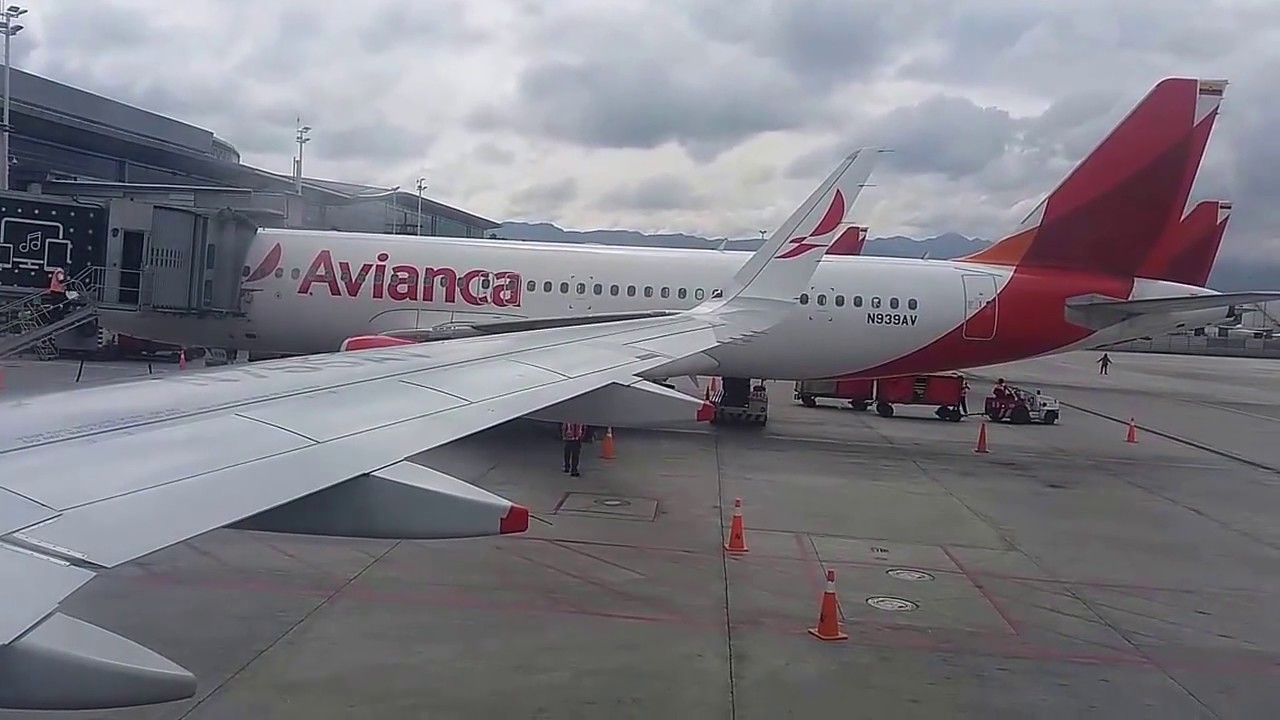
Avianca Argentina recibe primer A320

AW-700000086555.jpg

AW | 2018 10 26 20:42 | AIRLINES

Avianca_Logo_2013.pngAvianca Argentina incorporará su primer Airbus A320CEO

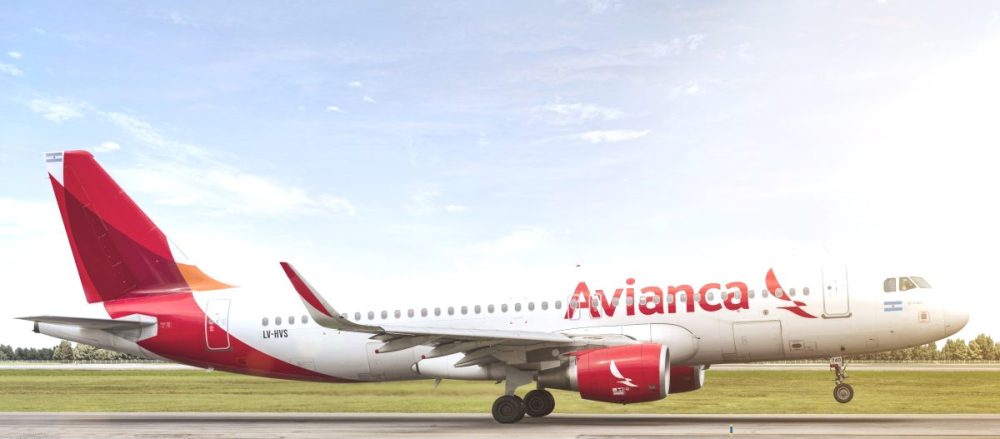
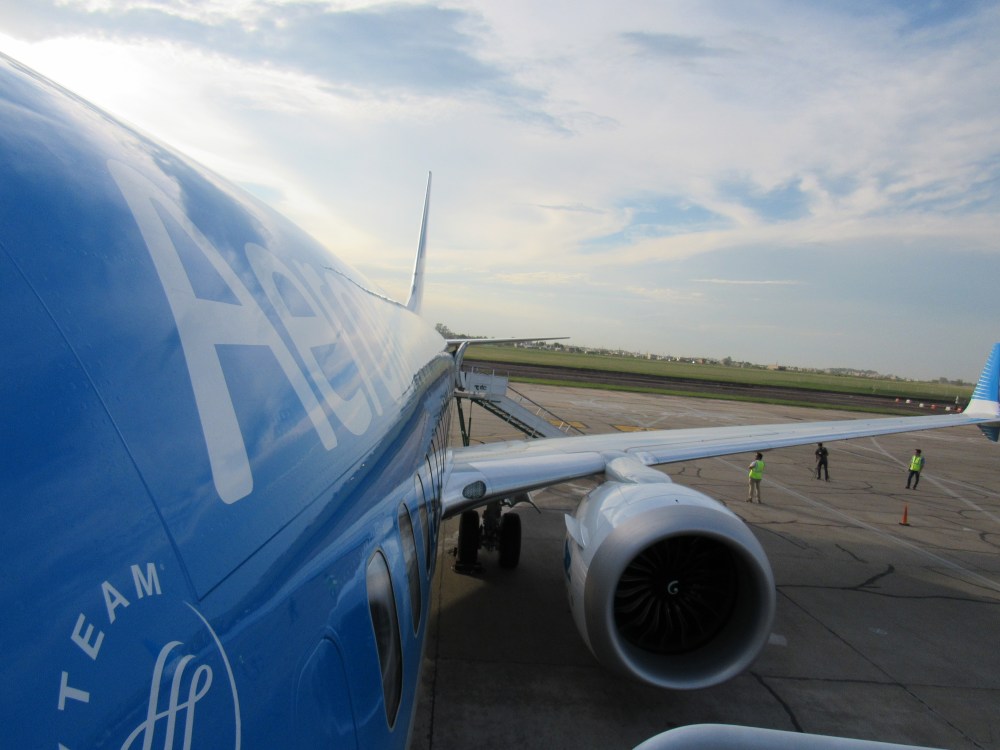
Avian Líneas Aéreas, bajo la denominación comercial como Avianca Argentina incorporará el primer avión widebody Airbus A320CEO (A320-200) que arribará a Argentina para finales de Octubre 2018.

Avianca Argentina recibirá a finales de Octubre la primera de sus aeronaves Airbus A320-200 que se empleará para rutas internacionales. La primer ruta proyectada será Buenos Aires-San Pablo, Brasil con dos frecuencias diarias (2 Fq/D).

La aerolínea anunciará la apertura de las ventas y la fecha del vuelo inaugural, preparando el inicio de operaciones hacia Brasil, en el marco de un contexto regional. «El inicio de la nueva ruta brindará oportunidades para la empresa y beneficiará a clientes argentinos y brasileños. Con esta, queremos fortalecer nuestra presencia en América Latina. Asimismo, nuestros clientes tendrán acceso a la red doméstica e internacional de Avianca Brasil y disfrutarán de innumerables opciones de conexiones con 27 destinos brasileños y cuatro fuera del país. Vemos con mucho optimismo el próximo año», afirmó Carlos Colunga, CEO de la compañía Avianca Argentina.

El Airbus A320-200 es una aeronave muy empleada en el transporte aéreo que compite los cielos con el afamado Boeing 737. La aeronave tendrá una configuración para 162 pasajeros en clase única, con amplio espacio entre los asientos y sistema de entretenimiento a bordo con pantalla individual. Los pasajeros podrán disfrutar de la excelente atención, que incluye aperitivos calientes y bebidas, y equipaje sin costo adicional.  AIRWAYS® AW-Icon TXT


Imagen relacionada

Avianca Argentina receives first A320

Avianca Argentina will incorporate its first Airbus A320CEO

Avian Líneas Aéreas, under the commercial name Avianca Argentina, will incorporate the first widebody aircraft Airbus A320CEO (A320-200) that will arrive in Argentina by the end of October 2018.

Avianca Argentina will receive at the end of October the first of its Airbus A320-200 aircraft that will be used for international routes. The first planned route will be Buenos Aires-San Pablo, Brazil with two daily frequencies (2 Fq/D).

The airline will announce the opening of sales and the date of the inaugural flight, preparing the start of operations to Brazil, within the framework of a regional context. «The start of the new route will provide opportunities for the company and will benefit Argentine and Brazilian customers, with this we want to strengthen our presence in Latin America, and our clients will have access to Avianca Brasil’s domestic and international network and will enjoy innumerable Connection options with 27 Brazilian destinations and four outside the country, we see with great optimism next year», said Carlos Colunga, CEO of the company Avianca Argentina.

The Airbus A320-200 is an aircraft widely used in air transport that competes in the skies with the famed Boeing 737. The aircraft will have a configuration for 162 passengers in a single class, with ample space between seats and entertainment system on board with screen individual. Passengers will enjoy the excellent service, which includes hot snacks and drinks, and luggage at no additional cost. A \ W


Ξ A I R G W A Y S Ξ
SOURCE: Airgways.com
DBk: Avianca.com.ar / Airgways.com
AW-POST: 201810262042AR

A\W   A I R G W A Y S ®

50º aniversarios 1er vuelo de Bandeirante

Resultado de imagen para primeiro voo Bandeirante

AW | 2018 10 26 20:12 | INDUSTRY / HISTORY

embraer logoEmbraer celebra el 50º aniversarios del primer vuelo del Bandeirante

Embraer ha celebrado el 50º aniversario del primer vuelo del Bandeirante, bimotor turboprop marcando un hito en la historia de la industria aeronáutica de Brasil y que llevó a la creación de Embraer en 1969 para la producción en serie y la comercialización del producto.

El evento recreó la solemnidad oficial del 26 Octubre 1968, cuando cientos de invitados testificaron el vuelo de la aeronave que partió de la pista del Aeródromo de San José de los Campos, en esa época no pavimentada. La celebración contó con la presencia del Ministro de Defensa, Joaquim Silva y Luna, del Comandante de la Aeronáutica, Teniente-Brigadeiro Nivaldo Luiz Rossato, del Primer Director Superintendente de Embraer, ingeniero Ozires Silva, y de la actual directiva y funcionarios de la compañía.

«El Bandeirante representó mucho más que una aeronave, pero un nuevo ciclo de transformación de la industria brasileña. «Representa a Brasil que es aguerrido, capaz de unir competencia, talento e innovación. Esta fecha conmemorativa nos ofrece una oportunidad para agradecer y celebrar a los pioneros de Embraer y de la industria aeronáutica brasileña, nuestros propios bandeirantes, que desbravaron las fronteras de la tecnología aeronáutica. Embraer es hoy una empresa que compite en igualdad de condiciones tecnológicas con las mayores del mundo porque hace 50 años un grupo de ingenieros, proyectistas y pilotos se atrevió a traer a la vida una aeronave que se convirtió en una leyenda», dijo Paulo Cesar de Souza e Silva, CEO y Director-Presidente de Embraer.

«Los 50 años del Bandeirante deben ser conmemorados bajo diversos puntos de vista. Inicialmente como una continuidad de la genialidad e inventiva del brasileño en el campo de la aviación. Además, el primer vuelo del Bandeirante representa también el inicio de la inserción de Brasil en un contexto de destaque en la industria aeronáutica mundial, a través de la creación de la Embraer y del establecimiento de sucesivas alianzas de éxito en diversos proyectos, los cuales después de 50 años proyectaron una empresa a un nivel de reconocimiento y excelencia incontestable a nivel mundial», dijo el Comandante de la Aeronáutica, Teniente-Brigadier Nivaldo Luiz Rossato.

El primer prototipo del Bandeirante, entonces denominado IPD-6504, realizó el vuelo de prueba inaugural el 22 Octubre 1968, con la presencia del equipo técnico del proyecto. El avión, pintado en los colores de la FAB, dejó el hangar del X10, del Centro Técnico Aeroespacial (CTA), para despegar a las 07:07 hs y regresó para aterrizaje 50 minutos después bajo el mando del mayor aviador José Mariotto Ferreira y del ingeniero de vuelo Michel Cury. Pero fue sólo cuatro días después de que el avión fue presentado oficialmente a autoridades y periodistas, y el vuelo nuevamente realizado.

El avión Bandeirante lideró el desarrollo de la aviación regional global e impulsó la industria aeronáutica brasileña, con el inicio de una historia de éxito que permitió transformar ciencia y tecnología en ingeniería y capacidad industrial, hoy reconocidas en todos los continentes en los cuales, volando los aviones fabricados por Embraer. Para la construcción del primer prototipo, transcurrieron tres años y cuatro meses, entre los primeros estudios preliminares y el vuelo inaugural. Para ello, se gastaron 110 mil horas de proyecto, habiendo sido ejecutados 12.000 diseños de fabricación, 22.000 horas de cálculo estructural y aerodinámico y 282.000 horas de fabricación del avión y de su herramienta.

A lo largo de más de dos décadas, Embraer produjo y entregó 498 aviones Bandeirante en diversas configuraciones civiles y militares. Actualmente, cerca de 150 aeronaves están en operación en líneas aéreas, taxi-aéreos, entidades gubernamentales y Fuerzas Aéreas en las Américas, Asia, África, Europa y Oriente Medio.  AIRWAYS® AW-Icon TXT

Resultado de imagen para primeiro voo Bandeirante

50th anniversary first flight Bandeirante

1280px-Embraer_logo.svg

Embraer celebrates the 50th anniversaries of the first flight of the Bandeirante

Embraer celebrated the 50th anniversary of the first flight of the Bandeirante, twin-engine turboprop marking a milestone in the history of the Brazilian aeronautical industry and which led to the creation of Embraer in 1969 for mass production and commercialization of the product.

The event recreated the official solemnity of October 26, 1968, when hundreds of guests testified the flight of the aircraft that departed from the runway of San José de los Campos Aerodrome, at that time not paved. The celebration was attended by the Minister of Defense, Joaquim Silva and Luna, the Commander of the Aeronautics, Lieutenant-Brigadeiro Nivaldo Luiz Rossato, the First Superintendent Director of Embraer, engineer Ozires Silva, and the current board and officers of the company.

«The Bandeirante represented much more than an aircraft, but a new cycle of transformation of the Brazilian industry.» It represents Brazil that is brave, capable of uniting competition, talent and innovation. This commemorative date offers us an opportunity to thank and celebrate the pioneers of Embraer and the Brazilian aeronautical industry, our own bandeirantes, who broke the boundaries of aeronautical technology. Embraer is today a company that competes in equal technological conditions with the largest in the world because 50 years ago a group of engineers, designers and pilots dared to bring to life an aircraft that became a legend», said Paulo Cesar of Souza e Silva, CEO and CEO of Embraer.

«The 50 years of the Bandeirante must be commemorated under diverse points of view, initially as a continuity of the genius and inventiveness of the Brazilian in the field of aviation, and the first flight of the Bandeirante also represents the beginning of the insertion of Brazil in a context of prominence in the global aviation industry, through the creation of Embraer and the establishment of successful successive partnerships in various projects, which after 50 years projected a company to a level of recognition and undeniable excellence worldwide», said the Commander of the Aeronautics, Lieutenant-Brigadier Nivaldo Luiz Rossato.

The first prototype of the Bandeirante, then called IPD-6504, made the inaugural test flight on October 22, 1968, with the presence of the project’s technical team. The plane, painted in the colors of the FAB, left the hangar of the X10, from the Aerospace Technical Center (CTA), to take off at 07:07 am and returned to landing 50 minutes later under the command of the greatest aviator José Mariotto Ferreira and of the flight engineer Michel Cury. But it was only four days after the plane was officially presented to authorities and journalists, and the flight made again.

The Bandeirante aircraft led the development of global regional aviation and boosted the Brazilian aeronautical industry, with the beginning of a success story that allowed transforming science and technology into engineering and industrial capacity, today recognized in all continents in which, flying the airplanes manufactured by Embraer. For the construction of the first prototype, three years and four months elapsed, between the first preliminary studies and the inaugural flight. For this, 110 thousand hours of project were spent, having been executed 12,000 manufacturing designs, 22,000 hours of structural and aerodynamic calculation and 282,000 hours of manufacture of the airplane and its tool.

For more than two decades, Embraer produced and delivered 498 Bandeirante aircraft in various civil and military configurations. Currently, about 150 aircraft are in operation in airlines, taxi-air, government entities and Air Forces in the Americas, Asia, Africa, Europe and the Middle East. A \ W

Resultado de imagen para primeiro voo Bandeirante

50º primeiro voo da Bandeirante

embraer logo (1).jpgEmbraer comemora os 50 anos do primeiro vôo do Bandeirante

Embraer comemorou o 50º aniversário do primeiro vôo do um marco na história da indústria de aviação brasileira turboélice Bandeirante, bimotor e levou à criação da Embraer em 1969 para a produção em massa e marketing.

O evento recriado a solenidade oficial de 26 Octubre 1968, quando centenas de convidados testemunharam o vôo da aeronave saiu da pista aeródromo de San José de los Campos, naquela época não pavimentadas. A celebração contou com a presença do ministro da Defesa, Joaquim Silva y Luna, comandante da Força Aérea, Tenente-Brigadeiro Nivaldo Luiz Rossato, o primeiro Diretor Superintendente da Embraer, engenheiro Ozires Silva, e os diretores atuais e funcionários da empresa .

«O Bandeirante representou muito mais que uma aeronave, mas um novo ciclo de transformação da indústria brasileira.» Representa o Brasil que é corajoso, capaz de unir competição, talento e inovação. Esta data comemorativa nos dá uma oportunidade para agradecer e celebrar os pioneiros da Embraer e da indústria aérea brasileira, a nossa própria Bandeirantes, que faz fronteira com a tecnologia desbravaron aviação. Embraer é hoje uma empresa que concorre em pé de igualdade com tecnológico a maior do mundo, porque 50 anos atrás, um grupo de engenheiros, projetistas e pilotos se atreveu a dar vida a uma aeronave que se tornou uma lenda», disse Paulo Cesar Souza e Silva, CEO e CEO da Embraer.

«Os 50 anos de Bandeirante deve ser comemorado sob diferentes pontos de vista. Inicialmente como uma continuação da genialidade e inventividade do Brasil no domínio da aviação. Além disso, o primeiro vôo do Bandeirante também representa o início da inserção do Brasil no um contexto de destaque na indústria de aviação global através da criação da Embraer e o estabelecimento de parcerias de sucesso sucessivas em vários projectos, depois de 50 anos que projetava uma empresa a um nível de reconhecimento e excelência incontestável em todo o mundo», disse o Comandante da Aeronáutica, Tenente-Brigadeiro Nivaldo Luiz Rossato.

O primeiro protótipo da Bandeirante, então denominado IPD-6504, realizou o vôo inaugural de testes em 22 de outubro de 1968, com a presença da equipe técnica do projeto. O avião, pintado com as cores da FAB, deixou o hangar do X10, o Centro Técnico Aeroespacial (CTA), para decolar em 07:07 pm e voltou para o desembarque 50 minutos mais tarde, sob o comando do aviador superior José Mariotto Ferreira e do engenheiro de vôo Michel Cury. Mas foi apenas quatro dias depois que o avião foi oficialmente apresentado às autoridades e jornalistas, e o vôo foi novamente feito.

A aeronave Bandeirante liderou o desenvolvimento da aviação regional global e promoveu a indústria da aviação brasileira, com o início de uma história de sucesso que permitiu transformar ciência e tecnologia de engenharia e capacidade industrial, hoje reconhecida em todos os continentes em que, voando aviões fabricados pela Embraer. Para a construção do primeiro protótipo, decorreram três anos e quatro meses, entre os primeiros estudos preliminares e o voo inaugural. Para este fim, gastou 110.000 horas de projeto, sendo projetos executados fabricação 12.000, 22.000 horas de cálculo estrutural e aerodinâmico e 282.000 horas de fabricação de aeronaves e sua ferramenta.

Por mais de duas décadas, a Embraer produziu e entregou 498 aeronaves Bandeirante em várias configurações civis e militares. Atualmente, cerca de 150 aeronaves estão em operação em companhias aéreas, taxi-air, entidades governamentais e forças aéreas nas Américas, Ásia, África, Europa e Oriente Médio. A \ W


Ξ A I R G W A Y S Ξ
SOURCE: Airgways.com
DBk: Embraer.com
AW-POST: 201810262012R

A\W   A I R G W A Y S ®
Paritarias en Aerolíneas/Austral

aEROLINEAS-.jpg

AW | 2018 10 26 19:32 | AIRLINES

Aerolineas-Argentinas-logoLos gremios aeronáuticos cierran paritaria con suba del 40,5% de salarios
El Gremio de Aeronavegantes de Aerolíneas Argentinas y Austral Líneas Aéreas alcanzaron un incremento en línea con la inflación oficial. La discusión paritaria entre Aerolíneas/Austral y los seis gremios aeronáuticos seguía estancada hasta el jueves a la noche. En ese contexto, que se suma al ajuste de crisis de otra aerolínea, fuentes empresarias del sector no descartaba que alguno de los sindicatos comience a aplicar medidas de fuerza.

Los Aeronavegantes Aerolíneas Argentinas y Austral recibieron una actualización salarial por la activación de la cláusula gatillo atada a la inflación por lo que alcanzaron un incremento salarial del 40,5%. Desde la Asociación Argentina de Aeronavegantes (AAA) que conduce Juan Pablo Brey confirmaron el monto luego que la inflación oficial de septiembre alcanzara el 6,5%. El 40,5% incluye a la negociación de 2017, más el acumulado de la cláusula gatillo que se activó a partir de la inflación del mes de mayo y hasta el final del acuerdo septiembre incluido. De esta manera, las azafatas, comisarios de abordo y auxiliares de vuelo de la aerolínea de bandera lograron empatarle a la inflación, una situación casi inédita en los acuerdos paritarios firmados este año. La posibilidad de no perder poder adquisitivo ocurre porque el gremio cerró un pacto salarial atado a la inflación oficial del Instituto Nacional de Estadísticas y Censos (Indec).

Desde el Sindicato de Aeronavegantes expresaron: «Con esta recomposición salarial, demostramos que esta conducción defiende el poder adquisitivo de sus trabajadores, lo que significa una mejora diferencial ya que se sostiene el nivel del salario en medio de una coyuntura muy compleja».  AIRWAYS® AW-Icon TXT

AW-0 (99).JPG

Parities en Aerolíneas / Austral

The aeronautical unions close parity with rise of 40.5% of salaries

The Aeronavegantes Guild of Aerolíneas Argentinas and Austral Líneas Aéreas reached an increase in line with official inflation. The parity (paritaria*) discussion between Aerolíneas/Austral and the six aeronautical guilds remained stalled until Thursday night. In this context, which is added to the adjustment of another airline crisis, business sources of the sector did not rule out that some of the unions begin to apply force measures.

Aeronavegantes Aerolíneas Argentinas and Austral received a salary update for the activation of the trigger clause tied to inflation for which they reached a salary increase of 40.5%. From the Argentine Association of Aeronavegantes (AAA) that leads Juan Pablo Brey confirmed the amount after the official inflation of September reached 6.5%. 40.5% includes the 2017 negotiation, plus the accumulated trigger clause that was activated from the inflation of the month of May and until the end of the September agreement included. In this way, the stewardesses, board stewards and flight attendants of the flag carrier managed to match inflation, a situation almost unprecedented in the joint agreements signed this year. The possibility of not losing purchasing power occurs because the union closed a wage pact tied to the official inflation of the National Institute of Statistics and Censuses (INDEC).

From the Syndicate of Airnavigators expressed: «With this salary recomposition, we show that this leadership defends the purchasing power of its workers, which means a differential improvement since the wage level is maintained in the midst of a very complex juncture». A\W


DATA > Paritarias: Son comisiones especiales, integradas en números iguales por representantes de trabajadores y de empresarios, que tienen la facultad de analizar puntos específicos de las relaciones laborales (salarios, condiciones de trabajo, horarios, etcétera), intervenir en conflictos y modificar los convenios.
Parities/Joint: They are special commissions, integrated in equal numbers by representatives of workers and employers, who have the power to analyze specific points of labor relations (salaries, working conditions, schedules, etc.), intervene in conflicts and modify the agreements.


Ξ A I R G W A Y S Ξ
SOURCE: Airgways.com
DBk: Aerolineas.com / Airgways.com
AW-POST: 201810261932AR

A\W   A I R G W A Y S ®

Remodelación pista Aeropuerto Córdoba

Resultado de imagen para Aeropuerto Internacional Córdoba Taravella

AW | 2018 10 26 16:20 | AIRPORTS

El Aeropuerto Internacional Córdoba de Argentina recibirá obras por US$ 3.700 millones

La reconstrucción de la pista principal del Aeropuerto Internacional de Córdoba, Argentina inició su proceso de remodelación y acondicionamiento que estarán concluidas las obras en seis meses. El mercado está demandando más obras para aumentar las capacidades del Aeropuerto Ambrosio Taravella de la Ciudad de Córdoba.

El Aeropuerto de Córdoba ha aumentado su tráfico aéreo de manera muy audaz, logrando desde el 2015 a la actualidad un incremento del 80% del flujo de pasajeros, registrándose casi 2.600 movimientos (despegues y aterrizajes) durante Septiembre 2018.

El nuevo plan de obras que busca potenciar el Aeropuerto de Córdoba para duplicar la capacidad de plataforma para los aviones con una inversión prevista en AR$ 2.000 millones de pesos, que se ha formado un fideicomiso para tal financiación. El consorcio Aeropuertos Argentina 2000 (AA2000) realizará el cobro de los cánones y tasas para la recaudación del proyecto.

Entre otras características, el proyecto implica que quedarán separadas las operaciones domésticas de las internacionales. AA2000 y el Ministerio de Transporte de la Nación impulsan el plan de mejoras. La reconstrucción de la pista principal en hormigón, el reasfaltado de su entorno, tareas de demarcación, obras hidráulicas y, entre otras incorporaciones, la colocación de un sistema de balizamientos categoría III con señales led. El área completa que se intervendrá suma 140 mil metros cuadrados e involucra la reconstrucción de las calles de rodaje que usan los aviones para entrar o para salir de la pista de aterrizaje.

Un tramo clave del plan de trabajos que continuarán en 2019 es la ampliación de la plataforma comercial, donde los aviones se estacionan para embarque y desembarque de pasajeros. Con el cambio, precisaron las autoridades, el aeropuerto elevará a 20 sus actuales 11 posiciones, casi duplicando su capacidad para operar vuelos en simultáneo. AIRWAYS® AW-Icon TXT

Remodeling of Córdoba Airport

The Córdoba International Airport of Argentina will receive works for US $ 3,700 million

The reconstruction of the main runway of the International Airport of Córdoba, Argentina began its remodeling and refurbishment process, which will be completed in six months. The market is demanding more works to increase the capacity of the Ambrosio Taravella Airport in the City of Córdoba.

The Airport of Córdoba has increased its air traffic in a very audacious way, achieving from 2015 to the present an increase of 80% of the flow of passengers, registering almost 2,600 movements (takeoffs and landings) during September 2018.

The new works plan that seeks to strengthen Córdoba Airport to double the platform capacity for aircraft with an estimated investment of AR $ 2,000 million pesos, which has formed a trust for such financing. The Aeropuertos Argentina 2000 consortium (AA2000) will collect the fees and charges for the collection of the project.

Among other characteristics, the project implies that domestic and international operations will be separated. AA2000 and the Ministry of Transportation of the Nation drive the improvement plan. The reconstruction of the main runway in concrete, the resurfacing of its surroundings, demarcation tasks, hydraulic works and, among other additions, the placement of a category III beaconing system with LED signals. The total area that will be intervened adds up to 140 thousand square meters and involves the reconstruction of the taxiways used by the planes to enter or leave the airstrip.

A key part of the work plan that will continue in 2019 is the expansion of the commercial platform, where aircraft are parked for passenger boarding and disembarking. With the change, the authorities said, the airport will increase to 20 its current 11 positions, almost doubling its capacity to operate simultaneous flights. A \ W


Ξ A I R G W A Y S Ξ
SOURCE: Airgways.com
DBk: Aa2000.com.ar
AW-POST: 201810261620AR

A\W   A I R G W A Y S ®

Estafa interna en Aerolíneas

Aerolíneas_Argentinas_Boeing_737-800_LV-CTB

AW | 2018 10 26 16:01 | AIRLINES

Aerolineas-Argentinas-logo.pngAerolíneas Argentinas ha sido estafada con sobresueldos en Recursos Humanos

La Justicia Argentina procesará a dos empleados de Recursos Humanos de Aerolíneas Argentinas por malversación de fondos públicos al liquidar cargos extra en su área y a otros ocho trabajadores, a quienes exigían 50% de retorno. Así, cobraron unos AR$ 9 millones de más. Entre los acusados hay un delegado gremial.

Al menos diez empleados de Aerolíneas Argentinas fueron separados de sus puestos luego de que se descubriera que cobraron durante los últimos tres años unos AR$ 9 millones de pesos a espaldas de la empresa, en sobresueldos que se autoliquidaban. La estafa, que se detectó luego de una auditoría interna, se detectó a raíz de un control extraordinario del área de Recursos Humanos, que fue realizada a propósito de la paritaria gremial que tiene lugar en estos días.

La estafa se efectuaba por medio de un empleado del área de Recursos Humanos se liquidaba a sí mismo y a otros nueve empleados sus propios sueldos, a los que adosaba una aplicación de un código que le permitía agregar sobresueldos. Luego, borraba el procedimiento del sistema. Los implicados son otro empleado del área de Recursos Humanos y otros ocho trabajadores que no intervenían en la liquidación, pero cobraban los sobresueldos. Cada uno de estos empleados debía dar “un retorno”: la mitad del dinero extra era devuelto al liquidador, a través de transferencias bancarias hechas desde sus propias cuentas sueldo. Desde el martes pasado los trabajadores tienen prohibido el ingreso a Aeroparque, donde está la sede de la empresa. El próximo paso será formalizar una denuncia para concretar sanciones para los involucrados.   AIRWAYS® AW-Icon TXT

AW-70001088

Internal scam on Aerolíneas

Aerolíneas Argentinas has been scammed with bonuses in Human Resources

The Argentine Justice will prosecute two employees of Human Resources of Aerolíneas Argentinas for embezzlement of public funds when liquidating extra charges in their area and eight other workers, to whom they demanded 50% return. Thus, they charged AR$ 9 million pesos  more. Among the defendants there is a union delegate.

At least ten employees of Aerolíneas Argentinas were separated from their posts after it was discovered that they charged AR$ 9 million pesos over the last three years behind the company’s back, in self-liquidating bonuses. The scam, which was detected after an internal audit, was detected as a result of an extraordinary control of the area of ​​Human Resources, which was carried out on the basis of the joint venture that takes place these days.

The scam was carried out by means of an employee of the Human Resources area who liquidated himself and nine other employees his own salaries, to which he added an application of a code that allowed him to add bonuses. Then, I deleted the system procedure. Those involved are another employee of the Human Resources area and another eight workers who did not intervene in the liquidation, but charged the bonuses. Each of these employees had to give «a return»: half of the extra money was returned to the liquidator, through bank transfers made from their own salary accounts. Since last Tuesday, workers are prohibited from entering Aeroparque, where the company’s headquarters are located. The next step will be to formalize a complaint to specify sanctions for those involved. A \ W


Ξ A I R G W A Y S Ξ
SOURCE: Airgways.com
DBk: Aerolíneas.com / Argentina.gob.ar/justicia/argentina
AW-POST: 201810261601AR

A\W   A I R G W A Y S ®

Delta Air Lines recibe 1er Airbus A220

AW-700088688.jpg

AW | 2018 10 26 15:42 | AIRLINES

Delta-logo-1024x768.pngSe convierte en la primera aerolínea de Norteamérica en recibir A220
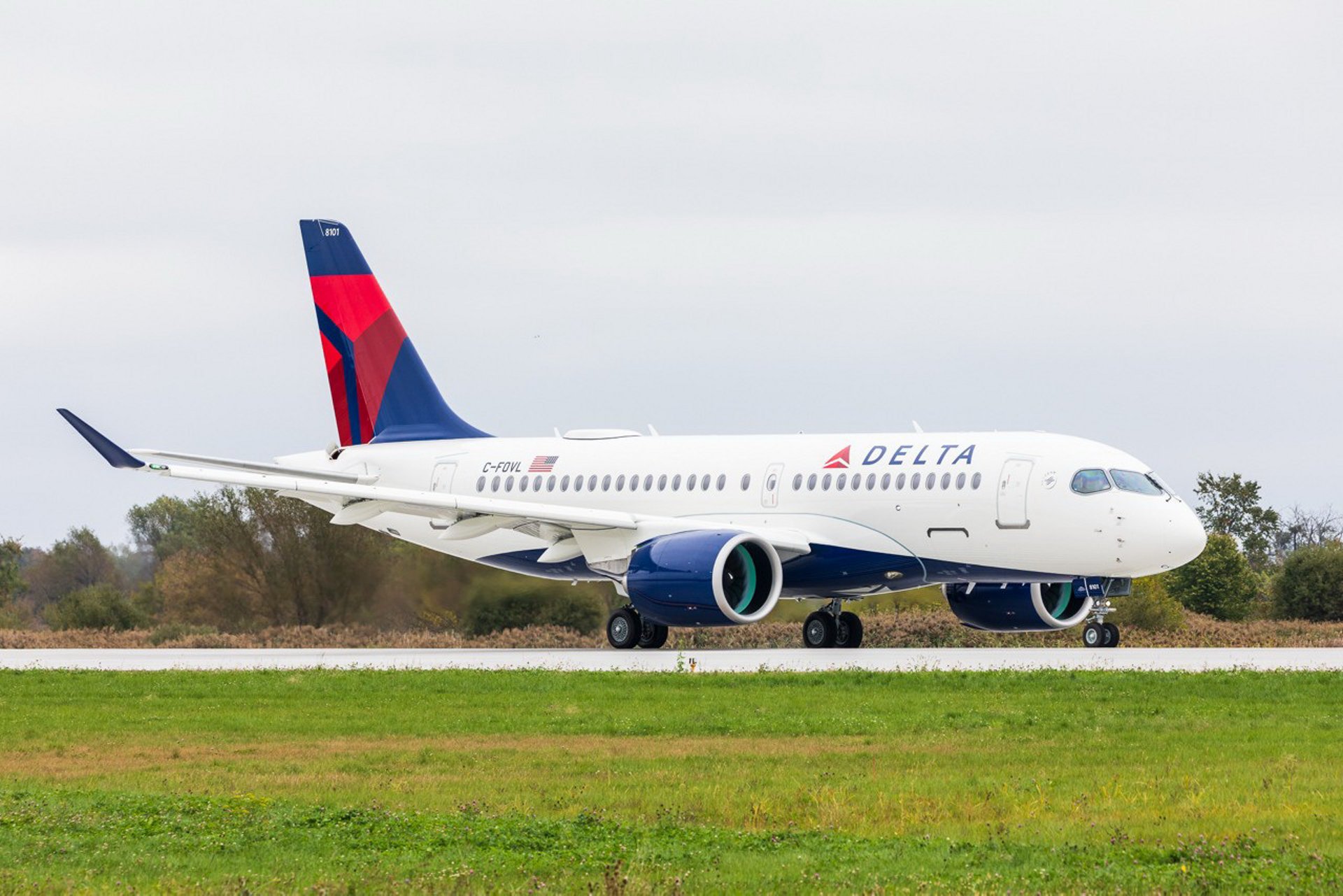
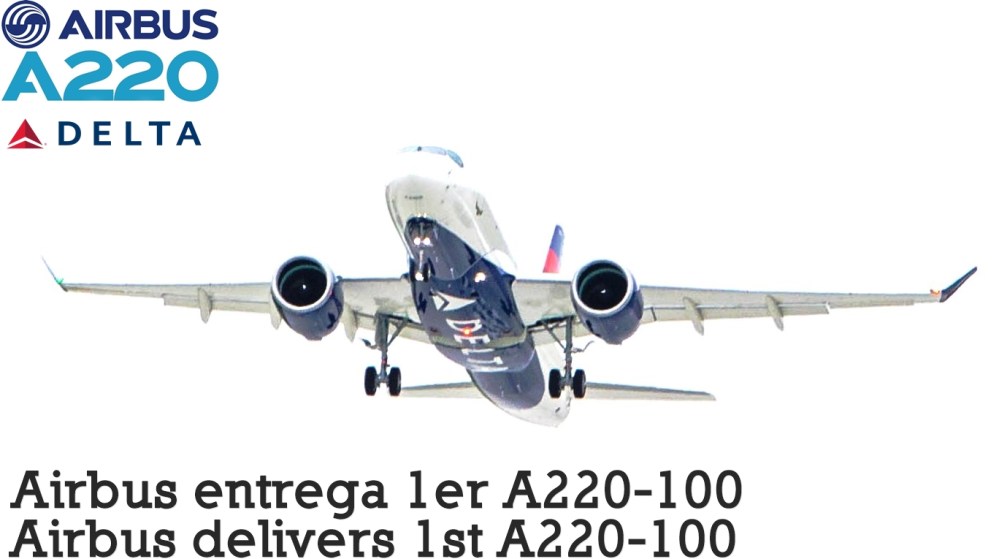
Airbus recibió hoy a Delta Air Lines como la primera aerolínea de EEUU que recibió el avión Airbus A220-100 en Mirabel, Quebec, Canadá. En la ceremonia de entrega en la línea de ensamblaje de la aeronave en Mirabel estuvieron presentes miembros del equipo A220, así como funcionarios gubernamentales y ejecutivos de Delta, Airbus, Bombardier e Investissement Québec.

«Con gran orgullo recibimos nuestra primera A220-100 con tecnología de punta. Tenemos grandes planes para nuestra flota A220 y confiamos en que los clientes de Delta y las personas de Delta estarán encantados con la experiencia en vuelo proporcionada por este avión completamente moderno y eficiente. Valoramos nuestras asociaciones de larga data con Airbus y Bombardier y estamos agradecidos por el excelente trabajo de diseño y fabricación realizado por el equipo aquí en Mirabel», dijo el presidente ejecutivo de Delta, Ed Bastian.

Resultado de imagen para Delta 1st customer A220

El Airbus A220 de Delta entrará en servicio a principios de 2019, lo que convierte a Delta en la cuarta aerolínea mundial en operar la aeronave conocida anteriormente como la Serie C de Bombardier. La Sociedad Limitada de Aeronaves de la Serie C (CSALP) dio la bienvenida a Airbus como socio principal a principios de este año, lo que provocó el cambio de nombre al Airbus A220. Delta es el mayor cliente A220-100, con un pedido en firme de 75 aviones.

El Presidente de Negocios de Aviación Comercial de Airbus, Guillaume Faury, expresó: «En Airbus estamos dedicados a brindar a nuestros clientes los productos adecuados para un mercado que necesita aviones modernos, eficientes y amigables con los pasajeros, y el extraordinario A220 sin duda lo ofrece. Cuando una gran aerolínea como Delta pone en servicio un nuevo avión como plataforma para su excelente servicio de pasajeros, toda la industria toma nota. El equipo A220 está satisfecho con la confianza que la familia Delta ha depositado en este excelente avión nacido en Canadá”.

El A220-100 ofrece una eficiencia de combustible inmejorable. Reúne aerodinámica de vanguardia, materiales avanzados y los motores de turbofan adaptados PW1500G de última generación de Pratt & Whitney para ofrecer al menos un 20% menos de combustible por asiento en comparación con los aviones de la generación anterior. Con un libro de pedidos de más de 400 aviones hasta la fecha, el A220 tiene todas las credenciales para ganar la mayor parte del mercado de aviones de 100 a 150 asientos, que se estima representan al menos 7,000 aviones en los próximos 20 años. A finales de Septiembre 2018, Delta operaba una flota de 235 aviones Airbus, incluidos 182 miembros de la Familia A320, así como 42 aviones A330 y 11 aviones A350. La aerolínea tiene más de 275 aviones Airbus adicionales en orden. El próximo año, Delta se convertirá en la primera aerolínea de EEUU en operar el nuevo Airbus A330NEO.

Resultado de imagen para Delta 1st customer A220

Delta Air Lines receives 1st Airbus A220

It becomes the first airline in North America to receive A220.

Airbus today received Delta Air Lines as the first US airline to receive the Airbus A220-100 aircraft in Mirabel, Quebec, Canada. At the delivery ceremony at the assembly line of the aircraft in Mirabel were present members of the A220 team, as well as government officials and executives from Delta, Airbus, Bombardier and Investissement Quebec.

«We are proud to receive our first A220-100 with state-of-the-art technology. We have big plans for our A220 fleet and we trust that Delta customers and Delta people will be delighted with the flight experience provided by this completely modern and efficient aircraft. We value our long-standing partnerships with Airbus and Bombardier and we are grateful for the excellent design and manufacturing work done by the team here in Mirabel», said Delta Chief Executive Ed Bastian.

The Delta Airbus A220 will enter service in early 2019, making Delta the fourth largest airline in the world to operate the aircraft previously known as the Bombardier C Series. The Airline Limited Company of the CSeries (CSALP) welcomed Airbus as its main partner earlier this year, which caused the name change to the Airbus A220. Delta is the largest customer A220-100, with a firm order of 75 aircraft.

The President of Airbus Commercial Aviation Business, Guillaume Faury, said: «At Airbus we are dedicated to providing our customers with the right products for a market that needs modern, efficient and passenger-friendly aircraft, and the extraordinary A220 without a doubt When a large airline like Delta puts a new plane into service as a platform for its excellent passenger service, the entire industry takes note.The A220 team is satisfied with the trust the Delta family has placed in this excellent Canadian-born aircraft».

The A220-100 offers unbeatable fuel efficiency. It brings together state-of-the-art aerodynamics, advanced materials and Pratt & Whitney’s latest generation PW1500G turbofan engines to offer at least 20% less fuel per seat compared to previous generation aircraft. With an order book of more than 400 aircraft to date, the A220 has all the credentials to win the bulk of the 100 to 150 seat aircraft market, which is estimated to represent at least 7,000 aircraft in the next 20 years. At the end of September 2018, Delta operated a fleet of 235 Airbus aircraft, including 182 members of the A320 Family, as well as 42 A330 aircraft and 11 A350 aircraft. The airline has more than 275 additional Airbus aircraft in order. Next year, Delta will become the first US airline to operate the new Airbus A330NEO. A \ W


Ξ A I R G W A Y S Ξ
SOURCE: Airgways.com
DBk: Airbus.com / Airgways.com / Delta.com
AW-POST: 201810261542AR

A\W   A I R G W A Y S ®

Persiguiendo al Boeing 797

AW-70007997.jpg

AW | 2018 10 25 23:48 | INDUSTRY

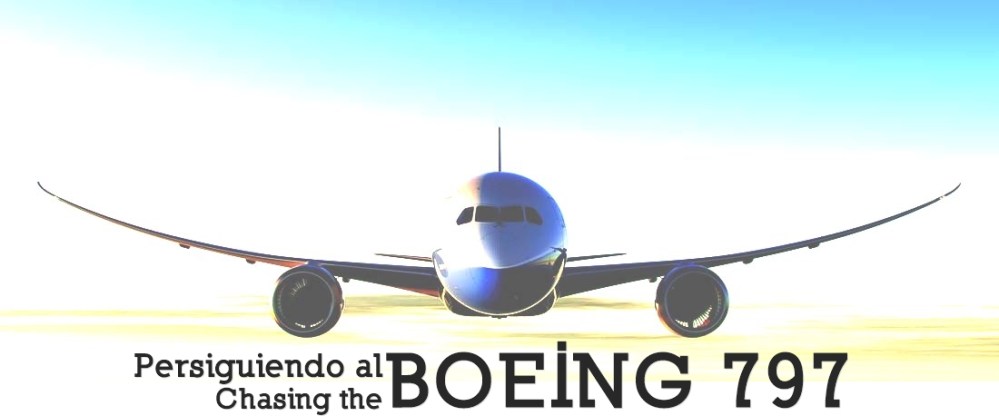
Boeing-Logo.svgEl Boeing 797 será el nuevo avión comercial mediano que revolucionará el transporte aéreo mundial
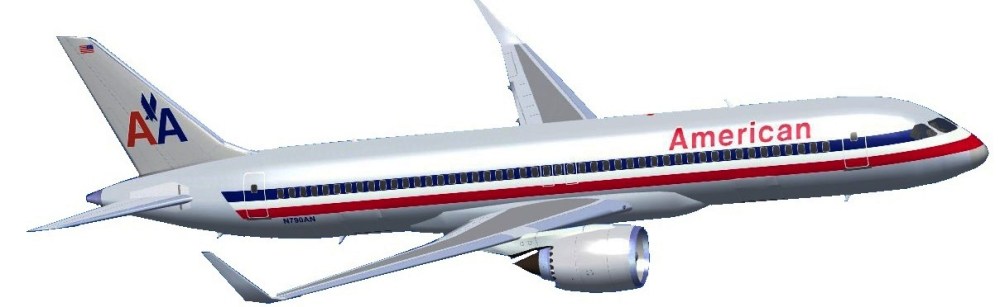
The Boeing Company todavía no ha tomado la decisión del lanzamiento del Boeing 797 NMA, pero el interés de las aerolíneas es muy creciente. Después de la baja del Programa Boeing 757, la industria aún espera que el gigante de Seattle se comprometa con la producción el próximo año 2019.

Aunque todavía no se ha nombrado oficialmente, es muy probable que el próximo avión Boeing se llamará «797». El nuevo avión se cargará de la innovadora tecnología de Boeing, lo que lo convertirá en uno de los más eficientes jamás fabricados, pués muchas aerolíneas están esperando un sustituto real al Boeing 757, aunque Airbus se haya aproximado con su nuevo producto A321NEO XLR.

Detalles del Boeing 797

Boeing todavía no ha lanzado el proyecto oficialmente, ni ha provisto de detalles estructurales del New Mid-Market Airplane. Boeing ha aproximado la confirmación el alcance y la capacidad que están buscando ofrecer con el nuevo avión de tamaño mediano, pero aún necesita pulirse o refinarse en cuanto a las características técnicas del Boeing 797.

Los datos provisorios en cuanto al rango y el número de asientos que Boeing está tratando de lograr con este nuevo avión fue revelado durante una presentación dada en el Farnborough Airshow 2018. Boeing está buscando introducir dos variantes del nuevo avión Boeing 797. El primero será el B797-6X, diseñado para transportar 228 pasajeros a una distancia de 4500 nmi. Posteriormente, el fabricante estadounidense seguirá con el B797-7X, una aeronave de mayor tamaño que transportaría 267 pasajeros, pero con una autonomía que alcanzaría los 4.100 nm. Las prestaciones de alcance establecen que el widebodies 797 podría cómodamente operar vuelos transatlánticos.

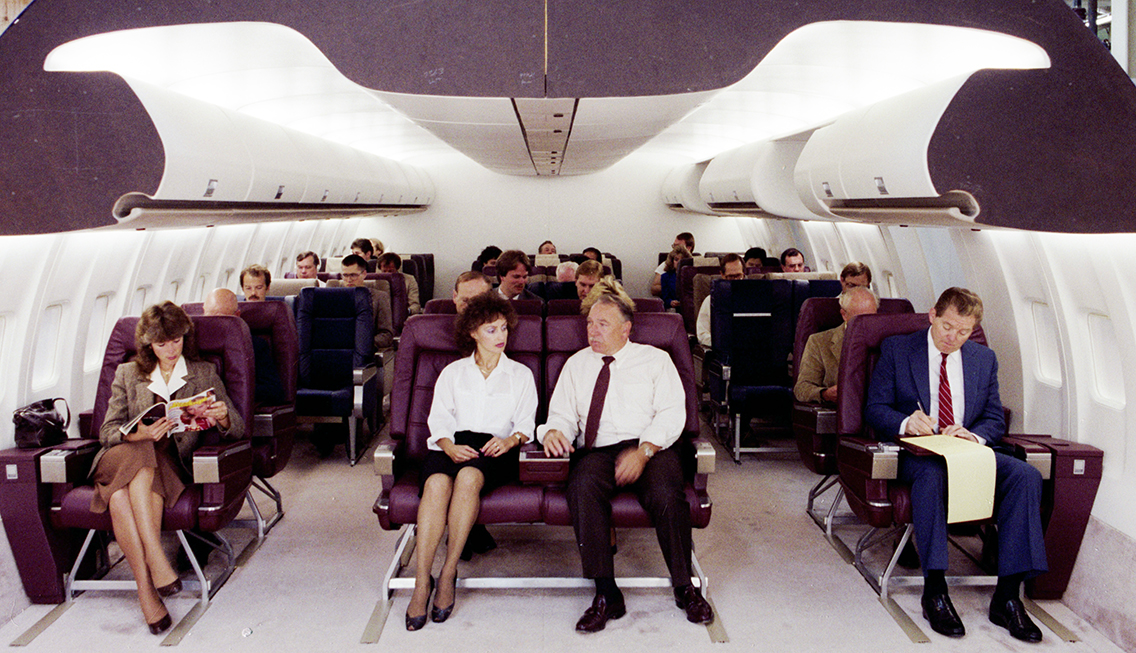
Boeing está estudiando el cross-section de la disposición de los asientos del nuevo 797 que tendría una distribución con dos pasillos, con un diseño de asientos de 2-3-2 en la clase económica, que estaría orientada a una clase Economy Premium, debido a una tendencia de mercado mundial que favorece esta distribución. Con este diseño Boeing distribuiría alrededor de un 85% de los asientos tanto en ventanilla o en pasillo. Según analistas de la industria dijeron que el diseño parecía ser firme, con una disposición de asientos 2-3-2.

Resultado de imagen para Boeing 797 cross-section

El Boeing 797 será mucho más limpio y ecológico para operar que las aeronaves actuales. De hecho, el 797 supuestamente será 40% más barato de operar que su rival Airbus, el Airbus A330NEO. Boeing estima que en más de 20 años, se podrían vender hasta 5.000 Boeing 797 en el mercado mundial. Podría generar hasta 30.000 nuevas rutas. En este momento, muchos de los vuelos de larga distancia son atendidos por aviones más grandes entre centros que son alimentados por vuelos regionales. Con el avión más pequeño y el alcance más amplio, un avión de este tipo podría abrir más rutas punto a punto transatlánticas, transpacíficas. Esto significa que para volar desde Manchester a Saint Louis, lo que se traduce en que un pasajero podría volar directamente en lugar de cambiar una o dos veces de avión.

Boeing tendría que construir un avión mucho más cómodo para el pasajero a un precio que sea competitivo con los diseños de pasillo único que se ofrecen actualmente. El 797 tendría el doble de espacio en el compartimiento superior y dos pasillos, y la mayoría de los pasajeros tendrían un asiento en el pasillo o en la ventana.

El embarque de aviones de un solo pasillo se está convirtiendo en una pesadilla, particularmente en los Estados Unidos, donde la tendencia es que los pasajeros traigan todo su equipaje a bordo.

Este es un problema importante, ya que los compartimientos superiores no son lo suficientemente grandes y el drama que rodea el hecho de llevar el equipaje a la parte superior retrasa el proceso de abordaje. Las peleas verbales a menudo estallan sobre el espacio de equipaje.

Interés por el 797

El interés de las aerolíneas en el Boeing 797 NMA, avión de tamaño medio está creciendo claramente. Delta Air Lines es el cliente número uno, desea ser la aerolínea de lanzamiento. Qantas Airways es una de las aerolíneas que está muy interesada en el Programa 797, pues considera al avión que se ajusta a su mercado alejado de los grandes centros de distribución,United Airlines, Alaska Airlines, Emirates Airline, sin descontar las aerolíneas low cost/low fare que sin dudas lograrán captar en el Boeing 797 una pieza ideal para mercados emergentes punto a punto.

Boeing 797, start-up 2019

Boeing ha comunicado que tomará una decisión de lanzamiento en 2019 y que la entrada en servicios podría llegar en 2025, con lo que el fabricante americano está evaluando y consultando que diferentes aerolíneas los requerimientos, como así explorando en la industria de insumos y de tecnología para alcanzar el nivel más óptimo para que el nuevo avión de mercado de rango medio pueda ver la luz.

Boeing se está enfocando actualmente en el desarrollo de los nuevos derivados del Programa 777X, el nuevo Boeing 797 probablemente estará en segundo plano, esperando la madurez necesaria hasta que se complete el proyecto persiguiendo nuevas tecnologías que justifiquen un nueva nueva aeronave. Como ha ocurrido con la línea Boeing 737, Boeing no lanzaría una nueva variante hasta no completar un programa que justifique el cambio de tecnología mejorada. Con más justificación con un programa totalmente nuevo como el Boeing 797, donde los costos de ingeniería y desarrollo se ponen a prueba, algo que aprendieron mucho del Programa 787 Dreamliners. La decisión oficial sobre el avance del Proyecto 797 se tomará durante el próximo año 2019.  AIRWAYS® AW-Icon TXT


Resultado de imagen para Boeing 797

Chasing the Boeing 797

Boeing-Company-LogoThe Boeing 797 will be the new medium commercial aircraft that will revolutionize world air transport

The Boeing Company has not yet made the decision to launch the Boeing 797 NMA, but the interest of airlines is growing. After the downgrade of the Boeing 757 Program, the industry still expects the giant from Seattle to commit to production next year 2019.

Although it has not yet been officially named, it is almost certain that the next Boeing aircraft will be called «797». The new aircraft will be loaded with Boeing’s innovative technology, which will make it one of the most efficient ever manufactured, as many airlines are waiting for a real replacement for the Boeing 757, even though Airbus has approached with its new product A321NEO XLR.

Details of the Boeing 797

Boeing has not yet officially launched the project, nor has it provided structural details of the New Mid-Market Airplane. Boeing has approached the confirmation of the scope and capacity they are seeking to offer with the new medium-sized aircraft, but still needs to be polished or refined in accordance with the technical characteristics of the Boeing 797.

The provisional data regarding the range and number of seats that Boeing is trying to achieve with this new aircraft was revealed during a presentation given at the Farnborough Airshow 2018. Boeing is looking to introduce two variants of the new Boeing 797 aircraft. The first will be the B797-6X, designed to transport 228 passengers at a distance of 4500 nmi. Subsequently, the American manufacturer will continue with the B797-7X, a larger aircraft that would carry 267 passengers, but with an autonomy that would reach 4,100 nm. The scope features establish that the 797 widebodies could comfortably operate transatlantic flights.

Boeing is studying the cross-section of the seat layout of the new 797 that would have a distribution with two aisles, with a seating design of 2-3-2 in economy class, which would be oriented to a Premium Economy class, due to a global market trend that favors this distribution. With this design Boeing would distribute around 85% of the seats both in the window or in the aisle. According to industry analysts said the design appeared to be firm, with a 2-3-2 seating arrangement.

Resultado de imagen para Boeing 797 airgways.com

The Boeing 797 will be much cleaner and greener to operate than current aircraft. In fact, the 797 will supposedly be 40% cheaper to operate than its rival Airbus, the Airbus A330NEO. Boeing estimates that in more than 20 years, up to 5,000 Boeing 797s could be sold on the world market. It could generate up to 30,000 new routes. At this time, many of the long-haul flights are served by larger aircraft between centers that are powered by regional flights. With the smallest aircraft and the widest range, such an aircraft could open more transatlantic, transpacific, point-to-point routes. This means that to fly from Manchester to Saint Louis, which means that a passenger could fly directly instead of changing one or two times of plane.

Boeing would have to build a much more comfortable aircraft for the passenger at a price that is competitive with the unique aisle designs currently offered. The 797 would have double the space in the upper compartment and two aisles, and most passengers would have a seat in the aisle or in the window.

The boarding of single-aisle aircraft is becoming a nightmare, particularly in the United States, where the tendency is for passengers to bring all their luggage on board.

This is a major problem, since the upper compartments are not large enough and the drama surrounding the fact of carrying the luggage to the top delays the boarding process. Verbal fights often explode over luggage space.

Interest for 797

The interest of the airlines in the Boeing 797 NMA, medium-sized plane is growing clearly. Delta Air Lines is the number one customer, it wants to be the launch airline. Qantas Airways is one of the airlines that is very interested in the 797 Program, considering the plane that fits its market away from the big distribution centers, United Airlines, Alaska Airlines, Emirates Airline, without discounting the low cost airlines. low fare that without doubt will capture in the Boeing 797 an ideal piece for emerging markets point to point.

Boeing 797, start-up 2019

Boeing has announced that it will make a launch decision in 2019 and that the entry into services could arrive in 2025, with which the American manufacturer is evaluating and consulting different airlines the requirements, as well as exploring in the industry of inputs and technology to reach the optimum level so that the new mid-range market aircraft can see the light.

Boeing is currently focusing on the development of new derivatives of the 777X Program, the new Boeing 797 will probably be in the background, waiting for the necessary maturity until the project is completed pursuing new technologies that justify a new new aircraft. As has happened with the Boeing 737 line, Boeing would not launch a new variant until it completes a program that justifies the change in improved technology. With more justification with a totally new program like the Boeing 797, where engineering and development costs are put to the test, something they learned a lot from the 787 Dreamliners Program. The official decision on the progress of Project 797 will be taken during the next year 2019. A \ W


AW-AW.com

AW-Airgways Icon-webΞ A I R G W A Y S Ξ
SOURCE: Airgways.com
DBk: Boeing.com / Airgways.com / Bloomberg.com / Airlineratings.com
AW-POST: 201810252348AR

A\W   A I R G W A Y S ®

Boeing con vientos a favor

MAX8FF_K66500-01.jpg

AW | 2018 10 25 22:01 | INDUSTRY

Boeing-Logo.svgBoeing duplica a Airbus en pedidos de aeronaves comerciales

El constructor estadounidense Boeing consigue 631 solicitudes frente a las 256 de la europea hasta Septiembre 2018. Ha obtenido ganancias por US$ 7.036 millones de dólares en los nueve primeros meses del año, con un incremento del 37%.

Boeing está teniendo viento de cola en este 2018. El constructor aeronáutico está firmando un gran año en materia de pedidos y entregas. Al cierre del tercer trimestre, la compañía estadounidense ha conseguido 631 pedidos frente a los 256 de su rival Airbus. Una diferencia muy importante que será difícil que la empresa europea remonte en lo que queda de año.

Modelos de Boeing

El modelo best seller que más pedidos acumula es el Boeing 737, con 514 unidades. El avión de pasillo único es la aeronave que más están demandando las aerolíneas. En segundo lugar aparece el Boeing 787, el modelo estrella del largo radio consigue 123 pedidos en los nueve primeros meses del año. El Boeing 767 obtiene 38 unidades y Boeing 777, 34 pedidos. Por último, el Jumbo Boeing 747, han firmado pedidos por 14 unidades.

Resultado de imagen para Boeing 737 max assembly lineEL MODELO BEST SELLER MÁS VENDIDO ES EL BOEING 737

Airbus, un años mediocre

Resultado de imagen para Airbus pngAirbus ha enfrentado el 2018 con dificultades, lo mismo que su competidor americano. Pero el consorcio europeo no está muy contento con los resultados obtenidos. Las 256 solicitudes conseguidas por el constructor europeo, 198 corresponden a la familia de pasillo único que agrupa los modelos A220, A319, A320 y A321, las aeronaves que compiten con el archirival 737. El A350, el avión bimotor de largo radio de la europea, que compite con el Boeing 787, ha conseguido en este periodo 36 pedidos en los nueve primeros meses del año. La familia A330 por su parte suma 14 nuevas solicitudes. El Superjumbo A380, el avión con mayor capacidad de pasajeros del mundo capaz de transportar a 544 personas, los pedidos durante los tres primeros trimestres de 2018 han quedado en 14 unidades.


Igualdad en entregas

En las entregas de aeronaves las posiciones están más igualadas. Boeing ha conseguido 568 entregas frente a las 503 que ha conseguido Airbus durante los nueve primeros meses del año. En cuanto a los modelos, se han entregado 407 unidades de la familia 737 frente a las 403 unidades de pasillo único que entregó Airbus. En el caso del largo radio, Boeing entregó 106 unidades del 787 mientras que Airbus se quedó en las 61 entregas del A350. En los aviones de alta capacidad el constructor norteamericano entregó 5 aeronaves 747 de Boeing frente a las 8 A380 de Airbus.

Boeing dispara sus beneficios

The Boeing Company está disfrutando de viento a favor. El constructor aeronáutico estadounidense ha conseguido un beneficio neto de US$ 7.036 millones de dólares en los tres primeros trimestre del año 2018, un aumento del 37% respecto al mismo periodo del año anterior. Las ventas en los nueve primeros meses de este año llegaron a los US$ 72.786 millones de dólares, un 5% más que el pasado ejercicio. Estos resultados se apoyan en el buen comportamiento de la división de defensa y a una mejora sustancial en la eficiencia productiva de las aeronaves comerciales.  AIRWAYS® AW-Icon TXT.png

Resultado de imagen para Boeing with winds in favor

Boeing with winds in favor

Boeing-Company-Logo.jpgBoeing doubles Airbus on commercial aircraft orders
The US constructor Boeing gets 631 applications compared to 256 of the European until September 2018. It has obtained profits of US$ 7,036 million dollars in the first nine months of the year, with an increase of 37%.

Boeing is having a tailwind in 2018. The aeronautical constructor is signing a great year in terms of orders and deliveries. At the end of the third quarter, the US company has obtained 631 orders compared to 256 of its rival Airbus. A very important difference that will be difficult for the European company to climb over the remainder of the year.

Boeing models

The best seller model that has more orders accumulated is the Boeing 737, with 514 units. The single aisle aircraft is the aircraft that airlines are most demanding. In second place is the Boeing 787, the star model of the long radio gets 123 orders in the first nine months of the year. The Boeing 767 gets 38 units and Boeing 777, 34 orders. Finally, the Jumbo Boeing 747, have signed orders for 14 units.

Airbus, a mediocre years

Airbus has faced 2018 with difficulties, the same as its American competitor. But the European consortium is not very happy with the results obtained. The 256 applications obtained by the European manufacturer, 198 correspond to the single-aisle family that groups the models A220, A319, A320 and A321, the aircraft that compete with the archival 737. The A350, the twin-engine long-range aircraft of the European, which competes with the Boeing 787, has achieved 36 orders in this period in the first nine months of the year. The A330 family meanwhile adds 14 new applications. The Superjumbo A380, the aircraft with the largest passenger capacity in the world capable of transporting 544 people, orders during the first three quarters of 2018 have been in 14 units.

Equality in deliveries

In aircraft deliveries the positions are more equal. Boeing has achieved 568 deliveries compared to the 503 that Airbus has achieved during the first nine months of the year. As for the models, 407 units of the 737 family have been delivered compared to the 403 single-aisle units that Airbus delivered. In the case of the long radio, Boeing delivered 106 units of the 787 while Airbus stayed in the 61 deliveries of the A350. In high-capacity aircraft, the North American manufacturer delivered 5 Boeing 747 aircraft in front of 8 Airbus A380s.

Boeing shoots its benefits

The Boeing Company is enjoying wind in favor. The US aeronautical constructor has achieved a net profit of US$ 7,036 million in the first three quarters of 2018, an increase of 37% over the same period of the previous year. Sales in the first nine months of this year reached US$ 72.786 billion, 5% more than last year. These results are based on the good performance of the defense division and a substantial improvement in the productive efficiency of commercial aircraft. A \ W

Ξ A I R G W A Y S Ξ
SOURCE: Airgways.com
DBk: Boeing.com / Columbian.com
AW-POST: 201810252201AR

A\W   A I R G W A Y S ®

Aumento demanda aérea en Brasil

IMG_0554.JPG

AW | 2018 10 25 21:31 | AIRLINES MARKET

El tráfico aéreo doméstico en Brasil incrementa el 2,5% en Septiembre 2018
El transporte aéreo en Brasil se ha incrementado en el orden de un 2,5% en Septiembre 2018 entre las compañías Avianca, Azul Airlines, Gol Linhas Aéreas, en tanto que Latam Airlines subió un 2,59%, todas las líneas aéreas en comparación con el mismo mes del año pasado. La demanda de vuelos internacionales aumentó el 16,02% interanual. Entre Enero a Septiembre 2018, el alza en la demanda de aviación doméstica es del 4,51%. En el caso de la demanda internacional, el acumulado suma el 15,68%. Las informaciones de las estadísticas son de la Asociación Brasileña de las Empresas Aéreas (ABEAR).

Desde el punto de vista de la oferta, hubo alza del 5,52% en el mercado nacional en septiembre y del 4,88% en el acumulado del año. Internacionalmente, la oferta creció el 22,28% en septiembre y del 19,44% hasta septiembre.Las estadísticas producidas por ABEAR abarca cerca del 30% de las operaciones aéreas internacionales que involucran a Brasil. La porción restante es propiedad de las compañías de bandera extranjera.participación En total, se transportaron 7,6 millones de pasajeros en vuelos domésticos (+ 2,28%) durante el mes de Septiembre.

AW-70011772.png

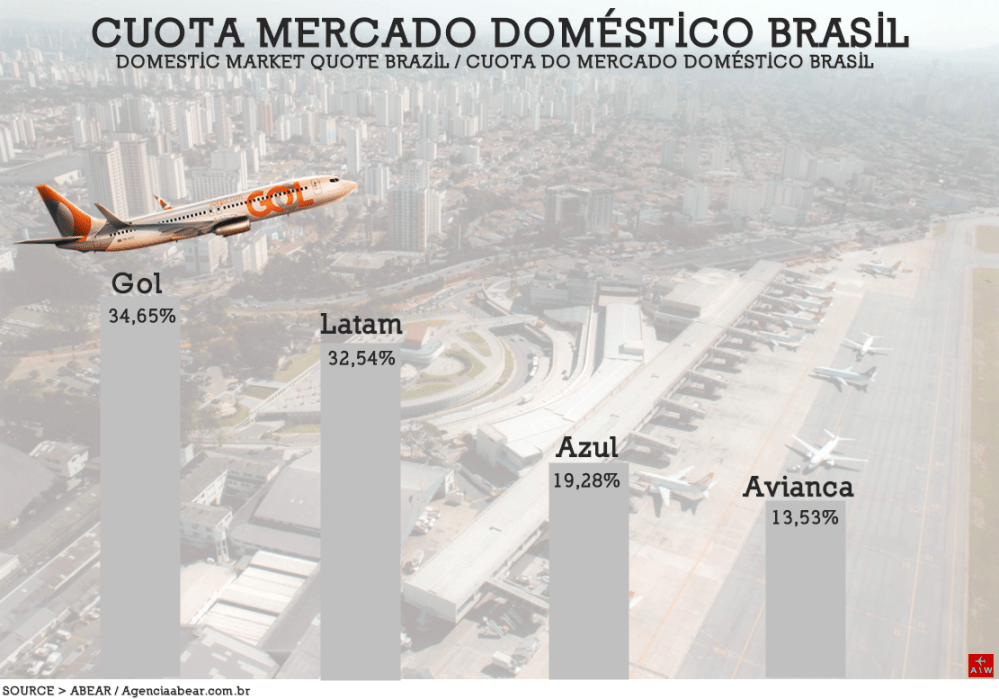
Entre las cuatro empresas del sector, la mayor cuota de mercado durante el mes se quedó con Gol (34,65%). Latam (32,54%), Azul (19,28%) y Avianca (13,53%) aparecen a continuación. Ya entre Brasil y el exterior se transportaron 765,5 mil pasajeros en septiembre, un 8,23% mayor que el registrado un año antes. Latam respondió por 69,01% del mercado el mes pasado, seguido por Azul (12,98%), Avianca (9,42%) y Gol (8,58%). En el mercado de cargas, las cuatro asociadas de Abear transportaron 32,7 mil toneladas en el mercado doméstico en septiembre (alza del 11,18% frente a un año) y 24,4 mil toneladas en el mercado internacional (salto del 27,9%). En el acumulado de nueve meses son 283,2 mil toneladas de carga transportadas en rutas domésticas (crecimiento del 13,47% ante igual período de 2017) y 209,9 mil toneladas transportadas en las rutas internacionales (alza del 31,23%).

De acuerdo con la Asociación Internacional de Transporte Aéreo (IATA), el número de pasajeros de compañías aéreas puede doblarse a 8.200 millones hasta 2037, impulsado por la demanda en Asia y las tasas de crecimiento anuales del 3,5%. El proteccionismo global, sin embargo, puede poner en riesgo la estimación. El director general de la IATA, Alexandre de Juniac afirmó que tal previsión ya fue revisada por cuenta de este factor, con una expectativa de 60 millones de pasajeros menos volando en los próximos 20 años.  AIRWAYS® AW-Icon TXT

Resultado de imagen para aeroporto congonhas latam

Increase in air demand in Brazil

Domestic air traffic in Brazil increases 2.5% in September 2018

Air transport in Brazil has increased in the order of 2.5% in September 2018 between the companies Avianca, Azul Airlines, Gol Linhas Aéreas, while Latam Airlines rose by 2.59%, all airlines compared with the same month last year. The demand for international flights increased 16.02% year-on-year. Between January and September 2018, the increase in domestic aviation demand is 4.51%. In the case of international demand, the accumulated sum of 15.68%. The information of the statistics are from the Brazilian Association of Air Companies (ABEAR).

From the point of view of supply, there was an increase of 5.52% in the national market in September and of 4.88% in the accumulated of the year. Internationally, the offer grew 22.28% in September and 19.44% until September. The statistics produced by ABEAR covers nearly 30% of international air operations involving Brazil. The remaining portion is owned by foreign flag companies. Participation In total, 7.6 million passengers were transported on domestic flights (+ 2.28%) during the month of September.

Among the four companies in the sector, the largest market share during the month remained with Gol (34.65%), Latam (32.54%), Azul (19.28%) and Avianca (13.53%) appear below. Between Brazil and abroad, 765.5 thousand passengers were transported in September, 8.23% more than the one registered one year earlier. Latam responded by 69.01% of the market last month, followed by Azul (12.98%), Avianca (9.42%) and Gol (8.58%). In the cargo market, the four associated companies of Abear They transported 32.7 thousand tons in the domestic market in September (11.18% increase compared to a year) and 24.4 thousand tons in the international market (27.9% jump). In the accumulated nine months There are 283.2 thousand tons of freight transported on domestic routes (growth of 13.47% compared to the same period of 2017) and 209.9 thousand tons transported on international routes (increase of 31.23%).

According to the International Air Transport Association (IATA), the number of airline passengers can double to 8,200 million by 2037, driven by demand in Asia and annual growth rates of 3.5%. Global protectionism, however, can put estimation at risk. The general director of the IATA, Alexandre de Juniac affirmed that such forecast was already revised by account of this factor, with an expectation of 60 million passengers less flying in the next 20 years. A \ W

Resultado de imagen para aeroporto congonhas azul

Aumento da demanda de ar no Brasil

Tráfego aéreo doméstico no Brasil cresce 2,5% em setembro de 2018

O transporte aéreo no Brasil aumentou na ordem de 2,5% em setembro de 2018 entre as empresas Avianca, Azul Linhas Aéreas, Gol Linhas Aéreas, enquanto a Latam Airlines cresceu 2,59%, todas as companhias aéreas comparadas com o mesmo mês do ano passado. A demanda por voos internacionais aumentou 16,02% no comparativo anual. Entre janeiro e setembro de 2018, o aumento da demanda da aviação doméstica é de 4,51%. No caso da demanda internacional, a soma acumulada de 15,68%. As informações das estatísticas são da Associação Brasileira das Empresas Aéreas (ABEAR).

Do ponto de vista da oferta, houve alta de 5,52% no mercado nacional em setembro e de 4,88% no acumulado do ano. Internacionalmente, a oferta cresceu 22,28% em setembro e 19,44% até setembro.As estatísticas produzidas pela ABEAR abrangem cerca de 30% das operações aéreas internacionais envolvendo o Brasil. O restante é de propriedade de empresas de bandeira estrangeira Participação No total, 7,6 milhões de passageiros foram transportados em voos domésticos (+ 2,28%) durante o mês de setembro.

Entre as quatro empresas do setor, a maior participação de mercado durante o mês ficou com a Gol (34,65%), Latam (32,54%), Azul (19,28%) e Avianca (13,53%), entre o Brasil e o exterior, 765,5 mil passageiros transportados em setembro, 8,23% a mais que aquele registrado um ano antes. Latam foi responsável por 69,01% do mercado no mês passado, seguida por Azul (12,98%), Avianca (9,42%) e Gol (8,58%). No mercado de carga, quatro associados Abear Transportaram 32,7 mil toneladas no mercado interno em setembro (aumento de 11,18% em relação a um ano) e 24,4 mil toneladas no mercado internacional (alta de 27,9%). No acumulado de nove meses São 283,2 mil toneladas de cargas transportadas em rotas domésticas (crescimento de 13,47% em relação ao mesmo período de 2017) e 209,9 mil toneladas transportadas em rotas internacionais (aumento de 31,23%).

De acordo com a Associação Internacional de Transporte Aéreo (IATA), o número de passageiros de companhias aéreas pode dobrar para 8.200 milhões até 2037, impulsionado pela demanda na Ásia e taxas de crescimento anuais de 3,5%. O protecionismo global, no entanto, pode colocar a estimativa em risco. O diretor geral da IATA, Alexandre de Juniac, afirmou que essa previsão já foi revisada por conta desse fator, com uma expectativa de 60 milhões de passageiros a menos voando nos próximos 20 anos. A \ W

Ξ A I R G W A Y S Ξ
SOURCE: Airgways.com
DBk: Agenciaabear.com.br / Airgways.com
AW-POST: 201810252131AR

A\W   A I R G W A Y S ®

Mitsubishi inyección de capital a MRJ

Resultado de imagen para flythemrj.com

AW | 2018 10 25 20:48 | INDUSTRY

mitac_logotype.pngMitsubbishi Heavy Industries inyectará capital a Mitsubishi Aerospace

Mitsubishi Heavy Industries anunció esta semana que inyectaría ¥ 220 mil millones de yenes en el brazo del avión para asegurarse de que la compañía se mantenga a flote durante su extenso programa de pruebas de vuelo. La noticia acerca de la demanda de Bombardier ha afectado a Mitsubishi Aerospace, la compañía matriz todavía está totalmente comprometida a que la aeronave MRJ-90 pase las pruebas de vuelo.

El MRJ-90 había sufrido numerosos retrasos desde su lanzamiento del concepto inicial en 2007 y ya se había perdido la fecha de finalización programada originalmente para 2013. El avión ha pasado por múltiples retrasos desde su lanzamiento inicial, como el ensanchamiento y el cambio de una fibra de carbono a aluminio y tener que esperar a que Pratt & Whitney termine de certificar los motores PW1200G para el MRJ-90.

El MRJ-90 finalmente estuvo listo para las pruebas de vuelo en 2015 y tomó un vuelo en Nagoya, Japón, antes de hacer la transición a Moses Lake, Washington para completar la certificación. Sin embargo, más errores han llegado al Mitsubishi Regional Jet en los años siguientes y la fecha de entrega más temprana de la aeronave ahora está proyectada para el 2020.

Una vez que llegue la certificación del Jet Regional de Mitsubishi será el primer avión comercial japonés desde la década de 1960, cuando construyó el NAMC YS-11 turbohélice. El Programa MRJ actualmente tiene 288 pedidos en firme y 184 opciones combinadas para el MRJ-70 de 70 asientos y el MRJ90 de 90 asientos. Mitsubishi también está dejando la puerta abierta para un avión de 100-110 asientos, pero eso dependerá de la demanda y del éxito de ventas de los dos prototipos al entrar en servicio para principios de 2020.   AIRWAYS® AW-Icon TXT

Resultado de imagen para flythemrj.com

Mitsubishi capital injection

Mitsubbishi Heavy Industries will inject capital into Mitsubishi Aerospace

Mitsubishi Heavy Industries announced this week that it would inject ¥ 220 billion yen into the arm of the plane to ensure that the company stays afloat during its extensive flight test program. The news about Bombardier’s demand has affected Mitsubishi Aerospace, the parent company is still fully committed to the MRJ-90 aircraft passing the flight tests.

Resultado de imagen para flythemrj.com

The MRJ-90 had suffered numerous delays since its launch of the initial concept in 2007 and the completion date originally scheduled for 2013 had already been lost. The aircraft has gone through multiple delays since its initial launch, such as widening and changing a carbon fiber to aluminum and having to wait for Pratt & Whitney to finish certifying the PW1200G motors for the MRJ-90.

The MRJ-90 was finally ready for the flight tests in 2015 and took a flight in Nagoya, Japan, before making the transition to Moses Lake, Washington to complete the certification. However, more errors have reached the Mitsubishi Regional Jet in the following years and the earliest delivery date of the aircraft is now projected for 2020.

Once the certification of the Mitsubishi Regional Jet arrives it will be the first Japanese commercial aircraft since the 1960s, when it built the NAMC YS-11 turboprop. The MRJ Program currently has 288 firm orders and 184 combined options for the 70-seat MRJ-70 and the 90-seat MRJ90. Mitsubishi is also leaving the door open for a 100-110 seat aircraft, but that will depend on the demand and sales success of the two prototypes entering service by the beginning of 2020. A \ W

599dd54d3ae86.image.png

三菱の資本注入

三菱重工業は、三菱航空宇宙

三菱重工業は今週、大規模な飛行試験プログラムで浮上していることを確実にするために、飛行機に2200億円を投入すると発表した。ボンバルディアの需要に関するニュースは、三菱航空宇宙に影響を及ぼしました。親会社は、まだ飛行試験に合格したMRJ-90機に全力を尽くしています。

Aw-78000007.jpg

MRJ-90は、2007年の初期コンセプトの開始以来、多くの遅れを抱えていましたが、2013年に当初計画されていた完成日はすでに失われていました。 Pratt&WhitneyがMRJ-90用のPW1200Gモーターを認証するのを待たなければなりません。

MRJ-90は最終的に2015年に飛行試験の準備ができ、名古屋で飛行機を利用してワシントン州モーゼス湖に移り、認定を完了しました。しかし、その後三菱地方自治体のジェット機にはさらに多くの誤差があり、2020年には納期の早期化が計画されています。

三菱リージョナルジェットの認定が到着すると、NAMC YS-11ターボプロップを建設した1960年代から初めての日本の民間航空機となります。 MRJプログラムは、現在、MRJ-70 70席とMRJ90席90席の288の受注と184の組み合わせオプションを提供しています。三菱は席を100-110席の航空機のために開いているが、それは2020年の初めにサービスに入る2つのプロトタイプの需要と販売の成功に依存する。A \ W

Ξ A I R G W A Y S Ξ
SOURCE: Airgways.com
DBk: Mhi.com / Flythemrj.com
AW-POST: 201810252048AR

A\W   A I R G W A Y S ®