 AW | 2019 03 17 18:25 | AIR INVESTIGATION
 La tragedia aérea del vuelo Austral AU-2553 retoma audiencia el 26 Marzo 2019
El avión McDonnell Douglas DC-9-32 de Austral Líneas Aéreas se estrelló el Octubre 1997 falleciendo las 74 personas a bordo en Fray Bentos, una localidad situada al margen derecho del Río Uruguay en la República Oriental del Uruguay. Tragedia de Fray Bentos: a juicio con 35 acusados, 21 años después. Los imputados del caso están citados para el 26 de marzo. Los familiares dudan de la Justicia.
Cronología accidente AU-2553
El vuelo AU-2553 de Austral Líneas Aéreas sufrió un accidente el 10 Octubre 1997 en el que murieron 74 personas, sin sobrevivientes. Fue realizado por el avión McDonnell Douglas DC-9-32, con la matrícula argentina LV-WEG. El vuelo se dirigía desde la ciudad argentina de Posadas a la ciudad de Buenos Aires y se precipitó a tierra en la estancia Nuevo Berlín, zona rural cercana a la ciudad uruguaya de Fray Bentos. Austral Líneas Aéreas había sido gestionada hasta 1995 por la aerolínea española Iberia, y era gestionada de manera directa en ese momento por el Instituto Nacional de Industria (INI) de España. Se trata del mayor desastre aéreo sucedido en territorio del Uruguay.
El accidente fue técnicamente investigado por la Comisión Investigadora de Accidentes Aéreos (CIADA) del Uruguay y penalmente por la justicia argentina. La CIADA finalizó su informe en 1999, concluyendo que el accidente se produjo como consecuencia directa de la decisión de copiloto de extender los slats a excesiva velocidad y altura, lo que produjo su rotura y la pérdida de control de la nave. El informe sostiene también que el error de la tripulación fue inducido por el congelamiento de los tubos de Pitot (sensor de velocidad) y la inexistencia en el avión de la alarma recomendada para alertar sobre esa situación, así como la falta de entrenamiento adecuado de los pilotos, que llevaron a estos a cometer un error sobre la velocidad de la nave. Además, a la aerolínea Austral se la había acusado de traer «material de descarte» para la flota de aeronaves de la línea aérea del Grupo Aerolíneas, lo que dejaba entrever que en su momento, Iberia estaba dando de baja aeronaves que no cumplían con las normas aeronáuticas tanto en España como en Argentina, razón por la cual las reglamentaciones de una luz de color ámbar no fue instalada oportunamente para advertir a la tripulación de vuelo que existía una anomalía entre los tubos pitots y la lectura de los instrumentos de vuelo del DC-9-32 de Austral.
La justicia argentina en 2017 aún no había iniciado el juicio contra las 27 personas procesadas, funcionarios de la empresa, el gobierno nacional y la Fuerza Aérea, corriendo el riesgo de que la causa prescriba por la demora, que podría impedir la condena de los eventuales responsables, al igual que sucedió en el accidente del vuelo 3142 de LAPA, sucedido dos años después. La tripulación del vuelo estaba integrada por Jorge Cécere (comandante), Horacio Núñez (copiloto), Susana Trotta (comisaria de a bordo), Bibiana Rumachella (primera auxiliar) y Fernando Álvarez (segundo auxiliar).
Próxima audiencia
Los familiares de los deudos sostienen que la lucha ha sido muy larga, aunque esperan con ánimo la próxima audiencia expresan que tuvieron que pasar 21 años para que por fin comience el juicio oral que buscará responsables por lo ocurrido. El Tribunal Oral Federal 5 de Buenos Aires programó el inicio del juicio para el 26 Marzo 2019 que tendrá 35 acusados que se sentarán en el banquillo. Los familiares tienen duda, pues muchos de los imputados son españoles, viven en Europa y ni siquiera se conoce el estado de salud de ellos. Por lo que podría provocar que llegada la fecha no se presenten y que eso vuelva a estirar los tiempos. Ante esa eventualidad los familiares pedirán la captura internacional.
La causa ya fue investigada a lo largo de estos casi 21 años por tres jueces. En la actualidad se establece si entre las causas que originaron el accidente aéreo cabía asignarle responsabilidad a los ex directivos de la empresa que en aquel momento dependía de la española Iberia y a ex-miembros de la Fuerza Aérea Argentina.
Los familias de tripulantes y pasajeros sostienen que la querella engloba alrededor de 15 personas, la empresa y los organismos de control son responsables de la tragedia. Las pericias hechas por los organismos uruguayos determinaron que fallaron las luces de alarma que debían alertar sobre el funcionamiento de los tubos pitots, que marcan la lectura por ingreso de presión de aire externo, en el velocímetro de cabina. Lo que ocurrió fue que el tubo pitot se habían congelado y el piloto creyó que la velocidad era menor a la que en realidad iba, por eso extendió los slots para sustentar a la aeronave DC-9-32 pero la presión del aire a velocidades extremas arrancó primeramente uno de los slots provocando una sustentación despareja en la aeronave perdiendo el control en caída libre hasta estrellarse.
 Audience Austral flight AU-2553
The aerial tragedy of Austral flight AU-2553 resumes hearing on March 26, 2019
The McDonnell Douglas DC-9-32 plane from Austral Líneas Aéreas crashed in October 1997, killing all 74 people on board in Fray Bentos, a town on the right bank of the Uruguay River in the Eastern Republic of Uruguay. Tragedy of Fray Bentos: to trial with 35 accused, 21 years later. The accused of the case are scheduled for March 26. Family members doubt Justice.
Accident Timeline AU-2553
Flight AU-2553 of Austral Líneas Aéreas suffered an accident on October 10, 1997 in which 74 people died, without survivors. It was made by the McDonnell Douglas DC-9-32 aircraft, with the Argentine LV-WEG license plate. The flight was heading from the Argentine city of Posadas to the city of Buenos Aires and it fell ashore in the New Berlin ranch, a rural area near the Uruguayan city of Fray Bentos. Austral Líneas Aéreas had been managed until 1995 by the Spanish airline Iberia, and was directly managed at that time by the National Institute of Industry (INI) of Spain. It is the largest air disaster happened in the territory of Uruguay.
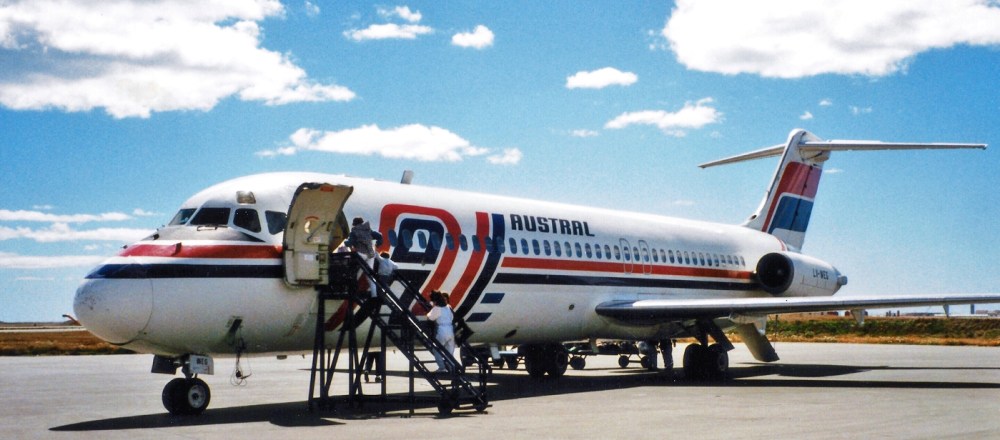 AIRCRAFT DC-9-32 LV-WEG LIGHTING THE PREVIOUS LIVERY
The accident was technically investigated by the Air Accident Investigation Commission (CIADA) of Uruguay and criminally by the Argentine justice system. La CIADA finalized its report in 1999, concluding that the accident occurred as a direct consequence of the co-pilot’s decision to extend the slats at excessive speed and height, which caused its breakage and the loss of control of the ship. The report also states that the crew’s error was caused by the freezing of the Pitot tubes (speed sensor) and the absence of the recommended alarm on the plane to warn of this situation, as well as the lack of adequate training of the pilots, who led them to make a mistake about the speed of the ship. In addition, the Austral airline had been accused of bringing «discarding material» to the airline fleet of the airline group Airlines, which revealed that at the time, Iberia was discharging aircraft that did not comply with the aeronautical standards in both Spain and Argentina, which is why the regulations of an amber colored light was not installed in time to warn the flight crew that there was an anomaly between the pitot tubes and the reading of the DC flight instruments -9-32 from Austral.
The Argentine justice in 2017 had not yet started the trial against the 27 people prosecuted, officials of the company, the national government and the Air Force, running the risk that the cause prescribes for the delay, which could prevent the conviction of those responsible, as happened in the accident of flight MJ-3142 of LAPA, happened two years later. The flight crew consisted of Jorge Cécere (commander), Horacio Núñez (co-pilot), Susana Trotta (commissary on board), Bibiana Rumachella (first assistant) and Fernando Álvarez (second assistant).
The case has already been investigated over these almost 21 years by three judges. Currently it is established if among the causes that originated the plane crash it was possible to assign responsibility to the former directors of the company that at that moment depended on the Spanish Iberia and to former members of the Argentine Air Force.
The families of crew members and passengers claim that the complaint involves around 15 people, the company and the control agencies are responsible for the tragedy. The expertise made by the Uruguayan agencies determined that the alarm lights that should have alerted the operation of the pitot tubes, which mark the reading by entering external air pressure, in the cab speedometer failed. What happened was that the pitot tube had frozen and the pilot believed that the speed was lower than it actually was, so he extended the slots to support the DC-9-32 aircraft but the air pressure at extreme speeds first started one of the slots causing an uneven lift in the aircraft losing control in free fall until crashing. A \ W
Ξ A I R G W A Y S Ξ
SOURCE: Airgways.com
DBk: Clarin.com / Airgways.com / Wikimedia.org
AW-POST: 201903171825AR
A\W A I R G W A Y S ®
 airgways.com