AW | 2020 12 19 11:27 | AIRLINES / AVIATION ORGANISMS / GOVERNMENT
Aerolínea cancela vuelos desde el 18-31 Diciembre 2020
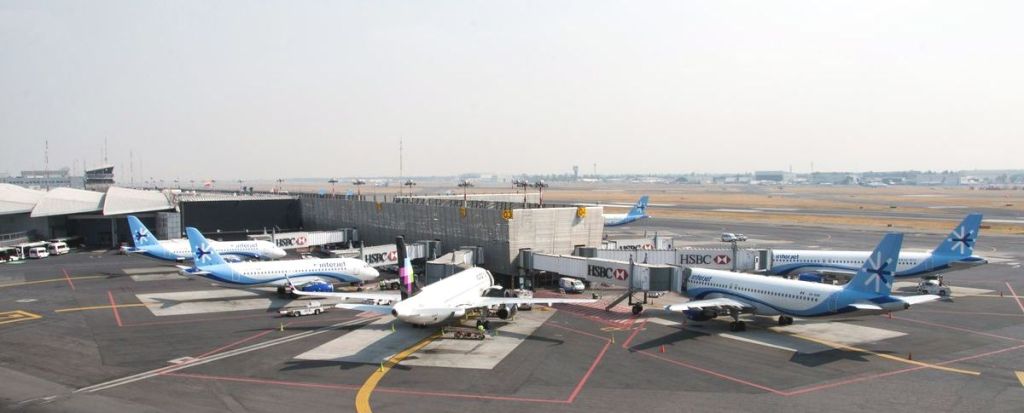
Las deudas acorralan a la aerolínea mexicana Interjet que no logra levantar vuelo cuando la compañía no nha resuelto el pago a los empleados de los sueldos de seis quincenas como así también el pago de combustible adeudado. Tras un impase desde este Viernes 18/12 hasta el 31/12, todos los vuelos de Interjet serán cancelados. La cancelación de los vuelos se debe a la colección de deudas que arrastra Interjet, contra la cual la Procuraduría Federal del Consumidor (Profeco) emitió una alerta de riesgo. La aerolínea tiene una deuda de casi MX$ 1.200 millones de Pesos mexicanos en combustible, y con Aeropuertos y Servicios Auxiliares (AYSA). Mientras que a los Servicios de Navegación al Espacio Aéreo Mexicano (SENEAM) y al Servicio de Administración Tributaria (SAT), tiene una deuda de MX$ 2.947 millones de Pesos.
La agencia fiscalizadora Profeco había alertado a principios de 12/2020 a los consumidores sobre el riesgo de establecer relaciones comerciales con Interjet, debido a problemas como: suspensión de ruta, cancelaciones recurrentes de sus vuelos, otorgamiento de miles de vouchers que no se han podido hacer efectivos por nuevas cancelaciones y incumplimiento en el pago de indemnizaciones. Tras la falta de liquidez para mantener una mínima capacidad operativa respecto al pago de combustible, la Profeco “considera suficiente para advertir el riesgo inminente de afectación a la economía de una colectividad de consumidores”. Por su parte, la Asociación Internacional de Transporte Aéreo (IATA) decretó la suspensión de venta de boletos de Interjet en agencias de viajes. La asociación dio a conocer que la aerolínea quedó fuera de su sistema Billing and Settlement Plan (BSP), a través del cual se venden y remiten boletos con las agencias.
Interjet flight suspension
Airline cancels flights from 18-31 December 2020
The debts corner the Mexican airline Interjet, which cannot get off the ground when the company has not resolved the payment to the employees of six fortnight’s salaries as well as the fuel payment owed. After an impasse from this Friday 12/18 to 12/31, all Interjet flights will be canceled. The cancellation of the flights is due to the collection of debts dragged by Interjet, against which the Federal Prosecutor’s Office for the Consumer (Profeco) issued a risk alert. The airline has a debt of almost MX $ 1,200 million Mexican pesos in fuel, and with Airports and Auxiliary Services (AYSA). While the Mexican Air Space Navigation Services (SENEAM) and the Tax Administration Service (SAT) have a debt of MX $ 2,947 million pesos.
At the beginning of 12/2020, the auditing agency Profeco had warned consumers about the risk of establishing commercial relationships with Interjet, due to problems such as: route suspension, recurrent cancellations of their flights, granting of thousands of vouchers that have not been possible. make effective for new cancellations and failure to pay compensation. After the lack of liquidity to maintain a minimum operational capacity regarding the payment of fuel, Profeco «considers it sufficient to warn of the imminent risk of affecting the economy of a group of consumers». For its part, the International Air Transport Association (IATA) decreed the suspension of Interjet ticket sales at travel agencies. The association announced that the airline was out of its Billing and Settlement Plan (BSP) system, through which tickets are sold and remitted with agencies.
Aerolínea australiana acuerda compra por US$ 65 millones
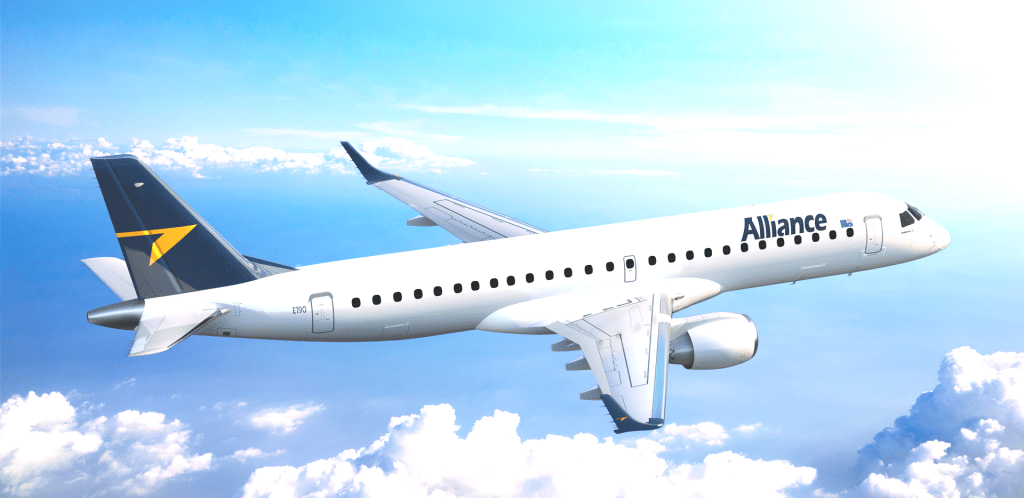
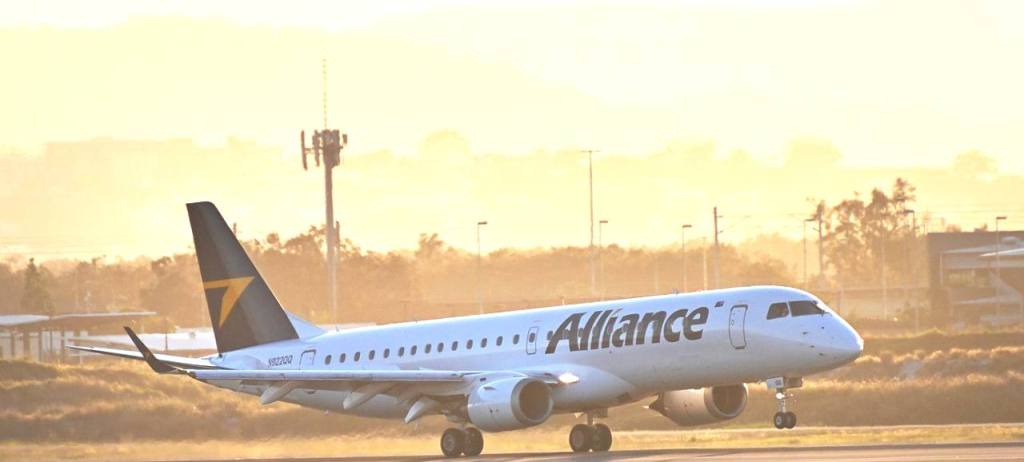
La aerolínea australiana Alliance Airlines ha firmado un acuerdo de adquisición de Embraer E190 de American Eagle por valor de US$ 85 millones de Dólares australianos (US$ 65 millones de Dólares EEUU) para 16 Embraer E190. Alliance ha firmado el acuerdo con la compañía estadounidense de aviación Jetran para la adquisición 1de las aeronave, más un motor GE CF34 de repuesto. Los aviones Embraer fueron operados originalmente por American Eagle con una configuración de 99 asientos. Los E190 existentes de la aerolínea tienen 10-12 asientos de clase ejecutiva y 84-88 asientos en Economy. Las entregas de las unidades se iniciarán en Diciembre 2020 con la entrega inmediata de cinco E190, luego continuará el cronograma de entregas de una unidad mensual hasta Noviembre 2021.
La aerolínea australiana había iniciado negociaciones acerca de las adquisiciones de las unidades E190 a mediados de 2020. El acuerdo actual es parte de los planes de expansión de la flota a corto plazo de la aerolínea para lograr un mejor posicionamiento frente a la creciente competencia en Australia. Alliance quiere aprovechar la recuperación del mercado australiano que auguran de un rápido crecimiento después de la debacle mundial. El Gerente, Scott McMillan dijo en un comunicado: «Alliance ha vuelto a aprovechar su fuerte posición financiera y las condiciones actuales del mercado para adquirir estos aviones de calidad a un valor convincente».
La aerolínea también firmó anteriormente un acuerdo en agosto para 14 E190 y seis motores de repuesto del arrendador estadounidense Azorra Aviation como parte de sus planes de expansión de la flota, además de una opción para E190 (5) adicionales, un simulador de vuelo y más equipos si es necesario.
Perspectivas Alliance
Alliance Airlines desarrolla una red de rutas consolidada en Australia atendiendo rutas domésticas como así destinos regionales cortos a Nueva Zelanda, las islas del Pacífico y el sudeste asiático. El crecimiento de su flota y red representan pilares fundamentales para marcar posición en un mercado muy prometedor. Los nuevos aviones Embraer E190 permitirán a la aerolínea seguir ofreciendo un mercado a aeropuertos más pequeños que no pueden operar cómodamente los Boeing 737 de mayores prestaciones. La compañía espera poner en servicio las nuevas aeronaves regionales hacia Marzo 2021, de acuerdo con el cronograma de presentación de certificaciones de la Autoridad de Seguridad de aviación civil (CASA) de Australia.
Alliance Air confirms 16 additional E190s
Australian airline agrees to purchase for US$ 65 million
Australian airline Alliance Airlines has signed an agreement to acquire Embraer E190 from American Eagle worth US $ 85 million Australian dollars (US$ 65 million) for 16 Embraer E190s. The Alliance has signed the agreement with the American aviation company Jetran for the acquisition of the aircraft, plus a replacement GE CF34 engine. Embraer aircraft were originally operated by American Eagle with a 99 seat configuration. The airline’s existing E190s have 10-12 Business Class seats and 84-88 Economy seats. The deliveries of the units will begin in December 2020 with the immediate delivery of five E190s, then the delivery schedule of a monthly unit will continue until November 2021.
The Australian airline had begun negotiations on the E190 acquisitions in mid-2020. The current agreement is part of the airline’s short-term fleet expansion plans to better position itself in the face of growing competition in Australia. . The Alliance wants to take advantage of the recovery in the Australian market that promises rapid growth after the global debacle. Manager Scott McMillan said in a statement: «The Alliance has once again leveraged its strong financial position and current market conditions to acquire these quality aircraft at a compelling value».
The airline also previously signed a deal in August for 14 E190s and six replacement engines from US lessor Azorra Aviation as part of its fleet expansion plans, plus an option for additional E190s (5), a flight simulator and more equipment. if required.
Alliance Perspectives
Alliance Airlines develops a consolidated route network in Australia serving domestic routes as well as short regional destinations to New Zealand, the Pacific Islands and Southeast Asia. The growth of its fleet and network represent fundamental pillars to establish a position in a very promising market. The new Embraer E190 aircraft will allow the airline to continue to market to smaller airports that cannot comfortably operate higher-end Boeing 737s. The company expects to put the new regional aircraft into service by March 2021, in accordance with the Australian Civil Aviation Safety Authority (CASA) certification submission schedule.
Ayudas podrían aplicarse a otras aerolíneas españolas
El Gobierno de España ha iniciado estudios complementarios de factibilidad para ampliar las ayudas para el rescate de empresas y sectores estratégicos. El Estado español analiza duplicar la cantidad del fondo de rescate, que pasaría a ser de € 20.000 millones de Euros, después de que el Consejo de Ministros aprobase el pasado verano boreal un fondo de € 10.000 millones.
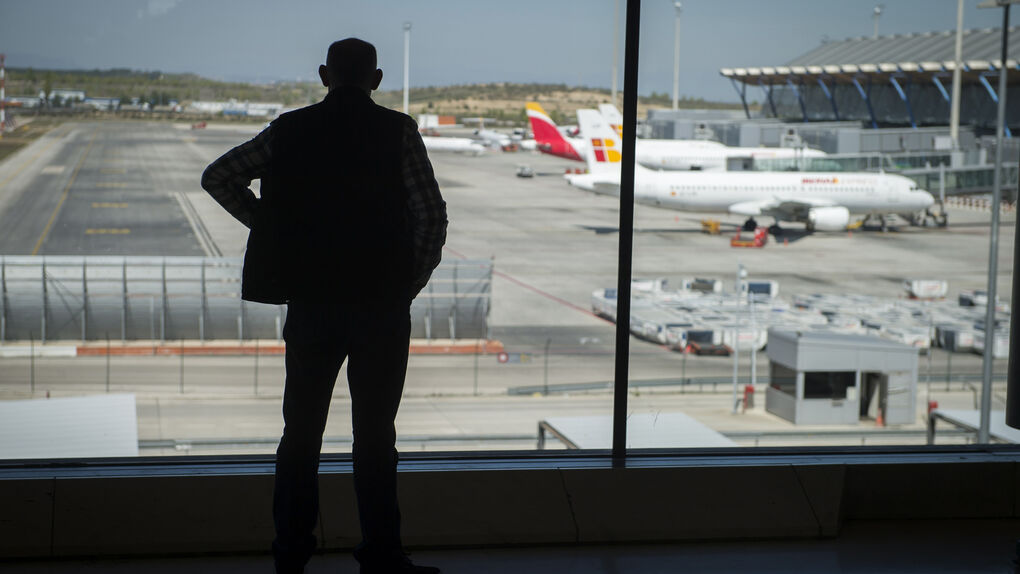
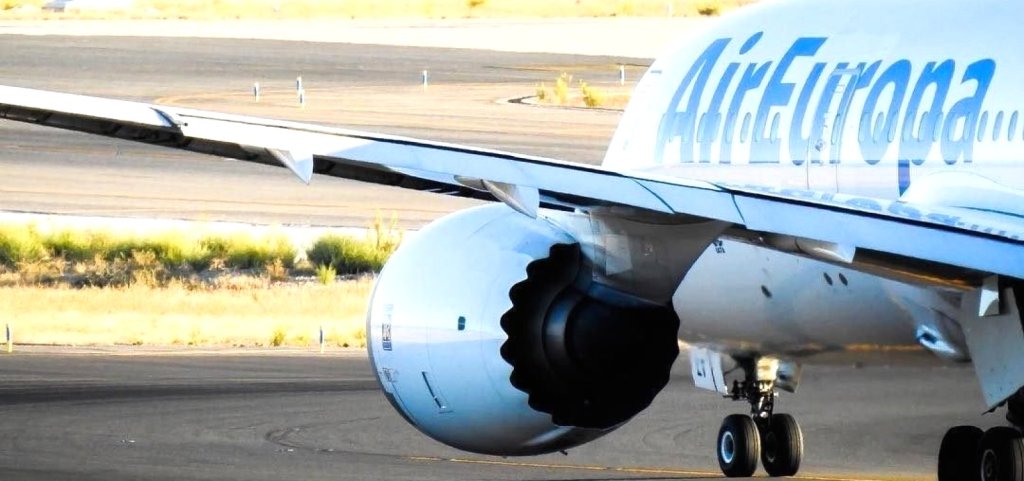
Inmerso en la crisis mundial se encuentran una veintena de empresas con problemas de liquidez donde la Sociedad Estatal de Participaciones Industriales (SEPI) tiene en su radar para que sean recapitalizadas a través por el Gobierno español. La SEPI ha representado ser un órgano de ayudas a líneas aéreas entre otras compañías para superar la crisis de la pandemia. La aerolínea Air Europa ha recibido préstamos por valor de € 475 millones. En el caso de Iberia, por el momento, no evalúan adquirir ayudas, pero hacia el futuro no se descartan. Un rescate a Iberia permitiría al Gobierno una mayor fuerza para presionar de cara a la compra de Air Europa, cuyo pago en efectivo se acordó posponer a 2026 cuando la aerolínea de los Hidalgo haya podido devolver el dinero del Estado en el plazo que prometió. Iberia y Air Europa, al venir logrando el grueso de sus beneficios de la clase ‘business’ de viajeros de trabajo en vuelos a Latinoamérica, son las dos aerolíneas que afrontan un escenario más difícil para recuperar su rentabilidad anterior, como reveló Preferente hace unos días. En los casos particulares como Plus Ultra Airlines, Wamos, Grupo Barceló (matriz de Ávoris) y Globalia recibirán ayudas económicas.
Government of Spain to the rescue of airlines
Aid could be applied to other Spanish airlines
The Government of Spain has initiated complementary feasibility studies to expand aid for the rescue of strategic companies and sectors. The Spanish State is analyzing doubling the amount of the rescue fund, which would rise to € 20,000 million Euros, after the Council of Ministers approved a € 10,000 million fund last summer.
Immersed in the global crisis are a score of companies with liquidity problems where the State Society of Industrial Participations (SEPI) has on its radar to be recapitalized by the Spanish Government. The SEPI has represented being an organ of aid to airlines among other companies to overcome the crisis of the pandemic. The airline Air Europa has received loans worth € 475 million. In the case of Iberia, at the moment, they do not evaluate acquiring aid, but in the future they are not ruled out. A bailout of Iberia would allow the Government a greater force to press for the purchase of Air Europa, whose payment in cash was agreed to postpone until 2026 when the Hidalgo airline has been able to return the money from the State within the term it promised. Iberia and Air Europa, having achieved the bulk of their benefits from the ‘business’ class of working travelers on flights to Latin America, are the two airlines that face a more difficult scenario to recover their previous profitability, as Preferente revealed a few days ago. In particular cases such as Plus Ultra Airlines, Wamos, Grupo Barceló (Ávoris parent company) and Globalia will receive financial aid.
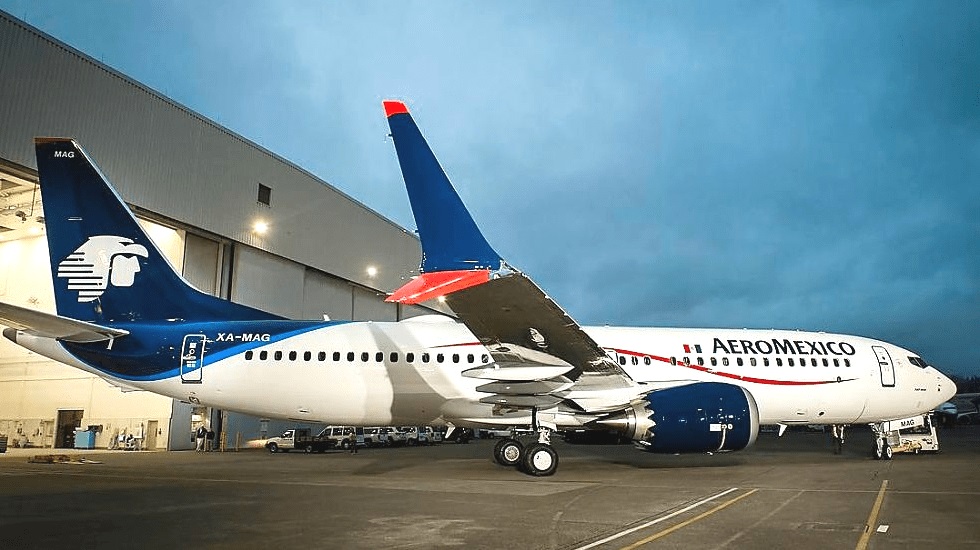
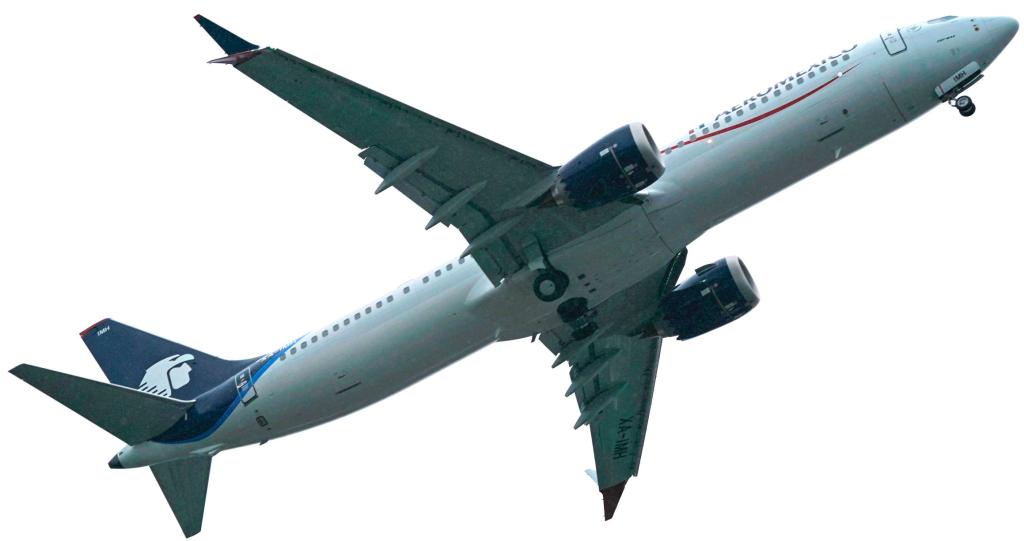
Aeroméxico ha anunciado la puesta en línea operativa del Boeing 737 MAX tras la coordinación de The Boeing Company y la Agencia Federal de Aviación Civil de México (AFAC) con la finalidad de realizar las pruebas necesarias para reincorporar el Boeing 737 MAX a las operaciones de la aerolínea. Actualmente, la aerolínea es el único transportista que opera este tipo de aeronaves con seis unidades Boeing 737-8 MAX más un pedido de 44 MAX 8 y 10 MAX 9. Los requisitos establecidos para la tripulación de vuelo han sido complementadas por parte del organismo de aviación mexicano y Aeroméxico. El Boeing 737 MAX ha sido puesto en tierra en Marzo de 2019 después de detectarse fallas en la seguridad operativa de su Sistema de Control de Vuelo denominado MCAS. Tras las correcciones que demandaron veinte meses de investigaciones y pruebas, el modelo nuevamente está siendo aprobado por los organismos de aviación de diferentes países e incorporándose paulatinamente a la flota de las aerolíneas.
La compañía Aeroméxico ha informado que reiniciará sus operaciones comerciales con el 737 MAX en la ruta entre Ciudad de México y Cancún, y continuará incorporando otros destinos como Guadalajara, Monterrey y Tijuana de acuerdo con la planificación de la red de rutas de la línea aérea. El Vicepresidente de Operaciones de Vuelo de Grupo Aeroméxico, Pablo Aram Aznavurian Roure, ha expresado: «Como piloto y gerente del Grupo Aeroméxico, estoy muy orgulloso de que el Boeing 737 MAX vuelva a funcionar. Es uno de los aviones más eficientes, modernos, menos contaminantes y más seguros del mundo. Nuestros pilotos, técnicos y todo el personal de la aerolínea están listos para volar y reconocemos las meticulosas revisiones que la Agencia Federal de Aviación Civil de México ha llevado a cabo para garantizar la seguridad y el estricto cumplimiento de todos los requisitos».
Aeromexico to restart ops 737 MAX
Aeroméxico puts its Boeing 737 MAX into service
Aeroméxico has announced the operational line-up of the Boeing 737 MAX after the coordination of The Boeing Company and the Federal Civil Aviation Agency of Mexico (AFAC) in order to carry out the necessary tests to reincorporate the Boeing 737 MAX to the operations of the airline. Currently, the airline is the only carrier that operates this type of aircraft with six Boeing 737-8 MAX units plus an order of 44 MAX 8 and 10 MAX 9. The requirements established for the flight crew have been complemented by the Mexican aviation organization and Aeroméxico. The Boeing 737 MAX was grounded in March 2019 after flaws were detected in the operational safety of its Flight Control System called MCAS. After the corrections that required twenty months of investigations and tests, the model is once again being approved by the aviation organizations of different countries and gradually being incorporated into the airline fleet.
The Aeroméxico company has informed that it will restart its commercial operations with the 737 MAX on the route between Mexico City and Cancun, and will continue to incorporate other destinations such as Guadalajara, Monterrey and Tijuana in accordance with the planning of the airline’s route network. The Vice President of Flight Operations of Grupo Aeroméxico, Pablo Aram Aznavurian Roure, has expressed: «As a pilot and manager of Grupo Aeroméxico, I am very proud that the Boeing 737 MAX is working again. It is one of the most efficient, modern, The least polluting and safest in the world. Our pilots, technicians and all airline personnel are ready to fly and we acknowledge the meticulous reviews that the Federal Civil Aviation Agency of Mexico has carried out to ensure safety and strict compliance with all requirements».
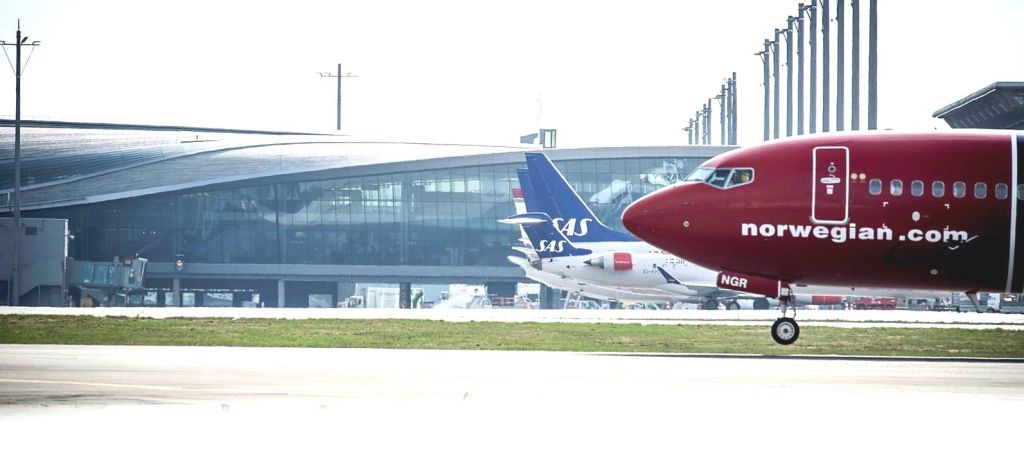
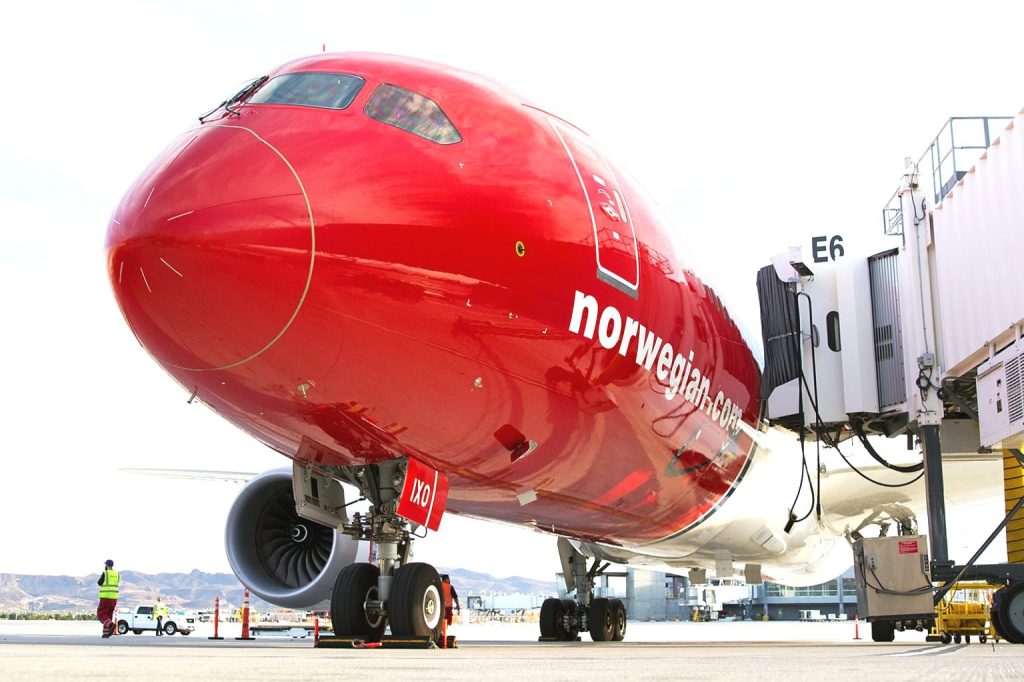
La aerolínea de bajo coste Norwegian Air continúa inmersa en un proceso de protección de activos en la República de Irlanda para blindarse frente a las reclamaciones de sus acreedores. Recientemente ha conseguido este Jueves 17/12 el apoyo de sus accionistas en una asamblea general extraordinaria con motivo de su plan de reestructuración, que incluye emisión de nuevas acciones y la conversión de deuda. La compañía consigue nuevamente estabilizar su situación tras recibir la semana pasada el visto bueno de los tribunales noruegos e irlandeses para seguir un doble proceso de reconstrucción en ambos países. La solicitud para acogerse a estos mecanismos llegó tras la negativa del Gobierno noruego a conceder más apoyo económico por la pandemia del coronavirus. El primer paso ha sido acudir a los Tribunales de Irlanda, en un proceso conocido como examinership. El fin principal de este instrumento, al cual ya se han acogido en el pasado otras aerolíneas como CityJet, es proteger los activos de un solicitante en apuros frente a reclamaciones de acreedores.
Plan accionistas de Norwegian
La aprobación de los accionistas de Norwegian recibido este 17/12 permitirá seguir adelante a la compañía con su hoja de ruta: obtener NOK 4.000 millones de Coronas noruegas (375 millones de Euros) a través de un programa de conversión de deuda en acciones. En Mayo 2020 se había evitado la quiebra, tras lograr un primer respaldo de acreedores y accionistas a un plan para convertir NOK 12.700 millones de coronas (1.163 millones de Euros) de deuda en acciones. Este visto bueno le permitió acceder a una ayuda estatal de NOK 3.000 millones de coronas (275 millones de Euros), la mitad del total de un paquete al sector aéreo noruego. Sería la primera y última ayuda pública estatal. La incertidumbre era razonable, sobre todo, por los movimientos de algunos de sus inversores. Su segundo accionista, BOC Aviation LTD., una empresa controlada en última instancia por la República Popular de China, había reducido durante los últimos meses su participación en la compañía, como claro gesto a su desinterés en ella. Sin embargo, la compañía sigue atravesando una difícil situación financiera, que arrastra desde hace años pero ha sido agravada por la crisis del coronavirus, que ha hundido los niveles de tráfico por las restricciones a la movilidad para frenar la propagación de la enfermedad. A ello se une el enorme hachazo bursátil que ha vivido en paralelo a la alerta sanitaria.
La mala situación de Norwegian Air se debe a la prohibición temporal de vuelo de los Boeing 737 MAX y a los problemas con los motores Rolls Royce en la línea 787, potenciado por la pandemia de Coronavirus. Después de tantas turbulencias, Norwegian Air empieza a ver la luz al final del túnel.
Norwegian Air end tunnel light
Norwevian Air manages to stabilize financial support
The low-cost airline Norwegian Air continues to undergo an asset protection process in the Republic of Ireland to protect itself against claims from its creditors. This Thursday, 12/17, it has recently obtained the support of its shareholders in an extraordinary general meeting on the occasion of its restructuring plan, which includes the issuance of new shares and the conversion of debt. The company is once again able to stabilize its situation after receiving the approval of the Norwegian and Irish courts last week to follow a double reconstruction process in both countries. The request to benefit from these mechanisms came after the Norwegian Government refused to grant more financial support for the coronavirus pandemic. The first step has been to go to the Courts of Ireland, in a process known as examinership. The main purpose of this instrument, which has been used in the past by other airlines such as CityJet, is to protect the assets of an applicant in distress against claims from creditors.
Norwegian shareholders plan
The approval of Norwegian shareholders received on 12/17 will allow the company to continue with its roadmap: obtaining NOK 4,000 million Norwegian crowns (375 million Euros) through a debt-to-equity conversion program. In May 2020, bankruptcy had been avoided, after obtaining a first endorsement from creditors and shareholders of a plan to convert NOK 12.7 billion crowns (1,163 million Euros) of debt into shares. This approval allowed him to access state aid of NOK 3 billion crowns (275 million Euros), half of the total of a package to the Norwegian airline sector. It would be the first and last state public aid. The uncertainty was reasonable, above all, due to the movements of some of its investors. Its second shareholder, BOC Aviation LTD., A company ultimately controlled by the People’s Republic of China, had reduced its stake in the company in recent months, as a clear gesture of its disinterest in it. However, the company continues to face a difficult financial situation, which has dragged on for years but has been aggravated by the coronavirus crisis, which has plunged traffic levels due to mobility restrictions to slow the spread of the disease. To this is added the huge stock market hack that has lived in parallel to the health alert.
Norwegian Air’s bad situation is due to the temporary flight ban of the Boeing 737 MAXs and problems with the Rolls Royce engines on the 787 line, fueled by the Coronavirus pandemic. After so much turbulence, Norwegian Air begins to see the light at the end of the tunnel.
Norsk endetunnellampe
Norwevian Air klarer å stabilisere økonomisk støtte
Lavprisflyselskapet Norwegian Air fortsetter å gjennomgå en aktivabeskyttelsesprosess i Irland for å beskytte seg mot krav fra kreditorene. Torsdag 12/17 har selskapet nylig fått støtte fra aksjonærene på en ekstraordinær generalforsamling i anledning sin restruktureringsplan, som inkluderer utstedelse av nye aksjer og konvertering av gjeld. Selskapet er igjen i stand til å stabilisere sin situasjon etter å ha mottatt godkjenning fra de norske og irske domstolene i forrige uke for å følge en dobbel gjenoppbyggingsprosess i begge land. Forespørselen om å få nytte av disse mekanismene kom etter at den norske regjeringen nektet å gi mer økonomisk støtte til koronaviruspandemien. Det første trinnet har vært å gå til Courts of Ireland, i en prosess kjent som eksaminatorium. Hovedformålet med dette instrumentet, som andre flyselskaper som CityJet har brukt tidligere, er å beskytte eiendelene til en søker i nød mot krav fra kreditorer.
Norwegian aksjonærer planlegger
Godkjennelsen av norske aksjonærer mottatt den 12/17 vil gjøre det mulig for selskapet å fortsette med veikartet sitt: å skaffe 4.000 millioner norske kroner (375 millioner Euro) gjennom et konverteringsprogram for gjeld til egenkapital. I mai 2020 var konkurs unngått etter å ha fått en første godkjennelse fra kreditorer og aksjonærer om en plan for å konvertere 12,7 milliarder kroner (1163 millioner Euro) gjeld til aksjer. Denne godkjennelsen ga ham tilgang til statsstøtte på 3000 millioner kroner (275 millioner Euro), halvparten av den totale pakken til den norske flysektoren. Det ville være den første og siste statsstøtten. Usikkerheten var fremfor alt rimelig på grunn av bevegelsene til noen av investorene. Dens andre aksjonær, BOC Aviation LTD., Et selskap som til slutt kontrolleres av Folkerepublikken Kina, hadde redusert sin eierandel i selskapet de siste månedene, som en klar gest av dets manglende interesse for det. Imidlertid fortsetter selskapet å møte en vanskelig økonomisk situasjon, som har trukket ut i årevis, men har blitt forverret av koronaviruskrisen, som har stupt trafikknivået på grunn av mobilitetsbegrensninger for å bremse spredningen av sykdommen. Til dette legges det enorme aksjemarkedshacket som har levd parallelt med helsevarselet.
Norwegian Airs dårlige situasjon skyldes midlertidig flyforbud for Boeing 737 MAX og problemer med Rolls Royce-motorene på 787-linjen, drevet av Coronavirus-pandemien. Etter så mye turbulens begynner Norwegian Air å se lyset på enden av tunnelen.
PUBLISHER: Airgways.com DBk: Norwegian.com / Willliam Derrikson / Edward Russell / Airgways.com AW-POST: 202012181900AR
JetBlue anuncia incremento de vuelos en EEUU y América Latina
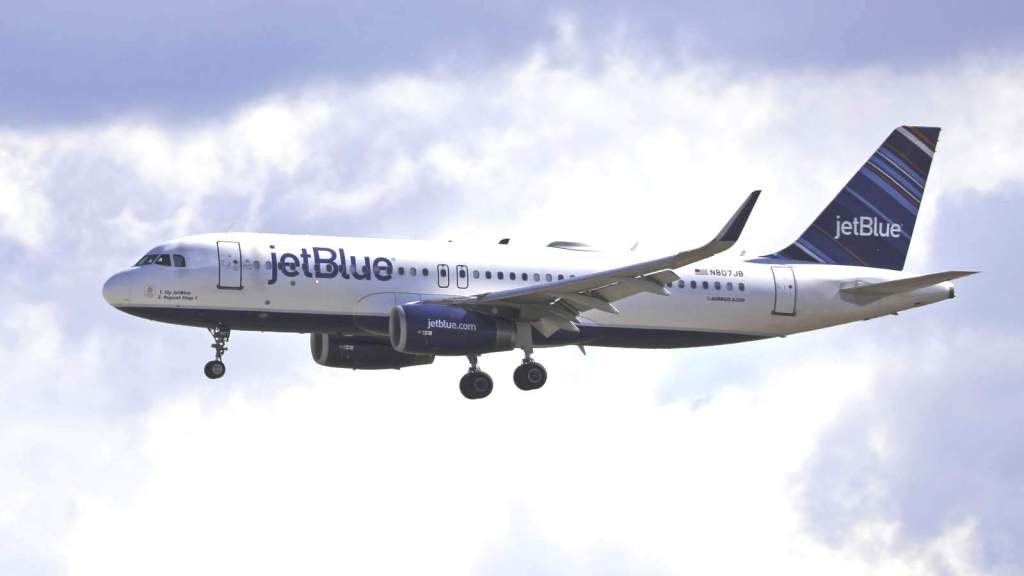
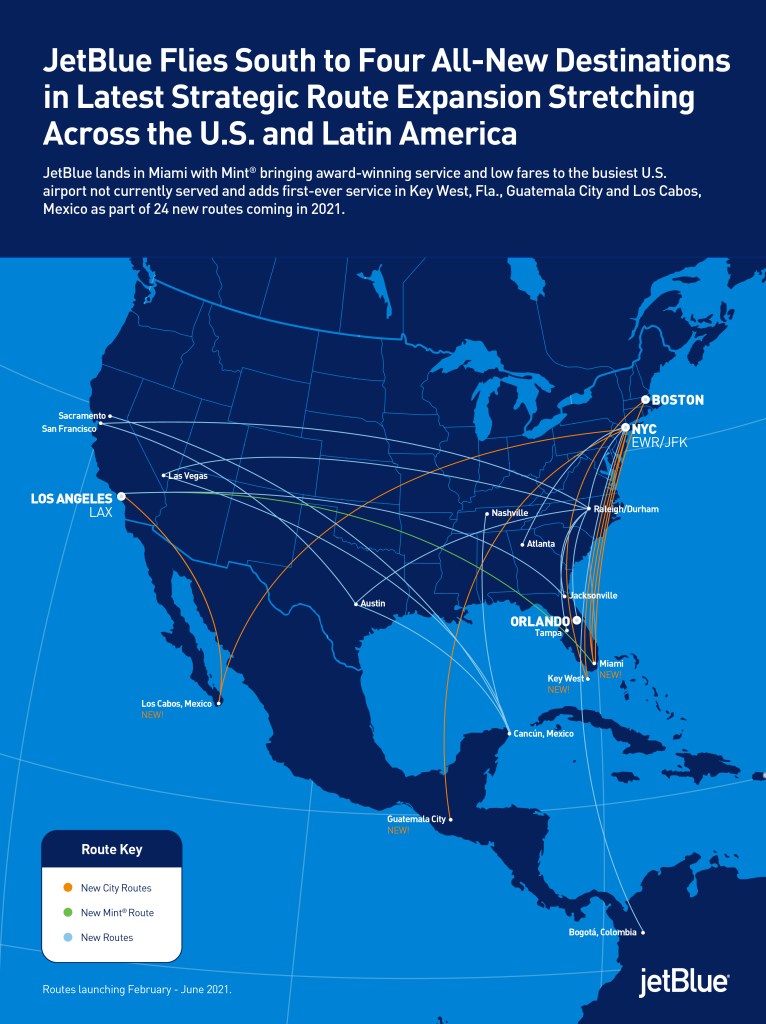
JetBlue Airways ha anunciado su expansión en Estados Unidos y América Latina como parte de sus nuevas estrategias corporativas post-pandemia. JetBlue aterriza en Miami con Mint® llevando el galardonado servicio y las tarifas bajas al mercado estadounidense más concurrido que actualmente no poseía servicios y agrega el primer servicio en Key West, Florida, Ciudad de Guatemala (Guatemala) y Los Cabos (México) como parte de veinticuatro nuevas rutas que llegarán en 2021. JetBlue Airways ha anunciado este 17 de Diciembre de 2020 la introducción de los servicios en cuatro nuevos destinos como parte de un plan más amplio para agregar veinticuatro nuevas rutas sin escalas en el primer semestre de 2021. La aerolínea de presupuesto iniciará servicios desde Miami entre a partir de Febrero-Junio 2020 a los destinos como Cayo Hueso (FL); Ciudad de Guatemala; y Los Cabos. Nueve de las veinticuatro rutas servirán a los cuatro nuevos destinos de las ciudades de enfoque de JetBlue, con los 15 mercados restantes que unen las ciudades existentes de JetBlue con el nuevo servicio sin escalas. Todas las rutas están destinadas a generar inmediatamente ingresos en efectivo y capturar el tráfico donde la aerolínea anticipa la demanda de los clientes. La apertura de la venta de tickets aéreos está disponible actualmente. «Este año nos ha empujado a encontrar nuevas formas de operar nuestro negocio y nos hemos adaptado a un ritmo que nunca antes habíamos visto, pivotando nuestra red en respuesta a la creciente demanda de los clientes. Seguimos jugando a la ofensiva para traer ingresos en efectivo y apoyar la recuperación de nuestro negocio. Estas adiciones de red ayudan a afinar nuestra geografía de maneras que tienen sentido en el mercado actual», dijo Scott Laurence, Jefe de Ingresos y Planificación de JetBlue Airways.
Hub MIA
JetBlue Airways lanzará el servicio diario sin escalas entre el Aeropuerto Internacional de Miami/MIA y el Aeropuerto Internacional Nueva York John F. Kennedy/JFK, el Aeropuerto Internacional Nueva York Newark Liberty/EWR, el Aeropuerto Internacional Boston Logan de Boston/BOS y el Aeropuerto Internacional de Los Angeles/LAX a partir del 11 de Febrero de 2021. El servicio entre Miami y las ciudades del noreste operará durante todo el día con horarios de salida convenientes en cada dirección. Los vuelos entre Miami y Los Angeles incluirán el galardonado servicio premium Mint de JetBlue para la ruta de campo a través.
Mint, que recientemente se sometió a su primera actualización a bordo, ofrece un diseño repensado y un enfoque más personal para el servicio con una hospitalidad excepcional de los tripulantes especialmente entrenados. La galardonada experiencia premium cuenta con asientos planos, incluyendo suites individuales con puertas de privacidad correderas, y nuevos socios altamente seleccionados centrales en la experiencia Mint, incluyendo Delicious Hospitality Group, Tuft & Needle, Wanderfuel y Master & Dynamic.
El Aeropuerto Internacional de Miami es el aeropuerto más concurrido de los Estados Unidos. que actualmente no es atendido por JetBlue Airways. El nuevo servicio ampliará aún más la presencia de JetBlue en Florida, avanzará las estrategias de crecimiento de la ciudad de enfoque de la aerolínea en el noreste y en la costa oeste e introducirá un nuevo mercado de alta demanda a las grandes bases de clientes de JetBlue en la ciudad de Nueva York, Boston y Los Angeles. Al mismo tiempo, el servicio de Miami se basará en las fortalezas del Aeropuerto Internacional de Fort Lauderdale-Hollywood/FLL de la aerolínea centrará la ciudad y el servicio en el Aeropuerto Internacional de Palm Beach/PBI para llegar a más clientes en el sur de Florida. «El lanzamiento histórico de JetBlue en el condado de Miami-Dade con hasta 14 vuelos diarios es una gran noticia para nuestras familias, la industria turística y la comunidad empresarial, ya que trabajamos para ayudar a nuestra economía a recuperarse de la pandemia. Con orgullo doy la bienvenida a JetBlue a Miami-Dade. Y me complace verlos tomar medidas importantes para mantener a los pasajeros y empleados seguros y saludables», dijo la alcaldesa del Condado de Miami-Dade, Daniella Levine Cava.
«Deseo a JetBlue mi más profundo agradecimiento y felicitaciones por hacer esta monumental expansión a MIA, y por su importante inversión de vuelos al mercado de Miami. Dar la bienvenida a una de las principales aerolíneas de bajo costo y aerolíneas más concurridas de nuestra red es un evento importante en la historia de nuestro aeropuerto. Sus nuevos vuelos diarios en cuatro rutas populares de Estados Unidos proporcionan un menú diverso de opciones de viaje a nuestros pasajeros y generarán mayores ingresos empresariales y creación de empleo en nuestra comunidad», dijo Lester Sola, Director y CEO del Aeropuerto MIA.
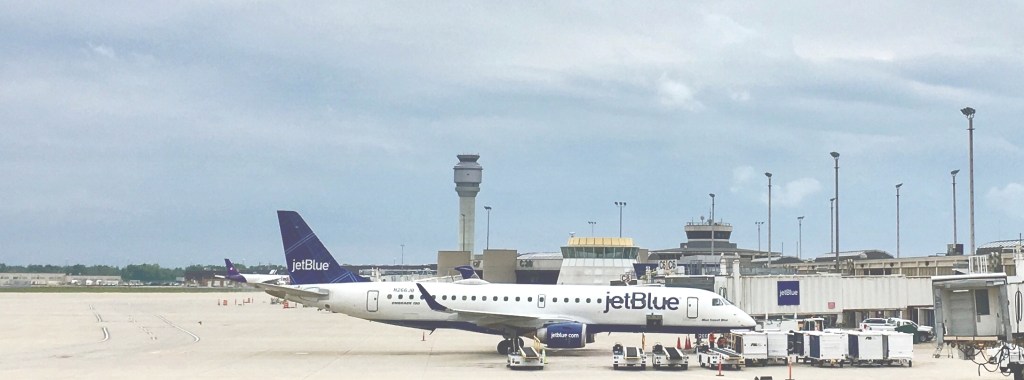
JetBlue Airways añadirá otro destino único a su mapa de ruta con un nuevo servicio estacional sin escalas en el Aeropuerto Internacional de Key West/EYW. La popular ciudad insular se atenderá desde el Aeropuerto Internacional John F. Kennedy/JFK de Nueva York y el Aeropuerto Internacional Logan de Boston/BOS a partir del 11 de Febrero de 2021. El servicio de temporada estará abierto hasta Abril de 2021. Los servicios a Key West serán realizados con aeronaves regionales Embraer E190 de JetBlue Airways.
Centroamérica
JetBlue Airways lanzará un nuevo servicio diario al Aeropuerto Internacional La Aurora/GUA de la Ciudad de Guatemala a partir del 15 de Abril de 2021. Los vuelos sin escalas operarán diariamente entre la Ciudad de Guatemala y el Aeropuerto Internacional John F. Kennedy de Nueva York/JFK. Guatemala se convertirá en el 25th país servido por JetBlue y avanza la posición de liderazgo de la aerolínea en América Latina y el Caribe. Con una mezcla de clientes que viajan entre los Estados Unidos y la ciudad centroamericana para visitar a amigos y familiares, así como para el ocio, la ciudad de Guatemala se basa en el éxito de JetBlue en la región en general y apoya la estrategia de construcción de la ciudad en el noreste de la aerolínea. Hogar de casi un millón de personas, la Ciudad de Guatemala es la zona urbana más poblada de Centroamérica y es el centro político, cultural y económico de Guatemala. JetBlue anunció inicialmente la nueva ruta entre la ciudad de Nueva York y la ciudad de Guatemala en Enero de 2020, pero detuvo temporalmente la venta de asientos y ajustó el calendario de lanzamiento en respuesta a los cambios en la demanda global de viajes.
Los Cabos, México
JetBlue Airways lanzará el servicio diario al Aeropuerto Internacional de San José del Cabo Los Cabos/SJD desde el Aeropuerto Internacional John F. Kennedy/JFK y el Aeropuerto Internacional de Los Angeles/LAX a partir del 17 de Junio de 2021. Ubicado en el extremo sur de la Península de Baja California, donde el Pacífico se encuentra con el Mar de Cortés, Los Cabos está compuesto por dos ciudades, Cabo San Lucas y San José del Cabo, ambos destinos turísticos más populares de México. Las nuevas rutas asignadas operarán en aviones Airbus A320CEO de la aerolínea.
JetBlue strategic expansion from MIA
JetBlue announces increased flights in the US and Latin America
JetBlue Airways has announced its expansion in the United States and Latin America as part of its new post-pandemic corporate strategies. JetBlue lands in Miami with Mint® bringing award-winning service and low rates to the busiest US market that currently did not have service and adds the first service in Key West, Florida, Guatemala City (Guatemala) and Los Cabos (Mexico) as part of 24 new routes that will arrive in 2021. JetBlue Airways announced on December 17, 2020 the introduction of services in four new destinations as part of a broader plan to add twenty-four new nonstop routes in the first half of 2021. The budget airline will begin services from Miami between from February-June 2020 to destinations such as Key West (FL); Guatemala city; and Los Cabos. Nine of the twenty-four routes will serve the four new destinations in JetBlue’s focus cities, with the remaining 15 markets linking existing JetBlue cities with the new nonstop service. All routes are intended to immediately generate cash income and capture traffic where the airline anticipates customer demand. The opening of the sale of air tickets is currently available. «This year has pushed us to find new ways to operate our business and we have adapted at a pace we have never seen before, pivoting our network in response to growing customer demand. We continue to play the offensive to bring in cash income. and supporting our business recovery. These network additions help fine-tune our geography in ways that make sense in today’s marketplace», said Scott Laurence, Head of Revenue and Planning for JetBlue Airways.
Hub MIA
JetBlue Airways will launch daily nonstop service between Miami International Airport/MIA and New York John F. Kennedy International Airport/JFK, New York Newark Liberty International Airport/EWR, Boston Logan International Airport/BOS and the Los Angeles International Airport/LAX beginning February 11, 2021. Service between Miami and Northeastern cities will operate throughout the day with convenient departure times in each direction. Flights between Miami and Los Angeles will include JetBlue’s award-winning Mint premium service for the cross-country route.
Mint, which recently underwent its first onboard upgrade, offers a rethought design and a more personal approach to service with exceptional hospitality from specially trained crewmembers. The award-winning premium experience features flat seats, including individual suites with sliding privacy doors, and new highly-selected partners central to the Mint experience, including Delicious Hospitality Group, Tuft & Needle, Wanderfuel and Master & Dynamic.
Miami International Airport is the busiest airport in the United States. which is not currently served by JetBlue Airways. The new service will further expand JetBlue’s presence in Florida, advance the airline’s focus city growth strategies in the Northeast and West Coast, and introduce a new high-demand market to JetBlue’s large customer bases. in New York City, Boston and Los Angeles. At the same time, the Miami service will build on the strengths of the airline’s Fort Lauderdale-Hollywood International Airport/FLL will focus the city and the service at Palm Beach/PBI International Airport to reach more customers in the south of Florida. «The historic launch of JetBlue in Miami-Dade County with up to 14 daily flights is great news for our families, the tourism industry and the business community as we work to help our economy recover from the pandemic. Proudly I welcome JetBlue to Miami-Dade. And I am pleased to see them take important steps to keep passengers and employees safe and healthy», said Miami-Dade County Mayor Daniella Levine Cava.
«I wish JetBlue my deepest thanks and congratulations for making this monumental expansion to MIA, and for its significant investment in flights to the Miami market. Welcoming one of the leading low-cost and busiest carriers to our network is an important event in the history of our airport. Its new daily flights on four popular US routes provide a diverse menu of travel options to our passengers and will generate increased business income and job creation in our community», said Lester Sola, Director and CEO of the MIA Airport.
JetBlue Airways will add another unique destination to your route map with a new seasonal nonstop service at Key West International Airport/EYW. The popular island city will be served from New York’s John F. Kennedy International Airport/JFK and Boston’s Logan International Airport/BOS beginning February 11, 2021. Seasonal service will be open through April 2021. Services to Key West will be carried out with JetBlue Airways Embraer E190 regional aircraft.
Central America
JetBlue Airways will launch a new daily service to Guatemala City’s La Aurora/GUA International Airport starting April 15, 2021. Non-stop flights will operate daily between Guatemala City and New York’s John F. Kennedy International Airport/JFK. Guatemala will become the 25th country served by JetBlue and advances the airline’s leadership position in Latin America and the Caribbean. With a mix of clients traveling between the United States and the Central American city to visit friends and family, as well as for leisure, Guatemala City builds on JetBlue’s success in the wider region and supports the construction strategy of the city in the northeast of the airline. Home to nearly a million people, Guatemala City is the most populated urban area in Central America and is the political, cultural, and economic center of Guatemala. JetBlue initially announced the new route between New York City and Guatemala City in January 2020, but temporarily halted seat sales and adjusted the launch schedule in response to changes in global travel demand.
Los Cabos, Mexico
JetBlue Airways will launch daily service to San José del Cabo Los Cabos International Airport/SJD from John F. Kennedy International Airport/JFK and Los Angeles International Airport/LAX starting June 17, 2021. Located at the far end south of the Baja California Peninsula, where the Pacific meets the Sea of Cortez, Los Cabos is made up of two cities, Cabo San Lucas and San José del Cabo, both of Mexico’s most popular tourist destinations. The new assigned routes will operate on the airline’s Airbus A320CEO aircraft.
Iberia ha acordado con la familia Hidalgo la transacción del acuerdo valorado en € 500 millones de Euros por la aerolínea Air Europa en efectivo hacia el 2026 con el condicionamiento que la Sociedad Estatal de Participaciones Industriales (SEPI) renuncie a nombrar los dos Consejeros que le corresponden por el rescate € 475 millones a la filial de Globalia. Los consejos de administración de Iberia y de International Airlines Group (IAG) aprobaron el acuerdo este Jueves 17/12, tras las negociaciones desde 09/2020 encabezadas por Luis Gallego, CEO de IAG Group y Javier Hidalgo, CEO de Globalia.
La fecha de abono a 2026 para efectuar el pago de € 500 millones obedece a que será entonces cuando Air Europa deberá haber devuelto el rescate público de € 475 millones concedido a la aerolínea de la familia Hidalgo, que ha celebrado esta operación tras bordear una quiebra segura sin la ayuda del dinero de los contribuyentes.
La petición de Iberia de que la SEPI renuncie a nombrar a los dos Consejeros que le corresponden se debe a su necesidad de que el organismo público no bloquee los despidos masivos necesarios para hacer el proyecto viable, aunque de momento no ha aprobado esta renuncia a sus dos consejeros y a permitir la aplicación de un plan de ajuste. Este acuerdo entre las tres partes ha sido necesario para la aprobación de la operación, una vez descartado el pago en acciones, y negociarán por ello en las dos próximas semanas para hacer oficial el acuerdo antes de fin de año. De todos modos, Air Europa tardaría más de veinte años en devolver las ayudas públicas con sus últimos beneficios, pues, la aerolínea ha tenido un superhábit de € 27,7 millones de Euros en 2019 pero admite que la pandemia tendrá consecuencias negativas imprevisibles a lo largo del tiempo.
Iberia-Air Europa approach agreement
Iberia agrees deferred payment for Air Europa
Iberia has agreed with the Hidalgo family the transaction of the agreement valued at € 500 million Euros by the airline Air Europa in cash by 2026 with the condition that the State Society for Industrial Participations (SEPI) resign from appointing the two corresponding Directors for the € 475 million rescue to the Globalia subsidiary. The boards of directors of Iberia and International Airlines Group (IAG) approved the agreement this Thursday, 12/17, after negotiations since 09/2020 headed by Luis Gallego, CEO of IAG Group and Javier Hidalgo, CEO of Globalia.
The date of payment to 2026 to make the payment of € 500 million is due to the fact that it will be then that Air Europa must have returned the public rescue of € 475 million granted to the Hidalgo family airline, which has carried out this operation after skirting bankruptcy safe without the help of taxpayer money.
Iberia’s request that the SEPI resign from appointing the two Directors that correspond to it is due to its need for the public body not to block the massive layoffs necessary to make the project viable, although at the moment it has not approved this resignation of its two counselors and to allow the implementation of an adjustment plan. This agreement between the three parties has been necessary for the approval of the operation, once the payment in shares has been discarded, and they will negotiate for it in the next two weeks to make the agreement official before the end of the year. In any case, Air Europa would take more than twenty years to return public aid with its latest benefits, since the airline has had a superhabit of € 27.7 million Euros in 2019 but admits that the pandemic will have unpredictable negative consequences throughout over time.
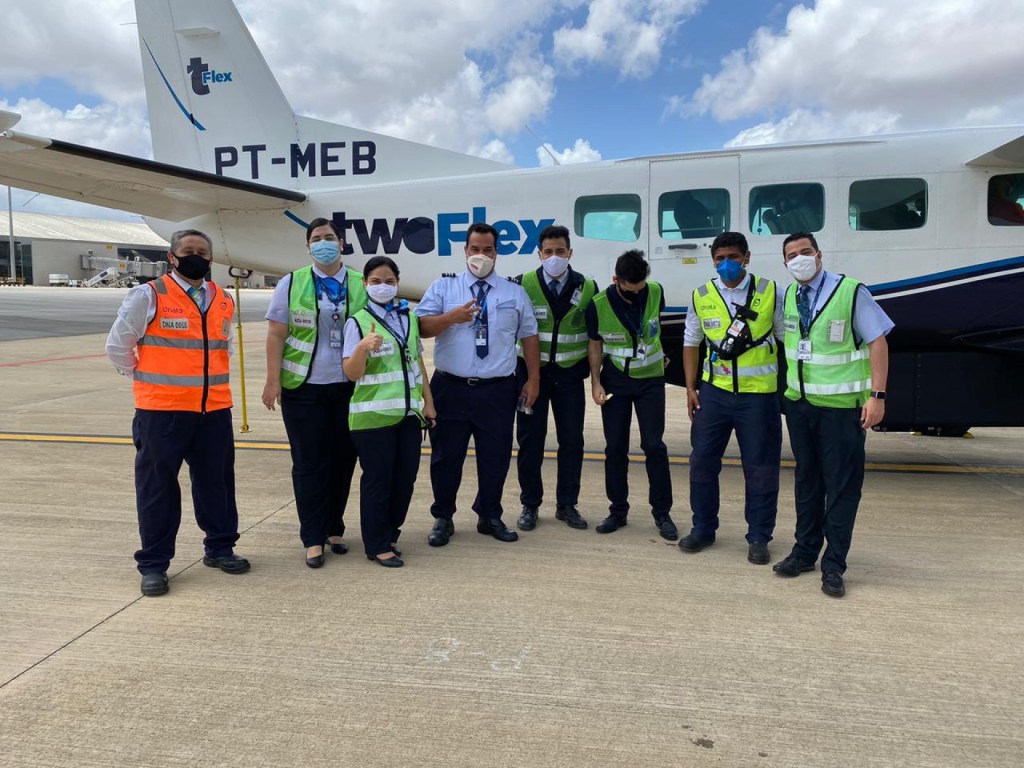
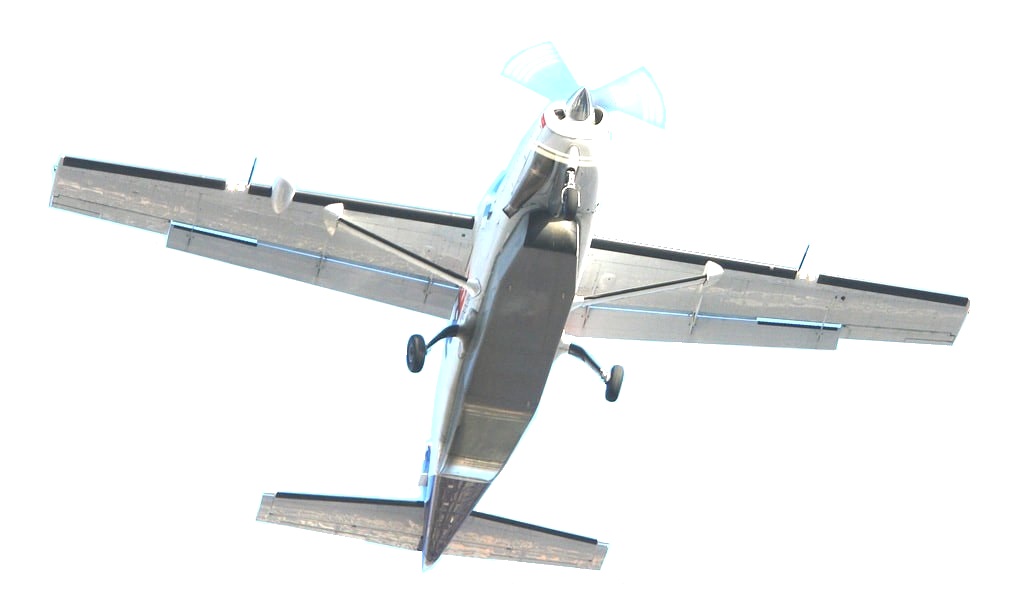
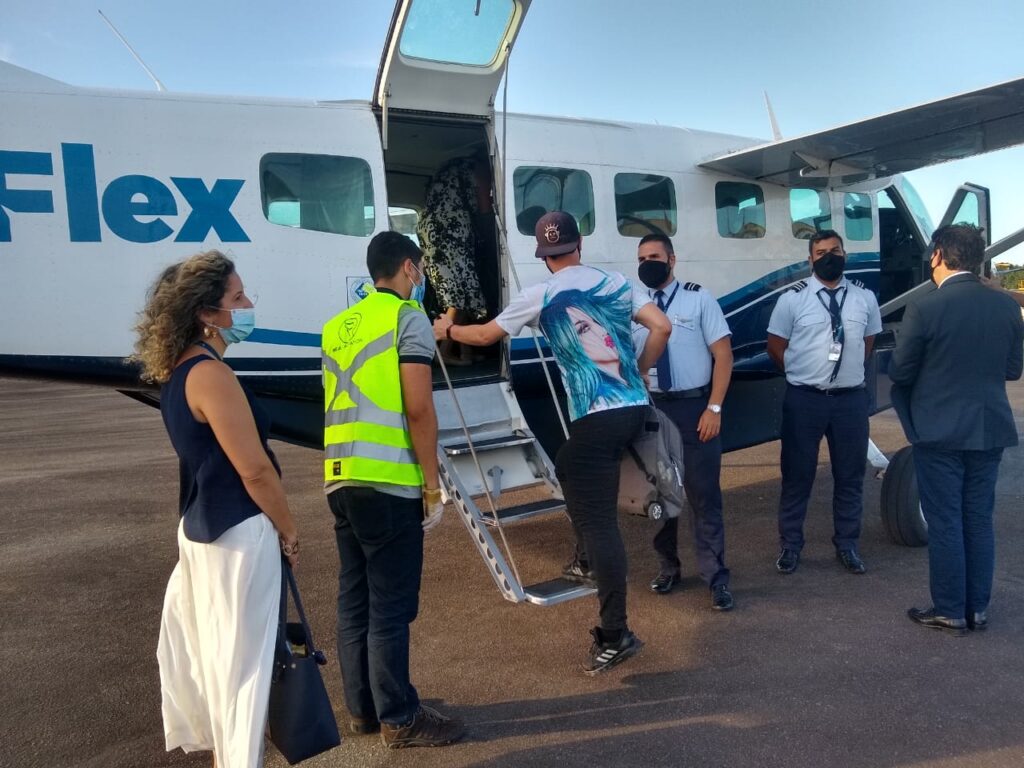
Azul Conecta ha iniciado servicios a Jericoacoara, Ceará, Buzios, Angra y Paraty (Río de Janeiro), e Itanhaém y Ubatuba, en Baixada Santista y la costa norte de Sao Paulo, respectivamente, el Jueves 17 de Diciembre de 2020. Los vuelos Fortaleza—Jericoacoara son rutas estacionales que se desarrollarán hasta finales de Enero 2021. Para las ciudades Confins, Santos Dumont y Congonhas también tendrán vuelos estacionales. Las nuevas y exclusivas rutas son operadas con el avión modelo Cessna Grand Caravan C208, con capacidad para nueve pasajeros, y forman parte del proyecto llamado «Verão Azul Conecta».
Azul Conecta también inicia esta semana las conexiones con Canela (RS), Torres (RS) y Guarapari (ES). «Históricamente, hemos construido una operación especial de verano que incluye ciudades exclusivas y codiciadas en este período. Con Conecta, tenemos la oportunidad de realizar una malla sin precedentes para la temporada alta, estimulando una nueva demanda, mostrando la calidad de nuestro producto y acercando aún más a nuestros clientes a sus destinos favoritos», explica Fábio Campos, Gerente de Relaciones Institucionales de Azul Linhas Aéreas.
Azul starts ops in Jericoacoara
Azul Conecta starts ops in Jericoacoara, RJ and SP
Azul Conecta has started services to Jericoacoara, Ceará, Buzios, Angra and Paraty (Rio de Janeiro), and Itanhaém and Ubatuba, in Baixada Santista and the north coast of Sao Paulo, respectively, on Thursday, December 17, 2020. The Fortaleza—Jericoacoara flights are seasonal routes that will run until the end of January 2021. For the cities Confins, Santos Dumont and Congonhas they will also have seasonal flights. The new and exclusive routes are operated with the Cessna Grand Caravan C208 model aircraft, with capacity for nine passengers, and are part of the project called «Verão Azul Conecta».
Azul Conecta also begins this week the connections with Canela (RS), Torres (RS) and Guarapari (ES). «Historically, we have built a special summer operation that includes exclusive and coveted cities in this period. With Conecta, we have the opportunity to carry out an unprecedented mesh for the high season, stimulating new demand, showing the quality of our product and bringing closer even more to our clients to their favorite destinations», explains Fábio Campos, Manager of Institutional Relations of Azul Linhas Aéreas.
Azul inicia operações em Jericoacoara
Azul Conecta inicia operações em Jericoacoara, RJ e SP
A Azul Conecta iniciou os serviços para Jericoacoara, Ceará, Búzios, Angra e Paraty (Rio de Janeiro), e Itanhaém e Ubatuba, na Baixada Santista e litoral norte de São Paulo, respectivamente, na Quinta-feira, 17 de Dezembro de 2020. Os vôos de Fortaleza—Jericoacoara são rotas sazonais que funcionarão até o final de janeiro de 2021. Para as cidades Confins, Santos Dumont e Congonhas também haverá voos sazonais. As novas e exclusivas rotas são operadas com a aeronave modelo Cessna Grand Caravan C208, com capacidade para nove passageiros, e fazem parte do projeto «Verão Azul Conecta».
A Azul Conecta também inicia esta semana as ligações com Canela (RS), Torres (RS) e Guarapari (ES). “Historicamente, construímos uma operação especial de verão que inclui cidades exclusivas e cobiçadas neste período. Com a Conecta, temos a oportunidade de realizar uma malha inédita para a alta temporada, estimulando novas demandas, mostrando a qualidade do nosso produto e aproximando ainda mais aos nossos clientes para seus destinos preferidos”, explica Fábio Campos, Gerente de Relações Institucionais da Azul Linhas Aéreas.
AW | 2020 12 17 23:30 | INDUSTRY / AVIATION TECHNOLOGY
MTU transita hacia renovación de fuente de hidrógeno
MTU Aero Engines cree firmemente en el uso del hidrógeno en su estrategia de combustible sostenible. «Debe ser utilizado como combustible de inmediato», ha expresado Lars Wagner, el Director de Operaciones de MTU Aero Engines, ha detallado el claro objetivo sobre el uso de hidrógeno en el último comunicado de prensa de su compañía sobre la aviación sostenible.
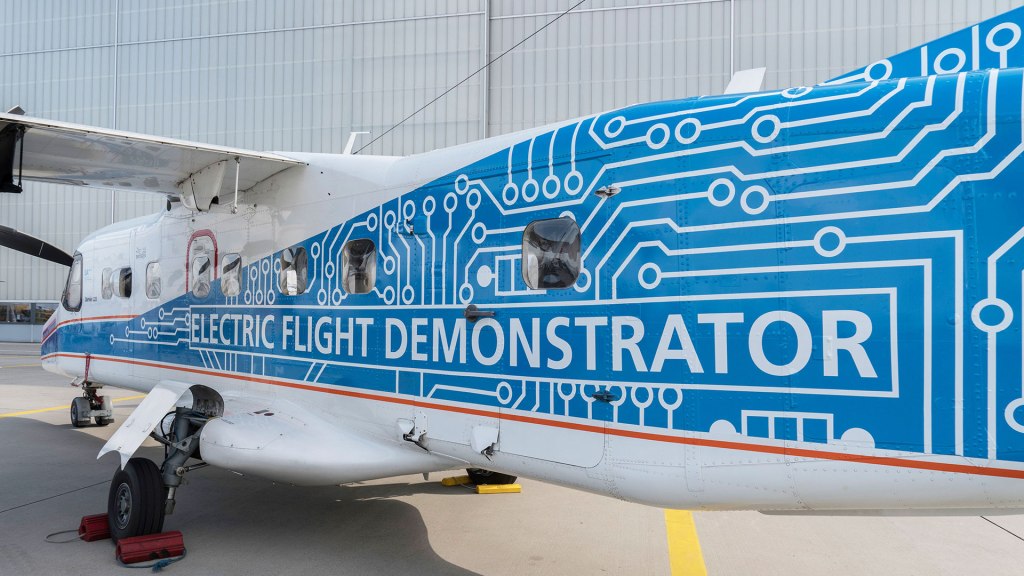
La compañía con sede en Munich, Alemania, que se asoció el verano pasado con el Centro Aeroespacial Alemán (DLR) para demostrar nuevas tecnologías de propulsión utilizando un Dornier Do-228, ha destacado su estrategia de combustible sostenible en un documento detallado compartido con la prensa. MTU está trabajando actualmente en varias corrientes de investigación simultáneamente, una de las cuales ve el hidrógeno convertido en electricidad por medio de una pila de combustible. Esta tecnología promete casi cero emisiones, pero todavía está en las primeras etapas de desarrollo en aplicaciones de propulsión de aeronaves. La compañía también está trabajando actualmente en lo que se conoce como un WET (Motor Turbofan Mejorado en Agua). Este concepto reduce el consumo de combustible en más del quince por ciento, independientemente del tipo de combustible, y reduce considerablemente todas las emisiones (especialmente los niveles de NOx).
MTU sustainable fuel strategy
MTU transits towards renewal of hydrogen source
MTU Aero Engines strongly believes in the use of hydrogen in its sustainable fuel strategy. «It should be used as fuel immediately», said Lars Wagner, MTU Aero Engines’ Chief Operating Officer, detailed the clear goal on hydrogen use in his company’s latest press release on sustainable aviation.
The Munich, Germany-based company, which partnered last summer with the German Aerospace Center (DLR) to demonstrate new propulsion technologies using a Dornier Do-228, has highlighted its sustainable fuel strategy in a detailed document shared with the press. MTU is currently working on several research streams simultaneously, one of which sees hydrogen converted to electricity by means of a fuel cell. This technology promises almost zero emissions, but is still in the early stages of development in aircraft propulsion applications. The company is also currently working on what is known as a WET (Water Enhanced Turbofan Engine). This concept reduces fuel consumption by more than fifteen percent, regardless of fuel type, and significantly reduces all emissions (especially NOx levels).
MTU-Strategie für nachhaltigen Kraftstoff
MTU geht in Richtung Erneuerung der Wasserstoffquelle
MTU Aero Engines glaubt fest an die Verwendung von Wasserstoff in seiner Strategie für nachhaltigen Kraftstoff. ,,Es sollte sofort als Treibstoff verwendet werden», erklärte Lars Wagner, Chief Operating Officer von MTU Aero Engines, das klare Ziel des Wasserstoffverbrauchs in der jüngsten Pressemitteilung seines Unternehmens zur nachhaltigen Luftfahrt.
Das in München ansässige Unternehmen, das im vergangenen Sommer mit dem Deutschen Zentrum für Luft- und Raumfahrt (DLR) zusammengearbeitet hat, um neue Antriebstechnologien mit einem Dornier Do-228 zu demonstrieren, hat seine Strategie für nachhaltigen Kraftstoff in einem detaillierten Dokument hervorgehoben, das mit dem Drücken Sie. Die MTU arbeitet derzeit an mehreren Forschungsströmen gleichzeitig, von denen einer Wasserstoff mittels einer Brennstoffzelle in Elektrizität umwandelt. Diese Technologie verspricht nahezu null Emissionen, befindet sich jedoch noch in einem frühen Entwicklungsstadium für Flugzeugantriebsanwendungen. Das Unternehmen arbeitet derzeit auch an einem sogenannten WET (Water Enhanced Turbofan Engine). Dieses Konzept reduziert den Kraftstoffverbrauch unabhängig von der Kraftstoffart um mehr als fünfzehn Prozent und reduziert alle Emissionen (insbesondere die NOx-Werte) erheblich.
Flybondi Líneas Aéreas ha iniciado operaciones desde el Aeropuerto Internacional Ezeiza conectando con Córdoba este Lunes 14/12. La aerolínea de presupuesto argentina tendrá dos frecuencias semanales hacia el Aeropuerto Internacional Córdoba/Ambrosio Taravella, activando las rutas hacia la capital mediterránea.
Durante la primera etapa de la compañía se prevee en Diciembre 2020 proporcionar dos vuelos semanales Ezeiza-Córdoba, que serán los Lunes y Jueves, en el marco de la reactivación post-pandemia. Tras los anuncios sobre el fin de semana anterior, Flybondi había citado frecuencias semanales entre Ezeiza y Corrientes (2Frq/S), Jujuy (2Frq/S), Mendoza (2Frq/S), Neuquén (1Frq/S), Posadas (1Frq/S), Puerto Iguazú (2Frq/S), Salta (2Frq/S), San Carlos de Bariloche (5Frq/S), Santiago del Estero (1Frq/S), Trelew (1Frq/S) y Tucumán (2Frq/S).
Este Viernes 18/12 Flybondi informa el retorno de los vuelos a Neuquén. El primer vuelo post-pandemia arribará al mediodía proveniente de Buenos Aires/Ezeiza a las 12:35 hs y despegará a las 13:05 hs nuevamente hacia Ezeiza. Desde esta semana, la firma va a sostener una frecuencia semanal desde y hacia Buenos Aires, que ha establecido los días Viernes.
La compañía low cost continúa reiterando las responsabilidades en el transporte aéreo acerca de los cuidados para reducir al mínimo la posibilidad de contagio dentro de las aeronaves, al contar en la flota con un sistema de recirculación de aire, que renueva el aire cada 3 minutos gracias a sus filtros HEPA (High Efficiency Particulate Air), que remueve el 99.98% de las partículas de virus y bacterias del aire.
Flybondi reactivates home network
Flybondi continues to reactivate domestic flights
Flybondi Líneas Aéreas has started operations from Ezeiza International Airport connecting with Córdoba this Monday 12/14. The Argentine budget airline will have two weekly frequencies to the Córdoba/Ambrosio Taravella International Airport, activating the routes to the Mediterranean capital. During the first stage of the company, it is expected in December 2020 to provide two weekly flights Ezeiza-Córdoba, which will be on Mondays and Thursdays, within the framework of the post-pandemic reactivation. Following the announcements on the previous weekend, Flybondi had cited weekly frequencies between Ezeiza and Corrientes (2Frq/S), Jujuy (2Frq/S), Mendoza (2Frq/S), Neuquén (1Frq/S), Posadas (1Frq/S), Puerto Iguazú (2Frq/S), Salta (2Frq/S), San Carlos de Bariloche (5Frq/S), Santiago del Estero (1Frq/S), Trelew (1Frq/S) and Tucumán (2Frq/S) .
This Friday 12/18 Flybondi reports the return of flights to Neuquén. The first post-pandemic flight will arrive at noon from Buenos Aires/Ezeiza at 12:35 pm and will take off at 01:05 pm again to Ezeiza. Starting this week, the firm will maintain a weekly frequency to and from Buenos Aires, which it has established on Fridays.
The low cost company continues to reiterate the responsibilities in air transport regarding the care to minimize the possibility of contagion within the aircraft, by having an air recirculation system in the fleet, which renews the air every 3 minutes thanks to to its HEPA (High Efficiency Particulate Air) filters, which remove 99.98% of virus and bacteria particles from the air.





















 airgways.com