Aerolíneas Argentinas retira su primer Airbus A330-200
Aerolíneas Argentinas había anunciado la desprogramación de algunos Airbus A330-200 como parte de una actualización y modernización de flota de la compañía. El Jueves 23/09 el Airbus A330-200 matrícula LV-FNI, partió del Aeropuerto Ezeiza/EZE, con destino al Roswell Airport/ROW, localizado en el Condado de Chaves, Estado de Nuevo México, Estados Unidos. La aeroestación es actualmente base de retiro de aeronaves comerciales, donde las aerolíneas buscan depositarlos bien para su desguace o reacondicionamiento para volver a volar. El denominado cementerio de aeronaves ha traído un auge como depósito masivo de aviones en medio de la crisis sanitaria de Coronavirus como así también durante la crisis de vuelos del 11-S en 2001.
La aeronave Airbus A330-200 LV-FNI fue adquirido en 2013, posee una antigüedad de veintidós años, ha operado por siete años consecutivos con la aerolínea, tras su baja comercial en 09/2021. Como parte de la actualización de flota, Aerolíneas Argentinas planea retirar tres Airbus A330-200 adicionales de la flota en 2022 con las correspondientes aeronaves registradas LV-FNJ, LV-FNK y LV-FNL con fecha de culminación de contratos hacia Abril 2022.
Como parte de la renovación de flota, Aerolíneas Argentinas incorporará dos nuevos Airbus A330-200 (2) con registro tendrán registro LV-KAN y LV-KAO, ambos aviones pertenecían a TAP Air Portugal.
La flota actual de Airbus A330-200 corresponde a versión, antigüedad, dominio y situación de status:
A330-223/LV-FNI/22.2/Alquilado/Almacenado
A330-223/LV-FNJ 21.9/Alquilado/Conservado
A330-223/LV-FNK/21/Alquilado/Activo
A330-223/LV-FNL/20.9/Alquilado/Activo
A330-203/LV-GKO/17.5/Alquilado/Conservado
A330-203/LV-GKP/16.9/Alquilado/Activo
A330-202/LV-FVH/6.6/Propiedad/Activo
A330-202/LV-FVI/6.5/Propiedad/Activo
A330-202/LV-GHQ/5.2/Propiedad/Activo
A330-202/LV-GIF/5/Propiedad/Activo
A330-202/LV-KAN/13.9/En orden
A330-202/LV-KAO/13.6/En orden
La nueva programación establecida post-pandemia para vuelos habilitados en aeronaves A330 corresponden a los siguientes destinos a partir de 10/2021: Bogotá, Lima, Madrid, Miami y Nueva York.
Airlines withdraws 1st A330-200
Aerolíneas Argentinas withdraws its first Airbus A330-200
Aerolíneas Argentinas had announced the deprogramming of some Airbus A330-200s as part of an upgrade and modernization of the company’s fleet. On Thursday 09/23 the Airbus A330-200 registration LV-FNI, departed from Ezeiza Airport/EZE, bound for Roswell Airport/ROW, located in Chaves County, State of New Mexico, United States. The airstation is currently a retirement base for commercial aircraft, where airlines seek to deposit them either for scrapping or reconditioning to fly again. The so-called aircraft graveyard has boomed as a massive aircraft depot in the midst of the Coronavirus health crisis as well as during the 2001 9/11 flight crisis.
The Airbus A330-200 LV-FNI aircraft was acquired in 2013, it is twenty-two years old, it has operated for seven consecutive years with the airline, after its commercial decommissioning on 09/2021. As part of the fleet update, Aerolineas Argentinas plans to withdraw three additional Airbus A330-200s from the fleet in 2022 with the corresponding registered LV-FNJ, LV-FNK and LV-FNL aircraft with a contract completion date by April 2022.
As part of the fleet renewal, Aerolíneas Argentinas will incorporate two new Airbus A330-200s (2) with registration LV-KAN and LV-KAO, both aircraft belonged to TAP Air Portugal.
The current Airbus A330-200 fleet corresponds to version, age, domain and status status:
A330-223 / LV-FNI / 22.2 / Leased / Stored
A330-223 / LV-FNJ 21.9 / Leased / Kept
A330-223 / LV-FNK / 21 / Leased / Active
A330-223 / LV-FNL / 20.9 / Leased / Active
A330-203 / LV-GKO / 17.5 / Leased / Kept
A330-203 / LV-GKP / 16.9 / Leased / Active
A330-202 / LV-FVH / 6.6 / Property / Active
A330-202 / LV-FVI / 6.5 / Property / Active
A330-202 / LV-GHQ / 5.2 / Property / Active
A330-202 / LV -GIF / 5 / Property / Active
A330-202 / LV-KAN / 13.9 / On order
A330-202 / LV-KAO / 13.6 / On order
The new post-pandemic programming established for flights enabled on A330 aircraft correspond to the following destinations as of 10/2021: Bogotá, Lima, Madrid, Miami and New York.
Flexibilización sanitaria en aeropuertos argentinos
El Gobierno de Argentina ha levantado los controles sanitarios en los aeropuertos de Buenos Aires/Ezeiza, Buenos Aires/Jorge Newbery y Córdoba cancelando los controles. En el marco de las nuevas flexibilizaciones a las restricciones por la pandemia de Coronavirus, que anunciara días atrás el Ministerio de Salud junto a la Jefatura de Gabinete nacional, los aeropuertos de Ezeiza, Aeroparque y Córdoba comenzaron a permitir el ingreso de acompañantes. Tras los anuncios sobre la eliminación de la cuarentena para los argentinos y residentes que lleguen al país con el esquema de vacunación completo, se habilitó la entrada a las terminales para los viajeros y sus acompañantes en los aeropuertos citados.
Sin embargo, es importante aclarar que en Ezeiza esta medida alcanza únicamente a los halls de ingreso para realizar el check-in, es decir que únicamente pueden acudir acompañantes que vayan con alguien que esté por viajar. Continúa restringido el ingreso para personas que vayan a recibir pasajeros a su arribo. Esto no sucede en el aeropuerto de Córdoba, que sólo está habilitado para vuelos domésticos, donde la gente sí puede ingresar a las instalaciones para recibir viajeros; ni en el Aeroparque Metropolitano, donde los acompañantes pueden ingresar tanto al sector de partidas como al de arribos. En Ezeiza, entonces, los amigos, familiares y/o personas que vayan a recibir algún viajero, deberán hacerlo desde afuera de las instalaciones aeroportuarias.
Por el momento, todos los corredores seguros que reciben viajeros internacionales continúan realizando un test de antígenos obligatorio a todos los viajeros. Sin embargo, en los tres aeropuertos mencionados se mantendrán los controles de temperatura corporal y el uso de barbijo continúa siendo obligatorio por tratarse de espacios públicos cerrados. La medida significa una buena noticia para los comercios que se encuentran dentro de los aeropuertos como bares, cafés, restaurantes de comida rápida y farmacias, entre otros.
En los aeropuertos del país que reciben vuelos internacionales -Ezeiza, el Aeroparque metropolitano y el Aeropuerto Internacional Mendoza se continúa realizando un test de antígenos a todos los viajeros a su arribo al país.
El Ministerio de Salud ha expresado que una vez que el país llegue al 50% de su población completamente vacunada con las dos dosis de la vacuna contra el Covid-19 de alguno de los inoculantes que se aplican en el país, se dejará de realizar dicho test a los pasajeros que arriben con algún esquema de vacunación completo. Del mismo modo, una vez alcanzado ese objetivo, no se le exigirá más a los viajeros vacunados que realicen un test PCR entre el quinto y séptimo día desde su arribo, de esta manera se minimiza el impacto del aumento de hospitalizaciones y muertes.
Otros anuncios pertinentes a los viajes internacionales tienen que ver con la reapertura internacional de Argentina. A partir del 1 de Octubre de 2021 se permitirá el ingreso de todos los extranjeros de países limítrofes por el motivo que fuese, y a partir del 1 de Noviembre de 2021, el ingreso de turistas y viajeros de todo el mundo.
A pesar de ello, por el momento la Argentina tiene únicamente seis corredores seguros habilitados para los traslados internacionales. Tres corredores aéreos Ezeiza, Aeroparque y Mendoza, dos corredores terrestres Paso Cristo Redentor en Mendoza y el Paso Fronterizo Terrestre Tancredo Neves en Misiones, y el corredor fluvial que conecta a la Argentina con Uruguay operado por las empresas Buquebus y Colonia Express.
A partir del 1 de Octubre de 2021 se habilitará también el Aeropuerto Internacional de Cataratas del Iguazú/Mayor Carlos Eduardo Krause, pero actualmente no se ha tenido información sobre el resto de los puntos de acceso internacionales, ya sean terrestres, fluviales/marítimos y/o aéreos.
Argentina makes sanitary controls more flexible
Health flexibility in Argentine airports
The Government of Argentina has lifted the sanitary controls at the Buenos Aires/Ezeiza, Buenos Aires/Jorge Newbery and Córdoba airports, canceling the controls. Within the framework of the new flexibilisations to the restrictions due to the Coronavirus pandemic, announced days ago by the Ministry of Health together with the National Cabinet Headquarters, the airports of Ezeiza, Aeroparque and Córdoba began to allow the entry of companions. After the announcements about the elimination of the quarantine for Argentines and residents who arrive in the country with the complete vaccination scheme, entry to the terminals was enabled for travelers and their companions at the aforementioned airports.
However, it is important to clarify that in Ezeiza this measure only reaches the entrance halls for check-in, that is, only companions who are traveling with someone can attend. Entry continues to be restricted for people who will receive passengers upon arrival. This does not happen at the Córdoba airport, which is only enabled for domestic flights, where people can enter the facilities to receive travelers; nor at the Metropolitan Airport, where companions can enter both the departures and arrivals sectors. In Ezeiza, then, friends, family and/or people who are going to receive a traveler, must do so from outside the airport facilities.
At the moment, all safe corridors that receive international travelers continue to carry out a mandatory antigen test for all travelers. However, at the three airports mentioned, body temperature controls will be maintained and the use of a chinstrap continues to be mandatory as they are closed public spaces. The measure means good news for businesses located within airports such as bars, cafes, fast food restaurants and pharmacies, among others.
In the country’s airports that receive international flights – Ezeiza, the Metropolitan Airport and Mendoza International Airport, an antigen test is still being carried out on all travelers upon arrival in the country.
The Ministry of Health has expressed that once the country reaches 50% of its population completely vaccinated with the two doses of the vaccine against Covid-19 of any of the inoculants that are applied in the country, said test passengers who arrive with a complete vaccination scheme. In the same way, once this objective has been reached, vaccinated travelers will no longer be required to perform a PCR test between the fifth and seventh day after arrival, thus minimizing the impact of the increase in hospitalizations and deaths.
Other announcements pertinent to international travel have to do with Argentina’s international reopening. As of October 1, 2021, the entry of all foreigners from neighboring countries for whatever reason, and as of November 1, 2021, the entry of tourists and travelers from all over the world.
Despite this, at the moment Argentina has only six safe corridors authorized for international transfers. Three air corridors Ezeiza, Aeroparque and Mendoza, two land corridors Paso Cristo Redentor in Mendoza and the Tancredo Neves Land Border Crossing in Misiones, and the fluvial corridor that connects Argentina with Uruguay operated by the companies Buquebus and Colonia Express.
As of October 1, 2021, the Cataratas del Iguazú/Mayor Carlos Eduardo Krause International Airport will also be enabled, but currently there has been no information on the rest of the international access points, whether land, river/sea and/or aerial.
Gobierno Argentina reúne con trabajadores de Aerolíneas/AA2000
El Presidente de Argentina Alberto Fernández ha realizado una reunión con los empleados de Aerolíneas Argentinas y de Aeropuertos Argentina 2000, la empresa concesionaria de esa aeroestación y de otros 34 aeropuertos del país, donde ha participado de un debate de la ONU sobre el impacto de la pandemia en mundo del trabajo. «Hoy el presidente Alberto Fernández estuvo en Aeroparque, escuchando a los trabajadores y trabajadoras de todo el sector aeronáutico. Con el esfuerzo y el aporte de todos, estamos recuperando una industria fundamental para el desarrollo del país», tuiteó tras el encuentro Pablo Ceriani, CEO de Aerolíneas Argentinas. En tanto, Mar Cicarelli, un de las presentes en la reunión, compartió un video de la jornada y comentó: «Nos visitó en Aeroparque el presidente y pudimos conversar y debatir con él. Feliz de tener un presidente cercano que escucha lo que tenemos para decirle».
Durante la reunión, el mandatario y los trabajadores intercambiaron inquietudes y opiniones sobre la situación del país. Desde hace unos días el Presidente realiza este tipo de actividades sin anuncio previo.
Argentina-Aerolíneas workers meeting
Argentine Government meets with Aerolíneas/AA2000 workers
The President of Argentina Alberto Fernández has held a meeting with the employees of Aerolíneas Argentinas and of Aeropuertos Argentina 2000, the concession company of that airstation and of 34 other airports in the country, where he has participated in a UN debate on the impact of the pandemic in the world of work. «Today President Alberto Fernández was at Aeroparque, listening to the workers of the entire aeronautical sector. With the effort and contribution of all, we are recovering a fundamental industry for the development of the country», Pablo Ceriani tweeted after the meeting, CEO of Aerolíneas Argentinas. Meanwhile, Mar Cicarelli, one of those present at the meeting, shared a video of the day and commented: «The president visited us at Aeroparque and we were able to talk and debate with him. Happy to have a close president who listens to what we have for tell him».
During the meeting, the president and the workers exchanged concerns and opinions about the situation in the country. For a few days the President has been carrying out this type of activity without prior announcement.
La 13ª Exposición Internacional de Aviación y Aeroespacial de China, Airshow China 2021 comenzó el Martes 28/09, mostrando una gran cantidad de tecnologías de vanguardia.
La apertura de la feria aeronáutica Airshow China 2021 destaca una serie de aviones más actualizados que atrajeron la atención de los entusiastas de la aviación durante la 13ª Exposición Internacional de Aviación y Aeroespacial de China, también conocida como Airshow China, en la ciudad de Zhuhai, Provincia de Guangdong, localizada en el sur de China. El evento de seis días comenzó este Martes 28 de Septiembre de 2021 hasta el 3 de Octubre de 2021. Alrededor de 150 productos y tecnologías de aviación desarrollados de forma independiente, el 40 por ciento de estas exhibiciones se exhibirán por primera vez.
Los detalles de la exhibición de aeronaves desplegadas en la feria 13º Air China 2021 representan en su mayoría en la gama de tecnologías militares y logísticas.
El avión anfibio grande AG600 desarrollado en China, el avión anfibio más grande del mundo, realizó su vuelo inaugural, mostrando sus capacidades de lanzamiento aéreo de agua. El avión dejó caer nueve toneladas de agua abriendo la puerta de la escotilla debajo después de despegar de la pista en el aeropuerto de Zhuhai durante la actuación. «El rendimiento de caída de agua mostró completamente las capacidades de extinción de incendios de este gran modelo de avión anfibio», dijo Zhou Guoqiang, portavoz de la Aviation Industry Corporation of China (AVIC). El AG600 está diseñado para operar en condiciones climáticas y ambientales complejas. Completó su primer vuelo desde tierra en 2017, su primer despegue desde un depósito de agua en 2018 y su primer despegue marítimo en 2020.
La serie AC de helicópteros y la serie AG de aviones generales también se muestran en el espectáculo aéreo.
El Chengdu J-20 de la Chengdu Aerospace Corporation es el avión de combate de mediano y largo alcance de cuarta generación de China. Hizo su primer vuelo en 2011 y debutó en el 11º Airshow China en Zhuhai en 2016.
Se exhiben múltiples aviones no tripulados donde modelos como GJ-11, WZ-7, WZ-8, FH-97 y CH-6 hicieron su debut en la feria. WZ-7 es el avión de reconocimiento no tripulado de gran altitud de desarrollo propio de China para llevar a cabo tareas como la detección de fronteras y patrullas sobre aguas territoriales. WZ-7 está equipado con múltiples equipos de detección, capaces de detección de larga duración. Y-20 llega al espectáculo aéreo en Zhuhai, provincia de Guangdong, el 21 de Septiembre de 2021. El Y-20 realizó su primer vuelo en 2013, y debutó en el 10º Airshow China en 2014. El gran avión de transporte multifunción se unió a la fuerza aérea en Julio de 2016, desempeñando un papel fundamental en China para desarrollar sus capacidades de entrega de largo alcance.
Dos Z-20 en exhibición en Tianjin, 11 de octubre de 2019. El Z-20 es un helicóptero de elevación media con motores dobles fabricados en China. El helicóptero multifuncional hizo su primera aparición pública durante un desfile masivo del Día Nacional el 1 de octubre de 2019. Se pueden utilizar en servicios públicos, rescate de emergencia, entrenamiento de vuelo, recorridos aéreos y trabajo agrícola tradicional.
COMAC Corporation
El ARJ21 es el primer avión de pasajeros regional turbo-fan de China diseñado con un alcance de vuelo de 3.700 kilómetros. El ARJ21 fue puesto en servicio comercial por primera vez por Chengdu Airlines en junio de 2016 y es operado por siete aerolíneas nacionales, incluidas Air China, China Eastern Airlines y China Southern Airlines. El ARJ21 ha estado dando servicio a más de 90 ciudades con 220 rutas. Este tipo de avión ha transportado a más de 3,4 millones de pasajeros.
La plataforma de visualización digital móvil C919 puede simular el entorno de la cabina durante el despegue y el aterrizaje con la tecnología Mediated Reality y un sistema de iluminación inmersiva. Los visitantes pueden experimentar el amplio espacio y el ambiente cómodo del C919, dijo el COMAC. Las pruebas de vuelo se están ejecutando sin problemas para seis prototipos del avión de pasillo único C919.
El avión de fuselaje ancho CR929, un proyecto conjunto chino y ruso, ha entrado en la fase de investigación y fabricación, dijo el COMAC al margen de la feria aérea.
COMAC también está desarrollando aviones de fabricación nacional en aviones de negocios o aviones de carga para enriquecer y ampliar el espectro de sus productos.
Airbus Group
Airbus habla con el regulador de aviación de China sobre la certificación A220. Airbus Group SE está en conversaciones con el regulador de aviación de China para certificar su avión de fuselaje estrecho A220 que ha recibido un gran interés de las aerolíneas nacionales, dijo el martes el jefe del negocio de Airbus en China.
Embraer
En 2000, Embraer hizo su debut en el 3er Airshow China. Desde entonces, ha participado en las últimas diez ediciones de la feria comercial, y regresa nuevamente en el 13º Airshow China, en Zhuhai. Una compañía aeroespacial global con sede en Brasil, Embraer es el fabricante líder dejets comerciales de hasta 150 asientos. La compañía diseña, desarrolla, fabrica y comercializa aeronaves y sistemas, proporcionando Servicios y Soporte a los clientes post-venta, con unidades industriales, oficinas, centros de servicio y distribución de piezas, en américa, África, Asia y Europa.
Fundada en 1969, Embraer tiene más de 50 años de experiencia en aviación comercial y ejecutiva, defensa y seguridad y aviación agrícola. Ha entregado más de 8000 aviones, transportando a más de 145 millones de pasajeros al año. Los innovadores E-Jets se han convertido en el producto de aviones comerciales más exitoso en la clase de 70-150 asientos. Hasta la fecha, la flota ha acumulado más de 31 millones de horas de vuelo con una tasa promedio de finalización de despacho del 99,9%.
Para satisfacer la demanda de viajes con una mejor experiencia a bordo, Embraer ha lanzado con éxito la nueva generación de E-Jets family-E2, con el objetivo de crear el avión de pasillo único más eficiente y cómodo del mundo con menos de 150 asientos. Ahora, este nuevo avión se ha puesto en funcionamiento en todo el mundo. Vale la pena mencionar que el avión de nueva generación de Embraer, el E195-E2, está diseñado para reducir las emisiones y la contaminación acústica con un rendimiento ambiental excepcional. En comparación con el E190 de primera generación, el E195-E2 tiene casi un 10% y un 31% menos de emisiones de carbono para vuelos de ida y por asiento, respectivamente. Además, el nivel de ruido externo extremadamente perfecto del E2 está muy por debajo de los límites futuros, que pueden ser impuestos por la Organización de Aviación Civil Internacional (OACI).
El último pronóstico de mercado de Embraer para China predice que el país necesitará 1.445 aviones con capacidad para 150 pasajeros hasta 2040, lo que refleja la importancia que el gobierno chino ha dado al desarrollo de infraestructura para servir a los mercados secundarios. El pronóstico, publicado el martes en la 13ª Exposición Internacional de Aviación y Aeroespacial de China en Zhuhai, señala que el 77 por ciento de esos aviones cumplirán con el crecimiento del mercado, mientras que el resto reemplazará los equipos envejecidos.
«Durante la pandemia, los aviones pequeños y medianos y los vuelos regionales fueron fundamentales en la rápida recuperación de la conectividad en China. Nuestros E-Jets estuvieron entre los primeros tipos de aviones en restaurar las frecuencias de vuelo en las redes de aerolíneas. En la era posterior a la epidemia, la construcción de un sistema de transporte aéreo más eficiente es de vital importancia. El mercado requiere un perfil de flota más equilibrado y una estructura de red de rutas para servir a más mercados secundarios», dijo el Director Gerente de Embraer China, Guo Qing.
El gobierno chino anunció recientemente una serie de desarrollos de infraestructura que incluyen alrededor de 200 nuevos aeropuertos para alentar y promover la reubicación industrial. La importancia de los aviones regionales sigue aumentando después del Covid-19, según Embraer, desempeñando un papel clave en el lanzamiento de nuevos servicios a estos aeropuertos y el desarrollo de la demanda. Noventa y un E-Jets ahora operan en China, volando unos 20 millones de pasajeros anualmente en 550 rutas y conectando 150 ciudades en el país y en el extranjero.
«Los ingresos por pasajeros de la aviación civil de China (RPK) disfrutarán de un crecimiento de la CAGR del 4,7 por ciento a lo largo de la década, lo que indica el liderazgo de China en la recuperación de la aviación. Creemos que el mercado de la aviación china se convertirá en el más grande del mundo en el futuro. Embraer ya ha construido una presencia fuerte y positiva en el mercado que proporciona una base sólida para nuestro jet más avanzado, el E2», dijo el CEO de Embraer Commercial Aviation, Arjan Meijer.
Mientras tanto, a medida que China se compromete a acelerar las reducciones de emisiones para alcanzar la neutralidad de carbono para 2060, una serie de iniciativas políticas propuestas por la autoridad de aviación civil del país incluyen el despliegue de aviones de nueva generación para mejorar la eficiencia. Según Embraer, sus E-Jets de última generación, los E2, pueden ofrecer un 25,4 por ciento más de eficiencia de combustible por asiento y hasta un 10 por ciento más de consumo de combustible que sus competidores. Embraer anunció recientemente un objetivo para lograr operaciones neutras en carbono para 2040 y para apoyar el objetivo de la industria de la aviación de cero emisiones netas de carbono para 2050.
Boeing-GAMECO
The Boeing Company y Guangzhou Aircraft Maintenance Engineering Company Limited (GAMECO) anunciaron este Martes 28/09 planes para crear capacidad adicional para el 767-300 Boeing Converted Freighter (BCF) para ayudar a satisfacer la fuerte demanda continua del mercado. El acuerdo, revelado por las dos compañías durante una ceremonia de firma en la Exposición Internacional de Aviación y Aeroespacial de China en Zhuhai, ampliará la capacidad de conversión de cargueros en GAMECO, abriendo dos nuevas líneas de conversión 767-300BCF el próximo año.
«Fue mutuamente beneficioso continuar construyendo nuestra relación con GAMECO para proporcionar capacidad de conversión adicional para el 767-300BCF mientras apoyamos el crecimiento en la región. GAMECO ha demostrado una excelente ejecución en el programa 737-800BCF. Sabemos que aportará la misma experiencia y capacidad comprobada para ayudar a entregar nuestras conversiones de cargueros de fuselaje ancho medio a nuestros clientes globales», dijo Peter Gao, Vicepresidente de Ventas Comerciales y Marketing de Boeing para China.
GAMECO será el primer MRO en China en convertir el 767-300BCF y el único MRO que convertirá tanto el 767-300BCF como el 737-800BCF. A principios de este año, GAMECO anunció planes para abrir una tercera línea de conversión 737-800BCF. «GAMECO está muy orgulloso de extender su relación con Boeing y su programa de cargueros convertidos para incluir otro tipo de avión. La introducción del programa 767-300BCF aumenta aún más la presencia regional de GAMECO y mejora nuestro enfoque estratégico en torno a satisfacer la fuerte demanda de los clientes. Abriremos las líneas de conversión 767-300BCF en nuestro nuevo hangar», dijo Norbert Marx, gerente general de GAMECO.
Boeing pronostica que se necesitarán 1.720 conversiones de cargueros en los próximos 20 años. De ellos, 520 serán conversiones de fuselaje ancho con operadores asiáticos que representan más del 40 por ciento de esa demanda. El 767-300BCF tiene más de 95 pedidos y compromisos.
GAMECO, establecida en Octubre de 1989 en el Aeropuerto Internacional de Guangzhou Baiyun, es una empresa conjunta entre China Southern Airlines Co. Ltd. y Hutchison Whampoa (China) Ltd. de Hong Kong que se especializa en el mantenimiento, reparación y revisión de aeronaves y componentes aerotransportados. GAMECO proporciona servicios integrales, de alta calidad y altamente eficientes a los clientes, que cubren el mantenimiento de la línea, el mantenimiento de la base, la reparación y revisión de componentes, la ingeniería de aeronaves y la capacitación y el servicio técnico de equipos de soporte en tierra.
Ausencia C919
Algunos medios occidentales hicieron mucha especulación sobre la ausencia de aviones de fabricación casera de China en el evento, alegando que el ausente del COMAC C919 ha encontrado más difícil cumplir con los objetivos de certificación y producción debido al bloqueo tecnológico de los Estados Unidos en China. La Corporación de Aviones Comerciales de China (COMAC), el fabricante del C919, no ha podido obtener ayuda oportuna de los proveedores y se ha quedado sin algunas piezas de repuesto en medio de los controles de exportación de Estados Unidos, informó Reuters más temprano el lunes, citando fuentes anónimas.
Se espera que el avión regional de fabricación nacional obtenga la certificación de aeronavegabilidad para fines de 2021. Actualmente se encuentra en la fase clave y ocupada para las pruebas de vuelo, lo que puede dejar apenas tiempo para que el avión organice una exhibición en la exposición. COMAC, uno de los organizadores del Airshow China, exhibió su avión de negocios CBJ por primera vez en una feria aérea internacional, y también mostró una plataforma de exhibición de aviones digitales móviles de su gran avión de pasajeros C919 en el evento. Según la compañía, seis aviones C919 están realizando vuelos de prueba en línea con los procedimientos internacionales estándar. Además del C919, el desarrollo del avión de pasajeros de fuselaje ancho CR929 conjunto China-Rusia está progresando sin problemas. El avión regional ARJ21 de desarrollo propio de China ya está operando en más de 220 rutas entre más de 90 ciudades y ya ha transportado a más de 3,4 millones de pasajeros. El avión de negocios CBJ, exhibido en el Airshow China, es uno de una serie de productos de aviones ARJ21 dirigidos al mercado de alta gama.
Es muy poco probable que los elementos restantes para la certificación de aeronavegabilidad C919 se vean afectados por los controles de exportación de los Estados Unidos. Aunque el programa de producción en masa adicional del avión puede verse afectado, el desarrollo prometedor del sector de fabricación de aviones nacionales de China no se verá frenado. La investigación y el desarrollo de los grandes aviones de pasajeros propios de China ya se han completado, con una capacidad técnica madura y un rendimiento de equipos que están a la altura de los estándares de los aviones convencionales en todo el mundo. Más importante aún, la enorme demanda de aviones comerciales de China en las próximas dos décadas allanará el camino para el crecimiento y el éxito del C919. Se estima que las aerolíneas chinas tienen una demanda de 8.575 nuevos aviones, y la flota total de aviones comerciales del país alcanzará los 8.684 para 2035, más del doble del tamaño de 2018, según los informes. Dada la enorme demanda interna y la exploración activa en los mercados extranjeros, los aviones de china tienen un futuro brillante, sin importar cuánto cambie el panorama de la cadena de suministro.
Perspectivas de China
China ha estado desarrollando sus aviones de cosecha propia con un enfoque inclusivo, adoptando una cadena de suministro global con la participación de empresas estadounidenses y europeas. Significa que la cuota de mercado de C919 tanto en el país como en el extranjero está directamente vinculada a los intereses de las empresas estadounidenses y europeas también. Sin embargo, si las autoridades estadounidenses, adoptando una mentalidad estrecha, optaron por continuar sus esfuerzos para bloquear el desarrollo de los aviones chinos, los desarrolladores chinos ajustarán sus propias cadenas de suministro, por ejemplo, cambiando de proveedores de los Estados Unidos a Europa. Mientras tanto, se espera que el país acelere la inversión en investigación básica para romper los cuellos de botella tecnológicos y lograr la independencia tecnológica. Con un mercado interno sin igual y una participación cada vez mayor de la inversión privada, es solo cuestión de tiempo para que China resuelva los bloqueos tecnológicos externos. Como uno de los principales mercados de aviación civil, China tiene una base firme y sólida y la determinación de desarrollar sus propios aviones. Estados Unidos debería tratar de entender la determinación de China para no sacrificar los intereses de sus empresas impidiéndoles participar en esta oportunidad. El mercado global de la aviación civil está creciendo, y todos los actores globales podrían ganar interés colaborando.
AIRSHOW CHINA 2021
Airshow China 2021 | Day 1
The 13th China International Aviation & Aerospace Expo, Airshow China 2021 kicked off on Tuesday 09/28, showcasing a host of cutting-edge technologies.
The opening of the Airshow China 2021 aviation fair highlights a series of more up-to-date aircraft that attracted the attention of aviation enthusiasts during the 13th China International Aviation and Aerospace Expo, also known as Airshow China, in Zhuhai City, Guangdong Province, located in southern China. The six-day event began this Tuesday, September 28, 2021 through October 3, 2021. Around 150 independently developed aviation products and technologies, 40 percent of these exhibits will be on display for the first time.
The details of the display of aircraft deployed at the 13th Air China 2021 fair represent mostly in the range of military and logistics technologies.
The China-developed AG600 large amphibian aircraft, the world’s largest amphibious aircraft, made its maiden flight, showcasing its airborne water-launch capabilities. The plane dropped nine tons of water by opening the hatch door below after taking off from the runway at Zhuhai Airport during the performance. «The water fall performance fully showed the fire suppression capabilities of this great amphibious aircraft model», said Zhou Guoqiang, spokesman for the Aviation Industry Corporation of China (AVIC). The AG600 is designed to operate in complex climatic and environmental conditions. It completed its first flight from land in 2017, its first takeoff from a water tank in 2018 and its first maritime takeoff in 2020.
The AC series of helicopters and the AG series of general aircraft are also displayed at the air show.
The Chengdu J-20 of the Chengdu Aerospace Corporation is China’s fourth-generation medium and long-range fighter aircraft. It made its maiden flight in 2011 and debuted at the 11th China Airshow in Zhuhai in 2016.
Multiple drones are on display where models such as the GJ-11, WZ-7, WZ-8, FH-97 and CH-6 made their debut at the show. WZ-7 is China’s self-developed high-altitude unmanned reconnaissance aircraft for carrying out tasks such as border detection and patrols over territorial waters. WZ-7 is equipped with multiple detection equipment, capable of long-term detection. Y-20 arrives at the air show in Zhuhai, Guangdong province on September 21, 2021. The Y-20 made its maiden flight in 2013, and debuted at the 10th China Airshow in 2014. The large multi-role transport aircraft joined to the air force in July 2016, playing a critical role in China to develop its long-range delivery capabilities.
Two Z-20s on display in Tianjin, October 11, 2019. The Z-20 is a medium-lift twin-engine helicopter made in China. The multifunctional helicopter made its first public appearance during a massive National Day parade on October 1, 2019. They can be used in public services, emergency rescue, flight training, air tours, and traditional agricultural work.
Airbus Group
Airbus talks to China’s aviation regulator about A220 certification. Airbus Group SE is in talks with China’s aviation regulator to certify its A220 narrow-body aircraft, which has received great interest from domestic airlines, the head of Airbus’s China business said on Tuesday.
Embraer
In 2000, Embraer made its debut at the 3rd China Airshow. Since then, it has participated in the last ten editions of the trade fair, and returns again at the 13th Airshow China, in Zhuhai. A global aerospace company based in Brazil, Embraer is the leading manufacturer of commercial seats of up to 150 seats. The company designs, develops, manufactures and markets aircraft and systems, providing Services and Support to after-sales customers, with industrial units, offices, service centers and parts distribution, in America, Africa, Asia and Europe.
Founded in 1969, Embraer has more than 50 years of experience in commercial and executive aviation, defense and security, and agricultural aviation. It has delivered more than 8,000 aircraft, carrying more than 145 million passengers a year. The innovative E-Jets have become the most successful commercial aircraft product in the 70-150 seat class. To date, the fleet has accumulated more than 31 million flight hours with an average dispatch completion rate of 99.9%.
To meet the demand for travel with a better on-board experience, Embraer has successfully launched the new generation of E-Jets family-E2, with the aim of creating the world’s most efficient and comfortable single-aisle aircraft with less than 150 seats. . Now this new aircraft has been put into operation all over the world. It is worth mentioning that Embraer’s next-generation aircraft, the E195-E2, is designed to reduce emissions and noise pollution with exceptional environmental performance. Compared to the first-generation E190, the E195-E2 has nearly 10% and 31% lower carbon emissions for one-way and per-seat flights, respectively. Furthermore, the extremely perfect external noise level of the E2 is well below future limits, which may be imposed by the International Civil Aviation Organization (ICAO).
Embraer’s latest market forecast for China predicts that the country will need 1,445 aircraft with a capacity of 150 passengers by 2040, reflecting the importance the Chinese government has placed on developing infrastructure to serve secondary markets. The forecast, released Tuesday at the 13th China International Aviation and Aerospace Expo in Zhuhai, says that 77 percent of those planes will meet market growth, while the rest will replace aging equipment.
«During the pandemic, small and medium aircraft and regional flights were instrumental in the rapid recovery of connectivity in China. Our E-Jets were among the first types of aircraft to restore flight frequencies in airline networks. In the post-epidemic era, building a more efficient air transportation system is vitally important. The market requires a more balanced fleet profile and route network structure to serve more secondary markets», said Managing Director. from Embraer China, Guo Qing.
The Chinese government recently announced a series of infrastructure developments including around 200 new airports to encourage and promote industrial relocation. The importance of regional jets continues to rise after Covid-19, according to Embraer, playing a key role in launching new services to these airports and developing demand. Ninety-one E-Jets now operate in China, flying some 20 million passengers annually on 550 routes and connecting 150 cities at home and abroad.
«China’s civil aviation (RPK) passenger revenue will enjoy CAGR growth of 4.7 percent over the decade, indicating China’s leadership in aviation recovery. We believe that the Chinese aviation market will become the largest in the world in the future. Embraer has already built a strong and positive market presence that provides a solid foundation for our most advanced jet, the E2», said Embraer CEO. Commercial Aviation, Arjan Meijer.
Meanwhile, as China pledges to accelerate emissions reductions to achieve carbon neutrality by 2060, a number of policy initiatives proposed by the country’s civil aviation authority include the deployment of next-generation aircraft to improve efficiency. According to Embraer, its next-generation E-Jets, the E2s, can offer 25.4 percent more fuel efficiency per seat and up to 10 percent more fuel consumption than their competitors. Embraer recently announced a goal to achieve carbon neutral operations by 2040 and to support the aviation industry’s goal of zero net carbon emissions by 2050.
COMAC Corporation
The ARJ21 is China’s first regional turbo-fan airliner designed with a flight range of 3,700 kilometers. The ARJ21 was first put into commercial service by Chengdu Airlines in June 2016 and is operated by seven domestic airlines, including Air China, China Eastern Airlines, and China Southern Airlines. The ARJ21 has been serving more than 90 cities with 220 routes. This type of aircraft has carried more than 3.4 million passengers.
The C919 mobile digital display platform can simulate the cockpit environment during takeoff and landing with Mediated Reality technology and an immersive lighting system. Visitors can experience the spacious space and comfortable environment of the C919, COMAC said. Flight tests are running smoothly for six prototypes of the C919 single-aisle aircraft.
The CR929 wide-body aircraft, a joint Chinese and Russian project, has entered the research and manufacturing phase, COMAC said on the sidelines of the air show.
COMAC is also developing domestically manufactured airplanes into business jets or cargo airplanes to enrich and expand the spectrum of its products.
Boeing-GAMECO
The Boeing Company and Guangzhou Aircraft Maintenance Engineering Company Limited (GAMECO) announced on Tuesday 09/28 plans to create additional capacity for the 767-300 Boeing Converted Freighter (BCF) to help meet continued strong market demand. The agreement, revealed by the two companies during a signing ceremony at the China International Aviation and Aerospace Expo in Zhuhai, will expand the freighter conversion capacity at GAMECO, opening two new 767-300BCF conversion lines next year.
«It was mutually beneficial to continue to build our relationship with GAMECO to provide additional conversion capacity for the 767-300BCF while supporting growth in the region. GAMECO has demonstrated excellent execution on the 737-800BCF program. We know that it will bring the same expertise and capacity. proven to help deliver our mid-width body freighter conversions to our global customers», said Peter Gao, Boeing Vice President of Commercial Sales and Marketing for China.
GAMECO will be the first MRO in China to convert the 767-300BCF and the only MRO to convert both the 767-300BCF and 737-800BCF. Earlier this year, GAMECO announced plans to open a third 737-800BCF conversion line. «GAMECO is very proud to extend its relationship with Boeing and its converted freighter program to include another type of aircraft. The introduction of the 767-300BCF program further increases GAMECO’s regional presence and enhances our strategic focus around meeting the strong customer demand. We will open the 767-300BCF conversion lines in our new hangar», said Norbert Marx, general manager of GAMECO.
Boeing predicts that 1,720 freighter conversions will be needed in the next 20 years. Of those, 520 will be widebody conversions with Asian carriers accounting for more than 40 percent of that demand. The 767-300BCF has more than 95 orders and commitments.
GAMECO, established in October 1989 at Guangzhou Baiyun International Airport, is a joint venture between China Southern Airlines Co. Ltd. and Hong Kong Hutchison Whampoa (China) Ltd. specializing in aircraft maintenance, repair and overhaul. and airborne components. GAMECO provides comprehensive, high-quality and highly efficient services to customers, covering line maintenance, base maintenance, component repair and overhaul, aircraft engineering, and aircraft equipment training and service. ground support.
Absence C919
Some Western media made much speculation about the absence of home-made aircraft from China at the event, claiming that the absent COMAC C919 has found it more difficult to meet certification and production targets due to the US technology lockdown on China. The Commercial Aircraft Corporation of China (COMAC), the maker of the C919, has been unable to get timely help from suppliers and has run out of some spare parts amid U.S. export controls, Reuters reported earlier on Monday. Monday, citing anonymous sources.
The domestically built regional aircraft is expected to obtain airworthiness certification by the end of 2021. It is currently in the key and busy phase for flight testing, which may leave little time for the aircraft to organize a display at the expo. COMAC, one of the organizers of Airshow China, exhibited its CBJ business jet for the first time at an international air show, and also displayed a mobile digital aircraft display platform of its large C919 passenger jet at the event. According to the company, six C919 aircraft are conducting test flights in line with standard international procedures. In addition to the C919, the development of the joint China-Russia CR929 wide-body airliner is progressing smoothly. China’s self-developed ARJ21 regional jet is already operating on more than 220 routes between more than 90 cities and has already carried more than 3.4 million passengers. The CBJ business jet, showcased at the Airshow China, is one of a series of ARJ21 aircraft products targeting the high-end market.
The remaining items for the C919 airworthiness certification are highly unlikely to be affected by US export controls. Although the aircraft’s additional mass production schedule may be affected, the promising development of China’s domestic aircraft manufacturing sector will not be slowed. The research and development of China’s own large passenger aircraft has now been completed, with mature technical capacity and equipment performance that is up to the standards of conventional aircraft around the world. More importantly, China’s huge demand for commercial aircraft in the next two decades will pave the way for the growth and success of the C919. Chinese airlines are estimated to have demand for 8,575 new jets, with the country’s total commercial jet fleet reaching 8,684 by 2035, more than double the size of 2018, according to reports. Given the huge domestic demand and active exploration in foreign markets, China’s jets have a bright future, no matter how much the supply chain landscape changes.
China perspectives
China has been developing its homegrown aircraft with an inclusive approach, adopting a global supply chain with the participation of American and European companies. It means that the market share of C919 both at home and abroad is directly linked to the interests of American and European companies as well. However, if the US authorities, adopting a narrow-minded mind, chose to continue their efforts to block the development of Chinese aircraft, Chinese developers will adjust their own supply chains, for example by switching suppliers from the United States to Europe. Meanwhile, the country is expected to accelerate investment in basic research to break technological bottlenecks and achieve technological independence. With an unrivaled domestic market and a growing share of private investment, it is only a matter of time before China resolves external technology lockdowns. As one of the major civil aviation markets, China has a firm and solid foundation and a determination to develop its own aircraft. The United States should try to understand China’s determination not to sacrifice the interests of its companies by preventing them from participating in this opportunity. The global civil aviation market is growing, and all global players could gain interest by collaborating.
«La libertad de volar es un derecho desde el primer sueño hasta el último suspiro». «The freedom to fly is a right from the first dream to the last breath».
La 13ª Exposición Internacional de Aviación y Aeroespacial de China, o Airshow China 2021, comenzó en Zhuhai, provincia de Guangdong, en el sur de China, el Lunes, 28 de Septiembre hasta el 3 de Octubre de 2021. Una serie de productos tecnológicos de alta tecnología harán su debut durante el evento de seis días. China International Aviation & Aerospace Exhibition (Airshow China) es la única feria aeroespacial internacional aprobada por el gobierno central chino, con el apoyo de las industrias aeroespaciales chinas. Con la exhibición de productos reales, conversaciones comerciales, intercambio tecnológico y exhibición voladora, la feria se lleva a cabo cada dos años en Zhuhai, Guangdong, China. Desde 1996, Airshow China ha tenido lugar con éxito durante doce ferias seguidas.
La 13º feria aeronáutica no ha tenido su presencia a la estrella china el COMAC C919. El avión C919 de China, que no se presentó en la feria aérea más grande del país esta semana, ha tenido más dificultades para cumplir con los objetivos de certificación y producción en medio de las estrictas reglas de exportación de Estados Unidos, según tres personas con conocimiento del programa.
El mayor espectáculo aéreo de China resaltar la destreza militar por sobre la aviación comercial. El avión de combate más avanzado del país J-20 participará en maniobras aéreas a medida que se exprimirán por primera vez nuevos aviones de guerra electrónica y drones avanzados. Otros aviones avanzados, incluidos el avión de guerra electrónica J-16D, el dron de gran altitud WZ-7 y el dron de alta velocidad WZ-8 de gran altitud, también se encuentran en exhibición estática en el área de exhibición al aire libre por primera vez.
Zhuhai Airshow China 2021
Airshow China 2021 deploys its military might
The 13th China International Aviation and Aerospace Expo, or Airshow China 2021, started in Zhuhai, South China’s Guangdong Province, on Monday, September 28 to October 3, 2021. A series of technology products from High-tech will make their debut during the six-day event. China International Aviation & Aerospace Exhibition (Airshow China) is the only international aerospace fair approved by the Chinese central government, supported by the Chinese aerospace industries. With actual product display, trade talks, technology exchange and flying display, the fair is held every two years in Zhuhai, Guangdong, China. Since 1996, Airshow China has been successfully held for twelve trade fairs in a row.
The 13th aeronautical fair has not had its presence at the Chinese star the COMAC C919. China’s C919 jet, which did not show up at the country’s largest air show this week, has had a harder time meeting certification and production targets amid stringent U.S. export rules, according to three people with knowledge of the program.
China’s largest airshow highlighting military prowess over commercial aviation. The country’s most advanced J-20 fighter jet will engage in aerial maneuvers as new electronic warfare aircraft and advanced drones are squeezed out for the first time. Other advanced aircraft, including the J-16D electronic warfare aircraft, the WZ-7 high-altitude drone, and the WZ-8 high-altitude high-speed drone, are also on static display in the outdoor display area by first time.
JSX Airlines lanza servicios en ruta Austin-Dallas
JetSuiteX Airlines(JSX) lanza vuelos desde Austin a Dallas, Estado de Texas (TX). El primer vuelo en JSX Airlines aterrizó en el Aeropuerto Internacional Austin-Bergstrom (AUS) este Lunes 27/09. El nuevo servicio de jet con paradas ofrece vuelos desde Austin al aeropuerto Dallas Love Field dos veces al día. Los nuevos vuelos de la aerolínea regional son más asequibles de lo que podría pensar, con tarifas que comienzan en US$ 129 por trayecto.
JSX Airlines posee una flota de Embraer E135 (15) E145 (7) Jet con una configuración de 30-50 asientos y sin compartimientos de equipajes superiores (bin), lo que acelera el proceso de embarque. La compañía también promete un check-in y seguridad rápidos y fáciles. «El objetivo de volar es llegar a algún lugar más rápido, ¿verdad? Y así, toda nuestra oferta es que puede presentarse veinte minutos antes del vuelo, subirse y despegat. No hay una gran terminal por la que caminar. No hay un garaje de estacionamiento masivo. No hay líneas por las que luchar. Tenemos seguridad, pero lo hacemos nosotros mismos. Todo está aprobado por la TSA, pero lo hacemos muy, muy rápidamente», dijo el CEO de JSX, Alex Wilcox.
La elección de JSX para expandirse en Austin es solo otro ejemplo del crecimiento en auge en el centro de Texas. «Austin es, obviamente, [una] ciudad en auge en este momento. Toneladas de personas que solían vivir en California, como yo, se están mudando aquí a Texas y Austin en particular. Y queríamos proporcionar un nuevo servicio a un lugar que en realidad ha sido muy bien servido por aire, pero no tan conveniente como podríamos hacerlo ahora. Ha habido tanto crecimiento en la terminal de pasajeros aquí con todas las principales aerolíneas volcando tanta capacidad, que en realidad se ha vuelto menos conveniente volar dentro y fuera de Austin Bergstrom, la terminal principal. Y por lo tanto, queremos proporcionar un poco de alivio para las personas que valoran su tiempo», dijo Alex Wilcox.
JSX Airlines se lanzó por primera vez en 2016 y tiene su sede en Dallas (TX). Aunque este nuevo servicio es el primer vuelo de la compañía desde Austin que se podrían agregar más vuelos a Dallas u otros destinos en los próximas meses.
JSX launches Austin-Dallas services
JSX Airlines launches Austin-Dallas en route services
JetSuiteX Airlines (JSX) launches flights from Austin to Dallas, State of Texas (TX). The first flight on JSX Airlines landed at Austin-Bergstrom International Airport (AUS) this Monday 09/27. The new hop-on hop-off service offers flights from Austin to Dallas Love Field Airport twice a day. The regional airline’s new flights are more affordable than you might think, with fares starting at US$ 129 one way.
JSX Airlines owns a fleet of Embraer E135 (15) E145 (7) Jet with a 30-50 seat configuration and no overhead luggage compartments (bin), speeding up the boarding process. The company also promises quick and easy check-in and security. «The whole point of flying is to get somewhere faster, right? And so our whole offering is that you can show up twenty minutes before the flight, get on and take off. There is no big terminal to walk through. There is no garage. parking lot. There are no lines to fight for. We have security, but we do it ourselves. Everything is TSA approved, but we do it very, very quickly», said JSX CEO Alex Wilcox.
JSX’s choice to expand in Austin is just another example of booming growth in Central Texas. «Austin is obviously [a] booming city right now. Tons of people who used to live in California, like me, are moving here to Texas and Austin in particular. And we wanted to provide a new service to a place that in It has actually been very well served by air, but not as convenient as we could make it now. There has been so much growth in the passenger terminal here with all the major airlines dumping so much capacity, that it has actually become less convenient to fly in and out of Austin Bergstrom, the main terminal. And so we want to provide a little relief for people who value their time», said Alex Wilcox.
JSX Airlines was first launched in 2016 and is based in Dallas (TX). Although this new service is the company’s first flight from Austin, more flights could be added to Dallas or other destinations in the coming months.
S7 Airlines presenta nueva marca bajo coste para 2022
La aerolínea rusa S7 Airlines, una de las aerolíneas privadas más grandes de la Federación Rusia, ha revelado el nombre de su nueva aerolínea de bajo costo denominada Citrus Airlines. La entidad de propiedad total pero separada iniciará su operación de vuelo sin pasar por Moscú y San Petersburgo, uniendo destinos desde el interior de la Federación. La startup iniciará operaciones hacia Julio de 2022. El creciente interés en el mercado regional de viajes aéreos ha estimulado a la aerolínea a aprovechar el repunte del turismo interno, de arriba hacia abajo por parte del Gobierno de la Federación.
S7 Airlines creó la nueva aerolínea de bajo costo con el fin de conectar ciudades de Rusia y ofrecer una experiencia de viaje vibrante y positiva para los pasajeros. Citrus Airlines ofrecerá conexiones de servicio interregional punto a punto entre ciudades de segundo y tercer nivel, principalmente en el centro de Rusia. Citrus tiene la intención de transportar alrededor de un millón de pasajeros durante su primer año de servicio aéreo, aumentando el tráfico de pasajeros a entre seis y siete millones a partir de 2024. Para manejar este número de pasajeros, la aerolínea de bajo costo desplegará la flota inicial de cuatro Airbus A320NEO y ampliará la flota con la adición de seis a ocho aviones anualmente. La startup ha esperado expandir el tamaño de su flota a veinticuatro (24) aviones para 2024. La aerolínea ha firmado un acuerdo preliminar para sus primeros cuatro aviones A320NEO. Citrus abrirá la reserva y venta de boletos para los próximos vuelos la próxima primavera.
Citrus Airlines
Citrus Airlines operará la flota de Airbus A320NEO (24) a pesar del impulso del Gobierno ruso para que las aerolíneas utilicen aviones construidos en Rusia. Como S7 Airlines es actualmente un gran operador de A320, el despliegue de A320NEO será accesible para la aerolínea de nueva creación.
Los detalles de librea de la nueva startup tendrán color rosa como color principal para esta aerolínea de nueva creación. Oleg Beriev, socio Gerente de la agencia de marca Mildberry, dijo que el nombre de la aerolínea y el color rosa es el movimiento audaz para atraer la atención y ser amigable. S7 Airlines una vez levantó las cejas del público con planos de color verde claro. Aún así, la aparición de la startup es más necesaria que el nombre de la marca. S7 invertirá hasta ₽ 3 mil millones de Rublos en el proyecto para lanzar la nueva aerolínea de bajo costo Citrus con la suposición del período de recuperación de este proyecto de LLC en cuatro años. Con la proyección de veinticuatro aviones y 7,8 millones de pasajeros para finales de 2024, se espera que la startup demuestre su primera ganancia para fines de 2024.
S7 Airlines mostró el entusiasmo para lanzar un nuevo operador de presupuesto teniendo presente que la aviación rusa es el mayor mercado europeo liderado por la aerolínea de presupuesto Pobeda Airlines. Citrus Airlines servirá al tráfico regional con su lanzamiento hacia Julio de 2022.
Mercado low cost ruso
La Presidenta de S7 Airlines, Tatyana Fileva, explicó los planes para que Citrus Airlines cubra el tremendo potencial del segmento de transporte interregional, lo que no es posible por el modelo de negocio actual de S7 Airlines. En el contexto del mercado de la aviación rusa, el servicio de transporte aéreo de bajo costo se distribuye principalmente en Rusia Central: Moscú y San Petersburgo. Por lo tanto, es necesario lanzar otro operador de presupuesto para mejorar la conexión de las regiones, como lo destacó el Ministerio de Transporte de la Federación Rusia.
La recuperación gradual de Rusia en el sector del mercado aéreo doméstico permitirá a la Federación Rusia fortalecer su conexión interna al recuperarse rápidamente por encima del nivel de capacidad y demanda de 2019 para ser el mercado más grande de Europa por asientos semanales. El mercado de la aviación nacional de Rusia se vio gravemente afectado por el inicio de la pandemia, ya que se recuperó rápidamente. De hecho, Rusia doméstica es el fuerte mercado interno en crecimiento del mundo que impulsa el rendimiento del tráfico de pasajeros de otros países. Aeroflot transportó a más de medio millón de viajeros en abril de 2021, siendo su filial Pobeda el principal motor de crecimiento para el grupo Aeroflot Russian Airlines. Ahora, la operación de Citrus provocará una competencia de transportistas de bajo costo en un mercado interno de Rusia más sensible a los precios y fortalecido.
S7 startup Citrus low cost
S7 Airlines presents new low-cost brand for 2022
The Russian airline S7 Airlines, one of the largest private airlines in the Russian Federation, has revealed the name of its new low-cost airline called Citrus Airlines. The wholly owned but separate entity will begin its flight operation bypassing Moscow and St. Petersburg, linking destinations from within the Federation. The startup will begin operations by July 2022. The growing interest in the regional air travel market has stimulated the airline to take advantage of the upturn in domestic tourism, from top to bottom by the Government of the Federation.
S7 Airlines created the new low-cost airline in order to connect cities in Russia and offer a vibrant and positive travel experience for passengers. Citrus Airlines will offer point-to-point interregional service connections between second- and third-tier cities, primarily in central Russia. Citrus intends to carry around one million passengers during its first year of air service, increasing passenger traffic to between six and seven million starting in 2024. To handle this number of passengers, the low-cost carrier will deploy the initial fleet of four Airbus A320NEOs and will expand the fleet with the addition of six to eight aircraft annually. The startup has hoped to expand its fleet size to twenty-four (24) aircraft by 2024. The airline has signed a preliminary agreement for its first four A320NEO aircraft. Citrus will open booking and ticketing for upcoming flights next spring.
Citrus airlines
Citrus Airlines will operate the Airbus A320NEO fleet (24) despite the Russian government’s push for airlines to use Russian-built aircraft. As S7 Airlines is currently a large A320 operator, the A320NEO deployment will be accessible to the newly created airline.
The livery details of the new startup will have pink as the main color for this newly created airline. Oleg Beriev, Managing Partner of Mildberry brand agency, said the airline name and the color pink is the bold move to attract attention and be friendly. S7 Airlines once raised the public’s eyebrows with light green planes. Still, the appearance of the startup is more necessary than the brand name. S7 will invest up to ₽ 3 billion Rubles in the project to launch the new low-cost airline Citrus with the assumption of the payback period of this LLC project at four years. With twenty-four aircraft and 7.8 million passengers projected by the end of 2024, the startup is expected to demonstrate its first profit by the end of 2024.
S7 Airlines showed enthusiasm to launch a new budget carrier bearing in mind that Russian aviation is the largest European market led by budget carrier Pobeda Airlines. Citrus Airlines will serve regional traffic with its launch towards July 2022.
Russian low cost market
S7 Airlines President Tatyana Fileva explained plans for Citrus Airlines to meet the tremendous potential of the interregional transportation segment, which is not possible due to the current business model of S7 Airlines. Against the background of the Russian aviation market, the low-cost air transport service is mainly distributed in Central Russia-Moscow and St. Petersburg. Therefore, it is necessary to launch another budget operator to improve the connection of the regions, as highlighted by the Ministry of Transport of the Russian Federation.
Russia’s gradual recovery in the domestic air market sector will allow the Russian Federation to strengthen its internal connection by rapidly recovering above the 2019 capacity and demand level to be Europe’s largest market for weekly seats. Russia’s domestic aviation market was severely affected by the onset of the pandemic as it quickly recovered. In fact, domestic Russia is the world’s strong growing domestic market that drives the performance of passenger traffic from other countries. Aeroflot transported more than half a million travelers in April 2021, with its Pobeda subsidiary being the main growth engine for the Aeroflot Russian Airlines group. Now, the Citrus operation will provoke competition from low-cost carriers in Russia’s more price-sensitive and strengthened domestic market.
S7 стартап Citrus по низким ценам
S7 Airlines представляет новый лоукост-бренд на 2022 год
Российская авиакомпания S7 Airlines, одна из крупнейших частных авиакомпаний в Российской Федерации, раскрыла название своей новой бюджетной авиакомпании Citrus Airlines. Это находящееся в полной собственности, но отдельное предприятие начнет выполнять полеты в обход Москвы и Санкт-Петербурга, связывая пункты назначения внутри Федерации. Стартап начнет работу к июлю 2022 года. Растущий интерес к региональному рынку авиаперевозок побудил авиакомпанию воспользоваться преимуществами роста внутреннего туризма, снизу доверху Правительством Федерации.
S7 Airlines создала новую бюджетную авиакомпанию, чтобы соединить города России и предложить пассажирам яркие и позитивные впечатления от путешествия. Citrus Airlines будет предлагать межрегиональные прямые рейсы между городами второго и третьего уровня, в первую очередь в центральной части России. Citrus намерен перевезти около одного миллиона пассажиров в течение первого года полетов, увеличив пассажиропоток до шести-семи миллионов с 2024 года. Для обслуживания такого количества пассажиров бюджетный перевозчик развернет первоначальный парк из четырех самолетов Airbus A320NEO и будет расширять флот, добавляя от шести до восьми самолетов ежегодно. Стартап надеется расширить свой парк до двадцати четырех (24) самолетов к 2024 году. Авиакомпания подписала предварительное соглашение на свои первые четыре самолета A320NEO. Citrus откроет бронирование и продажу билетов на предстоящие рейсы весной следующего года.
Citrus Airlines
Citrus Airlines будет эксплуатировать флот Airbus A320NEO (24), несмотря на то, что правительство России настаивает на использовании авиакомпаниями самолетов российского производства. Поскольку S7 Airlines в настоящее время является крупным оператором A320, развертывание A320NEO будет доступно только что созданной авиакомпании.
Детали ливреи нового стартапа будут иметь розовый цвет в качестве основного цвета только что созданной авиакомпании. Олег Бериев, управляющий партнер брендового агентства Mildberry, сказал, что название авиакомпании и розовый цвет-смелый шаг для привлечения внимания и дружелюбия. S7 Airlines когда-то вызывала у публики брови своими светло-зелеными самолетами. И все же внешний вид стартапа важнее бренда. S7 вложит до 3 млрд рублей в проект по запуску нового лоукостера Citrus при условии, что срок окупаемости этого ООО-проекта составит четыре года. Ожидается, что к концу 2024 года стартап получит двадцать четыре самолета и 7,8 миллиона пассажиров, а первую прибыль он продемонстрирует к концу 2024 года.
S7 Airlines с энтузиазмом представила новый бюджетный перевозчик, учитывая, что российская авиация – крупнейший европейский рынок, возглавляемый бюджетным перевозчиком «Победа». Citrus Airlines будет обслуживать региональные рейсы с запуском в июле 2022 года.
Российский рынок low cost
Президент S7 Airlines Татьяна Филева рассказала о планах Citrus Airlines реализовать огромный потенциал сегмента межрегиональных перевозок, что невозможно при нынешней бизнес-модели S7 Airlines. На фоне российского авиационного рынка услуги лоукостера в основном распространены в Центральной России-Москве и Санкт-Петербурге. Поэтому для улучшения связи регионов необходимо запускать еще одного бюджетного оператора, подчеркнули в Минтрансе РФ.
Постепенное восстановление российского рынка внутренних авиаперевозок позволит Российской Федерации укрепить свои внутренние связи за счет быстрого восстановления пропускной способности и уровня спроса выше уровня 2019 года, чтобы стать крупнейшим в Европе рынком недельных мест. Внутренний авиационный рынок России серьезно пострадал от начала пандемии, поскольку он быстро восстановился. Фактически, внутренний рынок России является сильным растущим внутренним рынком в мире, который стимулирует пассажиропоток из других стран. В апреле 2021 года Аэрофлот перевез более полумиллиона пассажиров, при этом его дочерняя компания Победа является основным двигателем роста группы Аэрофлот-российские авиалинии. Теперь операция с Citrus вызовет конкуренцию со стороны недорогих перевозчиков на более чувствительном к цене и укрепленном внутреннем рынке России.
Aviation Capital Group anuncia entrega A320NEO a Air Travel
Capital Group LLC (ACG) ha anunciado la entrega de un nuevo avión Airbus A320NEO en arrendamiento a largo plazo a Air Travel. Este A320NEO, impulsado por los motores CFM LEAP-1A es la primera entrega de aviones de ACG a Air Travel de la cartera de pedidos de ACG con Airbus.
«Gracias a la cooperación entre nuestras dos compañías y la capacidad avanzada de ACG de gestión de activos, estamos felices de celebrar esta entrega exitosa. Esperamos una mayor cooperación entre Air Travel y ACG. ACG se complace en entregar este A320NEO a Air Travel, un nuevo cliente para ACG. Esperamos que la aerolínea opere este avión moderno y eficiente en combustible y apoye su crecimiento durante muchos años», dijo Tom Baker, CEO y Presidente de ACG.
«Este avión entregado por ACG es el primer avión nuevo que Air Travel ha recibido en China desde nuestro cambio de nombre, lo que manifiesta que la eficiencia y la rentabilidad de Air Travel han aumentado a un nuevo nivel. Gracias a la cooperación entre nuestras dos compañías y la capacidad avanzada de ACG de gestión de activos, estamos felices de celebrar esta entrega exitosa. Esperamos una mayor cooperación entre Air Travel y ACG», dijo el Sr. Wu Jiazhu, CEO de Air Travels.
Aviation Capital Group fue fundada en 1989 y es uno de los principales administradores de activos de aeronaves de servicio completo del mundo con más de 400 aeronaves propias, administradas y comprometidas al 30 de Junio de 2021, que se arriendan a aproximadamente 85 aerolíneas en aproximadamente 40 países. ACG es una subsidiaria de propiedad total de Tokyo Century Corporation.
ACG delivers A320NEO to Air Travel
Aviation Capital Group Announces Delivery of A320NEO to Air Travel
Capital Group LLC (ACG) has announced the delivery of a new Airbus A320NEO aircraft under long-term lease to Air Travel. This A320NEO, powered by CFM LEAP-1A engines, is ACG’s first delivery of aircraft to Air Travel from ACG’s order book with Airbus.
«Thanks to the cooperation between our two companies and ACG’s advanced asset management capabilities, we are happy to celebrate this successful delivery. We look forward to further cooperation between Air Travel and ACG. ACG is pleased to deliver this A320NEO to Air Travel, a new customer for ACG. We look forward to the airline operating this modern, fuel-efficient aircraft and supporting its growth for many years to come», said Tom Baker, CEO and President of ACG.
«This aircraft delivered by ACG is the first new aircraft that Air Travel has received in China since our name change, which shows that Air Travel’s efficiency and profitability have increased to a new level. Thanks to the cooperation between our two companies and ACG’s advanced asset management capabilities, we are happy to celebrate this successful handover. We look forward to further cooperation between Air Travel and ACG», said Mr. Wu Jiazhu, CEO of Air Travels.
Aviation Capital Group was founded in 1989 and is one of the world’s leading full service aircraft asset managers with more than 400 owned, managed and committed aircraft as of June 30, 2021, leased to approximately 85 airlines in approximately 40 countries. ACG is a wholly owned subsidiary of Tokyo Century Corporation.
AW | 2021 09 27 20:57 | INDUSTRY / AVIATION TECHNOLOGY
ATR para tecnología combustible de hidrógeno
ATR Aircraft se encuentra estudiando la consideración del combustible de hidrógeno como parte de su impulso para mejorar el desempeño ambiental de sus aviones regionales, aunque dependerá de los accionistas del consorcio Airbus Group y Leonardo Company para investigar y desarrollar la tecnología.
«Somos muy pragmáticos. Somos una empresa con una plantilla de 1.200 personas; no tenemos 1.000ingenieros para dedicarnos a I+D; no tenemos los grandes laboratorios ni los grandes bancos de pruebas», explicó. ATR considerará todas las tecnologías, incluida la híbrida-eléctrica, que reduce el CO2 lo emisiones e integrarlo en su plataforma, siempre y cuando resulte disponible y asequible, expresó el CEO de ATR Aircraft, Stefano Bortoli.
Bajo un proyecto denominado ZEROe, Airbus ha comenzado a desarrollar tres conceptos para un avión comercial de cero emisiones impulsado por hidrógeno que podría entrar en servicio en 2035. Uno de los diseños se centra en un doble turbohélice impulsado por combustión de hidrógeno en motores de turbina de gas modificados que podrían acomodar hasta 100 pasajeros y volar a un rango proyectado de hasta alrededor de 1.000 nm. La solución de hidrógeno debe ser evaluada, corroboró el Jefe de Ingeniería de ATR Aircraft, Daniel Cuchet, aunque advirtió que los colegas de Airbus aún no han determinado la mejor vía para el uso del hidrógeno. Además, el hidrógeno podría no funcionar para ATR. «No estamos construyendo un avión para ingenieros. Nuestros clientes quieren un avión robusto, asequible y versátil. No todos nuestros operadores estarían interesados en utilizar hidrógeno porque no es factible para ellos, por razones económicas o porque la infraestructura de hidrógeno pertinente no estará en su lugar. Muchos de nuestros aviones aterrizan en pistas sin pavimentar en islas remotas», dijo el ingeniero Daniel Cuchet.
Proceso maduración tecnológica
Hasta que la tecnología del hidrógeno esté madura, mezclar y eventualmente reemplazar el queroseno convencional a base de fósiles con Combustible de Aviación Sostenible (SAF) es una buena solución a corto plazo, afirmó Daniel Cuchet. Todos los aviones ATR han obtenido la certificación para volar con una mezcla 50/50, y la compañía tiene como objetivo obtener la certificación para el uso del 100 por ciento de SAF para 2025.
Cadena producción
Al igual que otros fabricantes de fuselajes, 2020 marcó un mal año para el fabricante de turbohélices franco-italiano. La situación está mejorando, y las entregas han comenzado a acelerarse después de un casi estancamiento en 2020. Actualmente, alrededor de veinticinco turbohélices ATR (25) entre ATR 42, ATR 72 y ATR 72F se encuentran en línea para el ensamblaje final. Eso se compara con un promedio de diez unidades pre-pandemia, según el Jefe de la línea de montaje final, Bertrand Villeneuve. ATR Aircraft tiene como objetivo entregar al menos el doble de aviones este año que en 2020, cuando entregó solo diez ejemplares a los clientes. Además, el número de pedidos debería superar el bajo nivel del año pasado de tres aviones netos. En lo que va de año, ATR ha firmado un acuerdo con la aerolínea griega Sky Express para seis nuevos ATR 72-600, pero espera anunciar más pedidos en el espectáculo aéreo de Dubai en noviembre.
Perspectiva mercado
ATR se centrará en el segmento de 30 a 50 asientos para volver a crecer. La división ATR 42/ATR 72 ahora es de 20/80 pasajeros, pero eso podría evolucionar a 40/60 siguiendo la nueva estrategia, dijo el Vicepresidente Comercial Senior Fabrice Vautier. La compañía franco-italiana estima que alrededor de 900 aviones envejecidos de 30 a 50 asientos necesitarán reemplazo en los próximos cinco a siete años. Estados Unidos, Australia, Canadá y Japón son los principales mercados objetivo. «Defenderemos vigorosamente el liderazgo que construimos en ese segmento, donde el segmento conlleva poca competencia», enfatizó Stefano Bertoli.
El pronóstico excluye a China, donde ATR ve mucho margen de crecimiento, principalmente para turbohélices de 30 asientos para servir al segmento de aviación general del país y turbohélices de 50 asientos para conectar aeropuertos regionales. Sin embargo, el acceso al mercado está resultando difícil. ATR continúa esperando que la Administración de Aviación Civil de China emita permisos para que el ATR 42 vuele en el país. El fabricante de fuselaje europeo esperaba la validación de la certificación de tipo ATR 42-600 en China en 3Q2020; ahora deposita sus esperanzas en mediados de 2022. Stefano Bertoli se abstuvo diplomáticamente de especular sobre las razones de la demora, diciendo solo que «todos los temas técnicos se resolvieron a su debido tiempo».
ATR hydrogen technology
ATR at Airbus for hydrogen fuel technology
ATR Aircraft is studying the consideration of hydrogen fuel as part of its drive to improve the environmental performance of its regional aircraft, although it will rely on shareholders from the Airbus Group and Leonardo Company consortium to research and develop the technology.
«We are very pragmatic. We are a company with a staff of 1,200 people; we do not have 1,000 engineers to do R&D; we do not have the large laboratories or the large test benches», he explained. ATR will consider all technologies, including hybrid-electric, that reduce CO2 emissions and integrate it into its platform, as long as it is available and affordable, said ATR Aircraft CEO Stefano Bortoli.
Under a project called ZEROe, Airbus has begun developing three concepts for a hydrogen-powered zero-emission commercial aircraft that could enter service in 2035. One of the designs focuses on a hydrogen-combustion-powered twin-turboprop in turbine engines. modified gas engines that could accommodate up to 100 passengers and fly at a projected range of up to around 1,000 nm. The hydrogen solution needs to be evaluated, confirmed ATR Aircraft’s Chief of Engineering, Daniel Cuchet, although he cautioned that Airbus colleagues have not yet determined the best route to use hydrogen. Also, hydrogen might not work for ATR. «We are not building an aircraft for engineers. Our customers want a robust, affordable and versatile aircraft. Not all of our operators would be interested in using hydrogen because it is not feasible for them, for economic reasons or because the relevant hydrogen infrastructure will not be in their possession. Most of our planes land on unpaved runways on remote islands», said engineer Daniel Cuchet.
Technological maturation process
Until hydrogen technology is mature, mixing and eventually replacing conventional fossil-based kerosene with Sustainable Aviation Fuel (SAF) is a good short-term solution, Daniel Cuchet said. All ATR aircraft have been certified to fly a 50/50 mix, and the company aims to be certified for 100 percent SAF use by 2025.
Production chain
Like other airframe manufacturers, 2020 marked a bad year for the Franco-Italian turboprop maker. The situation is improving, and deliveries have started to pick up after a near stagnation in 2020. Currently, around twenty-five ATR turboprops (25) between ATR 42, ATR 72 and ATR 72F are on line for final assembly. That compares to an average of ten pre-pandemic units, according to the head of the final assembly line, Bertrand Villeneuve. ATR Aircraft aims to deliver at least twice as many aircraft this year as it did in 2020, when it delivered just ten copies to customers. In addition, the number of orders should exceed last year’s low level of three net aircraft. So far this year, ATR has signed an agreement with Greek airline Sky Express for six new ATR 72-600s, but expects to announce more orders at the Dubai air show in November.
Market outlook
ATR will focus on the 30-50 seat segment to grow again. The ATR 42/ATR 72 split is now 20/80 passengers, but that could evolve to 40/60 following the new strategy, said Senior Vice President Commercial Fabrice Vautier. The Franco-Italian company estimates that around 900 aging planes from 30 to 50 seats will need replacement in the next five to seven years. The United States, Australia, Canada and Japan are the main target markets. «We will vigorously defend the leadership we build in that segment, where the segment carries little competition», emphasized Stefano Bertoli.
The forecast excludes China, where ATR sees a lot of room for growth, mainly for 30-seat turboprops to serve the country’s general aviation segment and 50-seat turboprops to connect regional airports. However, market access is proving difficult. ATR continues to wait for the Civil Aviation Administration of China to issue permits for the ATR 42 to fly in the country. The European airframe manufacturer expected validation of the ATR 42-600 type certification in China in 3Q2020; now pinning his hopes on mid-2022. Stefano Bertoli diplomatically refrained from speculating on the reasons for the delay, saying only that «all technical issues were resolved in due time».
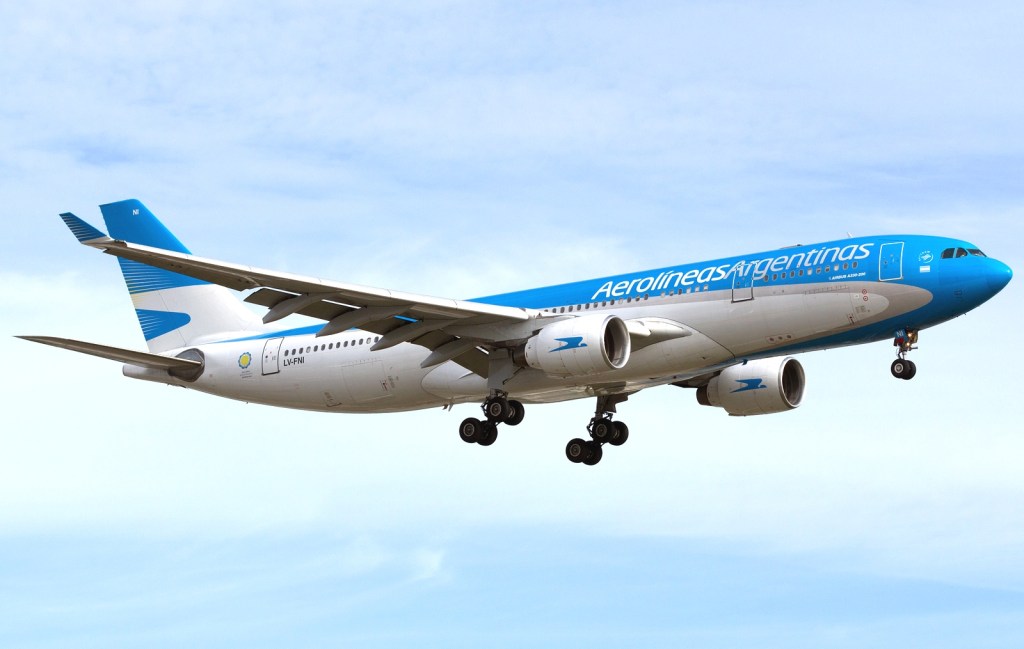



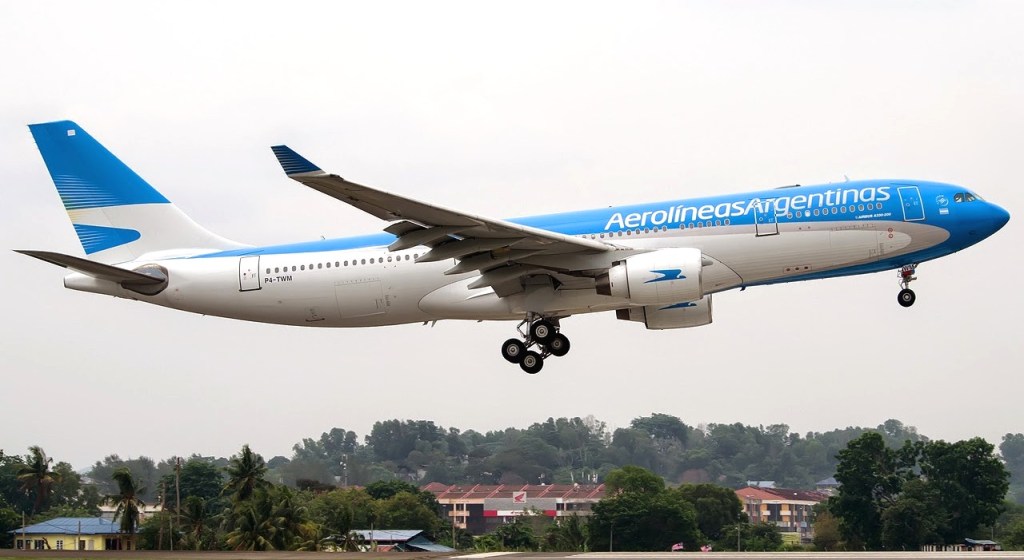


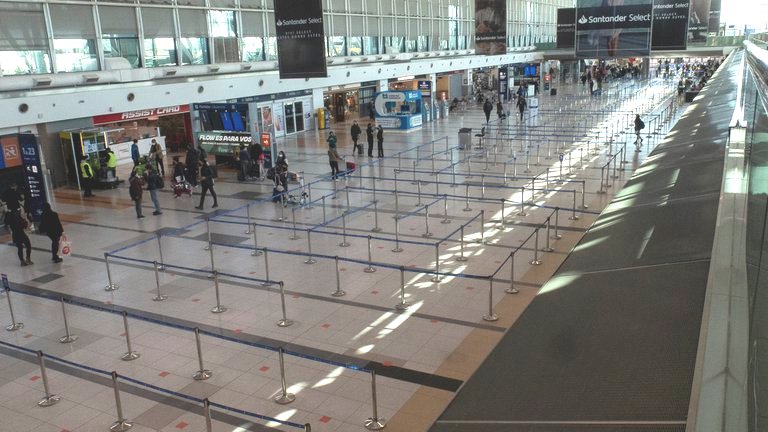
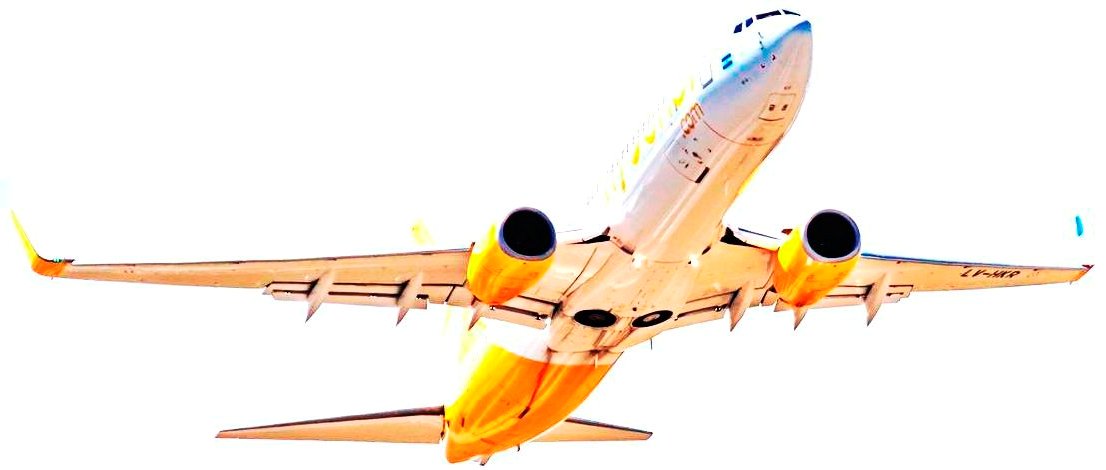

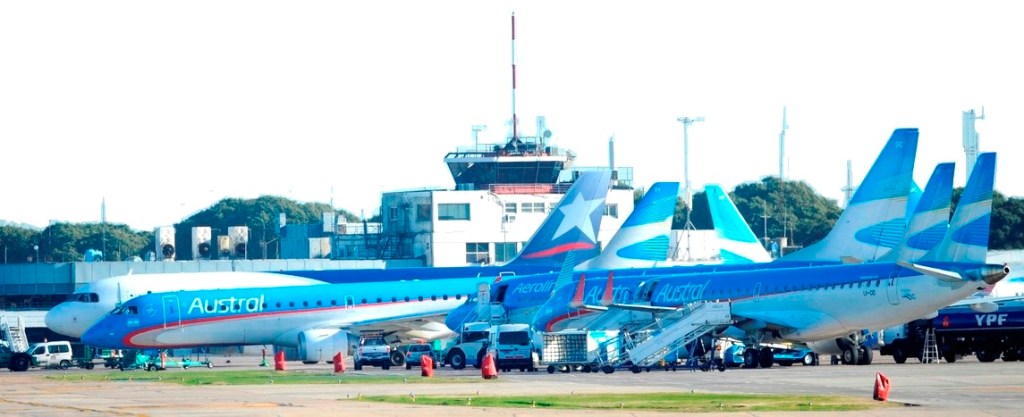

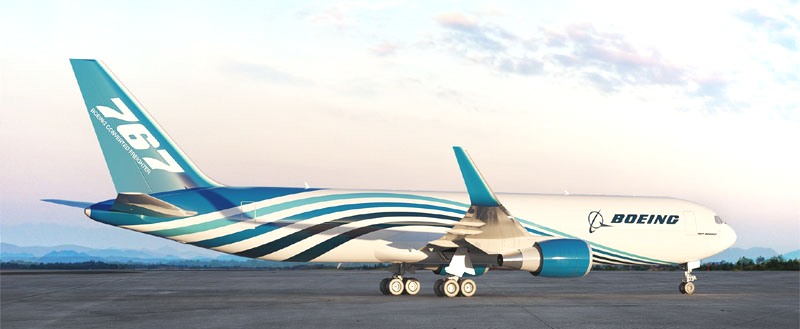


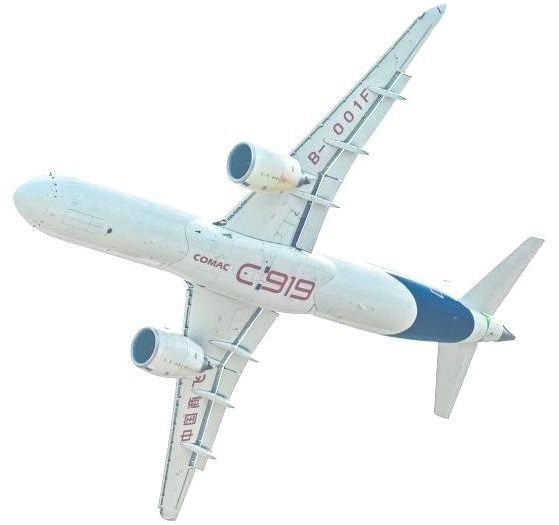


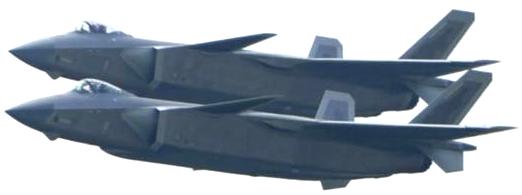
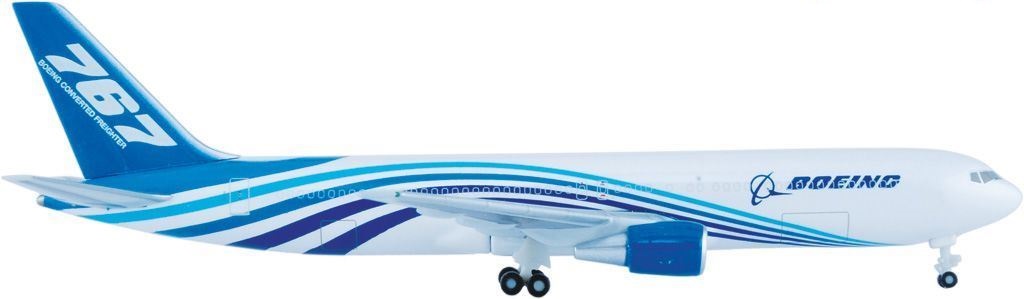
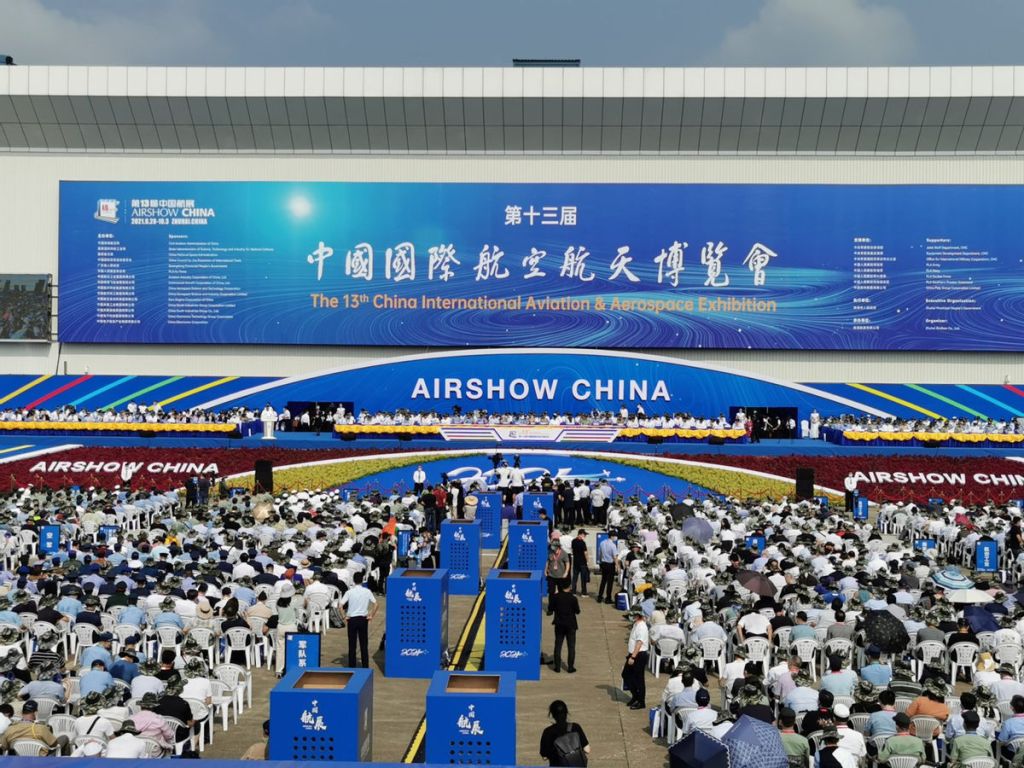

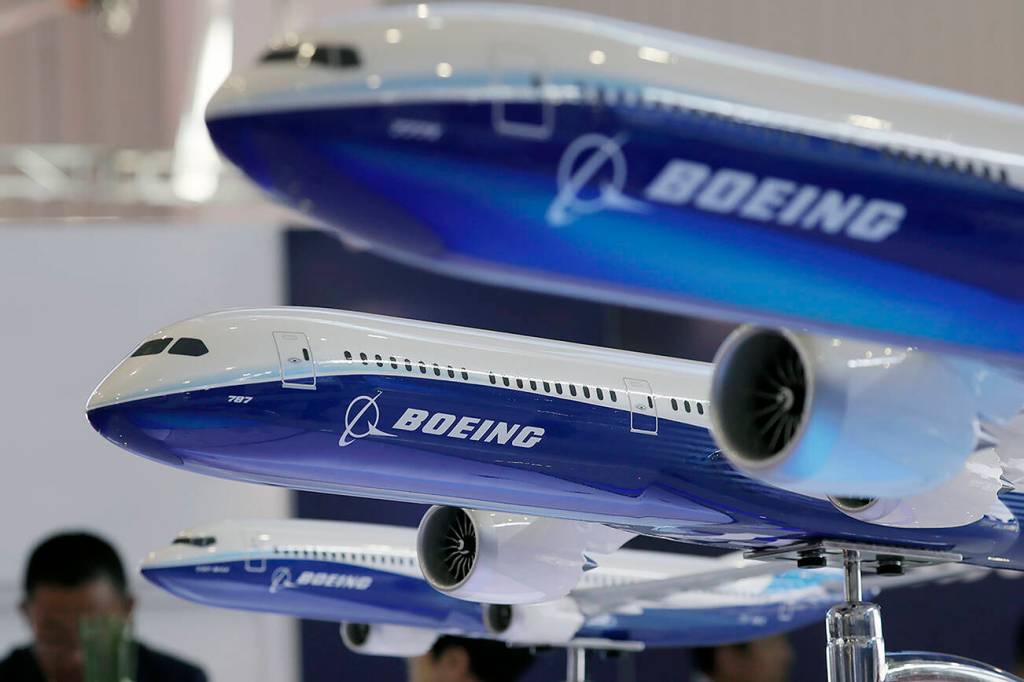
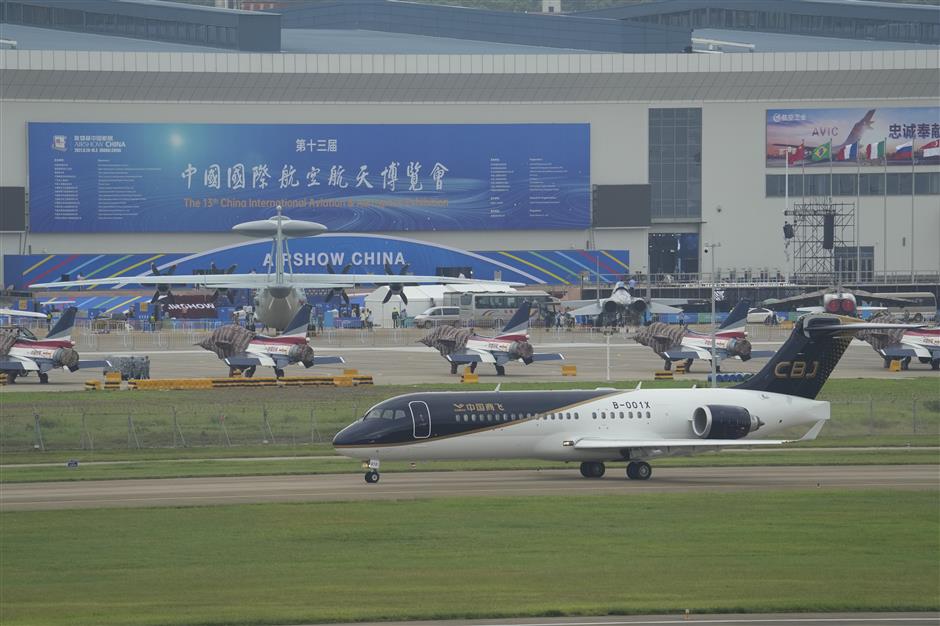

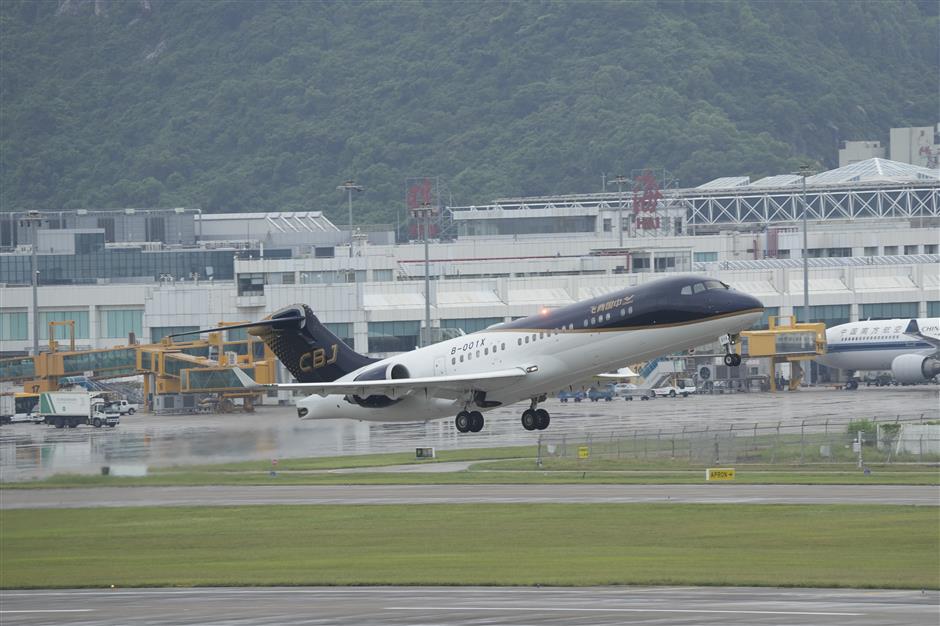
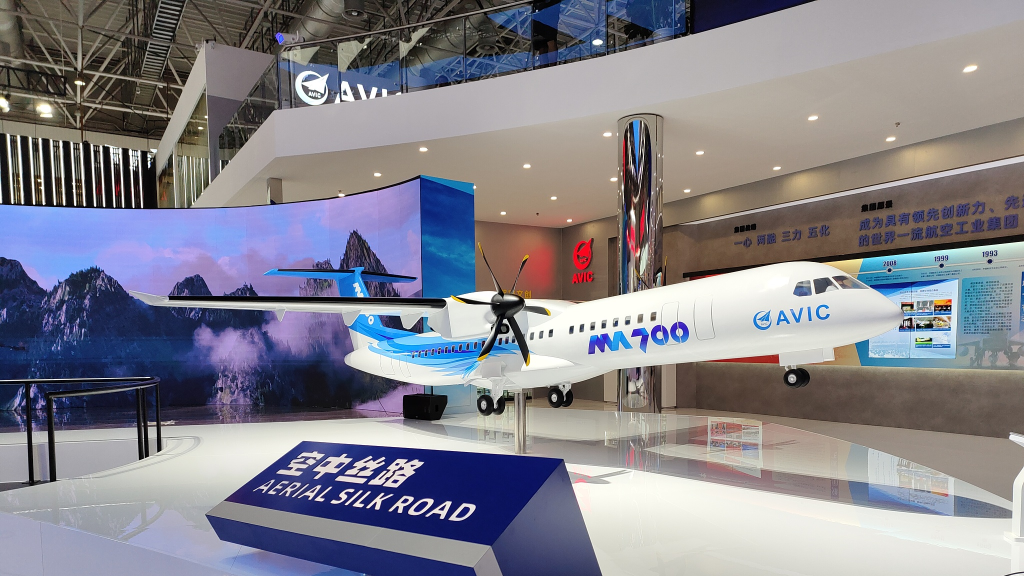
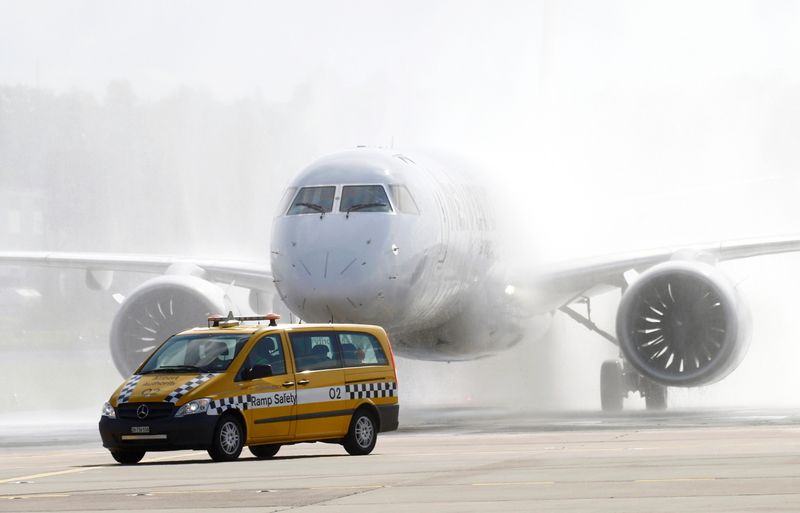



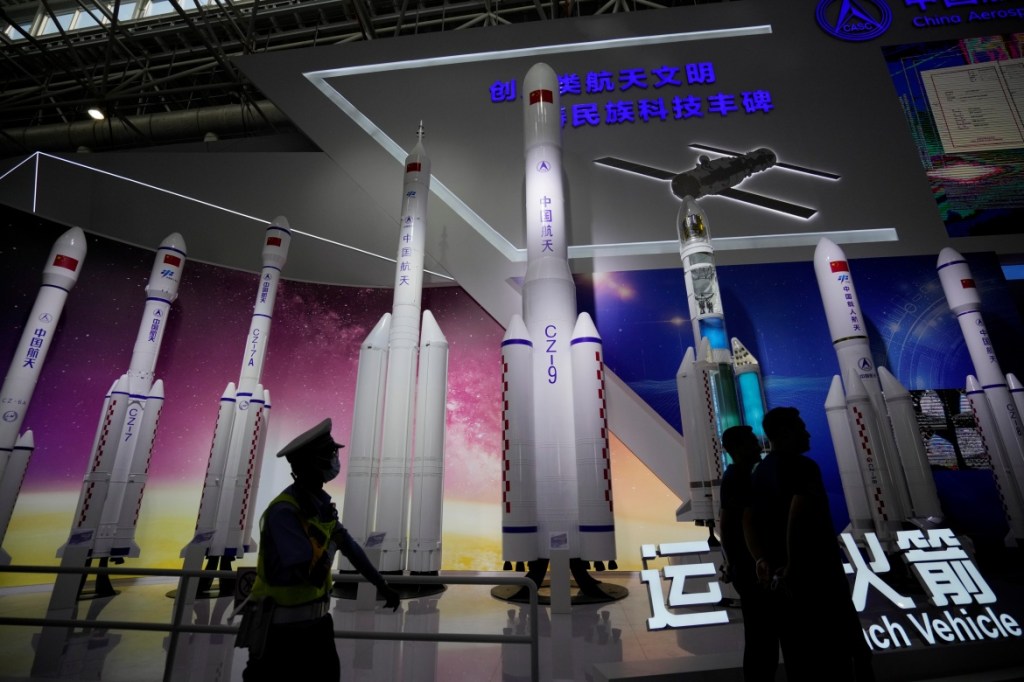
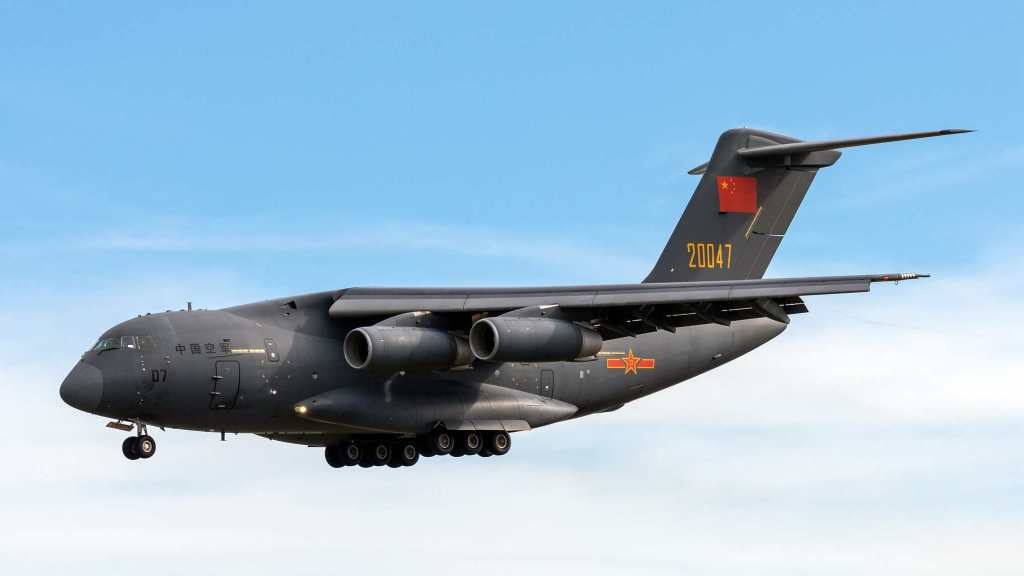

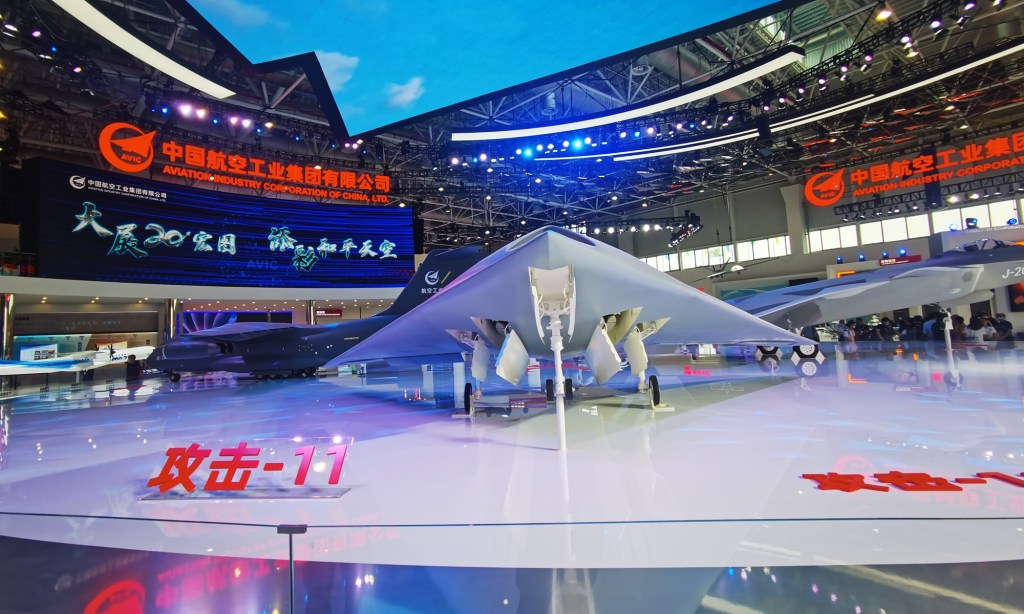

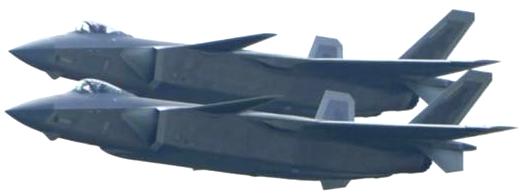




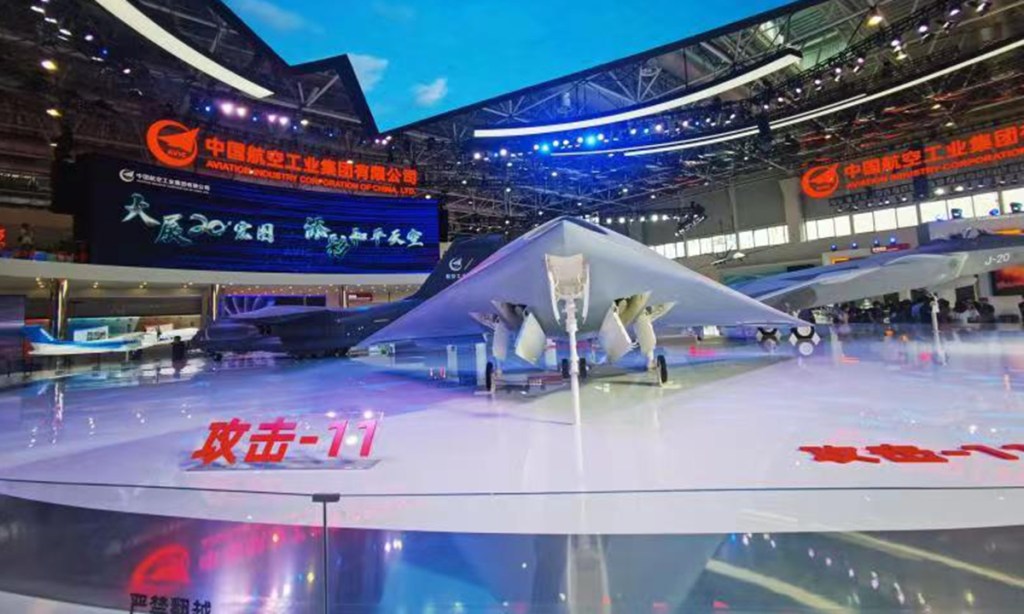



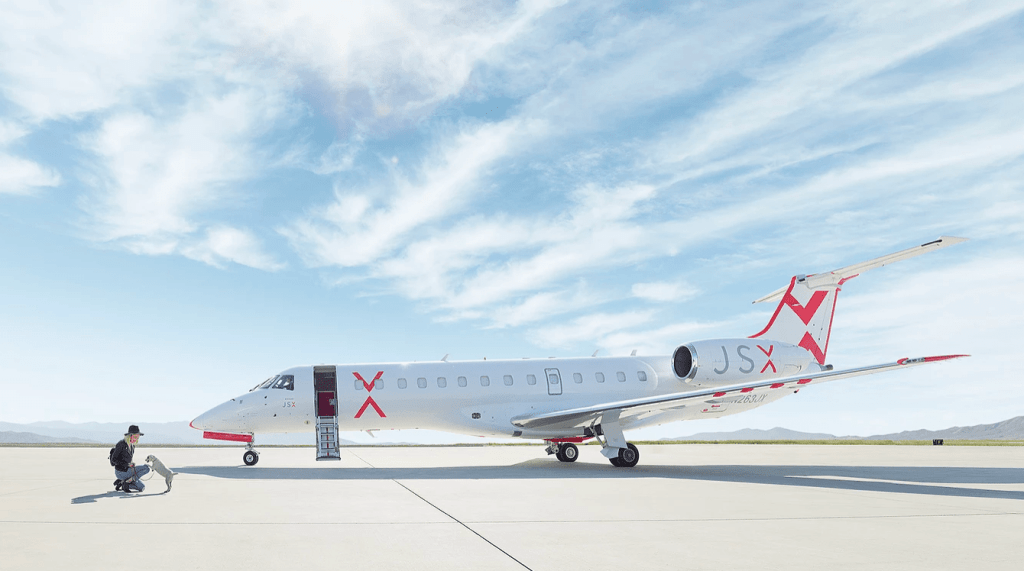

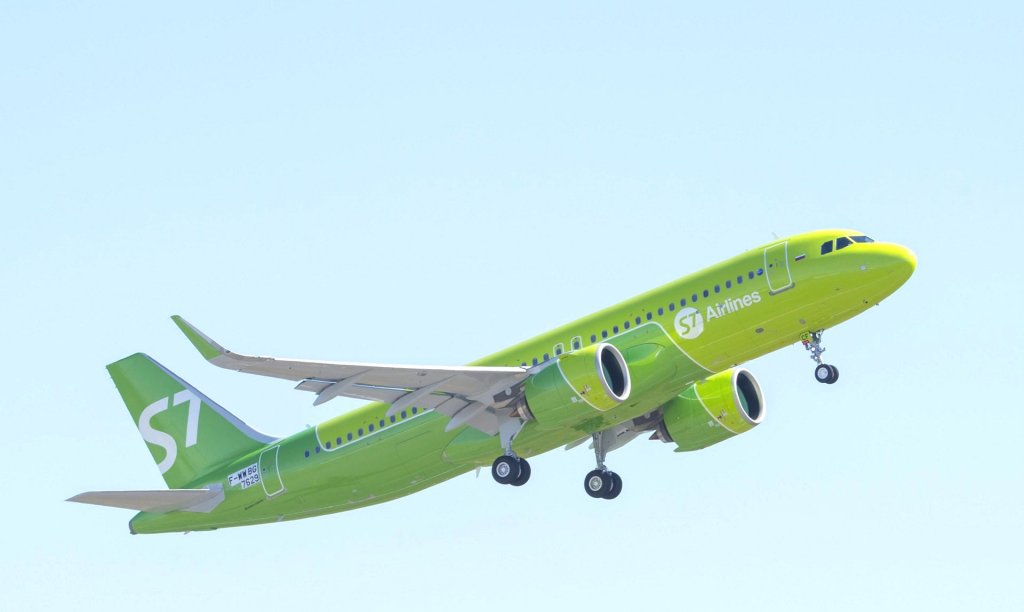


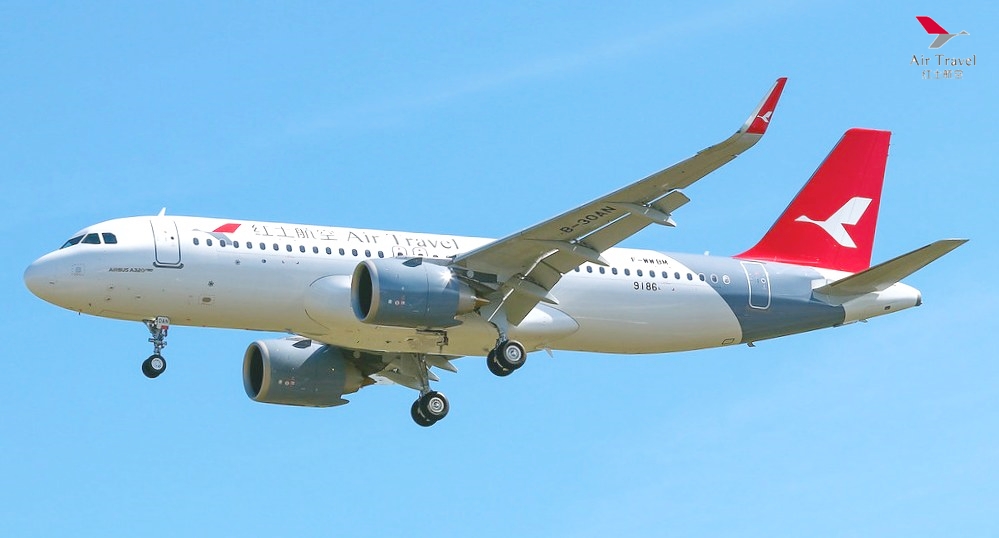
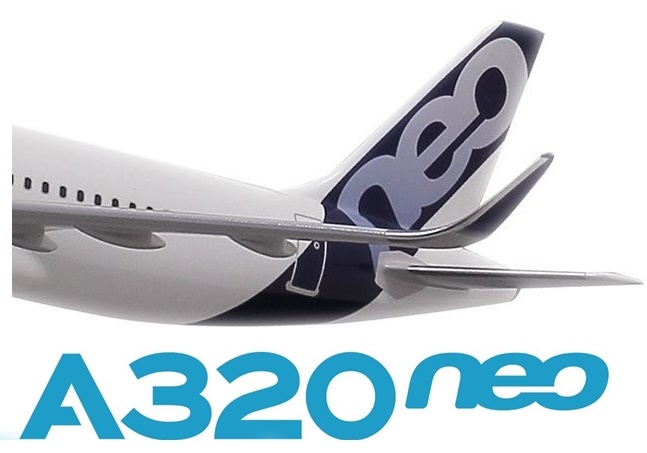



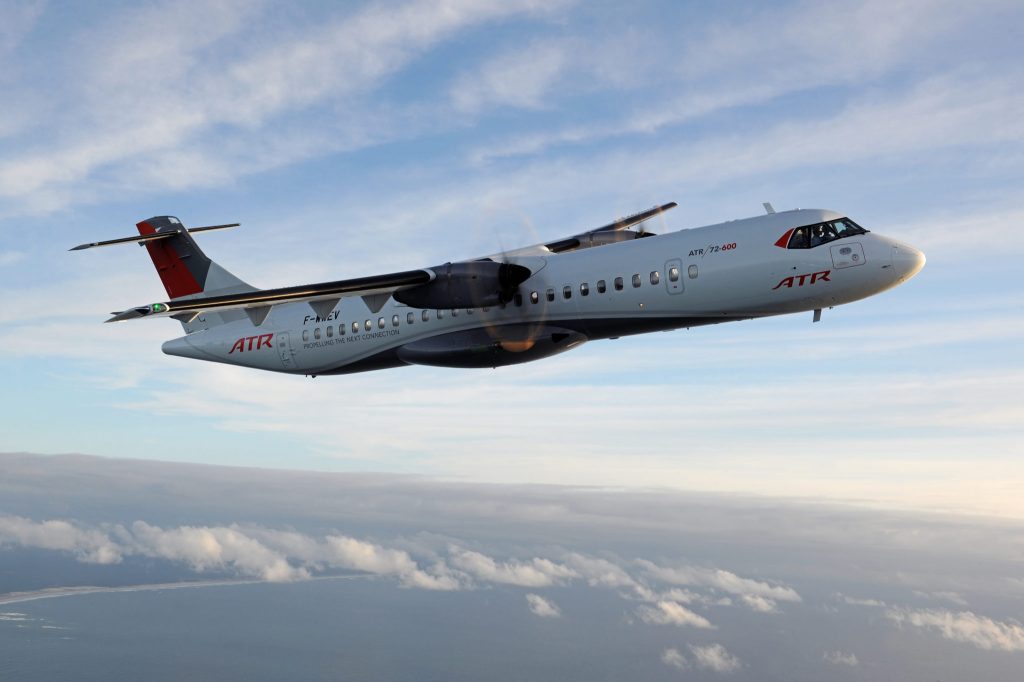

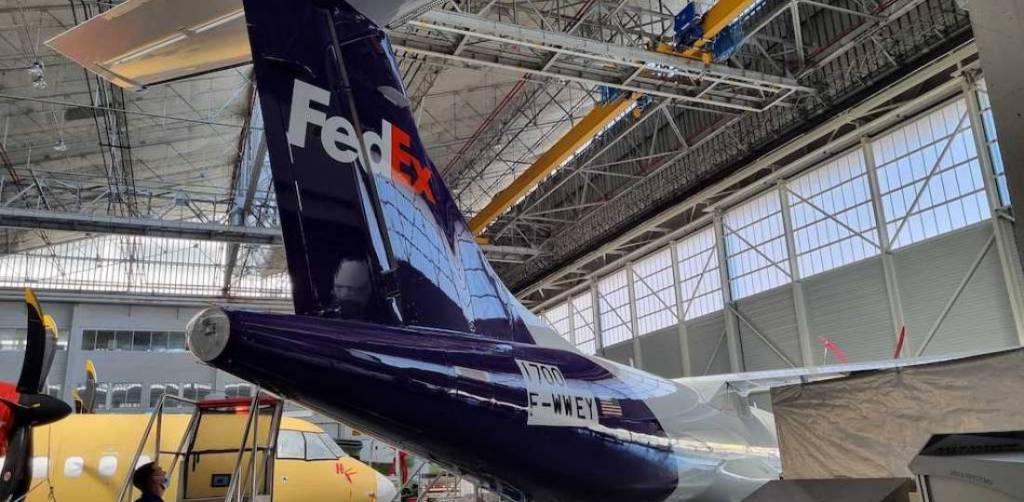

 airgways.com