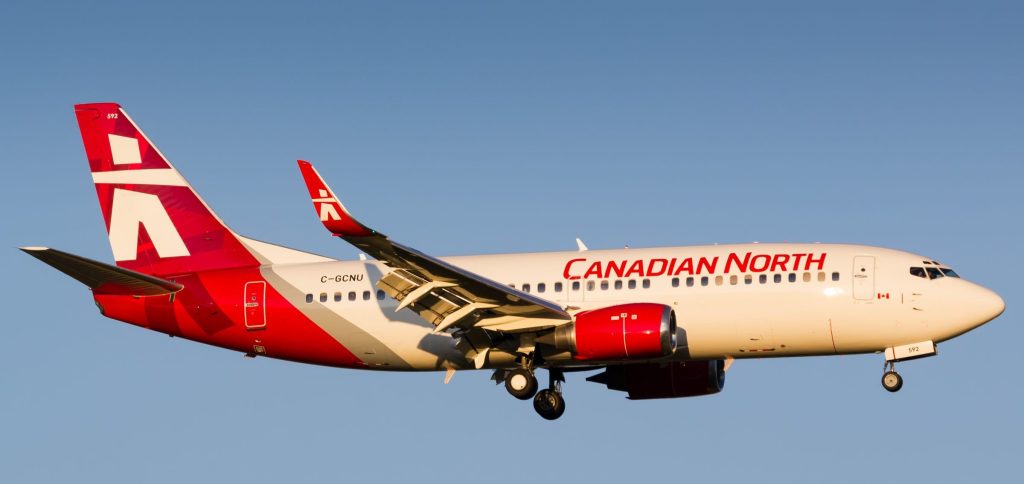
El Gobierno de Nunavut aprueba otros US$ 22 millones de Dólares en apoyo a las aerolíneas. El Gobierno ha pagado US$ 109 millones de Dólares en concepto de subsidios hasta ahora. Los Legisladores de Nunavut aprobaron otra partida de denero para ayudar a las aerolíneas del territorio a alcanzar el punto de equilibrio para operar en Nunavut, Canadá. El Ministro de Finanzas, Adam Arreak Lightstone, hizo la solicitud en la Legislatura el Lunes 21/03 para cubrir las aerolíneas de Enero a Marzo de 2022. Dijo que el dinero extra es necesario para ayudar a las aerolíneas a continuar manteniendo un servicio mínimo a las comunidades de Nunavut. «Ahora estamos en el punto en que las aerolíneas dependen tanto de nuestros subsidios como de sus servicios cruciales que brindan a nuestras comunidades. No podemos simplemente poner fin abruptamente a estos apoyos financieros que hemos estado proporcionando. De lo contrario, eso tendría un impacto perjudicial en nuestras comunidades», dijo Arreak Lightstone a la Cámara, y agregó que es una suposición segura que las aerolíneas no se están beneficiando de los subsidios.
Hasta la fecha, los contribuyentes de Nunavut han pagado US$ 109 millones en subsidios a las aerolíneas, dijo Arreak Lightstone. Pero aclaró que las aerolíneas han reembolsado US$ 53 millones de Dólares a través de reembolsos de boletos de viaje médicos y de impuestos y excedentes de efectivo. «Estamos proporcionando un subsidio para ayudar a las aerolíneas a alcanzar el punto de equilibrio con sus operaciones de Nunavut», dijo Arreak Lightstone.
Nunavut approves airline aid
Canadian region approves airline aid
The Government of Nunavut approves another US$ 22 million in support for airlines. The Government has paid US$ 109 million in subsidies so far. Nunavut lawmakers approved another round of money to help the territory’s airlines break even to operate in Nunavut, Canada. The Minister of Finance, Adam Arreak Lightstone, made the request in the Legislature on Monday 03/21 to cover the airlines from January to March 2022. He said that the extra money is necessary to help the airlines continue to maintain a minimum service to the communities of Nunavut. «We are now at the point where airlines are as dependent on our subsidies as they are on the crucial services they provide to our communities. We cannot just abruptly end these financial supports that we have been providing. Otherwise, that would have a detrimental impact in our communities», Arreak Lightstone told the House, adding that it is a safe assumption that airlines are not benefiting from the subsidies.
To date, Nunavut taxpayers have paid US$ 109 million in subsidies to airlines, Arreak Lightstone said. But he clarified that airlines have reimbursed US$ 53 million through medical and tax travel ticket refunds and excess cash. «We are providing a subsidy to help airlines break even with their Nunavut operations», Arreak Lightstone said.
PUBLISHER: Airgways.com DBk: Gov.nu.ca / Airgways.com AW-POST: 202203221205AR OWNERSHIP: Airgways Inc. A\W A I R G W A Y S ®
Inician rutas polares en en norte por bloqueo aéreo ruso
El cierre del espacio aéreo de la Federación Rusia a algunas aerolíneas internacionales, incluidas muchas en Europa, ha obligado a las aerolíneas a buscar rutas alternativas. Para algunos vuelos, como los que unen Europa y el sudeste asiático, eso es especialmente problemático ya que Rusia, el país más grande del mundo, se encuentra directamente en el medio.
El problema se ilustra mejor con el vuelo de Finnair de Helsinki a Tokio. Antes de la invasión de Ucrania, los aviones de la aerolínea nacional de Finlandia despegaban y se desviaban rápidamente hacia el espacio aéreo de la vecina Rusia, cruzándolo por más de 3.000 millas. Luego entrarían en China cerca de su frontera norte con Mongolia, volarían en su espacio aéreo durante aproximadamente 1.000 millas, antes de ingresar a Rusia nuevamente justo al norte de Vladivostok. Finalmente, cruzarían el Mar de Japón y girarían hacia el sur hacia el aeropuerto de Narita. El viaje tomaría poco menos de nueve horas en promedio y cubriría casi 5,000 millas. El último vuelo de este tipo partió el 26 de Febrero de 2022. Al día siguiente, Rusia prohibió a Finlandia utilizar su espacio aéreo, lo que obligó a la cancelación temporal de la mayoría de los destinos asiáticos de Finnair, incluidos Corea del Sur, Singapur y Tailandia.
Planificación Finnair
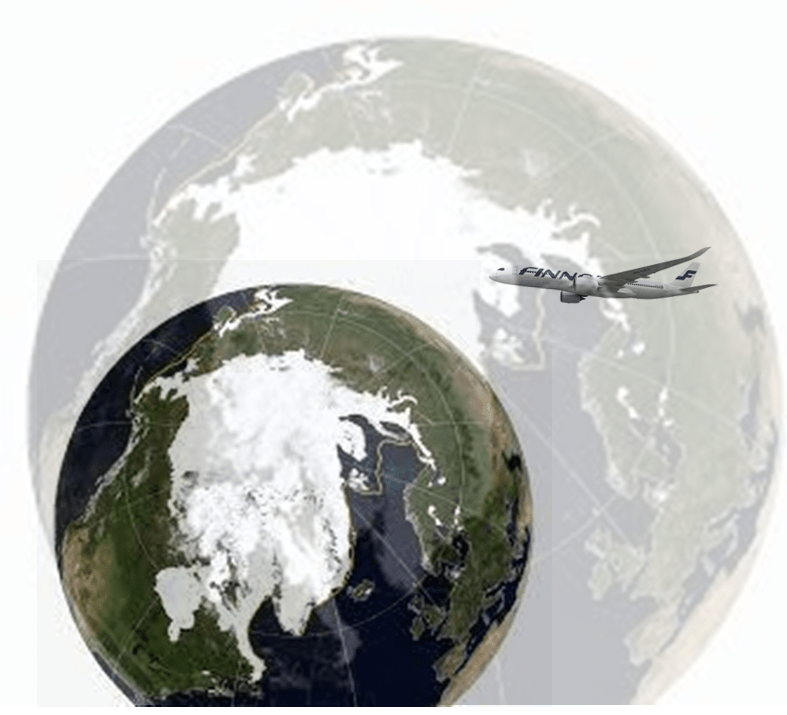
En ese momento, sin embargo, los planificadores de rutas de la aerolínea habían estado trabajando durante mucho tiempo para encontrar una solución. «Hicimos el primer cálculo muy aproximado unas dos semanas antes del cierre real del espacio aéreo», dice Riku Kohvakka, Gerente de Planificación de vuelos de Finnair. La solución fue sobrevolar el Polo Norte. En lugar de dirigirse al sureste hacia Rusia, los aviones ahora saldrían de Helsinki y se dirigirían directamente hacia el norte, dirigiéndose al archipiélago noruego de Svalbard, antes de cruzar el polo y Alaska. Luego se desviarían hacia Japón volando sobre el Pacífico, bordeando cuidadosamente el espacio aéreo ruso. Eso no es tan sencillo como antes: el viaje ahora toma más de trece horas, cubre aproximadamente 8,000 millas y usa un 40% más de combustible. Finnair comenzó a volar a través de la ruta polar a Japón el 9 de Marzo de 2022. Entonces, ¿cómo rediseña una aerolínea completamente uno de sus vuelos más largos en poco más de una semana? «Todas las principales aerolíneas tienen su propio sistema computarizado de planificación de vuelos, que utilizan para planificar rutas y cambiarlas», explica Riku Kohvakka. En el software, el espacio aéreo de países específicos se puede tachar y los puntos de referencia se pueden insertar manualmente para ayudarlo a calcular rutas alternativas. El siguiente paso es un nuevo plan de vuelo operativo, que le dice a la tripulación cuál es la ruta planificada, cuánto combustible necesitan, cuánto puede pesar el avión, etc. «Por experiencia, sabíamos que teníamos dos posibilidades: una a través del norte y otra a través del sur«, dice Riku Kohvakka. Además de la ruta polar, Finnair también puede llegar a Japón volando al sur de Rusia: sobre los países bálticos, Polonia, república eslovaca, Hungría, Rumania, Bulgaria, Turquía, Georgia, Azerbaiyán, Turkmenistán, Uzbekistán, Kazajstán a China, Corea y luego a Japón. Es más largo, pero si las condiciones del viento son particularmente favorables, se puede usar, lo que resulta en un tiempo de vuelo similar. Luego, los datos de consumo de combustible, junto con las tarifas de navegación, se utilizan para estimar el costo del vuelo. «Después de eso, tenemos que comprobar sobre qué tipo de terreno estamos volando. Por ejemplo, para ver si la elevación en algún punto de la ruta requiere una planificación especial, en caso de que perdamos un motor o presurización, algo que siempre se considera al preparar un vuelo», dice Riku Kohvakka. Una vez que se aprueba la nueva ruta, el enfoque cambia a los equipos de aeronaves y los procesos y regulaciones asociados. Entre ellos se encuentra uno llamado ETOPS (Extended-range Twin-engine Operational Performance Standards), que se remonta a la década de 1950, cuando los motores de los aviones eran menos confiables y más propensos a fallar. ETOPS es una certificación proporcionada a las aeronaves que determina qué tan lejos un avión con solo dos motores podría volar desde el aeropuerto más cercano, en caso de que necesite un aterrizaje de emergencia debido a una falla del motor. «Necesitamos tener un aeropuerto adecuado donde podamos desviarnos dentro de un cierto límite de tiempo», dice Riku Kohvakka.
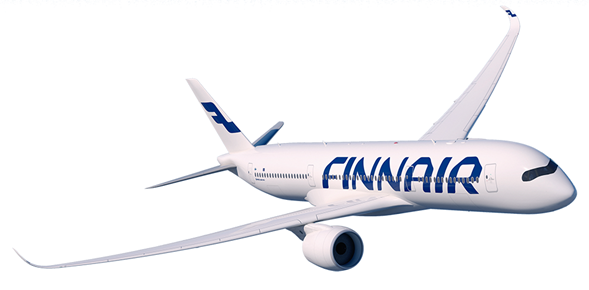
La regulación se estableció inicialmente en 60 minutos, pero a medida que los aviones se volvieron más confiables, se extendió gradualmente. Hace apenas unas semanas, Finnair operaba bajo la regla ETOPS 180 ampliamente adoptada, lo que significaba que su avión bimotor podía volar hasta tres horas de distancia del aeropuerto más cercano en cualquier momento. La nueva ruta ártica, sin embargo, vuela sobre áreas muy remotas, donde los aeropuertos son pocos y distantes entre sí. Como resultado, la aerolínea tuvo que solicitar una extensión de ese protocolo a 300 minutos, lo que significa que los Airbus A350-900 que utiliza para volar a Japón ahora pueden alejarse hasta cinco horas del aeropuerto más cercano, sin dejar de cumplir con todas las regulaciones internacionales y protocolos de seguridad.
Ruta de la Guerra Fría
Las aerolíneas se ocupan rutinariamente del cierre del espacio aéreo, por ejemplo, durante los lanzamientos de naves espaciales y los ejercicios militares, y los conflictos anteriores han restringido o detenido el vuelo sobre Afganistán, Siria y Pakistán. Un cierre de esta magnitud, sin embargo, no se ha producido desde tiempos de la Guerra Fría. Debido a que los derechos de sobrevuelo se negocian entre naciones en lugar de aerolíneas individuales, Rusia y Finlandia aseguraron un acuerdo solo en 1994, dos años después de que la Unión Soviética se desintegrara.
Anteriormente, Finnair, como la mayoría de las otras aerolíneas europeas, no volaba sobre la Unión Soviética en absoluto. Cuando comenzó a operar en Tokio en 1983, también voló a través del Polo Norte y Alaska. «Así que esta ruta no es totalmente nueva para nosotros«, dice Eiku Kohvakka. Finnair fue la primera aerolínea en volar la ruta sin escalas, utilizando aviones DC-10, mientras que la mayoría de las demás en ese momento tenían una parada de reabastecimiento de combustible en Anchorage. La nueva ruta aumenta el consumo de combustible en la friolera de 20 toneladas, lo que hace que los vuelos sean un desafío ambiental y financiero. Por esa razón, Finnair está priorizando la carga, donde la demanda es más fuerte, y limitando la capacidad de pasajeros a solo 50 asientos, los Airbus A350-900 utilizados en los vuelos podrían transportar hasta 330 personas. «La duración adicional del viaje hará que menos vuelos sean económicamente viables. Se vuelven muy dependientes de una alta mezcla de pasajeros premium y carga de alto rendimiento; esto en un entorno donde la demanda general de viajes a lo largo de estas rutas sigue siendo relativamente baja. Dudo que esta sea una estrategia ampliamente adoptada», dice Jonas Murby, Analista de Aviación de Aerodynamic Advisory. Japan Airlines es hasta ahora la única otra aerolínea que utiliza la ruta polar para sus vuelos entre Europa y Japón. El servicio de Londres a Tokio ahora vuela sobre Alaska, Canadá, Groenlandia e Islandia, lo que ha aumentado el tiempo promedio de vuelo de poco más de 12 horas a aproximadamente 14 horas y 30 minutos, según Flightradar24.
Experiencia transpolar
Cuatro horas adicionales de tiempo de vuelo también tienen un impacto en los pasajeros y la tripulación, lo que aumenta aún más los costos. «Por lo general, volamos a Japón con una tripulación de tres pilotos. Ahora lo operamos con cuatro pilotos. Tenemos una litera específica para la tripulación de vuelo donde podemos dormir y descansar, y también hemos aumentado el número de comidas. Los pasajeros han reaccionado alegremente a la nueva ruta, según Aleksi Kuosmanen. «Yo diría que la gente estaba entusiasmada. Muchos preguntaban a qué hora cruzaríamos el polo y si se esperaba aurora boreal», explica Aleksi Kuosmanen, Piloto Jefe adjunto de flota de Finnair, que también es Capitán en los nuevos vuelos.
Finnair está entregando diplomas y pegatinas para certificar que los pasajeros han volado sobre el Polo Norte. Técnicamente, la ruta polar no plantea ningún riesgo de seguridad adicional. «El clima frío es probablemente lo primero que viene a la mente, y es cierto que hay regiones con masas de aire frío a gran altitud, pero estamos bastante acostumbrados a esto cuando volamos rutas del norte a Tokio en el espacio aéreo ruso de todos modos», dice Aleksi Kuosmanen. Un problema podría ser que la temperatura del combustible se vuelve demasiado baja, pero el A350 es particularmente resistente contra el aire frío, dice Aleksi Kuosmanen, lo que lo hace ideal para la ruta. Hay otras objeciones menores. Por ejemplo, las comunicaciones de voz por satélite no cubren toda la región ártica, por lo que las tripulaciones tienen que confiar en la radio HF, una tecnología que tiene casi 100 años de antigüedad. Además de eso, hay áreas con fuerte radiación magnética a considerar durante el vuelo. «Tenemos una buena brújula magnética antigua en el avión, además de varias ayudas de navegación modernas, y se volvió un poco loca mientras volábamos sobre el Polo Norte magnético», dice Aleksi Kuosmanen. Esto no causa ningún daño a la aeronave en absoluto. En general, desde el punto de vista del piloto, la ruta polar hace que las cosas sean más interesantes, pero no altera fundamentalmente el trabajo. «El área polar es probablemente donde cada piloto que vuela larga distancia quiere operar. Pero una vez que uno está bien preparado y bien informado, es solo otro día en la oficina», dice Aleksi Kuosmanen.
Airlines trace transpolar route
Polar routes begin in the north due to Russian air blockade
The closure of Russian Federation airspace to some international airlines, including many in Europe, has forced airlines to seek alternative routes. For some flights, like those linking Europe and Southeast Asia, that’s especially problematic since Russia, the world’s largest country, is squarely in the middle.
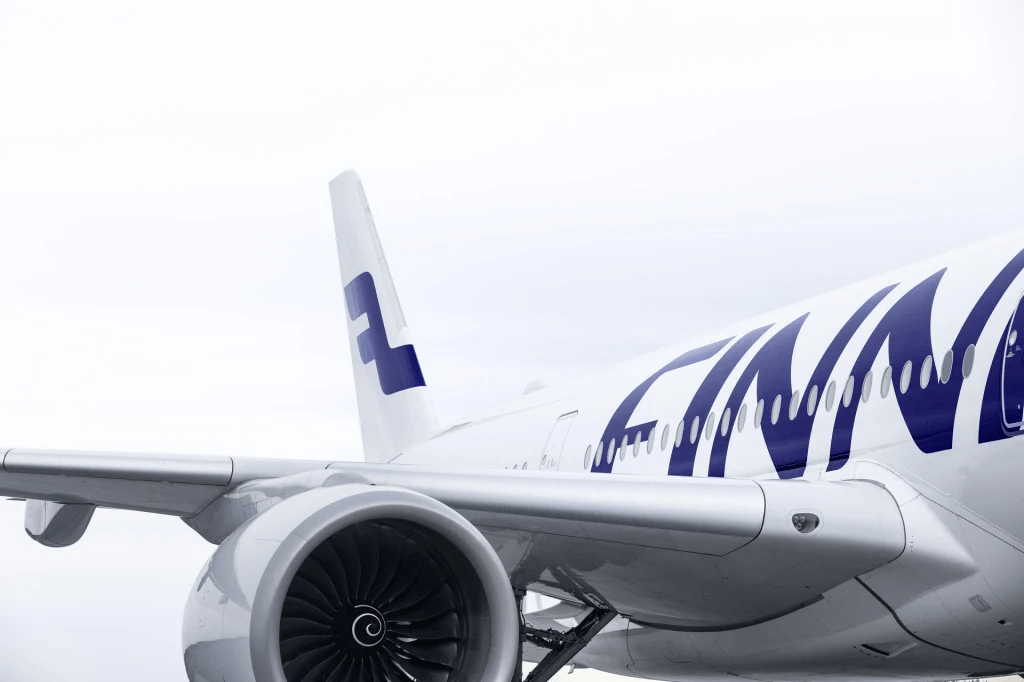
The problem is best illustrated by Finnair’s flight from Helsinki to Tokyo. Before the invasion of Ukraine, planes of Finland’s national airline would take off and quickly swerve into neighboring Russia’s airspace, crossing it for more than 3,000 miles. They would then enter China near its northern border with Mongolia, flying in its airspace for roughly 1,000 miles, before entering Russia again just north of Vladivostok. Finally, they would cross the Sea of Japan and turn south towards Narita Airport. The trip would take just under nine hours on average and cover nearly 5,000 miles. The last such flight departed on February 26, 2022. The following day, Russia banned Finland from using its airspace, forcing the temporary cancellation of most of Finnair’s Asian destinations, including South Korea, Singapore and Thailand.
Finnair Planning
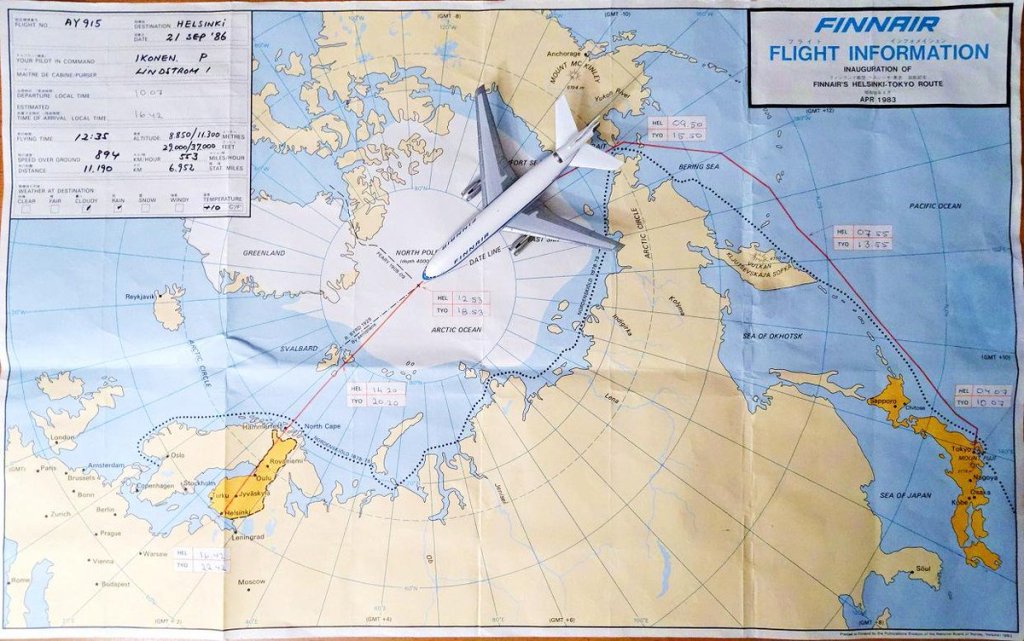
At the time, however, the airline’s route planners had been working for a long time to find a solution. «We made the first very rough estimate about two weeks before the actual airspace closure», says Riku Kohvakka, Flight Planning Manager at Finnair. The solution was to fly over the North Pole. Instead of heading southeast towards Russia, the planes would now leave Helsinki and head directly north, heading to the Norwegian archipelago of Svalbard, before crossing the pole and Alaska. They would then be diverted to Japan by flying over the Pacific, carefully skirting Russian airspace. That’s not as straightforward as it used to be: The trip now takes more than thirteen hours, covers about 8,000 miles, and uses 40% more fuel. Finnair began flying the polar route to Japan on March 9, 2022. So how does an airline completely redesign one of its longest flights in just over a week? «All major airlines have their own computerized flight planning system, which they use to plan routes and change routes», explains Riku Kohvakka. In the software, the airspace of specific countries can be crossed out and waypoints can be manually inserted to help you calculate alternative routes. The next step is a new operational flight plan, which tells the crew what the planned route is, how much fuel they need, how much the plane can weigh, etc. «From experience, we knew we had two possibilities: one through the north and one through the south», says Riku Kohvakka. In addition to the polar route, Finnair can also reach Japan by flying to the south of Russia: over the Baltic States, Poland, the Slovak Republic, Hungary, Romania, Bulgaria, Turkey, Georgia, Azerbaijan, Turkmenistan, Uzbekistan, Kazakhstan to China, Korea and then to Japan. It is longer, but if the wind conditions are particularly favourable, it can be used, resulting in a similar flight time. The fuel consumption data, along with navigation fees, is then used to estimate the cost of the flight. «After that, we have to check what kind of terrain we’re flying over. For example, to see if elevation at any point along the route requires special planning, in case we lose an engine or pressurization, which is always considered preparing for a flight», says Riku Kohvakka. Once the new route is approved, the focus shifts to aircraft equipment and associated processes and regulations. Among them is one called ETOPS (Extended-range Twin-engine Operational Performance Standards), which dates back to the 1950s, when aircraft engines were less reliable and more prone to failure. ETOPS is a certification provided to aircraft that determines how far a plane with only two engines could fly from the nearest airport, should it need to make an emergency landing due to engine failure. «We need to have a proper airport where we can divert within a certain time limit», says Riku Kohvakka.
The regulation was initially set at 60 minutes, but as aircraft became more reliable it was gradually extended. Just a few weeks ago, Finnair was operating under the widely adopted ETOPS 180 rule, which meant its twin-engine plane could fly up to three hours away from the nearest airport at any one time. The new arctic route, however, flies over very remote areas, where airports are few and far between. As a result, the airline had to request an extension of that protocol to 300 minutes, which means that the Airbus A350-900s it uses to fly to Japan can now travel up to five hours away from the nearest airport, while still complying with all international regulations and security protocols.
Cold war route
Airlines routinely deal with airspace closures, for example during spacecraft launches and military exercises, and previous conflicts have restricted or halted flying over Afghanistan, Syria and Pakistan. A closure of this magnitude, however, has not occurred since the days of the Cold War. Because overflight rights are traded between nations rather than individual airlines, Russia and Finland secured an agreement only in 1994, two years after the Soviet Union fell apart.
Previously, Finnair, like most other European airlines, did not fly over the Soviet Union at all. When it began operations in Tokyo in 1983, it also flew across the North Pole and Alaska. «So this route is not totally new to us», says Eiku Kohvakka. Finnair was the first airline to fly the route nonstop, using DC-10 aircraft, while most others at the time had a refueling stop in Anchorage. The new route increases fuel consumption by a whopping 20 tons, making flights an environmental and financial challenge. For that reason, Finnair is prioritizing cargo, where demand is strongest, and by limiting passenger capacity to just 50 seats, the Airbus A350-900s used on the flights could carry up to 330 people. «The additional length of travel will make fewer flights economically viable. They become very reliant on a high mix of premium passengers and high-throughput cargo; this in an environment where overall travel demand along these routes remains relatively low. I doubt this is a widely adopted strategy», says Jonas Murby, Aviation Analyst at Aerodynamic Advisory. Japan Airlines is so far the only other airline to use the polar route for its flights between Europe and Japan. Service from London to Tokyo now flies over Alaska, Canada, Greenland and Iceland, which has increased the average flight time from just over 12 hours to about 14 hours and 30 minutes, according to Flightradar24.
Transpolar experience
An additional four hours of flight time also takes a toll on passengers and crew, further driving up costs. «Usually we fly to Japan with a crew of three pilots. Now we operate it with four pilots. We have a specific berth for the flight crew where we can sleep and rest, and we have also increased the number of meals. The passengers have reacted happily to the new route, according to Aleksi Kuosmanen. «I would say that people were excited. Many asked what time we would cross the pole and if the Northern Lights were expected», explains Aleksi Kuosmanen, Finnair’s Deputy Chief Fleet Pilot, who is also Captain on the new flights.
Finnair is handing out diplomas and stickers to certify that passengers have flown over the North Pole. Technically, the polar route does not pose any additional security risks. “Cold weather is probably the first thing that comes to mind, and it is true that there are regions with high-altitude cold air masses, but we are quite used to this when flying routes north to Tokyo in Russian airspace anyway», says Aleksi Kuosmanen. One problem could be that the fuel temperature becomes too low, but the A350 is particularly resilient against cold air, says Aleksi Kuosmanen, making it ideal for the route. There are other minor objections. For example, satellite voice communications do not cover the entire Arctic region, so crews have to rely on HF radio, a technology that is nearly 100 years old. In addition to that, there are areas with strong magnetic radiation to consider during the flight. “We have a good old-fashioned magnetic compass on the plane, plus several modern navigation aids, and it went a little crazy while we were flying over the magnetic North Pole”, says Aleksi Kuosmanen. This does not cause any damage to the aircraft at all. In general, from the pilot’s point of view, the polar route makes things more interesting, but does not fundamentally alter the work. «The polar area is probably where every long-haul pilot wants to operate. But once you’re well prepared and well informed, it’s just another day at the office», says Aleksi Kuosmanen.
PUBLISHER: Airgways.com DBk: Cnn.com / Finnair.com / Airgways.com AW-POST: 2022031148AR OWNERSHIP: Airgways Inc. A\W A I R G W A Y S ®
Tata Group econversaciones con Airbus para adquisición A350XWB
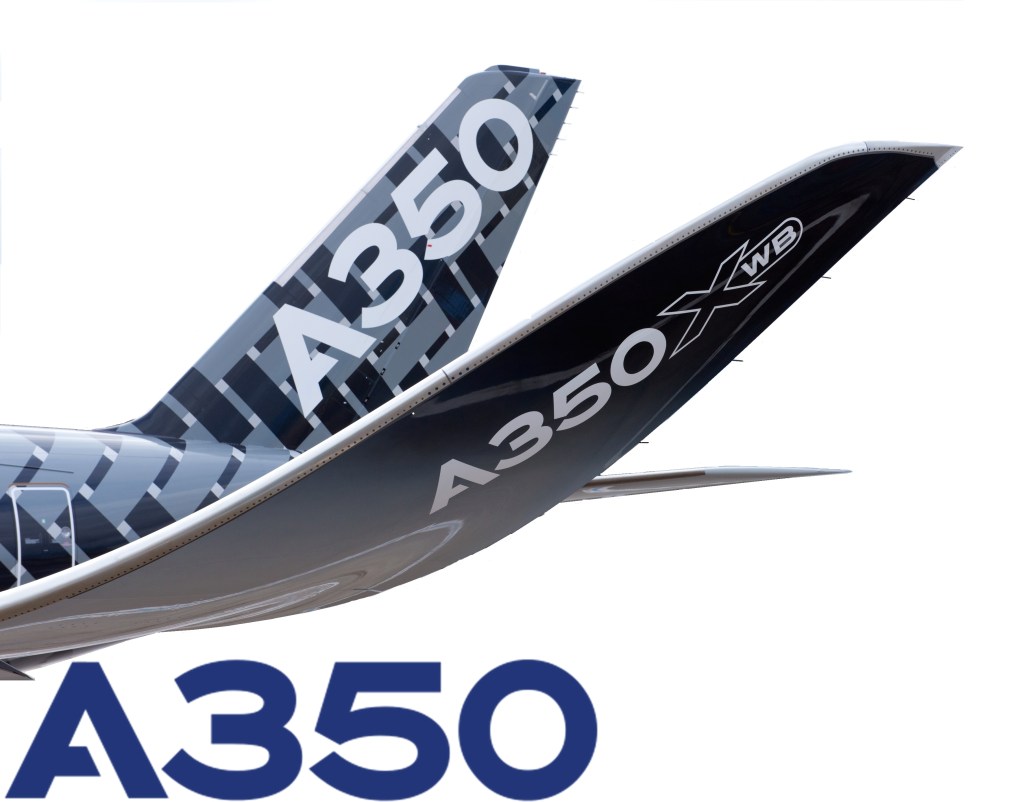
Tata Group de la India está en conversaciones con Airbus Group para la adquisición de sus aviones de fuselaje ancho como el Airbus A350. El Presidente y Director General de Airbus India y Asia del Sur, Remi Maillard, dijo el 21 de Marzo que Tata Group está en conversaciones con Airbus para un acuerdo con respecto a la adquisición de sus aviones A350XWB de fuselaje ancho, un tipo de aeronave que ha sido seleccionada por poseer tanques de combustible de dimensiones más grandes que les permiten viajar distancias más largas. «Obviamente, estamos en conversaciones con todas las aerolíneas. El nuevo propietario de Air India, Tatas, son clientes existentes de Airbus», dijo Remi Maillard cuando se le preguntó si el fabricante de aviones europeo está en conversaciones con Tata y otras aerolíneas indias para el acuerdo de aviones comerciales.
«Tata tiene a Vistara y AirAsia India como parte del grupo como sabemos. Hemos desarrollado una relación de larga data, de confianza y respeto con el Tata Group», declaró en una conferencia de prensa. El Grupo Tata actualmente opera cuatro aerolíneas indias: Air India, Air India Express, Vistara y AirAsia India. Tata Sons había comprado una participación accionaria en Air India y Air India Express en Septiembre 2021. Remi Maillard dijo que Tata Group también es socio de Airbus en el negocio de defensa.
Los aviones de cuerpo ancho como el A350-900/1000 tienen tanques de combustible más grandes que les permiten viajar distancias más largas en comparación con los aviones de cuerpo estrecho como el A320NEO. Los aviones A350 pueden viajar por encima de las 8.000 millas náuticas, con un tiempo de vuelo de aproximadamente 18 horas en un vuelo.
La flota de aviones de fuselaje ancho en la India se ha mantenido estancada durante los últimos veinte años. La flota de aviones de pasillo único se ha multiplicado por un factor de seis en el mismo período de tiempo. «Predecimos un crecimiento promedio anual del 6,2 por ciento para el tráfico aéreo fuera de la India. El promedio mundial está en 3.9 por ciento», señaló Remi Maillard. Airbus es bastante alcista en el mercado internacional de larga distancia fuera de la India, dijo. «Creemos que el tipo de revolución que hemos presenciado en el tráfico doméstico en los últimos veinte años ahora ocurrirá en el mercado de larga distancia en Asia. Creemos que el avión de nueva generación, el A350, será el detonante de esta revolución en el mercado internacional de larga distancia», señaló el Director General para India y Asia del Sur.
TATA-Airbus talks for A350
Tata Group in talks with Airbus for A350XWB acquisition
India’s Tata Group is in talks with Airbus Group for the acquisition of its wide-body aircraft such as the Airbus A350. President and CEO of Airbus India and South Asia, Remi Maillard, said on March 21 that the Tata Group is in talks with Airbus for an agreement regarding the acquisition of its A350XWB wide-body aircraft, an aircraft type that It has been selected for having larger fuel tanks that allow them to travel longer distances. «Obviously we are in talks with all the airlines. Air India’s new owner Tatas are existing Airbus customers», Remi Maillard said when asked if the European planemaker is in talks with Tata and other Indian airlines to the commercial aircraft agreement.
«Tata has Vistara and AirAsia India as part of the group as we know. We have developed a long-standing relationship of trust and respect with the Tata Group», he told a news conference. The Tata Group currently operates four Indian airlines: Air India, Air India Express, Vistara and AirAsia India. Tata Sons had bought an equity stake in Air India and Air India Express in September 2021. Remi Maillard said that the Tata Group is also an Airbus partner in the defense business.
Wide-body jets like the A350-900/1000 have larger fuel tanks that allow them to travel longer distances compared to narrow-body jets like the A320NEO. A350 aircraft can travel in excess of 8,000 nautical miles, with a flight time of approximately 18 hours on one flight.
The wide-body aircraft fleet in India has been stagnant for the last twenty years. The single-aisle aircraft fleet has grown by a factor of six in the same time period. «We predict an average annual growth of 6.2 percent for air traffic out of India. The world average is 3.9 percent,» Remi Maillard noted. Airbus is quite bullish on the international long-haul market outside of India, he said. «We believe that the kind of revolution that we have witnessed in domestic traffic in the last twenty years will now happen in the long-haul market in Asia. We believe that the new generation aircraft, the A350, will be the trigger for this revolution in the market. international long-distance service», said the Director General for India and South Asia.
A350 के लिए टाटा-एयरबस वार्ता
टाटा समूह A350XWB अधिग्रहण के लिए एयरबस के साथ बातचीत कर रहा है
भारत का टाटा समूहएयरबस समूह के साथ अपने व्यापक शरीर वाले विमान जैसे एयरबस ए350 के अधिग्रहण के लिए बातचीत कर रहा है। एयरबस इंडिया और दक्षिण एशिया के अध्यक्ष और सीईओ रेमी माइलर्ड ने 21 मार्च को कहा कि टाटा समूह अपने A350XWB वाइड-बॉडी विमान के अधिग्रहण के संबंध में एक समझौते के लिए एयरबस के साथ बातचीत कर रहा है, एक ऐसा विमान जिसे इसके लिए चुना गया है। बड़े ईंधन टैंक जो उन्हें लंबी दूरी की यात्रा करने की अनुमति देते हैं। यह पूछे जाने पर कि क्या यूरोपीय योजना निर्माता टाटा और अन्य भारतीय एयरलाइनों के साथ वाणिज्यिक विमान समझौते के लिए बातचीत कर रहे हैं, रेमी माइलार्ड ने कहा, «जाहिर है, हम सभी एयरलाइनों के साथ बातचीत कर रहे हैं। एयर इंडिया के नए मालिक टाटा मौजूदा एयरबस ग्राहक हैं»।
उन्होंने एक संवाददाता सम्मेलन में कहा, «जैसा कि हम जानते हैं, टाटा के पास विस्तारा और एयरएशिया इंडिया हैं। हमने टाटा समूह के साथ विश्वास और सम्मान का एक पुराना रिश्ता विकसित किया है«। टाटा समूह वर्तमान में चार भारतीय एयरलाइनों का संचालन करता है: एयर इंडिया, एयर इंडिया एक्सप्रेस, विस्तारा और एयरएशिया इंडिया। टाटा संस ने सितंबर 2021 में एयर इंडिया और एयर इंडिया एक्सप्रेस में इक्विटी हिस्सेदारी खरीदी थी। रेमी माइलार्ड ने कहा कि टाटा समूह भी रक्षा कारोबार में एयरबस पार्टनर है।
A350-900/1000 जैसे चौड़े शरीर वाले विमानों में बड़े ईंधन टैंक होते हैं जो उन्हें A320NEO जैसे संकीर्ण शरीर वाले विमानों की तुलना में लंबी दूरी की यात्रा करने की अनुमति देते हैं। A350 विमान एक उड़ान पर लगभग 18 घंटे के उड़ान समय के साथ 8,000 समुद्री मील से अधिक की यात्रा कर सकता है।
भारत में वाइड-बॉडी विमान का बेड़ा पिछले बीस वर्षों से स्थिर है। एकल-गलियारा विमान बेड़े में समान समयावधि में छह गुना वृद्धि हुई है। रेमी माइलर्ड ने कहा, «हम भारत से बाहर हवाई यातायात के लिए औसत वार्षिक वृद्धि 6.2 प्रतिशत की भविष्यवाणी करते हैं। विश्व औसत 3.9 प्रतिशत है»। उन्होंने कहा कि भारत के बाहर अंतरराष्ट्रीय लंबी दूरी के बाजार में एयरबस काफी तेज है। «हम मानते हैं कि पिछले बीस वर्षों में हमने घरेलू यातायात में जिस तरह की क्रांति देखी है, वह अब एशिया में लंबी दूरी के बाजार में होगी। हमें विश्वास है कि नई पीढ़ी के विमान, ए 350, इस क्रांति के लिए ट्रिगर होंगे। बाजार में। अंतरराष्ट्रीय लंबी दूरी की सेवा», भारत और दक्षिण एशिया के महानिदेशक ने कहा।
PUBLISHER: Airgways.com DBk: Airbus.com / Tata.com / Airgways.com AW-POST: 202203221133AR OWNERSHIP: Airgways Inc. A\W A I R G W A Y S ®
Gobierno de México inaugura nuevo aeropuerto internacional
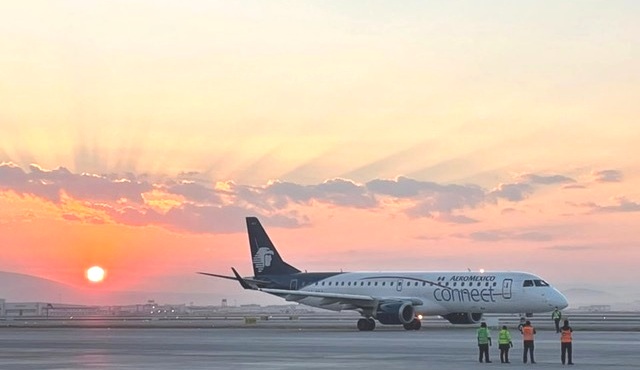
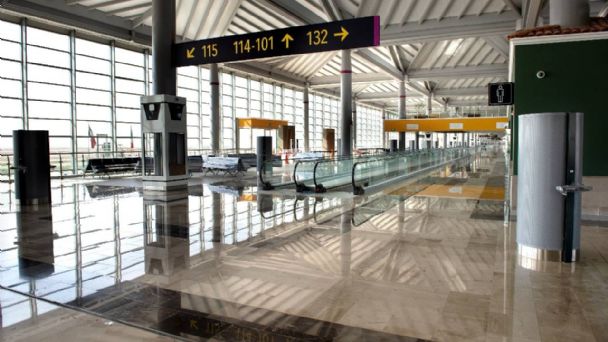
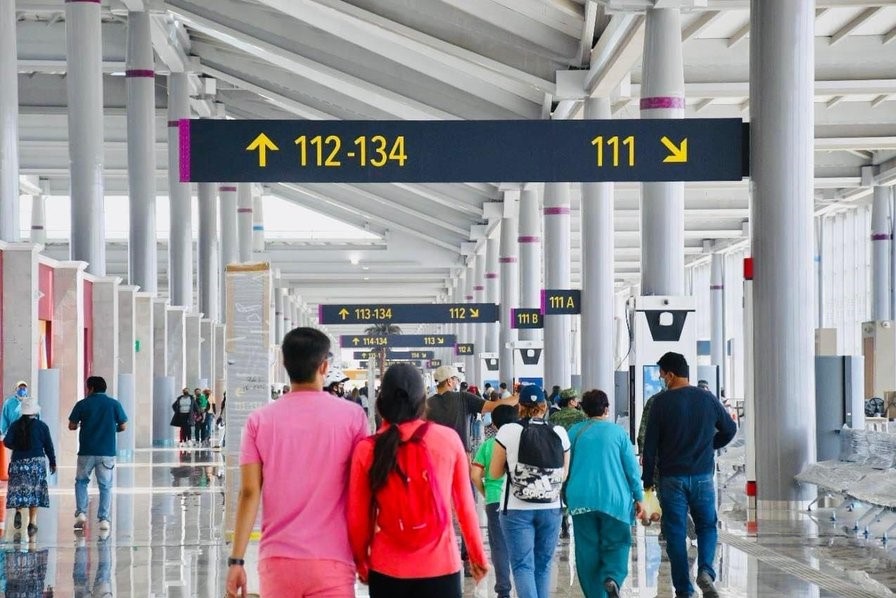
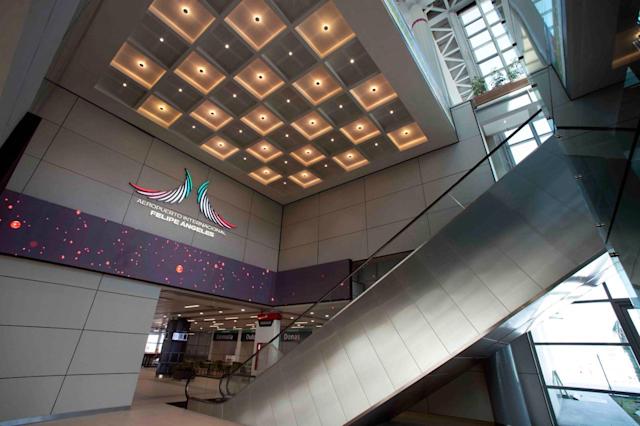
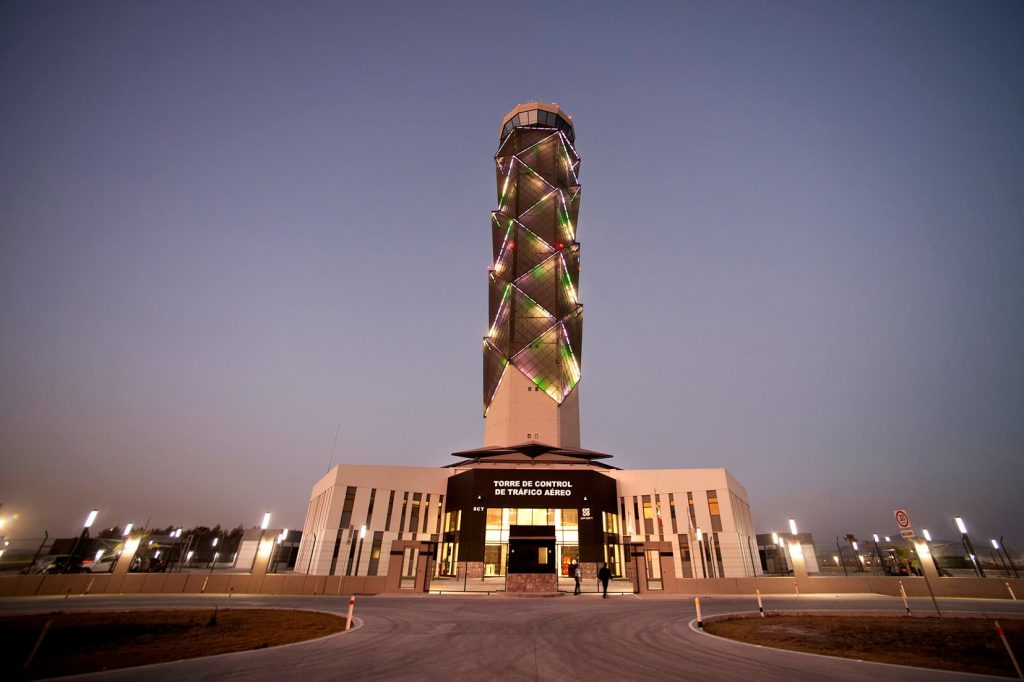
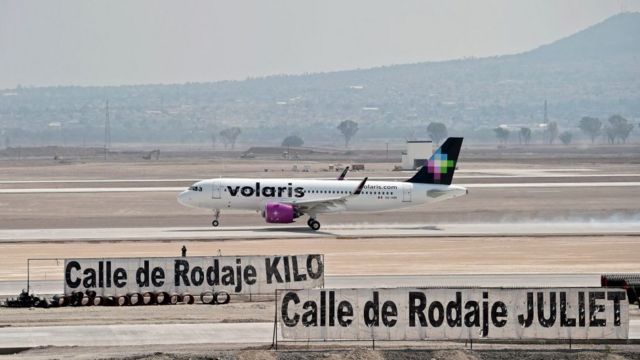
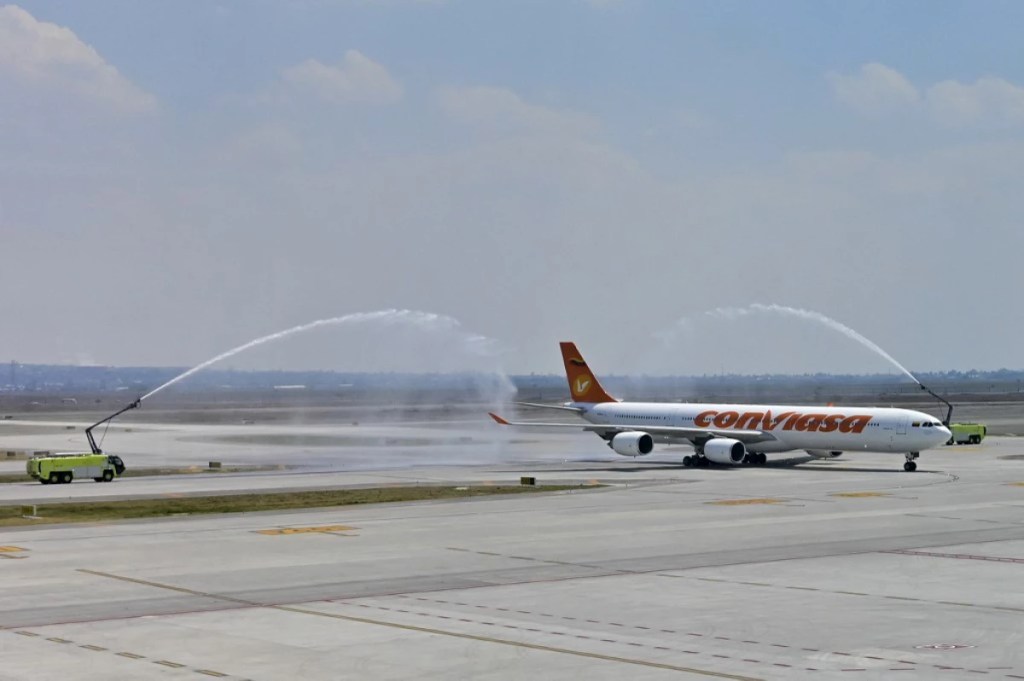
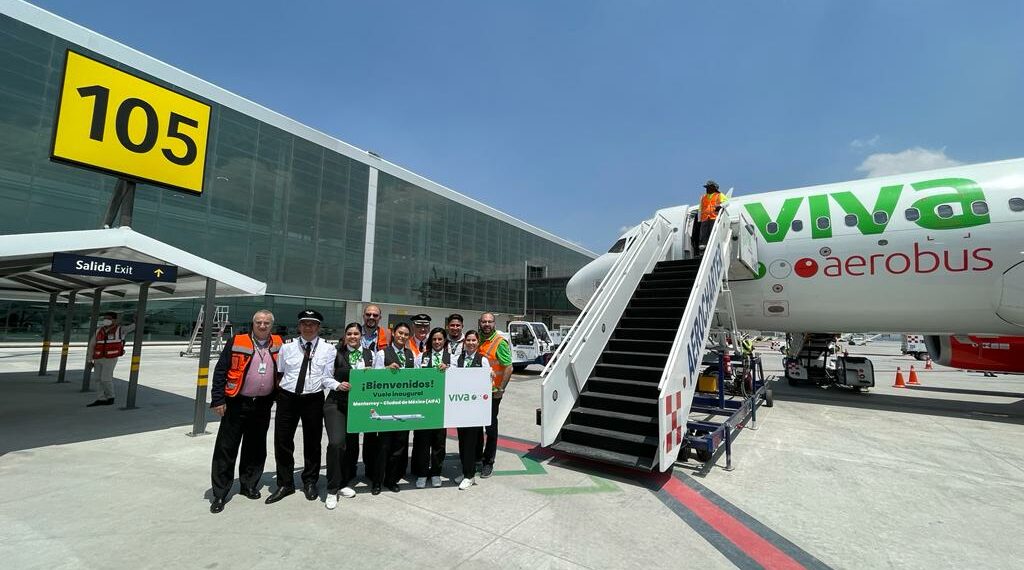
La inauguración del Aeropuerto Internacional Felipe Ángeles/AIFA ha quedado formalmente inaugurado el Lunes 21/03. El Secretario de la Defensa Nacional, Luis Cresencio Sandoval, detalló el programa de actividades para la puesta en funciones de la nueva aeroestación internacional de México. Luis Cresencio Sandoval hizo entrega de la obra concluida del AIFA a la empresa que se encargará de su operación.
La ceremonia de inauguración de la primera de las obras insignia de la Administración del Presidente Andrés López Obrador ha permitido concretarse para aliviar el saturado Aeropuerto Internacional Ciudad de México, una perspectiva que se convertiría en crítica con la salida de la pandemia.
Aunque el proyecto ha sido sumamente criticado por los problemas de movilidad para arribar y salir de la terminal aérea, recientemente distintas líneas de autobuses y otros medios de transporte dieron a conocer que ofrecerán el servicio para que los pasajeros puedan llegar o abandonar las instalaciones en tiempo y forma.
PRIMER VUELO COMERCIAL A CARGO DE AEROMÉXICO CONNECT
El Aeropuerto Internacional Felipe Ángeles/AIFA, ubicado a 50 km al norte de Ciudad de México, es el nuevo aeródromo llamado a resolver un problema de saturación que arrastra la enorme urbe desde hace dos décadas. Pero desde su concepción misma, el AIFA ha estado rodeado del escepticismo de los especialistas en materia aeroportuaria, al cual el presidente ha combatido en los últimos cuatro años.
La planeación y ejecución de la obra del nuevo AIFA fue ejecutada por las Fuerzas Armadas en menos de tres años. Grupos de especialistas han echado abajo el escepticismo técnico sobre su operación, pues muchos analistas aseguraban que era incompatible la operación del viejo AICM con el AIFA, lo cual ha quedado solventado con una reconfiguración del espacio aéreo. En cuestión de dinero, sin embargo, el presupuesto ha tenido que ampliarse en al menos dos ocasiones. El 83% de los contratos de obra civil, materiales, equipos, etc., fue otorgado por adjudicación directa a proveedores, no por concurso de adjudicación como mandan las mejores prácticas. Además, el proyecto fue catalogado como una obra de seguridad nacional, lo que dificulta el escrutinio del uso de recursos públicos.
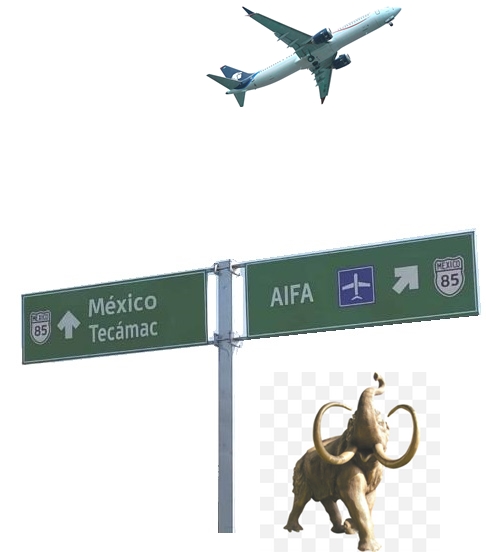
Tras la construcción del nuevo Aeropuerto Felipe Ángeles/AIFA, actualmente la aeroestación exhibe en su museo restos de mamut que fueron encontrados durante su construcción.
AIFA Airport inauguration
Government of Mexico inaugurates new international airport
The inauguration of the Felipe Ángeles International Airport/AIFA has been formally inaugurated on Monday 03/21. The Secretary of National Defense, Luis Cresencio Sandoval, detailed the program of activities for the commissioning of the new international air station in Mexico. Luis Cresencio Sandoval delivered the completed work of the AIFA to the company that will be in charge of its operation.
The inauguration ceremony of the first of the flagship works of the Administration of President Andrés López Obrador has made it possible to relieve the saturated Mexico City International Airport, a perspective that would become critical with the end of the pandemic.
Although the project has been highly criticized for the mobility problems to arrive and leave the air terminal, recently different bus lines and other means of transport announced that they will offer the service so that passengers can arrive or leave the facilities in time. and shape.
The Felipe Ángeles/AIFA International Airport, located 50 km north of Mexico City, is the new aerodrome called to solve a saturation problem that has dragged the huge city for two decades. But since its very conception, the AIFA has been surrounded by the skepticism of airport specialists, which the president has fought for the last four years.
The planning and execution of the work of the new AIFA was carried out by the Armed Forces in less than three years. Groups of specialists have broken down the technical skepticism about its operation, as many analysts claimed that the operation of the old AICM was incompatible with the AIFA, which has been resolved with a reconfiguration of the airspace. In terms of money, however, the budget has had to be expanded on at least two occasions. 83% of civil works contracts, materials, equipment, etc., were awarded by direct award to suppliers, not by award competition as best practices dictate. In addition, the project was classified as a national security work, which makes it difficult to scrutinize the use of public resources.
After the construction of the new Felipe Ángeles/AIFA Airport, the aerostation currently exhibits mammoth remains that were found during its construction in its museum.
PUBLISHER: Airgways.com DBk: Aeropuertoaifa.mx / Airgways.com AW-POST: 202203220950AR OWNERSHIP: Airgways Inc. A\W A I R G W A Y S ®
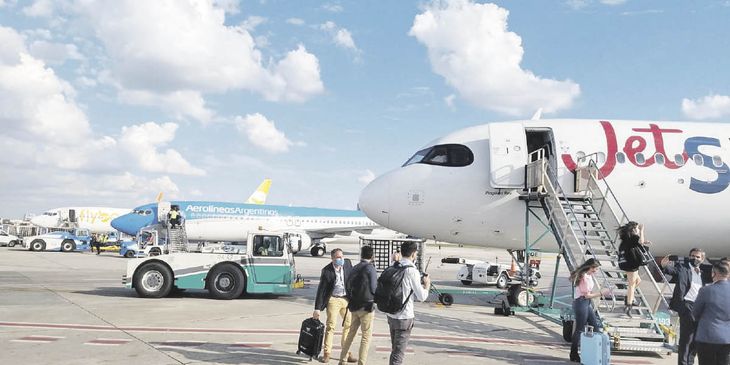
Low cost celebra más rutas con la provincia salteña
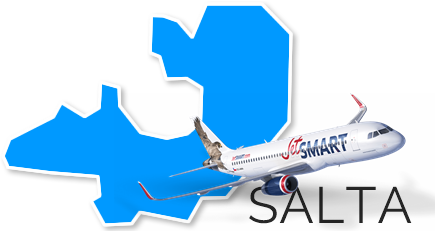
La Gobernación de la Provincia de Salta y autoridades de la aerolínea JetSmart Airlines Argentina se han reunido para formalizar un incremento de las frecuencias entre Buenos Aires/AEP y Salta/SLA. La reciente reunión entre el Gobernador de Salta, Gustavo Sáenz y representantes de la aerolínea se han dado cita para celebrar un importante acuerdo para aumentar los vuelos para conseguir mayores alternativas a la Región del Noroeste argentino.
Actualmente, JetSmart Argentina es una de las provincias que cuenta con mayores frecuencias en rutas domésticas, lo que permite observar la perspectiva de demanda a futuro. El funcionario provincial ha permitido avanzar junto al Gerente General de la aerolínea low cost para implementar vuelos adicionales a la grilla de programación de vuelos semanales actuales.
Aumento de frecuencias
Con la incorporación de su sexta aeronave Airbus A320-200CEO permitirá reforzar las frecuencias de los vuelos de cabotaje en la Argentina. La ruta entre Buenos Aires—Bariloche sigue siendo la ruta con mayor cantidad de frecuencias semanales pasando de 19Frq/S actuales a 20Frq/S en lo inmediato. También incorporarán las frecuencias Salta—Neuquén, con dos frecuencias semanales (2Frq/S) y Bariloche—Córdoba dos frecuencias semanales (2Frq/S) en Mayo 2022. Estas rutas habían sido operadas anteriormente por la compañía de presupuesto. Estas rutas en el interior del país incrementarán sus frecuencias en Junio 2022 con tres vuelos semanales (3Frq/S).
JetSmart Argentina adds flights to Salta
Low cost celebrates more routes with the province of Salta
The Government of the Province of Salta and authorities of the airline JetSmart Airlines Argentina have met to formalize an increase in frequencies between Buenos Aires/AEP and Salta/SLA. The recent meeting between the Governor of Salta, Gustavo Sáenz and representatives of the airline have come together to celebrate an important agreement to increase flights to get more alternatives to the Argentine Northwest Region.
Currently, JetSmart Argentina is one of the provinces with the highest frequencies on domestic routes, which allows us to observe the prospect of future demand. The provincial official has allowed progress together with the General Manager of the low cost airline to implement additional flights to the current weekly flight schedule grid.
Increased frequencies
With the incorporation of its sixth Airbus A320-200CEO aircraft, it will strengthen the frequencies of domestic flights in Argentina. The route between Buenos Aires-Bariloche continues to be the route with the highest number of weekly frequencies, going from the current 19Frq/S to 20Frq/S in the immediate future. They will also incorporate the Salta-Neuquén frequencies, with two weekly frequencies (2Frq/S) and Bariloche-Córdoba two weekly frequencies (2Frq/S) in May 2022. These routes had previously been operated by the budget company. These routes will increase their frequencies in June 2022 with three weekly flights (3Frq/S).
PUBLISHER: Airgways.com DBk: Jetsmart.com / Salta.gob.ar / Airgways.com AW-POST: 202203220848AR OWNERSHIP: Airgways Inc. A\W A I R G W A Y S ®
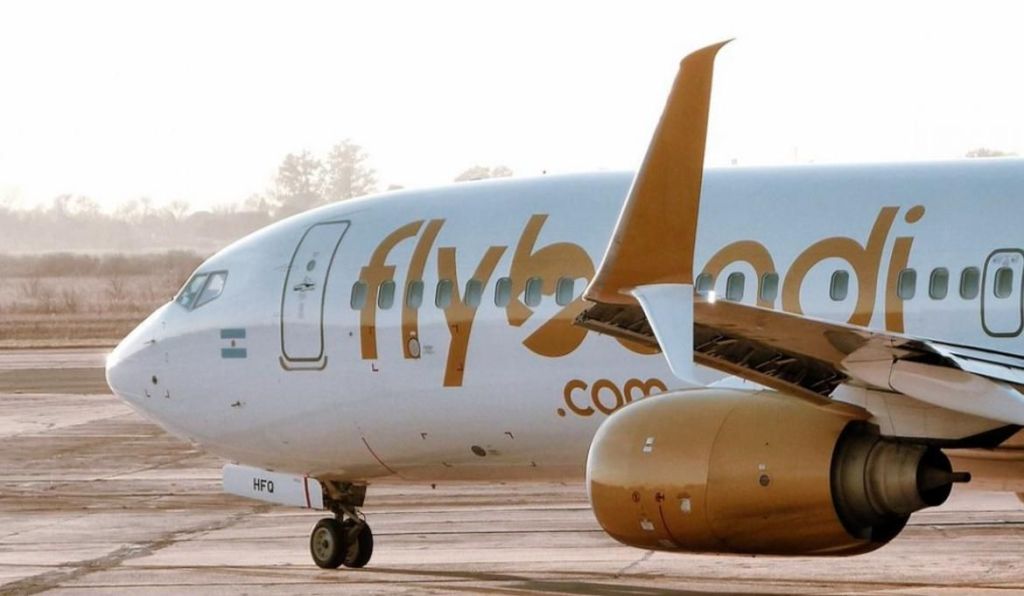
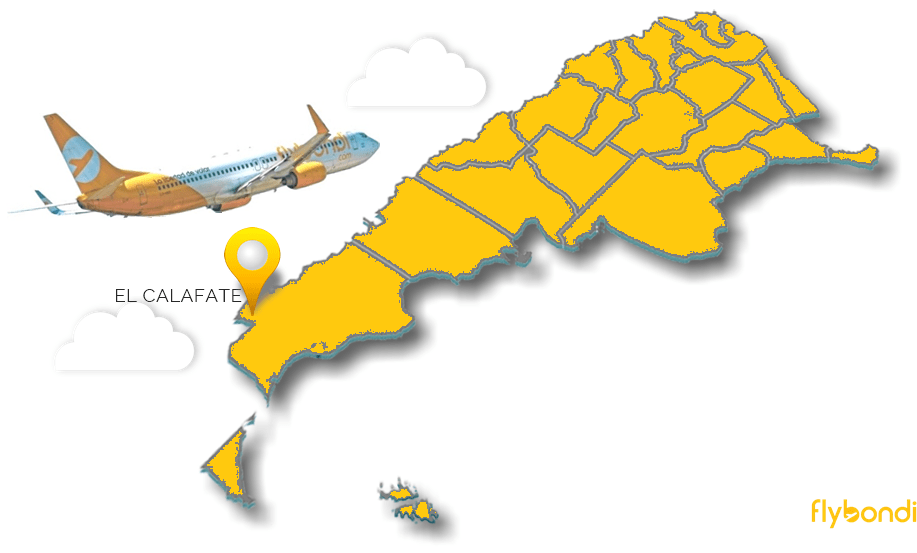
La aerolínea low cost Flybondi Líneas Aéreas ha anunciado la incorporación de El Calafate como otro destino en el plan de expansión de rutas. La compañía duplicará su flota de aviones a mediados de este año 2022 y prevé potenciar destinos de la Región Patagonia. Mientras Aerolíneas Argentinas y JetSmart Airlines Argentina definen sus programaciones de vuelos para la temporada baja, Flybondi está más cerca de llegar a este destino, mientras se esperan precisiones tras una reunión entre funcionarios de la Provincia de Santa Cruz y directivos de la compañía aérea donde se hará oficial la implementación de esta conexión sobre la que se viene trabajando desde hace un tiempo.
En el próximo invierno meridional Flybondi incorporará más aeronaves Boeing 737-800 Next Generation, duplicando así su flota disponible como parte de la expansión de la empresa en Argentina. Con este refuerzo la intención de la compañía es potenciar las rutas hacia diferentes destinos del país, con especial énfasis en la Patagonia. El primer anuncio se hizo la semana pasada. El CEO de Flybondi, Mauricio Sana, afirmó que se comenzará a conectará Buenos Aires con Comodoro Rivadavia, a partir de Agosto 2022, con tres vuelos semanales Lunes, Miércoles y Viernes (3Frq/S) y los tickets aéreos se lanzan a la venta desde el Lunes 21/03.
La empresa comenzó a operar a comienzos de 2018 y fue habilitada por el Gobierno Nacional a operar 85 rutas aéreas (43 rutas de cabotaje y 42 internacionales). Actualmente cubre catorce rutas de cabotaje, entre los que se encuentran cuatro destinos patagónicos: Ushuaia, Neuquén, Bariloche y Trelew. “A partir de incorporar más aeronaves se programarán vuelos a El Calafate, lo que podrá ocurrir desde Julio en adelante, aún sin fecha precisa, pero será en este año”, confiaron dese Flybondi. No se descarta que Río Gallegos también esté incluido en el programa de nuevas rutas que implementará la aerolínea de presupuesto.
Flybondi will fly to El Calafate
Low cost airline will start flights to El Calafate
The low cost airline Flybondi Llineas Aéreas has announced the incorporation of El Calafate as another destination in the route expansion plan. The company will double its aircraft fleet in the middle of this year 2022 and plans to promote destinations in the Patagonia Region. While Aerolíneas Argentinas and JetSmart Airlines Argentina define their flight schedules for the low season, Flybondi is closer to reaching this destination, while details are awaited after a meeting between officials from the Province of Santa Cruz and executives from the airline where will make official the implementation of this connection on which it has been working for some time.
In the coming southern winter, Flybondi will incorporate more Boeing 737-800 Next Generation aircraft, thus doubling its available fleet as part of the company’s expansion in Argentina. With this reinforcement, the company’s intention is to promote routes to different destinations in the country, with special emphasis on Patagonia. The first announcement was made last week. The CEO of Flybondi, Mauricio Sana, stated that Buenos Aires will begin to connect with Comodoro Rivadavia, starting in August 2022, with three weekly flights Monday, Wednesday and Friday (3Frq/S) and air tickets are launched for sale from on Monday 03/21.
The company began operating at the beginning of 2018 and was authorized by the National Government to operate 85 air routes (43 domestic and 42 international routes). It currently covers fourteen cabotage routes, including four Patagonian destinations: Ushuaia, Neuquén, Bariloche and Trelew. «Once more aircraft are incorporated, flights to El Calafate will be scheduled, which may occur from July onwards, still without a precise date, but it will be this year», they confided from Flybondi. It is not ruled out that Río Gallegos is also included in the program of new routes that the budget airline will implement.
PUBLISHER: Airgways.com DBk: Flybondi.com / Airgways.com AW-POST: 202203211205AR OWNERSHIP: Airgways Inc. A\W A I R G W A Y S ®
China celebra primer aeropuerto carga pura de Asia
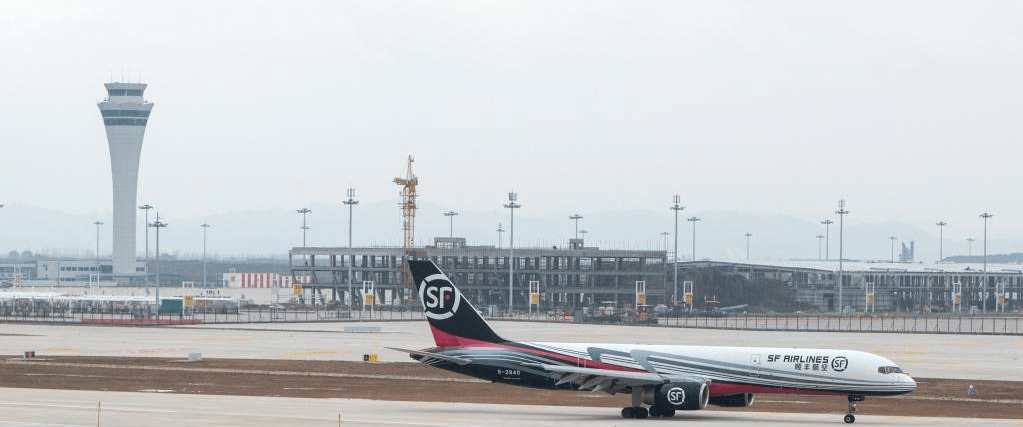
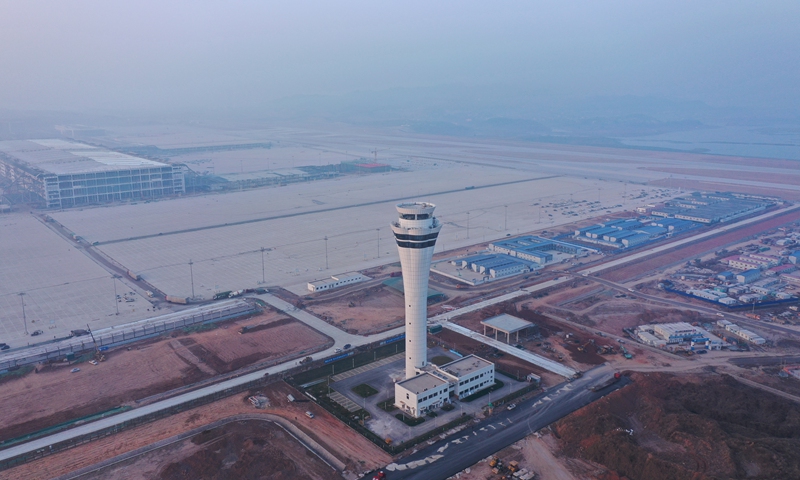
El Aeropuerto Ezhou/EHU, es el primer aeropuerto de carga pura de China, ha dado un paso más cerca de lanzarse durante el fin de semana con vuelos inaugurales cuando SF Airlines completó un vuelo de prueba. El Aeropuerto de Ezhou Huahu es también el primero de Asia y el cuarto aeropuerto de carga profesional del mundo.
El primer aeropuerto de carga de China en la ciudad de Ezhou, en la provincia central china de Hubei, completó su prueba de vuelo el Sábado 19/03, marcando la primera prueba de vuelo del país de un nuevo aeropuerto utilizando un carguero aéreo. El mayor operador de carga de China, SF Airlines, está desarrollando el aeropuerto como su principal centro de carga en asociación con la Provincia de Hubei con planes para que la instalación se abra en Junio 2022. El vuelo tuvo lugar el 19 de Marzo de 2022 con un Boeing 757-200 carguero de SF Airlines aterrizando desde Wuhan.
El aeropuerto tendrá una capacidad de carga de 2,45 millones de toneladas para 2025 y también está diseñado para tener una capacidad de rendimiento de pasajeros de 1 millón. Ezhou cuenta con un sistema de dos pistas y calles de rodaje y un centro de transferencia de mercancías de 700.000 metros cuadrados.
SF Airlines utilizará el aeropuerto para conectar sus servicios regionales e internacionales que cubren Asia Pacífico, Europa y los Estados Unidos. El operador se ha expandido rápidamente en los últimos años a medida que se sube a una ola de crecimiento del comercio electrónico. En Febrero 2022, la aerolínea recibió su carguero número 69, un Boeing 767F, y la flota superará la marca de 70 aviones a finales de este año.
Se espera que el Aeropuerto Ezhou/EHU se abra al tráfico a finales de Junio 2022 permitiendo impulsar el desarrollo de la aviación carguera a un nivel mucho más importante dado el impacto durante la crisis de los viajes aéreos en todo el mundo.
China’s first air cargo hub
China hosts Asia’s first pure cargo airport
Ezhou Airport/EHU, China’s first pure cargo airport, has come a step closer to launching over the weekend with inaugural flights as SF Airlines completed a test flight. Ezhou Huahu Airport is also the first in Asia and the fourth professional cargo airport in the world.
China’s first cargo airport in Ezhou city in central China’s Hubei province completed its flight test on Saturday 03/19, marking the country’s first flight test of a new airport using an air freighter. China’s largest cargo carrier, SF Airlines, is developing the airport as its main cargo hub in partnership with Hubei Province with plans for the facility to open in June 2022. The flight took place on March 19, 2022 with an SF Airlines Boeing 757-200 freighter landing from Wuhan.
The airport will have a cargo capacity of 2.45 million tons by 2025 and is also designed to have a passenger throughput capacity of 1 million. Ezhou has a system of two runways and taxiways and a 700,000-square-meter freight transfer center.
SF Airlines will use the airport to connect its regional and international services covering Asia Pacific, Europe and the United States. The operator has expanded rapidly in recent years as it rides a wave of e-commerce growth. In February 2022, the airline took delivery of its 69th freighter, a Boeing 767F, and the fleet will surpass the 70-aircraft mark by the end of this year.
Ezhou/EHU Airport is expected to open to traffic at the end of June 2022, allowing the development of cargo aviation to be promoted to a much more important level given the impact during the crisis of air travel throughout the world.
AW | 2022 03 21 11:00 | AIR INVESTIGATION / AVIATION SAFETY
Boeing 737-800 se estrella en Guanzhou, China
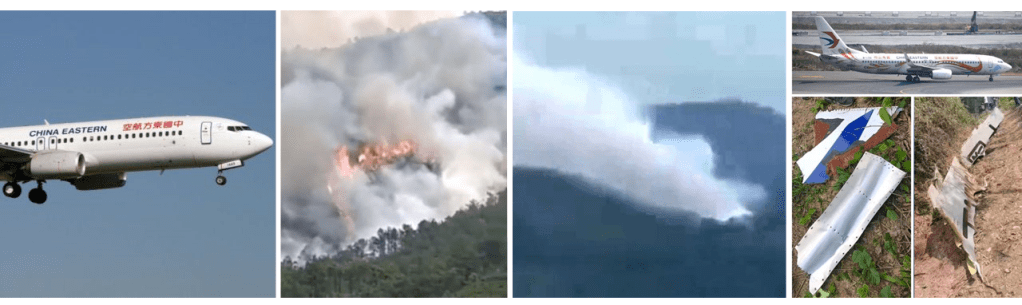
Un Boeing 737-800 de China Eastern Airlines, matrícula B-1791 realizando el vuelo MU-5735 realizaba la ruta Kunming—Guangzhou (China) con 123 pasajeros y 9 tripulantes a bordo, se dirigía a 8900 metros/FL291 a unos 130 nm al oeste de Guangzhou cerca de la cima del descenso cuando el avión perdió repentinamente altitud e impactó tierra a unos 119 nm al oeste de Guangzhou en terreno montañoso el Lunes 21 de Marzo de 2022. Se está llevando a cabo una operación de búsqueda y rescate. La Autoridad de Aviación Civil de China (CAAC) confirmó que el avión se ha estrellado. El contacto con el avión se perdió en la región de Wuzhou (a unos 120 nm al oeste de Guangzhou).
El avión “perdió el contacto cuando se encontraba sobrevolando la ciudad de Wuzhou”, en la región montañosa de Guangxi, según la CAAC, que indicó que el aparato transportaba 123 pasajeros y 9 miembros de la tripulación, corrigiendo reportes previos que hablaban de 133 personas a bordo. El Boeing 737-800 se habría estrellado en una zona rural cerca de esa ciudad, y “provocó un incendio” en la montaña, dijo televisión china CCTV. Un video filmado por la cámara de seguridad de una empresa minera y otro filmado por un automovilista captaron el impactante momento en que el avión cayó en picada a alta velocidad. Otra filmación compartida por la televisión estatal china mostró la devastación en el lugar del siniestro. El diario oficial People’s Daily informó que 117 rescatistas ya han llegado al lugar del accidente. El Departamento de Bomberos de Guangxi está organizando a 650 rescatistas que se dirigen al sitio desde tres direcciones. Imágenes de satélite de la NASA mostraban un enorme incendio justo en la zona donde se había estrellado el avión. CCTV informa que China Eastern Airlines estableció nueve equipos con enfoques como recuperación de aeronaves, investigación de accidentes y asistencia familiar, y se dirigen al sitio. La CAAC dijo que había enviado un equipo de funcionarios, y el servicio de bomberos de Guangxi dijo que se estaba trabajando para controlar el incendio en la ladera de la montaña. Los medios de comunicación locales informaron que, según el personal del aeropuerto, el vuelo MU5735 de China Eastern Airlines no llegó a su destino previsto en Guangzhou tras haber despegado de la ciudad de Kunming (suroeste) poco después de las 13:00 horas (05H00 GMT) del Lunes 21/03.
El vuelo tenía una duración prevista de una hora y cuarenta minutos, en la que el aparato debía recorrer los 1.357 kilómetros que separan Kunming de Cantón. Según la web de rastreo de vuelos FlightRadar24, el Boeing 737-89P perdió velocidad con rapidez tras las 06:20 GMT antes de iniciar un brusco descenso. El último punto de contacto del vuelo, según el portal, fue a unos 25 kilómetros al suroeste de Wuzhou, a una altitud de 3.225 pies (989 metros), a las 14.22 hora local (06.22 GMT), lo que supondría que en apenas tres minutos el aparato descendió casi 8.000 metros.
El Presidente chino, Xi Jinping, dijo que estaba conmocionado por el accidente, informaron medios estatales. “Estamos conmocionados al enterarnos del accidente del China Eastern MU5735. Ponemos todos los esfuerzos para el rescate y para descubrir la causa del accidente lo antes posible”, dijo Xi Jinping a la emisora CCTV.
Las llamadas a las oficinas de China Eastern Airlines no fueron respondidas de inmediato. El sitio web de la empresa estaba en blanco y negro, algo que las aerolíneas hacen después del accidente como forma de respeto para las víctimas.
The Boeing Company, con sede en Chicago, dijo que estaba al tanto de los informes iniciales del accidente y que estaba “trabajando para recopilar más información”. Las acciones de Boeing cayeron más del 8% en las operaciones previas al mercado el Lunes 21/03 temprano.
China Eastern Airlines, con sede en Shanghái, es una de las tres grandes aerolíneas de China y vuela a 248 destinos con rutas nacionales e internacionales. La aerolínea, consultada no emitió por ahora ningún comentario al respecto.
Boeing entregó esa aeronave a China Eastern Airlines en Junio de 2015. Llevaba seis años en servicio. El Boeing 737 bimotor de un pasillo es uno de los aviones más populares del mundo para trayectos de corta y media distancia. China Eastern opera varias versiones de la popular aeronave, incluidas las 737-800 y el 737 MAX. El accidente más mortífero que involucró a un Boeing 737-800 se produjo en Enero de 2020, cuando la Guardia Revolucionaria de Irán derribó accidentalmente un vuelo de Ukraine International Airlines, matando a las 176 personas a bordo. El último gran accidente aéreo en China fue en Agosto de 2010, con saldo de 42 víctimas.
Avances noticias MU5735
El vuelo MU5735 de China Eastern Airlines, un Boeing 737-800, se estrelló en una cordillera en Tengxian, Guangxi, China. El avión partió del Aeropuerto Internacional Kunming Changshui a las 05:15 UTC en un servicio nacional de pasajeros al Aeropuerto Internacional de Guangzhou Baiyun. Los datos de seguimiento de vuelo ADS-B de Flightradar24 muestran el avión a 29,100 pies, volando a lo largo de Airway 599 hacia Guangzhou. Los datos de ADS-B publicados por Flightradar24 sugieren que el descenso comenzó entre las 06:20:43 y las 06:20:59. El punto de datos de altitud muestra que el descenso se detuvo alrededor de las 06:22:00 alrededor de 7400 pies y el avión subió a unos 8600 pies antes de que el avión volviera a entrar en un descenso empinado. El último punto de datos registrado fue a las 06:22:35 a 3225 pies. Las imágenes de CCTV y la cámara del tablero parecen mostrar el avión en un descenso extremadamente empinado antes de estrellarse en una zona montañosa boscosa.
Estados Unidos nombra a un investigador como representante de la investigación del accidente del Boeing 737-800 de China. La Junta Nacional de Seguridad en el Transporte (NTSB) dijo el Lunes 21/03 que había nombrado a un investigador senior de seguridad aérea como representante acreditado por Estados Unidos para la investigación del accidente de un Boeing 737-800 de China Eastern Airlines cerca de Wuzhou, China.
Representantes de Boeing, General Electric y la Administración Federal de Aviación (FAA) servirán como asesores técnicos, agregó la NTSB. Bajo un acuerdo internacional, Estados Unidos puede servir como representante de la sonda para el análisis del accidente ya que el avión fue fabricado en los Estados Unidos. mientras tanto, familiares de los pasajeros del avión Boeing 737-800 de China Eastern Airlines que se estrelló en Wuzhou esperan noticias.
China Eastern Boeing 737 crash
Boeing 737-800 crashes in Guangzhou, China
A China Eastern Airlines Boeing 737-800, registration B-1791, on flight MU-5735, was on the Kunming—Guangzhou (China) route with 123 passengers and 9 crew members on board, heading at 8,900 meters/FL291, about 130 nm to the west Guangzhou near the top of the descent when the aircraft suddenly lost altitude and impacted land about 119nm west of Guangzhou in mountainous terrain on Monday, March 21, 2022. A search and rescue operation is underway. The Civil Aviation Authority of China (CAAC) confirmed that the plane has crashed. Contact with the aircraft was lost in the Wuzhou region (about 120nm west of Guangzhou).
The plane «lost contact when it was flying over the city of Wuzhou», in the mountainous region of Guangxi, according to the CAAC, which indicated that the device was carrying 123 passengers and 9 crew members, correcting previous reports that spoke of 133 people. on board. The Boeing 737-800 would have crashed in a rural area near that city, and «caused a fire» in the mountain, Chinese television CCTV said. A video filmed by the security camera of a mining company and another filmed by a motorist captured the shocking moment when the plane plummeted at high speed. Other footage shared by Chinese state television showed the devastation at the scene. The official newspaper People’s Daily reported that 117 rescuers have already arrived at the accident site. The Guangxi Fire Department is organizing 650 rescuers heading to the site from three directions. NASA satellite images showed a huge fire right in the area where the plane had crashed. CCTV reports that China Eastern Airlines has set up nine teams with focuses such as aircraft recovery, accident investigation and family assistance, and are heading to the site. The CAAC said it had dispatched a team of officials, and the Guangxi fire service said work was underway to control the fire on the mountainside. Local media reported that, according to airport staff, China Eastern Airlines flight MU5735 did not reach its scheduled destination in Guangzhou after taking off from the southwestern city of Kunming shortly after 01:00 p.m. (05:00 GMT) of Monday.
The flight had an expected duration of one hour and forty minutes, in which the device had to travel the 1,357 kilometers that separate Kunming from Canton. According to flight tracking website FlightRadar24, the Boeing 737-89P rapidly lost speed after 06:20 GMT before beginning a sharp descent. The last point of contact of the flight, according to the portal, was about 25 kilometers southwest of Wuzhou, at an altitude of 3,225 feet (989 meters), at 02:22 p.m. local time (06:22 GMT), which would mean that in just three minutes the apparatus descended almost 8,000 meters.
Chinese President Xi Jinping said he was shocked by the accident, state media reported. “We are shocked to learn of the China Eastern MU5735 accident. We make every effort to rescue and find out the cause of the accident as soon as possible», Xi Jinping told broadcaster CCTV.
Calls to the offices of China Eastern Airlines were not immediately returned. The company’s website was in black and white, something that airlines do after the accident as a form of respect for the victims.
The Chicago-based The Boeing Company said it was aware of initial reports of the crash and was «working to gather more information». Boeing shares fell more than 8% in premarket trading early Monday 3/21.
Shanghai-based China Eastern Airlines is one of China’s Big Three airlines, flying to 248 destinations with domestic and international routes. The airline, consulted, did not issue any comment on the matter for now.
Boeing delivered that aircraft to China Eastern Airlines in June 2015. It had been in service for six years. The twin-engine, single-aisle Boeing 737 is one of the world’s most popular short and medium-haul aircraft. China Eastern operates several versions of the popular aircraft, including the 737-800 and the 737 MAX. The deadliest accident involving a Boeing 737-800 occurred in January 2020, when Iran’s Revolutionary Guards accidentally shot down a Ukraine International Airlines flight, killing all 176 people on board. The last major plane crash in China was in August 2010, with a balance of 42 victims.
News advances MU5735
China Eastern Airlines Flight MU5735, a Boeing 737-800, crashed into a mountain range in Tengxian, Guangxi, China.The aircraft departed from Kunming Changshui International Airport at 05:15 UTC on a domestic passenger service to Guangzhou Baiyun International Airport. ADS-B flight tracking data from Flightradar24 shows the plane at 29,100 feet, flying along Airway 599 toward Guangzhou. ADS-B data released by Flightradar24 suggests that the descent began between 06:20:43 and 06:20:59. The altitude data point shows that the descent stopped around 06:22:00 around 7400ft and the plane climbed to around 8600ft before the plane re-entered a steep descent. The last recorded data point was at 06:22:35 at 3225 feet. CCTV and dash cam footage appears to show the plane in an extremely steep descent before crashing in a forested mountainous area.
The United States appoints an investigator as representative of the investigation of the accident of the Boeing 737-800 of China. The National Transportation Safety Board (NTSB) said on Monday 03/21 that it had appointed a senior air safety investigator as the United States-accredited representative for the investigation of the crash of a China Eastern Airlines Boeing 737-800 near Wuzhou, China.
Representatives from Boeing, General Electric and the Federal Aviation Administration (FAA) will serve as technical advisers, the NTSB added. Under an international agreement, the United States can serve as the probe’s representative for the accident analysis since the aircraft was manufactured in the United States. Meanwhile, relatives of passengers on the China Eastern Airlines Boeing 737-800 plane that crashed in Wuzhou await news.
DATA: Esta información se encuentra en desarrollo por lo que el post puede recibir actualizaciones periódicas. DATA: This information is under development so the post may receive periodic updates.
PUBLISHER: Airgways.com DBk: Caac.gov.cn / Flightradar24.com / Boeing.com / Bbc.com / Thetimes.co.uk / Airgways.com AW-POST: 202203211100AR OWNERSHIP: Airgways Inc. A\W A I R G W A Y S ®
Aviones de combate húngaros interceptan al A321 Falsa amenaza de bomba en vuelo sobre cielo rumano
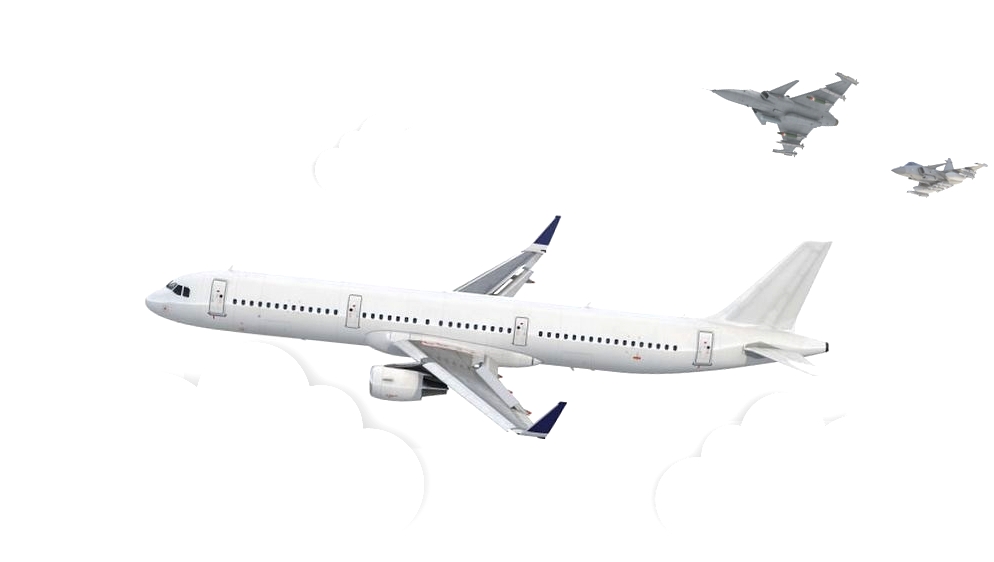
Aviones de combate húngaros fueron alertados para interceptar un avión civil Airbus A321 el Sábado 19/03 por la noche tras la información de que el avión transportaba una bomba, dijo el Ministerio de Defensa de Hungría en un comunicado el Domingo 20/03 por la mañana. «Los Gripens del ejército húngaro fueron alertados el 19 de marzo por la noche debido a un avión civil Airbus A321. El avión volaba en el espacio aéreo rumano cuando señaló una amenaza de bomba para el control civil del tráfico aéreo», dijo el Ministerio. La aeronave cubría la ruta entre Georgia hacia Polonia.
El avión de pasajeros Airbus A321 fue escoltado por los aviones de la Fuerza Aérea Rumana hasta la frontera rumano-húngara, donde la tarea fue asumida por los aviones de combate de las Fuerzas Armadas húngaras, según el Ministerio de Defensa de Hungría. También informó que el avión A321 fue escoltado fuera del espacio aéreo húngaro, donde la Fuerza Aérea Eslovaca se hizo cargo. Según los medios locales de Polonia, el avión aterrizó después de las 11 p.m. en el Aeropuerto de Varsovia. Después de revisar el avión y el equipaje de los pasajeros, la policía anunció que no se encontró nada peligroso a bordo.
Este tipo de amenaza de bomba fue la segunda en una semana. El Lunes 14/03, los aviones de combate Gripen se apresuraron a interceptar un avión civil después de que se le dijera al Control de Tráfico Aéreo que el avión llevaba una bomba. El Airbus A319-100 serbio que volaba de Belgrado a Moscú fue devuelto a la frontera entre Hungría y Eslovaquia después de que la Torre de Control de Belgrado dijera al Control de Tráfico Aéreo húngaro que el avión tenía una bomba a bordo. Los Gripens identificaron el avión serbio y lo escoltaron fuera del espacio aéreo de Hungría hacia Serbia. Los Gripen permanecieron en vuelo cerca de la frontera hasta que el Airbus A319 aterrizó de manera segura.
A321 bomb threat
Hungarian fighter jets intercept A321 Fake bomb threat in flight over Romanian sky
Hungarian warplanes were alerted to intercept an Airbus A321 civil aircraft on Saturday 03/19 evening following information that the plane was carrying a bomb, the Hungarian Defense Ministry said in a statement on Sunday 03/20 morning. «Hungarian Army Gripens were alerted on March 19 at night due to an Airbus A321 civil aircraft. The aircraft was flying in Romanian airspace when it signaled a bomb threat to civil air traffic control», the ministry said. The aircraft was traveling between Georgia and Poland.
The Airbus A321 passenger plane was escorted by Romanian Air Force planes to the Romanian-Hungarian border, where the task was taken over by Hungarian Armed Forces fighter jets, according to the Hungarian Defense Ministry. It also reported that the A321 aircraft was escorted out of Hungarian airspace, where the Slovak Air Force took over. According to local Polish media, the plane landed after 11 p.m. at Warsaw Airport. After searching the plane and the luggage of the passengers, the police announced that nothing dangerous was found on board.
This type of bomb threat was the second in a week. On Monday 03/14, Gripen fighter jets scrambled to intercept a civilian plane after Air Traffic Control was told the plane was carrying a bomb. The Serbian Airbus A319-100 flying from Belgrade to Moscow was returned to the Hungarian-Slovak border after the Belgrade Control Tower told the Hungarian Air Traffic Control that the plane had a bomb on board. The Gripens identified the Serbian plane and escorted it out of Hungarian airspace towards Serbia. The Gripens remained in flight near the border until the Airbus A319 landed safely.
PUBLISHER: Airgways.com DBk: Defence.hu / Airgways.com AW-POST: 202203201515AR OWNERSHIP: Airgways Inc. A\W A I R G W A Y S ®
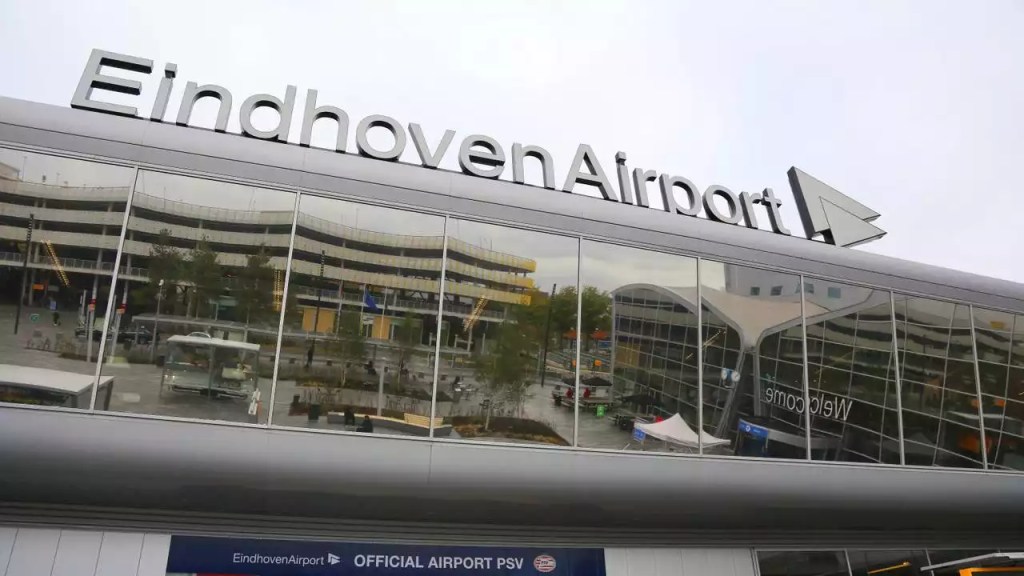
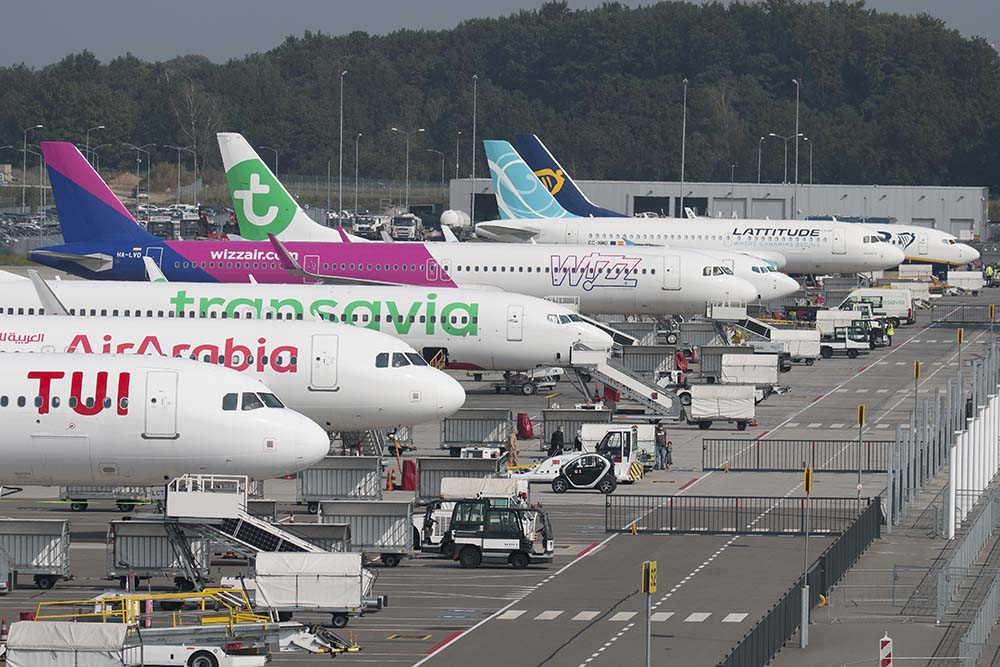
El Aeropuerto de Eindhoven/EIN ha comunicado la ampliación de la terminal aérea. Los planes para la expansión surgieron de un aumento previsto de los turistas posteriores a la pandemia que viajan por el aeropuerto. La actual terminal es demasiado pequeña, ya que fue construida para 5 millones de pasajeros por año. El Aeropuerto de Eindhoven asume que volverá a alrededor de 7 millones de pasajeros, el nivel anterior a la pandemia de Coronavirus. La expansión aumentará la comodidad para los viajeros y empleados al crear más espacio para el manejo de los procesos y servicios aeroportuarios.
La terminal actual tiene aproximadamente 26.000 metros cuadrados de tamaño. La ampliación añadirá 10.000 metros cuadrados a la terminal. La sala de recuperación se ampliará y habrá más espacio para puertas adicionales. También se está ampliando el espacio No Schengen. Además, se crea más espacio para el catering. La ampliación será en la planta baja y la primera planta. La ampliación se construirá en la terminal actual en la explanada justo enfrente de la entrada principal al aparcamiento P1. Se anunciará en octubre qué partido será responsable de la construcción.
Los arquitectos de EGM, Iv-Bouw y el Aeropuerto de Eindhoven firman el contrato para el trabajo de diseño para la expansión de la terminal. El arquitecto realiza un diseño provisional y otro definitivo, entre otras cosas. Además, el arquitecto es responsable de la gestión y supervisión durante la construcción. Iv-Bouw se encarga del diseño constructivo y técnico de instalación. El diseño preliminar estará listo a finales de julio. El diseño final se espera para enero de 2023. La construcción comenzará a finales de 2023. La expansión se completará en la segunda mitad de 2025. Partes de ella ya se están utilizando en fases.
Eindhoven se encuentra situado a una hora de la mayoría de las ciudades holandesas, es utilizado con frecuencia por aerolíneas de bajo costo como Transavia, Ryanair, Wizz Air y TUI, proporcionando una puerta de entrada asequible dentro y fuera de los Países Bajos y el norte de Bélgica. El Aeropuerto de Eindhoven está convencido de que la expansión de la terminal contribuirá a la calidad, el confort y la apariencia que el aeropuerto quiere ofrecer.
Eindhoven will expand its air terminal
Dutch airport extends air terminal expansions
Eindhoven Airport/EIN has announced the expansion of the air terminal. Plans for the expansion stemmed from an expected post-pandemic increase in tourists traveling through the airport. The current terminal is too small, as it was built for 5 million passengers per year. Eindhoven Airport assumes that it will return to around 7 million passengers, the level before the Coronavirus pandemic. The expansion will increase convenience for travelers and employees by creating more space for handling airport processes and services.
The current terminal is approximately 26,000 square meters in size. The expansion will add 10,000 square meters to the terminal. The recovery room will be expanded and there will be more room for additional doors. The Non-Schengen area is also being expanded. In addition, more space is created for catering. The extension will be on the ground floor and the first floor. The extension will be built in the current terminal on the concourse just opposite the main entrance to car park P1. It will be announced in October which party will be responsible for the construction.
Architects from EGM, Iv-Bouw and Eindhoven Airport sign the contract for the design work for the terminal expansion. The architect makes a provisional and a final design, among other things. In addition, the architect is responsible for the management and supervision during construction. Iv-Bouw is in charge of the constructive and technical installation design. The preliminary design will be ready at the end of July. Final design is expected in January 2023. Construction will begin in late 2023. The expansion will be completed in the second half of 2025. Parts of it are already being used in phases.
Located within an hour of most Dutch cities, Eindhoven is frequently used by low-cost airlines such as Transavia, Ryanair, Wizz Air and TUI, providing an affordable gateway in and out of the Netherlands and the north. from Belgium. Eindhoven Airport is convinced that the expansion of the terminal will contribute to the quality, comfort and appearance that the airport wants to offer.
Eindhoven breidt haar luchtterminal uit
Nederlandse luchthaven verlengt uitbreidingen luchtterminal
Eindhoven Airport/EIN heeft de uitbreiding van de luchtterminal aangekondigd. Plannen voor de uitbreiding vloeiden voort uit een verwachte post-pandemische toename van toeristen die via de luchthaven reizen. De huidige terminal is te klein, want hij is gebouwd voor 5 miljoen passagiers per jaar. Eindhoven Airport gaat ervan uit dat het terug zal keren naar zo’n 7 miljoen passagiers, het niveau van voor de uitbraak van het coronavirus. De uitbreiding zal het gemak voor reizigers en medewerkers vergroten door meer ruimte te creëren voor de afhandeling van luchthavenprocessen en -diensten.
De huidige terminal is circa 26.000 vierkante meter groot. De uitbreiding voegt 10.000 vierkante meter toe aan de terminal. De uitslaapkamer wordt uitgebreid en er komt meer ruimte voor extra deuren. Ook het Non-Schengengebied wordt uitgebreid. Daarnaast wordt er meer ruimte gecreëerd voor horeca. De aanbouw komt op de begane grond en de eerste verdieping. De uitbreiding wordt gerealiseerd in de huidige terminal in de hal tegenover de hoofdingang van parkeergarage P1. In oktober wordt bekend welke partij verantwoordelijk is voor de bouw.
Architecten van EGM, Iv-Bouw en Eindhoven Airport tekenen het contract voor de ontwerpwerkzaamheden voor de terminaluitbreiding. De architect maakt onder meer een voorlopig en definitief ontwerp. Daarnaast is de architect verantwoordelijk voor het beheer en toezicht tijdens de bouw. Iv-Bouw is verantwoordelijk voor het constructieve en technische installatieontwerp. Het voorlopig ontwerp is eind juli klaar. Definitief ontwerp wordt in januari 2023 verwacht. De bouw start eind 2023. De uitbreiding zal in de tweede helft van 2025 gereed zijn. Delen daarvan worden nu al gefaseerd in gebruik genomen.
Eindhoven ligt op minder dan een uur rijden van de meeste Nederlandse steden en wordt vaak gebruikt door goedkope luchtvaartmaatschappijen zoals Transavia, Ryanair, Wizz Air en TUI, en biedt een betaalbare toegangspoort van en naar Nederland en het noorden vanuit België. Eindhoven Airport is ervan overtuigd dat de uitbreiding van de terminal zal bijdragen aan de kwaliteit, het comfort en de uitstraling die de luchthaven wil bieden.
PUBLISHER: Airgways.com DBk: Eindhovenairport.nl / Airgways.com AW-POST: 202203201453AR OWNERSHIP: Airgways Inc. A\W A I R G W A Y S ®



































 airgways.com