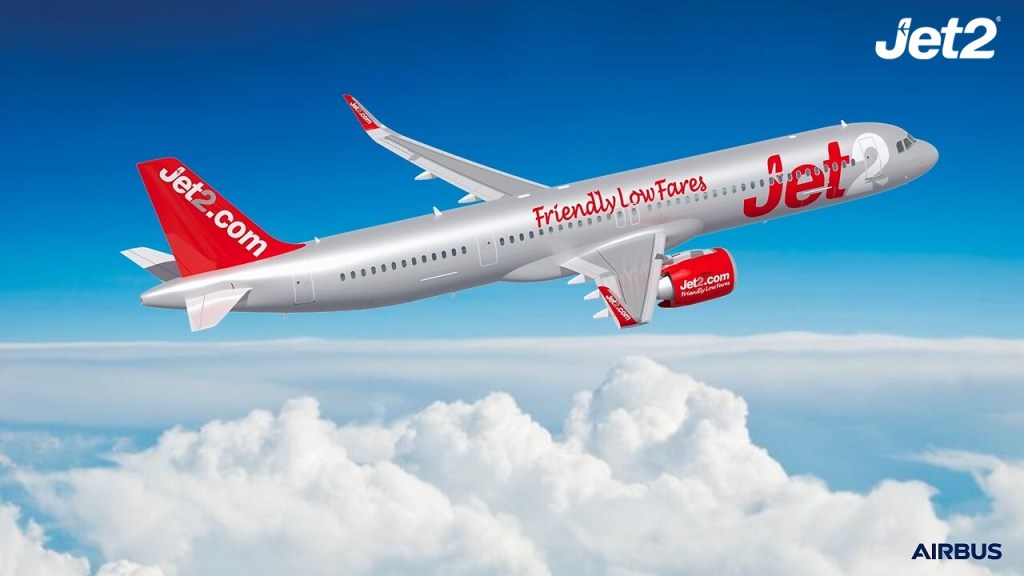
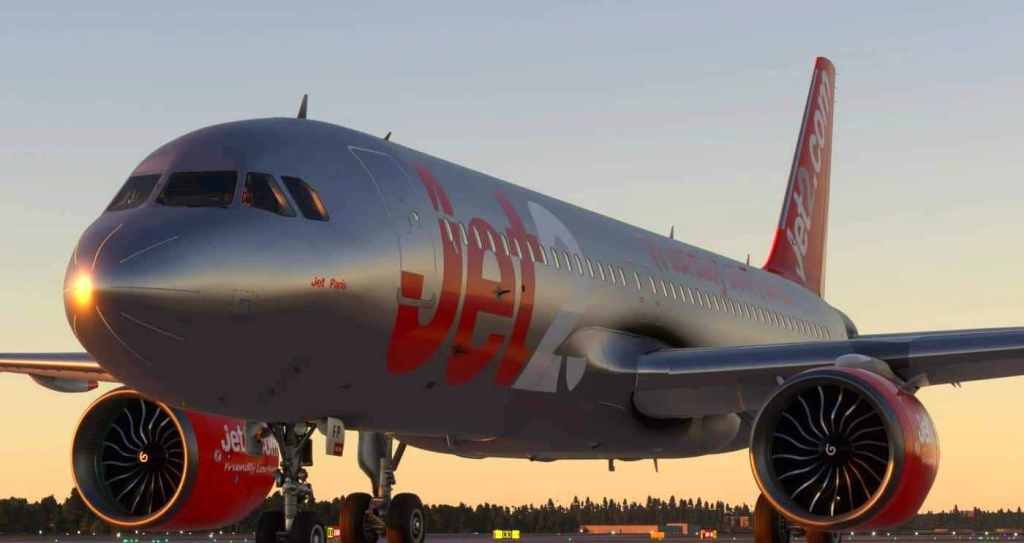
La aerolínea británica Jet2.com ha realizado un pedido incremental de 35 aviones Airbus A320NEO, lo que eleva su compromiso total con la familia de aeronaves narrowbodies a 98 unidades. El último acuerdo llega poco más de un año después de que Jet2.com hiciera su primer pedido de 36 A321NEO en Agosto de 2021, seguido de nuevos compromisos asegurando así sus necesidades de crecimiento a medida que la demanda continúa superando la oferta incluso en los últimos años.
Los Airbus A320NEO estarán configurado para 180 asientos con una cabina Airspace que cuenta con iluminación innovadora, nuevos productos de asientos y compartimientos de equipaje superiores un 60 por ciento más grandes para almacenamiento personal adicional.
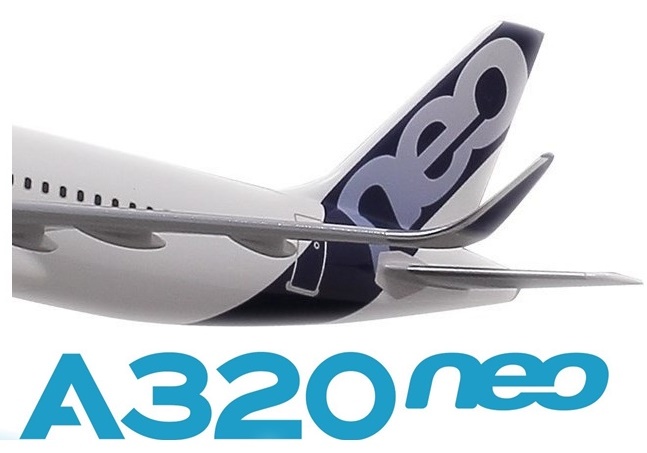
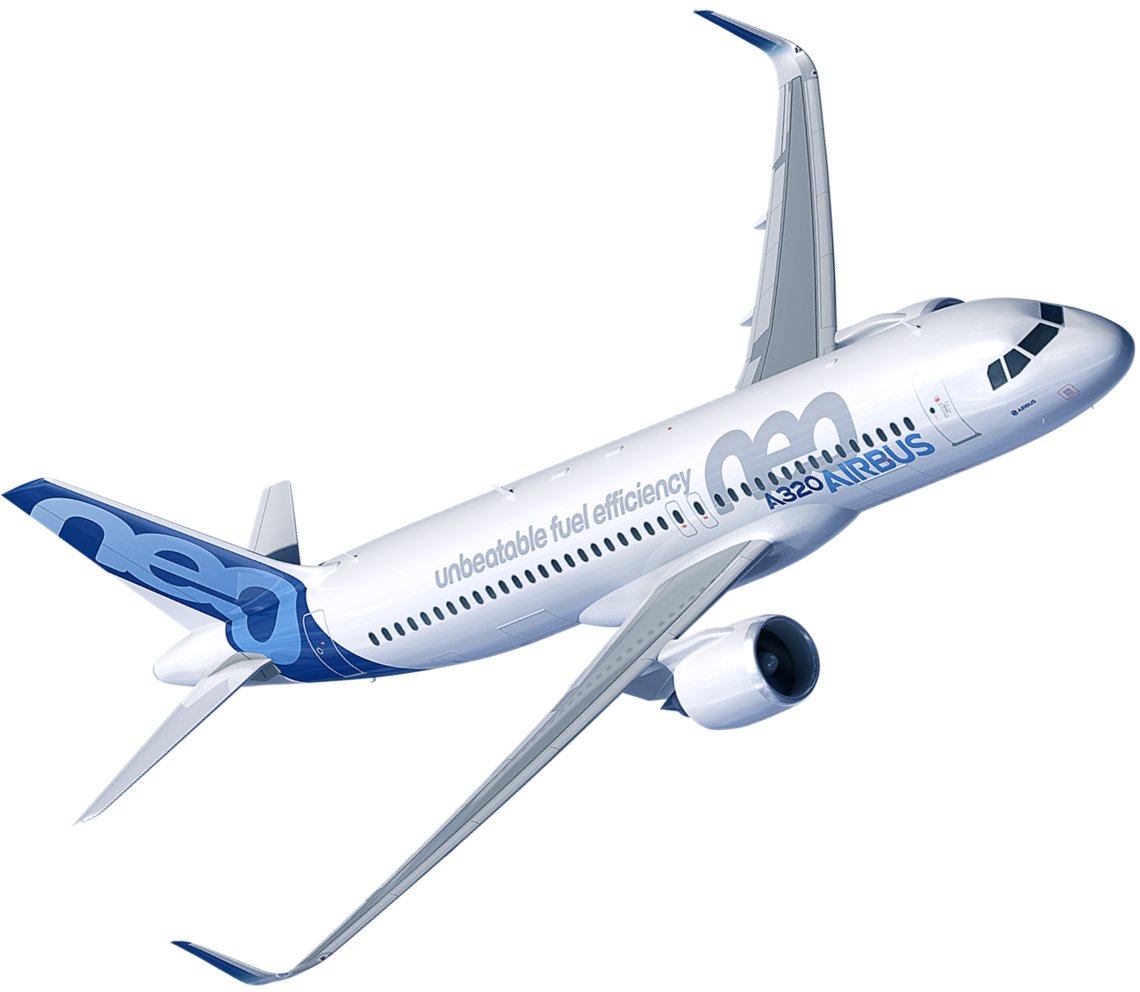
La Familia A320neo incorpora motores de nueva generación y Sharklets, que en conjunto ofrecen un ahorro de combustible y CO2 de más del 25 por ciento, así como una reducción del ruido del 50 por ciento. Los pasajeros se benefician durante todo el viaje del galardonado interior Airspace de Airbus, que trae la última tecnología de cabina a la Familia A320NEO. A finales de Agosto de 2022, la familia A320neo acumulaba más de 8.500 pedidos en firme de más de 130 clientes en todo el mundo.
Jet2 es una aerolínea de ocio británica de bajo coste que ofrece vuelos regulares y chárter desde el Reino Unido. A partir de 2022, es la tercera aerolínea regular más grande del Reino Unido, detrás de EasyJet y British Airways. Jet2 también es oficialmente el segundo operador turístico más grande del Reino Unido detrás de TUI. Su sede se encuentra en el Aeropuerto de Leeds Bradford, con bases adicionales en Alicante-Elche, Belfast-International, East Midlands, Edimburgo, Glasgow, Londres-Stansted, Manchester, Newcastle, Birmingham, Bristol, Palma de Mallorca y Tenerife-Sur. La compañía posee una licencia de operación tipo A de la Autoridad de Aviación Civil del Reino Unido para transportar pasajeros, carga y correo en aeronaves con 20 o más asientos. Jet2 también ofrece un servicio chárter a través de su marca Jet2charters.
Jet2.com increases order A320NEO Family
Jet2.com orders 35 Airbus A320NEO
UK airline Jet2.com has placed an incremental order for 35 Airbus A320NEO aircraft, bringing its total commitment to the narrowbodies family to 98. The latest deal comes just over a year after Jet2.com placed its first order for 36 A321NEOs in August 2021, followed by further commitments to secure its growth needs as demand continues to outstrip supply even in recent years. years.
The Airbus A320NEOs will be configured for 180 seats with an Airspace cabin that features innovative lighting, new seating products and 60 percent larger overhead baggage compartments for additional personal storage.
The A320neo Family incorporates new generation engines and Sharklets, which together deliver fuel and CO2 savings of more than 25 per cent, as well as a 50 per cent noise reduction. Passengers benefit throughout the journey from Airbus’ award-winning Airspace interior, which brings the latest cabin technology to the A320NEO Family. As of the end of August 2022, the A320neo Family had more than 8,500 firm orders from more than 130 customers worldwide.
Jet2 is a British low-cost leisure airline offering scheduled and charter flights from the UK. As of 2022, it is the UK’s third-largest scheduled airline, behind EasyJet and British Airways. Jet2 is also officially the UK’s second largest tour operator behind TUI. Its headquarters are at Leeds Bradford Airport, with additional bases in Alicante-Elche, Belfast-International, East Midlands, Edinburgh, Glasgow, London-Stansted, Manchester, Newcastle, Birmingham, Bristol, Palma de Mallorca and Tenerife-Sur. The company holds a Type A operating license from the UK Civil Aviation Authority to carry passengers, cargo and mail on aircraft with 20 or more seats. Jet2 also offers a charter service through its Jet2charters brand.
PUBLISHER: Airgways.com DBk: Jet2.com / Airbus.com / Airgways.com AW-POST: 202210180955AR OWNERSHIP: Airgways Inc. A\W A I R G W A Y S ®
Avances económicos en la filial canadiense de Boeing
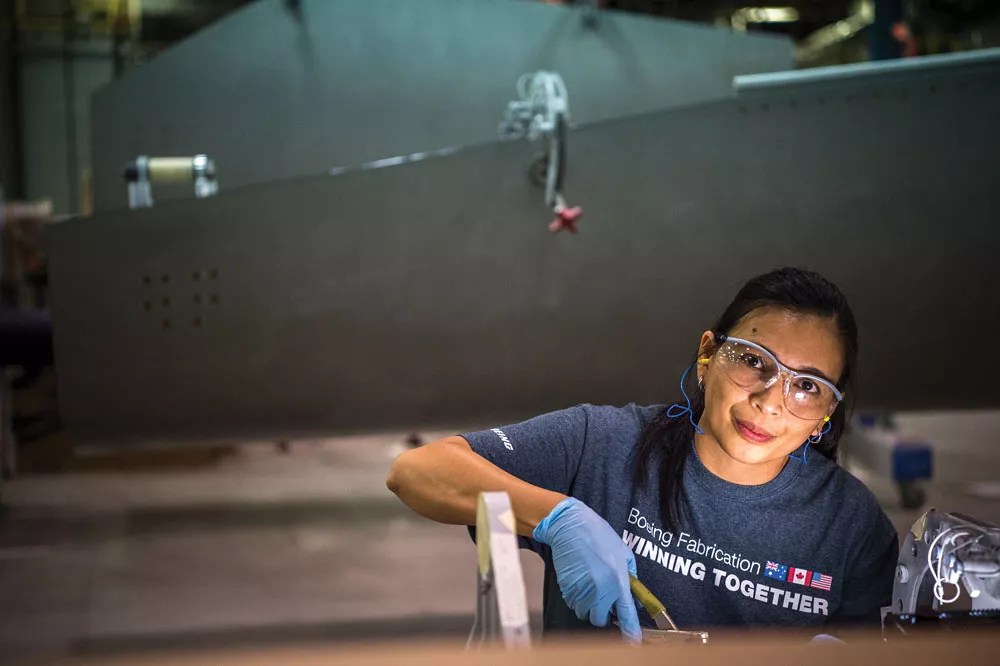
El Departamento de Fabricación de TheBoeing Canada Winnipeg (BCW) trabaja con MBU y proveedores locales para comprar ciertos materiales, como un súper plástico que forma titanio, y marcos. Fabrica los paneles compuestos y ensambla componentes aeroespaciales internamente. Kathleen Garney, Gerente General de Boeing Canada Winnipeg, ha expresado el beneplácito por los resultados alcanzados en el área aeroespacial de la compañía americana en Canadá. Boeing ha tenido una instalación en Manitoba durante más de cincuenta años. En 1969, Boeing buscaba expandir su huella de fabricación y fabricación fuera de sus ubicaciones existentes y tener un enfoque más internacional. En ese momento, se exploraron varios sitios y los dos finalistas se encontraban en Canadá. «¿Sabes qué diferenciaba a Winnipeg del otro sitio? Fue la gente y el hecho de que ya había una fuerza laboral manufacturera presente en Winnipeg», expresó Kathleen Garney.
En 1971, con una inversión inicial de US$ 3.6 millones, el sitio abrió con 57 empleados que se encargaron de producir componentes estructurales de fibra de vidrio para el avión Boeing 747 «Queen of the Skies». Aunque la compañía ha crecido significativamente, las instalaciones de Murray Park aún continúan fabricando y produciendo componentes críticos que ayudan a mantener los aviones Boeing en los cielos. «Nuestro equipo está increíblemente orgulloso de nuestra historia y de los productos que fabricamos. Estamos orgullosos del edificio en el que podemos hacer esos productos, y orgullosos de los miembros del equipo con los que hacemos esos productos», dijo la Gerente General de Boeing Winnipeg.
A lo largo de los años ha habido varias expansiones con una inversión significativa. Actualmente, BCW es el mayor fabricante de compuestos en Canadá, empleando a más de 1.000 personas en múltiples disciplinas, incluyendo ingeniería, cadena de suministro, recursos humanos y operaciones.
Fabricación aeroespacial
Boeing Canada Winnipeg fabrica muchos componentes diferentes para aviones comerciales Boeing. En términos del sistema de propulsión, la instalación produce el cañón interior acústico, el carenado trasero del puntal del motor y el carenado delantero del puntal del motor. También produce puertas complejas como la puerta del tren de engranaje de la nariz, la puerta del tren de aterrizaje principal y la puerta del puntal de choque. Sus partes se pueden encontrar en aviones 737, 747, 767, 777 y 787. «Es esta diversificación de productos lo que realmente ayudó a estabilizar BCW a lo largo de los años, especialmente estos últimos años», dijo Kathleen Garney.
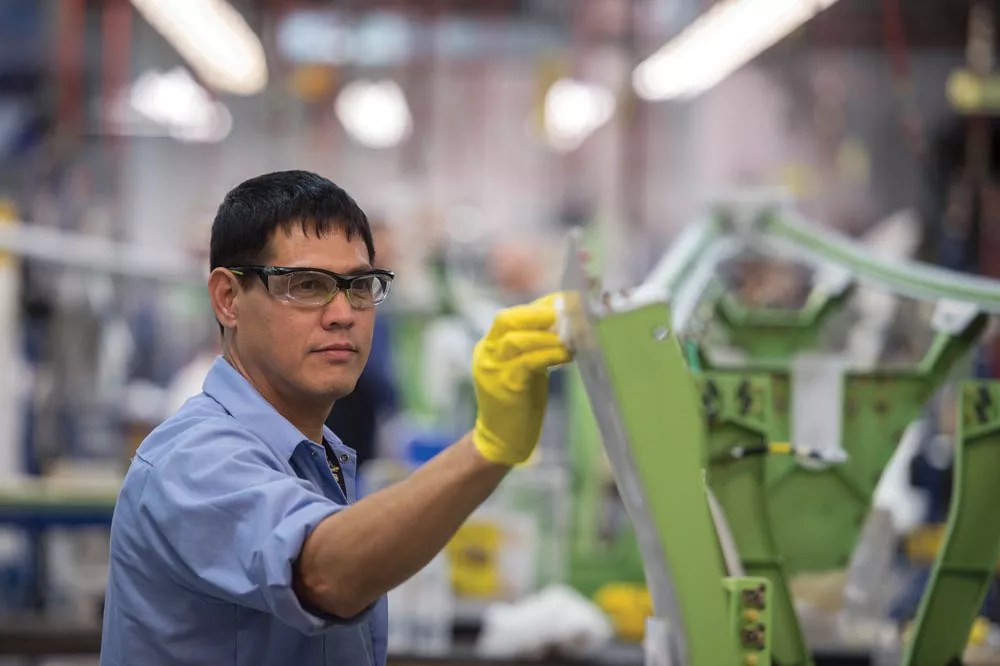
BCW también se especializa en la fabricación de materiales compuestos. Para producir un compuesto de calidad, el equipo crea un paño en una configuración específica. Estos dos componentes se unen en layup. Una vez que logran la configuración correcta, se coloca en uno de las autoclaves gigantes de la tienda, bajo especificaciones de temperatura y presión durante un período de tiempo, y allí se crea el compuesto. Hay algunos retrabajos que ocurren, especialmente el mecanizado y el recorte para cumplir con las especificaciones del producto.
«La fabricación de compuestos se basa significativamente en pruebas no destructivas para determinar que el producto que fabricamos cumple con los requisitos de ingeniería. Todos nuestros productos pasan por pruebas no destructivas. Una vez que validamos que el producto es conforme, pasamos al ensamblaje, donde casamos otras estructuras compuestas o compramos componentes comprados por el proveedor que luego instalamos. Y luego podemos pasar a pintar. Hacemos pintura protectora y decorativa. Una vez que superamos todo eso, podemos enviar nuestros productos a los programas de aviones, ya sea en Puget Sound, Washington, o en Charleston, Carolina del Sur», expresó Kathleen Garney.
BCW trabaja en conjunto con sus unidades de negocios de fabricación hermanas (MBU) y ayuda a producir productos que viajan a través de la red de instalaciones de Boeing Company. Por ejemplo, el carenado trasero del puntal del motor para el sistema de propulsión es fabricado por BCW. Sin embargo, el escudo térmico, un componente de titanio formado por superplástico, es producido por otra MBU, que luego se envía a BCW. A partir de ahí, el equipo compra el marco de metal a un proveedor local, fabrica los paneles compuestos y ensambla la pieza. Ese componente se conectará debajo del ala cerca del soporte del motor donde el escape del motor requiere un escudo térmico para limitar la exposición. La colaboración y diversificación de productos ayuda a mantener a BCW avanzando y sus aviones en el aire.
Avances tecnológicos
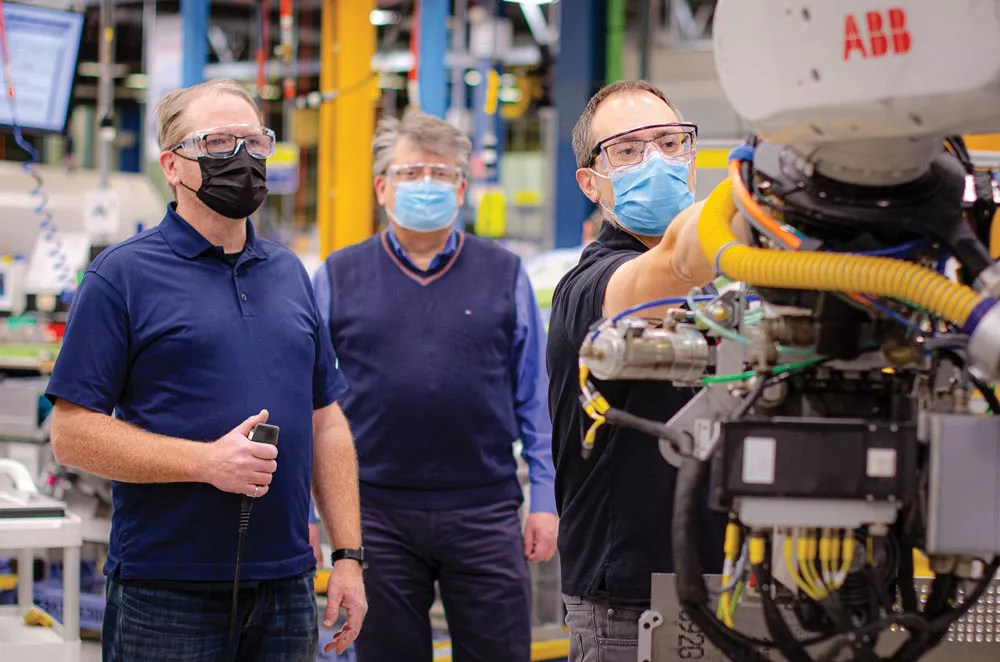
Kathleen Garney explicó que abordó la tecnología de una de dos maneras: como una oportunidad para un cambio de función gradual donde se adopta nueva tecnología, o como una oportunidad para adaptar la tecnología existente de la instalación para satisfacer nuevas necesidades. «Cuando Boeing Co. estaba diseñando el 737 MAX, se le pidió a BCW que desarrollara un proceso repetible con resultados conformes que fuera competitivo en costos y permitiera a la compañía llevar la fabricación de su barril interior acústico internamente. El desafío fue que el barril interior acústico tiene 186,000 perforaciones con ubicaciones estrictamente controladas. Y hasta ese momento BCW no había hecho ese tipo de trabajo. Anteriormente lo hacía un proveedor», comentó la Gerente General de Boeing Canada Winnipeg.
La solución de BCW fue crear una célula robótica para realizar estas perforaciones. «También sentimos que era hora de invertir en simulación. Utilizando la simulación celular y las prácticas de ingeniería basadas en modelos, desarrollamos la célula robótica y validamos el proceso. Cuando reflexiono sobre este proyecto, es un gran ejemplo de la importancia, desde el punto de vista del liderazgo, de crear tiempo y espacio para que los equipos validen. La planificación debe ser una parte importante del proceso general. No hay absolutamente nada peor que gastar dinero demasiado rápido y darse cuenta de que se gastó incorrectamente. Con la validación adecuada pudimos crear 186,000 perforaciones en menos de cuatro horas y media. Fue esta ventaja competitiva la que llevó a este trabajo a la empresa», dijo Kathleen Garney.
El segundo avance tecnológico que BCW emprendió fue en relación con su célula de abrasión. Originalmente, un operador pasaba el día en la celda usando una amoladora rotativa para preparar las superficies para la pintura. Su cuerpo se utilizó para aplicar fuerza y presión a la pieza, con los brazos levantados por encima de la cabeza para llegar a ciertas áreas. Era importante mantener la amoladora rotativa paralela a la superficie para el control de calidad.
«Imagina hacer esto durante ocho horas, cinco días a la semana, 52 semanas por añoEl desgaste del cuerpo puede ser significativo. En BCW utilizamos mapas de calor para identificar áreas de repetición y posibles problemas que pueden surgir. Esta fue una forma de rastrear la seguridad y las situaciones ergonómicas. Esta célula de abrasión tenía demasiados casos que resultaban en lesiones, y sabíamos que algo tenía que cambiar», expresó la Gerente de la filial canadiense de Boeing.
Un equipo multifuncional, incluidos los operadores de la zona, se reunió para realizar actividades de resolución de problemas en un esfuerzo por encontrar una mejor manera de realizar el trabajo. El equipo decidió adaptar un robot que se había utilizado anteriormente para una tarea diferente para realizar ahora este trabajo de molienda.
«Los operadores fueron parte de ese proceso de toma de decisiones, y tuvieron voz y hablaron sobre el hecho de que ya no querían hacer este trabajo repetitivo». Preferían ser la persona que cargaba el robot, arrancaba el robot y apagaba el robot. Así que tuvimos la aceptación necesaria del equipo y la consistencia del producto aumentó, la producción aumentó y el tiempo de inactividad disminuyó. Fue un ganar-ganar. Diré que el coraje de la convicción para hacer lo correcto tanto para el empleado como para el negocio tiene que estar allí. Creemos que las personas son nuestro mayor activo y debemos tratarlas como tales», comunicó Kathleen Garney.
La compañía también utilizó mapas de calor para identificar problemas de calidad en todo el taller. BCW identificó su celda de perforación y avellanado como otra área de oportunidad para el uso robótico. «Pudimos redistribuir a esos operadores a tareas de mayor valor agregado. Al introducir robots en la fábrica, es muy importante equilibrar las necesidades de los trabajadores con las de la empresa. La tecnología no es la única forma de mantenerse competitivo, garantizar la seguridad en el lugar de trabajo es esencial para mantenerse competitivo», dijo Kathleen Garney
Área seguridad
La seguridad se ha convertido en una prioridad importante y la comprensión de la empresa sobre la seguridad ha cambiado con el tiempo. «Nuestra comprensión siempre debe hacernos avanzar como empresa y a mí mismo como líder. Siempre debemos asegurarnos de que estamos creando un entorno donde las personas se sientan cómodas con la idea de seguridad y realmente encuentren una manera de incluirla dentro de nuestra cultura. Hoy, la seguridad se ha convertido en nuestra estrella polar», expresó Kathleen Garney.
BCW ha orientado todo lo que hace hacia la seguridad. La compañía ha creado campeones de seguridad, equipos de voluntarios y cohortes que ayudan a impulsar programas de seguridad y capacitación en todos los niveles de la empresa. La Gerente General comenta: «Incluso con muchas iniciativas de seguridad implementadas, la gente seguía lastimándose. La gente todavía estaba tomando decisiones que resultaron en lesiones. Así que duplicamos los cursos de capacitación. Al final todavía teníamos personas que se estaban lesionando. Nos dimos cuenta de que la pieza que faltaba del rompecabezas era la cultura».
La compañía comenzó a explicar cómo la seguridad afecta a la compañía en su conjunto, particularmente en lo que se refiere a la adjudicación de nuevos trabajos y contratos de aeronaves. Esto fue un gran motivador para los trabajadores y realmente ayudó a establecer resultados positivos dentro del registro de seguridad. En los últimos años, BCW ha trabajado con un consultor para obtener una mejor comprensión de cómo la empresa podría lograr una cultura de trabajo orientada a la seguridad. El liderazgo se centró en la aceptación del equipo al demostrar su compromiso a través de stands de seguridad: una declaración escrita de lo que significa la seguridad para cada individuo. Esto permite a los trabajadores leer lo que el liderazgo tiene en mente, pero también les permite ser llamados si ellos mismos no están siguiendo su propio liderazgo. Garney cree que es muy importante pedir ayuda cuando sea necesario y esta iniciativa de seguridad es algo que ha seguido fomentando en su papel de liderazgo. Para BCW, no había una solución mágica para ayudar a garantizar que todos actuaran y trabajaran de manera segura. En cambio, fue una serie de iniciativas de arriba hacia abajo y de abajo hacia arriba que ayudaron a integrar la seguridad en todos los aspectos de la cultura del lugar de trabajo.
A finales de 2021, la instalación había alcanzado más de 2,1 millones de horas sin pérdida de jornada laboral ni lesiones graves. «Esto fue motivo de celebración porque todos hicimos esto como equipo. Hicimos un reconocimiento grupal y dimos regalos a cada empleado. Es importante reconocer estos esfuerzos, y continuamente estamos encontrando nuevas formas de crear energía detrás de una cultura de seguridad. Tomar el liderazgo y examinar las diversas formas en que podemos obtener la aceptación de los empleados, ya sea desde una perspectiva de seguridad o adaptándonos a las nuevas tecnologías, ha sido una de las claves de nuestro éxito», expresó Kathleen Garney.
Prosperity Boeing Canada Winnipeg
Economic advances in the Canadian subsidiary of Boeing
The Boeing Canada Winnipeg (BCW) Manufacturing Department works with MBUs and local suppliers to purchase certain materials, such as a super plastic that forms titanium, and frames. It manufactures the composite panels and assembles aerospace components in-house. Kathleen Garney, General Manager of Boeing Canada Winnipeg, has expressed satisfaction with the results achieved in the aerospace area of the American company in Canada. Boeing has had a facility in Manitoba for more than fifty years. In 1969, Boeing was looking to expand its manufacturing and manufacturing footprint outside of its existing locations and have a more international focus. At that time, several sites were explored and the two finalists were in Canada. «You know what made Winnipeg different from the other place? It was the people and the fact that there was already a manufacturing workforce present in Winnipeg», said Kathleen Garney.
In 1971, with an initial investment of US$ 3.6 million, the site opened with 57 employees who produced fiberglass structural components for the Boeing 747 «Queen of the Skies» aircraft. Although the company has grown significantly, the Murray Park facility still continues to manufacture and produce critical components that help keep Boeing aircraft in the skies. «Our team is incredibly proud of our history and the products we make. We’re proud of the building in which we’re able to make those products, and proud of the team members with whom we make those products», said Boeing Winnipeg General Manager.
Over the years there have been several expansions with significant investment. BCW is currently the largest compounding manufacturer in Canada, employing more than 1,000 people across multiple disciplines, including engineering, supply chain, human resources and operations.
Aerospace manufacturing
Boeing Canada Winnipeg manufactures many different components for Boeing commercial aircraft. In terms of the powertrain, the facility produces the acoustic inner cannon, rear engine strut fairing, and front engine strut fairing. It also produces complex doors like nose gear door, main landing gear door and shock strut door. Its parts can be found on 737, 747, 767, 777 and 787 aircraft. «It’s this product diversification that has really helped stabilize BCW over the years, especially these last few years», said Kathleen Garney.
BCW also specializes in the manufacture of composite materials. To produce a quality compound, the team creates a cloth in a specific configuration. These two components come together in layout. Once they get the setup right, it’s put into one of the store’s giant autoclaves, under spec temperature and pressure for a period of time, and that’s where the compound is created. There is some rework that occurs, especially machining and trimming to meet product specifications.
«Composite manufacturing relies heavily on non-destructive testing to determine that the product we manufacture meets engineering requirements. All of our products go through non-destructive testing. Once we validate that the product is compliant, we move on to assembly, where we put together other composite structures or we buy vendor-purchased components that we then install. And then we can move on to painting. We do protective and decorative painting. Once we get through all of that, we can send our products to aircraft programs, whether it’s in Puget Sound , Washington, or in Charleston, South Carolina», said Kathleen Garney.
BCW works in conjunction with its sister manufacturing business units (MBUs) and helps produce products that travel through the Boeing Company’s network of facilities. For example, the rear engine strut fairing for the powertrain is manufactured by BCW. However, the heat shield, a titanium component formed from superplastic, is produced by another MBU, which is then shipped to BCW. From there, the team purchases the metal frame from a local supplier, fabricates the composite panels, and assembles the part. That component will attach under the wing near the engine mount where the engine exhaust requires a heat shield to limit exposure. Collaboration and product diversification help keep BCW moving forward and its aircraft in the air.
Technological advances
Kathleen Garney explained that she approached technology in one of two ways: as an opportunity for incremental role change where new technology is adopted, or as an opportunity to adapt existing facility technology to meet new needs. «When Boeing Co. was designing the 737 MAX, BCW was asked to develop a repeatable process with conforming results that would be cost competitive and allow the company to bring its acoustic inner barrel manufacturing in-house. The challenge was that the barrel Acoustic interior has 186,000 perforations with strictly controlled locations. And up to that point BCW hadn’t done that kind of work. Previously it was done by a supplier«, said Boeing Canada Winnipeg General Manager.
BCW’s solution was to create a robotic cell to perform these drillings. «We also felt it was time to invest in simulation. Using cell simulation and model-based engineering practices, we developed the robotic cell and validated the process. When I reflect on this project, it’s a great example of how important, from the point of view of from a leadership standpoint, to create time and space for teams to validate Planning should be an important part of the overall process There is absolutely nothing worse than spending money too quickly only to realize it was spent incorrectly with proper validation we were able to create 186,000 holes in less than four and a half hours. It was this competitive advantage that led the company to this job», said Kathleen Garney.
The second technological advance that BCW undertook was in relation to its abrasion cell. Originally, an operator spent the day in the cell using a rotary grinder to prepare surfaces for painting. His body was used to apply force and pressure to the piece, with his arms raised above his head to reach certain areas. It was important to keep the rotary grinder parallel to the surface for quality control.
“Imagine doing this for eight hours, five days a week, 52 weeks a year. The wear and tear on the body can be significant. safety and ergonomic situations. This abrasion cell had too many cases resulting in injuries, and we knew something had to change», said Boeing’s Canadian subsidiary manager.
A cross-functional team, including area operators, came together to perform troubleshooting activities in an effort to find a better way to get the job done. The team decided to adapt a robot that had previously been used for a different task to now perform this grinding job.
«Operators were part of that decision-making process, and they had a voice and spoke about the fact that they didn’t want to do this repetitive work anymore. They preferred to be the person who charged the robot, started the robot, and shut down the robot. So we had the necessary equipment buy-in and product consistency increased, production increased and downtime decreased. It was a win-win. I will say that the courage of conviction to do what is right for both the employee and the business has to be there. We believe that people are our greatest asset and we should treat them as such», said Kathleen Garney.
The company also used heat maps to identify quality issues throughout the shop. BCW identified its drilling and countersinking cell as another area of opportunity for robotic use. «We were able to redeploy those operators to higher value-added tasks. When introducing robots into the factory, it’s very important to balance the needs of the workers with those of the company. Technology is not the only way to stay competitive, ensure safety in workplace is essential to staying competitive», said Kathleen Garney
Security area
Security has become a top priority and the company’s understanding of security has changed over time. «Our understanding should always move us forward as a company and myself as a leader. We always need to make sure we’re creating an environment where people feel comfortable with the idea of safety and actually find a way to embed it within our culture. Today, the security has become our North Star», said Kathleen Garney.
BCW has focused everything it does on safety. The company has created safety champions, volunteer teams and cohorts that help drive safety and training programs at all levels of the company. The General Manager comments, «even with many safety initiatives in place, people were still getting hurt. People were still making decisions that resulted in injuries. So we doubled the training courses. In the end we still had people who were getting injured. realized that the missing piece of the puzzle was culture».
The company began to explain how safety affects the company as a whole, particularly as it relates to the award of new work and aircraft contracts. This was a great motivator for the workers and really helped establish positive results within the safety record. In recent years, BCW has worked with a consultant to gain a better understanding of how the company could achieve a safety-oriented work culture. Leadership focused on team buy-in by demonstrating their commitment through safety stands a written statement of what safety means to each individual. This allows workers to read what the leadership has in mind, but also allows them to be called on if they themselves are not following their own leadership. Garney believes it is very important to ask for help when needed and this safety initiative is something she has continued to encourage in her leadership role. For BCW, there was no silver bullet to help ensure everyone acted and worked safely. Instead, it was a series of top-down and bottom-up initiatives that helped embed safety into all aspects of the workplace culture.
By the end of 2021, the facility had logged more than 2.1 million hours with no lost work hours or serious injuries. «This was cause for celebration because we all did this as a team. We did a group recognition and gave gifts to each employee. It’s important to recognize these efforts, and we’re continually finding new ways to build energy behind a culture of safety. Taking the lead and looking at the various ways we can gain buy-in from employees, whether it’s from a safety perspective or adapting to new technology, has been one of the keys to our success», said Kathleen Garney.
PUBLISHER: Airgways.com DBk: Boeing.ca / Airgways.con AW-POST: 202210171607AR OWNERSHIP: Airgways Inc. A\W A I R G W A Y S ®
Arrendamientos aeronaves para finales de Noviembre 2023
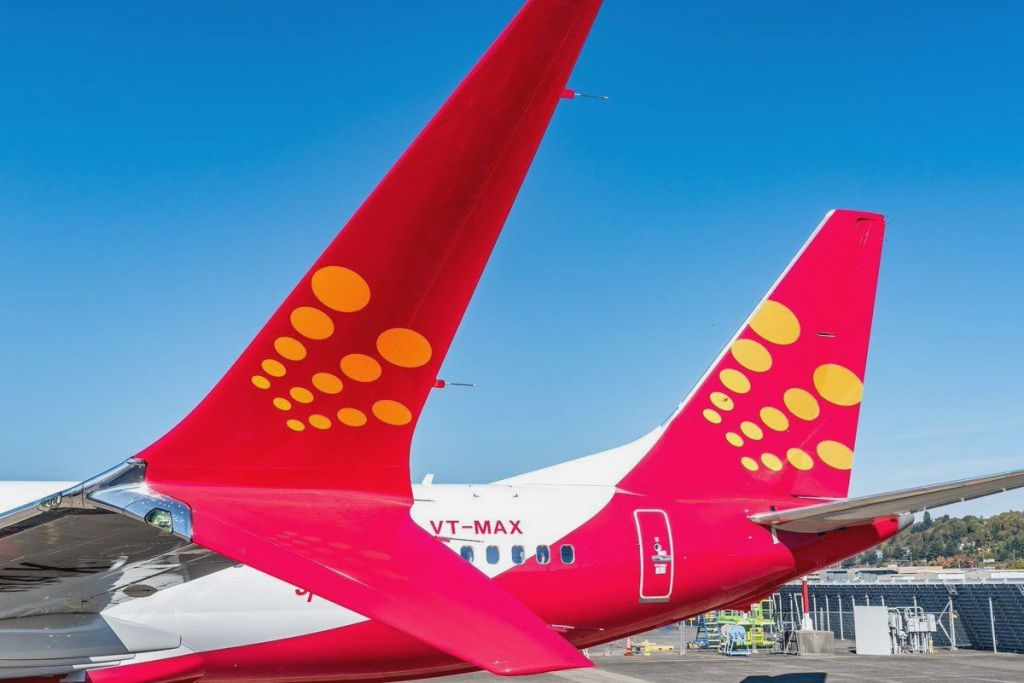
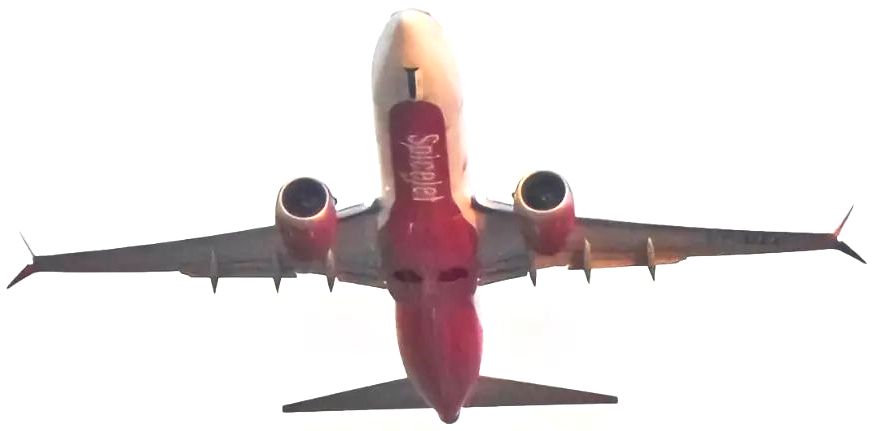
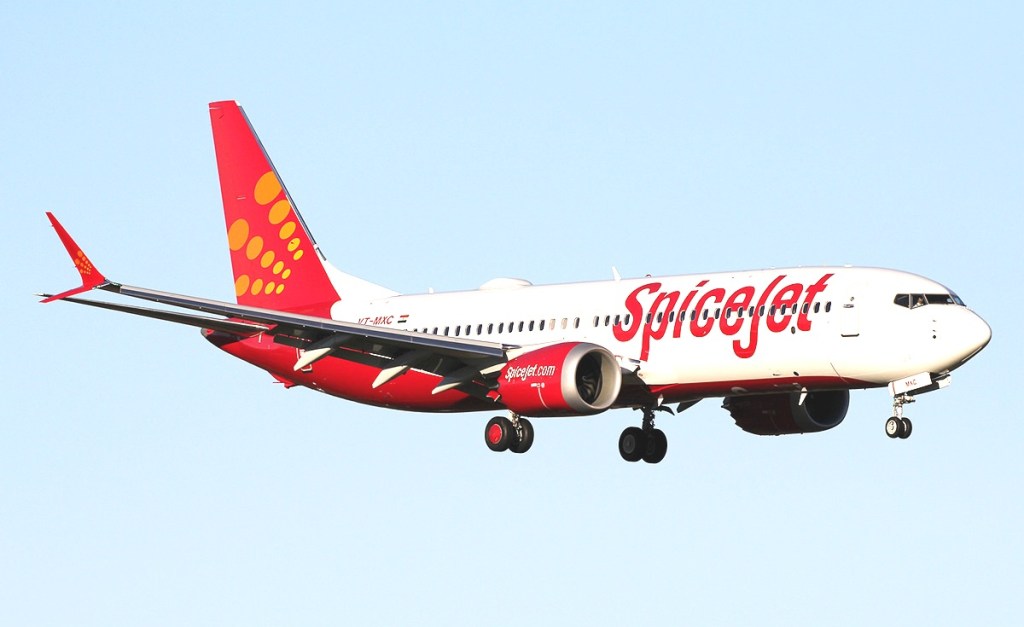
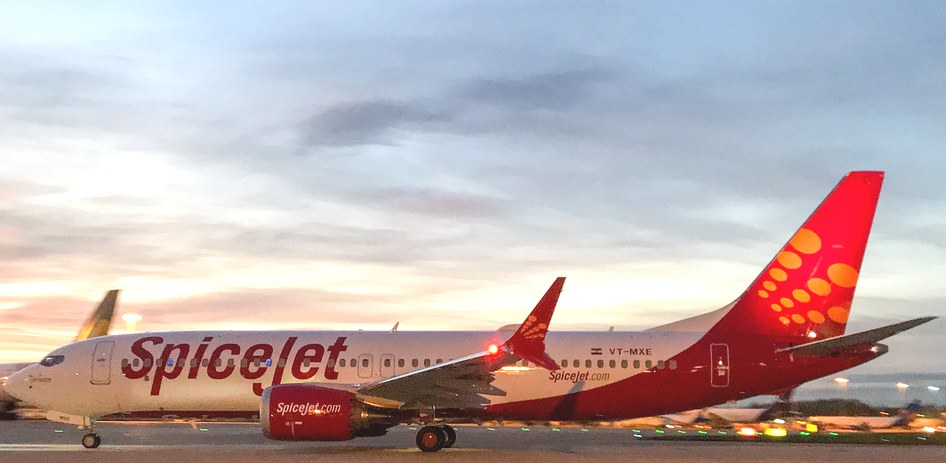
La aerolínea de bajo costo de la India, SpiceJet, tendrá siete aviones Boeing 737 MAX más para fines de Noviembre 2022. La aerolínea india está obteniendo estos aviones de la aerolínea turca Corendon Airlines. La decisión de arrendar estos aviones se tomó para reemplazar los aviones recientemente cancelados después de los incumplimientos de pago del arrendamiento. Se ha informado que los aviones provienen de la aerolínea turca Corendon Airlines, con tres MAX que llegarán a fines de Octubre 2022 y el resto a fines de Noviembre 2022.
SpiceJet actualmente enfrenta un límite de capacidad impuesto por el regulador de aviación de la India, la Dirección General de Aviación Civil (DGCA). La aerolínea de presupuesto tenía seiscientos vuelos aprobados para el horario de verano, mientras que el Gobierno le ha ordenado operar solo la mitad de esos vuelos diarios lo que reduciría su capacidad operativa.
La aerolínea ha estado planificando hacia la inclusión de aeronaves más modernas para reemplazar a la línea 737 Next Generation por 737 MAX. El Gobierno de la India ha aprobado un préstamo de alrededor de US$ 122 millones bajo el Plan de Garantía de Línea de Crédito de Emergencia modificado (ECLGS), lo que le permitiría ayudar a liquidar todas las cuotas legales y los pagos del arrendador, como así también actualizar la flota hacia el 737 MAX.
SpiceJet will lease 7 Boeing 737 MAX
Aircraft leases for the end of November 2023
India’s low-cost carrier SpiceJet will have seven more Boeing 737 MAX aircraft by the end of November 2022. The Indian carrier is getting these aircraft from Turkish carrier Corendon Airlines. The decision to lease these aircraft was made to replace aircraft recently written off following lease payment defaults. The planes are reported to come from Turkish carrier Corendon Airlines, with three MAXs due to arrive in late October 2022 and the rest in late November 2022.
SpiceJet currently faces a capacity cap imposed by India’s aviation regulator, the Directorate General of Civil Aviation (DGCA). The budget airline had 600 flights approved for daylight saving time, while the government has ordered it to operate only half of those daily flights, which would reduce its operational capacity.
The airline has been planning towards the inclusion of more modern aircraft to replace the 737 Next Generation line with the 737 MAX. The Government of India has approved a loan of around US$122 million under the modified Emergency Credit Line Guarantee Scheme (ECLGS), which would allow it to help settle all legal fees and landlord payments, such as as well as upgrading the fleet to the 737 MAX.
स्पाइसजेट 7 बोइंग 737 मैक्स को लीज पर लेगी
नवंबर 2023 के अंत के लिए विमान पट्टे
भारत के कम लागत वाले वाहक स्पाइसजेट के पास नवंबर 2022 के अंत तक सात और बोइंग 737 मैक्स विमान होंगे। भारतीय वाहक को ये विमान तुर्की वाहक कोरेंडन एयरलाइंस से मिल रहे हैं। इन विमानों को पट्टे पर देने का निर्णय हाल ही में लीज भुगतान चूक के बाद बट्टे खाते में डाले गए विमानों को बदलने के लिए किया गया था। विमानों को तुर्की वाहक कोरेंडन एयरलाइंस से आने की सूचना है, जिसमें तीन MAX अक्टूबर 2022 के अंत में और बाकी नवंबर 2022 के अंत में आने वाले हैं।
स्पाइसजेट वर्तमान में भारत के विमानन नियामक, नागरिक उड्डयन महानिदेशालय (डीजीसीए) द्वारा लगाए गए क्षमता कैप का सामना कर रहा है। बजट एयरलाइन के पास डेलाइट सेविंग टाइम के लिए 600 उड़ानें स्वीकृत थीं, जबकि सरकार ने इसे उन दैनिक उड़ानों में से केवल आधी संचालित करने का आदेश दिया है, जिससे इसकी परिचालन क्षमता कम हो जाएगी।
एयरलाइन 737 नेक्स्ट जेनरेशन लाइन को 737 मैक्स से बदलने के लिए और अधिक आधुनिक विमानों को शामिल करने की योजना बना रही है। भारत सरकार ने संशोधित आपातकालीन क्रेडिट लाइन गारंटी योजना (ईसीएलजीएस) के तहत लगभग 122 मिलियन अमेरिकी डॉलर के ऋण को मंजूरी दी है, जो इसे सभी कानूनी शुल्क और मकान मालिक भुगतानों को निपटाने में मदद करने के साथ-साथ बेड़े को 737 में अपग्रेड करने की अनुमति देगा। मैक्स।
PUBLISHER: Airgways.com DBk: Spicejet.com / Airgways.com AW-POST: 202210171603AR OWNERSHIP: Airgways Inc. A\W A I R G W A Y S ®
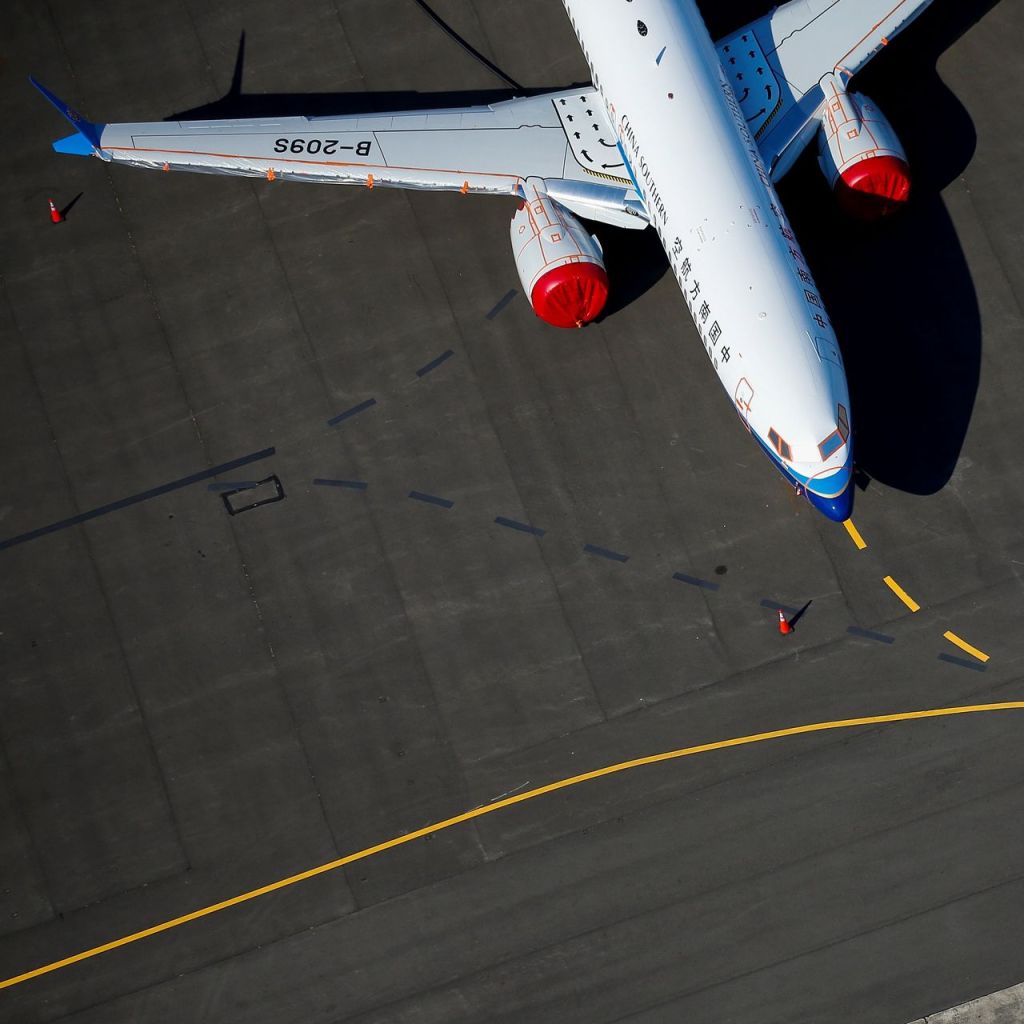
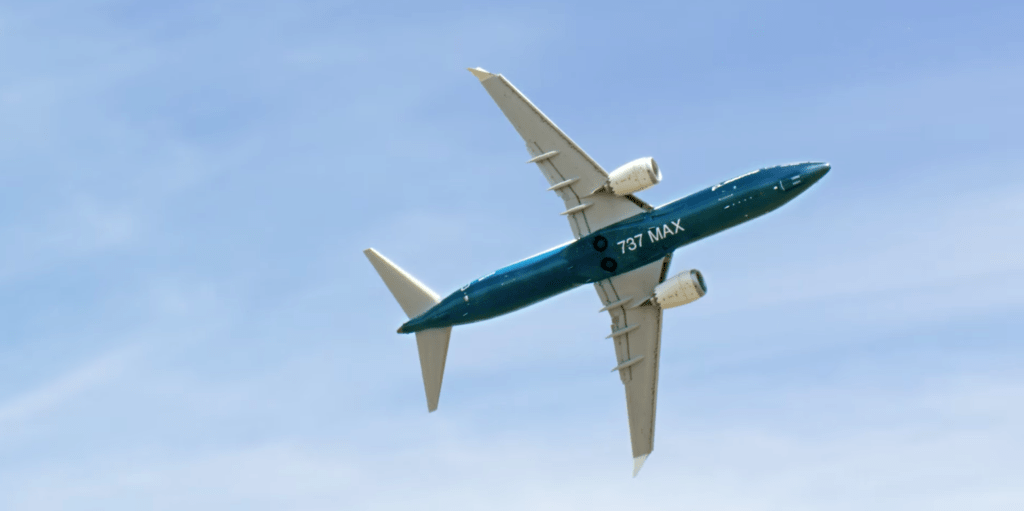
China Southern Airlines podría ser la primera aerolínea de la República Popular de China en reanudar los servicios de vuelos comerciales con el Boeing 737 MAX. Después de más de tres años de suspensión, el Boeing 737 MAX parece listo para regresar a China después de realizar servicios de vuelo de pruebas para su adecuación comercial.
Aunque la Administración de Aviación Civil de China (CAAC) aprobó el regreso del tipo de avión al servicio a fines de 2021, ninguna aerolínea local ha reactivado sus flotas de Boeing 737 MAX hasta la actualidad. La supuesta falta de interés se redujo aún más cuando Air China, China Southern Airlines y China Eastern Airlines realizaron pedidos significativos de Airbus de fuselaje estrecho a principios de este año.
Justo cuando parecía que todas las esperanzas por reactivar el mercado en Oriente Lejano se encontraban perdidas, la aerolínea MIAT Mongolian Airlines se convirtió en la primera línea aérea extranjera en operar un Boeing 737-8 MAX en la región y arribar a China.
China Southern Airlines con sede en Guangzhou recientemente reacondicionó tres de sus 24 Boeing 737-8 MAX estacionados, marcando una tendencia hacia la puesta en servicio definitivo de la línea 737 de cuarta generación. Tres unidades Boeing 737-8 MAX con matrículas B-1206/B-1207/B-1127 han sido desprecintados y reacondicionado en el área mecánica e ingeniería.
China Southern se encuentra preparándose para reintroducir el tipo de aeronave a su flota activa, impulsada por la alta demanda de vuelos comerciales en la región que ha hecho necesario reactivar la línea 737 MAX, como así también la importancia de ofrecer un mejor producto para los servicios aéreos en un mercado muy competitivo como el de la Región Asia.
China Southern approaches 737 MAX
Reinstatement of Boeing 737 MAX flights in China
China Southern Airlines could be the first airline in the People’s Republic of China to resume commercial flight services with the Boeing 737 MAX. After more than three years of suspension, the Boeing 737 MAX seems ready to return to China after carrying out test flight services for its commercial suitability.
Although the Civil Aviation Administration of China (CAAC) has approved the aircraft type’s return to service at the end of 2021, no local airlines have reactivated their Boeing 737 MAX fleets to date. The perceived lack of interest was further reduced when Air China, China Southern Airlines and China Eastern Airlines placed significant orders for narrow-body Airbus earlier this year.
Just when it seemed that all hopes of reviving the market in the Far East were lost, MIAT Mongolian Airlines became the first foreign airline to operate a Boeing 737-8 MAX in the region and arrive in China.
Guangzhou-based China Southern Airlines recently refurbished three of its 24 parked Boeing 737-8 MAXs, marking a trend toward final service of the fourth-generation 737 line. Three Boeing 737-8 MAX units with license plates B-1206/B-1207/B-1127 have been unsealed and reconditioned in the mechanical and engineering area.
China Southern is preparing to reintroduce the aircraft type to its active fleet, driven by the high demand for commercial flights in the region that has made it necessary to reactivate the 737 MAX line, as well as the importance of offering a better product for services airlines in a very competitive market such as the Asia Region.
Air Tahiti firma pedido ATR 42-600S para islas con pistas cortas
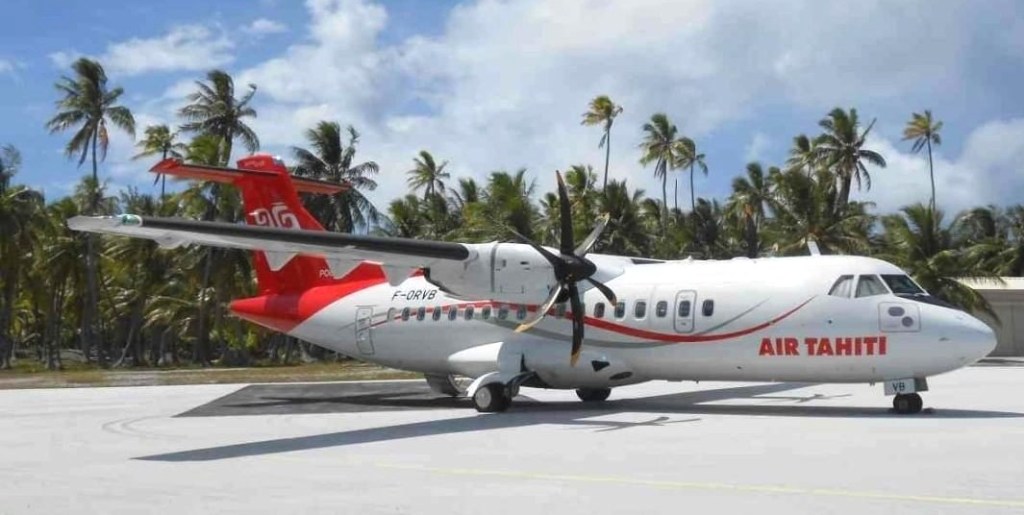
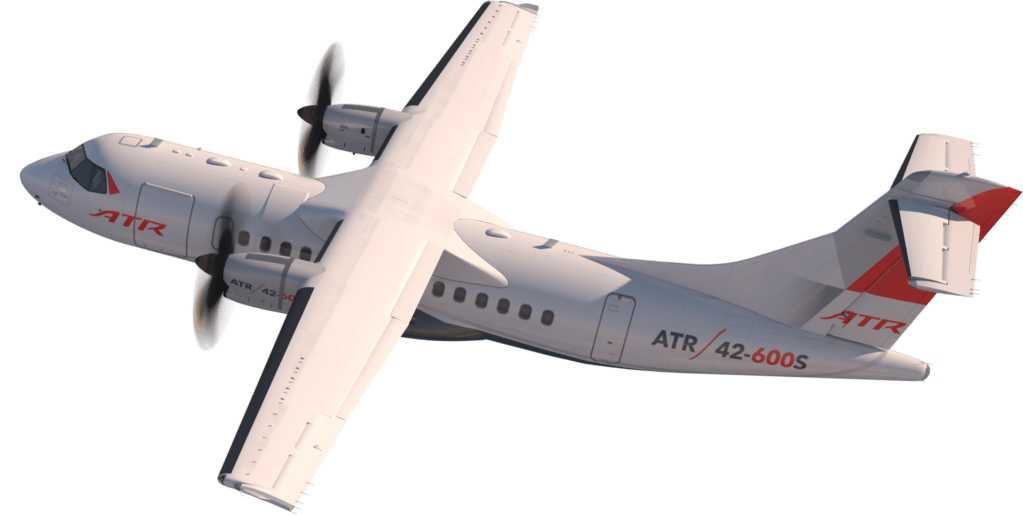
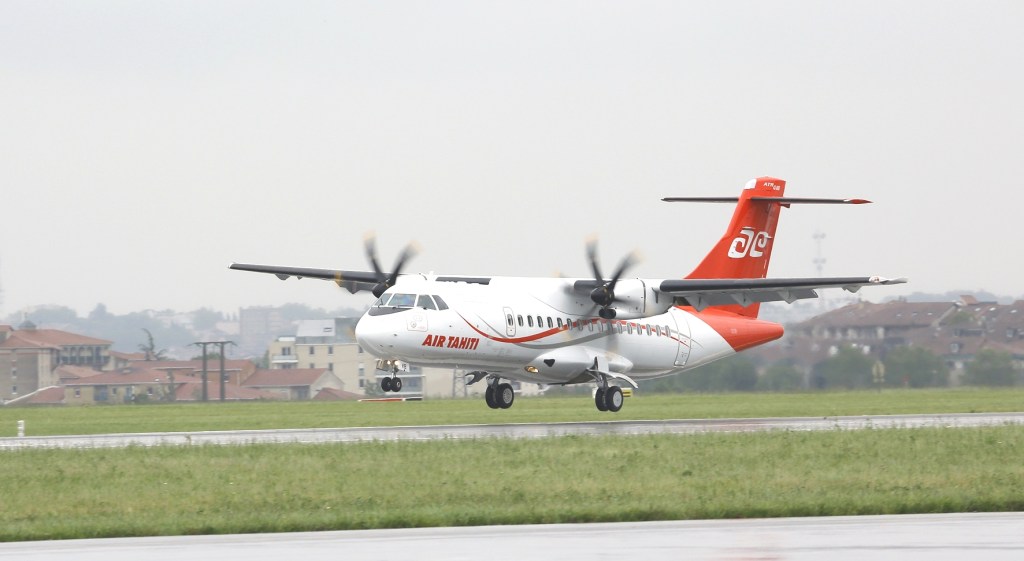
Air Tahiti, una aerolínea nacional de la Polinesia Francesa que opera aviones turbohélice, ha confirmado un pedido de dos aviones ATR 42-600S y un ATR 72-600 adicional. ATR Aircraft confirmó los pedidos en firme en un comunicado que también destaca que se espera que el ATR 42-600S, la nueva variante de despegue y aterrizaje corto (STOL) del ATR 42-600, se certifique a tiempo para las primeras entregas a fines de 2024.
Dice que hay 1.000 aeropuertos, incluidos algunos en la Polinesia Francesa, que tienen entre 800 y 1.000 metros; el segmento de mercado al que se dirige específicamente la nueva variante STOL. El ATR 42 estándar necesita una longitud de pista de alrededor de 1.100 m.
El fabricante de aviones ATR Aircraft dijo: «ATR 42-600S permitirá el acceso a destinos con pistas cortas, como la Isla Maupiti, utilizando el 100% de la capacidad de carga de la aeronave».
Air Tahiti está operando vuelos regulares desde la capital, Papeete, a la isla Maupiti utilizando un ATR 42-600 estándar. La isla tiene una pista de 956 m de largo (3.136 pies).
ATR dice que Air Tahiti opera actualmente diez aviones ATR y que fue un cliente de lanzamiento para el ATR 42-600S cuando se lanzó el programa en junio de 2019 en el Salón Aeronáutico de París. Pero ahora Air Tahiti ha firmado un pedido firme.
Air Tahiti comenzará a arrendar con tripulación un De Havilland Aircraft of Canada DHC 6-300Twin Otter de 19 asientos para que pueda lanzar servicios programados a mediados de Noviembre 2022 que conecten Papette con las islas polinesias francesas de Ua Pou y Ua Huka. Planea reemplazar el Twin Otter en las rutas en 2026 con aviones ATR 42-600S una vez que se hayan alargado la pista de 830 m de largo de Ua Pou y la pista de 755 m de largo de Ua Huka.
La aerolínea también dijo que tiene un ATR 72-600 en orden que originalmente debía entregarse en 2020, pero ahora se entregará en mayo de 2023.
Air Tahiti orders ATR 42S planes
Air Tahiti signs ATR 42-600S order for islands with short runways
Air Tahiti, a French Polynesian national airline that operates turboprop aircraft, has confirmed an order for two ATR 42-600S aircraft and an additional ATR 72-600. ATR Aircraft confirmed the firm orders in a statement that also highlights that the ATR 42-600S, the new short take-off and landing (STOL) variant of the ATR 42-600, is expected to be certified in time for first deliveries in late of 2024.
He says there are 1,000 airports, including some in French Polynesia, that are between 800 and 1,000 meters; the market segment specifically targeted by the new STOL variant. The standard ATR 42 requires a runway length of around 1,100m.
Aircraft manufacturer ATR Aircraft said: «ATR 42-600S will allow access to destinations with short runways, such as Maupiti Island, using 100% of the aircraft’s cargo capacity».
Air Tahiti’s booking engine shows that it is operating scheduled flights from the capital Papeete to Maupiti Island using a standard ATR 42-600. The island has a 956 m long (3,136 ft) runway.
ATR says that Air Tahiti currently operates ten ATR aircraft and was a launch customer for the ATR 42-600S when the program was launched in June 2019 at the Paris Air Show. But now Air Tahiti has signed a firm order.
Air Tahiti will begin wet leasing a 19-seat De Havilland Aircraft of Canada DHC 6-300 Twin Otter so it can launch scheduled services in mid-November 2022 connecting Papette to the French Polynesian islands of Ua Pou and Ua Huka. It plans to replace the Twin Otter on the routes in 2026 with ATR 42-600S aircraft once the 830m-long runway at Ua Pou and the 755m-long runway at Ua Huka have been lengthened.
The airline also said it has an ATR 72-600 on order that was originally due for delivery in 2020, but will now be delivered in May 2023.
Air Tahiti commande des ATR 42S
Air Tahiti signe commande d’ATR 42-600S pour les îles à pistes courtes
Air Tahiti, compagnie aérienne nationale de Polynésie française qui exploite des avions à turbopropulseurs, a confirmé une commande de deux ATR 42-600S et d’un ATR 72-600 supplémentaire. ATR Aircraft a confirmé les commandes fermes dans un communiqué qui souligne également que l’ATR 42-600S, la nouvelle variante à décollage et atterrissage courts (STOL) de l’ATR 42-600, devrait être certifié à temps pour les premières livraisons fin de 2024.
Il dit qu’il y a 1 000 aéroports, dont certains en Polynésie française, qui se situent entre 800 et 1 000 mètres ; le segment de marché spécifiquement ciblé par la nouvelle variante STOL. L’ATR 42 standard nécessite une longueur de piste d’environ 1 100 m.
Le constructeur aéronautique ATR Aircraft a déclaré: «L’ATR 42-600S permettra d’accéder à des destinations avec des pistes courtes, telles que l’île de Maupiti, en utilisant 100 % de la capacité de fret de l’avion«.
Le moteur de réservation d’Air Tahiti indique qu’elle opère des vols réguliers depuis la capitale Papeete vers l’île de Maupiti en utilisant un ATR 42-600 standard. L’île possède une piste de 956 m de long (3 136 pieds).
ATR indique qu’Air Tahiti exploite actuellement dix avions ATR et était un client de lancement de l’ATR 42-600S lors du lancement du programme en Juin 2019 au salon du Bourget. Mais voilà qu’Air Tahiti a signé une commande ferme.
Air Tahiti commencera la location avec équipage d’un DHC 6-300 Twin Otter de 19 places de De Havilland Aircraft of Canada afin de pouvoir lancer des services réguliers à la mi-novembre 2022 reliant Papette aux îles polynésiennes de Ua Pou et Ua Huka. Elle prévoit de remplacer le Twin Otter sur les routes en 2026 par des avions ATR 42-600S une fois que la piste de 830 m de Ua Pou et la piste de 755 m de Ua Huka auront été allongées.
La compagnie aérienne a également déclaré qu’elle avait un ATR 72-600 en commande qui devait initialement être livré en 2020, mais sera désormais livré en mai 2023.
PUBLISHER: Airgways.com DBk: Airtahiti.com / Atraircraft.com / Airgways.com AW-POST: 202210171323AR OWNERSHIP: Airgways Inc. A\W A I R G W A Y S ®
Brasileña Embraer cierra línea crédito renovable Préstamos por US$650 millones a compañías globales
El fabricante brasileño de aviones Embraer SA dijo el Lunes 17/10 que cerró una línea de crédito renovable de US$ 650 millones de Dólares con un grupo de instituciones financieras nacionales e internacionales, en un intento por reforzar su liquidez para los próximos años.
La línea de crédito fue liderada por PNC Bank, Credit Agricole, Natixis, MUFG y Santander, dijo Embraer en un comunicado, y agregó que le permitirá recuperar el acceso a recursos financieros durante tres años a tasas prenegociadas, que pueden renovarse por otros dos años a discreción de los prestamistas.
Embraer espera que el acuerdo lo ayude en su calificación crediticia a largo plazo, dijo el director financiero Antonio Carlos García. El crédito puede ser utilizado por las filiales de Embraer en los Estados Unidos y los Países Bajos, con Embraer SA como su garante.
Embraer extends global loans
Brazil’s Embraer closes revolving credit line Loans for US$ 650 million to global companies
The Brazilian aircraft manufacturer Embraer SA said on Monday 10/17 that it closed a renewable credit line of US$ 650 million with a group of national and international financial institutions, in an attempt to strengthen its liquidity for the coming years.
The line of credit was led by PNC Bank, Credit Agricole, Natixis, MUFG and Santander, Embraer said in a statement, adding that it will allow it to regain access to financial resources for three years at pre-negotiated rates, which can be renewed for another two years. at the discretion of the lenders.
Embraer hopes the deal will help its long-term credit rating, CFO Antonio Carlos Garcia said. The credit can be used by Embraer subsidiaries in the United States and the Netherlands, with Embraer SA as its guarantor.
Embraer estende empréstimos globais
Brasileira Embraer fecha linha de crédito rotativo Empréstimos de US$ 650 milhões para empresas globais
A fabricante brasileira de aeronaves Embraer SA informou na segunda-feira 17/10 que fechou uma linha de crédito renovável de US$ 650 milhões com um grupo de instituições financeiras nacionais e internacionais, na tentativa de fortalecer sua liquidez para os próximos anos.
A linha de crédito foi liderada pelo PNC Bank, Credit Agricole, Natixis, MUFG e Santander, informou a Embraer em comunicado, acrescentando que permitirá recuperar o acesso a recursos financeiros por três anos a taxas pré-negociadas, que podem ser renovadas por mais dois anos, a critério dos credores.
A Embraer espera que o acordo ajude sua classificação de crédito de longo prazo, disse o CFO Antonio Carlos Garcia. O crédito pode ser utilizado pelas subsidiárias da Embraer nos Estados Unidos e na Holanda, tendo a Embraer SA como fiadora.
PUBLISHER: Airgways.com DBk: Embraer.com / Airgways.com AW-POST: 202210171322AR OWNERSHIP: Airgways Inc. A\W A I R G W A Y S ®
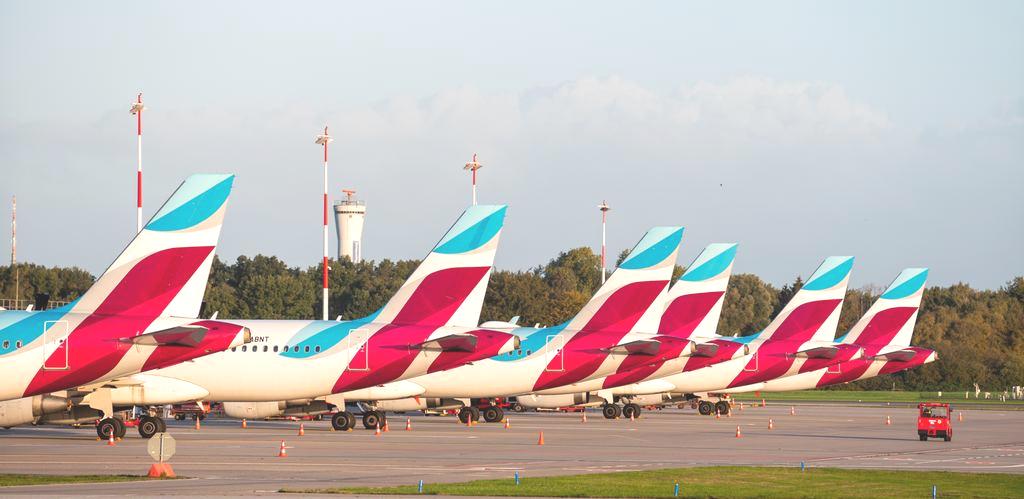
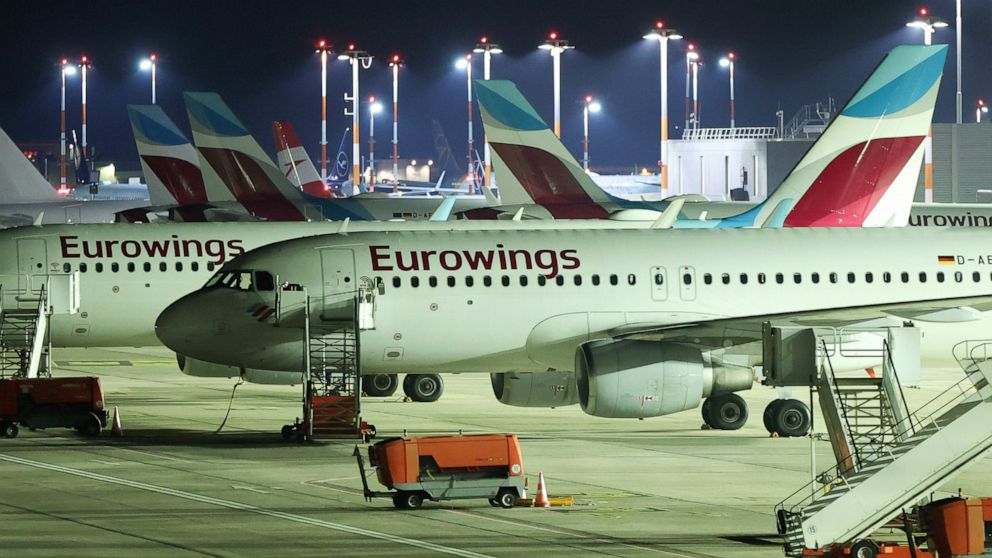
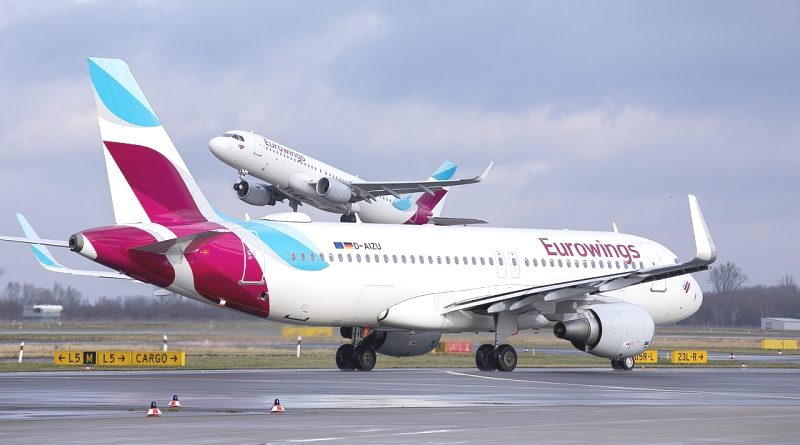
Se espera que una huelga planeada en Eurowings Europe GmbH de Lufthansa Group afecte a unos 20.000 pasajeros el Lunes 17/10, ya que el sindicato de pilotos de la aerolínea convocó una huelga durante las horas de trabajo, dijo Eurowings. El Sindicato Vereinigung Cockpit, dijo que la negociación con Eurowings para llegar a un acuerdo sobre las horas de trabajo ha fracasado, y el viernes convocó una huelga desde el 17 al 19 de Octubre de 2022.
El sindicato dijo que sus principales peticiones a la compañía son una limitación de los tiempos máximos de vuelo, así como un aumento en el tiempo de descanso para el personal de cabina.
La aerolínea Eurowings dijo en un comunicado que más de la mitad de sus vuelos pudieron tener lugar el lunes, y que los clientes serán en gran medida reubicados en conexiones alternativas. Para el martes y el miércoles, la aerolínea dijo que espera también poder operar más de la mitad de sus vuelos planeados.
El sindicato dijo el Viernes 14/10 que está abierto al diálogo con la compañía, pero calificó las ofertas de Eurowings a los pilotos como completamente insuficientes. Eurowings dijo en un comunicado que el paquete de ayuda que ofreció, que incluye diez días libres adicionales por año y tres horas menos de tiempo de trabajo por semana, está en el límite de lo que es financieramente viable.
Eurowings strike
Eurowings strike will affect thousands of passengers
A planned strike at Lufthansa Group’s Eurowings Europe GmbH is expected to affect some 20,000 passengers on Monday 10/17, as the airline’s pilots’ union called a strike during working hours, Eurowings said. The Vereinigung Cockpit Union, said negotiations with Eurowings to reach an agreement on working hours have failed, and on Friday called a strike from October 17-19, 2022.
The union said that its main requests to the company are a limitation of maximum flight times, as well as an increase in rest time for cabin crew.
The airline Eurowings said in a statement that more than half of its flights were able to take place on Monday, and that customers will largely be relocated to alternative connections. By Tuesday and Wednesday, the airline said it also expects to be able to operate more than half of its planned flights.
The union said on Friday 10/14 that it is open to dialogue with the company, but described Eurowings’ offers to the pilots as completely insufficient. Eurowings said in a statement that the aid package it offered, which includes 10 extra days off per year and three hours less working time per week, is at the limit of what is financially feasible.
Eurowings-Streik
Der Eurowings-Streik betrifft tausende passagiere
Ein geplanter Streik bei der Eurowings Europe GmbH der Lufthansa Group wird voraussichtlich am Montag, den 17.10. rund 20.000 Passagiere betreffen, da die Pilotengewerkschaft der Airline während der Arbeitszeit zu einem Streik aufgerufen hat, teilte Eurowings mit. Die Vereinigung Cockpit Union hat die Verhandlungen mit Eurowings über eine Arbeitszeitvereinbarung für gescheitert erklärt und am Freitag zum Streik vom 17. bis 19. Oktober 2022 aufgerufen.
Die Gewerkschaft sagte, ihre Hauptforderungen an das Unternehmen seien eine Begrenzung der maximalen Flugzeiten sowie eine Verlängerung der Ruhezeiten für das Kabinenpersonal.
Die Fluggesellschaft Eurowings teilte in einer Mitteilung mit, dass mehr als die Hälfte ihrer Flüge am Montag stattfinden könne und die Kunden weitgehend auf alternative Verbindungen umgesiedelt würden. Bis Dienstag und Mittwoch rechnet die Fluggesellschaft zudem damit, mehr als die Hälfte ihrer geplanten Flüge durchführen zu können.
Die Gewerkschaft zeigte sich am Freitag, 14.10., offen für einen Dialog mit dem Unternehmen, bezeichnete die Angebote von Eurowings an die Piloten aber als völlig unzureichend. Eurowings sagte in einer Erklärung, dass das angebotene Hilfspaket, das 10 zusätzliche freie Tage pro Jahr und drei Stunden weniger Arbeitszeit pro Woche beinhaltet, an der Grenze des finanziell Machbaren liege.
PUBLISHER: Airgways.com DBk: Eurowings.com / Vcockpit.de / Daniel Bockwoldt/DPA/Picture Alliance / Airgways.com AW-POST: 202210171248AR OWNERSHIP: Airgways Inc. A\W A I R G W A Y S ®
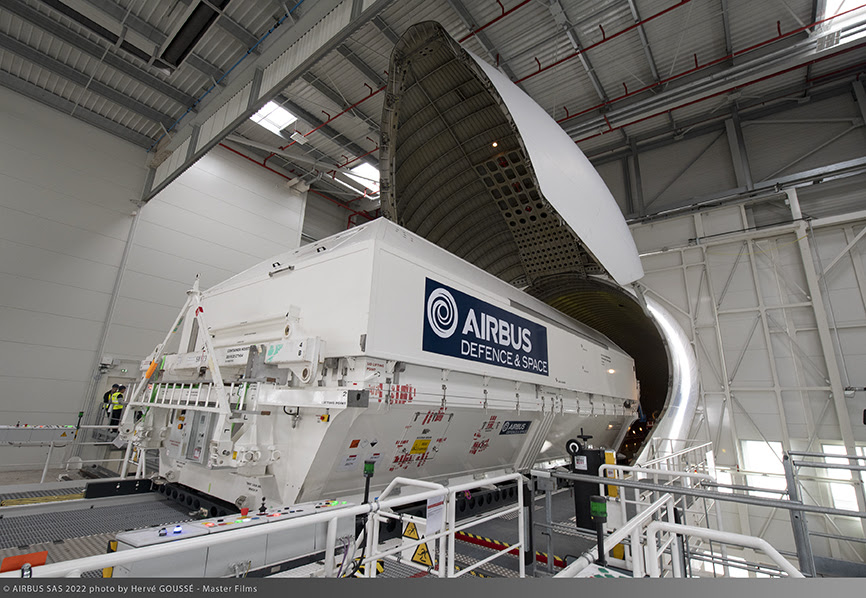
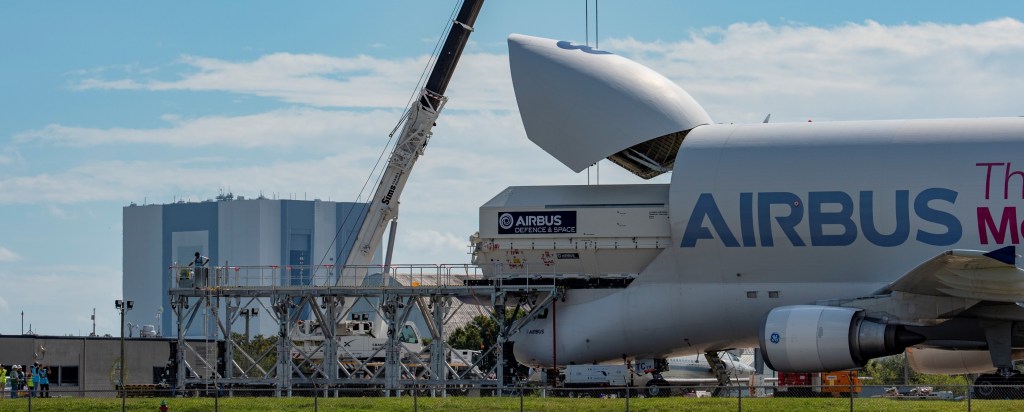
Un avión especial Airbus A300-600ST Beluga aterrizó en el Centro Espacial Kennedy en Cabo Cañaveral en Florida, Estados Unidos, este fin de semana para hacer entrega del Satélite HOTBIRD 13G construido por Airbus para Eutelsat. Esto sucedió unas horas después de que su gemelo, HOTBIRD 13F, fuera lanzado con éxito por un cohete SpaceX Falcon 9.
Las naves espaciales son los primeros miembros de la nueva familia «Eurostar Neo» de satélites de telecomunicaciones de Airbus, basados en una plataforma de próxima generación y tecnologías desarrolladas con el apoyo de la Agencia Espacial Europea (ESA) y otros, incluido el Centre National d’ Etudes Spatiales (CNES) y la Agencia Espacial del Reino Unido (UKSA). Este hito también marca la primera vez desde 2009 que el Beluga visita los Estados Unidos, cuando transportaba el módulo europeo «Tranquilidad» de la Estación Espacial Internacional. Para esta última misión, el Beluga utilizó un 30 % de combustible de aviación sostenible (SAF) para su vuelo de salida desde Toulouse, lo que refleja las ambiciones de descarbonización de Airbus.
“Es un verdadero honor exhibir consecutivamente dos satélites para nuestro cliente Eutelsat: dos piezas de tecnología europea en el icónico Centro Espacial Kennedy. La capacidad de Airbus para implementar una solución europea autónoma se ve subrayada por el transporte de nuestros satélites en el exclusivo avión Beluga, ¡un verdadero ejemplo de sinergias pan-Airbus!”, dijo Jean-Marc Nasr, Jefe de Sistemas Espaciales de Airbus.
Una vez que alcancen su posición orbital, estos dos satélites, con sistemas de control térmico y de potencia más eficientes que sus predecesores, podrán transmitir más de 1.000 canales de televisión en Europa, el norte de África y Oriente Medio. También mejorarán la capacidad de Eutelsat para brindar conectividad a más de 135 millones de personas, ya que reemplazan tres satélites de Eutelsat actualmente en órbita.
Con la llegada del nuevo BelugaXL, basado en la plataforma A330-200 más grande, la flota BelugaST existente está progresivamente disponible para servicios de transporte de carga de gran tamaño a nivel mundial. Desde el lanzamiento del nuevo servicio Airbus Beluga Transport en enero, BelugaST ha realizado misiones para varios clientes en todo el mundo.
Airbus HotBird Satellite to Kennedy Center
Airbus delivers satellite Kennedy Space Center
An Airbus A300-600ST Beluga spacecraft landed at the Kennedy Space Center at Cape Canaveral in Florida, United States, this weekend to deliver the HOTBIRD 13G Satellite built by Airbus for Eutelsat. This happened a few hours after its twin, HOTBIRD 13F, was successfully launched by a SpaceX Falcon 9 rocket.
The spacecraft are the first members of Airbus’ new «Eurostar Neo» family of telecommunications satellites, based on a next-generation platform and technologies developed with the support of the European Space Agency (ESA) and others, including the Center National d’Etudes Spatiales (CNES) and the United Kingdom Space Agency (UKSA). This milestone also marks the first time since 2009 that the Beluga has visited the United States, when it was carrying the European «Tranquility» module of the International Space Station. For this latest mission, the Beluga used 30% sustainable aviation fuel (SAF) for its departure flight from Toulouse, reflecting Airbus’ decarbonisation ambitions.
“It is a true honor to display two satellites back to back for our client Eutelsat – two pieces of European technology at the iconic Kennedy Space Center. Airbus’ ability to implement an autonomous European solution is underlined by the transport of our satellites on the unique Beluga aircraft, a true example of pan-Airbus synergies!”, said Jean-Marc Nasr, Head of Space Systems at Airbus.
Once they reach their orbital position, these two satellites, with more efficient power and thermal control systems than their predecessors, will be able to transmit more than 1,000 television channels in Europe, North Africa and the Middle East. They will also enhance Eutelsat’s ability to provide connectivity to more than 135 million people, as they replace three Eutelsat satellites currently in orbit.
With the arrival of the new BelugaXL, based on the larger A330-200 platform, the existing BelugaST fleet is progressively available for large cargo services worldwide. Since the launch of the new Airbus Beluga Transport service in January, BelugaST has flown missions for various clients around the world.
PUBLISHER: Airgways.com DBk: Airbus.com / Airgways.com AW-POST: 202210171101AR OWNERSHIP: Airgways Inc. A\W A I R G W A Y S ®
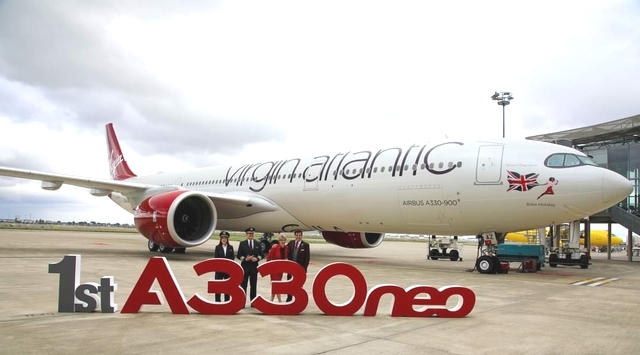
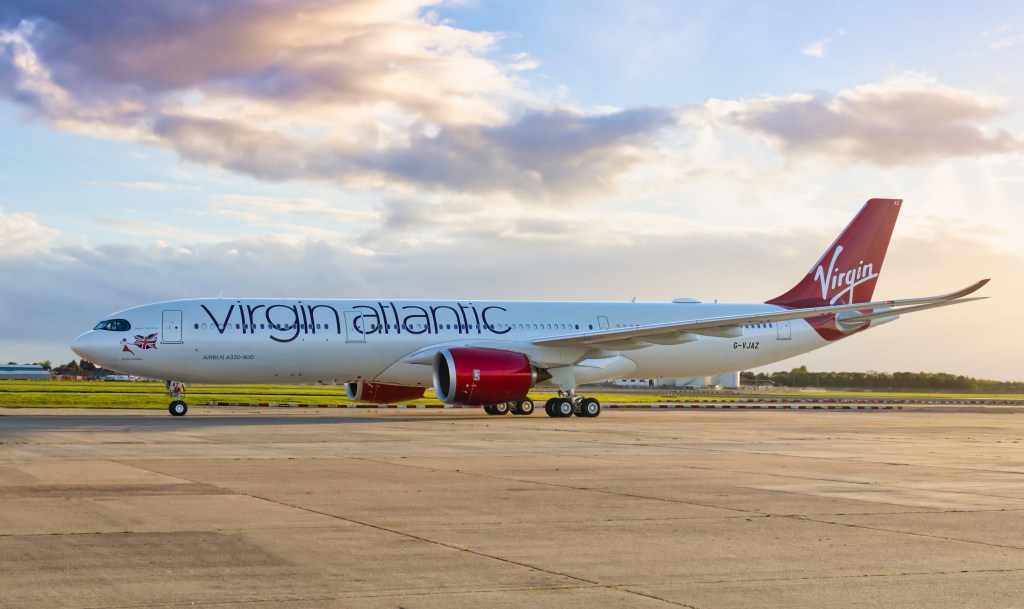
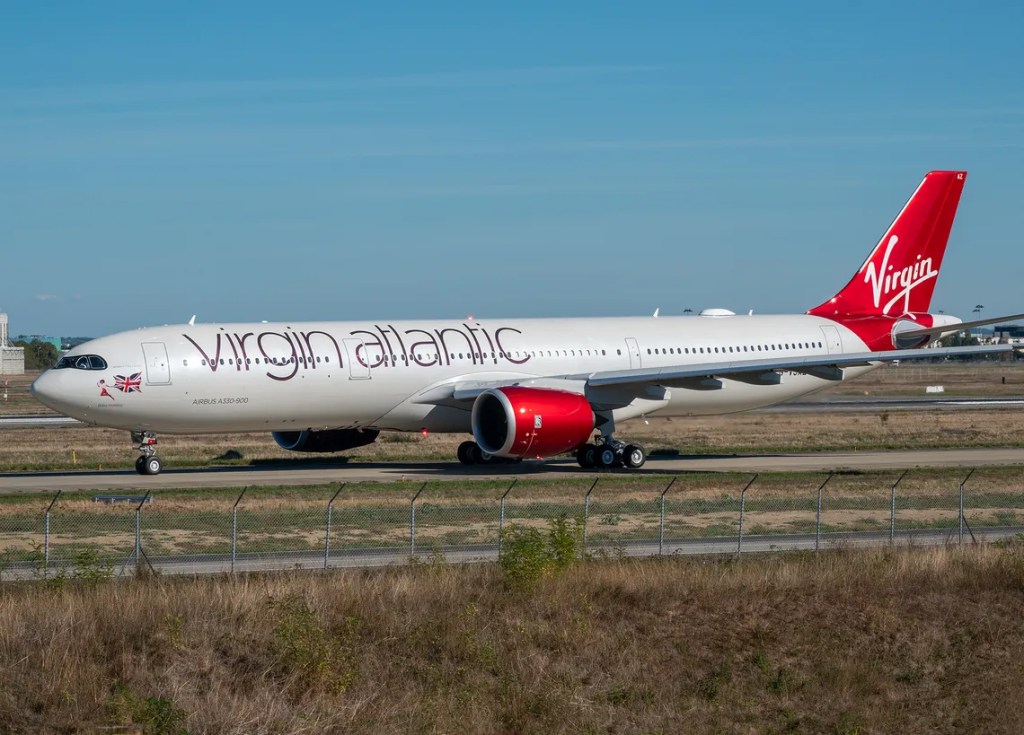
Virgin Atlantic recibe su primer Airbus A330-900NEO
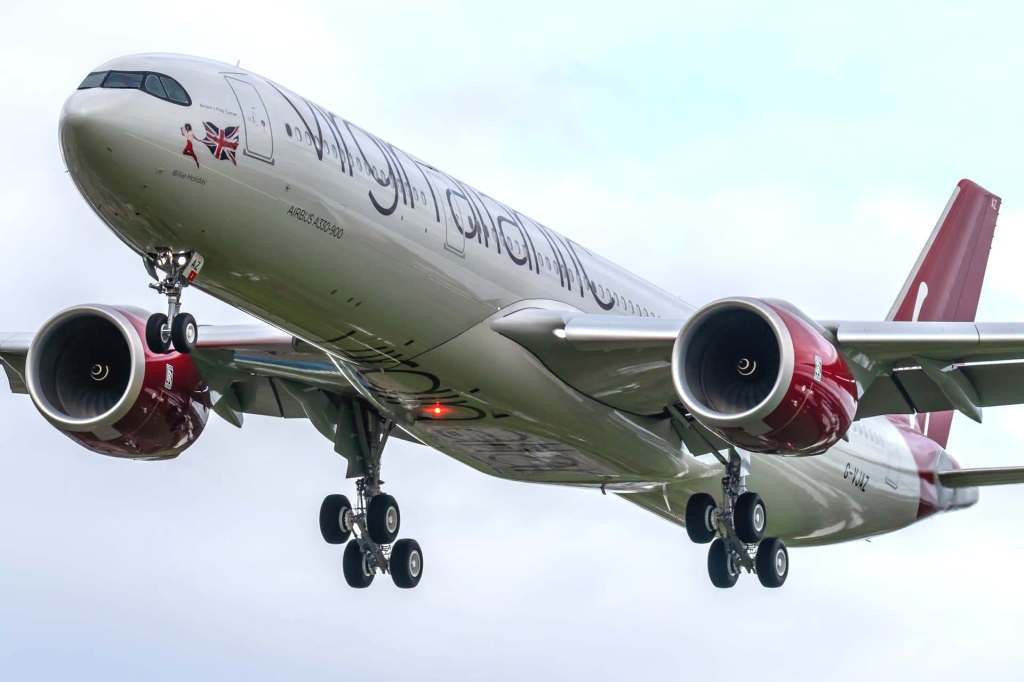
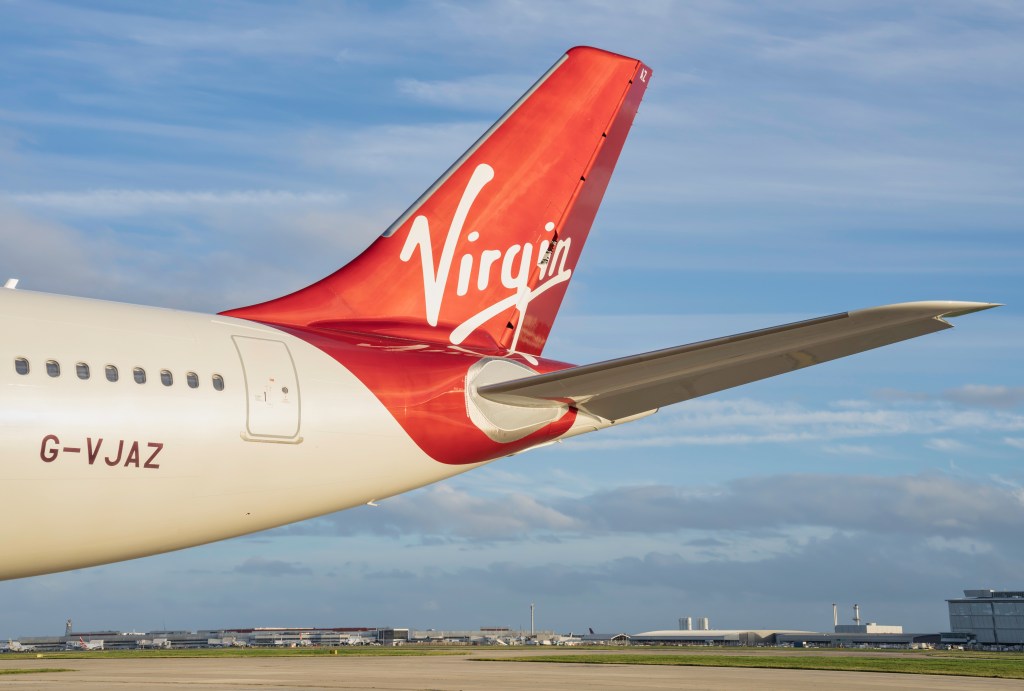
Virgin Atlantic Airways ha recibido el Domingo 16/10 su primer Airbus A330-900NEO. El vuelo de entrega desde Toulouse/Blagnac/TLS a Londres/Heathrow/LHR ha aterrizado iniciando una nueva etapa en el proceso de modernización de flota de la aerolínea de ocio británica. La aeronave ha recibido el nombre de Billie Holiday.
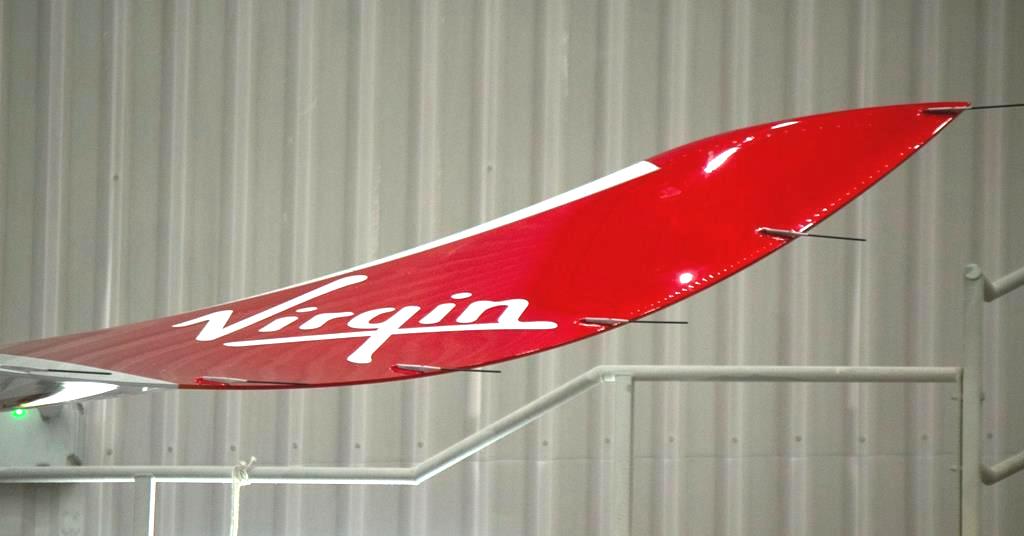
El Airbus A330-900NEO de Virgin Atlantic permitirá introducir una mejor huella de carbono para mejorar el medio ambiente, representando un 11% más eficiente en carbono que el Airbus A330-300, que se eliminará gradualmente de la flota, disminuyendo una reducción del 50% en la contaminación acústica en los aeropuertos. Virgin Atlantic había anunciado en 2019 un pedido en firme por 16 Airbus A330NEO como parte de su compromiso de volar la flota más joven y ecológica. La compañía aérea ha mejorado la huella de carbono en una reducción del 20% en las emisiones de carbono de la flota, a la que se debe agregar otro 10% en los próximos diez años.
Al comentar sobre el Airbus A330NEO, Corneel Koster, Director de Operaciones y Cliente de Virgin Atlantic Airways, ha comentado acerca del compromiso asumido con la incorporación del A330NEO: «El A330NEO juega un papel importante en nuestra transformación multimillonaria de la flota, demostrando nuestro compromiso con el planeta. Sabemos que lo más impactante que podemos hacer como aerolínea es volar la flota más limpia, ecológica y joven posible y el A330NEO es esencial para lograr este objetivo. Es realmente un avión para el futuro».
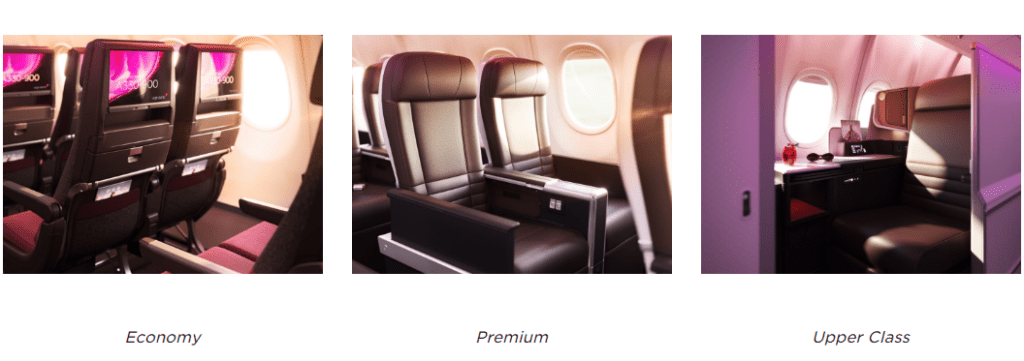
La aerolínea había anunciado la incorporación del próximo avión widebody en Julio 2022 que permitiría actualizar y renovar una nueva experiencia premium a sus clientes presentando un nuevo asiento, un renovado espacio The Loft y The Retreat Suite, dos suites exclusivas en la parte delantera de la cabina de clase superior. Otras características introducidas permitirán aumentar la conectividad en vuelo y sistemas de entretenimiento habilitados para WiFi, Bluetooth, conexiones USB.
Virgin Atlantic Airways posee una flota de edad promedio actualizada de 8,6 años. Actualmente, el 68% de la flota es de nueva generación, que aumentará al 100% a principios de 2027. La aerolínea tiene actualmente diez aviones de nueva generación en orden: siete Airbus A330NEO (7) y tres Airbus A350-1000 (3).
Virgin Atlantic Airways ha anunciado la primera ruta de la nueva aeronave A330-900NEO permitiendo conectar London/Heathrow/LHR—Boston/BOS, Estados Unidos y los tickets aéreos se encuentran disponibles desde principios de 08/2022. Virgin ha programado su primer vuelo para Octubre/Noviembre 2022, después de modificar su calendario inaugural por una ligera demora en la entrega de la aeronave A330-900NEO.
Virgin Atlantic receives A330NEO
Virgin Atlantic takes delivery of its first Airbus A330-900NEO
Virgin Atlantic Airways has received on Sunday 10/16 its first Airbus A330-900NEO. The delivery flight from Toulouse/Blagnac/TLS to London/Heathrow/LHR has landed, initiating a new stage in the British leisure airline’s fleet modernization process. The aircraft has been named after Billie Holiday.
Virgin Atlantic’s Airbus A330-900NEO will enable a better carbon footprint to improve the environment, representing 11% more carbon efficient than the Airbus A330-300, which will be phased out of the fleet, lessening a 50% reduction in noise pollution at airports. Virgin Atlantic had announced in 2019 a firm order for 16 Airbus A330NEOs as part of its commitment to fly the youngest and greenest fleet. The airline has improved the carbon footprint by a 20% reduction in carbon emissions from the fleet, to which another 10% must be added over the next ten years.
Commenting on the Airbus A330NEO, Corneel Koster, Virgin Atlantic Airways Chief Operating Officer and Customer, commented on the commitment made with the addition of the A330NEO: «The A330NEO plays an important role in our multi-million dollar fleet transformation, demonstrating our commitment to the planet. We know that the most impactful thing we can do as an airline is to fly the cleanest, greenest and youngest fleet possible and the A330NEO is essential to achieving this goal. It is truly an aircraft for the future».
The airline had announced the incorporation of the next widebody aircraft in July 2022 that would allow its customers to update and renew a new premium experience by presenting a new seat, a renovated space The Loft and The Retreat Suite, two exclusive suites in the front part of the cabin upper class. Other features introduced will allow increased in-flight connectivity and entertainment systems enabled for WiFi, Bluetooth, USB connections.
Virgin Atlantic Airways has a current average fleet age of 8.6 years. Currently, 68% of the fleet is new generation, which will increase to 100% by early 2027. The airline currently has ten new generation aircraft on order: seven Airbus A330NEO (7) and three Airbus A350-1000 (3).
Virgin Atlantic Airways has announced the first route of the new A330-900NEO aircraft allowing to connect London/Heathrow/LHR—Boston/BOS, United States and air tickets are available from the beginning of 08/2022. Virgin has scheduled its first flights for October/November 2022, after modifying its inaugural schedule due to a slight delay in the delivery of the A330-900NEO aircraft.
PUBLISHER: Airgways.com DBk: Virginatlantic.com / Airgways.com AW-POST: 202210162137AR OWNERSHIP: Airgways Inc. A\W A I R G W A Y S ®
LATAM asegura salida proceso Capítulo 11 próximo 03/11
LATAM Airlines Group ha informado a través de un comunicado, emitido este Sábado 15/10, que el próximo 3 de Noviembre de 2022 contempla salir de su proceso de bancarrota del Capítulo 11 de la Ley de Quiebras en Estados Unidos LATAM Airlines, al cual ingresó en Mayo de 2020. Dicho proceso le permitirá al grupo emerger más ágil, con una estructura de costos más competitiva, una liquidez adecuada para enfrentar el futuro, con aproximadamente US$ 10.300 millones en equity, y una deuda cercana a los US$ 6.900 millones. Para la fecha estipulada de la salida del proceso de Administración, LATAM Airlines Group S.A. entregará las acciones y los bonos convertibles a los accionistas y acreedores según corresponda y pagará ciertas obligaciones como el Junior DIP y otros fees como se establece en el Plan de Reorganización, según expresa el comunicado de la compañía.
Por otra parte, LATAM Group anunció que tras finalizar su periodo de opción preferente, la segunda vuelta y la elección por parte de los acreedores de las alternativas de recuperación contempladas bajo el Plan de Reorganización, LATAM envió los avisos de fondeo para concretar la recepción de los US$ 5.400 millones de nuevos fondos, detallados en el Plan de Reorganización. “En esa línea, LATAM informa el resultado de la elección de los Acreedores de la Clase 5 con respecto a los Bonos Convertibles C que requerían suscripción con nuevos fondos. Finalmente, los acreedores no soportantes suscribieron 36.215.217 Bonos Convertibles C”. También indicaron que todos los instrumentos contemplados en el Plan de Reorganización y el remanente por colocar están completamente respaldados por los accionistas soportantes como Delta Air Lines, Qatar Airways, Grupo Cueto y por los acreedores soportantes como grupo Evercore y ciertos tenedores de bonos locale), asegurando que LATAM Airlines contará con los fondos necesarios para salir exitosamente del proceso de Capítulo 11. Se enviaron los avisos a los partes soportantes a través de los cuales se les solicita a los Acreedores soportantes fondear aproximadamente US$ 3.600 millones y a los accionistas soportantes aproximadamente US$ 736 millones.
LATAM approaches bankruptcy exit
LATAM ensures exit process Chapter 11 next 03/11
LATAM Airlines Group has informed through a statement, issued this Saturday 10/15, that on November 3, 2022 it plans to exit its bankruptcy process of Chapter 11 of the Bankruptcy Law in the United States, LATAM Airlines, which it entered in May 2020. Said process will allow the group to emerge more agile, with a more competitive cost structure, adequate liquidity to face the future, with approximately US$ 10.3 billion in equity, and a debt close to US$ 6.9 billion. For the stipulated date of the exit of the Administration process, LATAM Airlines Group S.A. will deliver the shares and convertible bonds to shareholders and creditors as appropriate and will pay certain obligations such as the Junior DIP and other fees as established in the Reorganization Plan, according to the company’s statement.
On the other hand, LATAM Group announced that after the end of its preferential option period, the second round and the choice by the creditors of the recovery alternatives contemplated under the Reorganization Plan, LATAM sent the funding notices to specify the receipt of the US$ 5.4 billion of new funds, detailed in the Reorganization Plan. “In this line, LATAM informs the result of the election of the Class 5 Creditors with respect to the Convertible Bonds C that required subscription with new funds. Finally, non-supporting creditors subscribed 36,215,217 Convertible Bonds C”. They also indicated that all the instruments contemplated in the Reorganization Plan and the remainder to be placed are fully backed by the supporting shareholders such as Delta Air Lines, Qatar Airways, Grupo Cueto and by the supporting creditors such as the Evercore group and certain local bondholders). ensuring that LATAM Airlines will have the necessary funds to successfully exit the Chapter 11 process. Notices were sent to the supporting parties through which the supporting Creditors are requested to fund approximately US$ 3,600 million and the supporting shareholders approximately US$ 736 million.
PUBLISHER: Airgways.com DBk: Latam.com / Airgways.com AW-POST: 202210151640AR OWNERSHIP: Airgways Inc. A\W A I R G W A Y S ®


































 airgways.com