AW | 2016 05 10 16:25 | AIRLINES MARKET

Esa mesa estuvo suspendida a 10.000 metros sobre el nivel del mar. Voló sobre y entre las nubes; recibió, quizás, el impacto de algún rayo, atravesó tormentas, saludó a la luz mansa de infinitos atardeceres.
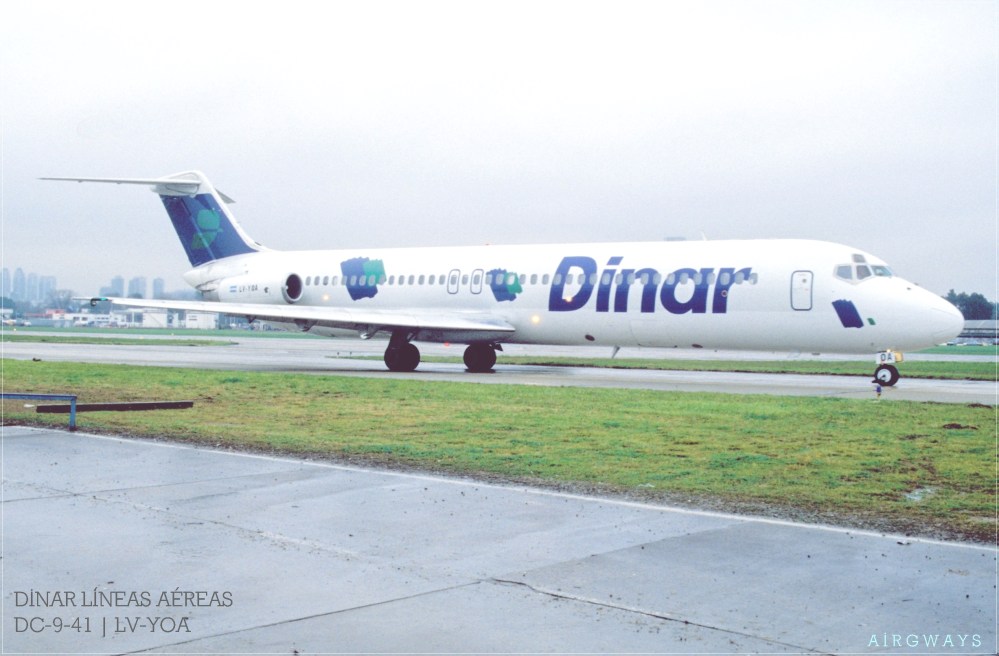
Esa mesa baja, su forma aerodinámica, la base de aluminio, el elegante diseño escandinavo impreso sobre sus formas de metal y patas de madera, alguna vez fue parte de un avión. Una chapa, pequeña y discreta, adosada en uno de sus extremos, así lo atestigua. «DC9LV-YOA», dice. «Era un avión del año 74 -comenta Daniel Cardozo, el joven hacedor de este mueble con memoria de cielo-. La matrícula es como la patente del avión; con esa información podés entrar a una base de datos donde está todo: su vida útil, los vuelos que hizo, el territorio que recorrió.»
Daniel es diseñador industrial. Le gustan, evidentemente, los aviones. Y tanto como eso le gusta descubrir el pasado de esas piezas de metal a las que su creatividad otorga nueva vida. «Este, dice, divertido, señalando la mesa de café como si estuviera señalando el DC9 del que alguna vez formó parte, estuvo en la parodia de Lost que hizo Tinelli [*] hace un tiempo».
Daniel me habla de sus muebles, pero también de un mundo que hasta ahora me era perfectamente desconocido: el de los enormes hangares adonde van a parar los aviones que ya no vuelan más. Cementerios de aviones a la espera del desguace. No puedo evitar pensar en esa fantasmagoría llamada cementerio de elefantes. O los más humanos cementerios de barcos, esas moles olvidadas, inclinadas sobre la arena como vencidas y finales ballenas.
Algo de eso hay. Daniel me muestra fotos del aeropuerto de Morón, una de sus últimas incursiones. Hay varios aviones CATA en fila. Intactos, para una mirada inexperta como la mía. Son aviones en desuso; cuando ingresen al hangar correspondiente serán desarmados, convertidos en una sucesión de piezas sin clara identidad: varios sillones por aquí, un flag por allá, la escalera, las puertas, parte del fuselaje por algún otro lado. Regularmente llegan al galpón los interesados en ese extraño y enorme mecano metálico. Son, por lo general, personas que convertirán todas esas piezas en aluminio de fundición. También llegan allí Daniel y su padre. «El gusto por los aviones me viene de él -cuenta-. Su sueño era ser piloto, pero terminó dedicándose a la construcción.» El joven diseñador creció escuchando detalles técnicos sobre las más diversas máquinas voladoras y viendo cómo su padre volvía de Morón o Luján («allí hay aviones en desuso de Aerolíneas Argentinas», me cuenta) con alguna pieza -una escalera, un resto de fuselaje- que terminaría incorporada a la estructura de la casa.
Ahora van los dos. Y eligen lo que -me invita a recorrerlo con un gesto- se amontona al fondo de su taller. Butacas sobre butacas, el resto de un tren de aterrizaje, la forma abombada del costado de un ala, fragmentos de una cinta transportadora de equipaje. Toco esos trozos de metal que alguna vez surcaron los cielos, que durante años llevaron en sus enormes barrigas a centenares de personas, ida y vuelta, de hemisferio a hemisferio. Parecen tan delgados, de repente.
«Con éstas voy a hacer lámparas», me dice entusiasmado Daniel, señalando unas ventanillas. Sube y baja las persianitas de plástico que alguna vez ayudaron a recrear la noche dentro de un avión, y que ahora servirán para regular la luz en una habitación.
Todo empezó, rememora, cuando se encontró, hace poco más de un año, con que tenía un título, un enorme gusto por las formas puras y el diseño nórdico y la imperiosa necesidad -como todo joven hacia el final de sus estudios- de empezar a armarse un camino profesional. Hubo alguna ida a Morón, alguna charla familiar, y todas las piezas se fueron uniendo. Bautizó Månen (así, con grafía noruega) a su incipiente estudio. Porque ése es el nombre que los nórdicos dan a la luna y él quería otorgar la belleza del diseño escandinavo a las objetos que de más cerca le habían permitido mirarla. Comenzó a trabajar en un catálogo, abrió una página web, un sitio en Facebook. Sin saberlo, iniciaba el camino del emprendedor. En eso sigue.
Le pregunto qué le pasa ahora cada vez que sube a un avión, si se siente viajando en medio de mesas de arrime, lámparas vintage, banquitos aerodinámicos. Se ríe y acepta que sí: volar dejó de ser lo que era antes. Como pasajero, al menos. Porque en su atestado espacio de trabajo, en medio de increíbles piezas de metal, encontró otro modo de tocar el cielo. ᴀᴡ
 airgways.com