AW | 2016 08 25 11:11 | AIRLINES
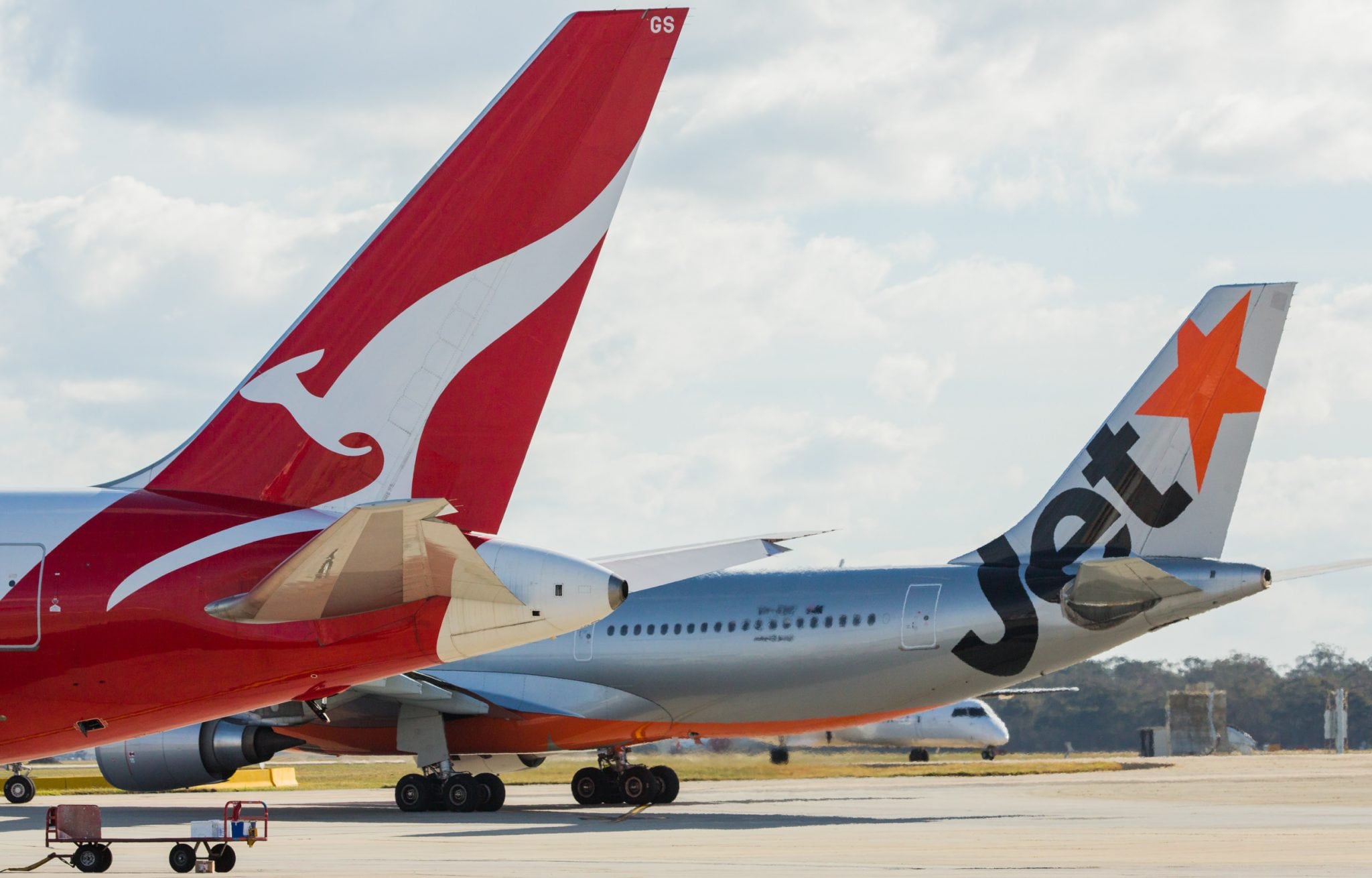
 Con Jetstar Group, Qantas tiene éxito donde otras grandes aerolíneas han fracasado
Durante las últimas dos décadas, muchas de las principales  compañías aéreas han tratado de frustrar los competidores de bajo costo con sus lanzamientos propios e invertir en sus propias marcas «gangas».
Muchos de ellos han fracasado, incapaz de competir contra competidores más ágiles y de menor costo, como Southwest Airlines y Ryanair. Eran los participantes de corta duración, como la Song de Delta, Ted de United, MetroJet de US Airways y Tango de Air Canada. Otros transportadores de lowcost, entre ellos Eurowings de Lufthansa y Peach de ANA, se mantienen estables, pero no son necesariamente prósperas. Unos pocos, incluyendo nueva entrada de Air Canada, Rouge, parecen estar en condiciones de tener éxito, pero es demasiado pronto para saberlo con seguridad.
Pero una marca de descuento de aerolínea podría estar haciendo mejor que los demás. Es Jetstar Group, una colección de varias líneas aéreas de descuento en Australia, Nueva Zelanda y Asia. Qantas posee una pieza importante de todos ellos, y el grupo está dirigido por Jayne Hrdlicka, anteriormente un ejecutivo a cargo de estrategia de Qantas.
Qantas informó de sus ganancias del año fiscal 2016 el miércoles , y el director general, Alan Joyce, se jactó en repetidas ocasiones sobre el rendimiento de la JetStar principal segmentación, Jetstar Airways (Australia y Nueva Zelanda), Jetstar Pacific (Vietnam), Jetstar Asia (Singapur) y Jetstar Japón.
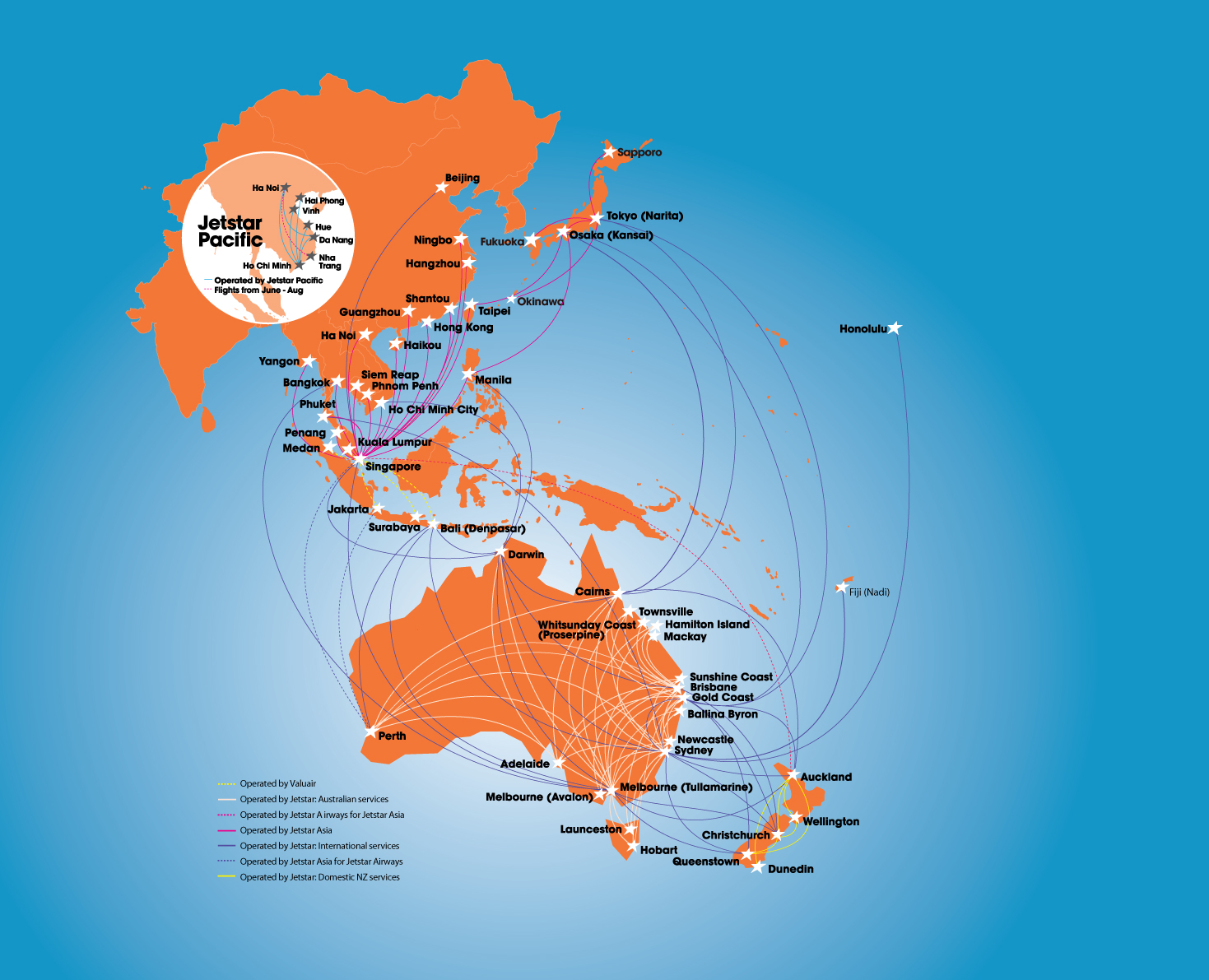
RED DE SERVICIOS DE JETSTAR GROUP
Las aerolíneas Jetstar reportaron ganancias combinadas antes de intereses e impuestos de $ 344 millones (US), casi el doble de lo que reportaron en el año fiscal de Qantas de 2015. Combinados, producen un margen operativo del 12,4 por ciento para el año fiscal, también casi el doble del año anterior. Es una gran mejora con respecto a 2014, cuando las aerolíneas Jetstar reportaron una pérdida combinada.
Para los clientes, la marca de Jetstar parece relativamente cohesionada, pero la estructura de propiedad de las compañías aéreas es complicada. Qantas posee el 49 por ciento de Jetstar Asia, con una firma de inversión que poseen el resto, mientras que posee el 30 por ciento de Jetstar Pacific, con Vietnam Airlines que tiene el 70 por ciento. La empresa japonesa es propiedad de Qantas, Japan Airlines, Mitsubishi Corporation y Century Tokyo Leasing Corporation.
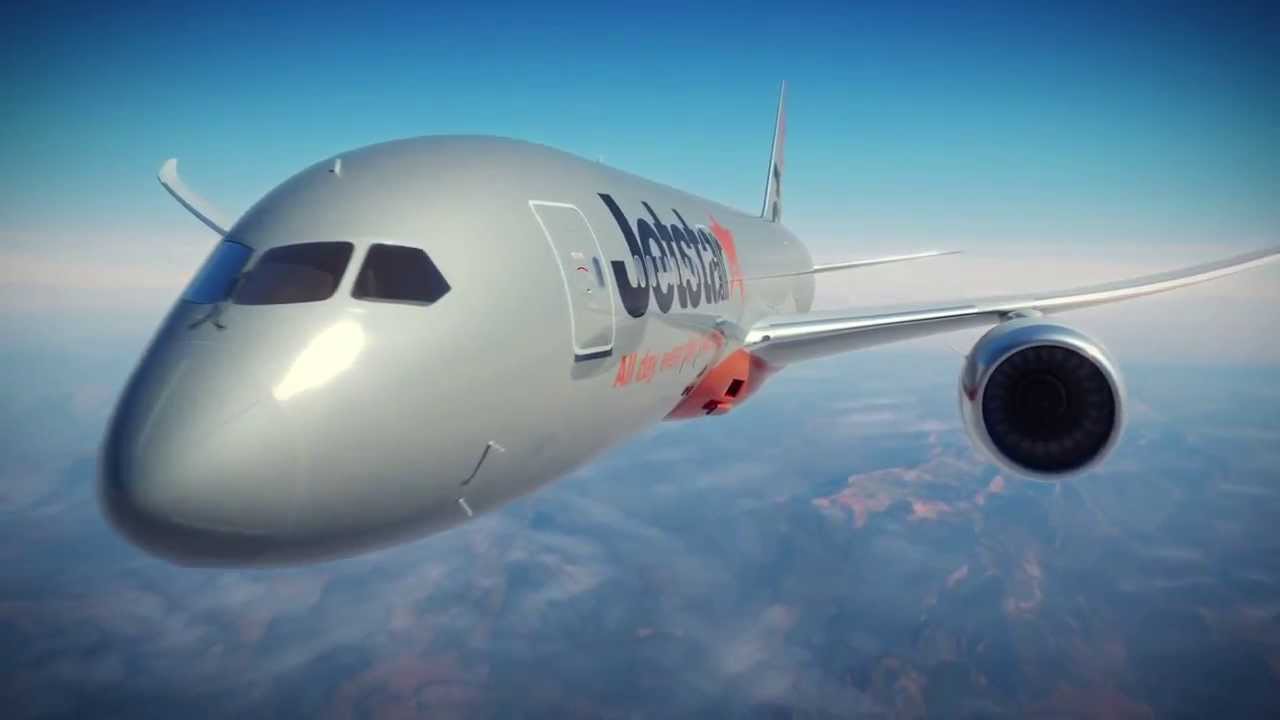
Qantas posee la totalidad de las dos operaciones de corto alcance en Nueva Zelanda y Australia, así como JetStar Internacional, que opera 11 Boeing 787 entre Australia y Asia.
Joyce dijo que es optimista sobre las perspectivas de crecimiento para las tres líneas aéreas con sede en Asia, diciendo que producen al año tras año mejora de $ 65 millones (US) de la rentabilidad en el año fiscal recientemente finalizado. Jetstar Japan fue rentable por primera vez, dijo Qantas, Jetstar Asia, mientras que mejoró su beneficio. El dueño de Vietnam se esforzó poco, dijo Qantas, cómo otras compañías aéreas también han crecido allí.

Las tres líneas aéreas asiáticas siguen siendo relativamente pequeñas, con 20 aeronaves o menos operativas. Qantas dijo el miércoles que JetStar Japón, la mayor de las tres compañías asiáticas con 20 Airbus A320, crecerá hasta 28 aeronaves dentro de tres años.
«Esta es una parte de nuestra estrategia de grupo que a veces se pasa por alto, pero Jetstar se está convirtiendo rápidamente en un jugador importante de LCC través de toda Asia», dijo Joyce.
En general, Joyce dijo que el crecimiento en Asia seguirá siendo una parte importante de la estrategia, tanto en Qantas y Jetstar.
«No estamos a la espera de que la mega-tendencia llegue a pasar», dijo Joyce a los analistas el miércoles. Estamos posicionando activamente el grupo para el éxito a largo plazo en el mercado de pasajeros de más rápido crecimiento en el mundo. 
With Jetstar Group, Qantas Succeeds Where Other Big Airlines Have Failed
For the past two decades, many major airlines have tried to thwart low-cost competitors by launching and investing in their own bargain brands.

Many of them have failed, unable to compete against more nimble, lower-cost competitors, such as Southwest Airlines and Ryanair. They were short-lived entrants such as Delta’s Song, United’s Ted, US Airways’ MetroJet and Air Canada’s Tango. Other major-airline supported discount carriers, including Lufthansa’s Eurowings and ANA’s Peach, are holding steady, but they’re not necessarily thriving. A few, including Air Canada’s new entry, Rouge, seem poised to succeed, but it’s too early to know for sure.
But one discount airline brand might be doing better than the others. It’s Jetstar Group, a collection of several discount airlines in Australia, New Zealand, and Asia. Qantas owns a major piece of all of them, and the group is run by Jayne Hrdlicka, previously an executive in charge of strategy at Qantas.
Qantas reported its 2016 fiscal year earnings on Wednesday, and CEO Alan Joyce repeatedly bragged about the performance of JetStar’s main segments— Jetstar Airways (Australia and New Zealand), Jetstar Pacific (Vietnam), JetStar Asia (Singapore) and JetStar Japan.
The Jetstar carriers reported combined earnings before interest and taxes of $344 million (U.S.), nearly double what they reported in Qantas’ 2015 fiscal year. Combined, they produced an operating margin of 12.4 percent for the fiscal year, also almost double the previous year. It’s a big improvement from 2014, when the Jetstar airlines reported a combined loss.
For customers, the Jetstar brand seems relatively cohesive, but the ownership structure for the airlines is complicated. Qantas owns 49 percent of Jetstar Asia, with an investment firm holding the rest, while it owns 30 percent of Jetstar Pacific, with Vietnam Airlines having 70 percent. The Japanese business is owned by Qantas, Japan Airlines, Mitsubishi Corporation and Century Tokyo Leasing Corporation.

Qantas fully owns the two short-haul operations in New Zealand and Australia, as well as JetStar International, which operates 11 Boeing 787s between Australia and Asia.
Joyce said he is bullish on growth prospects for the three Asian-based airlines, saying they produced a $65 million (U.S.) year-over-year improvement in profitability in the recently completed fiscal year. JetStar Japan was profitable for the first time, Qantas said, while JetStar Asia improved its profit. The Vietnam business struggled slightly, Qantas said, as other airlines have also grown there.
All three Asian airlines remain relatively small, with each operating 20 or fewer aircraft. Qantas said Wednesday that JetStar Japan, the largest of the three Asian carriers with 20 Airbus A320s, will grow to 28 aircraft within three years.
“This is is a part of our group strategy that sometimes gets overlooked but Jetstar is rapidly becoming a major LCC player across all of Asia,” Joyce said.
Overall, Joyce said growth in Asia will remain a big part of the strategy, both at Qantas and Jetstar.
“We are not waiting for that mega-trend to happen,” Joyce told analysts on Wednesday. “We are actively positioning the group for longer-term success in the world’s fastest-growing passenger market.” A\W
 airgways.com