
AW | 2017 08 02 14:57 | AIRLINES
El Gobierno Argentino reduce los aportes y Aerolíneas Argentinas reduce inversiones
![Aerolíneas_Argentinas_Logo_2010.svg[1]](https://airgways.com/wp-content/uploads/2017/07/aerolc3adneas_argentinas_logo_2010-svg1.png?w=161&h=69) La prioridad del Gobierno de Argentina es la reducción de los aportes del Estado hacia el grupo Aerolíneas / Austral. Mientras tanto el déficit operativo ha bajado levemente, las posibilidades de inversiones se han reducido. Fondos nuevos podrían provenir de la venta de los Embraer E190 de Austral Líneas Aéreas.
La prioridad del Gobierno de Argentina es la reducción de los aportes del Estado hacia el grupo Aerolíneas / Austral. Mientras tanto el déficit operativo ha bajado levemente, las posibilidades de inversiones se han reducido. Fondos nuevos podrían provenir de la venta de los Embraer E190 de Austral Líneas Aéreas.
 La administración del gobierno nacional que está profundizando el recorte del gasto público, ha expresado la intención de disminuir los aportes para Aerolíneas Argentinas y Austral Líneas Aéreas. Las líneas aéreas de argentina se verían en desventaja en un mercado más competitivo debido a las imposibilidades de poder ampliar las inversiones a futuro.
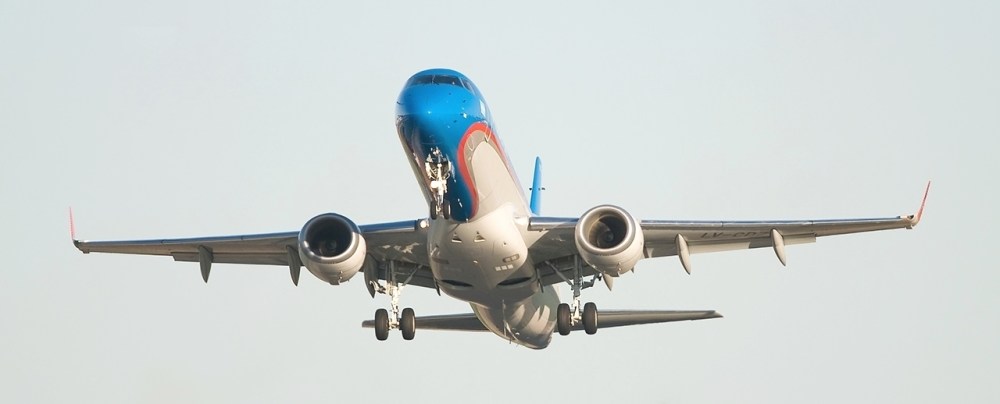
DESPEGUE DE UN E190-100AR DE AUSTRAL LÍNEAS AÉREAS
El Gobierno anunció que aplicará este año un nuevo recorte en los subsidios al Grupo Aerolíneas. Los aportes del Estado en 2016 había sido de U$D320 millones de dólares y para 2017 están pautados en U$D180 millones. La reducción se da en un contexto inflacionario, con acuerdos paritarios en el sector de entre 35% y 44% y aumentos de los combustibles y costos de mantenimiento de las aeronaves.
Pilotear en la tormenta
Pilotear el Grupo Aerolíneas presenta nuevos desafíos. Tanto Aerolíneas Argentinas como Austral Líneas Aéreas han mejorado su índice de ocupación y de puntualidad, el lado negativo se muestra en el arrastre del déficit operativo que se mantiene. Con la llegada al mercado argentino de nuevos competidores, el panorama de una empresa estatal podría llegar a ser tomar deuda bancaria, vender aviones propios, alquilar otras unidades y achicar la estructura de la empresa. El desenlace de esta situación podría ser la reprivatización. “El primer paso es regularizar nuestra situación ante el mercado de capitales a partir de la presentación de los balances”, dijo un funcionario de Aerolíneas Argentinas.
El Gobierno se había comprometido a presentar el balance del año pasado entre abril y junio, pero aún no terminó de hacer las cuentas para su difusión, por lo que no se conoce con certeza cuánto pierde ni cómo se financia. De todos modos, la estrategia de tomar deuda para gastos corrientes y reducir su patrimonio mediante la venta de aviones da cuenta de que el déficit operativo es más elevado que los desembolsos previstos para este año.
Los principales ingresos de la compañía son la venta de pasajes, paquetes turísticos, las comisiones por alquileres de autos y hoteles y el mantenimiento a aeronaves que ofrece Aerolíneas. Los mayores costos que debe hacer frente la aeerolínea lo representan la masa salarial y los gastos operativos de mantenimiento y combustible.
Expropiación y aportes a AR/AU
En el año 2008, el Gobierno de Argentina expropió Aerolíneas Argentinas y Austral Líneas Aéreas al Grupo Marsans luego de que los inversores españoles no cumplieran con los compromisos asumidos en las empresas argentinas.
El Estado Argentino tuvo que inyectar capital para mantener a las lineas aéreas. El monto inicial ascendió a U$D900 millones de aportes desde el 2008, mientras que para 2015 se había reducido en U$D180 millones. Esto se logró pese a que se desarrolló un plan de inversiones que derivó en distintas mejoras en la infraestructura y la compra de una veintena de aviones. Según fuentes del gobierno de turno, el primer año de gestión el promedio de subsidios de esos siete años (2008-2015) fueron cerca de U$D750 millones, sobre los que anunció una reducción de los aportes de 60%, llegando hasta los U$D320 millones en aportes del Estado, explicó un ex directivo del Organismo Regulador del Sistema Nacional de Aeropuertos (ORSNA) durante la gestión anterior de Aerolíneas. Para este año se prevé que los desembolsos sean por U$D180 millones de dólares.
En estos seis meses de gestión del 2017, se han gastado en Aerolíneas/Austral el 78% de lo previsto como aporte estatal unos $3.288 millones de pesos de los $4.223 millones pautados, con lo cual se comenzó a evaluar y poner en práctica alternativas de financiamiento. El titular de Aerolíneas, Mario Dell’Acqua, anticipó que se ajustarán las cuentas internas y no se pedirán aportes extras al Estado. Ante este panorama las alternativas pudieran ser ajustar y/o tomar deuda.
Alternativas frente a la crisis

Aerolíneas Argentinas está esperanzada en que el ajuste es poco probables debido al aumento de la demanda en argentina, lo que favorecería ingresos extras a sus arcas.
Entre las principales alternativas que evalúa Dell’Acqua, como así también lo había iniciado su antecesora, Isela Costantini, figura la de rediscutir con los lessors (empresas que proveen aviones bajo el sistema leasing, alquiler con opción a compra) y con bancos la propiedad de las unidades. La alternativa más riesgosa, que comenzó a sondearse con los Boeing 737-800, es la eventual venta y el denominado “sale and lease back”, que consiste en entregar las aeronaves al lessors para luego alquilarlas y disponer de fondos líquidos, aunque eso implique hipotecar las unidades y descapitalizar la línea de bandera. Los fondos líquidos corresponden al anticipo que pagó el Estado al momento de iniciar el leasing. También puede pagar un adelanto por las cuotas que se habían pagado y luego recuperar con el alquiler. Los aviones dejan de ser de Aerolíneas para pasar a ser propiedad del lessors.
Aerolíneas Argentinas explicó que en la nueva gestión fue renegociar el financiamiento con otro prestador, PK Air Finance, con el que se consiguieron condiciones mucho más favorables, entre ellas una reducción muy significativa de la tasa. “Vamos a seguir buscando alternativas de refinanciar las estructuras que dejó la administración anterior, con el objeto de seguir logrando eficiencias que nos ayuden a maximizar la flota”, expresaron desde Aerolíneas Argentinas.
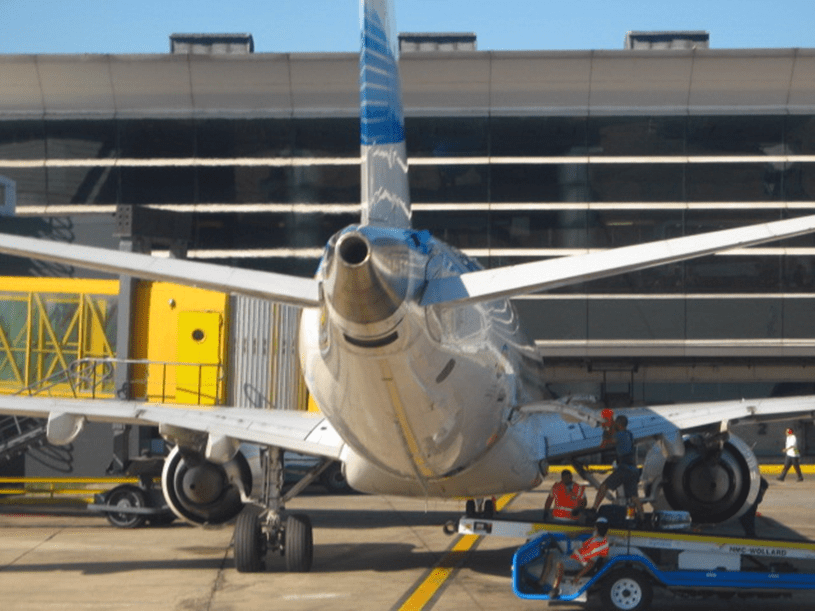
LA FLOTA DE EMBRAER E190-100AR PODRÍA DARSE DE BAJA
La opción de venta y alquiler de los aviones ya fue ofrecida a algunos lessors. Las conversaciones con PK Air Finance, subsidiria de General Electric, para financiar los Airbus 330-200, contempló el otorgamiento de un préstamo de U$D280 millones de dólares, a una tasa de interés del 6,5% anual. La operación incluye el leasing para la compra de los Boeing 737-800 y la refinanciación de los que el país recibió hace dos años y asciende a U$D2.000 millones de dólares. La intención del gobierno de poner a disposición la venta de la flota de 24 Embraer E190-100AR cada vez toma más fuerza. En este caso no se puede utilizar el mecanismo de «sale and lease back» porque en la operación hubo un préstamo acordado bilateralmente con Brasil, a través del Banco Nacional de Desarrollo (BNDES). El grupo Aerolíneas ya desembolsó el 62% (U$D630 millones de dólares) entre capital, intereses y comisiones que han sido abonados. Restan otros U$D380 millones de dólares a abonar hasta 2022 en cuotas semestrales. La alternativa sería venderlos y acordar un mecanismo de alquiler para la incorporación de unidades que las reemplacen para los vuelos de cabotaje y regionales.
Plan de optimización del Grupo Aerolíneas
Argentina ha realizado un plan oficial que establece un recorte de las rutas/frecuencias deficitarias, las cuales, a partir de la llegada de más competencia, se profundizaría más. Lo cierto es que al no contemplar que Austral Líneas Aéreas no operaría más sus Embraer E-190-100AR regionales, esas rutas de poca demanda quedarían sin cubrir. En este caso Austral podría incorporar aeronaves de mayor dimensión, esto provocado por la mayor demanda de pasajes que está teniendo Argentina. Un ensayo parecido ya ha ocurrido cuando Iberia Líneas Aéreas incorporó tanto para Aerolíneas como para Austral varios aviones Boeing 737-200 ADV provenientes del Reino Unido y Francia, para incrementar la demanda en aquel tiempo.
La opción de un nuevo crédito financiero con bancos extranjeros es más inmadura, ya que se requiere que la actual administración presente los balances de su gestión 2016 y de la anterior gestión de la compañía. “Aunque estamos conversando con algunos bancos en caso de que sea conveniente acudir a financiamiento externo, es aún muy prematuro para dar definiciones”, reconoció Aerolíneas. El año pasado se tomaron del mercado unos U$D100 millones de dólares que se utilizaron para gastos corrientes, sin que se presentaran los balances. No se informó la tasa ni la garantía que se presentó. Pero ahora los bancos solicitan esa información.
“Estamos muy avanzados en la preparación para la presentación de 2014 y 2015, porque la empresa no presenta balances desde 2013. Por lo tanto, está incumpliendo una regla básica de las sociedades anónimas. Estamos trabajando en los últimos detalles, y es por ello que aún no podemos hacer comentarios sobre los resultados, hasta tanto se hagan públicos”, aseguró un vocero de Aerolíneas Argentinas. 
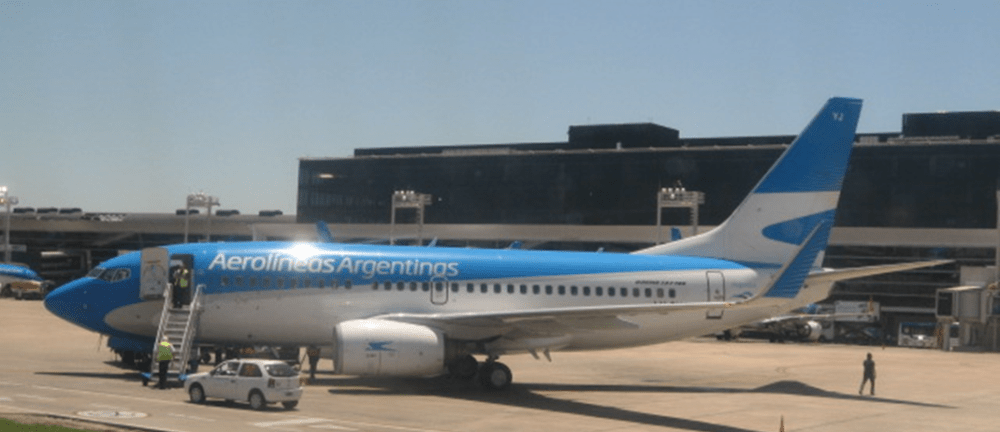
Adjustment Plan of Aerolíneas Argentinas
 The Argentine Government reduces the contributions and Aerolineas Argentinas reduces investments
The priority of the Government of Argentina is the reduction of the contributions of the State to the group Aerolíneas / Austral. Meanwhile the operating deficit has dropped slightly, the investment possibilities have been reduced. New funds could come from the sale of Embraer E190 from Austral Líneas Aéreas.
The administration of the national government that is deepening the cut of public spending, has expressed the intention of reducing the contributions for Aerolíneas Argentinas and Austral Líneas Aéreas. Argentina’s airlines would be at a disadvantage in a more competitive market due to the impossibility of being able to expand future investments.
The government announced that it will apply a new cut in subsidies to the Aerolineas Group this year. The State’s contributions in 2016 had been U$D20 billion and for 2017 they are U$D 180 million. The reduction occurs in an inflationary context, with peer agreements in the sector of between 35% and 44% and increases in fuels and aircraft maintenance costs.
Pilot in the storm
Piloting the Aerolíneas Group presents new challenges. Both Aerolíneas Argentinas and Austral Líneas Aéreas have improved their occupancy and punctuality index, the negative side is shown in the drag of the operating deficit that remains. With the arrival of new competitors in the Argentine market, the outlook for a state-owned company could be to take on bank debt, sell its own aircraft, rent other units and reduce the structure of the company. The outcome of this situation could be reprivatization. «The first step is to regularize our situation before the capital market from the presentation of the balance sheets,» an official of Aerolíneas Argentinas.
The Government had committed to present last year’s balance sheet between April and June, but has not yet finished making the accounts for dissemination, so it is not known with certainty how much it loses or how it is financed. However, the strategy of taking debt for current expenses and reducing its assets through the sale of aircraft shows that the operating deficit is higher than the expected disbursements for this year.
The main revenues of the company are the sale of tickets, tourist packages, commissions for car rentals and hotels and the maintenance to aircraft offered by Aerolíneas. The highest costs to be faced by the airline are represented by the wage bill and operating expenses of maintenance and fuel.
Expropriation and contributions to AR / AU
In 2008, the Argentine Government expropriated Aerolíneas Argentinas and Austral Líneas Aéreas to the Marsans Group after Spanish investors did not comply with the commitments assumed in Argentine companies.
The Argentine State had to inject capital to maintain the airlines. The initial amount amounted to U$D900 million of contributions since 2008, while by 2015 it had reduced by U$D80 million. This was achieved despite the development of an investment plan that led to various improvements in infrastructure and the purchase of some twenty aircraft. According to current government sources, the first year of management the average subsidies of those seven years (2008-2015) were about $ 750 million, on which announced a reduction of contributions of 60%, reaching the U$D320 million in contributions from the State, explained a former director of the Regulatory Agency of the National System of Airports (ORSNA) during the previous management of Airlines. For this year, disbursements are expected to be U$D 180 million.
In these six months of management of 2017, 78% of what was predicted as a state contribution was spent in the amount of $ 3,288 million of the 4,223 million pesos in Aerolíneas / Austral, which began to evaluate and implement financing alternatives . The airline’s owner, Mario Dell’Acqua, anticipated that the internal accounts will be adjusted and no extra contributions will be requested from the state. Given this scenario the alternatives could be adjust and / or take debt.
Alternatives to the crisis
Aerolíneas Argentinas is hopeful that the adjustment is unlikely due to the increase in demand in Argentina, which would favor extra revenues to its coffers.
Among the main alternatives that Dell’Acqua evaluates, as well as its predecessor, Isela Costantini, has begun to rediscover with the lessors (companies that provide airplanes under the leasing system, rental with option to buy) and with banks the property Of the units. The riskiest alternative, which began to be probed with the Boeing 737-800, is the eventual sale and the so-called «sale and lease back», which consists of delivering the aircraft to the lessors for later renting and liquid funds, mortgage the units and decapitalize the flag line. The liquid funds correspond to the advance paid by the State at the time of starting the leasing. You can also pay an advance for the fees that were paid and then recover with the rent. Airplanes cease to be airplanes to become lessors’ property.
Aerolíneas Argentinas explained that the new management was to renegotiate the financing with another provider, PK Air Finance, which provided much more favorable conditions, including a very significant reduction of the rate. «We will continue to look for alternatives to refinance the structures left by the previous administration, in order to continue achieving efficiencies that help us maximize the fleet,» said Aerolíneas Argentinas.
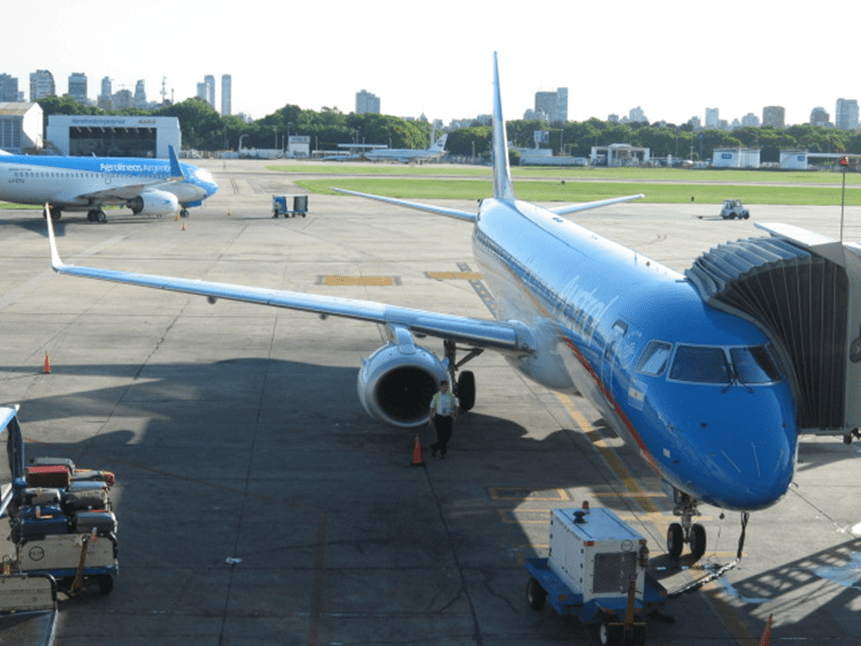
EMBRAER E190-100AR FLEET WOULD BE LOW OPERATING
The option of selling and renting the planes has already been offered to some lessors. The talks with PK Air Finance, a subsidiary of General Electric, to finance the Airbus 330-200, provided for a loan of U$D240 million, at an annual interest rate of 6.5%. The operation includes leasing for the purchase of the Boeing 737-800 and refinancing of the country received two years ago and amounts to U$D2 billion. The intention of the government to make available the sale of the fleet of 24 Embraer E190-100AR every time takes more force. In this case the mechanism of «sale and lease back» can not be used because in the operation there was a loan bilaterally agreed with Brazil, through the National Development Bank (BNDES). The Aerolineas group has already disbursed 62% (U$D 630 million) of capital, interest and commissions that have been paid. Another U$D 3,80 million remains to be paid up to 2022 in half-yearly installments. The alternative would be to sell them and agree on a rental mechanism for the incorporation of units that replace them for cabotage and regional flights.
Plan of optimization of the Aerolíneas Group
The Government of Argentina has made an official plan that establishes a reduction of deficient routes / frequencies, which, from the arrival of more competition, would deepen more. The truth is that not contemplating that Austral Líneas Aéreas would no longer operate its regional Embraer E-190-100AR, those routes of low demand would remain unfilled. In this case Austral could incorporate aircraft of greater dimension, this provoked by the greater demand of passengers that is having Argentina. A similar test has already occurred when Iberia Líneas Aéreas incorporated both Boeing 737-200 ADV aircraft from the United Kingdom and France for both Aerolíneas and Austral to increase demand at that time.
The option of a new financial credit with foreign banks is more immature, since the current administration is required to present the balance sheets of its 2016 management and the previous management of the company. «Although we are talking with some banks in case it is convenient to go to external financing, it is still too early to give definitions,» acknowledged Aerolíneas. Last year, some U$D 100 million dollars were taken from the market that were used for current expenses, without the balance sheets being presented. No fee or guarantee was submitted. But now the banks ask for that information.
«We are well advanced in the preparation for the presentation of 2014 and 2015, because the company has not presented balance sheets since 2013. Therefore, it is in breach of a basic rule of corporations. We are working on the last details, and that is why we can not comment on the results until they are made public», said a spokesman for Aerolíneas Argentinas. A \ W


 Ξ A I R G W A Y S Ξ
SOURCE: Airgways.com
DBk: Airgways.com / Aerolineas.com
AW-POST: 201708021457AR
A\W A I R G W A Y S ®
 airgways.com