Consolidación aérea regional EEUU
 AW | 2020 03 30 13:15 | AIRLINES MARKET
Hacia consolidación mercado aerolíneas regionales de Estados Unidos
La industria aérea de los viajes está experimentando un rápido cambio frente a la expansión de la pandemia del Coronavirus a nivel mundial. Las mayores aerolíneas estadounidenses probablemente puedan capear la depresión económica junto con las ayudas del Estado frente al peor escenario de las disminuciones de las rutas aéreas. La semana pasada, el Congreso de los Estados Unidos aprobó el uso de US$ 58 mil millones para ayudar a los transportistas de pasajeros a evitar quiebras masivas. Si bien los inversores de las aerolíneas no lograron entender cómo se brindará la ayuda, también tienen motivos para ser optimistas: porque la industria ya se ha consolidado tanto en la última década, creando cuatro aerolíneas que parecen ser demasiado grandes para fracasar.
Aviación regional
 Pero el diagnóstico en el mercado regional de las líneas aéreas es muy diferente, pues no cuentan con un respaldo eficiente para sobrevivir a la fuerte caída del tráfico aéreo. La aviación se prepara para otra consolidación del mercado regional. Estas compañías, que representan alrededor del 40% de las salidas de pasajeros en los Estados Unidos, son en su mayoría contratistas, compañías feeder que vuelan bajo las grandes aerolíneas. En tiempos normales generan ingresos constantes, porque las mayores aerolíneas son las que corren los riesgos asociados con los cambios en las tarifas aéreas y los precios del combustible. Sin embargo, la mayoría de los jugadores regionales no son dueños de sus aeronaves, lo que les da poco margen para vender o usar como garantía su flota en caso de emergencia. La Asociación Regional de Aerolíneas (RAA), un organismo de la industria de la aviación regional en Estados Unidos, advirtió que las garantías de préstamos incluidas en el paquete de ayuda de Washington no pueden ayudar a las empresas con tan poco acceso a los mercados financieros. Todo dependerá de la cantidad de ayuda directa que se les asigne.

Los transportistas regionales estadounidenses ya han visto los efectos del impacto de la pandemia. Trans States Holdings, que emplean a 2.700 empleados, ya se han presentado la quiebra por adelantado, al igual que Compass Airlines. Silver Airways, con sede en Fort Lauderdale, corre el riesgo de ser el próximo.
Las grandes aerolíneas ya estaban recortando los contratos regionales antes del brote viral, y ahora podían recortar aún más rutas de bajo volumen. Una clave para su rentabilidad en los últimos 10 años ha sido centrarse en menos centros. Esto ha significado reorientar el tráfico del alimentador regional para transportar menos personas por distancias más largas en aviones más grandes.
Pero los sindicatos no quieren que las grandes compañías subcontraten rutas populares que podrían volar a contratistas con salarios más bajos, por lo que han impuesto durante mucho tiempo las famosas Cláusulas de Alcance para limitar el tamaño de los aviones de las compañías regionales. Una renegociación de 2012 permitió más aviones de 76 asientos, pero aún limitó severamente el uso de los modernos aviones Airbus A220 y Embraer E-Jet E2 producidos, con una configuración entre 80 y 130 personas.
Hace solo un año, las aerolíneas no parecían tener ninguna posibilidad de aflojar aún más las Cláusulas de Alcance. Pero «la escasez de pilotos tan esperada ahora ha terminado. Las aerolíneas podrán usar eso para su renegociación de las cláusulas», dice David Nolletti, Director de la consultora Conway MacKenzie.
Desprogramación aviones antiguos
La pandemia del Covid-19 está presionando y acelerando en las aerolíneas para el retiro de los aviones más antiguos. Pero existe una realidad actual para los aviones regionales: no existe un reemplazo moderno de aeronave eficiente de combustible para los aviones del segmento de 50 asientos. El posible cambio a aviones más grandes en el mercado regional sometido durante mucho tiempo puede ser una buena señal para el liderazdo de Boeing y Airbus.
Una vez que termina la crisis del Coronavirus, la probable consolidación de la industria puede incluso beneficiar a aquellos operadores regionales independientes lo suficientemente flexibles como para sobrevivir y llenar el vacío. El líder del mercado, SkyWest Airlines, normalmente tiene buenos márgenes con casi 40 millones de pasajeros al año, posee el 80% de sus aviones y tiene suficiente peso para mantener el acceso al mercado.
El mercado de Estados Unidos ha ingresado en una etapa de cambios con los inversores que buscarán aprovechar la consolidación del mercado regional aviación para dominar los cielos del extenso país. 
 US regional airlines consolidation
Towards consolidation of the United States regional airlines market
The airline travel industry is undergoing rapid change in the face of the worldwide spread of the Coronavirus pandemic. America’s largest airlines are likely to weather the economic slump along with state aid against the worst-case scenario of declining air routes. Last week, the United States Congress approved the use of US$ 58 billion to help passenger carriers avoid massive bankruptcies. While airline investors failed to understand how aid will be delivered, they also have reason to be optimistic: because the industry has already become so consolidated in the past decade, creating four airlines that appear to be too large to fail.
Regional aviation
But the diagnosis in the regional airline market is very different since they do not have efficient support to survive the sharp drop in air traffic. Aviation is preparing for another consolidation of the regional market. These companies, which account for about 40% of passenger departures in the United States, are mostly contractors, feeder companies that fly under the big airlines. In normal times they generate constant income because the biggest airlines are the ones that run the risks associated with changes in airfares and fuel prices. However, most regional players do not own their aircraft, giving them little margin to sell or use their fleet as collateral in an emergency. The Regional Airlines Association (RAA), a body of the regional aviation industry in the United States, warned that the loan guarantees included in the Washington aid package cannot help companies with so little access to financial markets. Everything will depend on the amount of direct aid assigned to them.

American regional carriers have already seen the effects of the pandemic’s impact. Trans States Holdings, which employs 2,700 employees, have already filed for bankruptcy in advance, as has Compass Airlines. Silver Airways, based in Fort Lauderdale, risks being next.
Large airlines were already cutting regional contracts before the viral outbreak and were now able to cut even more low-volume routes. A key to their profitability over the past 10 years has been to focus on fewer centers. This has meant redirecting regional feeder traffic to transport fewer people for longer distances on larger planes.
But unions don’t want big companies to outsource popular routes that could fly to contractors with lower wages, so they have long imposed the famous Scope Clauses to limit the size of regional companies’ planes. A 2012 renegotiation allowed for more 76-seat aircraft, but still severely limited the use of the produced modern Airbus A220 and Embraer E-Jet E2 aircraft, with a configuration between 80 and 130 people.
Just a year ago, airlines seemed to have no chance of further loosening the scope clauses. But «the long-awaited pilot shortage has now ended. Airlines will be able to use that for their renegotiation of clauses», says David Nolletti, director of consultancy Conway MacKenzie.
Old aircraft deprogramming
The Covid-19 pandemic is pushing and speeding up airlines for the retirement of older planes. But there is a current reality for regional aircraft: There is no modern fuel-efficient aircraft replacement for aircraft in the 50-seat segment. The possible move to larger aircraft in the long-submitted regional market may be a good sign for the Boeing and Airbus leadership.
Once the Coronavirus crisis ends, the likely consolidation of the industry may even benefit those independent regional operators flexible enough to survive and fill the gap. Market leader SkyWest Airlines typically has good margins with nearly 40 million passengers a year, owns 80% of its aircraft, and has enough weight to maintain market access.
The United States market has entered a stage of changes with investors who will seek to take advantage of the consolidation of the regional aviation market to dominate the skies of the vast country. 
Ξ A I R G W A Y S Ξ
SOURCE: Airgways.com
DBk: Raa.org / Oag.com / Wsj.com / Airgways.com / Cnn.com
AW-POST: 202003301315AR
A\W A I R G W A Y S ®
 AW | 2020 03 30 11:36 | AVIATION ORGANISMS
 Unión Europea suspende hasta Octubre 2020 requisitos de las franjas horarios en los aeropuertos
 EU suspends 10/2020 slot requirements
 The European Union will suspend until 24 October 2020 the requirements for slots at airports, which oblige airlines to use at least 80% of their take-off and landing slots to keep them the following year. The exception adopted by the Council «aims to help airlines to face the sharp decrease in air traffic caused by the Coronavirus crisis», explains the European Commission in a statement issued on Monday 30/03. The Commission details that the exception will apply from March 1 to October 24, 2020, and, retroactively, from January 23 to February 29, 2020, for flights between the European Union and China or Hong Kong. The start date, January 23, 2020, corresponds to the day that the Chinese authorities closed the first airport, they clarify from Brussels.
 AW | 2020 03 30 10:47 | INDUSTRY
 Airbus España cancela producción hasta el 9 Abril 2020 por efectos pandemia
 AW | 2020 03 29 20:09 | AIRLINES
 Fin de la era del Boeing 747 en Qantas Airways
 Qantas withdraws Boeing 747 Jumbo Jet
 The last flight of Qantas Airways‘ Boeing 747-400 landed at Sydney/Kingsford Smith International Airport on Sunday, March 29, 2020. The Boeing 747 fleet had been projected to retreat in February 2021, but Qantas has decided to go ahead due to the global pandemic. Coronavirus. Like the Dutch airline KLM Royal Dutch Airlines, the Australian airline also joins the final grounding of the air colossus.
 AW | 2020 03 29 18:22 | AIRLINES / GOVERNMENT
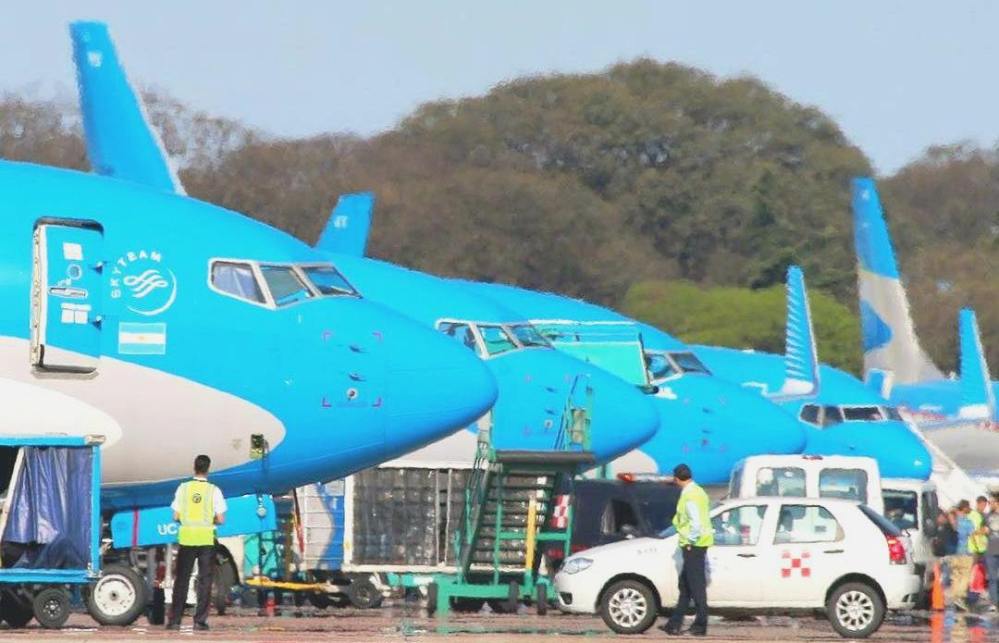
 Aerolíneas Argentinas cierra todos sus vuelos de cabotaje 29/03
 Aerolíneas Argentinas
 Aerolíneas cancels domestic flights
 Aerolíneas Argentinas will cancel as of this Sunday 29/03 all special cabotage flights in Argentina in order to prevent the circulation and spread of the Coronavirus COVID-19. The decision is based on the need to limit the movement of people as much as possible to avoid the spread of the new virus by all means.
 AW | 2020 03 29 12:50 | AVIATION / AIRLINES
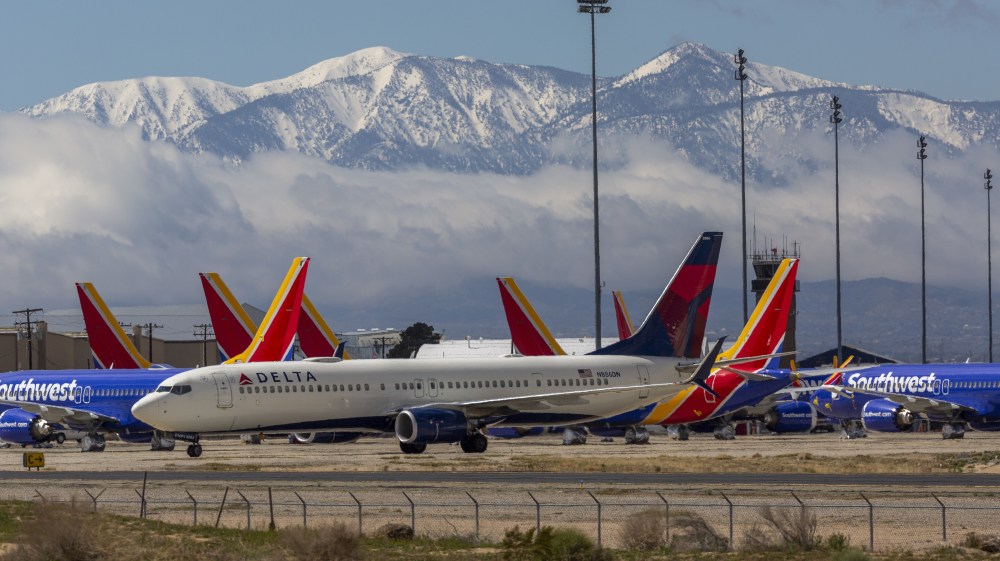
 APARCAMIENTO DE AERONAVES DE AMERICAN AIRLINES EN TULSA AIRPORT
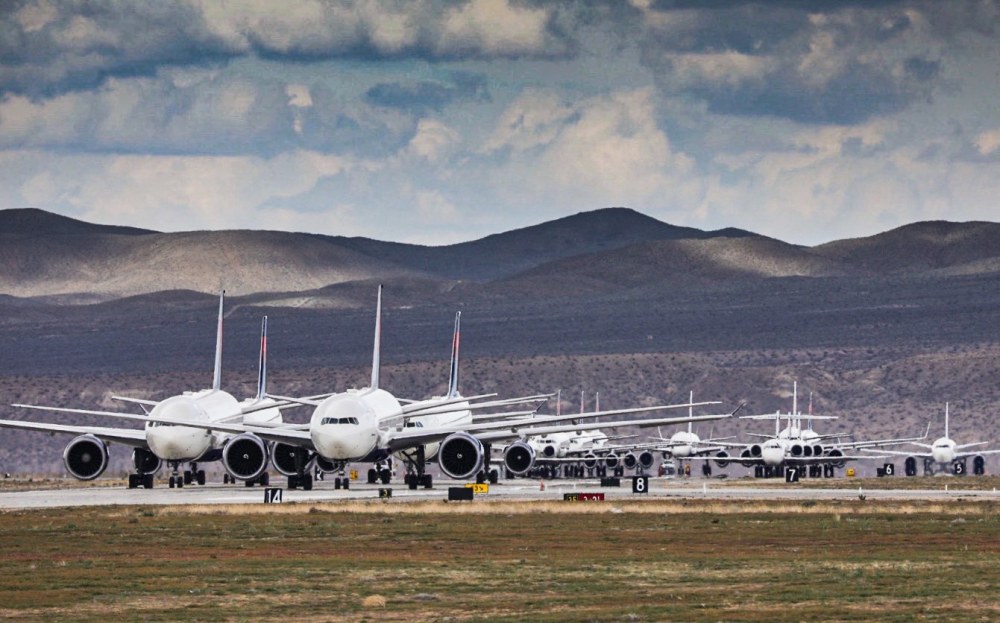 Airlines park aviation on the ground
 TULSA AIRPORT IN OKLAHOMA STATE
 SOUTHERN CALIFORNIA LOGISTIC, VICTORVILLE
 Storage costs
 AW | 2020 03 28 21:13 | AIRLINES
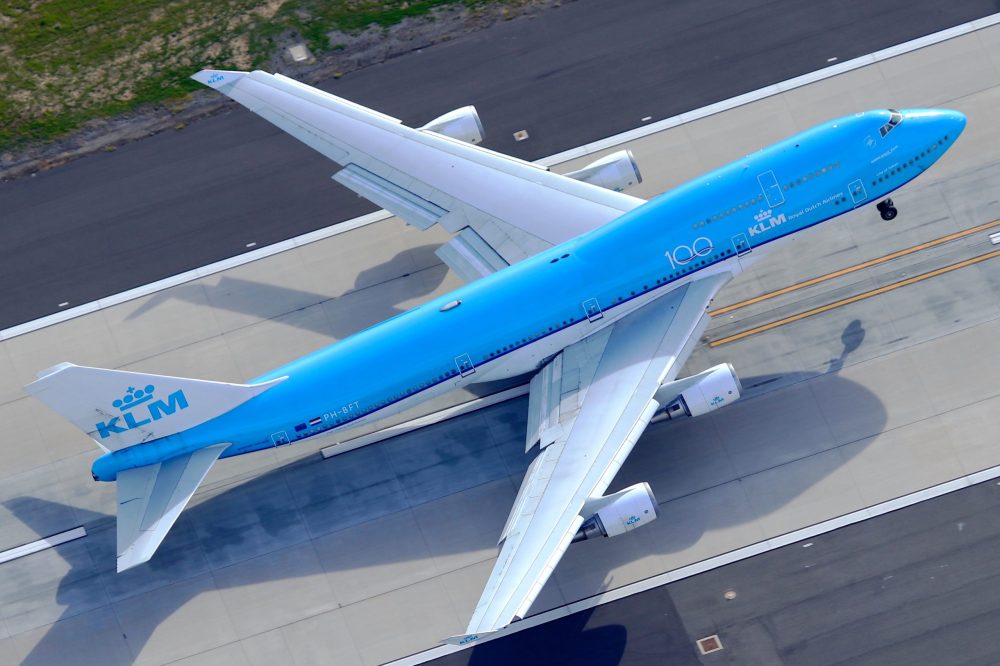
 KLM último vuelo comercial del Boeing 747
 Surinam ha recibodo el último vuelos de un Boeing 747-400 denominado Ciudad de Lima en el Aeropuerto Internacional Johan Adolf Pengel. De esta manera, el aeropuerto se despide del Boeing 747-400, uno de los aviones de pasajeros más emblemáticos. «El Aeropuerto Internacional de Adolf Pengel Johan (PBM) se despide de los aviones más populares del mundo, el Boeing 747-400. Hoy, 28 de marzo, este hermoso avión de KLM Royal Dutch Airlines nos está sirviendo por última vez. ¡Gracias, adiós y adiós!», expresan desde el aeropuerto surinamés desde su cuenta de Facebook. El 28/03 ha finalizado el último vuelo desde Surinam del Jumbo regresando a los Países Bajos. El vuelo Amsterdam-Paramaribo será reemplazado por Boeing 787 Dreamliner enla ruta transatlántica.
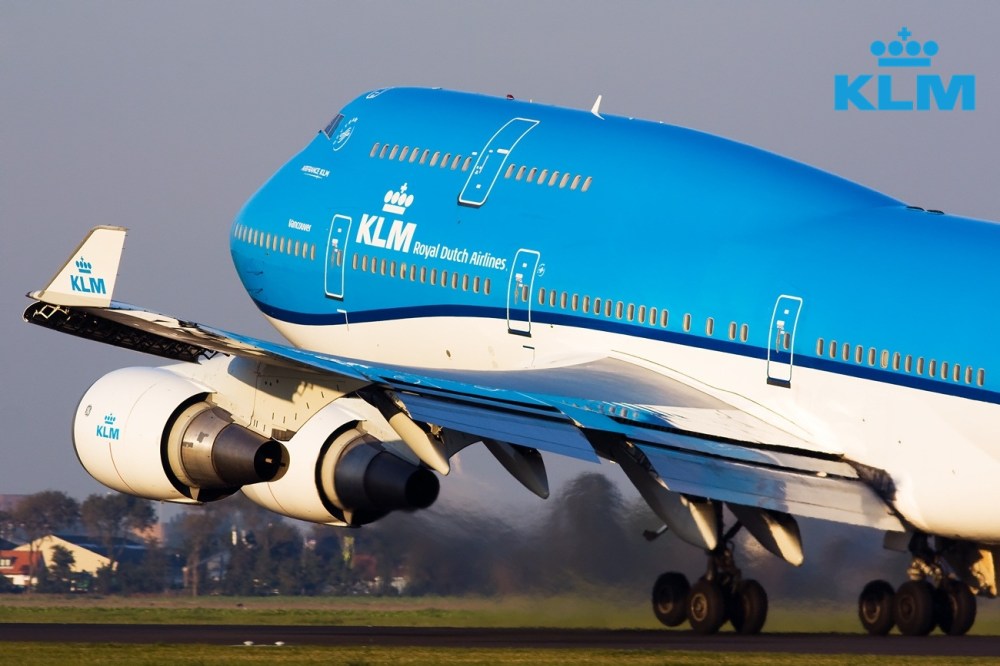 KLM culminates the era of the Boeing 747
 KLM the last commercial flight of the Boeing 747

 The Boeing 747-400M with PH-BFT registration has taken off this March 28 from Schiphol International Airport at 14:35 local time (LT) (+01:00 UCT) towards Benito Juárez International Airport (AICM) landing at 19:25 LT (-06:00 UTC), to evacuate possibly towards Gate 31A of Terminal 1 of the AICM, serving flight KL685. Subsequently, the same day it will take off back at 20:01 LT (-06:00 UTC) and will land in Amsterdam at 15:14 LT (+01:00 UTC) complying with flight KL686, according to the tracking application of FlightRadar24 aircraft.
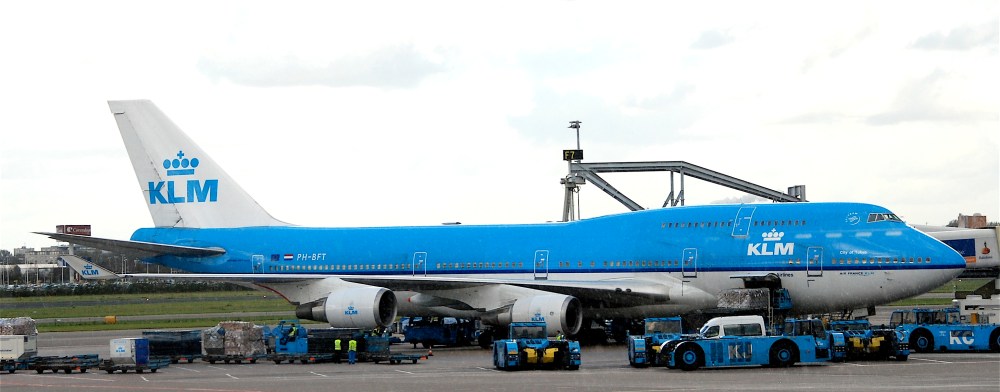 KLM culmineert het tijdperk van de Boeing 747
 KLM laatste commerciële vlucht van de Boeing 747 uit
 het grootste vliegtuig in de KLM-vloot. De Boeing 747 in verschillende varianten, ook wel de ,,Queen of the Skies” of de ,,Jumbo Jet” genoemd, maakt sinds 1971 deel uit van de KLM-vloot. In de loop der jaren heeft KLM de 747-200, 747 geëxploiteerd. -300 Combi, 747-400, 747-400 Combi en 747-400 Cargo.
 AW | 2020 03 28 20:02 | AIRLINES / GOVERNMENT
 El CEO Pablo Ceriani de Aerolíneas Argentinas ha comunicado que continuarán los vuelos de repatriación en vuelos programados más espaciados, porque representan grupos vulnerables según instrucciones de Salud, Cancillería y el Ministerio de Transporte.
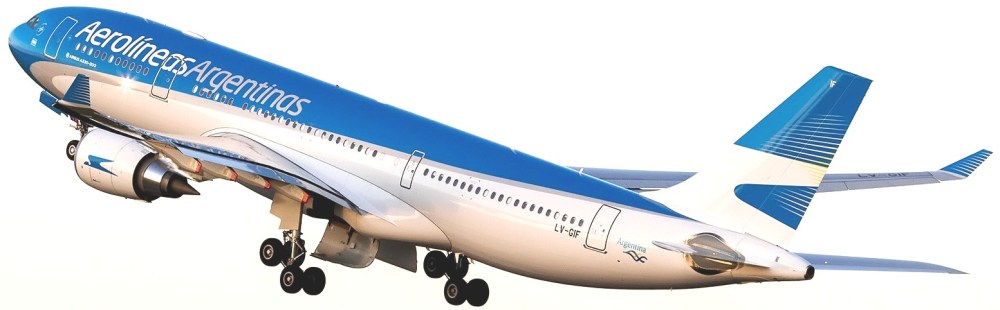 Aerolíneas extends repatriation flights
 AW | 2020 03 28 15:48 | TOURISM
 El turismo internacional caerá hasta un 30% debido a la pandemia Coronavirus
 World tourism decreases 30%
 International tourism will drop by up to 30% due to the Coronavirus pandemic
 AW | 2020 03 28 14:47 | INDUSTRY / GOVERNMENT
 Unión Europea demora aprobaciones alianza Boeing-Embraer
 El acuerdo de Joint Venture de la alianza comercial Boeing-Embraer redactado en Julio 2018. La nueva compañía Boeing Brasil Commercial ha sido aprobado por los accionistas de Boeing y las autoridades brasileñas, estará conformada por el 80% de participación de Boeing y un 20% correspondiente a Embraer.
 Delayed Boeing-Embraer Alliance
 The Boeing Company and Embraer S.A. they say the regional aircraft deal remains strategically important as delays and losses increase. Embraer has separated its commercial aircraft business unit from its other Business, Military, and Space units. The approvals of the Administrative Council for Economic Defense (CADE) in Brazil has activated the commitment to launch its new joint venture with Boeing, but the 2018 success agreement is on hold, again, until the end of June 2020, while the Commission European gives its final approval.
 Analysts pressured Neto on whether the final price of the deal would hold and whether Embraer would still have the cash to pay its own shareholders a promised special dividend of US$ 1.6 billion when the deal closes. «It is difficult to say that at this time we are also changing the dividend. We continue to work on it», replied Gomes Neto. The concern about the price of the agreement is due to the fact that, in the midst of the global pandemic of COVID-19 and With the collapse of airline travel, Boeing and Embraer’s share prices have plummeted by more than 50% since the deal was announced.
 Aliança Boeing-Embraer atrasada
 União Europeia adia aprovações para aliança Boeing-Embraer
 The Boeing Company e Embraer S.A. Eles dizem que o negócio regional de aeronaves permanece estrategicamente importante à medida que atrasos e perdas aumentam. A Embraer separou sua unidade de negócios de aeronaves comerciais de outras unidades de negócios, militares e espaciais. As aprovações do Conselho Administrativo de Defesa Econômica (CADE) no Brasil ativaram o compromisso de lançar sua nova joint venture com a Boeing, mas o contrato de sucesso de 2018 está suspenso novamente até o final de junho de 2020, enquanto a Comissão Europeu dá a sua aprovação final.
 airgways.com