Trabajadores de Latam Argentina cortan acceso Aeropuerto Ezeiza
Un grupo de trabajadores que fueron despedidos de la aerolínea Latam Airlines Argentina toma una línea de acceso de la carretera Ricchieri a 300 metros de la entrada al Aeropuerto Internacional de Ezeiza, por lo que la medida impide que los pasajeros entren y salgan de la terminal aérea en automóviles y transporte público. Por esta razón, aquellos que tienen billetes para despegar esta mañana deciden salir de los vehículos y caminar por la autopista con su equipaje. La medida se había anticipado a través de un comunicado de prensa de los trabajadores.
Martín, uno de los delegados que lideran la convocatoria, aseguró que hasta ahora no han sido recibidos por ejecutivos de empresas o por representantes del gobierno nacional. En el reclamo de este Lunes 14/12 a partir de las 08:00 hs, participan trabajadores de la aerolínea Latam airlines argentina, Securitas y GPS. «Estamos acompañando a los trabajadores porque su reclamo no está siendo respondido. Llevan meses quejándose de los despidos, estamos en Nochebuena y las familias están angustiadas por quedarse en la calle», dijo la legisladora de Buenos Aires, Alejandrina Barry, que participa en la protesta.
El sector aeronáutico fue uno de los más afectados por la crisis económica causada por la pandemia de Coronavirus. Los vuelos fueron suspendidos y Argentina fue uno de los últimos países en permitir el tráfico aéreo. Incluso hoy en día, muy pocas operaciones diarias se realizan en comparación con la antigua normal. Debido a los efectos de las cuarentenas en todo el mundo y debido a las condiciones económicas típicas de Argentina, Latam Airlines Argentina anunció el cierre de su filial local. «La empresa quiere reducir el tamaño del personal a pesar del hecho de que trabajamos durante la pandemia. La empresa SASA, que pertenece a Securitas, en este caso subcontratada a Latam, quiere reducir el personal. Así que aprovecha el escenario de la pandemia para barrernos a todos. Esa es la verdad», dijo Javier, un empleado de Securitas que participa en la manifestación.
La empresa Latam Airlines Argentina sigue operando y lucrando en los cielos argentinos mientras miles de trabajadores continúan luchando desde hace ocho meses y que aún no tienen respuesta por su continuidad laboral por parte de la empresa ni del Gobierno. «El gobierno y los ministerios son los responsables de dar respuesta a nuestros reclamos», sostienen en un comunicado.
Latam protest access to Ezeiza
Latam Argentina workers cut access to Ezeiza Airport
A group of workers who were fired from the Latam Airlines Argentina airline takes an access line from the Ricchieri highway 300 meters from the entrance to the Ezeiza International Airport, so the measure prevents passengers from entering and leaving the air terminal in cars and public transport. For this reason, those who have tickets to take off this morning decide to get out of the vehicles and walk down the highway with their luggage. The measure had been anticipated through a press release from the workers.
Martín, one of the delegates leading the call, assured that until now they have not been received by company executives or by representatives of the national government. Workers from the Argentine airline Latam airlines, Securitas and GPS participate in the claim of this Monday 12/14 from 08:00 am. «We are accompanying the workers because their claim is not being answered. They have been complaining about the layoffs for months, we are on Christmas Eve and the families are distressed to remain on the street», said the legislator of Buenos Aires, Alejandrina Barry, who participates in the protest.
The aeronautical sector was one of the most affected by the economic crisis caused by the Coronavirus pandemic. Flights were suspended and Argentina was one of the last countries to allow air traffic. Even today, very few daily operations are performed compared to the old normal. Due to the effects of quarantines around the world and due to typical economic conditions in Argentina, Latam Airlines Argentina announced the closure of its local subsidiary. «The company wants to reduce the size of the staff despite the fact that we work during the pandemic. The SASA company, which belongs to Securitas, in this case subcontracted to Latam, wants to reduce the staff. So it takes advantage of the pandemic scenario to sweep us all away. That’s the truth», said Javier, a Securitas employee participating in the rally.
The Latam Airlines Argentina company continues to operate and profit in the Argentine skies while thousands of workers have continued to fight for eight months and who still have no answer for their employment continuity from the company or the Government. «The government and the ministries are responsible for responding to our claims», they say in a statement.
AW | 2020 12 14 09:09 | AIRLINES ROUTES / GOVERNMENT
Aumenta aislamiento de Venezuela tras suspender vuelos a Panamá
El Gobierno de la República de Panamá ha suspendido los vuelos a/desde Venezuela, cortando uno de los pocos corredores aéreos habilitados del país Sudamericano. La Autoridad de Aeronáutica Civil de Panamá (AACP) dijo el Domingo 13 de diciembre de 2020 que ha tomado la medida después de que Venezuela restringió el acceso a una aerolínea panameña mientras exigía un aumento de las franjas horarias en Panamá para las aerolíneas venezolanas. La suspensión se aplicará desde el Domingo 13/12 hasta que Panamá reciba «trato igual y justo», dijo la autoridad aeronáutica en un comunicado. El Gobierno de Panamá canceló el acceso de aerolíneas venezolanas a su territorio hasta que Venezuela restablezca un trato igualitario y justo a las líneas panameñas, a las que ha limitado durante meses el número de vuelos, que suspendió finalmente el Sábado 12/12 de manera unilateral y sin justificación.
La AACP ha apelado en un comunicado al diálogo de buena fe para superar la situación, como ya ha ocurrido antes, en el mejor interés de la usuarios y con base en los compromisos comerciales de las partes. La Agencia aeronúatica dijo que “Panamá se ha visto obligado a cancelar los vuelos existentes a las aerolíneas de Venezuela, como respuesta a la misma medida adoptada por ese país y hasta que se alcance un trato igualitario y recíproco en la frecuencia de vuelos, según corresponde por el acuerdo aercomercial bilateral vigente”. La AACP ha citado de un acuerdo actualizado en 2015 que otorga a cada país acceso hasta a 63 frecuencias semanales en cualquiera de los dos trayectos (Panamá-Caracas/Caracas-Panamá), lo que se vio afectado fuertemente por la pandemia, que redujo al mínimo el número de vuelos entre los dos países.
La reapertura de los vuelos ha permitido que la situación se haya ido descomprimiendo en Panamá, pero no no ha sido el caso en Venezuela. Actualmente, Panamá ha concedido hasta nueve vuelos semanales a aerolíneas venezolanas, pero en respuesta Venezuela solo ha permitido tres vuelos a la semana a la aerolínea panameña (Copa Airlines) aduciendo restricciones por la pandemia en curso.
El Lunes 07/12 Venezuela solicitó a Panamá un nuevo aumento de frecuencias para sus aerolíneas, ante lo cual la parte panameña pidió un trato de reciprocidad y equidad como condición para la aprobación de estos, dijo la AACP. Pero en una respuesta unilateral el 13/12, el Gobierno de Venezuela “procedió a cancelar unilateralmente, sin aviso previo y sin justificación, los tres vuelos semanales de la aerolínea panameña”, agregó el comunicado de la AACP. A raíz de las medidas adoptadas unilateralmente por Venezuela, la aerolínea panameña Copa Airlines anunció el Sábado 12/12 que el Instituto Nacional de Aeronáutica Civil (INAC) de Venezuela canceló la conexión de la aerolínea con ese país a partir de este Domingo 13/12, por lo que la ruta Panamá-Caracas continuará suspendida por tiempo indefinido hasta tanto se reestablezcan los acuerdos entre ambas naciones. Copa Airlines ha expresado un comunicado donde lamenta los inconvenientes que escapan a su alcance una solución, solicitando a los pasajeros afectados a gestionar reembolsos a través de su sitio web. Copa Airlines “continuará en comunicación constante con la autoridad aeronáutica para obtener más información sobre esta situación, y conocer cuándo se podrá conectar nuevamente a Venezuela”, expresa el comunicado de la compañía aérea. Copa Airlines solo poseía operaciones a la República de Venezuela en la ruta Panamá-Caracas/Caracas-Panamá con tres frecuencias semanales los Martes, Jueves y Domingos.
La aerolínea de bandera panameña realizó algunos vuelos humanitarios para repatriar a venezolanos varados en Panamá durante el cierre de las fronteras aéreas de este país centroamericano a causa de la pandemia en curso. Copa Airlines se ha visto obligada a suspender antes sus vuelos a Venezuela debido a crisis diplomáticas entre Venezuela y Panamá. Por causa de la pandemia en curso, Venezuela extendió en Noviembre 2020 hasta el 11 de Febrero de 2021 el cierre del espacio aéreo de sus aeropuertos para vuelos comerciales, con la excepción de las rutas con México, Irán, República Dominicana, Turquía, Panamá, Bolivia y Rusia.
Panama bans flights from Venezuela
Venezuela’s isolation increases after suspending flights to Panama
The Government of the Republic of Panama has suspended flights to/from Venezuela, cutting off one of the few enabled air corridors in the South American country. The Civil Aviation Authority of Panama (AACP) said on Sunday December 13, 2020 that it has taken the measure after Venezuela restricted access to a Panamanian airline while demanding an increase in slots in Panama for Venezuelan airlines. The suspension will apply from Sunday 12/13 until Panama receives «equal and fair treatment», the aeronautical authority said in a statement. The Government of Panama canceled the access of Venezuelan airlines to its territory until Venezuela restores equal and fair treatment to Panamanian lines, to which it has limited the number of flights for months, which it finally suspended on Saturday 12/12 unilaterally and without justification.
The AACP has appealed in a statement to dialogue in good faith to overcome the situation, as has happened before, in the best interest of the users and based on the commercial commitments of the parties. The Aeronautical Agency said that “Panama has been forced to cancel the existing flights to Venezuelan airlines, in response to the same measure adopted by that country and until equal and reciprocal treatment is reached in the frequency of flights, as appropriate. by the current bilateral air trade agreement”. The AACP has cited an agreement updated in 2015 that grants each country access to up to 63 weekly frequencies on either of the two routes (Panama-Caracas/Caracas-Panama), which was strongly affected by the pandemic, which reduced minimum the number of flights between the two countries.
The reopening of flights has allowed the situation to decompress in Panama, but this has not been the case in Venezuela. Currently, Panama has granted up to nine weekly flights to Venezuelan airlines, but in response Venezuela has only allowed three flights a week to the Panamanian airline (Copa Airlines) citing restrictions due to the ongoing pandemic.
On Monday 12/07 Venezuela asked Panama for a new increase in frequencies for its airlines, before which the Panamanian side asked for reciprocity and equity treatment as a condition for their approval, said the AACP. But in a unilateral response on 12/13, the Government of Venezuela «proceeded to unilaterally cancel, without prior notice and without justification, the three weekly flights of the Panamanian airline», the AACP statement added. As a result of the measures taken unilaterally by Venezuela, the Panamanian airline Copa Airlines announced on Saturday 12/12 that the National Institute of Civil Aeronautics (INAC) of Venezuela canceled the airline’s connection with that country as of this Sunday 13/12 Therefore, the Panama-Caracas route will continue to be suspended indefinitely until the agreements between both nations are re-established. Copa Airlines has issued a statement in which it regrets the inconveniences that a solution is beyond its reach, asking affected passengers to manage refunds through its website. Copa Airlines «will continue in constant communication with the aeronautical authority to obtain more information on this situation, and to find out when it will be able to connect to Venezuela again», says the statement from the airline. Copa Airlines only had operations to the Republic of Venezuela on the Panama-Caracas/Caracas-Panama route with three weekly frequencies on Tuesdays, Thursdays and Sundays.
The Panamanian flag carrier made some humanitarian flights to repatriate Venezuelans stranded in Panama during the closure of the air borders of this Central American country due to the ongoing pandemic. Copa Airlines has been forced to suspend its flights to Venezuela earlier due to diplomatic crises between Venezuela and Panama. Due to the ongoing pandemic, Venezuela extended in November 2020 until February 11, 2021 the closure of the airspace of its airports for commercial flights, with the exception of routes with Mexico, Iran, the Dominican Republic, Turkey, Panama, Bolivia and Russia.
Primer vuelo de Azul a Sao José de Río Preto con avión A320NEO
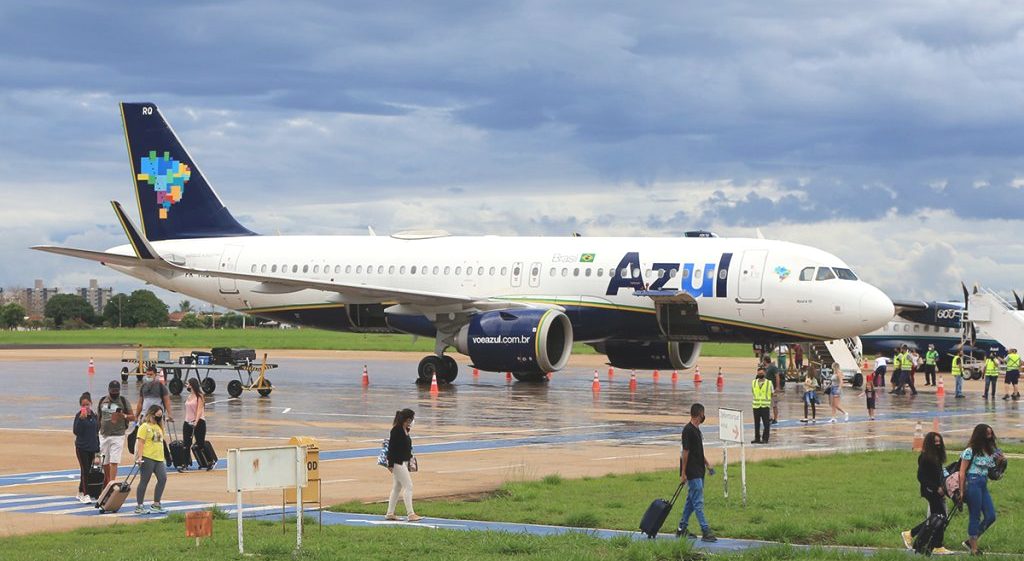
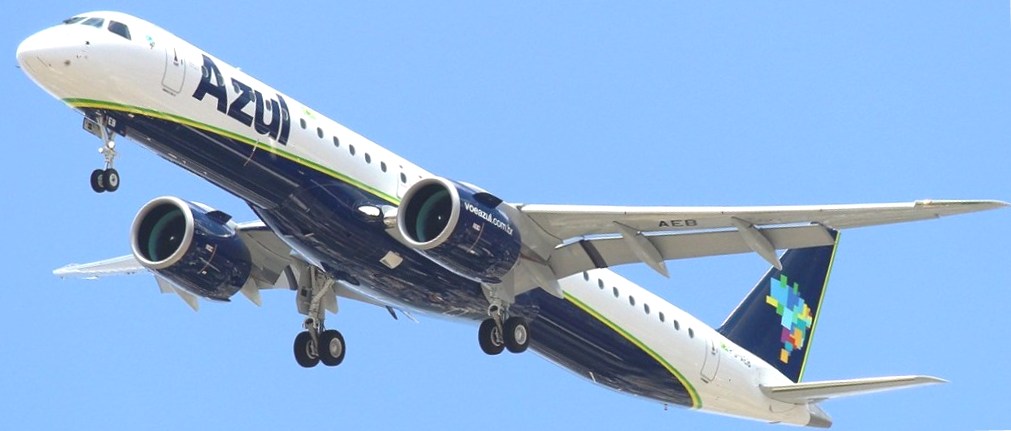
Azul Linhas Aéreas ha incorporado a Sao José de Río Preto/SJP, una ciudad del interior del Estado de Sao Paulo, con el primer vuelo regular inaugural realizado con aeronaves Airbus A320NEO. Azul Linhas Aéreas llevó a cabo este Sábado 12/12. El avión proveniente de Porto Seguro/BPS fue recibido con chorro de agua como un bautismo de bienvenida, una práctica en la aviación en las primeras operaciones inaugurales.
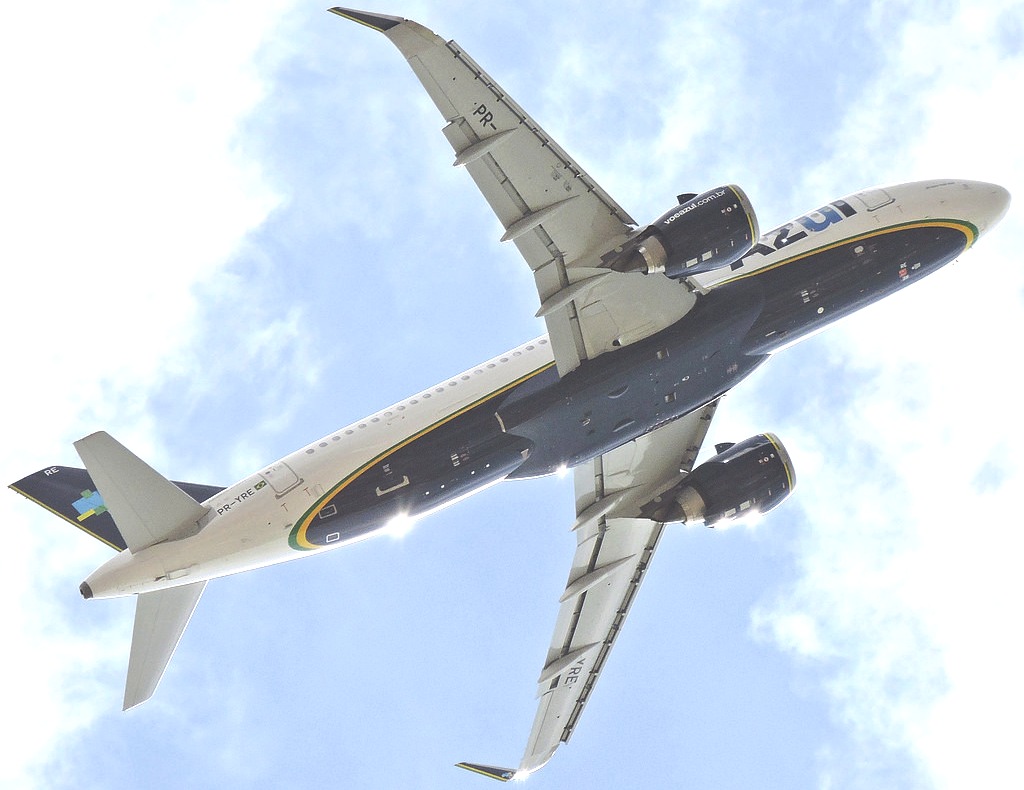
El A320NEO es uno de los aviones más modernos de la flota de la aerolínea Azul, con una capacidad hasta 174 pasajeros y es utilizado por la compañía en mercados de mayor demanda o en rutas con más de dos horas de duración. La compañía estima incorporar vuelos adicionales a tres ciudades del noreste de Brasil, incluyendo vuelos desde Sao José de Río Preto hacia Maceió/MCZ y Recife/REC con dos frecuencias semanales los Sábados y Domingos.
Azul opens flight to Rio Preto with A320NEO
Azul’s first flight to Rio Preto in Sao Paulo with A320NEO
Azul Linhas Aéreas has incorporated Sao José de Río Preto/SJP, a city in the interior of the State of Sao Paulo, with the first inaugural regular flight made with Airbus A320NEO aircraft. Azul Linhas Aéreas carried out this Saturday 12/12. The aircraft from Porto Seguro/BPS was greeted with a jet of water as a welcome baptism, a practice in aviation in the first inaugural operations.
The A320NEO is one of the most modern aircraft in the Azul airline’s fleet, with a capacity of up to 174 passengers and is used by the company in markets with higher demand or on routes lasting more than two hours. The company plans to incorporate additional flights to three cities in the northeast of Brazil, including flights from Sao José de Río Preto to Maceió/MCZ and Recife/REC with two weekly frequencies on Saturdays and Sundays.
Azul abre vôo para Rio Preto com A320NEO
Primeiro vôo A320NEO da Azul para Rio Preto em São Paulo
A Azul Linhas Aéreas incorporou a São José de Río Preto/SJP, cidade do interior do Estado de São Paulo, com o primeiro vôo regular inaugural realizado com aeronaves Airbus A320NEO. Azul Linhas Aéreas realizada neste sábado 12/12. A aeronave de Porto Seguro/BPS foi saudada com um jato d’água como batismo de boas-vindas, prática da aviação nas primeiras operações inaugurais.
O A320NEO é uma das aeronaves mais modernas da frota da Azul, com capacidade de até 174 passageiros e é utilizado pela empresa em mercados de maior demanda ou em rotas com duração superior a duas horas. A empresa planeja incorporar voos adicionais para três cidades no nordeste do Brasil, incluindo voos de São José de Río Preto para Maceió/MCZ e Recife/REC com duas frequências semanais aos Sábados e Domingos.
Ex-Presidente argentino reacciona por vaciamiento El Palomar
El ex-Presidente de la República Argentina, Mauricio Macri, ha reaccionado recientemente ante el vaciamiento del Aeropuerto El Palomar/EPA, que había sido inaugurado durante su presidencia para expandir la aviación por medio de la Revolución de los Aviones, iniciando la apertura de la modalidad de vuelos de presupuesto en el primer aeropuerto low cost de Latinoamérica y que ahora se ha truncado ante el traslado de las operaciones de las líneas aéreas hacia Ezeiza y posteriormente al Aeropuerto Jorge Newbery. El ex-primer mandatario expreso tristeza por la decisión mantenida d por el Gobierno actual, escribió en su cuenta de Twitter, donde replicó un mensaje de Guillermo Dietrich, ex-Ministro de Transporte de la Nación durante el mandato de Mauricio Macri.
«Qué tristeza que el Aeropuerto El Palomar, el cuarto con mayor cantidad de pasajeros, haya sido cerrado por el gobierno. Miles de familias perderán sus empleos y muchas otras no podrán disfrutar del crecimiento que iba a traer. No solo se pierden puestos de trabajo dentro del aeropuerto, sino que también se ven afectados los remiseros, los restaurantes del barrio y tantas otras actividades que crecían alrededor. La conectividad, el federalismo y el desarrollo del interior del país», escribió el ex-Ministro de Transporte Guillermo Dietrich.
Tras la migración de los vuelos al Aeropuerto Internacional Ezeiza/EZE por parte de JetSmart Airlines Argentina, la aerolínea Flybondi ha tenido que negociar la postura asumida, mientras que el Aeropuerto El Palomar, que emplea a más de mil personas preocupadas por el destino de sus fuentes laborales, estará inactivo a las operaciones regulares comerciales. Desde inicios de 2018, más de 2,5 millones de personas fueron transportadas por esa aeroestación, la tercera del Área Metropolitana de Buenos Aires, mientras que 764.000 personas volaron en 2018 y 1,7 millones en 2019.
Flybondi migrando EZE
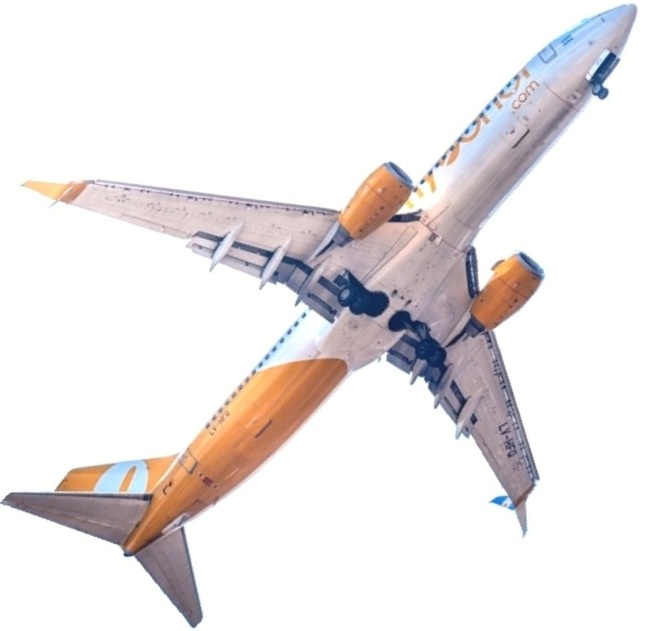
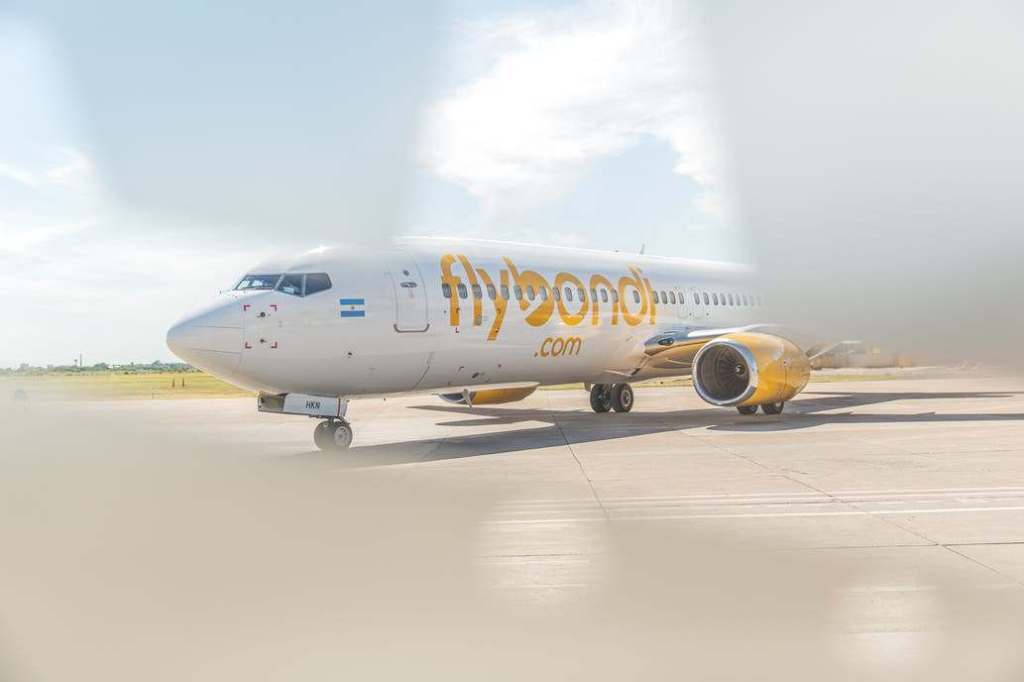
Este Viernes 11/12 se confirmó que Flybondi Líneas Aéreas abandona la estación aérea del conurbano bonaerense, para trasladar sus operaciones al Aeropuerto Internacional de Ezeiza. La aerolínea había sido la compañía que había inaugurado el Aeropuerto El Palomar como centro de operaciones para vuelos regulares nacionales y regionales. Pero tras las negociaciones de este Viernes 11/12 los directivos de Flybondi con el Organismo Regulador del Sistema Nacional Aeroportuario (ORSNA), luego de que en Abril 2020 la concesionaria Aeropuertos Argentina 2000 (AA2000) había solicitado el cierre de la estación aérea low cost. Tras el acuerdo con los organismos, Flybondi anunciaba el reinicio de sus operaciones el día Sábado 12/12 desde el Aeropuerto Internacional Ezeiza como nueva base de operaciones transitoria.
Perspectivas Flybondi
El acuerdo Gobierno-Flybondi ha asegurado la continuidad de las operaciones aéreas en en el Aeropuerto Jorge Newbery una vez que se encuentre habilitado hacia Febrero 2021, pues actualmente se encuentra en obras. Hacia el futuro las líneas aéreas low cost reiniciarían sus operaciones desde Aeroparque, en la Ciudad de Buenos Aires, mientras que los internacionales se seguirían desarrollando desde el Aeropuerto Internacional Ezeiza. Previamente, la empresa había reclamado la vuelta a los vuelos en el Aeropuerto El Palomar y hasta había sido muy crítica con el Gobierno por la inhabilitación.
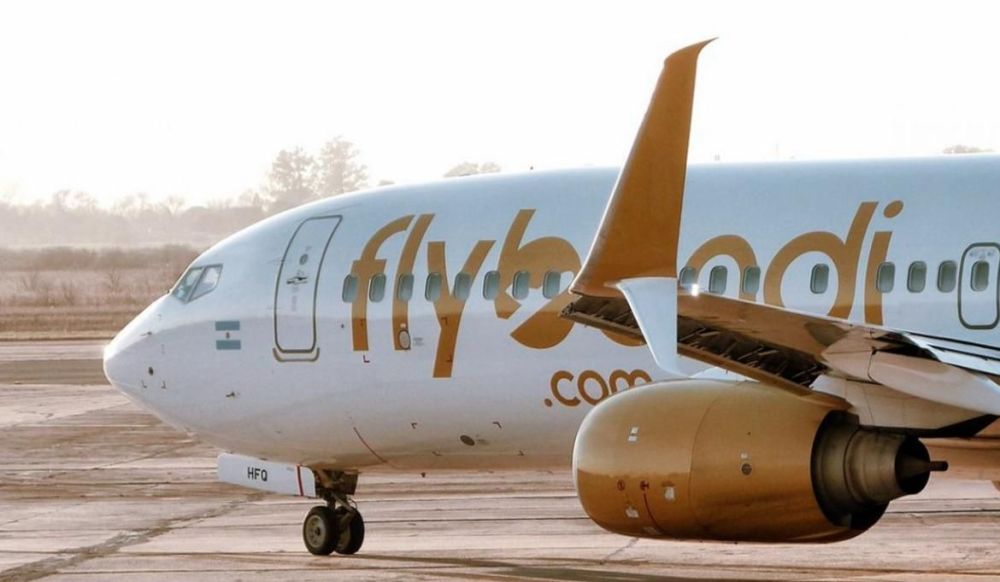
Este Jueves 10/12 había arribado un Boeing 737-800 de la compañía Flybondi para reiniciar sus operaciones el 12/12, proyectando reactivar doce destinos nacionales hacia fin de 2020, incorporando los primeros destinos a Córdoba, Corrientes, Jujuy, Mendoza y Neuquén, entre otros. La aerolínea de presupuesto establecerá hacia el 2021 una segunda aeronave para continuar restableciendo la malla aérea para alcanzar los niveles pre-pandemia que la línea aérea había desarrollado. Las perspectivas de los vuelos regionales estarían establecidas hacia mitad de 2021.
Emptying of El Palomar Airport
Argentine ex-President reacts to low cost air station emptying
The ex-President of the Argentine Republic, Mauricio Macri, has recently reacted to the emptying of the El Palomar/EPA Airport, which had been inaugurated during his presidency to expand aviation through the Aircraft Revolution, initiating the opening of the budget flight modality in the first low cost airport in Latin America, which has now been truncated due to the transfer of airline operations to Ezeiza and later to Jorge Newbery Airport. The ex-Prime Minister expressed sadness over the decision upheld by the current Government, wrote on his Twitter account, where he replied to a message from Guillermo Dietrich, ex-Minister of Transportation of the Nation during Mauricio Macri’s term.
«How sad that El Palomar Airport, the fourth with the highest number of passengers, has been closed by the government. Thousands of families will lose their jobs and many others will not be able to enjoy the growth that it was going to bring. Not only are jobs lost within the airport, but also the remiseros, the neighborhood restaurants and many other activities that grew around are affected. The connectivity, federalism and the development of the interior of the country», wrote the ex-Minister of Transportation Guillermo Dietrich.
After the migration of the flights to the Ezeiza/EZE International Airport by JetSmart Airlines Argentina, the Flybondi airline had to negotiate the position taken, while the El Palomar Airport, which employs more than a thousand people concerned about the fate of their sources of employment, will be inactive to regular business operations. Since the beginning of 2018, more than 2.5 million people were transported by this airstation, the third in the Metropolitan Area of Buenos Aires, while 764,000 people flew in 2018 and 1.7 million in 2019.
Flybondi migrating EZE
This Friday 12/11 it was confirmed that Flybondi Líneas Aéreas is leaving the Buenos Aires suburban air station, to transfer its operations to the Ezeiza International Airport. The airline had been the company that had inaugurated the El Palomar Airport as an operations center for scheduled national and regional flights. But after the negotiations of this Friday 12/11, the Flybondi managers with the Regulatory Body of the National Airport System (ORSNA), after in April 2020 the concessionaire Airports Argentina 2000 (AA2000) had requested the closure of the low cost air station. Following the agreement with the agencies, Flybondi announced the restart of its operations on Saturday 12/12 from the Ezeiza International Airport as a new temporary base of operations.
Flybondi perspectives
The Government-Flybondi agreement has ensured the continuity of air operations at Jorge Newbery Airport once it is enabled by February 2021, as it is currently under construction. In the future, low cost airlines would restart their operations from Aeroparque, in the City of Buenos Aires, while international airlines would continue to develop from Ezeiza International Airport. Previously, the company had demanded the return of flights at El Palomar Airport and had even been very critical of the Government for the disqualification.
This Thursday 12/10 a Boeing 737-800 from the Flybondi company had arrived to restart its operations on 12/12, planning to reactivate twelve national destinations by the end of 2020, incorporating the first destinations to Córdoba, Corrientes, Jujuy, Mendoza and Neuquén, among others. The budget airline will establish a second aircraft by 2021 to continue to reestablish the aerial mesh to reach the pre-pandemic levels that the airline had developed. Prospects for regional flights are expected to be established by the middle of 2021.
AW | 2020 12 12 12:40 | AIRLINES / AIRLINES HISTORY
British Airways finaliza era del Boeing 747 Jumbo Jet
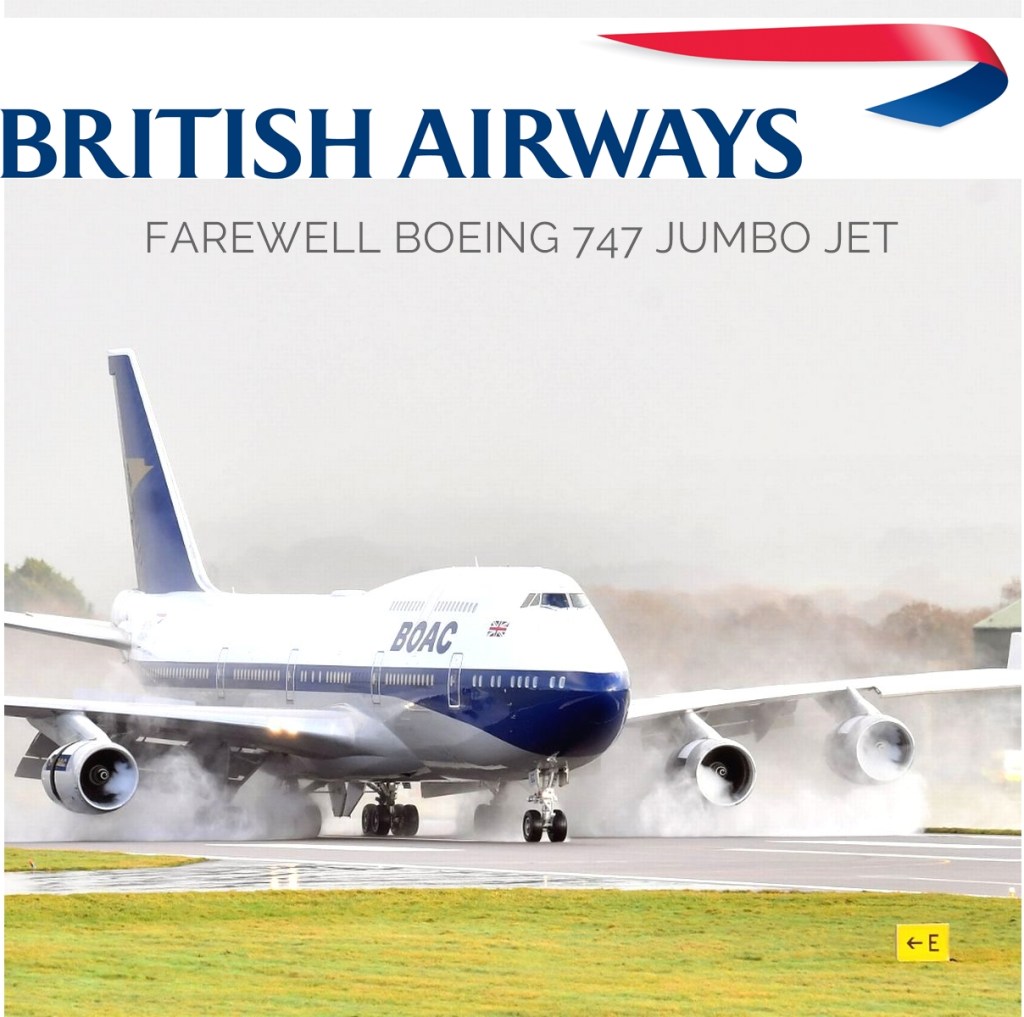
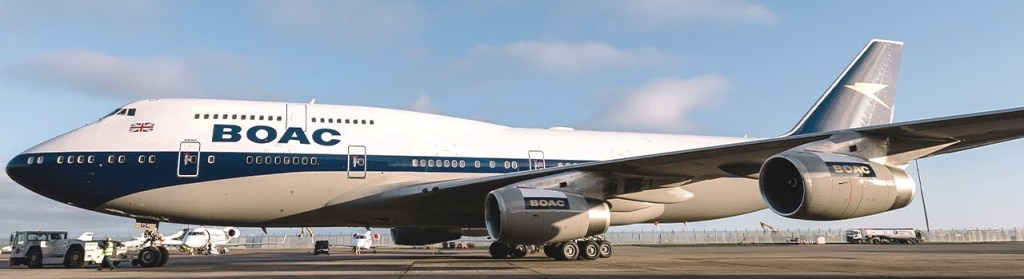
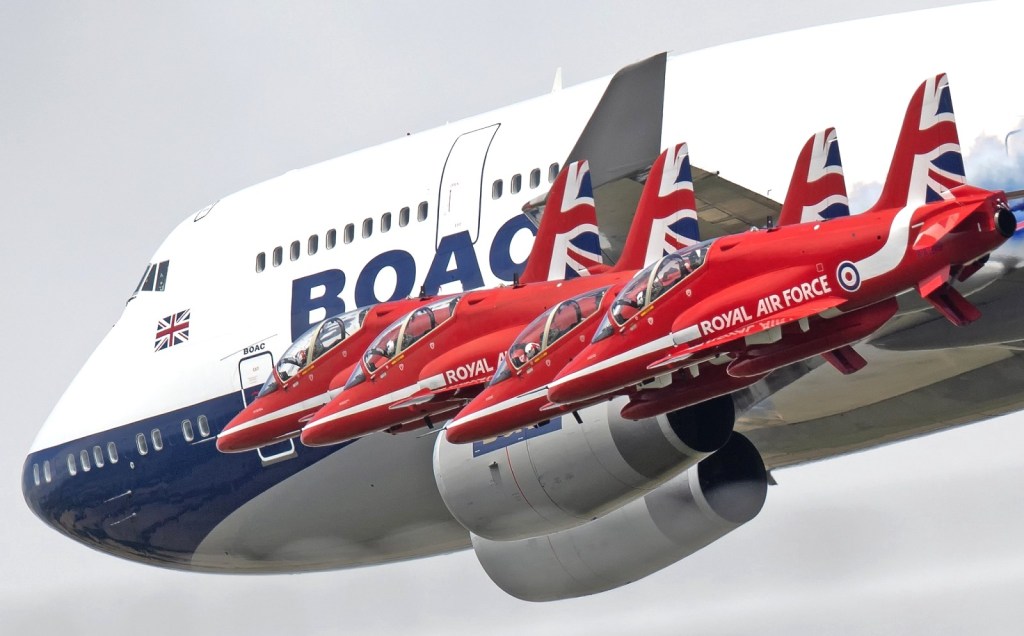
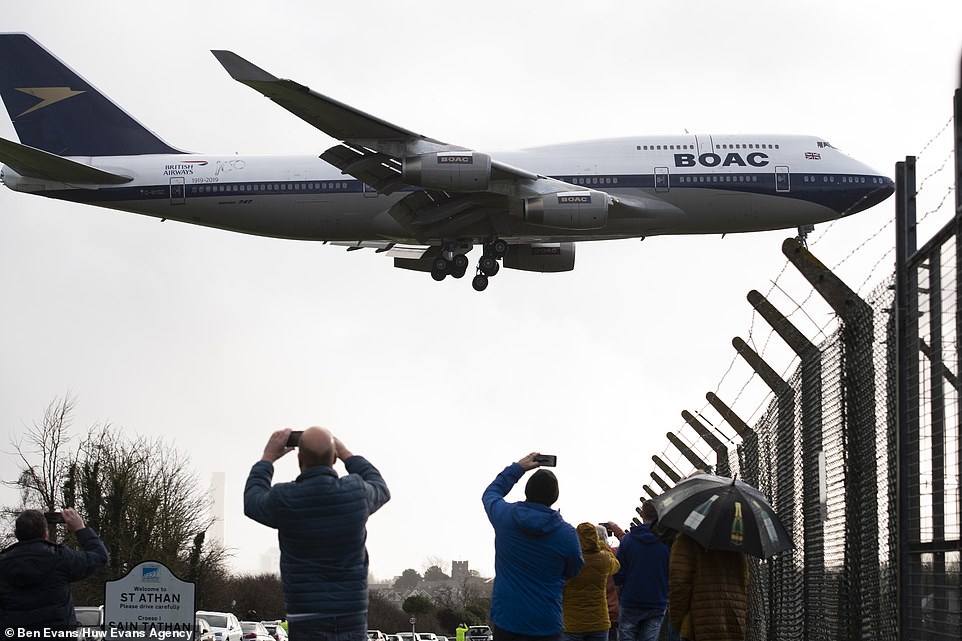
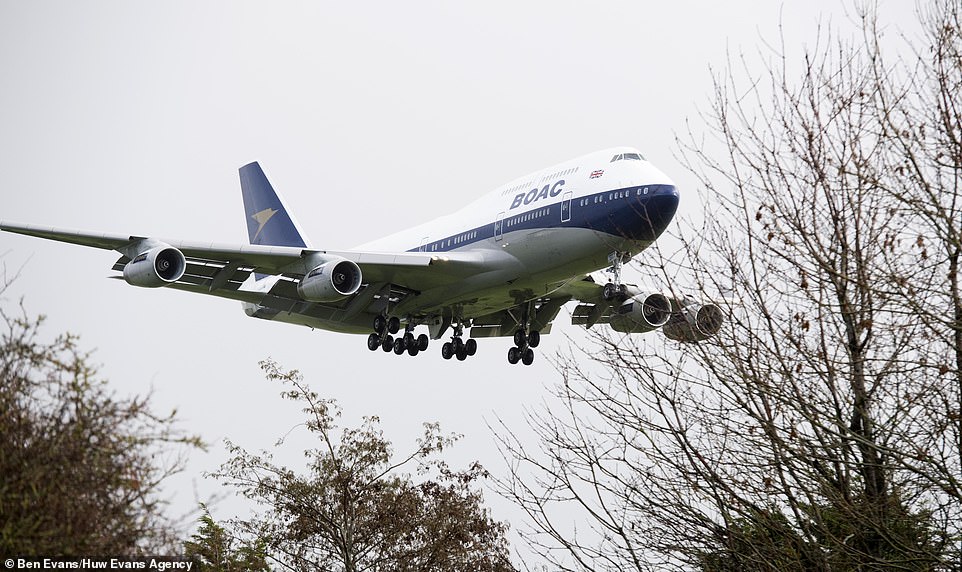
El último Boeing 747 Jumbo Jet de British Airways (BA) despegó por última vez este Viernes 11 de Diciembre de 2020 antes de ser retirado debido al impacto de la pandemia de Coronavirus. El avión apodado mundialmente como Jumbo Jet es el último en la flota de 31 aeronaves de la compañía británica y envuelto en la librea retro ‘Gold Speedbird’ para marcar el centenario de la aerolínea remontó a los cielos para un vuelo corto de cuatro millas para dar culminación a la era Boeing 747 en la British Airways. Fue a la espera de ingenieros que han mantenido con orgullo la flota durante años en su base de ingeniería en el Aeropuerto Cardiff. El último vuelo termina con el almacenaje en St Athan, Vale de Glamorgan, donde el avión Boeing 747-400 se convertirá en una pieza de exposición. El avión voló alrededor de esta pintoresca zona de la costa galesa antes de aterrizar en el aeródromo comercial en Bro Tathan, el parque empresarial de 1.200 acres del Gobierno galés, donde fue recibido por una audiencia de invitados, incluyendo tripulantes de cabina de BA. Desde su primer vuelo en 1999, el avión registro G-BYGC ha pasado más de 10 años en el aire, registrando 45 millones de millas el equivalente a 190 viajes a la luna. Su último vuelo de pasajeros fue de San Francisco-London/Heathrow en Abril 2020, con su retiro aportó varios años como consecuencia de la pandemia.
Pero la «reina de los cielos» ya no se pondrá el rojo, blanco y azul de la Union Jack después de que British Airways retirara su flota de Boeing 747 como resultado de la pandemia de coronavirus. La aerolínea, que era el mayor operador del mundo del modelo 747-400, ya había planeado poner a tierra su flota de 31 de los icónicos aviones de cuerpo ancho en 2024. Pero los efectos de la pandemia, que ha visto la mayoría de los aviones del mundo en tierra durante la mayor parte del tiempo, ha apresurado su viaje a la jubilación, especialmente cuando los pronosticadores predicen que el número de pasajeros seguirá siendo más bajo de lo normal, potencialmente durante años. Los 747-400 de British Airways tenían una capacidad de 345 pasajeros y pueden alcanzar una velocidad máxima de 614 mph.
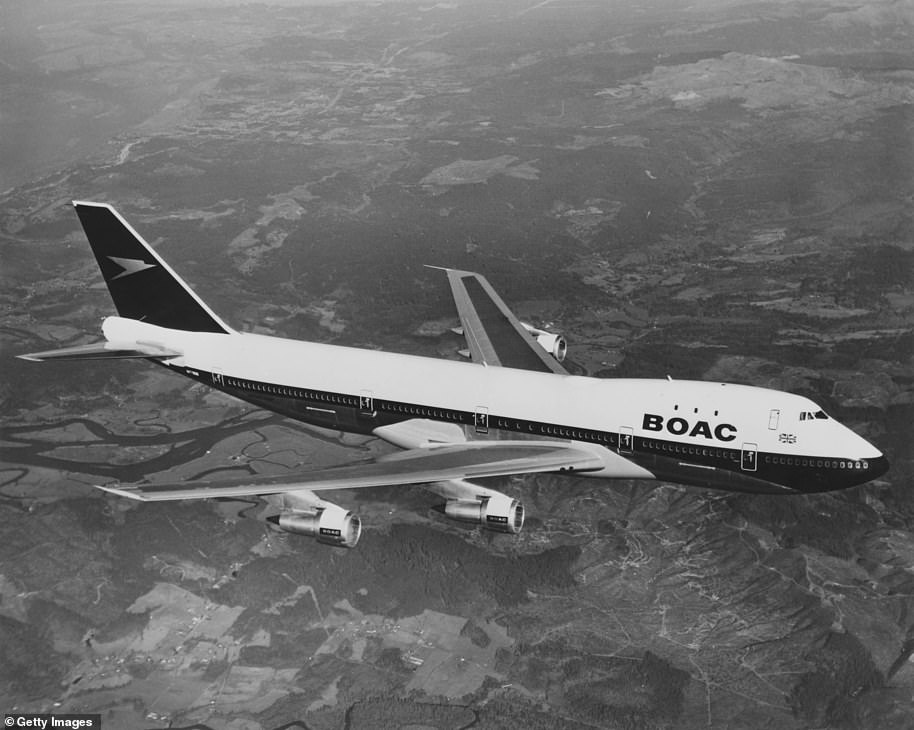
El predecesor de British Airways, la BOAC había utilizado por primera vez el Boeing 747 en 1971 y, al igual que con muchas aerolíneas, el avión, cariñosamente conocido como el «Jumbo Jet» o la «reina de los cielos», se convirtió en un símbolo de la nueva era de los viajes masivos a todos los rincones del planeta. Sus días han sido contados, sin embargo, a la luz de aviones nuevos, modernos y de bajo consumo de combustible como el A350 de Airbus y el 787 de Boeing.
Más de 1.500 jumbos fueron producidos por Boeing, y históricamente ha sido un éxito comercial para el fabricante y las aerolíneas. Pero su apogeo es largo en el pasado y cualquier vista del jet, con su joroba distintiva en la parte superior, es ahora una rareza. Sólo treinta de los aviones estaban en servicio a partir del Martes 08/12, con otros 132 almacenados, según la firma de datos de aviación Cirium. Tras un largo período en la flota de British Airways, el glamoroso Boeing 747 se despide para siembre de la compañía británica culminando el fin de una era de grandes reactores icónicos en los cielos del mundo.
British Airways fires Boeing 747
British Airways ends era of Boeing 747 Jumbo Jet
The last British Airways (BA) Boeing 747 Jumbo Jet took off for the last time this Friday, December 11, 2020 before being retired due to the impact of the Coronavirus pandemic. The plane dubbed the world-wide Jumbo Jet is the latest in the British company’s fleet of 31 aircraft and wrapped in retro ‘Gold Speedbird’ livery to mark the airline’s centennial it soared into the skies for a short four-mile flight to give culmination of the Boeing 747 era on British Airways. It was awaiting engineers who have proudly maintained the fleet for years at their engineering base at Cardiff Airport. The last flight ends with storage in St Athan, Vale of Glamorgan, where the Boeing 747-400 aircraft will become a showpiece. The plane flew around this picturesque area of the Welsh coast before landing at the commercial airfield in Bro Tathan, the 1,200-acre business park of the Welsh Government, where it was greeted by an audience of guests, including BA cabin crew. Since its maiden flight in 1999, the G-BYGC registration plane has spent more than 10 years in the air, logging 45 million miles – the equivalent of 190 trips to the moon. Her last passenger flight was from San Francisco-London / Heathrow in April 2020, with her retirement she contributed several years as a result of the pandemic.
But the «queen of the skies» will no longer wear the Union Jack red, white and blue after British Airways retired its fleet of Boeing 747s as a result of the coronavirus pandemic. The airline, which was the world’s largest operator of the 747-400, had already planned to ground its fleet of 31 of the iconic wide-body jets in 2024. But the effects of the pandemic, which has seen most of the The world’s planes on the ground for most of the time, has hastened its journey into retirement, especially as forecasters predict passenger numbers will remain lower than normal, potentially for years. British Airways’ 747-400s had a capacity of 345 passengers and can reach a top speed of 614 mph.
The predecessor to British Airways, BOAC had first used the Boeing 747 in 1971 and, as with many airlines, the plane, affectionately known as the «Jumbo Jet» or «Queen of the Skies», became a symbol of the new era of mass travel to all corners of the planet. Its days have been numbered, however, in light of new, modern, fuel-efficient aircraft like Airbus’s A350 and Boeing’s 787.
More than 1,500 jumbos were produced by Boeing, and it has historically been a commercial success for the manufacturer and airlines. But its heyday is long in the past and any view of the jet, with its distinctive hump at the top, is now a rarity. Only thirty of the planes were in service as of Tuesday 08/12, with another 132 in storage, according to aviation data firm Cirium. After a long stint in the British Airways fleet, the glamorous Boeing 747 bids farewell to the British company forever, ending an era of iconic big jets in the skies of the world.
AW | 2020 12 12 12:02 | AVIATION SAFETY / CONGRESS
Foro Safer Skies pronuncia seguridad operativa en aviación comercial
El Foro Safer Skies se ha pronunciado en su ronda de disertaciones con la premisa de conseguir cielos más seguros al aborda el riesgo de aviación civil en zonas de conflicto. Desde que el vuelo PS752 de Ukraine International Airlines fue derribado cerca de Teherán, República de Irán el 8 de Enero de 2020, Canadá y sus socios internacionales han estado trabajando para mejorar la seguridad de los viajes aéreos en todo el mundo al abordar las brechas en la forma en que el sector de la aviación civil se ocupa de las zonas de conflicto.
El Ministro de Transporte de Canadá, Marc Garneau, pronunció su discurso de apertura en el Foro inaugural de Safer Skies, organizado por Transport Canada. El Foro de Safer Skies es el primer foro internacional centrado en la seguridad de la aviación civil sobre las zonas de conflicto. El evento reunió a expertos de 81 países y regiones, organizaciones internacionales y la industria de la aviación civil para compartir las mejores prácticas para abordar el riesgo en las zonas de conflicto. Los participantes también abogaron por la aplicación de las Normas y Prácticas Recomendadas (SARP) de la Organización de Aviación Civil Internacional (OACI), que ayudan a los socios internacionales a gestionar los riesgos para la seguridad de la aviación.
Durante su discurso, el Ministro canadiense Marc Garneau instó a los países que aún no lo habían hecho a que respaldaran la Declaración de Compromiso sobre los cielos más seguros, un compromiso mundial para promover la seguridad y la seguridad de la aviación. La Declaración refuerza la importancia de las operaciones seguras de aviación civil en todo el mundo y pide a los países que renueven su compromiso con un enfoque global para hacer frente al riesgo de las zonas de conflicto. El Ministro ha observado el respaldo de los Estados Unidos, Alemania, Ucrania, Francia, el Reino Unido, la República de Corea, Islandia, Georgia, los Países Bajos, el Japón, Grecia, la Organización de Servicios de Navegación Aérea Civil y la Asociación Internacional de Transporte Aéreo, y espera con interés nuevos apoyos en las próximas semanas.
La Organización de Aviación Civil Internacional (OACI) ha destacado que los países están siendo encuestados y que sus respuestas ayudarían a definir los próximos pasos a nivel multilateral y a mejorar los resultados sobre la mitigación del riesgo de las zonas de conflicto en el futuro.
Safer Skies Forum
Safer Skies Forum delivers operational safety in commercial aviation
The Safer Skies Forum has spoken in its round of lectures with the premise of achieving safer skies by addressing the risk of civil aviation in conflict zones. Since Ukraine International Airlines flight PS752 was shot down near Tehran, Republic of Iran on January 8, 2020, Canada and its international partners have been working to improve air travel safety around the world by addressing gaps in the way the civil aviation industry deals with conflict zones.
Canadian Transportation Minister Marc Garneau delivered his keynote address at the inaugural Safer Skies Forum, hosted by Transport Canada. The Safer Skies Forum is the first international forum focused on civil aviation security over conflict zones. The event brought together experts from 81 countries and regions, international organizations and the civil aviation industry to share best practices for addressing risk in conflict zones. Participants also advocated for the application of the International Civil Aviation Organization (ICAO) Standards and Recommended Practices (SARPs), which help international partners manage risks to aviation security.
During his speech, Canadian Minister Marc Garneau urged countries that had not yet done so to endorse the Declaration of Commitment on Safer Skies, a global commitment to advance aviation safety and security. The Declaration reinforces the importance of safe civil aviation operations around the world and calls on countries to renew their commitment to a global approach to dealing with the risk of conflict zones. The Minister has noted the support of the United States, Germany, Ukraine, France, the United Kingdom, the Republic of Korea, Iceland, Georgia, the Netherlands, Japan, Greece, the Civil Air Navigation Services Organization and the Association International Air Transport, and looks forward to further support in the coming weeks.
The International Civil Aviation Organization (ICAO) has highlighted that countries are being surveyed and that their responses would help define the next steps at the multilateral level and improve results on risk mitigation of conflict zones in the future.
Flybondi Líneas Aéreas, la compañía low cost argentina restablecerá sus operaciones aerocomerciales este Sábado 12 de Diciembre de 2020, tras un largo período de nueve meses de inactividad, iniciando sus primeros vuelos desde el Aeropuerto Internacional Buenos Aires/Ezeiza. El traslado al Aeropuerto Ezeiza por parte de Flybondi fue luego de negociaciones reservadas entre los directivos de las compañía y funcionarios del Organismo Regulador del Sistema Nacional Aeroportuario (ORSNA).
La reapertura de sus vuelos de cabotaje a partir de este 12/12 con el arribo de una de sus aeronaves Boeing 737-800 permitirá descomprimir la situación de restricciones a la que se encontraban sometidas las líneas aéreas producto de la situación de crisis sanitaria en el país. La apertura de vuelos comerciales establecida por el Gobierno de Argentina a mediados de Noviembre 2020 ha permitido reestablecer la malla aérea muy lentamente debido a la falta de confianza en el mercado de garantías de la efectividad de los vuelos y por los motivos de seguridad sanitaria, pero poco a poco, los usuarios del transporte aéreo van estableciendo sus reservas/compras para aprovechar el período vacacional para que las compañías aéreas tengan un nuevo impulso para restablecer su red pre-pandemia.
Flybondi en su primer día de operaciones aéreas realizará su primerca conexión que unirá Buenos Aires/EZE—Puerto Iguazú, Buenos Aires/EZE—San Carlos de Bariloche—Tucumán como parte del restablecimiento de sus vuelos en Argentina. «Estamos felices de reiniciar nuestros vuelos en la Argentina, luego de nueve meses sin operación. Fueron tiempos muy duros, y no hubiéramos logrado atravesarlos sin el enorme apoyo que tuvimos por parte de los empleados, de los accionistas y los proveedores. A pesar de estas dificultades, a partir de ahora en Flybondi iniciamos una etapa de recuperación de la oferta y de la flota. Estamos convencidos de que tenemos que seguir conectando a los argentinos a través de las tarifas más bajas del mercado. En una primera etapa daremos prioridad a toda nuestra red de vuelos nacionales, por eso volvemos a volar a doce destinos y con muy buena respuesta por parte de nuestros clientes», expresó Mauricio Sana, Director Comercial y CEO de la aerolínea.
En respuesta de lo dispuesto por la Administración Nacional de Aviación Civil (ANAC) por parte de la solicitud de Flybondi, los itinerarios presentados para volver a operar en el Aeropuerto Internacional El Palomar no recibieron aprobación, por lo que la compañía solicitó la autorización para volar en forma temporal desde el Aeropuerto Internacional Ministro Pistarini/Ezeiza lo que fue confirmado por la ANAC. Tras las negociaciones Flybondi-Gobierno, la aerolínea de presupuesto establecerá transitoriamente sus operaciones en la aeroestación de Ezeiza, al igual que su homóloga JetSmart Airlines Argentina, hasta restablecer la situación de emergencia sanitaria en el país. Si bien Flybondi planteó que su traslado a Ezeiza es de manera transitoria, lo concreto es que la aerolínea habría obtenido por parte del ORSNA el compromiso de acceder a un buen número de slots para sus operaciones en el Aeropuerto Regional Jorge Newbery, una vez que finalicen las obras de remodelaciones y ampliaciones. Estas frecuencias horarias estarían fijadas únicamente para vuelos de cabotaje, ya que para hacer vuelos a países limítrofes deberían seguir operando desde el Aeropuerto Internacional Ezeiza.
Negociando espacio aéreo
Flybondi comenzó a volar en Enero de 2018 desde el Aeropuerto Internacional El Palomar/EPA, pero tras la negativa del Gobierno a reabrir ese aeropuerto en Octubre 2020, la empresa había desplegado presentaciones judiciales para revertir la medida. Ante la negativa del Gobierno, se establecieron negociaciones que finalizaron con el traslado a Ezeiza de los vuelos de la compañía donde se ha negociado la bonificación de tasas aeroportuarias bonificadas, como así también las perspectivas de otorgamientos de slots en Aeroparque. El CEO de Flybondi, Esteban Tossutti, dio a entender que la negociación fue para poder seguir operando. “Para nosotros el 12 de Diciembre del 2020 marcará un hito en la compañía. Pese a todos los cambios que sufrimos lo importante es que hoy las 542 personas que integran el equipo de Flybondi estamos listos para volver”, dijo en el comunicado de prensa emitido por la compañía low cost.
Perspectivas Flybondi
Flybondi, controlada por el fondo de inversión estadounidense Cartesian Capital Group, permitirá reacondicionar su red de servicios aéreos después de arribar el Boeing 737-800 matrícula LV-HFR que estaba siendo sometido a revisiones técnicas en los talleres de MRO Mexicana en la República de México.
Respecto al futuro del Aeropuerto El Palomar continuará flotando hasta que se defina el pronunciamiento del Gobierno respecto a su posición de habilitarlo o cerrarlo definitivamente para las operaciones aerocomerciales. Desde la Agencia del ORSNA expresaron que el problema nunca fue con Flybondi, la discusión estaba enfocada sobre El Palomar. Precisamente, a partir de ahora el destino de los empleados de ese aeropuerto pasará a ser aún más incierto.
Durante lo que resta de Diciembre 2020, la aerolínea comunicó que volará a 12 destinos nacionales que incluyen Córdoba, Corrientes, Jujuy, Mendoza y Neuquén, entre otros destinos. Hacia Enero 2021 la aerolínea low cost podría incorporar un segundo avión Boeing 737-800 para incrementar las operaciones de cabotaje.
Flybondi Líneas Aéreas, the Argentine low cost company, will re-establish its commercial aviation operations this Saturday, December 12, 2020, after a long period of nine months of inactivity, starting its first flights from the Buenos Aires/Ezeiza International Airport. The transfer to Ezeiza Airport by Flybondi was after reserved negotiations between company directors and officials of the Regulatory Body of the National Airport System (ORSNA).
The reopening of its domestic flights as of this 12/12 with the arrival of one of its Boeing 737-800 aircraft will allow decompressing the situation of restrictions to which the airlines were subjected as a result of the health crisis situation in the country. The opening of commercial flights established by the Government of Argentina in mid-November 2020 has allowed the reestablishment of the air mesh very slowly due to the lack of confidence in the market for guarantees of the effectiveness of flights and for health security reasons, but Little by little, air transport users are establishing their reservations/purchases to take advantage of the holiday period so that airlines have a new impulse to reestablish their pre-pandemic network.
Flybondi, on its first day of air operations, will make its first connection that will link Buenos Aires/EZE— Puerto Iguazú, Bienos Aires/EZE—San Carlos de Bariloche—Tucumán as part of the restoration of its flights in Argentina. «We are happy to restart our flights in Argentina, after nine months without operation. These were very tough times, and we would not have been able to get through them without the enormous support we had from employees, shareholders and suppliers. Despite these difficulties, from now on in Flybondi we will begin a stage of recovery of the supply and of the fleet. We are convinced that we have to continue connecting Argentines through the lowest rates in the market. In a first stage we will give priority to our entire network of domestic flights, that is why we fly to twelve destinations again and with a very good response from our customers», said Mauricio Sana, Commercial Director and CEO of the airline.
In response to the provisions of the National Civil Aviation Administration (ANAC) on the part of Flybondi’s request, the itineraries presented to operate again at the El Palomar International Airport did not receive approval, so the company requested authorization to fly. temporarily from the Ministro Pistarini/Ezeiza International Airport, which was confirmed by ANAC. After the Flybondi-Government negotiations, the budget airline will temporarily establish its operations at the Ezeiza airstation, like its counterpart JetSmart Airlines Argentina, until the health emergency situation in the country is reestablished. Although Flybondi stated that its transfer to Ezeiza is temporary, the specific thing is that the airline would have obtained from the ORSNA the commitment to access a good number of slots for its operations at the Jorge Newbery Regional Airport, once they end remodeling and extension works. These time frequencies would be set only for domestic flights, since to make flights to neighboring countries they would have to continue operating from the Ezeiza International Airport.
Negotiating airspace
Flybondi began flying in January 2018 from the El Palomar/EPA International Airport, but after the Government’s refusal to reopen that airport in October 2020, the company had filed court filings to reverse the measure. Given the refusal of the Government, negotiations were established that ended with the transfer to Ezeiza of the flights of the company where the discount of discounted airport fees has been negotiated, as well as the prospects of granting slots in Aeroparque. Flybondi CEO Esteban Tossutti hinted that the negotiation was to continue operating. “For us, December 12, 2020 will mark a milestone in the company. Despite all the changes we have undergone, the important thing is that today the 542 people who make up the Flybondi team are ready to return”, he said in the press release issued by the low cost company.
Flybondi perspectives
Flybondi, controlled by the US investment fund Cartesian Capital Group, will allow the reconditioning of its air services network after the arrival of the Boeing 737-800 registration LV-HFR that was undergoing technical revisions in the Mexican MRO workshops in the Republic of Mexico.
Regarding the future of El Palomar Airport, it will continue to float until the Government’s pronouncement regarding its position to enable or close it definitively for commercial air operations is defined. The ORSNA Agency stated that the problem was never with Flybondi, the discussion was focused on El Palomar. Precisely, from now on the fate of the employees of that airport will become even more uncertain.
During the remainder of December 2020, the airline announced that it will fly to 12 national destinations that include Córdoba, Corrientes, Jujuy, Mendoza and Neuquén, among other destinations. By January 2021, the low cost airline could incorporate a second Boeing 737-800 plane to increase cabotage operations.
World2Fly volará a destinos turísticos en el mundo
Nueva aerolínea se está gestando por parte del grupo turístico español Iberostar que ha presentado esta semana las primeras imágenes de su nueva aerolínea World2Fly, con el objetivo de realizar destinos turísticos estratégicos como Cancún, República Dominicana y Cuba. El CEO de la nueva aerolínea Bruno Claeys ha comunicado que World2Fly comenzaría a operar hacia 2021, donde expresa que la startup “nace con sólidos valores de sostenibilidad, innovación y excelencia en el servicio a bordo”.
Tras la apertura de su página web y redes sociales, permitiendo obtener las primeras impresiones de la aerolínea vacacional, los directivos han comunicado que World2Fly operaría con un avión de última generación de la familia Airbus A350. “Totalmente nuevo, el Airbus A350 es un avión de nueva generación equipado con la última tecnología y más respetuoso con el medio ambiente. No sólo ha sido diseñado para reducir la contaminación, consumiendo un 25% menos de combustible y reduciendo las emisiones de CO2, sino que es de los aviones más silenciosos del mundo y permite reducir la sensación de jet-lag”, indicó el Ejecutivo Bruno Claeys.
World2Fly, the new Spanish airline
World2Fly will fly to tourist destinations in the world
New airline is being developed by the Spanish tourism group Iberostar, which this week presented the first images of its new airline World2Fly, with the objective of making strategic tourist destinations such as Cancun, the Dominican Republic and Cuba. The CEO of the new airline Bruno Claeys has announced that World2Fly would begin operating around 2021, where he states that the startup “was born with solid values of sustainability, innovation and excellence in on-board service”.
After the opening of its website and social networks, allowing first impressions of the vacation airline to be obtained, the executives have announced that World2Fly would operate with a next-generation aircraft of the Airbus A350 family. “Totally new, the Airbus A350 is a new generation aircraft equipped with the latest technology and more respectful of the environment. Not only has it been designed to reduce pollution, consuming 25% less fuel and reducing CO2 emissions, but it is also one of the quietest aircraft in the world and reduces the feeling of jet-lag”, said Executive Bruno Claeys.
Boeing Digital Services optimizará planificación/ops de Frontier
The Boeing Company está posicionado para apoyar la estrategia de crecimiento de vuelos y operaciones de las aerolíneas en un horizonte a largo plazo. Frontier Airlines implementará diversas soluciones basadas en análisis para mejorar la eficiencia operativa en un anuncio de un nuevo acuerdo a diez años con la aerolínea norteamericana Frontier Airlines para implementar una gama de herramientas de tripulación, planificación de vuelos y operaciones para mejorar la eficiencia de la aerolínea. Estas soluciones digitales de la gama de productos Jeppesen de Boeing proporcionan ahorros de costes en toda la flota en rutas regionales e internacionales, mejoran los procesos de planificación de la tripulación de las aerolíneas y aumentan la fiabilidad operativa. «Estamos totalmente seguros de que estas sólidas herramientas operativas y de planificación de vuelos de Jeppesen traerán enormes beneficios a las operaciones de Frontier desde el primer día después de la implementación. Desde el mantenimiento y la planificación operativa hasta las operaciones cotidianas e irregulares, las herramientas de automatización y gestión de la tripulación de Jeppesen complementarán nuestro modelo de negocio de bajo costo y, al mismo tiempo, contribuyen a la fiabilidad y eficiencia de nuestro sistema», dijo Brad Lambert, Vicepresidente de Operaciones de Vuelo de Frontier Airlines.
Además de sus servicios de navegación digital y gráficos de Boeing, Frontier Airlines utilizará una nueva suite de soluciones digitales Jeppesen que proporciona herramientas de apoyo a la toma de decisiones del día de operaciones, que incluyen: Servicios de planificación y programación de vuelos para mejorar las operaciones de vuelo y permitir salidas puntuales y enrutamiento eficiente herramientas de gestión de la tripulación, asignación de colas y control de operaciones que optimizan los horarios y la utilización de las aeronaves en el horizonte de planificación a corto y largo plazo, incluida la detección de problemas del día de operación y la recuperación de programación para minimizar los problemas debidos a eventos inesperados. «A medida que la aviación comercial emerge de la pandemia COVID-19, Frontier Airlines está a punto de continuar su crecimiento excepcional, utilizando las herramientas de Boeing basadas en análisis para maximizar el rendimiento y reducir los costos durante este momento crítico para nuestra industria. Este es un gran ejemplo de nuestra asociación con clientes como Frontier para convertir la experiencia digital sin igual de Boeing en ventajas operativas de resultados», dijo Ted Colbert, Presidente y CEO de Boeing Global Services.
Frontier Airlines está comprometida con «Low Fares Done Right». Con sede en Denver, la compañía opera más de 100 aviones con una red de rutas que abarca los Estados Unidos, el Caribe y México. Con 160 nuevos aviones en orden, Frontier seguirá creciendo para cumplir con la misión de proporcionar viajes asequibles a través de Estados Unidos.
Boeing es la compañía aeroespacial más grande del mundo y proveedor líder de aviones comerciales, sistemas de defensa, espacio y seguridad, y servicios globales. Como principal exportador estadounidense, la compañía apoya a clientes comerciales y gubernamentales en más de 150 países, aprovechando los talentos de una base de proveedores global. Basándose en un legado de liderazgo aeroespacial, Boeing continúa liderando la tecnología y la innovación, entregando para sus clientes e invirtiendo en su gente y crecimiento futuro.
Frontier implements Jeppesen management
Boeing Digital Services to streamline Frontier planning/ operations
The Boeing Company is positioned to support airline operations and flight growth strategy over a long-term horizon. Frontier Airlines will implement various analytics-based solutions to improve operational efficiency in an announcement of a new ten-year agreement with North American carrier Frontier Airlines to implement a range of crew, flight planning and operations tools to improve airline efficiency. These digital solutions from Boeing’s Jeppesen range of products provide fleet-wide cost savings on regional and international routes, improve airline crew planning processes and increase operational reliability. «We are absolutely confident that these robust flight planning and operational tools from Jeppesen will bring tremendous benefits to Frontier operations from day one after deployment. From maintenance and operational planning to day-to-day and irregular operations, the tools Jeppesen’s automation and crew management systems will complement our low-cost business model while contributing to the reliability and efficiency of our system», said Brad Lambert, Vice President of Flight Operations for Frontier Airlines.
In addition to its Boeing graphics and digital navigation services, Frontier Airlines will utilize a new suite of Jeppesen digital solutions that provide trading day decision support tools, including: Flight planning and scheduling services to improve operations flight operations and enable punctual departures and efficient routing crew management, queuing, and operations control tools that optimize aircraft schedules and utilization across the short- and long-term planning horizon, including detecting day-of-operation issues and recall of schedules for minimize problems due to unexpected events. «As commercial aviation emerges from the COVID-19 pandemic, Frontier Airlines is poised to continue its exceptional growth, using Boeing’s analytics-driven tools to maximize performance and reduce costs during this critical time for our industry. This is a great example of our partnership with customers like Frontier to turn Boeing’s unmatched digital experience into bottom line operational benefits», said Ted Colbert, President and CEO of Boeing Global Services.
Frontier Airlines is committed to «Low Fares Done Right». Headquartered in Denver, the company operates more than 100 aircraft with a route network spanning the United States, the Caribbean and Mexico. With 160 new aircraft on order, Frontier will continue to grow to fulfill the mission of providing affordable travel across the United States.
Boeing is the world’s largest aerospace company and a leading provider of commercial aircraft, defense, space and security systems, and global services. As a leading US exporter, the company supports commercial and government clients in more than 150 countries, leveraging the talents of a global supplier base. Building on a legacy of aerospace leadership, Boeing continues to lead in technology and innovation, delivering for its customers and investing in its people and future growth.
Azul programa trece nuevos vuelos la próxima semana
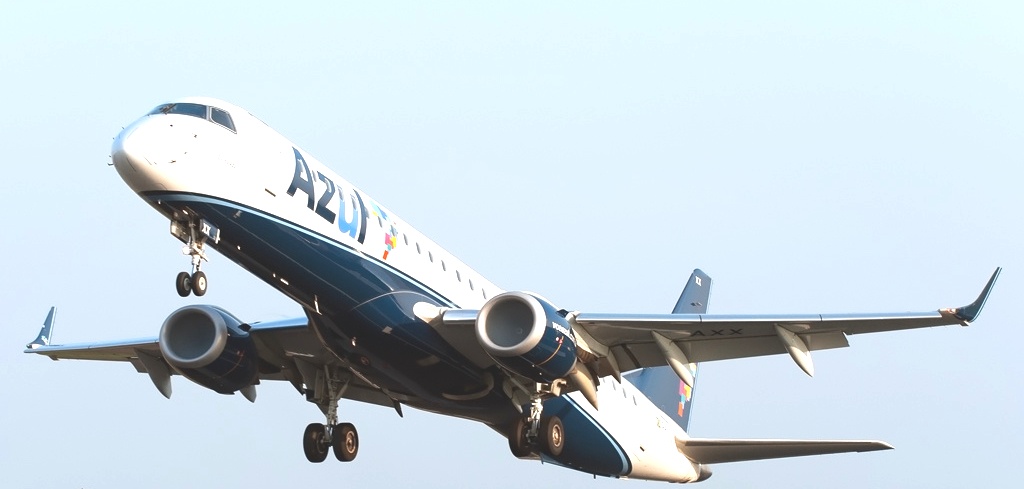
Azul Linhas Aéreas ha anunciado el reinicio de trece destinos entre ellos inauguraciones de nuevos destinos hacia la próxima semana en la programación de conexión de vuelos domésticos. Superada ampliamente la apertura post-pandemia en Brasil, la aerolínea establece una media de dos nuevos destinos diarios hacia la próxima semana, en un esfuerzo por reanudar el turismo en el país y consolidar su posición de liderazgo como la mayor compañía por número de vuelos diarios y ciudades servidas en Brasil, alcanzando el número de 113 destinos atendidos por Azul y su filial regional Azul Conecta en Diciembre 2020, además de la reanudación del 85% de la oferta de frecuencia diaria en comparación con el período pre-pandémico.
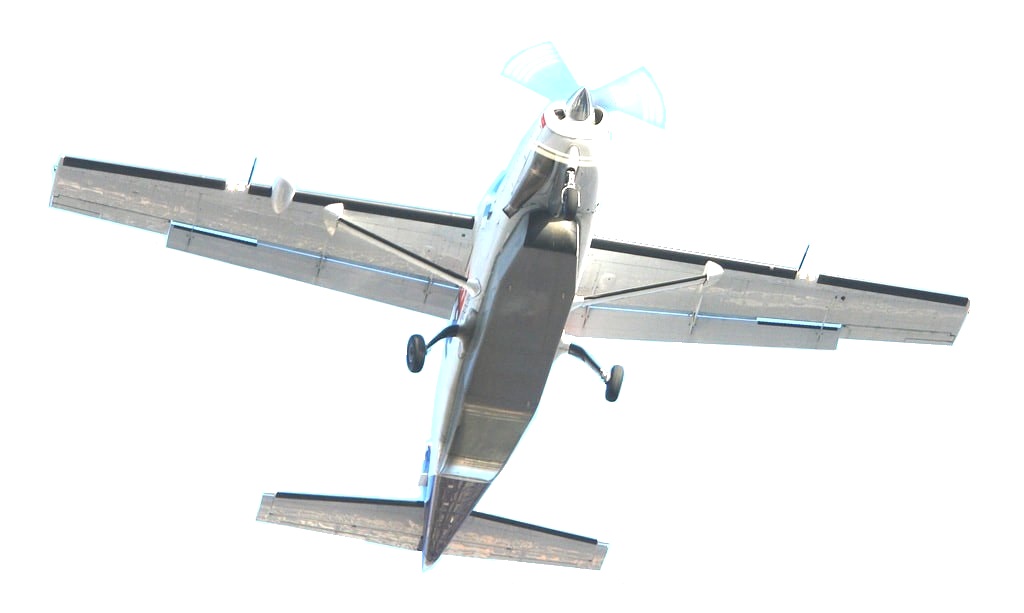
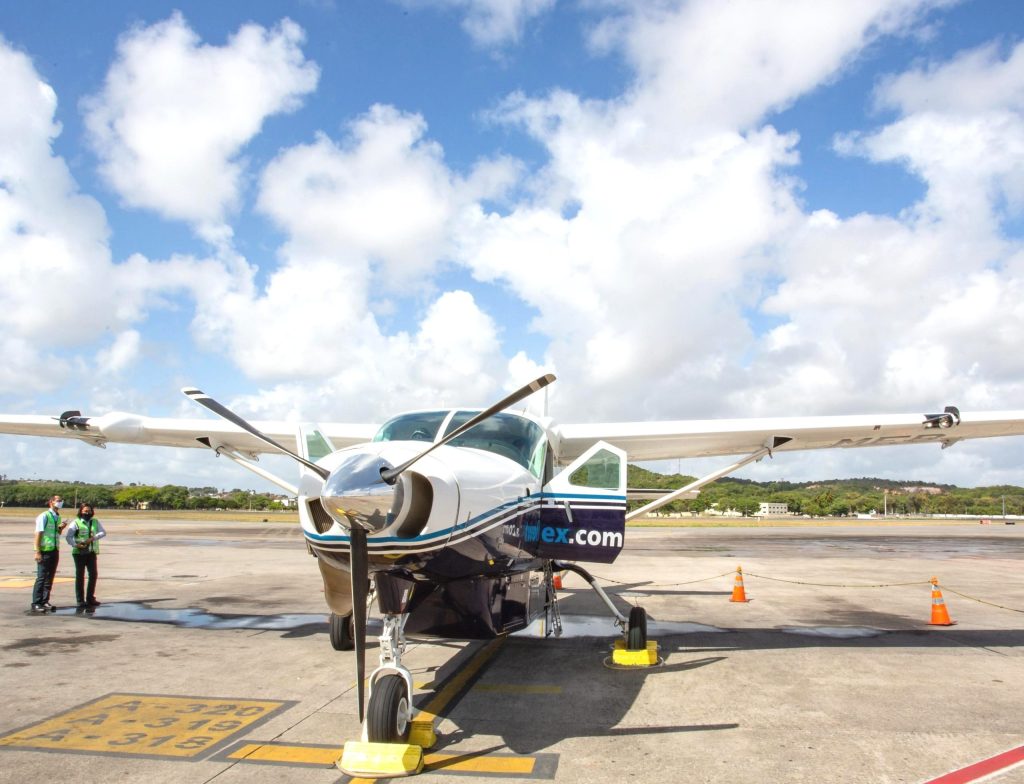
Azul Linhas Aéreas conectará el 13/12 Bonito y Corumbá, en el Estado de Mato Grosso do Sul (MS). El 14/12 inaugurará Canela y Torres, en el Estado de Rio Grande do Sul (RS). Por primera vez la aeronave Cessna Gran Caravan C208 de Azul Conecta Rio de Janeiro y Cabo Frío, en la Región de los Lagos, para ser conectado de nuevo con Belo Horizonte, como así tambiçén estrenando rutas entre Sao Paulo/Congonhas (SP) y Rio/Santos Dumont (RJ) durante la temporada alta de verano. El 17/12 concentra el mayor número de aperturas o reaperturas de bases, con el regreso de Caldas Novas (GO) y Aracati (CE), siendo conectado con Campinas, y el inicio de los vuelos de la Conex Azul de Verano a Itanhaém (SP), Ubatuba (SP), Angra (RJ), Búzios (RJ), Paraty (RJ) y Guarapari (ES). En Parnaíba (PB), una famosa región muy solicitada por los kitesurfistas, los vuelos de Azul Linhas Aéreas serán operados de nuevo el 20 de Diciembre de 2020. «Es un momento histórico para la historia de Azul, con 12 aperturas de bases en solo seis días. Hemos hecho un fuerte movimiento para reanudar nuestras operaciones en todas las partes del país y priorizar, en este mes de temporada alta, el retorno de ciudades con una genuina vocación de turismo de ocio. Sabemos que este es un período en el que estos destinos son más buscados y queremos ofrecer aún más comodidad y comodidad para que nuestros clientes viajen con tranquilidad», destaca Vitor Silva, Gerente de Planificación de Red en Azul Linhas Aéreas.
Azul announces expansion of new routes
Azul schedules thirteen new flights next week
Azul Linhas Aéreas has announced the restart of thirteen destinations, including the opening of new destinations by next week in the domestic flight connection schedule. With the post-pandemic opening in Brazil largely overcome, the airline establishes an average of two new daily destinations by next week, in an effort to resume tourism in the country and consolidate its leadership position as the largest company by number of daily flights. and cities served in Brazil, reaching the number of 113 destinations served by Azul and its regional subsidiary Azul Conecta in December 2020, in addition to the resumption of 85% of the daily frequency offer compared to the pre-pandemic period.
Azul Linhas Aéreas will connect Bonito and Corumbá on 12/13, in the State of Mato Grosso do Sul (MS). On 12/14, Canela y Torres will open in the State of Rio Grande do Sul (RS). For the first time, Azul’s Cessna Gran Caravan C208 connects Rio de Janeiro and Cabo Frío, in the Lakes Region, to be connected again with Belo Horizonte, as well as new routes between Sao Paulo/Congonhas (SP) and Rio/Santos Dumont (RJ) during the high summer season. On 12/17 concentrates the largest number of base openings or reopens, with the return of Caldas Novas (GO) and Aracati (CE), being connected with Campinas, and the start of the flights of the summer Azul Conecta to Itanhaém ( SP), Ubatuba (SP), Angra (RJ), Búzios (RJ), Paraty (RJ) and Guarapari (ES). In Parnaíba (PB), a famous region highly sought after by kitesurfers, Azul Linhas Aéreas flights will be operated again on December 20, 2020. «It is a historic moment for Azul’s history, with 12 base openings in just six days. We have made a strong move to resume our operations in all parts of the country and prioritize, in this high season month, the return of cities with a genuine vocation for leisure tourism. We know that this is a period in which these destinations are more sought after and we want to offer even more comfort and convenience so that our clients can travel with peace of mind , highlights Vitor Silva, Network Planning Manager at Azul Linhas Aéreas.
Azul anuncia expansão de novas rotas
Azul agenda treze novos vôos na próxima semana
A Azul Linhas Aéreas anunciou o reinício de treze destinos, incluindo a abertura de novos destinos na próxima semana no calendário de ligação dos vôos domésticos. Com a abertura pós-pandêmica no Brasil em grande parte superada, a companhia aérea estabelece uma média de dois novos destinos diários até a próxima semana, em um esforço para retomar o turismo no país e consolidar sua posição de liderança como a maior empresa em número de voos diários. e cidades atendidas no Brasil, atingindo o número de 113 destinos atendidos pela Azul e sua subsidiária regional Azul Conecta em dezembro de 2020, além da retomada de 85% da oferta diária de frequências em relação ao período pré-pandêmico.
A Azul Linhas Aéreas ligará Bonito e Corumbá no dia 13/12, no Estado de Mato Grosso do Sul (MS). No dia 14/12, Canela y Torres é inaugurada no Estado do Rio Grande do Sul (RS). Pela primeira vez, o Cessna Gran Caravan C208 da Azul conecta Rio de Janeiro e Cabo Frío, na Região dos Lagos, para se conectar novamente a Belo Horizonte, além de novas rotas entre São Paulo/Congonhas (SP) e Rio/Santos Dumont (RJ) durante o alto verão. No dia 17/12 concentra-se o maior número de aberturas ou reaberturas de bases, com a volta de Caldas Novas (GO) e de Aracati (CE), passando a se ligar a Campinas, e o início dos vôos do summer Azul Conecta para Itanhaém (SP), Ubatuba (SP), Angra (RJ), Búzios (RJ), Paraty (RJ) e Guarapari (ES). Em Parnaíba (PB), região famosa e muito procurada por kitesurfistas, os vôos da Azul Linhas Aéreas serão operados novamente no dia 20 de Dezembro de 2020. “É um momento histórico para a história da Azul, com 12 inaugurações de bases em apenas seis dias. Fizemos um forte movimento para retomar nossas operações em todos os pontos do país e priorizar, neste mês de alta temporada, o retorno de cidades com vocação genuína para o turismo de lazer. Sabemos que este é um período em que esses destinos são mais procurados e queremos oferecer ainda mais conforto e comodidade para que nossos clientes viajem com tranquilidade”, destaca Vitor Silva, Gerente de Planejamento de Malla da Azul Linhas Aéreas.


























 airgways.com