AW | 2016 05 27 05:17 | AIRLINES MARKET
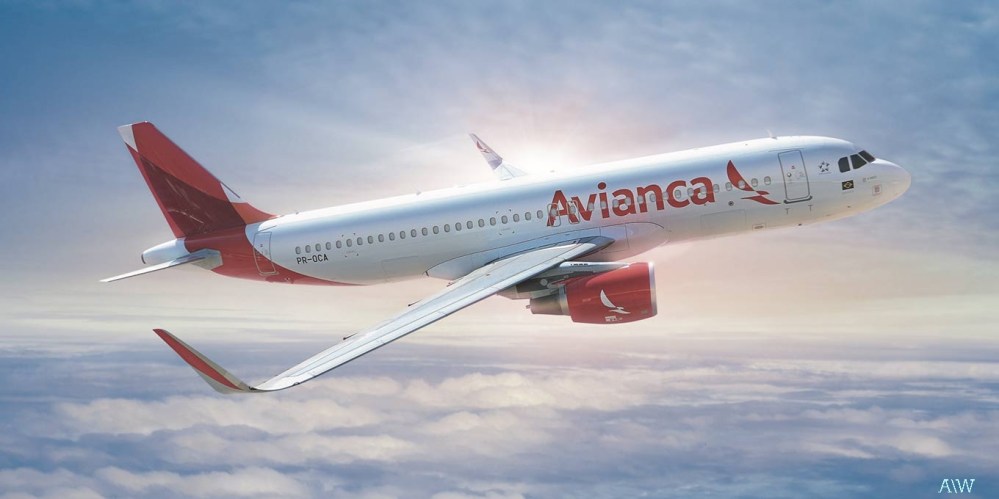
 La polémica surge ante la falta de una ley de cielo abierto, de esta forma el segundo grupo aéreo sudamericano más grande volará en cielo argentino y competirá con Aerolíneas Argentinas en una posición auspiciosa por la flota con la que operará. Además beneficiará a Bogotá como un segundo hub en Sudamérica desde Argentina, hacia los destinos del Caribe y de Estados Unidos.
En búsqueda de aumentar las relaciones binacionales con Colombia, el Gobierno de Mauricio Macri ha implementado un nuevo paradigma en el mercado aerocomercial de nuestro país. La empresa Avianca comenzará a volar dentro del país a fín de este año y competirá en el mercado de vuelos locales con Aerolíneas Argentinas.
La empresa contará en en principio con cuatro o seis aviones, lo que convertirá a Bogotá en un hub de distribución alimentado con pasajeros Argentinos que llegaran a la capital de Colombia a través de Avianca, que contará que una herramienta propia autorizada a volar en Argentina con aviones, Airbus 320, Airbus 330 y ATR 72, por la Administración Nacional de Aviación Civil.
Con este nuevo esquema y con la reducción presupuestaria, Aerolíneas Argentinas enfrenta en soledad un futuro muy difícil, en donde los competidores vienen por los destinos rentables de la Argentina de los cuales AR se nutre para mantenerse viva y volar así donde nadie vuela porque son destinos no rentables. Ejemplo: Rio Grande, Viedma, Santa Fe. Lan Argentina en cambio tiene la espalada del grupo LATAM para competir con Avianca y soportar algún viento en contra si lo hubiera.
En este marco y en una coyuntura donde se han quintuplicado las tarifas de gas, luz y agua más el aumento de combustible a nivel nacional, la aerolínea de Bandera debería ser tenida en cuenta como tal por el Gobierno actual, otorgándole bonificaciones tarifarias o descuentos en los servicios mencionados, para los destinos no rentables donde solo vuela AR que así garantiza, conectividad, desarrollo y riqueza en forma tercerizada.
Los cielos se han abierto sin una ley, solo con acuerdos, permisos de vuelos otorgados por ANAC y con la compraventa de Macair Jet por parte de Avianca que ahora conocemos, no solo podrá volar en el segmento que lo hacía SOL Líneas Aéreas, sino que podrá compartir en el cabotaje con Aerolíneas Argentinas/Austral y con Lan Argentina al operar con los Airbus 320, el mismo avión que tiene LAN ARG en su flota, competencia directa del Boeing 737/800 que tiene AR, y con los Airbus 330 de doble pasillo, idénticos a los recientemente adquiridos por la compañía de Bandera nacional.
Este nuevo paradigma permite que en el caso del grupo Lan, se favorezcan a las filiales chilena y peruana del grupo LATAM convirtiendo a Lima en un hub que recibirá pasajeros Argentinos desde Salta, Córdoba, Mendoza y Rosario que desde allí conectaran con EEUU. El caso de Avianca será parecido y con matices que por ahora se desconocen pero que claramente favorecra a Bogotá como un segundo hub en Sudamérica desde Argentina, hacia los destinos del Caribe y de Estados Unidos. 
Avianca will fly in Argentina and will compete with airlines
The controversy arises from the lack of a law on open, thus the second largest South American airline group will fly in Argentine sky and compete with Aerolíneas Argentinas in an auspicious position in the fleet with which it will operate. In addition Bogota will benefit as a second hub in South America from Argentina, to destinations in the Caribbean and United States.
Seeking to increase bilateral relations with Colombia, Mauricio Macri’s government has implemented a new paradigm in the commercial aviation market in our country. The company Avianca begin flying within the country later this year and will compete in the local market with Aerolineas Argentinas flights.
The company will in initially with four or six aircraft, which will make Bogotá a distribution hub fed Argentine passengers arrived to the capital of Colombia through Avianca, to tell a tool itself authorized to fly in Argentina aircraft, Airbus 320, Airbus 330 and ATR 72, by the ANAC (National Civil Aviation Administration).
With this new scheme and with the budget reduction, Aerolíneas Argentinas faces alone a very difficult future, where competitors come for profitable destinations Argentina of which AR feeds to stay alive and fly and where no flies because they are destinations unprofitable. . Example: Rio Grande, Viedma, Argentina Santa Fe Lan has the shoveling instead of LATAM group to compete with Avianca and endure some headwind if any.
In this framework and in a situation where they have quintupled gas tariffs, electricity and water plus increased fuel nationwide, the flag carrier should be taken into account as such by the current government, granting tariff rebates or discounts the aforementioned services to unprofitable destinations where only fly so ensures AR, connectivity, development and wealth in outsourced.
The heavens have opened without a law, with only agreements, permits flights granted by ANAC and the sale of Macair Jet by Avianca we now know, not only can fly in the segment that did SOL, but you can share in cabotage Argentinas / Austral Airlines and Lan Argentina to operate the Airbus 320 plane -the same LAN ARG has in its direct competition from Boeing 737/800 fleet has AR- and the twin-aisle Airbus 330, identical the company recently acquired by the national flag.
This new paradigm allows in the case of Lan Group, to the Chilean and Peruvian subsidiaries of LATAM group making Lima a hub that passengers receive Argentinos from Salta, Cordoba, Mendoza and Rosario from there it will connect with the US favor. For Avianca will be similar and nuances that are unknown for now but clearly favorecra to Bogota as a second hub in South America from Argentina, to destinations in the Caribbean and United States. A\W
 airgways.com