Boeing recibe grandes pedidos

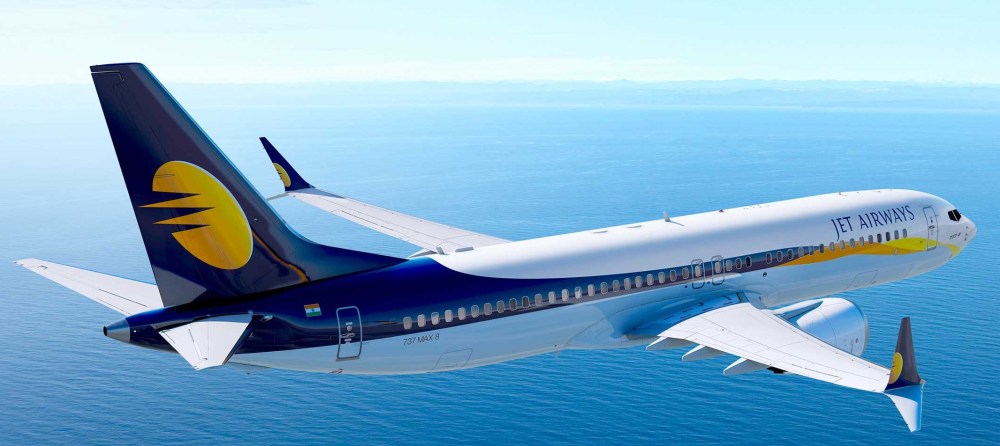
Resultado de imagen para Boeing 737 MAX Jet Airways

AW | 2018 06 26 14:55 | INDUSTRY

Boeing-Logo.svgA las puertas de Farnborough 2018, Boeing ostenta dos grandes pedidos de aeronaves comerciales

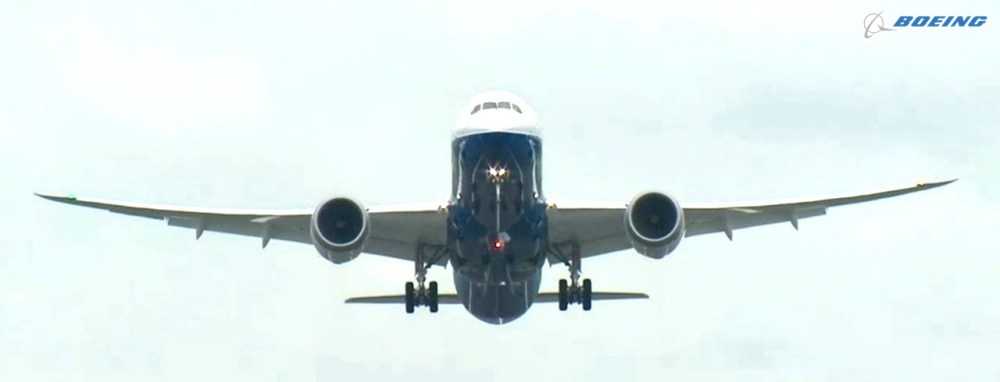
En dos acuerdos por valor de US$ 14.400 millones a precios de lista, Jet Airways India anunció que comprará 75 de los aviones de pasillo único Boeing 737 MAX y la vietnamita Bamboo Airways firmó un compromiso para 20 Boeing 787-9 widebodies.

Boeing no está esperando que el Farnborough Air Show 2018 del mes próximo dé a conocer las exitosas ofertas de aviones. El fabricante de aviones está listo para reforzar su cartera de pedidos con un valor de $ 14.4 mil millones gracias a dos transacciones anunciadas el lunes. Es una ruptura con la práctica industrial de acumular ventas para la mayor exposición comercial anual, que alterna entre París y Farnborough, en las afueras de Londres.
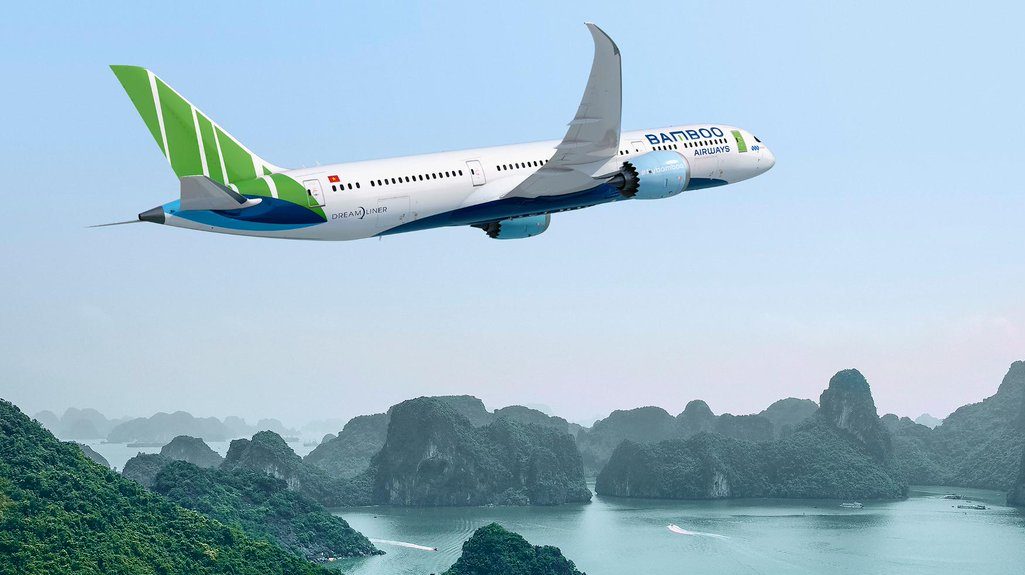
Resultado de imagen para Boeing 787-9 BambooBAMBOO AIRWAYS ORDENÓ BOEING 787-9

Los dos acuerdos subrayan la inclinación al mercado aeroespacial en Asia, donde las aerolíneas están abasteciendo aviones para servir a una clase media en rápida expansión. Los pedidos también muestran que Boeing tiene acceso a un mercado más amplio en la región más allá de China, donde podría convertirse en un objetivo fácil si aumentan las tensiones comerciales con EEUU. El Primer Ministro Li Keqiang dijo el lunes que el gigante asiático está dispuesto a intensificar la cooperación con Airbus.

La última compra lleva el retraso de Jet para el avión de fuselaje estrecho a 225, dijo la compañía en un comunicado. La aerolínea con base en Mumbai ya había realizado dos pedidos de 75 aviones, el más reciente en Abril 2018, con el primer envío de Boeing 737 MAX que llegó la semana pasada.

Jet Airways y sus rivales indios están expandiendo sus flotas a medida que aumenta la demanda de vuelos nacionales. SpiceJet ha encargado a Boeing más de 200 aviones de pasillo único, mientras que el líder del mercado IndiGo, operado por InterGlobe Aviation, es el mayor cliente del avión A320NEO competidor de Airbus. Bamboo Airways hizo un depósito a mediados de junio para reservar los Dreamliners compuestos de carbono, que tentativamente están programados para su entrega en 2020 y 2021. La compañía planea comenzar el servicio comercial el próximo año desde su base en Hanoi, Vietnam, volando primero dentro del país antes de expandirse a mercados como China, Corea del Sur y Japón.

Las nuevas ventas también contribuyen de manera importante al flujo de efectivo de Boeing. Los clientes suelen realizar pequeños depósitos por adelantado, seguidos de grandes pagos de progreso entre 18 y 24 meses antes de la entrega de un avión, cuando Boeing comienza a pedir equipos y cortar metal. Dichos prepagos generarán alrededor de US$ 5 mil millones en efectivo para el fabricante de aviones con sede en Chicago este año, frente a los US$ 4.5 mil millones en 2017, dijo David Strauss, analista de Barclays Capital, en una nota de investigación. Eso representaría más de un tercio de los US$ 14 mil millones en efectivo libre que se espera que Boeing produzca este año. Boeing había recibido 306 pedidos de aviones comerciales a partir del 31 Mayo 2018. AIRWAYS® AW-Icon TXT

Resultado de imagen para Boeing 737 MAX Jet Airways

Boeing receives large orders

At the gates of Farnborough 2018, Boeing holds two large orders for commercial aircraft

In two agreements worth US $ 14,400 million at list prices, Jet Airways India announced that it will buy 75 of the Boeing 737 MAX single aisle aircraft and the Vietnamese Bamboo Airways signed a commitment for 20 Boeing 787-9 widebodies.

Boeing is not expecting the Farnborough Air Show 2018 next month to announce the successful offers of aircraft. The aircraft manufacturer is ready to strengthen its order book with a value of US$ 14.4 billion thanks to two transactions announced on Monday. It is a break with the industrial practice of accumulating sales for the largest annual trade show, which alternates between Paris and Farnborough, on the outskirts of London.
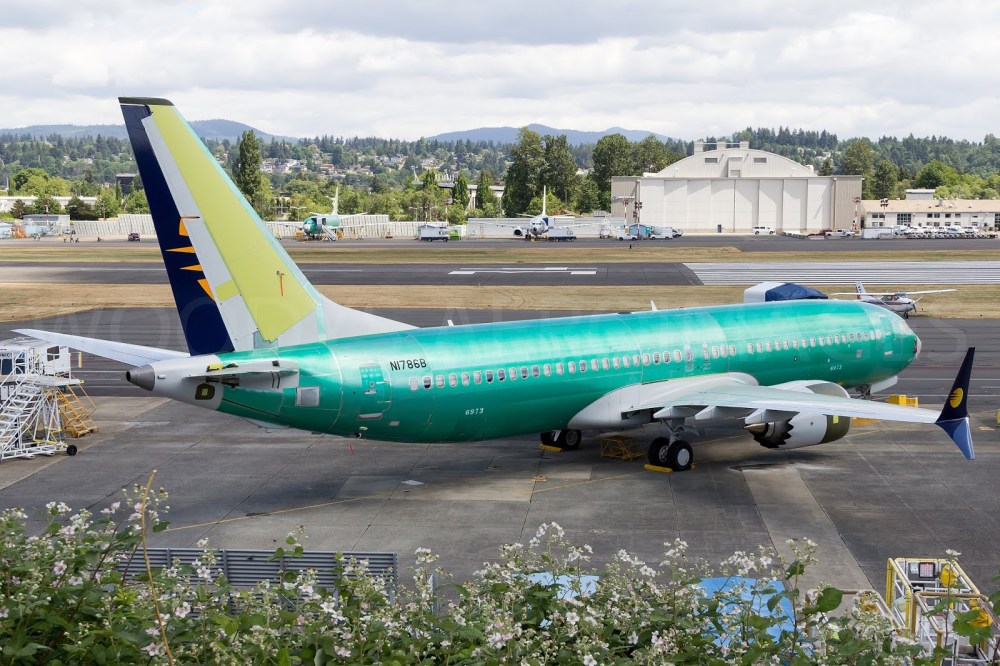
Resultado de imagen para Boeing 737 MAX Jet Airways

The two agreements underscore the penchant for the aerospace market in Asia, where airlines are supplying aircraft to serve a rapidly expanding middle class. The orders also show that Boeing has access to a broader market in the region beyond China, where it could become an easy target if trade tensions increase with US, Prime Minister Li Keqiang said on Monday that the Asian giant is willing to step up cooperation with Airbus.

The latest purchase carries Jet’s delay for the narrow-body aircraft to 225, the company said in a statement. The Mumbai-based airline had already placed two orders for 75 aircraft, the most recent in April 2018, with the first shipment of Boeing 737 MAX that arrived last week.

Jet Airways and its Indian rivals are expanding their fleets as the demand for domestic flights increases. SpiceJet has commissioned more than 200 single aisle aircraft from Boeing, while the market leader IndiGo, operated by InterGlobe Aviation, is the largest customer of the Airbus A320NEO competitor. Bamboo Airways made a deposit in mid-June to book the carbon composite Dreamliners, which are tentatively scheduled for delivery in 2020 and 2021. The company plans to start commercial service next year from its base in Hanoi, Vietnam, flying first inside of the country before expanding to markets such as China, South Korea and Japan.

New sales also make an important contribution to Boeing’s cash flow. Customers often make small deposits in advance, followed by large progress payments between 18 and 24 months before the delivery of a plane, when Boeing starts ordering equipment and cutting metal. Those prepayments will generate around US$ 5 billion in cash for the Chicago-based aircraft maker this year, compared to US$ 4.5 billion in 2017, said David Strauss, an analyst at Barclays Capital, in a research note. That would represent more than a third of the US$ 14 billion in free cash that Boeing is expected to produce this year. Boeing had received 306 orders for commercial aircraft as of May 31, 2018. A \ W


Ξ A I R G W A Y S Ξ
SOURCE:  Airgways.com
DBk: Seattletimes.com / Boeing.com / Goody’s Aeroimages
AW-POST: 201806261455AR

A\W   A I R G W A Y S ®

Misiles israelíes impactan cerca del Aeropuerto de Damasco

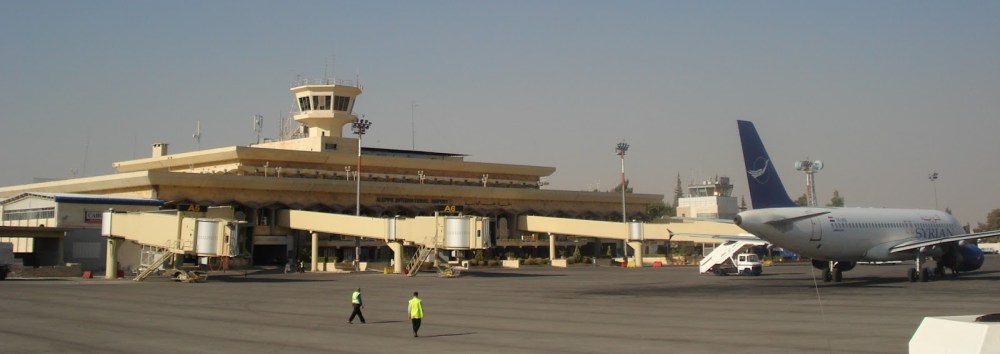
Resultado de imagen para Damascus International Airport

AW | 2018 06 26 14:23 | AVIATION SAFETY / AIRPORTS

El Aeropuerto Internacional Damasco ha sufrido la cancelación de vuelos por ataques de misiles israelíes en el área

La agencia de noticias estatal siria SANA dijo que dos misiles israelíes impactaron en las cercanías del Aeropuerto Internacional de Damasco, hoy Martes, 26 Junio 2018 por la mañana.

El Observatorio Sirio de Derechos Humanos dijo que los sistemas de defensa aérea sirios no interceptaron los misiles. El monitor de guerra con sede en Gran Bretaña dijo que una explosión que se escuchó a la 01:00 hs. cerca del Aeropuerto de Damasco fue causada por misiles disparados por aviones israelíes desde la dirección de los Altos del Golán. Tenía como objetivo depósitos de armas y almacenes pertenecientes a milicias no sirias leales al régimen sirio.

Irán es un aliado clave del presidente sirio Bashar al-Assad y respalda a una serie de milicias, incluida Hezbolá de Líbano, que lucha en apoyo de Assad. Israel, preocupado de que la creciente presencia de Irán en Siria sea una amenaza para su seguridad, ha atacado docenas de posiciones respaldadas por Irán e Irán en Siria durante el transcurso del conflicto de siete años.

El Aeropuerto internacional de Damasco no ha sufrido daño alguno por el impacto de los misiles en la zona. Las operaciones del aeropuerto se han normalizados, pero cautelosas a nuevas amenazas.  AIRWAYS® AW-Icon TXT

Resultado de imagen para Damascus International Airport

Israeli missiles impact Damascus airport

The Damascus International Airport has suffered cancellation of flights due to missile attacks in the area

Syria’s state news agency SANA said that two Israeli missiles hit near Damascus International Airport, today Tuesday, June 26, 2018 in the morning.

The Syrian Observatory for Human Rights said that Syrian air defense systems did not intercept the missiles. The war monitor based in Britain said that an explosion was heard at 01:00 hs. near Damascus Airport was caused by missiles fired by Israeli planes from the direction of the Golan Heights. Its objective was the storage of weapons and stores belonging to non-Syrian militias loyal to the Syrian regime.

Iran is a key ally of Syrian President Bashar al-Assad and supports a number of militias, including Lebanon’s Hezbollah, which fights in support of Assad. Israel, concerned that Iran’s growing presence in Syria is a threat to its security, has attacked dozens of positions backed by Iran and Iran in Syria during the course of the seven-year conflict.

The Damascus International Airport has not suffered any damage due to the impact of the missiles in the area. The operations of the airport have been normalized, but cautious to new threats. A \ W


Ξ A I R G W A Y S Ξ
SOURCE:  Airgways.com
DBk: Sana.sy / Hangthebankers.com
AW-POST: 201806261423AR

A\W   A I R G W A Y S ®

Headrow busca construir tercer pista

Resultado de imagen para Heathrow International Airport

AW | 2018 06 25 13:53 | AIRPORTS

El Aeropuerto de Heathrow podría transformarse en el mayor del mundo

El Aeropuerto de Heathrow podría transformarse en el mayor aeropuerto del mundo luego de una controvertida decisión de los legisladores británicos de construir la tercer pista que se extendería sobre la autopista más transitada del país.

El Parlamento del Reino Unido ha conseguido después de décadas de debate la aprobación sobre la expansión de laa capacidades del Reino Unido para el tráfico aéreo. Según la propuesta, la capacidad de pasajeros en Heathrow podría pasar de casi 80 millones de pasajeros por año a 110 millones en 2030, convirtiéndolo, según las estadísticas actuales, en el más grande del mundo en términos de tráfico. Además de impulsar el estado de Heathrow como un centro de aviación y facilitar el viaje de los visitantes al Reino Unido, se espera que la medida contrarreste las consecuencias económicas del Brexit de la Unión Europea.

Resistiendo las excavadoras

Los grupos de presión han sostenido durante mucho tiempo que aumentar el tamaño del aeropuerto y atraer más tráfico aéreo en un área densamente poblada tendrá un impacto adverso en las personas que viven cerca y dañará irremediablemente el medio ambiente. Cientos de casas serían destruidas para facilitar la expansión.

Los aeropuertos más concurridos del mundo: mientras que los pasajeros de una aerolínea desearían aeropuertos con menos pasajeros, las ciudades adoran presumir de sus aeropuertos en auge y del impacto de la fuga en la economía local. Uno de los más populares en el mundo es el Aeropuerto Internacional de Denver en los Estados Unidos, que fue el vigésimo más activo del mundo el año pasado, con más de 61 millones de pasajeros. Eso es según los datos preliminares de pasajeros de 2017 de Airports Council International.

El trabajo de construcción para expandir Heathrow demandaría unos £ 14.3 mil millones (US$ 20 mil millones) para construir una tercera pista al noroeste y paralela a las dos franjas este-oeste existentes. La nueva pista de aterrizaje cruzaría la autopista M25, la circunvalación exterior concurrida y regularmente congestionada de Londres. Cerca de 750 casas en los pueblos de Longford, Sipson y Harmondsworth podrían ser aplastadas para abrirse camino.

Pistas de aterrizaje rivales

Algunos activistas han intentado infructuosamente defender el desarrollo de algunos de los aeropuertos rivales de Heathrow. Londres cuenta con cinco instalaciones principales de aviación: Heathrow, Gatwick, Luton, Stansted y City. Johnson, un ex alcalde de Londres, favoreció la construcción de una isla artificial en el estuario del río Támesis, al este de Londres, para albergar un aeropuerto completamente nuevo. Los críticos dijeron que «Isla Boris» era inviable. Sin expansión, los funcionarios del gobierno dicen que los aeropuertos de Londres alcanzarán su capacidad para 2034.

Heathrow es actualmente el séptimo aeropuerto más ocupado del mundo en términos de número de pasajeros, con 78 millones en 2017. En la lista de los aeropuertos con mayor volumen de tráfico es Hartsfield-Jackson Atlanta con 104 millones, seguida de Beijing Capital con 96 millones, Dubai con 88 millones, Tokyo Haneda con 85 millones, Los Angeles con 84.6 millones y Chicago O’Hare con 80 millones. El top 10 se completa con Hong Kong en el octavo lugar con 73 millones, Shanghai Pudong con 70 millones en el noveno y París-Charles de Gaulle en el décimo con 69 millones. AIRWAYS® AW-Icon TXT

Resultado de imagen para Heathrow International Airport

Headrow seeks to build 3rd runway

Heathrow Airport could become the largest in the world

The Heathrow Airport could become the world’s largest airport after a controversial decision by British lawmakers to build the third runway that would extend over the busiest highway in the country.

The Parliament of the United Kingdom has achieved after decades of debate the approval on the expansion of the capabilities of the United Kingdom for air traffic. According to the proposal, passenger capacity at Heathrow could go from almost 80 million passengers per year to 110 million in 2030, making it, according to current statistics, the largest in the world in terms of traffic. In addition to boosting the status of Heathrow as an aviation center and facilitating visitors’ travel to the United Kingdom, the measure is expected to counterbalance the economic consequences of Brexit in the European Union.

Resisting excavators

Lobbyists have long argued that increasing the size of the airport and attracting more air traffic in a densely populated area will have an adverse impact on people living nearby and will irreparably damage the environment. Hundreds of houses would be destroyed to facilitate expansion.


The busiest airports in the world: while passengers on an airline would like airports with fewer passengers, cities love to boast of their booming airports and the impact of flight on the local economy. One of the most popular in the world is the Denver International Airport in the United States, which was the twentieth most active in the world last year, with more than 61 million passengers. That’s according to the preliminary passenger data for 2017 from Airports Council International.

The construction work to expand Heathrow would require about £ 14.3 billion (US $ 20 billion) to build a third runway to the northwest and parallel to the two existing east-west strips. The new airstrip would cross the M25 motorway, the busy and regularly congested outer ring of London. About 750 houses in the towns of Longford, Sipson and Harmondsworth could be crushed to make their way.

Rival landing tracks

Some activists have tried unsuccessfully to defend the development of some of Heathrow’s rival airports. London has five major aviation facilities: Heathrow, Gatwick, Luton, Stansted and City. Johnson, a former mayor of London, favored the construction of an artificial island on the estuary of the River Thames, east of London, to house a completely new airport. Critics said that «Isla Boris» was unfeasible. Without expansion, government officials say London airports will reach capacity by 2034.

Heathrow is currently the seventh busiest airport in the world in terms of passenger numbers, with 78 million in 2017. On the list of airports with the highest traffic volume is Hartsfield-Jackson Atlanta with 104 million, followed by Beijing Capital with 96 million , Dubai with 88 million, Tokyo Haneda with 85 million, Los Angeles with 84.6 million and Chicago O’Hare with 80 million. The top 10 is completed with Hong Kong in eighth place with 73 million, Shanghai Pudong with 70 million in the ninth and Paris-Charles de Gaulle in the tenth with 69 million. A \ W


Ξ A I R G W A Y S Ξ
SOURCE:  Airgways.com
DBk: Heathrow.com / Ferrovial.com
AW-POST: 201806251353AR

A\W   A I R G W A Y S ®

China presiona por identidad de Taiwán

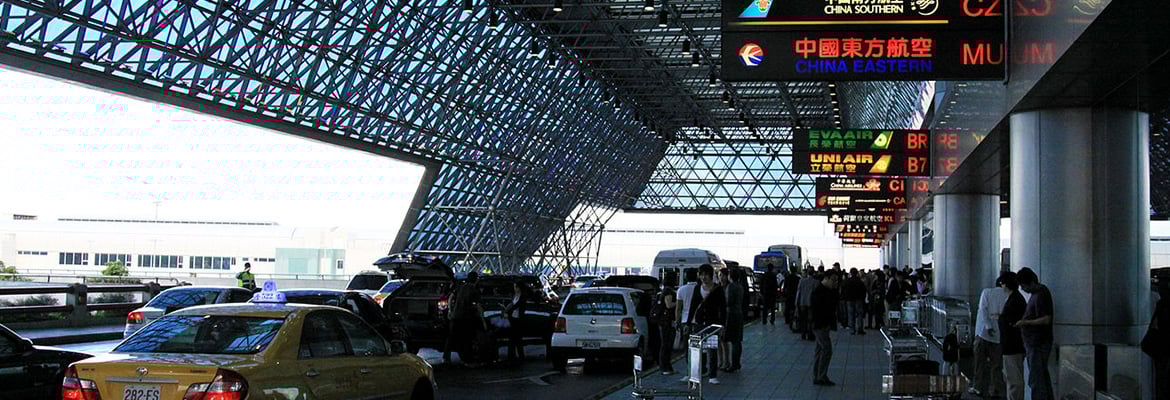
Resultado de imagen para Taiwan Taoyuan International Airport

AW | 2018 06 26 12:57 | AIRLINES / AIR TRAFFIC / GOVERNMENT

Las aerolíneas estadounidenses podrían perder mercado sobre la postura de Taiwán

Las aerolíneas chinas se convierten en daños colaterales en la guerra comercial con los Estados Unidos. La principal amenaza a largo plazo es el establecimiento de un tratado de aviación de cielos abiertos entre China y Estados Unidos, una condición previa para las alianzas de códigos compartidos que pueden pasar el examen con las agencias antimonopolio.

Las principales aerolíneas del mundo deberán tomar una postura a un mes para la resolución de Pekín de reconocer a Taiwán como parte de China. Los transportistas estadounidenses corren el riesgo de experimentar dificultades en sus vuelos a la República de China al permanecer con una postura desafiante al no reconocer a Taiwán como parte de la china continental. Las aerolíneas Japan Airlines, ANA Airlines y Qantas Airways han cambiado la forma en que describieron a Taiwán en sus sitios web, Delta Air Lines y American Airlines se encuentran entre los últimos, llamando a la isla una región o país. Podrían enfrentar medidas como retrasos en el control del tráfico aéreo, inspecciones en rampa, detenciones en los controles de inmigración y seguridad. A falta de una prohibición absoluta, los chinos podrían hacerlo comercialmente, operacionalmente difícil para los transportistas estadounidenses que lleguen y salgan de los aeropuertos chinos.

Delta y American Airlines, que tienen hasta el 25 Julio 2018 para ajustarse a la cuestión de Taiwán, dicen que están consultando con el gobierno de los Estados Unidos incluso cuando la Casa Blanca desestimó la orden como «tonterías orwellianas». Un representante de United Continental Holdings Inc., la compañía estadounidense con más servicios a China continental, se negó a hacer comentarios. La disputa diplomática se produce en medio de una guerra comercial cada vez peor entre Donald Trump y Xi Jinping.

Hay más opciones en el libro de estrategias de China para infligir dolor, dijo Corrine Png, directora ejecutiva y fundadora de Crucial Perspective Pte., Una firma de investigación con sede en Singapur centrada en el transporte. Los transportistas estadounidenses tienen una exposición mucho mayor a las rutas de China y, por lo tanto, tienen más que perder al ofender a China.

El gobierno de China podría incitar a los viajeros del continente a boicotear las aerolíneas estadounidenses y también podría imponer restricciones al turismo mediante la aprobación de menos paquetes turísticos, una táctica que resultó efectiva contra Corea del Sur cuando el país decidió desplegar un escudo antimisiles estadounidense el año pasado. quejas, dijo Png.

La cuestión «Made in Taiwán»

China, que dice que sus relaciones con los Estados Unidos dependen de la aceptación estadounidense de su reclamo de «una sola China», últimamente se ha enojado por los crecientes vínculos entre la administración Trump y el gobierno de la isla encabezado por el presidente independentista Tsai Ing-wen. En Marzo 2018, Xi advirtió que los esfuerzos para ensanchar las divisiones con Taiwan serían castigados por la historia.

En Abril 2018, la Administración de Aviación Civil de China (CAAC) envió una carta a más de 40 aerolíneas extranjeras, diciéndoles que no deberían ubicar a China, Hong Kong y Taiwán en pie de igualdad, y que deben referirse a «China Taiwán» o «China». «Los mapas deben mostrar los territorios del mismo color que China continental y los sitios web no pueden ubicar a Taiwán en otras categorías como el sudeste asiático», dijo. Después de que algunos operadores solicitaran más tiempo, el plazo se extendió hasta el 25 de julio.

La secretaria de prensa de la Casa Blanca, Sarah Huckabee Sanders, dijo en Mayo 2018 que era parte de una tendencia creciente por parte del Partido Comunista Chino de imponer sus puntos de vista políticos sobre los ciudadanos estadounidenses y las empresas privadas, que serán resistidos.  AIRWAYS® AW-Icon TXT

Resultado de imagen para airport Taiwan

China press for Taiwan identity

US airlines could lose market over Taiwan’s stance

Chinese airlines become collateral damage in the commercial war with the United States. The main long-term threat is the establishment of an open-skies aviation treaty between China and the United States, a precondition for code-share partnerships that can pass the test with antitrust agencies.

The world’s top airlines will have to take a one-month stand for Beijing’s resolution to recognize Taiwan as part of China. US carriers are at risk of experiencing difficulties on their flights to the Republic of China by remaining defiant in not recognizing Taiwan as part of mainland China. Airlines Japan Airlines, ANA Airlines and Qantas Airways have changed the way they described Taiwan on their websites, Delta Air Lines and American Airlines are among the last, calling the island a region or country. They could face measures such as delays in air traffic control, ramp inspections, detentions in immigration and security controls. In the absence of an outright ban, the Chinese could do it commercially, operationally difficult for US carriers to and from Chinese airports.

Delta and American Airlines, which have until July 25, 2018 to adjust to the question of Taiwan, say they are consulting with the US government even when the White House dismissed the order as «Orwellian nonsense.» A representative of United Continental Holdings Inc., the US company with the most services to mainland China, declined to comment. The diplomatic dispute occurs in the midst of a worsening trade war between Donald Trump and Xi Jinping.

There are more options in China’s strategy book to inflict pain, said Corrine Png, executive director and founder of Crucial Perspective Pte., A Singapore-based research firm focused on transportation. American carriers have a much greater exposure to China’s routes and, therefore, have more to lose by offending China.

China’s government could encourage travelers from the mainland to boycott US airlines and could also impose restrictions on tourism by approving fewer package holidays, a tactic that proved effective against South Korea when the country decided to deploy a US anti-missile shield. last year. complaints, said Png.

The question «Made in Taiwan»

China, which says its relations with the United States depend on US acceptance of its claim to «one China,» has recently been angered by the growing links between the Trump administration and the island’s government led by pro-independence president Tsai. Ing-wen In March 2018, Xi warned that efforts to widen the divisions with Taiwan would be punished by history.

In April 2018, the Civil Aviation Administration of China (CAAC) sent a letter to more than 40 foreign airlines, telling them that they should not place China, Hong Kong and Taiwan on an equal footing, and that they should refer to «China Taiwan» or «China». «The maps should show the territories of the same color as mainland China and the websites can not place Taiwan in other categories like Southeast Asia,» he said. After some operators requested more time, the deadline was extended until July 25.

White House press secretary Sarah Huckabee Sanders said in May 2018 that it was part of a growing trend on the part of the Chinese Communist Party to impose its political views on US citizens and private companies, which will be resisted. A \ W


Ξ A I R G W A Y S Ξ
SOURCE:  Airgways.com
DBk: Bloomberg.com / Halaltrip.com / Justgola.com
AW-POST: 201806011550AR

A\W   A I R G W A Y S ®

Paro Argentina afecta aviación comercial

AW-70086444.png

AW | 2018 06 25 23:45 | AIR TRAFFIC / AIRLINES

Alrededor de 600 vuelos fueron cancelados y unos 71.000 pasajeros afectados tras el paro gremial en Argentina

Medios de prensa divulgan el éxito obtenido por la huelga general protagonizada por los trabajadores argentinos en contra de las medidas neoliberales y del endeudamiento del país con el Fondo Monetario Internacional.

Los seis sindicatos que integran el Frente Gremial Aeronáutico se sumaron al tercer paro general que la Confederación General del Trabajo (CGT) convocó contra la administración de Mauricio Macri este lunes, 25 Mayo 2018. La medida ha paralizado prácticamente el tráfico de vuelos de ninguna de las aerolíneas que opera en el país durante toda la jornada.

Los sindicatos que adhirieron a la huelga son UPSA, UALA, APLA, APTA, APA y Atcpea que reclaman cambios en la política económica y el cese del ajuste económico. En términos prácticos, esto significa que desde las cero y hasta el último minuto de este lunes no ingresarán ni saldrán vuelos de ninguna aerolínea, salvo American Airlines, que depende de personal propio para operar.

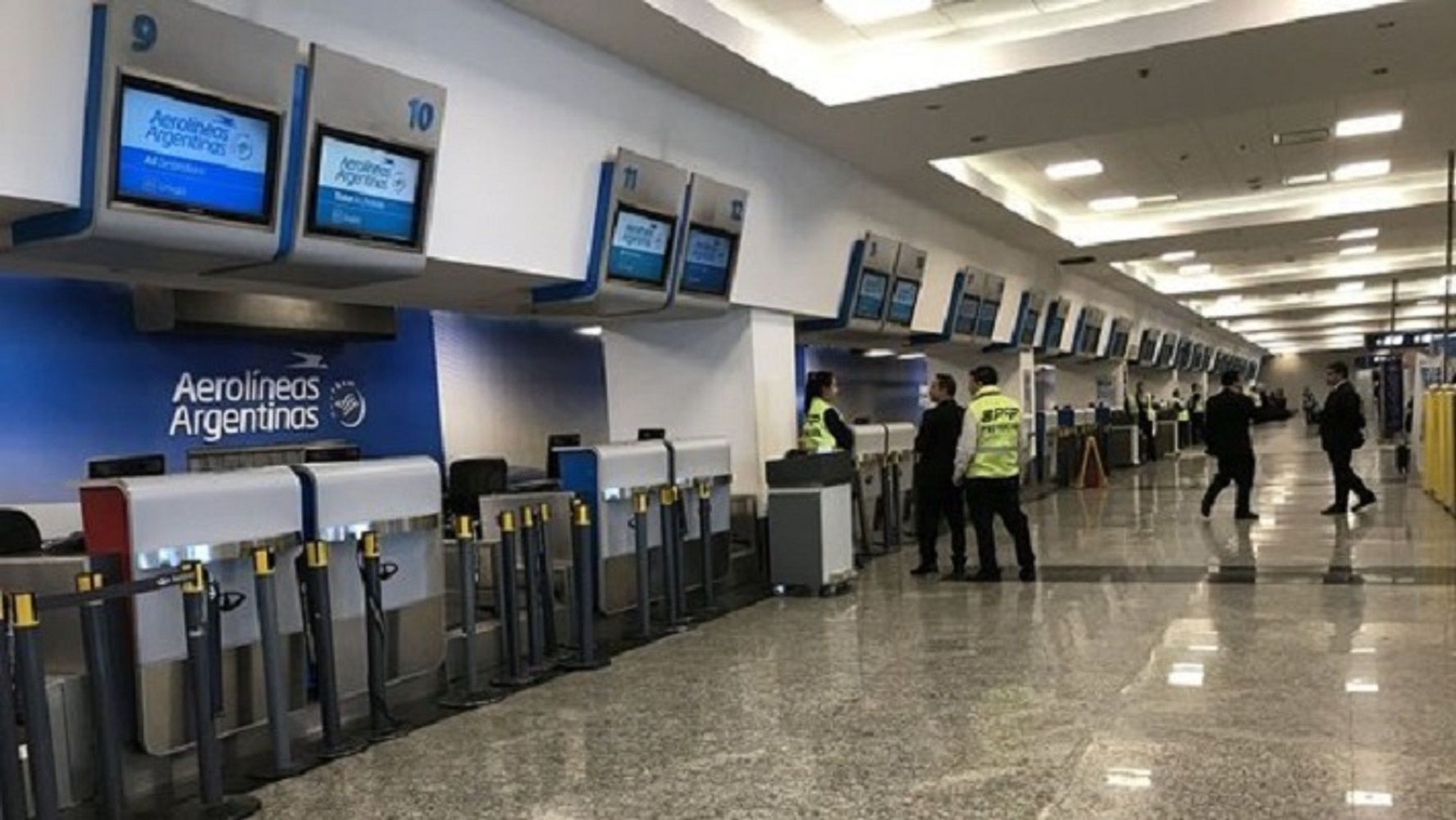
Resultado de la imagen para paro transporte aéreo EzeizaHUELGA GENERAL EN LA REPÚBLICA ARGENTINA PARALIZÓ EL TRANSPORTE AÉREO
El Secretario General de la Unión del Personal Superior y Profesional de Empresas Aerocomerciales (UPSA), Rubén Fernández, había adelantado el último viernes que el paro sería total y sin presencia en los lugares de trabajo entre las 00:00 hs hasta 24:00 hs. Marcelo Uhrich, Secretario de Prensa del Gremio y vocero del Frente Gremial, aseguró que los trabajadores del sector «están afectados por la precarización laboral y la política oficial de apertura» y rechazó «la ausencia de reciprocidad en beneficio de las empresas aéreas transnacionales, como el holding Latam que, a nivel regional e internacional, transporta más pasajeros que la propia Aerolíneas Argentinas (AA)». El sindicalista señaló entre otros problemas que afrontan los aeronáuticos la situación de «la filial local de Latam que está siendo perjudicada. La compañía retiró dos aviones de cabotaje y uno internacional y cerró las escalas de Bahía Blanca y San Juan, y el call center. Los gremios están preocupados también por Aerolíneas Argentinas ante la pérdida de mercado mundial y el cierre de rutas como Barcelona y la ausencia de recambio e incorporación de aviones», expresó Marcelo Uhrich.

El dirigente sostuvo que el modelo económico «es de ajuste, lo que genera pérdida inexorable de empleos y del poder adquisitivo de trabajadores y jubilados, crisis social, endeudamiento, aumento de tarifas e inflación», por lo que exigió paritarias libres y sin topes. Rechazó la reforma laboral y la aplicación del impuesto a las ganancias, como también los cambios y la flexibilización de la normativa aeronáutica (RAAC).

Comunicado oficial

El Ministerio de Transporte difundió un comunicado este lunes a media mañana en el que aseguró que el paro en las aerolíneas afectó por lo menos a 71.000 pasajeros. Se estima que la cantidad de vuelos cancelados en todos el país asciende a 594. A su vez, destacó que a diferencia de los aeropuertos de Ezeiza, Jorge Newbery y el resto de las terminales, el de El Palomar se mantiene operativo, con 9 vuelos programados de la empresa Flybondi Líneas Aéreas.

La reanudación de los servicios de las aerolíneas comenzarán a normalizarse con el correr de las horas. A los usuarios del transporte aéreo es importante que puedan comunicarse con las líneas aéreas para obtener más información acerca de las reprogramaciones y vuelos actuales del día.  AIRWAYS® AW-Icon TXT

Resultado de la imagen para paro transporte aéreo

Unemployment in Argentina affects commercial aviation

Around 600 flights were canceled and some 71,000 passengers affected after the union strike in Argentina

Press media disclose the success obtained by the general strike led by the Argentine workers against the neoliberal measures and the indebtedness of the country with the International Monetary Fund.

The six unions that make up the Gremial Aeronautico Front joined the third general strike that the General Confederation of Labor (CGT) summoned against the administration of Mauricio Macri on Monday, May 25, 2018. The measure has virtually paralyzed the flight traffic of any of the airlines that operate in the country throughout the day.

The unions that joined the strike are UPSA, UALA, APLA, APTA, APA and Atcpea that demand changes in economic policy and the cessation of economic adjustment. In practical terms, this means that flights from any airline will not enter or leave from zero until the last minute of this Monday, except for American Airlines, which depends on its own personnel to operate.

The Secretary General of the Union of the Superior and Professional Personnel of Aero-commercial Companies (UPSA), Rubén Fernández, had advanced last Friday that the unemployment would be total and without presence in the places of work between the 00:00 hs until 24:00 hs . Marcelo Uhrich, Secretary of the Guild Press and spokesman of the Trade Union Front, assured that workers in the sector «are affected by job insecurity and the official opening policy» and rejected «the absence of reciprocity for the benefit of transnational airlines, such as the holding company Latam that, on a regional and international level, transports more passengers than Aerolíneas Argentinas (AA)».  The unionist said among other problems that the aeronautics face the situation of the local subsidiary of Latam that is being harmed. «The company withdrew two cabotage planes and one international and closed the scales of Bahía Blanca and San Juan, and the call center. The unions are also concerned about Aerolíneas Argentinas in the face of the loss of the global market and the closure of routes such as Barcelona and the lack of spare parts and the incorporation of airplanes», said Marcelo Uhrich.

The leader argued that the economic model «is one of adjustment, which generates inexorable loss of jobs and the purchasing power of workers and retirees, social crisis, indebtedness, increase in rates and inflation», for which it demanded free parity and without limits. He rejected the labor reform and the application of the income tax, as well as the changes and the flexibilization of aeronautical regulations (RAAC).

Official statement

The Ministry of Transportation released a statement on Monday mid-morning in which he said that the stoppage in the airlines affected at least 71,000 passengers. It is estimated that the number of flights canceled in all the country amounts to 594. In turn, he stressed that unlike the airports of Ezeiza, Jorge Newbery and the rest of the terminals, El Palomar remains operational, with 9 flights of the company Flybondi Líneas Aéreas.

The resumption of airline services will begin to normalize with the passing of the hours. It is important for air transport users that they can communicate with airlines to obtain more information about the reprogramming and current flights of the day. A \ W


Ξ A I R G W A Y S Ξ
SOURCE:  Airgways.com
DBk: Argentina.gob.ar/transporte / Clarin.com / Airgways.com / Perfil.com / Minutouno.com
AW-POST: 201806252345AR

A\W   A I R G W A Y S ®

DGAC informa irregularidades en LAW

Resultado de imagen para LAW Airlines

AW | 2018 06 25 21:42 | AVIATION SAFETY / AVIATION ORGANISMS

Resultado de la imagen para dgac chileLa DGAC revela que gravísimas irregularidades en la aerolínea chilena LAW Airlines

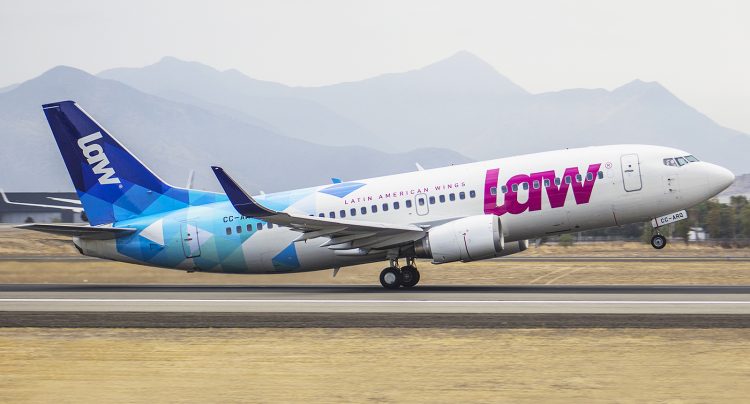
El informe divulgado recientemente por parte de la Dirección General de Aeronáutica Civil (DGAC), organismo que fiscaliza a las aerolíneas en Chile, informa sobre las irregularidades en el incumplimiento de las normas de aviación de la aerolínea LAW, Latin American Wings Airlines. El pasado 16 Mayo 2018, la Dirección Nacional de Aeronáutica Civil (DGAC) canceló definitivamente la licencia de la aerolínea LAW para operaciones nacionales e internacionales.

Auditoría en LAW

Resultado de imagen para LAW AirlinesEl informe expuesto por parte del organismo regulador de la aviación en Chile, a más de un mes de la resolución de cancelación de las explotaciones aerocomerciales de LAW, se dieron a conocer los resultados de un informe, elaborado por el mismo organismo, donde se detallan las irregularidades cometidas por LAW Airlines, tras una auditoría realizada entre el 20 y 29 Mayo 2018.

En la auditoría efectuada a la compañía aérea LAW Airlines ha arrojado informes reveladores y serias anormalidades a las normas operativas. La DGAC ha divulgado que la aerolínea no tenía seguros (o estarían vencidos) para la explotación de las rutas asignadas, existiendo fallas en las capacitaciones a la tripulación. Según el documento revelado, LAW Airlines no operaba con seguros para los aviones, entre ellos la falta de seguros de responsabilidad civil por daños a terceros, pasajeros y tripulantes. Esto significa que la empresa estaba expuesta a gravísimas faltas, fallas a la seguridad e irregularidades a las contravenciones a las normas de vuelo vigente en Chile. Otra falla de la aerolínea es la falta de capacitación de sus tripulantes para enfrentar actos ilícitos o ataques terroristas. Además, se registró el caso de un piloto que no contaba con las habilitaciones tipo vigentes para las aeronaves Boeing 737-300. Según detalla el documento, la compañía designó un vuelo del 1 Marzo 2018 a un piloto, sin cerciorarse del vencimiento de sus autorizaciones. La aerolínea LAW Airlines no había realizado los pagos de tasas aeronáuticas, no pudo acreditar el desembolso de estos valores que le permiten hacer uso del aeropuerto y de los servicios de navegación aérea en sus operaciones. El informe también reveló deudas en los sueldos en los meses entre Enero a Marzo 2018, y la falta de incumplimientos de los reportes de los estados financieros de la aerolínea. Otro requisito no cumplido es contar con un Centro de Mantenimiento Aeronáutico (CMA). Estos establecimientos están acondicionados para hacer las mantenciones a las aeronaves, y según detalla el informe: “el operador aéreo no dispone de un CMA propio e independiente aprobado o reconocido por la DGAC”.

Cancelación de la AOC

La medida de la DGAC de Chile ha permitido dejar en tierra a cinco aeronaves Boeing 737-300. La autoridad revocó definitivamente el Certificado de Operador Aéreo (AOC), dado los incumplimientos a la normativa técnica que arrojó la auditoría realizada entre el 20 y 29 Marzo 2018. A juicio de la DGAC, la falta de cumplimiento de dichos requisitos afectaban la seguridad de las operaciones aéreas.

El documento emitido por la DGAC de Chile de 60 páginas, evidencia las serias irregularidades que afectaban a una aerolínea y por otro lado la falta de fiscalización por parte de todos los organismos de la aviación implicados, desnudando las gravísimas faltas en ambos sectores.

El caso del vuelo DMJ-792 de Global Air ponen al descubierto las faltas graves al incumplimiento de las normativas de seguridad. Las operaciones de la aerolínea mexicana Global Air que prestaba servicios en calidad de wetlease a Cubana de Aviación, fueron suspendidas para que las autoridades aeronáuticas mexicanas puedan realizar inspecciones de los aviones que alquila tras la tragedia en Cuba.

El reciente informe de la DGAC de Chile demuestra a las claras la falta recurrente de los organismos a fiscalizar a las aerolíneas exponiendo seriamente a los usuarios a atentar contra la seguridad. El caso del LAW Airlines con leves consecuencias; el caso de Global Air, un desenlace fatal. AIRWAYS® AW-Icon TXT

Resultado de imagen para LAW Airlines

DGAC reports irregularities in LAW

The DGAC reveals that very serious irregularities in the Chilean airline LAW Airlines

The report recently released by the Directorate General of Civil Aeronautics (DGAC), the body that oversees the airlines in Chile, reports on the irregularities in the breach of the aviation regulations of the airline LAW, Latin American Wings Airlines. On May 16, 2018, the National Directorate of Civil Aeronautics (DGAC) definitively canceled the license of the airline LAW for national and international operations.

Audit at LAW

The report presented by the regulatory agency of aviation in Chile, more than a month after the cancellation resolution of LAW’s aero commercial operations, the results of a report prepared by the same agency, where detailed the irregularities committed by LAW Airlines, after an audit conducted between May 20 and 29, 2018.

In the audit carried out to the airline LAW Airlines, it has revealed revealing reports and serious abnormalities to the operative norms. The DGAC has disclosed that the airline did not have insurance (or would be due) for the operation of the assigned routes, and there are faults in the training of the crew. According to the document revealed, LAW Airlines did not operate insurance for the planes, among them the lack of third-party liability insurance for passengers, passengers and crew. This means that the company was exposed to very serious faults, security failures and irregularities to the contraventions to the current flight rules in Chile. Another failure of the airline is the lack of training of its crew to face illegal acts or terrorist attacks. In addition, the case of a pilot who did not have the current type ratings for Boeing 737-300 aircraft was recorded. As detailed in the document, the company designated a flight from 1 March 2018 to a pilot, without ascertaining the expiration of its authorizations. The airline LAW Airlines had not made the aeronautical rate payments, could not prove the disbursement of these values ​​that allow it to use the airport and the air navigation services in its operations. The report also revealed debts in salaries in the months between January to March 2018, and the lack of non-compliance with the reports of the airline’s financial statements. Another requirement not met is having an Aeronautical Maintenance Center (CMA). These establishments are equipped to make the maintenance of the aircraft, and as detailed in the report: «the air operator does not have its own and independent CMA approved or recognized by the DGAC».

Cancellation of the AOC

The measure of the Chilean DGAC has allowed five Boeing 737-300 aircraft to be left on the ground. The authority definitively revoked the Air Operator Certificate (AOC), given the breaches of technical regulations issued by the audit carried out between 20 and 29 March 2018. In the opinion of the DGAC, the lack of compliance with these requirements affected the safety of air operations.

The document issued by the 60-page DGAC of Chile, evidences the serious irregularities that affected an airline and, on the other hand, the lack of control by all the aviation organizations involved, exposing the very serious faults in both sectors.

The case of the flight DMJ-792 of Global Air exposes the serious faults to the breach of the security regulations. The operations of the Mexican airline Global Air, which provided services as a wet-lease to Cubana de Aviación, were suspended so that the Mexican aeronautical authorities could carry out inspections of the planes it rents after the tragedy in Cuba.

The recent report of the DGAC of Chile clearly demonstrates the recurrent lack of agencies to monitor airlines seriously exposing users to attack security. The case of LAW Airlines with slight consequences; the case of Global Air, a fatal descendant. A \ W


Ξ A I R G W A Y S Ξ
SOURCE:  Airgways.com
DBk: Dgac.gob.cl / Airgways.com
AW-POST: 201806252142AR

A\W   A I R G W A Y S ®

Airbus reestablece entregas del A320NEO

Resultado de la imagen para A320neo Indigo

AW | 2018 06 24 20:51 | INDUSTRY

Logo_Airbus_2014.svgLa compañía Airbus a reestablecido el control de la unidad de la línea de ensamblaje del A320NEO después de los problemas ocasionados por su planta motriz
A320NEO Isologotype

Airbus ha restablecido el equilibrio del motor en las entregas de A320NEO realizadas en la línea de producción en Europa. Los operadores indios como Indigo y GoAir están al corriente de las entregas a pesar de las demoras ocasionadas por los desperfectos en la motorización de la línea de nueva generación de la familia A320, cuando a principios de este año, estos aviones se vieron afectados por problemas en los motores Pratt & Whitney que impulsaron a algunos de ellos.

Airbus ha restaurado con éxito la paridad de la motorización a las entregas de la familia A320NEO’s, entregando 22 aviones en total durante mayo, dijo un funcionario que supervisó las entregas. Cuando Pratt & Whitney tuvo problemas con el motor PW1100G y comenzó el reacondicionamiento, afectó a las nuevas entregas. En Mayo 2018, el fabricante de aviones entregó 22 A320NEO’s, igualmente equipados con motores Pratt & Whitney y CFM. Mientras Índigo y GoAir habían optado por lo primero, Air India y Vistara eligieron el último motor. «Inicialmente, llegó el momento de poner a disposición los motores de la aeronave con conexión a tierra en la India y proporcionar motores para las nuevas entregas. Ahora estamos de nuevo en marcha», dijo Justin Dubon, Director de Comunicaciones de noticias globales de Airbus.

Resultado de la imagen para A320neo power

Airbus ha entregado en Mayo 41 aviones de la familia A320, que incluyeron 22 de la serie NEO), junto con siete A350-900 y tres A330-200 / A330-300. Teniendo en cuenta las órdenes y entregas de Mayo 2018, los pedidos netos registrados por Airbus durante los primeros cinco meses de 2018 ascendieron a 111 aviones comerciales. Hasta el 31 Mayo, la cartera total de aviones a reacción de Airbus que quedaban por entregar era de 7,153 aviones, lo que representa aproximadamente nueve años de producción a las tarifas actuales.

El A320NEO, a pesar de los problemas del pasado, es un 15% más eficiente en combustible que los modelos comparables actuales. También muestra mejores cifras en términos de reducción de ruido. El contorno de nivel de ruido máximo de 85 dB (decibeles) de un A320NEO de salida es aproximadamente un 50% más bajo que el de los actuales A3200CEO. De acuerdo con las normas de certificación, las emisiones de ruido acumuladas son aproximadamente 29,8 dB por debajo de los límites de la OACI aplicables, lo que representa un avance significativo en términos de reducción de ruido y emisiones en comparación con la flota actual de A320. Esta es también la razón por la cual las aerolíneas están dispuestas a esperar. Además de la nueva tecnología del motor, los aviones A320NEO y A321NEO también están equipados con generadores de vórtice en la entrega, que tienen un efecto adicional de reducción del ruido. Las alas están equipadas con puntas de ala recientemente desarrolladas recientemente, que con sus aletas de 2.4 metros de largo (sharklets) conducen a un menor consumo de combustible debido a las ventajas aerodinámicas resultantes.  AIRWAYS® AW-Icon TXT

Resultado de la imagen para A320neo power

Airbus re-establishes deliveries of the A320NEO

AW-70099433The Airbus company has re-established the control of the assembly line unit of the A320NEO after the problems caused by its power plant

6ec9bd0bd4b6216692c11ade5b0999f4_f31

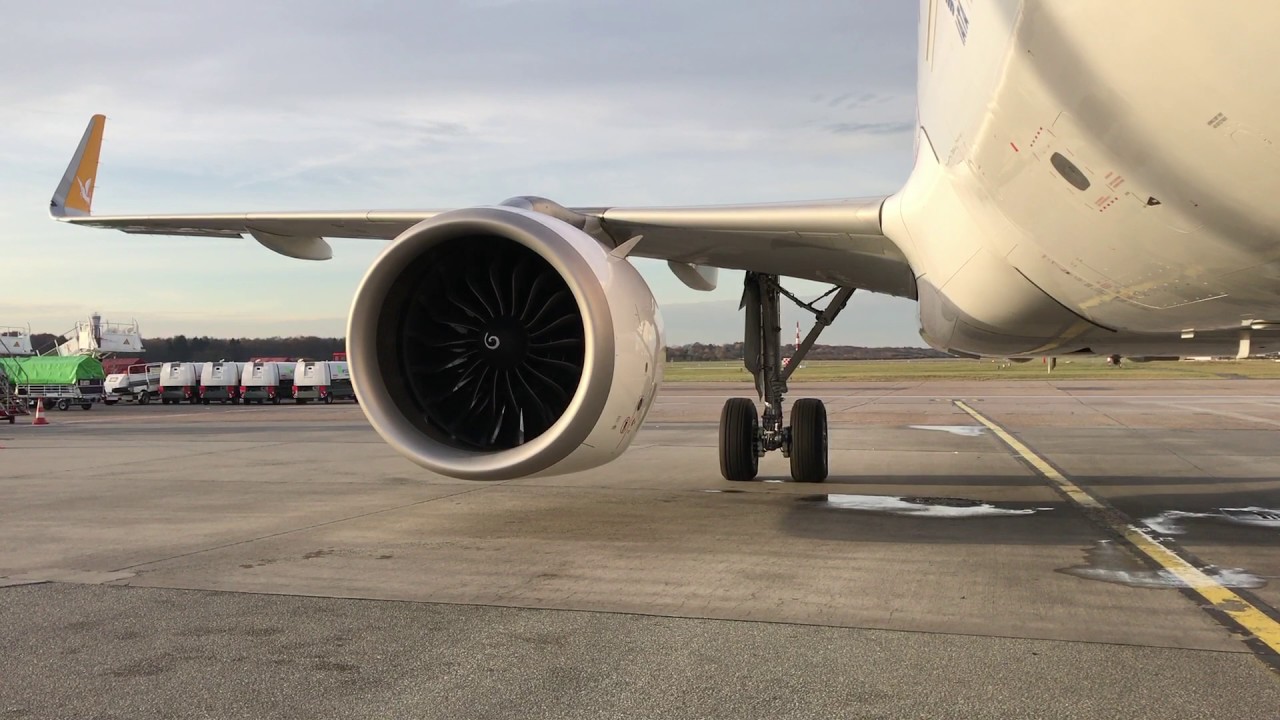
Airbus has restored the balance of the engine in the deliveries of A320NEO made in the production line in Europe. Indian operators such as Indigo and GoAir are aware of the deliveries despite the delays caused by the defects in the motorization of the new generation line of the A320 family, when earlier this year, these aircraft were affected by problems in the Pratt & Whitney engines that drove some of them.

Imagen relacionada

Airbus has successfully restored the parity of the motorization to deliveries of the A320NEO family, delivering 22 aircraft in total during May, said an official who oversaw the deliveries. When Pratt & Whitney had problems with the PW1100G engine and began the refurbishment, it affected the new deliveries. In May 2018, the aircraft manufacturer delivered 22 A320NEO’s, also equipped with Pratt & Whitney and CFM engines. While Indigo and GoAir had opted for the former, Air India and Vistara chose the latest engine. «Initially, it was time to make available the engines of the grounded aircraft in India and to provide engines for new deliveries, we are now back on track», said Justin Dubon, Director of Global News Communications at Airbus.

Airbus delivered 41 aircraft of the A320 family on May, including 22 of the NEO series), along with seven A350-900 and three A330-200 / A330-300. Taking into account the orders and deliveries of May 2018, net orders registered by Airbus during the first five months of 2018 amounted to 111 commercial aircraft. Until May 31, the total portfolio of Airbus jet aircraft remaining to be delivered was 7,153 aircraft, representing approximately nine years of production at current rates.

The A320NEO, despite the problems of the past, is 15% more fuel efficient than the current comparable models. It also shows better figures in terms of noise reduction. The maximum noise level contour of 85 dB (decíbeles) of an A320NEO output is approximately 50% lower than that of the current A3200CEO. According to the certification standards, cumulative noise emissions are approximately 29.8 dB below the applicable ICAO limits, which represents a significant advance in terms of noise and emission reduction compared to the current fleet. A320 This is also the reason why airlines are willing to wait. In addition to the new engine technology, the A320NEO and A321NEO aircraft are also equipped with vortex generators in the delivery, which have an additional effect of noise reduction. The wings are equipped with wing tips recently developed recently, which with their fins of 2.4 meters long (sharklets) lead to a lower fuel consumption due to the resulting aerodynamic advantages. A \ W


Ξ A I R G W A Y S Ξ
SOURCE:  Airgways.com
DBk: Airbus.com / Airgways.com / Pinterest.co.uk / Lufthansagroup.com / Flickr.com
AW-POST: 201806242051AR

A\W   A I R G W A Y S ®

Aumento inestabilidad aerolíneas EEUU

Resultado de la imagen para los aeropuertos de EE.

AW | 2018 06 24 20:02 | AIRLINES MARKET

Las aerolíneas estadounidenses apuntan la revisión las proyecciones de capacidad por los aumentos en combustibles y la geopolítica

La actual política comercial, sumado al aumento de los precios del petróleo se combinan para crear cierta inestabilidad al sector aéreo en los EEUU. La IATA advirtió a las aerolíneas que podrían verse afectadas por una agenda proteccionista mientras revisan sus pronósticos de rentabilidad global de las aerolíneas.

Las crecientes tensiones comerciales entre Estados Unidos, Canadá, México y Europa afectarán la demanda de viajes aéreos en los Estados Unidos y el resto del mundo proyectados para fin de año. Las aerolíneas están enfrentando caídas en las ganancias, los precios del petróleo subiendo y la incertidumbre geopolítica continuando, de esta manera están considerando necesario revisar sus objetivos de crecimiento de capacidad para 2018 después de que la mayoría de las aerolíneas del país inicialmente planificaron un sólido crecimiento interanual este año e incluso cuando los costos más altos de combustible generalmente conducen a aumentos de tarifas, hay un retraso de tiempo para establecer esa correlación.

IATA revisó su pronóstico de ganancias globales para 2018 de USD38.4 mil millones a USD33.8 mil millones. La asociación también proyecta que el promedio anual del crudo Brent aumentará a USD70 por barril en comparación con un pronóstico previo de USD60.Plantea que las aerolíneas corren el riesgo del avance de las fuerzas políticas que impulsan una agenda proteccionista, la incertidumbre tras la retirada de Estados Unidos del acuerdo nuclear de Irán, la falta de claridad sobre el impacto del Brexit, numerosas discusiones comerciales en curso y geopolítica continua conflictos.

La tormenta geopolítica

Estados Unidos ha establecido aranceles sobre las importaciones de acero (25%) y aluminio (10%) de sus aliados, incluidos Canadá, México y la Unión Europea. Todas estas entidades tienen planes para tomar represalias a sus propias tarifas por un total de miles de millones de dólares. Las aerolíneas de EEUU han tenido que controlar los vertiginosos movimientos en la política comercial durante meses, imponiendo aranceles a ciertas importaciones chinas. Las tasas en la UE están ocurriendo ya que las rutas transatlánticas se convertirán en una de las entidades geográficas con mejores resultados para American Airlines, Delta Air Lines y United Airlines.

Ganancias discretas

Después que EEUU optaron por imponer aranceles a ciertos productos chinos, las líneas aéreas más grandes de los EEUU parecían mantener su perspectiva positiva sobre las tendencias de la demanda. Los ingresos corporativos de United Airlines aumentaron un 9% año con año en el 1Q2018 liderados por las ganancias en el sector de la energía. Houston Intercontinental es el segundo centro más grande de United medido por las frecuencias de salida, y la industria petrolera es un gran impulsor de la economía de Houston. Al final del 1Q2018, United Airlines creía que su crecimiento favorable en el sector corporativo continuaría ya que las ventas de cabina premium eran robustas en sus geografías internacionales. Delta Air Lines, a principios de 2018, remarcó que su última encuesta de gerentes de viajes corporativos mostró que más del 88% proyectaba que su gasto continuaría o aumentaría para el año, que era la perspectiva más positiva que la aerolínea había visto en tres años.

A pesar del optimismo que las aerolíneas estadounidenses tienen sobre la demanda y las tendencias de ingresos, la incertidumbre geopolítica y los crecientes costos de combustible llevarán a las compañías estadounidenses a revisar su planificación de las apacidades para el 4Q2018 a fin de garantizar un equilibrio óptimo de oferta y demanda para mantener una rentabilidad sólida.  AIRWAYS® AW-Icon TXT

Resultado de la imagen para los aeropuertos de EE.

The increase instability airlines US

US airlines point to revised capacity projections for increases in fuels and geopolitics

The current commercial policy, combined with the increase in oil prices, combine to create some instability in the US air sector. IATA warned airlines that they could be affected by a protectionist agenda while reviewing their forecasts of global profitability of airlines.

Growing commercial tensions between the United States, Canada, Mexico and Europe will affect the demand for air travel in the United States and the rest of the world projected for the end of the year. Airlines are facing declines in profits, rising oil prices and continuing geopolitical uncertainty, so they are considering revising their capacity growth targets for 2018 after most of the country’s airlines initially planned solid growth. Year-on-year this year and even when higher fuel costs generally lead to rate increases, there is a time lag to establish that correlation.

IATA revised its global earnings forecast for 2018 from USD38.4 billion to USD33.8 billion. The association also projects that the annual average of Brent crude will increase to USD70 per barrel compared to a previous forecast of USD60. As the airlines run the risk of the advance of the political forces that drive a protectionist agenda, the uncertainty after the withdrawal of United States of Iran’s nuclear agreement, lack of clarity about the impact of Brexit, numerous ongoing trade discussions and geopolitical ongoing conflicts.

The geopolitical storm

The United States has established tariffs on imports of steel (25%) and aluminum (10%) from its allies, including Canada, Mexico and the European Union. All of these entities have plans to retaliate at their own rates for a total of billions of dollars. US airlines have had to control the dizzying movements in trade policy for months, imposing tariffs on certain Chinese imports. Rates in the EU are occurring as transatlantic routes will become one of the best performing geographic entities for American Airlines, Delta Air Lines and United Airlines.

Discrete earnings

After the US opted to impose tariffs on certain Chinese products, the largest airlines in the US seemed to maintain their positive outlook on demand trends. United Airlines corporate revenues increased 9% year-over-year in 1Q2018 led by gains in the energy sector. Houston Intercontinental is the second largest center in United measured by the output frequencies, and the oil industry is a big driver of the Houston economy. At the end of 1Q2018, United Airlines believed that its favorable growth in the corporate sector would continue as premium cabin sales were robust in their international geographies. Delta Air Lines, in early 2018, remarked that its latest survey of corporate travel managers showed that more than 88% projected that their spending would continue or increase for the year, which was the most positive outlook the airline had seen in three years .

Despite the optimism that US airlines have about demand and revenue trends, geopolitical uncertainty and rising fuel costs will push US companies to revise their 4Q2018 safety planning to ensure an optimal balance of supply and demand to maintain a solid profitability. A\W


Ξ A I R G W A Y S Ξ
SOURCE:  Airgways.com
DBk: Nydailynews.com
AW-POST: 201806242002AR

A\W   A I R G W A Y S ®

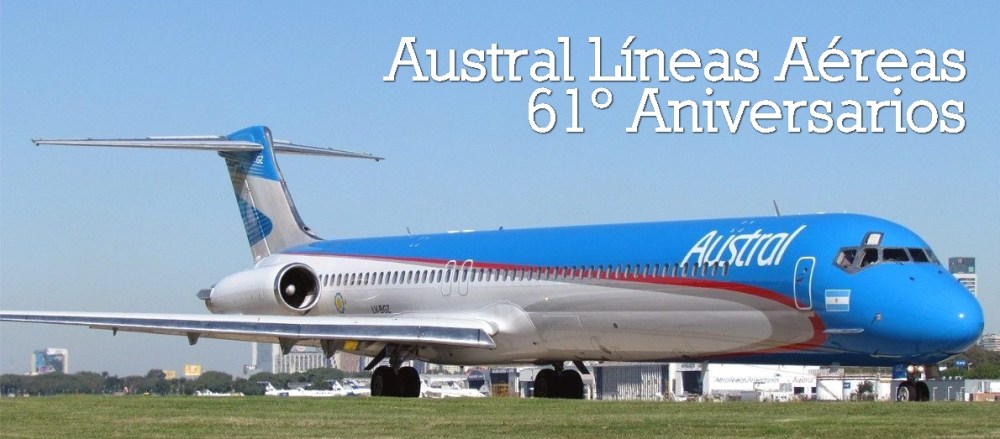
61º Aniversarios Austral Líneas Aéreas

AW-7009999954.jpg

AW | 2018 06 23 13:50 | AIRLINES

2000px-Austral_Líneas_Aéreas.svg (3)Austral Líneas Aéreas ha cumplido 61º años en Argentina

Los orígenes de Austral Líneas Aéreas se inician el 23 Junio 1957 cuando se fundó la Compañía Austral de Transportes Aéreos SACI (CATASACI) abriendo sus operaciones en Enero 1958. CATASACI concentró sus servicios en el suroeste de Argentina, pero también opera vuelos internacionales a Montevideo, Puerto Montt y Punta Arenas. Aerotransportes Litoral Argentino (ALA) era una compañía basada en Rosario que se fundó en 1957 para operar vuelos entre esta ciudad y Buenos Aires usando equipos Aero Commander y vuelos operados dentro del norte de Argentina. En 1965, Pan Am adquirió una participación del 22% en ALA a cambio de abastecer a la compañía con DC-3. Un año después, CATASACI adquirió un 30% de participación en ALA y los servicios de ambas compañías se integraron.

En mayo de 1971, la flota de ALA consistía en dos C-46 , cinco DC-3, dos DC-6B y cinco YS-11A-300 que prestaban servicios en una red nacional, incluidos Buenos Aires, Corrientes, Formosa, Goya, Paraná, Paso de los Libres, Posadas, Resistencia, Rosario, Salta, Santa Fe y Tucumán , más servicios regionales a Antofagasta y Asunción, mientras que CATASACI tenía una flota que incluía siete BAC One-Elevens-cuatro 400s y tres 500s, un C-46, un DC-6 y tres YS-11s . Austral Líneas Aéreas se estableció formalmente en junio de ese año a partir de la fusión de CATASACI y ALA. En la práctica, las operaciones de esta última aerolínea fueron absorbidas por CATASACI, que fue rebautizada como Austral Líneas Aéreas SA luego de la fusión. Austral heredó la flota de ambas compañías, que consiste en turbopropulsores NAMC YS-11 y aviones de pasajeros BAC One-Eleven.

AW-70087806.png

Era estatal

Austral se convirtió en propiedad del gobierno. En 1980, después de los malos resultados económicos, hubo dos intentos fallidos de volver a privatizar Austral en 1981 y 1983. Todo ese tiempo, Austral y Aerolíneas Argentinas competían en varias rutas nacionales. Al darse cuenta de que tal situación no podía durar mucho más, el gobierno decidió nuevamente privatizar Austral. Esto fue muy resistido por el personal de Aerolíneas Argentinas, y más específicamente sus pilotos, quienes afirmaron que sus salarios eran más bajos que los de las contrapartes de Austral. El sindicato de pilotos de Aerolíneas Argentinas entendió que el esfuerzo del gobierno no era resolver el conflicto salarial de sus afiliados, sino centrarse en la privatización de una aerolínea con pérdidas como Austral. La huelga afectó tanto a las operaciones nacionales como internacionales de Aerolineas Argentinas. Los transportistas argentinos y extranjeros se beneficiaron de esta huelga. Irónicamente, Austral se incluyó entre esos operadores, ganando la participación en el mercado interno que perdió Aerolíneas Argentinas.

Austral se convirtió una vez más en una firma privada cuando fue adquirida por el holding Cielos del Sur SA a fines de 1987. La adquisición generó cierta controversia en el sector de la aviación argentina en ese momento, ya que se planteó que el nuevo propietario tenía poca o ninguna experiencia en la gestión de una aerolínea. En abril de 1988, el transportista se convirtió en miembro de IATA . Poco después, la compañía se enfrentó a un accidente importante durante su nueva era privada el 12 de junio de 1988, cuando un McDonnell Douglas MD-81 chocó contra un árbol con un enfoque de baja visibilidad en Posadas.y se estrelló. Además de las 22 fatalidades involucradas en el accidente, también extendió las preocupaciones sobre el sector de la aviación sobre la baja tasa de ocupación de la aerolínea en algunas rutas, de solo 10.32% para este vuelo en particular.

LV-WFN.jpg

Cielos del Sur SA e Iberia formaron un consorcio para adquirir una participación del 85% en Aerolíneas Argentinas en 1990, en el marco de esa privatización de transportista bandera. Poco después, Cielos del Sur SA vendió Austral a Iberia. El destino de Aerolíneas Argentinas y Austral se alineó a partir de entonces. En julio de 1998, la empresa era un 10% propiedad de su antiguo competidor Aerolíneas Argentinas.

El 21 de julio de 2008, el Gobierno argentino volvió a tomar la aerolínea bajo control estatal luego de adquirir el 99.4% del capital social por un precio no divulgado. El 0,6% restante continúa siendo propiedad de los empleados de la empresa. En septiembre de 2008, el Senado de Argentina aprobó la nacionalización de Aerolíneas Argentinas y su filial Austral Líneas Aéreas en un voto de 46/21 a favor de la adquisición.

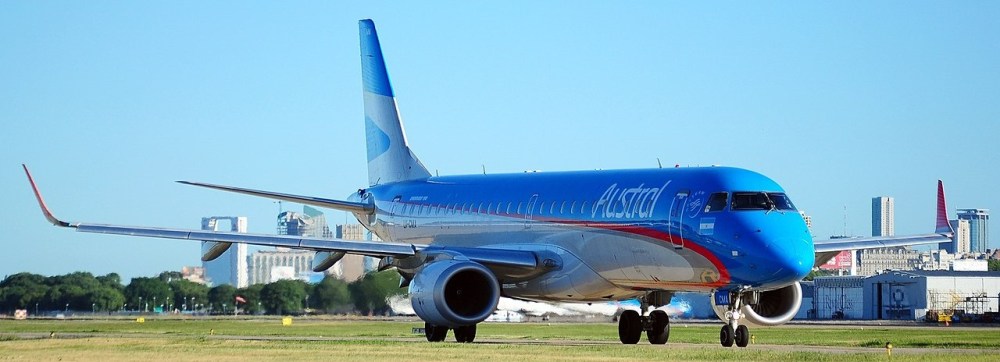
En junio de 2010, Aerolíneas Argentinas lanzó un nuevo esquema de pintura para renovar la imagen de la aerolínea. La nueva librea se asemeja al color azul de la bandera de Argentina y al color amarillo del sol. Como su aerolínea subsidiaria, Austral también adoptó la nueva imagen. La librea de Austral en realidad difiere de la de Aerolíneas Argentinas solo por una línea roja engañosa. Mientras tanto, la aerolínea también anunció la incorporación de 20 nuevos Embraer 190 a su flota, recibiendo los dos primeros en septiembre de 2010.

Antigua flota de Austral

Austral operaba anteriormente las siguientes aeronaves: BAC One-Eleven 400, BAC One-Eleven 500, Boeing 737-200, CASA CN-235 operado por Inter Austral, una antigua subsidiaria de Austral con sede en Córdoba, Curtiss C-46,Douglas DC-4, Douglas DC-6, Douglas DC-6A, Douglas DC-6B, DC-9-30, DC-9-50, Fokker F27-1000, McDonnell Douglas MD-81, McDonnell Douglas MD-82, McDonnell Douglas MD-83, McDonnell Douglas MD-88, YS-11-100 y YS-11A-300.

55f6094161966.jpg

Flota actual de Austral

Austral Líneas Aéreas realizó una importante renovación de flota. En 2009, la compañía firmó un contrato con Embraer para la compra de 20 Embraer 190, en un acuerdo valuado en US $ 600 millones que fue financiado en un 85% por BNDES. Se ordenaron otros dos E-190 en abril de 2013; el primero de estos dos aviones se incorporó a la flota en septiembre de 2013. La flota de la línea aérea está compuesta por 26 Embraer E190-100AR.

 Tras el proceso de estandarización y mejoramiento de la creciente demanda, Austral está inmersa en procesos de expansión por una flota de aeronaves con capacidades ampliadas en reemplazo de los Embraers E190-100AR.AIRWAYS® AW-Icon TXT

1280px-Embraer190Austral.jpg

61st Anniversaries of Austral

Austral Líneas Aéreas has reached its 61st anniversary in Argentina

The origins of Austral Líneas Aéreas began on June 23, 1957 when the Southern Air Transport Company SACI (CATASACI) was founded, opening its operations in January 1958. CATASACI concentrated its services in southwestern Argentina, but also operates international flights to Montevideo, Puerto Montt and Punta Arenas. Aerotransportes Litoral Argentino (ALA) was a company based in Rosario that was founded in 1957 to operate flights between this city and Buenos Aires using Aero Commander equipment and flights operated in northern Argentina. In 1965, Pan Am acquired a 22% stake in ALA in exchange for supplying the company with DC-3. A year later, CATASACI acquired a 30% stake in ALA and the services of both companies were integrated.

In May 1971, the ALA fleet consisted of two C-46, five DC-3, two DC-6B and five YS-11A-300 that served in a national network, including Buenos Aires, Corrientes, Formosa, Goya, Paraná, Paso de los Libres, Posadas, Resistencia, Rosario, Salta, Santa Fe and Tucumán, plus regional services to Antofagasta and Asunción, while CATASACI had a fleet that included seven BAC One-Elevens-four 400s and three 500s, one C -46, one DC-6 and three YS-11s. Austral Líneas Aéreas was formally established in June of that year following the merger of CATASACI and ALA. In practice, the operations of this last airline were absorbed by CATASACI, which was renamed Austral Líneas Aéreas SA after the merger. Austral inherited the fleet of both companies, which consists of NAMC YS-11 turboprops and BAC One-Eleven passenger aircraft.

155 Austral 1-11 LV-JGY.jpgBAC 1-11-400 OF AUSTRAL LÍNEAS AÉREAS

Era state

Austral became the property of the government. In 1980, after the poor economic results, there were two failed attempts to re-privatize Austral in 1981 and 1983. All this time, Austral and Aerolíneas Argentinas competed on several national routes. Realizing that such a situation could not last much longer, the government decided once again to privatize Austral. This was strongly resisted by Aerolineas Argentinas staff, and more specifically by its pilots, who claimed that their salaries were lower than those of Austral’s counterparts. The Union of pilots of Aerolineas Argentinas understood that the government’s effort was not to resolve the salary conflict of its affiliates, but to focus on the privatization of an airline with losses like Austral. The strike affected both the national and international operations of Aerolineas Argentinas. Argentine and foreign carriers benefited from this strike. Ironically, Austral was included among those operators, gaining the participation in the domestic market that Aerolíneas Argentinas lost.

Austral once again became a private firm when it was acquired by holding company Cielos del Sur SA at the end of 1987. The acquisition generated some controversy in the Argentine aviation sector at that time, since it was suggested that the new owner had little or no experience in the management of an airline. In April 1988, the carrier became a member of IATA. Shortly thereafter, the company faced a major accident during its new private era on June 12, 1988, when a McDonnell Douglas MD-81 crashed into a tree with a low visibility approach in Posadas and crashed. In addition to the 22 fatalities involved in the accident, it also extended concerns about the aviation sector about the airline’s low occupancy rate on some routes, of only 10.32% for this particular flight.

Cielos del Sur SA and Iberia formed a consortium to acquire an 85% stake in Aerolíneas Argentinas in 1990, within the framework of this privatization of flag carrier. Shortly after, Cielos del Sur SA sold Austral to Iberia. The fate of Aerolíneas Argentinas and Austral was aligned thereafter. In July 1998, the company was 10% owned by its former competitor Aerolíneas Argentinas.

On July 21, 2008, the Argentine government again took the airline under state control after acquiring 99.4% of the share capital for an undisclosed price. The remaining 0.6% remains the property of the company’s employees. In September 2008, the Argentine Senate approved the nationalization of Aerolíneas Argentinas and its subsidiary Austral Líneas Aéreas in a vote of 46/21 in favor of the acquisition.

In June 2010, Aerolineas Argentinas launched a new paint scheme to renew the image of the airline. The new livery resembles the blue color of the Argentine flag and the yellow color of the sun. As its subsidiary airline, Austral also adopted the new image. The Austral livery actually differs from that of Aerolineas Argentinas only by a deceptive red line. Meanwhile, the airline also announced the addition of 20 new Embraer 190 to its fleet, receiving the first two in September 2010.

Old fleet of Austral

Austral previously operated the following aircraft: BAC One-Eleven 400, BAC One-Eleven 500, Boeing 737-200, CASA CN-235 operated by Inter Austral, a former subsidiary of Austral based in Córdoba, Curtiss C-46, Douglas DC -4, Douglas DC-6, Douglas DC-6A, Douglas DC-6B, DC-9-30, DC-9-50, Fokker F27-1000, McDonnell Douglas MD-81, McDonnell Douglas MD-82, McDonnell Douglas MD -83, McDonnell Douglas MD-88, YS-11-100 and YS-11A-300.

Resultado de la imagen para DC-6 Austral png

Austral’s current fleet

Austral Líneas Aéreas carried out an important fleet renewal. In 2009, the company signed a contract with Embraer for the purchase of 20 Embraer 190, in an agreement valued at US $ 600 million, which was 85% financed by BNDES. Two other E-190s were ordered in April 2013; the first of these two aircraft joined the fleet in September 2013. The fleet of the airline is composed of 26 Embraer E190-100AR.

After the process of standardization and improvement of the growing demand, Austral is immersed in processes of expansion by an aircraft fleet with expanded capabilities to replace the Embraers E190-100AR. A \ W


Ξ A I R G W A Y S Ξ
SOURCE:  Airgways.com
DBk: Aerolineas.com / Wikimedia.org / Airgways.com
AW-POST: 201806231350AR

A\W   A I R G W A Y S ®

Boeing promociona 797 en Medio Oriente

Resultado de imagen para Boeing 797 airgways

AW | 2018 06 23 13:17 | INDUSTRY

Boeing-Logo.svgEl fabricante americano Boeing promociona el el proyecto Boeing 797 en Medio Oriente

AW-703334345.pngEl fabricante de aviones Boeing está en conversaciones con aerolíneas en Medio Oriente y del Golfo para ofrecer el nuevo modelo de avión de rango medio denominado como Boeing 797 New Middle-Market Aircraft (NMA). Unas sesenta aerolíneas ya han tenido interés en la nueva aeronave de Boeing.
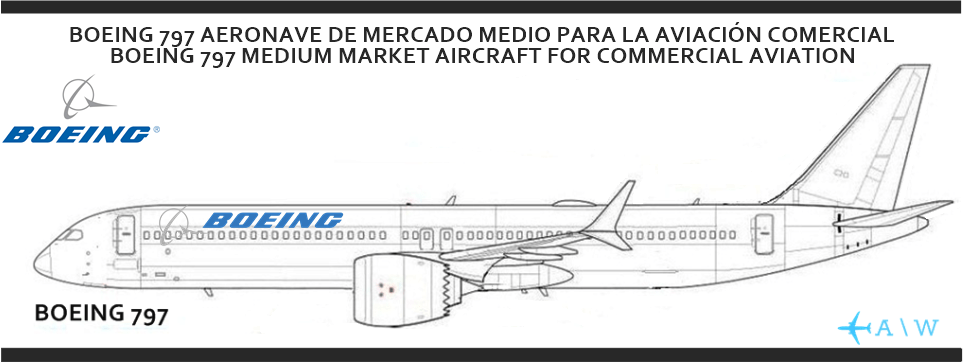
El nuevo producto denominado provisionalmente y tentativamente como Boeing 797, aún se encuentra en la etapa conceptual, y Boeing aún debe decidir el lanzamiento del producto. Boeing determinó que el mercado era lo suficientemente grande como para lanzar un nuevo diseño en 2015. Varias aerolíneas expresaron su interés en un pasillo doble compuesto de siete pasillos con una sección transversal elíptica en 2017; podría entrar en servicio alrededor de 2025 si se lanza a principios de 2019. Está programado para tener un alcance de 5,000 nmi (9,300 km) con 225 asientos y un alcance de 4,500 nmi (8,300 km) con 275 asientos. Las previsiones de mercado varían entre 2.000 y 4.000 aviones.

Resultado de imagen para Boeing 797 airgways

Futuro mercado del Boeing 797

La respuesta de los clientes a nivel mundial hasta el momento ha sido «muy positiva. Boeing está interesado en este espacio de mercado de aviones de tamaño mediano, y está mirando un futuro avión que podría producir que podría volar hasta 10 horas y tener una capacidad de entre 200 y 300 asientos», según Darren Hulst, Director Gerente Senior de Marketing de Boeing.

Boeing en conversaciones con los transportistas del Golfo sobre el modelo Boeing 797, dice que la respuesta hasta ahora es muy positiva, que todavía está en la etapa conceptual. Con una capacidad de 200-300 asientos, el 797 podría transportar más pasajeros que el avión 737 encontrándose ubicado entre este avión y el 787. Será avión de mercado medio; un avión que sería más grande y más capaz en términos de alcance que los B737 y A320, y más pequeño y menos costoso que los aviones de fuselaje ancho actuales. Boeing estudia iniciar la producción a mediados de la década de 2020.

Airbus contraataca

Airbus está considerando una variante del nuevo A321NEO LR con un rango de vuelo aún mayor denominado A321NEO XLR. Este avión debería competir con el Boeing 797 en el segmento de aviones de mercado medio (NMA). El actual A321NEO Long Range (LR) tiene un alcance de vuelo de 4.000 nm (7.408 km) y tiene capacidad para 208-244 pasajeros. La versión XLR debería ser capaz de transportar non-stop distancias hasta 5.000 nm (9,260 km). Aunque el modelo de Airbus se concentraría en la mismo unidad de la línea de la familia A320’s, sus capacidades serían más limitadas a un avión de nuevo concepto ofrecido por Boeing.

Boeing cree que el 797 atenderá la demanda de las aerolíneas que actualmente no son atendidas por grupos reducidos ni de fuselaje ancho. El creciente mercado de vuelos de largo recorrido de bajo costo también estaría bien atendido con un 797, teniendo en cuenta que el Boeing 757 ya hace tiempo que ha cesado su producción. Hasta el momento, la compañía ha lanzado el nuevo modelo a cerca de 60 clientes en todo el mundo. «Creo que las aerolíneas en el Medio Oriente, en el Golfo, han mostrado un interés muy similar a lo que hemos visto a nivel mundial en términos de cómo este avión les permitiría crecer de diferentes maneras y les permitiría expandir las capacidades», dijo Hulst.

El nuevo modelo 797 está siendo evaluado por Boeing y aún no se ha diseñado. Boeing aún no ha establecido un precio, diciendo que el precio dependerá de la demanda. «No hemos hablado específicamente sobre cómo se diseñaría el avión o la tecnología, pero se puede imaginar que un avión que llegue a mediados de la próxima década tendrá avances significativos en la eficiencia del combustible, avances en la tecnología de producción, así como tecnología que impulsa la estructura del avión», dijo el Director General.  AIRWAYS® AW-Icon TXT

american-airlines-boeing-797-fsx1.jpg

Boeing touts 797 in the Middle East

The American manufacturer Boeing promotes the Boeing 797 project in the Middle East

Aircraft maker Boeing is in talks with airlines in the Middle East and the Gulf to offer the new mid-range aircraft model known as the Boeing 797 New Middle-Market Aircraft (NMA). Some sixty airlines have already had interest in the new Boeing aircraft.

The new product provisionally and tentatively named Boeing 797, is still in the conceptual stage, and Boeing must still decide on the product launch. Boeing determined that the market was large enough to launch a new design in 2015. Several airlines expressed interest in a double aisle comprised of seven aisles with an elliptical cross section in 2017; it could enter service around 2025 if launched in early 2019. It is scheduled to have a range of 5,000 nmi (9,300 km) with 225 seats and a range of 4,500 nmi (8,300 km) with 275 seats. Market forecasts vary between 2,000 and 4,000 aircraft.

Resultado de imagen para Boeing 797 airgways

Future market of the Boeing 797

The response from customers worldwide so far has been «very positive». Boeing is interested in this medium-sized aircraft market space, and is looking at a future aircraft that could produce that could fly up to 10 hours and have a capacity between 200 and 300 seats, «according to Darren Hulst, Senior Managing Director of Marketing at Boeing.

Boeing in talks with Gulf carriers about the Boeing 797 model, says the response so far is very positive, it is still in the conceptual stage. With a capacity of 200-300 seats, the 797 could carry more passengers than the 737 aircraft being located between this plane and the 787. It will be a mid-market aircraft; an aircraft that would be larger and more capable in terms of range than the B737 and A320, and smaller and less expensive than current wide-body aircraft. Boeing plans to start production in the mid-2020s.

Airbus strikes back

Airbus is considering a variant of the new A321NEO LR with an even higher flight range denominated A321NEO XLR. This aircraft should compete with the Boeing 797 in the midmarket segment (NMA) segment. The current A321NEO Long Range (LR) has a flight range of 4,000 nm (7,408 km) and has a capacity of 208-244 passengers. The XLR version should be capable of transporting non-stop distances up to 5,000 nm (9,260 km). Although the Airbus model would focus on the same unit of the A320 family line, its capabilities would be more limited to a new concept aircraft offered by Boeing.

Boeing believes that the 797 will meet the demand of airlines that are currently not served by small groups or wide-body. The growing market for low-cost long-haul flights would also be well served with a 797, taking into account that the Boeing 757 has already ceased production. So far, the company has launched the new model to about 60 customers around the world. «I think the airlines in the Middle East, in the Gulf, have shown an interest very similar to what we have seen worldwide in terms of how this plane would allow them to grow in different ways and allow them to expand capabilities», said Hulst.

The new model 797 is being evaluated by Boeing and has not yet been designed. Boeing has not yet set a price, saying the price will depend on demand. «We have not specifically talked about how the aircraft or the technology would be designed, but you can imagine that an aircraft arriving in the middle of the next decade will have significant advances in fuel efficiency, advances in production technology, as well as technology that boosts the structure of the aircraft», said the Director General. A \ W


Ξ A I R G W A Y S Ξ
SOURCE:  Airgways.com
DBk: Boeing.com / Airbus.com / Airgways.com
AW-POST: 201806231317AR

A\W   A I R G W A Y S ®