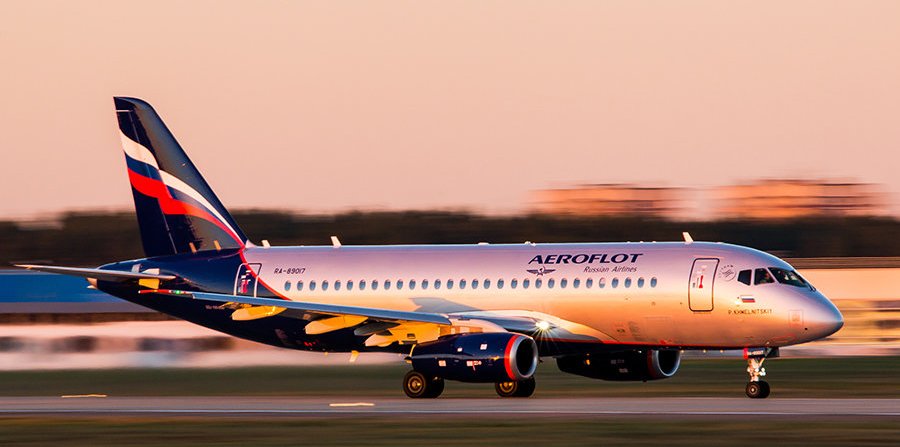
Aeroflot convierte mayor cliente SSJ-100

Aeroflot_SSJ100-sukhoi.jpg

AW | 2018 09 10 19:51 | AIRLINES

Resultado de imagen para Aeroflot logoAeroflot firmará un contrato para comprar hasta 100 aviones Sukhoi Superjet SSJ-100 el 10 Septiembre 2018 en el marco del Foro Económico Oriental, dijo a la prensa el portavoz presidencial Dmitry Peskov el lunes.

logo_sukhoi«Hoy, a última hora de la tarde hora local, Putin inspeccionará la exhibición de territorios de desarrollo avanzado y lanzará varias empresas en modo de videoconferencia. Además, hoy, en presencia del presidente, Aeroflot y Sukhoi firman otro gran contrato para la entrega de hasta 100 aviones para la aerolínea», dijo Peskov.

A fines de agosto, Aeroflot anunció que planea recibir otros 50 aviones SSJ-100 en los próximos años, además de su flota de 50 aviones Sukhoi Superjet 100. Además, se espera que se entreguen otros 50 aviones MC-21. Aeroflot también estaba considerando la posibilidad de aumentar adicionalmente la flota de aviones fabricados en el país. AIRWAYS® AW-Icon TXT

Aeroflot converts higher SSJ-100 client

Aeroflot es el mayor operador de aviones SSJ-100 en RusiaAeroflot SSJ-100

Aeroflot will sign a contract to purchase up to 100 Sukhoi Superjet SSJ-100 aircraft on September 10, 2018 on the sidelines of the Eastern Economic Forum, Presidential spokesman Dmitry Peskov told reporters on Monday.

«Today, late in the evening local time, Putin will inspect the exhibition of advanced development territories and will launch several enterprises in videoconference mode. In addition, today in the presence of the president, Aeroflot and Sukhoi sign another big contract for the delivery of up to 100 aircrafts for the airline», Peskov said.

At the end of August, Aeroflot announced that it plans to receive another 50 SSJ-100 aircraft in the coming years, in addition to its fleet of 50 Sukhoi Superjet 100 aircraft. In addition, another 50 MC-21 aircraft are expected to be delivered. Aeroflot was also considering the possibility of additionally increasing the fleet of domestically manufactured aircraft. Aeroflot is the largest operator of SSJ-100 aircraft in Russia. A \ W

Аэрофлот превращает более высокий клиент SSJ-100

Resultado de imagen para Aeroflot SSJ-100logo_suhoyAeroflot es el mayor operador de aviones SSJ-100 ru Россия

10 сентября 2018 года Аэрофлот подпишет контракт на покупку до 100 самолетов Sukhoi Superjet SSJ-100 в кулуарах Восточного экономического форума, сообщил в понедельник журналистам пресс-секретарь президента Дмитрий Песков.

«Сегодня, поздно вечером по местному времени, Путин проверит выставку перспективных территорий развития и запустит несколько предприятий в режиме видеоконференции. Кроме того, сегодня, в присутствии президента, Аэрофлот и Сухой подписывают еще один крупный контракт на поставку до 100 самолетов для авиакомпании», сказал Песков.

В конце августа Аэрофлот объявил о том, что в ближайшие годы он планирует приобрести еще 50 самолетов SSJ-100, в дополнение к своему парку из 50 самолетов Sukhoi Superjet 100. Кроме того, ожидается поставка еще 50 самолетов МС-21. Аэрофлот также рассматривал возможность дополнительного увеличения парка самолетов отечественного производства. Аэрофлот является крупнейшим оператором самолетов SSJ-100 в России. A \ W


Ξ A I R G W A Y S Ξ
SOURCE:  Airgways.com
DBk: Scac.ru/en / Aeroflot.ru / Airgways.com
AW-POST: 201809101951AR

A\W   A I R G W A Y S ®

Air Niugini efectúa MRO pesado

AW-70083799.png

AW | 2018 09 10 12:33 | AIRLINES / MRO

Resultado de imagen para Air NiuginiAir Niugini realiza trabajos mantenimiento en la línea Fokker 70/100Fokker.svg.png

La aerolínea Air Niugini de Papúa Nueva Guinea de dos Fokker 70/100 están a punto de completarse al realizarse los primeros controles de mantenimiento que se realizarán en el país de MRO pesados.

El trabajo implica controles de mantenimiento pesados ​​en el avión en el hangar de ingeniería de la línea aérea en Port Moresby. El primero de los controles es un avión Fokker 70 que comenzó a funcionar en julio de este año. Se espera que se complete el próximo mes. El otro se está haciendo en un avión Fokker 100 que se espera que esté terminado a fines de Noviembre 2018. El ingeniero de mantenimiento de aeronaves licenciado de Air Niugini a cargo del mantenimiento pesado Richard Woolcock dijo que el equipo involucrado en el proyecto apreció la confianza depositada en ellos. «Se ha necesitado un gran acto de fe para pasar de proveedores de mantenimiento probados a un equipo novato de ingenieros en su mayoría nacionales, con el entendimiento de que proporcionaremos el mismo producto estándar, si no mejor, al final del trabajo. El personal es muy trabajador, entusiasta y tiene grandes habilidades de ingeniería y conocimiento. Están preparados para hacer frente a cualquier trabajo que se les haya encomendado, desde el cableado hasta el último sistema Wi-IFE, la eliminación de la cabina, la cocina y los inodoros del avión», dijo Woolcock. AIRWAYS® AW-Icon TXT

Resultado de imagen para Air Niugini MRO

Air Niugini performs heavy maintenance

Air Niugini performs maintenance work on the Fokker 70/100 line

The Air Niugini airline of Papua New Guinea of ​​two Fokker 70/100 is about to be completed when the first maintenance checks to be carried out in the heavy MRO country are made.

The work involves heavy maintenance controls on the aircraft in the engineering hangar of the airline in Port Moresby. The first of the controls is a Fokker 70 aircraft that began operating in July of this year. It is expected to be completed next month. The other is being done on a Fokker 100 aircraft that is expected to be completed by the end of November 2018. The aircraft maintenance engineer licensed from Air Niugini in charge of heavy maintenance Richard Woolcock said that the team involved in the project appreciated the trust deposited in them. «It has taken a great act of faith to move from proven maintenance providers to a novice team of mostly national engineers, with the understanding that we will provide the same standard product, if not better, at the end of the job. very hardworking, enthusiastic and with great engineering and knowledge skills, they are prepared to face any job that has been entrusted to them, from the wiring to the last Wi-IFE system, the elimination of the cabin, the kitchen and the toilets of the plane», said Woolcock. A \ W

Air_Niugini_Fokker_100_Mt_Hagen_PNG.jpg

Air Niugini voert zwaar onderhoud uit

Air Niugini voert onderhoud uit aan de Fokker 70/100-lijn

De luchtvaartmaatschappij Air Niugini van Papoea-Nieuw-Guinea twee Fokker 70/100 zijn ongeveer bij het eerste onderhoud controles konden worden verricht om te worden uitgevoerd in het land van zware MRO uitgevoerd.

De taak welke hem zware onderhoud controle van de vliegtuigen in de hangar techniek luchtvaartmaatschappij in Port Moresby. De eerste van de bedieningselementen is een Fokker 70-vliegtuig dat in juli van dit jaar operationeel werd. Naar verwachting wordt deze volgende maand voltooid. De andere is het krijgen in een vliegtuig Fokker 100 is naar verwachting eind november 2018 worden afgerond De in licentie gegeven onderhoudsmonteur Air Niugini vliegtuigen groot onderhoud door Richard Woolcock zei dat het team bij het project betrokken waardeerde het vertrouwen neergelegd in hen. «Het is een grote sprong van het geloof genomen om te gaan van onderhoudsbedrijven testte een rookie team van ingenieurs vooral binnenlandse, met dien verstande dat dezelfde standaard product te leveren, zo niet beter, aan het einde van het werk. Het personeel hardwerkende, enthousiast en heeft grote technische vaardigheden en kennis. ze bereid zijn om alle werkzaamheden aan hen toevertrouwde, van de bedrading naar de laatste Wi-IFE systeem worden geconfronteerd, waardoor de cabine, de keuken en de toiletten van vliegtuig», zei Woolcock. A \ W


Ξ A I R G W A Y S Ξ
SOURCE:  Airgways.com
DBk: Airniugini.com.pg / Aerotime.aero / Wikimedia.org
AW-POST: 201809101233AR

A\W   A I R G W A Y S ®


Biman ordena más Bombardier Q400

Biman-Bangladesh-Bomabardier-Q400.jpg

AW | 2018 09 10 12:09 | AIRLINES

Biman firma un pedido de tres nuevos aviones Bombardier Q400

Bombardier Commercial Aircraft anunció hoy que Biman Bangladesh Airlines Ltd. ha ordenado tres nuevos turbohélice Q400 mediante la firma de un acuerdo de venta con Canadian Commercial Corporation (CCC).La orden en firme está valorado en aproximadamente US$ 106 millones, según el precio de lista del avión Q400.

«Estamos muy contentos de que Biman esté ampliando su flota Q400 con este pedido de tres nuevos aviones. La mayor capacidad de asientos y carga del Q400 realmente lo diferenció de la competencia. Además, la combinación de economía de turbohélice y rendimiento de chorro del Q400 fue la mejor opción para la combinación de rutas cortas y largas de Biman. Los operadores vuelven para más aviones Q400 realmente valida los beneficios de las características únicas de la aeronave», dijo François Cognard, vicepresidente de ventas para Asia Pacífico.

«Estamos muy entusiasmados con la incorporación de estos Q400 a nuestra flota. Actualmente operamos dos Q400 y sin dudarlo, podemos decir que estos aviones son ideales para nuestras operaciones nacionales y regionales. Con su excelente economía, comodidad y flexibilidad operativa, el Q400 nos permitirá ofrecer servicios de alta frecuencia dentro de Bangladesh y los países vecinos», dijo el Sr. AM Mosaddique Ahmed, Director General y Director Ejecutivo, Biman Bangladesh Airlines.

«Estamos muy contentos de apoyar a Bombardier en la venta de sus aviones Q400 a Biman Bangladesh Airlines Ltd. Canadá y Bangladesh disfrutan de fuertes lazos bilaterales a través del comercio y la inversión, la cooperación para el desarrollo y los vínculos entre personas. El aumento de la capacidad de la compañía nacional respalda estos esfuerzos y el crecimiento económico del país, mejorando sus vidas de Bangladesh aumentando su acceso a destinos nacionales e internacionales», dijo Ian McLeod, Vicepresidente de Desarrollo Comercial y Ventas de Canadian Commercial Corporation.

Biman Bangladesh Airlines es la aerolínea nacional con bandera de Bangladesh. La aerolínea proporciona servicios internacionales de pasajeros y carga a Asia y Europa, así como a todas las rutas nacionales dentro de Bangladesh. Biman actualmente vuela a 15 rutas internacionales y siete nacionales.  AIRWAYS® AW-Icon TXT

Biman orders more Q400

Biman signs an order for three new Bombardier Q400 aircraft

Bombardier Commercial Aircraft announced today that Biman Bangladesh Airlines Ltd. has ordered three new turboprop Q400 by signing a sales agreement with Canadian Commercial Corporation (CCC). The firm order is valued at approximately US $ 106 million, according to the price of Q400 plane list.

«We are very pleased that Biman is expanding its Q400 fleet with this order for three new aircraft. The increased seating and cargo capacity of the Q400 really set it apart from the competition, and the combination of turboprop economy and jet performance of the Q400 was the best choice for Biman’s combination of short and long routes. More Q400 aircraft really validates the benefits of the unique characteristics of the aircraft», said François Cognard, vice president of sales for Asia Pacific.

«We are very excited about the incorporation of these Q400 into our fleet, we currently operate two Q400 and without hesitation, we can say that these aircraft are ideal for our national and regional operations. With its excellent economy, convenience and operational flexibility, the Q400 will allow us to offer high frequency services within Bangladesh and neighboring countries», said Mr. AM Mosaddique Ahmed, Managing Director and Executive Director , Biman Bangladesh Airlines.

«We are very pleased to support Bombardier in the sale of its Q400 aircraft to Biman Bangladesh Airlines Ltd. Canada and Bangladesh enjoy strong bilateral ties through trade and investment, development cooperation and people-to-people ties, and the increased capacity of the national company supports these efforts and the country’s economic growth, improving their lives of Bangladesh increasing its access to national and international destinations», said Ian McLeod, Vice President of Commercial Development and Sales for Canadian Commercial Corporation.

Biman Bangladesh Airlines is the national airline with the flag of Bangladesh. The airline provides international passenger and cargo services to Asia and Europe, as well as to all domestic routes within Bangladesh. Biman currently flies to 15 international and seven national routes. A \ W


Ξ A I R G W A Y S Ξ
SOURCE:  Airgways.com
DBk: Bombardier.com / Biman-airlines.com
AW-POST: 201809101209AR

A\W   A I R G W A Y S ®


Avances Programa Boeing 777X


boeingdims.jpg

AW | 2018 09 09 17:29 | INDUSTRY

Boeing-Company-LogoEl primer Boeing 777-9X sale de la cadena de montaje en Boeing Everett

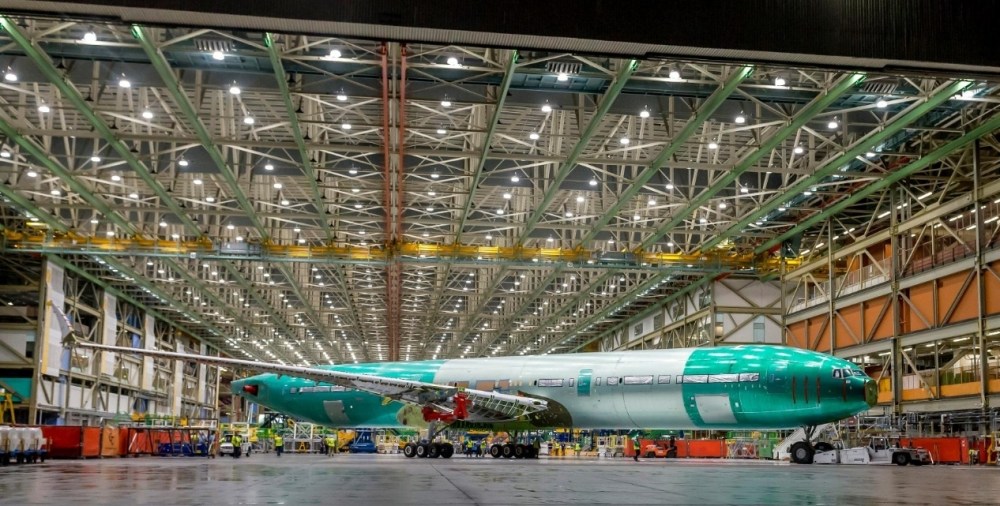
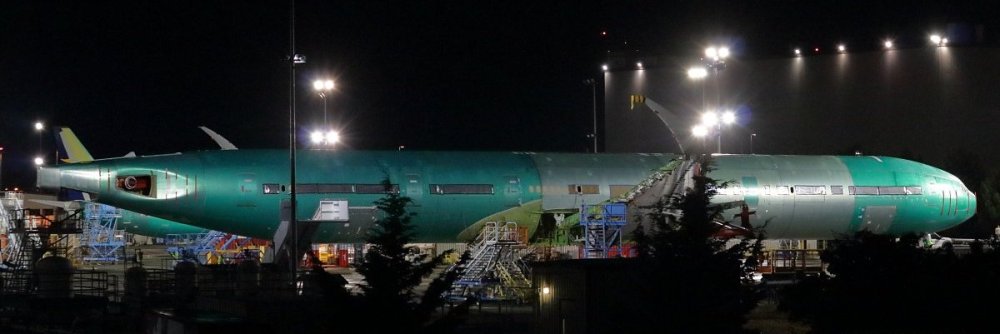
Boeing-777X.pngEl primer Boeing 777-9X ha salido de la cadena de montaje en la factoría de Boeing Everett, Washington, EEUU. La nueva generación del Boeing 777X ha iniciado el proceso de certificaciones que la compañía constructora empleará para las pruebas estáticas y de test certificaciones tipo. El Boeing 777X ha atravesado un proceso de casi un año de pruebas de verificaciones y test para probar la fuerza del diseño.

Boeing está construyendo dos líneas de na nueva familia Boeing 777X, la serie 9X y la serie 8X, de mayor autonomía operativa. El Boeing 777-9X ofrece asientos para más de 400 pasajeros, dependiendo de las opciones de configuración de una aerolínea. Con un alcance de más de 8.200 millas náuticas (15.185 km), el avión tendrá el costo operativo más bajo por asiento de cualquier avión comercial. El segundo miembro de la familia, el Boeing 777-8X, será el avión más flexible del mundo según datos de Boeing. La aeronave tendrá capacidad para 350 pasajeros y ofrecerá una capacidad de alcance de más de 9.300 millas náuticas (17.220 km).

La clave del entusiasmo radica en la economía del Boeing 777-9X, que es un 20% más eficiente por asiento que la referencia de largo plazo de la industria, el 777-300ER. El 777-9X combina las mejores características del 777 actual, con un fuselaje más largo, un nuevo motor y el diseño de ala compuesta del Boeing 787. Dentro de los cambios visuales también se encuentran las ventanas que tendrán un 20% de más volúmen y una menor Altitud de Presurización para reducir el desfase horario (Jet Lag).

Las pruebas de certificación del motor GE9X comenzaron en Mayo 2017. El motor completó recientemente las pruebas de formación de hielo en las instalaciones de GE Aviation en Winnipeg, Manitoba, Canadá, y continúa las pruebas de viento cruzado en la Operación de Prueba en Peebles, Ohio, Estados Unidos. La certificación del motor se espera para 2019. El vuelo de prueba del motor para validar las pruebas en banco es fundamental para que Boeing proporcione datos duros a la aerolínea australliana Qantas Airways para su «Proyecto Sunrise» para validar la ruta Sydney—Nueva York y Sydney—Londres, capacidad sin escalas para el Boeing 777X-8. Boeing propone una versión ajustada de su Boeing 777-8X, mientras que Airbus está impulsando una versión similar modificada de su avión A350.

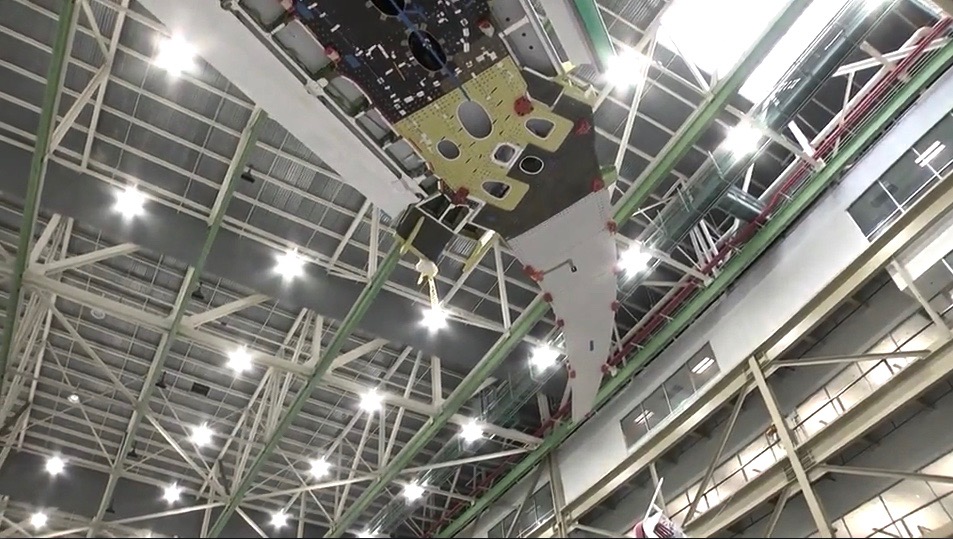
El Boeing 777X será el primer avión comercial que empleará el desarrollo de punta de ala pleable denominada Folding Wingtip. Las pruebas de flexión de las alas, mediante un conjunto de poleas tirarán hacia arriba para flexinar hasta el punto de fractura una vez superado un mínimo del 150% el punto de máxima flexión en vuelo previsto.

Primer vuelo Boeing 777-9X

El segundo fuselaje de la línea Boeing 777-9X está muy avanzado y se lanzará en Enero 2019 y efectuará su primer vuelo previsto para Marzo 2019 y las primeras entregas comenzarán en 2020. La fuerza impulsora detrás del programa Boeing 777X es Emirates Airline, convirtiendo a la aerolínea es el principal cliente con un pedido de 150 unidades. AIRWAYS® AW-Icon TXT

AW-7000060AW-701-Paineairport

Advances of the Boeing 777X Program

Boeing-Logo.svgThe first Boeing 777-9X leaves the assembly line at Boeing Everett

The first Boeing 777-9X has left the assembly line at the Boeing factory Everett, Washington, USA. The new generation of the Boeing 777X has begun the process of certifications that the construction company will use for static tests and test type certifications. The Boeing 777X has gone through a process of almost a year of testing and testing to test the strength of the design.

Boeing is building two lines of a new Boeing 777X family, the 9X series and the 8X series, with greater operational autonomy. The Boeing 777-9X offers seats for more than 400 passengers, depending on the configuration options of an airline. With a range of more than 8,200 nautical miles (15,185 km), the aircraft will have the lowest operating cost per seat of any commercial aircraft. The second member of the family, the Boeing 777-8X, will be the most flexible aircraft in the world according to Boeing data. The aircraft will have a capacity of 350 passengers and will offer a range of more than 9,300 nautical miles (17,220 km).

The key to the enthusiasm lies in the economy of the Boeing 777-9X, which is 20% more efficient per seat than the industry’s long-term benchmark, the 777-300ER. The 777-9X combines the best features of the current 777, with a longer fuselage, a new engine and the wing design composed of the Boeing 787. Within the visual changes are also the windows that will have 20% more volume and a lower Altitude of Pressurization to reduce the jet lag (Jet Lag).

Resultado de imagen para Boeing 777X folding wingtipVIEW OF THE FOLDING WINGTIP OF THE NEW BOEING 777-9X

The GE9X engine certification tests began in May 2017. The engine recently completed the icing tests at the GE Aviation facility in Winnipeg, Manitoba, Canada, and continues the crosswind tests in the Peebles Test Operation, Ohio, United States. The engine certification is expected for 2019. The engine test flight to validate the tests in bank is fundamental for Boeing to provide hard data to the Australian airline Qantas Airways for its «Sunrise Project» to validate the Sydney-New York route and Sydney-London, nonstop capability for the Boeing 777X-8. Boeing is proposing an adjusted version of its Boeing 777-8X, while Airbus is pushing a similar modified version of its A350 aircraft.

The Boeing 777X will be the first commercial aircraft to employ the development of a pleated wing tip called Folding Wingtip. The wing flexion tests, by means of a set of pulleys, will pull upwards to flex to the point of fracture once a minimum of 150% of the point of maximum flexion in anticipated flight has been overcome.

First flight Boeing 777-9X

The second fuselage of the Boeing 777-9X line is very advanced and will be launched in January 2019 and will carry out its first flight scheduled for March 2019 and the first deliveries will start in 2020. The driving force behind the Boeing 777X program is Emirates Airline, converting the airline is the main customer with an order of 150 units.  A \ W


Ξ A I R G W A Y S Ξ
SOURCE:  Airgways.com
DBk: Boeing.com / Paineairport.com / Airgways.com
AW-POST: 201809091729AR

A\W   A I R G W A Y S ®


Grave error seguridad en A330 Malaysia

AW | 2018 09 09 16:14 | AIR INVESTIGATION / AVIATION SAFETY

Resultado de imagen para atsb australiaGrave problema de seguridad se repite en avión de Malaysia Airlines en el Aeropuerto de Brisbane

La autoridad de la seguridad australiana, la Comisión Australiana de Seguridad en el Transporte (ATSB) están investigando un incidente grave de seguridad cometido por trabajadores de Malaysia Airlines en el Aeropuerto de Brisbane, Australia.

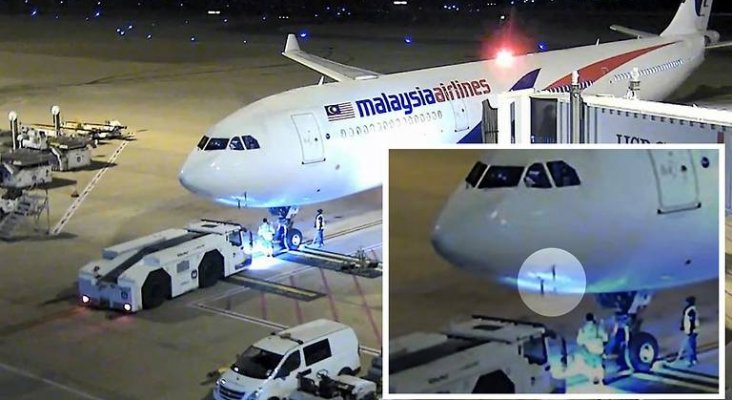
Un Airbus A330-300 de la aerolínea malaya despegó del aeropuerto australiano sin que ningún miembro de la tripulación ni personal de tierra notase que los tubos Pitot del avión estaban cubiertos. Este dispositivo sirve para medir la velocidad de los aviones, por lo que el hecho de que estuviese cubierto provocó que las mediciones no fuesen fiables.

El incidente en cuestión tuvo lugar el pasado 18 Julio 2018, cuando un Airbus A330-300 despegó desde Brisbane a Kuala Lumpur (Malasia) y se vio obligado a regresar y aterrizar de nuevo, paralizando la pista principal del aeropuerto australiano durante más de 90 minutos. Tras el suceso, que no provocó heridos, las investigaciones de la ATSB determinaron que los tres tubos Pitot de la aeronave estaban cubiertos. Ante el error, la tripulación admitió que no están acostumbrados a colocar y retirar las cubiertas.

El vuelo MH134 de Malaysia Airlines, un Airbus A330-300 con registro 9M-MTK, volvió a aterrizar en el Aeropuerto Internacional de Brisbane, Australia, después de que los indicadores de velocidad aerodinámica fallaran durante el despegue. La aeronave despegó de la pista 01 a las 13:31 UTC (23:31 LT, 18 Julio 2018). La tripulación de vuelo describió un círculo y aterrizó en la pista 01 a las 14:33 UTC (00:33, 19 Julio 2018).

El avión había aterrizado en el aeropuerto de Brisbane a las 20:11, después de un vuelo desde Kuala Lumpur. El capitán, primer oficial e ingeniero certificador de mantenimiento del vuelo de la noche anterior, que había estado descansando en un hotel de Brisbane, llegó al aeropuerto para comenzar sus tareas para el vuelo de salida del 18 de julio. Poco después de que el avión aterrizara, se colocaron cubiertas en las tres sondas pitot del avión. Las inspecciones posteriores durante el cambio no identificaron la presencia de las cubiertas de la sonda Pitot y no se eliminaron antes de la salida de la aeronave.

El primer oficial era el piloto volador (PF) y el capitán era el piloto de vigilancia (PM). Antes del retroceso de la aeronave, el capitán y el primer oficial calcularon las velocidades ‘V’ (críticas) de la aeronave para el despegue. Para este vuelo, la velocidad de decisión V1 (la velocidad máxima a la que se puede iniciar un despegue rechazado en caso de emergencia) fue de 153 kt y la velocidad de rotación VR (cuando se debe iniciar la rotación) fue de 160 kt. Los procedimientos de operación estándar del operador para el despegue requirieron que el PM anunciara cuando la velocidad aerodinámica alcanzara los 100 kt y para que el FP verificara esta indicación de velocidad aérea. El viento estaba tranquilo y no había nubes. A las 23:24, la tripulación de vuelo comenzó a tomar un taxi para despegar en la pista 01.

Eventos posteriores incluidos:
2331: 05: la tripulación de vuelo comenzó la carrera de despegue.
2331: 38: la grabadora de voz de la cabina (CVR) registró que el capitán llamó ‘100 nudos’. La velocidad del suelo grabada del avión en este momento era de 100 kt.
2331: 47: el primer oficial inició la rotación. La velocidad del suelo registrada en este momento era de 165 kt.

La tripulación de vuelo recordó que detectaron una anomalía de velocidad aerodinámica durante la tirada de despegue, incluidas banderas de velocidad roja (SPD) en ambas pantallas de vuelo principal (PFD). Los procedimientos operativos estándar establecían que el capitán era responsable de la decisión de rechazar el despegue o continuar. Afirmó que rechazar un despegue entre 100 kt y V1 era un asunto serio, que un capitán debería ser ‘listo’, y que muy pocas situaciones deberían llevar a la decisión de rechazar el despegue. No había ninguna indicación en la grabación del CVR de que el capitán o el primer oficial discutieran rechazar el despegue.

Después del despegue, la tripulación de vuelo llevó a cabo acciones para indicaciones de velocidad aerodinámica no confiables e hizo una llamada PAN al control de tráfico aéreo (ATC), avisando que tenían indicaciones de velocidad aerodinámica no confiables. La tripulación de vuelo continuó escalando por encima de los 10.000 pies y maniobró la aeronave al noreste del aeropuerto de Brisbane, donde llevaron a cabo varias listas de verificación, solución de problemas y preparación para un acercamiento y aterrizaje en la pista 01.

De acuerdo con los procedimientos publicados, la tripulación de vuelo apagó los tres sistemas de referencia de datos aéreos (ADR) a las 23:43. Esto activó la escala de velocidad de respaldo (BUSS) de la aeronave, que proporcionó una escala de velocidad codificada por color derivada del ángulo de ataque y otra información, y la altitud derivada de los datos del GPS. La tripulación de vuelo también obtuvo información de velocidad terrestre del ATC y utilizó el altímetro de radar de la aeronave.

La extensión normal del tren de aterrizaje no se pudo lograr con los tres ADR apagados. La tripulación de vuelo realizó una extensión de gravedad del tren de aterrizaje antes de realizar un aterrizaje con sobrepeso en la pista 01 a las 00:33. Después de aterrizar, la tripulación de vuelo detuvo el avión en la pista ya que la dirección de la rueda delantera no estaba disponible después de una extensión de gravedad del tren de aterrizaje. Las puertas principales del tren de aterrizaje, que permanecen abiertas después de una extensión de gravedad, sufrieron daños menores cuando entraron en contacto con la superficie de la pista. El avión fue remolcado hasta la puerta donde desembarcaron los pasajeros y la tripulación. No hubo reportes de lesiones durante el vuelo.

Una inspección posterior identificó que las cubiertas de la sonda Pitot todavía estaban colocadas en las tres sondas Pitot de la aeronave después de aterrizar. Ha habido múltiples informes de actividad de insectos que alteran los sistemas de las aeronaves en el aeropuerto de Brisbane. Estos incluyen sondas Pitot boqueadas, principalmente de nidos construidos por mud-dauber y otras avispas, lo que resulta en discrepancias de velocidad aerodinámica y otros efectos. El ATSB investigó dos despegues rechazados que involucraron a aeronaves A330 donde una de las sondas Pitot había sido bloqueada con nidos de avispas, una en 2006 y otra en 2013.

El Aeropuerto de Brisbane recomienda que estas sondas permanezcan cubiertas mientras los aparatos están en pista, sin embargo, las propias cubiertas llevan advertencias en las que se puede leer que se “Retiren Antes de Volar”.

Tras el incidente, la ATSB ha lanzado una circular informativa para recomendar a todos los operadores aéreos que tenga un cuidado particular al respecto y que revisen sus procedimientos. Una advertencia que resulta muy necesaria si se tiene en cuenta que en la última década se han producido al menos 15 incidentes en los que un avión de pasajeros llevaba sus tubos de Pitot cubiertos o parcialmente bloqueados.  AIRWAYS® AW-Icon TXT

Resultado de imagen para A330-300 malaysia tubo pitot

Serious security error on A330 from Malaysia

Serious security problem is repeated by Malaysia Airlines plane at the Brisbane Airport

The Australian security authority, the Australian Transportation Security Commission (ATSB), is investigating a serious security incident committed by Malaysian Airlines workers at the Brisbane Airport, Australia.

An Airbus A330-300 of the Malaysian airline took off from the Australian airport without any crew member or ground crew noticing that the plane’s Pitot tubes were covered. This device is used to measure the speed of the aircraft, so the fact that it was covered caused the measurements to be unreliable.

The incident in question took place on 18 July 2018, when an Airbus A330-300 took off from Brisbane to Kuala Lumpur (Malaysia) and was forced to return and land again, paralyzing the main runway of the Australian airport for more than 90 minutes . After the incident, which did not cause injuries, ATSB investigations determined that the three Pitot tubes of the aircraft were covered. Faced with the error, the crew admitted that they are not used to placing and removing covers.

Malaysia Airlines flight MH134, an Airbus A330-300 with 9M-MTK registration, landed again at the Brisbane International Airport, Australia, after the airspeed indicators failed during takeoff. The aircraft took off from runway 01 at 13:31 UTC (23:31 LT, July 18, 2018). The flight crew circled and landed on runway 01 at 14:33 UTC (00:33, 19 July 2018).

The plane had landed at the Brisbane airport at 20:11, after a flight from Kuala Lumpur. The captain, first officer and maintenance engineer of the previous night’s flight, who had been resting in a hotel in Brisbane, arrived at the airport to begin his tasks for the July 18 flight. Shortly after the plane landed, decks were placed on the plane’s three pitot probes. Subsequent inspections during the change did not identify the presence of the Pitot probe covers and were not eliminated prior to the departure of the aircraft.

The first officer was the flying pilot (PF) and the captain was the surveillance pilot (PM). Before the recoil of the aircraft, the captain and the first officer calculated the ‘V’ (critical) speeds of the aircraft for takeoff. For this flight, the decision speed V1 (the maximum speed at which a rejected take-off can be initiated in case of emergency) was 153 kt and the rotation speed VR (when the rotation must start) was 160 kt. The operator’s standard operating procedures for takeoff required the PM to announce when the airspeed reached 100 kt and for the FP to verify this airspeed indication. The wind was calm and there were no clouds. At 23:24, the flight crew started taking a taxi to take off on runway 01.

Later events included:
2331: 05: the flight crew began the takeoff race.
2331: 38: the cockpit voice recorder (CVR) recorded that the captain called ‘100 knots’. The recorded ground speed of the aircraft at this time was 100 kt.
2331: 47: the first officer initiated the rotation. The ground speed recorded at this time was 165 kt.

The flight crew recalled that they detected an aerodynamic speed anomaly during the takeoff roll, including red-speed flags (SPD) on both main flight screens (PFD). Standard operating procedures established that the captain was responsible for the decision to refuse take-off or continue. He stated that rejecting a takeoff between 100 kt and V1 was a serious matter, that a captain should be ‘ready’, and that very few situations should lead to the decision to refuse takeoff. There was no indication in the CVR recording that the captain or the first officer would discuss rejecting the takeoff.

After take-off, the flight crew carried out actions for unreliable airspeed indications and made a PAN call to air traffic control (ATC), warning that they had unreliable airspeed indications. The flight crew continued to climb above 10,000 feet and maneuvered the aircraft northeast of the Brisbane Airport, where they conducted several checklists, troubleshooting and preparation for approaching and landing on runway 01.

According to the published procedures, the flight crew turned off the three aerial data reference systems (ADR) at 23:43. This activated the aircraft’s backup speed scale (BUSS), which provided a color-coded speed scale derived from the angle of attack and other information, and the altitude derived from the GPS data. The flight crew also obtained ground speed information from the ATC and used the radar altimeter of the aircraft.

The normal extension of the landing gear could not be achieved with the three ADRs turned off. The flight crew performed a gravity extension of the landing gear before making an overweight landing on runway 01 at 00:33. After landing, the flight crew stopped the aircraft on the runway since the direction of the front wheel was not available after a gravity extension of the landing gear. The main landing gear doors, which remain open after an extension of gravity, suffered minor damage when they came into contact with the surface of the runway. The plane was towed to the door where passengers and crew disembarked. There were no reports of injuries during the flight.

A subsequent inspection identified that the Pitot probe covers were still placed on the three Pitot probes of the aircraft after landing. There have been multiple reports of insect activity that alter aircraft systems at the Brisbane airport. These include pitted pitot probes, mainly from nests built by mud-dauber and other wasps, resulting in airspeed discrepancies and other effects. The ATSB investigated two rejected take-offs involving A330 aircraft where one of the Pitot probes had been blocked with wasp nests, one in 2006 and another in 2013.

The Brisbane Airport recommends that these probes remain covered while the devices are on track, however, the covers themselves carry warnings in which you can read «Remove Before Flying».

After the incident, the ATSB has launched an information circular to recommend to all air operators that they take particular care in this regard and review their procedures. A warning that is very necessary if one takes into account that in the last decade there have been at least 15 incidents in which a passenger plane had its pitot tubes covered or partially blocked. A \ W


Ξ A I R G W A Y S Ξ
SOURCE:  Airgways.com
DBk: Atsb.gov.au / Aviation-safety.net
AW-POST: 201809091614AR

A\W   A I R G W A Y S ®

Corte Chicago presenta demanda CU-972

Resultado de imagen para vuelo 972

AW | 2018 09 08 16:20 | AIR INVESTIGATION / AVIATION SAFETY

La Corte de Chicago iniciaron presentar primeras demandas por el accidente aéreo en Cuba del vuelo CU-972

Las primeras demandas del trágico accidente aéreo en Cuba, donde 112 personas perdieron la vida, fueron presentadas en una corte de circuito en Chicago, en nombre de las familias de tres de los pasajeros fallecidos el pasado 18 de Mayo.

El vuelo CU-972 de Cubana de Aviación (CU-972/CUB972) era un vuelo doméstico de pasajeros de Global Air arrendado a Cubana de Aviación. Cubría el trayecto desde el Aeropuerto Internacional José Martí en La Habana, hasta el Aeropuerto Internacional Frank País en Holguín. El 18 Mayo 2018, la aeronave involucrada, un Boeing 737-200, matrícula XA-UHZ, se estrelló minutos después del despegue entre el aeropuerto José Martí y la localidad de Santiago de Las Vegas, en el municipio Boyeros de la capital cubana. La tripulación mexicana murió en el vuelo CU-972 y solo sobrevivió una pasajera, Mailén Díaz Almaguer, de 19 años del total de los 112 pasajeros.

Juana Cutiño Alfaro, con dos hijos adultos que murieron en el accidente del 18 Mayo 2018, y Elba Buitrago Cabrera, cuyo hermano de 50 años también pereció, afirman que Global Air (Aerolíneas Damojh), una empresa mexicana a la que Cubana de Aviación le alquiló un Boeing 737-200 de 39 años de antigüedad, fue negligente en el entrenamiento de sus pilotos, lo que causó la muerte negligente de sus familiares.

Las demandas alegan que los pilotos Jorge Luis Nuñez Santos y Miguel Arreola Ramírez perdieron el control del avión, que se dirigía de La Habana a Holguín, y el avión se detuvo, se viró boca arriba y se estrelló cerca de unas vías ferroviarias y zona agrícola en las cercanías del Aeropuerto Internacional José Martí de La Habana. Los demandantes están buscando “todos los daños posibles bajo la ley” así como los costos judiciales. Cutiño es la administradora del patrimonio de sus hijos, Carlos Miguel de la Cruz Cutiño y Grettel Isel de la Cruz Cutiño. Buitrago es administradora del patrimonio de su hermano, Jorge Luis Buitrago Cabrera. Cutiño es ciudadana cubana, mientras que Buitrago vive en Estados Unidos. Su hermano también era residente estadounidense.

Global Air vs comisión investigadora

En una declaración emitida en julio, Global Air dijo que la información obtenida de las cajas negras del avión mostraba que la tripulación despegó del Aeropuerto José Martí en un ángulo de ascenso demasiado pronunciado, lo que provocó problemas aerodinámicos que llevaron al accidente. Sin embargo, la comisión cubana que investiga el accidente con la ayuda de las autoridades aeronáuticas mexicanas y estadounidenses, la Junta Nacional de Seguridad del Transporte, Boeing y Pratt & Whitney, que fabricó el motor del avión, aún no ha terminado su trabajo ni emitido ningún hallazgo oficial sobre el incidente. “Un proceso de esta magnitud requiere un análisis de múltiples factores y aún no ha concluido”, indicó la comisión en Julio 2018, después de que Global Air responsabilizara a los pilotos por el accidente. Cualquier declaración sobre las posibles causas del accidente es prematura, dijo la comisión.

Las demandas

Como operador de la aeronave accidentada, Global Air era legalmente responsable de garantizar que sus pilotos recibieran la capacitación adecuada sobre la aeronave accidentada para la seguridad, tanto de los pasajeros como de la tripulación de Global Air,. Las demandas alegan que Global Air y sus agentes en Estados Unidos entrenaron a los pilotos de manera negligente e imprudente.

El avión llevaba en Cuba menos de un mes cuando Cubana de Aviación, la aerolínea nacional de Cuba, lo puso a cubrir la ruta Habana-Holguín. Global estaba a cargo del mantenimiento del avión y de la tripulación.

Buscando responsables

Hubo especulaciones de que un mantenimiento deficiente podría haber causado el accidente, pero Global a su vez culpó a los pilotos, defendió su registro de mantenimiento y dijo que dos ex-empleados descontentos habían estado difundiendo rumores difamatorios.

Las demandas señalan que desde entonces Global eliminó su declaración sobre los pilotos en su sitio web y cuentas de Facebook y Twitter. Pero Austin Bartlett, el abogado de Cutiño y Buitrago, dijo: “Global Air ya ha admitido públicamente que sus pilotos fueron la causa del accidente”.

Las demandas, que fueron presentadas en la corte de circuito del condado Cook, en Chicago, a fines de agosto, también nombran a Boeing, el fabricante del avión, y AAR Corp., que se cree que poseía el avión antes de ser vendido a la compañía mexicana.

A pesar de que el accidente tuvo lugar en Cuba e involucró a una compañía mexicana y una aerolínea cubana, las demandas se presentaron en Chicago porque allí se encuentra la sede mundial de Boeing y AAR tiene su sede en Wood Dale, Illinois.

Sobre el accidente aéreo en Cuba, las dos compañías fueron incluidas en el documento porque “se cree que tienen información esencial para determinar quiénes deberían ser nombrados adecuadamente como acusados adicionales en la demanda. A veces terminan convirtiéndose en acusados; a veces no lo hacen”, dijo Bartlett.. AIRWAYS® AW-Icon TXT

Resultado de imagen para vuelo 972

Court Chicago filed CU-972 lawsuits

The Court of Chicago began to file first claims for the plane crash in Cuba of flight CU-972

The first demands of the tragic plane crash in Cuba, where 112 people lost their lives, were presented in a circuit court in Chicago, on behalf of the families of three of the passengers who died on May 18.

The flight CU-972 of Cubana de Aviación (CU-972 / CUB972) was a domestic passenger flight of Global Air leased to Cubana de Aviación. It covered the route from the José Martí International Airport in Havana, to the Frank País International Airport in Holguín. On May 18, 2018, the aircraft involved, a Boeing 737-200, license plate XA-UHZ, crashed minutes after takeoff between the José Martí airport and the town of Santiago de Las Vegas, in the Boyeros municipality of the Cuban capital. The Mexican crew died on flight CU-972 and only one passenger survived, Mailén Díaz Almaguer, 19 years old out of a total of 112 passengers.

Juana Cutiño Alfaro, with two adult children who died in the accident of May 18, 2018, and Elba Buitrago Cabrera, whose 50-year-old brother also perished, claim that Global Air (Damojh Airlines), a Mexican company that Cubana de Aviación rented a 39-year-old Boeing 737-200, was negligent in the training of its pilots, which caused the negligent death of their relatives.

The lawsuits allege that the pilots Jorge Luis Nuñez Santos and Miguel Arreola Ramírez lost control of the plane, which was heading from Havana to Holguin, and the plane stopped, turned upside down and crashed near some railroad tracks and agricultural in the vicinity of the José Martí International Airport of Havana. The plaintiffs are seeking «all possible damages under the law» as well as court costs. Cutiño is the administrator of the patrimony of her children, Carlos Miguel de la Cruz Cutiño and Grettel Isel de la Cruz Cutiño. Buitrago is the administrator of her brother’s estate, Jorge Luis Buitrago Cabrera. Cutiño is a Cuban citizen, while Buitrago lives in the United States. His brother was also a US resident.

Global Air vs investment commission

In a statement issued in July, Global Air said that the information obtained from the plane’s black boxes showed that the crew took off from the Jose Marti Airport at an angle of too steep ascent, which caused aerodynamic problems that led to the accident. However, the Cuban commission investigating the accident with the help of the Mexican and US aeronautical authorities, the National Transportation Safety Board, Boeing and Pratt & Whitney, which manufactured the aircraft engine, has not yet completed its work or issued No official find about the incident. «A process of this magnitude requires an analysis of multiple factors and has not yet concluded,» the commission said in July 2018, after Global Air blamed the pilots for the accident. Any statement about the possible causes of the accident «s premature, said the commission.

The demands

As an operator of the aircraft accident, Global Air was legally responsible for ensuring that its pilots received adequate training on the aircraft accident for the safety of both the passengers and the crew of Global Air. The lawsuits allege that Global Air and its agents in the United States trained the pilots in a negligent and reckless manner.

The plane had been in Cuba for less than a month when Cubana de Aviación, the national airline of Cuba, put it on the Havana-Holguín route. Global was in charge of the maintenance of the plane and the crew.

Looking for responsible

There were speculations that poor maintenance could have caused the accident, but Global in turn blamed the pilots, defended their maintenance record and said that two disgruntled former employees had been spreading slanderous rumors.

The lawsuits indicate that since then Global eliminated its statement on the pilots on its website and Facebook and Twitter accounts. But Austin Bartlett, the lawyer for Cutiño and Buitrago, said: «Global Air has already publicly admitted that its pilots were the cause of the accident».

The lawsuits, which were filed in Cook County Circuit Court in Chicago at the end of August, also name Boeing, the aircraft manufacturer, and AAR Corp., which is believed to own the plane before it was sold to the Mexican company.

Although the accident took place in Cuba and involved a Mexican company and a Cuban airline, the lawsuits were filed in Chicago because Boeing’s global headquarters are located there, and AAR is headquartered in Wood Dale, Illinois.

On the plane crash in Cuba, the two companies were included in the document because «they are believed to have essential information to determine who should be appropriately named as additional defendants in the lawsuit. Sometimes they end up becoming accused. Sometimes they do not»,  Bartlett said.. A \ W


Ξ A I R G W A Y S Ξ
SOURCE:  Airgways.com
DBk: Illinoiscourts.gov / Miamidiario.com / Airgways.com
AW-POST: 201809081620AR

A\W   A I R G W A Y S ®

News Air Routes

Resultado de imagen para airport

AW | 2018 09 08 15:59 | AIRLINES ROUTES

Viva Air non-stop Medellín-Lima

Viva Air estrenará ruta directa entre Medellín y Lima desde inicios de Noviembre 2018. Viva Air anunció su nueva ruta internacional entre Lima y Medellín de ida y regreso. Los horarios de la nueva ruta desde Medellín hasta Lima será los día miércoles, viernes y domingo, siendo la salida a las 06:50 pm y la llegada a las 10:00 pm. Desde Lima a Medellín los vuelos despegan los mismo días desde las 02:50 pm para llegar a la capital antioqueña a las 06:00 pm.

Spirit Airlines Houston-Guatemala

Inauguran vuelo directo de Ciudad de Guatemala a Houston. La aerolínea Spirit prestará el servicio de vuelo directo tres veces por semana. Spirit Airlines inauguró, este viernes 7 de septiembre, el vuelo directo de Ciudad de Guatemala hacia Houston, Texas, Estados Unidos, y viceversa, con frecuencia en lunes, miércoles y viernes. El vuelo estará a cargo de la unidad Airbus A319, que tiene una capacidad de 145 pasajeros.

Binter une Tenerife-Vigo

Binter unirá Tenerife y Vigo dos veces a la semana a partir de octubre. En total habrán cuatro vuelos semanales desde Canarias hasta la ciudad gallega. Ya hay dos vuelos entre Gran Canaria y Vigo. Binter unirá el aeropuerto de la ciudad gallega de Vigo y el aeródromo Tenerife Norte dos veces por semana a partir del 30 de octubre, ha informado el Cabildo de Tenerife. La aerolínea realizará cuatro viajes a la semana entre Canarias y Vigo, ya que en la actualidad tiene dos vuelos semanales entre Gran Canaria y la ciudad pontevedresa.

Codesharing Emirates-Jetblue

Emirates Airline y Jetblue compartirán ruta para conectar Dubai y Costa Rica. Costa Rica contará con una conexión desde Dubái a los mercados y destinos de Medio y Lejano Oriente, y África. Las aerolíneas Emirates y Jetblue Airways abrirán una ruta compartida, con escala en Estados Unidos, para conectar a Dubai con Costa Rica, informó hoy una fuente oficial. La figura de código compartido consiste en un acuerdo de cooperación donde una empresa aérea se asocia con otra para poder llegar a otros destinos, a los cuales no tiene acceso directo. Emirates Airlines tiene cinco vuelos semanales de Dubai a Fort Lauderdale, Florida, otros cinco vuelos semanales de Dubai a Orlando, Florida y un vuelo diario de Dubái al aeropuerto JFK de Nueva York. En todos los casos, dichos vuelos conectarían con los de la compañía Jetblue de Fort Lauderdale y Orlando al aeropuerto internacional Juan Santamaría, ubicado en las afueras de la capital costarricense; y de Nueva York al aeropuerto Daniel Oduber, situado en la ciudad de Liberia, en el Pacífico norte de Costa Rica. AIRWAYS® AW-Icon TXT

Resultado de imagen para airport

News Air Routes

Viva Air non-stop Medellín-Lima

Viva Air will launch a direct route between Medellín and Lima from the beginning of November 2018. Viva Air announced its new international route between Lima and Medellín round trip. The schedules of the new route from Medellín to Lima will be on Wednesday, Friday and Sunday, with the departure at 06:50 pm and the arrival at 10:00 pm. From Lima to Medellin the flights take off the same days from 02:50 pm to arrive at the capital of Antioquia at 06:00 pm.

Spirit Airlines Houston-Guatemala

They open direct flight from Guatemala City to Houston. The airline Spirit will provide direct flight service three times a week. Spirit Airlines inaugurated, on Friday, September 7, the direct flight from Guatemala City to Houston, Texas, United States, and vice versa, frequently on Monday, Wednesday and Friday. The flight will be in charge of the Airbus A319 unit, which has a capacity of 145 passengers.

Binter joins Tenerife-Vigo

Binter will join Tenerife and Vigo twice a week starting in October. In total there will be four weekly flights from the Canary Islands to the Galician city. There are already two flights between Gran Canaria and Vigo. Binter will connect the airport of the Galician city of Vigo and the Tenerife North aerodrome twice a week starting on October 30, the Cabildo de Tenerife reported. The airline will make four trips a week between Canarias and Vigo, since it currently has two weekly flights between Gran Canaria and the city of Pontevedra.

Codesharing Emirates-Jetblue

Emirates Airline and Jetblue will share route to connect Dubai and Costa Rica. Costa Rica will have a connection from Dubai to the markets and destinations of the Middle and Far East, and Africa. Emirates airlines and Jetblue Airways will open a shared route, with a stopover in the United States, to connect Dubai with Costa Rica, an official source reported today. The figure of shared code consists of a cooperation agreement where an airline company is associated with another in order to reach other destinations, to which it does not have direct access. Emirates Airlines has five weekly flights from Dubai to Fort Lauderdale, Florida, another five weekly flights from Dubai to Orlando, Florida and a daily flight from Dubai to JFK airport in New York. In all cases, these flights would connect with those of the Jetblue company from Fort Lauderdale and Orlando to the Juan Santamaría international airport, located on the outskirts of the Costa Rican capital; and from New York to the Daniel Oduber airport, located in the city of Liberia, in the North Pacific of Costa Rica. A\W


Ξ A I R G W A Y S Ξ
SOURCE:  Airgways.com
DBk: Okkbus.co.jp / People.com
AW-POST: 201809081559AR

A\W   A I R G W A Y S ®

Récord transporte aéreo 2017

Resultado de imagen para airlines network

AW | 2018 09 08 15:46 | AIRL TRAFFIC

El transporte aéreo rompió en 2017 la barrera de 4.000 millones de pasajeros

El número de pasajeros aéreos en el mundo superó en 2017 por primera vez la barrera de 4.000 millones y alcanzó los 4.100 millones, lo que supone un aumento del 7,3 % respecto al año anterior y se traduce en 280 millones de viajes más, según la Asociación Internacional de Transporte Aéreo (IATA).

Este crecimiento fue impulsado por una mejora en las condiciones económicas mundiales y unas tarifas aéreas medias más bajas, de acuerdo con su informe World Air Transport Statistics (WATS) que se publica anualmente.

Paralelamente, las aerolíneas conectaron un número récord de ciudades en todo el mundo, proporcionando servicios regulares en más de 20.000 rutas en 2017, más del doble del dato de 1995.

Tales aumentos en los servicios directos mejoran la eficiencia de la industria aérea, al reducir costes y ahorrar tiempo tanto para los viajeros como para los operadores.

El año pasado, el ciudadano promedio voló una vez cada 22 meses, mientras que en 2000 el ratio fue de una vez cada 43 meses, lo que refleja que volar «nunca ha sido más accesible que ahora», ha destacado el consejero delegado de la IATA, Alexandre de Juniac.

Las aerolíneas en la región de Asia-Pacífico una vez más llevaron el mayor volumen de pasajeros, con 1.500 millones, un 10,6% más que en 2016, cifra que supone una cuota de mercado del 36,3%.

En segundo lugar, se situó Europa con 1.100 millones de pasajeros, un 8,2% más, lo que se supone una cuota del 26,3%, seguida de América del Norte, con 941,8 millones (un 3,2% más) y un peso del 23%.

América Latina, con una participación de mercado del 7%, transportó 286,1 millones (un 4,1 % más); Oriente Medio, con una del 5,3%, registró 216,1 millones (un 4,6% más), y África, con una del 2,2%, tuvo 88,5 millones (un 6,6% más).

Las cinco principales aerolíneas clasificadas por el total de pasajeros-km transportados (PKT) fueron el año pasado: American Airlines (324 millones), Delta Air Lines (316.3 millones), United Airlines (311 millones), Emirates Airline (289 millones) y Southwest Airlines (207.7 millones).

Las siguientes cinco fueron China Southern Airlines (177,5 millones), las europeas: Ryanair (157,1 millones) y Lufthansa (152,2 millones), China Eastern Airlines (151 millones) y Air China (147 millones).

Las cinco rutas internacionales y regionales con mayor número de pasajeros se encuentran nuevamente en la región de Asia y el Pacífico.

La primera fue Hong Kong-Taipei Taoyuan, con 5,4 millones, un 1,8% más que en 2016; seguida de Jakarta Soekarno-Hatta-Singapur (3,3 millones, un 0,8% más); Bangkok Suvarnabhumi-Hong Kong (3,1 millones, un 3,5% más); Kuala Lumpur-Singapur (2,8 millones, un 0,3% menos), y Hong Kong-Seúl Incheon (2,7 millones, un 2,2 % menos).

Las cinco principales rutas nacionales corresponden a la misma región, ocupando la primera posición la de Jeju-Seoul Gimpo, con 13,5 millones, un 14,8% más.

Le siguen Melbourne Tullamarine-Sydney (7,8 millones, un 0,4 % más), Haneda Fukuoka-Tokio (7,6 millones, un 6,1% más), Sapporo-Tokio Haneda (7,4 millones, un 4,6% más) y Pekín Capital-Shanghai Hongqiao (6,4 millones, un 1,9% más).

En cuanto a la clasificación del tráfico de pasajeros por nacionalidades en viajes nacionales e internacionales, la lidera EEUU, con 632 millones, cifra que representa un 18,6 % del total registrado en 2017 en el mundo.

China ocupa el segundo lugar, con 555 millones (un 16,3% del total); seguida de India, 161,5 millones (un 4,7%); Reino Unido, con 147 millones (un 4,3%), y Alemania, con 114,4 millones (un 3,4%).

Respecto de las alianzas aéreas, Star Alliance mantuvo su posición de liderazgo con un 39% del tráfico total (PKT), seguida de SkyTeam (un 33%) y Oneworld (un 28%). Las españolas Air Europa e Iberia forman parte de las dos últimas, respectivamente.  AIRWAYS® AW-Icon TXT

Record air transport 2017

Air transport broke the barrier of 4,000 million passengers in 2017

The number of air passengers in the world exceeded in 2017 for the first time the barrier of 4,000 million and reached 4,100 million, which represents an increase of 7.3% over the previous year and translates into 280 million more trips, according to the International Air Transport Association (IATA).

This growth was driven by an improvement in global economic conditions and lower average air fares, according to its World Air Transport Statistics (WATS) report that is published annually.

In parallel, airlines connected a record number of cities around the world, providing regular services on more than 20,000 routes in 2017, more than double the 1995 figure.

Such increases in direct services improve the efficiency of the airline industry by reducing costs and saving time for both travelers and operators.

Last year, the average citizen flew once every 22 months, while in 2000 the ratio was once every 43 months, reflecting that flying «has never been more accessible» than now, highlighted the CEO of the IATA, Alexandre de Juniac.

The airlines in the Asia-Pacific region once again carried the highest volume of passengers, with 1,500 million, 10.6% more than in 2016, a figure that supposes a market share of 36.3%.

Second, Europe stood at 1,100 million passengers, 8.2% more, which is assumed a share of 26.3%, followed by North America, with 941.8 million (3.2% more ) and a weight of 23%.

Latin America, with a market share of 7%, carried 286.1 million (4.1% more); The Middle East, with one of 5.3%, registered 216.1 million (4.6% more), and Africa, with one of 2.2%, had 88.5 million (6.6% more).

The top five airlines ranked by total passenger-km transported (PKT) were last year: American Airlines (324 million), Delta Air Lines (316.3 million), United Airlines (311 million), Emirates Airline (289 million) and Southwest Airlines (207.7 million).

The following five were China Southern Airlines (177.5 million), the European ones: Ryanair (157.1 million) and Lufthansa (152.2 million), China Eastern Airlines (151 million) and Air China (147 million).

The five international and regional routes with the highest number of passengers are again in the Asia-Pacific region.

The first was Hong Kong-Taipei Taoyuan, with 5.4 million, 1.8% more than in 2016; followed by Jakarta Soekarno-Hatta-Singapore (3.3 million, 0.8% more); Bangkok Suvarnabhumi-Hong Kong (3.1 million, 3.5% more); Kuala Lumpur-Singapore (2.8 million, 0.3% less), and Hong Kong-Seoul Incheon (2.7 million, 2.2% less).

The five main national routes correspond to the same region, with Jeju-Seoul Gimpo occupying the first position, with 13.5 million, or 14.8% more.

It is followed by Melbourne Tullamarine-Sydney (7.8 million, 0.4% more), Haneda Fukuoka-Tokyo (7.6 million, 6.1% more), Sapporo-Tokyo Haneda (7.4 million, a 4 , 6% more) and Beijing Capital-Shanghai Hongqiao (6.4 million, up 1.9%).

As for the classification of passenger traffic by nationalities in national and international trips, the US leads with 632 million, a figure that represents 18.6% of the total registered in 2017 in the world.

China ranks second, with 555 million (16.3% of the total); followed by India, 161.5 million (4.7%); United Kingdom, with 147 million (4.3%), and Germany, with 114.4 million (3.4%).

Regarding air alliances, Star Alliance maintained its leading position with 39% of total traffic (PKT), followed by SkyTeam (33%) and Oneworld (28%). The Spanish Air Europa and Iberia are part of the last two, respectively. A \ W


Ξ A I R G W A Y S Ξ
SOURCE:  Airgways.com
DBk: Iata.org / Staralliance.com
AW-POST: 201809081546AR

A\W   A I R G W A Y S ®
Complejidades en soberanía cibernética

AW-70040000.png

AW | 2018 09 08 15:35 | AIRLINES / GOVERNMENT

A través de las décadas las soberanías de las aerolíneas se han visto sometidas a acuerdos entre pares y países

La soberanía cibernética es la idea de que los estados deberían poder administrar y contener su propia internet sin interferencia externa. «La mayoría de la gente cree que no hay fronteras en internet», dijo el profesor An Lee, experto en censura en internet de China. El Gran Cortafuegos es esencialmente una frontera digital. La asistencia de líderes tecnológicos estadounidenses de alto perfil en una conferencia de Internet en China destaca el dilema al que se enfrentan las empresas.

La Ruta de la Seda Digital de ChinaAw-700779922

China siempre ha mantenido un control estricto sobre a qué se puede acceder y no se puede acceder en Internet, y comenzó a regularlo casi tan pronto como llegó al país en 1994. El más notable de ellos es el sistema de tecnología más conocido como el Gran Cortafuegos de China, que ralentiza, analiza y bloquea el contenido en línea del extranjero.

Los cibernautas chinos no pueden acceder a los sitios y aplicaciones de medios sociales occidentales populares, ni a los medios de comunicación extranjeros. El problema deriva en con las aerolíneas donde surgen litigios de soberanía a la hora de contratar un vuelo. Por ejemplo, cuando un pasajero contrata a una aerolínea de bandera occidental y sobrevuela espacio aéreo oriental surgen cuestiones de derechos soberanos cuando estás utilizando wifi, en realidad el pasajero se está sometiendo a la extensión del límite digital que proviene del Gran cortafuegos.

El Gobierno de China introdujo y promovió el concepto de ciber-soberanía en su Conferencia Mundial de Internet en 2014, antes de ajustar su regulación cibernética y tomar medidas enérgicas contra las herramientas que permiten a los usuarios sortear el Gran Cortafuegos.

Aunque no hay una explicación simple de por qué China puede censurar los servicios de Wi-Fi en el espacio aéreo de otros países como en el caso de Australia, el profesor An Lee dijo que no le sorprendía que una empresa china, especialmente una empresa estatal como China Eastern, implementara la autocensura. Pekín esperaba que las empresas autocensuraran información sensible y sitios web, incluso si no se aplicaba. El profesor Lee agregó que el Gran Cortafuegos de China fue capaz de dar forma al comportamiento de los usuarios en el país y se fortaleció. Ya sea que ese sea el caso o la censura forzada por el gobierno, los expertos dicen que aún quedan muchas áreas grises sobre el tema que deben ser resueltas.

Caso Qantas-China Eastern

Como alguien nacido en China antes del comienzo de la censura de Internet a mediados de los 90 y acostumbrado al acceso ilimitado a Internet en Australia durante la última década, un pasajero de un vuelo de Qantas Airways se vio sometido a las restricciones de Internet cuando el vuelo de código compartido con China Eastern Airlines volaba sobre espacio australiano. Los servicios de Internet censurados en Australia le hicieron pensar al pasajero: «¿por qué mi Internet durante el vuelo fue censurada en el espacio aéreo australiano y qué leyes del país están vigentes cuando estás dentro de un avión?» Cuando efectuó la reserva del vuelo a través del sitio web de Qantas.com, el wifi a bordo se anunciaba en la lista. La página dejó en claro que el vuelo sería operado por China Eastern Airlines, sin embargo, no se mencionó específicamente que los servicios de Wi-Fi estén sujetos al Gran cortafuegos de China. Abordando el tema a la aerolínea australiana acerca del servicio de Wi-Fi, si los clientes se enterarían de que el Wi-Fi publicitado sería censurado, Qantas respondió: «Si bien un cliente puede reservar a través de Qantas.com, queda claro que el vuelo es operado por China Eastern y como tal su experiencia a bordo está sujeta a la condición de transporte de China Eastern». Qantas agregó que a los clientes se les informa cuáles son esas condiciones de transporte, son conscientes de que «las características del producto pueden variar entre aeronaves». Qantas concluyó que los servicios son un asunto para el operador determinar cuáles están disponibles a bordo. China Eastern no respondió mis preguntas, mientras que un vocero de la Comisión Australiana de Competencia y Consumo, la autoridad que otorgó la operación conjunta de Qantas y China Eastern, dijo que no podían hacer ningún comentario sobre el tema.

Paradójicamente, Australia posee técnicamente el control del ciber-espacio dentro del avión de matrícula australiana, pero también es territorio chino por los acuerdos code-sharing. Cada aeronave tiene su propia nacionalidad según el Convenio de Chicago. El Gran Muro de Fuego es comparable a una frontera digital que China construyó en 1994-1996.

¿Cómo funcionan los vuelos de código compartido?

Hay un operador operativo (en este caso, China Eastern) y uno o más operadores de marketing que venden los boletos. Las empresas de comercialización como Qantas asignan el código de la aerolínea al vuelo. Permite a las aerolíneas coordinar horarios, proporcionar más destinos y reducir tarifas.

Qantas y China Eastern firmaron un acuerdo de asociación por cinco años en el Parlamento a fines de 2014, en una ceremonia a la que asistieron el ex primer ministro australiano Tony Abbott y el presidente chino, Xi Jinping. Este acuerdo condujo a un acuerdo de código compartido entre los dos.

Leyes internacionales en aviación

La realidad es que se atraviesan cuestiones complejas de la ley de aviación y telecomunicaciones, así como las políticas de aerolíneas individuales. Afortunadamente, hay algunas formas simples de explicar por qué las leyes de censura chinas se pueden aplicar en un avión que sobrevuela territorio australiano. Según Jae Woon Lee, un experto en leyes aeronáuticas de la Universidad China de Hong Kong (CUHK), el interior del avión en el que viajaba se considera esencialmente como territorio chino. Debido a que China y Australia han ratificado el Convenio de Tokio, el tratado internacional que establece las leyes de ese país se aplican a bordo de un avión, las leyes y regulaciones chinas estaban vigentes en mi vuelo. Por lo que un avión registrado chino es una especie de parte de una extensión del territorio chino, conceptualmente la idea es correcta.

Joseph Wheeler, el director del Grupo de Política y Derecho Aeroespacial Internacional, dijo que cada avión tiene su propia nacionalidad en virtud del derecho internacional. Esto significa que si vuela en un avión chino, el vuelo está bajo la autoridad de su regulador nacional, la Administración de Aviación Civil de China (CAAC). La regulación de internet a bordo del avión fue determinada por una combinación de leyes y políticas chinas, así como por las condiciones propias de la aerolínea. AIRWAYS® AW-Icon TXT

Resultado de imagen para qantas drawing

Complexities of cybernetic sovereignty

WIFI_red_iconOver the decades, the sovereignty of airlines has been subject to agreements between peers and countries

Cybernetic sovereignty is the idea that states should be able to manage and contain their own internet without external interference. «Most people believe that there are no borders on the Internet», said Professor An Lee, an Internet censorship expert in China. The Great Firewall is essentially a digital border. The attendance of high-profile American technology leaders at an Internet conference in China highlights the dilemma facing companies.

The Digital Silk Road of China

China has always maintained strict control over what can be accessed and can not be accessed on the Internet, and began to regulate it almost as soon as it arrived in the country in 1994. The most notable of these is the technology system known as the Great Firewall of China, which slows down, analyzes and blocks online content from abroad.

Chinese netizens can not access the popular western social media sites and applications, or the foreign media. The problem arises with the airlines where sovereignty litigation arises when hiring a flight. For example, when a passenger hires a western flag carrier and overflies eastern airspace issues of sovereign rights arise when you are using Wi-Fi, in reality the passenger is submitting to the extension of the digital limit that comes from the Great Firewall.

The Government of China introduced and promoted the concept of cyber-sovereignty in its World Internet Conference in 2014, before adjusting its cyber regulation and taking strong measures against the tools that allow users to get around the Great Firewall.

Although there is no simple explanation of why China can censor Wi-Fi services in the airspace of other countries as in the case of Australia, Professor An Lee said he was not surprised that a Chinese company, especially a state company like China Eastern, will implement self-censorship. Beijing expected companies to self-censor sensitive information and websites, even if it did not apply. Professor Lee added that the Great Firewall of China was able to shape the behavior of users in the country and was strengthened. Whether that is the case or the censorship forced by the government, experts say that there are still many gray areas on the subject that must be resolved.

Resultado de imagen para China cyber hall Australia

Qantas-China Eastern Case

As someone born in China before the start of internet censorship in the mid-1990s and accustomed to unlimited Internet access in Australia over the past decade, a passenger on a Qantas Airways flight was subject to Internet restrictions when the code share flight with China Eastern Airlines flew over Australian space. Internet services censored in Australia made the passenger think: «Why was my Internet during the flight censored in Australian airspace and what laws of the country are in force when you are inside an airplane?» When he booked the flight through the Qantas.com website, the onboard wifi was announced on the list. The page made it clear that the flight would be operated by China Eastern Airlines, however, it was not specifically mentioned that Wi-Fi services are subject to China’s Great Firewall. Addressing the issue to the Australian airline about the Wi-Fi service, if customers would find out that the advertised Wi-Fi would be censored, Qantas replied: «While a client can book through Qantas.com, it is clear that the flight is operated by China Eastern and as such your on-board experience is subject to the transportation condition of China Eastern». Qantas added that customers are informed of these transportation conditions, they are aware that «the characteristics of the product may vary between aircraft». Qantas concluded that services are a matter for the operator to determine which ones are available on board. China Eastern did not answer my questions, while a spokesman for the Australian Competition and Consumption Commission, the authority that granted the joint operation of Qantas and China Eastern, said they could not comment on the issue.

Paradoxically, Australia technically has control of the cyber space within the Australian license plate plane, but it is also Chinese territory by code-sharing agreements. Each aircraft has its own nationality according to the Chicago Convention. The Great Wall of Fire is comparable to a digital border that China built in 1994-1996.

How do codeshare flights work?

There is an operating operator (in this case, China Eastern) and one or more marketing operators that sell the tickets. Marketing companies like Qantas assign the airline code to the flight. It allows airlines to coordinate schedules, provide more destinations and reduce fares.

Qantas and China Eastern signed a five-year partnership agreement in parliament in late 2014, at a ceremony attended by former Australian Prime Minister Tony Abbott and Chinese President Xi Jinping. This agreement led to a code-share agreement between the two.

International laws in aviation

The reality is that complex issues of the law of aviation and telecommunications are traversed, as well as the policies of individual airlines. Fortunately, there are some simple ways to explain why Chinese censorship laws can be applied to an aircraft flying over Australian territory. According to Jae Woon Lee, an expert in aviation law at the Chinese University of Hong Kong (CUHK), the interior of the plane in which he was traveling is considered essentially as Chinese territory. Because China and Australia have ratified the Tokyo Convention, the international treaty that establishes the laws of that country are applied on board an airplane, Chinese laws and regulations were in force on my flight. So a Chinese registered aircraft is a kind of part of an extension of Chinese territory, conceptually the idea is correct.

Joseph Wheeler, the director of the International Aerospace Policy and Law Group, said that each aircraft has its own nationality under international law. This means that if you fly in a Chinese plane, the flight is under the authority of your national regulator, the Civil Aviation Administration of China (CAAC). The regulation of internet on board the aircraft was determined by a combination of Chinese laws and policies, as well as by the airline’s own conditions. A \ W


Ξ A I R G W A Y S Ξ
SOURCE:  Airgways.com
DBk: Abc.net.au / Newstatesman.com / Airgways.com 
AW-POST: 201809081535AR

A\W   A I R G W A Y S ®

Más aviones puestos en cuarentenas

Resultado de imagen para American Airlines aircraft quarantine

AW | 2018 09 08 12:50 | AIRLINES / AIR TRAFFIC

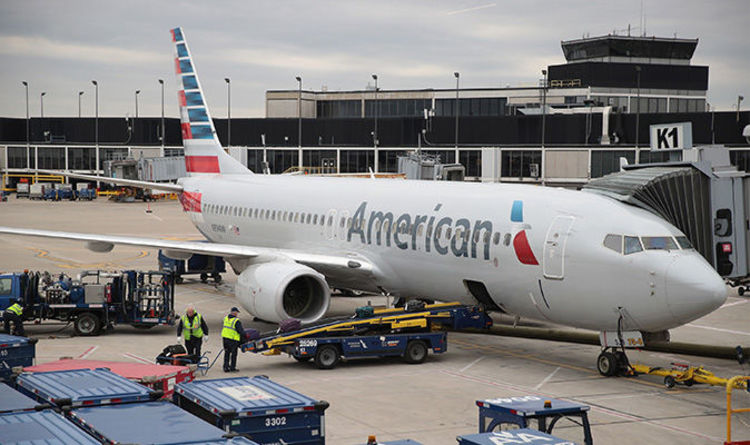
Vuelos de American Airlines afectados por sanidad puestos en cuarentena

Por segunda vez en tres días, vuelos aterrizando en Estados Unidos con pasajeros procedentes de Arabia Saudita han sido puestos en cuarentena en el aeropuerto de destino debido a que algunos de sus ocupantes mostraban síntomas similares a los de la gripe. Funcionarios de Aduanas y Protección Fronteriza de Estados Unidos informaron que dos vuelos de American Airlines aterrizaron en el Aeropuerto Internacional de Filadelfia este jueves y fueron puestos en cuarentena tras detectarse que 12 pasajeros se quejaban de estos síntomas.

El primer caso se dió el pasado miércoles 5 Septiembre 2018 en el Aeropuerto John Fitzgerald Kennedy (JFK) de Nueva York. Diez pasajeros y miembros de la tripulación cayeron enfermos durante el vuelo 203 de Emirates Airlines, que conectaba Dubái con esta ciudad, dando positivo en gripe. El incidente provocó que el Airbus 380 donde viajaban, así como el resto de pasajeros, alrededor de 550, fueran puestos en cuarentena.

El Departamento de Salud e Higiene Mental de la ciudad de Nueva York apuntó que los pasajeros enfermos dieron positivo en gripe y resfriado común, aunque las pruebas para otros virus no fueron concluyentes, algo que suele ser normal, y tendrán que repetirse. Por ello, los afectados permanecerán en el hospital por precaución hasta conocer los resultados. Asimismo, la mayoría de los pasajeros puestos en cuarentena que no presentaron síntomas de la afección han sido dados de alta, mientras que los enfermos, siete miembros de la tripulación y tres pasajeros, están siendo tratados en el hospital con antivirales. En ese caso, el vuelo no fue dirigido a una terminal sino a una zona de seguridad para que los equipos de respuesta médica de emergencia pudieran analizar la causa de la enfermedad, un procedimiento estándar practicado por la Autoridad Portuaria de Nueva York y Nueva Jersey para tales situaciones.

Teorías acerca de las cuarentenas

Desde un principio se ha apuntado a una cepa particularmente agresiva del virus que está causando estragos en La Meca, donde algunos de los pasajeros habían estado recientemente. Esta teoría coge fuerza, dado que los dos nuevos vuelos puestos en cuarentena, el AA755 de American Airlines que volaba de París (Francia) a Filadelfia y el AA717 de la misma aerolínea procedente de Múnich (Alemania) transportaban igualmente pasajeros procedentes de la Meca. Cabe destacar que la peregrinación (Hajj) a esta ciudad se ha celebrado esta año entre el 19 y el 24 Agosto 2018 y ha congregado a millones de personas.

Desde La Casa Blanca, su secretaria de Prensa, Sarah Sanders, comunicó que estaban monitorizando la situación y que el presidente Donald Trump estaba siendo informado a medida que se disponía de nueva información. AIRWAYS® AW-Icon TXT

Resultado de imagen para American Airlines aircraft quarantine

More aircraft quarantined

American Airlines flights affected by health posts in quarantine

For the second time in three days, flights landing in the United States with passengers from Saudi Arabia have been quarantined at the destination airport because some of its occupants showed symptoms similar to those of the flu. US Customs and Border Protection officials reported that two American Airlines flights landed at the Philadelphia International Airport on Thursday and were quarantined after detecting that 12 passengers complained of these symptoms.

The first case occurred last Wednesday, September 5, 2018 at the John Fitzgerald Kennedy Airport (JFK) in New York. Ten passengers and crew members fell ill during Emirates Airlines Flight 203, which connected Dubai to this city, testing positive for influenza. The incident caused the Airbus 380 where they were traveling, as well as the rest of the passengers, around 550, to be quarantined.

The Department of Health and Mental Hygiene in New York City noted that sick passengers tested positive for the common cold and flu, although tests for other viruses were inconclusive, which is usually normal, and will have to be repeated. Therefore, those affected will remain in the hospital as a precaution until they know the results. Likewise, most of the quarantined passengers who did not show symptoms of the condition have been discharged, while the sick, seven crew members and three passengers are being treated at the hospital with antivirals. In that case, the flight was not directed to a terminal but to a safety zone so that the emergency medical response teams could analyze the cause of the disease, a standard procedure practiced by the Port Authority of New York and New Jersey for such situations.

Theories about quarantines

From the beginning, it has targeted a particularly aggressive strain of the virus that is wreaking havoc in The Mecca, where some of the passengers had been recently. This theory takes force, since the two new flights put in quarantine, the AA755 of American Airlines that flew from Paris (France) to Philadelphia and the AA717 of the same airline from Munich (Germany) also transported passengers from Mecca. It should be noted that the pilgrimage (Hajj) to this city was held this year between August 19 and 24, 2018 and has brought together millions of people.

From the White House, his press secretary, Sarah Sanders, reported that they were monitoring the situation and that President Donald Trump was being informed as new information became available. A \ W


Ξ A I R G W A Y S Ξ
SOURCE:  Airgways.com
DBk: Aa.com / Express.co.uk / Washingtonexaminer.com
AW-POST: 201809081250AR

A\W   A I R G W A Y S ®