Latam anuncia expansión en Colombia

Resultado de imagen para latam colombia

AW | 2019 03 05 11:28 | AIRLINES

Resultado de imagen para latam logoLatam Colombia Airlines anunció su plan de expansión en Colombia

Latam Colombia Airlines ha anunciado la expansión de sus servicios en Colombia, el segundo mercado más importante en Sudamérica de la aerolínea con una inversión de US$ 300 millones de dólares para los próximos tres años. El plan de expansión estará enfocado en el mercado corporativo en una primera etapa alcanzando las rutas Cali, Medellín y Bucaramanga.

Colombia se ha convertido en el segundo mercado más importante en la región. Roberto Alvo, Vicepresidente Senior Comercial del Latam Group, explicó que “con esta expansión se pretende duplicar nuestra presencia en el mercado doméstico de Colombia en los próximos tres años. Esta es la inversión más agresiva que ha hecho Latam desde su asociación con TAM, que involucra una inversión aproximada de 300 millones de dólares. Nosotros creemos que Colombia tiene un potencial muy grande de crecimiento y queremos ser una verdadera alternativa de viaje, especialmente, para el pasajero de negocios”.

Expansión Latam Colombia

El plan que inicia la compañía está enfocado el crecimiento de las rutas corporativas de Cali en un 114%, en Medellín del 60% y en Bucaramanga del 64%. El aumento de las frecuencias iniciará desde Bogotá hacia las tres ciudades a partir del próximo 1 Julio 2019, totalizando 15 frecuencias diarias a Cali, 16 a Medellín y 5 a Bucaramanga.

Santiago Álvarez, Director Ejecutivo de Latam Airlines Colombia, indicó que este plan tiene como objetivo aumentar la presencia dentro del país. “Esta expansión es posible gracias a que el Grupo Latam Airlines ha tenido un proceso de transformación que le ha permitido generar ventajas en costos y lograr mejor competitividad”.

El gobierno colombiano ha decidido que el turismo es un sector clave dentro de la economía y reconoce las necesidades que existen en la industria aérea para lograr los 100 millones de pasajeros, meta que está dentro del plan 2030 de la Aeronáutica Civil de Colombia.

Latam Airlines anunció un cambio en el rediseño interior hacia el 2020, para ofrecerle una mejor experiencia a los pasajeros. La importancia del plan de Latam Airlines de incrementar su operación permitirá una mejor regulación de servicio y de precios, a través de la competencia.AW-Icon-TXT-01

Resultado de imagen para latam colombiaLatam announces expansion in Colombia

Latam Airlines announced its expansion plan in Colombia

Latam Colombia Airlines has announced the expansion of its services in Colombia, the second most important market in South America of the airline with an investment of US$ 300 million dollars for the next three years. The expansion plan will be focused on the corporate market in the first stage, reaching the Cali, Medellín and Bucaramanga routes.

Colombia has become the second most important market in the region. Roberto Alvo, Senior Vice President Commercial of the Latam Group, explained that «with this expansion we intend to double our presence in the Colombian domestic market in the next three years. This is the most aggressive investment that Latam has made since its association with TAM, which involves an approximate investment of 300 million dollars. We believe that Colombia has a very great potential for growth and we want to be a real travel alternative, especially for the business passenger».

Latam Colombia Expansion

The plan initiated by the company is focused on the growth of corporate routes in Cali by 114%, in Medellín by 60% and in Bucaramanga by 64%. The increase of the frequencies will start from Bogota to the three cities from the next 1 July 2019, totalizing 15 daily frequencies to Cali, 16 to Medellín and 5 to Bucaramanga.

Santiago Álvarez, Executive Director of Latam Airlines Colombia, indicated that this plan aims to increase the presence within the country. «This expansion is possible thanks to the fact that the Latam Airlines Group has undergone a transformation process that has allowed it to generate cost advantages and achieve better competitiveness».

The Colombian government has decided that tourism is a key sector within the economy and recognizes the needs that exist in the airline industry to achieve 100 million passengers, a goal that is within the 2030 plan of the Civil Aeronautics of Colombia.

Latam Airlines announced a change in the internal redesign towards 2020, to offer a better experience to passengers. The importance of Latam Airlines’ plan to increase its operation will allow a better regulation of service and prices, through competition. A \ W


Ξ A I R G W A Y S Ξ
SOURCE: Airgways.com
DBk: Latam.com
AW-POST: 201903051128AR

A\W   A I R G W A Y S ®

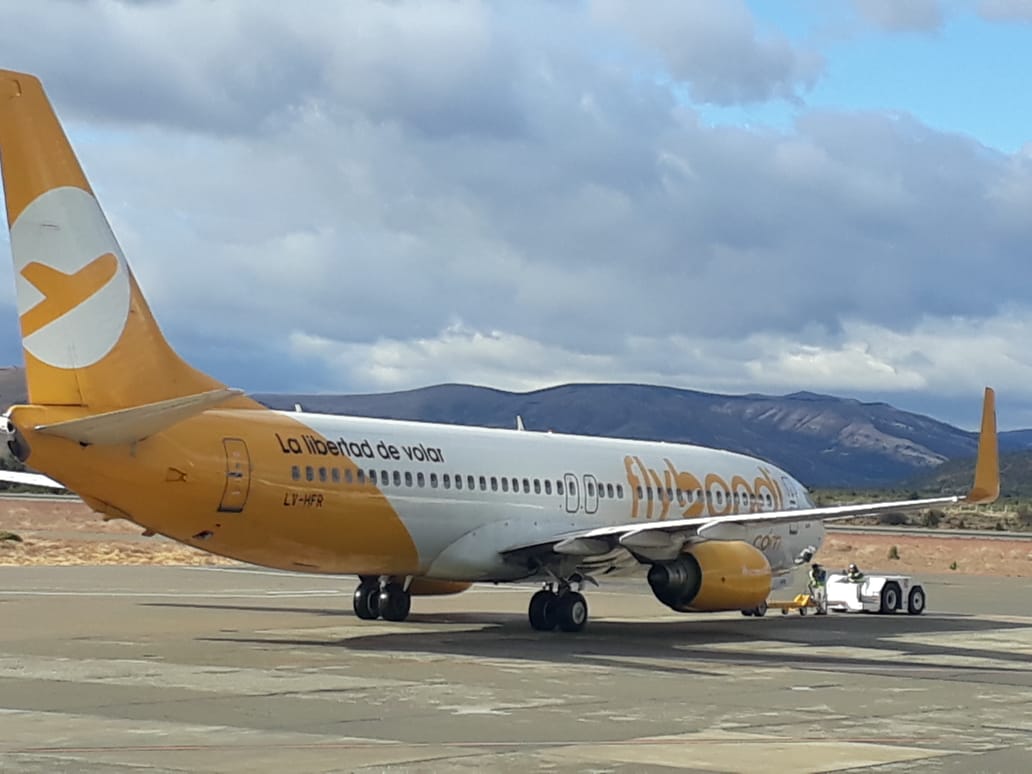
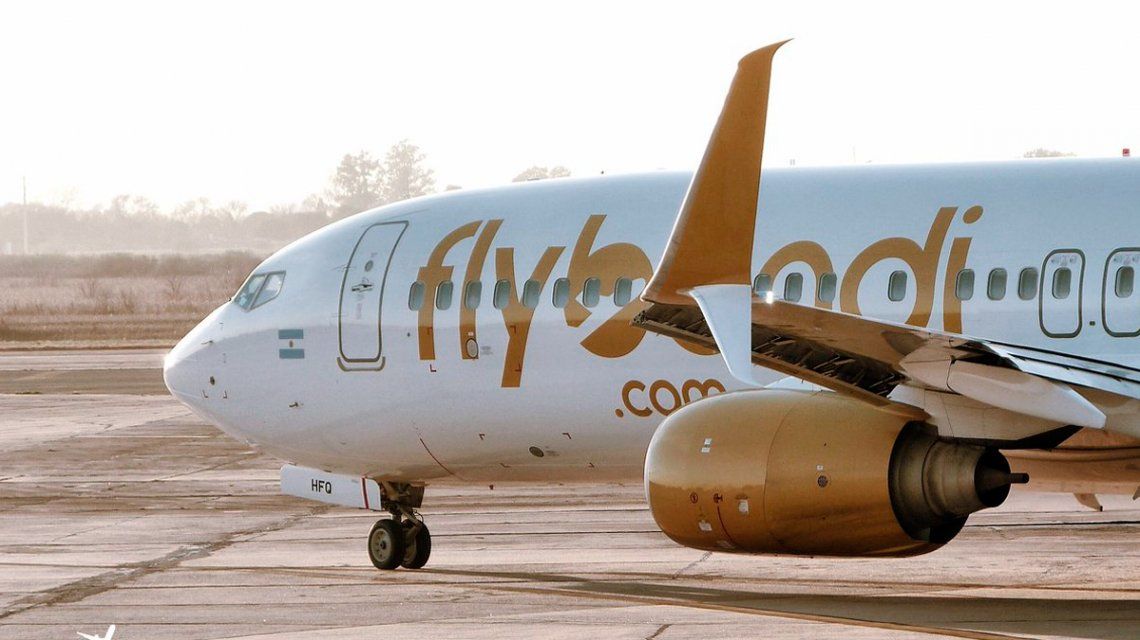
Flybondi fallas vuelos FO-5060/FO-5061

AW | 2019 03 05 00:28 | AVIATION SAFETY

Imagen relacionadaLa aerolínea Flybondi sufre problemas técnicos en dos vuelos FO-5060/FO-5061

Un Boeing 737-800, matrícula LV-WFR de Flybondi Líneas Aéreas tuvo un desperfecto en los motores antes del despegue del vuelo FO-5060 en el Aeropuerto Internacional El Palomar en el día Miércoles 27 Febrero 2019.

El vuelo FO-5060 estaba programado para realizar el trayecto El Palomar-Mendoza. Es la misma aeronave Boeing 737 que provocó una toma brusca rompiendo el Tail Strike el 16 Julio 2018 contra la pista del Aeropuerto Iguazú. Se conoció que en menos de 24 horas sucedieron dos casos. El miércoles pasado, otro vuelo, FO-5061 El Palomar-Iguazú, un Boeing 737-800 sufrió fallas que lo dejaron fuera de servicio y obligaron a abortar la operación. Los pasajeros quedaron varados por largas horas y pudieron partir pasada la medianoche del lunes, por lo que llegaron a destino 10 horas después del horario programado. Horas después, los damnificados fueron los pasajeros del vuelo que iba desde el controvertido aeropuerto El Palomar a Mendoza. Los bajaron del avión, minutos antes del despegue, por fallas en los motores de la aeronave.

El vuelo FO-5060 debía partir desde El Palomar las 19:45 hs con destino a Mendoza, sin embargo, minutos antes de despegar el capitán de la aeronave comunicó por altoparlante a los pasajeros que debían bajarse del avión por fallas en los motores. A pesar de lo afirmado por el capitán, tras varias horas de demora finalmente empleados de la low cost avisaron a los cientos de pasajeros varados en El Palomar que no se había podido solucionar un problema en los motores del avión por lo que el vuelo fue cancelado y los pasajeros que igual quisieran volar recién podrían hacerlo el jueves alrededor del mediodía, con más de 16 horas de demora.

El anuncio desató la bronca de los pasajeros y generó forcejeos, insultos y gritos de los afectados que se agolparon en el mostrador de Flybondi en el Aeropuerto El Palomar exigiendo poder viajar en otro avión de la compañía, sin lograr resultados favorables. Finalmente la low cost canceló los dos vuelos del miércoles previsto FO-5060 y FO-5061. Sin embargo, un vuelo hacia Mendoza terminó despegando de El Palomar recién a las 11:11 hs de la mañana del jueves, con casi 16 horas de retraso respecto del vuelo que fue cancelado.

Durante este último jueves también hubo demoras en más de diez vuelos de Flybondi, afectando a los pasajeros que tenían previsto viajar entre El Palomar y Posadas, Córdoba, Salta, Mendoza e Iguazú. La realidad es que Flybondi posee un récord inédito de incidentes, retrasos y cancelaciones que no tienen que ver con su condición de línea aérea de bajo costo, ya que el resto de las compañías de esas características no registran ese volumen de inconvenientes a pesar de operar bajo esa modalidad, pero que sin dudas tiene un deficiente manejo de recursos humanos y técnico.AW-Icon-TXT-01

Resultado de imagen para flybondi incidentsFlybondi flights faults FO-5060 / FO-5061

Flybondi suffers technical problems on two flights FO-5060/FO-5061

A Boeing 737-800, LV-WFR registration of Flybondi Líneas Aéreas had a malfunction in the engines before the takeoff of flight FO-5060 at El Palomar International Airport on Wednesday 27 February 2019.

img_20180110_015807.pngFlight FO-5060 was scheduled to take the El Palomar-Mendoza route. It is the same Boeing 737 aircraft that caused an abrupt takeover breaking the Tail Strike on July 16, 2018 against the runway of the Iguazú Airport. It was known that in less than 24 hours two cases happened. Last Wednesday, another flight, FO-5061 El Palomar-Iguazú, a Boeing 737-800 suffered failures that left it out of service and forced to abort the operation. The passengers were stranded for long hours and could leave after midnight on Monday, so they arrived at the destination 10 hours after the scheduled time. Hours later, the victims were the passengers on the flight from the controversial El Palomar airport to Mendoza. They were taken off the plane, minutes before take-off, by faults in the aircraft’s engines.

The flight FO-5060 had to depart from El Palomar at 7:45 p.m. to Mendoza, however, minutes before taking off, the captain of the aircraft communicated by loudspeaker to passengers who had to get off the plane due to engine failure. Despite what the captain said, after several hours of delay finally low-cost employees notified the hundreds of passengers stranded in El Palomar that a problem in the aircraft’s engines had not been solved, so the flight was canceled and passengers who still want to fly could do so on Thursday around noon, with more than 16 hours delay.

The announcement unleashed the anger of the passengers and generated struggles, insults and cries of those affected who crowded at the counter of Flybondi El Palomar Airport demanding to travel on another plane of the company, without achieving favorable results. Finally the low cost canceled the two scheduled flights of Wednesday FO-5060 and FO-5061. However, a flight to Mendoza ended up taking off from El Palomar just at 11:11 am on Thursday morning, with almost 16 hours late compared to the flight that was canceled.

During this last Thursday there were also delays in more than ten Flybondi flights, affecting the passengers who had planned to travel between El Palomar and Posadas, Córdoba, Salta, Mendoza and Iguazú. The reality is that Flybondi has an unprecedented record of incidents, delays and cancellations that have nothing to do with its status as a low-cost airline, since the rest of the companies with these characteristics do not register this volume of inconveniences despite operating under that modality, but that undoubtedly has a deficient management of human and technical resources. A \ W


Ξ A I R G W A Y S Ξ
SOURCE: Airgways.com
DBk: Flybondi.com / Twitter.com/TransitoAereoAr / Airgways.com
AW-POST: 201903050028AR

A\W   A I R G W A Y S ®


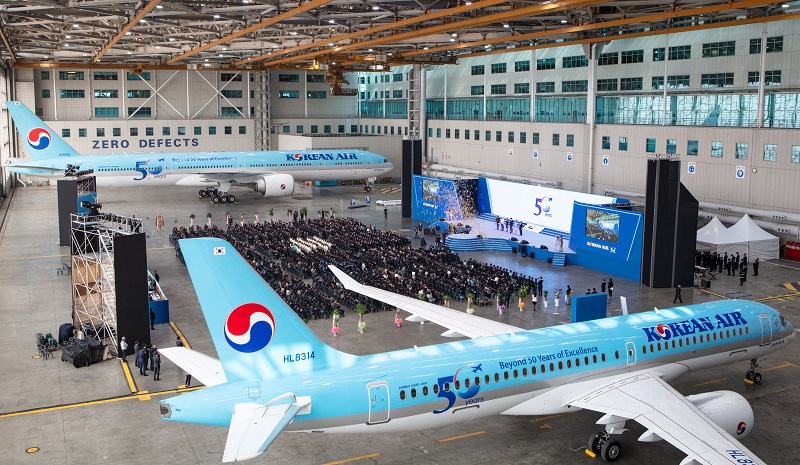
Korean Air celebra 50º Aniversarios

Resultado de imagen para Korean Air 50th anniversaryAW | 2019 03 04 12:47 | AIRLINES

Resultado de imagen para Korean Air 50th anniversaryResultado de imagen para Korean Air logoKorean Air celebra su 50º Aniversarios

La línea aérea de Corea del Sur, Korean Air celebra 50 años desde la fundación de la compañía el 1 Marzo 1969. A través de la historia Korean Air inició con una flota de ocho aviones turbohélice. En 1969, Corea operaba 49 servicios domésticos a la semana y seis a nivel internacional. Eso ahora ha crecido a una cantidad semanal de 503 vuelos nacionales, 922 servicios internacionales y 113 vuelos de carga. Las operaciones de carga de larga distancia se introdujeron el 26 Abril 1971, seguidas de los servicios de pasajeros al Aeropuerto Internacional de Los Ángeles el 19 Abril 1972. Sin embargo, después de 50 años, Korean Air se convirtió en la aerolínea nacional más grande que vuela a 124 ciudades en 44 países.

Imagen relacionadaEl número anual de pasajeros ha aumentado de 700.000 a 26.8 millones y la aerolínea estima que ha transportado a más de 7.140 millones de personas desde su inicio, así como a 40.54 millones de toneladas de carga.

Los hitos alabados por la aerolínea incluyeron servicios a Rusia y China en la década de 1990 y su papel como uno de los miembros fundadores de SkyTeam en la década de 2000. Más recientemente, jugó un papel importante en los Juegos Olímpicos y Paralímpicos de Invierno de P PyeongChang, comenzó a explorar nuevos mercados a través de un acuerdo de empresa conjunta con el socio de larga data Delta Air Lines y en junio albergará la conferencia anual de la Asociación Internacional de Transporte Aéreo.

También ha lanzado un programa «Visión 2013» destinado a lograr un crecimiento anual sostenible del 5,1 por ciento y aumentar el tamaño de su flota a 190 aviones. Los programas incluyen buscar nuevas rutas a Europa y el sudeste de Asia con Delta, aumentar la rentabilidad de las comidas y ventas en vuelo y mejorar la gobernabilidad.

El Presidente Walter Cho dijo que la compañía se esforzará por mejorar la felicidad de los empleados, establecer una relación constructiva con los socios comerciales, mejorar la satisfacción del cliente y maximizar el valor para los accionistas. «Haremos todo lo posible para satisfacer a nuestros clientes, aumentar la felicidad de nuestros empleados y aumentar el valor de nuestros accionistas, lo que en última instancia aumentará el valor de Korean Air», dijo.

Sin embargo, la historia de la aerolínea no ha estado exenta de desafíos pasados. La base de datos de la red de seguridad de la aviación muestra cinco accidentes fatales bajo la bandera de Korean Air Lines, incluido un Boeing 747 que fue derribado por combatientes soviéticos, y cinco después de que cambió su nombre a Korean Air en 1984. El accidente del vuelo 801 de Korean Air en 1997 resaltó un problema cultural con la gestión de recursos de la tripulación después de que el capitán no pudo informar adecuadamente y ejecutar un enfoque de no precisión en Guam y el Boeing 747 arado en una colina. El primer oficial y el ingeniero de vuelo no monitorearon y verificaron de manera efectiva el enfoque del capitán y hubo preocupación sobre la fatiga y el entrenamiento. El accidente mató a 228 de las 254 personas a bordo y llevó a Corea a ver las comunicaciones en la cabina y cómo fueron impactadas por factores culturales.

La caída de un vuelo de carga en Londres dos años más tarde provocó una nueva solicitud de cambios y la aerolínea lanzó un programa de US $ 200 millones para mejorar la seguridad que incluía la entrega de gran parte de su entrenamiento de pilotos a forasteros.

La aerolínea no ha tenido otro accidente fatal desde el incidente de Londres y actualmente disfruta de la calificación máxima de seguridad de siete estrellas con AirlineRatings.AW-Icon-TXT-01

Resultado de imagen para Korean Air 50th anniversaryKorean Air celebrates 50th Anniversaries

Korean Air celebrates its 50th Anniversary

The airline of South Korea, Korean Air celebrates 50 years since the company was founded on March 1, 1969. Throughout history Korean Air started with a fleet of eight turboprop aircraft. In 1969, Korea operated 49 domestic services a week and six internationally. That has now grown to a weekly amount of 503 domestic flights, 922 international services and 113 cargo flights. Long-distance cargo operations were introduced on April 26, 1971, followed by passenger services to Los Angeles International Airport on April 19, 1972. However, after 50 years, Korean Air became the largest national airline that It flies to 124 cities in 44 countries.

The annual number of passengers has increased from 700,000 to 26.8 million and the airline estimates that it has transported more than 7,140 million people since its inception, as well as 40.54 million tons of cargo.

AW-70085654.jpg

The milestones praised by the airline included services to Russia and China in the 1990s and its role as one of the founding members of SkyTeam in the early 2000s. More recently, it played an important role in the Olympic and Paralympic Winter Games of P PyeongChang, began exploring new markets through a joint venture agreement with long-time partner Delta Air Lines and in June will host the annual conference of the International Air Transport Association.

It has also launched a «Vision 2013» program aimed at achieving sustainable annual growth of 5.1 percent and increasing the size of its fleet to 190 aircraft. Programs include finding new routes to Europe and Southeast Asia with Delta, increasing the profitability of meals and sales in flight and improving governance.

President Walter Cho said the company will strive to improve employee happiness, establish a constructive relationship with business partners, improve customer satisfaction and maximize value for shareholders. «We will do everything possible to satisfy our customers, increase the happiness of our employees and increase the value of our shareholders, which will ultimately increase the value of Korean Air», he said.

However, the history of the airline has not been exempt from past challenges. The aviation security network database shows five fatalities under the Korean Air Lines flag, including a Boeing 747 that was shot down by Soviet fighters, and five after it changed its name to Korean Air in 1984. crash of Korean Air Flight 801 in 1997 highlighted a cultural problem with crew resource management after the captain failed to adequately report and execute a non-precision approach on Guam and the Boeing 747 plowed on a hill. The first officer and the flight engineer did not effectively monitor and verify the captain’s focus and there was concern about fatigue and training. The accident killed 228 of the 254 people on board and took Korea to see communications in the cabin and how they were impacted by cultural factors.

The fall of a cargo flight in London two years later prompted a new request for changes and the airline launched a US $ 200 million program to improve safety that included the delivery of much of its pilot training to outsiders.

The airline has not had another fatal accident since the London incident and currently enjoys the seven-star maximum safety rating with AirlineRatings. A \ W


Ξ A I R G W A Y S Ξ
SOURCE: Airgways.com
DBk: Koreanair.com / Airlineratings.com / Airgways.com
AW-POST: 201903041247AR

A\W   A I R G W A Y S ®

Comair recibe 1er Boeing 737-8 MAX

AW | 2019 03 04 00:16 | AIRLINES / INDUSTRY

Resultado de imagen para comair British Airways logoComair toma entrega del primer Boeing 737-8 MAX en Sudáfrica

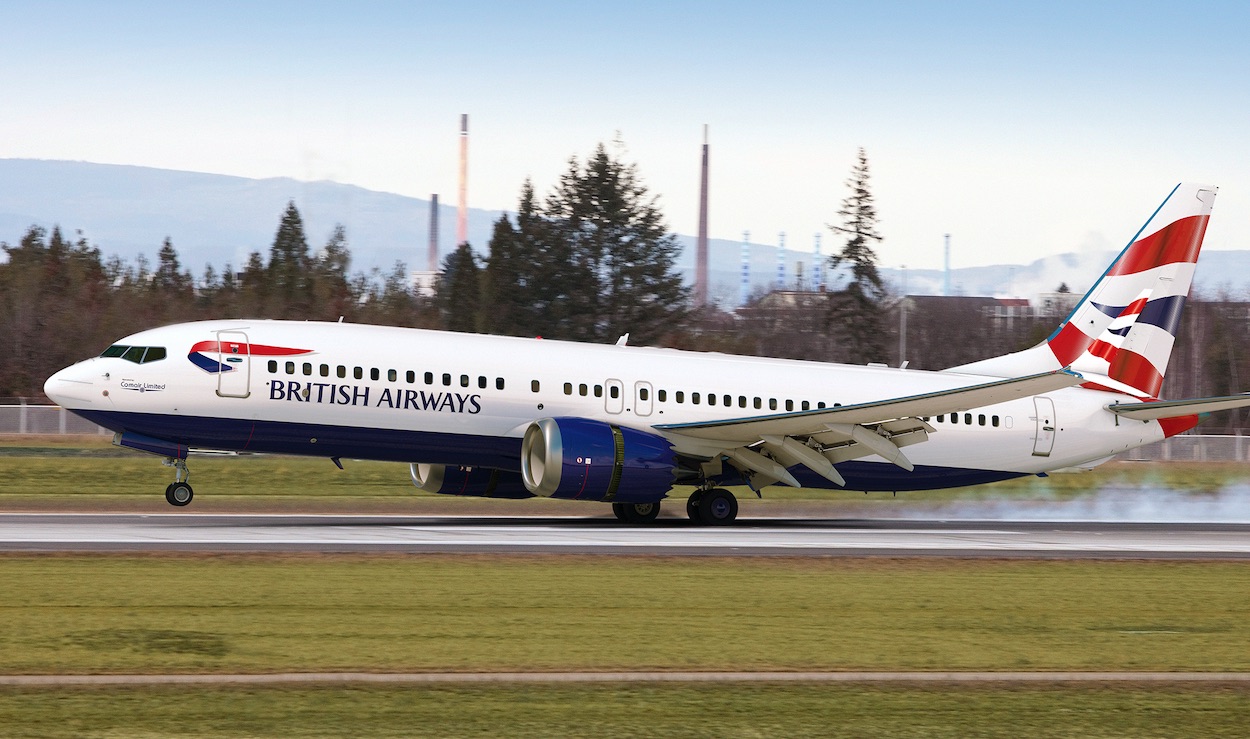
Comair es el primer operador aéreo de Sudáfrica en adquirir el primer Boeing 737-8 MAX. Comair es una compañía feeder de British Airways y Kulula Airlines en Sudáfrica. El primer desembarco del Boeing 737-8 MAX el Jueves 28 Febrero 2019 arribando por la noche al Aeropuerto Internacional OR Tambo de Johannesburgo a las 20:30 hs.

El 737-8 MAX es la cuarta generación del popular avión de pasajeros del fabricante estadounidense Boeing. Hasta la fecha, se han construido más de 10.000 de estos aviones en sus diversas formas y revisiones, mientras que solo unos 5.000 aviones aún están en orden de las aerolíneas de todo el mundo.

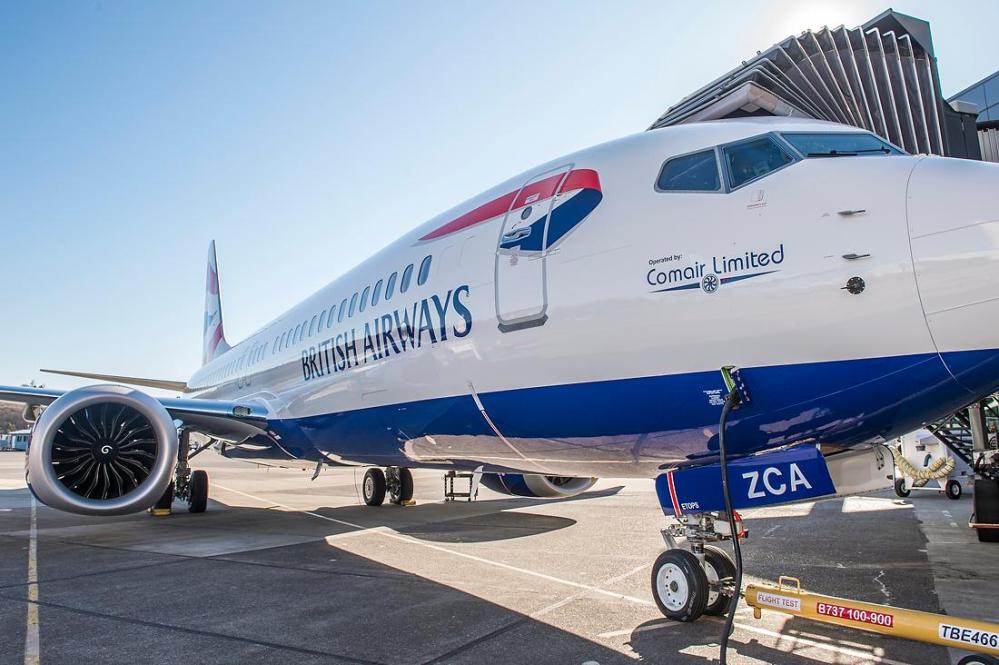
El nuevo Boeing 737-8 registrado ZS-ZCA, comenzó su viaje a Sudáfrica desde Seattle, WA, Estados Unidos el 26 Febrero 2019 efectuando escala en República Dominicana antes de cruzar el Atlántico hacia las islas de Cabo Verde, según datos del servicio de rastreo de vuelos FlightRadar24.

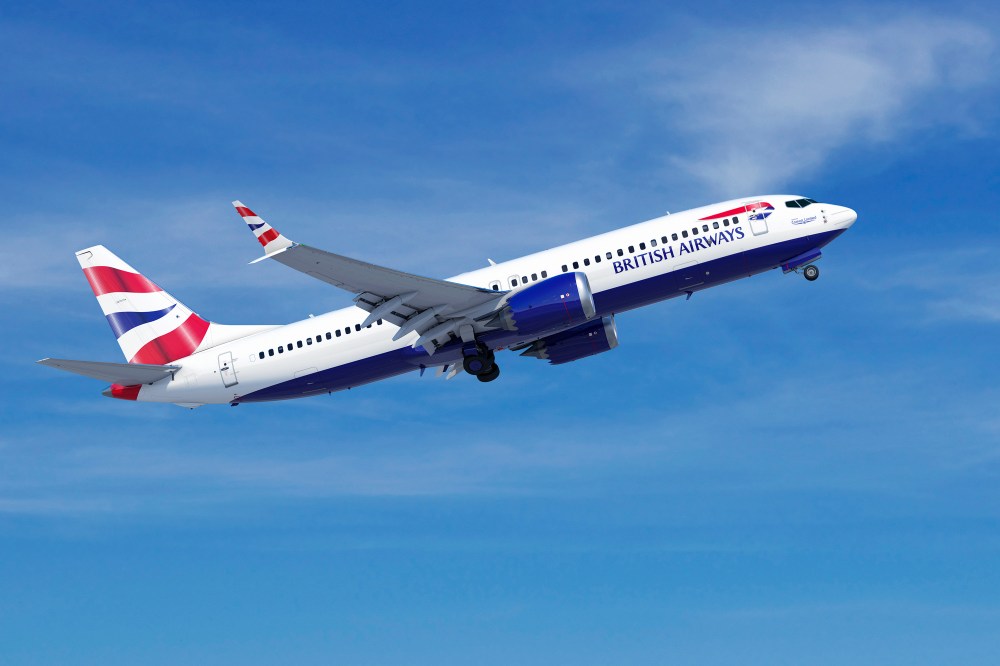
El avión es el primero de ocho aeronaves 737-8 MAX en orden hasta 2022. Volará bajo la librae de British Airways y se unirá a los 28 aviones comerciales operados por Comair. Si bien Comair es la primera aerolínea sudafricana en poseer un 737-8 MAX, no es la primera en África. Mauritania Airlines recibió su primer avión en Diciembre 2017. Etiopía siguió a mediados de 2018 y tendrá la mayor flota de 737 MAX una vez que se hayan entregado los 30 pedidos.AW-Icon-TXT-01

Resultado de imagen para Boeing 737 MAX comairD0bMM9BW0AEWHmJ317313_BAB-CML_LCV-MAX8_Rotr-GearUP-L_MR-219

Comair receives 1st Boeing 737 MAX

Resultado de imagen para comair logoComair takes delivery of the first Boeing 737-8 MAX in South Africa

Comair is the first air operator in South Africa to acquire the first Boeing 737-8 MAX. Comair is a feeder company of British Airways and Kulula Airlines in South Africa. The first disembarkation of the Boeing 737-8 MAX on Thursday 28 February 2019 arriving at night at the OR Tambo International Airport in Johannesburg at 8:30 p.m.

The 737-8 MAX is the fourth generation of the popular passenger plane from the American manufacturer Boeing. To date, more than 10,000 of these aircraft have been built in their various forms and revisions, while only about 5,000 aircraft are still in order from airlines around the world.

The new Boeing 737-8 registered ZS-ZCA, began its trip to South Africa from Seattle, WA, United States on February 26, 2019 making stopover in the Dominican Republic before crossing the Atlantic to the Cape Verde Islands, according to data from the tracking service of FlightRadar24 flights.

The aircraft is the first of eight 737-8 MAX aircraft in order until 2022. It will fly under British Airways and will join the 28 commercial aircraft operated by Comair. While Comair is the first South African airline to own a 737-8 MAX, it is not the first in Africa. Mauritania Airlines received its first aircraft in December 2017. Ethiopia continued in mid-2018 and will have the largest fleet of 737 MAX once the 30 orders have been delivered. A \ W


Ξ A I R G W A Y S Ξ
SOURCE: Airgways.com
DBk: Comair.co.za / Boeing.com
AW-POST: 201903040016AR

A\W   A I R G W A Y S ®

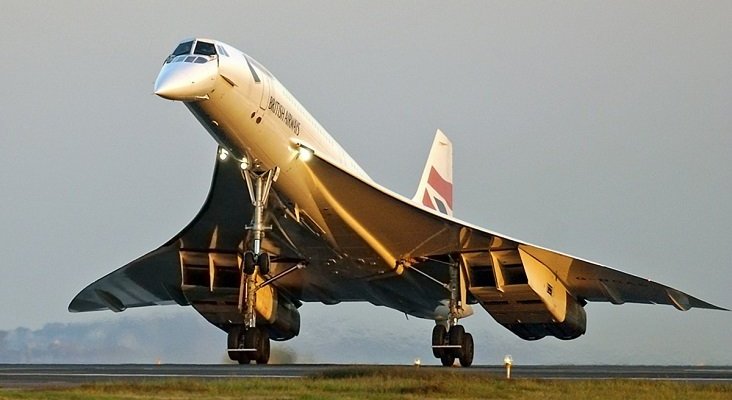
Ξ 50º Aniversarios del Concorde Ξ

concorde.jpg

AW | 2019 03 03 12:45 | AVIATION HISTORY

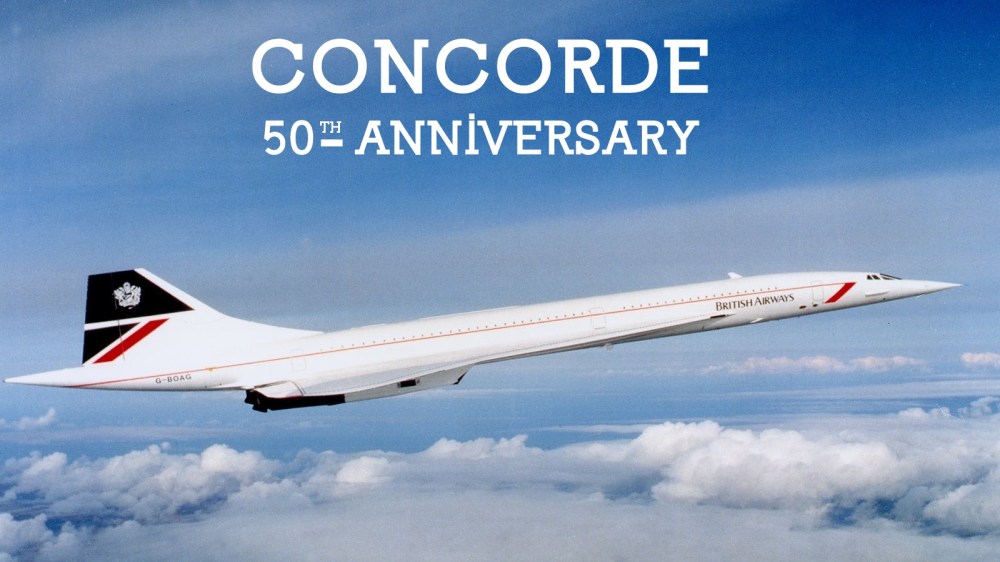
El Concorde fue el único avión de pasajeros supersónico exitoso del mundo festeja su 50º Aniversarios

El 1 Marzo 1969 amaneció con una densa niebla sobre Toulouse y el primer vuelo del Concorde tuvo que posponerse 24 horas. El 2 Marzo 2019 hace 50 años la meteorología no cambió demasiado respecto al día anterior, aunque ya era más que razonable para que el equipo de pruebas del avión supersónico embarcase en el prototipo 001. Lenta y ruidosamente el primer aparato construido llegó a la cabecera del Aeropuerto de Blagnac. Centrado en el eje de la pista, André Édouard Turcat, piloto al mando de la misión recibió la autorización para despegar; tragó saliva, empujó las palancas de gases de los cuatro reactores, miró a los indicadores, luego al frente y consiguió un despegue histórico en una época en que la aviación afrontaba una de sus revoluciones con el desarrollo del transporte aéreo comercial supersónico sobre la mesa.

British-Airways-Concorde-transparent-background.png

Maravilla tecnológica

El 2 Marzo 1969, el Concorde 001 se lanzó a los cielos por primera vez en Toulouse, Francia. Mientras que el Tupolev Tu-144 de la Unión Soviética lo derrotó en el club supersónico de primicias que voló dos meses antes, Concorde continuaría sirviendo 27 años de servicio regular de pasajeros como el buque insignia de British Airways y Air France. Como tal, sigue siendo el único avión supersónico de pasajeros que opera un servicio exitoso, más que algunos otros aviones de pasajeros subsónicos convencionales.

El Concorde iba décadas adelantado a su tiempo, de hecho, hay varios transportes supersónicos de pasajeros actualmente en desarrollo, que se someten a evaluaciones de ingeniería similares a las del Concorde, aunque 50 años antes. Concorde fue el primer avión de línea aérea, en el sentido de que los controles no estaban directamente vinculados a las superficies de control. Pasarían casi 20 años después, en 1987, antes del primer vuelo del próximo avión de línea aérea el Airbus A320.
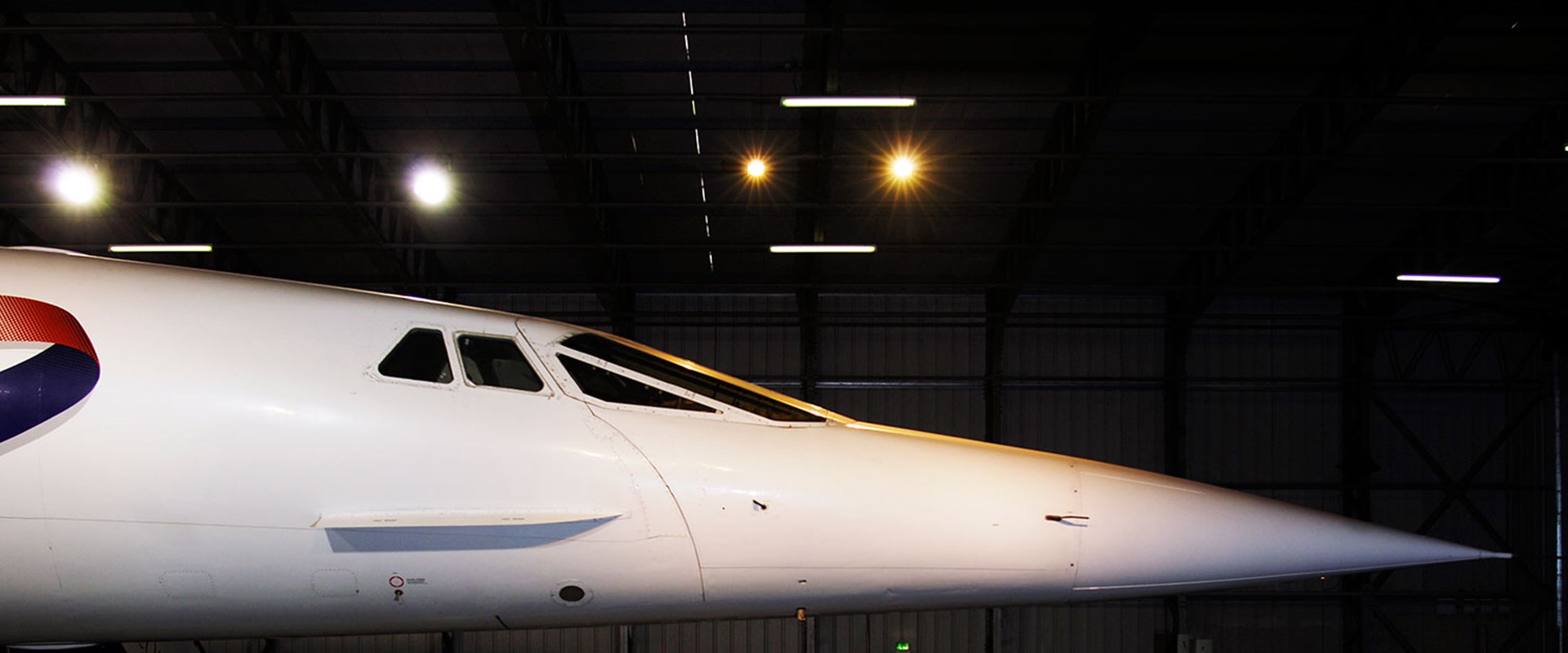
Resultado de imagen para concorde

Los frenos antibloqueo también se vieron por primera vez en el Concorde, diseñado para ayudar a la aeronave a desacelerar de manera controlada desde las velocidades más altas de lo normal requeridas para el despegue y el aterrizaje. Concorde también fue recortado de una manera única. En lugar de ajustar las superficies de control (esto afectaría la aerodinámica a través de un vuelo supersónico), Concorde movió el combustible a través de 11 tanques de combustible diferentes para mantener su centro de gravedad mientras volaba.

Las presas hidráulicas se moverían dentro de las entradas del motor, creando ondas de choque que reducirían la velocidad del aire en los cuatro motores Rolls-Royce Snecma Olympus de 1.340 mph/2.158 kmh a solo 500 mph/800 kmh en solo 11 pies/3.3 m. Esta tecnología estaba reservada previamente para los aviones de combate, y nunca antes se había hecho en una escala tan grande como un avión de pasajeros. El Concorde también podría «supercurrir», otra característica reservada para los aviones de combate más rápidos. La supercrucción significa mantener el vuelo supersónico sin el uso de dispositivos de poscombustión. Concorde usaría los dispositivos de poscombustión para acelerar a mach 2.04, y luego los apagaría, bebiendo combustible en comparación con el Tupolev Tu-144, que tenía que navegar con el dispositivo de poscombustión habilitado.

Estos son solo un pequeño ejemplo de las asombrosas hazañas de ingeniería que los ingenieros británicos y franceses crearon hace más de medio siglo. Hoy, los 18 Concordes restantes están en exhibición en todo el mundo en varios aeropuertos y museos. Junto con el Boeing 747, sigue siendo uno de los aviones más reconocibles en la historia de la aviación.

El proyecto Concorde tuvo más recorrido que sus competidores americano y soviético. La presentación del Tupolev TU-144 en el salón aeronáutico de Paris-Le Bourget en 1973 se saldó con el peor de los resultados: el avión ruso se estrelló durante una de sus exhibiciones frente al publico, entre quienes también estaban los responsables del supersónico franco-británico, que también se exhibía esos días. Aquel accidente, que se saldó con 14 muertos, los seis tripulantes del Tupolev y ocho personas en tierra, dejó tocado el proyecto, que acabó de quedar seriamente comprometido con un segundo accidente, en 1978, con la versión modernizada del aparato que la URSS tenia previsto tener recorriendo el mundo en coincidencia con los juegos olímpicos de 1980 en Moscú. El plan fue cancelado tras el segundo accidente y únicamente se mantuvieron en vuelo algunas unidades para realizar algunos servicios de carga de larga distancia, aunque de manera irregular y rodeados de cierto misterio, hasta que los aviones quedaron en tierra en 1983 y solo volvieron al cielo para entrenamiento de astronautas rusos y luego contratados por un cliente muy singular: la NASA, ya en la etapa post-URSS.
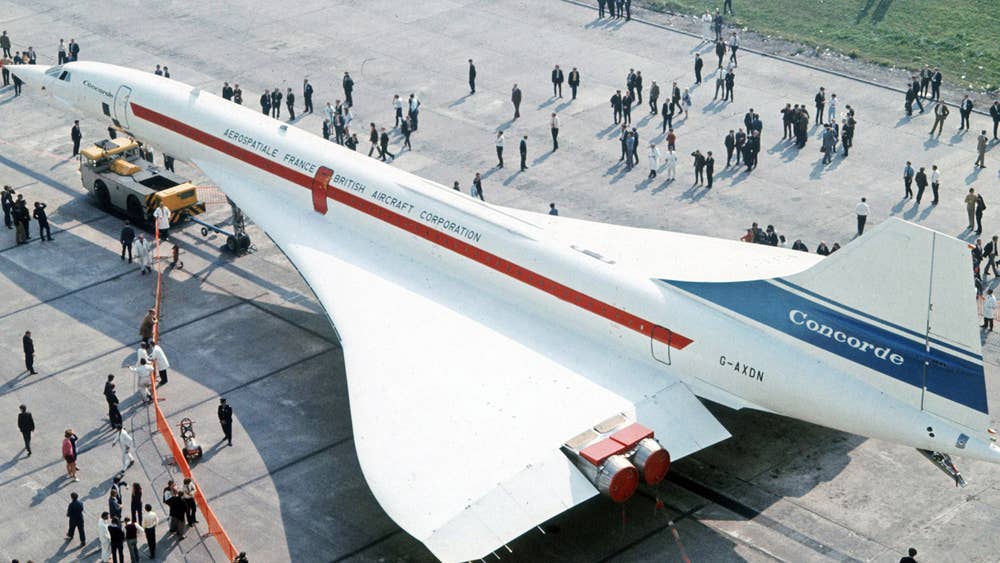
Imagen relacionada

Con el terreno de la competencia totalmente despejado podría pensarse que comercialmente todo iría de cara para el Concorde. Aun con los sobrecostes en los que incurrió un programa en que casi todo era nuevo, hubo ciertas alegrías y sobre todo apoyo de dos naciones. El equipo comercial, en el que tenía también gran peso las relaciones políticas y el peso de los gobiernos de París y Londres, consiguió una cartera de pedidos razonablemente buena: en norteamérica ocho compañías realizaron pedidos: de un lado la canadiense Air Canadá y luego las estadounidenses Pan American, Braniff, United, Eastern, TWA, American y Continental. En Asia, Air India y la japonesa JAL también mostraron entusiasmo por incorporar el supersónico a su flota y en Irán, fue el mismísimo Mohammad Reza Pahlaví, el Shah de Irán, que portaba títulos como de Rey de Reyes, Luz de los Arios y que era un entusiasta de la aviación quien encargó personalmente concordes para Iran Air, la compañía de aviación del estado en que mandaba. Otra de las compañías de la región que entraron en la libreta de compradores fue la libanesa MEA y en Oceania, Qantas también quiso el avión para conectar Australia con otras zonas del planeta.

En Europa, Bélgica y Alemania se sumaron al listado de compradores a través de Sabena y Lufthansa y finalmente las aerolíneas Air France y BOAC fueron la parte francesa y británica que completaron el listado, en este caso por la lógica de apoyar sin fisuras a la industria aeronáutica nacional en ambos países, que esperaban vender muy por encima de los más de 60 que en principio se encargaron. Las previsiones cifraban en 350 un numero razonable de unidades comercializadas para considerar que el programa había cumplido con sus objetivos, no fue así.

A partir de 1972, en pleno desarrollo de las pruebas y con las ventas paradas en seco se inició una cascada de cancelaciones por parte de las aerolíneas ya comprometidas. Esto fue por varios factores: si bien el avión iba a volar tan rápido como se prometía, su alcance no iba a ser tan espectacular como se pensaba, lo que lastraba comercialmente las intenciones de las compañías aéreas. A eso se añadió la crisis del petroleo de 1973 que disparó el precio del combustible, algo que no se había tenido en cuenta como factor decisivo para el desarrollo del aparato, como tampoco lo fueron los aspectos medioambientales, de los que empezó a haber cierta conciencia tras la crisis del crudo.

A los factores anteriores se añadió una campaña política por parte de Estados Unidos destinada a dar en la linea de flotación de la industria aeroespacial europea. Washington presionó a diferentes gobiernos para que sus aerolíneas de bandera olvidasen su aventura aeronáutica en favor de la otra gran apuesta de la época: los reactores gigantes fabricados por Boeing, con el 747 como avión-icono de los nuevos tiempos. La operación anti-concorde no fue nunca oficialmente conocida, aunque quedó aun más clara con el veto estadounidense a los primeros vuelos comerciales a su territorio en 1976 cerrando aeropuertos a Air France y British Airways.

Las aerolíneas francesa y británica fueron las únicas que finalmente operaron estos aparatos (Singapore Airlines y Braniff lo hicieron en colaboración comercial con las anteriores en a modo de pruebas que tampoco cuajaron) y lejos de lo programado inicialmente, ambas tuvieron que ser imaginativas programando vuelos como Londres-Bahrein y París-Rio de Janeiro con escala en Dakar, Senegal, una linea que incluso apareció en una de las películas de 007, Moonraker, de 1979, en la que James Bond llega a Brasil desde Europa en el avión más moderno del momento: el Concorde de Air France. El éxito comercial nunca llegó, aunque el glamour que desprendía volar en un avión tan exclusivo siempre acompañó a este modelo,que apareció muchas veces en películas de cine.

Finalmente los vuelos a Estados Unidos desde Londres y París arrancaron con 18 meses de retraso, cuando el Congreso de EEUU levantó el veto a British y Air France para llegar sin escalas a Nueva York y Washington, además de a otros destinos con escala como Dallas o Ciudad de México,Miami o Barbados. En los 70 también se realizaron vuelos París-Caracas aunque realizaban una imprescindible escala técnica en las Azores para repostar. El concorde se convirtió en un símbolo de status que viajaba a más del doble de la velocidad que los aviones comerciales a reacción, aunque sus lineas regulares se limitaron finalmente a los enlaces al aeropuerto JFK desde las capitales de Francia y el Reino Unido. El resto de aparatos de la flota de ambas compañías acabaron convirtiéndose en aviones para la realización de vuelos charter fletados por todo tipo de empresas, agencias de viaje o instituciones que al calor del glamour supersónico se publicitaban con vuelos especiales e incluso las propias aerolíneas empezaron a realizar una serie de vuelos regulares a destinos europeos en los que uno de los trayectos se realizaba en Concorde y el de regreso en un Boeing o Airbus convencional, se intentó de todo para sacar cierta rentabilidad.

Uno de aquellos viajes chárter relacionados con el turismo de alto poder adquisitivo fue el que marcó el inicio del fin del Concorde: el 25 de julio de 2000 el AF4590 Paris-Nueva York, ocupado por pasajeros que se desplazaban a Estados Unidos para embarcar en un crucero de lujo, acabó estrellándose en las cercanías del aeropuerto. Una serie de desafortunadas casualidades hizo que el avión se incendiase despegando e incontrolable acabase cayendo sobre un pequeño hotel. En el accidente fallecieron los 109 ocupantes del avión: nueve tripulantes y un centenar de viajeros. El Concorde quedaba seriamente tocado y pequeña flota operativa repartida entre los dos operadores quedó en tierra hasta recibir una serie de modificaciones para incrementar su seguridad.

El primer vuelo con pasaje tras el accidente se produjo en una fecha recordada: el 11 de septiembre de 2001, el tristemente célebre 11S. El aparato tomó tierra en el JFK el mismo día del ataque a las torres gemelas y otros lugares de Estados Unidos con aviones comerciales. Eso retrasó el regreso de este servicio hasta el mes de noviembre y finalmente en abril de 2003 mediante acuerdo conjunto entre compañías se decidió que a finales de ese año el proyecto supersónico se quedaría definitivamente en tierra y los aviones se repartirían en diferentes museos o lugares emblemáticos que mostraron interés en conservar un trozo de historia del transporte aéreo.

El ambicioso proyecto supersónico europeo acabó limitándose a la construcción 20 unidades de las que únicamente 14 realizaron servicios comerciales y ahora son pieza de museo. Varias iniciativas mas enfocadas a la visibilidad empresarial o personal, como en el caso del histriónico e hiperactivo Richard Branson, que se postulaba como continuador del Concorde bajo su marca Virgin, sin revelar que Airbus le había negado siempre cualquier apoyo técnico, pues el fabricante daba por cerrado definitivamente ese capitulo.

En estos más de 15 años sin vuelos comerciales supersónicos varias empresas están trabajando en el proyecto de algo similar a un Concorde 2.0. En unas, bienintencionadas, lo trabajado no pasa de algunos buenos y muy detallados dibujos en pantalla, mientras que a otros les queda mucho por recorrer. Precisamente en este sentido, hace pocos días, el futuro CEO de Airbus, Guillaume Faury, indicaba que el futuro de la aviación comercial pasaba más por la aviación híbrida y eléctrica que por reeditar una carrera supersónica como la que marcó los años 60, 70 y 80 de la década pasada.

Medio siglo después de su primer vuelo, el Concorde es historia. La historia de un hito tecnológico que permitió realizar los vuelos comerciales más rápidos de la historia durante algo más de 25 años y que también fue una gran lección para una la industria cara que para volar alto tiene que mantener los pies en tierra.AW-Icon-TXT-01

Imagen relacionada50th Anniversary of the Concorde

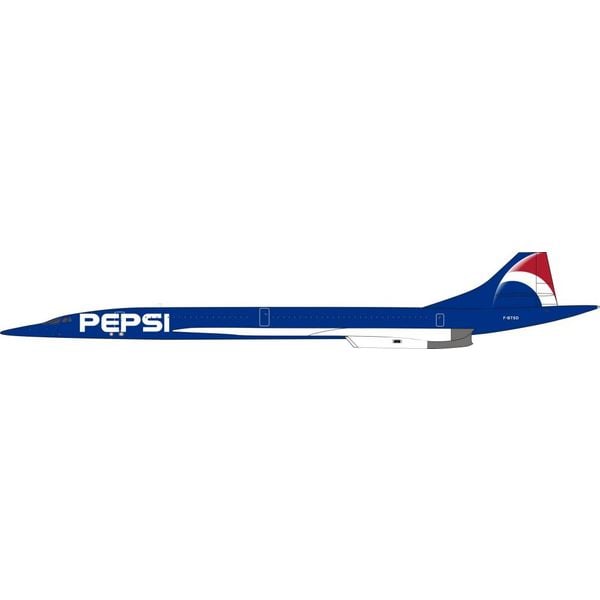
The Concorde was the only successful supersonic passenger plane in the world celebrates its 50th AnniversaryResultado de imagen para concorde pepsi png
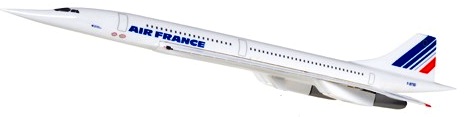
On March 1, 1969 dawned with a dense fog over Toulouse and the first flight of the Concorde had to be postponed for 24 hours. On March 2, 2019, 50 years ago, the weather did not change much with respect to the previous day, although it was more than reasonable for the supersonic airplane test team to embark on the prototype 001. Slowly and noisily the first built device reached the head of the Blagnac airport. Centered on the axis of the runway, André Édouard Turcat, pilot in command of the mission received the authorization to take off; swallowed, pushed the gas levers of the four reactors, looked at the indicators, then up front and achieved a historic takeoff at a time when aviation was facing one of its revolutions with the development of supersonic commercial air transport on the table.
13300.jpgTechnological wonder

On March 2, 1969, the Concorde 001 was launched into the skies for the first time in Toulouse, France. While the Tupolev Tu-144 of the Soviet Union defeated him in the supersonic premier club that flew two months earlier, Concorde would continue to serve 27 years of regular passenger service as the flagship of British Airways and Air France. As such, it remains the only supersonic passenger aircraft that operates a successful service, more than some other conventional subsonic passenger aircraft.

The Concorde was decades ahead of its time, in fact, there are several supersonic passenger transports currently under development, which undergo engineering evaluations similar to those of Concorde, although 50 years earlier. Concorde was the first airline aircraft, in the sense that the controls were not directly linked to the control surfaces. It would be almost 20 years later, in 1987, before the first flight of the next airline aircraft the Airbus A320.

Anti-lock brakes were also seen for the first time in the Concorde, designed to help the aircraft decelerate in a controlled manner from the higher than normal speeds required for takeoff and landing. Concorde was also trimmed in a unique way. Instead of adjusting the control surfaces (this would affect the aerodynamics through a supersonic flight), Concorde moved the fuel through 11 different fuel tanks to maintain its center of gravity while flying.

The hydraulic dams would move inside the engine inlets, creating shock waves that would reduce air velocity in the four Rolls-Royce Snecma Olympus engines from 1,340 mph / 2,158 km/h to only 500 mph / 800 km/h in only 11 feet / 3.3m. This technology was previously reserved for fighter jets, and never before had it been done on a scale as large as a passenger plane. The Concorde could also «super-happen,» another feature reserved for faster fighter jets. Supercrucing means maintaining supersonic flight without the use of afterburners. Concorde would use the afterburners to accelerate to mach 2.04, and then shut them down, drinking fuel compared to the Tupolev Tu-144, which had to navigate with the afterburner enabled.

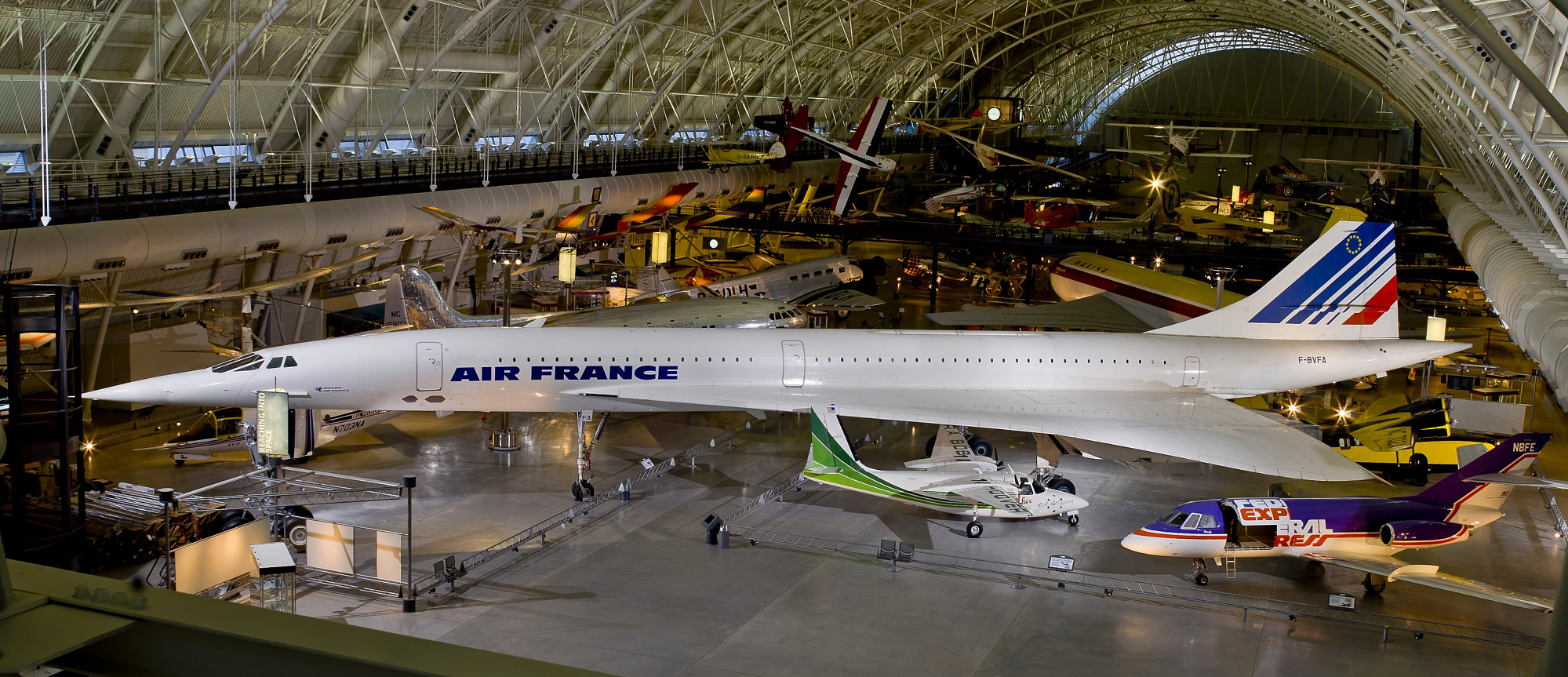
These are just a small example of the amazing engineering feats that British and French engineers created more than half a century ago. Today, the remaining 18 Concordes are on display around the world at various airports and museums. Along with the Boeing 747, it remains one of the most recognizable aircraft in the history of aviation.

The Concorde project had more travel than its American and Soviet competitors. The presentation of the Tupolev TU-144 in the Paris-Le Bourget air show in 1973 resulted in the worst of results: the Russian plane crashed during one of its exhibitions in front of the public, among whom were also responsible for the supersonic franc -britanico, who also exhibited those days. That accident, which resulted in 14 deaths, the six crewmembers of the Tupolev and eight people on land, left touched the project, which was just seriously committed to a second accident in 1978, with the modernized version of the apparatus that the USSR had planned to have touring the world in coincidence with the 1980 Olympic Games in Moscow. The plan was canceled after the second accident and only some units were kept in flight to carry out some long-distance cargo services, albeit in an irregular manner and surrounded by a certain mystery, until the planes landed in 1983 and only returned to the sky. for training Russian astronauts and then hired by a very unique client: NASA, already in the post-USSR stage.

With the terrain of the competition totally clear, it could be thought that commercially everything would go to the Concorde. Even with the extra costs incurred by a program in which almost everything was new, there were certain joys and free support from two nations. The commercial team, which also had great weight political relations and the weight of the governments of Paris and London, got a reasonably good order book: in North America eight companies placed orders: on the one hand the Canadian Air Canada and then the American Pan American, Braniff, United, Eastern, TWA, American and Continental. In Asia, Air India and the Japanese JAL also showed enthusiasm for incorporating the supersonic to their fleet and in Iran, it was the very Mohammad Reza Pahlaví, the Shah of Iran, who carried titles such as King of Kings, Luz de los Arios and he was an aviation enthusiast who personally commissioned concordes for Iran Air, the state aviation company he commanded. Another of the companies in the region that entered the buyers’ book was the Lebanese MEA and in Oceania, Qantas also wanted the plane to connect Australia with other areas of the planet.

In Europe, Belgium and Germany joined the list of buyers through Sabena and Lufthansa and finally the airlines Air France and BOAC were the French and British parties that completed the list, in this case by the logic of seamless support to the industry national aeronautics in both countries, which they expected to sell well above the more than 60 that were initially commissioned. The forecasts estimated at 350 a reasonable number of units marketed to consider that the program had met its objectives, it did not.

From 1972, in the midst of the development of the tests and with the sales stopped in their tracks, a cascade of cancellations by the already committed airlines began. This was due to several factors: although the plane was going to fly as fast as promised, its scope would not be as spectacular as it was thought, which commercially ballasted the intentions of the airlines. To that was added the oil crisis of 1973 that triggered the price of fuel, something that had not been taken into account as a decisive factor for the development of the device, as neither were the environmental aspects, from which there began to be a certain awareness after the oil crisis.

To the above factors was added a political campaign on the part of the United States destined to give in the waterline of the European aerospace industry. Washington pressured different governments so that their flag carriers could forget their aeronautical adventure in favor of the other great bet of the time: the giant reactors manufactured by Boeing, with the 747 as an airplane-icon of the new times. The anti-concorde operation was never officially known, although it was even clearer with the US veto of the first commercial flights to its territory in 1976 closing airports to Air France and British Airways.

The French and British airlines were the only ones that finally operated these devices (Singapore Airlines and Braniff did it in commercial collaboration with the previous ones in the form of tests that did not work either) and far from what was initially programmed, both had to be imaginative programming flights as London-Bahrain and Paris-Rio de Janeiro with stopover in Dakar, Senegal, a line that even appeared in one of the movies of 007, Moonraker, 1979, in which James Bond arrives in Brazil from Europe in the most modern plane in the world. moment: the Air France Concorde. The commercial success never arrived, although the glamor that gave off flying in such an exclusive airplane always accompanied this model, who appeared many times in movies.

Finally flights to the United States from London and Paris started 18 months late, when the US Congress lifted the veto for British and Air France to reach nonstop flights to New York and Washington, as well as to other destinations such as Dallas or Mexico City, Miami or Barbados. In the 70s Paris-Caracas flights were also carried out, although they made an indispensable technical stopover in the Azores to refuel. The concorde became a status symbol that traveled more than twice the speed of commercial jet aircraft, although its regular lines were ultimately limited to links to the JFK airport from the capitals of France and the United Kingdom. The rest of the aircraft of both companies ended up becoming planes for the realization of charter flights chartered by all kinds of companies, travel agencies or institutions that, in the heat of supersonic glamor, were advertised with special flights and even the airlines themselves began to perform a series of regular flights to European destinations in which one of the trips was made in Concorde and the return in a conventional Boeing or Airbus, everything was tried to get some profitability.

One of those charter trips related to tourism with high purchasing power was the one that marked the beginning of the end of the Concorde: on July 25, 2000 the AF4590 Paris-New York, occupied by passengers traveling to the United States to embark on a luxury cruise, ended up crashing in the vicinity of the airport. A series of unfortunate coincidences caused the plane to catch fire taking off and uncontrollable ended up falling on a small hotel. In the accident, the 109 occupants of the plane died: nine crew members and a hundred travelers. The Concorde was seriously touched and a small operating fleet divided between the two operators remained on the ground until receiving a series of modifications to increase their safety.

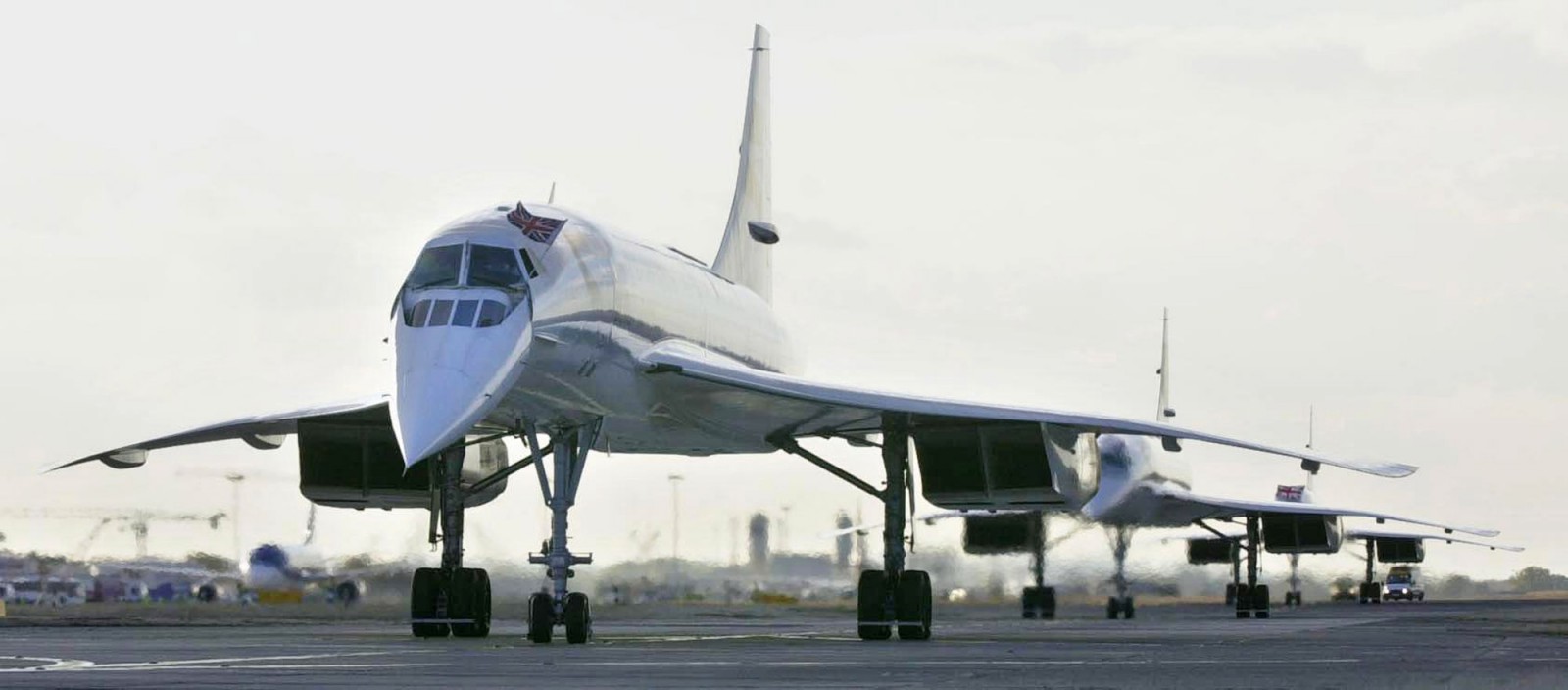
The first flight with passage after the accident occurred on a recalled date: September 11, 2001, the infamous 11S. The aircraft landed at JFK on the same day as the attack on the twin towers and other places in the United States with commercial aircraft. This delayed the return of this service until the month of November and finally in April 2003 by joint agreement between companies it was decided that at the end of that year the supersonic project would remain permanently on land and the aircraft would be distributed in different museums or emblematic places who showed interest in conserving a piece of history of air transport.
Resultado de imagen para concordeResultado de imagen para concorde

The ambitious European supersonic project ended up being limited to building 20 units of which only 14 made commercial services and are now a museum piece. Several initiatives more focused on business or personal visibility, as in the case of the histrionic and hyperactive Richard Branson, who was running as a continuation of the Concorde under his Virgin brand, without revealing that Airbus had always denied him any technical support, since the manufacturer definitely closed that chapter.

In these more than 15 years without supersonic commercial flights several companies are working on the project of something similar to a Concorde 2.0. In some, well-intentioned, the work does not go beyond some good and very detailed drawings on the screen, while others have a long way to go. Precisely in this sense, a few days ago, the future CEO of Airbus, Guillaume Faury, indicated that the future of commercial aviation went more through hybrid and electric aviation than to reissue a supersonic race like the one that marked the 60s, 70s and 80 of the last decade.

Half a century after its first flight, the Concorde is history. The history of a technological milestone that allowed to make the fastest commercial flights in history for just over 25 years and that was also a great lesson for an expensive industry that to fly high has to keep its feet on the ground. A \ W



AW-AW.com

AW-Airgways Icon-webΞ A I R G W A Y S Ξ
SOURCE: Airgways.com
DBk: Baesystems.com / Lavanguardia.com / Nms.ac.uk / Airandspace.si.edu / Airgways.com
AW-POST: 201903031245AR

A\W   A I R G W A Y S ®

Rolls-Royce abandona propulsar B797

Resultado de imagen para Rolls-Royce Boeing 797

AW | 2019 03 03 12:14 | INDUSTRY / ENGINEERING

Resultado de imagen para Rolls-Royce UltraFan pngRolls-Royce se retira de la carrera para impulsar el nuevo avión comercial Boeing 797 NMA
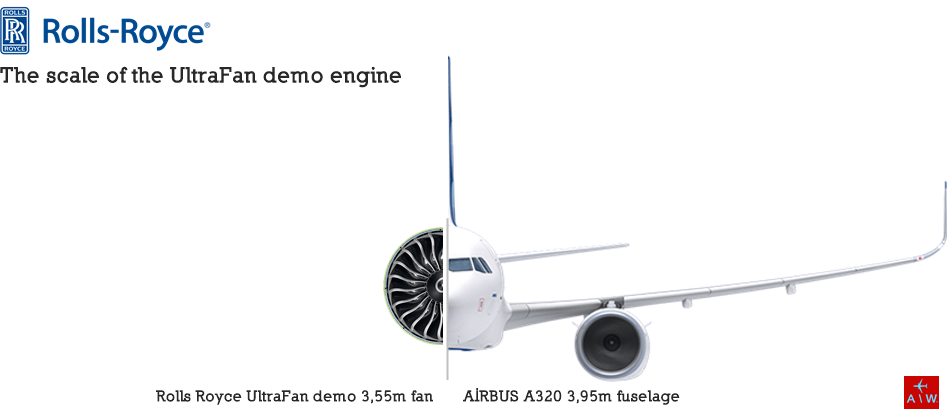
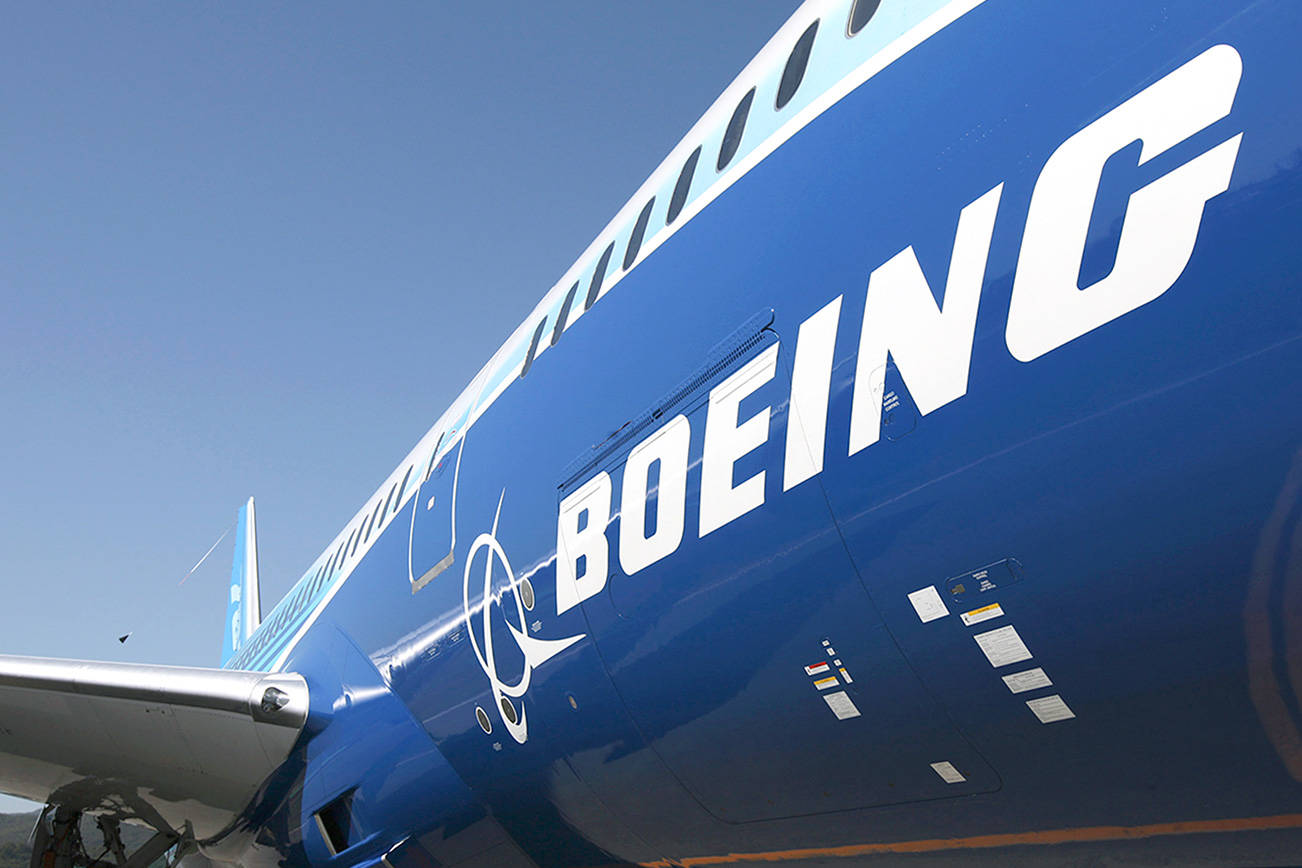
Rolls-Royce se está retirando del concurso para impulsar el nuevo avión mediano Boeing 797 NMA propuesto por Boeing Commercial Airplanes. La firma había esperado suministrar su motor UltraFan de próxima generación. Algunos esperan que el nuevo avión de tamaño mediano Boeing 797 NMA planeado por Boeing sea confirmado en el Salón Aeronáutico de París en Junio 2019.

Rolls-Royce había presentado el motor UltraFan para impulsar el nuevo avión de Boeing, pero en su declaración del Jueves 28 Febrero 2019, el fabricante del motor retiró su licitación diciendo que no podía comprometerse con el calendario propuesto. Chris Cholerton, Presidente de Civil Aerospace de Rolls-Royce, ha informado que creía que la medida era la decisión correcta para Rolls-Royce y el mejor enfoque para Boeing.

Ahora se espera que Boeing elija entre las ofertas de la United Tecnologies de Pratt & Whitney y CFM International, una empresa conjunta de la estadounidense General Electric con la francesa Safran.

AW-7003009.png

Rolls-Royce ya está bajo presión para cumplir con los programas de motores actuales de la compañía, entre ellos Trent XWB, Trent 7000 y Trent 1000-TEN. La decisión ayudaría a quitar riesgo al desarrollo de su motor UltraFan de próxima generación, que se promete a entregar a las aerolíneas mejoras de eficiencia de hasta un 25%.

La noticia llegó cuando Rolls-Royce reportó un aumento en las ventas básicas de 2018 a US$ 19.1 billones. La compañía británica de motores se vio obligada a aumentar la provisión de su programa de compensación por problemas continuos con su motor Trent 1000 que se utiliza en el 787 Dreamliner de Boeing, como así la cancelación del Programa A380 han supuesto un duro golpe para la división de motores.

Boeing 797

Boeing se encuentra en fase de estudio y análisis desarrollando nuevos conceptos que evolucionarán la aviación de mercado medio. La primera versión es el NMA-6X, un avión de rango medio de 228 pasajeros con un alcance de 5,000 millas náuticas. Una segunda versión, el NMA-7X sería más grande con 267 asientos, pero con un alcance de 4,200 millas náuticas.

El avión de un solo pasillo sería lanzado como un competidor directo de la talla de la serie A320 de Airbus y probablemente reemplazaría a los aviones 767 y 757 más antiguos de Boeing. No se espera que cualquier nuevo avión confirmado de Boeing tome los cielos hasta al menos 2025.AW-Icon-TXT-01

Resultado de imagen para Rolls-Royce Boeing 797Rolls-Royce abandons propelling B797

Rolls-Royce retires from the race to drive the new Boeing 797 NMA commercial aircraft

Rolls-Royce is withdrawing from the tender to drive the new Boeing 797 NMA medium plane proposed by Boeing Commercial Airplanes. The firm had hoped to supply its next-generation UltraFan engine. Some expect the new Boeing 797 NMA medium-sized aircraft planned by Boeing to be confirmed at the Paris Air Show in June 2019.

Rolls-Royce had introduced the UltraFan engine to power Boeing’s new aircraft, but in its statement on Thursday, February 28, 2019, the engine manufacturer withdrew its tender saying it could not commit to the proposed schedule. Chris Cholerton, President of Rolls-Royce’s Civil Aerospace, has reported that he believed the move was the right decision for Rolls-Royce and the best approach for Boeing.

Now Boeing is expected to choose between the offers of the United Technologies of Pratt & Whitney and CFM International, a joint venture between the US company General Electric and France’s Safran.

Rolls-Royce is already under pressure to comply with the company’s current engine programs, including Trent XWB, Trent 7000 and Trent 1000-TEN. The decision would help remove risk to the development of its next generation UltraFan engine, which is promised to deliver efficiency improvements of up to 25% to airlines.

The news came when Rolls-Royce reported an increase in basic sales from 2018 to US$ 19.1 billion. The British engine company was forced to increase the provision of its compensation program for continuous problems with its Trent 1000 engine that is used in the Boeing 787 Dreamliner, as well as the A380 Program has been a major blow to the division of engines.

Boeing 797

Boeing is in the phase of study and analysis developing new concepts that will evolve mid-market aviation. The first version is the NMA-6X, a mid-range aircraft of 228 passengers with a range of 5,000 nautical miles. A second version, the NMA-7X would be larger with 267 seats, but with a range of 4,200 nautical miles.

The single-aisle aircraft would be launched as a direct competitor to the likes of the Airbus A320 series and would likely replace the older Boeing 767 and 757 aircraft. No new Boeing confirmed aircraft is expected to take the skies until at least 2025. A \ W


Ξ A I R G W A Y S Ξ
SOURCE: Airgways.com
DBk: Rolls-royce.com / Cnbc.com / Airgways.com
AW-POST: 201903031214AR

A\W   A I R G W A Y S ®

JetBlue expansión transatlántica

AW-70045771.png

AW | 2019 03 03 11:28 | AIRLINES ROUTES

Resultado de imagen para jetblue logoJetBlue Airways analiza incorporar aeronaves widebodies. Prepara feeder regional Moxy Airways

JetBlue Airways está evaluando la incorporación de aeronaves de fuselaje ancho (widebodies) previo estudio de mercado para vuelos transatlánticos a Europa. La aerolínea estadounidense ha estado evaluando lugares de aterrizaje como Amsterdam Schiphol (AMS) y London Heathrow (LHR).

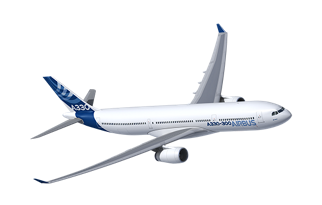
Para iniciar los primeros vuelos JetBlue Airways podría emplear inicialmente el Airbus A321NEO LR o XLR para sus vuelos a Europa, que son aeronaves de fuselaje estrecho con una autonomía incrementada capaz de cubrir distancias costa a costa. La ruta más estudiada es Boston—London/Heathrow, pero aún sin un calendario establecido. El estudio de factibilidad con aeronaves widebodies a su flota será un gran salto para JetBlue. Además, la aerolínea no posee ningún avión Boeing en este momento.

Expansión internacional

JetBlue Airways ha inaugurado este viernes una nueva ruta desde Fort Lauderdale a Guayaquil, Ecuador que mejorará su presencia internacional. Comenzar el servicio en Europa definitivamente permitiría a JetBlue mejorar su presencia internacional. Además, agregar widebodies a su flota permitiría a la aerolínea servir a más destinos en todo el mundo.

Moxy Airways, la regional de JetBlue

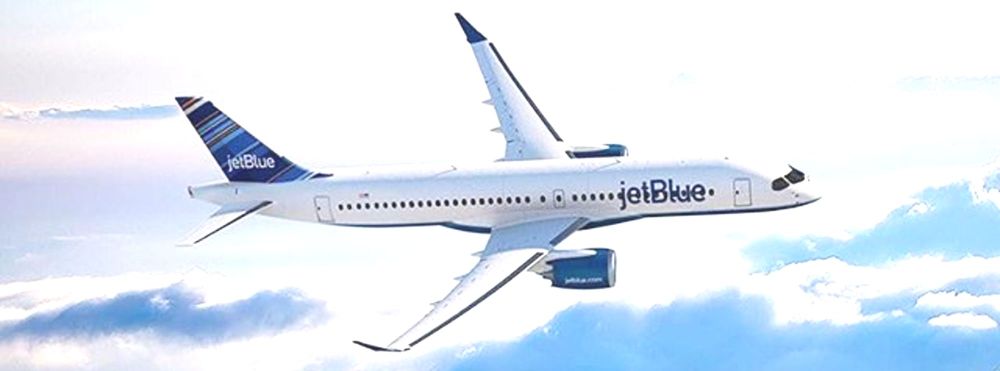
Resultado de imagen para moxy airways airgways.comJetBlue realizan pedidos en firme para 120 aviones Airbus A220. La última aventura aérea del fundador de JetBlue, David Neeleman, llamada provisionalmente Moxy Airways, ha firmado un pedido fijo de 60 aviones A220-300 y opciones por otros 60 adicionales. Esta elección de aeronave dará a las aerolíneas flexibilidad para cubrir los mercados regionales insuficientemente atendidos y lanzar nuevos servicios de transporte de corto alcance a bajo costo. Ambos pedidos se completaron a fines de diciembre, según el fabricante de la aeronave.
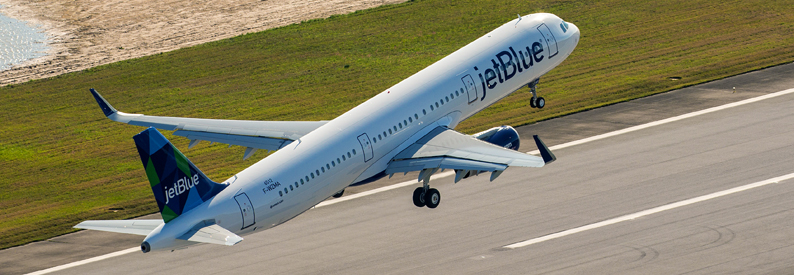
Airbus producirá estos 120 aviones A220-300 en el nuevo centro de ensamblaje de Estados Unidos en Mobile, Alabama. Esa nueva construcción, que comenzará a construirse a fines de este mes, es adyacente a la instalación de ensamblaje Airbus A320 existente.

Proyecciones de Moxy

Los planes para Moxy Airways fueron revelados en el Salón Aeronáutico de Farnborough 2018. David Neeleman ha definido el posicionamiento de la marca como de alta tecnología y el A220, como un avión de alta tecnología, cumple con los requisitos. Con esta aeronave, Moxy podría introducir pares de ciudades rentables en mercados regionales subatendidos y de corto a medio recorrido, en los Estados Unidos y rutas a países limítrofes. El A220-300 también sería adecuado para introducir nuevos servicios de transporte frecuente entre ciudades con una alta demanda de pasajeros de negocios, donde la flexibilidad de horarios podría ser atractiva para los pasajeros.

La aerolínea seleccionó el modelo Airbus A220-300 (anteriormente el Bombardier CSeries 300) debido a su eficiencia operativa y al confort general de los pasajeros. El A220 está diseñado expresamente para el mercado de 100-150 asientos que ofrece a las aerolíneas una eficiencia de combustible óptima y brinda a los pasajeros una experiencia comparable a la de volar en los modernos aviones de cabina ancha.

El A220 funciona con los motores turbofan adaptados PW1500G de última generación de Pratt & Whitney, que aseguran un 20% menos de consumo de combustible que los aviones de la generación anterior. Tiene un alcance de hasta 3.200 nm (5020 km), lo que permite a Moxy introducir una amplia combinación de pares de ciudades en servicio regular y de temporada.

«El A220-300 es el avión adecuado para una nueva aerolínea que se centrará en el servicio y la satisfacción de los pasajeros. Con un bajo costo de operación y una cabina espaciosa, el A220 nos permitirá ofrecer a los pasajeros tarifas más bajas y una experiencia de vuelo confortable y de alta calidad. La capacidad del A220 para operar de manera rentable en mercados delgados y desatendidos en un amplio espectro de rangos es única», dijo Neeleman.

Neeleman prefiere los aviones Airbus, como lo refleja la combinación de la flota en sus otros proyectos JetBlue Airways, Azul Brazilian Airlines y TAP Air Portugal. Pero la elección del nuevo A220 refleja una estrategia para aviones de tamaño adecuado para rutas donde los factores de carga del asiento serían más bajos que los aviones de la familia A320. “A medida que nos acercamos a nuestro vigésimo aniversario, la impresionante gama y economía del A220 altamente eficiente, combinado con el rendimiento sobresaliente de nuestra flota actual de aviones Airbus A321 y A320 rediseñados, ayudará a garantizar que entreguemos la mejor experiencia a bordo a los clientes y cumplamos con Los objetivos financieros a largo plazo a medida que continuamos disciplinando el crecimiento hacia el futuro», dijo Robin Hayes, Director Ejecutivo de JetBlue Airways, dijo al reafirmar la orden.

Airbus crece con A220

Christian Scherer, Director Comercial de Airbus, dijo acerca de la orden: «Creemos que la A220 realmente es el futuro de este segmento del mercado, y el público volador sabrá desde el momento en que se embarque que están experimentando lo mejor de nuestra industria tiene que ofrecer». Delta Air Lines fue la primera aerolínea de Estados Unidos en comprometerse con el avión A220, cuando el avión seguía siendo el Bombardier CSeries.

Estos nuevos pedidos llevan el libro de pedidos A220 a más de 500 aviones hasta la fecha. Airbus estima que el mercado de aviones de 100 a 150 asientos requerirá al menos 7.000 aviones en los próximos 20 años.

Airbus fabrica la mayoría de las aeronaves de la flota de JetBlue Airways, y la aeronave Embraer 190 que opera actualmente está programada para ser reemplazada por Airbus A220-300 en los próximos años. En ese momento, JetBlue se convertiría en una flota de todos los Airbus.AW-Icon-TXT-01

Resultado de imagen para jetblue widebodiesJetBlue transatlantic expansion

JetBlue Airways discusses incorporating widebodies aircraft. Prepares regional feeder Moxy Airways

JetBlue Airways is evaluating the incorporation of wide-bodied aircraft following a market study for transatlantic flights to Europe. The US airline has been evaluating landing sites such as Amsterdam Schiphol (AMS) and London Heathrow (LHR).

Resultado de imagen para A330 png

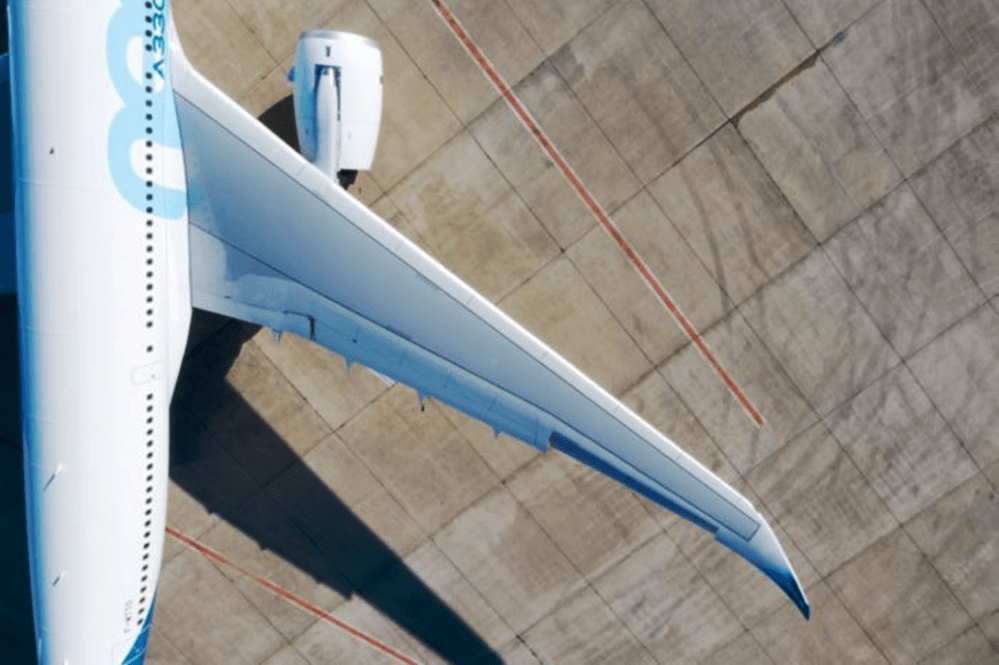
To start the first flights JetBlue Airways could initially use the Airbus A321NEO LR or XLR for its flights to Europe, which are narrow-body aircraft with increased autonomy capable of covering distances from coast to coast. The most studied route is Boston-London/Heathrow, but still without a set schedule. The feasibility study with widebodies aircraft to your fleet will be a great leap for JetBlue. In addition, the airline does not own any Boeing aircraft at this time.

International expansion

JetBlue Airways opened Friday a new route from Fort Lauderdale to Guayaquil, Ecuador, which will improve its international presence. Starting the service in Europe would definitely allow JetBlue to improve its international presence. In addition, adding widebodies to your fleet would allow the airline to serve more destinations around the world.

Resultado de imagen para A220-300 JetBlueMoxy Airways, the JetBlue regional

JetBlue carry out firm orders for 120 Airbus A220 aircraft. The latest air adventure of JetBlue founder David Neeleman, provisionally called Moxy Airways, has signed a fixed order of 60 A220-300 aircraft and options for an additional 60. This choice of aircraft will give airlines flexibility to cover underserved regional markets and launch new short-range transport services at low cost. Both orders were completed by the end of December, according to the manufacturer of the aircraft.

Airbus will produce these 120 A220-300 aircraft at the new United States assembly center in Mobile, Alabama. That new construction, which will begin construction later this month, is adjacent to the existing Airbus A320 assembly facility.

Moxy projections

The plans for Moxy Airways were revealed at the 2018 Farnborough Air Show. David Neeleman has defined the positioning of the brand as high-tech and the A220, as a high-tech aircraft, meets the requirements. With this aircraft, Moxy could introduce pairs of profitable cities in underserved and short to medium-haul regional markets in the United States and routes to bordering countries. The A220-300 would also be suitable for introducing new frequent transport services between cities with a high demand for business passengers, where the flexibility of schedules could be attractive for passengers.

The airline selected the Airbus A220-300 model (formerly the Bombardier CSeries 300) due to its operational efficiency and overall passenger comfort. The A220 is expressly designed for the 100-150 seat market that offers airlines optimal fuel efficiency and provides passengers with an experience comparable to that of flying in modern wide-cabin aircraft.

The A220 works with Pratt & Whitney’s latest generation PW1500G turbofan engines, which ensure 20% less fuel consumption than previous generation aircraft. It has a range of up to 3,200 nm (5020 km), which allows Moxy to introduce a wide combination of city pairs in regular and seasonal service.

«The A220-300 is the right aircraft for a new airline that will focus on passenger service and satisfaction, with a low cost of operation and a spacious cabin, the A220 will allow us to offer passengers lower rates and a comfortable and high-quality flight experience The ability of the A220 to operate profitably in thin and unattended markets in a broad spectrum of ranges is unique», said Neeleman.

Neeleman prefers Airbus aircraft, as reflected by the combination of the fleet in its other JetBlue Airways, Azul Brazilian Airlines and TAP Air Portugal projects. But the choice of the new A220 reflects a strategy for aircraft of adequate size for routes where seat load factors would be lower than aircraft of the A320 family. «As we approach our twentieth anniversary, the impressive range and economy of the highly efficient A220, combined with the outstanding performance of our current fleet of redesigned Airbus A321 and A320 aircraft, will help to ensure that we deliver the best on-board experience to the aircraft. Customers and we comply with the long-term financial goals as we continue to discipline growth into the future», said Robin Hayes, CEO of JetBlue Airways, said by reaffirming the order.

Airbus grows with A220

Resultado de imagen para moxy airways airgways.comChristian Scherer, Commercial Director of Airbus, said about the order: «We believe that the A220 really is the future of this segment of the market, and the flying public will know from the moment it embarks that they are experiencing the best of our industry. what to offer». Delta Air Lines was the first airline in the United States to commit to the A220 aircraft, when the aircraft was still the Bombardier CSeries.

These new orders carry the A220 order book to more than 500 aircraft to date. Airbus estimates that the aircraft market of 100 to 150 seats will require at least 7,000 aircraft in the next 20 years.

Airbus manufactures most of the aircraft in the JetBlue Airways fleet, and the Embraer 190 aircraft currently operating is scheduled to be replaced by Airbus A220-300 in the coming years. At that time, JetBlue would become a fleet of all Airbus. A \ W


Ξ A I R G W A Y S Ξ
SOURCE: Airgways.com
DBk: Jetblue.com / Airbus.com / Forbes.com / Airgways.com
AW-POST: 201903031128AR

A\W   A I R G W A Y S ®

Istanbul Airport, un gigante dormido

Resultado de imagen para İstanbul Yeni Havalimanı

AW | 2019 03 03 10:48 | AIRPORTS

Imagen relacionadaEl Nuevo Aeropuerto Internacional de Estambul no logra despegar

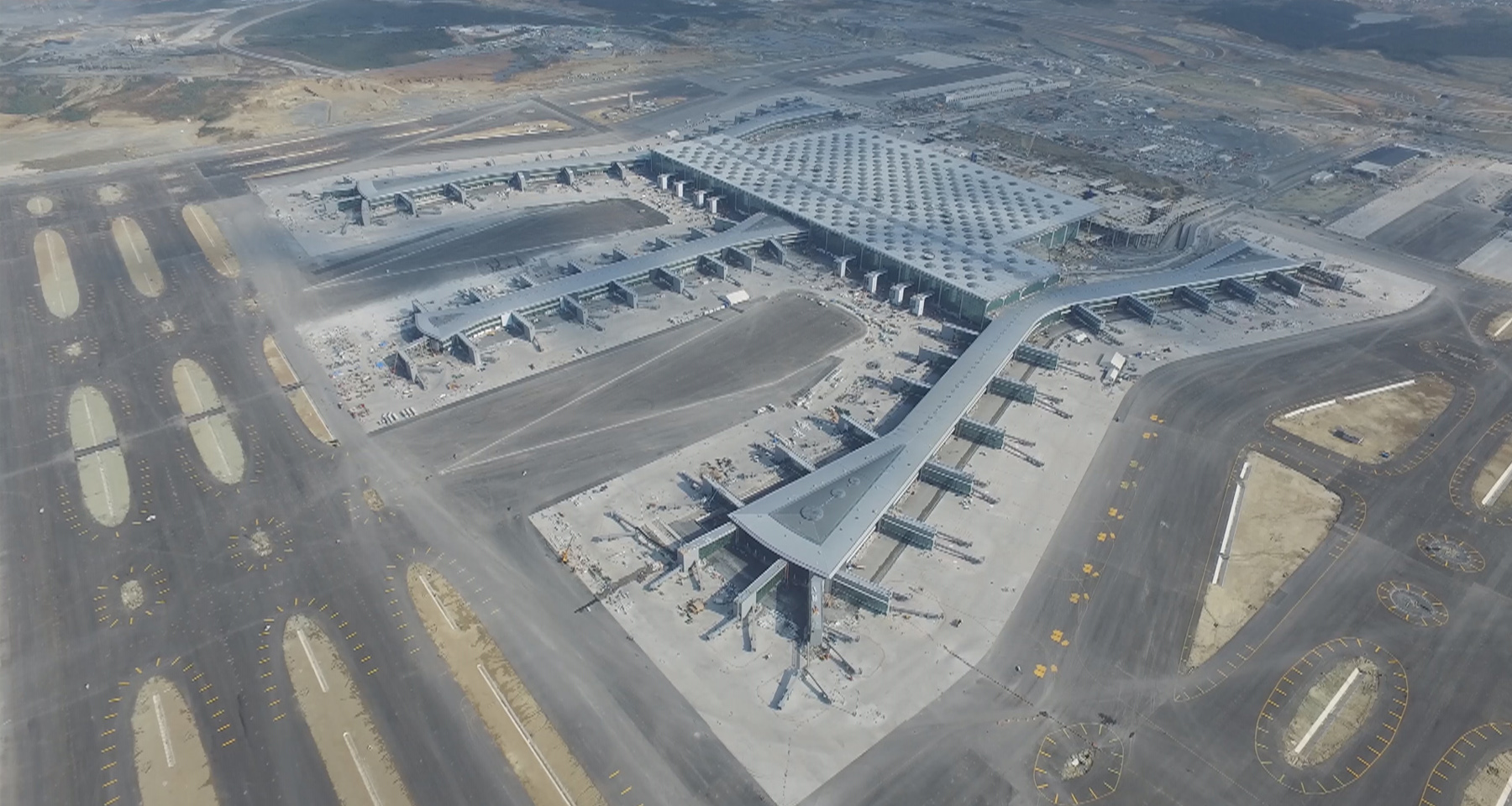
El nuevo mega-aeropuerto de Turquía, nombrado Istanbul New Airport ha pospuesto por enésima vez su apertura. En lugar de comenzar a operar el 3 Marzo 2019, tal y como se había anunciado en Enero 2019, la fecha se retrasa nuevamente hasta comienzos de Abril 2019.

El Aeropuerto Atatürk, localizado al suroeste en Estambul, mantendrá su ritmo normal de operaciones, mientras que el Istambul New Airport seguirá operando vuelos de prueba que están participando en test que lleva activo desde finales de Octubre 2018.

Retrasos apertura

El Istanbul New Airport fue inaugurado el 29 Octubre 2018 y debería haber iniciado sus operaciones en los días posteriores, sin embargo, se anunciaba que se mantendría en pruebas hasta el 31 Diciembre 2018. El nuevo año no vino acompañado por el arranque oficial. Después se barajó el 31 Marzo 2019 como fecha oficial, sin embargo, Funda Ocak, Directora General de la Administración Estatal de Aeropuertos, anunció que comenzaría a operar todos los vuelos comerciales a partir del 3 Marzo 2019. Ahora todo apunta a que la primera fecha era más ajustada a la realidad. Según IGA Airport Operation, el consorcio que se ha encargado de la construcción y de la gestión de la infraestructura, señala que los retrasos se deben a una cuestión política y no operacional.

Istanbul New Airport

Durante la primera fase del nuevo aeropuerto de Estambul tendrá capacidad para 90 millones de pasajeros al año. Tras la segunda fase de construcción, que se estima que finalice en 2023, la capacidad aumentará a los 200 millones de usuarios, lo que le convertiría en uno de los aeródromos con mayor capacidad de todo el mundo. Este aeropuerto contará con 114 puertas de embarque, así como 527 unidades de estacionamiento remoto y 29 puertas para autobuses cuando esté totalmente completo. Está ubicado en la zona noroeste de Estambul y reemplazará al que era hasta ahora el mayor aeropuerto del país, el Aeropuerto Internacional de Atatürk, que será clausurado en un proceso de transición que, según las autoridades locales, no llevará más de 48 horas.AW-Icon-TXT-01

Resultado de imagen para İstanbul Yeni HavalimanıIstanbul New Airport, a sleeping giant

The New Istanbul International Airport fails to take off

The new mega airport of Turkey, named Istanbul New Airport has postponed for the umpteenth time its opening. Instead of starting to operate on March 3, 2019, as announced in January 2019, the date is delayed again until the beginning of April 2019.

The Atatürk Airport, located to the southwest in Istanbul, will maintain its normal pace of operations, while the Istanbul New Airport will continue to operate test flights that are participating in tests that have been active since the end of October 2018.

Opening delays

The Istanbul New Airport was inaugurated on October 29, 2018 and should have started operations in the following days, however, it was announced that it would remain in tests until December 31, 2018. The new year was not accompanied by the official start-up. Then it was shuffled on March 31, 2019 as official date, however, Funda Ocak, General Director of the State Administration of Airports, announced that it would start operating all commercial flights as of March 3, 2019. Now everything points to the first date It was more adjusted to reality. According to IGA Airport Operation, the consortium that has been responsible for the construction and management of the infrastructure, points out that the delays are due to a political issue and not operational.

Istanbul New Airport

During the first phase of the new airport in Istanbul will have capacity for 90 million passengers per year. After the second construction phase, which is estimated to end in 2023, the capacity will increase to 200 million users, which would make it one of the largest capacity aerodromes in the world. This airport will have 114 boarding gates, as well as 527 remote parking units and 29 bus doors when it is fully complete. It is located in the northwest area of ​​Istanbul and will replace the one that was until now the country’s largest airport, the Atatürk International Airport, which will be closed in a transition process that, according to local authorities, will not take more than 48 hours.  A \ W

Resultado de imagen para İstanbul Yeni Havalimanıİstanbul Yeni Havalimanı, uyku devi

Yeni İstanbul Uluslararası Havaalanı kalkışta başarısız oldu

İstanbul Yeni Havalimanı adlı Türkiye’nin yeni mega havaalanı açılmasının onuncu kez ertelendi. Ocak 2019’da ilan edildiği üzere 3 Mart 2019’da faaliyete geçmek yerine, tarih 201 Nisan’ın başına kadar geciktirildi.

İstanbul’un güneybatısında bulunan Atatürk Havalimanı normal operasyon hızını korurken, İstambul Yeni Havalimanı 2018 Ekim ayından bu yana aktif olan testlere katılan test uçuşlarını sürdürmeye devam edecek.

Açılış gecikmeleri

İstambul Yeni Havalimanı 29 Ekim 2018’de hizmete girdi ve önümüzdeki günlerde faaliyete geçmesi gerekiyordu, ancak 31 Aralık 2018’e kadar testlerde kalacağı açıklandı. Daha sonra 31 Mart 2019 tarihinde resmi tarih olarak karıştırıldı, ancak Devlet Hava Meydanları İşletmesi Genel Müdürü Funda Ocak, tüm ticari uçuşlarını 3 Mart 2019 itibariyle işletmeye başlayacağını açıkladı. Şimdi her şey ilk tarihe işaret ediyor Gerçekliğe daha fazla ayarlandı. IGA Havalimanı Operasyonuna göre, altyapının inşası ve yönetiminden sorumlu olan konsorsiyum, gecikmelerin operasyonel değil politik bir mesele yüzünden olduğuna işaret ediyor.

İstambul Yeni Havalimanı

İstanbul’daki yeni havalimanının ilk aşamasında yılda 90 milyon yolcu kapasitesine sahip olacak. 2023’te biteceği tahmin edilen ikinci inşaat aşamasından sonra, kapasite 200 milyon kullanıcıya çıkacak ve bu da onu dünyanın en büyük havalimanı havalimanlarından biri yapacak. Bu havaalanında 114 uçağa, 527 uzaktan park ünitesine ve tam olarak tamamlandığında 29 otobüs kapısına sahip olacak. İstanbul’un kuzeybatı bölgesinde yer almaktadır ve şu ana kadar ülkenin en büyük havalimanı olan Atatürk Havalimanı’nın yerine geçecek olan yerel havalimanına göre 48 saatten fazla sürmeyecek bir geçiş sürecinde kapanacak olan Atatürk Uluslararası Havalimanı’nın yerini alacak. A \ W


Ξ A I R G W A Y S Ξ
SOURCE: Airgways.com
DBk: Igairport.com / Yaziyorgazetesi.com / Haberluften.com / Havayolu101.com
AW-POST: 20190301048AR

A\W   A I R G W A Y S ®

Australian Air Show 2019

Resultado de imagen para australian air show 2019

AW | 2019 03 02 23:15 | AIR SHOW / FAIR / CONGRESS

Australian Air Show 2019 se desarrolla en Avalon Airport, Geelon, Victoria

Es uno de los espectáculos de aviación más prestigiosos del hemisferio sur, pero las vistas se extienden más allá de lo que hay en el cielo en el Australian International Airshow 2019. Es uno de los espectáculos de aviación más prestigiosos del hemisferio sur, pero las vistas se extienden más allá de lo que hay en el cielo en el Australian International Airshow 2019. El show aéreo se desarrolla con una asistencia de más de 200.000 personas que visitan el espectáculo aéreo anual de Avalon abierto a los expositores y visitantes profesionales.

Los entusiastas de la aviación pueden maravillarse con las asombrosas acrobacias y simulaciones a lo largo de la semana, así como las impresionantes 350 pantallas de aviones internacionales. Además, cientos de los principales innovadores del mundo mostrarán sus últimas y más prometedoras tecnologías aeroespaciales, de aviación y de defensa.

Si las aeronaves no son lo suficientemente tentadoras, hay muchas otras atracciones y características para mantenerte entretenido, desde DroneZone DownUnder, que cubre todo lo relacionado con los aviones no tripulados, incluidas las razas de drones, hasta el recinto Wings and Wheels, que muestra una gran cantidad de aeronaves. Pantallas de vehículos y famosos modelos de réplicas, incluido un Snowspeeder de Star Wars.

Los amantes de los animales querrán ver las vitrinas diarias realizadas por el colectivo RAAF Military Working Dogs, algunos de los caninos que trabajan más duro en Australia.

El ejército de Australia está profundamente arraigado en la historia de Airshow y, por lo tanto, se celebrarán varias exhibiciones conmemorativas en el Airshow, incluidas exhibiciones de la Asociación de la Gran Guerra de Australia, el Grupo de Recreación Militar de Geelong, el Light Horse & Field Artillery Museum, el El Cuerpo de Vehículos Militares de Victoria, Wartime Living History Association Inc., el 39.º Batallón – Kokoda Historical y una aparición especial el sábado por Hautrie ‘Harry’ Crick, quien a sus 100 años de edad, es uno de los veteranos más antiguos que sobrevivieron a la Segunda Guerra Mundial.

Los niños querrán adentrarse en la zona de Astrostem en el Salón Aeronáutico donde Jasper, un personaje animado con un sueño de volar, invita a los visitantes a su colorido mundo. Entre las características de la zona de Astrostem, los niños pueden probar suerte construyendo sus propios aviones digitales.

Estados Unidos presente en Avalon 2019

Los Estados Unidos estarán representados en el Avalon Airshow 2019 cerca de Melbourne por más de 100 compañías, su mayor contingente en el evento, confirmó un portavoz de la Embajada de los Estados Unidos a Jane’s.

En comentarios antes del espectáculo aéreo, que se realiza del 26 de Febrero al 3 Marzo 2019, el portavoz de la Embajada de los Estados Unidos dijo que la creciente presencia de los Estados Unidos en el evento se considera un elemento de su estrategia para mantener y consolidar su sólida posición en el mercado australiano. «Los Estados Unidos continuarán ofreciendo el mejor equipo y sistemas a Australia y promoverán activamente [estos productos] en eventos comerciales clave de defensa, especialmente en el Salón Aeronáutico Internacional de Australia», dijo el portavoz de la embajada a Jane’s.AW-Icon-TXT-01

Resultado de imagen para australian air show 2019 Avalon AirportResultado de imagen para australian air show 2019Resultado de imagen para australian air show 2019 Boeing P8Resultado de imagen para australian air show 2019Resultado de imagen para australian air show 2019 staticResultado de imagen para australian air show 2019Australian Air Show 2019

Australian Air Show 2019 takes place at Avalon Airport, Geelon, Victoria

Resultado de imagen para australian air show 2019It is one of the most prestigious aviation shows in the southern hemisphere, but the views extend beyond what is in the sky at the Australian International Airshow 2019. It is one of the most prestigious aviation shows in the southern hemisphere, but the views extend beyond what is in the sky at the Australian International Airshow 2019. The air show is developed with an attendance of more than 200,000 people visiting the annual Avalon air show open to exhibitors and professional visitors.
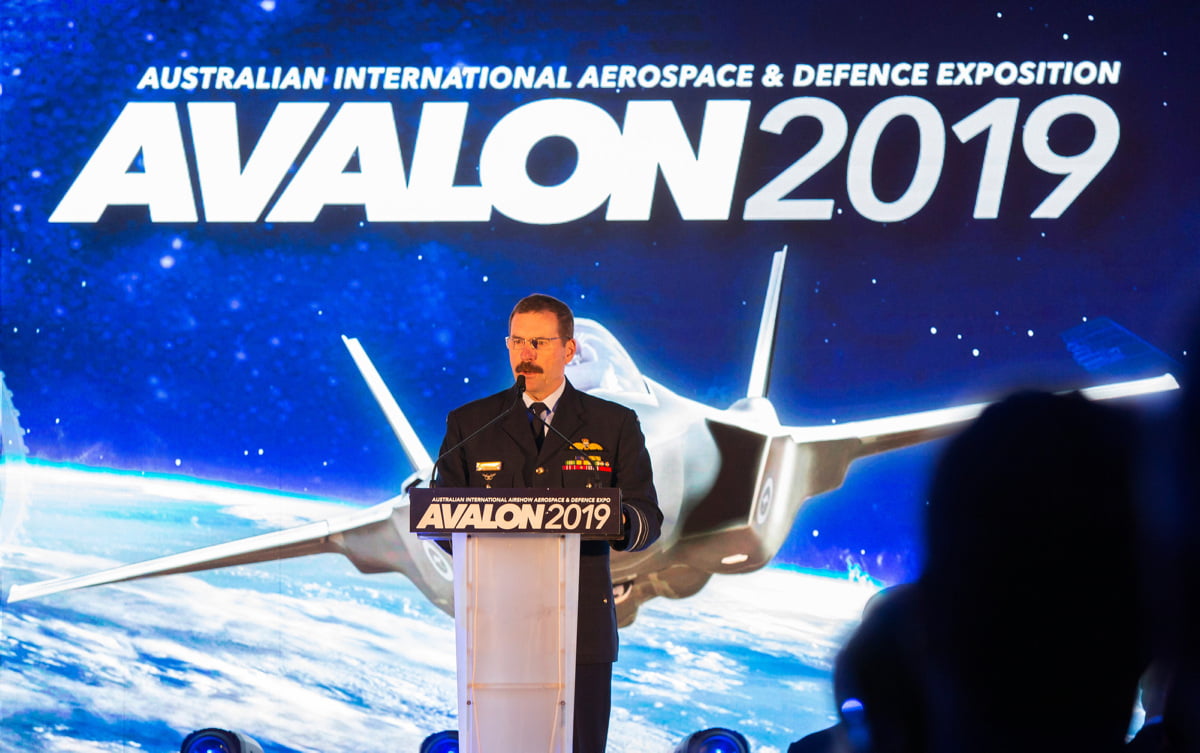
Aviation enthusiasts can marvel at the amazing acrobatics and simulations throughout the week, as well as the impressive 350 screens of international aircraft. In addition, hundreds of the world’s leading innovators will showcase their latest and most promising aerospace, aviation and defense technologies.

Resultado de imagen para australian air show 2019

If the airplanes are not tempting enough, there are many other attractions and features to keep you entertained, from DroneZone DownUnder, which covers everything related to drones, including drone races, to the Wings and Wheels enclosure, which shows a large number of aircraft. Vehicle screens and famous replica models, including a Star Wars Snowspeeder.

Animal lovers will want to see the daily showcases made by the collective RAAF Military Working Dogs, some of the canines that work hardest in Australia.

The Australian Army is deeply rooted in the history of Airshow and, therefore, several commemorative exhibitions will be held at the Airshow, including exhibitions of the Australian War Great Association, the Geelong Military Recreation Group, the Light Horse & Field Artillery Museum, the Military Vehicle Corps of Victoria, Wartime Living History Association Inc., the 39th Battalion – Kokoda Historical and a special appearance on Saturday by Hautrie ‘Harry’ Crick, who at 100 years of age, He is one of the oldest veterans who survived the Second World War.

Children will want to enter the Astrostem area in the Air Show where Jasper, an animated character with a dream to fly, invites visitors to its colorful world. Among the characteristics of the Astrostem area, children can try their luck building their own digital airplanes.

United States present at Avalon 2019

The United States will be represented at the 2019 Avalon Airshow near Melbourne by more than 100 companies, its largest contingent at the event, a spokesman for the US Embassy confirmed to Jane’s.

In comments before the air show, which takes place from February 26 to March 3, 2019, the spokesman of the US Embassy said that the growing presence of the United States in the event is considered an element of its strategy to maintain and consolidate its solid position in the Australian market. «The United States will continue to offer the best equipment and systems to Australia and will actively promote [these products] at key defense trade events, especially at the Australian International Air Show», the embassy spokesperson told Jane’s. A \ W


Ξ A I R G W A Y S Ξ
SOURCE: Airgways.com
DBk: Airshow.com.au / Aa.com.tr / Whtc.com
AW-POST: 201903022315AR

A\W   A I R G W A Y S ®

Reconstrucción Aeropuerto Los Roques

Resultado de imagen para los roques aeropuerto

AW | 2019 03 02 14:38 | AIRPORTS

Avanzan trabajos de reconstrucción en Aeropuerto de Los Roques, Venezuela

El Aeródromo Los Roques está avanzando en los trabajos de reconstrucción de la aeroestación. La Ministra de Turismo, Stella Lugo, está supervisando las labores ejecutadas en el aeropuerto, que abrirá sus puertas próximamente para recibir turistas nacionales e internacionales. El aeropuerto insular abrirá sus puertas para recibir a turistas nacionales e internacionales que conocerán un destino marcado por la belleza.

Desde Los Roques supervisamos los trabajos realizados para mejorar espacios para el disfrute de propios y visitantes. El aeródromo Los Roques es un pequeño aeropuerto que se localiza en la isla del Gran Roque, la más poblada del Archipiélago homónimo.AW-Icon-TXT-01

Resultado de imagen para los roques aeródromoLos Roques Airport reconstruction

Reconstruction works in Los Roques Airport, Venezuela

Los Roques Aerodrome is making progress in the reconstruction works of the aerospace. The Minister of Tourism, Stella Lugo, is supervising the work carried out at the airport, which will open soon to receive national and international tourists. The insular airport will open its doors to receive national and international tourists who will know a destination marked by beauty.

From Los Roques we supervise the work done to improve spaces for the enjoyment of own and visitors. The Los Roques airfield is a small airport located on the island of Gran Roque, the most populated of the homonymous archipelago. A \ W


Ξ A I R G W A Y S Ξ
SOURCE: Airgways.com
DBk: Mintur.gob.ve / Wikimedia.org / Vtv.gob.ve
AW-POST: 201903021438AR

A\W   A I R G W A Y S ®