Se aproxima liquidación Jet Airways

AW-Indiatimes_788AW | 2020 02 07 15:44 | AIRLINES / GOVERNMENT

Continúan las deliberaciones en torno a los postores de Jet Airways

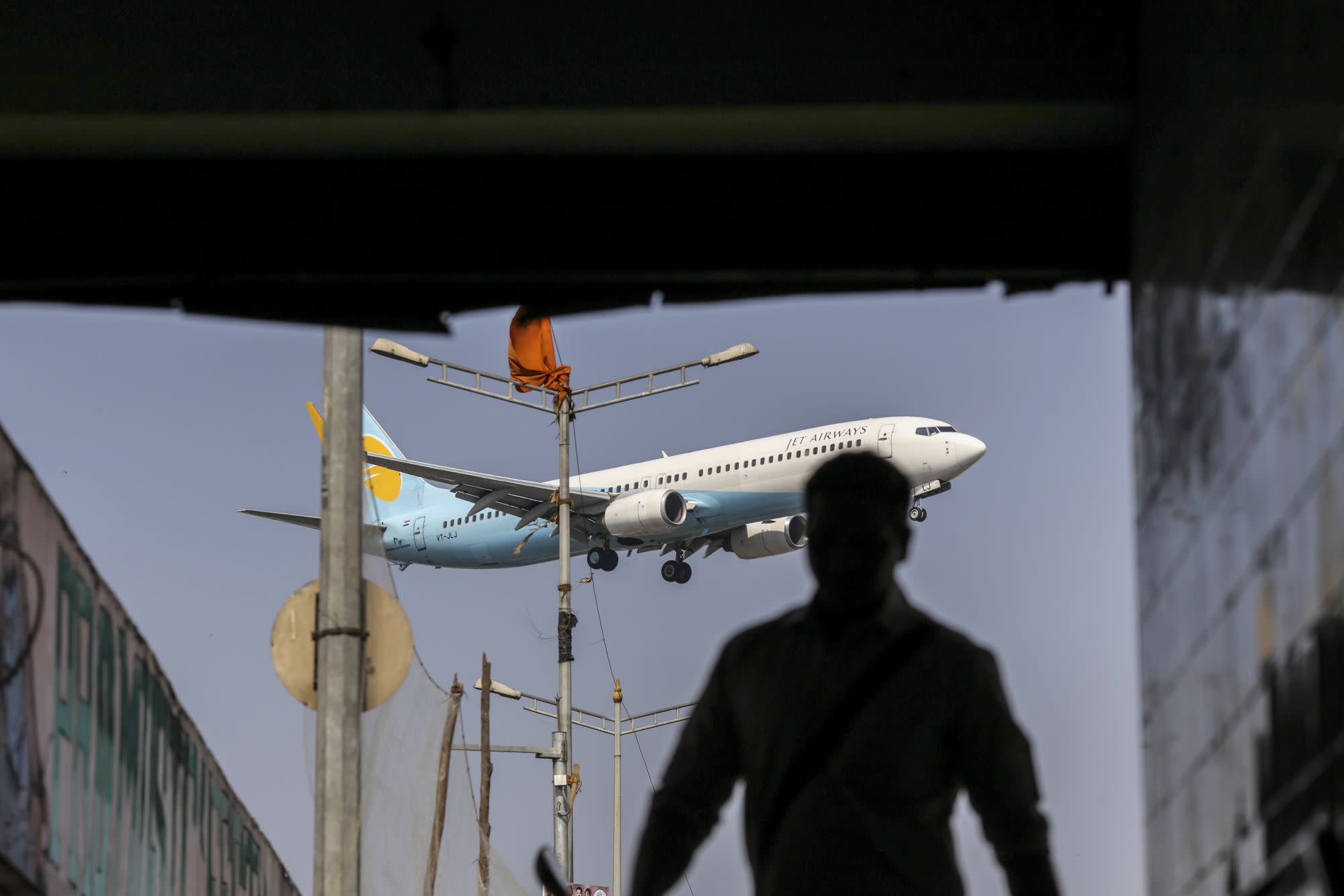
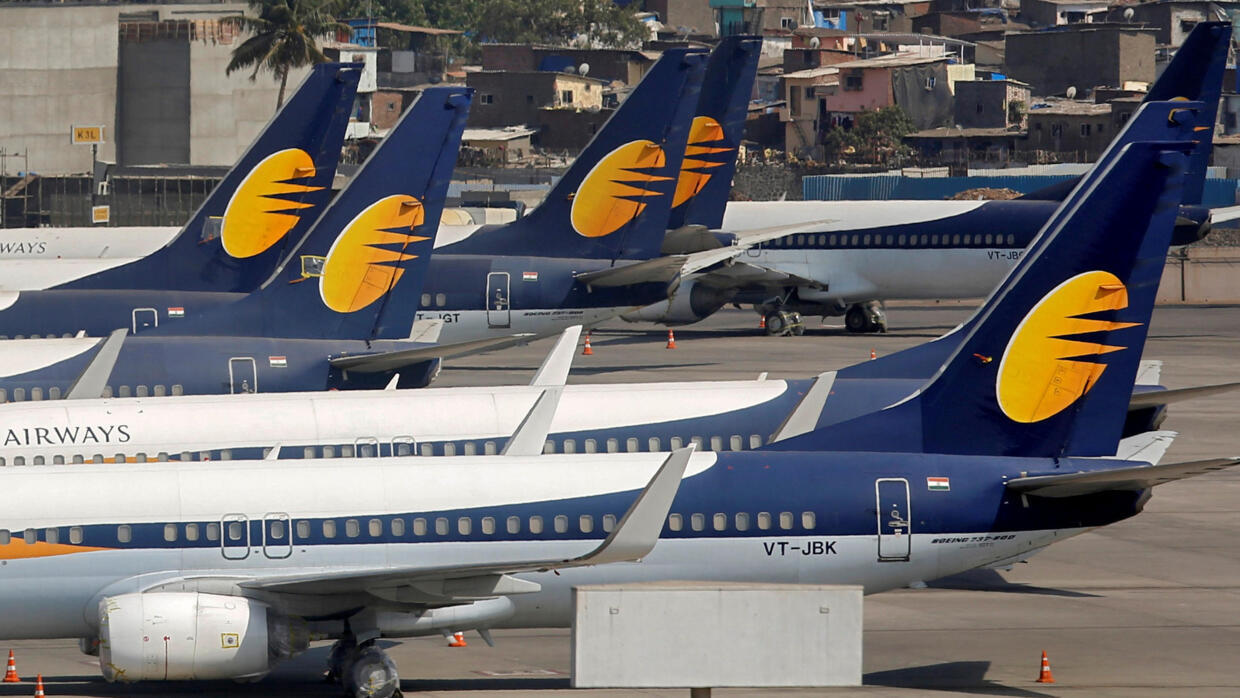
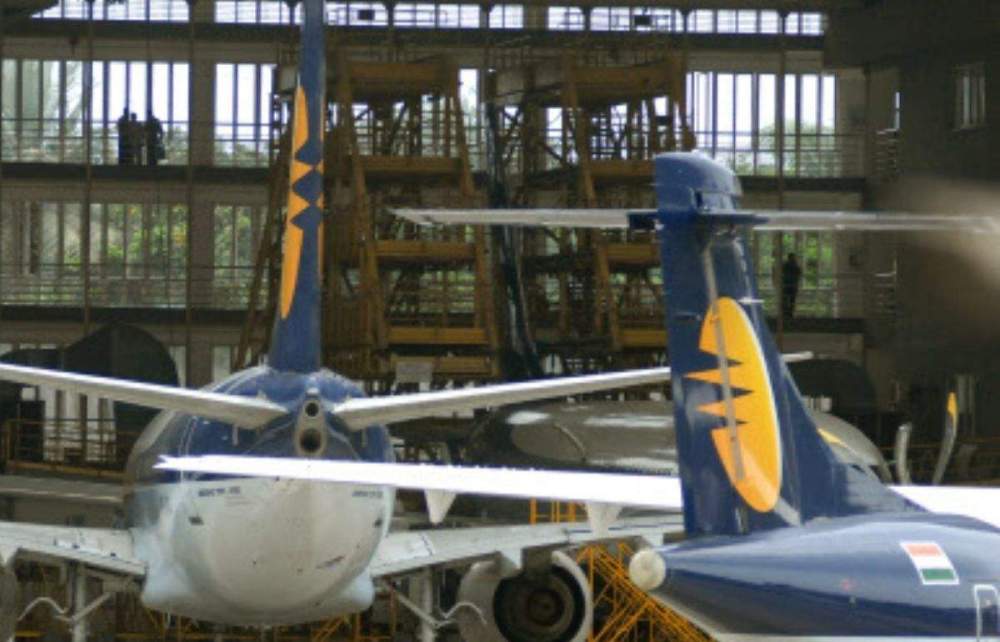
El proceso de liquidación de la aerolínea india Jet Airways se aproxima y la Justicia de la India amenazaría con su liquidación. El tiempo es escaso ya que los acreedores pueden tener que empujar a la empresa a la liquidación si no hay una resolución a mediados de Marzo 2020 y las aerolíneas todavía no han logrado ningún acuerdo formal. Los acreedores probablemente se verán obligados a extender el plazo del 17 Febrero 2020 para la venta de la aerolínea ya que los postores preseleccionados aún no han formado grupos de licitación. El tiempo es escaso ya que los acreedores pueden tener que empujar a la compañía a la liquidación.

La aerolínea en quiebra Jet Airways India Ltd., una vez la mayor del país por valor de mercado, enfrenta nuevas señales de advertencia como fecha límite para evitar la liquidación. En una caída deslumbrante, la aerolínea con sede en Mumbai se vio obligada a suspender las operaciones el año pasado después de ser víctima de una guerra de precios feroz iniciada por una gran cantidad de operadores de presupuesto, perdiendo pagos a bancos, personal y arrendadores.

Los dos oferentes preseleccionados Synergy Group Corp. y Prudent ARC Ltd. ambas compañías habían presentado Expresiones de Interés (EoI) en Enero 2020, pero aún no se han unido a los grupos de licitación. Synergy está buscando un socio local para su oferta, mientras que Prudent busca asociarse con una empresa con experiencia en aviación internacional.

A falta de una sentencia judicial, los acreedores están obligados por la naciente ley de bancarrota de India a llevar a Jet Airways a la liquidación si el proceso de bancarrota se extiende más allá de 270 días desde su admisión el 20 de Junio 2019. El período de 270 días para Jet Airways que está establecido expirará alrededor del 16 Marzo 2020, lo que limita el tiempo dentro del cual se puede vender la aerolínea fuera de un proceso de liquidación. Un tercer postor también había presentado una expresión de interés, un precursor de la licitación, pero los prestamistas lo descalificaron porque no cumplía con el umbral establecido para los posibles postores. Ashish Chhawchharia, el profesional de resolución designado por el tribunal que supervisa la quiebra de la empresa, no respondió de inmediato a las solicitudes de comentarios. Las llamadas al número de teléfono de la oficina de German Efromovich, fundador de Synergy Group, quedaron sin respuesta. AW-Icon AW001

Resultado de imagen para Jet AirwaysJet Airways clearance is approaching

Discussions continue on Jet Airways bidders

The liquidation process of the Indian airline Jet Airways is approaching and the Indian Justice would threaten its liquidation. Time is short since creditors may have to push the company to liquidation if there is no resolution in mid-March 2020 and the airlines have not yet reached any formal agreement. Creditors will likely be forced to extend the deadline of February 17, 2020, for the sale of the airline since shortlisted bidders have not yet formed bidding groups. Time is short since creditors may have to push the company to liquidation.

The bankrupt airline Jet Airways India Ltd., once the largest in the country by market value, faces new warning signs as a deadline to avoid liquidation. In a dazzling fall, the Mumbai-based airline was forced to suspend operations last year after being the victim of a fierce price war initiated by a large number of budget operators, losing payments to banks, personnel, and landlords.

The two shortlisted bidders Synergy Group Corp. and Prudent ARC Ltd. both companies had submitted Expressions of Interest (EoI) in January 2020, but have not yet joined the bidding groups. Synergy is looking for a local partner for its offer, while Prudent seeks to partner with a company with international aviation experience.

In the absence of a court ruling, creditors are required by the nascent bankruptcy law of India to take Jet Airways to liquidation if the bankruptcy process extends beyond 270 days from its admission on June 20, 2019. The period 270 days for Jet Airways that is established will expire around March 16, 2020, which limits the time within which the airline can be sold outside of a settlement process. A third bidder had also submitted an expression of interest, a forerunner of the tender, but the lenders disqualified him because he did not meet the threshold set for potential bidders. Ashish Chhawchharia, the resolution professional appointed by the court that oversees the bankruptcy of the company, did not immediately respond to requests for comment. Calls to the office phone number of German Efromovich, founder of Synergy Group, were left unanswered. AW-Icon AW001

Resultado de imagen para Jet Airwaysजेट एयरवेज का क्लीयरेंस करीब आ रहा है

जेट एयरवेज की बोली लगाने वालों पर चर्चा जारी है

भारतीय एयरलाइन जेट एयरवेज की परिसमापन प्रक्रिया निकट आ रही है और भारतीय न्याय इसके परिसमापन का खतरा होगा। यदि मार्च 2020 के मध्य में कोई संकल्प नहीं है और एयरलाइंस अभी तक किसी भी औपचारिक समझौते पर नहीं पहुंची है तो लेनदारों को कंपनी को परिसमापन पर धकेलना पड़ सकता है। लेनदारों को एयरलाइन की बिक्री की समय सीमा 17 फरवरी, 2020 तक बढ़ाने के लिए मजबूर किया जाएगा क्योंकि शॉर्टलिस्ट किए गए बोलीदाताओं ने अभी तक बोली समूहों का गठन नहीं किया है। समय कम है क्योंकि लेनदारों को कंपनी को परिसमापन पर धकेलना पड़ सकता है।

बाजार मूल्य के हिसाब से देश में एक बार सबसे बड़ी दिवालिया एयरलाइन जेट एयरवेज इंडिया लिमिटेड, परिसमापन से बचने के लिए एक समयसीमा के रूप में नए चेतावनी संकेतों का सामना करती है। एक चमकदार गिरावट में, मुंबई स्थित एयरलाइन को पिछले साल बड़ी संख्या में बजट ऑपरेटरों द्वारा शुरू किए गए एक भयंकर मूल्य युद्ध का शिकार होने के बाद, बैंकों, कर्मियों और जमींदारों को भुगतान खोने के कारण संचालन निलंबित करने के लिए मजबूर किया गया था।

जनवरी 2020 में दो शॉर्टलिस्ट किए गए बोली लगाने वाले सिनर्जी ग्रुप कॉर्प और प्रूडेंट एआरसी लिमिटेड दोनों कंपनियों ने एक्सप्रेशन ऑफ इंटरेस्ट (ईओआई) जमा किए थे, लेकिन अभी तक बोली लगाने वाले समूहों में शामिल नहीं हुए हैं। सिनर्जी अपने प्रस्ताव के लिए एक स्थानीय साझेदार की तलाश में है, जबकि प्रूडेंट अंतरराष्ट्रीय विमानन अनुभव वाली कंपनी के साथ साझेदारी करना चाहता है।

अदालत के फैसले की अनुपस्थिति में, जेट एयरवेज को परिसमापन के लिए भारत के नवजात दिवालियापन कानून द्वारा लेनदारों की आवश्यकता होती है, यदि दिवालियापन प्रक्रिया 20 जून 2019 को इसके प्रवेश से 270 दिनों से अधिक तक फैली हुई है। जेट एयरवेज की 270 दिनों की स्थापना 16 मार्च, 2020 के आसपास समाप्त हो जाएगी, जो उस समय को सीमित करता है जिसके भीतर एयरलाइन को निपटान प्रक्रिया से बाहर बेचा जा सकता है। एक तीसरे बोलीदाता ने ब्याज की अभिव्यक्ति भी प्रस्तुत की थी, निविदा के अग्रदूत, लेकिन उधारदाताओं ने उसे अयोग्य ठहराया क्योंकि वह संभावित बोलीदाताओं के लिए निर्धारित सीमा को पूरा नहीं करता था। अदालत द्वारा नियुक्त रिज़ॉल्यूशन पेशेवर आशीष छावछारिया, जो कंपनी के दिवालियापन की निगरानी करते हैं, ने टिप्पणी के अनुरोधों का तुरंत जवाब नहीं दिया। सिनर्जी ग्रुप के संस्थापक जर्मन एफोमोविच के कार्यालय फोन नंबर पर कॉल अनुत्तरित रह गए थे। AW-Icon AW002


Ξ A I R G W A Y S Ξ
SOURCE: Airgways.com
DBk: Indiatimes.com / Yahoo.com / Airgways.com
AW-POST: 202002071544AR

A\W   A I R G W A Y S ®

Latam lanzará su ruta más larga

Resultado de imagen para Latam Airlines Boeing 787-8AW | 2020 02 07 15:18 | AIRLINES ROUTES

descargaLatam Airlines iniciará la ruta aérea más larga de la compañía

Latam Airlines comenzará a volar la ruta más larga uniendo Santiago de Chile con Frankfurt, Alemania. El vuelo inaugural está proyectado para el 30 Junio 2020 con una frecuencia de tres vuelos semanales sin escalas (3Frq/S). La aerolínea empleará los modernos Boeing 787-8 Dreamliner, convirtiéndose en la compañía pionera en el lanzamiento de una nueva ruta y único operador en enlazar Chile y Alemania cubriendo una distancia de 7.508 millas sin escalas. La configuración del Boeing 787-8 ofrecerá 30 asientos en Business y 217 en Economy.

Actualmente Latam Airlines ofrece diez vuelos semanales a Frankfurt, con seis frecuencias desde su centro principal en el Aeropuerto Internacional de Sao Paulo/Guarulhos, complementando los otros tres vuelo entre Santiago y Frankfurt. Nicolás Salazar, Vicepresidente de Red de Latam Airlines ha expresado: “Este vuelo sin escalas entre Santiago y Frankfurt aumentará la conectividad entre Chile y Alemania. Mejorará significativamente el tiempo de vuelo para nuestros pasajeros». El vuelo LA-708 saldrá de Santiago los Martes/Jueves/Sábados a las 21:20 hs (hora local), aterrizarando en Frankfurt a las 17:40 hs [+1] (hora local) del día siguiente, con una duración estimada de vuelo de 14 horas y 20 minutos. El vuelo LA-709 de retorno saldrá de Frankfurt todos los Miércoles/Viernes/Domingos a las 19:25 hs (hora local), aterrizando en Santiago a las 04:40 hs [+1] (hora local) del día siguiente, con una duración de 15 horas y 15 minutos. AW-Icon AW001

AW-787888008Latam will launch its longest route

latam-airlines-logoLatam Airlines will start the longest air route of the company

Latam Airlines will begin to fly the longest route linking Santiago de Chile with Frankfurt, Germany. The inaugural flight is planned for June 30, 2020, with a frequency of three weekly non-stop flights (3Frq/S). The airline will use the modern Boeing 787-8 Dreamliner, becoming the pioneer in the launch of a new route and the only operator to link Chile and Germany covering a distance of 7,508 miles without stops. The configuration of the Boeing 787-8 will offer 30 seats in Business and 217 in Economy.

Latam Airlines currently offers ten weekly flights to Frankfurt, with six frequencies from its main center at the Sao Paulo/Guarulhos International Airport, complementing the other three flights between Santiago and Frankfurt. Nicolás Salazar, Vice President of Latam Airlines Network, said: “This nonstop flight between Santiago and Frankfurt will increase connectivity between Chile and Germany. It will significantly improve the flight time for our passengers». The LA-708 flight will depart from Santiago on Tuesdays/Thursdays/Saturdays at 9:20 p.m. (local time), landing in Frankfurt at 5:40 p.m. [+1] ( local time) of the next day, with an estimated flight duration of 14 hours and 20 minutes. The return flight LA-709 will leave Frankfurt every Wednesday/Friday/Sunday at 7:25 p.m. (local time), landing at Santiago at 04:40 hs [+1] (local time) the next day, with a duration of 15 hours and 15 minutes. AW-Icon AW002


Ξ A I R G W A Y S Ξ
SOURCE: Airgways.com
DBk: Latam.com / Airgways.com
AW-POST: 202002071518AR

A\W   A I R G W A Y S ®

Perspectivas Breeze Airways 4Q2020

Resultado de imagen para Breeze AirwaysAW | 2020 02 07 14:42 | AIRLINES

Breeze-Airways-LogoDavid Neeleman y la creación de aerolínea Breeze Airways

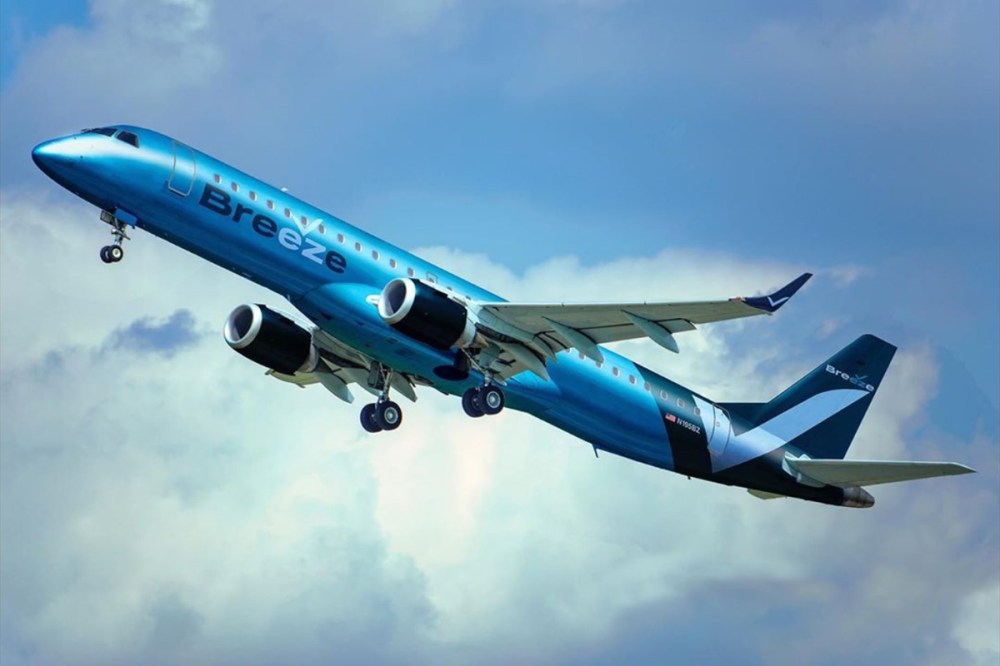
Breeze Airways es el nombre de la nueva aerolínea del grupo JetBlue Airways que ha solicitado el Viernes 7 Febrero 2020 el Certificado de Operador Aéreo ante el Departamento de Transporte de los Estados Unidos (DOT). Primero, la nueva aerolínea fue denominada Moxy Airways, pero Marriott, propietario de una marca de hotel con el mismo nombre, había presentado una queja formal ante los organismos de marcas. Neeleman consideró otras ideas con un enfoque simple, donde se llamaría Breeze Aviation Group. Breeze (Brisa) es un buen nombre y creo que le da a la gente buenas connotaciones y buenos sentimientos. Nadie está en contra de una agradable brisa fresca. En su mayoría, dijo que quiere que los clientes se olviden del nombre y piensen en la experiencia.

Breeze Airways, comenzará a volar para el 4Q2020, donde los clientes tendrán una experiencia diferente respecto a JetBlue Airways creada hace 20 años, donde se busca dos tipos de modelos diferentes. Las promesas estarán enfocadas en ser una de las mejores aerolíneas de los Estados Unidos. El mercado que atenderá es parecido a la aerolínea Allegiant Air, de modalidad low cost, aunque orientado a ofrecer un mejor servicio, El CEO de JetBlue Airways, David Neeleman llama a su nueva aerolínea «La mejor aerolínea del mundo», donde ofrecerá las mejores tarifas. «Son misiones separadas: una es una manzana y la otra una naranja. Esos aviones nunca volarán en la misma ruta. No estarán en el mismo universo», expresa el ejecutivo.

Breeze Airways empleará inicialmente una flota de aeronaves Embraer E195-E1 (Primera Generación), que son aviones usados que volarán en Estados Unidos. Despierta la atención que una nueva aerolínea de Estados Unidos inicie con una flota de aeronaves usadas como los Embraer E195, aunque poseen un mercadomás económicos para su adquisición. La aerolínea sostiene que puede realizar vuelos tan solo cuatro horas por día y aún así ganar dinero.

Pocas aerolíneas han intentado tal apuesta, pero el CEO David Neeleman está calculando una combinación de tarifas más bajas, más opciones sin escalas y se obtendrá un mejor servicio. Ejecutar lo que son dos aerolíneas es un desafío, pero si alguien puede hacerlo, Neeleman es probablemente la persona indicada.

Las dos estrategias tienen un hilo conductor, porque en cada caso David Neeleman está haciendo una apuesta contraria en contra de lo que se ha convertido en el estándar de la industria estadounidense. En la última década, la mayoría de las aerolíneas estadounidenses han favorecido a los aviones más grandes en lugar de los más pequeños, y les han dicho a los inversores que el enfoque reduce significativamente los costos unitarios y aumenta las ganancias. Es un argumento sólido basado en matemáticas simples. Cuando una aerolínea cambia una ruta de un Airbus A320 de 150 asientos a un Airbus A321 de 200 asientos, agrega un 33% más de asientos que puede vender a precios competitivos. Sus costos de combustible y personal también aumentan, pero no en un tercio. En función del costo por asiento, el avión más grande siempre es mejor, siempre que una aerolínea pueda ocupar la mayoría de los asientos adicionales. Algunos mercados más pequeños con economías fuertes han prosperado gracias a este realineamiento.

Objetivo flexibilidad

Los objetivos de David Neeleman es emplear 30 E195 en Breeze Airways tendrán una configuración de 120 asientos, y aunque el costo por asiento será mucho mayor de lo que sería en un avión más grande, el costo total del vuelo será razonable. Con el Director Comercial Lukas Johnson, un ex-Ejecutivo de Allegiant Air, eligiendo rutas, Breeze irá a donde otras aerolíneas no pueden. «Solo necesitamos entre 50 y 60 personas a bordo para que tenga sentido», dijo Neeleman. Breeze tendrá una flexibilidad similar con los A220, un avión que se espera que tenga entre 118 y 145 asientos, dependiendo del mercado. Si Breeze lo lleva a Europa o Sudamérica, puede tener una ventaja competitiva frente a los transportistas más grandes, que generalmente usarían un A321 o un jet de cuerpo ancho aún más grande. Nuevamente, Neeleman puede volar sus aviones desde mercados más pequeños que otros transportistas y hacerlo funcionar.

Breeze podría tener una estructura de tarifas más simplificada que la competencia, incluso si no será una experiencia libre de tarifas. «Creo que la capacidad de tener la tarifa más baja es lo que la gente quiere. El manejo de equipaje cuesta dinero. Proporcionar alimentos cuesta dinero. Si desea actualizar su experiencia, puede hacerlo. Creo que la gente lo apreciará. Todo está en la forma en que lo presentamos», dijo Neeleman. Está planeando desarrollar lo que él llama la aplicación móvil más avanzada en la industria de las aerolíneas. «Cualquier cosa que puedas imaginar que necesitabas hacer, puedes hacerlo en nuestra aplicación. Puedes cambiar o cancelar. O pide un sándwich de filet mignon si quieres. Puedes elegir lo que quieras», dijo.

E195, no popular en EEUU

El tamaño del avión no es la única tendencia que Neeleman está resistiendo. En ambos casos, está invirtiendo en un avión rechazado por otras aerolíneas. La familia Embraer E190E195 es uno de los aviones más poco queridos en el mercado aéreo por muchas aerolíneas, incluidas American Airlines, Azul Linhas Aéreas, Air Canada y JetBlue Airways, que retiran los aviones temprano, culpando por la mala economía de las aeronaves.

El CEO David Neeleman conoce bien al E195, ya que lo ordenó después de fundar Azul, una aerolínea brasileña de bajo costo, donde es Presidente. Los E195 de primera generación están desprogramándose de la flota de Azul Linhas Aéreas, pero serán transferidos a la nueva filial Breeze Airways de Estados Unidos. La adquisición bajo un contrato de subarriendo a bajo precio permitirá cumplir con sus objetivos. Breeze ofrecerá un espacio razonable para las piernas y un servicio amable. Los aviones tendrán Wi-Fi, aunque puede que no sea gratis. Los clientes podrán transmitir TV en vivo en sus propios dispositivos, pero los E195 no tendrán televisores en el asiento.

Breeze Airways está diagramando una programación muy flexible que ni siquiera tendrá que volar todos los aviones todos los días. Puede estacionarlos cuando la demanda cae en picado y volarlos durante los períodos pico, al igual que Allegiant Air hace con aviones usados.

El momento es bastante impresionante, aunque se desconocen exactamente cuáles serán los precios del combustible en el futuro, ahora son bastante bajos. Ese modelo funciona aún mejor cuando se posee una flota de aviones viejos y los precios del combustible son bajos.
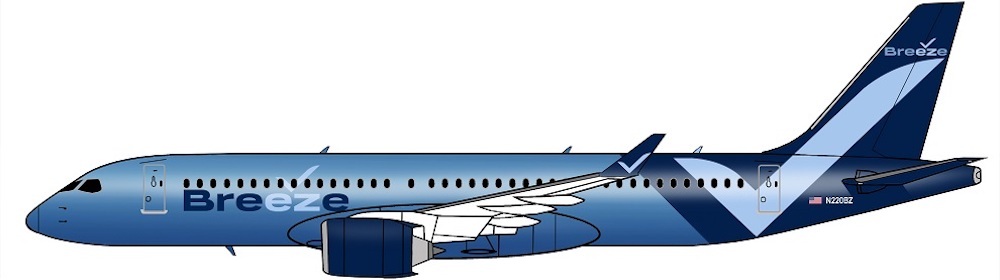
AW-Breeze-A220Breeze apunta al A220

Los Airbus A220 están en el objetivo de lacompañía, son más nuevos y más caros de adquisición, pero tienen una historia similar. Hoy, el A220 es uno de los aviones más vendidos del mundo, con Air France-KLM, Air Canada, JetBlue Airways y Delta Air Lines haciendo grandes pedidos. Pero Neeleman se comprometió cuando el Programa CSeries de Bombardier Inc. era un desastre financiero. Bombardier desarrolló el avión CSeries antes de que Airbus realizara una alianza y le cambiara el nombre a A200. La compañía canadiense estaba luchando por encontrar compradores. Como primer jugador, David Neeleman probablemente consiguió un trato.

Los A220 probablemente volarán desde ciudades medianas más grandes y se configurarán de manera diferente. Si bien los E195 serán todo entrenador, Neeleman dijo que ha estado jugando con diferentes configuraciones, incluida una con hasta 36 asientos premium reclinables y otra con asientos reclinables de clase ejecutiva. «Podemos llevarlos a Europa. Podemos volarlos a Sudamérica, incluso a Hawai. Podemos hacer muchas cosas diferentes con ese avión”, subrayó el ejecutivo de JetBlue Airways. En las rutas el A220 de Breeze Airways puede enfrentar una feroz competencia. Las aerolíneas establecidas no pueden hacer mucho para competir con la red de los E195 propuesta por Breeze.

Delta Air Lines y JetBlue Airways volarán ambos el A220, y cada uno tiene un equipo de administración agresivo que podría querer detener a la futura aerolínea low cost. Podrían usar los mismos aviones para tratar de frustrar el crecimiento de Breeze, incluso si eso significa perder dinero a corto plazo.

Rutas potenciales

«No quiero darles a los competidores una ventaja. La aerolínea tiene una lista de 500 rutas potenciales», ha expresado David Neeleman. En documentos compartidos con inversores en 2018, Neeleman sugirió que Breeze Airways se centraría en aeropuertos cerca de las principales ciudades, como Gary, (Indiana) o Providence, (Rhode Island). En un momento, en su propia presentación pública, el Aeropuerto New Haven, Connecticut, sugirió que podría ser un objetivo.

Perspectivas

Hacia el 2021, Breeze Airways presentará la segunda parte de su estrategia. Para Abril 2021, agregará el primero de 60 Airbus A220, un nuevo avión de pasillo único capaz de volar de costa a costa de los estados Unidos, a Europa y Sudamérica. Breeze puede cargarlos con asientos premium y volarlos al menos de 10 a 12 horas por día, principalmente en mercados medianos.

La nueva aerolínea de David Neeleman ha comenzado a carretear la pista, augurando buenas señales para un despegue exitoso en un mercado fuertemente competitivo, dentro depoco veremos despegar a Breeze Airways y surcar los cielos de Estados Unidos y posiblemente como se pronostica llegando a Sudamérica y cruzando el Atlántico. AW-Icon AW001

AW-Breeze_E195Breeze Airways 4Q2020 perspective

David Neeleman and the creation of airline Breeze Airways

Breeze Airways is the name of the new airline of the JetBlue Airways group that has applied for the Air Operator Certificate to the United States Department of Transportation (DOT) on Friday, February 7, 2020. First, the new airline was called Moxy Airways, but Marriott, owner of a hotel brand with the same name, had filed a formal complaint with the brand agencies. Neeleman considered other ideas with a simple approach, where it would be called Breeze Aviation Group. Breeze (Brisa) is a good name and I think it gives people good connotations and good feelings. No one is against a nice cool breeze. Mostly, he said he wants customers to forget the name and think about the experience.

Breeze Airways, will start flying for 4Q2020, where customers will have a different experience with respect to JetBlue Airways created 20 years ago, where two different types of models are sought. The promises will be focused on being one of the best airlines in the United States. The market that it will serve is similar to the Allegiant Air airline, of low-cost modality, although oriented to offer a better service, JetBlue Airways CEO David Neeleman calls his new airline «The best airline in the world», where he will offer the best tariffs «They are separate missions: one is an apple and the other an orange. Those planes will never fly on the same route. They will not be in the same universe», says the executive.

Breeze Airways will initially employ a fleet of Embraer E195-E1 (First Generation) aircraft, which are used aircraft that will fly in the United States. It awakens the attention that a new airline of the United States starts with a fleet of used aircraft such as the Embraer E195, although they have an economical market for their acquisition. The airline maintains that it can make flights only four hours per day and still earn money.

Few airlines have tried such a bet, but CEO David Neeleman is calculating a combination of lower fares, more nonstop options, and better service. Running what are two airlines is a challenge, but if someone can do it, Neeleman is probably the right person.

The two strategies have a common thread because in each case David Neeleman is making a contrary bet against what has become the standard of the American industry. In the last decade, most American airlines have favored larger planes instead of smaller ones, and have told investors that the approach significantly reduces unit costs and increases profits. It is a solid argument based on simple mathematics. When an airline changes a route from a 150-seat Airbus A320 to a 200-seat Airbus A321, it adds 33% more seats than it can sell at competitive prices. Their fuel and personnel costs also increase, but not by a third. Depending on the cost per seat, the larger plane is always better, provided that an airline can occupy most of the additional seats. Some smaller markets with strong economies have prospered thanks to this realignment.

Flexibility target

The goals of David Neeleman is to use 30 E195 in Breeze Airways will have a configuration of 120 seats, and although the cost per seat will be much higher than it would be in a larger aircraft, the total cost of the flight will be reasonable. With Commercial Director Lukas Johnson, a former Allegiant Air Executive, choosing routes, Breeze will go where other airlines cannot. «We only need between 50 and 60 people on board to make sense», Neeleman said. Breeze will have similar flexibility with the A220, an aircraft that is expected to have between 118 and 145 seats, depending on the market. If Breeze takes you to Europe or South America, you can have a competitive advantage over larger carriers, who would generally use an A321 or an even larger wide-body jet. Again, Neeleman can fly its planes from smaller markets than other carriers and make it work.

Breeze could have a more simplified rate structure than the competition, even if it will not be a fee-free experience. «I think the ability to have the lowest rate is what people want. Baggage handling costs money. Providing food costs money. If you want to update your experience, you can do it. I think people will appreciate it. Everything is in the way we present it», said Neeleman. He is planning to develop what he calls the most advanced mobile application in the airline industry. «Anything you can imagine you needed to do, you can do it in our application. You can change or cancel. Or ask for a filet mignon sandwich if you want. You can choose whatever you want», he said.

E195, not popular in the US

The size of the plane is not the only trend that Neeleman is resisting. In both cases, you are investing in a plane rejected by other airlines. The Embraer E190/E195 family is one of the most beloved aircraft in the air market by many airlines, including American Airlines, Azul Linhas Aéreas, Air Canada and JetBlue Airways, which withdraw the planes early, blaming the poor economy of the aircraft.

CEO David Neeleman knows E195 well, since he ordered it after founding Azul, a low-cost Brazilian airline, where he is President. The first-generation E195s are deprogramming from the Azul Linhas Aéreas fleet but will be transferred to the new Breeze Airways subsidiary in the United States. The acquisition under a sublease contract at a low price will meet its objectives. Breeze will offer reasonable legroom and friendly service. The planes will have Wi-Fi, although it may not be free. Customers can stream live TV on their own devices, but the E195 will not have televisions in the seat.

Breeze Airways is plotting a very flexible schedule that won’t even have to fly every plane every day. You can park them when demand plummets and blow them during peak periods, just like Allegiant Air does with used airplanes.

The moment is quite impressive, although it is unknown exactly what the fuel prices will be in the future, they are now quite low. That model works even better when you own a fleet of old planes and fuel prices are low.

Breeze targets A220

The Airbus A220 are in the company’s goal, they are newer and more expensive to acquire, but they have a similar history. Today, the A220 is one of the best selling aircraft in the world, with Air France-KLM, Air Canada, JetBlue Airways and Delta Air Lines placing large orders. But Neeleman got engaged when the Bombardier Inc. CSeries Program was a financial disaster. Bombardier developed the CSeries plane before Airbus made an alliance and changed the name to A200. The Canadian company was struggling to find buyers. As the first player, David Neeleman probably got a deal.

The A220s will probably fly from larger medium-sized cities and be configured differently. While the E195 will be all trainer, Neeleman said he has been playing with different configurations, including one with up to 36 premium reclining seats and one with executive class reclining seats. «We can take them to Europe. We can fly them to South America, even to Hawaii. We can do many different things with that plane», said the JetBlue Airways executive. On routes, A220 Breeze Airways can face fierce competition. Established airlines do not They can do a lot to compete with the E195 network proposed by Breeze.

Delta Air Lines and JetBlue Airways will both fly the A220, and each has an aggressive management team that might want to stop the future low-cost airline. They could use the same planes to try to thwart Breeze’s growth, even if that means losing money in the short term.

Potential routes

«I don’t want to give competitors an advantage. The airline has a list of 500 potential routes», said David Neeleman. In documents shared with investors in 2018, Neeleman suggested that Breeze Airways would focus on airports near major cities, such as Gary, (Indiana) or Providence, (Rhode Island). At one time, in his own public presentation, New Haven Airport, Connecticut, suggested that it could be a goal.

Perspective

By 2021, Breeze Airways will present the second part of its strategy. By April 2021, it will add the first of 60 Airbus A220, a new single-aisle aircraft capable of flying from coast to coast of the United States, to Europe and South America. Breeze can load them with premium seats and fly them at least 10 to 12 hours per day, mainly in medium markets.

The new David Neeleman airline has begun to taxi the track, predicting good signs for a successful takeoff in a strongly competitive market, inside we will not see Breeze Airways take-off and cross the skies of the United States and possibly as it is predicted to reach South America and crossing the Atlantic. AW-Icon AW002


Ξ A I R G W A Y S Ξ
SOURCE: Airgways.com
DBk: Skift.com / Airgways.com
AW-POST: 202002071442AR

A\W   A I R G W A Y S ®
Airbus O&D 01/2020

AW-Aierbus-first-A320neo-Batik-air-MSN9505-delivery-group-picture-002AW | 2020 02 07 08:22 | INDUSTRY

AirbusAirbus informa de las órdenes y entregas en Enero 2020
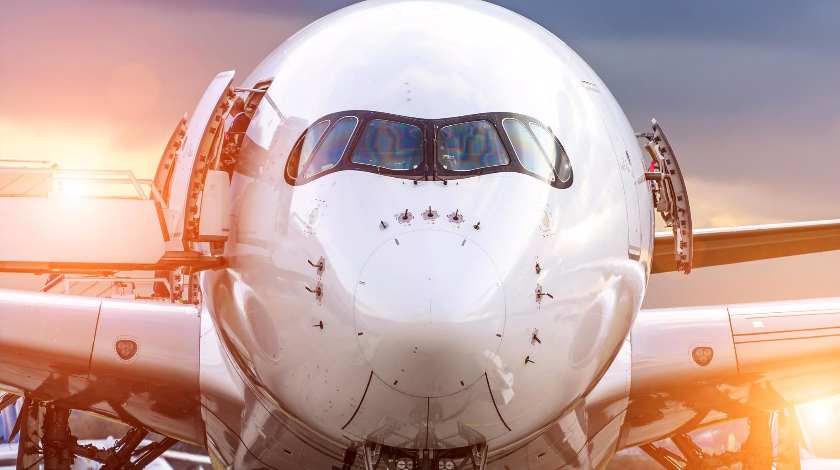
Airbus Group registra pedidos netos en Enero 2020 por 274 aviones comerciales de A220, A320, A330 y A350 XWB que incluyeron dos nuevos clientes para el A220. La tracción de mercado adicional para el A320/A321 como productos de referencia en el segmento de pasillo único, y endosos adicionales para el A350 XWB con órdenes de la repetición de dos clientes. Durante Enero, 31 entregas se hicieron de las familias A220, A320, A330 y A350 XWB de aviones.

En el negocio de los narrowbodies fue dirigido por la finalización de compra por Spirit Airlines de los Estados Unidos por 100 aviones de la Familia A320NEO, con la participación de 47 A319NEO, 33 A320NEO y 20 A321NEO y el orden de 102 aviones de la estadounidense Air Lease Corporation (ALC) por 50 A220-300, 25 A321NEO y 27 versiones A321NEO XLR, convirtiéndose en un nuevo cliente para este extra de largo alcance versión.

Otra transacción de un solo pasillo en 01/2020 fue del orden de la filipina de bajo costo Cebu Pacific Airways de cinco aviones A320NEO y 10 A321NEO XLR, también por lo que es un nuevo cliente para la versión extra largo alcance. Completando nuevo negocio de un solo pasillo del mes, Air Senegal ha ordenado ocho A220-300.

También durante el mes, dos arrendadores adquirieron adicional aviones de la familia A320, con China Aircraft Leasing Group Holdings Limited (CALC) la firma de un acuerdo de compra de 40 A321NEO, y con sede en Singapur, BOC Aviation Limited, ha colocado un pedido en firme de 20 aviones A320NEO.

Órdenes de fuselaje ancho en 01/2020 involucrados de A350 XWB en la configuración de la versión A350-900 por dos clientes Air France, que firmó por 10 unidades y Air Lease Corporation, por un avión.

Antes se tomaron cancelaciones en cuenta, orden total bruto de Airbus en 2020 fueron de 296 aviones como de 31 Enero 2020. Nuevo negocio en 01/2020 aumentó los pedidos totales generales registrados por Airbus desde su creación hasta 20.382 aviones comerciales, que incluye aviones de la Familia A320 (15.522 ), A330 (1.823), A350 (935), A220 (658) y A380 (51).

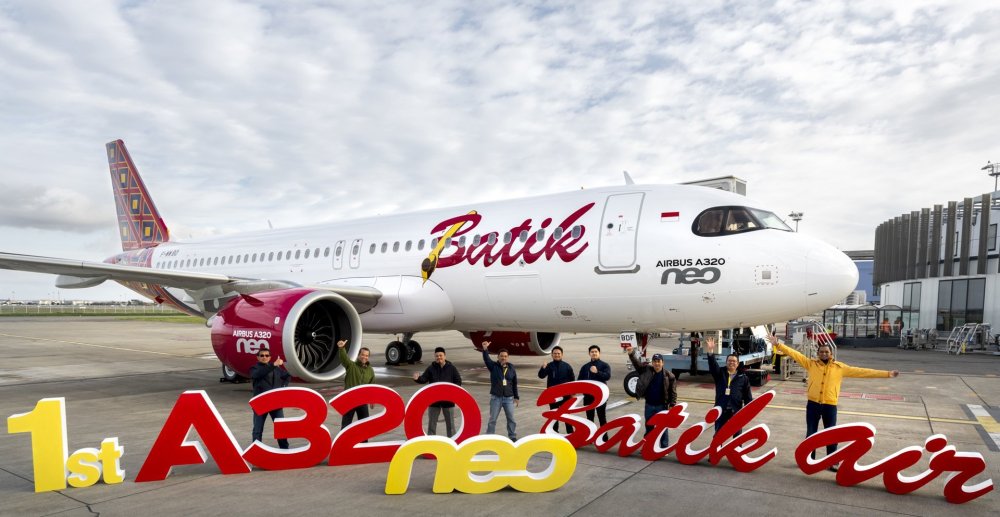
En términos de entregas, las entregas de un solo pasillo, en 01/2020 involucrados A320 (26) compuesta de la variante A320NEO (25) y uno en la configuración A320CEO; más dos A220. Para Airbus aviones de fuselaje ancho, se proporcionaron A350 (2) en la configuración A350-900 junto con A330NEO (1). Entre las entregas notables del mes fue la primera A320NEO entregado a Batik Air, la operación de servicio completo de lion Group de Indonesia. Era el avión Airbus número 46 para la flota de Batik Air, uniéndose a 44 aviones de la Familia A320 y uno A330-300. Acumulación de aviones restantes de Airbus que se entregarán al 31 de enero se situó en 7.725. Este total se compone de 6.249 aviones de la Familia A320 y A220s 551, así como 330 A330, A350 XWB 586 y nueve A380. AW-Icon AW001

Resultado de imagen para Airbus orders & deliveries January 2020Airbus O&D 01/2020

Logo_Airbus_2014.svg - copiaAirbus reports orders and deliveries in January 2020

Airbus Group records net orders in January 2020 for 274 commercial aircraft of A220, A320, A330 and A350 XWB that included two new customers for the A220. Additional market traction for the A320/A321 as reference products in the single-aisle segment, and additional endorsements for the A350 XWB with repeat orders from two customers. During January, 31 deliveries were made of the A220, A320, A330 and A350 XWB families of aircraft.a350-800-wing-span

In the narrowbodies business, it was directed by the completion of the purchase by Spirit Airlines of the United States for 100 aircraft of the A320NEO Family, with the participation of 47 A319NEO, 33 A320NEO and 20 A321NEO and the order of 102 aircraft of the American Air Lease Corporation (ALC) for 50 A220-300, 25 A321NEO and 27 versions A321NEO XLR, becoming a new customer for this extra long-range version.

Another single-aisle transaction on 01/2020 was of the order of the low-cost Philippine Cebu Pacific Airways of five A320NEO and 10 A321NEO XLR aircraft, also making it a new customer for the extra long-range version. Completing the new single-aisle business of the month, Air Senegal has ordered eight A220-300.

Also during the month, two lessors acquired additional A320 family aircraft, with China Aircraft Leasing Group Holdings Limited (CALC) signing a purchase agreement for 40 A321NEO, and based in Singapore, BOC Aviation Limited, has placed an order infirm of 20 A320NEO aircraft.

Wide-body orders in 01/2020 involved A350 XWB in the A350-900 version configuration by two Air France customers, which signed for 10 units and Air Lease Corporation, for an airplane.

Before cancellations were taken into account, Airbus’ gross total order in 2020 was 296 aircraft as of January 31, 2020. New business in 01/2020 increased the overall total orders registered by Airbus from its creation to 20,382 commercial aircraft, which includes airplanes Family A320 (15,522), A330 (1,823), A350 (935), A220 (658) and A380 (51). In terms of deliveries, single-aisle deliveries, in 01/2020 involved A320 (26) composed of the A320NEO variant (25) and one in the A320CEO configuration; plus two A220. For Airbus wide-body aircraft, A350 (2) were provided in the A350-900 configuration together with A330NEO (1). Among the notable deliveries of the month was the first A320NEO delivered to Batik Air, the full-service Lion Group operation in Indonesia. It was the 46th Airbus aircraft for the Batik Air fleet, joining 44 aircraft of the A320 Family and one A330-300. Accumulation of remaining Airbus aircraft to be delivered on January 31 stood at 7,725. This total consists of 6,249 A320 and A220s 551 Family aircraft, as well as 330 A330, A350 XWB 586 and nine A380. AW-Icon AW002


Ξ A I R G W A Y S Ξ
SOURCE: Airgways.com
DBk: Airbus.com / Airgways.com / Shutterstock.com
AW-POST: 202002070822AR

A\W   A I R G W A Y S ®

Mitsubishi pospone Spacejet a 2Q2021

Image result for spacejetAW | 2020 02 07 00:25 | INDUSTRY

Mitsubishi_LogoMitsubishi Aircraft pospone la entrega de SpaceJet nuevamente
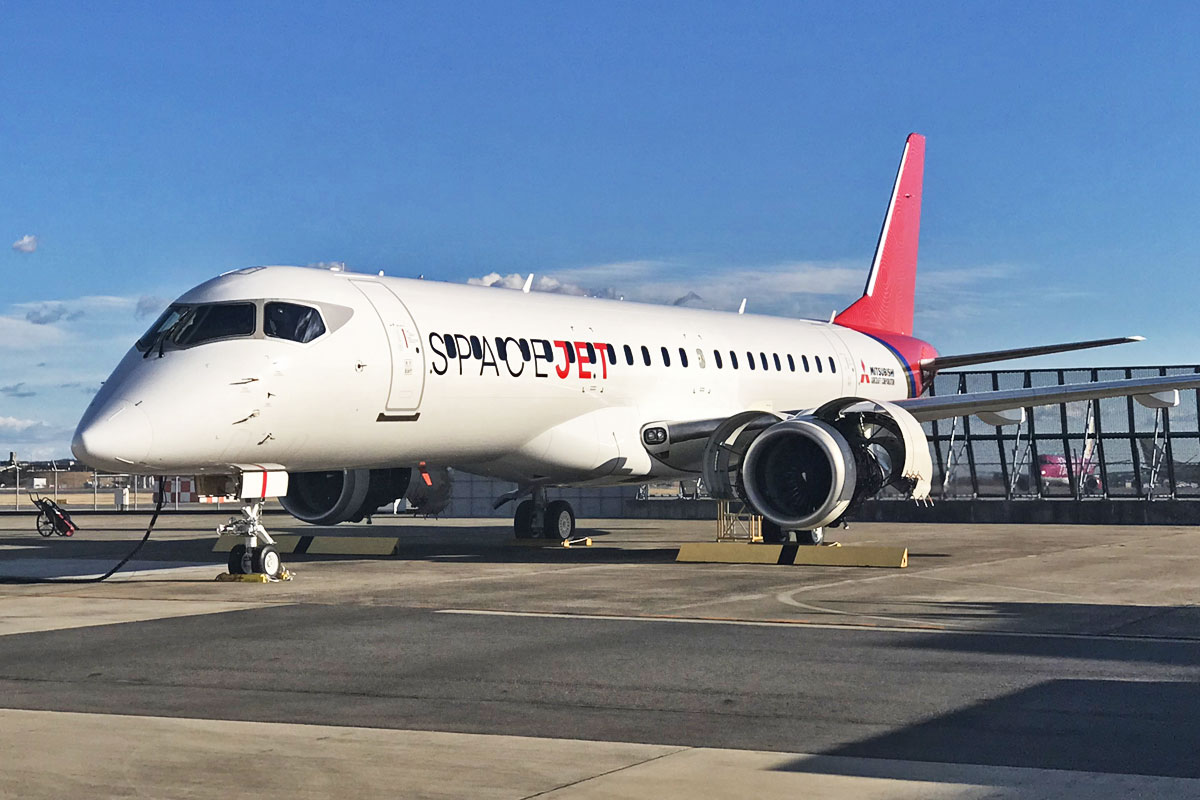
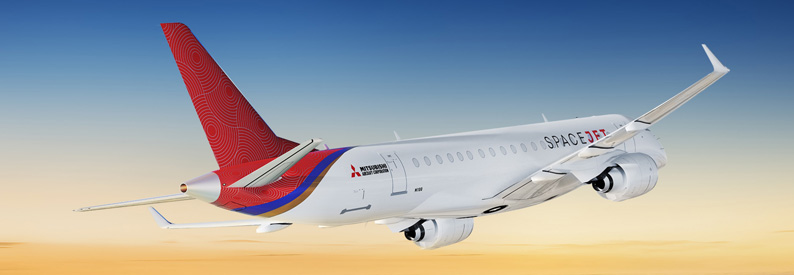
Mitsubishi Heavy Industries ha comunicado el Jueves 06/02 que registrará una pérdida especial de 496.400 millones de yenes (4.500 millones de dólares) después de que su unidad de aeronaves retrasó la entrega de su avión regional SpaceJet por al menos otro año hasta después de Marzo 2021. El sexto retraso anunciado por Mitsubishi Aircraft es un nuevo golpe para las ambiciones de los aviones comerciales de Japón y podría estirar las finanzas de Mitsubishi Heavy Industries.

La compañía citó la pérdida especial como una razón para eliminar un pronóstico de ganancias operativas de 220 mil millones de yenes en el año comercial que finaliza el 31 Marzo 2020. El nuevo aplazamiento también significa que un avión que Mitsubishi Heavy había planeado lanzar al mercado en 2013, tendrá que competir contra una nueva generación de aviones regionales construidos por la brasileña Embraer.

La aerolínea más grande de Japón por ingresos, ANA Holdings Inc. ahora tomará la primera entrega del avión en algún momento después de Marzo 2021.

Mitsubishi Heavy, que fabrica productos que van desde reactores nucleares y barcos hasta cohetes y maquinaria industrial, ha dependido tradicionalmente de unidades más fuertes para apoyar a las empresas más débiles. «Utilizamos el flujo de caja y los préstamos para financiar nuestros proyectos y avanzar en el desarrollo de SpaceJet requerirá más fondos», dijo un Portavoz de Mitsubishi Heavy. La compañía, agregó, no tenía ningún plan en este momento para recaudar capital para el desarrollo de aviones.

La financiación del gobierno no sería una opción para el mayor fabricante de maquinaria pesada de Japón a pesar de que el SpaceJet está respaldado por el gobierno porque hacerlo contravendría las normas de la Organización Mundial del Comercio (OMC) que prohíben los subsidios a los contribuyentes.

La compañía dijo el jueves que había designado a Takaoki Niwa, el Jefe de sus Operaciones estadounidenses, como su nuevo Presidente, en reemplazo de Hisakazu Mizutani. AW-Icon AW001

Image result for spacejetMitsubishi postpones Spacejet again

mitac_logotypeMitsubishi Aircraft postpones SpaceJet delivery again

Mitsubishi Heavy Industries has announced on Thursday 06/02 that it will record a special loss of 496.4 billion yen (4.5 billion dollars) after its aircraft unit delayed the delivery of its SpaceJet regional aircraft for at least another year until after March 2021. The sixth delay announced by Mitsubishi Aircraft is a new blow to the ambitions of commercial airplanes in Japan and could stretch the finances of Mitsubishi Heavy Industries.

The company cited the special loss as a reason to eliminate an operating profit forecast of 220 billion yen in the commercial year ending March 31, 2020. The new postponement also means that a plane that Mitsubishi Heavy had planned to launch on the market in 2013, will have to compete against a new generation of regional aircraft built by the Brazilian Embraer.

Japan’s largest airline by revenue, ANA Holdings Inc. will now take the first delivery of the plane sometime after March 2021.

Mitsubishi Heavy, which manufactures products ranging from nuclear reactors and ships to rockets and industrial machinery, has traditionally relied on stronger units to support weaker companies. «We use cash flow and loans to finance our projects and move forward in the development of SpaceJet will require more funds», said a Mitsubishi Heavy spokesperson. The company, he added, had no plans at this time to raise capital for aircraft development.

Government financing would not be an option for Japan’s largest heavy machinery manufacturer despite the fact that SpaceJet is backed by the government because doing so would contravene World Trade Organization (WTO) regulations that prohibit taxpayer subsidies.

The company said Thursday that it had appointed Takaoki Niwa, the Chief of its US Operations, as its new President, replacing Hisakazu Mizutani. AW-Icon AW002

Image result for spacejet三菱がSpacejetを再び延期

Mitsubishi_logo.svg三菱航空機、SpaceJetの配信を再び延期

AW-700M100

三菱重工業は2002年6月6日、航空機ユニットが3月以降少なくとも1年間、地域のSpaceJet航空機の配送を遅延した後、4,964億円の特別損失を計上すると発表した。 2021年。三菱航空機が発表した6回目の遅延は、日本の民間航空機の野望に対する新たな打撃であり、三菱重工業の財政を伸ばす可能性がある。

同社は、2020年3月31日に終了する営業年度の2,200億円の営業利益予測を廃止する理由として特別損失を挙げた。また、新しい延期は、三菱重工が2013年は、ブラジルのエンブラエルが製造した新世代の地域航空機と競争する必要があります。

収益で日本最大の航空会社であるANAホールディングスは、2021年3月以降に飛行機の最初の引渡しを開始します。

三菱重工業は、原子炉や船舶からロケットや産業機械に至るまでの製品を製造しており、伝統的に弱い企業をサポートするために強力なユニットに依存してきました。 「私たちはキャッシュフローとローンを使用してプロジェクトの資金を調達し、SpaceJetの開発を進めるためにより多くの資金が必要になります」と三菱重工業の広報担当者は語った。同社は現時点で、航空機開発のための資金を調達する計画はなかったと付け加えた。

SpaceJetが政府に支援されているにもかかわらず、納税者の​​補助金を禁止する世界貿易機関(WTO)の規制に違反するため、政府の資金調達は日本最大の重機メーカーの選択肢ではありません。

同社は木曜日、水谷久和の後任として、新事業所長に丹羽隆起氏を任命したと述べた。AW-Icon AW002


Ξ A I R G W A Y S Ξ
SOURCE: Airgways.com
DBk: Mitsubishiaircraft.com / Airgways.com / Archyde.com
AW-POST: 202002070025AR

A\W   A I R G W A Y S ®

Investigación performance ATR 42-500

Image result for swiftair ATR 42AW | 2020 02 07 00:07 | AIR INVESTIGATION / AVIATION SAFETY

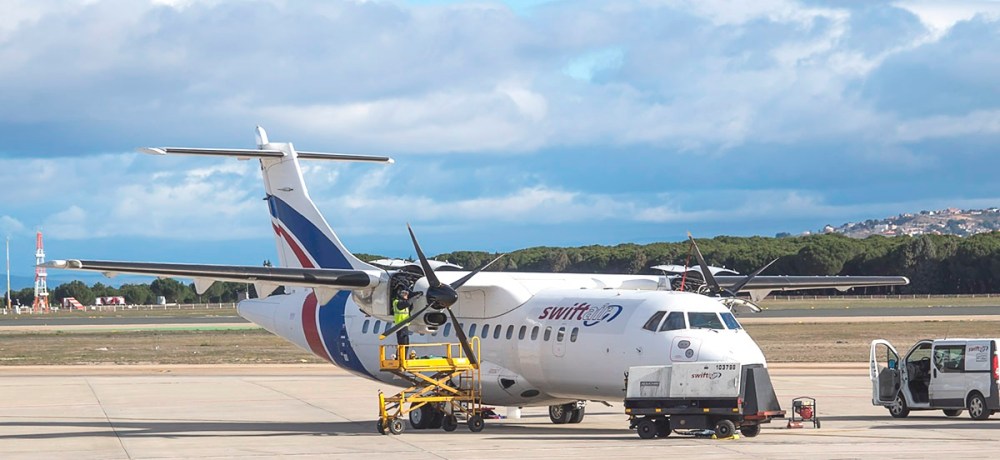
Image result for CIAIAC España logoInvestigación de pérdida de ATR 42 detalla la mala conducción durante un enfoque inestable del vuelo UX4050 de Swiftair

Swiftair-Logo-EPS-vector-image

Vuelo: UX4050
Operador/Propietario: Swiftair, ops para Air Europa
Fecha: 9 SEPTIEMBRE 2017
Hora: 19:26 LT
Aeronave: ATR 72-500 / ATR 72-212A
Registro: EC-KKQ
C/N / MSN: 763
Fatalidades: Muertes: 0 / Ocupantes: 26
Otras muertes: 0 0
Daño de aeronave: Ninguna
Ubicación: Incidente entre Alicante y Madrid, España
Fase Vuelo: crucero
Tipo Vuelo: Doméstico / Nacional
Aeropuerto de salida: Aeropuerto de Alicante (ALC/LEAL)
Aeropuerto de destino: Aeropuerto de Madrid-Barajas (MAD/LEMD)

Descripción delincidente

El vuelo UX4050 de Air Europa, operado por un Swiftair ATR 72-500, estuvo involucrado en un incidente de pérdida de sustentación cuando pasaba por un área con condiciones de hielo mientras subía a FL170. El avión despegó normalmente a plena luz del día a las 19:09 horas, hora local, de la Pista 10 del aeropuerto de Alicante. A bordo viajaban 22 pasajeros y 4 miembros de la tripulación. El vuelo debía llevarse a cabo en FL170 y se esperaban condiciones moderadas de hielo en la subida hasta FL150. El avión hizo la salida de CATON3A e inicialmente fue autorizado a FL170. Diez minutos después del vuelo, con el avión en FL130, la tripulación activó los tres niveles de protección contra el hielo. Siete minutos después, a las 19:26 horas, con el avión subiendo a FL170, el avión entró en un puesto de pérdida. La tripulación se recuperó del puesto y declaró una emergencia. El piloto automático se apagó y el avión experimentó una fuerte caída de altitud y oscilaciones. La tripulación declaró MAYDAY a los servicios de Control de Tráfico Aéreo y se le dio prioridad para aterrizar en Madrid. Durante la aproximación, hubo un problema de bloqueo en el estabilizador vertical que luego se relacionó con un problema de funcionamiento de la TLU (Unidad de Limitación de Desplazamiento). El aterrizaje y el rodaje se llevaron a cabo sin más incidentes. Ninguno de los ocupantes de la aeronave resultó herido.

Investigaciones vuelo UX-4050

Los investigadores españoles han detallado el mal comportamiento de la tripulación de un ATR 72-500 de la aerolínea Swiftair después de un incidente de pérdida de sustentación, ya que procedió a realizar un acercamiento y aterrizaje inestable en Madrid. La autoridad de investigación de la CIAIAC descubrió que el turbopropulsor se detuvo después de que la tripulación empujó el avión más allá de sus límites de escalada en condiciones de hielo, durante un vuelo desde Alicante el 9 Septiembre 2017. Después de que los pilotos se recuperaron de la posición, optaron por ir a Madrid y subir a 15,000 pies, acciones que sugieren que consideraron que el problema de la formación de hielo se había resuelto. Pero a medida que el avión descendía hacia Madrid, la tripulación se dio cuenta de una vibración inexplicable y, a unos 12,000 pies, declaró una emergencia al Control del Tráfico Aéreo (ATC). Las grabaciones de voz de la cabina, que habían estado ausentes durante el puesto, volvieron durante el descenso y revelaron conversaciones que discutían el origen de las vibraciones. La tripulación indicó que pensaban de turbulencia (meteorológica) o un problema de aleta podrían ser responsables. La preocupación por los flaps llevó al Capitán (Cpt), que había reemplazado al Primer Oficial (FO) como copiloto, a decidir realizar un acercamiento y aterrizaje sin flaps. Pero no solicitó la ejecución de ninguna lista de verificación, ni el primer oficial se lo ha recordado. «Como resultado, no se realizaron», dice la investigación. Cuando el primer oficial preguntó acerca de las aletas en caso de una vuelta, el capitán respondió: «Ni se te ocurra dar la vuelta, tenemos que aterrizar».

La CIAIAC dice que la respuesta del Capitán con respecto a una vuelta, y la falta de instrucciones al Primer Oficial, fue «inapropiada» para un vuelo de transporte de pasajeros, y mostró una «obsesión con el aterrizaje a toda costa». Los investigadores hicieron múltiples recomendaciones a Swiftair después del estancamiento y el enfoque inestable. El Capitán también notó algo en la pista pero «rechazó» la oferta del primer oficial de preguntar con el Control de Tráfico Aéreo. Dos vehículos de clasificación que realizaban un control todavía ocupaban la pista de aterrizaje en ese momento. Aunque el Capitán había insistido en evitar una vuelta, había poca evidencia de esfuerzos para estabilizar el enfoque. «Es comprensible centrarse en el aterrizaje en el sentido de no querer prolongar el vuelo, pero es precisamente para lograr el aterrizaje que se debería garantizar un enfoque estable y controlado», dice la investigación. La velocidad de descenso excedió los 1,000 pies/min, la velocidad aérea excedió la velocidad objetivo en más de 20kt, y la ausencia de listas de verificación completadas significó que el capitán tuvo que recordarle al primer oficial que necesitaban recordar bajar el tren de aterrizaje. «No lo olvidemos, ¿de acuerdo?», dijo, según la investigación, que señala que las listas de verificación están destinadas a garantizar que los pilotos no tengan que recurrir a la memoria.

El Capitán instruyó la extensión del tren de aterrizaje a 840 pies y 3 nm de la pista, mientras el avión volaba a 204 kt, a pesar de la advertencia del primer oficial de que la velocidad era demasiado alta para desplegar el tren de aterrizaje (Velocodad de Tren de Aterrizaje). Solo después de las alertas de la cabina y otros recordatorios del Primer Oficial, el Capitán redujo rápidamente la velocidad y el tren de aterrizaje se desplegó a 539 pies. Mientras que el Primer Oficial había monitoreado la configuración del avión, informando al Capitán de su posición con respecto a la pendiente de planeo y particularmente su velocidad aérea, esto no tuvo ningún efecto en el Capitán que ignoró las observaciones del Primer Oficial.

La velocidad de descenso todavía era de 1,000 pies/min a solo 340 pies y el anuncio de la cabina a los pasajeros para que se abrochen los cinturones de seguridad se hizo a 216 pies, solo 23 segundos antes del aterrizaje. El CIAIAC dice que el sistema de advertencia de proximidad al suelo emitió una secuencia de cinco alertas debido a que el ATR 42-500 descendió a una altura baja, sin aletas, mientras volaba a alta velocidad. Estas alertas no desencadenaron ninguna reacción, expresa la consulta.

El avión aterrizó un tercio del camino a lo largo de la Pista 32R en el Aeropuerto de Madrid/Barajas, pero la longitud de la pista significó que el ATR 42-500 pudo desacelerar y detenerse sin problemas. Uno de los 22 pasajeros requirió asistencia médica y el Primer Oficial solicitó una ambulancia cuando la aeronave llegó a su posición de estacionamiento.

Conclusiones

La CIAIAC ha hecho múltiples recomendaciones a Swiftair sobre las deficiencias en la forma en que se gestionaron el vuelo y el puesto. Esto incluye garantizar que las tripulaciones tengan las habilidades y el conocimiento requeridos que cubren varias áreas, entre ellas volar en condiciones de hielo, recuperación de puestos, toma de decisiones, gestión de recursos de la tripulación y cumplimiento de los procedimientos operativos. AW-Icon AW001

AW-Aeroasturias_ATR-42-300F-EC-IVP-SwiftairATR performance research 42-500

ATR 42 loss investigation details poor driving during an unstable approach to Swiftair UX4050 flight

Swiftair-Logo-EPS-vector-image

Flight: UX4050
Operator / Owner: Swiftair, ops for Air Europa
Date: SEPTEMBER 9, 2017
Time: 19:26 LT
Aircraft: ATR 72-500 / ATR 72-212A
Registration: EC-KKQ
C / N / MSN: 763
Fatalities: Deaths: 0 / Occupants: 26
Other deaths: 0 0
Aircraft damage: None
Location: Incident between Alicante and Madrid, Spain
Flight phase: cruise
Flight Type: Domestic / National
Departure airport: Alicante Airport (ALC / LEAL)
Destination airport: Madrid-Barajas Airport (MAD / LEMD)

Description of the incident

Air Europa flight UX4050, operated by a Swiftair ATR 72-500, was involved in a loss of lift incident while passing through an area with ice conditions while boarding FL170. The plane normally took off in broad daylight at 07:09 p.m. local time, from Runway 10 of Alicante airport. Onboard were 22 passengers and 4 crew members. The flight had to be carried out in FL170 and moderate ice conditions were expected on the climb to FL150. The plane made the departure of CATON3A and was initially authorized to FL170. Ten minutes after the flight, with the plane on FL130, the crew activated all three levels of ice protection. Seven minutes later, at 7:26 p.m., with the plane going up to FL170, the plane entered a loss post. The crew recovered from the post and declared an emergency. The autopilot went out and the plane experienced a sharp drop in altitude and oscillations. The crew declared MAYDAY to the Air Traffic Control services and was given priority to land in Madrid. During the approach, there was a blockage problem in the vertical stabilizer that was later related to a TLU (Displacement Limitation Unit) operating problem. The landing and filming took place without further incident. None of the occupants of the aircraft were injured.

Investigations flight UX-4050

The Spanish investigators have detailed the bad behavior of the crew of an ATR 72-500 of the Swiftair airline after an incident of loss of lift, since it proceeded to make an unstable approach and landing in Madrid. The CIAIAC investigation authority discovered that the turboprop was stopped after the crew pushed the plane beyond its ice-climbing climbing limits, during a flight from Alicante on September 9, 2017. After the pilots recovered of the position, they chose to go to Madrid and climb to 15,000 feet, actions that suggest that they considered that the problem of ice formation had been resolved. But as the plane descended to Madrid, the crew noticed an unexplained vibration and, at about 12,000 feet, declared an emergency to Air Traffic Control (ATC). The voice recordings of the cabin, which had been absent during the post, returned during the descent and revealed conversations that discussed the origin of the vibrations. The crew indicated that they thought of turbulence (weather) or a fin problem could be responsible. Concern for the flaps led the Captain (Cpt), who had replaced the First Officer (FO) as co-pilot, to decide to approach and land without flaps. But he did not request the execution of any checklist, nor has the first officer reminded him. «As a result, they were not performed», says the investigation. When the first officer asked about the fins in case of a turn, the captain replied: «Don’t even think about going around, we have to land».

CIAIAC says that the Captain’s response regarding a return, and the lack of instructions to the First Officer, was «inappropriate» for a passenger transport flight, and showed an «obsession with landing at all costs». The researchers made multiple recommendations to Swiftair after the deadlock and the unstable approach. The Captain also noticed something on the runway but «rejected» the first officer’s offer to ask with the Air Traffic Control. Two sorting vehicles that carried out a check still occupied the airstrip at that time. Although the Captain had insisted on avoiding a return, there was little evidence of efforts to stabilize the approach. «It is understandable to focus on the landing in the sense of not wanting to prolong the flight, but it is precisely to achieve the landing that a stable and controlled approach should be guaranteed», says the investigation. The descent speed exceeded 1,000 feet/min, the airspeed exceeded the target speed by more than 20kt, and the absence of completed checklists meant that the captain had to remind the first officer that they needed to remember to lower the landing gear. «Let’s not forget, okay?» He said, according to the investigation, which states that checklists are meant to ensure that pilots don’t have to resort to memory.

The Captain instructed the extension of the landing gear at 840 feet and 3 nm from the runway, while the plane was flying at 204 kt, despite the warning of the first officer that the speed was too high to deploy the landing gear (Velocodad of Landing Train). Only after cabin warnings and other reminders of the First Officer, the Captain quickly reduced speed and the landing gear deployed to 539 feet. While the First Officer had monitored the configuration of the plane, informing the Captain of his position regarding the glide slope and particularly his airspeed, this had no effect on the Captain who ignored the First Officer’s observations.

The descent speed was still 1,000 feet/min at only 340 feet and the announcement of the cabin to passengers to fasten their seat belts was made at 216 feet, only 23 seconds before landing. The CIAIAC says that the ground proximity warning system issued a sequence of five alerts because the ATR 42-500 descended at a low height, without fins, while flying at high speed. These alerts did not trigger any reaction, says the query.

The plane landed a third of the way along Runway 32R at Madrid/Barajas Airport, but the length of the runway meant that the ATR 42-500 could slow down and stop without problems. One of the 22 passengers required medical assistance and the First Officer requested an ambulance when the aircraft reached its parking position.

Conclusions

CIAIAC has made multiple recommendations to Swiftair about the deficiencies in the way the flight and position were managed. This includes ensuring that crews have the required skills and knowledge covering various areas, including flying in ice conditions, job recovery, decision making, crew resource management and compliance with operational procedures. AW-Icon AW002


Ξ A I R G W A Y S Ξ
SOURCE: Airgways.com
DBk: Mitma.gob.es/organos-colegiados/ciaiac / Flightglobal.com / Airgways.com
AW-POST: 202002070007AR

A\W   A I R G W A Y S ®

FAA pronostica retorno Boeing 737 MAX

BOEING-737-MAX-8

AW | 2020 02 06 18:10 | AVIATION SAFETY

Boeing-Company-LogoAW-Icon_Boeing 737 MAXLa FAA informa que el Boeing 737 MAX puede tomar su vuelo de certificación en las próximas semanas

Los vuelos de certificación Boeing 737 MAX comenzarán pronto, pero se encontró un nuevo problema de software. Los vuelos de certificación Boeing 737 MAX 20150215-logo-faa_1comenzarán en las próximas semanas, dijo la Administración Federal de Aviación en un evento de la industria en Londres este Jueves 6 Febrero 2020. El Administración de la Federal Aviation Administration (FAA), Steve Dickson, dijo que los reguladores internacionales de seguridad aérea están cerca de acordar las soluciones finales necesarias antes de que el Boeing 737 MAX pueda regresar al servicio. «En la aprobación del diseño, de todo lo que he visto creo que tendremos una alineación muy sólida», ha expresado Steve Dickson. Los reguladores alrededor del mundo acuerdan qué soluciones son necesarias, sin embargo, señaló que podrían diferir en el retorno operativo al servicio.

100_737MAX8-1Nuevo problema en 737 MAX

Boeing encontró un nuevo problema de software con el 737 MAX. El problema está relacionado con la función de alerta en el Sistema de Compensación, que ayuda a subir y bajar la nariz del avión. El problema debe repararse antes de que el avión con problemas pueda volver al servicio, pero no está claro qué impacto tendrá este nuevo hallazgo. En Enero 2020 se había encontrado un problema de software separado relacionado con una función de encendido que verifica si los datos que recibe de los monitores en el panel del Boeing 737 MAX funcionan correctamente.

Boeing dijo que todavía ve regresar el 737 MAX a mediados de 2020. En 01/2020 el Administrador de la FAA dijo a los ejecutivos de la aerolínea que la FAA podría aprobar el regreso del avión antes de mediados de año. Los principales clientes han cancelado sus vuelos Boeing 737 MAX hasta Junio o durante toda la temporada estival del hemisferio norte.

Reguladores mundiales

Estados Unidos fue uno de los últimos países en poner en tierra el Boeing 737 MAX después del segundo accidente aéreo en Marzo 2019. Eso llevó a preocupaciones de seguridad por parte de los reguladores en el extranjero. Funcionarios en China y Canadá también han dicho que planean revisar el software y los cambios en la capacitación de pilotos independientemente de la FAA antes de permitir que el Boeing 737 MAX regrese al servicio. La Agencia de Seguridad Aérea de la Unión Europea (EASA) envió una lista de requisitos que deben cumplirse antes de que el avión pueda regresar al servicio en Europa. Dickson dijo que la relación de la FAA con EASA todavía era fuerte a pesar de los informes negativos en la prensa. El Administrador ha expresado: «Permítanme decir que nuestra relación laboral sigue siendo sólida. De hecho, creo que entre muchos reguladores de todo el mundo, probablemente tan fuerte como siempre ha sido, en todos los niveles, y estamos de acuerdo mucho más de lo que estamos en desacuerdo mientras trabajamos juntos para devolver el avión al servicio». AW-Icon AW001

Resultado de imagen para Boeing 737 MAXFAA forecasts Boeing 737 MAX return

Boeing-Logo.svgThe FAA reports that the Boeing 737 MAX can take its certification flight in the coming weeks

Boeing 737 MAX certification flights will begin soon, but a new software problem was found. Boeing 737 MAX certification flights will begin in the coming weeks, the Federal Aviation Administration said at an industry event in London this Thursday, February 6, 2020. The Federal Aviation Administration (FAA) Administration, Steve Dickson, said the International air safety regulators are close to agreeing on the final solutions needed before the Boeing 737 MAX can return to service. «In the approval of the design, from everything I’ve seen I think we will have a very solid alignment», said Steve Dickson. Regulators around the world agree on what solutions are necessary, however, he said they could differ in the operational return to service.

A new problem in 737 MAX

Boeing encountered a new software problem with the 737 MAX. The problem is related to the alert function in the Compensation System, which helps raise and lower the nose of the plane. The problem must be repaired before the problem plane can return to service, but it is not clear what impact this new finding will have. In January 2020 a separate software problem related to an ignition function had been found that verifies whether the data it receives from the monitors on the panel of the Boeing 737 MAX works correctly.

Boeing said it still sees the 737 MAX return in mid-2020. On 01/2020 the FAA Administrator told airline executives that the FAA could approve the return of the plane before mid-year. The main customers have canceled their Boeing 737 MAX flights until June or throughout the summer season of the northern hemisphere.

Global regulators

The United States was one of the last countries to land the Boeing 737 MAX after the second plane crash in March 2019. That led to safety concerns from regulators abroad. Officials in China and Canada have also said they plan to review the software and changes in pilot training independently of the FAA before allowing the Boeing 737 MAX to return to service. The European Union Air Safety Agency (EASA) sent a list of requirements that must be met before the plane can return to service in Europe. Dickson said the FAA’s relationship with EASA was still strong despite negative reports in the press. The Administrator has expressed: «Let me say that our employment relationship remains strong. In fact, I believe that among many regulators around the world, probably as strong as it has always been, at all levels, and we agree much more than that we disagree as we work together to return the plane to service». AW-Icon AW002


Ξ A I R G W A Y S Ξ
SOURCE: Airgways.com
DBk: Faa.gov / Boeing.com / Airgways.com
AW-POST: 202002061810AR

A\W   A I R G W A Y S ®

Subscribe to Airgways.com!

AW-Airgways_Subscriptions-001AW | 2020 02 06 15:35 | AW EDITORIAL

Sea un viajero más inteligente, ¡suscríbase a Airgways.com!

Obtenga las últimas historias acerca de industria, aviación comercial, viajes y turismo directamente en su bandeja de entrada. Suscribase al boletín de Airgways.com y a promociones especiales por correo electrónico. Airgways preserva la protección de datos personales en nuestro website. Para más detalles acerca de cómo suscribirse a Airgways.com visite > https://airgways.com/subscription/. Entre en contacto con el mundo de la aviación comercial. ¡Bienvenidos a bordo, siempre! AW-Icon AW001


Subscribe to Airgways.com

AW-Airgways_Mail-IconBe a smarter traveler, subscribe to Airgways.com!

Get the latest stories about the industry, commercial aviation, travel, and tourism directly in your inbox. Subscribe to the Airgways.com newsletter and special promotions by email. Airgways preserves the protection of personal data on our website. For more details about how to subscribe to Airgways.com visit > https://airgways.com/subscription/. Contact the world of commercial aviation. Welcome aboard, always! AW-Icon AW002


AW-Airgways.com-Jet

AW-Icon Wings-xΞ A I R G W A Y S Ξ
SOURCE: Airgways.com
DBk: Airgways.com
AW-POST: 202002061535AR

A\W   A I R G W A Y S ®

Mercado aéreo en México

Image result for volaris airportAW | 2020 02 06 14:14 | AIRLINES MARKET

Crecimiento de las aerolíneas de bajo costo en México en 2019

Las aerolíneas de bajo costo en México están conquistando el mercado mexicano. Los consumidores han continuado modificando durante los últimos años la manera de volar inclinando la balanza hacia la diversidad de rutas y los costos accesibles sobre un mercado dominado por Aeroméxico e Interjet. Las líneas aéreas low cost resultaron faavorecidas en 2019 transportando a 101 millones de personas por los cielos del país y se espera que este mercado continúe su expansión, beneficiando ampliamente a Volaris y Viva Aerobus.

Volaris

Volaris ha transportado unos 22 millones de personas, un 19.5% de incremento con respecto a 2018, superando a Aeroméxico que ha tenido un flujo de 20.6 millones de pasajeros el año pasado, una disminución del 5.4% interanual. “Esto convierte a Volaris en la aerolínea mexicana más grande por volumen de pasajeros transportados, y me complace señalar que ninguna otra aerolínea mexicana ha transportado tantos pasajeros en un año. A pesar de las incertidumbres económicas, nuestra estructura de aerolínea de ultra bajo costo continúa generando un mayor volumen de pasajeros, a través de tarifas bajas y rutas de punto a punto”, declaró el Presidente Ejecutivo y Director General de la aerolínea de bajo costo, Enrique Beltranena. El crecimiento de Volaris obedece a los costos bajos y su rápido crecimiento, factores que se privilegiaron cuando Aeroméxico bajó su rendimiento después de que en 2019 fueron suspendidos seis Boeing 737 MAX.

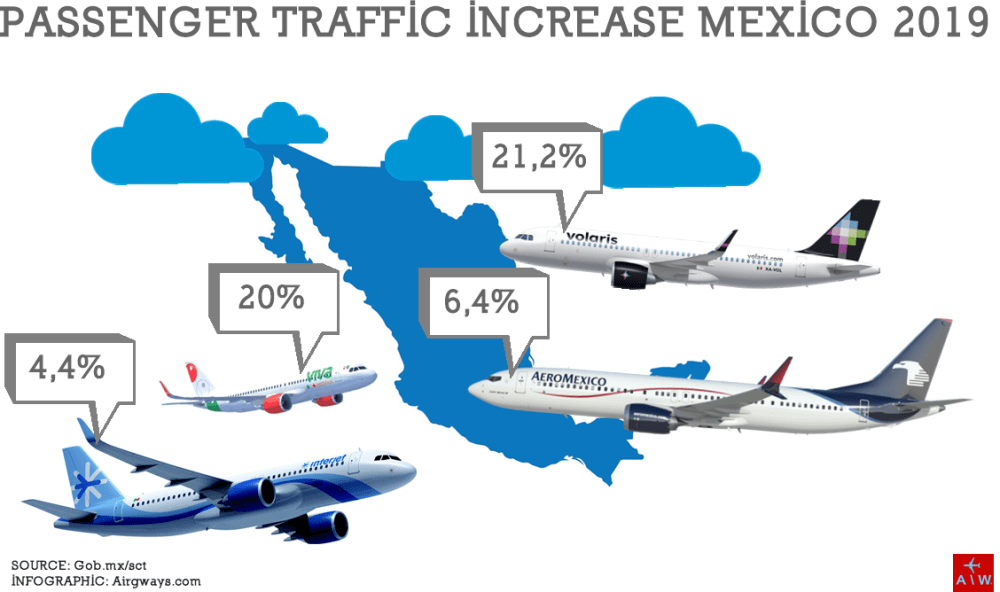
AW-AgenciaFederal Aviación Civil MéxicoLa estrategia del crecimiento de Volaris según datos de la Agencia Federal de Aviación Civil de México, de Enero a Agosto 2019 tres de cada diez personas usaron esta línea aérea para viajar en territorio mexicano, lo que representa 11.076.341 pasajeros. También sobrepasó a otros competidores como Viva Aerobus e Interjet. La aerolínea que ahora domina el sector, Volaris, presentó un crecimiento de 21,2%, Viva Aerobus 20%, Interjet 4,4% y Aeroméxico cayó 6,4%. Analistas dijeron a El Financiero que el éxito de Volaris es una combinación entre una nueva estrategia de negocio lanzada al mercado y el aprovechamiento de las dificultades que han tenido sus pares en los últimos meses. La empresa produjo una estrategia de expansión en la que el primer semestre del año (1Q2019) con el lanzamiento de 43 destinos. El decrecimiento de Aeroméxico ha beneficido a Volaris. La compañía ha incorporado tres nuevas aeronaves que incrementaron su oferta de asientos.

Image result for mexico airportAeroméxico

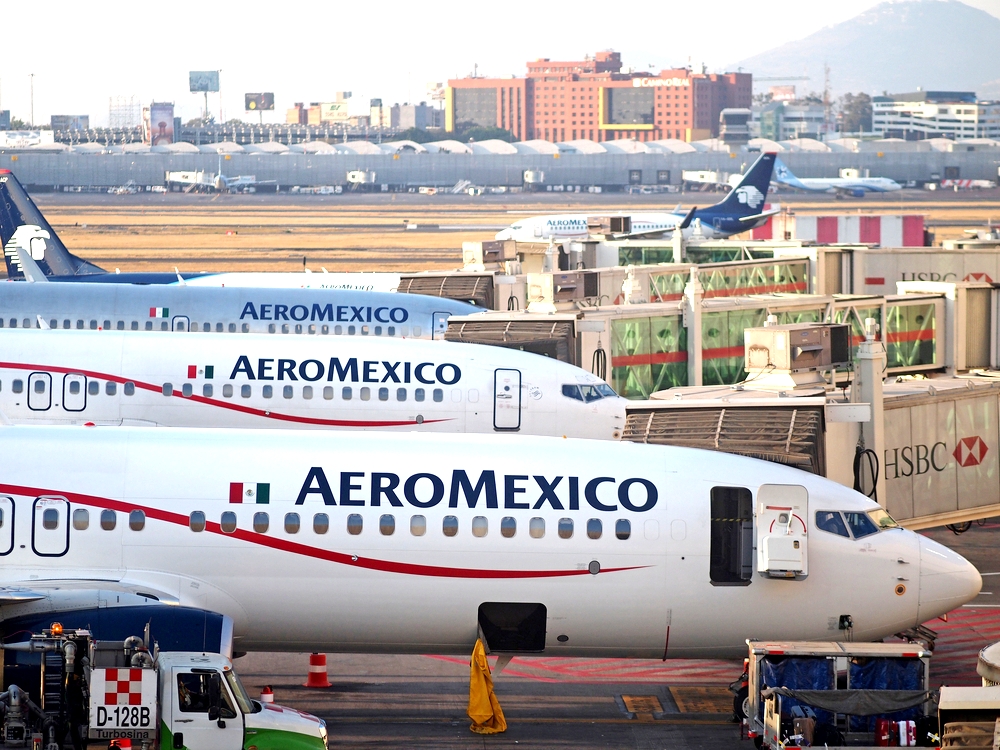
Para hacer frente a la expansión de Volaris, desde Aeroméxico señalaron: “Una vez que regresen a volar los equipos MAX, se tendrá un aumento de capacidad muy importante. Además, la compañía seguirá invirtiendo en tecnología, procesos y servicios”, señaló Christian Pastrana Director de Comunicación y Asuntos Públicos de Aeroméxico, quien dio algunas esperanzas de nuevas operaciones.

Viva Aerobus

Viva Aerobus ha transcurrido el 2019 con excelentes rendimientos alcanzando un incremento del 20% del flujo de pasajeros que se ha posicionado como la de mayor tráfico durante el año pasado. «Volaris y Viva Aerobus seguirán registrando un crecimiento, ya que los pasajeros de las aerolíneas tradicionales seguirán migrando a las de bajo costo”, dijo Alejandro González, Analista de Intercam.

Interjet

En el caso de Interjet, ha sufrido cancelación de vuelos debido a falta de personal para operar las rutas. La empresa de la familia Alemán ha sufrido pérdidas económicas desde el año pasado. Miguel Alemán Magnani, su Presidente Ejecutivo, dijo en 2018 que capitalizaría la compañía a través de una parte de la firma. AW-Icon AW001


AW-Market-Mexico2019

Mexico air market

Growth of low-cost airlines in Mexico in 2019

The low-cost airlines in Mexico are conquering the Mexican market. Consumers have continued to modify in recent years the way of flying by tilting the balance towards the diversity of routes and the accessible costs on a market dominated by Aeromexico and Interjet. Low-cost airlines were favored in 2019 transporting 101 million people through the skies of the country and this market is expected to continue its expansion, benefiting Volaris and Viva Aerobus widely.

Volaris

Volaris has transported about 22 million people, an increase of 19.5% compared to 2018, surpassing Aeromexico that has had a flow of 20.6 million passengers last year, a decrease of 5.4% year-on-year. “This makes Volaris the largest Mexican airline by volume of passengers transported, and I am pleased to note that no other Mexican airline has transported so many passengers in a year. Despite the economic uncertainties, our ultra-low-cost airline structure continues to generate a greater volume of passengers, through low fares and point-to-point routes”, said the Executive President and General Director of the low-cost airline, Enrique Beltranena. Volaris growth is due to low costs and rapid growth, factors that were privileged when Aeromexico lowered its performance after six Boeing 737 MAX were suspended in 2019.

Volaris’s growth strategy according to data from the Federal Civil Aviation Agency of Mexico, from January to August 2019, three out of ten people used this airline to travel in Mexican territory, representing 11,076,341 passengers. It also surpassed other competitors such as Viva Aerobus and Interjet. The airline that now dominates the sector, Volaris, presented a growth of 21.2%, Viva Aerobus 20%, Interjet 4.4% and Aeromexico fell 6.4%. Analysts told El Financiero that the success of Volaris is a combination of a new business strategy launched to the market and taking advantage of the difficulties that their peers have had in recent months. The company produced an expansion strategy in which the first half of the year (1Q2019) with the launch of 43 destinations. The decrease in Aeromexico has benefited Volaris. The company has incorporated three new aircraft that increased its offer of seats.

AW-Shutterstock_788427061Aeromexico

To deal with the expansion of Volaris, from Aeromexico they pointed out: “Once the MAX equipment returns to fly, there will be a very important capacity increase. In addition, the company will continue to invest in technology, processes, and services”, said Christian Pastrana Director of Communication and Public Affairs of Aeromexico, who gave some hope for new operations.

Viva Aerobus

Viva Aerobus has spent 2019 with excellent performance reaching a 20% increase in the flow of passengers that has positioned itself as the highest traffic during the past year. «Volaris and Viva Aerobus will continue to register growth, as traditional airline passengers will continue to migrate to low-cost ones,» said Alejandro González, Intercam Analyst.

Interjet

In the case of Interjet, it has suffered the cancellation of flights due to a lack of personnel to operate the routes. The German family company has suffered economic losses since last year. Miguel Alemán Magnani, its Executive President, said in 2018 that it would capitalize on the company through a part of the firm. AW-Icon AW002


Ξ A I R G W A Y S Ξ
SOURCE: Airgways.com
DBk: Gob.mx/sct / Airgways.com / Airbus.com
AW-POST: 202002061414AR

A\W   A I R G W A Y S ®

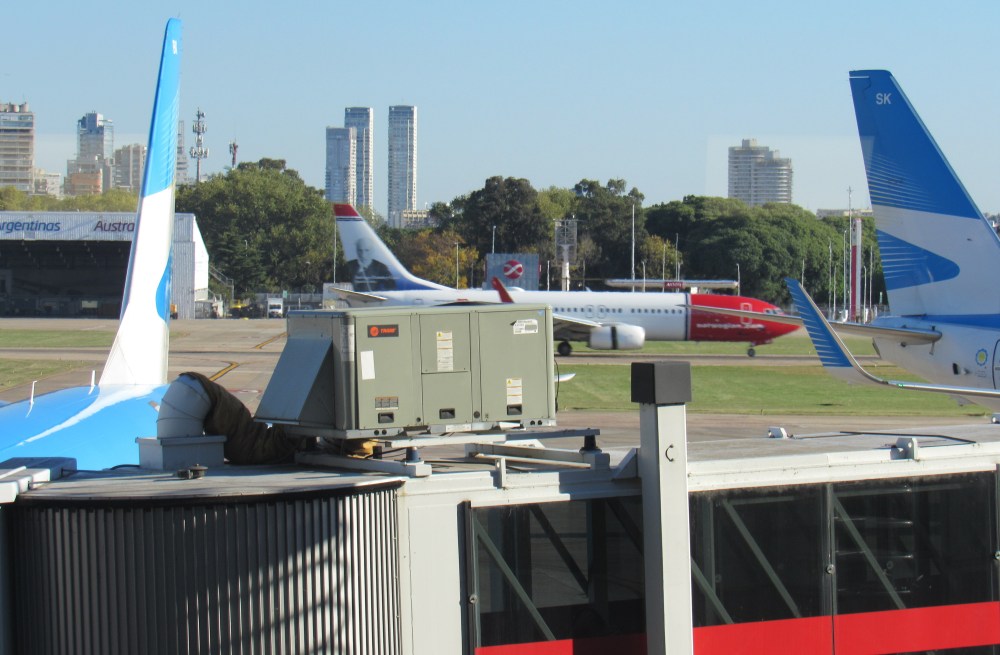
Norwegian Argentina finaliza ops

AW-7001328AW | 2020 02 06 12:36 | AIRLINES

bui053h3 (1)Norwegian Air Argentina concluye vuelos domésticos con reclamos de trabajadores hacia una huelga

La aerolínea low cost Norwegian Air Argentina ha finalizado sus operaciones aerocomerciales en la República Argentina, según el comunicado oficial de la compañía. Por la cancelación definitiva de los vuelos de cabotaje, los trabajadores podrían iniciar un paro ante la falta de un acuerdo. Norwegian que había entusiasmado a muchos con su llegada al país, ha cancelado la operatividad de sus servicios en los vuelos de cabotaje, conservando únicamente la ruta internacional Buenos Aires-Londres servida por Norwegian Air International de Irlanda.

La confirmación del cese de las operaciones se ha dado a conocer a través de un tuit con un usuario. Los clientes tampoco fueron notificados formalmente de la cancelación de los vuelos de cabotaje. La medida se da en el marco de la pelea entre sindicatos y trabajadores, luego de que Norwegian Air Argentina fuera absorvida por parte de JetSmart Airlines Argentina. Los nuevos dueños advirtieron que habría despidos acordados o retiros voluntarios para quienes no estuvieran de acuerdo con las nuevas condiciones.

La Unión de Empleados de Norwegian (UNEN) había denunciado que luego de «sendas reuniones con directivos de ambas empresas y, debido a la falta de sensibilidad y valoración del esfuerzo que tanto el personal como nuestras familias están llevando a cabo, esta asociación sindical (decide) bajo mandato de asamblea permanecer en estado de alerta y movilización».

Norwegian Air Shuttle ASA, conocida como Norwegian, es una aerolínea noruega y es la tercera mayor aerolínea low cost/low fare en Europa, y la segunda mayor aerolínea de Escandinavia. Empezó a operar en Argentina con un modelo low cost diferenciándose de Flybondi Líneas Aéreas y JetSmart Airlines Argentina, con tarifas no tan agresivas en promedio más bajas que las de Aerolíneas Argentinas y Austral Líneas Aéreas. La matriz Norwegian Shuttle ASA había aplicado una fuerte reestructuración del grupo debido a sus problemas financieros, donde la filial argentina no estuvo exenta de dificultades económicas en el plano local como así la escacez de aeronaves terminaron por desistir de invertir en Argentina. AW-Icon AW001

AW-NorwegianArg-globe_mapNorwegian Argentina ends operations

Norwegian Air Argentina concludes domestic flights with workers’ claims towards a strike

images (1)The low-cost airline Norwegian Air Argentina has completed its aero-commercial operations in the Argentine Republic, according to the company’s official statement. Due to the definitive cancellation of cabotage flights, workers could start a strike in the absence of an agreement. Norwegian who had excited many with his arrival in the country has canceled the operation of its services on domestic flights, retaining only the international route Buenos Aires-London served by Norwegian Air International of Ireland.

The confirmation of the cease of the operations has been made known through a tweet with a user. Customers were also not formally notified of the cancellation of cabotage flights. The measure is taken in the framework of the fight between unions and workers after Norwegian Air Argentina was absorbed by JetSmart Airlines Argentina. The new owners warned that there would be agreed layoffs or voluntary withdrawals for those who disagreed with the new conditions.

The Norwegian Employees Union (UNEN) had denounced that after «two meetings with managers of both companies and, due to the lack of sensitivity and assessment of the effort that both staff and our families are carrying out, this trade union association ( decides) under an assembly mandate to remain alert and mobilized».

Norwegian Air Shuttle ASA, known as Norwegian, is a Norwegian airline and is the third-largest low cost/low fare airline in Europe, and the second-largest airline in Scandinavia. It began operating in Argentina with a low-cost model, differentiating itself from Flybondi Líneas Aéreas and JetSmart Airlines Argentina, with rates not as aggressive on average lower than those of Aerolíneas Argentinas and Austral Líneas Aéreas. The Norwegian Shuttle ASA parent company had applied a strong restructuring of the group due to its financial problems, where the Argentine subsidiary was not exempt from economic difficulties at the local level as well as the shortage of aircraft ended up giving up investing in Argentina. AW-Icon AW002


Ξ A I R G W A Y S Ξ
SOURCE: Airgways.com
DBk: Norwegian.com / UNEN / Airgways.com
AW-POST: 202002061236AR

A\W   A I R G W A Y S ®