Vuelo prueba Airbus E-FAN X

Image result for Airbus E-Fan XAW | 2020 03 12 11:47 | INDUSTRY / ENGINEERING

Logo_Airbus_2014.svg - copiaAirbus E-Fan X primer vuelo motores eléctricoAW-Airbus_E FAN X_001

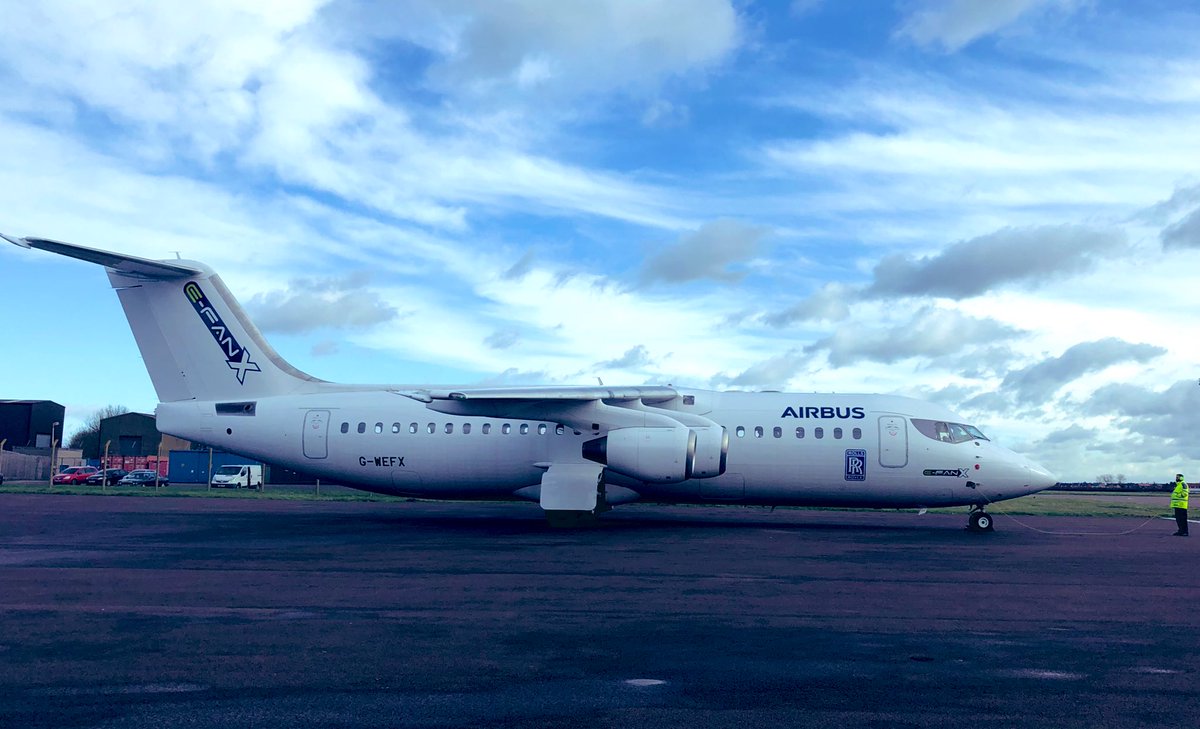
El Airbus E-Fan X ha realizado su vuelo de prueba final en Febrero 2020 antes de ser modificado con su sistema de propulsión híbrido-eléctrico y volar hacia el 2021. El vuelo realizado en un AVRO BAe 146 el 25 Febrero 2020, se modificará para acomodar un sistema de propulsión híbrido-eléctrico suministrado por Rolls-Royce y que volará en esa configuración el próximo año. El E-Fan X será la última versión de la serie de aviones E Fan de Airbus, el primero de los cuales se desarrolló en 2014. El proyecto para desarrollar el último demostrador de tecnología es una asociación entre Airbus, BAe Systems y Rolls-Royce que está recibiendo £ 58 millones (US$ 74 millones) de financiación del Gobierno del Reino Unido.

Bob Gilfillan, ingeniero Jefe Proyecto E-Fan X de BAE Systems Air dijo: “El avión ha estado bajo nuestro control desde Octubre 2019. Hubo algunos vuelos de prueba realizados a finales de Febrero para evaluar el rendimiento, de modo que después de que se modifique, podamos evaluar con precisión el impacto del sistema híbrido-eléctrico. Cuando usamos nuestra aprobación de organización de diseño, generalmente estamos a cargo del programa, pero este caso es inusual en el sentido de que estamos proporcionando esa supervisión y responsabilidad de la aeronave como un servicio a Airbus».

La participación de BAE Systems se centra en realizar modificaciones en los sistemas y la estructura del BAe146 para integrar el sistema híbrido-eléctrico. Esto incluye cambios en los sistemas hidráulicos y eléctricos, así como modificaciones estructurales. Como demostrador, el certificado de aeronavegabilidad de la aeronave ya no es válido y BAE Systems proporciona el permiso para volar bajo la aprobación delegada de EASA y CAA. El avión está siendo supervisado actualmente por el proveedor especializado de mantenimiento del BAe146, Avalon Aero en Cranfield y permanecerá allí hasta Octubre 2020. El movimiento en este momento será necesario porque después de las modificaciones, la aeronave inicialmente tiene que volar sin el sistema híbrido encendido. Es capaz de volar en tres motores, pero requiere una pista más larga que la presente en la Universidad de Cranfield para hacerlo. Airbus Test Operations está llevando a cabo vuelos de prueba de la aeronave modificada. Se espera que el programa principal de vuelo de prueba comience en Toulouse, Francia, a fines de 2021 y dure alrededor de seis meses. Además de considerar el manejo y la aerodinámica en diferentes condiciones ambientales, la instrumentación de prueba de vuelo incluirá equipos para medir de cerca el rendimiento del sistema eléctrico y registrará la corriente y los voltajes. Las modificaciones a la aeronave se realizarán dentro del Reino Unido. La modificación principal será el motor número tres, que albergará una unidad de propulsión eléctrica (EPU) de 2MW, que intercambiará la turbina actual de la aeronave por un ventilador y motor accionados por Rolls-Royce y alojados dentro de la cubierta del motor existente. La EPU estará impulsada por un generador Rolls-Royce AE 2100 impulsado por una turbina de gas de 2.5MW en la parte trasera y un sistema de batería ubicado en la parte delantera de la aeronave. Según Rolls-Royce, el sistema será el generador volador más poderoso del mundo cuando esté en el aire. El sistema híbrido eléctrico, que incluye la turbina de gas, el generador, el sistema de distribución de energía, el motor y la EPU, se está probando actualmente en la Casa de pruebas de Airbus en Ottobrunn, Alemania, antes de la integración en el BAe 146. Se están realizando otras modificaciones al avión para mitigar el calor esperado que produce el nuevo sistema híbrido-eléctrico dentro del avión. Estos cambios incluyen la adición de intercambiadores de calor, tomas de aire y gases de escape en el fuselaje.

Gilfillan dijo: “Las tres preocupaciones principales con los sistemas híbridos eléctricos en los aviones son la seguridad de la batería, la instalación del sistema de alto voltaje en un espacio confinado y el calor residual del sistema de alto voltaje, que se produce en el lugar equivocado. En este avión se está retirando y tirando afuera, pero en futuros diseños se hará algo mejor con él”. AW-Icon AW001

Image result for Airbus E-Fan XTest flight Airbus E-FAN X

Airbus E-Fan X first flight electric motors

The Airbus E-Fan X made its final test flight in February 2020 before being modified with its hybrid-electric powertrain and flying into 2021. The flight made in an AVRO BAe 146 on February 25, 2020, will be modified to accommodate a hybrid-electric propulsion system supplied by Rolls-Royce and which will fly in that configuration next year. The E-Fan X will be the latest version of Airbus’ E Fan series of aircraft, the first of which was developed in 2014. The project to develop the latest technology demonstrator is a partnership between Airbus, BAe Systems and Rolls-Royce. which is receiving £ 58 million ($ 74 million) of funding from the UK Government.

Bob Gilfillan, Chief E-Fan X Project Engineer at BAE Systems Air said: “The aircraft has been under our control since October 2019. There were some test flights conducted in late February to assess performance, so after the modify, we can accurately assess the impact of the hybrid-electric system. When we use our design organization approval, we are generally in charge of the program, but this case is unusual in the sense that we are providing that oversight and responsibility of the aircraft as a service to Airbus».

BAE Systems’ participation is focused on making modifications to the systems and structure of the BAe146 to integrate the hybrid-electric system. This includes changes in hydraulic and electrical systems, as well as structural modifications. As a demonstrator, the aircraft’s airworthiness certificate is no longer valid and BAE Systems provides permission to fly under delegated approval from EASA and CAA. The aircraft is currently being supervised by BAe146’s specialized maintenance provider Avalon Aero in Cranfield and will remain there until October 2020. Movement at this time will be necessary because after modifications the aircraft initially has to fly without the hybrid system on. It is capable of flying on three engines but requires a longer runway than the one present at Cranfield University to do so. Airbus Test Operations is conducting test flights on the modified aircraft. The main test flight program is expected to begin in Toulouse, France, in late 2021 and lasts around six months. In addition to considering handling and aerodynamics under different environmental conditions, the flight test instrumentation will include equipment to closely measure the performance of the electrical system and record current and voltages. Modifications to the aircraft will be made within the UK. The main modification will be engine number three, which will house a 2MW electric propulsion unit (EPU), which will swap the aircraft’s current turbine for a Rolls-Royce-powered fan and motor housed within the existing engine cover. The EPU will be powered by a Rolls-Royce AE 2100 generator powered by a 2.5MW gas turbine at the rear and a battery system located at the front of the aircraft. According to Rolls-Royce, the system will be the world’s most powerful flying generator when it’s in the air. The hybrid-electric system, which includes the gas turbine, generator, power distribution system, engine, and EPU, is currently being tested at the Airbus Test House in Ottobrunn, Germany, prior to integration into the BAe146. Other modifications are being made to the aircraft to mitigate the expected heat produced by the new hybrid-electric system inside the aircraft. These changes include the addition of heat exchangers, air intakes, and exhaust gases to the fuselage.

“The top three concerns with hybrid-electric systems on aircraft are battery safety, installing the high-voltage system in a confined space, and the residual heat from the high-voltage system, which occurs on-site. wrong. On this plane, he is retreating and pulling out, but in future designs, something better will be done with it», said ingeniero Jefe Proyecto E-Fan X. AW-Icon AW002


Ξ A I R G W A Y S Ξ
SOURCE: Airgways.com
DBk: Airbus.com / Theengineer.co.uk / Airgways.com
AW-POST: 202003121147AR

A\W   A I R G W A Y S ®

Air Canada corta orden Boeing 737 MAX

Image result for Boeing 737 MAX air canadaAW | 2020 03 12 08:55 | AIRLINES / INDUSTRY

66ba6f71a47eb5d085fb60ee2b6bdd63Air Canada reduce órdenes de la línea Boeing 737-9 MAX

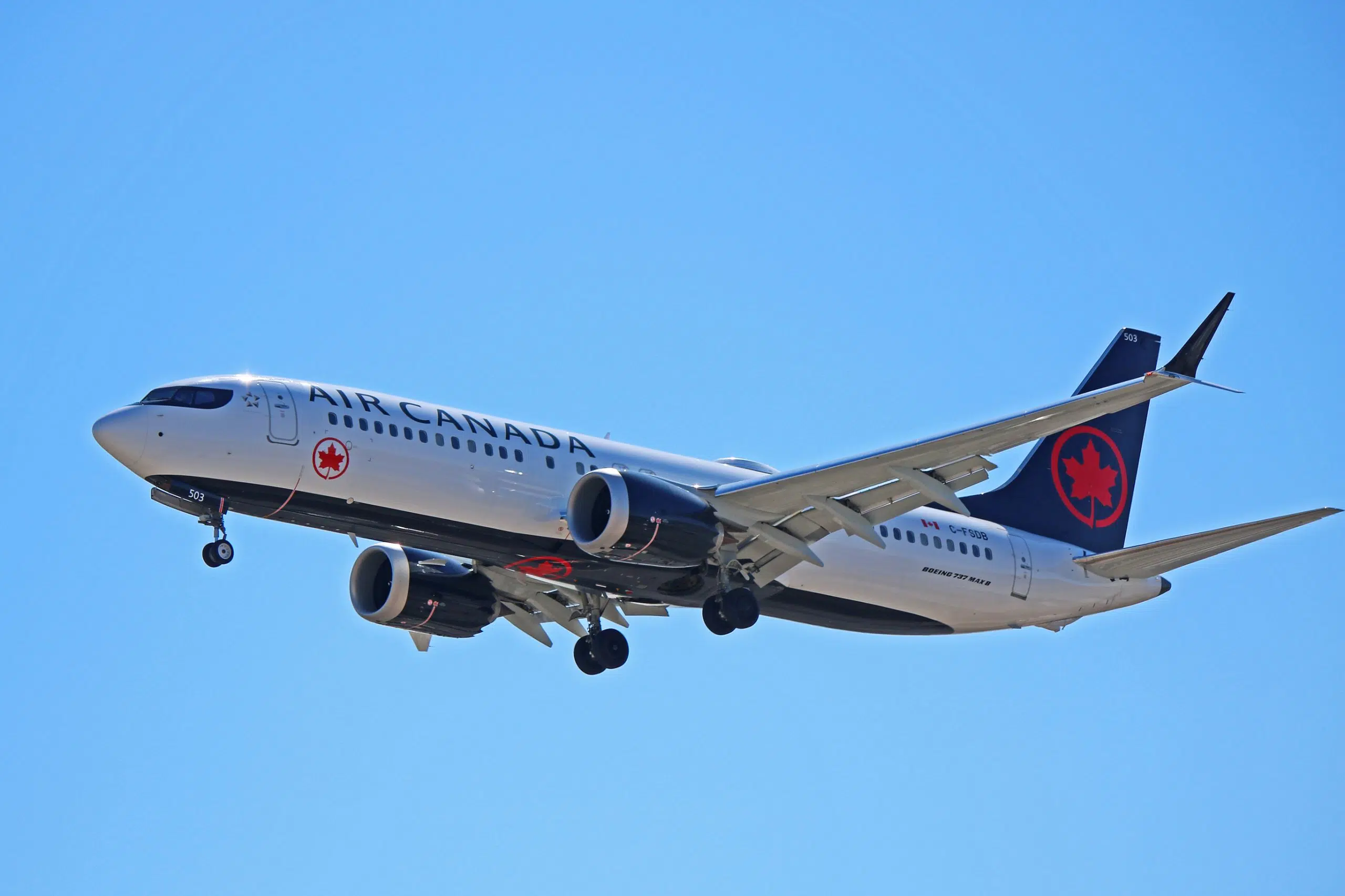
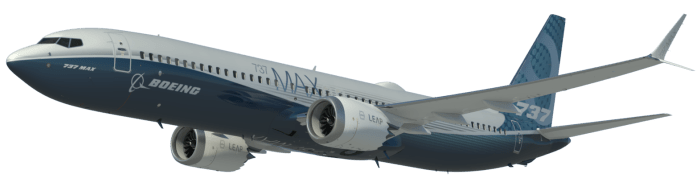
Air Canada ha reducido su pedido de Boeing 737 MAX. El operador canadiense había solicitado un total de 61 aeronaves Boeing 737 MAX, lo que ha recortado su pedido a 26 aeronaves pendientes de entrega.

Originalmente Air Canada en 2013 ha realizado un pedido de 61 aviones Boeing 737 MAX. De estos, solo se han entregado 24 unidades. Ahora, el transportista solo tomará otros 26 aviones Boeing 737-8 MAX mientras conserva las opciones para 18 y los derechos para 30 aviones adicionales. La reducción de aeronaves corresponden a la variante MAX 9. Air Canada ha planificado la flota para satisfacer mejor las necesidades anticipadas. La aerolínea también proporcionó la siguiente declaración: «Air Canada está totalmente comprometido con el avión Boeing 737 MAX. Antes de la puesta a tierra del avión en marzo de 2019, éramos uno de los operadores más grandes del 737 MAX y nos estamos preparando activamente para devolver este avión al servicio después de las aprobaciones regulatorias y de seguridad».

Air Canada conserva su pedido de Boeing 737 MAX completo pero ha sufrido variantes en sus modelos, por lo que tener algunos pocos aviones de diferentes variantes no se justifica y es ineficiente cuando se trata de mantenimiento y costos de tripulación. Cancelar 24 aviones nuevos es algo que ninguna aerolínea quiere hacer, pero suprimir once unidades de lavariante MAX 9 más grandes significa que Air Canada pueda reducir algo de capacidad innecesaria, especialmente en medio de la caída actual en la demanda de mercado. AW-Icon AW001

AW-700002333Air Canada cuts Boeing 737 MAX order

Air Canada reduces orders for the Boeing 737-9 MAX line

Air Canada has reduced its order for Boeing 737 MAX. The Canadian operator had requested a total of 61 Boeing 737 MAX aircraft, which has cut its order to 26 aircraft pending delivery.

Originally Air Canada in 2013 placed an order for 61 Boeing 737 MAX aircraft. Of these, only 24 units have been delivered. The carrier will now only take another 26 Boeing 737-8 MAX aircraft while retaining options for 18 and rights for an additional 30 aircraft. The reduction in aircraft corresponds to variant MAX 9. Air Canada has planned the fleet to better meet anticipated needs. The airline also provided the following statement: «Air Canada is fully committed to the Boeing 737 MAX aircraft. Prior to the grounding of the aircraft in March 2019, we were one of the largest operators of the 737 MAX and are actively preparing to return this aircraft to service after regulatory and safety approvals».

Air Canada retains its entire Boeing 737 MAX order but has suffered from variations in its models, so having a few different variant aircraft is unwarranted and inefficient when it comes to maintenance and crew costs. Canceling 24 new aircraft is something no airline wants to do, but removing eleven larger MAX 9 variant units means Air Canada can reduce some unnecessary capacity, especially amid the current downturn in market demand.  AW-Icon AW002

Image result for Boeing 737 MAX air canadaAir Canada coupe une commande de Boeing 737 MAX

AW-700000213Air Canada réduit ses commandes de Boeing 737 MAX

Air Canada a réduit sa commande de Boeing 737 MAX. L’opérateur canadien avait demandé un total de 61 Boeing 737 MAX, ce qui a réduit sa commande à 26 appareils en attente de livraison.

À l’origine, Air Canada a passé une commande de 61 Boeing 737 MAX en 2013. De ce nombre, seulement 24 unités ont été livrées. Désormais, le transporteur n’acceptera plus que 26 Boeing 737-8 MAX tout en conservant des options pour 18 et des droits pour 30 appareils supplémentaires. La réduction du nombre d’appareils correspond à la variante MAX 9. Air Canada a planifié la flotte pour mieux répondre aux besoins anticipés. La compagnie aérienne a également fait la déclaration suivante: «Air Canada est pleinement engagée envers le Boeing 737 MAX. Avant l’immobilisation de l’avion en mars 2019, nous étions l’un des plus grands exploitants du 737 MAX et nous nous préparons activement à remettre cet appareil en service après les approbations réglementaires et de sécurité».

Air Canada conserve l’intégralité de sa commande de Boeing 737 MAX, mais a souffert des variations de ses modèles, de sorte qu’il est injustifié et inefficace d’avoir quelques variantes d’avions en ce qui concerne les coûts de maintenance et d’équipage. L’annulation de 24 nouveaux avions est quelque chose qu’aucune compagnie aérienne ne veut faire, mais la suppression de onze plus grandes variantes de MAX 9 signifie qu’Air Canada peut réduire une certaine capacité inutile, en particulier dans le contexte actuel de ralentissement de la demande du marché. AW-Icon AW002


Ξ A I R G W A Y S Ξ
SOURCE: Airgways.com
DBk: Aircanada.com / Boeing.com / Reuters.com
AW-POST: 202003120855AR

A\W   A I R G W A Y S ®

Impacto mercado aviación mundial

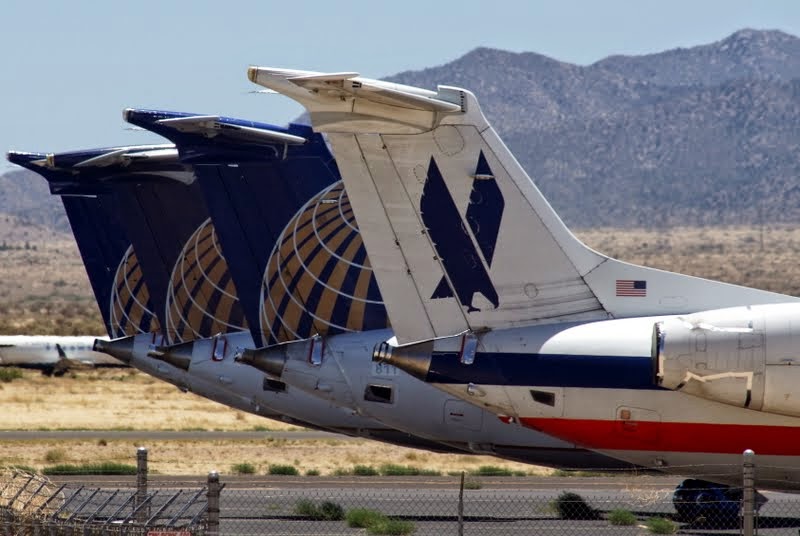
Image result for E145 Continental Express boneyardAW | 2020 03 11 16:12 | INDUSTRY / AIRLINES MARKET

La pandemia del Coronavirus amenaza industria aviación

El coronavirus está terminando un boom del mercado a futuro de la aviación. Después de la Gran Guerra, conocida públicamente como la Primera Guerra Mundial, la humanidad había continuado, con la salvedad de unos pocos años de respiro de paz, de convulsiones cada vez más fueretes o cíclicas. La Gran depresión de los Años 30, la crisis del Petróleo de 1974, llegando a los atentados del fatídico 11S en Estados Unidos, 11 Septiembre 2001, junto con situaciones de mercado financieros y plagas de virus como el Évola, Hantavirus, N1H1, SARS entre muchas otras, la humanidad está experimentando la actual pandemia del Coronavirus, donde nuevamente el mundo se contrae en dificultades en el mercado de la aviación.

Aunque el mercado de la aviación sufre las consecuencias de estos problemas, logra recuperarse notablemente de todas las situaciones. Pero las compañías están soportando más dificultades queson cada vez más cíclicas haciendo que el mercado cambievertiginosamente.

Los principales constructores de la aviación como The Boeing Company y Airbus Group SE, que hasta hace poco no podían fabricar aviones lo suficientemente rápido en sus cadenas de producción de ensamblajes como para satisfacer a las aerolíneas, de repente están enfrentando el riesgo opuesto: producir aviones sin compradores. Por eso, la demanda de nuevos aviones se está agotando a medida que los clientes desconfían de los viajes aéreos por el efecto del Coronavirus, evitando el boom más largo en la historia de la aviación. Ese aumento de dieciseis años comenzó cuando las aerolíneas salieron de otra crisis de enfermedades infecciosas, la relacionada con el Síndrome Respiratorio Agudo Severo, o SARS.

Alrededor de US$ 175 mil millones en valor de mercado de la industria aeroespacial de Estados Unidos es el impacto acumulado por la actual crisis endémica. Los ingresos de los pasajeros podrían caer hasta US$ 113 mil millones este año si el virus se propaga ampliamente, según la Asociación Internacional de Transporte Aéreo (IATA), el grupo comercial de aerolíneas más grande del mundo.

Boeing y Airbus, que estaban rodando en efectivo mientras las líneas aéreas adquirieron US$ 1.15 billones de compras compulsivas que se remontan a 2008, ahora se centran intensamente en preservar el capital en una industria para aviones sin compradores. Incluso las compañías más adineradas, como Delta Air Lines Inc. y United Airlines Holdings Inc., están evaluando cuidadosamente los planes para agregar nuevos aviones. Las restricciones de viaje relacionadas con la pandemia están impidiendo que los representantes de las aerolíneas de China, el mayor mercado internacional de nuevos aviones, visiten incluso el centro de entrega de Boeing en Seattle o Airbus en Francia para probar y firmar documentos de propiedad de nuevos aviones.

737 MAX 1st Flight Landing at Boeing FieldCrisis del 737 MAX

Boeing continúa lidiando con una caída en los pagos por adelantado de los clientes de su AW-7370077avión 737 MAX, castigado después de dos accidentes aéreos. Ahora ese avión podría estar a punto de regresar al servicio en un momento en que pocas aerolíneas desean nuevos aviones.

El colapso en los vuelos de largo alcance amenaza con otra fuente crítica de efectivo para Boeing, las entregas de sus Boeing 787.

Boeing dijo que está monitoreando de cerca el mercado y las necesidades de los clientes. La compañía ya ha retirado US$ 7.5 mil millones de los US$ 13.8 mil millones que pidió prestado en Enero 2020 para ayudar a reforzar el efectivo hasta que el 737 MAX vuelva al mercado. «La gestión de nuestra liquidez y balance son áreas clave de enfoque. Se valuará todas las palancas para ayudar a proporcionar la liquidez adecuada a medida que navegamos por los desafíos actuales», dijo un portavoz de Boeing.

Airbus Group

Del otro lado del Atlántico, las cosas son un tanto diferentes, pero Airbus soportará con mayor optimismo el repunte de sus unidades de producción de aeronaves widebodies. Durante los períodos de tumulto, Airbus establece lo que describe como una «torre de vigilancia». Eso implica dedicar personal adicional para ayudar a los clientes angustiados a retrasar los pedidos de aviones, así como dejar que los compradores oportunistas salten la línea. La compañía pudo mover más de 600 pedidos de esta manera entre 2009 y 2011, luego del último shock económico global. El fabricante de aviones europeos está utilizando el mismo sistema para gestionar el impacto del Coronavirus, ya que «los equipos comerciales, de producción y financieros monitorean una serie de parámetros diariamente, semanalmente y mensualmente», dijo un portavoz del consorcio europeo.

Hundiendo el tráfico

Se espera que el tráfico aéreo se contraiga este año solo por cuarta vez desde la Gran Depresión de los Años 30, aunque el impacto total dependerá de cuánto tiempo se siga propagando el virus Covid-19, ha expresado Ron Epstein, Analista de Bank of America Corp. También ha disminuido fuertemente después de que el Reino de Arabia Saudita decidió eliminar las restricciones de precios, dando a las aerolíneas menos incentivos para comerciar con modelos más antiguos y menos eficientes en combustible. «Nos estamos desinflando desde una altitud muy alta y eso es preocupante. Hemos tenido un año de tráfico muy malo, y será seguido por un año de tráfico aún peor», dijo Richard Aboulafia, Analista aeroespacial de Teal Group.

Al margen de la conferencia ISTAT Américas de los financiadores, fabricantes y operadores de aeronaves en Austin, Texas, la semana pasada, los ejecutivos buscaron paralelismos con la caída de la industria que duró dos años después de los ataques terroristas del 11 Septiembre 2001 (11S). Durante ese lapso, la tasa de crecimiento anual de los ingresos de Boeing y Airbus y su constelación de proveedores fue de aproximadamente menos 11%, según el cálculo de Aboulafia. La corrección sería más devastadora si las aerolíneas ya no hubieran recortado debido a otros problemas: la puesta a tierra del 737 MAX en 2019, las fallas industriales que han retrasado los problemas de los aviones de pasajeros y la durabilidad de Airbus que han afectado a los tres principales motores a reacción, dijo el consultor Adam Pilarski, ex-Economista Jefe de McDonnell Douglas antes de fusionarse con la aeroespacial Boeing.

«Si todos los aviones que se ordenaron que supuestamente se entregaran hubieran venido, esta burbuja habría sido enorme. Pero comenzamos a desinflarlo al tener fabricantes incompetentes. Afortunadamente son todos ellos», dijo Pilarski.

Fallas en aerolíneas

Las líneas aéreas no se encuentran exentas a los problemas de las crisis globales. «Las aerolíneas están desesperadas por reducir la capacidad, los costos y la tripulación, pero no pueden hacerlo lo suficientemente rápido. Pronto habrá líneas aéreas que van a la quiebra», dijo Shukor Yusof, fundador de la consultora de aviación Endau Analytics en Malasia.

Otros son más optimistas y señalan que otros brotes terminaron en cuestión de meses y que la demanda acumulada de viajes volverá. Durante más de medio siglo, la aviación comercial ha resistido los llamados «eventos de cisne negro, solo para volverse más fuertes al final. No tengo dudas de que esto también pasará», dijo John Plueger, CEO de Air Lease Corp.

Pero con China tambaleándose y disminuyendo la globalización, es probable que la década de 2020 sea un regreso aleccionador de la era espumosa que siguió a la crisis financiera de 2008. «Estamos en una década enfriando los chorros y apegándonos al tejido. Creo que es una década de crecimiento, pero no creo que sea el ritmo que vimos en la última década», dijo Slattery de Avolon.

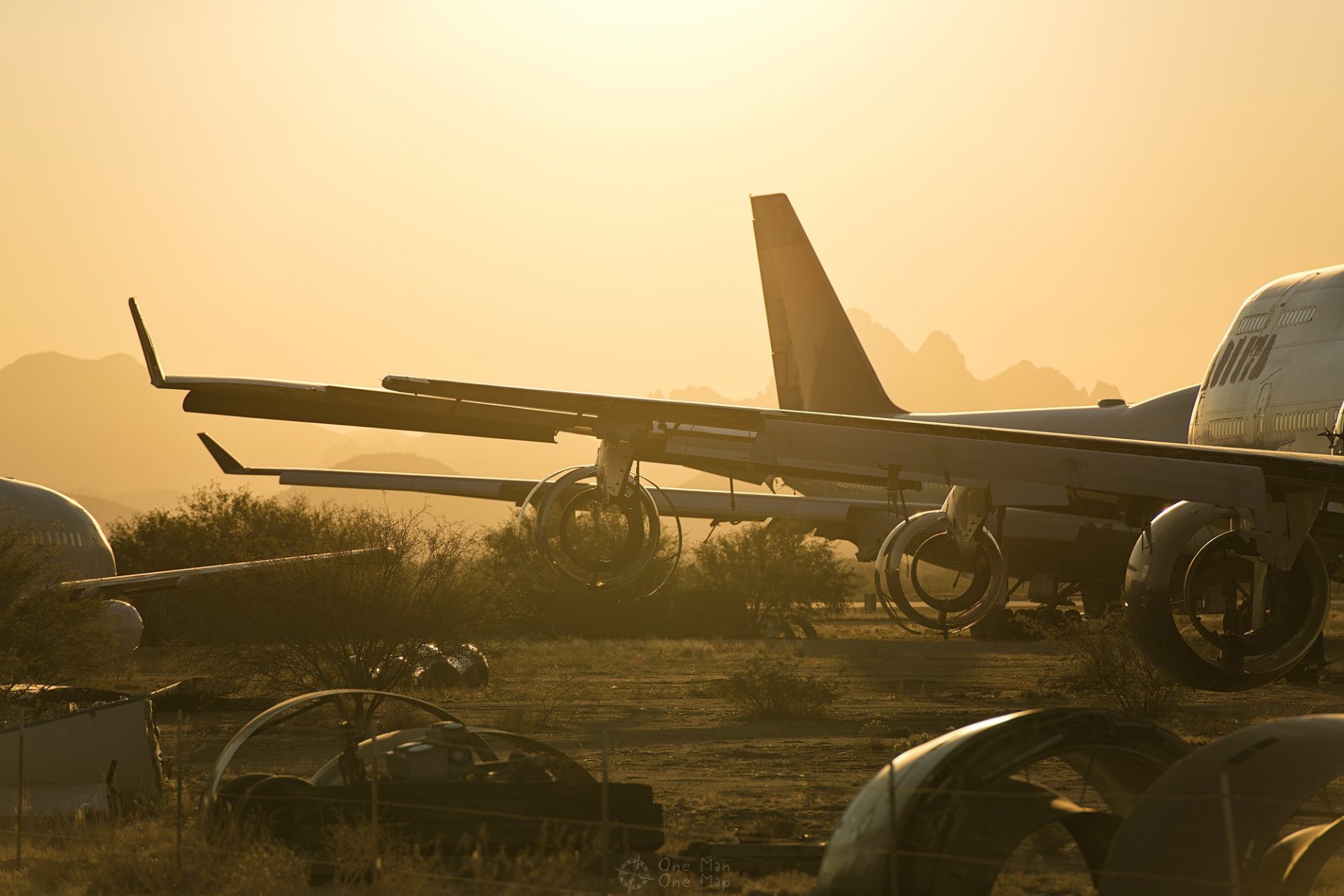
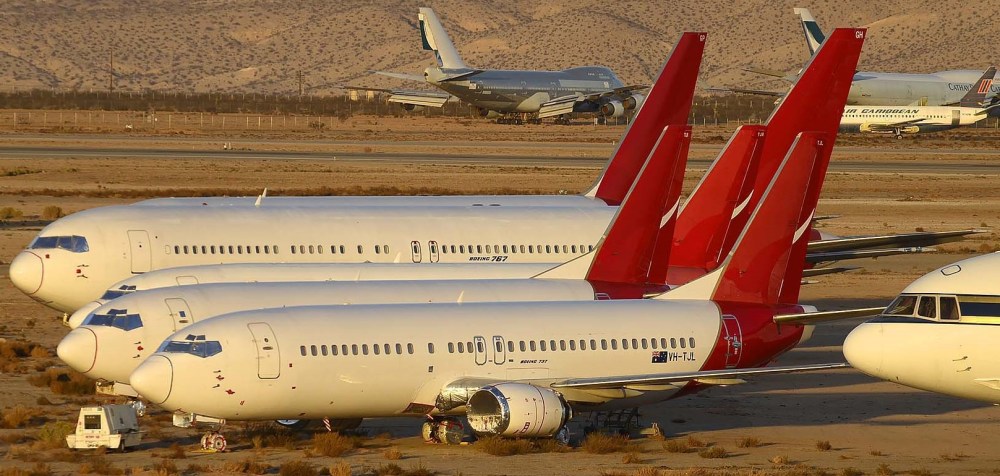
Image result for graveyard new airlinersMercado segunda

Las crisis mundiales afectan de manera directa a la aviación comercial repercutiendo de manera directa o indirecta los problemas en la industria, las aerolíneas, el turismo, entre muchos otros afines. Con la actual crisis sanitaria convertida en una pandemia, los efectos del tráfico aéreo han disminuído considerablemente, haciendo que el petróleo baje y continúe su depreciación a niveles históricos. Este hecho particular hace que las aerolíneas retracen las órdenes colocadas o hasta sean canceladas por falta de necesidad de ahorro en el combustible. Esto hace florecer el mercado de segunda mano, las aeronaves usadas.

Las crisis globales continuarán afectando de manera sustancial a la industria y las compañías aéreas, pero será importante desarrollar estrategias sólidas para continuar sobreviviendo. AW-Icon AW001

Image result for graveyard new airlinersGlobal aviation market impact

The Coronavirus pandemic threatens aviation industry

The coronavirus is ending a boom in the future aviation market. After the Great War, publicly known as the First World War, humanity had continued, with the exception of a few years of respite from peace, of increasingly severe or cyclical convulsions. The Great Depression of the 30s, the Oil crisis of 1974, reaching the attacks of the fateful 9/11 in the United States, September 11, 2001, along with financial market situations and virus plagues such as Évola, Hantavirus, N1H1, SARS among Many others, humanity is experiencing the current Coronavirus pandemic, where again the world is struggling in the aviation market.

Although the aviation market suffers the consequences of these problems, it manages to recover remarkably from all situations. But companies are enduring more difficulties that are increasingly cyclical causing the market to change dramatically.

Major aviation builders such as The Boeing Company and Airbus Group SE, which until recently could not make planes fast enough in their assembly production chains to meet the airlines, are suddenly facing the opposite risk: producing planes No buyers So the demand for new aircraft is dwindling as customers become wary of air travel due to the effect of the Coronavirus, avoiding the longest boom in aviation history. That sixteen-year increase began when airlines emerged from another infectious disease crisis, the one related to Severe Acute Respiratory Syndrome, or SARS.

Image result for E145 Continental Express boneyardTHE USED MARKET IS RETURNING TO THE AIRLINES

Around US$ 175 billion in the market value of the United States aerospace industry is the cumulative impact of the current endemic crisis. Passenger revenues could drop to US$ 113 billion this year if the virus spreads widely, according to the International Air Transport Association (IATA), the world’s largest airline commercial group.

Boeing and Airbus, which were rolling in cash as the airlines acquired US$ 1.15 trillion of binge purchases dating back to 2008, are now intensely focused on preserving capital in the industry for aircraft without buyers. Even the wealthiest companies, such as Delta Air Lines Inc. and United Airlines Holdings Inc., are carefully evaluating plans to add new aircraft. Pandemic-related travel restrictions are preventing Chinese airline representatives, the largest international market for new aircraft, from even visiting the Boeing delivery center in Seattle or Airbus in France to prove and sign new ownership documents. planes.

737 MAX crisis

Boeing continues to deal with a drop in advance payments from customers of its 737 MAX aircraft, punished after two plane crashes. Now that plane could be about to return to service at a time when few airlines want new planes.

The collapse in long-range flights threatens another critical source of cash for Boeing, the deliveries of its Boeing 787.

Boeing said it is closely monitoring the market and customer needs. The company has already withdrawn US$ 7.5 billion from the US$ 13.8 billion that it borrowed in January 2020 to help strengthen the cash until the 737 MAX returns to the market. «Managing our liquidity and balance sheet are key areas of focus. All levers will be valued to help provide adequate liquidity as we navigate current challenges», said a Boeing spokesperson.

Airbus Group

images (7)On the other side of the Atlantic, things are somewhat different, but Airbus will with greater optimism support the rebound of its widebodies aircraft production units. During periods of tumult, Airbus establishes what it describes as a «watchtower». That means dedicating additional staff to help distressed customers delay aircraft orders, as well as let opportunistic buyers jump the line. The company was able to move more than 600 orders in this way between 2009 and 2011, after the last global economic shock. The European aircraft manufacturer is using the same system to manage the impact of Coronavirus, as «commercial, production, and financial teams monitor a series of parameters daily, weekly and monthly», said a spokesman for the European consortium.

Sinking traffic

Air traffic is expected to contract this year only for the fourth time since the Great Depression of the 1930s, although the total impact will depend on how long the Covid-19 virus continues to spread, said Ron Epstein, Bank of America Analyst Corp. It has also declined sharply after the Kingdom of Saudi Arabia decided to eliminate price restrictions, giving airlines less incentive to trade with older and less fuel-efficient models. «We are deflating from a very high altitude and that is worrying. We have had a very bad year of traffic, and it will be followed by an even worse year of traffic», said Richard Aboulafia, aerospace analyst at Teal Group.

On the sidelines of the ISTAT Americas conference of aircraft funders, manufacturers and operators in Austin, Texas, last week, executives sought parallels with the industry slump that lasted two years after the terrorist attacks of September 11, 2001 (9/11 ). During that period, the annual growth rate of Boeing and Airbus revenues and its constellation of suppliers was approximately less than 11%, according to Aboulafia’s calculation. The correction would be more devastating if the airlines had not already cut due to other problems: the grounding of the 737 MAX in 2019, the industrial failures that have delayed the problems of passenger planes and the durability of Airbus that have affected the three major jet engines, said consultant Adam Pilarski, former Chief Economist at McDonnell Douglas before merging with the Boeing aerospace.

«If all the planes that were supposed to be delivered had come, this bubble would have been huge. But we started deflating it by having incompetent manufacturers. Fortunately, it’s all of them», Pilarski said.

Airline failures

Airlines are not exempt from the problems of global crises. «The airlines are desperate to reduce capacity, costs, and crew, but they can’t do it fast enough. Soon there will be airlines going bankrupt», said Shukor Yusof, founder of the aviation consultancy Endau Analytics in Malaysia.

Others are more optimistic and point out that other outbreaks ended in a matter of months and that the cumulative travel demand will return. For more than half a century, commercial aviation has resisted the so-called «black swan events, only to become stronger in the end. I have no doubt that this will also happen», said John Plueger, CEO of Air Lease Corp.

But with China staggering and decreasing globalization, the 2020s are likely to be a sobering return from the foamy era that followed the financial crisis of 2008. «We are in a decade cooling the jets and sticking to the fabric. I think it’s a decade of growth, but I don’t think it’s the pace we saw in the last decade», said Slattery de Avolon.

Second market

Global crises directly affect commercial aviation, directly or indirectly impacting problems in industry, airlines, tourism, among many other related areas. With the current health crisis turned into a pandemic, the effects of air traffic have diminished considerably, causing oil to drop and continue its depreciation at historic levels. This particular fact causes airlines to delay orders placed or even be canceled due to a lack of need for fuel savings. This makes the second-hand market flourish, used aircraft.

Global crises will continue to substantially affect industry and airlines, but it will be important to develop sound strategies to continue surviving. AW-Icon AW002


Ξ A I R G W A Y S Ξ
SOURCE: Airgways.com
DBk: Boeing.com / Airbus.com / Connect.istat.org / Jakartapost.com / Airgways.com / Tealgroup.com / Oneman-onemap.com
AW-POST: 202003111612AR

A\W   A I R G W A Y S ®

OMS declara pandemia a Coronavirus

Resultado de imagen para WHOAW | 2020 03 11 14:41 | GOVERNMENT / AVIATION SAFETY

Resultado de imagen para WHOAW-Coronavirus_pandemicLa OMS declara que el brote del nuevo coronavirus es una pandemia

El Coronavirus COVID-19 que se extiende por todo el mundo ha sido declarada pandemia este 11 Marzo 2020 por la Organización Mundial de la Salud (OMS). Ahora hay más de 118.000 casos de COVID-19, la enfermedad causada por el virus, en 114 países de todo el mundo. La OMS continúa monitoreando de cerca la propagación del virus, dijo Tedros Adhanom, Director General de la OMS, durante el anuncio. «Estamos profundamente preocupados tanto por los niveles alarmantes de propagación y gravedad, como por los niveles alarmantes de inacción. Llamamos todos los días a los países a tomar medidas urgentes y agresivas».

Hay grandes brotes del virus en Italia, Corea del Sur y los Estados Unidos. En los Estados Unidos, el lento despliegue de las pruebas y la capacidad de prueba limitada ha paralizado la respuesta a la enfermedad. La propagación del virus aún se puede controlar, dijo Adhanom. Señaló a China y Corea del Sur, donde los brotes parecen estar disminuyendo.

Una pandemia es la propagación mundial de una nueva enfermedad, según la OMS. No hay criterios de corte y secado para lo que alcanza el nivel de pandemia y lo que no, y no hay un umbral de casos o muertes que desencadene la definición. La OMS clasificó el nuevo coronavirus como una emergencia de salud pública mundial el 30 Enero 2020. Hasta ahora, se habían mostrado reacios a llamar al brote una pandemia por la preocupación de que provocaría un pánico innecesario, aunque habían estado advirtiendo a los países que se prepararan para una pandemia. «Usar la palabra pandemia ahora no se ajusta a los hechos, pero ciertamente puede causar miedo. Lo que vemos son epidemias en diferentes partes del mundo que afectan a diferentes países de diferentes maneras», expresó Tedros Adhanom. Países de todo el mundo, incluso en los Estados Unidos ya se han apoyado en los planes de preparación ante una pandemia para responder a los brotes del nuevo coronavirus.

La última vez que la OMS declaró una pandemia fue durante el brote de H1N1 en 2009, que infectó a casi una cuarta parte de la población mundial. Sin embargo, esa decisión fue criticada por crear pánico innecesario. El SARS no se consideró una pandemia, a pesar de afectar a personas en 26 países, y tampoco el MERS. AW-Icon AW001

Resultado de imagen para WHO coronavirus pandemicWHO declares Coronavirus pandemic

WHO declares that the outbreak of the new coronavirus is a pandemic

The Coronavirus COVID-19 that extends throughout the world has been declared a pandemic this March 11, 2020, by the World Health Organization (WHO). There are now more than 118,000 cases of COVID-19, the disease caused by the virus, in 114 countries around the world. WHO continues to closely monitor the spread of the virus, said Tedros Adhanom, WHO Director-General, during the announcement. «We are deeply concerned about both the alarming levels of propagation and severity and the alarming levels of inaction. We call on countries every day to take urgent and aggressive measures».

There are large outbreaks of the virus in Italy, South Korea and the United States. In the United States, the slow deployment of evidence and limited testing capacity has paralyzed the response to the disease. The spread of the virus can still be controlled, Adhanom said. He pointed to China and South Korea, where outbreaks appear to be declining.

A pandemic is the worldwide spread of a new disease, according to the WHO. There are no cutting and drying criteria for what reaches the pandemic level and what does not, and there is no threshold of cases or deaths that triggers the definition. WHO classified the new coronavirus as a global public health emergency on January 30, 2020. Until now, they had been reluctant to call the outbreak a pandemic because of the concern that it would cause unnecessary panic, although they had been warning countries that Prepare for a pandemic. «Using the word pandemic now does not fit the facts, but it can certainly cause fear. What we see are epidemics in different parts of the world that affect different countries in different ways», said Tedros Adhanom. Countries around the world, even in the United States, have already relied on pandemic preparedness plans to respond to outbreaks of the new coronavirus.

The last time WHO declared a pandemic was during the H1N1 outbreak in 2009, which infected almost a quarter of the world’s population. However, that decision was criticized for creating unnecessary panic. The SARS was not considered a pandemic, despite affecting people in 26 countries, nor the MERS. AW-Icon AW002

Resultado de imagen para WHO coronavirus pandemicمنظمة الصحة العالمية تعلن وباء فيروس كورونا

تعلن منظمة الصحة العالمية أن اندلاع فيروس كورونا الجديد هو وباء

أعلنت منظمة الصحة العالمية (WHO) عن ظهور فيروس كورون – COVID-19 الذي يمتد عبر العالم وباءً في 11 مارس 2020. يوجد الآن أكثر من 118000 حالة من حالات COVID-19 ، المرض الذي يسببه الفيروس ، في 114 دولة حول العالم. وقال تيدروس أدهانوم ، المدير العام لمنظمة الصحة العالمية ، خلال هذا الإعلان ، إن منظمة الصحة العالمية تواصل مراقبة انتشار الفيروس عن كثب. «إننا نشعر بقلق عميق إزاء كل من المستويات المثيرة للقلق من الانتشار والشدة ، ومستويات التقاعس المزعجة. ندعو الدول كل يوم إلى اتخاذ تدابير عاجلة وعنيفة.»

هناك تفشي كبير للفيروس في إيطاليا وكوريا الجنوبية والولايات المتحدة. في الولايات المتحدة ، أدى بطء نشر الأدلة والقدرة المحدودة على الاختبار إلى شل الاستجابة لهذا المرض. وقال أدهانوم إنه لا يزال من الممكن السيطرة على انتشار الفيروس. وأشار إلى الصين وكوريا الجنوبية ، حيث يبدو أن الفاشيات آخذة في الانخفاض.

وباء هو انتشار مرض جديد في جميع أنحاء العالم ، وفقا لمنظمة الصحة العالمية. لا توجد معايير لقطع وتجفيف ما يصل إلى مستوى الوباء وما لا يحدث ، وليس هناك عتبة للحالات أو الوفيات التي تؤدي إلى التعريف. صنفت منظمة الصحة العالمية الفيروس التاجي الجديد باعتباره حالة طوارئ عالمية للصحة العامة في 30 يناير 2020. وحتى الآن ، كانوا يترددون في وصف الوباء بأنه وباء بسبب القلق من أنه قد يتسبب في حالة من الذعر غير الضروري ، رغم أنهم كانوا يحذرون البلدان من الاستعداد لوباء. وقال تيدروس أدهانوم «استخدام كلمة الوباء الآن لا يناسب الحقائق ، لكنه بالتأكيد يمكن أن يسبب الخوف. ما نراه هو أوبئة في أنحاء مختلفة من العالم تؤثر على بلدان مختلفة بطرق مختلفة». لقد اعتمدت الدول في جميع أنحاء العالم ، بما في ذلك الولايات المتحدة ، بالفعل على خطط الاستعداد لمواجهة الوباء للاستجابة لتفشي فيروس كورونا الجديد.

كانت آخر مرة أعلنت فيها منظمة الصحة العالمية عن حدوث وباء خلال تفشي فيروس H1N1 في عام 2009 ، والتي أصابت ربع سكان العالم تقريبًا. ومع ذلك ، تم انتقاد هذا القرار لأنه خلق الذعر لا لزوم لها. لم يُعتبر السارس وباءً ، على الرغم من أنه يصيب الأشخاص في 26 دولة ، ولا يُصيب بالسارس.AW-Icon AW002

Resultado de imagen para WHO coronavirus pandemic世衛組織宣布冠狀病毒大流行

世衛組織宣布新冠狀病毒的爆發是大流行

2020年3月11日,世界衛生組織WHO)宣布將冠狀病毒COVID-19傳播到世界各地。現在,在全球114個國家中,有118,000多例由病毒引起的疾病COVID-19。世衛組織總幹事特德羅斯·阿達諾姆在聲明中說,世衛組織將繼續密切監測該病毒的傳播。 “我們對令人震驚的傳播和嚴重程度以及令人震驚的不作為程度深感關切。我們每天呼籲各國採取緊急和積極的措施”

在意大利,韓國和美國,該病毒大量爆發。在美國,證據的緩慢部署和有限的檢測能力使人們對該病的反應麻痺了。 Adhanom說,該病毒的傳播仍然可以得到控制。他指出中國和韓國的疫情似乎正在下降。

世衛組織表示,大流行是一種新疾病的全球傳播。對於達到大流行水平和沒有達到大流行水平,沒有切割和乾燥標準,也沒有觸發定義的病例或死亡閾值。世衛組織於2020年1月30日將新的冠狀病毒列為全球公共衛生緊急事件。迄今為止,他們一直不願將疫情稱為大流行病,因為擔心這將引起不必要的恐慌,儘管他們一直在警告各國:為大流行做好準備。特德羅斯·阿達諾姆(Tedros Adhanom)表示:“現在使用流行病這個詞不符合事實,但肯定會引起恐懼。我們看到的是世界各地的流行病,它們以不同的方式影響著不同的國家。”全世界的國家,甚至是美國,都已經依靠大流行防範計劃來應對新的冠狀病毒的爆發。

世衛組織上一次宣布大流行是在2009年的H1N1爆發期間,該病感染了世界近四分之一的人口。但是,該決定因製造不必要的恐慌而受到批評。儘管影響了26個國家的人,也沒有將MERS視為SARS的大流行。AW-Icon AW002

Resultado de imagen para WHO coronavirus pandemic airlinesВОЗ объявляет пандемию коронавируса

ВОЗ заявляет, что вспышка нового коронавируса является пандемией

Коронавирус COVID-19, распространяющийся по всему миру, был объявлен пандемией Всемирной организацией здравоохранения (ВОЗ) 11 марта 2020 года.
В настоящее время в 114 странах мира зарегистрировано более 118 000 случаев заболевания COVID-19, вызванного вирусом. ВОЗ продолжает внимательно следить за распространением вируса, сказал Тедрос Адханом, Генеральный директор ВОЗ, во время объявления. «Мы глубоко обеспокоены как тревожными уровнями распространения и серьезности, так и тревожными уровнями бездействия. Мы призываем страны каждый день принимать срочные и агрессивные меры».

Крупные вспышки вируса происходят в Италии, Южной Корее и США. В Соединенных Штатах медленное распространение фактических данных и ограниченные возможности тестирования парализовали реакцию на заболевание. По словам Адханом, распространение вируса все еще можно контролировать. Он указал на Китай и Южную Корею, где вспышки, по-видимому, уменьшаются.

По данным ВОЗ, пандемия – это всемирное распространение новой болезни. Не существует критериев вырубки и сушки для того, что достигает уровня пандемии, а что нет, и нет порога случаев или смертей, который запускает определение. ВОЗ классифицировала новый коронавирус как глобальную чрезвычайную ситуацию в области общественного здравоохранения 30 января 2020 года. До сих пор они не хотели называть вспышку пандемией из-за опасений, что это вызовет ненужную панику, хотя они и предупреждали страны о том, что Приготовьтесь к пандемии. «Использование слова пандемия в настоящее время не соответствует действительности, но, безусловно, может вызвать страх. Мы видим эпидемии в разных частях мира, которые по-разному влияют на разные страны»,  сказал Тедрос Адханом. Страны всего мира, даже в Соединенных Штатах, уже полагались на планы обеспечения готовности к пандемии в ответ на вспышки нового коронавируса.

В последний раз ВОЗ объявляла о пандемии во время вспышки H1N1 в 2009 году, которая заразила почти четверть населения мира. Однако это решение подверглось критике за создание ненужной паники. SARS не считался пандемией, несмотря на то, что она затронула людей в 26 странах и MERS. AW-Icon AW002


arrow-logoDATA: https://www.who.int/emergencies/diseases/novel-coronavirus-2019


Ξ A I R G W A Y S Ξ
SOURCE: Airgways.com
DBk: Who.int / Usnews.com / Airgways.com / Newstribune.com
AW-POST: 202003111441AR

A\W   A I R G W A Y S ®

Gobierno Argentina reunión aerolíneas

Resultado de imagen para azafatas Aerolineas ArgentinasAW | 2020 03 11 14:01 | AIRLINES / AVIATION SAFETY / GOVERNMENT

Ministerio Transporte y aerolíneas se reunen para maximizar controles sanitarios por epidemia

El Ministerio de Transporte de Argentina se reunirá hoy 11/03 con todas las líneas aéreas internacionales que operan en Argentina para analizar los pasos por seguir en relación con la propagación del coronavirus en el país. Desde la cartera de Transporte observan con mucha preocupación la situación de la epidemia. Las medidas activas y en pro de controlar cada uno de los lugares de entrada, se efectivizan coordinando con las distintas empresas aéreas que operan en la Argentina y trabajando también en materia de puertos marítimos, que son entrada de pasajeros de ultramar.

Aeronavegantes

La Asociación de Aeronavegantes de Argentina (AAA) ha recomendado recientemente a los Tripulantes de Cabina Pasajeros (TCP) a realizar el aislamiento de 14 días. Tras las medidas recientes del Gobierno de Argentina de que toda persona que ingrese al país de las zonas de alto riesgo, deberá efectivizar la cuarentena obligatoria en sus respectivos hogares.

La expansión del coronavirus (COVID-19) a nivel global y las nuevas recomendaciones del Ministerio de Salud de la Nación Argentina podrían generar un dolor de cabeza a las aerolíneas con base en la Argentina. El gremio de los Aeronavegantes les indicó a sus afiliados que trabajan en los vuelos a las zonas afectadas que se pueden plegar a la disposición de aislamiento de dos semanas. La Asociación Argentina de Aeronavegantes que conduce Juan Pablo Brey recomendó hoy en un comunicado interno a su base gremial: «Los tripulantes que regresan de la zona de contagio (Madrid y Roma) podrán de manera voluntaria realizar el aislamiento de 14 días sugerido por el Decreto del Poder Ejecutivo Nacional. Cualquier tripulante que por motivos justificables y atribuibles al Coronavirus considere pertinente no realizar vuelos a las zonas identificadas como focos de contagio, se encuentra avalado por este sindicato. Toda medida va variando de manera dinámica, al tiempo que las autoridades nacionales toman decisiones. Los regresos a base serán coordinados por el área operativa de la empresa», sostuvieron desde la agrupación sindical.

Desde el sindicato también pusieron a disposición un formulario para todos aquellos que quieran solicitar los 14 días de licencia para vuelos que regresan al país desde zonas declaradas en riesgo. Los regresos a base serán coordinados por el área operativa de la empresa. El Comité de crisis de la empresa Aerolíneas Argentinas/Austral Líneas Aéreas se está reuniendo en forma continua por la epidemmia y en constante contacto con nuestra Secretaría Gremial de Aeronavegantes. Desde Aerolíneas han comunicado que todavía no habían entrado en contacto con las nuevas medidas de la Asociación de Aeronavegantes.

Protocolo Sanidad

A través de una resolución del Ministerio de Transporte, la Administradora Nacional de Aviación Civil (ANAC) de Argentina dispondrá que todas las aerolíneas nacionales e internacionales que arriben a la Argentina desde el extranjero cumplan el protocolo del Ministerio de Salud para tratar casos sospechosos de coronavirus.

Los requisitos que deberán seguir de manera obligatoria las empresas aéreas que operen en suelo argentino son varios. El primero indica que todos los pasajeros y la tripulación deberán llenar el formulario, que será provisto por la cartera sanitaria, “Declaración de Salud del Viajero”. Desde el Ministerio solicitaron que “hasta tanto ese stock esté disponible” las aerolíneas colaboren para “imprimir los formularios cuando así resulte necesario, durante los primeros días de inicio de esta operatoria”.

El segundo punto sostiene: “Se reitera la obligación de toda las aerolíneas de informar durante el vuelo la presencia de cualquier posible caso sospechoso a las autoridades aeroportuarias, antes del arribo al aeropuerto. La detección podrá producirse por un aviso del pasajero o un miembro de la tripulación o por la observación del personal de abordo o de otro pasajero”.

El tercer punto es que ante la presencia de un caso sospechoso la aerolínea “deberá incluir la novedad en la parte sanitaria de la Declaración General de Aeronave y advertir tal incidencia a los Servicios de Tránsito Aéreo (Torre de Control), con carácter previo a su arribo”.

El cuarto punto hace referencia a cuáles son los indicios para considerar a una persona sospechosa de estar contagiada de COVID- 19. Lo primero es si evidencia síntomas de fiebre y tos, fiebre y dolor de garganta o dificultad respiratoria. Y luego incluye a todo sujeto que provenga o haya estado en los últimos 14 días en China, Japón, Corea del Sur, Italia, Irán, Francia, Alemania o España. También a quienes hubieran tenido contacto cercano con un caso de coronavirus o hubiera trabajado o atendido pacientes en algún centro de salud con pacientes sospechosos o confirmados de estar infectados.

El quinto punto: “En el caso de detección de un caso sospechoso se ejecutará el protocolo vigente ubicando la aeronave en el Puesto 18 (o en el que, en su caso, defina la autoridad del Aeropuerto) a efectos de la concurrencia de médicos asistenciales del aeropuerto y del personal de Sanidad de Fronteras para la evaluación del caso denunciado”. También hay indicaciones para una denuncia tardía de algún contagiado. Lo que deberá hacer la tripulación, con el avión ya ubicado en la manga, es aplazar el egreso del pasaje de la aeronave y comunicar de inmediato a las autoridades para proceder con el protocolo, el que involucra el llenado de formularios de declaración de salud del viajero de todo el pasaje y tripulación con identificación del caso sospechoso; y el reporte en la Declaración General de la Aeronave por parte de la aerolínea.

El séptimo y último punto: “En el caso de ausencia de auto-reporte de algún pasajero o tripulación y que la tripulación no haya registrado u observado algún caso sospechoso y así se registre en la parte sanitaria de la Declaración General de Aeronave, el personal de la aerolínea deberá recolectar las Declaraciones Juradas y entregarlas al personal de Sanidad de Fronteras luego de la apertura de puertas en manga o bien en el momento de cumplimentar el trámite del certificado de Libre Plática”. AW-Icon AW001


Resultado de imagen para azafatas Aerolineas ArgentinasArgentine Government meeting with airlines

Ministry of Transportation and airlines meet to maximize health checks by the epidemic

The Ministry of Transportation of Argentina will meet today 11/03 with all international airlines operating in Argentina to analyze the steps to follow in relation to the spread of the coronavirus in the country. From the Transport portfolio, they observe with great concern the situation of the epidemic. The active measures and in order to control each of the places of entry are made by coordinating with the different airlines that operate in Argentina and also working on seaports, which are the entry of overseas passengers.

Aeronavegantes

The Argentine Airnavigators Association (AAA) has recently recommended Passenger Cabin Crew (TCP) to perform the 14-day isolation. Following the recent measures of the Government of Argentina that any person entering the country from high-risk areas must carry out mandatory quarantine in their respective homes.

The expansion of the coronavirus (COVID-19) globally and the new recommendations of the Ministry of Health of Argentina could generate a headache for airlines based in Argentina. The Airnavigators Guild told its affiliates that they work on flights to the affected areas that can be folded to the two-week isolation provision. The Argentine Airnavigators Association led by Juan Pablo Brey recommended today in an internal statement to its union base: «Crew members returning from the contagion zone (Madrid and Rome) may voluntarily perform the 14-day isolation suggested by the Decree of the National Executive Power Any crew that for justifiable reasons attributable to the Coronavirus considers it pertinent not to make flights to the areas identified as sources of contagion, is endorsed by this union. Any measure is changing dynamically, while the national authorities make decisions. The base returns will be coordinated by the operational area of ​​the company».

From the union, they also made available a form for all those who want to apply for a 14-day license for flights returning to the country from areas declared at risk. Base returns will be coordinated by the company’s operational area. The Committee of Crisis of the company Aerolíneas Argentinas/Austral Líneas Aéreas is continually meeting due to the epidemic and in constant contact with our Airnavigators Guild Secretariat since Aerolíneas have reported that they had not yet come into contact with the new measures of the Airnavigatirs Association.

Health Protocol

Through a resolution of the Ministry of Transportation, the National Civil Aviation Administrator (ANAC) of Argentina will provide that all national and international airlines arriving in Argentina from abroad comply with the Ministry of Health protocol to treat suspected cases of coronavirus.

The requirements that must be followed by mandatory airlines operating on Argentine soil are several. The first indicates that all passengers and crew must fill out the form, which will be provided by the health portfolio, «Traveler’s Health Statement». The Ministry requested that «until such stock is available» airlines collaborate to «print the forms when necessary, during the first days of the start of this operation».

The second point states: “The obligation of all airlines to inform the airport authorities about the presence of any possible suspicious cases is reiterated before arriving at the airport. The detection may be produced by a notice from the passenger or a member of the crew or by the observation of the personnel on board or of another passenger”.

The third point is that in the presence of a suspicious case, the airline “must include the novelty in the sanitary part of the General Declaration of Aircraft and warn such incident to the Air Traffic Services (Control Tower), prior to its arrival».

The fourth point refers to what are the indications to consider a person suspected of being infected with COVID-19. The first is if it shows symptoms of fever and cough, fever and sore throat or respiratory distress. And then it includes every subject that comes or has been in the last 14 days in China, Japan, South Korea, Italy, Iran, France, Germany or Spain. Also to those who would have had close contact with a case of coronavirus or had worked or treated patients in a health center with patients suspected or confirmed to be infected.

The fifth point: “In the case of detection of a suspicious case, the current protocol will be executed by placing the aircraft in Post 18 (or in which, where appropriate, define the authority of the Airport) for the purpose of attending medical assistance from the airport and Border Health personnel for the evaluation of the reported case”. There are also indications for a late complaint of someone infected. What the crew must do, with the plane already located in the sleeve, is to postpone the departure of the passage of the aircraft and immediately communicate to the authorities to proceed with the protocol, which involves the filling of health declaration forms of the traveler of the entire ticket and crew with identification of the suspect case; and the report in the General Declaration of the Aircraft by the airline.

The seventh and last point: “In the case of absence of self-report of any passenger or crew and that the crew has not registered or observed any suspicious case and thus registers in the sanitary part of the General Declaration of Aircraft, the personnel of the airline must collect the Affidavits and deliver them to Border Health personnel after the opening of doors in the sleeve or at the time of completing the procedure of the Free Talk certificate”.AW-Icon AW002


Ξ A I R G W A Y S Ξ
SOURCE: Airgways.com
DBk: Aeronavegantes.org.ar / Airgways.com / Anac.gov.ar / Argentina.gob.ar/transporte
AW-POST: 202003111401AR

A\W   A I R G W A Y S ®

Aerolíneas cancelación algunos vuelos

AW-Paguina12_AeroparqueAW | 2020 03 11 12:35 | AIRLINES ROUTES

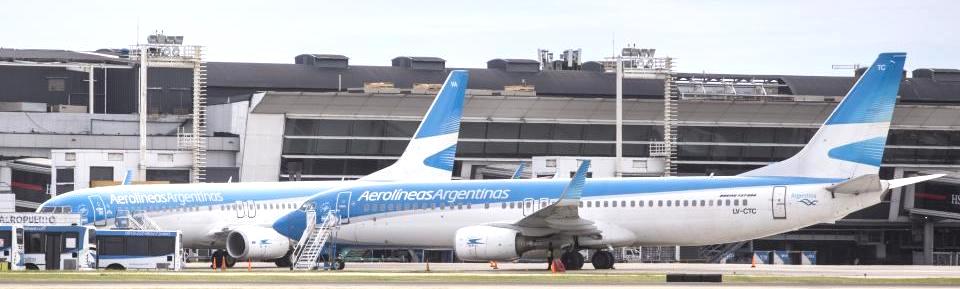
22475a194fc915b9f48b03f910246ce886560490_70e1436dd4a30331efb2080a79c1ad868905b5a8Aerolíneas Argentinas cancela algunos vuelos a Miami, Orlando y Roma. Incremente tráfico a Mendoza

Aerolíneas Argentinas anunció la cancelación de algunos vuelos a Italia y a Miami. Esta pandemia ha generado una psicosis mundial tal que ha afectado negativamente a la economía. La tasa de mortalidad subió a un 3,6%, muertes que en su mayoría son de adultos mayores y personas con enfermedades preexistentes

Aerolíneas Argentinas decidió cancelar catorce vuelos para Marzo y Abril 2020, con destino a Italia y una serie de vuelos hacia las ciudades estadounidenses de Miami y Orlando, debido al creciente número de solicitudes de cancelación o cambio en las reservas ya emitidas por los pasjeros frente a la epidemia de Cornavirus (COVID-19). Además, la empresa estatal permitirá modificar fechas de vuelo, sin penalidad, hasta el 30 Noviembre 2020.

La aerolínea de bandera precisó que los pasajeros de los vuelos cancelados serán reubicados en vuelos anteriores o posteriores o, en caso contrario, podrán reprogramar su viaje dentro de los 15 días anteriores o posteriores a la fecha de su vuelo original.

El organigrama de los vuelos cancelados actualizados hasta la fecha corresponden a los siguientes días: Italia: 12, 16, 18, 19, 22, 26, 28, 30 Marzo 2020 y 4, 6, 10, 12, 19, 26 Abril 2020. Estados Unidos: vuelo cancelado hacia Orlando el día 16 Marzo 2020. Miami: vuelos AR1303/AR1304 de los días 18 y 26 Marzo 2020.

Aerolíneas informó también un rediseño de su política comercial para atender los crecientes pedidos de pasajeros que deseen modificar sus fechas de vuelo para evitar viajar a los países donde el virus está activo. El comunicado de la aerolínea de bandera indica que se permitirá el cambio de fechas de vuelos por única vez, sin penalidad, hasta el 30 Noviembre 2020. Los pasajeros deberán pagar la diferencia de la cotización del vuelo en caso de una variación de precios. Esa flexibilidad en el cambio de fechas de vuelo también correrá para aquellos que compren pasajes desde hoy y hasta el 31 Marzo 2020.

La aerolínea de bandera estatal también permitirá a sus pasajeros la devolución de boletos para clientes de Aerolíneas Plus, aquellos que hayan comprando boletos por los canales directos de la compañía o agencias de viaje; a los siguientes destinos: Pasajeros viajando desde y hacia China con vuelos hasta el 31 Mayo 2020. Pasajeros volando desde y hacia Italia, España, Francia, e Israel con vuelos hasta el 31 Mayo 2020. Pasajeros que por haber estado en China en los últimos 15 días no les esté permitido ingresar a Estados Unidos, Nueva Zelanda, Australia, Tahití y Paraguay.

Tras la expansión del coronavirus en el mundo con nuevos casos confirmados, en Argentina se registran 17 contagiados y un fallecido. En todo el país está activo el protocolo de sanidad para reducir a mínimos la epidemia.

Crecimiento en Mendoza

En el plano local, Aerolíneas Argentinas apuesta fuertemente a Mendoza por tráfico nacional e internacional. El CEO de Aerolíneas Argentinas, Pablo Ceriani, ha exppresado que la aerolínea continuará incrementando la conectividad en el Aeropuerto Internacional Mendoza/Francisco Gabrielli teniendo presente que el destino Mendoza es una de las provincias más importantes del país, con un número mayor de turistas. El CEO expresó: «Estamos apostando fuertemente por el tráfico a Mendoza desde Buenos Aires y también para conectar a los turistas en el extranjero y al tráfico entre provincias». AW-Icon AW001

AW-Pagina12.com.ar_AeroparqueAerolíneas cancel some flights

Aerolíneas Argentinas cancels some flights to Miami, Orlando, and Rome. Increase traffic to Mendoza

Aerolíneas Argentinas announced the cancellation of some flights to Italy and Miami. This pandemic has generated a worldwide psychosis that has negatively affected the economy. The mortality rate rose to 3.6%, deaths that are mostly from older adults and people with pre-existing diseases

Aerolíneas Argentinas decided to cancel fourteen flights for March and April 2020, bound for Italy and a series of flights to the US cities of Miami and Orlando, due to the increasing number of cancellation or change requests in the reservations already issued by passengers against the Coronavirus epidemic (COVID-19). In addition, the state company will allow modifying flight dates, without penalty, until November 30, 2020.

The flag carrier said that passengers on canceled flights will be relocated on previous or subsequent flights or, otherwise, will be able to reschedule their trip within 15 days before or after the date of their original flight.

The flowchart of the canceled flights updated to date corresponds to the following days: Italy: 12, 16, 18, 19, 22, 26, 28, 30 March 2020 and 4, 6, 10, 12, 19, 26 April 2020. United States: flight canceled to Orlando on March 16, 2020. Miami: AR1303/AR1304 flights on March 18 and 26, 2020.

Aerolíneas also reported a redesign of its commercial policy to meet the growing orders of passengers wishing to modify their flight dates to avoid traveling to countries where the virus is active. The flag airline’s statement indicates that the change of flight dates will be allowed only once, without penalty, until November 30, 2020. Passengers must pay the difference in the price of the flight in case of a price variation. That flexibility in the change of flight dates will also run for those who buy tickets from today until March 31, 2020.

The state-flag airline will also allow its passengers to return tickets for Airlines Plus customers, those who have purchased tickets through the company’s direct channels or travel agencies; to the following destinations: Passengers traveling to and from China with flights until May 31, 2020. Passengers flying to and from Italy, Spain, France, and Israel with flights until May 31, 2020. Passengers who have been in China in recent years 15 days are not allowed to enter the United States, New Zealand, Australia, Tahiti, and Paraguay.

After the expansion of the coronavirus in the world with new confirmed cases, in Argentina, there are 17 infected and one deceased. The health protocol to minimize the epidemic is active throughout the country.

Growth in Mendoza

At the local level, Aerolíneas Argentinas strongly bets on Mendoza for national and international traffic. The CEO of Aerolineas Argentinas, Pablo Ceriani, has expressed that the airline will continue to increase connectivity at Mendoza/Francisco Gabrielli International Airport, bearing in mind that the destination Mendoza is one of the most important provinces in the country, with a greater number of tourists. The CEO said: «We are betting heavily on traffic to Mendoza from Buenos Aires and also to connect tourists abroad and traffic between provinces». AW-Icon AW002


Ξ A I R G W A Y S Ξ
SOURCE: Airgways.com
DBk: Aerolineas.com / Pagina12.com.ar / Airgways.com
AW-POST: 202003111235AR

A\W   A I R G W A Y S ®

Mitsubishi M90 hacia el 1er vuelo

Resultado de imagen para Mitsubishi MA90AW | 2020 03 11 08:30 | INDUSTRY

unnamedMitsubishi Aircraft prepara programación del primer vuelo MA90

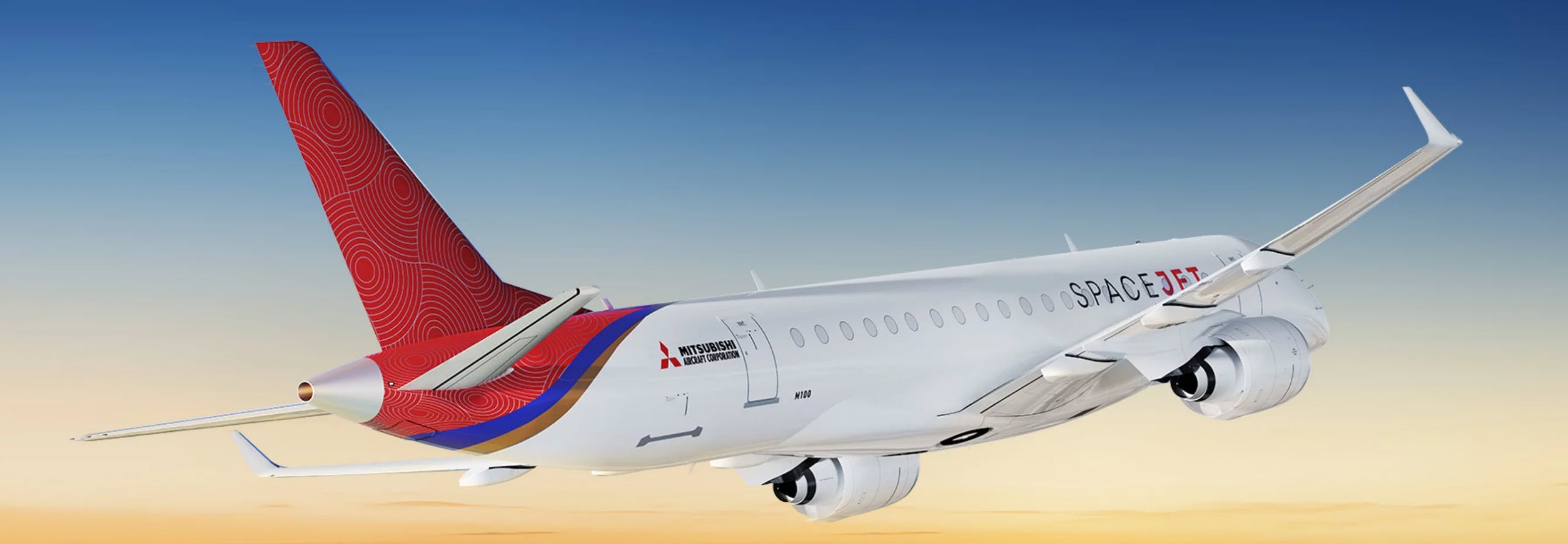
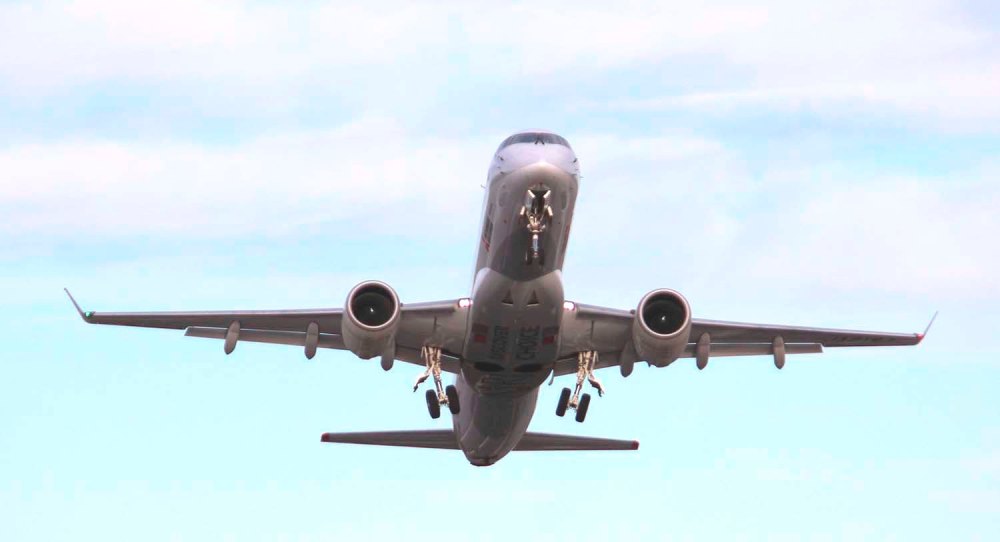
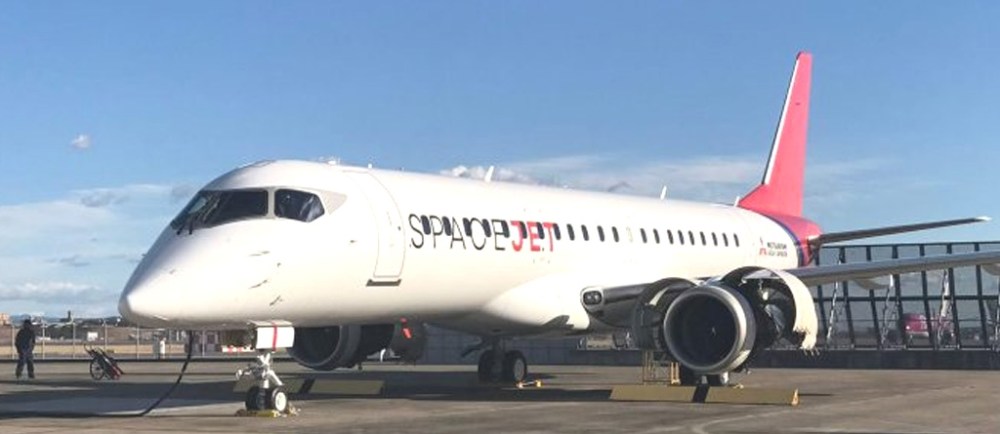
Mitsubishi Aircraft Corp. está planeando un primer vuelo de prueba del SpaceJet M90 (FTV10). La compañía expresa que el avión está en los preparativos finales para su primer vuelo, que anunciaremos en las próximas semanas. Sin embargo, debido a las medidas de prevención del coronavirus, ningún evento o actividad mediática acompañará el evento.

El M90 fue lanzado por MHI Manufacturing en Enero 2020 y entregado a la División de Pruebas de Vuelo de Aviones Mitsubishi. Se ha sometido a pruebas en tierra que incluyen reabastecimiento de combustible, arranque del motor, aceleración a plena potencia y pruebas de rodaje. FTV10 es el primer ejemplo del SpaceJet M90 (anteriormente MRJ90) producido en lo que la compañía llama su diseño de línea de base nuevo y certificable. «Después de que el avión complete el primer vuelo, finalizaremos los planes para que se una a la flota de prueba de vuelo en Moses Lake y comencemos las etapas finales de la prueba de vuelo de Certificación de Tipo para el SpaceJet M90», dice la compañía. Poco antes del Singapore Airshow 2020, MHI anunció un nuevo retraso en el programa, que ha sufrido varios retrasos a lo largo de los años. Ahora se esperan entregas de M90 ​​entre Abril 2021 y Marzo 2022, o más tarde.

Además del M90, la compañía está desarrollando el M100 de 65-88 asientos, que se entregará en 2024, y que se presenta como un competidor para el Embraer E175. Ambos modelos cumplen con los límites de peso de despegue para aviones de 76 asientos según lo estipulado por los principales contratos de piloto de las aerolíneas estadounidenses. AW-Icon AW001

AW-Mitsubishi-SpaceJet-PW1200GMitsubishi M90 towards the 1st flight

Mitsubishi Aircraft prepares to program for the first MA90 flight

Mitsubishi Aircraft Corp. is planning a first test flight of the SpaceJet M90 (FTV10). The company says the plane is in the final preparations for its first flight, which we will announce in the coming weeks. However, due to coronavirus prevention measures, no event or media activity will accompany the event.

The M90 ​​was launched by MHI Manufacturing in January 2020 and delivered to the Mitsubishi Aircraft Flight Test Division. It has undergone ground tests that include refueling, engine starting, full throttle, and taxiing tests. FTV10 is the first example of the SpaceJet M90 (formerly MRJ90) produced in what the company calls its new and certifiable baseline design. «After the plane completes the first flight, we will finalize the plans for it to join the flight test fleet in Moses Lake and begin the final stages of the Type Certification flight test for the SpaceJet M90», says the company. Shortly before the Singapore Airshow 2020, MHI announced a new delay in the program, which has suffered several delays over the years. M90 deliveries are now expected between April 2021 and March 2022, or later.

In addition to the M90, the company is developing the M100 with 65-88 seats, which will be delivered in 2024, and which is presented as a competitor for the Embraer E175. Both models meet the takeoff weight limits for 76-seat aircraft as stipulated by the main pilot contracts of US airlines. AW-Icon AW002

AW-Mitsubishi MA_001初飛行に向けた三菱M90

mitac_logotype三菱航空機、MA90初飛行のプログラミングを準備

三菱航空機はSpaceJet M90(FTV10)の最初のテスト飛行を計画しています。同社によると、この飛行機は最初のフライトの最終準備中であり、今後数週間で発表する予定です。ただし、コロナウイルス防止対策により、イベントやメディア活動はイベントに付随しません。

M90は、2020年1月にMHIマニュファクチャリングによって打ち上げられ、三菱航空機の飛行試験部門に納入されました。燃料補給、エンジン始動、フルスロットル、タキシングのテストを含む地上テストを受けています。 FTV10は、同社が認定した新しいベースラインデザインと呼ばれるもので生産されたSpaceJet M90(以前のMRJ90)の最初の例です。 「飛行機が最初の飛行を完了した後、モーゼスレイクの飛行試験艦隊に参加する計画を最終決定し、SpaceJet M90のタイプ認定飛行試験の最終段階を開始します」と述べています。会社シンガポール航空ショー2020の少し前に、MHIはプログラムの新しい遅延を発表しました。 M90の配達は現在、2021年4月から2022年3月以降の間に予定されています。

M90に加えて、同社は2024年に納入される65〜88席のM100を開発中であり、Embraer E175の競争相手として提示されます。どちらのモデルも、米国航空会社の主要なパイロット契約で規定されている76席の航空機の離陸重量制限を満たしています。AW-Icon AW002


Ξ A I R G W A Y S Ξ
SOURCE: Airgways.com
DBk: Mitsubishiaircraft.com / Airgways.com
AW-POST: 202003110830AR

A\W   A I R G W A Y S ®

Ayudas a aerolíneas crisis COVID-19

Resultado de imagen para US covid-19AW | 2020 03 11 08:15 | AIRLINES MARKET / AVIATION SAFETY

AW-Virus_001Estados Unidos y Europa ajustan reglas para paliar crisis del Coronavirus

La expansión del Coronavirus (COVID-19) ha sumado, a fecha Martes 10 Marzo 2020, en total unas 4.090 personas que fallecieron como resultado del brote y 116.558 han sido infectadas, según cifras compiladas por el Centro de Ciencias e Ingeniería de Sistemas de la Universidad Johns Hopkins. Hasta el martes por la tarde GMT, el centro dijo que 64,391 personas con infecciones confirmadas también se habían recuperado. Según la agencia de noticias Agence France-Presse, el número de muertos fuera de China superó los 1.000.

Unión Europea

El Gobierno de la Comunidad Europea ha reaccionado a la epidemia de coronavirus al suspender las normas de la UE sobre el uso o la pérdida en las franjas horarias de aterrizaje del aeropuerto (slots), liberando a las aerolíneas para detener los vuelos fantasma en los que los aviones han despegado sin pasajeros. Bruselas relaja las reglas de aterrizaje del aeropuerto para permitir a los transportistas dejar de volar aviones vacíos.

El sector de la aviación mundial se ha visto gravemente afectado por la crisis después de un colapso en la demanda de los clientes y el requisito según las normas de la UE de que utilicen el 80% de sus espacios asignados o corran el riesgo de perderlos ante un competidor.

El Reino Unido y sus líneas aéreas siguen vinculados al reglamento de la UE hasta finales de 2020. Virgin Atlantic Airways es una de las compañías que vuelan aviones que están casi vacíos para mantener los slots de despegue y aterrizaje.

La Presidenta de la Comisión Europea, Ursula von der Leyen, dijo que temía que la situación de la industria de la aviación solo empeorara en los próximos días y semanas. “El brote de coronavirus tiene un gran impacto en la industria de la aviación europea e internacional. Vemos que la situación se deteriora a diario y se espera que el tráfico disminuya aún más. Y esta es la razón por la cual la comisión presentará una legislación muy rápida con respecto a las llamadas franjas horarias del aeropuerto. Queremos facilitar que las aerolíneas mantengan su espacio en el aeropuerto, incluso si no operan vuelos en esos espacios, debido a la disminución del tráfico. Aliviará la presión sobre la industria de la aviación y, en particular, sobre las compañías aéreas más pequeñas, pero también disminuirá las emisiones al evitar los llamados vuelos fantasma. Cuando las aerolíneas vuelan, aviones casi vacíos, simplemente para mantener ese espacio”, dijo Von der Leyen. Era una medida temporal destinada a ayudar a la industria y el medio ambiente.

Varias aerolíneas grandes se han visto muy afectadas por el brote y estaban tomando medidas de emergencia para reducir sus costos. La Asociación Internacional de Transporte Aéreo estima que la industria podría perder US$ 113 mil millones (£ 87 mil millones) en ventas.

ACI Europe, que representa a los aeropuertos europeos, dijo que su evaluación inicial fue que el número de pasajeros entre Enero y Marzo se reduciría en un 14%. «La epidemia de Covid-19 se está convirtiendo en un shock de proporciones sin precedentes para nuestra industria», dijo el Director General, Olivier Jankovec.

El Martes 10/03, British Airways suspendió todos los vuelos hacia y desde Italia, el país europeo en el que el virus ha tenido su mayor impacto hasta el momento. Ryanair dijo que ningún vuelo servirá a Italia desde el sábado hasta el 9 Abril y easyJet ha cancelado docenas de sus vuelos al país. Air France está reduciendo su tráfico a Italia a la mitad durante marzo. España también ha prohibido los vuelos directos entre Italia y sus aeropuertos, que representan el 9% de todo el tráfico aéreo internacional español. Unos 16 millones de pasajeros tomaron vuelos entre los dos países el año pasado. Más allá de las rutas italianas, la tercera aerolínea de bajo costo más grande de Europa, Norwegian Air Shuttle, planea reducir el 15% de su capacidad, alrededor de 3.000 vuelos en los próximos tres meses, después de una caída de la demanda. La compañía dijo que también despediría temporalmente una parte significativa de su fuerza laboral. El consorcio holandés-francés Air France-KLM dijo que su división con sede en París cancelaría 3.600 vuelos este mes.

Estados Unidos

Estados Unidos ayudará a las aerolíneas a medida que se propaga el coronavirus. El Presidente Donald Trump dijo el Martes 10 Marzo que su administración brindará asistencia a líneas de cruceros y aerolíneas como resultado del brote de coronavirus, sin ofrecer ningún detalle. Trump habló en la Casa Blanca durante una reunión con ejecutivos de seguros. Hay más de 700 casos confirmados de coronavirus en los EE.UU. y 27 muertes, según un recuento de la Universidad Johns Hopkins. La mayoría de las muertes han sido en el estado de Washington. El Ejecutivo nacional está tratando de demostrar que está liderando una respuesta de virus efectiva a medida que el número de casos continúa aumentando, los mercados de cráteres y los demócratas lo critican.

Trump planea anunciar medidas económicas sustanciales para combatir las consecuencias del coronavirus, pero la incertidumbre sobre los detalles llevó a que las ganancias iniciales en Wall Street se desvanezcan. Las medidas económicas podrían incluir una reducción de impuestos sobre la nómina y licencia por enfermedad pagada.

Región Asia-Pacífico

El Consejo Internacional de Aeropuertos (ACI) de Asia y el Pacífico advirtió que la duración prolongada del brote de coronavirus (COVID-19) afectará drásticamente la conectividad y la sostenibilidad económica de los aeropuertos de la región, lo que les restringirá significativamente el logro de las perspectivas de crecimiento previstas previamente. Como resultado, ACI Asia-Pacífico ha instado a los reguladores y gobiernos a implementar ajustes bien definidos y medidas de alivio adaptadas a los contextos a nivel local en un intento por limitar el impacto del virus. ACI Asia-Pacífico advierte sobre el impacto de COVID-19 en los aeropuertos de la región. A pesar de los pronósticos que pronostican US$ 12.4 mil millones en ingresos para el primer trimestre en la región de Asia-Pacífico, se espera que el brote de COVID-19 cause una pérdida de US$ 3 mil millones.

Director General de ACI Asia-Pacífico, Stefano Baronci, dijo: «La gravedad de la situación actual requiere una estrecha cooperación entre los operadores del aeropuerto y las partes interesadas en la política para identificar opciones para hacer frente a la crisis. Para una prosperidad regional continua, como lo sugieren todas las previsiones a largo plazo, tenemos que considerar la sostenibilidad general del sector, comenzando por la escasez de capacidad aeroportuaria. Asia ya administra más del 50 por ciento de los aeropuertos supercongestionados del mundo y requerirá construir la gran mayoría de los aeropuertos nuevos a nivel mundial. Además, a los aeropuertos les interesa explorar, a nivel local con sus principales socios, medidas de socorro para enfrentar los desafíos actuales y planes de recuperación para incentivar el regreso a un mercado normalizado».

Según las estimaciones realizadas por ACI World, la región de Asia y el Pacífico está sufriendo el impacto más significativo, con un volumen de tráfico de pasajeros en un 24 por ciento para el primer trimestre de 2020, en comparación con los niveles de tráfico previstos anteriormente sin considerar COVID-19. Más específicamente, dentro de la región, China continental, la Región Administrativa Especial de Hong Kong y la República de Corea permanecen en el centro del impacto, sufriendo pérdidas considerables en los volúmenes de tráfico.

Airport IT & Security, la conferencia anual de International Airport Review, tendrá lugar del 19 al 21 Octubre 2020, Munich, Alemania. Reunir a líderes de la industria de todo el mundo para discutir temas candentes dentro de la seguridad aeroportuaria y TI, incluidas medidas de mitigación para drones, amenazas internas, infracciones de infraestructura y riesgos cibernéticos.

Además de las fuertes caídas en el tráfico y la demanda de pasajeros, los ingresos aeronáuticos y los ingresos no aeronáuticos de los aeropuertos están experimentando caídas similares: las previsiones de tráfico del aeropuerto mundial ACI 2019-2040 habían pronosticado un ingreso de US$ 12.4 mil millones para el primer trimestre en la región de Asia y el Pacífico, pero se espera que el brote de COVID-19 cause una pérdida de ingresos de US$ 3 mil millones.

La disminución rápida del número de pasajeros y la cancelación de vuelos ha resultado en una reducción de los ingresos por los cargos aeroportuarios, como los cargos de aterrizaje y estacionamiento pagados por las aerolíneas y los servicios de pasajeros y los cargos de seguridad pagados por los pasajeros. Si bien los ingresos aeronáuticos están bajo presión, la base de costos para las operaciones aeroportuarias se mantiene sin cambios, ya que los aeropuertos no pueden cerrar ni reubicar sus terminales durante el brote.

Baronci continuó: “A diferencia de las aerolíneas, que pueden optar por cancelar vuelos o reubicar sus aviones a otros mercados para reducir los costos operativos, los operadores de aeropuertos administran bienes inmuebles que no pueden cerrarse. Se enfrentan a presiones inmediatas de flujo de efectivo con capacidad limitada para reducir los costos fijos y pocos recursos para financiar los esfuerzos de expansión de capacidad para un crecimiento futuro a más largo plazo. Para los aeropuertos privados, la situación es aún peor, ya que no se benefician de las medidas de socorro pero están obligados a seguir pagando tarifas de concesión a los gobiernos».

Las reglas actuales de slots requieren que las aerolíneas utilicen al menos el 80 por ciento de sus tragamonedas asignadas en un aeropuerto para mantenerlas. La propuesta para una suspensión global del uso 80/20 realizada recientemente por la Asociación Internacional de Transporte Aéreo (IATA) permitiría a las aerolíneas cancelar vuelos hacia y desde aeropuertos dentro de regiones y países asociados con el brote de COVID-19, poniendo en peligro la capacidad de los países para mantenerse conectado con el mundo, lo que resultará en efectos negativos en sus economías.

Baronci enfatizó: “Somos comprensivos con las necesidades de las aerolíneas para evitar volar aviones vacíos simplemente para retener los espacios en el aeropuerto. Pero esto no debería poner en peligro la conectividad de los pasajeros y distorsionar el campo competitivo. ACI Asia-Pacífico favorece una revisión mercado por mercado basada en evidencia que evalúa las tasas de infección, carga y reservas programadas. Si bien preferimos medidas locales, en el caso de un paquete de alivio global, los aeropuertos, las aerolíneas y los coordinadores de franjas horarias deberían explorar la viabilidad de una relajación de la regla 80/20 a un umbral más bajo o un cálculo de los derechos históricos para las aerolíneas en función período más corto a través de sus respectivas asociaciones». AW-Icon AW001

Resultado de imagen para airlines covid-19Government aid airlines crisis COVID-19

United States and Europe adjust rules to mitigate Coronavirus crisis

The expansion of Coronavirus (COVID-19) has added, as of Tuesday, March 10, 2020, a total of 4,090 people who died as a result of the outbreak and 116,558 have been infected, according to figures compiled by the Center for Systems Science and Engineering of the Johns Hopkins University. Until Tuesday afternoon GMT, the center said 64,391 people with confirmed infections had also recovered. According to the Agence France-Presse news agency, the death toll outside China exceeded 1,000.

European Union

The Government of the European Community has reacted to the coronavirus epidemic by suspending EU rules on the use or loss of airport landing slots (slots), freeing airlines to stop phantom flights in which the planes have taken off without passengers. Brussels relaxes the airport’s landing rules to allow carriers to stop flying empty planes.

The global aviation sector has been severely affected by the crisis after a collapse in customer demand and the requirement according to EU standards that they use 80% of their assigned spaces or run the risk of losing them to a competitor.

The United Kingdom and its airlines remain linked to the EU regulations until the end of 2020. Virgin Atlantic Airways is one of the companies that fly planes that are almost empty to maintain take-off and landing slots.

The President of the European Commission, Ursula von der Leyen, said she feared that the situation of the aviation industry will only get worse in the coming days and weeks. “The coronavirus outbreak has a great impact on the European and international aviation industry. We see that the situation deteriorates daily and traffic is expected to decrease further. And this is the reason why the commission will present very fast legislation regarding the time slot calls of the airport. We want to make it easier for airlines to maintain their space at the airport, even if they do not operate flights in those spaces, due to the decrease in traffic. It will relieve pressure on the aviation industry and, in particular, on smaller airlines, but also reduce emissions by avoiding so-called phantom flights. When airlines fly, planes almost empty, just to keep that space”, said Von der Leyen. It was a temporary measure aimed at helping industry and the environment.

Several large airlines have been greatly affected by the outbreak and were taking emergency measures to reduce their costs. The International Air Transport Association estimates that the industry could lose US$ 113 billion (£ 87 billion) in sales.

ACI Europe, which represents European airports, said its initial assessment was that the number of passengers between January and March would be reduced by 14%. «The Covid-19 epidemic is becoming a shock of unprecedented proportions for our industry», said Director General Olivier Jankovec.

On Tuesday 10/03, British Airways suspended all flights to and from Italy, the European country in which the virus has had its greatest impact so far. Ryanair said that no flight will serve Italy from Saturday until April 9 and easyJet has canceled dozens of its flights to the country. Air France is cutting its traffic to Italy in half during March. Spain has also banned direct flights between Italy and its airports, which account for 9% of all Spanish international air traffic. Some 16 million passengers took flights between the two countries last year. Beyond the Italian routes, the third-largest low-cost airline in Europe, Norwegian Air Shuttle, plans to reduce 15% of its capacity, around 3,000 flights in the next three months, after a fall in demand. The company said it would also temporarily lay off a significant part of its workforce. The Dutch-French consortium Air France-KLM said its Paris-based division would cancel 3,600 flights this month.

United States

The United States will help airlines as the coronavirus spreads. President Donald Trump said on Tuesday, March 10 that his administration will provide assistance to cruise lines and airlines as a result of the coronavirus outbreak, without offering any details. Trump spoke at the White House during a meeting with insurance executives. There are more than 700 confirmed cases of coronavirus in the US and 27 deaths, according to a Johns Hopkins University count. Most of the deaths have been in the state of Washington. The National Executive is trying to show that it is leading an effective virus response as the number of cases continues to increase, crater markets and Democrats criticize it.

Trump plans to announce substantial economic measures to combat the consequences of the coronavirus, but uncertainty over the details led to the initial gains on Wall Street fade away. Economic measures could include a reduction in payroll taxes and paid sick leave.

Asia-Pacific Region

The International Airport Council (ICA) of Asia and the Pacific warned that the prolonged duration of the coronavirus outbreak (COVID-19) will dramatically affect the connectivity and economic sustainability of airports in the region, which will significantly restrict their achievement of the previously planned growth prospects. As a result, ACI Asia-Pacific has urged regulators and governments to implement well-defined adjustments and relief measures adapted to local contexts in an attempt to limit the impact of the virus. ACI Asia-Pacific warns of the impact of COVID-19 on airports in the region. Despite forecasts forecasting US$ 12.4 billion in revenue for the first quarter in the Asia-Pacific region, the COVID-19 outbreak is expected to cause a loss of US$ 3 billion.

General Director of ACI Asia-Pacific, Stefano Baronci, said: «The severity of the current situation requires close cooperation between airport operators and policy stakeholders to identify options to deal with the crisis. For regional prosperity As all the long-term forecasts suggest, we have to consider the overall sustainability of the sector, starting with the shortage of airport capacity, Asia already manages more than 50 percent of the world’s super congested airports and will require the construction of the vast majority of new airports worldwide, in addition, airports are interested in exploring, at the local level with their main partners, relief measures to face current challenges and recovery plans to encourage the return to a normalized market».

According to estimates made by ACI World, the Asia-Pacific region is suffering the most significant impact, with a volume of passenger traffic at 24 percent for the first quarter of 2020, compared to the traffic levels previously predicted without considering COVID-19. More specifically, within the region, mainland China, the Hong Kong Special Administrative Region and the Republic of Korea remain at the center of the impact, suffering considerable losses in traffic volumes.

Airport IT & Security, the annual International Airport Review conference, will take place from October 19 to 21, 2020, Munich, Germany. Bring together industry leaders from around the world to discuss hot topics within airport security and IT, including mitigation measures for drones, internal threats, infrastructure infractions, and cyber risks.

In addition to the sharp drops in traffic and passenger demand, aeronautical revenues and non-aeronautical airport revenues are experiencing similar drops: traffic forecasts for the 2019-2040 ACI world airport had forecast an income of US$ 12.4 thousand million for the first quarter in the Asia-Pacific region, but the COVID-19 outbreak is expected to cause a loss of revenue of US$ 3 billion.

The rapid decrease in the number of passengers and the cancellation of flights has resulted in a reduction in revenue from airport charges, such as landing and parking charges paid by airlines and passenger services and security charges paid by passengers. While aeronautical revenues are under pressure, the cost base for airport operations remains unchanged, as airports cannot close or relocate their terminals during the outbreak.

Baronci continued: “Unlike airlines, which may choose to cancel flights or relocate their aircraft to other markets to reduce operating costs, airport operators manage a real estate that cannot be closed. They face immediate cash flow pressures with limited capacity to reduce fixed costs and few resources to fund capacity expansion efforts for longer-term future growth. For private airports, the situation is even worse, since they do not benefit from relief measures but are obliged to continue paying concession fees to governments».

Current slot rules require airlines to use at least 80 percent of their assigned slot machines at an airport to maintain them. The proposal for a global suspension of 80/20 use recently made by the International Air Transport Association (IATA) would allow airlines to cancel flights to and from airports within regions and countries associated with the COVID-19 outbreak, jeopardizing the ability of countries to stay connected to the world, which will result in negative effects on their economies.

Baronci emphasized: “We are sympathetic to the needs of the airlines to avoid flying empty planes simply to retain the spaces at the airport. But this should not compromise passenger connectivity and distort the competitive field. ACI Asia-Pacific favors a market-by-market review based on evidence that evaluates the rates of infection, burden and programmed reserves. While we prefer local measures, in the case of a global relief package, airports, airlines and slots coordinators should explore the feasibility of a relaxation of the 80/20 rule at a lower threshold or a calculation of historical rights for airlines based on shorter period through their respective associations». AW-Icon AW002


Ξ A I R G W A Y S Ξ
SOURCE: Airgways.com
DBk: Europa.eu / Theguardian.com / Internationalairportreview.com / Afp.com / Airgways.com / Change.org
AW-POST: 202003110815AR

A\W   A I R G W A Y S ®
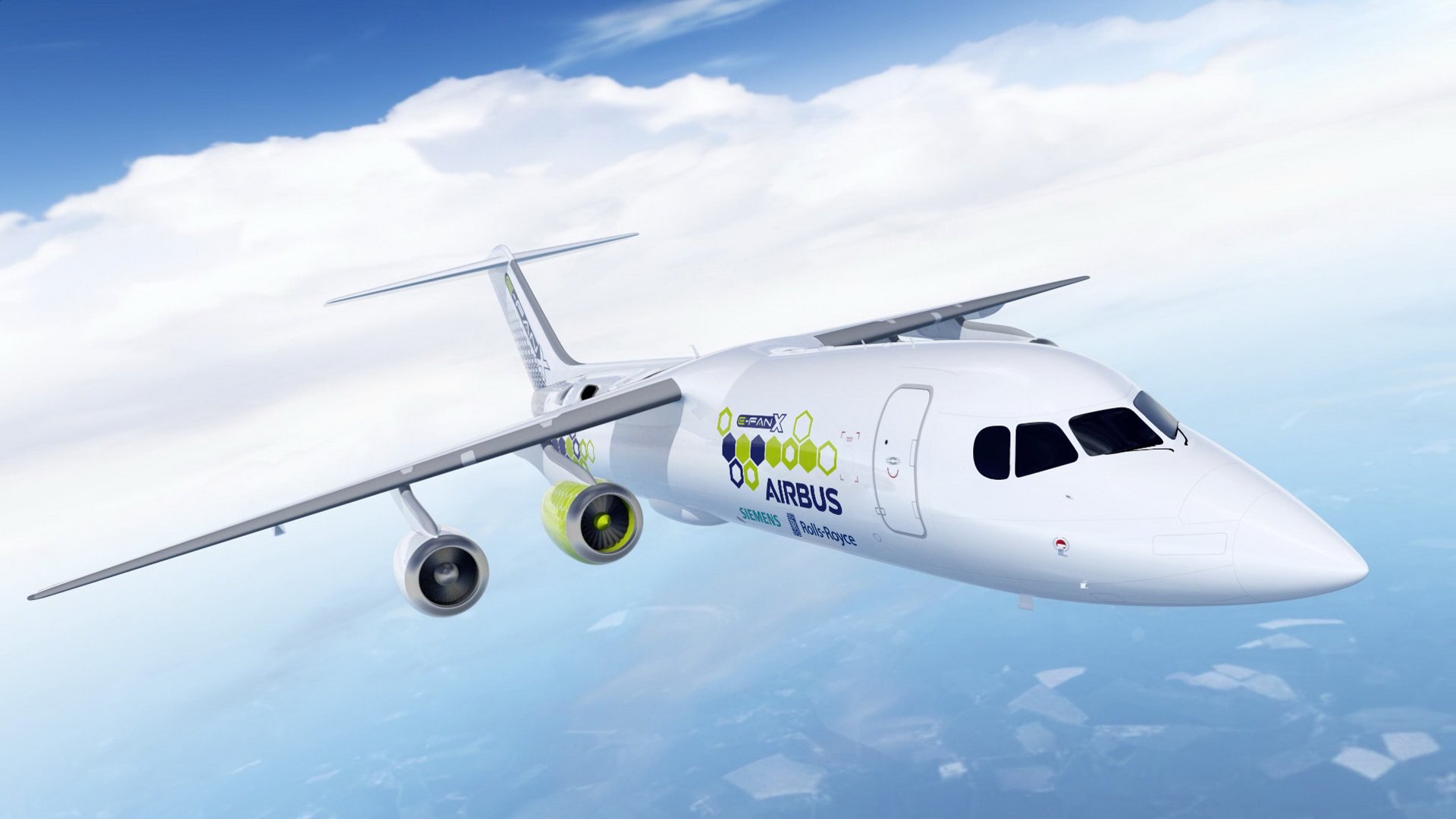
Futuro impredecible Boeing 737 MAX

THE_NEW_737_MAX[1]AW | 2020 03 010 23:33 | INDUSTRY

Boeing-Company-LogoBoeing continúa con un horizonte indefinido afectado por el efecto 737 MAXAW-Icon_Boeing 737 MAX

El Boeing 737 MAX que llegará pronto al primer aniversario de la conexión a tierra ha hecho que el futuro del fabricante de aviones sea algo incierto. Además de la distancia ventajosa que ha recorrido la competencia directa y los efectos de la propagación global del coronavirus, que ha reducido rápidamente la demanda de viajes aéreos y aviones, complicará sus esfuerzos por recuperarse.

Perder competitividad

En una conferencia de aviación en Austin, Texas, a principios de la semana pasada, los veteranos de la industria lucharon por analizar el impacto de estos dos eventos de cisne negro, desarrollos impredecibles que produjeron un shock existencial. Como la mayoría de los asistentes, Adam Pilarski, veterano analista de aviación de Avitas Consultant, se mostró optimista de que Boeing devolverá el 737 MAX al servicio programado este año y que finalmente se entregarán algunos miles. Eso debería garantizar los puestos de trabajo de 12,000 personas de Boeing en Renton, Washington, durante los próximos años. Pero estratégicamente, la conexión a tierra ha dejado a Boeing, con sede en Chicago, muy por detrás de Airbus en el mercado de pasillo único que en tiempos normales debería proporcionar aproximadamente la mitad de sus ingresos. Los servicios turbios marcan el aniversario del accidente del Boeing 737 MAX en Etiopía. «Este es un desastre que podría haberse evitado», Adam Pilarski.

La crisis ha permitido que el gran Airbus A321NEO se escape con las ventas y obligó a Boeing a dejar de lado el nuevo Boeing 797 New Midmarket Airplane que planeaba enfrentar al avión Airbus. No está claro qué puede hacer Boeing, qué nuevo avión podría surgir para recuperar su cuota de mercado. Incluso cuando Boeing combate esta crisis inmediata, si no logra hacer el tipo de inversión multimillonaria en un avión completamente nuevo que el ex CEO Jim McNerney se negó a hacer en 2014, Airbus podría eclipsar a Boeing hasta 2030. «Podría haber una década perdido. Boeing necesita exactamente lo que McNerney dijo que no necesita. Boeing necesita un tiro a la luna», dijo Pilarski.

Aunque la realidad del mercado para aquellos tiempos ha sido otras razones por las cuales el fabricante estadounidense prefirió continuar con las actualizaciones de la línea 737; Hay algo muy extraordinario: Boeing ha abandonado el mercado que realmente ocupaba el Boeing 757, donde las actualizaciones más extensas del Boeing 737-10 MAX no compensarán el nicho de mercado que el Airbus A321NEO XLR ahora podría ocupar.

rotate12

737 MAX perdido

La puesta a tierra del Boeing 737 MAX ha dejado a las aerolíneas que planearon crecer en lugar de luchar para cortar vuelos y llenar los vacíos en sus flotas reducidas al aferrarse a aviones más antiguos.

En la conferencia de Austin, Amos Kazzaz, vicepresidente senior de planificación financiera de Air Canada, dijo que la aerolínea estaba operando 24 Boeing 737 MAX antes de aterrizar y estaba cosechando el beneficio económico de la eficiencia de combustible del avión, atrayendo el buen gusto de su clientela. Las proyecciones de Air Canada alcanzarían las 50 unidades en julio de 2020. Tanto Kazzaz como el Director Financiero de United Airlines, Gerry Laderman, dijeron que quieren que el 737 MAX regrese a sus flotas lo antes posible.

Las aerolíneas europeas generalmente están en una situación financiera peor y las aerolíneas asiáticas están mucho más afectadas por la epidemia de coronavirus. Muchos transportistas en esas partes del mundo pueden sentirse aliviados de no recibir ningún 737 MAX por un tiempo.

Incluso en los Estados Unidos, la contracción del tráfico disolverá rápidamente la escasez de capacidad de las aeronaves causada por la conexión a tierra del 737 MAX. En Austin, Jude Bricker, CEO de Sun Country Airlines, con sede en Minneapolis, dijo que a medida que los transportistas estacionen los 737 más antiguos, habrá muchos aviones disponibles en el futuro inmediato.

Aún así, John Plueger, CEO de Air Lease Corp., con sede en Los Ángeles, dijo que es poco probable que sea un problema importante para Boeing a menos que la propagación del virus se extienda más allá del verano. Como muchos en la industria, espera que el virus sea un problema a corto plazo para las aerolíneas que pueden haber terminado en gran medida cuando MAX regrese al servicio programado. Plueger dijo que podría llevar hasta dos años poner en servicio los casi 800 Boeing 737 MAX ya construidos.

Aunque la realidad del mercado para aquellos tiempos ha sido otras razones por las cuales el fabricante estadounidense prefirió continuar con las actualizaciones de la línea 737; Hay algo muy extraordinario: Boeing ha abandonado el mercado que realmente ocupaba el Boeing 757, donde las actualizaciones más extensas del Boeing 737-10 MAX no compensarán el nicho de mercado que el Airbus A321NEO XLR ahora podría ocupar.

Perspectiva de Boeing

El futuro de la compañía Boeing a largo plazo es seguir enfrentando aún más incertidumbre. El nuevo jefe de Boeing Commercial Airplanes, Stan Deal, su jefe de ventas Ihssane Mounir y el nuevo CEO de Boeing, Dave Calhoun, han expresado que todos reconocen que el mayor desafío de Boeing radica en los modelos más grandes de la familia de aviones de pasillo exclusivos del 737 Línea MAX. Los modelos 737-9 y 737-10 no coinciden con el alcance y la capacidad de pasajeros del rival Airbus A32NEO, incluidas las nuevas versiones más nuevas y actualizadas A321NEO XLR, el verdadero candidato para reemplazar el Boeing 757. El presidente de Air Read Steve Udvar -Hazy ha expresado lo que realmente iba a suceder: «El MAX 10 tiene un alcance y un rendimiento limitados en la pista [limitado]. Boeing no tiene un avión con la capacidad del A321LR o XLR». El problema para Boeing es que, debido a que el A321NEO puede volar rutas internacionales de larga distancia, muchas aerolíneas lo han elegido sobre los tradicionales y costosos jets grandes de cuerpo ancho que normalmente vuelan transoceánicos. Como resultado, el A321NEO en sus diversas versiones ha acumulado la asombrosa cifra de 3.375 pedidos en firme, más de cuatro veces las ventas de MAX 9/10. El Jefe de Marketing de Inversores de Airbus, Mark Pearman Wright, dijo en el Foro de Austin que el fabricante europeo de aviones espera que este modelo grande represente el 50% de su producción de aviones de pasillo único.

Esta dramática pérdida de participación en un mercado que una vez se dividió en partes iguales entre Airbus y Boeing es preocupante porque podría desencadenar una espiral descendente de ventas perdidas de la línea 737 MAX, especialmente en el nivel de capacidad más alto.

¿Qué decisiones tendrá que tomar o asumir Boeing para igualar el A321NEO? Muchas de las decisiones que se han retrasado han seguido perdiendo mercado. Cuanto más tarden en encontrar un avión que reemplace al Boeing 757, más sufrirán la sangría de pedidos en el mercado medio. Boeing necesitará un avión completamente nuevo que alcance nuevas tecnologías y la eficiencia de un motor mejorado para tener sentido ante las perspectivas de llegar a nuevas tecnologías antes de 2030. «Es como correr un maratón, donde Airbus está en la marca de los 10 kilómetros y Boeing está de vuelta en la línea de partida», dijo Udvar-Hazy, quien es reconocido en la industria de la aviación como juez de mercado. Dicha innovación para un nuevo proyecto no podría estar lista para entrar en servicio antes de 2030, cediendo efectivamente una importante cuota de mercado a Airbus hasta entonces. Además, mientras vuelve a emitir el 737 MAX y encuentra un contendiente contra el A321, son los mayores problemas de Boeing, pero no son los únicos.

Crisis de ingeniería

Los accidentes del Boeing 737-8 MAX revelaron deficiencias en el diseño de ingeniería, pero el reciente descubrimiento de escombros en los tanques de combustible de muchos de los 737 MAX, luego de problemas similares de control de calidad en el tanque de reabastecimiento de combustible de la Fuerza Aérea KC-46 construido por Everett también planteó preguntas sobre la cultura de fabricación de Boeing.

En enero de 2020, Boeing comenzó las pruebas de vuelo de su nuevo avión Boeing 777X gigante de cuerpo ancho. Pero ese avión llega tarde y supera el presupuesto y su cartera de pedidos está lejos de ser sólida. «No hay una gran línea de aerolíneas que quieran 777X. Puede ser rentable en tres o cuatro años, pero ahora no es un programa rentable», dijo Udvar-Hazy.

Boeing ha prestado más de US$ 25 mil millones en deuda para superar la crisis de efectivo de la crisis del 737 MAX. Con la tasa de producción máxima en cero ahora y cayendo en el futuro previsible después de que regrese, eso deja solo al programa 787 Dreamliner como la principal línea de efectivo de Boeing. En esta posición precaria, el constructor estadounidense es muy débil con respecto al dominio del mercado. «¿La junta va a aprobar otros US$ 15 mil millones para un nuevo avión? En 2020, no lo creo. No creo que apuesten por la compañía», dijo Udvar-Hazy. Un ex ejecutivo senior de Boeing, que pidió no ser identificado ya que ahora trabaja en otra parte del negocio, dijo que no hay una respuesta obvia en cuanto a lo que Boeing puede hacer.

A principios de 2018, Boeing se consideraba bien posicionado contra Airbus. Pero la crisis de 737 MAX, la peor en la historia de la compañía, que Boeing ha estimado que costará más de US$ 18 mil millones, ha expuesto vulnerabilidades extremas. “Estábamos en la cima del mundo. Ahora tenemos problemas en todas las áreas. Es duro», el ex-ejecutivo, dijo de forma anónima. AW-Icon AW001

AW-7000004322Unpredictable future Boeing 737 MAX

Boeing-Logo.svgBoeing continues with an indefinite horizon impacted by effect 737 MAX
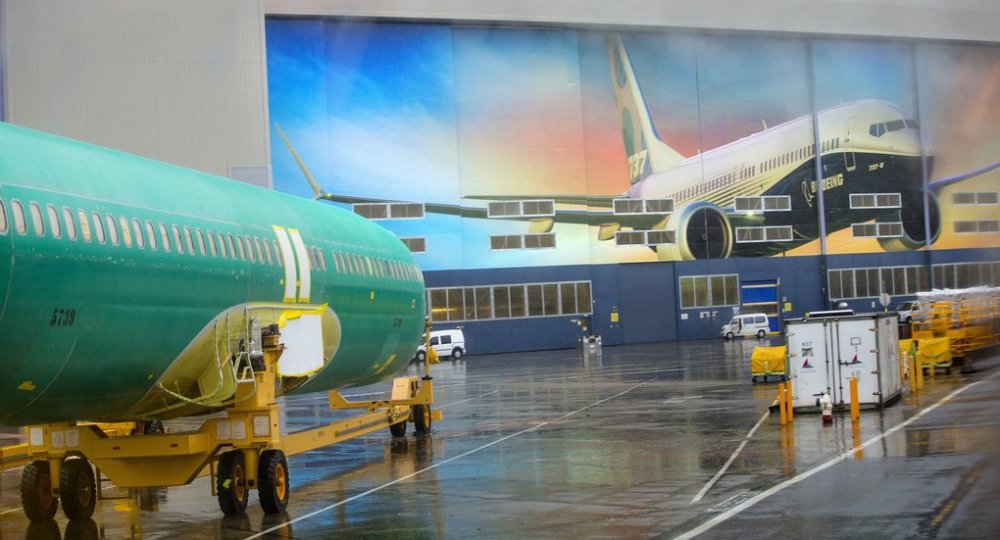
The Boeing 737 MAX coming soon to the first anniversary of the grounding connection has made the future of the aircraft manufacturer somewhat uncertain. Adding to the advantageous distance that direct competition has taken and the effects of the global spread of the coronavirus, which has rapidly reduced the demand for air travel and airplanes, will complicate its efforts to recover.

Losing competitiveness

At an aviation conference in Austin, Texas, earlier last week, industry veterans struggled to analyze the impact of these two black swan events, unpredictable developments that each produced an existential shock. Like most of the attendees, Adam Pilarski, veteran aviation analyst at the Avitas Consultant, was optimistic that Boeing will return the 737 MAX to scheduled service this year and that some thousands will eventually be delivered. That should ensure the workforce jobs of 12,000 Boeing people in Renton, Washington, for the next few years. But strategically, the grounding has left Boeing, based in Chicago, far behind Airbus in the single-aisle market that in normal times should provide approximately half of its revenue. Shady services mark the anniversary of the Boeing 737 MAX accident in Ethiopia. «This is a disaster that could have been avoided», Adam Pilarski.

The crisis has allowed the great Airbus A321NEO to escape with sales and forced Boeing to put aside the Boeing 797 New Midmarket Airplane concept that it planned to face the Airbus plane. It is not clear what Boeing can do, what new plane could emerge to regain its market share. Even when Boeing fights this immediate crisis, if it fails to make the kind of multi-million dollar investment in a completely new plane that former CEO Jim McNerney refused to make in 2014, Airbus could outshine Boeing until 2030. «There could be a decade lost. Boeing needs exactly what McNerney said it doesn’t need. Boeing needs a shot to the moon», Pilarski said.

Although the reality of the market for those times have been other reasons why the American manufacturer preferred to continue with the updates of line 737; There is something very extraordinary: Boeing has left the market that really occupied the Boeing 757, where the most extensive updates of the Boeing 737-10 MAX will not compensate for the niche market that the Airbus A321NEO XLR could now occupy.

737 MAX lost

The grounding of the Boeing 737 MAX has left the airlines they planned to grow instead of struggling to cut flights and fill the gaps in their reduced fleets by clinging to older aircraft.

At the Austin conference, Amos Kazzaz, senior vice president of financial planning at Air Canada, said the airline was operating 24 Boeing 737 MAX before grounding and was reaping the economic benefit of the fuel efficiency of the plane, attracting the Good taste of your clientele. Air Canada’s projections would reach 50 units by July 2020. Both Kazzaz and the Chief Financial Officer of United Airlines, Gerry Laderman, said they want the 737 MAX to return to their fleets as soon as possible.

European airlines are generally in a worse financial situation and Asian airlines are much more affected by the coronavirus epidemic. Many carriers in those parts of the world may feel relieved not to receive any 737 MAX for a while.

Even in the United States, traffic contraction will quickly dissolve the shortage of aircraft capacity caused by the 737 MAX grounding. In Austin, Jude Bricker, CEO of Sun Country Airlines, based in Minneapolis, said that as carriers park the oldest 737, there will be many planes available in the immediate future.

Still, John Plueger, CEO of Los Angeles-based Air Lease Corp., said it is unlikely to be a major problem for Boeing unless the spread of the virus extends beyond summer. Like many in the industry, he hopes that the virus will be a short-term problem for airlines that may have ended largely when MAX returns to scheduled service. Plueger said it could take up to two years to put into service the almost 800 Boeing 737 MAX already built.

Although the reality of the market for those times have been other reasons why the American manufacturer preferred to continue with the updates of line 737; There is something very extraordinary: Boeing has left the market that really occupied the Boeing 757, where the most extensive updates of the Boeing 737-10 MAX will not compensate for the niche market that the Airbus A321NEO XLR could now occupy.

430f01d8-9d45-11e5-bc02-2649691d66b1-1020x551Perspective of Boeing

The future of the Boeing company in the long term is to continue facing even more uncertainty. The new head of Boeing Commercial Airplanes, Stan Deal, its Head of Sales Ihssane Mounir and the new CEO of Boeing, Dave Calhoun have expressed that everyone recognizes that Boeing’s biggest challenge lies in the largest models of the family of aisle aircraft unique to the 737 MAX line. The 737-9 and 737-10 models do not match the reach and passenger capacity of the rival Airbus A32NEO, including the newer and more updated new versions A321NEO XLR, the true candidate to replace the Boeing 757. The President of Air Lease Steve Udvar-Hazy has expressed what was really going to happen: «The MAX 10 has a limited range and performance on the runway [limited]. Boeing does not have a plane with the capacity of the A321LR or XLR». The problem for Boeing is that, because the A321NEO can fly long-distance international routes, many airlines have chosen it over the traditional and expensive large wide-body jets that normally fly transoceanic. As a result, the A321NEO in its various versions has accumulated a staggering 3,375 firm orders, more than four times the sales of MAX 9/10. Airbus investor marketing chief Mark Pearman Wright said at the Austin Forum that the European aircraft manufacturer expects this large model to represent 50% of its production of single-aisle aircraft.

This dramatic loss of participation in a market that once divided equally between Airbus and Boeing is worrisome because it could trigger a downward spiral of lost sales of the 737 MAX line, especially at the higher capacity level.

What decisions will Boeing have to make or assume to match the A321NEO? Many of the decisions that have been delayed, have continued to lose market. The longer they take to find an aircraft that replaces the Boeing 757, the more they will suffer the bleeding of orders in the middle market. Boeing will need a completely new new aircraft reaching new technologies and the efficiency of an improved engine to make sense in the face of the prospects of reaching new technologies before 2030. «It’s like running a marathon, where Airbus is at the 10 kilometer mark and Boeing is back at the starting line», said Udvar-Hazy, who is recognized in the aviation industry as a market judge. Such innovation for a new project could not be ready to enter service before 2030, effectively giving up a significant market share to Airbus until then. Also, while putting the 737 MAX back on the air and finding a contender against the A321 are Boeing’s biggest problems, but they aren’t the only ones.

Engineering Crisis

AW-73701MAXThe accidents of the Boeing 737-8 MAX revealed deficiencies in engineering design, but the recent discovery of debris in the fuel tanks of many of the 737 MAX, following similar quality control problems in the refueling tank of the KC-46 Air Force built by Everett also raised questions about Boeing’s manufacturing culture.

In January 2020, Boeing began flight tests of its new giant wide-body Boeing 777X jet. But that plane is late and exceeds the budget and its order book is far from solid. «There is not a large line of airlines that want 777X. It can be profitable in three or four years, but now it is not a profitable program», Udvar-Hazy said.

Boeing has lent more than US$ 25 billion in debt to overcome the cash crisis of the 737 MAX crisis. With the maximum production rate at zero now and falling in the foreseeable future after it returns, that leaves only the 787 Dreamliner program as the main cash line of Boeing. In this precarious position, the American builder is very weak with respect to market dominance. «Is the board going to approve another US$ 15 billion for a new plane? In 2020, I don’t think so. I don’t think they bet on the company», Udvar-Hazy said. A former Boeing senior executive, who asked not to be identified as he now works in another part of the business, said there is no obvious answer as to what Boeing can do.

At the beginning of 2018, Boeing considered itself well positioned against Airbus. But the crisis of 737 MAX, the worst in the history of the company, which Boeing has estimated will cost more than US$ 18 billion, has exposed extreme vulnerabilities. “We were on top of the world. Now we have problems in all areas. It’s tough, the former executive», said anonymously. AW-Icon AW002


Ξ A I R G W A Y S Ξ
SOURCE: Airgways.com
DBk: Boeing.com / Seattletimes.com / Airgways.com
AW-POST: 202003102333AR

A\W   A I R G W A Y S ®

Negociación Gobierno-JetSmart AR

AW-7001328AW | 2020 03 10 20:33 | AIRLINES / GOVERNMENT

AW-Jetsmart-NorwegianEl Gobierno de Argentina y JetSmart argentina continúan negociaciones respecto a Norwegian Air Argentina

El Ministerio de Transporte de Argentina está acercando propuestas a JetSmart Airlines Argentina después de reunirse para arribar a una solución a corto plazo para JetSmart. La compañía low cost está teniendo dificultades para operar en el Aeroparque luego de haber adquirido a la empresa Norwegian Air Argentina, después de que la ANAC Argentina señalace incongruencias operativas para Norwegian Air Argentina ante la falta de aprobaciones técnicas para la flota A320CEO de JetSmart para operar en el Aeropuerto Jorge Newbery.

El Ministro de Transporte, Mario Meoni, ha señalado la posibilidad en el corto plazo encontrar una solución al problema suscitado a partir de las dificultades que tiene la compañía low cost JetSmart Airlines Argentina para operar en Aeroparque, luego de haber adquirido a la empresa Norwegian Argentina. Cuando la aerolínea low cost JetSmart compró Norwegian Argentina en Diciembre 2019 continuó operando en el Aeropuerto Jorge Newbery con los aviones Boeing 737-800 pertenecientes a la compañía noruega, hasta tanto estas aeronaves fueran retornando progresivamente a Europa y fueran reemplazados por los Airbus A320CEO de la compañía JetSmart, surgió una controversia debido a trámites que JetSmart no habría realizado, por lo que la compañía debió extender el leasing (alquiler) de los aviones noruegos para poder seguir cubriendo las rutas que volaba Norwegian Air Argentina.

El encuentro Gobierno-JetSmart intentará destrabar la situación para encontrar alternativas y soluciones en el corto plazo. “Estamos reuniéndonos permanentemente con la compañía buscando alternativas y soluciones, es probable que encontremos alguna solución a corto plazo, estamos trabajando en forma conjunta con la ANAC, con Aerolíneas Argentinas, con JetSmart. Una mesa de diálogo para ver cómo encontramos soluciones intermedias que le permitan tal vez operar, pero todavía no tenemos una definición concreta de cuál va a ser la determinación definitiva, porque hay una cuestión de carácter legal, que no habían completado informes en la ANAC. Y, más allá de la voluntad de JetSmart de operar en Aeroparque, no se había constituido toda la documentación necesaria. La gestión anterior solamente había abierto un expediente, pero eso no estaba completado, por lo tanto, había mucha fragilidad legal para operar en Aeroparque y estamos revisando para ver si es posible subsanar o no esa debilidad jurídica que tienen”, expresó el Ministro de Transporte, Mario Meoni. AW-Icon AW001

AW-Jetsmartwegian (2)Government-JetSmart AR negotiation

avion-jetsmartThe Government of Argentina and JetSmart Argentina continue negotiations regarding Norwegian Air Argentina

The Argentine Ministry of Transportation is bringing proposals to JetSmart Airlines Argentina after meeting to arrive at a short-term solution for JetSmart. The low cost company is having difficulty operating at the Aeroparque after acquiring Norwegian Air Argentina, after ANAC Argentina signals operational inconsistencies for Norwegian Air Argentina in the absence of technical approvals for JetSmart’s A320CEO fleet to operate at Jorge Newbery Airport.

The Minister of Transportation, Mario Meoni, has pointed out the possibility in the short term to find a solution to the problem raised from the difficulties that the low cost company JetSmart Airlines Argentina has to operate in Aeroparque, after acquiring the company Norwegian Argentina . When the low cost airline JetSmart bought Norwegian Argentina in December 2019, it continued to operate at the Jorge Newbery Airport with the Boeing 737-800 aircraft belonging to the Norwegian company, until these aircraft were gradually returning to Europe and were replaced by the Airbus A320CEO of the JetSmart company, a controversy arose due to procedures that JetSmart would not have carried out, so the company had to extend the leasing (rental) of Norwegian aircraft to continue covering the routes that Norwegian Air Argentina flew.

The Government-JetSmart meeting will try to unlock the situation to find alternatives and solutions in the short term. “We are constantly meeting with the company looking for alternatives and solutions, we are likely to find some short-term solution, we are working together with ANAC, with Argentine Airlines, with JetSmart. A dialogue table to see how we find intermediate solutions that may allow it to operate, but we still do not have a concrete definition of what the final determination is going to be, because there is a legal issue, which had not completed reports in the ANAC. And, beyond JetSmart’s willingness to operate at Aeroparque, all the necessary documentation had not been constituted. The previous management had only opened a file, but that was not completed, therefore, there was a lot of legal fragility to operate in Aeroparque and we are checking to see if it is possible to correct or not that legal weakness they have”, said the Minister of Transportation Mario Meoni. AW-Icon AW002


Ξ A I R G W A Y S Ξ
SOURCE: Airgways.com
DBk: Argentina.gob.ar/transport / Jetsmart.com / Airgways.com
AW-POST: 202003102033AR

A\W   A I R G W A Y S ®