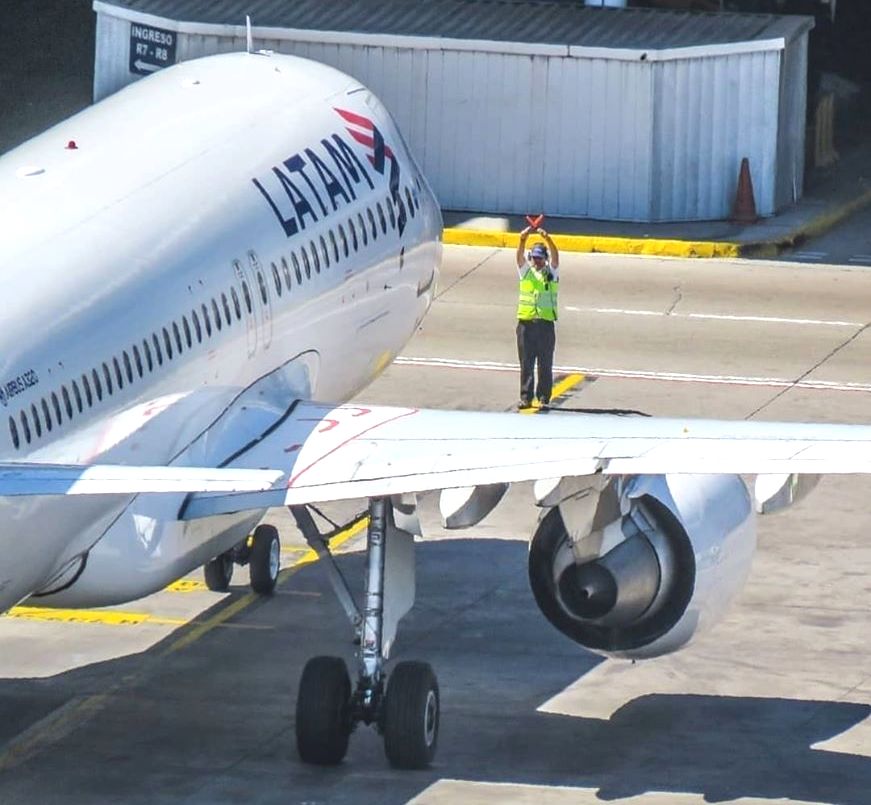
Persisten los reclamos de empleados de Latam Airlines Argentina
Largos meses de persistente movilización ubican a los trabajadores de Latam Airlines Argentina entre aquellos que no se resignan a la pandemia empresaria. El enorme poder patronal fue direccionado contra sus propios empleados. La impunidad fue la moneda corriente en este monopolio aerocomercial. La aerolínea Latam Airlines no se ha ido de la Argentina. Las negociaciones establecidas con el Ministerio de Transporte no pasan de definiciones generales. Los interlocutores en lucha propusieron un acta respecto a la continuidad laboral pero no hubo acuerdo formal al respecto contra los despidos y por la continuidad laboral de los empleados.
Los largos meses de resistencia contra los despidos encubiertos en el marco de retiros voluntarios, ubican el cuadro actual del conflicto en un punto de inflexión. Más de un tercio de los trabajadores lograron resistir la extorsión. La responsabilidad de los gremios aeronáuticos para llevar adelante una movilización del conjunto de los aeronáuticos contra la impunidad empresaria es muy clara. La última caravana aeronáutica impulsada por los gremios oficialistas da cuenta que las bases están dispuestas a la movilización. Las nuevas regulaciones y normas que se intentan imponer contra las tripulaciones son un ejemplo de cómo las patronales presionan a la baja, por lo que las agrupaciones gremiales necesitan desarrollar un plan para desarticular el atropellos de despidos en tiempos donde estaba prohibido realizarlos por el Decreto de Ley impuesto por el Ejecutivo Nacional. El nuevo escenario del conflicto en Latam Airlines Argentina está dado por una dinámica donde otros sectores sociales y de trabajadores salen a la pelea contra las consecuencias de la situación de indefensión expuesta por la pandemia.
Workers claims Latam Argentina
Latam Airlines Argentina employee complaints persist
Long months of persistent mobilization place the workers of Latam Airlines Argentina among those who are not resigned to the business pandemic. The enormous employer power was directed against its own employees. Impunity was the common currency in this commercial aviation monopoly. The airline Latam Airlines has not left Argentina. The negotiations established with the Ministry of Transport do not go beyond general definitions. The interlocutors in struggle proposed an act regarding the continuity of employment but there was no formal agreement on the matter against the dismissals and for the employment continuity of the employees.
The long months of resistance against the disguised dismissals in the framework of voluntary retirements, place the current picture of the conflict at a turning point. More than a third of the workers managed to resist the extortion. The responsibility of the aeronautical unions to carry out a mobilization of all aeronautical companies against business impunity is very clear. The last aeronautical caravan promoted by the pro-government unions shows that the bases are ready to mobilize. The new regulations and norms that they are trying to impose against crews are an example of how the employers pressure downwards, for which the union groups need to develop a plan to dismantle the outrage of dismissals in times when it was prohibited to carry them out by the Decree of Law imposed by the National Executive. The new scenario of the conflict in Latam Airlines Argentina is given by a dynamic where other social and worker sectors come to fight against the consequences of the situation of helplessness exposed by the pandemic.
GOL primer operador mundial en reiniciar ops comerciales 737 MAX
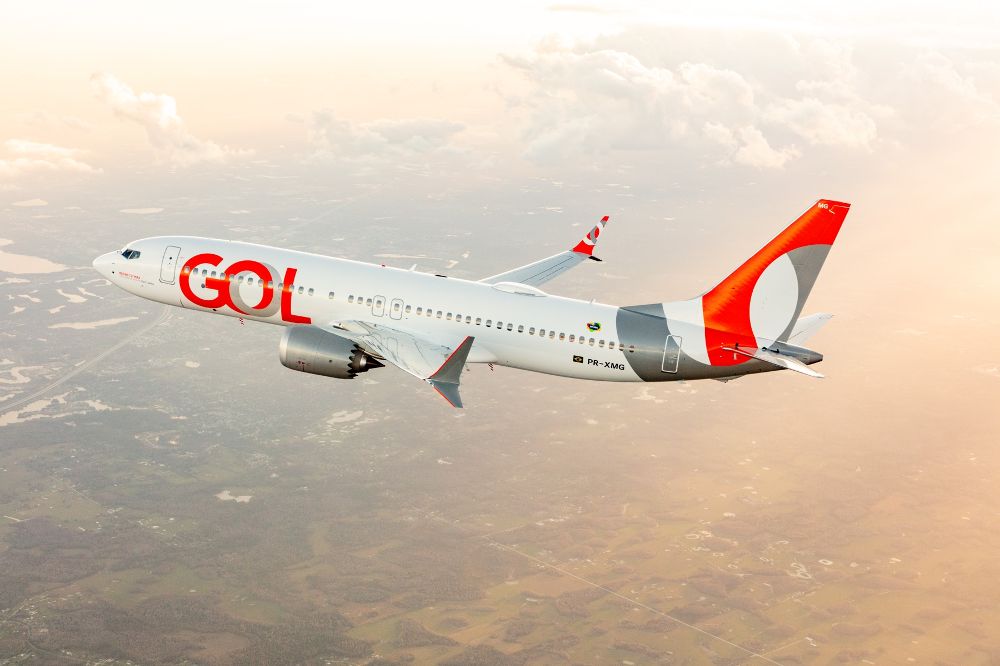
GOL Linhas Aéreas anunció que reanudaría los vuelos de pasajeros en el Boeing 737 MAX tan pronto como el 9 de Diciembre de 2020 convirtiéndose en el primer aerolínea en el mundo en retornar las operaciones comerciales de la línea 737 MAX. La aerolínea brasileña de bajo costo sería la primer compañía en realizar un vuelo comercial de pasajeros desde su puesta en tierra en Marzo de 2019, superando la programación de American Airlines establecida para el día 29 de Diciembre de 2020. GOL Linhas Aéreas operará el Boeing 737-8 MAX en las rutas domésticas de Brasil desde su Centro de Operaciones en el Aeropuerto Internacional de Sao Paulo/Guarulhos/GRU a partir de este Miércoles 9 de Diciembre de 2020.
«Nuestra primera prioridad es siempre la seguridad de nuestros clientes», declaró el Vicepresidente de Operaciones de GOL Linhas Aéreas, Celso Ferrer. La aerolínea ha destacado que vuela regularmente aviones Boeing 737 Next Generation y están entrenado para volar el 737 MAX. «Durante los últimos 20 meses, hemos visto la revisión de seguridad más completa en la historia de la aviación comercial, reuniendo a agencias reguladoras y aerolíneas de todo el mundo para monitorear y contribuir a las mejoras en los sistemas de aeronaves y la formación de pilotos», detalló Celso Ferrer.
La Administración Federal de Aviación (FAA) ha levantado las restricciones que pesaban sobre el Boeing 737 MAX el 18 de Noviembre de 2020, después de veinte meses de puesta en tierra desde el segundo accidente fatal del tipo de avión en Etiopía el 10 de Marzo de 2019. La Agencia Nacional de Aviación Civil de Brasil (ANAC) ha aprobado al MAX para volar ocho días después de las habilitaciones del regulador aéreo estadounidense. Al igual que en los Estados Unidos, antes de operar el Boeing 737 MAX, GOL Linhas Aéreas tuvo que reacondicionar la línea de aeronaves de cuarta generación. El proceso incluye la instalación del software actualizado de MCAS de Control de Vuelo, cables físicamente separados que van desde la cabina hacia el motor de ajuste del Estabilizador Horizontal, actualización el Manual de Vuelo de Aeronaves (AFM) y probaciones de los Sistemas de Sensores del Ángulo de Ataque (AOA) para asegurarse de que funcionan como se describe en la actualización del software. Además, los pilotos han sido entrenados en un Simulador de Vuelo Completo (FFS) para poder volar el avión.
American Airlines ha anunciado la reapertura de las operaciones con el tipo de aeronave hacia el 29 de Diciembre de 2020, convirtiéndose en la primera aerolínea en Estados Unidos en volar comercialmente la aeronave Boeing 737 MAX.
Perspectivas Gol 737 MAX
Las proyecciones estiman que la compañía podría restablecer toda la flota de Boeing 737 -8 MAX hacia finales de año, alcanzando el reinicio de las operaciones de sus siete aeronaves y gradualmente los reincorporará a «programas de vuelo en consonancia con sus necesidades operativas», según el comunicado de la aerolínea de presupuesto brasileña. Actualmente posee dieciséis aviones Boeing 737-8 MAX en lista de espera para ser entregados a la compañía aérea.
GOAL 1st. restart ops Boeing 737 MAX
GOL becomes first global operator to restart commercial ops 737 MAX
GOL Linhas Aéreas announced that it would resume passenger flights on the Boeing 737 MAX as early as December 9, 2020, becoming the first airline in the world to return to commercial operations on the 737 MAX line. The Brazilian low-cost airline would be the first company to carry out a commercial passenger flight since its landing in March 2019, exceeding the American Airlines schedule established for December 29, 2020. GOL Linhas Aéreas will operate the Boeing 737 -8 MAX on the domestic routes of Brazil from its Operations Center at the Sao Paulo/Guarulhos/GRU International Airport as of this Wednesday, December 9, 2020.
«Our first priority is always the safety of our clients», declared GOL Linhas Aéreas Vice President of Operations, Celso Ferrer. The airline has highlighted that it regularly flies Boeing 737 Next Generation aircraft and is trained to fly the 737 MAX. «Over the past 20 months, we have seen the most comprehensive safety review in the history of commercial aviation, bringing together regulatory agencies and airlines from around the world to monitor and contribute to aircraft system improvements and pilot training», detailed Celso Ferrer.
The Federal Aviation Administration (FAA) has lifted restrictions on the Boeing 737 MAX on November 18, 2020, after twenty months of grounding since the second fatal aircraft-type accident in Ethiopia on March 10, 2019. The National Civil Aviation Agency of Brazil (ANAC) has approved the MAX to fly eight days after the authorizations of the US air regulator. As in the United States, before operating the Boeing 737 MAX, GOL Linhas Aéreas had to overhaul the line of fourth generation aircraft. The process includes the installation of the updated MCAS Flight Control software, physically separated cables that run from the cockpit to the Horizontal Stabilizer adjustment motor, updating the Aircraft Flight Manual (AFM) and testing of the Aircraft Sensor Systems. Angle of Attack (AOA) to make sure they work as described in the software update. In addition, the pilots have been trained in a Complete Flight Simulator (FFS) to be able to fly the plane.
American Airlines has announced the reopening of operations with the aircraft type by December 29, 2020, becoming the first airline in the United States to commercially fly the Boeing 737 MAX aircraft.
Gol 737 MAX perspectives
Projections estimate that the company could restore the entire Boeing 737 -8 MAX fleet by the end of the year, reaching the restart of operations of its seven aircraft and gradually reincorporating them to «flight programs in line with its operational needs», according to the statement of the Brazilian budget airline. It currently has sixteen Boeing 737-8 MAX aircraft on the waiting list to be delivered to the airline.
GOL 1o. reinicie o funcionamento do Boeing 737 MAX
GOL primeira operadora global reiniciar ops comerciais 737 MAX
A GOL Linhas Aéreas anunciou que retomaria os vôos de passageiros do Boeing 737 MAX já em 9 de dezembro de 2020, tornando-se a primeira companhia aérea do mundo a retornar às operações comerciais na linha 737 MAX. A companhia aérea brasileira de baixo custo seria a primeira empresa a realizar um vôo comercial de passageiros desde seu pouso em Março de 2019, excedendo o cronograma da American Airlines estabelecido para 29 de dezembro de 2020. A GOL Linhas Aéreas operará o Boeing 737-8 MAX nas rotas domésticas do Brasil a partir de seu Centro de Operações no Aeroporto Internacional de São Paulo/Guarulhos /GRU a partir desta quarta-feira, 9 de Dezembro de 2020.
“Nossa primeira prioridade é sempre a segurança de nossos clientes”, declarou o vice-presidente de Operações da GOL Linhas Aéreas, Celso Ferrer. A companhia aérea destacou que voa regularmente aeronaves Boeing 737 Next Generation e é treinada para voar o 737 MAX. «Nos últimos 20 meses, vimos a análise de segurança mais abrangente da história da aviação comercial, reunindo agências reguladoras e companhias aéreas de todo o mundo para monitorar e contribuir para melhorias no sistema de aeronaves e treinamento de pilotos», detalhou Celso Ferrer.
A Federal Aviation Administration (FAA) suspendeu as restrições ao Boeing 737 MAX em 18 de Novembro de 2020, após vinte meses de encalhe desde o segundo acidente fatal de tipo de aeronave na Etiópia em 10 de março, 2019. A Agência Nacional de Aviação Civil do Brasil (ANAC) aprovou o MAX para voar oito dias após as autorizações do regulador aéreo dos Estados Unidos. Assim como nos Estados Unidos, antes de operar o Boeing 737 MAX, a GOL Linhas Aéreas teve que reformar a linha de aeronaves de quarta geração. O processo inclui a instalação do software MCAS Flight Control atualizado, cabos separados fisicamente que vão da cabine ao motor de ajuste do Estabilizador Horizontal, atualização do Aircraft Flight Manual (AFM) e teste dos Sistemas de Sensor de Aeronave. Ângulo de ataque (AOA) para garantir que funcionem conforme descrito na atualização do software. Além disso, os pilotos foram treinados em um Complete Flight Simulator (FFS) para poder pilotar o avião.
A American Airlines anunciou a reabertura das operações com o tipo de aeronave até 29 de Dezembro de 2020, tornando-se a primeira companhia aérea dos Estados Unidos a operar comercialmente a aeronave Boeing 737 MAX.
Gol 737 MAX perspectivas
As projeções estimam que a empresa consiga restaurar toda a frota de Boeing 737 -8 MAX até o final do ano, alcançando o reinício das operações de suas sete aeronaves e reincorporando-as gradativamente a «programas de vôo em linha com suas necessidades operacionais», segundo o extrato da companhia aérea brasileira. Atualmente, possui dezesseis aeronaves Boeing 737-8 MAX em lista de espera para entrega à companhia aérea.
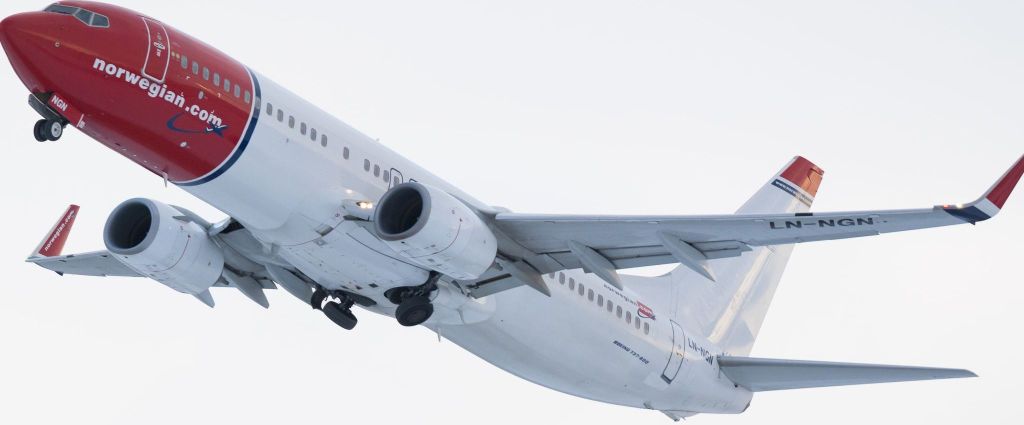
La nueva aerolínea noruega denominada Flyr ha entrado en la competencia para el mercado noruego con planes de comenzar a operar vuelos a principios de 2021. El 5 de Diciembre de 2020, la compañía, propiedad del ex-CEO de Braathens SAFE y miembro del Consejo de Administración de Norwegian, Erik G. Braathens, anunció su nombre y lanzó el sitio web. Erik Braathens reveló por primera vez sus planes para la nueva aerolínea en Octubre de 2020.
Flyr es la forma moderna del verbo noruego «fly», bajo esta denominación la aerolínea espera comenzar a operar vuelos en el primer trimestre de 2021. “La elección del nombre puede desafiar las reglas y expectativas tradicionales, y de la misma manera queremos ser un retador en la aviación. Los aviones son lo que mejor hacemos y lo único que tenemos que hacer”, dijo Erik Braathens. «El nombre refleja la simplicidad de la empresa y el producto que estamos construyendo. Comenzamos Flyr con el objetivo de proporcionar el vuelo más simple basado en las necesidades de los pasajeros. La elección del nombre puede desafiar las reglas y expectativas tradicionales, y de la misma manera seremos un retador en la aviación. Las aeronaves son lo que mejor hacemos y lo único que tenemos que hacer», enuncia el sitio web de la compañía.
Flyr ha presentado la solicitud a las autoridades de aviación noruegas para obtener permiso para operar vuelos regulares comerciales. Flyr planea servir algunas rutas nacionales noruegas y conectar ciudades europeas. Con una base en el Aeropuerto de Oslo/OSL, tiene como objetivo competir con aerolíneas como Norwegian, SAS y Wizz Air. Unos treinta empleados ya están trabajando en la empresa. Muchos de ellos fueron contratados desde el transbordador aéreo noruego en apuros. Tonje Wikstrom Frislid, ex-Vicepresidente de Norwegian, será el CEO de la nueva aerolínea. Norwegian Air Shuttle fue una de las aerolíneas más afectadas durante la actual pandemia. El 18 de Noviembre de 2020, un anuncio en la Bolsa de Oslo mostró que las acciones de las aerolíneas de negociación de acciones se detuvieron.
Perspectivas Flyr
El equipo directivo también cuenta con la presencia de Tonje Wikstrøm Frislid, ex-Vicepresidente de Norwegian, y quien será el director ejecutivo de la aerolínea. Inicialmente contratará exclusivamente a personal noruego y volará con cinco aviones de fuselaje estrecho. De acuerdo con el sitio web de Flyr, la aerolínea se enfocará en una estrategia digital, mediante reservas que pueden ser realizadas a través de teléfonos inteligentes en un aplicación con inteligencia artificial predictiva para entender los hábitos de los clientes. “El objetivo de Flyr es ofrecer el vuelo más simple, de la manera más sostenible posible. Haremos esto creando un producto digital puro basado en las necesidades de los pasajeros, y volaremos vuelos más inteligentes a los lugares y horarios que la gente necesita para viajar. Construimos la empresa desde cero, libres de sistemas complejos y organizaciones engorrosas, para ejecutar una operación de aeronaves eficiente y amigable para el cliente”, asegura el CEO Erik Braathens.
Flyr, a new norwegian airline is born
Startup to start ops in Norway in 1Q2021
The new Norwegian airline called Flyr has entered the competition for the Norwegian market with plans to start operating flights in early 2021. On December 5, 2020, the company, owned by the ex-CEO of Braathens SAFE and a member of the Board of Norwegian’s management, Erik G. Braathens, announced his name and launched the website. Erik Braathen first revealed his plans for the new airline in October 2020.
Flyr is the modern form of the Norwegian verb «fly», under this name the airline expects to start operating flights in the first quarter of 2021. “The choice of name can challenge traditional rules and expectations, and in the same way we want to be a challenger in aviation. Airplanes are what we do best and the only thing we have to do”, said Erik Braathens. «The name reflects the simplicity of the company and the product we are building. We started Flyr with the goal of providing the simplest flight based on the needs of passengers. The choice of name can challenge traditional rules and expectations, and the In the same way, we will be a challenger in aviation. Aircrafts are what we do best and the only thing we have to do», states the company’s website.
Flyr has applied to the Norwegian aviation authorities for permission to operate scheduled commercial flights. Flyr plans to serve some Norwegian domestic routes and connect European cities. Based at Oslo Airport/OSL, it aims to compete with airlines such as Norwegian, SAS, and Wizz Air. About thirty employees are already working in the company. Many of them were hired from the Norwegian air shuttle in distress. Tonje Wikstrom Frislid, former Vice President of Norwegian, will be the CEO of the new airline. Norwegian Air Shuttle was one of the most affected airlines during the current pandemic. On November 18, 2020, an announcement on the Oslo Stock Exchange showed that the actions of the stock trading airlines stopped.
Perspectives Flyr
The management team also includes Tonje Wikstrøm Frislid, former vice president of Norwegian, and who will be the executive director of the airline. It will initially hire exclusively Norwegian personnel and will fly five narrow-body aircraft. According to the Flyr website, the airline will focus on a digital strategy, through reservations that can be made through smartphones in an application with predictive artificial intelligence to understand customer habits. “Flyr’s goal is to offer the simplest flight, in the most sustainable way possible. We will do this by creating a pure digital product based on passenger needs, and we will fly smarter flights to the places and times that people need to travel. We built the company from the ground up, free from complex systems and cumbersome organizations, to run an efficient and customer-friendly aircraft operation”, says CEO Erik Braathens.
Flyr, et nytt norsk flyselskap er født
Oppstart for å starte ops i Norge i 1Q2021
Det nye norske flyselskapet Flyr har deltatt i konkurransen om det norske markedet med planer om å starte flyreiser tidlig i 2021. 5. desember 2020 eide selskapet, tidligere konsernsjef i Braathens SAFE, og et styremedlem i Norwegians ledelse, Erik G. Braathen, kunngjorde navnet sitt og lanserte nettstedet. Erik Braathen avslørte først planene for det nye flyselskapet i oktober 2020.
Flyr er den moderne formen for det norske verbet «fly», under dette navnet flyselskapet forventer å starte flyreiser i første kvartal 2021. ”Valget av navn kan utfordre tradisjonelle regler og forventninger, og på samme måte ønsker vi å være en utfordrer i luftfart. Fly er det vi gjør best, og det eneste vi må gjøre”, sa Erik Braathens. «Navnet gjenspeiler enkelheten i selskapet og produktet vi bygger. Vi startet Flyr med målet om å tilby den enkleste flyreisen basert på passasjerens behov. Valget av navnet kan utfordre tradisjonelle regler og forventninger, og På samme måte vil vi være en utfordrer innen luftfart. Fly er det vi gjør best og det eneste vi må gjøre», heter det på selskapets nettsted.
Flyr har søkt norske luftfartsmyndigheter om tillatelse til å utføre ruteflyvninger. Flyr planlegger å betjene noen norske innenriksruter og koble sammen europeiske byer. Basert på Oslo lufthavn/OSL, har det som mål å konkurrere med flyselskaper som Norwegian, SAS og Wizz Air. Rundt tretti ansatte jobber allerede i selskapet. Mange av dem ble ansatt fra den norske flybussen i nød. Tonje Wikstrom Frislid, tidligere visepresident for Norwegian, blir administrerende direktør for det nye flyselskapet. Norwegian Air Shuttle var et av de mest berørte flyselskapene under den nåværende pandemien. 18. november 2020 viste en kunngjøring på Oslo Børs at aksjene til aksjeselskapene stoppet.
Perspektiver Flyr
Ledergruppen inkluderer også Tonje Wikstrøm Frislid, tidligere visepresident for Norwegian, og som vil være administrerende direktør for flyselskapet. Det vil i utgangspunktet ansette utelukkende norsk personell og fly fem smalfly. I følge Flyr-nettstedet vil flyselskapet fokusere på en digital strategi, gjennom reservasjoner som kan gjøres via smarttelefoner i en applikasjon med prediktiv kunstig intelligens for å forstå kundevaner. «Flyrs mål er å tilby den enkleste flyreisen på en mest mulig bærekraftig måte. Vi vil gjøre dette ved å lage et rent digitalt produkt basert på passasjerbehov, og vi vil fly smartere flyreiser til stedene og tidene folk trenger å reise. Vi bygget selskapet fra grunnen av, uten komplekse systemer og tungvint organisasjoner, for å drive en effektiv og kundevennlig flyoperasjon”, sier administrerende direktør Erik Braathen.
Norwegian Air ha presentado protección de bancarrota
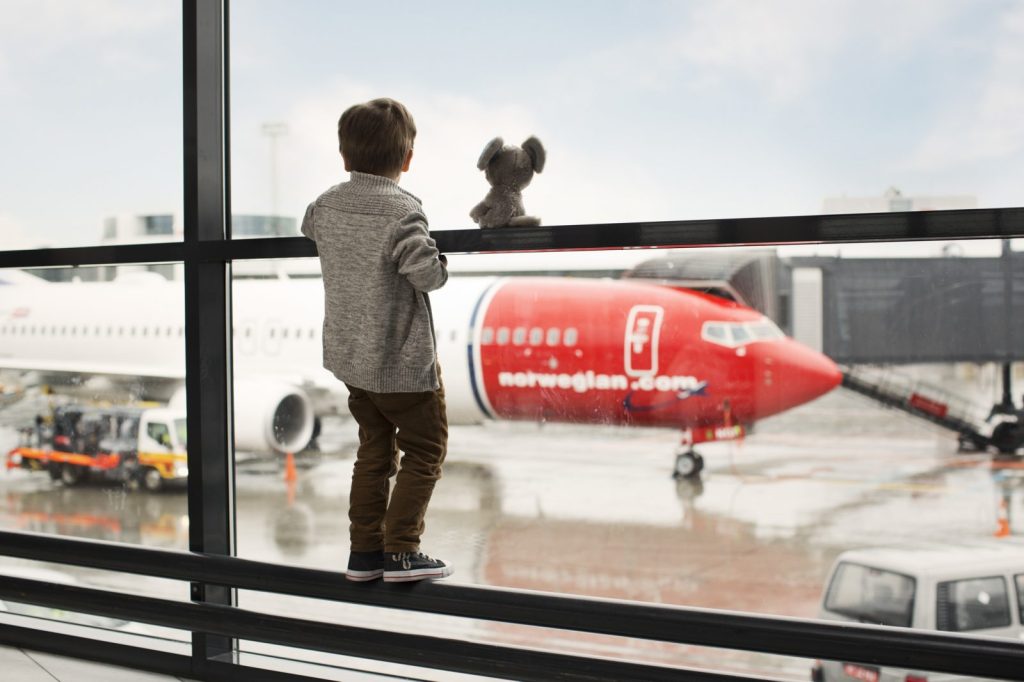
Norwegian Air ha iniciado la solicitud del Concurso de Acreedores a la Justicia de Noruega tras una larga agonía de problemas financieros acumulados. En un comunicado remitido a la Bolsa de Valores de Oslo, la línea aérea ha explicado que ha dado este paso después de que el Tribunal encargado de supervisar el concurso solicitado en Italia otorgaba a la empresa las protecciones legales previstas en la normativa irlandesa.
La compañía ha indicado que llevará a cabo este proceso en Noruega para fortalecer el resultado obtenido en Irlanda y favorecer su balance económico. La doble vía de concursos en ambos países será coordinada por la compañía, que ha garantizado que seguirá operando sus rutas con normalidad y que sus bonos y acciones seguirá cotizando en la Bolsa de Oslo. Norwegian tiene por objetivo que la Justicia de Noruega conceda la protección especial que otorga la legislación y así poder hacer frente a la reestructuración necesaria para atajar sus problemas financieros derivados de los efectos de la pandemia entre otras dificultades que ha tenido que soportar.
“Un proceso complementario de reconstrucción bajo la ley noruega beneficiará a todas las partes y aumentará la probabilidad de un resultado exitoso. Nuestro objetivo es asegurar puestos de trabajo en la empresa y contribuir a asegurar, en Noruega, la infraestructura más crítica y la creación de valor. A partir de ahora nos concentraremos en trabajar en pos de nuestro objetivo de reducir la deuda de la empresa, así como el tamaño de nuestra flota de aviones y asegurarnos de que somos una compañía que los inversores consideren atractiva. Estaremos listos para competir por los clientes una vez la pandemia del covid-19 quede atrás”, ha detallado el Consejero Delegado de Norwegian, Jacob Schram.
Los documentos presentados ante las autoridades judiciales irlandesas en la suspensión de pagos de Norwegian Air Shuttle ASA, la matriz de la aerolínea low-cost noruega, demuestran que su agujero financiero es de € 6.000 millones de Euros. Un informe de un grupo de analistas independientes muestra que la liquidación de la compañía dejaría un descubierto de € 7.100 millones de Euros, la diferencia son los escasos bienes de su propiedad que podrían compensar parcialmente el colosal déficit financiero. La matriz, Norwegian Air Shuttle, que no ha quebrado pero sí ha pedido la suspensión de pagos para reorganizar su negocio, debe € 5.200 millones de Euros, de los cuales € 2.100 corresponden a las fábricas de Boeing y Airbus.
El Gobierno noruego había publicado un comunicado en el que explica con precisión por qué ha rechazado extender sus ayudas a la aerolínea Norwegian. Igualmente, indicaba que no va a apoyar financieramente a la nueva aerolínea promovida por Erik G. Braathen, un ex-Director General de la antigua Brathens Airlines.
Norwegian requests bankruptcy
Norwegian Air has filed bankruptcy protection
Norwegian Air has started the application for the Norwegian Court of Creditors after a long agony of accumulated financial problems. In a statement sent to the Oslo Stock Exchange, the airline explained that it has taken this step after the Court in charge of supervising the bankruptcy requested in Italy granted the company the legal protections provided for in Irish regulations.
The company has indicated that it will carry out this process in Norway to strengthen the results obtained in Ireland and favor its financial balance. The double track of tenders in both countries will be coordinated by the company, which has guaranteed that it will continue to operate its routes normally and that its bonds and shares will continue to be listed on the Oslo Stock Exchange. Norwegian’s objective is that the Norwegian Justice grant the special protection granted by the legislation and thus be able to face the restructuring necessary to tackle its financial problems derived from the effects of the pandemic among other difficulties it has had to endure.
“A complementary reconstruction process under Norwegian law will benefit all parties and increase the likelihood of a successful outcome. Our goal is to secure jobs in the company and to help ensure the most critical infrastructure and value creation in Norway. From now on we will focus on working towards our goal of reducing company debt as well as the size of our aircraft fleet and ensuring that we are a company that investors find attractive. We will be ready to compete for customers once the COVID-19 pandemic is behind us”, detailed Norwegian CEO Jacob Schram.
The documents presented to the Irish judicial authorities in the suspension of payments of Norwegian Air Shuttle ASA, the parent company of the Norwegian low-cost airline, show that its financial hole is € 6,000 million. A report by a group of independent analysts shows that the liquidation of the company would leave an overdraft of € 7.1 billion, the difference being the few assets it owns that could partially offset the colossal financial deficit. The parent, Norwegian Air Shuttle, which has not failed but has requested suspension of payments to reorganize its business, owes € 5.2 billion euros, of which € 2.100 correspond to the Boeing and Airbus factories.
The Norwegian Government had published a statement in which it explains precisely why it has refused to extend its aid to the Norwegian airline. Likewise, it indicated that it will not financially support the new airline promoted by Erik G. Braathen, a former CEO of the old Brathens Airlines.
Norwegian ber konkurs
Norwegian Air har inngitt konkursbeskyttelse
Norwegian Air har startet søknaden om kreditorretten etter en lang smerte med akkumulerte økonomiske problemer. I en uttalelse som ble sendt til Oslo Børs, forklarte flyselskapet at det har tatt dette skrittet etter at domstolen med ansvar for tilsyn med konkursen som ble bedt om i Italia, ga selskapet den juridiske beskyttelsen som er fastsatt i irske regler.
Selskapet har indikert at det vil gjennomføre denne prosessen i Norge for å styrke resultatene oppnådd i Irland og favorisere dets økonomiske balanse. Dobbelt anbudsspor i begge land vil bli koordinert av selskapet, som har garantert at det vil fortsette å operere sine ruter normalt, og at obligasjonene og aksjene vil fortsette å bli notert på Oslo Børs. Norwegians mål er at den norske rettsvesenet skal gi den spesielle beskyttelsen som er gitt i lovgivningen, og dermed være i stand til å møte den omstruktureringen som er nødvendig for å takle de økonomiske problemene fra pandemien, blant andre vanskeligheter den har måttet tåle.
“En komplementær gjenoppbyggingsprosess i henhold til norsk lov vil være til fordel for alle parter og øke sannsynligheten for et vellykket resultat. Målet vårt er å sikre arbeidsplasser i selskapet og å bidra til å sikre den mest kritiske infrastrukturen og verdiskapningen i Norge. Fra nå av vil vi fokusere på å jobbe mot vårt mål om å redusere selskapets gjeld, samt størrelsen på flyflåten vår og sikre at vi er et selskap som investorer finner attraktive. Vi vil være klare til å konkurrere om kundene når COVID-19-pandemien ligger bak oss”, forklarte den norske konsernsjefen Jacob Schram.
Dokumentene som ble presentert for de irske rettsmyndighetene ved suspensjon av betalinger til Norwegian Air Shuttle ASA, morselskapet til det norske lavprisselskapet, viser at det økonomiske hullet er € 6000 millioner. En rapport fra en gruppe uavhengige analytikere viser at avviklingen av selskapet vil etterlate et kassekreditt på € 7,1 milliarder, forskjellen er de få eiendelene det eier som delvis kan oppveie det kolossale økonomiske underskuddet. Forelderen, Norwegian Air Shuttle, som ikke har mislyktes, men har bedt om suspensjon av betalinger for å omorganisere virksomheten, skylder 5,2 milliarder euro, hvorav € 2.100 tilsvarer Boeing og Airbus-fabrikken.
Den norske regjeringen hadde publisert en uttalelse der den forklarer nøyaktig hvorfor den har nektet å utvide sin støtte til det norske flyselskapet. På samme måte indikerte det at det ikke vil støtte økonomisk det nye flyselskapet som er promotert av Erik G. Braathen, en tidligere administrerende direktør i det gamle Brathens Airlines.
Los efectos post-pandemia han generado nuevas oportunidades de negocios para la creación de aerolíneas en el mundo debido a los bajos costos de adquisición de aeronaves comerciales producto de la baja demanda de viajes alterada por la pandemia.
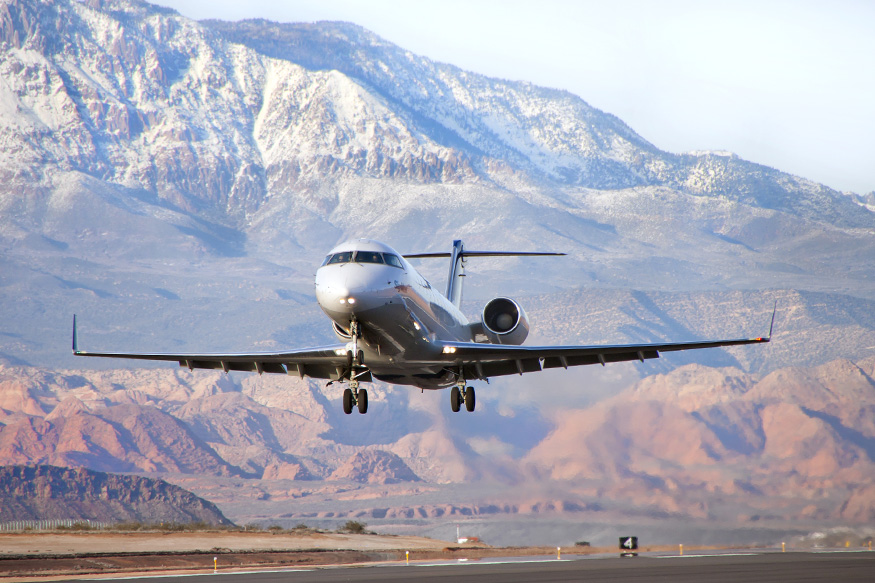
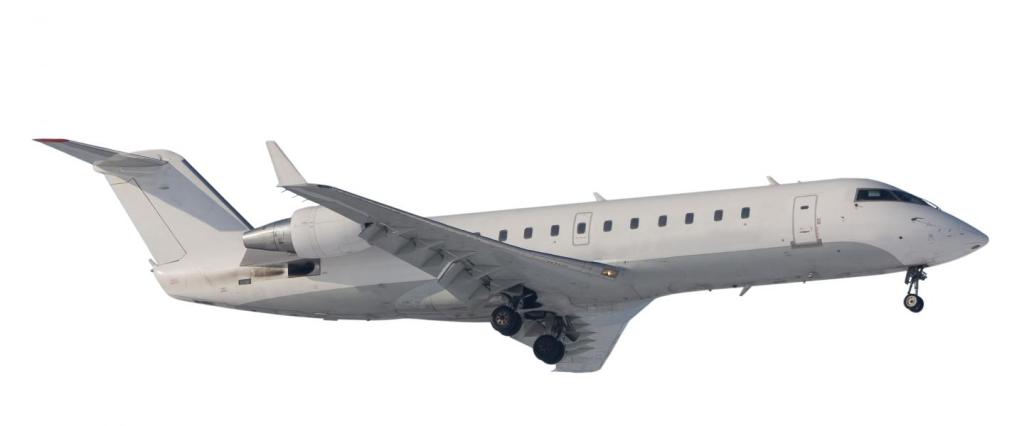
La nueva startup denominada VLU establece iniciar operaciones hacia Abril de 2021 con base en el Estado de México, en el Aeropuerto Internacional de Toluca/AIT. El Director de Operaciones, Federico Bertrand Rubio, ha expresado que con esta nueva aerolínea incrementarán el número de destinos desde el Estado de México, con proyecciones a once rutas a destinos nacionales, entre los que destacan: Tijuana, Culiacán, Mérida, Villahermosa, Puerto Vallarta, Acapulco, Zihuatanejo, Cancún y Monterrey. El Director de Operaciones ha señalado que VLU aún se encuentra ultimando detalles con la Agencia Federal de Aeronáutica Civil (AFAC) de México antes de la apertura de inicio de operaciones. «VLU es una aerolínea que se está creando, es hermana de TUM Aerocarga, y todo apuesta a que efectivamente están en los trámites con AFAC para que les puedan dar los permisos para operación de vuelos de pasajeros de itinerario», subrayó Luis Federico Bertrand Rubio. La nueva línea aérea iniciará operaciones con cinco aeronaves tipo Bombardier CRJ-200 para 50 pasajeros, el cual es reconocido por su eficiencia en vuelos de corta duración; además, las rutas que ofrecerá VLU se encuentran en el ranking de destinos nacionales con mayor flujo de pasajeros.
Tráfico en Toluca
De acuerdo con el director de operaciones del Aeropuerto Internacional Toluca, los destinos a los que viajará VLU tienen un flujo constante de viajeros; esto, a pesar de los efectos de la pandemia, pues según datos de la AFAC en el último trimestre dichas rutas tuvieron un tráfico por arriba de los 200.000 pasajeros. Luego del impacto económico que dejó la pandemia de COVID-19 en la industria aérea, VLU se incorpora a los planes de recuperación gradual que se llevan a cabo en el Aeropuerto Internacional de Toluca.
Las aerolíneas mexicanas pasan por un momento crítico tras el impacto económico que dejó la suspensión de actividades por el Coronavirus, entre ellas, Interjet que se encuentra en una delicada situación financiera; sin embargo, el Director del AIT confía en que los resultados de las negociaciones sean favorables para la aerolínea. Actualmente, el único vuelo internacional que sale desde Toluca/AIT es de la aerolínea venezolana Conviasa, pero los vuelos son para repatriar a ciudadanos venezolanos a su país. Los directivos del aeropuerto estiman que puedan retomar las operaciones internacionales en el mediano plazo, pero el arribo de la nuecva aerolínea VLU dará oxígeno al tráfico aéreo desde el Aeropuerto Internacional Toluca.
VLU, new Mexican airline
Mexinaco airline VLU emerges in the air market
The post-pandemic effects have generated new business opportunities for the creation of airlines in the world due to the low costs of acquiring commercial aircraft as a result of the low demand for travel altered by the pandemic.
The new startup called VLU establishes to start operations around April 2021 based in the State of Mexico, at the Toluca/AIT International Airport. The Director of Operations, Luis Federico Bertrand Rubio, has expressed that with this new airline they will increase the number of destinations from the State of Mexico, with projections to eleven routes to national destinations, among which are: Tijuana, Culiacán, Mérida, Villahermosa, Puerto Vallarta, Acapulco, Zihuatanejo, Cancun and Monterrey. The Director of Operations has indicated that VLU is still finalizing details with the Federal Civil Aeronautics Agency (AFAC) of Mexico before the opening of operations. «VLU is an airline that is being created, it is the sister of TUM Aerocarga, and everything is betting that they are effectively in the process with AFAC so that they can give them the permits to operate itinerary passenger flights», said Federico Bertrand Rubio. The new airline will start operations with five Bombadier CRJ-200 type aircraft for 50 passengers, which is recognized for its efficiency in short-duration flights; Furthermore, the routes that VLU will offer are in the ranking of national destinations with the highest passenger flow.
Traffic in Toluca
According to the director of operations of the Toluca International Airport, the destinations to which VLU will travel have a constant flow of travelers; this, despite the effects of the pandemic, because according to AFAC data in the last quarter, these routes had a traffic of more than 200,000 passengers. After the economic impact left by the COVID-19 pandemic in the airline industry, VLU joins the gradual recovery plans that are being carried out at the Toluca International Airport.
Mexican airlines are going through a critical moment after the economic impact left by the suspension of activities due to the Coronavirus, among them, Interjet, which is in a delicate financial situation; however, the Director of the AIT trusts that the results of the negotiations will be favorable for the airline. Currently, the only international flight that leaves from Toluca/AIT is from the Venezuelan airline Conviasa, but the flights are to repatriate Venezuelan citizens to their country. Airport executives estimate that they can resume international operations in the medium term, but the arrival of the new airline VLU will give oxygen to air traffic from the Toluca International Airport.
Aerolíneas Argentinas suspende vuelos a Uruguay por falta demanda
La programación de Aerolíneas Argentinas con el cronograma establecido hace unas semanas atrás para los meses de Diciembre 2020, Enero, Febrero y Marzo 2021 con el inicio de la temporada estival austral, marcaba el comienzo del reinicio de las operaciones después de siete meses de parálisis en el mercado aéreo. Aunque las programaciones habían sido establecidas, habían anunciado que podrían sufrir modificaciones en base a la demanda post-pandemia.
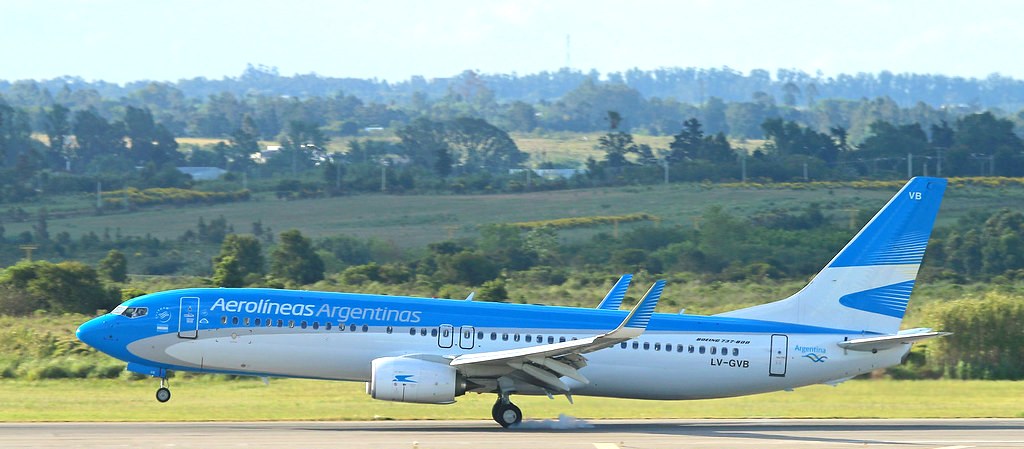
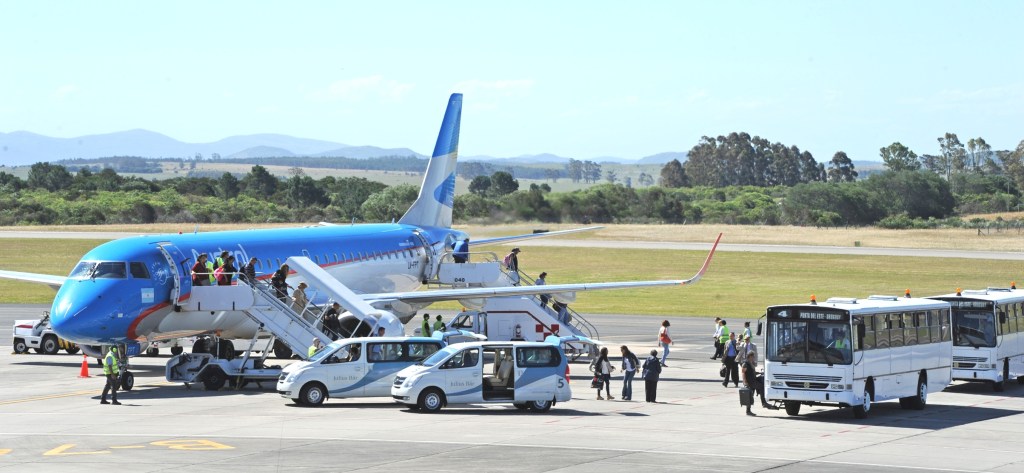
Muchos de los vuelos han sido reprogramados o suspendidos por falta de tráfico. De esta manera la compañía nuevamente ha informado que la programación de algunos trayectos serían modificados, reprogramados o suspendidos. Los vuelos a Montevideo y Punta del Este desde el Aeropuerto Ezeiza/Buenos Aires han sido suspendidos, por lo que los usuarios del transporte aéreo deberán entrar en contacto con la compañía para establecer una nueva fecha de viaje o solicitar el reembolso. En principio Aerolíneas Argentinas tenía proyectado operar una frecuencia diaria hacia ambas ciudades uruguayas desde el Aeropuerto de Ezeiza a partir del 1 de Enero de 2021 con aeronaves Boeing 737-800, configuradas con 170 asientos, pero debido a la baja demanda la empresa decidió suspender las rutas, por lo cual Argentina y Uruguay continuarán sin conexión aérea hasta finales del 1Q2021, como fecha tentativa en Marzo 2021 donde se han reasignado en el sistema de reserva nuevos vuelos hacia Montevideo, Uruguay.
Amaszonas Uruguay, la aerolínea de la República Oriental del Uruguay ha anunciado hace unas semanas atrás que dejará de operar a partir del 7 de Diciembre de 2020 hasta que las autoridades uruguayas permitan la reapertura de las fronteras. Mientras tanto, el puente aéreo del Plata continuará sin servicios producto de las variables de baja demanda de tráfico de pasajeros.
Aerolíneas suspension flights Uruguay
Aerolíneas Argentinas suspends flights due to lack demand
The Aerolíneas Argentinas schedule with the schedule established a few weeks ago for the months of December 2020, January, February and March 2021 with the start of the southern summer season, marked the beginning of the restart of operations after seven months of paralysis in the air market. Although the schedules had been established, they had announced that they could undergo modifications based on the post-pandemic demand.
Many of the flights have been rescheduled or suspended due to lack of traffic. In this way, the company has again reported that the programming of some routes would be modified, rescheduled or suspended. Flights to Montevideo and Punta del Este from Ezeiza/Buenos Aires Airport have been suspended, so air transport users must contact the company to establish a new travel date or request a refund. In principle, Aerolíneas Argentinas had planned to operate a daily frequency to both Uruguayan cities from the Ezeiza Airport from January 1, 2021 with Boeing 737-800 aircraft, configured with 170 seats, but due to low demand the company decided to suspend the routes, for which Argentina and Uruguay will continue without air connection until the end of 1Q2021, as a tentative date in March 2021 where new flights to Montevideo, Uruguay have been reassigned in the reservation system.
Amaszonas Uruguay, the airline of the Eastern Republic of Uruguay, announced a few weeks ago that it will stop operating from December 7, 2020 until the Uruguayan authorities allow the reopening of the borders. Meanwhile, the Plata air bridge will continue without services as a result of the variables of low demand for passenger traffic.
Obstáculos para reiniciar vuelos ante la falta de autorizaciones
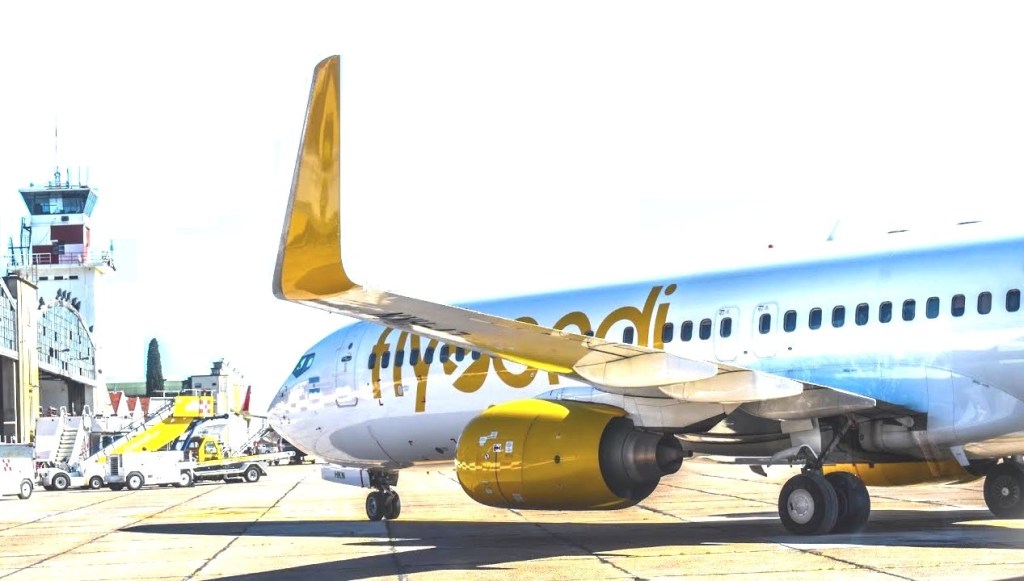
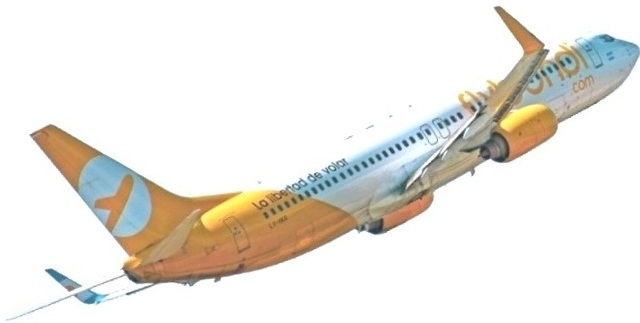
La aerolínea Flybondi Líneas Aéreas había solicitado la presentación de la programación de los vuelos para retornar a los cielos tras la reapertura de la aviación en Argentina. La solicitud de la programación de vuelos regulares estaba establecida para este próximo 9 de Diciembre de 2020 desde el Aeropuerto El Palomar, pero el Gobierno no ha autorizado la operatoria, por lo que la aerolínea low cost se encuentra con más incertidumbres que certezas sobre las definiciones a corto plazo. La compañía aérea había establecido un programa lanzado para principios de 2021, para estimular mediante promociones que permitirían combinar destinos a los clientes y ahorrar hasta un 60% en los costos de los pasajes aéreos. Sin embargo, ante la falta de respuesta de los organismos reguladores de aviación de la ANAC Argentina, los obstáculos en Flybondi parecen acentuarse ante la falta de definiciones.
La inhabilitación del Aeropuerto Internacional El Palomar, donde realizaban las principales operaciones las dos compañías aéreas low cost no ha sido habilitada paralas operaciones regulares por cuestiones de índole sanitarios, según ha establecido el Gobierno Argentino. Ante la falta de respuestas a los permisos de vuelos en la aeroestación, la aerolínea Flybondi ha anunciado en las últimas horas la suspensión de los vuelos programados para los próximos días, por falta de autorización de la ANAC.
Gobierno de Argentina no ha autorizado las actividades aéreas en ese lugar aduciendo que no se encuentra habilitado sanitariamente en el marco de la pandemia por Coronavirus. En un comunicado la Administración Nacional de Aviación Civil (ANAC), aseguró que el aeropuerto low cost no se encuentra habilitado sanitariamente para realizar vuelos comerciales producto de la pandemia y que «no está previsto desarrollar la infraestructura para el control sanitario de pasajeros y tripulantes», según expresó oportunamente el organismo regulador, permitiendo ofrecer a Flybondi la alternativa de trasladar sus operaciones al Aeropuerto Internacional de Ezeiza, el único que se encuentra funcionando en el ámbito del AMBA, mientras que el Aeropuerto Jorge Newbery se encuentra en reparaciones hasta Febrero 2021.
Ante la falta de respuesta por parte del Estado, Flybondi ha expresado en un comunicado oficial, Flybondi informando a sus clientes sobre la suspensión de los vuelos que estaban programados a partir del 9 de Diciembre de 2020: «Dado que seguimos sin autorización de ANAC sobre nuestro itinerario (con fecha de primer vuelo para el 09/12), y que hoy es el último día hábil previo, estamos cancelando los vuelos del 9, 10 y 11». En la previa había informado que el itinerario solicitado era para volar a partir del Miércoles 09/12 con la programación de vuelos desde el Aeropuerto El Palomar a doce destinos: Bariloche, Córdoba, Corrientes, Iguazú, Jujuy, Mendoza, Neuquén, Posadas, Salta, Santiago Del Estero, Trelew y Tucumán. Actualmente la programación vigente de la compañía es la siguiente: Bariloche: 18/12/2020, Córdoba: 21/12/2020, Corrientes: 25/12/2020, Iguazú: 12/12/2020, Jujuy: 05/01/2021, Mendoza: 02/01/2021, Neuquén: 25/12/2020, Posadas: 13/12/2020, Salta: 30/12/2020, Santiago del Estero: 31/12/2020, Trelew: 14/12/2020 y Tucumán: 30/12/2020.
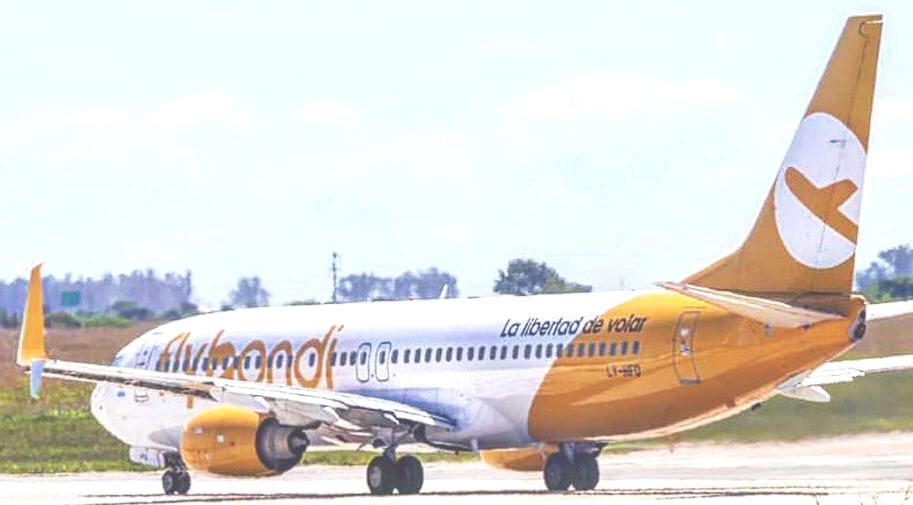
En cuanto a la flota de Boeing 737-800 de Flybondi Líneas Aéreas, posee registrados dos aeronaves con matrícula en la República Argentina. Actualmente no de ellos se encuentra de el Estado de Texas, Estados Unidos, resguardado por la empresa de leasing ante la falta de previsibilidad del país. La compañía de presupuesto argentina estima el arribo de la aeronave para Enero 2021, mientras que la segunda aeronave se encuentra localizada en los Talleres de MRO Mexicana en la República de México realizando las ternimaciones de los C-Check programados, esperando el retorno para el 10 de Diciembre de 2020.
Tras las postergaciones reiteradas de la compañía Flybondi, los empleados continúan con sus preocupaciones por la falta de definiciones. igualmente, continúan cobrando sus sueldos en tiempo y bajo el formato de un acuerdo establecido entre el Sindicato ATAF y la compañía con reducciones salariales.
Flybondi operational uncertainties
Obstacles to restart flights due to lack of authorizations
The airline Flybondi Líneas Aéreas had requested the presentation of the flight schedule to return to the skies after the reopening of aviation in Argentina. The request for the schedule of regular flights was established for this next December 9, 2020 from El Palomar Airport, but the Government has not authorized the operation, so the low cost airline is faced with more uncertainties than certainties about the definitions short term. The airline had established a program launched in early 2021, to stimulate through promotions that would allow customers to combine destinations and save up to 60% on airfare costs. However, given the lack of response from the aviation regulatory bodies of ANAC Argentina, the obstacles in Flybondi seem to be accentuated by the lack of definitions.
The disqualification of the El Palomar International Airport, where the two low cost airlines carried out the main operations, has not been enabled for regular operations due to health issues, as established by the Argentine Government. In the absence of responses to flight permits at the air station, the airline Flybondi has announced in the last hours the suspension of flights scheduled for the next few days, due to lack of authorization from the ANAC.
The Argentine government has not authorized air activities in that place, arguing that it is not sanitary in the framework of the Coronavirus pandemic. In a statement, the National Civil Aviation Administration (ANAC), assured that the low cost airport is not sanitary enabled to carry out commercial flights as a result of the pandemic and that «it is not planned to develop the infrastructure for the health control of passengers and crew members», as the regulatory body opportunely expressed, allowing Flybondi to offer the alternative of transferring its operations to the Ezeiza International Airport, the only one that is operating within the scope of the AMBA, while the Jorge Newbery Airport is undergoing repairs until February 2021.
In the absence of a response from the State, Flybondi has expressed in an official statement, Flybondi informing its clients about the suspension of the flights that were scheduled as of December 9, 2020: «Since we continue without ANAC authorization on our itinerary (with date of first flight for 12/09), and that today is the last previous business day, we are canceling the flights of 9, 10 and 11». In the previous one he had informed that the requested itinerary was to fly from Wednesday 09/12 with the schedule of flights from El Palomar Airport to twelve destinations: Bariloche, Córdoba, Corrientes, Iguazú, Jujuy, Mendoza, Neuquén, Posadas, Salta , Santiago Del Estero, Trelew and Tucumán. Currently the current schedule of the company is as follows: Bariloche: 12/18/2020, Córdoba: 12/21/2020, Corrientes: 12/25/2020, Iguazú: 12/12/2020, Jujuy: 01/05/2021, Mendoza: 01/02/2021, Neuquén: 12/25/2020, Posadas: 12/13/2020, Salta: 12/30/2020, Santiago del Estero: 12/31/2020, Trelew: 12/14/2020 and Tucumán: 12/30/2020.
As for the Boeing 737-800 fleet of Flybondi Líneas Aéreas, it has two registered aircraft registered in the Argentine Republic. Currently not one of them is from the State of Texas, United States, protected by the leasing company due to the lack of predictability in the country. The Argentine budget company estimates the arrival of the aircraft for January 2021, while the second aircraft is located in the Mexican MRO Workshops in the Republic of Mexico, completing the completion of the scheduled C-Checks, waiting for the return on the 10th. December 2020.
Following repeated postponements from the Flybondi company, employees continue to have concerns about the lack of definitions. Likewise, they continue to collect their salaries on time and under the format of an agreement established between the ATAF Union and the company with salary reductions.
Paris Air Show 2021 ha sido cancelado debido pandemia
Los organizadores del Salón Aéreo de París Air Show anunciaron este 7 de diciembre de 2020 que la edición de la feria francesa para el año 2021, programada para el 21 al 27 de Junio 2021 ha sido cancelada a la luz de la incertidumbre vinculada a la actual crisis de salud del Covid-19. El próximo Paris Air Show se celebrará en Junio de 2023, con fechas específicas que pronto se publicarán.
La junta directiva tanto del International Paris Air Show como de la asociación francesa de industrias aeroespaciales GIFAS, cuya filial SIAE organiza el evento bienal, acordaron por unanimidad saltarse el evento en respuesta a la pandemia y al gran número de visitantes a los que atrae el espectáculo. Los expositores recibirán reembolsos completos de todas las cantidades ya pagadas y el Salón Aéreo de París asumirá toda la responsabilidad financiera por la decisión, dijeron los organizadores. «Obviamente estamos decepcionados de no poder celebrar la edición de 2021 del Salón Aéreo de París. Después de muchos meses de todas las actividades de ferias en todo el mundo, toda la comunidad aeroespacial y de defensa internacional estaba deseando poder reunirse. Ya hemos comenzado a trabajar para garantizar que la edición de 2023 celebre el resurgimiento de la industria aeroespacial a escala internacional», dijo Patrick Daher, Presidente del Salón Aéreo Internacional de París y presidente del Grupo Daher.
Paris Air Show 2021 canceled
Paris Air Show 2021 has been canceled due to pandemic
The organizers of the Paris Air Show announced this December 7, 2020 that the edition of the French fair for the year 2021, scheduled for June 21 to 27, 2021 has been canceled in light of the uncertainty linked to the current Covid-19 health crisis. The next Paris Air Show will be held in June 2023, with specific dates to be published soon.
The board of directors of both the International Paris Air Show and the French aerospace industries association GIFAS, whose subsidiary SIAE organizes the biennial event, unanimously agreed to skip the event in response to the pandemic and the large number of visitors the show attracts. Exhibitors will receive full refunds of all amounts already paid and the Paris Air Show will take full financial responsibility for the decision, organizers said. «We are obviously disappointed not to be able to celebrate the 2021 edition of the Paris Air Show. After many months of all the trade show activities around the world, the entire international defense and aerospace community was looking forward to getting together. We have already started to get together. work to ensure that the 2023 edition celebrates the resurgence of the aerospace industry on an international scale», said Patrick Daher, President of the Paris International Airshow and President of the Daher Group.
AW | 2020 12 07 19:47 | AIR INVESTIGATION / AVIATION SAFETY
Doble incidente Boeing 777 tras apagado de Transpondedor
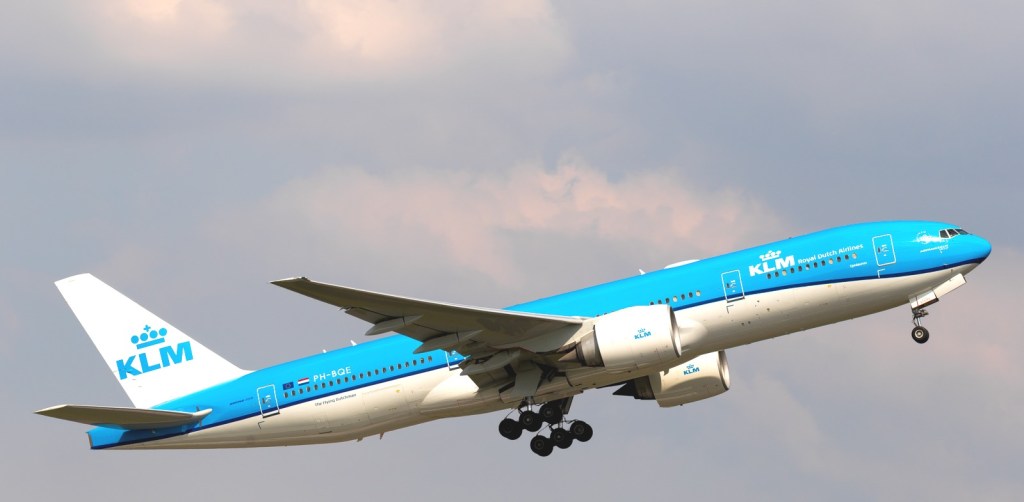
Una serie de incidentes en la navegación aérea ha sufrido una aeronave de la compañía KLM Royal Dutch Airlines que ha despertado las alertas acerca del tipo de anomalía que puede ocasionar serios inconvenientes en la navegación aérea. Dos vuelos de la aerolínea holandesa han con la misma aeronave han protagonizador la desconexión del equipo de Transpondedor en un Boeing 777-200, matrícula PH-BQE. El primer incidente ha ocurrido en el vuelo KL-702 desde Buenos Aires/Ezeiza (Argentina) a Amsterdam/Schiphol (Países Bajos), fue en ruta en nivel de vuelo FL370 a unas 270 nm al suroeste de Praia, Islas de Cabo Verde, en el Atlántico, cuando el Transpondedor dejó de transmitir información de altitud. El ATC confirmó que ni el Modo-S ni el Modo-C continuaron transmitiendo ninguna información de altitud, toda la otra información del Modo-S y ADS-B continuó transmitiéndose. El avión pudo continuar el vuelo hacia Amsterdam, donde aterrizó de forma segura en la Pista 18R unas 6 horas más tarde alrededor de las 05:00L. El avión permaneció en tierra durante unas 5 horas en tierra.
La misma aeronave Boeing 777-200 luego partió de nuevamente en otro vuelo transatlántico, KL-759, de Amsterdam (Países Bajos) a San José (Costa Rica), estaba saliendo de la Pista 24 de Amsterdam/Schiphol cuando el Transpondedor de la aeronave nuevamente no transmitía ninguna información de altitud mientras que todos los demás datos continuaban siendo transmitidos. Mientras la tripulación trabajaba en las listas de verificación tratando de restaurar la funcionalidad del Transpondedor, el avión continuó la subida. El radar de Amsterdam necesitaba decirle a la tripulación que el Reino Unido no aceptaría el avión sin un Transpondedor Mode-C en funcionamiento, la tripulación advirtió que no eran conscientes del problema antes de la salida. Después de consultar con Despacho y Mantenimiento, la tripulación decidió regresar a Amsterdam, donde el avión aterrizó de forma segura en la Pista 18R unos 60 minutos después de la salida. Un reemplazo Boeing 777-200 registro PH-BQC llegó a San José con un retraso de 03:20 horas.
La aeronave Boeing 777-200 volvió al servicio unas 23 horas después de aterrizar de vuelta en Amsterdam, esta vez con el transpondedor completamente en funcionamiento nuevamente. Los detalles de investigaciones se han abierto acerca del singular incidente para determinar qué ha provocado la anomalía.
Un detalle curioso se desprende del incidente del Boeing 777-200 de KLM Airlines siendo una aeronave similar la que se perdió en el Sudeste asiático del vuelo MH-370 de Malaysia Airlines que ha ocurrido un incidente similar en el que se había desconectado el Transpondedor, donde las investigaciones giran en torno a si se desconectó intencionalmente o podría ocurrir inesperadamente, como en los casos reincidentes de los vuelos KL-702 y KL-759 de la compañía holandesa. Posibles pistas podrían abrir más investigaciones para develar el misterio del vuelo MH-370, el enigma más importante de la historia de la aviación comercial.
KLM Boeing 777 Transponder incident
Double Boeing 777 incident after Transponder shutdown
A series of incidents in air navigation has suffered an aircraft of the KLM Royal Dutch Airlines company that has raised alerts about the type of anomaly that can cause serious inconveniences in air navigation. Two flights of the Dutch airline with the same aircraft have led to the disconnection of the Transponder equipment in a Boeing 777-200, registration PH-BQE. The first incident occurred on flight KL-702 from Buenos Aires/ Ezeiza (Argentina) to Amsterdam/Schiphol (Netherlands), it was en route at flight level FL370 at about 270 nm southwest of Praia, Cape Verde Islands, in the Atlantic, when the Transponder stopped transmitting altitude information. ATC confirmed that neither Mode-S nor Mode-C continued to transmit any altitude information, all other Mode-S and ADS-B information continued to transmit. The plane was able to continue the flight to Amsterdam, where it landed safely on Runway 18R some 6 hours later at around 05:00L. The aircraft remained on the ground for about 5 hours on the ground.
The same Boeing 777-200 aircraft then departed again on another transatlantic flight, KL-759, from Amsterdam (Netherlands) to San José (Costa Rica), it was departing from Runway 24 Amsterdam/Schiphol when the aircraft’s transponder again it was not transmitting any altitude information while all other data continued to be transmitted. While the crew worked through the checklists trying to restore the functionality of the Transponder, the plane continued the climb. Amsterdam radar needed to tell the crew that the UK would not accept the plane without a working Mode-C Transponder, the crew cautioned that they were unaware of the problem prior to departure. After consulting with Dispatch and Maintenance, the crew decided to return to Amsterdam, where the plane landed safely on Runway 18R about 60 minutes after departure. A replacement Boeing 777-200 registration PH-BQC arrived in San Jose with a delay of 03:20 hours.
The Boeing 777-200 aircraft returned to service about 23 hours after landing back in Amsterdam, this time with the transponder fully operational again. Investigative details have been opened about the unique incident to determine what caused the anomaly.
A curious detail emerges from the KLM Airlines Boeing 777-200 incident, a similar aircraft being the one that was lost in Southeast Asia on Malaysia Airlines flight MH-370 that a similar incident has occurred in which the transponder had been disconnected, where the investigations revolve around whether it was intentionally disconnected or it could happen unexpectedly as in the repeat cases of flights KL-702 and KL-759 of the Dutch company. Possible clues could open more investigations to unravel the mystery of flight MH-370, the most important enigma in the history of commercial aviation.
KLM Boeing 777 Transponder incident
Dubbel Boeing 777-incident na uitschakeling van Transponder
Bij een reeks incidenten in de luchtvaart is sprake van een vliegtuig van de KLM Royal Dutch Airlines dat waarschuwingen heeft gegeven over het type anomalie dat voor ernstige ongemakken kan zorgen in de luchtvaart. Twee vluchten van de Nederlandse luchtvaartmaatschappij met hetzelfde vliegtuig hebben geleid tot het loskoppelen van de Transponderapparatuur in een Boeing 777-200, registratie PH-BQE. Het eerste incident vond plaats op vlucht KL-702 van Buenos Aires/Ezeiza (Argentinië) naar Amsterdam/Schiphol (Nederland), het was onderweg op vliegniveau FL370 op ongeveer 270 nm ten zuidwesten van Praia, Kaapverdische eilanden, in de Atlantische Oceaan, toen de transponder stopte met het verzenden van hoogte-informatie. ATC bevestigde dat noch Mode-S noch Mode-C doorging met het verzenden van hoogte-informatie, terwijl alle andere Mode-S en ADS-B informatie doorging met verzenden. Het vliegtuig kon de vlucht voortzetten naar Amsterdam, waar het zo’n 6 uur later rond 05.00 uur veilig landde op baan 18R. Het vliegtuig bleef ongeveer 5 uur aan de grond.
Hetzelfde Boeing 777-200-vliegtuig vertrok vervolgens weer op een andere transatlantische vlucht, KL-759, van Amsterdam (Nederland) naar San José (Costa Rica), het vertrok vanaf baan 24 Amsterdam/Schiphol toen de transponder van het vliegtuig opnieuw zond het geen hoogte-informatie uit terwijl alle andere gegevens werden verzonden. Terwijl de bemanning de checklists afwerkte om de functionaliteit van de Transponder te herstellen, vervolgde het vliegtuig de klim. De Amsterdamse radar moest de bemanning vertellen dat het VK het vliegtuig niet zou accepteren zonder een werkende Mode-C Transponder, de bemanning waarschuwde dat ze zich voor vertrek niet bewust waren van het probleem. Na overleg met Dispatch and Maintenance besloot de bemanning terug te keren naar Amsterdam, waar het vliegtuig ongeveer 60 minuten na vertrek veilig landde op baan 18R. Een vervangende Boeing 777-200 met registratie PH-BQC arriveerde in San Jose met een vertraging van 3:20 uur.
Het Boeing 777-200-vliegtuig keerde ongeveer 23 uur na de landing terug in Amsterdam weer in dienst, dit keer met de transponder weer volledig operationeel. Er zijn onderzoeksdetails geopend over het unieke incident om te bepalen wat de anomalie veroorzaakte.
Een merkwaardig detail komt naar voren uit het KLM Airlines Boeing 777-200-incident, een soortgelijk vliegtuig dat verloren is gegaan in Zuidoost-Azië op vlucht MH-370 van Malaysia Airlines dat zich een soortgelijk incident heeft voorgedaan waarbij de transponder was losgekoppeld, waar het onderzoek draait om de vraag of de verbinding opzettelijk is verbroken of dat het onverwacht kan gebeuren, zoals in de herhalingsgevallen van vluchten KL-702 en KL-759 van de Nederlandse maatschappij. Mogelijke aanwijzingen zouden kunnen leiden tot meer onderzoek om het mysterie van vlucht MH-370, het belangrijkste raadsel in de geschiedenis van de commerciële luchtvaart, te ontrafelen.
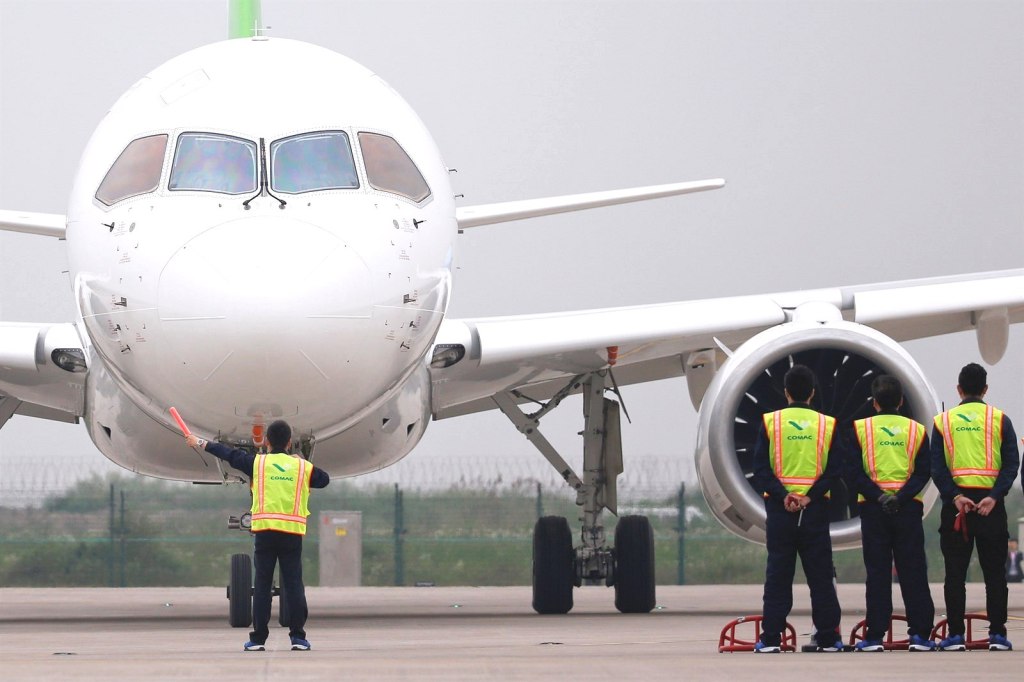
Pulseada tecnológica EEUU podría desbancar al C919
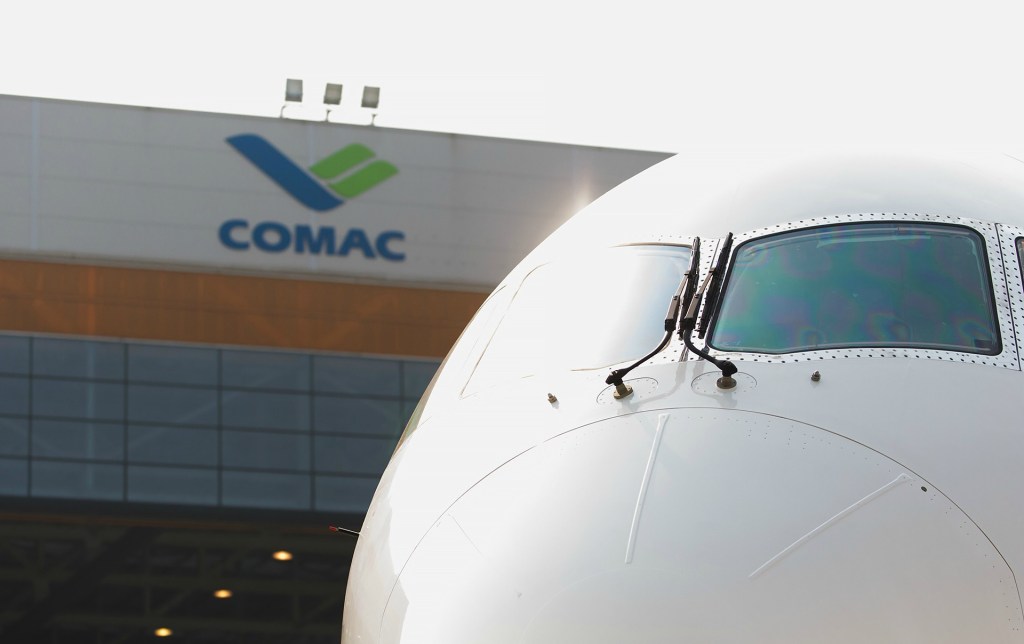
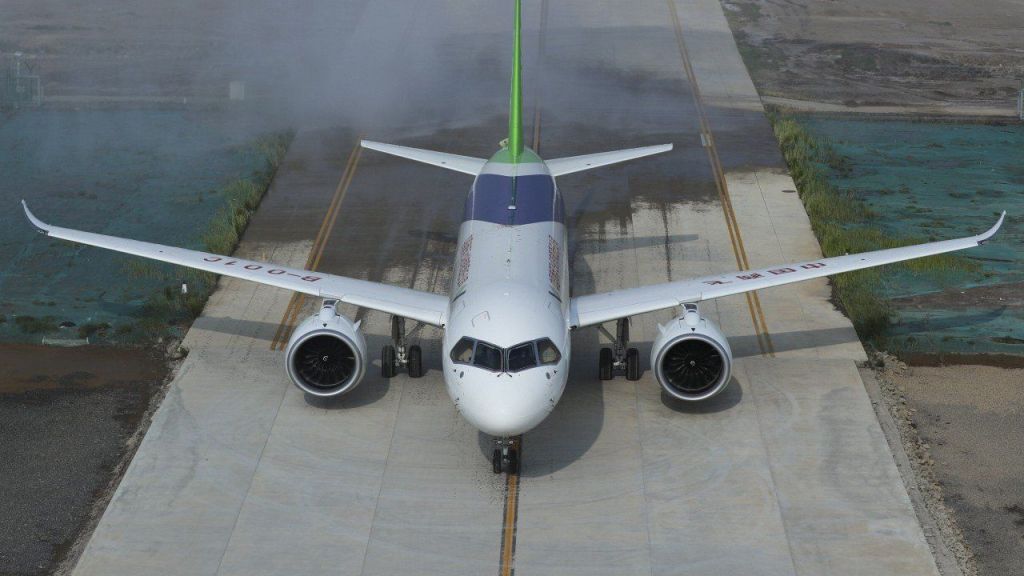
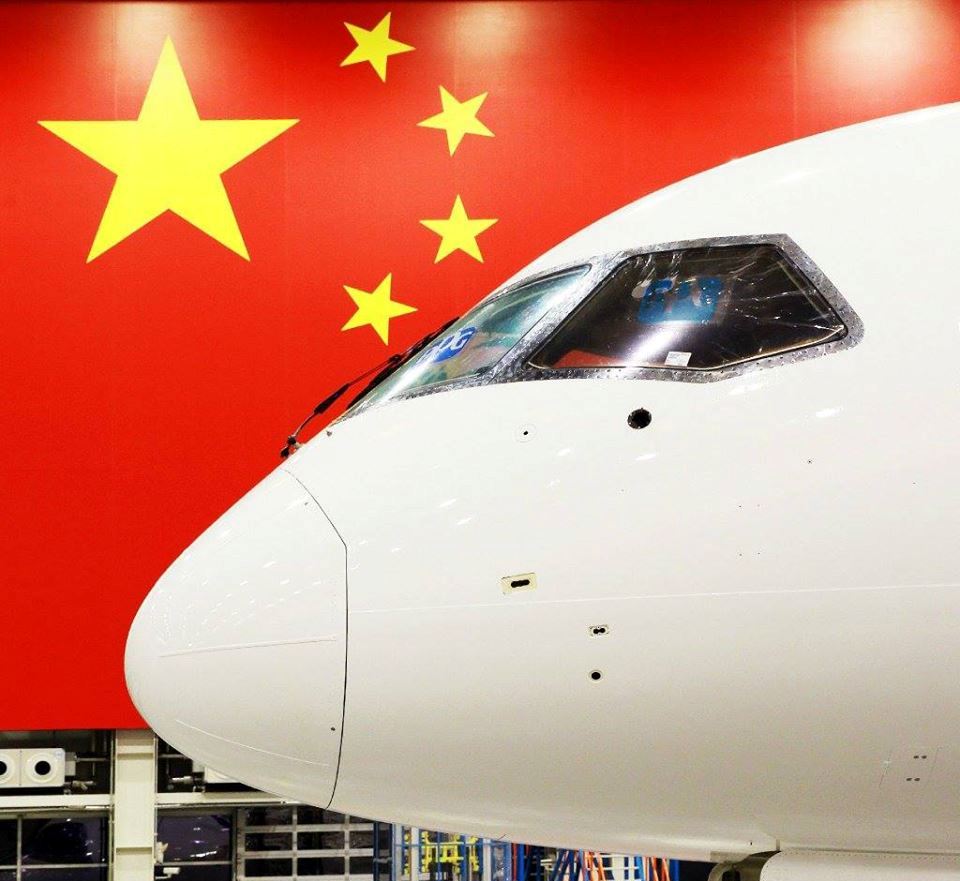
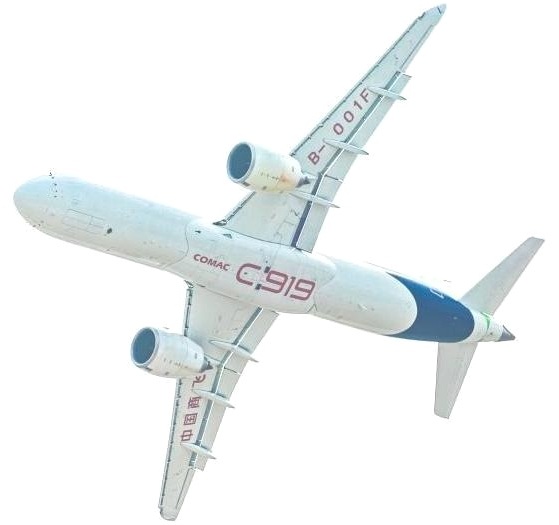
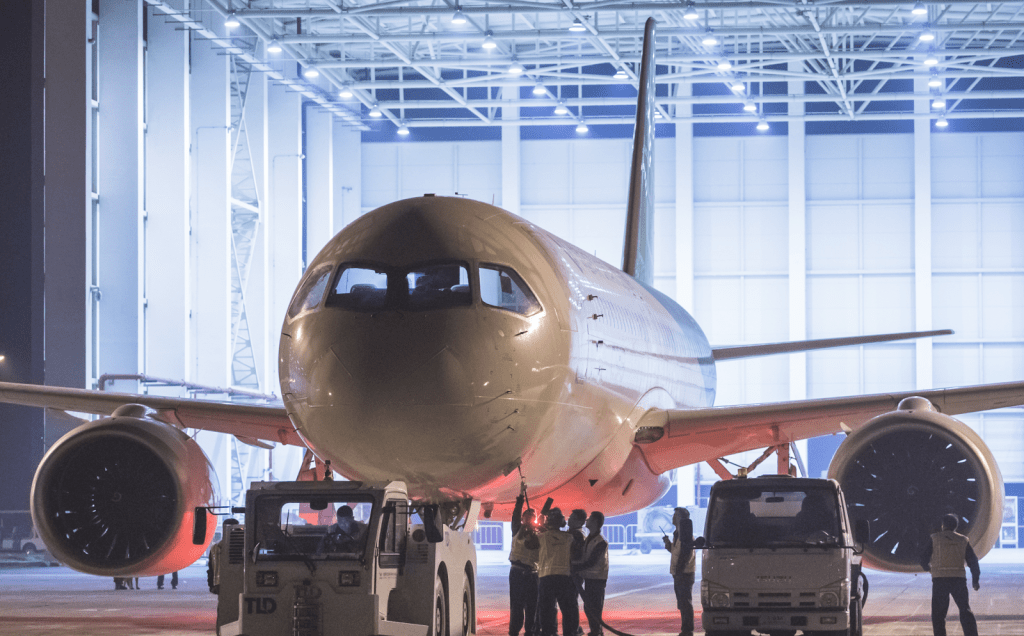
La guerra tecnológica de Estados Unidos podría poner en tierra el jet de desarrollo de China, el COMAC C919 al librar una futura batalla por la posible prohibición de estados Unidos de las ventas de motores y sistemas de energía occidentales que impediría el lanzamiento comercial del C919 casi cercano al proceso de finalización de pruebas y comercialización de la nueva aeronave del imperio del sol naciente.
El primer vuelo comercial del C919 cargado de significado político, puede retrasarse indefinidamente debido a la guerra tecnológica entre Estados Unidos y China. Pekín ha tratado de romper el duopolio Boeing-Airbus en aviones de pasajeros llenando sus cielos nacionales con aviones de fabricación nacional por la empresa estatal Commercial Aircraft Corporation of China (COMAC). El C919 de pasillo único es la respuesta aspiradora de la compañía a la serie 737 de Boeing que actualmente constituyen la mayor parte de las flotas en crecimiento de compañías estatales como Air China, China Eastern Airlines y China Southern Airlines. El constructor europeo Airbus Group continúa avanzando en el mercado chino.
La Administración del Presidente Donald Trump está considerando agregar al COMAC C919 a los 89 items de partes y compañías de aviación en una lista de entidades chinas restringidas a tratar con compañías estadounidenses para tecnologías de doble uso, soluciones o productos hechos con conocimientos estadounidenses debido a sus supuestos lazos con el ejército chino.
CoOMAC Corp. aún no ha formulado observaciones sobre su rumoreada próxima inclusión en la lista negra de ese tipo del Departamento de Comercio de los Estados Unidos, ni respondió a las consultas por correo electrónico sobre el posible impacto en su proyecto C919 de máxima prioridad, que lo limitaría de ingresar al mercado americano. Un ejecutivo de COMAC Corp. se ha pronunciado diciendo que la compañía estaba evaluando los resultados probables si la Administración Trump colocaba a su compañía en la llamada lista de entidades de Estados Unidos, pero afirmó que los acuerdos actuales de abastecimiento con General Electric (GE), Honeywell y otros continuarían con normalidad.
La compañía también podría intentar potencialmente diseñar componentes clave que no pudiera fabricar, como motores, sistemas de energía aviónica y auxiliares suministrados por socios estadounidenses como GE y Honeywell. CoOMAC Corp. no oculta el hecho de que su C919 se basa en los sistemas de motor LEAP-1C de alto rendimiento y plantas motrices suministradas por CFM International, una empresa conjunta entre el brazo de aviación de GE y la firma de ingeniería francesa Safran. No hay alternativas caseras lo suficientemente potentes y económicas como para impulsar el C919 y su carga máxima de 168 pasajeros y un alcance máximo de 5.555 kilómetros. Queda por ver si CFM International tendrá que cumplir con las sanciones estadounidenses si son contempladas por la Administración Trump. Eso aparentemente se determinará por cuánto ingenio y tecnologías de Estados Unidos están involucrados en el desarrollo de los motores LEAP, que consumen un 15% menos de combustible en comparación con los motores en 737, según General Electric.
La perspectivas de COMAC estaban signadas de dificultades anteriores a las avecinadas sanciones estadounidenses. La empresa estatal ya había empujado el calendario de rollout de 2017 hasta finales de 2021 debido a problemas encontrados durante los vuelos de prueba y las interrupciones causadas por Covid-19. Pero los compradores potenciales del C919, en su mayoría las compañías aéreas chinas, pueden no estar demasiado molestos ya que la mayoría no se han comprometido con los pedidos del avión de pasajeros, que todavía se encuentra en etapa de certificación.
COMAC Corp. ha dicho que ha asegurado 815 pedidos para aviones C919 de 28 clientes y su objetivo era entregar 150 aviones cada año desde su planta de Shanghai. Dijo que hasta el 60% de las partes y sistemas del avión se obtendrían en el país. Pero un borrador filtrado del Memorándum de Mantenimiento emitido a los pilotos del C919 mostró que su planta de energía, control de vuelo de aviónica, sistemas de suministro de energía y conjuntos de trenes de aterrizaje, entre otros componentes, tenían similitudes sorprendentes con los del Boeing 737. Los proveedores chinos, de hecho, fabricaban principalmente puntas de ala, alas traseras y otras partes periféricas, así como equipamiento de cabina de pasajeros como asientos y tapicería. Esto está en línea con las revelaciones anteriores de los informes de los medios chinos y extranjeros sobre los desafíos que COMAC ha enfrentado en su intento de autosuficiencia tecnológica con el C919, particularmente cuando China en la actualidad ni siquiera puede producir en masa las cuchillas para los motores de aviones de gama media.
Richard Aboulafia, Analista Aeroespacial y Vicepresidente de Teal Group, un equipo estadounidense de análisis aeroespacial, escribió en su blog que COMAC Corp. era difícil de fabricar sistemas y motores de aviónica por sí mismo y que pintar una bandera china en un tubo de aluminio no significaría que COMAC pudiera hacer un avión de tecnología totalmente china. También se han hecho comparaciones entre la falta de tecnologías básicas de COMAC para que el C919 tome vuelo y la situación de Huawei tras la prohibición de los chips de Estados Unidos, con publicaciones de tendencia en los foros de aviación chinos diciendo que COMAC Corp. podría estar en una crisis mucho peor de lo que se reconoce, ya que cualquier prohibición estadounidense de la venta de motores haría fracasar instantáneamente el proyecto.
Lu Feng, un Ingeniero Senior del China Aviation Industry Research Center, un instituto civil-militar dependiente del Ministerio de Industria y Tecnología de la Información, dijo a los periodistas que Estados Unidos podría cortar las alas del C919 esperando hasta el último minuto antes de su lanzamiento comercial para prohibir la venta de motores de producción estadounidense y otros sistemas. Sin embargo, la necesidad de llevar el C919 a las aerolíneas locales es cada vez más urgente a medida que los cielos chinos se llenan de nuevo.
Repunte tráfico
Mientras que las terminales internacionales siguen estando desiertas, las salas nacionales de los principales centros de aviación de toda China han visto que los flujos de pasajeros se remontan a los niveles de pre-Covid desde Octubre 2020. Los datos preliminares de la Asociación Internacional de Transporte Aéreo muestran Shanghai, Beijing, Guangzhou, Chengdu y Shenzhen han vencido a otros aeropuertos mundiales para ser los centros más concurridos después de los viajes aéreos retorcidos coronavirus en todo el mundo. La ciudad china occidental de Chengdu incluso vio los movimientos de aviones más altos a través de Asia desde mayo como la recuperación de los viajes nacionales se recojo ritmo mientras la aviación global todavía está en un giro de cola.
Las últimas cifras de pasajeros de la Administración de Aviación Civil de China (CAAC) también muestran que el desempeño de los viajes nacionales de Septiembre 2020 volvió casi al nivel del año pasado, con 47,75 millones de personas viajando por aire ese mes, sólo un 2% menos que la correspondiente cifra de septiembre de 2019. El epicentro original de Covid de Wuhan y los aeropuertos del centro de China vieron un salto anual del 20,8% en los pasajeros de Septiembre 2020.
Perspectivas en China
China está a punto de superar a Estados Unidos para convertirse en el mercado de aviación más grande del mundo en la próxima década. Boeing señaló en un informe de Noviembre 2020 que China necesitaría más de 8.000 nuevos aviones de pasajeros para 2040. De ellos, 6.450 serían tipos de cuerpos estrechos y de pasillo único para rutas regionales domésticas y de trayecto corto a medio, un mercado lucrativo que el C919 aspira a aprovechar y donde el rol del Boeing 737 MAX es significativo y crucial, donde se lucha una pulseada política entre bastidores.
Technological challenges for COMAC C919
Tech wrestling US could unseat C919
America’s technology war could ground China’s development jet, the COMAC C919, by waging a future battle over a possible U.S. ban on sales of Western engines and power systems that would nearly impede the commercial launch of the C919. close to the completion of testing and commercialization of the new aircraft of the empire of the rising sun.
The politically significant first commercial flight of the C919 may be delayed indefinitely due to the technology war between the United States and China. Beijing has tried to break the Boeing-Airbus duopoly in passenger jets by filling its national skies with planes made domestically by the state-owned Commercial Aircraft Corporation of China (COMAC). The single-aisle C919 is the company’s vacuum answer to Boeing’s 737 series that currently make up the bulk of the growing fleets of state-owned companies such as Air China, China Eastern Airlines and China Southern Airlines. The European developer Airbus Group continues to advance in the Chinese market.
The Administration of President Donald Trump is considering adding CoOMAC C919 to the 89 aviation parts and companies items on a list of Chinese entities restricted to dealing with US companies for dual-use technologies, solutions or products made with American know-how due to their alleged ties to the Chinese military.
CoOMAC Corp. has not yet commented on its rumored upcoming such blacklisting by the US Department of Commerce, nor did it respond to email inquiries about the potential impact on its top priority C919 project, which it would limit it from entering the American market. A COMAC Corp. executive has spoken out saying the company was evaluating the likely outcomes if the Trump Administration placed his company on the so-called U.S. entity list, but claimed that current sourcing agreements with General Electric (GE) , Honeywell and others would continue as normal.
The company could also potentially try to engineer key components it couldn’t make, such as engines, avionics and auxiliary power systems supplied by US partners like GE and Honeywell. COMAC Corp. makes no secret of the fact that its C919 is based on the high-performance LEAP-1C engine systems and powertrains supplied by CFM International, a joint venture between GE’s aviation arm and French engineering firm Safran. There are no homemade alternatives powerful and inexpensive enough to power the C919 and its maximum load of 168 passengers and a maximum range of 5,555 kilometers. It remains to be seen whether CFM International will have to comply with US sanctions if they are contemplated by the Trump Administration. That will apparently determine by how much US ingenuity and technologies are involved in developing the LEAP engines, which consume 15% less fuel compared to engines in 737s, according to General Electric.
COMAC’s prospects were marked by difficulties prior to the looming US sanctions. The state-owned company had already pushed the 2017 rolloout schedule until the end of 2021 due to problems encountered during test flights and disruptions caused by Covid-19. But potential buyers of the C919, mostly Chinese airlines, may not be too upset as most have not committed to orders for the airliner, which is still in the certification stage.
Comac Corp. has said it has secured 815 orders for C919 jets from 28 customers and its goal was to deliver 150 jets each year from its Shanghai plant. He said that up to 60% of the plane’s parts and systems would be sourced domestically. But a leaked draft of the Maintenance Memorandum issued to C919 pilots showed that its power plant, avionics flight control, power supply systems, and landing gear assemblies, among other components, had striking similarities to those of the Boeing. 737. Chinese suppliers, in fact, mainly manufactured wingtips, rear wings and other peripheral parts, as well as passenger cabin equipment such as seats and upholstery. This is in line with previous revelations from Chinese and foreign media reports on the challenges COMAC has faced in its attempt at technological self-sufficiency with the C919, particularly as China currently cannot even mass-produce the blades for the C919. mid-range aircraft engines.
Richard Aboulafia, Aerospace Analyst and Vice President of the Teal Group, an American aerospace analysis team, wrote on his blog that COMAC Corp. was difficult to manufacture avionics systems and engines on its own and that painting a Chinese flag on an aluminum tube would not it would mean that COMAC could make a plane out of entirely Chinese technology. Comparisons have also been made between COMAC’s lack of core technologies for the C919 to take flight and Huawei’s situation following the US chip ban, with trending posts on Chinese aviation forums saying COMAC Corp. could. be in a much worse crisis than is recognized, as any US ban on the sale of engines would instantly fail the project.
Lu Feng, a Senior Engineer at the China Aviation Industry Research Center, a civil-military institute under the Ministry of Industry and Information Technology, told reporters that the United States could clip the wings of the C919 by waiting until the last minute before its commercial launch to ban the sale of US-made engines and other systems. However, the need to bring the C919 to local airlines is growing more urgent as the Chinese skies fill up again.
Traffic pick up
While international terminals remain deserted, domestic lounges in major aviation hubs across China have seen passenger flows soar to pre-Covid levels since October 2020. Preliminary data from the International Transportation Association Air show Shanghai, Beijing, Guangzhou, Chengdu and Shenzhen have beaten other global airports to be the busiest hubs after the twisted coronavirus air travel around the world. The western Chinese city of Chengdu even saw the highest aircraft movements across Asia since May as the recovery in domestic travel picked up pace while global aviation is still in a tail swing.
The latest passenger figures from the Civil Aviation Administration of China (CAAC) also show that September 2020 domestic travel performance returned almost to last year’s level, with 47.75 million people traveling by air that month, alone. 2% less than the corresponding September 2019 figure. Wuhan’s original Covid epicenter and central China’s airports saw a 20.8% annual jump passengers in September 2020.
Perspective in China
China is poised to overtake the United States to become the world’s largest aviation market in the next decade. Boeing noted in a November 2020 report that China would need more than 8,000 new airliners by 2040. Of those, 6,450 would be narrow-body, single-aisle types for domestic regional and short- to medium-haul routes, a lucrative market that the C919 aspires to seize and where the role of the Boeing 737 MAX is significant and crucial, where a political arm wrestling is fought behind the scenes.
























 airgways.com