Estados Unidos finaliza sus primeras regulaciones de emisiones de gases de efecto invernadero para las aerolíneas. La Agencia de Protección Ambiental de Estados Unidos (EPA) finalizó este lunes sus primeras normas para regular las emisiones de gases de efecto invernadero de los aviones, que habían estado ultimándose después de hacerse públicas en Julio 2020. Sus requisitos alinearían al país con los estándares internacionales. En 2016, la Organización de Aviación Civil Internacional (OACI) de la ONU acordó unos estándares globales de emisiones de la aviación dirigidos a los fabricantes de aviones, entre ellos Airbus y Boeing, que han respaldado los estándares. «Estos estándares reflejan los esfuerzos de EE.UU. para asegurar el más alto grado posible de uniformidad internacional en las regulaciones y estándares de aviación», indicaron desde la agencia EPA.
Las reglas requieren que los fabricantes de aviones utilicen motores de bajo consumo que liberen menos dióxido de carbono, y que todos los aviones nuevos vendidos a aerolíneas comerciales cumplan con los requisitos para 2028. La EPA aclara que «no proyecta reducciones de emisiones asociadas con estas regulaciones, ni que hagan que los fabricantes realicen mejoras técnicas en sus aviones que no se habrían producido sin las reglas».
Los críticos aseguran que las reglas serán ineficaces, ya que no harán que las aerolíneas mejoren su gestión ambiental. La asesora internacional del Fondo de Defensa Ambiental, Annie Petsonk, ha citado que «la regla de la EPA es totalmente inadecuada a la luz de la crisis climática. El hecho de que la norma de la EPA se finalice al mismo tiempo que el Congreso emitirá otro paquete de rescate de miles de millones de Dólares para las aerolíneas por el Covid-19 —sin requisitos exigibles para que las aerolíneas mejoren su desempeño ambiental— subraya la necesidad de una acción reguladora rápida por parte de la próxima Administración», dijo Annie Petsonk.
El diario The New York Times publicó en Julio 2020 que la EPA propuso unos estándares de emisiones que las aerolíneas ya están cumpliendo, pero la propuesta ayudó al país a evitar una demanda que habría obligado a las autoridades a regular las emisiones de los aviones de todos modos. Es decir, las normas de la EPA hacen poco más que codificar un conjunto de estándares ya creados por la industria de la aviación.
New environmental regulations in the US
EPA Agency establishes new environmental rules
The United States finalizes its first greenhouse gas emissions regulations for airlines. The United States Environmental Protection Agency (EPA) finalized on Monday its first rules to regulate greenhouse gas emissions from airplanes, which had been finalizing after being made public in July 2020. Its requirements would bring the country into line with the standards. international. In 2016, the UN’s International Civil Aviation Organization (ICAO) agreed to global aviation emissions standards targeting aircraft manufacturers, including Airbus and Boeing, who have endorsed the standards. «These standards reflect the US efforts to ensure the highest possible degree of international uniformity in aviation regulations and standards», they indicated from the EPA agency.
The rules require aircraft manufacturers to use fuel-efficient engines that release less carbon dioxide, and that all new aircraft sold to commercial airlines meet the requirements by 2028. The EPA clarifies that it «does not project emission reductions associated with these regulations, or prompting manufacturers to make technical improvements to their aircraft that would not have occurred without the rules».
Critics claim that the rules will be ineffective, as they will not make airlines improve their environmental stewardship. The international advisor to the Environmental Defense Fund, Annie Petsonk, has cited that «the EPA rule is totally inappropriate in light of the climate crisis. The fact that the EPA rule is finalized at the same time that Congress will issue Another billion dollar rescue package for airlines from Covid-19, with no mandated requirements for airlines to improve their environmental performance underscores the need for swift regulatory action by the next Administration», said Annie Petsonk.
The New York Times newspaper published in July 2020 that the EPA proposed emission standards that airlines are already complying with, but the proposal helped the country avoid a lawsuit that would have forced authorities to regulate emissions from everyone’s planes. modes. In other words, the EPA rules do little more than codify a set of standards already created by the aviation industry.
Aerolíneas Argentinas ha detallado algunos cambios en las normas de entrada y salida del país. En su cuenta oficial de Twitter anuncia nuevos requisitos para el ingreso y egreso de argentinos y residentes en la Argentina y para extranjeros. La nueva medida será solicitar la presentación de un test de PCR negativo además de cuarentena obligatoria de 10 días, a partir del momento en que se realizó la prueba PCR.
El Ministerio del Interior en un comunicado había indicado que los nuevos requisitos incluirán la presentación de un test de PCR negativo y la realización de una cuarentena obligatoria de 7 días, según una decisión administrativa de la Jefatura de Gabinete, que se extenderá hasta el 8 de Enero 2021. Se dispuso suspender la llegada y salida de vuelos desde y hacia Reino Unido, Italia, Dinamarca, Países Bajos y Australia. El Gobierno de Argentina ha expresado que «queda en suspenso la prueba piloto que autorizó el ingreso de turistas extranjeros provenientes de países limítrofes, tanto por en las terminales aéreas de Ezeiza y San Fernando, como por la portuaria de Buquebus”. Al analizar ambos requisitos, de la compañía aérea y los organismos nacionales se observa una contrariedad de las aplicaciones de las ordenanzas de seguridad sanitaria que condice con la de la Dirección Nacional de Migraciones (DNM) de Argentina.
Aerolíneas changes traffic rules
New travel requirements in Aerolíneas Argentinas
Aerolíneas Argentinas has detailed some changes in the rules for entering and leaving the country. In his official Twitter account he announces new requirements for the entry and exit of Argentines and residents in Argentina and for foreigners. The new measure will be to request the presentation of a negative PCR test in addition to a mandatory 10-day quarantine, from the moment the PCR test was performed.
The Ministry of the Interior in a statement had indicated that the new requirements will include the presentation of a negative PCR test and the completion of a mandatory 7-day quarantine, according to an administrative decision of the Chief of Staff, which will run until 8 January 2021. It was decided to suspend the arrival and departure of flights to and from the United Kingdom, Italy, Denmark, the Netherlands and Australia. The Government of Argentina has stated that «the pilot test that authorized the entry of foreign tourists from neighboring countries, both through the Ezeiza and San Fernando air terminals, and through the Buquebus port, is suspended”. When analyzing both requirements, of the airline and the national organizations, there was a contradiction in the applications of the sanitary security ordinances that is consistent with that of the National Directorate of Migration (DNM) of Argentina.
Compañía chilena abriría capital para poder sobrevivir
Las turbulencias de las aerolíneas en el mundo entero han hecho que experimentaran nunca antes vistas y estudiasen planes de contingencias para capear la crisis de la aviación comercial para sobrevivir. Este es el caso en muchos de la aerolínea chilena SKY Airline en medio de los efectos de la pandemia que ha golpeado a toda la industria de los viajes. El Presidente de la compañía y controlador, Holger Paulmann, había realizado una radiografía de la situación en los primeros meses de la crisis global indicando que la aerolínea contaba con recursos para sobrevivir, con el cinturón apretado hasta finales de 2020. Los cálculos más optimistas eran que para Diciembre de este año los vuelos se recuperaran al 50% de su demanda habitual y a fines de 2021 al 80%. Pero el panorama, hasta Noviembre 2020 ha experimentado que la industria está a poco más del 30% en relación a los vuelos interanuales (Noviembre 2019).
Debido a que no ha ocurrido una recuperación al ritmo que las aerolíneas estimaban, la compañía ha estado todo este año trazando distintas opciones de financiamiento. Han solicitado y reclamado ayuda estatal, que nunca ha arribado. Ante un panorama que no auguraba indicadores optimistas, han tomado las primeras medidas reduciendo personal y negociaron con sus sindicatos, mientras que en Julio 2020 contrataron a BTG Pactual, una compañía de asesoramiento financiero para encontrar la mejor solución de financiamiento y así alargar la caja por más tiempo para asegurar su operación. BTG Pactual analizó la plaza local apenas fueron contratados y llegaron a la conclusión de que la mejor opción será emitir un bono convertible en acciones por un valor de US$ 100 millones de Dólares en el mercado internacional, debido a que la aerolínea no está inscrita en el registro de la Comisión para el Mercado Financiero, por lo que cualquier bono convertible tomaría meses, mientras que la urgencia es sellar la inyección de capital en el corto plazo. La conversión en acciones dota a los posibles inversionistas de una ventana de mayor liquidez o salida y la idea era concatenar esta propuesta con una futura apertura en bolsa de la aerolínea, la que se estudió para 2024. Pero en este último trimestre las opciones del bono y la IPO se congelaron.
Apertura capital a la competencia
La compañía low cost chilena necesita una fuerte inyección de capital para capear la crisis del sector donde necesitan diferentes herramientas para alcanzar la autonomía deseada para no caer en el abismo. Existen otras alternativas que podrían introducir cambios en el paquete accionario, a diferencia de Latam Airlines, SKY Airline no tiene activos para prendar, por lo que no pueden incluir algún capital adjunto en su bono como garantía. La aerolínea chilena hizo el roadshow de su propuesta de bono en Agosto 2020 y esperaban lanzarlo en 09/2020. Durante este proceso a uno de los family offices visitados se le abrió el apetito y mostró interés, no por poner una ficha al bono como una mera inversión financiera, sino por ingresar para tratar de co-controlar la compañía, mediante un aumento de capital que inyecte recursos frescos a la golpeada aerolínea. Diferentes personas allegadas a las negociaciones confirman que se trata de Drake Group, el holding de inversiones del ex-socio de D&S, Nicolás Ibáñez, siendo inversionista-socio de JetSmart Airlines Chile, como así también existe interés de un fondo de capital privado, que en conjunto disputan entrar a la propiedad de SKY Airline. Ambas partes están en due diligence y se espera que durante el mes de Enero 2021 se zanje por una de las tres propuestas que aspiran a tener entre el 40% y 60% de la aerolínea ligada a la familia Paulmann-Mast.
Nicolás Ibáñez posee una basta experiencia en la aviación comercial a través de su vehículo Drake Enterprises Chile, con 50% de la propiedad de Aviasur, una firma de vuelos privados donde comparte propiedad con Jorge Matetic, reconocido empresario de los rubros vitivinícola, agrícola, ganadero y de turismo.
Aunque Holger Paulmann, el CEO y representante de los intereses de la compañía, nunca se ha mostrado abierto a ceder o compartir el control de la empresa fundada por su padre, dado el interés del mercado y la delicada situación de la empresa a causa del Coronavirus ahora está decidido a dicha posibilidad con tal de mantener a la empresa a flote.
Con este escenario, aparecieron nuevos interesados para poder tener un porcentaje relevante en SKY Airline y dos de ellos, además de Nicolás Ibáñez, actualmente existe una terna de ofertas para poder ingresar a la propiedad de la compañía, con propuestas que varían entre el 40% y 60% del total de las acciones, siendo cualquiera de las tres propuestas un cambio accionario donde la Familia Paulmann perderían el control de la compañía aérea.
Otros interesados en ampliar capital en la aerolínea de presupuesto chilena se encuentra William “Bill” Franke, dueño de su competidora, JetSmart Airlines Chile; además de una firma de capital privado con presencia en Latinoamérica y que tiene sus oficinas centrales fuera de Chile. Fuentes del mercado ven al fondo Cartesian Capital Group como un potencial interesado, dado que ya han mostrado apetito en aerolíneas low cost en la región como las inyecciones en 2017 en Flybondi Líneas Aéreas por valores a US$75 millones en la y en 2019 le inyectaron US$ 50 millones a la operadora colombiana Viva Air. Las conversaciones con William Franke ya se habían dado en el pasado, específicamente en 2016, cuando sondeó una asociación con SKY Airline para arribar al mercado sudamericano, lo que finalmente no llegó a puerto y el empresario europeo optó por entrar al mercado chileno directamente bajo la aerolínea JetSmart Airlines; aunque ambas compañías dejaron la puerta abierta para conversar, como está pasando en estos días. La puja de estos tres interesados actualmente se encuentra en una etapa avanzada, en due diligence, por lo que fuentes cercanas a la empresa reconocen que en Enero 2021 debería conocerse cuál será la oferta ganadora. El hecho de que haya llegado competencia a una propuesta inicial de Nicolás Ibáñez no cayó tan bien en el empresario, quien incluso hace un mes se bajó de las tratativas. Sin embargo, al cabo de unos días, reconsideró su decisión y se volvió a sumar a la terna de interesados que entraron en due diligence.
Al no ser una empresa abierta en bolsa, la valorización de SKY se ha mantenido incierta en el tiempo. En Julio de 2020, el presidente del Sindicato de Pilotos de la firma comentó que “el real valor de la compañía no se ve en este contexto actual, porque pasó de valorar su capital desde los US$ 20 millones hace algunos años, a US$ 600 millones hasta hace poco”. Otros actores del mercado de capitales calculaban que la aerolínea podría valorizarse entre US$ 150 millones y US$ 600 millones. Pero en esta recta final de tres interesados por entrar a la propiedad se abrió un cálculo más certero. Fuentes cercanas a los oferentes indican que el premio sobre el bono convertible que están ofreciendo está en torno al 20%, lo que implica que entre el 40% y 60% estaría valorizada hoy en medio de la crisis del Covid-19 en US$ 120 millones, es decir, SKY Airline en su totalidad podría valer entre US$ 200 millones o poco más de US$ 300 millones. Fuentes familiarizadas con la empresa aseguran que con esta potencial transacción «Holger Paulmann no se haría rico, dado que todo el dinero llegaría a la compañía para poder sobrevivir, en un contexto en que el futuro es incierto”. Pero aún así, en un escenario diferente sin un acuerdo de los interesados, con este nuevo panorama competitivo que se cerraría en Enero 2020, el proceso de emisión del bono convertible quedó suspendido, pero listo para activarlo si no llegara un nuevo socio en SKY Airline.
Sky Airline enters due diligence
Chilean company would open capital to survive
The turbulence of airlines around the world has caused them to experience never before seen and study contingency plans to weather the crisis of commercial aviation to survive. This is the case in many of the Chilean airline SKY Airline amid the effects of the pandemic that has hit the entire travel industry. The President of the company and controller, Holger Paulmann, had taken an X-ray of the situation in the first months of the global crisis, indicating that the airline had the resources to survive, with a tight belt until the end of 2020. The most optimistic estimates were that by December of this year the flights will recover to 50% of their usual demand and by the end of 2021 to 80%. But the panorama, until November 2020 has experienced that the industry is just over 30% in relation to interannual flights (November 2019).
Because a recovery has not occurred at the rate that the airlines expected, the company has been all this year mapping out different financing options. They have requested and claimed state aid, which has never arrived. Faced with a scenario that did not augur optimistic indicators, they have taken the first measures reducing staff and negotiated with their unions, while in July 2020 they hired BTG Pactual, a financial advisory company to find the best financing solution and thus extend the cash by more time to ensure its operation. BTG Pactual analyzed the local market as soon as they were hired and came to the conclusion that the best option will be to issue a convertible bond in shares for a value of US$ 100 million in the international market, because the airline is not registered in the registration of the Commission for the Financial Market, so any convertible bond would take months, while the urgency is to seal the injection of capital in the short term. The conversion into shares provides potential investors with a window of greater liquidity or exit and the idea was to concatenate this proposal with a future opening in the airline’s stock market, which was studied for 2024. But in this last quarter the options of the bond and the IPO were frozen.
Capital opening to competition
The Chilean low cost company needs a strong injection of capital to weather the crisis in the sector where they need different tools to achieve the desired autonomy so as not to fall into the abyss. There are other alternatives that could introduce changes in the stock package, unlike Latam Airlines, SKY Airline does not have assets to pledge, so they cannot include any capital attached to their bond as collateral. The Chilean airline made the roadshow of its bond proposal in August 2020 and they expected to launch it in 09/2020. During this process, one of the visited family offices whetted their appetite and showed interest, not in putting a token on the bond as a mere financial investment, but in entering to try to co-control the company, through a capital increase that inject fresh resources into the battered airline. Different people close to the negotiations confirm that it is Drake Group, the investment holding of the former D&S partner, Nicolás Ibáñez, being an investor-partner of JetSmart Airlines Chile, as well as there is interest from a private equity fund, which together they dispute to enter the SKY Airline property. Both parties are in due diligence and it is expected that during the month of January 2021 it will be settled by one of the three proposals that aspire to have between 40% and 60% of the airline linked to the Paulmann-Mast family.
Nicolás Ibáñez has vast experience in commercial aviation through his vehicle Drake Enterprises Chile, with 50% ownership of Aviasur, a private flight firm where he shares ownership with Jorge Matetic, a renowned entrepreneur in the wine, agricultural and livestock sectors. and tourism.
Although Holger Paulmann, the CEO and representative of the company’s interests, has never been open to giving up or sharing control of the company founded by his father, given the interest of the market and the delicate situation of the company due to the Coronavirus He is now determined to do so in order to keep the company afloat.
With this scenario, new interested parties appeared to be able to have a relevant percentage in SKY Airline and two of them, in addition to Nicolás Ibáñez, currently there is a shortlist of offers to enter the property of the company, with proposals that vary between 40% and 60% of the total shares, with any of the three proposals being a share change where the Paulmann Family would lose control of the airline.
Others interested in increasing capital in the Chilean budget airline are William “Bill” Franke, owner of its competitor, JetSmart Airlines Chile; as well as a private equity firm with a presence in Latin America and which has its headquarters outside of Chile. Market sources see the Cartesian Capital Group fund as a potential interested party, given that they have already shown an appetite for low-cost airlines in the region, such as the injections of inertions in 2017 at Flybondi Líneas Aéreas for values of US$ 75 million in the and in 2019 they injected US$ 50 million to the Colombian operator Viva Air. The conversations with William Franke had already taken place in the past, specifically in 2016, when he probed a partnership with SKY Airline to reach the South American market, which finally did not reach port and the European businessman chose to enter the Chilean market directly under the JetSmart Airlines airline; although both companies left the door open to talk, as is happening these days. The bid of these three interested parties is currently in an advanced stage, in due diligence, so sources close to the company acknowledge that in January 2021 it should be known which will be the winning bid. The fact that competition has come to an initial proposal from Nicolás Ibáñez did not go down so well with the businessman, who even a month ago dropped out of the negotiations. However, after a few days, he reconsidered his decision and again joined the list of interested parties who entered into due diligence.
As it is not a public company, SKY’s valuation has remained uncertain over time. In July 2020, the president of the Pilots Union of the firm commented that “the real value of the company is not seen in this current context, because it went from valuing its capital from US$ 20 million a few years ago, to US$ 600 million until recently”. Other capital market players estimated that the airline could be valued between US$ 150 million and $ 600 million. But in this final stretch of three interested parties to enter the property, a more accurate calculation was opened. Sources close to the bidders indicate that the premium on the convertible bond they are offering is around 20%, which implies that between 40% and 60% would be valued today in the midst of the Covid-19 crisis at US$ 120 million, meaning SKY Airline as a whole could be worth between US$ 200 million or just over US$ 300 million. Sources familiar with the company assure that with this potential transaction «Holger Paulmann would not become rich, since all the money would come to the company in order to survive, in a context in which the future is uncertain». But still, in a scenario different without an agreement of the interested parties, with this new competitive landscape that would close in January 2020, the process of issuing the convertible bond was suspended, but ready to be activated if a new partner in SKY Airline does not arrive.
Airbus segundo año consecutivo como mayor fabricante mundial
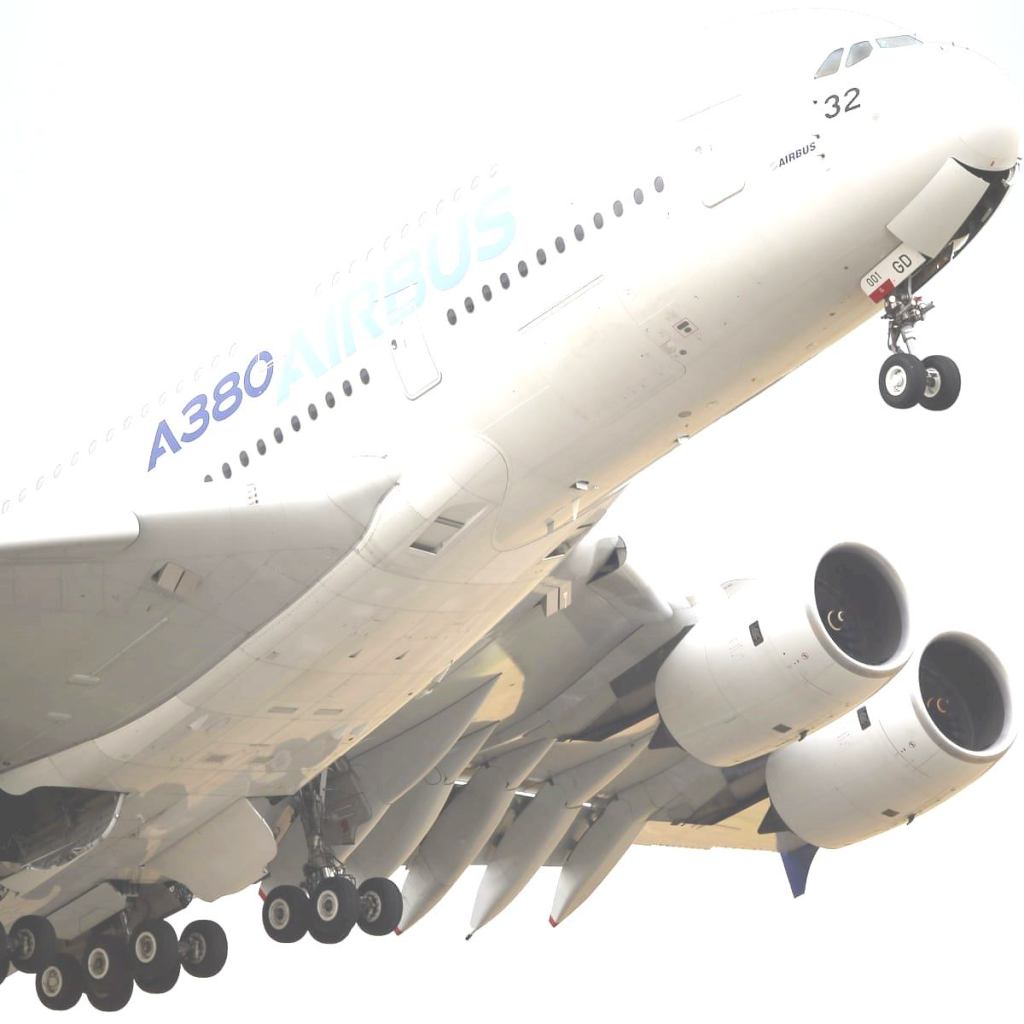
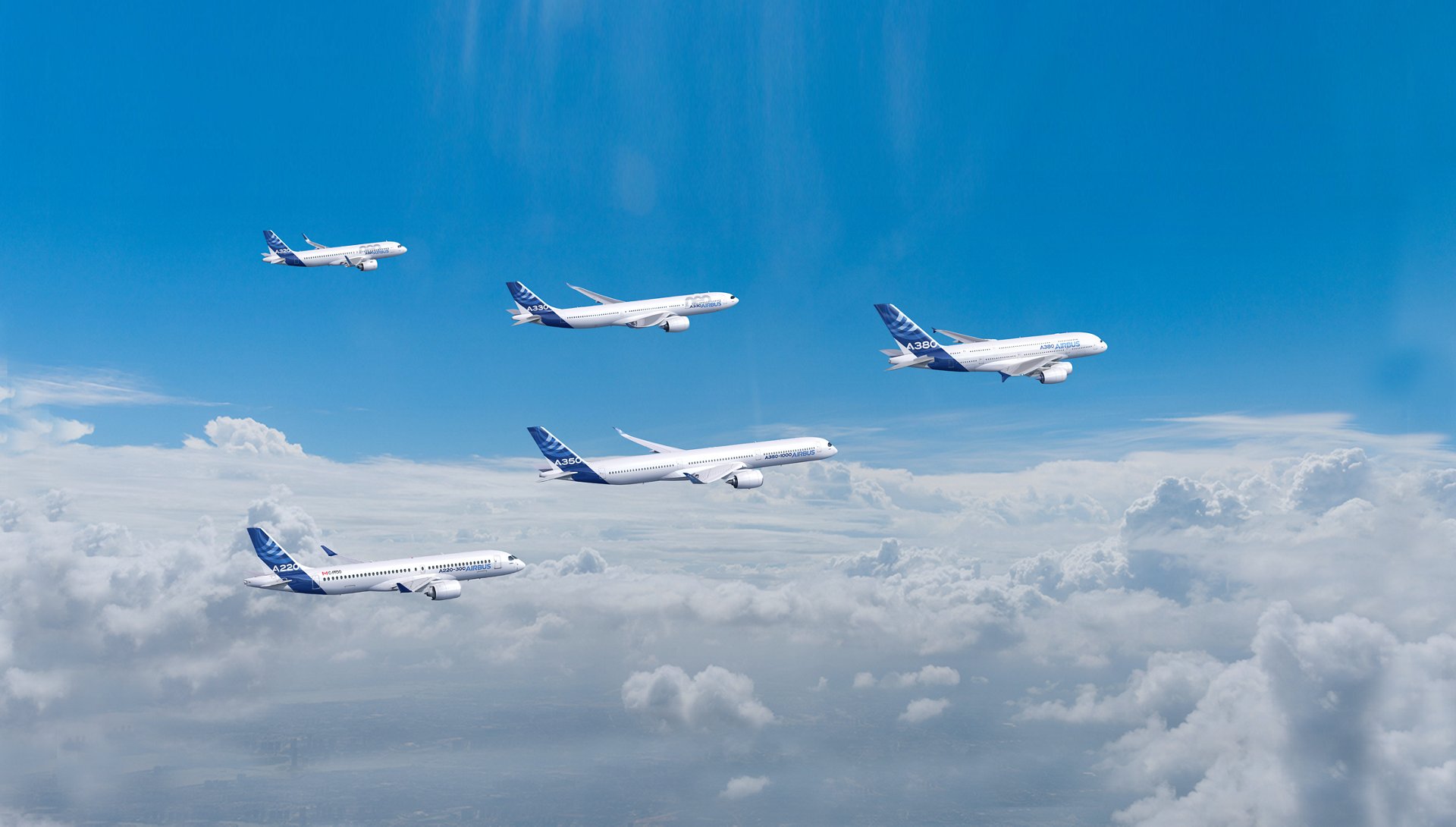
Airbus Group será el mayor fabricante de aviones del mundo por segundo año consecutivo este 2020. Airbus continuará disfrutando de la supremacía en el mercado aeronáutico, conservando el podio durante 24 meses consecutivos a Boeing para ser el mayor fabricante de aviones del mundo. El año 2020 ha permitido reanudar las entregas de su superjumbo A380 a Emirates Airline, aunque es probable que sus entregas finales hayan disminuido un 35% con respecto a la pandemia COVID-19.
No se han programado vuelos de aviones de transporte especiales de Beluga durante el resto del año, que son encargados de transportar secciones de aeronaves bajo una exención de la mayoría de las restricciones de viaje del coronavirus. Salvo una nueva agitación generalizada de los viajes, las fuentes de la industria esperan que Airbus entregue 550-560 aviones en 2020 después de que alcanzara más de 520 la semana pasada. Pero advirtieron que las entregas están sujetas a un número inusual de variables y que los horarios no se establecen en piedra. Es poco probable que Airbus repita una oleada récord de más de 100 entregas que realizó en Diciembre de 2019. Un portavoz de Airbus se negó a hacer comentarios sobre los detalles, pero dijo que Airbus sigue operando con normalidad. «Seguimos entregando a todo vapor y esto continuará durante las vacaciones», dijo el portavoz.
Airbus dijo que entregó un A330NEO a Uganda Airlines a principios de este mes 10/2020, aunque han surgido nuevas dudas sobre aviones similares ya construidos para AirAsia X con dificultades financieras. Después de una pausa de un año en las entregas del A380 a Dubái, Airbus ha entregado dos A380 a Emirates este mes, según muestran los datos de seguimiento. Terminará el año con tres entregas de A380 después de que la ana japonesa pusiera un avión recién entregado en el almacén en Octubre 2020. Airbus ha detenido el montaje inicial del jet de cuatro motores y tiene seis para entregar. A principios de este mes, la firma chárter HiFly puso fin a los esfuerzos para obtener beneficios de un avión de segunda mano, lo que significa que se ve que es probable que más A380 sigan el jet ANA al almacenamiento. Se espera que las entregas totales de Airbus disminuyan un 35% este año debido al impacto que la pandemia ha tenido en las compañías aéreas, pero Airbus tiene una ventaja insuperable sobre Boeing, que entregó 118 aviones hasta finales de Noviembre 2020, con el 737 MAX en tierra durante ese período.
Entre Enero y Noviembre 2020, Airbus entregó 477 aviones. Ha entregado 46 de su categoría principal de aviones en lo que va de diciembre, según el sitio web de seguimiento de Airbus Hamburg Finkenwerder, elevando el total de entregas en lo que va de año más allá de 520. Fuentes de la industria dicen que Airbus puede alcanzar un objetivo informal de 560 entregas en 2020, aunque cada entrega viene con incertidumbre y algunos expertos dicen que 550 es una estimación más segura.
Airbus world’s largest constructor
Airbus second consecutive year as the world’s largest manufacturer
Airbus Group will be the world’s largest aircraft manufacturer for the second year in a row in 2020. Airbus will continue to enjoy supremacy in the aeronautical market, holding Boeing the podium for 24 consecutive months to be the world’s largest aircraft manufacturer. The year 2020 has allowed Emirates Airline to resume deliveries of its superjumbo A380, although its final deliveries are likely to have decreased by 35% compared to the COVID-19 pandemic.
No special Beluga transport aircraft flights have been scheduled for the remainder of the year, which are tasked with carrying sections of aircraft under an exemption from most coronavirus travel restrictions. Barring new widespread travel turmoil, industry sources expect Airbus to deliver 550-560 aircraft in 2020 after it reached more than 520 last week. But they cautioned that deliveries are subject to an unusual number of variables and that schedules are not set in stone. Airbus is unlikely to repeat a record surge of more than 100 deliveries it made in December 2019. An Airbus spokesman declined to comment on the details, but said Airbus continues to operate normally. «We continue to deliver at full steam and this will continue throughout the holidays», the spokesman said.
Airbus said it delivered an A330NEO to Uganda Airlines earlier this month 10/2020, although new questions have been raised about similar aircraft already built for AirAsia X with financial difficulties. After a year-long hiatus in A380 deliveries to Dubai, Airbus has delivered two A380s to Emirates this month, tracking data shows. It will end the year with three A380 deliveries after the Japanese ana put a newly delivered aircraft in warehouse in October 2020. Airbus has halted initial assembly of the four-engine jet and has six to deliver. Earlier this month, charter firm HiFly ended efforts to profit from a used aircraft, meaning more A380s are seen likely to follow the ANA jet into storage. Airbus’ total deliveries are expected to decline 35% this year due to the impact the pandemic has had on airlines, but Airbus has an insurmountable advantage over Boeing, which delivered 118 aircraft through the end of November 2020, with the 737 MAX. on land during that period.
Between January and November 2020, Airbus delivered 477 aircraft. It has delivered 46 of its top aircraft category so far in December, according to Airbus’ tracking website Hamburg Finkenwerder, bringing total deliveries so far this year past 520. Industry sources say Airbus you may hit an informal target of 560 deliveries in 2020, although each delivery comes with uncertainty and some experts say 550 is a more certain estimate.
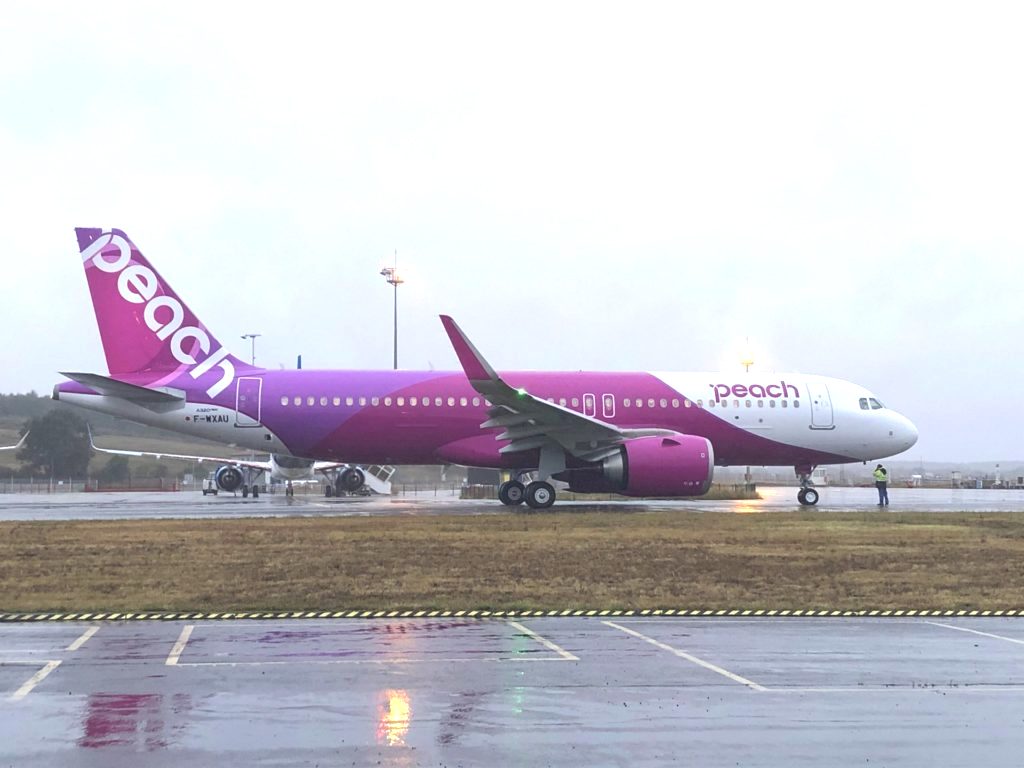
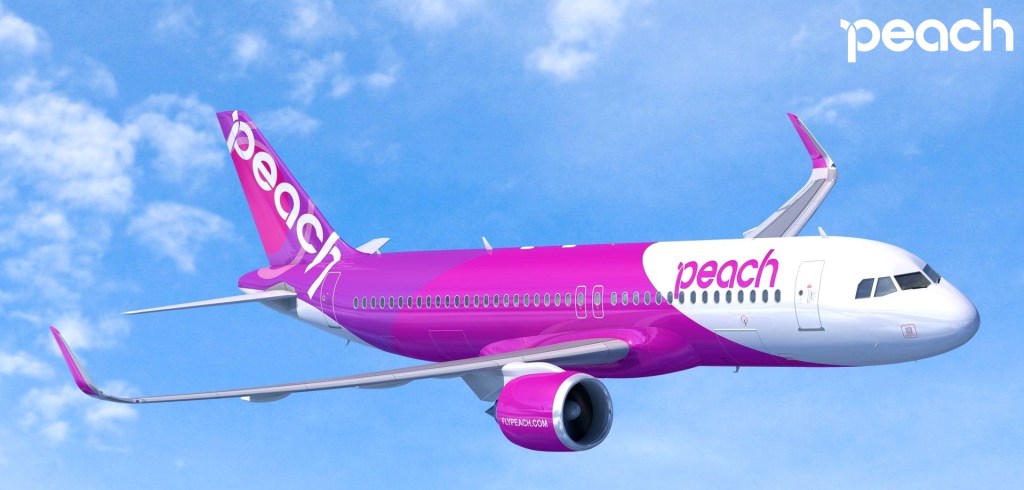
Air Lease Corporation entregó un nuevo avión Airbus A320-200NEO en arrendamiento a largo plazo a Peach Aviation Limited de Japón. Además de los dos A320-200NEO, Peach también tiene dos nuevos A321-200NEO LR entregando a la aerolínea en arrendamiento de Air Lease en 2021 y 2022. «Nos complace anunciar este primero de los cuatro aviones Airbus entrega a Peach Air este 28/12. Esta transacción más reciente de ALC en el mercado japonés demuestra nuestro compromiso con la sostenibilidad ambiental con los aviones más modernos y eficientes en el consumo de combustible. ALC tiene el honor de contribuir a la creciente flota de 320 Airbus de Peach y estamos seguros de que nuestros aviones A320-200NEO y A321NEO LR mejorarán en gran medida las operaciones de la aerolínea en su mercado nacional e internacional», dijo Steven F. Udvar-Házy, Presidente Ejecutivo de Air Lease.
Esta nueva aeronave, como toda la línea A320NEO posee motores CFM International LEAP-1A. Este es el primero de dos nuevos aviones A320-200NEO que entregan este Diciembre 2020 la compañía de leasing. Peach Aviation es una aerolínea de bajo costo en Japón. Con sede en Osaka en el Aeropuerto Internacional de Kansai, es una filial de All Nippon Airways.
Air Lease delivers A320NEO to Peach Air
Peach Air takes delivery of additional A320-200NEO
Air Lease Corporation delivered a new Airbus A320-200NEO aircraft on long-term lease to Peach Aviation Limited of Japan. In addition to the two A320-200NEOs, Peach also has two new A321-200NEO LRs delivering to Air Lease’s lease carrier in 2021 and 2022. «We are pleased to announce this first of four Airbus aircraft delivered to Peach today. This transaction further Recent ALC in the Japanese market demonstrates our commitment to environmental sustainability with the most modern and fuel efficient aircraft. ALC is honored to contribute to Peach’s growing fleet of 320 Airbus and we are confident that our A320-200NEO and A321NEO LR aircraft will greatly enhance the airline’s operations in its domestic and international market», said Steven F. Udvar-Házy, Executive Chairman of Air Lease.
This new aircraft, like the entire A320NEO line, has CFM International LEAP-1A engines. This is the first of two new A320-200NEO aircraft delivered this December 2020 by the leasing company. Peach Aviation is a low-cost airline in Japan. Headquartered in Osaka at Kansai International Airport, it is a subsidiary of All Nippon Airways.
Acuerdo derechos de tercera y cuarta libertad RU-Unión Europea
Las nuevas normas que rigen la relación entre la aviación del Reino Unido y la Unión Europea y las industrias aeroespaciales que entrarán en vigor el 1 de Enero de 2021 otorgan a las compañías aéreas de la Unión Europea y del Reino Unido el derecho a sobrevuelos del territorio, a hacer paradas técnicas y a operar vuelos de pasajeros y carga de tercera y cuarta libertad entre cualquier punto del Reino Unido y cualquier punto de la Unión Europea (UE-27).
En virtud del acuerdo UE-Reino Unido post-Brexit, las compañías aéreas del Reino Unido operarán como compañías aéreas de terceros países a la UE y, por lo tanto, perderán el acceso al mercado de la aviación totalmente liberalizado del bloque. No podrán operar vuelos de pasajeros y/o de carga entre destinos de la UE o el Espacio Económico Europeo más amplio que incluyen Islandia, Liechtenstein y Noruega. Del mismo modo, los transportistas de la Unión Europea no tendrán derecho a operar en el país dentro del Reino Unido.
Período transición
El Reino Unido salió formalmente de la Unión Europea el 31 de Enero de 2020, pero entró en un período de transición de 11 meses durante el cual la legislación de la UE sigue aplicándose y el Reino Unido y su sector de aviación siguen participando en los sistemas de la Agencia de Seguridad Aérea de la Unión Europea (EASA). El Reino Unido también continúa como parte en el Reglamento de servicios aéreos de la UE, que establece normas comunes para el funcionamiento de las compañías aéreas de la UE en el mercado interior de la aviación. Todo esto, sin embargo, concluirá a la medianoche del 31 de Diciembre de 2020 y los términos de un nuevo Acuerdo de Comercio y Cooperación UE-UE comenzarán a aplicarse, con carácter provisional.
Los negociadores de la UE y el Reino Unido llegaron a un acuerdo de última hora el 24 de Diciembre de 2020. Si bien el acuerdo evita un Brexit sin trato altamente disruptivo y evita aranceles y contingentes a los bienes que cruzan el Canal de la Mancha, ambas partes han advertido que el nuevo régimen recreará barreras al comercio de bienes y servicios y a la movilidad transfronteriza, en ambas direcciones, afectando a las administraciones públicas, las empresas, los ciudadanos y las partes interesadas de ambas partes. Habrá formalidades y controles aduaneros de las mercancías del Reino Unido que entren en la UE, y viceversa. Los visitantes del Reino Unido a la UE y Suiza, Noruega, Islandia o Liechtenstein necesitarán un pasaporte y visados válidos para estancias de más de 90 días en un período de 180 días. Ya no podrán utilizar el control rápido de pasaportes y los carriles aduaneros de la UE.
El nuevo régimen hace posibles los derechos de quinta libertad, pero sólo para el transporte de carga y si los Estados miembros de la Unión Europea están de acuerdo bilateral y recíprocamente con el Reino Unido. El acuerdo posterior al Brexit también permite el código compartido entre las aerolíneas del Reino Unido y EU-27.
Las normas de propiedad y control exigen que una compañía aérea de la UE sea de propiedad mayoritaria y esté efectivamente controlada por nacionales de la UE/EEA/Suiza[Ɖ], tenga su sede principal en la UE y tenga un certificado de operador aéreo de la UE. Londres requiere condiciones similares para sus compañías aéreas, pero ha demostrado más flexibilidad con respecto a la propiedad en su disposición a conceder autorizaciones de explotación y permisos a las compañías aéreas en el Reino Unido, incluso si son propiedad mayoritaria y están efectivamente controladas por uno o más nacionales de los Estados miembros de la UE/EEA y Suiza. La postura liberal ampliamente esperada resuelve posibles obstáculos para compañías como British Airways, Norwegian UK y Wizz Air UK, que ahora pueden mantener el pleno acceso al mercado al Reino Unido a pesar de su propiedad mayoritaria por parte de los intereses de la UE.
Paul Everitt, Director Ejecutivo de la organización de comercio aeroespacial del Reino Unido ADS, acogió con beneplácito el acuerdo, aunque advirtió de las dificultades de sincronización dadas menos de una semana permanece hasta el final del período de transición. «El gobierno debe emitir asesoramiento rápido, claro y completo a las empresas sobre los preparativos y trabajar urgentemente para poner en marcha todos los arreglos necesarios», subrayó Paul Everitt.
UK/EU preserve air liberties
UK-European Union third and fourth freedom rights agreement
The new rules governing the relationship between the United Kingdom and the European Union aviation and the aerospace industries that will enter into force on January 1, 2021 grant the airlines of the European Union and the United Kingdom the right to fly over the territory, to make technical stops and to operate third and fourth freedom passenger and cargo flights between any point in the United Kingdom and any point in the European Union (EU-27).
Under the EU-UK post-Brexit deal, UK airlines will operate as third country airlines to the EU and thus lose access to the bloc’s fully liberalized aviation market. They will not be able to operate passenger and/or cargo flights between destinations in the EU or the wider European Economic Area which include Iceland, Liechtenstein and Norway. Similarly, European Union carriers will not have the right to operate in the country within the United Kingdom.
Transition period
The UK formally left the European Union on January 31, 2020, but entered an 11-month transition period during which EU law continues to apply and the UK and its aviation sector continue to participate in the systems. of the European Union Aviation Safety Agency (EASA). The UK also remains a party to the EU Air Services Regulation, which sets common rules for the operation of EU airlines in the internal aviation market. All this, however, will conclude at midnight on December 31, 2020 and the terms of a new EU-EU Trade and Cooperation Agreement will begin to apply, on a provisional basis.
Negotiators from the EU and the UK reached a last-minute deal on December 24, 2020. While the deal avoids a highly disruptive no-deal Brexit and avoids tariffs and quotas on goods crossing the English Channel, Both parties have warned that the new regime will recreate barriers to trade in goods and services and to cross-border mobility, in both directions, affecting public administrations, companies, citizens and stakeholders of both parties. There will be customs formalities and controls on UK goods entering the EU, and vice versa. Visitors from the UK to the EU and Switzerland, Norway, Iceland or Liechtenstein will need a passport and valid visas for stays of more than 90 days in a 180-day period. They will no longer be able to use fast passport control and EU customs lanes.
The new regime makes fifth freedom rights possible, but only for freight transport and if the Member States of the European Union agree bilaterally and reciprocally with the United Kingdom. The post-Brexit deal also allows codeshare between UK and EU-27 airlines.
Ownership and control rules require that an EU air carrier be majority owned and effectively controlled by EU/EEA/Swiss[Ɖ] nationals, have its head office in the EU and have an EU Air Operator Certificate. London requires similar conditions for its airlines but has shown more flexibility with regard to ownership in its willingness to grant operating authorizations and permits to UK airlines, even if they are majority owned and effectively controlled by one or plus nationals of EU/EEA member states and Switzerland. The widely anticipated liberal stance solves potential hurdles for companies like British Airways, Norwegian UK and Wizz Air UK, which can now maintain full market access to the UK despite its majority ownership by EU interests.
Paul Everitt, Executive Director of the UK aerospace trade organization ADS, welcomed the deal, although he warned of timing difficulties given less than a week remaining until the end of the transition period. «The government must issue prompt, clear and comprehensive advice to companies on preparations and work urgently to put all necessary arrangements in place», stressed Paul Everitt.
European Environment Agency (EEA)
La Agencia Europea de Medio Ambiente (EEA) es una agencia de la Unión Europea. El objetivo es proporcionar información sólida e independiente sobre el medio ambiente. Somos una fuente de información importante para quienes participan en el desarrollo, adopción, implementación y evaluación de la política ambiental, y también para el público en general. Actualmente, el EEA cuenta con 32 países miembros.
The European Environment Agency (EEA) is an agency of the European Union. The aim is to provide sound and independent information on the environment. We are an important source of information for those involved in the development, adoption, implementation and evaluation of environmental policy, and also for the general public. Currently, the EEA has 32 member countries.
EU27: En conjunto, los veintisiete Estados miembros de la UE, a partir de 2017, sin el Reino Unido. EU27: Altogether the 27 EU Member States, as of 2017, without the UK.
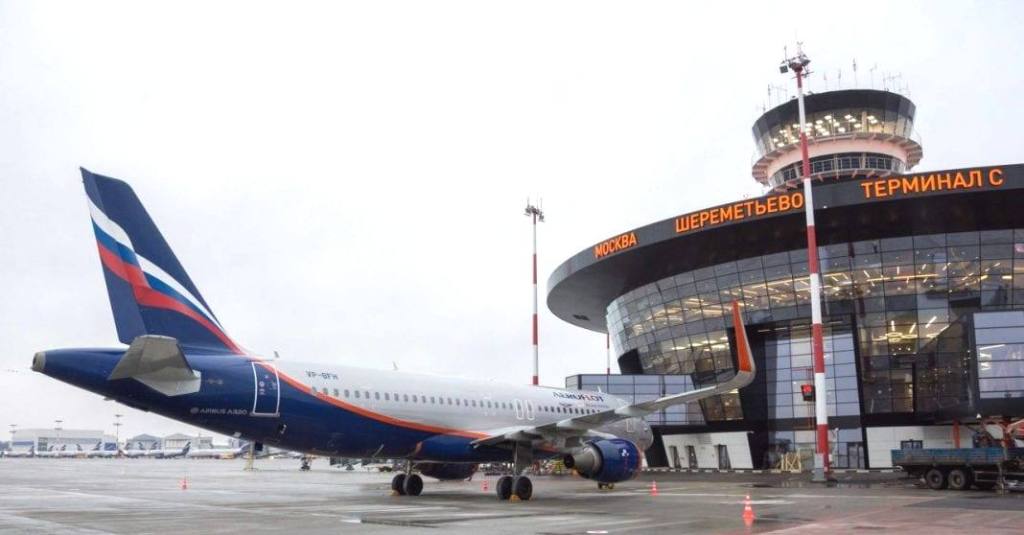
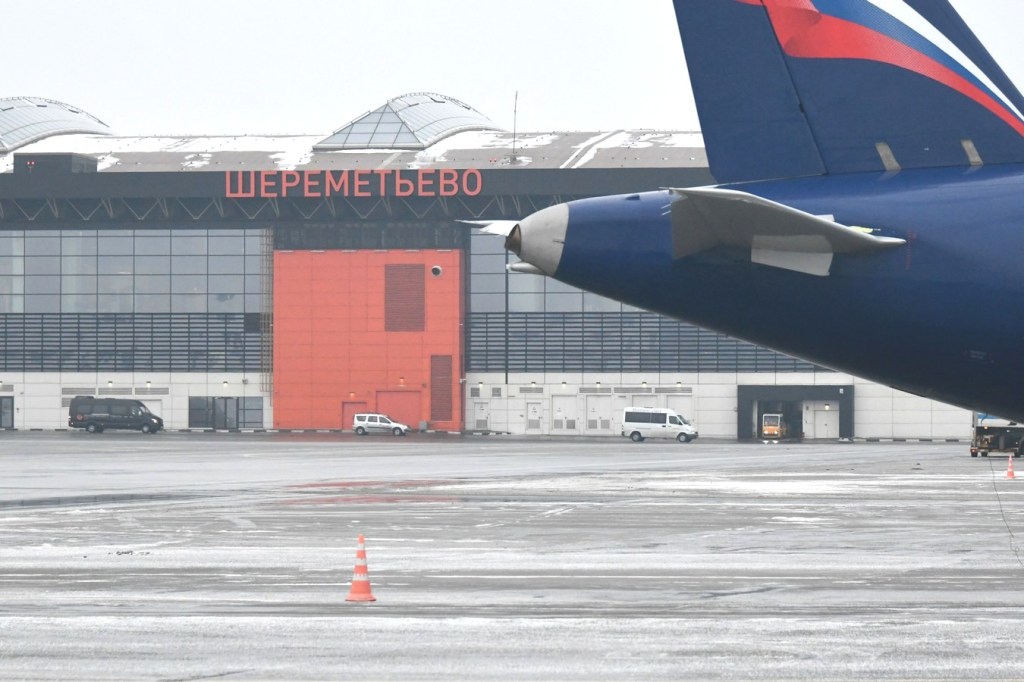
El Aeropuerto Internacional Moscow/Sheremetyevo de Federación Rusia ha reestablecido la Pista 01 (Runways/RWY-1) este 24 de Diciembre de 2020 en una ceremonia de reapertura. Con la puesta en marcha de la pista, que cuenta despegues/aterrizajes de alta velocidad de salida, la capacidad de las tres pistas del Aeropuerto Moscú/Sheremetyevo aumentará a 110 millones de pasajeros por año.
Los funcionarios que participaron en la ceremonia de puesta en servicio fueron el Ministro de Transporte de la Federación de Rusia V.G. Saveliev, primer viceministro de transporte de la Federación de Rusia y jefe de la Agencia Federal de Transporte Aéreo A.V. Neradko, Primer Viceministro de Desarrollo Económico de la Federación de Rusia M.V. Babich, Jefe Adjunto de la Oficina del Presidente de la Federación de Rusia para apoyar las actividades del Consejo Estatal de la Federación de Rusia A.A., Director General de PJSC Aeroflot M.I. Poluboyarinov, Presidente del Consejo de Administración de JSC SIA A.A. Ponomarenko, miembro del Consejo de Administración de JSC SIA A.I. Skorobogatko y Director General de JSC SIA M.M. Vasilenko. «Pudimos hacer la reconstrucción de la Pista 1, que es una etapa importante en el desarrollo del complejo del aeródromo gracias al actual acuerdo de concesión entre el gobierno, representado por Rosaviatsia, y el aeropuerto de Sheremetyevo. Como resultado, hoy contamos con tres pistas que, junto con el desarrollo de la capacidad terminal y en el contexto de la normalización del volumen de tráfico de pasajeros, ofrecen una oportunidad para alcanzar nuestro objetivo estratégico: atender a 110 millones de pasajeros al año», dijo Alexander Ponomarenko.
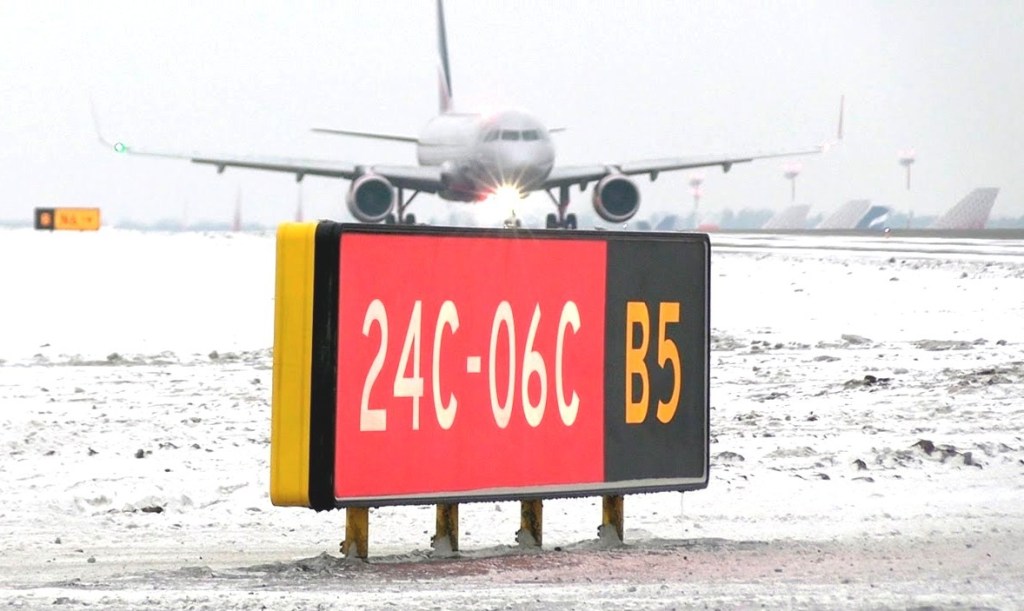
Los trabajos de construcción se compitieron en un tiempo récord, en un plazo de 10 meses durante un período de disminución significativa de las actividades e ingresos del aeropuerto y la necesidad de cumplir con estrictas medidas antidemiológicas. Los trabajos de construcción e instalación se realizaron sin interrupción mientras el aeropuerto estaba operativo. Las operaciones de despegue y aterrizaje en el aeródromo se realizaron en la Pista 2 existente y la Pista 3, mientras que la Pista-1 fue cerrada para la reconstrucción. Este ha sido un proyecto único para la industria de la aviación internacional en términos de su complejidad tecnológica y corto plazo de entrega. La Pista 1 tiene 3.552,5 metros de largo, con una sección de carga que mide 60 metros de ancho. La pista puede acomodar todo tipo y modificaciones de aviones rusos y extranjeros para el despegue y aterrizaje, incluyendo el Airbus A380, así como futuros tipos de aeronaves previstas.
Actualmente, el aeropuerto proporciona un alto grado de puntualidad, fiabilidad y seguridad de vuelo incluso en condiciones climáticas extremas. La reconstrucción de RWY-1 ha sido un proyecto prioritario para 2020 como parte de la implementación del Programa de Desarrollo a Largo Plazo del Aeropuerto de Sheremetyevo. La inversión total de capital superó los 114 millones de dólares. El proyecto se financió directamente y las inversiones realizadas en virtud de los términos del contrato de concesión se recuperarán del componente de inversión de las tasas de despegue y aterrizaje de la aeronave.
Perspectivas Moscow/Sheremetyevo
La puesta en marcha de una nueva estructura del espacio aéreo y el funcionamiento de tres pistas en el Aeropuerto de Sheremetyevo mejorarán la eficiencia del combustible de las compañías aéreas y la seguridad y puntualidad de los vuelos, y también reducirán la carga de trabajo sobre el control de tráfico y el personal de vuelo mediante el uso de patrones de llegada y salida sin conflictos.
El moderno aeródromo y la infraestructura terminal de Sheremetyevo abren amplias oportunidades para el crecimiento y desarrollo a largo plazo para las compañías aéreas de base y las nuevas aerolíneas. Las perspectivas del Aeropuerto Moscow/Sheremetyevo, teniendo en cuenta el desarrollo de la infraestructura y llevando las terminales de pasajeros y carga a su capacidad de diseño, planea unirse a la liga de los centros de aviación más grandes del mundo y fortalecer su estatus como el principal centro aéreo de tránsito entre Europa y Asia.
The Moscow/Sheremetyevo International Airport of the Russian Federation has re-established Runway 01 (Runways / RWY-1) this December 24, 2020 in a reopening ceremony. With the commissioning of the runway, which features high-speed departure takeoffs/landings, the capacity of the three runways at Moscow/ Sheremetyevo Airport will increase to 110 million passengers per year.
The officials who participated in the commissioning ceremony were the Minister of Transport of the Russian Federation V.G. Saveliev, First Deputy Minister of Transport of the Russian Federation and head of the Federal Air Transport Agency A.V. Neradko, First Deputy Minister of Economic Development of the Russian Federation M.V. Babich, Deputy Head of the Office of the President of the Russian Federation to support the activities of the State Council of the Russian Federation A.A., General Director of PJSC Aeroflot M.I. Poluboyarinov, Chairman of the Board of Directors of JSC SIA A.A. Ponomarenko, member of the Board of Directors of JSC SIA A.I. Skorobogatko and Managing Director of JSC SIA M.M. Vasilenko. «We were able to do the reconstruction of Runway 1, which is an important stage in the development of the aerodrome complex thanks to the current concession agreement between the government, represented by Rosaviatsia, and Sheremetyevo Airport. As a result, today we have three runways which, together with the development of terminal capacity and in the context of the normalization of the volume of passenger traffic, offers an opportunity to achieve our strategic objective: to serve 110 million passengers per year», said Alexander Ponomarenko.
The construction works were competed in record time, within 10 months during a period of significant decline in airport activities and revenues and the need to comply with strict anti-demiological measures. Construction and installation work was carried out without interruption while the airport was operational. Take-off and landing operations at the airfield were carried out on existing Runway 2 and Runway 3, while Runway-1 was closed for reconstruction. This has been a unique project for the international aviation industry in terms of its technological complexity and short lead time. Runway 1 is 3,552.5 meters long, with a cargo section that measures 60 meters wide. The runway can accommodate all types and modifications of Russian and foreign aircraft for takeoff and landing, including the Airbus A380, as well as planned future aircraft types.
Today, the airport provides a high degree of punctuality, reliability and flight safety even in extreme weather conditions. The reconstruction of RWY-1 has been a priority project for 2020 as part of the implementation of the Sheremetyevo Airport Long-Term Development Program. Total capital investment exceeded US$ 114 million. The project was directly financed and the investments made under the terms of the concession contract will be recovered from the investment component of the aircraft takeoff and landing fees.
Perspectives Moscow/Sheremetyevo
The commissioning of a new airspace structure and the operation of three runways at Sheremetyevo Airport will improve the fuel efficiency of airlines and the safety and punctuality of flights, and will also reduce the workload on control traffic and flight personnel by using conflict-free arrival and departure patterns.
Sheremetyevo’s modern airfield and terminal infrastructure open up extensive opportunities for long-term growth and development for base airlines and new airlines. The prospects for Moscow/Sheremetyevo Airport, taking into account the development of infrastructure and bringing passenger and cargo terminals to their design capacity, plans to join the league of the world’s largest aviation hubs and strengthen its status as the main air transit hub between Europe and Asia.
Открытие ВПП-1 Москва/Шереметьево
Аэропорт Шереметьево открывает взлетно-посадочную полосу 1
В международном аэропорту Мсока/Шереметьево, Российская Федерация, была восстановленавзлетно-посадочная полоса 01 (ВПП-1) 24 декабря 2020 года в рамках церемонии открытия. С вводом в эксплуатацию взлетно-посадочной полосы с высокоскоростными взлетно-посадочными полосами пропускная способность трех взлетно-посадочных полос в аэропорту Москва/Шереметьево увеличится до 110 миллионов пассажиров в год.
Официальными лицами, участвовавшими в церемонии ввода в эксплуатацию, были министр транспорта Российской Федерации В.Г. Савельев, первый заместитель министра транспорта Российской Федерации, руководитель Федерального агентства воздушного транспорта А.В. Нерадько, Первый заместитель Министра экономического развития Российской Федерации М.В. Бабич, заместитель руководителя Аппарата Президента Российской Федерации по обеспечению деятельности Государственного Совета Российской Федерации А.А., Генеральный директор ПАО Аэрофлот М.И. Полубояринов, Председатель Совета директоров ООО SIA A.A. Пономаренко, член Совета директоров ООО SIA А.И. Скоробогатько и управляющий директор ООО SIA M.M. Василенко. «Благодаря действующему концессионному соглашению между правительством в лице Росавиации и аэропортом Шереметьево мы смогли провести реконструкцию ВПП 1, что является важным этапом в развитии аэродромного комплекса. В результате сегодня у нас есть три взлетно-посадочные полосы. что вместе с увеличением пропускной способности терминала и в контексте нормализации пассажиропотока дает возможность достичь нашей стратегической цели: обслуживать 110 миллионов пассажиров в год», сказал Александр Пономаренко.
Строительные работы были завершены в рекордные сроки, в течение 10 месяцев, в период значительного снижения активности и доходов аэропорта и необходимости соблюдения строгих антидемиологических мер. Строительно-монтажные работы велись без перебоев во время работы аэропорта. Взлетно-посадочные операции на аэродроме выполнялись на существующих ВПП 2 и ВПП 3, а ВПП-1 закрыта на реконструкцию. Это уникальный проект для международной авиационной отрасли с точки зрения его технологической сложности и коротких сроков выполнения. Длина взлетно-посадочной полосы 1 составляет 3552,5 метра, а ширина грузового отсека составляет 60 метров. Взлетно-посадочная полоса может принимать для взлета и посадки все типы и модификации российских и зарубежных самолетов, в том числе Airbus A380, а также планируемые типы самолетов будущего.
Сегодня аэропорт обеспечивает высокую степень пунктуальности, надежности и безопасности полетов даже в экстремальных погодных условиях. Реконструкция ВПП-1 является приоритетным проектом на 2020 год в рамках реализации Долгосрочной программы развития аэропорта Шереметьево. Общий объем капитальных вложений превысил 114 миллионов долларов. Проект финансировался напрямую, и инвестиции, сделанные по условиям концессионного контракта, будут возмещены за счет инвестиционной составляющей сборов за взлет и посадку самолетов.
Outlook Москва/Шереметьево
Ввод в эксплуатацию новой структуры воздушного пространства и эксплуатация трех взлетно-посадочных полос в аэропорту Шереметьево позволит повысить топливную эффективность авиакомпаний, безопасность и пунктуальность полетов, а также снизит нагрузку на диспетчерскую транспортный и летный персонал с использованием бесконфликтных схем прибытия и отправления.
Современная аэродромная и терминальная инфраструктура Шереметьево открывает широкие возможности для долгосрочного роста и развития для базовых и новых авиакомпаний. Перспективы аэропорта Москва/Шеpeметьево с учетом развития инфраструктуры и вывода пассажирских и грузовых терминалов на проектную мощность планируют войти в лигу крупнейших авиационных хабов мира и укрепить свой статус главный транзитный узел между Европой и Азией.
Perspectivas Southwest tras anuncios de ayudas a aerolíneas
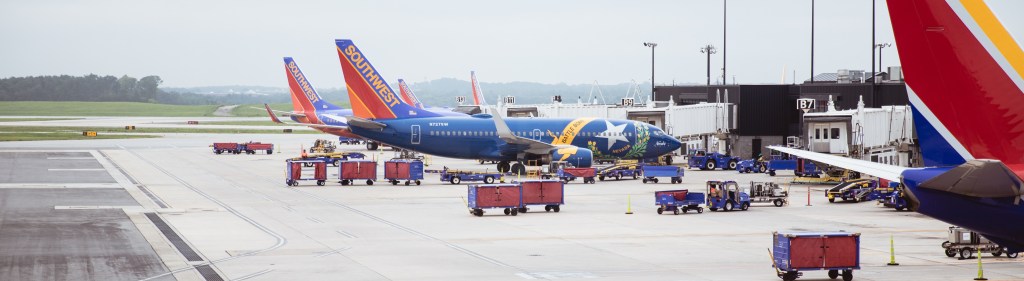
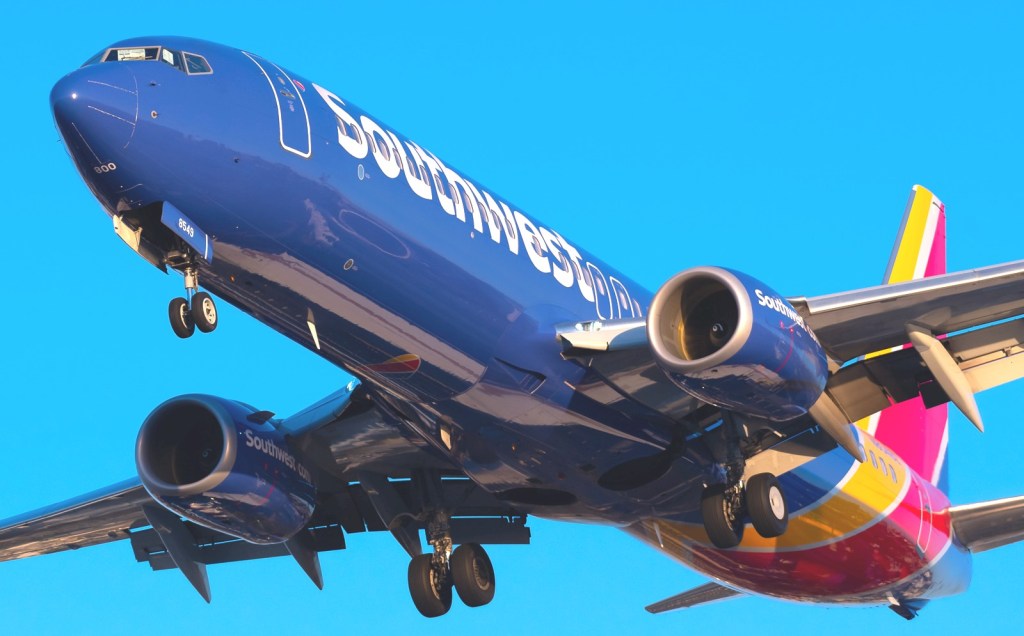
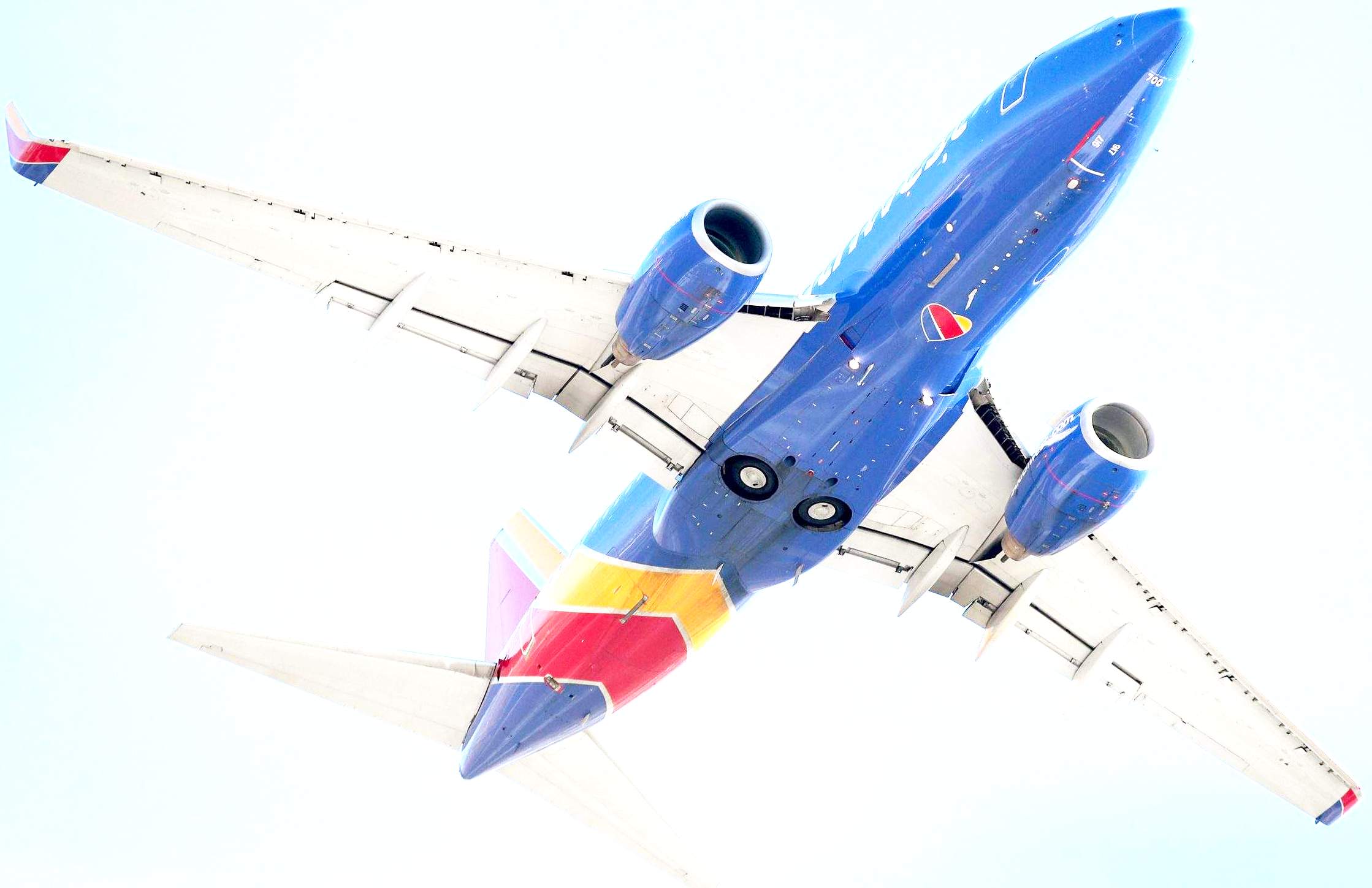
Southwest Airlines ha comunicado que no necesitará realizar reducción de salarios en 2021 después de que la Administración Trump ha aprobado las nuevas ayudas económicas a las aerolíneas, luego de que las perspectivas económicas pudieran profundizarse con los nuevos rebrotes de la pandemia. El CEO de Southwest, Gary Kelly, dice que la compañía está dejando caer las conversaciones por posibles recortes, luego que la Ley de ayuda aérea se aprobase y alcanzara a paliar los impactos de la recesión de los viajes aéreos. Con este nuevo oxígeno para las principales aerolíneas en Estados Unidos, Southwest Airlines retirará las demandas de recorte salarial y rescindirá los avisos de furlough después de que el Presidente Donald Trump firmara el proyecto de ley de estímulo económico de 900 mil millones de dólares que incluía US$ 15.000 millones de Dólares en ayudas para las aerolíneas, dijo la compañía en una carta a los empleados el Domingo 27/12 por la noche.
El nuevo proyecto de ley de financiamiento y alivio de la pandemia requerirá que las aerolíneas protejan los empleos y los salarios hasta el 31 de Marzo de 2021, pero el CEO Gary Kelly dijo que Southwest Airlines, con sede en Dallas, probablemente no tendrá que forzar ningún recorte de empleados para la totalidad de 2021: «Como he estado diciendo durante meses, este siempre fue nuestro plan preferido, y significa que podemos detener el movimiento hacia los furloughs y pagar los recortes que anunciamos anteriormente. Teniendo en cuenta esto, actualmente no anticipamos la necesidad de llevar a cabo ningún permiso o recortes de pago el próximo año». Southwest está en línea por alrededor de US$ 1.500 millones en subvenciones y US$ 650 millones en préstamos del Tesoro del Estado respaldados por acciones a través de la nueva factura de estímulo, según cálculos del Sindicato de la Asociación de Pilotos de Southwest Airlines (SWAPA).
Los ejecutivos de la compañía dijeron a los empleados a finales de Septiembre 2020 que necesitarían recortes salariales del 10% el próximo año 2021 para mantener a la aerolínea en un sólido terreno financiero. Southwest había accionado para recortar el salario no sindical y recortes salariales a los trabajadores sindicales hacia el 2021, pero las conversaciones con los sindicatos flaquearon y la compañía emitió avisos de permiso para más de 7.000 empleados a principios de Diciembre 2020. Aún en el peor escenario, Southwest Airlines no arrasó ni recortó los salarios de ningún trabajador en 2020, incluso durante el peor de los casos de la pandemia COVID-19 que diezmó la demanda de viajes aéreos y causó más de US$ 2.200 millones de Dólares en pérdidas durante los tres primeros trimestres del año 2020. «Tenga en cuenta que todavía tenemos personal excesivo en muchas áreas, así que si los programas de tiempo libre voluntario están disponibles en su grupo de trabajo, considere participar cada vez que se ofrezcan. Sé que la batalla no ha terminado, pero somos resistentes y estamos bien preparados para luchar para que Southwest salga más fuerte que nunca, listo para prosperar durante los próximos 50 años», dijo Gary Kelly en su carta a los empleados de la aerolínea.
Las aerolíneas
Con el panorama presente de la aviación comercial, las aerolíneas todavía están anticipando unos cuantos meses difíciles hasta que una vacuna COVID-19 alcance una aceptación lo suficientemente amplia como para reducir el riesgo de propagación del virus. Gary Kelly ha dicho que no prevé una recuperación significativa en el tráfico de pasajeros hasta finales de 2021 con una recuperación completa probablemente tomando más tiempo.
El nuevo paquete de ayuda aérea es similar al aprobado en Marzo 2020 como parte de la Ley CARES. Brinda a las aerolíneas apoyo para cubrir alrededor del 75% de las nóminas de empleados del 1 de diciembre al 31 de marzo y prohíbe a las compañías aéreas reducir los salarios, el pelaje y el despido de trabajadores. También impide que las aerolíneas den dividendos a los accionistas y limita el salario de los ejecutivos. Otras aerolíneas hicieron trabajos de obreros y comenzarán a recordar pilotos, azafatas y otros. American Airlines, con sede en Fort Worth, emitió cheques de pago a sus 17.500 trabajadores y ha comenzado a retirar a esos trabajadores. United Airlines, con sede en Chicago, recordará a sus 13.000 trabajadores, pero el CEO Scott Kirby ha dicho que esas devoluciones de llamada serán temporales porque es probable que la demanda no se recupere a finales de Marzo 2020.
Southwest will not make pay cuts
Southwest perspectives after airline aid announcements
Southwest Airlines has communicated that it will not need to reduce salaries in 2021 after the Trump Administration has approved the new economic aid to airlines, after the economic outlook could deepen with the new outbreaks of the pandemic. Southwest CEO Gary Kelly says the company is dropping talks over possible cuts after the Air Act was passed and managed to ease the impacts of the air travel recession. With this new oxygen for major airlines in the United States, Southwest Airlines will withdraw wage-cut demands and rescind furlough notices after President Donald Trump signed the US$ 900 billion economic stimulus bill that included the US$ 15 billion in aid for airlines, the company said in a letter to employees on Sunday night 12/27.
The new pandemic financing and relief bill will require airlines to protect jobs and wages through March 31, 2021, but CEO Gary Kelly said Dallas-based Southwest Airlines probably won’t have to force no employee cuts for the entirety of 2021. «As I’ve been saying for months, this was always our preferred plan, and it means that we can stop the move to furloughs and pay for the cuts we announced earlier. Given this, we currently don’t We anticipate the need for any permitting or payment cuts next year». Southwest is online for about US$ 1.5 billion in grants and US$ 650 million in equity-backed State Treasury loans through the new stimulus bill, according to calculations by the Southwest Airlines Pilots Association Union (SWAPA).
Company executives told employees in late September 2020 that they would need 10% pay cuts next year 2021 to keep the airline on solid financial ground. Southwest had taken action to cut non-union pay and pay cuts to union workers by 2021, but talks with unions faltered and the company issued leave notices for more than 7,000 employees in early December 2020. Even in the worst case scenario, Southwest Airlines did not sweep or cut any workers’ wages in 2020, even during the worst-case scenario of the COVID-19 pandemic that decimated demand for air travel and caused more than US$ 2.2 billion in losses during the first three. quarters of the year 2020. «Keep in mind that we are still overstaffed in many areas, so if volunteer time off programs are available in your workgroup, please consider participating whenever they are offered. I know the battle is not over, but we are resilient and we are well prepared to fight for Southwest to come out stronger than ever, ready to thrive for the next 50 years», said Gary Kelly in his letter to airline employees.
Airlines
With the current landscape of commercial aviation, airlines are still anticipating a difficult few months until a COVID-19 vaccine reaches wide enough acceptance to reduce the risk of spreading the virus. Gary Kelly has said that he does not anticipate a significant recovery in passenger traffic until the end of 2021 with a full recovery likely taking longer.
The new air aid package is similar to the one approved in March 2020 as part of the CARES Act. Provides support to airlines to cover about 75% of employee payrolls from December 1 to March 31 and prohibits airlines from reducing wages, fur, and laying off workers. It also prevents airlines from giving dividends to shareholders and limits executive pay. Other airlines did blue-collar jobs and will begin to remember pilots, stewardesses and others. Fort Worth-based American Airlines issued paychecks to its 17,500 workers and has begun to retire those workers. Chicago-based United Airlines will remember its 13,000 workers, but CEO Scott Kirby has said those callbacks will be temporary because demand is unlikely to pick up by the end of March 2020.
PUBLISHER: Airgways.com DBk: Southwest.com / Swapa.org / Treasury.gov / Karl Magnuson / Marc Charon / Airgways.com AW-POST: 202012281558AR
Gobierno saudí posterga reanudación aviación por rebrotes
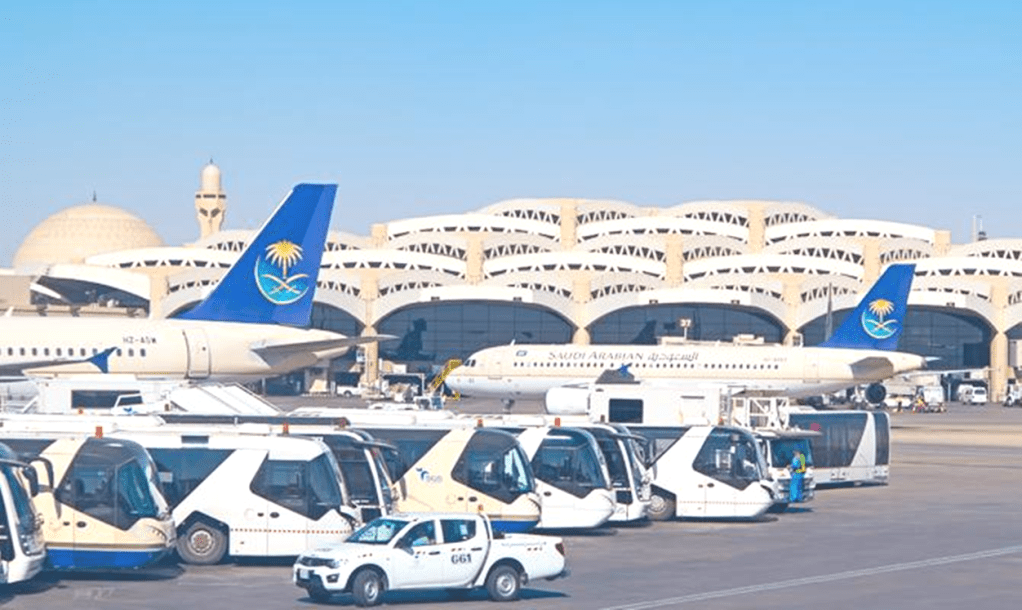
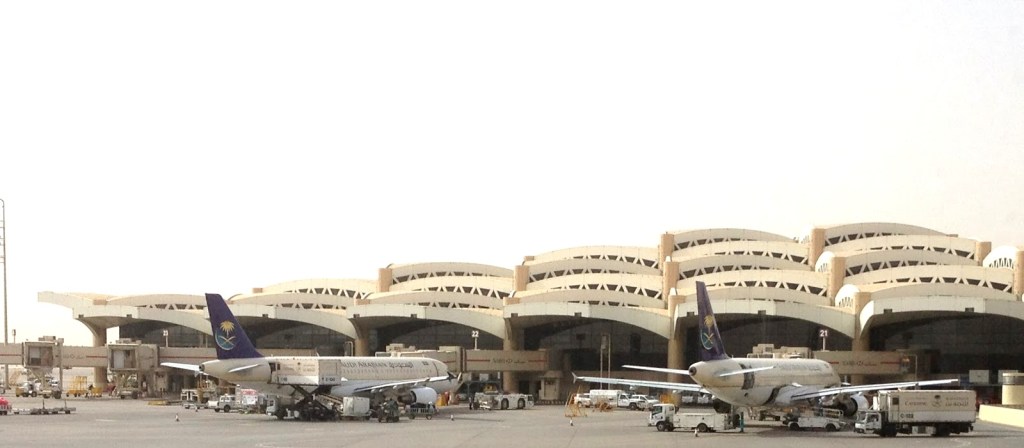
Las autoridades del Gobierno del Reino de Arabia Saudita han anunciado este Lunes 28/12 la prórroga de una semana de la reactivación de los vuelos comerciales, tras la suspensión y el cierre de sus fronteras por los rebrotes. La nueva medida se establece en el marco de sus restricciones a causa de la nueva variante de Coronavirus detectada la semana pasada. Fuentes del Ministerio del Interior han indicado que la decisión, en vigor desde el 20 de Diciembre de 2020, no será aplicada a casos considerados excepcionales y al envío de transporte de bienes elementales y carga. Mientras tanto, las autoridades seguirán evaluando la situación con el objetivo principal de mantener la seguridad de los ciudadanos y los expatriados que se encuentran en este momento en el país, aunque continúan monitoreando la situación para determinar si extienden la prórroga dependiendo de la evolución del cuadro de contagios.
La Autoridad General de Aviación Civil (GACA) de Arabia Saudita ha anunciado a las aerolíneas que operan en Arabia Saudita, que los vuelos al exterior para que los extranjeros abandonen el país están autorizados, mientras que la tripulación de vuelo no deberá abandonar la aeronave. Los pasajeros que hayan ingresado a Arabia Saudita desde los países con la nueva variante de la cepa del Coronavirus desde el 8 de Diciembre de 2020 deben aislarse por el espacio de dos semanas como medidas preventivas.
Saudi Arabia extends flight suspension by one week
Saudi gov’t delays aviation resumption due to outbreaks
The authorities of the Government of the Kingdom of Saudi Arabia have announced this Monday, December 28, the one-week extension of the reactivation of commercial flights, after the suspension and closure of its borders due to outbreaks. The new measure is established within the framework of its restrictions due to the new variant of Coronavirus detected last week. Sources from the Ministry of the Interior have indicated that the decision, in force since December 20, 2020, will not be applied to cases considered exceptional and to the shipment of transport of elementary goods and cargo. Meanwhile, the authorities will continue to evaluate the situation with the main objective of maintaining the safety of citizens and expatriates who are currently in the country, although they continue to monitor the situation to determine if they extend the extension depending on the evolution of the situation. contagion.
The General Civil Aviation Authority (GACA) of Saudi Arabia has announced to airlines operating in Saudi Arabia, that flights abroad for foreigners to leave the country are authorized, while the flight crew must not leave the aircraft. Passengers who have entered Saudi Arabia from countries with the new variant of the COronavirus strain since December 8, 2020 should be isolated for two weeks as preventive measures.
السعودية تمدد تعليق الرحلات لمدة أسبوع
الحكومة السعودية تؤجل استئناف الطيران بسبب تفشي المرض
أعلنت سلطات حكومة المملكة العربية السعودية ، الإثنين 28 ديسمبر ، تمديد إعادة تنشيط الرحلات التجارية لمدة أسبوع ، بعد تعليق وإغلاق حدودها بسبب تفشي المرض. تم وضع الإجراء الجديد في إطار قيودها بسبب البديل الجديد لفيروس كورونا الذي تم اكتشافه الأسبوع الماضي وأوضحت مصادر بوزارة الداخلية ، أن القرار المعمول به منذ 20 ديسمبر 2020 ، لن يطبق على الحالات التي تعتبر استثنائية وعلى شحنات نقل البضائع الأولية والبضائع. في غضون ذلك ، ستواصل السلطات تقييم الوضع بهدف رئيسي هو الحفاظ على سلامة المواطنين والمغتربين الموجودين حاليًا في البلاد ، على الرغم من استمرارها في مراقبة الوضع لتحديد ما إذا كانت ستمدد التمديد اعتمادًا على تطور الوضع. مرض معد.
أعلنت الهيئة العامة للطيران المدني (GACA) في المملكة العربية السعودية لشركات الطيران العاملة في المملكة العربية السعودية أن الرحلات الخارجية للأجانب لمغادرة البلاد مسموح بها ، بينما يجب ألا يغادر طاقم الرحلة الطائرة. يجب عزل الركاب الذين دخلوا المملكة العربية السعودية من دول بها البديل الجديد لسلالة فيروس كورونا منذ 8 ديسمبر 2020 لمدة أسبوعين كإجراءات وقائية.
La aerolínea Paranair de la República del Paraguay ha anunciado la adquisición de un Bombardier CRJ-200 ex-Flyest Líneas Aéreas, una aerolínea que ha presentado la quiebra en Argentina. La nueva incorporación permitirá ofrecer más servicios un la región.
El CRJ-200ER se encontraba aparcado en el Aeropuerto Internacional Carrasco iniciando el vuelo ferry el 24/12 con destino a Asunción del Paraguay para incorporarse a la flota de la aerolínea. La nueva aeronave ha sido matriculada en Paraguay, bajo el registro ZP-CRT. La flota actual de Paranair se compone de Bombardier CRJ-200 (4): ZP-CRJ, ZP-CRR, ZP-CRS, ZP-CRT.
Ampliando servicios
Paranair ha programado ampliar sus capacidades desde Diciembre 2020, conectando vuelos directos estacionales desde Asunción a Rio de Janeiro y Florianópolis, Brasil, como parte de un plan de expansión en la región. La aerolínea regional conecta todos los Sábados desde el 26 de Diciembre al 16 de Enero de 2021 a Asunción con Florianópolis. La compañía además operará vuelos directos a Rio de Janeiro los días Miércoles y Viernes desde el 6 al 22 de Enero 2021. Además la aerolínea anuncia que permitirá un cambio de fecha, en la misma ruta durante el período de estos vuelos sin penalidad. El actual programa de rutas aéreas corresponden a: Asunción–Buenos Aires, Asunción–Ciudad del Este, Asunción–Florianópolis, Asunción–Montevideo, Asunción–Río de Janeiro [06/01/2021]. Paranair además continúa con sus vuelos regulares comerciales a Buenos Aires y Montevideo.
Paranair acquires CRJ-200 from Flyest
Paranair reinforces expansion in South America
The Paranair airline of the Republic of Paraguay has announced the acquisition of a Bombardier CRJ-200 ex-Flyest Líneas Aéreas, an airline that has filed for bankruptcy in Argentina. The new incorporation will allow offering more services in the region.
The CRJ-200ER was parked at the Carrasco International Airport, starting the ferry flight on 12/24 to Asunción del Paraguay to join the airline’s fleet. The new aircraft has been registered in Paraguay, under the ZP-CRT registry. Paranair’s current fleet consists of Bombardier CRJ-200s (4): ZP-CRJ, ZP-CRR, ZP-CRS, ZP-CRT.
Expanding services
Paranair has scheduled to expand its capabilities from December 2020, connecting seasonal direct flights from Asunción to Rio de Janeiro and Florianopolis, Brazil, as part of an expansion plan in the region. The regional airline connects every Saturday from December 26 to January 16, 2021 to Asunción with Florianópolis. The company will also operate direct flights to Rio de Janeiro on Wednesdays and Fridays from January 6 to 22, 2021. In addition, the airline announces that it will allow a change of date, on the same route during the period of these flights without penalty. The current program of air routes corresponds to: Asunción–Buenos Aires, Asunción–Ciudad del Este, Asunción–Florianópolis, Asunción–Montevideo, Asunción–Rio de Janeiro [01/06/2021]. Paranair also continues with its regular commercial flights to Buenos Aires and Montevideo.











 airgways.com