Aumento 30% capacidad entre Argentina y París/Amsterdam
El Air France-KLM Group incrementará a cinco frecuencias semanales (5Frq/S) desde París y Amsterdam hacia Buenos Aires. Los vuelos entre Ezeiza y el Aeropuerto Paris/Charles de Gaulle/CDG en la capital francesa se incrementarán de tres a cinco frecuencias semanales desde el 10 de Enero de 2022. Air France, que actualmente opera tres vuelos semanales de pasajeros, sumará dos vuelos, pasando a unir Buenos Aires con París cinco veces por semana. KLM Royal Dutch Airlines, por su parte, que actualmente opera cuatro vuelos semanales de pasajeros, sumará una frecuencia en Febrero 2022, conectando Buenos Aires con Amsterdam/Schiphol/AMS cinco veces por semana (5Frq/S).
El incremento de las frecuencias se encuentran confirmadas hasta Marzo de 2022, según las autorizaciones de Argentina, y sujetas a modificaciones, especifican las aerolíneas. Desde Argentina, Air France y KLM ofrecen conexiones vía París y Amsterdam hacía más de 250 destinos en todo el mundo; los requerimientos sanitarios aplicables son exclusivamente los del destino final, lo que simplifica la conexión.
Respecto a las medidas sanitarias, por ejemplo, “si una persona viaja desde Argentina a España o Italia como destino final, debe cumplir con las condiciones sanitarias requeridas en España o Italia únicamente, ya que los requerimientos sanitarios de Francia y los Países Bajos no aplican para conexiones”, expresaron desde el grupo aéreo franco-holandés.
Antes de viajar, las aerolíneas recomiendan que sus clientes se comuniquen con las autoridades pertinentes de sus países de salida, destino y tránsito para verificar los requisitos de entrada y permanencia. Para verificar los requisitos sanitarios y migratorios de sus países de destino y tránsito, consultar los sitios de Air France o KLM Airlines.
Increase Air France-KLM flights to BA
30% capacity increase between Argentina and Paris/Amsterdam
The Air France-KLM Group will increase to five weekly frequencies (5Frq/S) from Paris and Amsterdam to Buenos Aires. The flights between Ezeiza and the Paris/Charles de Gaulle/CDG Airport in the French capital will increase from three to five weekly frequencies from January 10, 2022. Air France, which currently operates three weekly passenger flights, will add two flights, going to unite Buenos Aires with Paris five times a week. KLM Royal Dutch Airlines, for its part, which currently operates four weekly passenger flights, will add a frequency in February 2022, connecting Buenos Aires with Amsterdam/Schiphol/AMS five times a week (5Frq/S).
The increase in frequencies is confirmed until March 2022, according to the authorizations of Argentina, and subject to modifications, specify the airlines. From Argentina, Air France and KLM offer connections via Paris and Amsterdam to more than 250 destinations around the world; the applicable sanitary requirements are exclusively those of the final destination, which simplifies the connection.
Regarding sanitary measures, for example, “if a person travels from Argentina to Spain or Italy as a final destination, they must comply with the sanitary conditions required in Spain or Italy only, since the sanitary requirements of France and the Netherlands do not apply. for connections”, they expressed from the Franco-Dutch air group.
Before traveling, airlines recommend that their customers contact the relevant authorities in their countries of departure, destination and transit to verify entry and stay requirements. To verify the health and immigration requirements of your destination and transit countries, consult the Air France or KLM Airlines sites.
AW | 2021 12 27 09:19 | GOVERNMENT / AIRLINES MARKET
Continúan fuertes reclamos por medida Gobierno argentino
Luego que el Gobierno de Argentina emitiera el Decreto DNU Nº 879 donde establece las bandas tarifarias mínimas y máximas para los pasajes aéreos, las repercusiones continúan como un reguero de pólvora en contra de la medida considerada tendenciosa con perjuicio para las aerolíneas low cost y principalmente para los usuarios del transporte de pasajeros, pues impactaría específicamente en el bolsillo al momento de comprar un billete a precios ventajosos.
El ex-mandatario Presidencial Mauricio Macri acusó este Domingo 26/12 a los dirigentes de Aerolíneas Argentinas de «comportamiento corporativo mafioso». Apuntó al manejo discrecional de La Cámpora para desconectar al país a través de la aerolínea de bandera. Calificó al Frente de Todos de «ejército de demolición» que «no solucionó ninguno de los problemas que nosotros no pudimos y que habíamos heredado de ellos. ¿Por qué tenemos que aceptar que Biró, el sindicalista de Aerolíneas, nos robe más de AR$ 100 mil millones de Pesos por año cuando hay otros que están dispuestos a hacer ese servicio sin sacarnos nada, como los Flybondi, los JetSmart, muchas de esas empresas que lamentablemente este Gobierno, que ampara los comportamientos mafiosos, permitió que se expulsen para que Aerolíneas vuelva a generarnos una dependencia casi absoluta?», se preguntó. El ex-Presidente aseguró que la empresa está dirigida «por un sistema de sindicalistas que todo lo que hacen es en beneficio de ellos, no de los argentinos» y aseguró que la empresa debería trabajar bajo «las mismas reglas que trabajan los demás y seguir dejando a todas las empresas del mundo que quieran venir a trabajar al país que nos conecten y que nos permitan crecer. Para sostener Aerolíneas nos quedamos desconectados. Hoy hay cuatro de cada diez vuelos de los que había en el 2019 y no me hablen de pandemia porque todos los demás países ya se recuperaron totalmente. Esto ha sido deliberadamente un comportamiento corporativo mafioso de Aerolíneas, apoyado por La Cámpora para fortalecer el manejo discrecional de Aerolíneas para desconectarnos, y encima que nos cobren lo que se les ocurra, porque los precios de los tickets están por las nubes, producto, por supuesto, de la falta de oferta», aseguró Mauricio Macri.
«Recibimos un país en el tercer subsuelo. Prometimos un edificio de veinte pisos. Mucha gente sintió que estábamos lejos de las expectativas porque sólo llegamos hasta el segundo piso y quisieron cambiar. Lamentablemente, quienes gobiernan ahora son un ejército de demolición, han destruido esos dos pisos y ahora estamos en el sexto subsuelo y seguimos bajando», lamentó el fundador del PRO. El Gobierno de Alberto Fernández «ha sido un ejército de demolición dado que no solucionaron ninguno de los problemas que nosotros no pudimos y que habíamos heredado de ellos, y han destruido todas las soluciones que sí habíamos construido. Eso requiere que el día que asumamos tendremos que tener el coraje de hacer las reformas que hagan falta para que vuelva a haber trabajo lo mas pronto posible. Todas las decisiones que haya que tomar habrá que tomarlas desde el momento cero porque la gente va a estar muy mal. Pero tiene que haber una esperanza de que haremos las cosas en un tiempo razonable. Hay que generar una serie de cambios que restablezcan el elemento central de una sociedad, que es la confianza», consideró el ex-mandatario Presidencial.
Además de las bandas tarifarias, para evitar promociones a bajos precios, se le otorga al Organismo Regulador del Sistema de Navegación Aérea (ORSNA) la capacidad de determinar restricciones a las frecuencias internacionales en función de la infraestructura de los aeropuertos. El decreto con el cual el Gobierno anunció que volverá a haber tarifas mínimas para los pasajes aéreos de cabotaje lo califica de predatoria la competencia interna que tiene Aerolíneas Argentinas por parte de las low cost JetSmart Airlines Argentina y Flybondi Líneas Aéreas. Para sostener esa acusación, el Decreto Nº 879 publicado el Viernes 24/12 plantea que hubo un estudio detallado de los balances de todas las aerolíneas que operan en el mercado interno y que todas arrojaron pérdidas. Y que el único motivo de esas pérdidas fue la aplicación de tarifas predatorias. El decreto no hace ninguna mención a las sucesivas devaluaciones del Pesos, la moneda nacional. Devaluaciones que licuaron los ingresos en moneda nacional de las aerolíneas de cabotaje, contra costos que son entre 40% y 60% en Dólares.
Las dos aerolíneas low cost que quedaron en pie tras la pandemia son de capitales estadounidenses: Flybondi está controlada por el fondo de inversión Cartesian Capital Group LLC, en tanto JetSmart Airlines Argentina es propiedad del fondo estadounidense, Indigo Partners LLC, y de American Airlines, la cual ingresó como accionista a mediados de 2021. Pero a pesar de ese respaldo internacional, actualmente las low cost apenas ofrecen algún tipo de competitividad sumando en total diez aeronaves, contra los más de cincuenta aviones de Aerolíneas Argentinas que posee para atender su mercado doméstico. Pese a la desproporción de la competencia, existen en la actualidad algunas ventajas para los usuarios del transporte aéreo: comprar un pasaje ida y vuelta a Córdoba con fecha a fines de Marzo 2022, tiene un precio alrededor de AR$ 12.000 Pesos en Aerolíneas Argentinas, mientras que por Flybondi Líneas Aéreas tendría un costo de AR$ 6.000 Pesos. En la actualidad, nada le impide a Flybondi cobrar más baratos sus trayectos. Pero la nueva medida atenta contra el bolsillo del usuario a la vez que trata de proteger a la estructura de Aerolíneas Argentinas al no verse obligada a bajar sus tarifas aéreas por no ser una compañía competitiva. Una vez que entren nuevamente en vigencia las bandas tarifarias, habrá un precio mínimo que habrá que respetar. De esta manera se prepara el escenario para que la transportadora oficial continúe regulando el mercado aéreo de manera monopólica.
Pero la cuestión de las tarifas es sólo una parte del blindaje hacia Aerolíneas Argentinas: otra parte del Decreto Nº 879/2021 se refiere a la capacidad y frecuencias otorgadas a las líneas aéreas extranjeras, y otorga poder discrecional al estratégico Organismo Regulador del Sistema Nacional de Aeropuertos (ORSNA) para establecer restricciones por capacidad de la infraestructura correspondiente dentro de los aeropuertos internacionales de la Argentina (Anexo I del decreto). El ORSNA está políticamente controlado por La Cámpora, al igual que Aerolíneas Argentinas. Desde ese organismo fue sellada la suerte del Aeropuerto El Palomar: bastó con que el ORSNA no le otorgara la calificación de «corredor sanitario seguro» para que el emblema de la «Revolución de los Aviones» del anterior gestión del Gobierno de Mauricio Macri quedara automáticamente fuera del radar. Ahora, el Decreto Nº 879 determinó que el «Régimen de asignación de capacidad y/o frecuencias para las servicios aéreos regulares internacionales» estará sujeto a las restricciones de la infraestructura de los aeropuertos, siendo el ORSNA el organismo que regulará esa capacidad.
El Diputado Nacional por Córdoba, Gustavo Santos (JXC), cuestionó el fin de semana la decisión del Gobierno nacional de que se vuelven a fijar tarifas máximas y un sistema de bandas tarifarias, que implica un piso mínimo para los vuelos de cabotaje. “Volver a regular tarifas significa que La Cámpora nos dirá cuánto debemos pagar para poder volar. Le entregan el cielo argentino a La Cámpora. Quieren ser los dueños de todo, aún de nuestra libertad, quitándonos la posibilidad de elegir entre la libre competencia. Van por un cielo único y monopólico para financiar los desmanejos y la ineficiencia de Aerolíneas. ¡Ese fue el regalo de Navidad de Alberto a Cristina!”, advirtió Gustavo Santos.
El ex-Ministro de Turismo de Mauricio Macri, además, se preguntó: “¿Qué están haciendo? Regulación total es monopolio lo que redunda en menos competencia y mayores precios. Otra vez pierde Argentina y los argentinos”. Expuso que el Gobierno nacional va a contramano del mundo y a favor de los negocios de los propios. Gustavo Santos, referente de Mauricio Macri en Córdoba, recordó que “durante nuestra gestión nos costó mucho esfuerzo desregular las bandas tarifarias. ¿Por qué una empresa no puede ofrecer el precio que quiera de acuerdo al mercado y la competencia? Las low cost no serán tales si les ponen un piso tarifario elevado. Da pena y bronca que de ese cielo repleto de distintas aerolíneas en donde miles de argentinos volaron por primera vez, hoy tengamos esta triste realidad”. Por último, el Diputado concluyó: “Hablan de exceso de oferta como si fuese predatorio que la gente pueda viajar barato. Hacen este anuncio justo cuando por ejemplo Flybondi y JetSmart anunciaron inversiones importantes. Esta es una forma de espantarlos y decirles que no inviertan más”.
Repercussions by tariff band
Strong claims continue for Argentine government measure
After the Government of Argentina issued Decree DNU No. 789 where it establishes the minimum and maximum tariff bands for air tickets, the repercussions continue like wildfire against the measure considered biased to the detriment of low cost airlines and mainly for users of passenger transport, as it would specifically impact the pocket when buying a ticket at advantageous prices.
Former Presidential President Mauricio Macri accused the leaders of Aerolíneas Argentinas of «corporate mafia behavior» on Sunday 12/26. He pointed to the discretionary management of La Cámpora to disconnect the country through the flag carrier. He described the Frente de Todos as a «demolition army» that «did not solve any of the problems that we could not and that we had inherited from them. Why do we have to accept that Biró, the Aerolíneas unionist, steals more than 100 billion pesos per year from us when there are others who are willing to do that service without getting anything from us, such as the Flybondi, the JetSmart, many of those Companies that unfortunately this Government, which protects mafia behavior, allowed them to be expelled so that Aerolíneas could once again generate almost absolute dependence on us?», he asked. The former President assured that the company is run «by a system of trade unionists that everything they do is for the benefit of them, not the Argentineans» and assured that the company should work under «the same rules that others work and follow leaving all the companies in the world that want to come to work in the country to connect us and allow us to grow. To sustain Aerolíneas we remain disconnected. Today there are four out of ten flights of which there were in 2019 and do not talk to me about the pandemic because all the other countries have already fully recovered. This has been deliberately a mafia corporate behavior of Aerolíneas, supported by La Cámpora to strengthen the discretionary handling of Aerolíneas to disconnect us, and on top of that they charge us whatever comes to mind, because the prices of the tickets are through the roof, product, of course, of the lack of supply», assured Mauricio Macri.
«We received a country in the third basement. We promised a twenty-story building. Many people felt that we were far from expectations because we only got to the second floor and they wanted to change. Unfortunately, those who rule now are an army of demolition, they have destroyed those two floors and now we are in the sixth basement and we continue going down», lamented the founder of PRO. The Government of Alberto Fernández «has been an army of demolition since they did not solve any of the problems that we could not and that we had inherited from them, and they have destroyed all the solutions that we had built. That requires that the day we assume we will have You have to have the courage to make the necessary reforms so that work is back to work as soon as possible. All the decisions that have to be made will have to be taken from scratch because people are going to be very bad. But there has to be one hope that we will do things in a reasonable time. We must generate a series of changes that restore the central element of a society, which is trust», said the former president.
In addition to the rate bands, to avoid promotions at low prices, the Regulatory Body of the Air Navigation System (ORSNA) is given the ability to determine restrictions on international frequencies based on the airport infrastructure. The decree with which the Government announced that there will once again be minimum rates for cabotage air tickets qualifies as predatory the internal competition that Aerolíneas Argentinas has from the low cost JetSmart Airlines Argentina and Flybondi Líneas Aéreas. To support this accusation, Decree No. 879 published on Friday 12/24 states that there was a detailed study of the balance sheets of all the airlines that operate in the domestic market and that all showed losses. And that the only reason for those losses was the application of predatory fees. The decree makes no mention of the successive devaluations of the Pesos, the national currency. Devaluations that liquefied the income in national currency of the cabotage airlines, against costs that are between 40% and 60% in dollars.
The two low-cost airlines that remained standing after the pandemic are US-owned: Flybondi is controlled by the investment fund Cartesian Capital Group LLC, while JetSmart Airlines Argentina is owned by the US fund, Indigo Partners LLC, and American Airlines. which became a shareholder in mid-2021. But despite this international support, currently the low cost companies hardly offer any kind of competitiveness, adding a total of ten aircraft, against the more than fifty Aerolíneas Argentinas aircraft that it owns to serve its domestic market. Despite the disproportion of the competition, there are currently some advantages for air transport users: buying a round trip ticket to Córdoba dated at the end of March 2022, has a price of around AR$ 12,000 pesos in Aerolíneas Argentinas, while that Flybondi Líneas Aéreas would cost AR$ 6,000 pesos. At present, nothing prevents Flybondi from charging cheaper for its routes. But the new measure threatens the user’s pocket while trying to protect the structure of Aerolíneas Argentinas by not being forced to lower its airfares because it is not a competitive company. Once the tariff bands come into effect again, there will be a minimum price that must be respected. In this way, the stage is set for the official carrier to continue regulating the air market in a monopolistic manner.
But the issue of rates is only one part of the shield towards Aerolíneas Argentinas: another part of Decree No. 879/2021 refers to the capacity and frequencies granted to foreign airlines, and grants discretionary power to the strategic Regulatory Body of the National System of Airports (ORSNA) to establish restrictions by capacity of the corresponding infrastructure within the international airports of Argentina (Annex I of the decree). The ORSNA is politically controlled by La Cámpora, like Aerolíneas Argentinas. From that body the fate of El Palomar Airport was sealed: it was enough that the ORSNA did not grant it the qualification of «safe sanitary corridor» so that the emblem of the «Revolution of the Airplanes» of the previous administration of the Government of Mauricio Macri would remain automatically off the radar. Now, Decree No. 879 determined that the «Regime for the allocation of capacity and/or frequencies for international scheduled air services» will be subject to the restrictions of the airport infrastructure, with the ORSNA being the body that will regulate this capacity.
The National Deputy for Córdoba, Gustavo Santos (JXC), questioned over the weekend the decision of the national government to re-set maximum rates and a system of rate bands, which implies a minimum floor for domestic flights. “Going back to regular fares means that La Cámpora will tell us how much we have to pay to be able to fly. They deliver the Argentine sky to La Cámpora. They want to be the owners of everything, even of our freedom, taking away the possibility of choosing between free competition. They are going for a single and monopoly heaven to finance the mismanagement and inefficiency of Aerolineas. That was Alberto’s Christmas gift to Cristina!”, warned Gustavo Santos.
The former Minister of Tourism of Mauricio Macri also asked himself: “What are they doing? Total regulation is a monopoly, which results in less competition and higher prices. Argentina and the Argentines lose again”. He stated that the national government goes against the world and in favor of its own businesses. Gustavo Santos, a reference for Mauricio Macri in Córdoba, recalled that “during our tenure it took us a lot of effort to deregulate the rate bands. Why can’t a company offer the price it wants according to the market and the competition? The low cost will not be such if they put a high tariff floor on them. It is sad and angry that of that sky full of different airlines where thousands of Argentines flew for the first time, today we have this sad reality». Finally, the Deputy concluded: “They speak of excess supply as if it were predatory that people can travel cheaply. They make this announcement just when, for example, Flybondi and JetSmart announced investments This is a way to scare them away and tell them not to invest more».
Mitsubishi Heavy Industries (MHI) de Japón ha anunciado la venta de la fábrica que estaba produciendo empenajes para las aeronaves SpaceJet en la Ciudad de Matsusaka. La compañía Mitsubishi Aircraft había estado utilizando la unidad para fabricar el empenaje para el avión jet SpaceJet.
Los informes de los medios locales, citando a la matriz de Mitsubishi Aircraft, Mitsubishi Heavy Industries, dicen que ha vendido 83.000 metros cuadrados de tierra y la fábrica en la Ciudad de Matsusaka, al fabricante de desinfectantes Kenei Pharmaceutical. El precio de venta no se ha revelado. La ciudad de Matsusaka está a unos 100 km de Nagoya, donde Mitsubishi Aircraft tiene su sede. Esta fábrica fue donde Mitsubishi Aircraft fabricó el empenaje que incluye los estabilizadores horizontales y verticales, el timón y el elevador para la aeronave SpaceJet. La producción del avión solo se reanudará si la demanda se recupera.
Mitsubishi Heavy Industries suspendió el programa en Octubre de 2020 citando la mala demanda del mercado debido a la pandemia. Luego, en un correo electrónico a la FAA de los Estados Unidos, el Jefe de Certificación de Mitsubishi Aircraft, Masahiko Ikuta, reveló que el programa se suspendió por tres años a partir de Octubre de 2020. MHI ahora dice que asegurará otras bases de fabricación para producir empenajes de SpaceJet si el programa se reanuda y existiese una necesidad de producción en línea. La compañía aeronáutica japonesa ha expresado que esta es la primera vez que vende una de sus unidades de producción.
Un portavoz de MHI confirmó que la compañía ha vendido el terreno no utilizado y las instalaciones en la Ciudad de Matsusaka que se utilizaron para ensamblar empenajes de SpaceJet. «Permanecemos temporalmente en pausa con respecto a la mayoría de las actividades de desarrollo de SpaceJet, a excepción de la documentación de Certificación de Tipo, y hemos estado trabajando en la revisión de la posición del negocio. Dado que la revisión probablemente necesitaría más tiempo, estamos racionalizando para optimizar la estructura y este último movimiento fue parte de esto. Seguiremos evaluando el momento para reiniciar el programa, mientras monitoreamos el mercado», expresa el Portavoz de la compañía MHI.
Mitsubishi sells FAL in Matsusaka
MHI detaches from factory in Matsusaka
Mitsubishi Heavy Industries (MHI) of Japan has announced the sale of the factory that was producing empennage for SpaceJet aircraft in Matsusaka City. The Mitsubishi Aircraft company had been using the unit to manufacture the empennage for the SpaceJet jet aircraft.
Local media reports, citing Mitsubishi Aircraft’s parent Mitsubishi Heavy Industries, say it has sold 83,000 square meters of land and the factory in Matsusaka City to disinfectant maker Kenei Pharmaceutical. The sale price has not been disclosed. The city of Matsusaka is about 100 km from Nagoya, where Mitsubishi Aircraft is based. This factory was where Mitsubishi Aircraft manufactured the empennage that includes the horizontal and vertical stabilizers, the rudder and the elevator for the SpaceJet aircraft. Production of the plane will only resume if demand recovers.
Mitsubishi Heavy Industries suspended the program in October 2020 citing poor market demand due to the pandemic. Then, in an email to the United States FAA, Mitsubishi Aircraft Chief of Certification Masahiko Ikuta revealed that the program was suspended for three years starting in October 2020. MHI now says it will secure other manufacturing bases to produce SpaceJet empennages if the program is resumed and there is a need for inline production. The Japanese aeronautical company has expressed that this is the first time it has sold one of its production units.
A spokesperson for MHI confirmed that the company has sold unused land and facilities in Matsusaka City that were used to assemble SpaceJet empennages. «We are temporarily on hiatus from most of SpaceJet’s development activities, with the exception of the Type Certification documentation, and have been working on the business position review. Since the review would likely take more time, we are rationalizing to optimize the structure and this last movement was part of this. We will continue to evaluate the moment to restart the program, while we monitor the market», says the company spokesperson MHI.
Air France-KLM e IndiGo firman un acuerdo de intercambio
Air France-KLM e IndiGo anunciaron el Jueves 23/121 el lanzamiento de un amplio acuerdo de intercambio. A través de esta nueva asociación, Air France y KLM Airlines ofrecerán a sus clientes acceso a 25 nuevos destinos indios por medio de la aerolínea low cost.
Desde sus centros en París y Amsterdam, Air France y KLM Airlines actualmente sirven a cuatro destinos en la India que incluyen Delhi, Mumbai, Chennai y Bangalore. Desde las provincias indias, Air France y KLM abrirán su red global de más de 250 destinos para los clientes de IndiGo, con más de 120 destinos en Europa y cincuenta en América.
Sujeto a la aprobación del gobierno, esta colaboración comenzará a partir de Febrero de 2022. IndiGo también tiene acuerdos de código compartido con Turkish Airlines, Qatar Airways y American Airlines.
AF-KLM—Indigo alliance
Air France-KLM and IndiGo sign an exchange agreement
Air France-KLM and IndiGo announced on Thursday 23/121 the launch of a comprehensive exchange agreement. Through this new partnership, Air France and KLM Airlines will offer their customers access to 25 new Indian destinations through the low cost airline.
From their hubs in Paris and Amsterdam, Air France and KLM Airlines currently serve four destinations in India including Delhi, Mumbai, Chennai and Bangalore. From the Indian provinces, Air France and KLM will open their global network of more than 250 destinations for IndiGo customers, with more than 120 destinations in Europe and fifty in America.
Subject to government approval, this collaboration will begin in February 2022. IndiGo also has codeshare agreements with Turkish Airlines, Qatar Airways, and American Airlines.
AW | 2021 12 26 11:03 | GOVERNMENT / AIRLINES MARKET
Buscarán derogar medida banda tarifaria en Argentina Fuerte rechazo en el arco político y ciudadano
La implementación del DNU (Decreto de Necesidad y Urgencia) Nº 879/2021, donde ordena restablecer las bandas tarifarias mínimas y máximas en el transporte público aéreo, so pretexto de cuidar el mercado aéreo en Argentina, representa un desacierto a las economías y la pluralidad del mercado aéreo en Argentina.
El Estado Nacional sostiene que la aplicación de tarifas mínimas y máximas en los servicios internos de transporte aerocomercial “evita tanto situaciones de abusos tarifarios protegiendo a los usuarios y las usuarias así como cualquier tipo de especulación económica basada en la obtención de retornos excesivos luego de aplicar prácticas predatorias que deterioren la prestación de este servicio público”, indica el DNU Nº 879. La medida se dispuso luego de un análisis de los balances presentados por las empresas transportistas que operan servicios regulares con venta libre de pasajes que arrojó que “el resultado económico de todas las empresas es negativo”. Esto “indica que los ingresos de la actividad aeronáutica no alcanzan a cubrir los costos directos e indirectos de la misma, desde hace varios años, como resultado de la fijación de tarifas predatorias, que llevaron al colapso del sistema”, añadió el Estado. Además, se observó el impacto de la pandemia en el transporte aéreo con efectos devastadores sobre el sector y que en este marco coyuntural se vieron afectadas profundamente las empresas aerocomerciales que operan en el sistema de cabotaje e internacional. “El exceso de oferta en un mercado deprimido por la pandemia y la existencia de tarifas que no se ajustan a los costos operativos de las empresas pueden provocar la existencia de tarifas predatorias de mercado, susceptibles de conllevar a una competencia absurda con valores no compensatorios, que a su vez pueden impedir llevar adelante la explotación comercial en condiciones de seguridad y rentabilidad, durante un período razonable”, agrega el documento emitido por el Estado. En este contexto, se resolvió que “resulta conveniente regular respecto de tarifas de referencia y las bandas tarifarias que sirven de marco para la determinación de los precios al público de los servicios que prestan los explotadores regulares de transporte aéreo interno de pasajeros, con el fin de su compatibilización con el actual nivel de los costos de la actividad”.
Arco político, busca derogación
El arco político se ha pronunciado en contra de esta medida un tanto arbitraria que buscaría favoritismo en la transportadora estatal Aerolíneas Argentinas, dirigida por el Estado. Tras la decisión de la Administración de Alberto Fernández, la titular de PRO, Patricia Bullrich, salió al cruce del anuncio y pidió que se derogue la medida que busca favorecer a Aerolíneas Argentinas, ya que le impide a las low cost vender a un precio por debajo de lo que marque el Gobierno. Patricia Bullrich ha dicho: «Representa un golpe a los trabajadores y a la clase media. Debemos derogar esta resolución y que volar no sea solo para burócratas y adinerados».
A través de sus redes sociales, Patricia Bullrich aseguró: “Golpe a los trabajadores y a la clase media: ponen precio mínimo a las tarifas de las aerolíneas. Para todo precio máximo, menos a los pasajes. Para que el monopolio sindical de Biró continúe”. La titular de PRO ha continuado en esta misma línea argumental: «Debemos derogar esta resolución y que volar no sea solo para burócratas y adinerados”.
Otro político en una línea más dura, José Luis Espert apuntó contra Aerolíneas Argentinas: «Es un nido de ratas de La Cámpora». El Diputado de Avanza Libertad pidió cerrar la aerolínea de bandera en medio de la decisión del Gobierno de aplicar tarifas mínimas en algunos vuelos comerciales. «Aerolíneas Argentinas tiene que cerrar», publicó el referente de Avanza Libertad a través de su cuenta de Twitter en línea con el Decreto Nº 879 de Alberto Fernández de aplicar bandas tarifarias que afectaría a los precios bajos de los pasajes aéreos de las aerolíneas low cost que operan en Argentina. José Luis Espert cuestionó el presupuesto «Es irrealista y nos lleva al choque». A pesar de que la decisión administrativa no incluye a la aerolínea de bandera, José Espert apuntó contra la misma por tratarse de “un nido de ratas de La Cámpora, de sindicalistas mafiosos y corruptos. Es un barril sin fondo de déficit para los contribuyentes”, fustigó el libertario en la red social de Twitter, donde cuenta con más de medio millón de seguidores. Por otro lado, respecto a la compañía Aerolíneas Argentinas presidida por el CEO Pablo Ceriani, José Espert aseguró que «tiene buen personal que podría trabajar en otras aerolíneas si declaráramos cielos abiertos y precio libres”.
Esta no es la primera vez en que el libertario apunta contra Aerolíneas Argentinas en medio de críticas a la política económica del Gobierno del Frente de Todos, dado que a mediados de este año había afirmado que parte del Gobierno poseía intereses en la aerolínea de bandera. “El objetivo lo cumplieron, es que Aerolíneas sea un monopolio cerrado”, en detrimento de otras empresas de cabotaje, explicó José Espert.
En tanto, por medio del Decreto Nº 879/2021 publicado en el Boletín Oficial el pasado 24 de Diciembre de 2021, el Gobierno dispuso la aplicación de tarifas mínimas y máximas para los vuelos de cabotaje del transporte aerocomercial, a raíz del «exceso de oferta en un mercado deprimido por la pandemia y la existencia de de tarifas que no se ajustan a los costos operativos de las empresas pueden provocar la existencia de tarifas predatorias de mercado, susceptibles de conllevar a una competencia absurda con valores no compensatorios». Se trata de la reactivación de una medida que rigió hasta 2016, año en el que fue eliminada por el entonces Gobierno de Cambiemos. Mas adelante, en 2018, el Gobierno de Mauricio Macri también quitó la banda inferior y, así, habilitó el ingreso de las aerolíneas low cost.
Soberanía vs mercado libre
En 1950, bajo el Gobierno de Juan Domingo Perón, se creó la aerolínea argentina. Siete años después nació Austral Líneas Aéreas para competir en el ámbito doméstico, y terminaron fusionándose en 1972. Como resultado del aumento de los recursos públicos necesarios para subsidiar el déficit, la empresa fue privatizada en 1990. Bajo la gestión privada española el desempeño no mejoró sustancialmente. Ante una situación de dificultades económicas posteriores y de gestión deficitaria, tanto el oficialismo como la oposición decidieron renacionalizar Aerolíneas Argentinas y Austral Líneas Aéreas en 2008. Se han utilizado varios argumentos en defensa de la línea de bandera como un monopolio aéreo comercial. En algunos casos recurren al patriotismo, en otros a la importancia de que la aerolínea cubra rutas no rentables, o incluso al razonamiento defensivo económico de que todas las aerolíneas operan con pérdidas.
Tras la apertura del mercado a partir de 2015, los argentinos se han visto favorecidos por la apertura de precios más competitivos introducidos por las aerolíneas low cost, perdiendo Aerolíneas Argentinas 17 puntos de participación de mercado, mientras que entre 2015 y 2019 las rutas nacionales de cabotaje crecieron un 55% y la rentabilidad fiscal neta global de las aerolíneas se mantuvo positiva en torno al 4%.
Ahora, el gobierno nacional decidió por decreto volver a aplicar bandas tarifarias en vuelos internos regulares para el transporte aéreo comercial. Esta medida, que se mantuvo vigente hasta 2016 y fue abolida por Mauricio Macri, beneficia a la aerolínea de bandera y perjudica a las aerolíneas de bajo costo. «A pesar de los datos anteriores, Argentina insiste en volver a un mercado similar al de 2008-2015, cuando la empresa acaba de nacionalizarse, mientras que la tendencia mundial ha sido en la dirección de una regulación inteligente con una supervisión efectiva de los operadores privados. El modelo argentino consiste en sostener déficits cada vez más grandes a través de subsidios para ganar participación de mercado y minimizar el nivel de competencia», dice la Consultora del Instituto para el Desarrollo Social Argentino (IDESA).
Estas reglas del juego, conducen a asignaciones de recursos inusuales donde el déficit presupuestado de Aerolíneas Argentinas en 2021 representa casi tres veces el monto asignado a la Gendarmería para patrullar y proteger la frontera. «La mecánica perversa de lidiar con una estructura de costos inflexible sabiendo que los contribuyentes vendrán al rescate también se materializa en indicadores de productividad como la proporción de empleados por avión. En el caso de Aerolíneas Argentinas, es la más alta de las 25 aerolíneas regionales e internacionales más importantes», expresan desde la consultora IDESA. Por último, indican que el argumento de la «línea de bandera» sólo sería válido si pudiera demostrarse que los servicios aeronáuticos no pueden prestarse a través de la iniciativa privada. «Los esfuerzos del Estado, como ocurre en gran parte de la experiencia internacional, deben centrarse en garantizar la transparencia del mercado, dotar de infraestructura adecuada y asegurar la seguridad. La existencia de una aerolínea pública no debe subordinarse a la presencia de subsidios estatales, sino a la decisión de los usuarios. Mientras esto no se respete, los viajes a la clase media seguirán siendo subsidiados al mismo tiempo que 6 de cada 10 niños son pobres», sentencia desde la consultora.
Entre bastidores
El Decreto Nº 879/2021 impuesto por el Gobierno permite entender la regulación tarifaria de precios de los pasajes aéreos en medio de una depreciación de mercado aerocomercial, por un lado remarcando un exceso de oferta, cuando la realidad es que las aerolíneas están incorporando más aeronaves para suplir el aumento de la demanda de vuelos en el país. Por otro lado, el Gobierno sostiene la existencia de tarifas predatorias, cuando ha sido la misma transportadora de bandera Aerolíneas Argentinas la que más abusos predatorios ha incursionado en los valores de venta de pasajes aéreos en muchas rutas domésticas, como así también los abusos de precios exorbitantes en tiempos de repatriaciones de ciudadanos argentinos al país.
La medida simula promover el bienestar de los usuarios del transporte aéreo en medio de un movimiento que busca respaldar y resguardar a Aerolíneas Argentinas ante su ineptitud competitiva frente a un mercado que busca la libertad de precios y la igualdad al derecho de volar de manera diversificada. Cuando el Estado Argentino, con un aparato ineficiente y deficitario de gobernanza en Aerolíneas Argentinas, se encuentra amenazado ante la libre competitividad, ataca las libertades imponiendo decretos que asfixian el mercado aéreo argentino, con el propósito de preservar el burocrático aparato empresario, con la finalidad de continuar sosteniendo un monopolio en detrimento de los ciudadanos argentinos. La compañía de bandera gobernada por el Estado nunca se ha ajustado al compromiso serio del libre mercado, más bien, es la burocracia de turno que permite blindar a Aerolíneas Argentinas ante una «amenaza», que no es más que las reglas del libre mercado que en todo país serio funciona responsablemente, claro, eso si, cuando es el Estado el principal promotor de los derechos de los ciudadanos.
Controversial tariff resolution
They will seek to repeal the tariff band measure in Argentina Strong rejection in the political arc and citizen
The implementation of DNU (Decree of Necessity and Urgency) No. 879/2021, where it orders the reestablishment of the minimum and maximum fare bands in public air transport, under the pretext of taking care of the air market in Argentina, represents a mistake for economies and plurality of the air market in Argentina.
The National State maintains that the application of minimum and maximum rates in internal commercial air transport services «avoids both situations of rate abuse by protecting users as well as any type of economic speculation based on obtaining excessive returns after applying predatory practices that deteriorate the provision of this public service», indicates DNU No. 879. The measure was ordered after an analysis of the balances presented by the transport companies that operate regular services with free sale of tickets that showed that «the economic result of all companies is negative”. This «indicates that the revenues from aeronautical activity are not enough to cover the direct and indirect costs of the same, for several years, as a result of the setting of predatory rates, which led to the collapse of the system», added the State. In addition, the impact of the pandemic on air transport was observed with devastating effects on the sector and that in this conjunctural framework, commercial air companies operating in the cabotage and international system were deeply affected. “The excess supply in a market depressed by the pandemic and the existence of rates that do not adjust to the operating costs of the companies can cause the existence of predatory market rates, which may lead to absurd competition with non-compensatory values, which, in turn, may prevent commercial exploitation from being carried out in safe and profitable conditions, for a reasonable period”, adds the document issued by the State. In this context, it was resolved that “it is convenient to regulate the reference rates and the rate bands that serve as a framework for determining the prices to the public of the services provided by the regular operators of internal passenger air transport, in order to of its compatibility with the current level of the costs of the activity».
Political arch, seek repeal
The political arc has spoken out against this somewhat arbitrary measure that would seek favoritism in the state carrier Aerolíneas Argentinas, run by the State. Following the decision of the Alberto Fernández Administration, the head of PRO, Patricia Bullrich, came to the intersection of the announcement and asked that the measure that seeks to favor Aerolíneas Argentinas be repealed, since it prevents low cost companies from selling at a price for below what the Government marks. Patricia Bullrich has said: «It represents a blow to the workers and the middle class. We must repeal this resolution and that flying is not only for bureaucrats and the wealthy».
Through her social networks, Patricia Bullrich assured: “A blow to workers and the middle class: they put a minimum price on airline fares. For all maximum prices, except for tickets. So that the union monopoly of Biró continues”. The head of PRO has continued along the same lines of argument: «We must repeal this resolution and that flying is not just for bureaucrats and the wealthy».
Another politician on a harder line, José Luis Espert pointed out against Aerolíneas Argentinas: «It is a nest of rats in La Cámpora». The Deputy of Avanza Libertad asked to close the flag carrier amid the Government’s decision to apply minimum rates on some commercial flights. «Aerolíneas Argentinas has to close», published the reference of Avanza Libertad through his Twitter account in line with Decree No. 879 of Alberto Fernández to apply rate bands that would affect the low prices of air tickets of low cost airlines operating in Argentina. José Luis Espert questioned the budget «It is unrealistic and leads us to shock». Despite the fact that the administrative decision does not include the flag carrier, José Espert pointed out against it for being “a nest of rats from La Cámpora, of corrupt and mafia unionists. It is a bottomless barrel of deficit for taxpayers», lashed out at the libertarian on the Twitter social network, where he has more than half a million followers. On the other hand, regarding the Aerolíneas Argentinas company chaired by CEO Pablo Ceriani, José Espert assured that «it has good staff that could work in other airlines if we declared open skies and free prices».
This is not the first time that the libertarian has targeted Aerolíneas Argentinas amid criticism of the economic policy of the Frente de Todos government, given that in the middle of this year he had stated that part of the Government had interests in the flag carrier. «The objective was fulfilled, is that Aerolineas is a closed monopoly», to the detriment of other cabotage companies, explained José Espert.
Meanwhile, through Decree No. 879/2021 published in the Official Gazette on December 24, 2021, the Government ordered the application of minimum and maximum rates for cabotage flights of commercial air transport, as a result of the «excess supply in a market depressed by the pandemic and the existence of rates that do not adjust to the operating costs of the companies can cause the existence of predatory market rates, which may lead to absurd competition with non-compensatory values». It is about the reactivation of a measure that was in force until 2016, the year in which it was eliminated by the then Government of Cambiemos. Later, in 2018, the Government of Mauricio Macri also removed the lower band and, thus, enabled the entry of low cost airlines.
Sovereignty vs free market
In 1950, under the Government of Juan Domingo Perón, the Argentine airline was created. Seven years later Austral Líneas Aéreas was born to compete domestically, and they ended up merging in 1972. As a result of the increase in public resources necessary to subsidize the deficit, the company was privatized in 1990. Under Spanish private management, performance did not improve. substantially. Faced with a situation of subsequent economic difficulties and deficit management, both the ruling party and the opposition decided to renationalize Aerolíneas Argentinas and Austral Líneas Aéreas in 2008. Various arguments have been used in defense of the flag line as a commercial air monopoly. In some cases they resort to patriotism, in others to the importance of the airline covering unprofitable routes, or even to the defensive economic reasoning that all airlines operate at a loss.
After the opening of the market as of 2015, Argentines have been favored by the opening of more competitive prices introduced by low cost airlines, with Aerolíneas Argentinas losing 17 points of market share, while between 2015 and 2019 the national routes of cabotage grew 55% and the global net fiscal profitability of the airlines remained positive at around 4%.
Now, the national government decided by decree to re-apply rate bands on regular internal flights for commercial air transport. This measure, which remained in force until 2016 and was abolished by Mauricio Macri, benefits the flag carrier and hurts low-cost airlines. «Despite the above data, Argentina insists on returning to a market similar to that of 2008-2015, when the company has just been nationalized, while the global trend has been in the direction of smart regulation with effective supervision of operators The Argentine model consists of sustaining larger and larger deficits through subsidies to gain market share and minimize the level of competition», says the Consultant for the Argentine Institute for Social Development (IDESA).
These rules of the game lead to unusual resource allocations where Aerolíneas Argentinas’ budgeted deficit in 2021 represents almost three times the amount assigned to the Gendarmerie to patrol and protect the border. «The perverse mechanics of dealing with an inflexible cost structure knowing that taxpayers will come to the rescue also materializes in productivity indicators such as the proportion of employees per plane. In the case of Aerolíneas Argentinas, it is the highest of the 25 regional airlines. and the most important international ones», they express from the IDESA consultancy. Finally, they indicate that the «flag line» argument would only be valid if it could be shown that aeronautical services cannot be provided through private initiative. «The efforts of the State, as occurs in much of the international experience, should focus on ensuring market transparency, providing adequate infrastructure and ensuring safety. The existence of a public airline should not be subordinated to the presence of state subsidies, but to the decision of the users. As long as this is not respected, trips to the middle class will continue to be subsidized at the same time that 6 out of 10 children are poor», according to the consultant.
Behind the scenes
Decree No. 879/2021 imposed by the Government makes it possible to understand the price regulation of air tickets in the midst of a depreciation of the commercial aviation market, on the one hand highlighting an excess supply, when the reality is that airlines are incorporating more aircraft to meet the increased demand for flights in the country. On the other hand, the Government maintains the existence of predatory tariffs, when the same flag carrier Aerolíneas Argentinas has been the one that has incurred the most predatory abuses in the sale of air tickets on many domestic routes, as well as price abuses. exorbitant in times of repatriations of Argentine citizens to the country.
The measure simulates promoting the well-being of air transport users in the midst of a movement that seeks to support and protect Aerolíneas Argentinas from its competitive ineptitude in the face of a market that seeks freedom of prices and equality of the right to fly in a diversified manner. When the Argentine State, with an inefficient and deficit governance apparatus in Aerolíneas Argentinas, finds itself threatened by free competitiveness, it attacks freedoms by imposing decrees that suffocate the Argentine air market, with the purpose of preserving the bureaucratic business apparatus, in order to to continue holding a monopoly to the detriment of Argentine citizens. The flag company governed by the State has never been adjusted to the serious commitment of the free market, rather, it is the bureaucracy on duty that allows to shield Aerolíneas Argentinas from a «threat», which is nothing more than the rules of the free market that In every serious country it works responsibly, of course, that is, when the State is the main promoter of citizens’ rights.
UAC completó construcción MC-21-300 con ala compuesta rusa
Irkut Corporation, parte de la United Aircraft Corporation, de Rostec State Corporation, ha completado la construcción del primer avión MC-21-300 con un ala compuesta de polímero de fabricación rusa. Este Sábado 25/12 el avión fue transferido del Taller de Ensamblaje Final de la Planta de Aviación de Irkutsk Corporation a la división de pruebas de vuelo. Los especialistas de la planta y las empresas relacionadas deben llevar a cabo el programa de verificación en tierra de la aeronave y sus sistemas para preparar la aeronave para su primer vuelo.
El desarrollo y la producción de materiales compuestos poliméricos rusos para las alas MC-21 se inició tras la imposición de restricciones comerciales contra aerocomposit por parte de los Estados Unidos en Septiembre de 2018. «La combinación de materiales compuestos fuertes y ligeros permitió a los diseñadores hacer un ala de alto aspecto y mejorar la aerodinámica de la aeronave simultáneamente con el aumento del diámetro del fuselaje. Me gustaría señalar que los especialistas de Irkut lograron hacer frente a la tarea de sustitución de importaciones y comenzar la producción en masa de la aeronave con las alas rusas en el menor tiempo posible. El montaje del primer avión de pasajeros es un gran paso para UAC y para toda la industria aeronáutica rusa. Muestra la madurez de nuestras tecnologías de aviación y es otra victoria sobre las sanciones», dijo Sergey Chemezov, CEO de Rostec Corporation.
La proporción de compuestos en el diseño del MC-21 es de aproximadamente el 40%, una cifra récord para los aviones de mediano alcance. Los materiales domésticos para las estructuras de carga compuestas se han desarrollado con la participación de los científicos de la Universidad Estatal de Moscú y las empresas de Rosatom. Los paneles exteriores del ala y la sección central del ala del avión MC-21-300 son producidos por la empresa AeroComposit-Ulyanovsk. La tecnología patentada rusa de infusión al vacío se aplica para la producción de alas.
MC21-300 complete composite wing
UAC completed construction MC-21-300 with Russian composite wing
Irkut Corporation, part of Rostec State Corporation’s United Aircraft Corporation, has completed construction of the first MC-21-300 aircraft with a Russian-made polymer composite wing. This Saturday 12/25 the aircraft was transferred from the Irkutsk Corporation Aviation Plant Final Assembly Workshop to the flight test division. Plant specialists and related companies must carry out the ground verification program of the aircraft and its systems to prepare the aircraft for its first flight.
The development and production of Russian polymeric composites for the MC-21 wings began following the imposition of trade restrictions against aerocomposit by the United States in September 2018. «The combination of strong and lightweight composites allowed the designers make a high-looking wing and improve the aerodynamics of the aircraft simultaneously with increasing the diameter of the fuselage. I would like to note that the Irkut specialists managed to cope with the task of import substitution and start mass production of the aircraft with the Russian wings in the shortest possible time. The assembly of the first passenger plane is a big step for UAC and for the entire Russian aviation industry. It shows the maturity of our aviation technologies and is another victory over sanctions», said Sergey Chemezov, CEO of Rostec Corporation.
The proportion of compounds in the MC-21 design is approximately 40%, a record for medium-range aircraft. Household materials for composite bearing structures have been developed with the participation of scientists from Moscow State University and Rosatom companies. The outer wing panels and the central wing section of the MC-21-300 aircraft are produced by the AeroComposit-Ulyanovsk company. Russian patented vacuum infusion technology is applied for wing production.
МС21-300 полное композитное крыло
Комплектное композитное крыло Иркут МС-21-300
Корпорация Иркут, входящая в Объединенную авиастроительную корпорацию Госкорпорации Ростех, завершила строительство первого самолета МС-21-300 с крылом из полимерно-композитного материала российского производства. В эту субботу 25.12 самолет был передан из цеха окончательной сборки Иркутского авиационного завода в отдел летных испытаний. Специалисты завода и связанные с ним компании должны выполнить программу наземной проверки самолета и его систем, чтобы подготовить самолет к первому полету.
Разработка и производство российских полимерных композитов для крыльев МС-21 начались после введения в США торговых ограничений на использование аэрокомпозитов в Cентябре 2018 года. «Сочетание прочных и легких композитов позволило конструкторам сделать крыло высокого вида и усовершенствовать его. аэродинамика самолета одновременно с увеличением диаметра фюзеляжа.Отмечу, что специалистам «Иркута» удалось в кратчайшие сроки справиться с задачей импортозамещения и начать серийное производство самолета с российским крылом. Сборка первого пассажирского самолета это большой шаг для ОАК и для всего российского авиапрома. Он свидетельствует о зрелости наших авиационных технологий и является очередной победой над санкциями», сказал Сергей Чемезов, генеральный директор Корпорации Ростех.
Доля соединений в конструкции МС-21 составляет примерно 40%, что является рекордом для самолетов средней дальности. Хозяйственные материалы для композитных несущих конструкций разработаны с участием ученых МГУ и компаний Росатома. Наружные панели крыла и центральная секция крыла самолета МС-21-300 производятся компанией АэроКомпозит-Ульяновск. При производстве крыльев применяется российская запатентованная технология вакуумной инфузии.
AW | 2021 12 25 12:07 | GOVERNMENT / AIRLINES MARKET
Gobierno impone tarifas mínimas/máximas venta pasajes aéreos
El Gobierno de Argentina lanzó un decreto a pedido de la agrupación política de La Campora, al mando de Aerolíneas Argentinas, que pone en jaque a las low cost, se restablecerán las tarifas máximas y mínimas para los vuelos de cabotaje. A partir del Decreto Nº 879 el Gobierno de Argentina encomienda al Ministerio de Transporte para que “en un plazo no mayor a 180 días proceda a la determinación de tarifas máximas y la conformación de un sistema de bandas tarifarias”. Se trata de una medida que estuvo vigente durante el Gobierno de Cristina Kirchner, pero que fue derogada por su sucesor, Mauricio Macri, para facilitar el ingreso de las compañías low cost, que ofrecen promociones competitivas con precios de pasajes muy bajos.
La justificación del Gobierno de Argentina a la reimplementación de las bandas tarifarias es que el Estado “debe velar por la adecuada prestación de los servicios públicos, preservar la sostenibilidad no solo del transporte aéreo, sino también del sistema general de transporte y evitar prácticas ruinosas que tras una efímera ventaja económica para el consumidor o la consumidora se revelan, a la larga, contrarias al interés general”, expresa el decreto. Otra de las razones figura en los considerandos del decreto al respecto, señala que realizó “un análisis de los balances presentados por las empresas transportistas que operan servicios regulares con venta libre de pasajes y se concluyó que el resultado económico de todas las empresas es negativo. Los ingresos de la actividad aeronáutica no alcanzan a cubrir los costos directos e indirectos de la misma, desde hace varios años, como resultado de la fijación de tarifas predatorias, que llevaron al colapso del sistema”.
La medida afecta directamente a las low cost JetSmart Airlines Argentina y Flybondi Líneas Aéreas que hasta ahora eran las únicas compañías que competían en el mercado doméstico con la estatal Aerolíneas Argentinas.
El mismo Decreto Nº 879 también le devuelve el monopolio del servicio de rampas a la empresa estatal Intercargo, también bajo control del movimiento político que responde a Máximo Kirchner.
El Gobierno de la República Argentina decidió cumplir el sueño de dejar prácticamente monopólica a la línea aérea de bandera con regulaciones que hacen cada vez más difícil la competencia aérea. El Gobierno ha desarrollado la reactivación de Aerolíneas Argentinas e instaurar el premeditado mercado monopólico que se vislumbraba en la post-pandemia. La norma que se ha conocido por decreto que modifica el Código Aeronáutico es a llave perfecta para lograr el viejo sueño monopólico. Mientras tanto, los usuarios del transporte aéreo han padecido abusos de precios en la venta de los tickets aéreos en el tiempo de las repatriaciones, estos abusos realizados principalmente por la transportadora de bandera Aerolíneas Argentinas fueron denunciados por el elevado precio de los pasajes aéreos de vuelos de retorno en tiempo de restricciones y por los viajes de vacunación a Estados Unidos.
Argentina imposing air fares
Government imposes minimum/maximum rates sale of air tickets
The Government of Argentina launched a decree at the request of the La Campora political group, under the command of Aerolíneas Argentinas, which puts the low cost in check, the maximum and minimum rates for domestic flights will be restored. As of Decree No. 879, the Government of Argentina entrusts the Ministry of Transportation to «within a period of no more than 180 days proceed to determine maximum rates and the creation of a system of rate bands». This is a measure that was in force during the government of Cristina Kirchner, but was repealed by her successor, Mauricio Macri, to facilitate the entry of low cost companies, which offer competitive promotions with very low ticket prices.
The Argentine Government’s justification for the re-implementation of the tariff bands is that the State “must ensure the adequate provision of public services, preserve the sustainability not only of air transport, but also of the general transport system, and avoid ruinous practices that after a short-lived economic advantage for the consumer, they are revealed, in the long run, contrary to the general interest”, states the decree. Another reason is contained in the recitals of the decree in this regard, it indicates that it carried out “an analysis of the balance sheets presented by the transport companies that operate regular services with free sale of tickets and it was concluded that the economic result of all the companies is negative. The income from aeronautical activity has not been enough to cover its direct and indirect costs, for several years, as a result of the setting of predatory rates, which led to the collapse of the system”.
The measure directly affects the low cost JetSmart Airlines Argentina and Flybondi Líneas Aéreas, which until now were the only companies that competed in the domestic market with the state-owned Aerolíneas Argentinas.
The same Decree No. 879 also returns the monopoly of the ramp service to the state company Intercargo, also under the control of the political movement that responds to Máximo Kirchner.
The Government of the Argentine Republic decided to fulfill the dream of leaving the flag carrier practically monopolistic with regulations that make airline competition more and more difficult. The Government has developed the reactivation of Aerolineas Argentinas and established the premeditated monopoly market that was envisioned in the post-pandemic. The rule that has been known by decree that modifies the Aeronautical Code is the perfect key to achieve the old monopoly dream. Meanwhile, air transport users have suffered price abuses in the sale of air tickets at the time of repatriations, these abuses carried out mainly by the flag carrier Aerolíneas Argentinas were denounced due to the high price of air tickets for flights return in time of restrictions and for vaccination trips to the United States.
Las líneas aéreas de Estados Unidos se encuentran cancelando vuelos por el impacto de la variante de Coronavirus Ómicron en un intento de reducir los problemas de contagios. Al menos tres aerolíneas importantes han informado de la cancelación de decenas de vuelos en temporada alta, debido a las enfermedades del personal relacionadas con la propagación de la variante de Coronavirus Ómicron.
Las cancelaciones de vuelos en Estados Unidos a Houston, Boston y Washington se producen a pesar de una gran reserva de personal de tripulación adicional para el período. Delta Air Lines y United Airlines dijeron que tuvieron que cancelar docenas de vuelos de Nochebuena debido a la escasez de personal relacionada con Ómicron. “El aumento a nivel nacional en los casos de ómicron esta semana ha tenido un impacto directo en nuestras tripulaciones de vuelo y las personas que dirigen nuestra operación. Como resultado, lamentablemente hemos tenido que cancelar algunos vuelos y estamos notificando a los clientes afectados antes de que lleguen al aeropuerto”, dijo United Airlines en un comunicado. La aerolínea dijo que estaba cancelando más de 100 vuelos y que estaba trabajando para volver a reservar a la mayor cantidad de personas posible. Delta Air Lines dijo que canceló alrededor de 90 vuelos el viernes debido a la posibilidad de mal tiempo y el impacto de Ómicron.
Del otro lado del Atlántico, en Europa, Lufthansa Airlines dijo el Viernes24/12 que cancelaría una docena de vuelos transatlánticos durante el período de vacaciones de Navidad debido a un aumento masivo de las bajas del personal de tripulación por enfermedad entre los pilotos. Lufthansa dijo en un comunicado que “planeamos un colchón muy grande para el período de vacaciones. Pero esto no fue suficiente debido a la alta tasa de personas que se reportaron enfermas”.
Las cancelaciones en Estados Unidos se producen cuando los casos de Coronavirus reducen aún más la dotación de personal en hospitales, departamentos de policía, supermercados y otras operaciones críticas. El CEO de Delta Air Lines, Ed Bastian, fue uno de los que pidieron al Gobierno estadounidense que tome medidas o habrá más interrupciones en los viajes aéreos.
Airlines mass cancellations flights
US airlines cancel Omicron flights
United States airlines are canceling flights due to the impact of the Omicron variant of Coronavirus in an attempt to reduce contagion problems. At least three major airlines have reported the cancellation of dozens of flights in high season, due to staff illnesses related to the spread of the Omicron variant of Coronavirus.
US flight cancellations to Houston, Boston and Washington come despite a large reserve of additional crew personnel for the period. Delta Air Lines and United Airlines said they had to cancel dozens of Christmas Eve flights due to Omicron-related staff shortages. “The nationwide increase in omicron cases this week has had a direct impact on our flight crews and the people who run our operation. As a result, we have unfortunately had to cancel some flights and we are notifying affected customers before they arrive at the airport», United Airlines said in a statement. The airline said it was canceling more than 100 flights and was working to rebook as many people as possible. Delta Air Lines said it canceled about 90 flights on Friday due to the possibility of bad weather and the impact of Omicron.
On the other side of the Atlantic, in Europe, Lufthansa Airlines said on Friday 24/12 that it would cancel a dozen transatlantic flights during the Christmas holiday period due to a massive increase in sick crew losses among pilots. Lufthansa said in a statement that “we plan a very large mattress for the holiday period. But this was not enough due to the high rate of people who reported sick”.
Cancellations in the United States come as Coronavirus cases further reduce staffing at hospitals, police departments, supermarkets and other critical operations. Delta Air Lines CEO Ed Bastian was one of those who called on the US government to take action or there will be more disruptions to air travel.
La nueva aerolínea india Akasa Air ha anunciado su imagen corporativa imprimida en sus futuros Boeing 737 MAX. El 22 de Diciembre de 2021, la aerolínea india de ultra bajo costo dio a conocer su marca, revelando la librea, el eslogan de la compañía, y ha anunciado sobre su visión de dar la bienvenida a pasajeros de todos los orígenes socioeconómicos. La aerolínea proyecta su lanzamiento hacia el 2Q2022.
La presentación de sus identidad visual e isologotipo se ha anunciado oficialmente al mundo de la aviación, prometiendo desarrollar una compañía ultra low cost en la India y la región. La startup india introducirá una flota de nuevos Boeing 737 MAX, aeronaves modernas que permitirán desarrollar los costos operativos de manera eficiente.
En un comunicado oficial, Akasa Air ha revelado el isologotipo, un símbolo que la compañía describe como «The Rising A» en colores «Sunrise Orange» y «Passionate Purple». Akasa Air ha expresado que su lema será «It’s Your Sky» como una experiencia de marca inclusiva destinada a todo tipo de viajeros. En una declaración oficial, el fundador y CEO de Akasa Air, Vinay Dube, dijo: «Traducir nuestro propósito de servir a cada viajero con una alternativa innovadora pero simple requería un símbolo moderno y seguro. La identidad de la marca Akasa Air encapsula el espíritu colectivo de volar y la búsqueda individual de sueños para cada uno de nosotros. Es nuestra promesa a todos, independientemente de sus antecedentes o creencias, que es su cielo, sus sueños, sus pasiones y su viaje personal, y Akasa Air se siente honrado de ser parte de ello». El cofundador y Director de Marketing y Experiencia de la aerolínea, Belson Coutinho, dio el razonamiento detrás del logotipo, explicando que el equipo de Akasa Air quería un logotipo que fuera simple, fácil de recordar y conectado con el espíritu de la marca.
Historia de un comienzo
La historia de Akasa Air se conecta con el ex-CEO de Jet Airways y GoAir Vinay Dube que se estaba buscando comenzar una nueva aerolínea en la India. En Enero 2021, solicitó un Certificado de No Objeción (NOC) ante el Ministerio de Aviación de la India, y para entonces había convencido a Nikhil Ved, ex-Jefe de Estrategia y Planificación de Jet Airways, para que se asociara con él. En Mayo 2021, Vinay Dube había comenzado a buscar inversores y solo un mes después encontró el éxito después de convencer a Rakesh Jhunjhunwala, conocido por su aguda perspicacia para los negocios, de respaldar a la aerolínea. El compromiso de Jhunjhunwala de US$ 35 millones para el 40% de la compañía fue un gran titular a principios de este año. Después de algunos problemas iniciales, Akasa Air recibió el certificado de no objeción (NOC) del gobierno que allanó el camino para obtener más autorizaciones y aprobaciones regulatorias, incluido el importantísimo AOC (Certificado de Operadores Aéreos). Luego vino el Dubai Air Show, que puso fin a todas las especulaciones sobre la flota de la aerolínea cuando se anunció un pedido de 72 aviones Boeing 737 MAX.
Akasa Air reveals visual identity
Indian startup reveals corporate image
New Indian airline Akasa Air has announced its corporate image printed on its future Boeing 737 MAXs. On December 22, 2021, the Indian ultra-low-cost airline unveiled its brand, unveiling the livery, the company’s tagline, and announced its vision of welcoming passengers from all socio-economic backgrounds. The airline projects its launch towards 2Q2022.
The presentation of its visual identity and logo has been officially announced to the world of aviation, promising to develop an ultra low cost company in India and the region. The Indian startup will introduce a fleet of new Boeing 737 MAXs, modern aircraft that will allow to develop operating costs efficiently.
In an official statement, Akasa Air has revealed the logo, a symbol that the company describes as «The Rising A» in colors «Sunrise Orange» and «Passionate Purple». Akasa Air has expressed that its motto will be «It’s Your Sky» as an inclusive brand experience aimed at all types of travelers. In an official statement, Akasa Air founder and CEO Vinay Dube said: «Translating our purpose of serving every traveler with an innovative yet simple alternative required a modern and safe symbol. The Akasa Air brand identity encapsulates the spirit. collective flying and the individual pursuit of dreams for each of us. It is our promise to all, regardless of your background or beliefs, that it is your sky, your dreams, your passions and your personal journey, and Akasa Air is honored to be part of it». The airline’s co-founder and Director of Marketing and Experience, Belson Coutinho, gave the reasoning behind the logo, explaining that the Akasa team wanted a logo that was simple, easy to remember and connected to the spirit of the brand.
AKASA AIR HAS SIGNED AN ORDER WITH THE BOEING COMPANY FOR 72 BOEING 737 MAX
Story of a beginning
The Akasa Air story connects with former Jet Airways and GoAir CEO Vinay Dube who was looking to start a new airline in India. In January 2021, he applied for a Certificate of No Objection (NOC) from the Indian Ministry of Aviation, and by then had convinced Nikhil Ved, former Head of Strategy and Planning at Jet Airways, to partner with him. In May 2021, Vinay Dube had started looking for investors and just a month later he found success after convincing Rakesh Jhunjhunwala, known for his keen business acumen, to back the airline. Jhunjhunwala’s commitment of US$ 35 million for 40% of the company was a big headline earlier this year. After some initial problems, Akasa Air received the government’s No Objection Certificate (NOC) which paved the way for further clearances and regulatory approvals, including the all-important AOC (Air Operators Certificate). Then came the Dubai Air Show, which put an end to all speculation about the airline’s fleet when an order for 72 Boeing 737 MAX jets was announced.
अकासा एयर दृश्य पहचान प्रकट करता है
भारतीय स्टार्टअप ने कॉर्पोरेट छवि का खुलासा किया
नई भारतीय एयरलाइन अकासा एयर ने अपने भविष्य के बोइंग 737 मैक्स पर मुद्रित अपनी कॉर्पोरेट छवि की घोषणा की है। 22 दिसंबर, 2021 को, भारतीय अल्ट्रा-लो-कॉस्ट एयरलाइन ने अपने ब्रांड का अनावरण किया, कंपनी की टैगलाइन, पोशाक का अनावरण किया, और सभी सामाजिक-आर्थिक पृष्ठभूमि के यात्रियों का स्वागत करने के अपने दृष्टिकोण की घोषणा की। एयरलाइन 2Q2022 की ओर अपना प्रक्षेपण करती है।
भारत और इस क्षेत्र में अल्ट्रा लो कॉस्ट कंपनी विकसित करने का वादा करते हुए, इसकी दृश्य पहचान और लोगो की प्रस्तुति की आधिकारिक तौर पर विमानन की दुनिया के लिए घोषणा की गई है। भारतीय स्टार्टअप नए बोइंग 737 मैक्स, आधुनिक विमान का एक बेड़ा पेश करेगा जो परिचालन लागत को कुशलता से विकसित करने की अनुमति देगा।
एक आधिकारिक बयान में, अकासा एयर ने लोगो का खुलासा किया है, एक प्रतीक जिसे कंपनी «सनराइज ऑरेंज» और «पैशनेट पर्पल» रंगों में «द राइजिंग ए» के रूप में वर्णित करती है। अकासा एयर ने व्यक्त किया है कि सभी प्रकार के यात्रियों के उद्देश्य से एक समावेशी ब्रांड अनुभव के रूप में इसका आदर्श वाक्य «इट्स योर स्काई» होगा। एक आधिकारिक बयान में, अकासा एयर के संस्थापक और सीईओ विनय दूबे ने कहा: «एक अभिनव लेकिन सरल विकल्प के साथ हर यात्री की सेवा करने के हमारे उद्देश्य का अनुवाद करने के लिए एक आधुनिक और सुरक्षित प्रतीक की आवश्यकता होती है। अकासा एयर ब्रांड की पहचान भावना को समाहित करती है। सामूहिक उड़ान और व्यक्तिगत खोज हम में से प्रत्येक के लिए सपनों का। आपकी पृष्ठभूमि या विश्वासों की परवाह किए बिना, यह हमारा वादा है कि यह आपका आकाश, आपके सपने, आपके जुनून और आपकी व्यक्तिगत यात्रा है, और अकासा एयर इसका हिस्सा बनने के लिए सम्मानित है»। एयरलाइन के सह-संस्थापक और विपणन और अनुभव के निदेशक, बेल्सन कॉटिन्हो ने लोगो के पीछे तर्क दिया, यह समझाते हुए कि अकासा टीम एक ऐसा लोगो चाहती थी जो सरल, याद रखने में आसान और ब्रांड की भावना से जुड़ा हो।
एक शुरुआत की कहानी
अकासा एयर की कहानी पूर्व जेट एयरवेज और गोएयर के सीईओ विनय दूबे से जुड़ती है जो भारत में एक नई एयरलाइन शुरू करना चाह रहे थे। जनवरी 2021 में, उन्होंने भारतीय उड्डयन मंत्रालय से अनापत्ति प्रमाण पत्र (एनओसी) के लिए आवेदन किया, और तब तक जेट एयरवेज में रणनीति और योजना के पूर्व प्रमुख निखिल वेद को उनके साथ साझेदारी करने के लिए मना लिया था। मई 2021 में, विनय दूबे ने निवेशकों की तलाश शुरू कर दी थी और केवल एक महीने बाद ही राकेश झुनझुनवाला को एयरलाइन का समर्थन करने के लिए, राकेश झुनझुनवाला को समझाने के बाद सफलता मिली। कंपनी के 40% के लिए झुनझुनवाला की $ 35 मिलियन की प्रतिबद्धता इस साल की शुरुआत में एक बड़ी हेडलाइन थी। कुछ प्रारंभिक समस्याओं के बाद, अकासाएयर को सरकार का अनापत्ति प्रमाणपत्र (एनओसी) प्राप्त हुआ, जिसने सभी महत्वपूर्ण एओसी (एयर ऑपरेटर्स सर्टिफिकेट) सहित आगे की मंजूरी और नियामक अनुमोदन का मार्ग प्रशस्त किया। फिर दुबई एयर शो आया, जिसने एयरलाइन के बेड़े के बारे में सभी अटकलों को समाप्त कर दिया जब 72 बोइंग 737 मैक्स जेट विमानों के ऑर्डर की घोषणा की गई।
Royal Jordanian pilotea solvencia financiera límite
La aerolínea Royal Jordanian Airlines enfrenta dificultades financieras dercanas a la bancarrota. Este Miércoles 23/12, del CEO Samer Majali, ha expresado que la aerolínea jordana enfrentaría la bancarrota a menos que se proporcione ayuda financiera, como lo han hecho otros países con sus aerolíneas.
La compañía se ha visto afectada por las repercusiones de la pandemia, al igual que otras compañías en la región y en todo el mundo, y es probable que la situación continúe a medida que continúe la pandemia y sus efectos adversos. Señaló que la mayoría de las empresas en el mundo han recibido apoyo de sus gobiernos para cubrir sus pérdidas, a una tasa de alrededor del 40% de las pérdidas de las empresas estadounidenses, del 30% al 35%. en Europa y del 15% al 20% de las empresas asiáticas y europeas. También se refirió a la mejora de la liquidez al ayudar a Royal Jordanian a recopilar sus acciones del mercado y de varias agencias gubernamentales en los últimos seis meses, pero los datos financieros son actualmente y en general cercanos a cero en términos de solvencia.
El CEO de Royal Jordanian Airlines agregó que al sumar las pérdidas en 2020 y las previstas en 2021, las pérdidas acumuladas superarán el capital. «Pedimos al Gobierno, durante el próximo período, que cierre en Ɖ200 millones de Dinares para cubrir las pérdidas de la pandemia de Corona, que fueron de 160 millones el año pasado, y se espera que sea menos de la mitad en el año en curso», expresó el CEO de Royal Jordanian Airlines.
Respecto a la existencia de otras opciones en el caso en el que no se obtenga el apoyo del gobierno, Samer Al-Majali destacó que «las soluciones no son fáciles, ya que Royal Jordanian no se ha desarrollado lo suficiente en los últimos diez años y para seguir siendo una empresa competitiva en el mercado, debe compensar el crecimiento perdido y reanudar el crecimiento en el próximo período es una necesidad urgente, no es un lujo. Los requisitos son garantizar la continuidad como una aerolínea nacional competitiva que sirve a la región. Es difícil negociar con los bancos a la luz de la presencia de pasivos en lugar de activos hasta que se reforme la situación financiera para obtener la reestructuración de la deuda y financiamiento adicional para la compra de aviones».
Royal Jordanian faces difficulties
Royal Jordanian piloting limit financial solvency
Royal Jordanian Airlines is facing financial difficulties leading to bankruptcy. This Wednesday 12/23, CEO Samer Majali has expressed that the Jordanian airline would face bankruptcy unless financial aid is provided, as other countries have done with their airlines.
The company has been affected by the repercussions of the pandemic, as have other companies in the region and around the world, and the situation is likely to continue as the pandemic and its adverse effects continue. He pointed out that most companies in the world have received support from their governments to cover their losses, at a rate of about 40% of the losses of US companies, from 30% to 35%. in Europe and 15% to 20% of Asian and European companies. He also touched on improving liquidity by helping Royal Jordanian collect its shares from the market and from various government agencies over the past six months, but the financial data is currently and generally close to zero in terms of solvency.
The CEO of Royal Jordanian Airlines added that when adding the losses in 2020 and those expected in 2021, the accumulated losses will exceed the capital. «We ask the Government, over the next period, to close at Ɖ200 million Dinars to cover the losses from the Corona pandemic, which were 160 million last year, and it is expected to be less than half this year», said the CEO of Royal Jordanian Airlines.
Regarding the existence of other options in the case in which the support of the government is not obtained, Samer Al-Majali stressed that «the solutions are not easy, since Royal Jordanian has not developed enough in the last ten years and To remain a competitive company in the market, it must make up for the lost growth and resume growth in the next period is an urgent need, not a luxury. The requirements are to ensure continuity as a competitive national airline serving the region. It is difficult to negotiate with banks in light of the presence of liabilities rather than assets until the financial situation is reformed to obtain the restructuring of the debt and additional financing for the purchase of airplanes».
تواجه الملكية الأردنية صعوبات
تجريبية الملكية الأردنية تحد من الملاءة المالية
تواجه الخطوط الجوية الملكية الأردنية صعوبات مالية تؤدي إلى الإفلاس. أعلن الرئيس التنفيذي سامر المجالي ، يوم الأربعاء الموافق 12/23 ، أن شركة الطيران الأردنية ستواجه الإفلاس ما لم يتم تقديم مساعدات مالية ، كما فعلت دول أخرى مع شركات الطيران الخاصة بها.
وقد تأثرت الشركة بتداعيات الوباء كغيرها من الشركات في المنطقة وحول العالم ، ومن المرجح أن يستمر الوضع مع استمرار الجائحة وآثارها السلبية. وأشار إلى أن معظم الشركات في العالم تلقت دعما من حكوماتها لتغطية خسائرها ، بمعدل يقارب 40٪ من خسائر الشركات الأمريكية ، من 30٪ إلى 35٪. في أوروبا و 15٪ إلى 20٪ من الشركات الآسيوية والأوروبية. كما تطرق إلى تحسين السيولة من خلال مساعدة الملكية الأردنية في تحصيل حصصها من السوق ومن مختلف الجهات الحكومية على مدى الأشهر الستة الماضية ، لكن البيانات المالية حاليًا وبشكل عام قريبة من الصفر من حيث الملاءة.
وأضاف الرئيس التنفيذي لشركة الخطوط الجوية الملكية الأردنية أنه عند إضافة خسائر عام 2020 وتلك المتوقعة في عام 2021 فإن الخسائر المتراكمة ستتجاوز رأس المال. وقال الرئيس التنفيذي للهيئة «نطالب الحكومة ، خلال الفترة المقبلة ، بالإغلاق عند 200 مليون دينار لتغطية خسائر وباء كورونا التي بلغت 160 مليون العام الماضي ، ومن المتوقع أن تكون أقل من النصف هذا العام». الخطوط الجوية الملكية الأردنية.
وحول وجود خيارات أخرى في القضية التي لا يتم فيها الحصول على دعم الحكومة ، أكد سامر المجالي أن «الحلول ليست سهلة ، حيث أن الملكية الأردنية لم تتطور بشكل كاف في السنوات العشر الماضية وأن تظل تنافسية. شركة في السوق ، يجب أن تعوض النمو المفقود واستئناف النمو في الفترة المقبلة حاجة ملحة وليست ترفًا. المتطلبات هي ضمان الاستمرارية كشركة طيران وطنية قادرة على المنافسة تخدم المنطقة. من الصعب التفاوض مع البنوك في ظل وجود التزامات وليس أصولاً لحين إصلاح الوضع المالي للحصول على إعادة هيكلة الدين وتمويل إضافي لشراء الطائرات «.



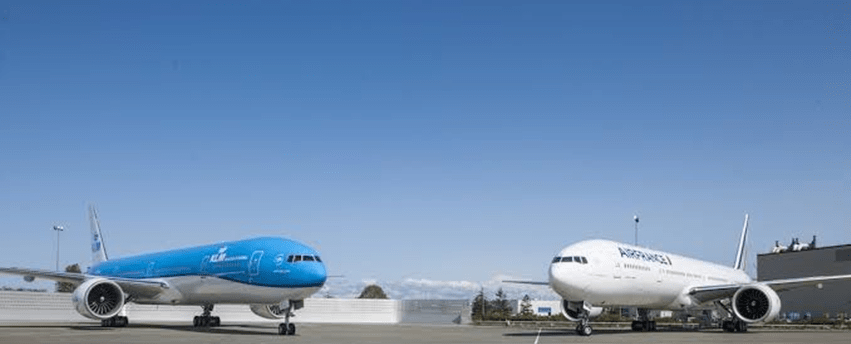



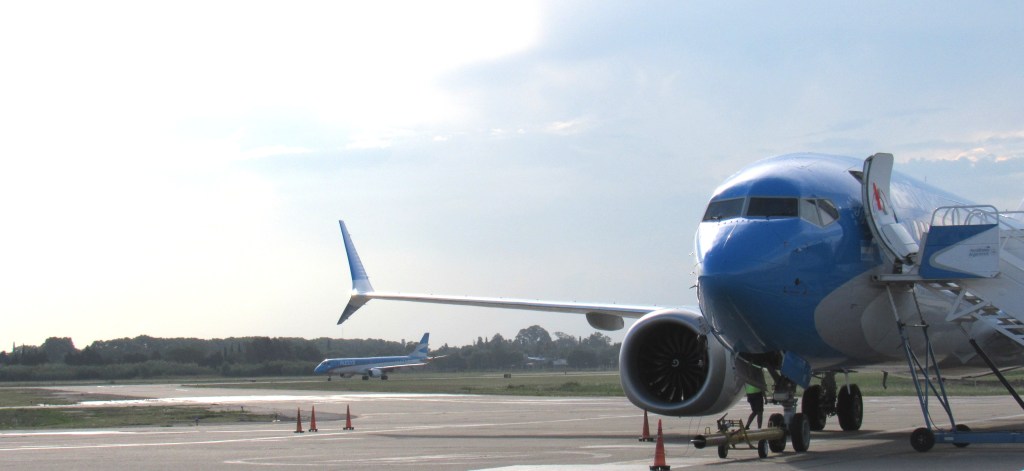
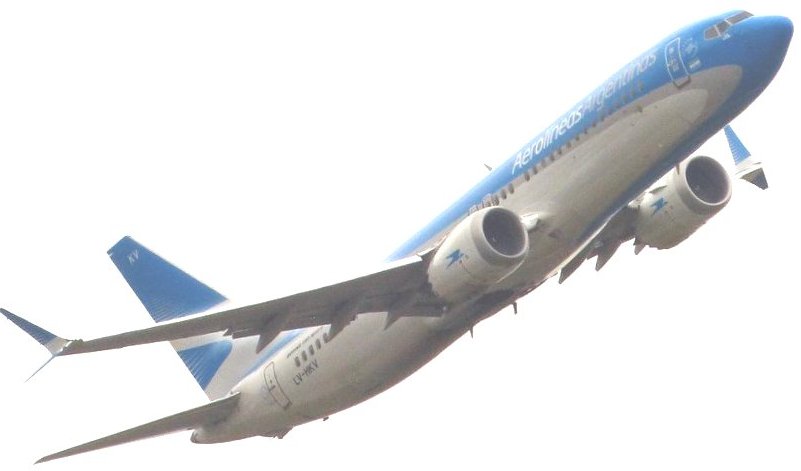

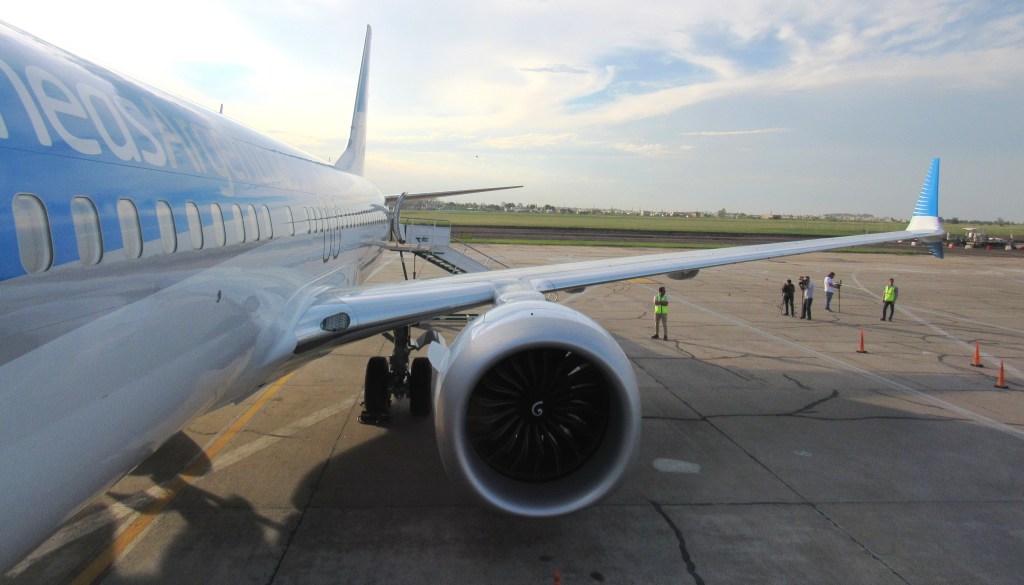


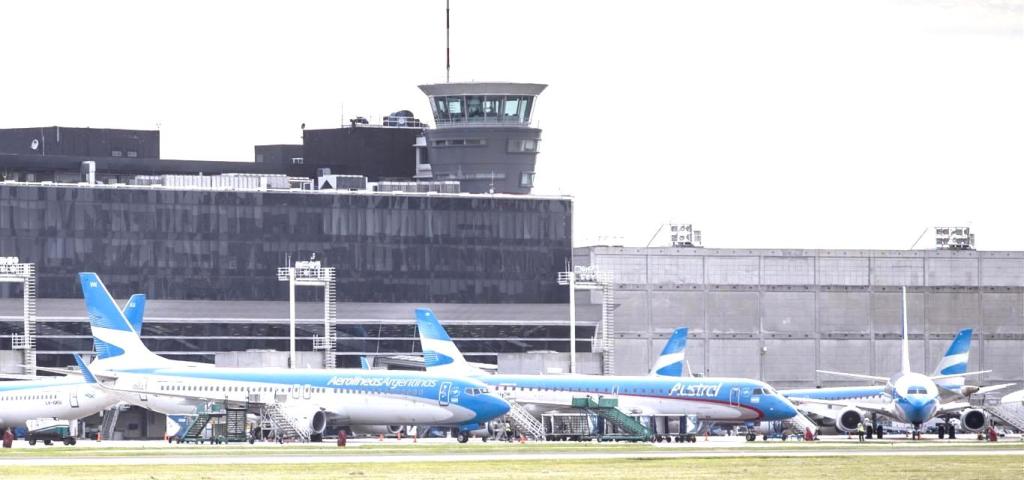

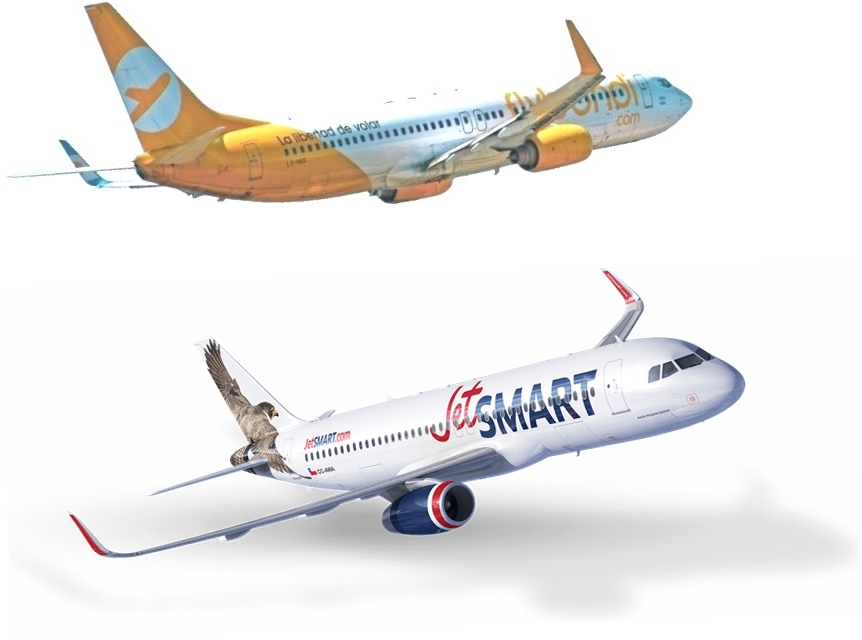

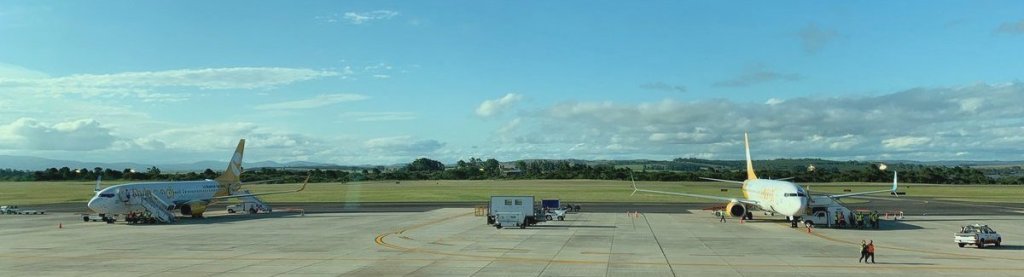
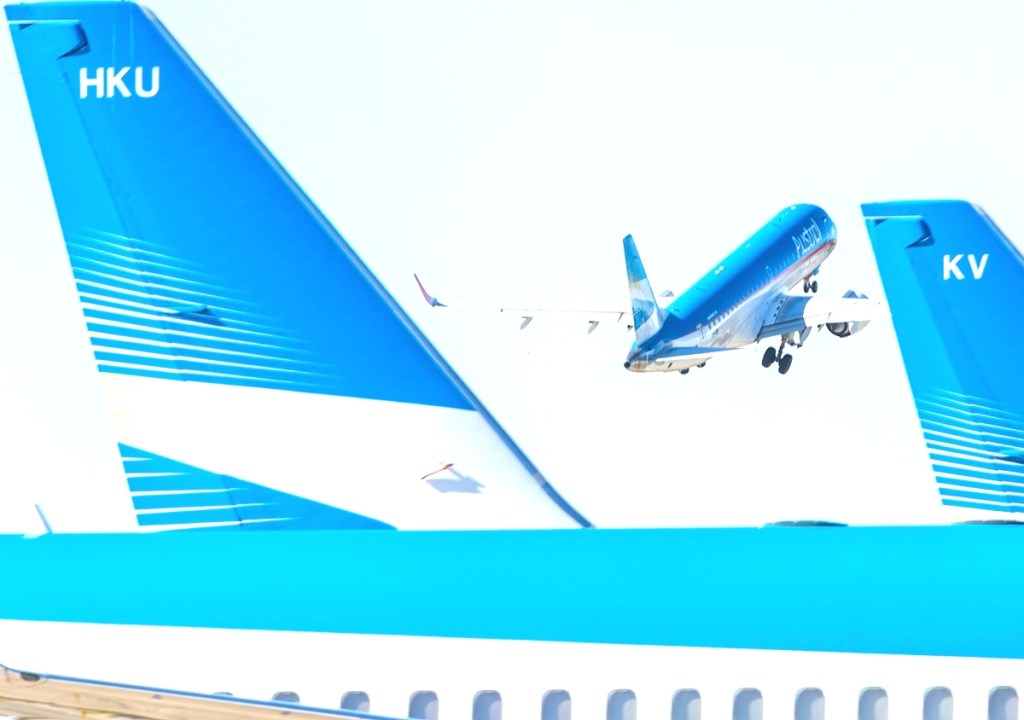



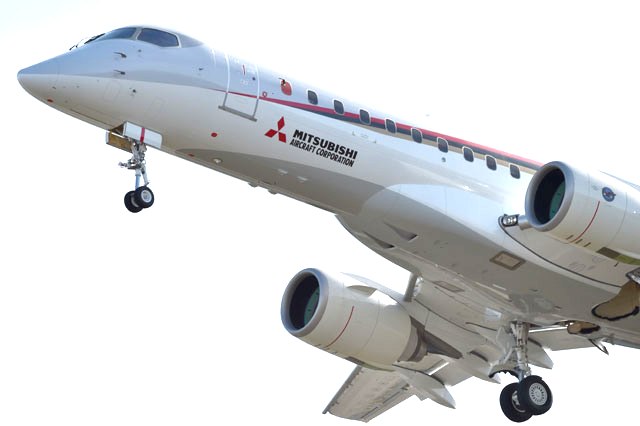


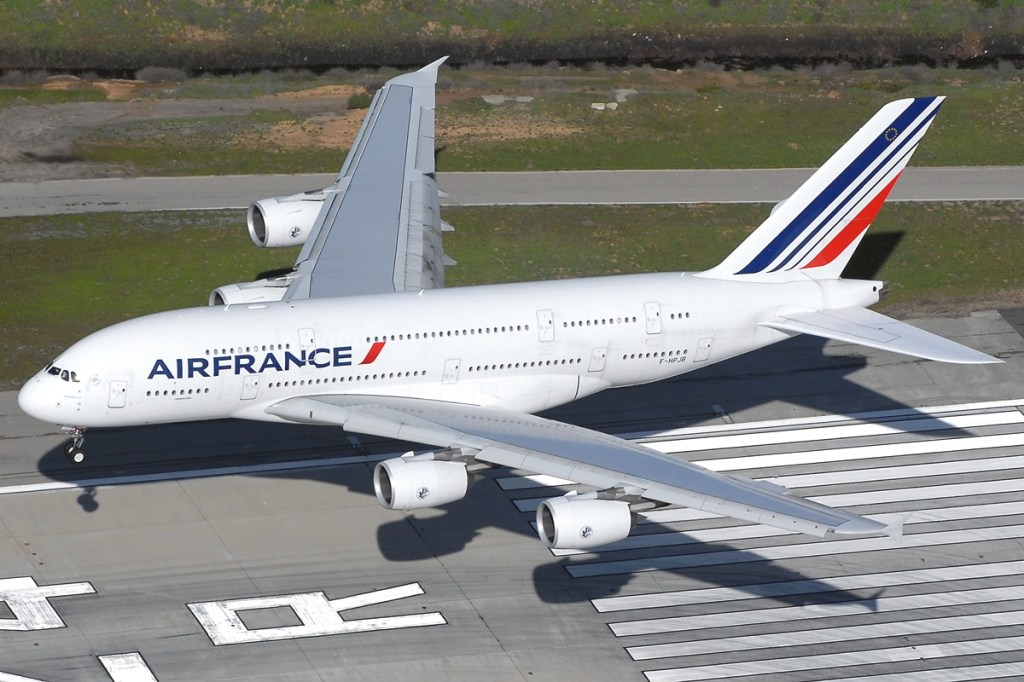


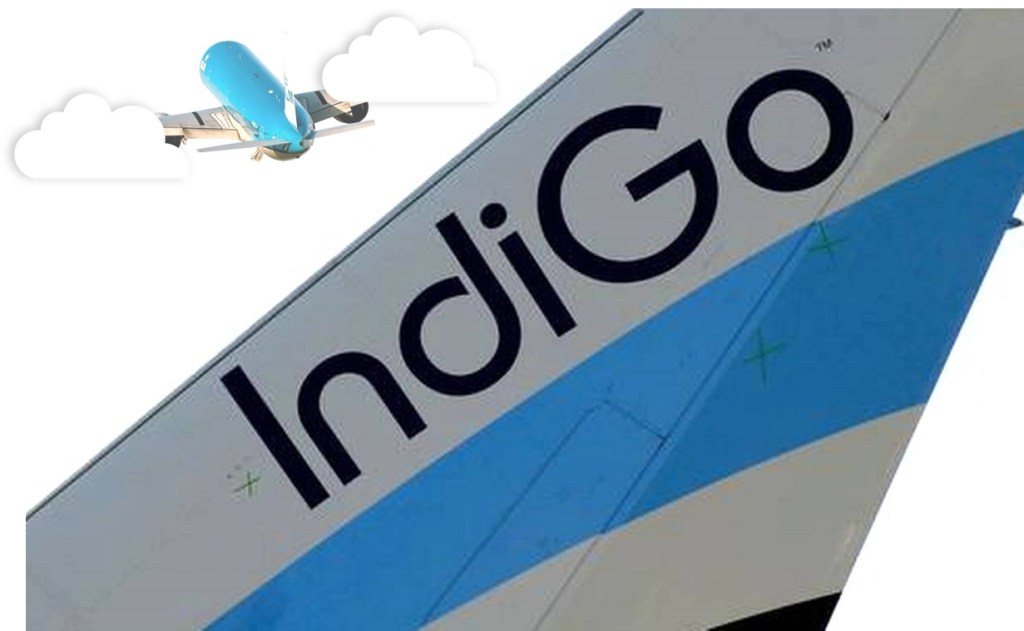
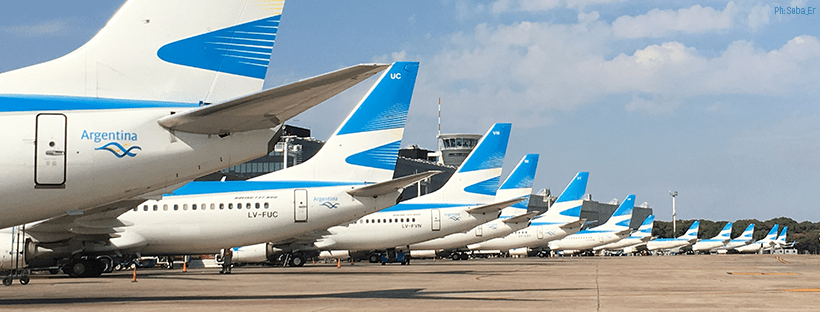

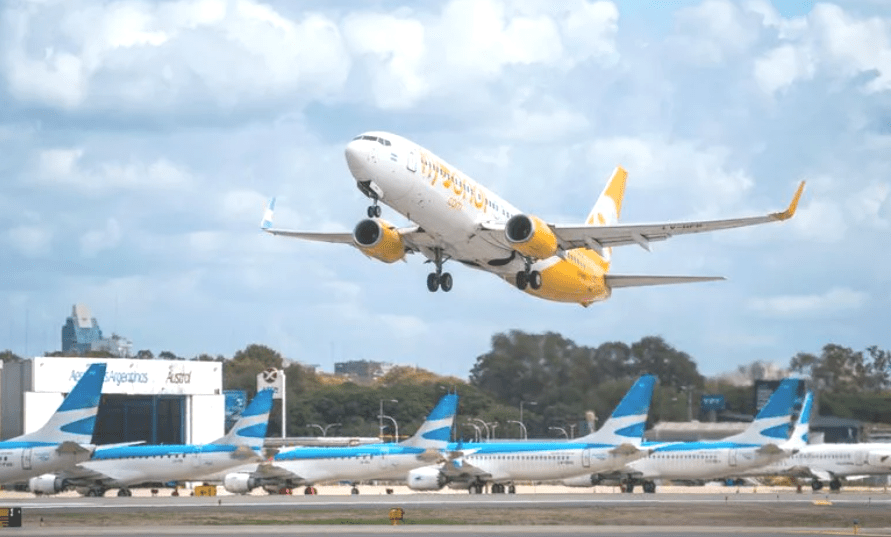


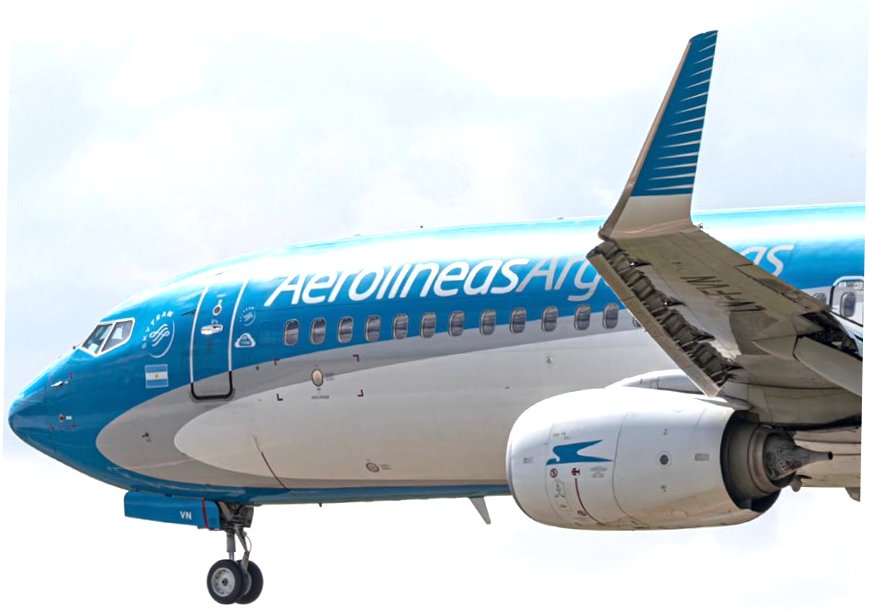

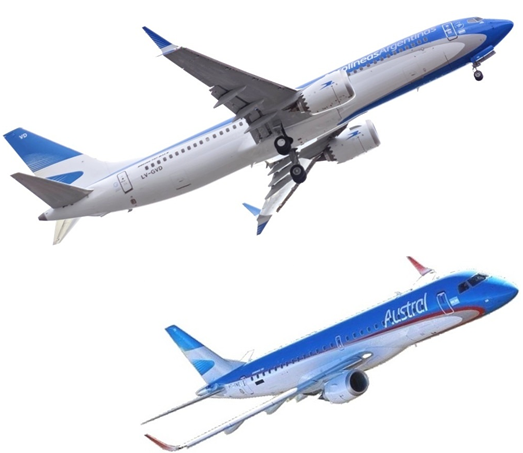


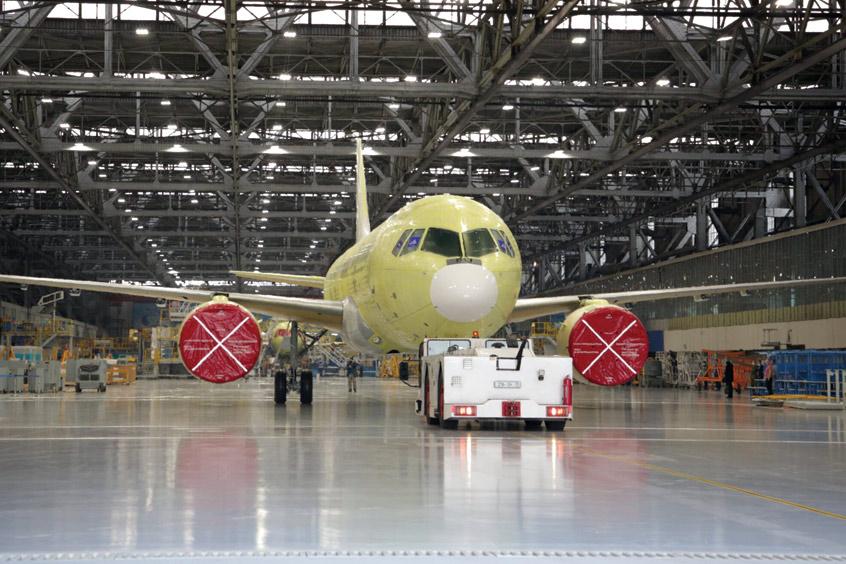

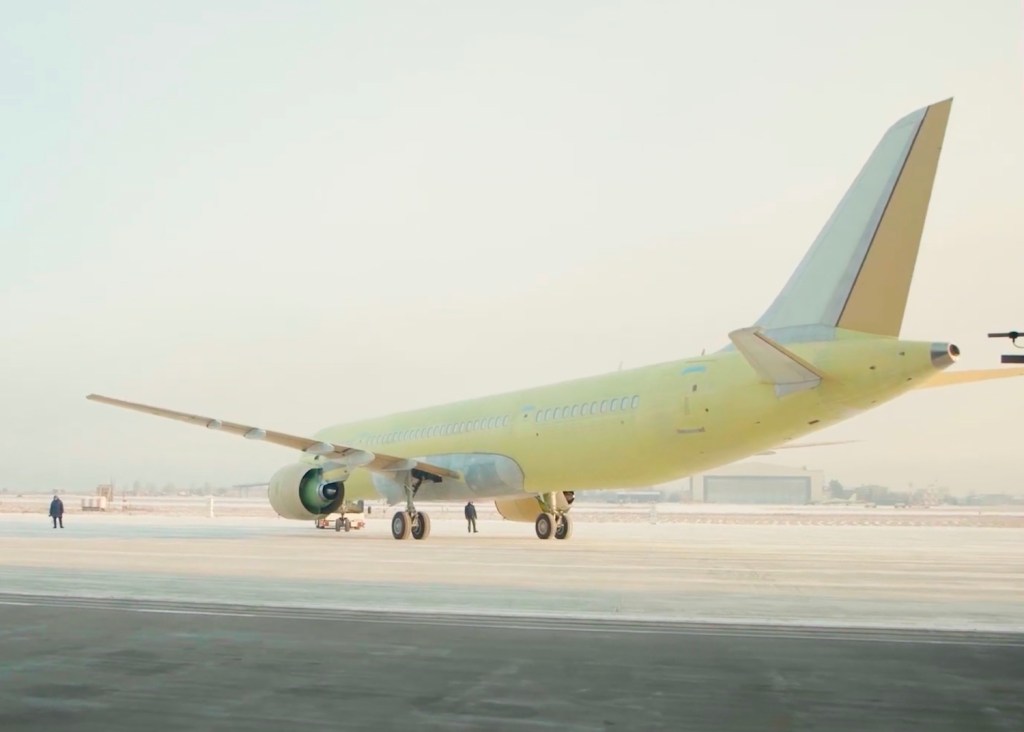
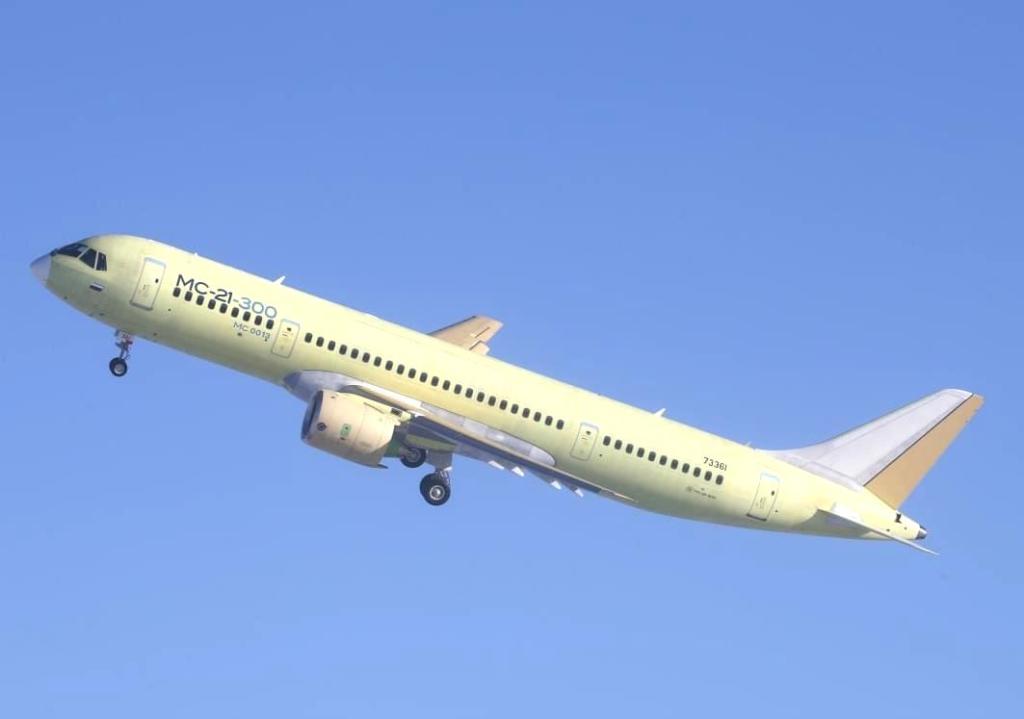


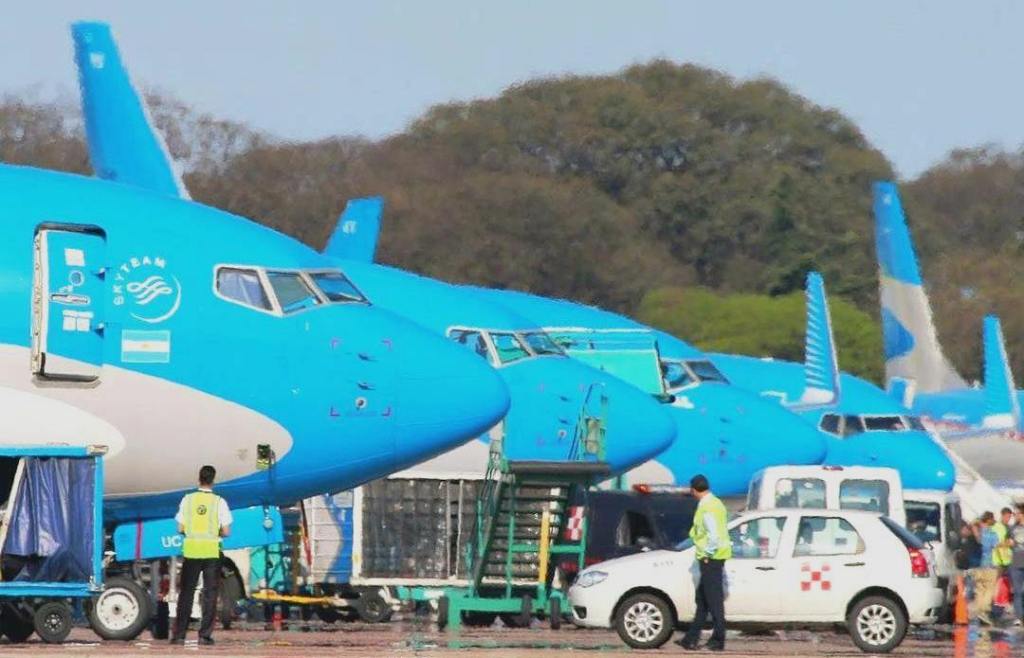
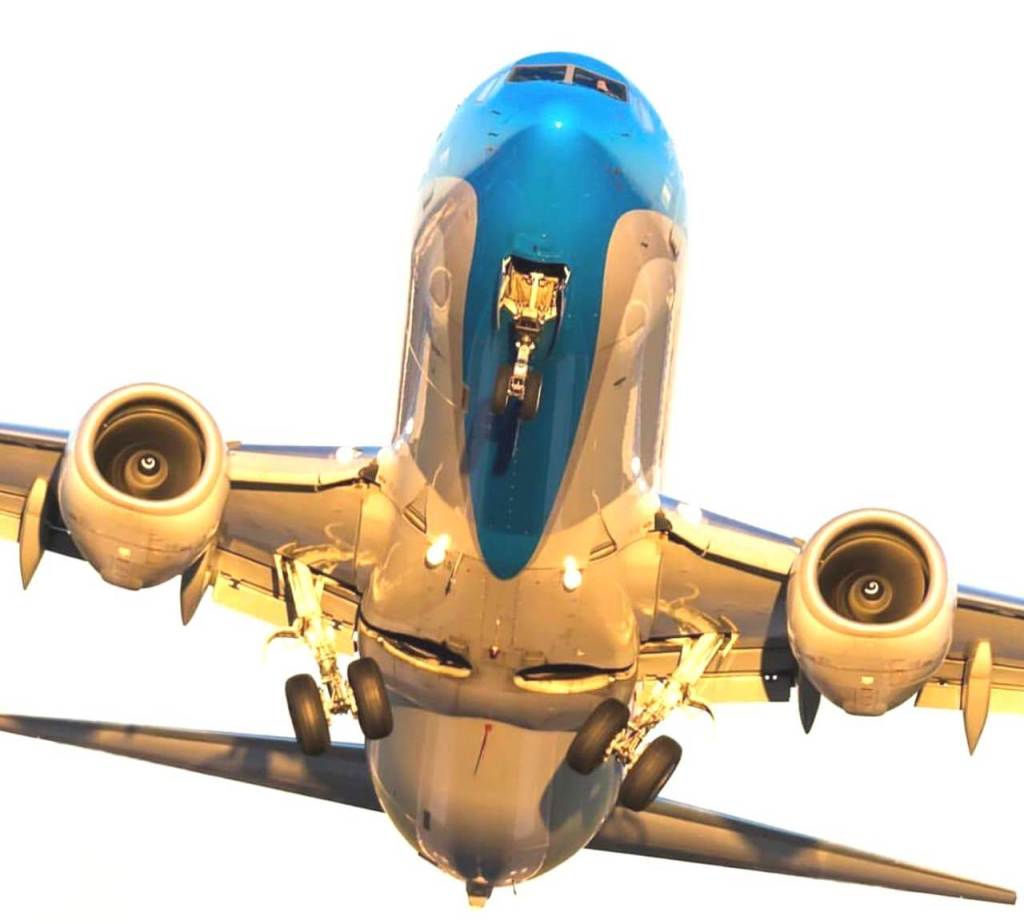



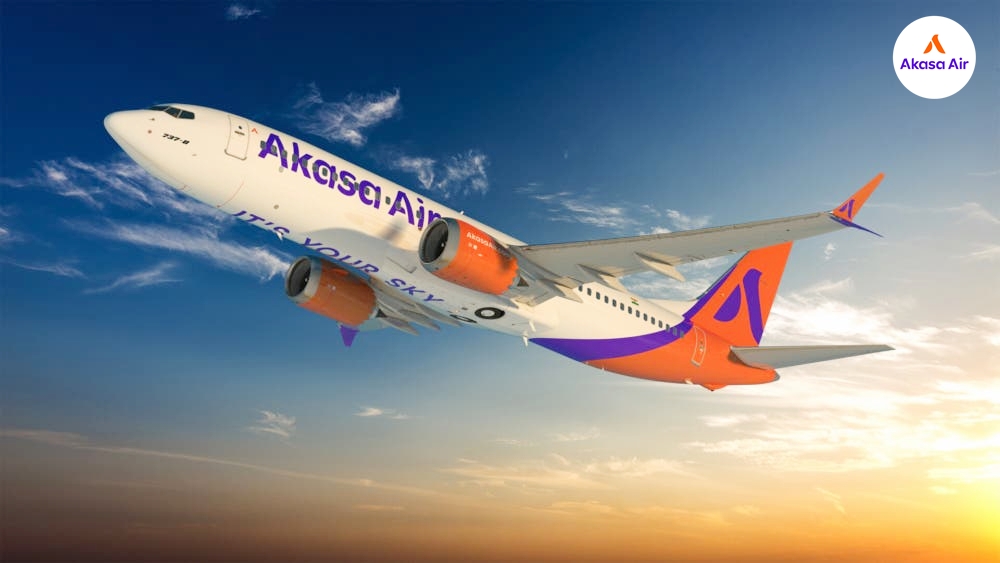

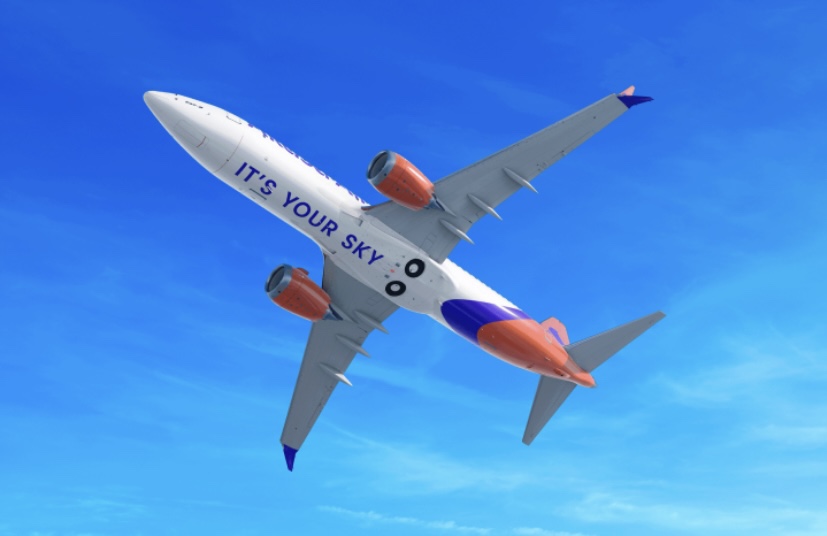

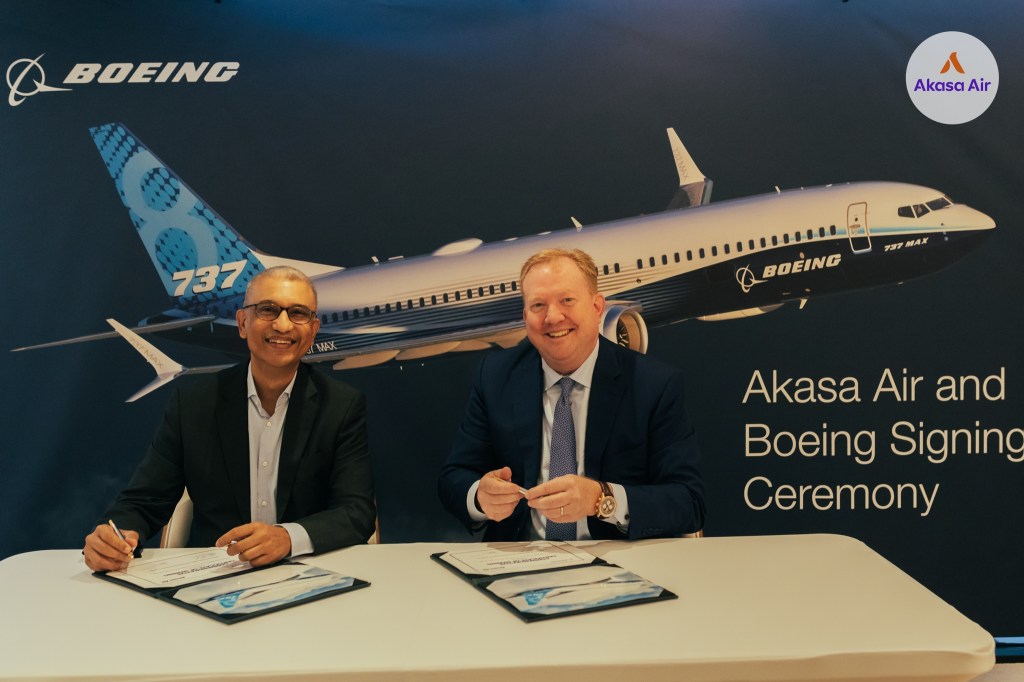
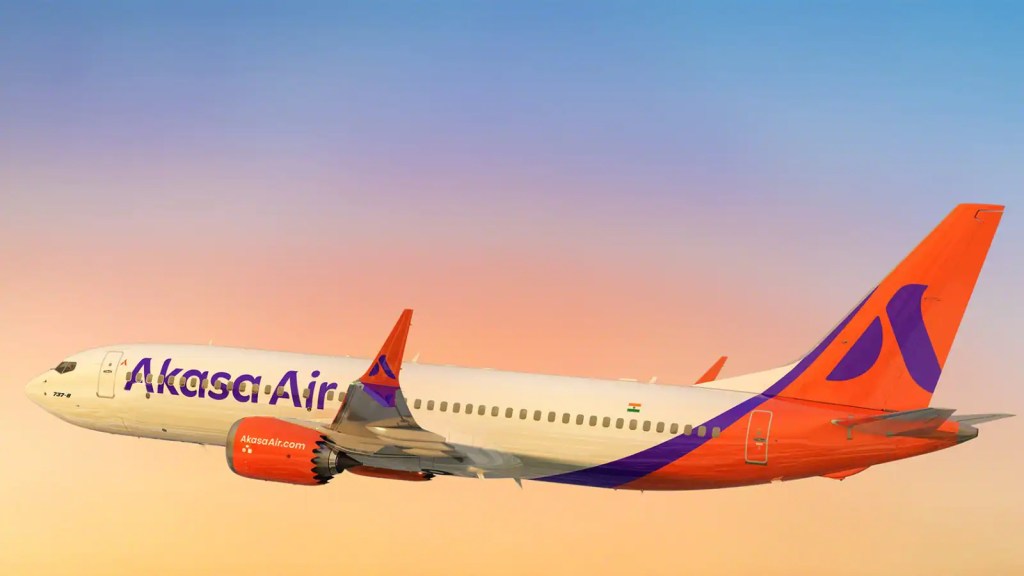


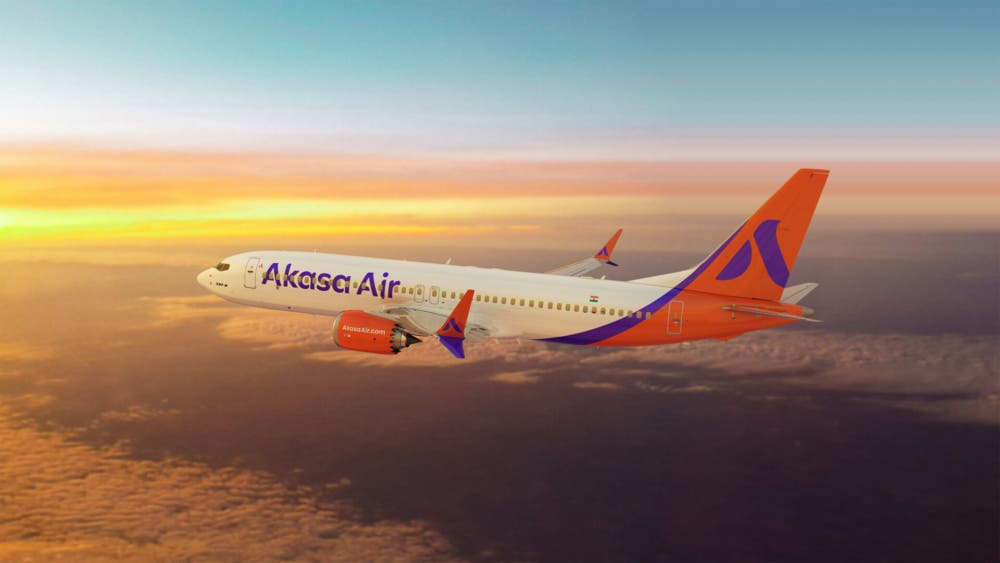
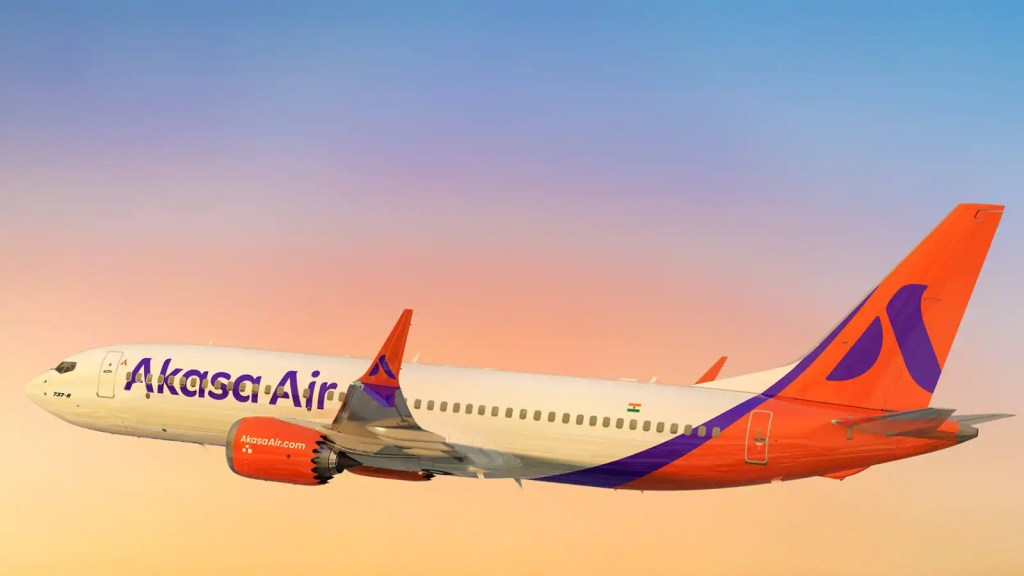
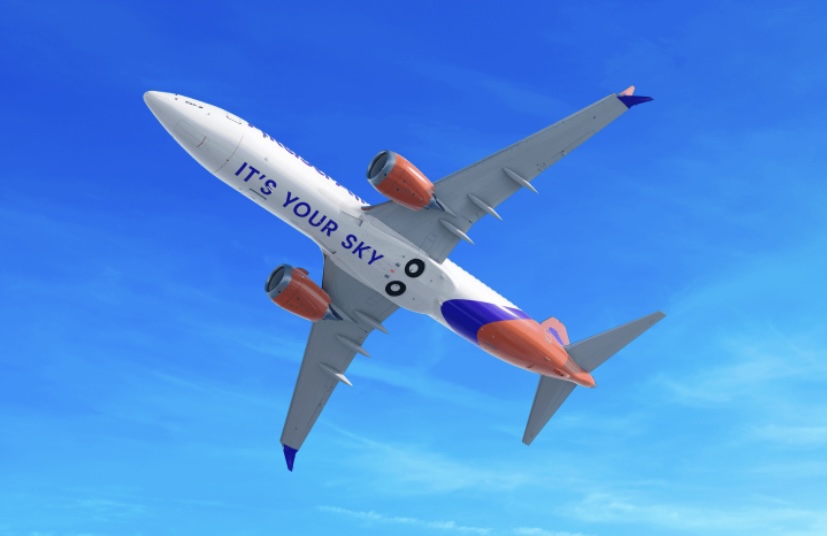

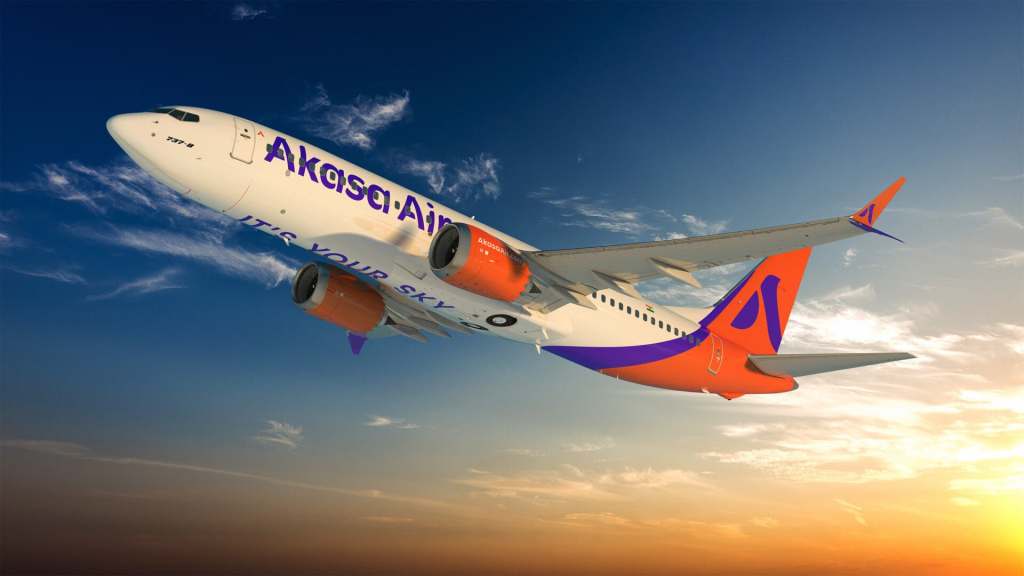
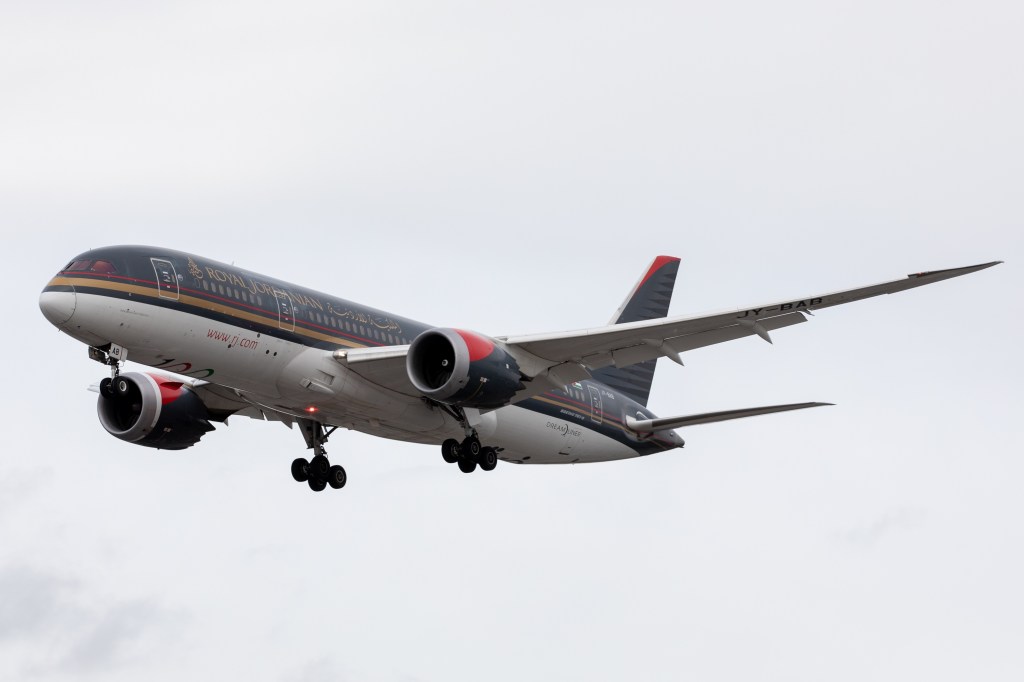

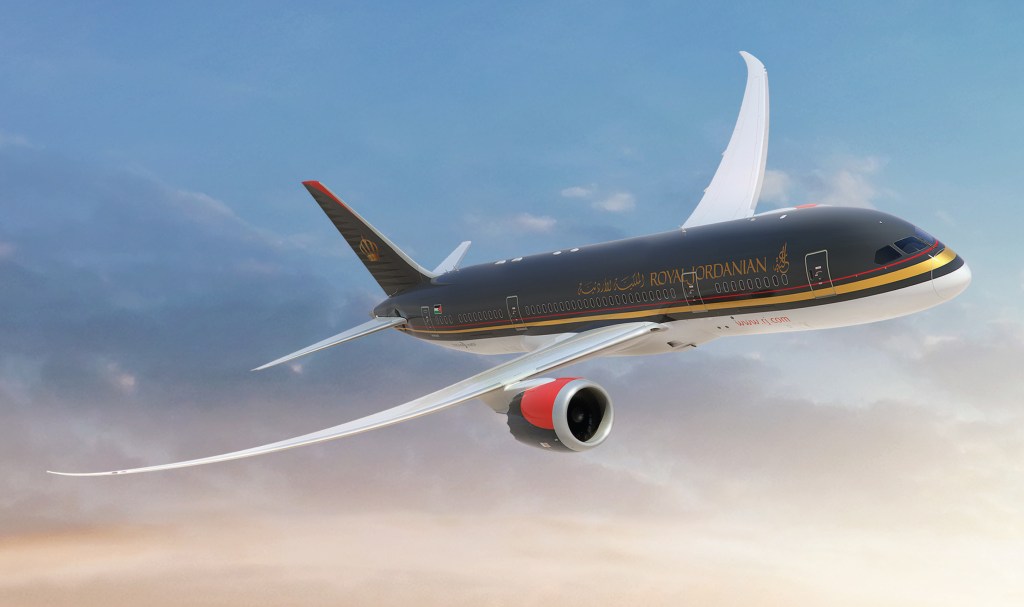

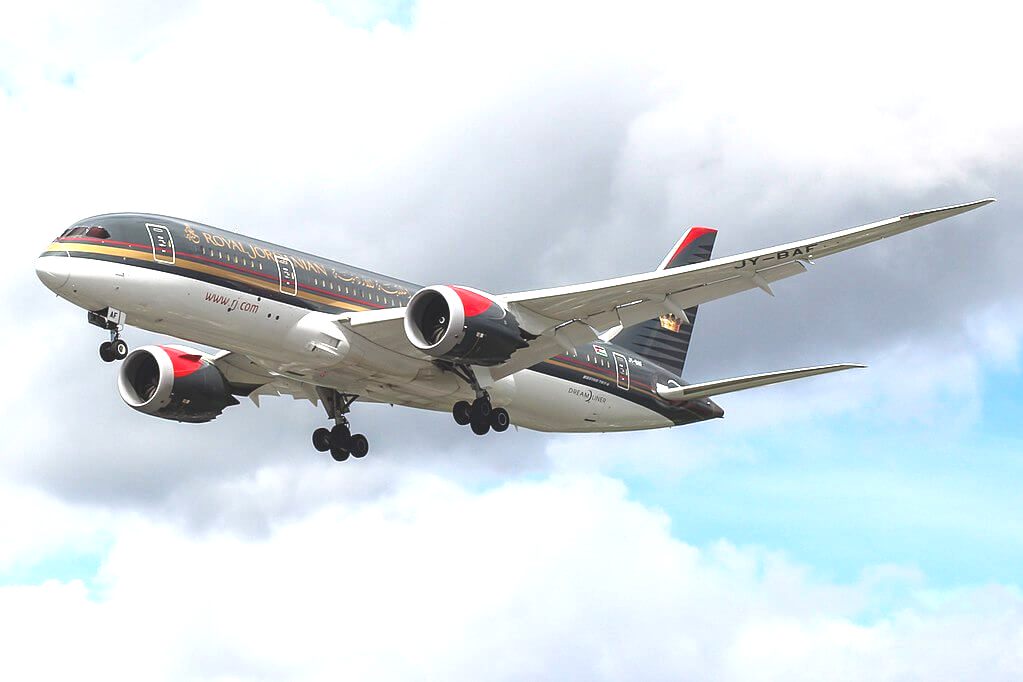

 airgways.com