Air Help califica a las mejores aerolineas

AW | 2016 08 18 09:24 | AIRLINES MARKET

Air Help ha publicado un ranking mundial de aviación. En esta clasificación se han valorado algunas de las aerolíneas más importantes ocupando el primer lugar de la lista Qatar Airways.

Se trata sin duda de una de las mejores aerolíneas en estos momentos a nivel internacional por diferentes motivos. Estar en lo más alto de la lista de las aerolíneas mejor valoradas es una buena noticia porque significa que está realizando un gran trabajo y que los clientes están más que satisfechos con el servicio que se ofrece a lo largo de todo el año en los diferentes vuelos a nivel internacional.

Qatar Airways es la aerolínea mejor valorada por los pasajeros. Ser la aerolínea mejor valorada es algo muy positivo y es por lo tanto una buena noticia que Qatar Airways esté en esa posición en estos momentos. Es una clasificación que se ha llevado a cabo teniendo en cuenta algunos aspectos muy importantes para los viajeros que toman vuelos, como es el caso de la calidad, servicio, puntualidad y también el tema del procesamiento de reclamaciones de los clientes.

Aerolíneas mejor valoradas

En primer lugar la compañía ha conseguido nada menos que un 10 en el apartado de calidad, lo que le ha propiciado tener una media mucho más elevada. La puntualidad de la aerolínea se ha calificado con un 8,4 y ha conseguido una puntuación de 7,6 en el apartado del procesamiento de las reclamaciones de los clientes. Aunque todavía tiene algunos aspectos para mejorar lo cierto es que Qatar Airways es una aerolínea que cuenta con la confianza de los pasajeros y con una fama internacional realmente notable. Esto hace que muchos turistas opten por esta aerolínea a la hora de programar sus vacaciones durante todo el año. Normalmente muchos turistas suelen optar por aerolíneas con un buen servicio y cuyos pasajeros tengan excelente opinión de una determinada aerolínea.

También merece la pena destacar otras aerolíneas que han quedado en posiciones destacadas, como la segunda posición de Singapore Airlines con una nota de 8,6 de media, así como el 8,4 de KLM. Con un 8,2 nos encontramos con otras aerolíneas como Air Canadá, Air Baltic y Australian Airlines. La primera aerolínea española que aparece es Vueling, con una puntuación de 7,3, que es una nota bastante positiva y con un 7 se encuentra Iberia, que es otra aerolínea bastante bien valorada en esta clasificación. AIRGWAYS ® Icon-AW

Air Help qualifies the best airline

Air Help has released a global ranking of aviation. In this classification they are rated some of the most important airlines in first place in the Qatar Airways list.

It is without doubt one of the best airlines at present internationally for different reasons. Being at the top of the list of best rated airlines is good news because it means you’re doing a great job and that customers are more than satisfied with the service is offered throughout the year in different flights on an international level.

Qatar Airways is the best airline valued by passengers. Being the best airline valued is very positive and is therefore good news that Qatar Airways is in that position right now. It is a classification that has been carried out taking into account some very important aspects for travelers taking flights, such as quality, service, timeliness and also the issue of processing customer complaints.

Top rated airlines

First the company has achieved no less than 10 in the section on quality, which has led him to have a much higher average. The timeliness of the airline has qualified with 8.4 and achieved a score of 7.6 in paragraph processing of customer complaints. Although it still has some ways to improve the truth is that Qatar Airways is an airline that has the confidence of passengers and with a truly remarkable international reputation. This makes many tourists choose this airline to schedule your vacation time throughout the year. Normally many tourists often choose airlines with good service and whose passengers have excellent views of a particular airline.

Also worth mentioning other airlines have been in prominent positions, such as Singapore Airlines second position with a score of 8.6 on average, and 8.4 KLM. With 8.2 we are with other airlines such as Air Canada, Air Baltic and Australian Airlines. The first Spanish airline Vueling is listed with a score of 7.3, which is quite a positive note and a 7 is Iberia, which is another airline fairly well valued in this classification. A\W

Ξ A I R G W A Y S Ξ
SOURCE: AIRGWAYS
DBk: Photographic © manchestereveningnews.co.uk 
AW-POST: 201608180924AR
A\W A I R G W A Y S ®

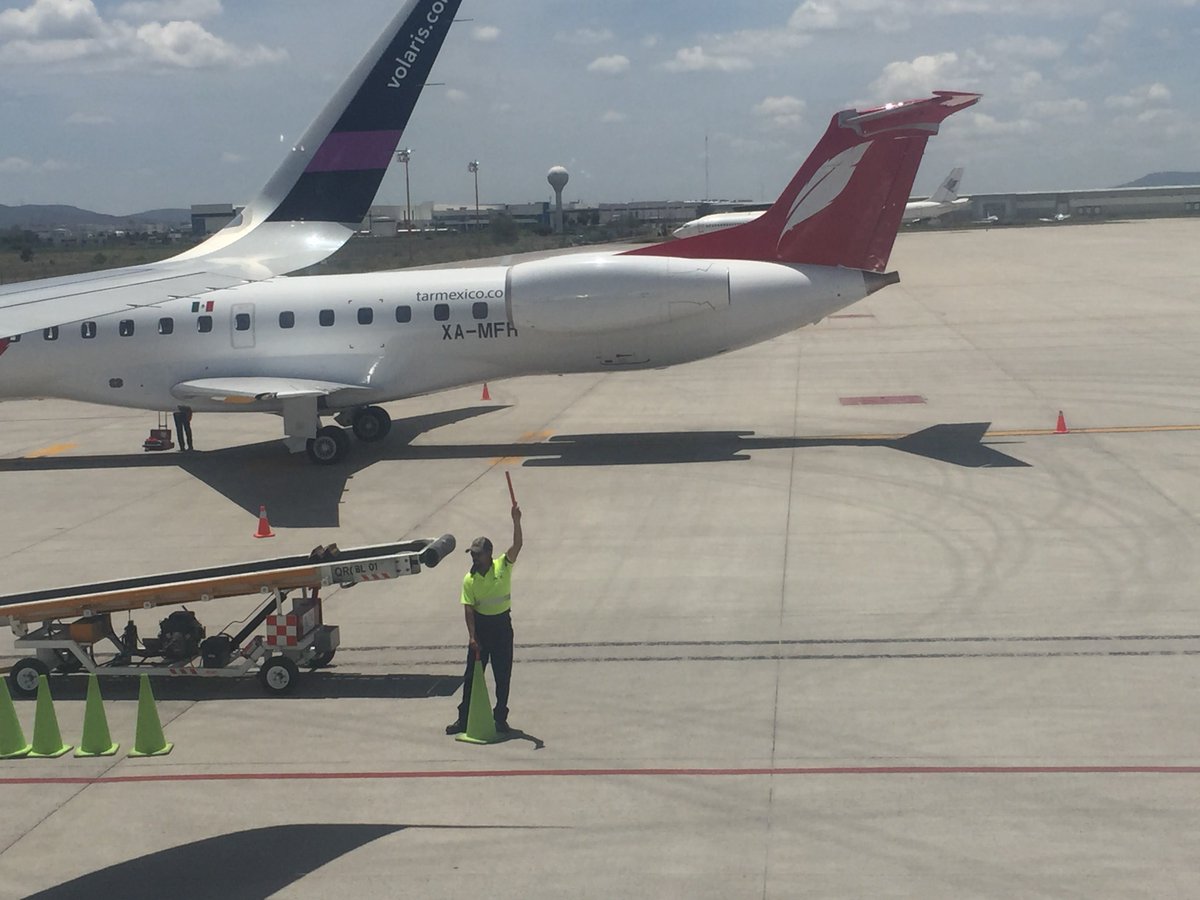
TAR conectará México con el Caribe y Centroamérica en el 2017

AW | 2016 98 18 07:44 | AIRLINES ROUTES

La compañía TAR (Transportes Aéreos Regionales) iniciará en 2017 operaciones hacia Centroamérica para conectar a México directo y sin escalas con destinos como Cuba, República Dominicana, Jamaica, Guatemala, Honduras, Costa Rica y Panamá.

La finalidad es vincular a la zona maya mexicana con las islas del Caribe y América Central para que los visitantes europeos no tengan que desplazarse hacia la capital del país para conectar con Centroamérica (Centroamérica vive un ‘boom’ con la llegada de nuevas aerolíneas).

Rodrigo Vásquez Colmenares, director general de TAR Aerolíneas, expone que “estas nuevas rutas dotarán al Mundo Maya mexicano de circuitos para turismo de placer y de negocios, lo que significa que ampliará sus horizontes”.

El directivo reafirmó que a partir del mes de octubre la línea aérea inaugurará su primera ruta hacia los Estados Unidos, conectando a Querétaro con San Antonio, Texas, y a partir del 2017 extenderá las operaciones hacia Phoenix, Tucson y Los Ángeles.

TAR también se une al programa de la Sectur “Viajemos todos por México” para apoyar el turismo social. Para ello han firmado convenios con los gobiernos de Guerrero, Querétaro, Sonora y con todos los estados con los cuales tienen operaciones para poder hacer uso de estos asientos en favor de los proyectos que incentiven el turismo doméstico. AIRGWAYS ® Icon-AW

TAR connect Mexico with the Caribbean and Central America in 2017

The company TAR (TAR Aerolineas) will begin operations in 2017 to Central America to connect directly with Mexico and nonstop destinations like Cuba, Dominican Republic, Jamaica, Guatemala, Honduras, Costa Rica and Panama.

The aim is to link the Mexican Mayan zone with the Caribbean islands and Central America to European visitors do not have to move the capital to connect with Central America (Central America is experiencing a boom with the arrival of new airlines).

Rodrigo Vasquez Colmenares, CEO of TAR Aerolineas, states that «these new routes will equip the Mundo Maya Mexican circuit for leisure tourism and business, which means that broaden your horizons.»

The manager reiterated that from October the airline will inaugurate its first route to the United States, connecting Queretaro San Antonio, Texas, and from 2017 will extend operations to Phoenix, Tucson and Los Angeles.

TAR also joins the program of the Tourism Ministry «We travel all for Mexico» to support social tourism. For this they have signed agreements with the governments of Guerrero, Queretaro, Sonora and all states which have operations to make use of these seats in favor of projects that encourage domestic tourism. A\W

Ξ A I R G W A Y S Ξ
SOURCE: reportur.com
DBk: Photographic © TAR Aerolineas
AW-POST: 201608180544AR
A\W A I R G W A Y S ®

Sindicato de pilotos de Aerolíneas en alerta

DMi 704

AW | 2016 08 18 05:45 | AIRLINES

El sindicato de Pilotos convocó a una asamblea para hoy en la que se debatirán las medidas de fuerza a realizar a raíz del reclamo de reapertura de paritarias.

El gremio APLA (Asociación Pilotos Líneas Aéreas) convocó para hoy a las 15 horas a una Asamblea para debatir la situación de su reclamo salarial. Piden reapertura de paritarias, que van de septiembre a septiembre, y el pago de un bono. El 2015 había cerrado un aumento anual que va del 34 al 40 por ciento según la categoría.

El orden del día, que solo tiene dos puntos a tratar además de elegir dos asambleístas, no da lugar a dudas: «Facultar a la Comisión Directiva a adoptar medidas de acción directa que considere pertinentes durante la negociación paritaria 2016 y declararse en estado de asamblea permanente hasta la finalización de dicha negociación».

Amplió para Clarín Pablo Biró, titular de APLA: «Por las cuestiones inflacionarias y de tarifazo es que venimos pidiendo la reapertura de paritarias, con el agravante que es la primera vez que no nos pagan un bono que percibimos históricamente en el mes de diciembre». ¿Puede haber medidas de fuerza hoy mismo? «Los servicios se verán afectados ya de por sí por la Asamblea y a futuro por lo que decidan los trabajadores». Agrega que «hasta ahora nadie de Aerolíneas Argentinas (AA) se ha comunicado con nosotros». Este sindicato tiene 2000 afiliados de los cuales 900 son pilotos de AA (APLA no tiene agremiados en Austral sino en otras empresas).

Con respecto a este año ya le avisaron a la empresa que pedirán 50% de suba salarial. Distinto es el escenario en el gremio de los Técnicos Aeronáuticos. Ricardo Cirielli, su titular, confirmó a Clarín que ya fueron recibidos por las empresas (AA y Austral) y que están en «etapa de negociación»: piden reapertura de paritaria que cerró en similares condiciones a la de APLA. AIRGWAYS ® Icon-AW

Syndicate Aerolíneas pilots alert

The pilots’ union convened a meeting today in which force measurements to be performed following the reopening of joint claim will be discussed.

The APLA (Association Pilots Airlines) union called for today at 15 hours to an Assembly to discuss the situation of their wage claim. They ask reopening of joint, ranging from September to September, and the payment of a bonus. 2015 had closed an annual increase ranging from 34 to 40 percent depending on the category.

The agenda, which only has two points to make in addition to choose two assemblymen, no room for doubt: «To authorize the Board of Directors to take direct action it deems appropriate for the joint negotiation 2016 and declare a state of assembly permanent until the completion of such negotiations.»

It expanded to Clarin Paul Biró, head of APLA: «For inflation and rate hikes issues is that we have been demanding the reopening of joint, with the aggravating circumstance that it is the first time we are not paid a bonus we perceive historically in December» . Can there be measures of force today? «The services will be affected already by the Assembly and to decide what future workers.» He adds that «so far no Aerolíneas Argentinas (AA) has communicated with us.» The union has 2,000 members of which 900 are pilots AA (APLA has no union members in Austral but in other companies).

Regarding this year and he was told the company to ask for 50% pay rise. Different is the scenario in the guild Aeronautical Technicians. Cirielli Ricardo, the owner, told Clarin that were already received by companies (AA and Austral) and are in «negotiation phase» peer reopening ask that closed in similar conditions to that of APLA. A\W

Ξ A I R G W A Y S Ξ
SOURCE: clarin.com
DBk: Photographic © AIRGWAYS
AW-POST: 201608180545AR
A\W A I R G W A Y S ®

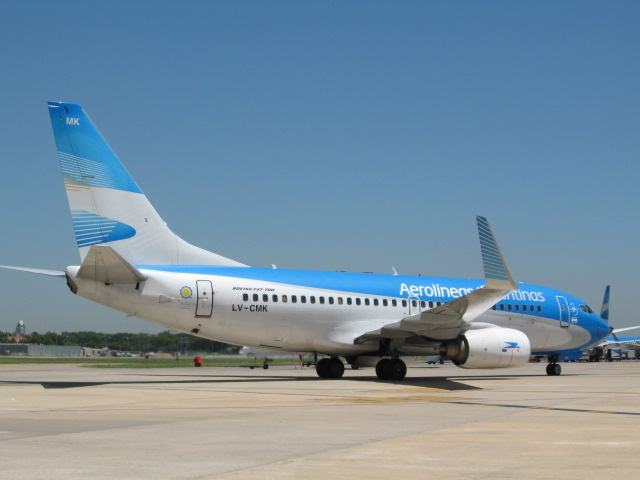
Los próximos pasos de Aerolíneas Argentinas a seis meses de la nueva gestión

AW 2016 08 18:20 | AIRLINES

A I R G W A Y S ® 005

El desafío no fue sencillo. Hace seis meses, el team de Aerolíneas Argentinas que ingresó de la mano de la nueva CEO, Isela Costantini, se encontró con un escenario complicado: recibió una compañía con US$ 1000 millones de resultado negativo. La mitad de ese monto es deuda vencida o por vencer. Una firma ineficiente, sin procesos y, como ella misma se la definió a Mauricio (sic), “una empresa con gestión monopólica y cultura estatal”.

En un mano a mano con Apertura.com, Diego García contó detalles de la estrategia comercial de la empresa que recibió su nuevo Airbus 330-200 en la terminal de Ezeiza. Es la séptima aeronave de este tipo que se incorpora a la flota, en este caso, directo desde la fábrica de Airbus en Toulouse, Francia. El acuerdo de financiación por US$ 280 millones que se realizó a tasas fijas de 6,23% y 6,34% por un período de ocho años. Se cerró con la empresa PK Airfinance, la rama financiera de la empresa General Electric Capital Aviation Services Limited (GECAS) y contempla además de esta una nueva aeronave Airbus 330-200 a recibir en octubre, otros tres aviones Boeing 737-800 en los próximos dos años y el cambio de la financiación existente por dos Airbus A 330-200 que fueron adquiridos el año pasado.

¿Utilizaron los primeros seis meses para ordenarse?
Sí. Han sido meses de mucho trabajo. Principalmente pusimos el foco en lo regional y doméstico. Esto último tiene mucho peso porque ya tenemos una estructura de rutas desarrolladas a eficientizar. Y para ello tenemos cuatro estrategias. Por un lado, seguir potenciando el “hub” Aeroparque para los vuelos radiales (cabotaje con base en Buenos Aires); luego el aeropuerto de Ezeiza, para conectar nuestra oferta de vuelos domésticos con la oferta regional e internacional. En tercer lugar, continuar incrementando los vuelos desde las “focus-cities” Córdoba, Rosario y Mendoza; y por último los vuelos intertramos (entre provincias) y los corredores “Norte”, “Sur”, “Petrolero” y próximamente el corredor “Atlántico”.

¿Cuáles son los principales desafíos?
Desde el día uno decidimos cambiar de estrategia y eso fue lo que me motivó personalmente a cambiar de trabajo. De hecho, la primera pregunta que hice durante la entrevista fue: venimos a cambiar la compañía o a hacer más de lo mismo. Y la respuesta fue la que me empujó a aceptar la posición. Respecto a la pregunta, el mayor desafío es consolidar la operación, eficientizando el itinerario. Es decir hacer volar más a los aviones. Por ejemplo uno de los temas con el que nos encontramos era que la operación era muy lineal. Es decir tenías la misma cantidad de frecuencias durante todo el año a destinos que son estacionales lo que generaba que se malgastaran los recursos. Por eso trabajamos en eficientizar , mejorar desde el uso de tripulaciones y aviones hasta mejorar los factores de ocupación.

En números concretos…
En cabotaje, si comparamos julio 2016 con enero 2016, volamos 8% más de “horas block” (la cantidad de horas netas que el avión está en aire) con nuestros Embraer y un 1% más en los Boeing 737NG. Y si comparamos lo volado en enero 2016 con lo que tenemos proyectado para enero 2017, vamos a volar un 20% más de horas block en Embraer y un 8% más en los 737NG. En total estaremos volando un 11% de horas block para el año que viene.

A su vez comparado con 2015, crecimos en nuestra oferta de vuelos un 9,6% y transportamos un un 10% más de pasajeros. Se aumentó el margen de contribución casi un 50 por ciento y ganamos participación de mercado.

Por otra parte estamos cumpliendo nuestro compromiso con el Gobierno para ahorrar US$ 92 millones de ahorro en el costo de distribución de pasajes aéreos. Por el momento estamos logrando este objetivo basado en la reducción de comsiones, publicidad y costo de financiación bancarias. Esto represento un ahorro interanual del 80% en este concepto en el primer semestre sin afectar nuestra cuota de mercado.

Y a futuro, ¿qué proyectos tienen?
Nuestro foco está en seguir trabajando en lograr eficacia con eficiencia. En ese sentido, estamos trabajando en un proyecto llamado O&D. Se trata de un sistema de venta de pasajes basado en algoritmos que permite eficientizar la venta de pasajes según el perfil del comprador en los distintos puntos de venta de Aerolíneas. Este proyecto nos permitirá generar unos USD 20 millones adicionales en 2017.

Y en lo que respecta puntualmente al servicio estamos trabajando muy fuerte en mejorar la experiencia del cliente, a lo largo de todo el proceso de compra. Mejorando desde el sitio web, haciendo mejoras en la sala vip de Ezeiza y planeamos para diciembre o el primer cuatrimestre de 2017 tener la nueva propuesta de entretenimiento a bordo y novedades en el menú, entre otras cosas.

Hay muchas oportunidades de mejora, pero estamos muy motivados con lo que podemos hacer para que el pasajero nos elija como su primera opción.

¿Trabajan en cambiar algunas rutas?
Tenemos un plan en ejecución para federalizar nuestra operación. Es decir, generar más interconexión entre provincias sin tener que pasar por Buenos Aires. Estamos potenciando dos focus city que son Córdoba y Rosario, más allá de Mendoza que ya estaba funcionando. De hecho, el factor de ocupación de Córdoba es del 82 por ciento con picos de 92 en la primer semana de las vacaciones de invierno, En septiembre vamos a sumar el tramo Córdoba-Iguazú y Córdoba-Resistencia. Además ya hay algunos vuelos con 95 por ciento de ocupación que conectan como Ushuaia-Córdoba-Salta en seis horas sin necesidad de pasar por Buenos Aires.

Respecto a las rutas internacionales ya hicimos rentable Nueva York con pequeños ajustes como el code-share (acuerdos de código compartido) que hicimos con Delta que hoy nos ubica entre 1500 y1800 pasajeros al mes, de los cuales un 30 por ciento en vuelan en clase ejecutiva. Barcelona y Roma, por su parte, vienen mostrando una mejoría, si bien este último es el principal desafío para el segundo semestre.

Por otra parte trabajamos en hacer crecer la categoría Club Cóndor (business class) que en el acumulado del año ya tiene una ocupación del 76 por ciento, 5 por ciento más que el año anterior. En otros casos, tuvimos que tomar decisiones en rutas negativas de nuestra oferta internacional como fue la baja de las rutas a Brasilia, Belo horizonte, la Habana y Córdoba-Miami. Reorientando la oferta de vuelos hacia el Caribe, con vuelos directos al Caribe que están mostrando muy buenos resultados de ocupación.

Estamos orientados a trabajar en rutas que creemos poder convertir en positivas como fue el caso de Nueva York. Así estamos trabajando intensamente y con nuestros partners estratégicos para mejorar estos resultados. Sky Team y sus miembros confían en el trabajo que estamos haciendo y están apoyando a Aerolíneas para conseguirlo.

Así las cosas, el equipo liderado por Isela Costantini se enfrenta a uno de los mayores desafíos, “Hemos definido valores que creemos que ya existen pero que hay que mostrar y evidenciar. Todo el mundo tiene un foco en servicio, todo el mundo está preocupado por la seguridad. Hay que hacerlo visible y hablar en voz alta”, finaliza. AIRGWAYS ® Icon-AW

The next steps of Aerolineas Argentinas six months of the new management

The challenge was not easy. Six months ago, the team of Argentine Airlines entered the hand of the new CEO, Isela Costantini, met a complicated scenario: a company received US $ 1000 million negative. Half of that amount is matured or unmatured debt. Inefficient signature without processes and, as she herself described it to Mauritius (sic), «a company with monopoly and state management culture.»

In a dogfight with Apertura.com, Diego Garcia told details of the business strategy of the company which received its new Airbus 330-200 in the terminal Ezeiza. It is the seventh aircraft of this type joined the fleet in this case, direct from the Airbus factory in Toulouse, France. The financing agreement for US $ 280 million held at fixed rates of 6.23% and 6.34% for a period of eight years. The company closed with PK Airfinance, the financial arm of General Electric Capital Aviation Services Limited (GECAS) and also this provides a new Airbus 330-200 aircraft to receive in October, three Boeing 737-800 aircraft in the next two years and the change of existing funding for two Airbus a 330-200 which were acquired last year.

Did you use the first six months to be sorted?
Yes. They have been months of hard work. Mainly we put the focus on the regional and domestic. The latter has much weight because we already have a route structure developed to enhance the efficiency. And for this we have four strategies. On the one hand, further enhance the «hub» for radial Aeroparque flights (cabotage based in Buenos Aires); then Ezeiza airport to connect our offer domestic flights with the regional and international offer. Third, continue to increase flights from the «focus-cities» Cordoba, Rosario and Mendoza; and finally flights between segments (between provinces) and the «North», «South», «Oil» and soon the corridor «Atlantic» runners.

What are the main challenges?
From day one we decided to change strategy and that was what motivated me personally to change jobs. In fact, the first question I asked during the interview was: come to change the company or to do more of the same. And the answer was the one that pushed me to accept the position. Regarding the question, the biggest challenge is to consolidate the operation, eficientizando the itinerary. That is to fly the aircraft. For example, one of the issues we encountered was that the operation was very linear. It is you say you had the same number of frequencies throughout the year to destinations that are seasonal which generated resources will be wasted. So we worked on more efficient, improve from the use of crews and airplanes to improve load factors.

In concrete numbers …
In cabotage, comparing July 2016 to January 2016 we flew over 8% «block hours» (the amount of net hours that the plane is in the air) with our Embraer and a 1% in the Boeing 737NG. And if we compare it flown in January 2016 with what we have planned for January 2017, we will fly 20% more block hours in Embraer and 8% in the 737NG. In total we will be flying a 11% block of hours for next year.

In turn compared to 2015, we grew in our offer of flights by 9.6% and transport 10% more than one passenger. the contribution margin by almost 50 percent and gain increased market share.

On the other hand we are fulfilling our commitment to the Government to save US $ 92 million savings in the cost of distribution of airline tickets. At the moment we are achieving this goal based on reducing suited commissions, advertising and cost of bank financing. This represented an annual saving of 80% on this concept in the first half without affecting our market share.

 And in the future, what projects do you have?
Our focus is on continuing to work on achieving effectiveness with efficiency. In that sense, we are working on a project called O & D. It is a system based on ticket sales more efficient algorithms that allows the sale of tickets to the profile of the buyer at the various outlets Airlines. This project will allow us to generate an additional USD 20 million in 2017.

And as regards the service on time we are working hard on improving the customer experience throughout the entire process. Improving from the website, making improvements in the VIP room Ezeiza and plan for December or the first quarter of 2017 have the new proposal inflight entertainment and news on the menu, among other things.

There are many opportunities for improvement, but we are very encouraged with what we can do for the passenger to choose us as their first choice.

Do they work on changing some routes?
We have a plan for federalization running our operation. That is, generate more interconnection between provinces without having to go through Buenos Aires. We are promoting two focus city that are Cordoba and Rosario, Mendoza beyond that was already running. In fact, the load factor of Cordoba is 82 percent with peaks of 92 in the first week of the winter holidays, in September we will add the section Córdoba-Iguazú and Córdoba-resistance. In addition there are some flights with 95 percent occupancy as connecting Cordoba-Salta Ushuaia in six hours without passing through Buenos Aires.

Regarding international routes we already did cost New York with minor adjustments as the code-share (codeshare agreements) we did with Delta that today is between 1500 y1800 passengers per month, of 30 percent which in flying in class executive. Barcelona and Rome, meanwhile, are showing improvement, although the latter is the main challenge for the second half.

Moreover we work to grow the category Club Condor (business class) than in the full year and has an occupancy rate of 76 percent, 5 percent more than the previous year. In other cases, we had to make decisions on negative routes of our international supply was lower as routes to Brasilia, Belo Horizonte and Cordoba Havana-Miami. Reorienting offering flights to the Caribbean, with direct flights to the Caribbean are showing very good results occupation.

We are oriented to work on routes that we believe we can become positive as was the case in New York. So we are working intensively with our strategic partners to improve these results. Sky Team and its members rely on the work we are doing and are supporting airlines to get it.

So, the team led by Isela Costantini faces one of the biggest challenges, «we have defined values that already exist but you have to show and prove. Everyone has a focus on service, everyone is concerned about security. We must make it visible and speak loudly,» concludes. A\W

Ξ A I R G W A Y S Ξ
SOURCE: apertura.com
DBk: Photographic © AIRGWAYS
AW-POST: 20160817180AR
A\W A I R G W A Y S ®

Aerolíneas estadounidenses mejoran

AW 2016 08 17 16:57 | AIRLINES MARKET

En junio, las aerolíneas estadounidenses mejoraron el rendimiento del tiempo de funcionamiento a partir de 2015

WASHINGTON – Aerolíneas se estaban ejecutando en el tiempo más a menudo en junio de lo que hicieron el verano pasado y los viajeros parecían estar encontrando menos que quejarse.

Pero eso fue antes de los cortes de la computadora de este mes en el Delta y el mes pasado en Southwest llevó a más de 4.000 cancelaciones de vuelos, retrasos generalizados y pesadillas de viaje.

El Departamento de Transporte dijo el miércoles que el 78 por ciento de los vuelos en las principales aerolíneas de Estados Unidos llegó a tiempo en junio, frente a 74,8 por ciento en junio de 2015.

La velocidad del tiempo de funcionamiento se deslizó desde la marca de 83,4 por ciento de mayo, sin embargo.

Hawaiian Airlines y Alaska Airlines tenía las mejores calificaciones de los tiempos. American Airlines tuvo el peor.

Los viajeros presentaron 1.078 quejas con el gobierno acerca de todas las compañías aéreas de Estados Unidos en junio, frente a los 1.567 del año anterior. AIRGWAYS ® Icon-AW

Gráfico de barras de aerolíneas en puntualidad en junio el año 2016

In June, airlines american improved on-time performance from 2015

WASHINGTON, EE.UU Airlines were running on time more often in June than they did last summer and travelers seemed to be finding less to complain about.

But that was before computer outages this month at Delta and last month at Southwest led to more than 4,000 flight cancelations, widespread delays and travel nightmares.

The Transportation Department said Wednesday that 78 percent of flights on major U.S. airlines arrived on time in June, up from 74.8 percent in June 2015.

The on-time rate slipped from May’s 83.4 percent mark, however.

Hawaiian Airlines and Alaska Airlines had the best on-time ratings. American Airlines had the worst.

Travelers filed 1,078 complaints with the government about all U.S. airlines in June, down from 1,567 a year earlier. A\W


Ξ A I R G W A Y S Ξ
SOURCE: chicago.suntimes.com
DBk: Photographic ©  chicagotribune.com / airwaysmag.com / aviationblog.dallasnews.com  
AW-POST: 201608171657AR
A\W A I R G W A Y S ®

El Aeropuerto Sáenz Peña, Chaco

AW | 2016 08 17 11:57 | AIRPORTS

Aeropuerto de Sáenz Peña: a 18 años del primer vuelo y con un futuro incierto 

Mientras en el escenario nacional de las líneas aéreas, se piensa en la apertura del mercado para las denominadas aerolíneas low cost, es decir, de bajo costo, el interior del Chaco nuevamente ve con escepticismo el futuro cercano del aeropuerto de Sáenz Peña.

Inaugurado un 16 de agosto de 1998, la ciudad recibió a un Boeing 747 de Aerolíneas Argentinas. Se inauguraba así el Aeropuerto de Saenz Peña en un clima festivo, en el que pocos pensaban que podría quedar en la actual condición: sin lograr tener vuelos de cabotaje, y como mar de fondo, una complicada situación de la aeronavegación en el país.

Hay dos aspectos a tener en cuenta, por un lado, se observan algunas señales como las de Ryanair, de bandera irlandesa, de bajo costo y que quiere iniciarse en el mercado argentino en 2017. Se informó en tal sentido que ya se concretaron encuentros con el ministro de Transporte de la Nación, Guillermo Dietrich, Esa aerolina quiere comprar en el país Andes Lineas Aereas, según confirma el diario La Nación. La idea es revalorizar vuelos dentro del país a un bajo costo.

El mismo Dietrich, cuando estuvo en aeropuerto de la ciudad, hablo de inversiones para estaciones aéreas pero no hizo mención al de esta ciudad e incluso, respondió con ciertas evasiones a una consulta periodística.

El 11 de enero de 2009, quedando ya solo en el recuerdo, luego de varias postergaciones, la empresa de aeronavegación chaqueña comenzaba a operar en la frecuencia que conectaba el aeropuerto de Sáenz Peña con Resistencia. Además, con un transbordo en la capital de la provincia, se pensó también en que los pasajeros que salieran de la terminal saenzpeñense podrían viajar hasta Buenos Aires.

Ese breve y hasta luego conflictivo paso por los cielos de la provincia de Aero Chaco no lograron mantenerse en el tiempo y hoy nuevamente, el interior se encuentra imposibilitado de hacer uso de una infraestructura intensamente pedida por la comunidad pero solo utilizada para ocasiones especiales: para vuelos sanitarios y para la visita de funcionarios.

Con un acceso pavimentado que permite un fácil ingreso y egreso desde el casco céntrico de la ciudad, la aeroestación sigue esperando el momento para su reactivación.

El lugar, hoy quedó convertido en una suerte de paseo dominical, aunque no deja de tener utilidad pero no registra vuelos comerciales. La extensa pista construida con el objetivo de recibir a las aeronaves de vuelos regulares, hasta el momento solamente siente el carreteo de algún avión oficial –del estado provincial o nacional- o de las aeronaves sanitarias que deben socorrer alguna emergencia o prestar servicios ante una ablación de órganos.

En todo este tiempo, varias son las empresas que intentaron explotar la plaza pero no perduraron mucho tiempo en el emprendimiento ya que la realidad muestra que es la capital provincial la que acapara la demanda de boletos. El interior registra escasa demanda de lugares, lo que obliga a la generación de subsidios estatales para que la ruta aérea perdure.

Las instituciones de la Ciudad Termal, consideran que poner en funcionamiento el aeropuerto “es un desafío y a la vez una oportunidad de integración regional”, teniendo en cuenta la existencia del moderno aeropuerto que es similar a los de Santa Fe y Formosa.

Además de esto, se pone en evidencia un valor adicional: las posibilidades turísticas dadas por las excelentes Aguas Termales y el Complejo Ecologico, uno de los más importantes del país, además que anualmente se realizá la muestra agroindustrial Ferichaco en Sáenz Peña y Agronea en Charata, con un fuerte desafío de lo que próximamente podría ser el Parque Nacional La Fidelidad.

Por el momento, todo queda en una mera expresión de deseos. Podría pensarse, no obstante, en esta apertura del mercado para las aerolíneas de bajo costo, cuya principal característica es no tener su base de operaciones en las grandes ciudades. En la Argentina, el dueño de la irlandesa Ryanair (que entró ya a competir con Avianca en este segmento) aseguró que quedaron muy impresionados con Córdoba y La Plata. No estaría mal ofrecerles una mirada al norte del país, aunque mas no sea, con un pedido regional al ministro Dietrich, con el cual, tanto el intendente Gerardo Cipolini como el gobernador Domingo Peppo, dieron señales de mantener buenas relaciones. AIRGWAYS ® Icon-AW

Airport Sáenz Pena, Chaco

Sáenz Pena Airport: a 18 years after the first flight and with an uncertain future

While on the national stage of airlines, you think opening the market for so-called low cost carrier airlines, ie, low cost, inside the Chaco again viewed with skepticism the near future airport Sáenz Peña.

Launched a 16 August 1998, the city received a Boeing 747 of Aerolíneas Argentinas. Thus it is inaugurating Sáenz Peña Airport in a festive atmosphere, where few thought they could remain in the current condition: without being able to have domestic flights, and as a groundswell, a complicated situation of air navigation in the country.

There are two aspects to consider, on the one hand, some signals such as Ryanair, Irish flag, inexpensive observed and wants to start in the Argentine market in 2017. It was reported in this regard that meetings have already materialized with Transport Minister’s Office, Guillermo Dietrich, That aieline want to buy in the country Andes Líneas Aéreas, as confirmed by the newspaper La Nacion. The idea is to revalue flights within the country at a low cost.

Dietrich himself, when he was in the airport of the city, talk about investments air stations but made no mention of this city and even responded with evasions to a certain journalistic inquiry.

On January 11, 2009, leaving only the memory and, after several postponements, the company began to operate air navigation chaqueña frequency connecting the airport with Saenz Pena Resistencia. In addition, with a transfer in the capital of the province, it was also thought that passengers leave the terminal saenzpeñense could travel to Buenos Aires.

That brief and even then troubled passage through the skies of the province of Aero Chaco failed to keep time and again today, the interior is unable to make use of an intensely infrastructure requested by the community but only used for special occasions: for and health officials to visit flights.

With a paved access that allows easy entry and exit from the central town, the aeroestación still waiting for the time for its revival.

The place, today was turned into a sort of Sunday stroll, though not without utility but does not record commercial flights. The extensive track built with the aim of receiving aircraft scheduled flights, so far only feel the taxiing plane -from an official provincial or state or national medical aircraft should an emergency relief or provide services to an ablation organ.

In all this time, there are several companies that tried to exploit the square but did not last long in the venture since the reality shows that it is the provincial capital which monopolizes the demand for tickets. The interior registers low demand for places, which requires the generation of state subsidies for the skyway last.

Thermal institutions City, consider operating the airport «is a challenge and at the same time an opportunity for regional integration», taking into account the existence of modern airport which is similar to those of Santa Fe and Formosa.

In addition to this, it is evidenced additional value: the tourist possibilities given by the excellent thermal waters and the ecological complex, one of the most important in the country, and annually agroindustrial shows Ferichaco is done in Sáenz Peña and Agronea in Charata with a strong challenge of what could soon be the Fidelity National Park.

At the moment, everything remains mere wishful thinking. One might think, however, this opening of the market for low-cost airlines, whose main characteristic is not having its base in big cities. In Argentina, the owner of the Irish Ryanair (which came with Avianca and to compete in this segment) he said were very impressed with Córdoba and La Plata. It would be nice to offer a look to the north of the country, even if only with a regional asked the minister Dietrich, with which both the mayor and the governor Gerardo Cipolini Sunday Peppo, showed signs of good relations. A\W

Ξ A I R G W A Y S Ξ
SOURCE: diarionorte.com
DBk: Photographic © aeropuertosarg.com.ar / regionnortegrande.com.ar 
AW-POST: 201608171157AR
A\W A I R G W A Y S ®

Neuquén busca vuelos a Temuco, Chile

AW | 2016 08 17 11:38 | AIRLINES ROUTES

A fin de mes se decide si habrá vuelos hacia Temuco. El ministro de Producción y Turismo, José Brillo, viajará a Chile a una reunión el 30 y 31 de agosto próximos. A fin de año podrían operar los aviones por LATAM o American Jet.

Neuquén
La ruta aérea Neuquén-Temuco comienza a definir su futuro. A fin de mes se realizará una reunión bilateral en la ciudad chilena donde podría decidirse qué firma será la que vuele entre las dos regiones.

Hasta el momento, las empresas American Jet y Aerolíneas DAP son las postulantes con mayores posibilidades de quedarse con el negocio, de acuerdo con las negociaciones que se llevan adelante.

Una vez definida la operadora aérea, se prevé que los primeros vuelos comiencen a tener sus primeras pruebas en tres meses para ser operativos antes de fin de año.

El costo del pasaje, ida y vuelta, entre los destinos costará unos 290 dólares, es decir, alrededor de 4200 pesos al cambio actual. A principio de año se estimaba alrededor de 280 dólares.

Si bien para muchos puede ser costoso, hoy existe un mercado de viajeros a Chile, no sólo por las compras a un costo menor que Argentina, sino por la cantidad de gente que visita familiares históricamente en la ciudad trasandina.

Boom de las compras
La capital de la IX Región se convirtió en un atractivo tour de compras para los neuquinos, aunque los chilenos buscan promover la oferta gastronómica y turística.

Luego de su gira por Italia para acompañar a empresarios locales en la promoción de sus productos, el ministro de Producción y Turismo, José Brillo, viajará a Chile para asistir a la reunión en Temuco el 30 y 31 de agosto próximo.

La Provincia de Neuquén cuenta desde junio con más vuelos y conexiones con el resto del país, luego del regreso de LADE y al nuevo vuelo que incorporó LATAM (ex LAN).

Brillo ya adelantó la intención de la Provincia de activar rutas hacia San Pablo, Brasil, y otros destinos del Mercosur para potenciar el mercado turístico. AIRGWAYS ® Icon-AW

Neuquén looking for flights to Temuco, Chile

End of the month it is decided whether there will be flights to Temuco. Minister of Production and Tourism, José Brillo will travel to Chile to a meeting on 30 and 31 August next. At year’s end could operate the aircraft LATAM or American Jet.

Neuquén
Airlink Neuquén Temuco begins to define its future. To month a bilateral meeting in the Chilean city where he could decide which firm will to fly between the two regions will be held.

So far, companies AmericanJet Airlines and DAP are the candidates most likely to stay with the business, according to the negotiations that are carried out.

Once defined the air carrier is expected that the first flights begin to have their first tests in three months to be operational before year end.

The cost of the ticket, round-trip between destinations will cost about $ 290, ie, about 4200 pesos at current rates. Earlier this year it was estimated around $ 280.

While for many it can be expensive, there is now a market rating to Chile, not only for purchases at a lower cost than Argentina, but by the number of people visiting relatives in the trasandina historically city.

Boom shopping
The capital of the Region IX became an attractive shopping tour for neuquinos, although Chileans seek to promote the gastronomic and tourist offer.

After his tour in Italy to accompany local entrepreneurs in promoting their products, the Minister of Production and Tourism, José Brillo will travel to Chile to attend the meeting in Temuco on 30 and 31 August next.

Neuquén since June has more flights and connections to the rest of the country, after the return of LADE and incorporating new flight LATAM (ex LAN).

Brightness already announced the intention of the Province of activating routes to Sao Paulo, Brazil, and other destinations in the Mercosur to boost the tourism market. A\W

Ξ A I R G W A Y S Ξ
SOURCE: lmneuquen.com
DBk: Photographic © todalaaviacion.blogspot.com / adelayhelmut.com
AW-POST: 201608171138AR
A\W A I R G W A Y S ®

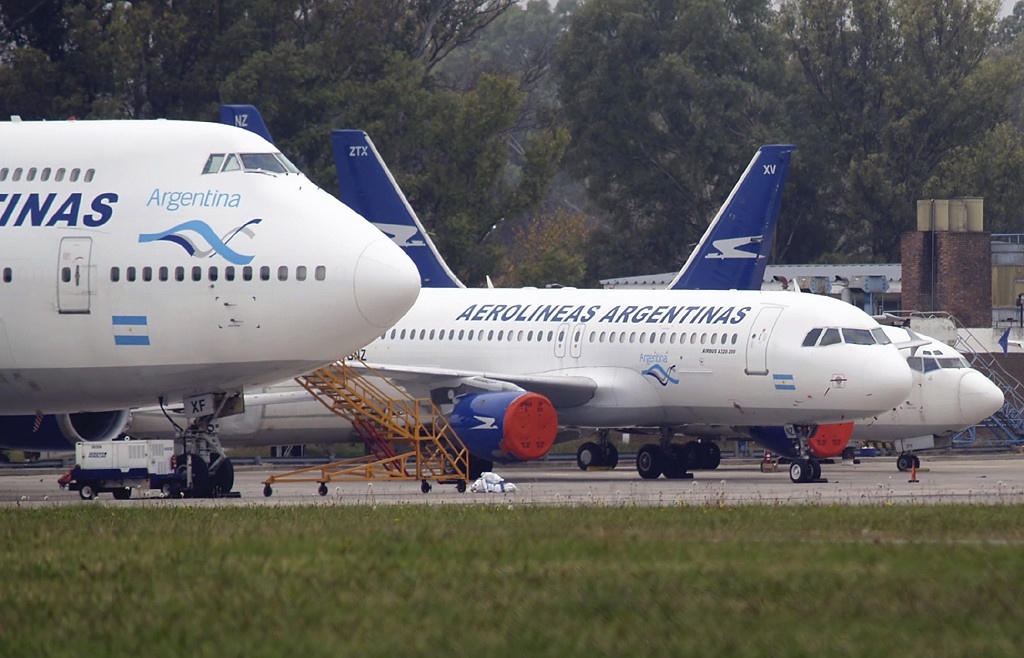
Aerolíneas: crecer o ajustar

AW | 2016 08 17 11:25 | AIRLINES

El ex-presidente de Aerolíneas Argentinas, Mariano Recalde, explica su anterior gestión en el grupo

La historia de Aerolíneas Argentinas tiene algunos puntos de contacto notorios con la historia de nuestro país. Se creó en 1950, durante el Gobierno del general Perón, se privatizó en los noventa, se fundió en 2001 y comenzó el camino de la recuperación en 2008, durante el Gobierno de Cristina Fernández de Kirchner.

En efecto, el Estado tuvo que hacerse cargo de la reconstrucción de Aerolíneas Argentinas luego de los fracasos de las sucesivas gestiones privadas que, cada una a su manera, fueron vaciando la compañía de bandera y dejando sin conectividad aérea a nuestro país, priorizando intereses ajenos a los de los argentinos.

La aerolínea que dejó el Grupo Marsans, como muchos recordarán, se encontraba en un estado crítico en lo económico y trágico en lo operativo. A las constantes cancelaciones y demoras de los vuelos y el mal servicio que prestaba a sus pasajeros, se le sumaba una situación calamitosa en lo económico: resultados operativos negativos, déficit creciente y agobiante, patrimonio neto negativo, deuda vencida acumulada y una flota de aviones ineficiente por lo reducida, heterogénea y antigua.

Aerolíneas volaba poco y volaba mal, lo que desencadenaba no sólo descontento entre los pasajeros sino también entre los propios trabajadores. El alto nivel de conflictividad gremial era otro dato que resaltaba en la herencia recibida de la privatización.

Frente a este panorama, la decisión política de la gestión estatal fue poner el eje del primer plan quinquenal de negocios en el crecimiento y la inversión, en lugar de ajuste y achicamiento.

El resultado del trabajo y las inversiones estuvo a la vista de todos los argentinos en pocos años, y no sin obstáculos y dificultades imprevistas. Por eso, cuando en enero de este año Isela Costantini se hizo cargo de Aerolíneas pudo decir con orgullo: «En este mes de enero hemos tenido récords de puntualidad, de pasajeros y no hemos tenido cancelaciones».

Es que la gestión actual recibió una empresa funcionando, con una flota renovada en su totalidad, con el triple de aviones, con más rutas, más frecuencias, con un servicio de excelencia reconocido internacionalmente y por expertos del país. Como resultado de todo eso, recibieron una empresa con un nivel de ingresos en dólares del doble que el que tenía en 2008. Una línea aérea que forma parte del mercado internacional y que por eso es miembro pleno de una de las alianzas de líneas aéreas más importantes del mundo, como es SkyTeam.

En términos económicos, luego de tener un déficit de casi 900 millones de dólares -que representaba el 80% de la facturación-, Aerolíneas cerró 2015 con un déficit operativo equivalente al 8% de la facturación (160 millones de dólares). Fue la gestión anterior la que permitió dejar una empresa funcionando en condiciones para afrontar la temporada alta de enero y febrero a las autoridades recién arribadas y exhibir resultados económicos positivos en el primer trimestre con las ventas efectuadas el año anterior.

Como se puede ver, no sólo se rompían «récords de puntualidad», como bien decía Costantini en enero, también se entregó una empresa que ya venía creciendo todos los años a un ritmo incluso mayor que el que pudieron exhibir días pasados las actuales autoridades cuando anunciaron los resultados del mes de julio.

En este tema también hay que desenmascarar una construcción dialéctica bastante infantil pero mediáticamente eficiente: la anterior gestión dejó una empresa con un déficit de 160 millones (cinco veces menor al recibido). Llamativamente, a los pocos días de hacerse cargo, la nueva CEO de la compañía anunció pérdidas para 2016 por 1.000 millones (sí: mil millones de dólares), sin que se conocieran los cálculos o fundamentos de tal proyección. Al poco tiempo anunciaron un ahorro importante: reducirían a la mitad el cálculo efectuado por ellos mismos y se exhibió en la prensa como un logro milagroso de la gestión, también sin haber explicado el origen de un cambio tan drástico. Así, con contabilidad creativa y de comunicación, mientras la pérdida que este año seguramente será del triple que el año pasado, la gestión Dietrich la exhibe como una reducción a la mitad.

Hay que decir que en esos números inciden cuestiones ajenas a la gestión de la empresa y que tienen que ver con los abruptos cambios macroeconómicos, como la devaluación, la apertura de los cielos a la competencia privada y extranjera -en lo que constituye una paulatina desregulación del mercado- y, fundamentalmente, a la caída del poder adquisitivo de millones de argentinos que impacta sobre las ventas. Del mismo modo, la reducción de los costos tampoco es fruto de la actual gestión sino que obedece fundamentalmente a dos factores: la devaluación, que licúa los salarios (el principal costo de la compañía), y la caída brutal del precio del combustible (el segundo costo más importante).

Hasta ahora se puede advertir que existe, con pequeños retoques, una clara continuidad del plan de negocios de la anterior gestión pero que, para concluir con éxito, exige que no se recorten las partidas previstas por el Congreso en la última Ley de Presupuesto y que se continúe invirtiendo en la ampliación y modernización de la flota de aviones y el crecimiento de la compañía. En esta etapa, otra vez, la solución se encuentra en el crecimiento y no en el ajuste.

Esperamos que eso suceda porque el deseo de todos los argentinos es que la nueva gestión, como lo hizo la anterior, pueda dejar una empresa mejor que la que recibió. AIRGWAYS ® Icon-AW

Aerolíneas: grow or adjust

The former president of Aerolíneas*, Mariano Recalde said its previous management in the group

The history of Aerolíneas Argentinas has some notable points of contact with the history of our country. It was created in 1950, during the government of General Perón, was privatized in the nineties, was founded in 2001 and began the road to recovery in 2008, during the government of Cristina Fernández de Kirchner.

In fact, the state had to take over the reconstruction of Aerolíneas Argentinas after the failures of successive private efforts that, each in its own way, were emptying the flag carrier and leaving no air connectivity to our country, giving priority to interests other the Argentines.

The airline that left the Marsans Group, as many will recall, was in a critical state in economic and tragic in operation. At constant cancellations and delays of flights and poor service provided to its passengers, it added a calamitous situation economically: negative operating results, growing and crippling deficit, negative equity, overcome debt accumulated and a fleet of aircraft inefficient so small, heterogeneous and old.

Aerolíneas flying and flying little wrong, which triggered discontent not only among passengers, but also among the workers themselves. The high level of union unrest was another thing that stood in the inheritance received from privatization.

Against this background, the political decision of state management was to put the axis of the first five-year business plan and investment growth, rather than setting and shrinking.

The result of the work and investment was in view of all Argentines in a few years, and not without obstacles and unforeseen difficulties. So when in January this year Isela Costantini took over Aerolíneas could proudly say: «In this January we had time performance records, passenger and we have had no cancellations».

It is that the current management received a company operating with a fleet fully renovated, with three aircraft, with more routes, more frequencies, with service excellence and internationally recognized experts in the country. As a result of that, they received a company with a level of income in dollars than double what it was in 2008. An airline that is part of the international market and therefore is a full member of one of the airline alliances more important in the world, such as SkyTeam.

In economic terms, after a deficit of nearly $ 900 million, which represented 80% of the billing-, Airlines closed 2015 with an operating deficit equivalent to 8% of turnover (160 million dollars). It was the previous administration that allowed leave a company operating in conditions to face the high season of January and February to the newly arrivals and exhibit positive economic results in the first quarter with sales for the preceding year authorities.

As you can see, not only «time performance records» were broken, as well said Costantini in January, a company that was already growing every year at an even faster pace than could exhibit days past the current authorities are also provided when they announced the results of July.

This topic also need to unmask a rather childish but medially efficient construction dialectic: the previous administration left a company with a deficit of 160 million (five times less than received). Interestingly, within days of taking over, the new CEO of the company announced losses for 2016 by 1,000 million (yes: billion) without calculations or foundations of such projection is known. Soon they announced a significant savings: halve the calculation made by themselves and exhibited in the press as a miraculous achievement of management, also without having explained the origin of such a drastic change. Thus, communication and creative accounting, while loss this year will surely be triple last year, the management Dietrich displays it as a halving.

I must say that those numbers affect management outside the company and that have to do with the abrupt macroeconomic changes, such as the devaluation issues, opening the skies to private and foreign competition -in which is a gradual deregulation of the market and mainly to the fall in the purchasing power of millions of Argentines impact on sales. Similarly, the cost reduction is not the result of current management but mainly due to two factors: devaluation, which liquefies wages (the main cost of the company), and the brutal fall in fuel prices (the second largest) cost.

So far we can see that there is, with minor tweaks, a clear continuity of the business plan of the previous administration but to conclude successfully, requires that the items prescribed by Congress not to cut in the last Budget Law and continued investment in the expansion and modernization of the fleet and the growth of the company. At this stage again, the solution is in the growth rather adjustment.

We expect that to happen because the desire of all Argentines is that the new management, as did the previous one, can leave a better than receiving company. A\W

[*] NOTA AL LECTOR: En algunos casos el lector encontrará la cita “Aerolíneas” en nuestras publicaciones de AIRGWAYS haciendo referencia particular a Aerolíneas Argentinas, debido a que es una palabra o expresión de localismo en Argentina;  pero en cuyos casos no son preferenciales.
NOTE TO READERS: In some cases the reader will find the appointment “Aerolíneas” in our publications AIRGWAYS with particular reference to Aerolíneas Argentinas, because it is a word or expression of localism in Argentina; but in whose cases are not preferred.
Ξ A I R G W A Y S Ξ
SOURCE: ambito.com
DBk: Photographic © flightlevel360.com.ar / Claudio Boccardo
AW-POST: 201608171125AR
A\W A I R G W A Y S ®

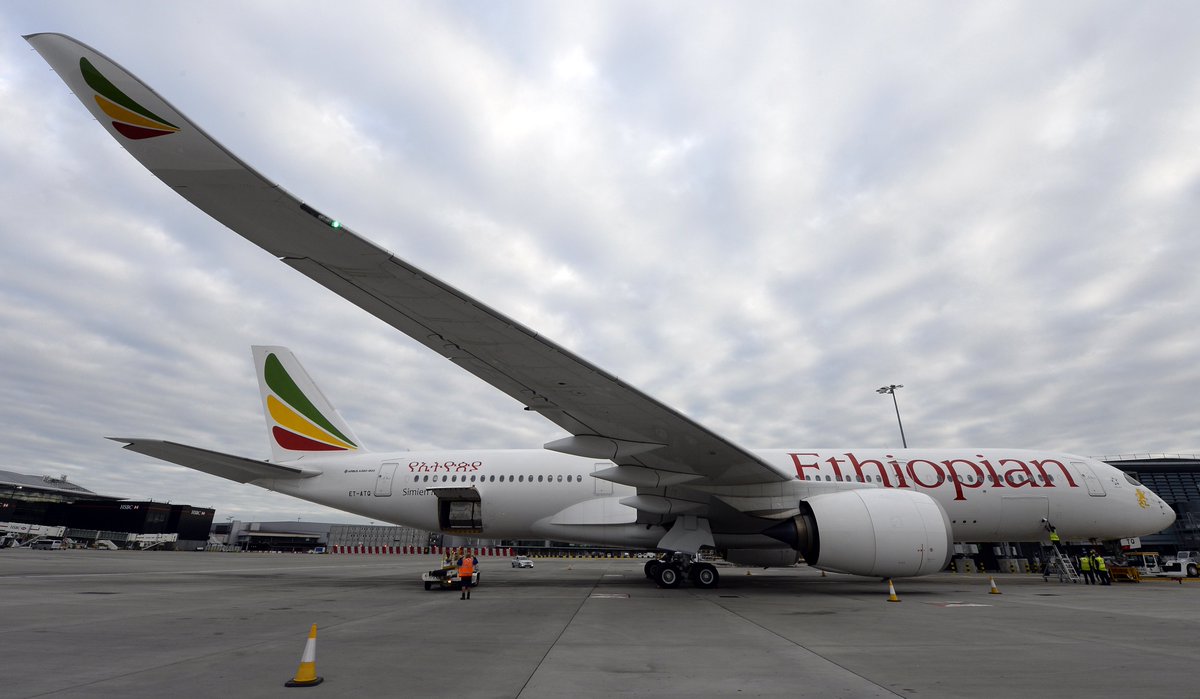
Ethiopian recibe segundo A350-900

AW | 2016 08 17 11:12 | AIRLINES

AerCap entregó un segundo nuevo A350-900 de Airbus a las principales portadoras de África Ethiopian Airlines.

El primer avión fue entregado en junio, marcando el primer avión A350 XWB para ser entregado a este portador de África.

AerCap tiene una de las mayores carteras de Airbus A350 XWB con un total de seis de propiedad y otros 23 en los aviones para entregar al 2019.

AerCap ahora ha alquilado dos aviones A350 XWB de Vietnam Airlines, dos de Cathay Pacific Airways y ahora con la última entrega de otros dos de Ethiopian Airlines.

Philip Scruggs, presidente y director comercial, AerCap, dijo: «El avión A350 es uno de los aviones de mayor demanda en el mundo y estamos orgullosos de ser uno de los mayores propietarios de este tipo de aeronave. Esperamos continuar nuestra exitosa relación con nuestros amigos y socios de Ethiopian Airlines como la aerolínea continúa mejorando su flota «. AIRGWAYS ® Icon-AW

AerCap delivers second new A350 XWB aircraft to Ethiopian Airlines

AerCap delivered a second new Airbus A350-900 to major African carrier Ethiopian Airlines.

The first aircraft was delivered in June, marking the first A350 XWB aircraft to be delivered to this African carrier.

AerCap has one of the largest Airbus A350 XWB portfolios with a total of six owned and another 23 on order aircraft delivering through 2019.

AerCap has now leased two A350 XWB aircraft to Vietnam Airlines, two to Cathay Pacific Airways and now with the latest delivery a further two to Ethiopian Airlines.

Philip Scruggs, president and chief commercial officer, AerCap, said, “The A350 aircraft is one of the most in-demand aircraft in the world and we are proud to be one of the largest owners of this aircraft type. We look forward to continuing our successful relationship with our friends and partners at Ethiopian Airlines as the airline continues to enhance its fleet.” A\W

Ξ A I R G W A Y S Ξ
SOURCE: stattimes.com
DBk: Twitter.com / flightchic.com
AW-POST: 201608171112AR
A\W A I R G W A Y S ®

Capital Airlines iniciará operaciones a Canadá en 4T

AW | 2016 08 17 10:45 | AIRLINES ROUTES

Capital Airlines (China) obtuvo la aprobación regulatoria de la Agencia Canadiense de Transporte para iniciar vuelos regulares a Canadá.

Como tal, de acuerdo con la ruta de la aerolínea, los Hainan Airlines (HU, Haikou) filial comenzará una semana Hangzhou 3x a través de Qingdao a Vancouver Int’l servicio en vigor en diciembre 30 del presente año. Las operaciones son los equipos a bordo A330-200.

En la actualidad, la red de largo radio de Capital Airlines implica servicios a Madrid Barajas, España y Melbourne Tullamarine, Australia. AIRGWAYS ® Icon-AW

China’s Capital Airlines to start North America ops in 4Q

Capital Airlines (China) (JD, Beijing Capital) has secured regulatory approval from the Canadian Transportation Agency to begin regular flights to Canada.

As such, according to Airline Route, the Hainan Airlines (HU, Haikou) subsidiary will begin a 3x weekly Hangzhou via Qingdao to Vancouver Int’l service effective December 30 of this year. Operations are on-board A330-200 equipment.

Currently, Capital Airlines’ longhaul network entails services to Madrid Barajas, Spain and Melbourne Tullamarine, Australia. A\W


Ξ A I R G W A Y S Ξ
SOURCE: ch-aviation.com
DBk: Photographic © Tis Meyer / PlanePics.org
AW-POST: 2016080171045AR
A\W A I R G W A Y S ®