Designan nuevo Consejo de Administración en Air Europa
El nuevo Consejo de Administración de Air Europa Líneas Aéreas S.A, con Air Europa Holding S.L y Aeronova S.L ha quedado formalmente constituido respetando lo establecido en el Acuerdo de Apoyo Financiero Público Temporal. A propuesta de Globalia, forman parte del Consejo Juan José Hidalgo Acera, en calidad de Presidente, el Director general del Grupo y responsable Económico Financiero, Miguel Ángel Sánchez Jiménez, como vocal, y el director de Asesoría Jurídica, Ramiro Campos Gallego, como secretario. A propuesta de la Sociedad Estatal de Participaciones Industriales (SEPI), se sientan en el nuevo Consejo de Administración como Vocales José Ángel Partearroyo Martín, Abogado, actual Director de Participadas en el holding público con amplia experiencia profesional también en la empresa privada, y Juan Manuel Bujía Lorenzo, Ingeniero aeronáutico y con una prolongada trayectoria en el ambiente aeronáutico. Queda pendiente de nombrar de común acuerdo entre SEPI y Air Europa para una próxima reunión el futuro Consejero Delegado del grupo, como parte de los acuerdos contemplados en el marco del apoyo financiero decidido hace algunos 45 días atrás.
El apoyo económico establecido para auxiliar a Air Europa contempla un monto total de € 475 millones Euros, encauzado a través de un préstamo participativo por importe de € 240 millones y un préstamo ordinario de € 235 millones, instrumentos ambos previstos en la Orden Ministerial del pasado 23 de Julio de 2020 que publicó el acuerdo del Consejo de Ministros que establece el funcionamiento del Fondo de Apoyo a la Solvencia de Empresas Estratégicas, con un respaldo de € 10.000 millones de Euros. Ambos préstamos están avalados por la garantía corporativa de Globalia, así como por el compromiso de constitución de hipoteca sobre las sedes del Grupo en Pozuelo y Palma de Mallorca. Los tipos de interés fijados para el préstamo participativo son los contemplados en el anexo del acuerdo del Consejo de Ministros de 21 de Julio de 2020 y en el Marco Temporal de la Comisión Europea (CE). La Comisión de Seguimiento, se ha reunido para facilitar la orientación en el cumplimiento, vigilancia y control de la ejecución del plan de viabilidad presentado por Air Europa antes de acceder a esta la ayuda financiera.
New Board at Air Europa
New Board of Directors appointed at Air Europa
The new Board of Directors of Air Europa Líneas Aéreas S.A, with Air Europa Holding S.L and Aeronova S.L has been formally constituted respecting the provisions of the Temporary Public Financial Support Agreement. At the proposal of Globalia, the Council includes Juan José Hidalgo Acera, as Chairman, the General Director of the Group and Financial Economic Manager, Miguel Ángel Sánchez Jiménez, as a member, and the Director of Legal Counsel, Ramiro Campos Gallego, as Secretary. At the proposal of the Sociedad Estatal de Participaciones Industriales (SEPI), the new Board of Directors sits as Members José Ángel Partearroyo Martín, Lawyer, current Director of Participadas in the public holding company with extensive professional experience also in private companies, and Juan Manuel Bujía Lorenzo, Aeronautical Engineer with a long career in the aeronautical environment. The future CEO of the group remains to be appointed by common agreement between SEPI and Air Europa for a future meeting, as part of the agreements contemplated within the framework of the financial support decided some 45 days ago.
The financial support established to assist Air Europa contemplates a total amount of € 475 million Euros, channeled through a participative loan for the amount of € 240 million and an ordinary loan of € 235 million, both instruments provided for in the Ministerial Order of the past July 23, 2020 that published the agreement of the Council of Ministers that establishes the operation of the Fund to Support the Solvency of Strategic Companies, with a support of € 10,000 million Euros. Both loans are backed by Globalia’s corporate guarantee, as well as by the commitment to establish a mortgage on the Group’s headquarters in Pozuelo and Palma de Mallorca. The interest rates set for the participating loan are those contemplated in the annex to the agreement of the Council of Ministers of July 21, 2020 and in the Temporary Framework of the European Commission (EC). The Monitoring Commission has met to provide guidance on compliance, surveillance and control of the execution of the viability plan presented by Air Europa before accessing financial aid.
The Boeing Company acelerará la consolidación de la producción de la línea Boeing 787 en North Charleston, en el Estado de Carolina del Sur, para que Everett, Washington finalice el montaje final del avión en Marzo de 2021 en lugar de la cronología anunciada originalmente de mediados de 2021, según una nota interna de la compañía. El memorándum a los empleados de la línea 787 fue enviado por Lane Ballard, Vicepresidente de Boeing y Gerente General del Programa 787 y líder del sitio de fabricación de North Charleston, Carolina del Sur. «La consolidación de la producción y la entrega en Carolina del Sur tendrá lugar en marzo de 2021», escribió Lane Ballard.
La reducción de la tasa de producción del 787 de siete aviones al mes a cinco también se implementará a partir de la construcciones en North Charleston (NC). La nota del Gerente de línea 787 indica que los empleados en Everett continuarán trabajando después de la transferencia de Marzo 2021 del ensamblaje final, inspeccionando los 787 completados para el control de calidad, para detectar deficiencias que se han descubierto en el fuselaje y realizando las reparaciones necesarias. «Sé que tendrá muchas preguntas, el principal de ellos puede ser cuál será el impacto en el empleo. Estamos trabajando a través de los detalles. No hay ningún plan para trasladar a sus compañeros de equipo de Everett a Carolina del Sur, o viceversa. Probablemente se extenderá trabajos en Everett más allá del plan de consolidación de la producción», expresa el comunicado. Jessica Kowal, Portavoz de Boeing, dijo que unas 1.000 personas trabajan directamente en el Programa 787 en la región de Puget Sound.
787 bajo la lupa
Boeing en Agosto 2020 aterrizó ocho 787 después de descubrir defectos de calidad en la unión del fuselaje de popa. El mes pasado, amplió el alcance de las inspecciones para incluir todas las uniones en todas las secciones del fuselaje, que se fabrican en Wichita, Kansas, en Italia y en Japón, así como en el Estado de Carolina del Sur. Los exámenes de los aviones ya terminados han dado lugar a un registro de 787 aviones estacionados y no entregados, lo que Boeing dice que tardará la mayor parte del próximo año en despejarse. Boeing está estableciendo lo que llama Estaciones de Verificación de Unión tanto en Everett como en North Charleston, donde se realizará el trabajo de inspección y reparación de las uniones del fuselaje 787. «Los aviones que se almacenan hasta la entrega, y los aviones actualmente en nuestro sistema de producción, pasarán por este proceso de verificación de unión», dijo el comunicado. En Everett, la línea de montaje final se convertirá en este trabajo. Everett ya tiene dos posiciones de verificación de unión adyacentes a Paine Field al sur del gigantesco edificio de ensamblaje final. Para marzo , «las cuatro posiciones actuales del conjunto final de Everett 787 se convertirán en posiciones de verificación de unión», escribió Ballard. «Se crearán posiciones adicionales de verificación de unión en las instalaciones de ensamblaje final de Carolina del Sur. Los aviones almacenados reunidos en Everett irán a Everett para la inspección y entrega de unirse, y los aviones almacenados ensamblados en Carolina del Sur irán a Carolina del Sur para unirse a la inspección y entrega». Lane Ballard cerró su mensaje agradeciendo a los empleados por su trabajo realizando las inspecciones del fuselaje y particularmente aquellos de ustedes que se han ofrecido para trabajar en partes de la pausa de vacaciones en apoyo del esfuerzo.
Everett/WA ends line 787
Boeing 787 completes Everett assembly on 03/2021
The Boeing Company will accelerate the consolidation of production of the Boeing 787 line in North Charleston, in the State of South Carolina, so that Everett, Washington finish the final assembly of the plane in March 2021 instead of the originally announced timeline of mid-March. 2021, according to an internal company note. The memo to 787 line employees was submitted by Lane Ballard, Boeing Vice President and General Manager of the 787 Program and leader of the North Charleston, South Carolina manufacturing site. «Consolidation of production and delivery in South Carolina will take place in March 2021», wrote Lane Ballard.
The reduction of the production rate of the 787 from seven aircraft per month to five will also be implemented from the construction in North Charleston (NC). The 787 Line Manager’s note indicates that employees at Everett will continue to work after the March 2021 transfer of final assembly, inspecting the completed 787s for quality control, detecting any deficiencies that have been discovered in the airframe and making repairs. necessary. «I know you will have a lot of questions, the main one of which may be what the impact on employment will be. We are working through the details. There is no plan to relocate your teammates from Everett to South Carolina, or vice versa. Work at Everett will likely extend beyond the production consolidation plan», the statement said. Jessica Kowal, a Boeing spokeswoman, said about 1,000 people work directly on the 787 Program in the Puget Sound region.
787 under the microscope
Boeing in August 2020 landed eight 787s after discovering quality defects in the aft fuselage joint. Last month, it expanded the scope of the inspections to include all joints in all sections of the fuselage, which are manufactured in Wichita, Kansas, Italy and Japan, as well as in the State of South Carolina. Examinations of the completed aircraft have resulted in a record of 787 parked and undelivered aircraft, which Boeing says will take most of next year to clear. Boeing is establishing what it calls Junction Verification Stations at both Everett and North Charleston, where the 787 fuselage junction inspection and repair work will be performed. «Airplanes that are stocked until delivery, and airplanes currently in our production system, will go through this joint verification process», the statement said. At Everett, the final assembly line will become this job. Everett already has two bonding check locations adjacent to Paine Field south of the gigantic final assembly building. By March, «the current four positions in the Everett 787 final set will become binding check positions», Ballard wrote. «Additional bonding check positions will be created at the South Carolina final assembly facility. Stored aircraft assembled in Everett will go to Everett for bond inspection and delivery, and stored aircraft assembled in South Carolina will go to Carolina del South to join the inspection and delivery». Lane Ballard closed her message by thanking the employees for their work conducting the airframe inspections and particularly those of you who have volunteered to work parts of the vacation break in support of the effort.
La NASA está planificando el retorna a la Luna mediante el Programa Espacial Artemis que tiene como objetivo llevar a los humanos, incluida la primera mujer, a la superficie lunar para 2024. Los humanos no han vuelto a la Luna desde la Misión Apolo 17 en 1972. El año que viene, el viaje para que los humanos vuelvan allí volverá a ponerse en marcha. «En última instancia, satisface nuestra necesidad de explorar. Todos nosotros en la oficina de astronautas estamos, de una manera u otra, influenciados por esas imágenes icónicas de nuestros astronautas del Apolo explorando la Luna», dijo el Dr. Kjell Lindgren, un astronauta de la NASA, que es uno de los dieciocho recientemente elegidos para el programa Artemis de la NASA.
Retornar a la Luna es visto como un escalón necesario para llevar a los humanos a Marte en la década de 2030. El equipo de Artemis trabajará en proyectos relacionados con la Luna, tanto en órbita como en la superficie de la luna, que eventualmente se pueden aplicar a una futura misión marciana. «La luna todavía ofrece una gran cantidad de descubrimientos científicos. También ofrece una gran cantidad de descubrimientos operativos que nos ayudan a refinar los procedimientos del equipo y las habilidades que se necesitan para poder aterrizar, explorar con éxito en una superficie rocosa y luego volver a la tierra. El mundo entero se beneficia de esas cosas y los beneficios de Apolo son innumerables. Ya sabes, desde las computadoras, la miniaturización de las computadoras y en, puedes contar todas ellas. Ese fue realmente un punto de inflexión en la historia de la tecnología», dijo Kjell Lindgren.
El Programa Artemis de la NASA espera eventualmente crear una presencia humana permanente en la superficie de la Luna, similar a la presencia humana actual a tiempo completo en la Estación Espacial Internacional (ISS). Las misiones también tienen el potencial de crear avances tecnológicos para todos en la Tierra. El nuevo programa lunar fue llamado «Artemis», en honor a la diosa griega, que era la hermana gemela de Apolo.
NASA works on new mission to the Moon
Artemis program for trip to the Moon 2021
NASA is planning a return to the Moon through the Artemis Space Program which aims to bring humans, including the first woman, to the lunar surface by 2024. Humans have not returned to the Moon since the Apollo 17 Mission in 1972 Next year, the journey for humans to return there will begin again. «Ultimately, it satisfies our need to explore. All of us in the astronaut office are, in one way or another, influenced by those iconic images of our Apollo astronauts exploring the Moon», said Dr. Kjell Lindgren, an astronaut. of NASA, which is one of eighteen recently chosen for NASA’s Artemis Program.
Returning to the Moon is seen as a necessary stepping stone to get humans to Mars in the 2030s. Artemis’s team will work on projects related to the Moon, both in orbit and on the moon’s surface, which may eventually be apply to a future Martian mission. «The Moon still offers a host of scientific discoveries. It also offers a host of operational discoveries that help us refine the team’s procedures and skills that are needed to be able to land, successfully explore on a rocky surface, and then return to the land. The whole world benefits from those things and the benefits of Apollo are innumerable. You know, from computers, miniaturization of computers and on, you can count all of them. That was really a turning point in the history of technology», said Kjell Lindgren.
NASA’s Artemis Program hopes to eventually create a permanent human presence on the Moon’s surface, similar to the current full-time human presence on the International Space Station (ISS). Missions also have the potential to create technological advancements for everyone on Earth. The new lunar program was called «Artemis», in honor of the Greek goddess, who was the twin sister of Apollo.
Temporal provoca cancelaciones en Aeropuerto Minneapolis/St. Paul
A pesar de las advertencias de altos funcionarios de salud para quedarse en casa, millones de estadounidenses pasaron por los puestos de control de seguridad de los aeropuertos de Estados Unidos en los últimos días. Pero con la tormenta invernal del Miércoles 23/12, el Aeropuerto Minneapolis/St. Paul/MSP ha tenido que cancelar cientos de vuelos y otros vuelos demorados.
El Miércoles 23 de Diciembre por la tarde, la tormenta ha impedido que los pasajeros pudieran embarcar en sus vuelos desde el Aeropuerto Minneapolis. Afuera, el personal del aeropuerto trabajaba para despejar la nieve mientras la gente dentro reaccionaba a las cancelaciones y trataba de averiguar sus próximos movimientos. Funcionarios del aeropuerto dijeron que al menos 300 vuelos fueron cancelados el miércoles con más de cuarenta retrasos. Después de las 06:30 p.m, cada vuelo fue cancelado y el aeropuerto era tranquilo, incluso para los estándares de pandemia. Desafortunadamente, con las cancelaciones relacionadas con el clima, los viajeros no son elegibles para un reembolso en efectivo. Sin embargo, con la pandemia, la mayoría de las aerolíneas ofrecen vales sin cargos por cambio, por lo que los viajeros siempre pueden pedir esa opción, si deciden no subirse a un vuelo diferente.
Winter storm cancellations at MSP
Winter storm causes flight cancellations at Minneapolis/St. Paul
Despite warnings from senior health officials to stay home, millions of Americans have passed through security checkpoints at US airports in recent days. But with the winter storm on Wednesday 12/23, the Minneapolis/St. Paul/MSP has had to cancel hundreds of flights and other delayed flights.
On Wednesday afternoon, December 23, the storm prevented passengers from boarding their flights from Minneapolis Airport. Outside, airport personnel worked to clear snow while people inside reacted to cancellations and tried to figure out their next moves. Airport officials said at least 300 flights were canceled Wednesday with more than 40 delays. After 06:30 p.m., every flight was canceled and the airport was quiet, even by pandemic standards. Unfortunately, with weather-related cancellations, travelers are not eligible for a cash refund. However, with the pandemic, most airlines are offering vouchers with no change fees, so travelers can always ask for that option, if they decide not to get on a different flight.
La línea aérea regional American Jet Líneas Aéreas continúa con las dificultades para resolver el acuerdo salarial con los pilotos de la compañía después de fracasar un acuerdo establecido el la semana pasada, con un para por 48 hs. desde el Lunes 21/12. Desde el gremio aeronáutico de la Asociación de Pilotos de Líneas Aéreas (APLA) han establecido el paro en reclamos de una recomposición salarial para el personal de la tripulación de vuelo de la compañía aérea de Argentina. El sindicato ha expresado: «Ante la falta total de avances en las negociaciones con la empresa, se iniciaran medidas de acción directa con paro total de actividades por 48 hs a partir de las 00:00 del día Lunes 21 de Diciembre”.
El reclamo continúa en la cartera del Ministerio de Trabajo que ha dictado la Conciliación Obligatoria por quince días hábiles, abriendo una nueva etapa por lo que obliga a las parte a sentarse para avanzar en las negociaciones.
American Jet Líneas Aéreas es una compañía de servicios aéreos regionales de cabotaje y vuelos especiales. Fue creada en 1984 para dedicarse a vuelos de taxi aéreo en el Aeroparque Jorge Newbery de la ciudad de Buenos Aires. En 1996 agregó un servicios con el fin del traslado de personal de varias empresas, fundamentalmente petroleras y mineras. Comenzando una nueva etapa en la que permitió que American Jet instalar bases en las ciudades de Tucumán y Neuquén. En el 2008, luego de ganar la licitación para rutas aéreas, el gobierno de la Provincia de Neuquén cede los permisos para la operación de rutas aéreas en dicha provincia a American Jet que hasta ese momento solo se dedicaba a vuelos de taxi aéreo. El 2 de Junio de 2009 American Jet comienza a volar como línea aérea regular, siendo su primer destino la ciudad de San Martín de los Andes (Chapelco). El 26 de Noviembre de 2009, la empresa minera La Alumbrera le rescinde el contrato que tenía con American Jet para el transporte de sus trabajadores desde la ciudad de San Miguel de Tucumán hacia Campo Arenal2 (Catamarca). Por lo tanto de esta manera American Jet luego de 13 años deja de operar en su base del Aeropuerto Internacional Teniente Benjamín Matienzo de Tucumán. En el año 2013, finaliza la construcción de su nuevo Hangar, en Aeropuerto Internacional de San Fernando, donde ofrece servicios de taxi aéreo, charter, hangaraje, FBO, entre otros. El 18 de Octubre de 2016, inaugura el puente aéreo Neuquén (Argentina)-Temuco (Chile), como servicio regular de pasajeros. Actualmente la aerolínea cuenta con bases en la Ciudad de Neuquén, Mendoza y Buenos Aires (Aeroparque y San Fernando).
American Jet Mandatory Conciliation
American Jet continues with labor dispute
The regional airline American Jet Líneas Aéreas continues with the difficulties to resolve the salary agreement with the pilots of the company after failing an agreement established last week, with a stop for 48 hours. from Monday 12/21. From the aeronautical union of the Airline Pilots Association (APLA) they have established the strike in claims of a salary recomposition for the personnel of the flight crew of the Argentine airline. The union has stated: «Given the total lack of progress in the negotiations with the company, direct action measures will be initiated with a total stoppage of activities for 48 hours starting at 00:00 on Monday, December 21».
The claim continues in the portfolio of the Ministry of Labor that has issued the Mandatory Conciliation for fifteen business days, opening a new stage for which it forces the parties to sit down to advance in the negotiations.
American Jet Lineas Aereas is a regional air services company for cabotage and special flights. It was created in 1984 to engage in air taxi flights at the Jorge Newbery Airport in the city of Buenos Aires. In 1996 it added a services in order to transfer personnel from various companies, mainly oil and mining companies. Starting a new stage in which it allowed American Jet to install bases in the cities of Tucumán and Neuquén. In 2008, after winning the tender for air routes, the government of the Province of Neuquén granted the permits for the operation of air routes in said province to American Jet, which until then was only dedicated to air taxi flights. On June 2, 2009, American Jet began to fly as a regular airline, its first destination being the city of San Martín de los Andes (Chapelco). On November 26, 2009, the La Alumbrera mining company terminated the contract it had with American Jet for the transportation of its workers from the city of San Miguel de Tucumán to Campo Arenal (Catamarca). Therefore, in this way, American Jet after 13 years stops operating at its base at the Teniente Benjamín Matienzo International Airport in Tucumán. In 2013, the construction of its new hangar was completed, at San Fernando International Airport, where it offers air taxi, charter, hangarage, FBO services, among others. On October 18, 2016, the Neuquén (Argentina) -Temuco (Chile) air bridge was inaugurated as a regular passenger service. Currently the airline has bases in the City of Neuquén, Mendoza and Buenos Aires (Aeroparque and San Fernando).
JetSmart Argentina reanuda directo Rosario-Neuquén
La línea aérea low cost JetSmart Airlines Argentina ha reiniciado operaciones comerciales de la ruta del interior del país Rosario-Neuquén permitiendo restablecer la conexión con dos frecuencias semanales. “Volvimos a volar desde Rosario y nos llena de felicidad recuperar las rutas que volábamos antes de la pandemia. Es un hito importante tanto para los pasajeros como para todas las economías del interior del país a donde volamos. La conectividad aérea contribuye al desarrollo de la economía y de los negocios, más entre dos polos productivos tan importantes para el país como lo son Rosario y Neuquén”, aseguró Darío Ratinoff, Gerente Comercial de JetSmart Argentina.
La aérea de presupuesto argentina ha logrado reiniciar los vuelos desde Buenos Aires a Bariloche, Córdoba, Iguazú, Mendoza, Neuquén, Salta, Tucumán y Ushuaia. Además la aerolínea ha anunciado la incorporación de lapróxima ruta a El Calafate desde el 21 de Enero de 2021. El organigrama de vuelos entre Bariloche y Córdoba y Salta-Neuquén continuarán vigentes, mientras que la ruta internacional Buenos Aires–Santiago de Chile también continuará en servicio.
JetSmart resumes Rosario-Neuquén
JetSmart Argentina resumes direct Rosario-Neuquén
The low cost airline JetSmart Airlines Argentina has restarted commercial operations on the Rosario-Neuquén inland route, allowing the connection to be reestablished with two weekly frequencies. “We flew again from Rosario and we are very happy to recover the routes that we flew before the pandemic. It is an important milestone both for passengers and for all the economies of the interior of the country where we fly. Air connectivity contributes to the development of the economy and business, especially between two productive poles as important for the country as Rosario and Neuquén”, said Darío Ratinoff, Commercial Manager of JetSmart Argentina.
The Argentine budget airline has managed to restart flights from Buenos Aires to Bariloche, Córdoba, Iguazú, Mendoza, Neuquén, Salta, Tucumán and Ushuaia. In addition, the airline has announced the incorporation of the next route to El Calafate from January 21, 2021. The organization chart of flights between Bariloche and Córdoba and Salta-Neuquén will continue in force, while the international route Buenos Aires-Santiago de Chile will also continue in service.
Gremios aeronáuticos rechazaron la oferta paritaria en Aerolíneas
Un nuevo conflicto se asoma en Aerolíneas Argentinas tras rechazar un acuerdo salarial de los empleados/gremios aeronáuticos al proponer el Gobierno un 7% retroactivo a Octubre 2020. También pidieron fijar tarifas mínimas para JetSmart Airlines Argentina y Flybondi Líneas Aéreas.
Los trabajadores aeronáuticos nucleados en Aerolíneas Argentinas rechazaron en forma categórica la oferta paritaria de un aumento insignificativo para los empleados de la compañía aérea de bandera. “A 15 meses de los últimos acuerdos paritarios, la pauta ofrecida representa una clara incitación al conflicto por parte de Aerolíneas Argentinas, Intercargo y el Ministerio de Transporte”, dijeron en un comunicado los gremios de Pilotos (APLA), Técnicos (APTA), Personal de Tierra (APA), Jerárquicos (UPSA) y de Control (ATEPSA). La compañía ha expresado por su parte, dijeron que el 7% es el mejor esfuerzo que pueden hacer. “Es el esfuerzo que puede hacer el Estado nacional, en el peor año para la industria aerocomercial del país. Estuvimos ocho meses sin facturación y sin haber afectado el poder adquisitivo de los trabajadores y conservado todos y cada uno de los puestos de trabajo”, definieron desde la compañía.
El Lunes 22/12, el CEO Pablo Ceriani se reunió con los titulares de los gremios, con la presencia también del Jefe de Gabinete del Ministerio de Transporte, Abel De Manuele, y la titular de la Administración Nacional de Aviación Civil (ANAC), Paola Tamburelli, entre otros funcionarios. Los sindicalistas le ha disgustado la respuesta del Gobierno: “Los funcionarios siguieron sin dar respuestas concretas a estos asuntos, lo que a esta altura resulta lisa y llanamente inexplicable”, dijeron los sindicatos aeronáuticos en un comunicado conjunto. La paritaria ofrecida del 7%, expresaron que “está muy lejos de recomponer la pérdida de poder adquisitivo registrada, siendo una clara incitación al conflicto”.
Frente Lowcost vs Aerolíneas
Los aeronáuticos pidieron también que se fijen bandas tarifarias mínimas para evitar la competencia de las aerolíneas low cost Flybondi Líneas Aéreas y JetSmart Airlines Argentina, y regulaciones para que esas líneas aéreas no puedan usar otros servicios de rampa que no sean de la estatal Intercargo. Mientras tanto Flybondi como JetSmart mudaron sus operaciones al Aeropuerto de Ezeiza, donde los servicios de rampa son prestados únicamente por Intercargo, con la única excepción de American Airlines y la propia Aerolíneas Argentinas, representa un monopolio y un atentado a los intereses de las aéreas que deben luchar por los altos costos operativos de estos servicios expresados en moneda estadounidense.
Guilds reject offers in Argentina
Aeronautical unions rejected the joint offer in Aerolíneas
A new conflict looms in Aerolíneas Argentinas after faking a salary agreement for aeronautical employees/ unions by proposing the Government a 7% retroactive to October 2020. They also asked to set minimum rates for JetSmart Airlines Argentina and Flybondi Líneas Aéreas.
The aeronautical workers nucleated in Aerolíneas Argentinas categorically rejected the joint offer of an insignificant increase for the employees of the flag carrier. «15 months after the last joint agreements, the pattern offered represents a clear incitement to conflict by Aerolíneas Argentinas, Intercargo and the Ministry of Transport,» said in a statement the unions of Pilots (APLA), Technicians (APTA), Ground Personnel (APA), Hierarchical (UPSA) and Control (ATEPSA). The company has expressed for its part, they said that 7% is the best effort they can do. “It is the effort that the national State can make, in the worst year for the country’s commercial aviation industry. We spent eight months without billing and without having affected the purchasing power of the workers and kept each and every one of the jobs”, they defined from the company.
On Monday 12/22, the CEO Pablo Ceriani met with the heads of the unions, with the presence also of the Chief of Staff of the Ministry of Transport, Abel De Manuele, and the head of the National Civil Aviation Administration (ANAC), Paola Tamburelli, among other officials. Trade unionists have been displeased by the government’s response: «The officials continued to not give concrete answers to these issues, which at this point is simply inexplicable», the aeronautical unions said in a joint statement. The parity offered of 7%, expressed that «it is very far from redressing the loss of purchasing power registered, being a clear incitement to conflict».
Lowcost vs. Aerolíneas confrontation
The aeronautical companies also requested that minimum tariff bands be set to avoid competition from the low cost airlines Flybondi Líneas Aéreas and JetSmart Airlines Argentina, and regulations so that these airlines cannot use other ramp services that are not of the state Intercargo. Meanwhile, Flybondi and JetSmart moved their operations to the Ezeiza Airport, where ramp services are provided only by Intercargo, with the sole exception of American Airlines and Aerolíneas Argentinas itself, representing a monopoly and an attack on the interests of the airlines that they must fight for the high operating costs of these services expressed in US currency.
Perspectivas post-pandemia industria aviación comercial
La industria de la aviación mundial se ha modificado el mercado de aviación producto de la actual pandemia de Coronavirus y las restricciones a los viajes y concentraciones. Con un nuevo escenario hacia el futuro, el mercado ahora tiene diferentes requisitos, y sin duda habrá más transiciones importantes hacia la próxima década, con modificaciones del escenario de la aviación comercial mundial. Ante este panorama, la industria de la aviación también comienza a adoptar cambios más sustanciales hacia una aviación más ecológica y responsable.
Los principales fabricantes de aeronaves como Airbus, Boeing, Embraer, comienzan a corresponder una nueva demanda de aeronaves mucho más enfocadas en la estandarización de flotas y una concentración de tipo de aviones de menor porte y mayores autonomías, donde comienzan a vislumbrarse los retiros de aviones gigantes como los Boeing 747, Airbus A380, como así también unidades de mediana antigüedad. Por otro lado, se comienza a observar el resurgimiento de nuevos competidores y nuevas aeronaves en la industria de la aviación como lo es Deutsche Aircraft con su actualización del Programa D-328eco y la nueva línea de turboprop Embraer del Programa E3. En la misma línea se encuentra bajo estudio el Programa ZeroE de Airbus Group, con un abanico de ofertas pensadas hacia la implementación del concepto del combustible hidrógeno.
La demanda ha cambiado masivamente en todo el mundo, y las restricciones de viaje siguen dando forma a los hábitos de vuelo del público. La actividad en los servicios de larga distancia ha disminuido más, y varios transportistas han dejado de lado los tipos de cuerpos anchos durante este clima de incertidumbre. La industria de la aviación comercial continúa moviéndose hacia las capacidades más responsables con el entorno, mientras que los fabricantes continúan desarrollando nuevas aeronaves que se ajusten mejor al próximo mercado.
The Boeing Company
Los anuncios de The Boeing Company alrededor del nuevo avión de tamaño mediano New Middle Market NMA/Boeing 797, que complementaría el sector del mercado medio, todo parecía continuar en la dirección correcta para introducir cambios en un mercado altamente competitivo, y así recuperar el mercado perdido por el Boeing 757. Sin embargo, decidió repensar su enfoque y volver al tablero de dibujo después del impacto de la saga del Boeing 737 MAX. A principios de 2020, el CEO de Boeing, David Calhoun, compartió que el programa NMA no continuaría tal como estaba planificado, causando una disrupción por los acontecimientos que modificaron el mercado actual de la pandemia. Mientras tanto, superando la crisis del 737 MAX, la Boeing depositó toda su confianza en su producto estrella, y así postergar una vez más el ansiado proyecto de avión de mercado medio.
Alternativamente a la forma del Proyecto NMA que no sucederá en su forma esperada, ¿qué perspectivas de desarrollo espera diagramar la compañía? Algunos detalles arrojados en Octubre 2020 ha informado que Boeing estaba en conversaciones tempranas con proveedores y equipos de arrendamiento sobre trabajar en una nueva unidad comercial. El programa consistiría en un avión de pasillo único con motores mejorados, con capacidades para 200-250 pasajeros, ubicando a la aeronave entre el Boeing 737-10 MAX y el Boeing 787-8 Dreamliner. Este nuevo concepto que continúa siendo un proyecto desconocido, continúa desarrollándose internamente en la Boeing a la espera de nuevas tecnologías que superen las actuales para justificar el avance de un nuevo programa en la compañía aeroespacial americana.
El proyecto se desarrolla en una fase preliminar, por lo que el proceso de maduración puede llevar algunos años en materializarse, mientras tanto la Boeing continuará concentrándose en fortalecer las tres unidades de línea de producción activas: 737/787/777, además del Boeing 747 preferentemente de la división de carga. La puesta en valor del Boeing 737 MAX, tras las recientes aprobaciones de los diferentes organismos reguladores internacionales, Boeing ha estado lidiando además con el fuerte impacto de la crisis sanitaria mundial y la fuerte depreciación de los viajes en el mundo.
La postura de Boeing respecto a nuevos concepto ecológicos, no espera avances en aviones de hidrógeno tan pronto. El Vicepresidente Comercial del fabricante y Gerente General de Desarrollo de Productos, Michael Sinnett, dijo que no cree que este tipo sea algo que esté a la vuelta de la esquina.
Tras los fracazos de la sinergia Boeing-Embraer, la compañía podría inspirarse para construir aeronaves de tamaño menores, pero ese proyecto no ha tenido mucho éxito en anterior oportunidades en la compañía, como por ejemplo tras la adquisición de la línea de turboprops De Havilland Canada en el década de 1980, o la adquisición por medio de la fusión con la McDonnell Douglas Corporation y su incorporación del MD-95 como Boeing 717. Tal vez, el mercado pueda combiar, habrá que esperar cómo se define el próximo escenario de la industria aerocomercial.
En cuanto al desarrollo de aeronaves de mayor porte, el Programa 777X será el foco principal cuando se trata del reino de los widebodies hacia los próximos años como único baluarte frente a la disminución de las flotas 747/A380 en el mundo de las compañías aéreas.
La estrella de la Boeing el 737 MAX ahora finalmente de vuelta en el aire, tiene un respiro para volver a recuperar mercado perdido frente a su competidor el Airbus A320NEO, y al mismo tiempo para concentrarse en un nuevo proyecto que amplía la gama de productos en la compañía, independientemente cual sea el avión de próxima generación futura, las perspectivas de Boeing se encuentran enfocadas a la necesidad de crear mercado solo si las condiciones así lo favorezcan, mientras tanto, Boeing continuará consolidándose y fortaleciéndose después de atravesar una tormenta perfecta.
Airbus Group
La compañía Airbus Group SE ha estado interesada en ofrecer el primer avión comercial de cero emisiones del mundo hacia el 2035. Los aviones conceptuales ZEROe de la firma europea le ayudan a explorar una variedad de configuraciones e innovaciones de hidrógeno. Con el movimiento hacia la aviación eléctrica, vienen también nuevas oportunidades para explorar cómo se ve un tren motriz, y Airbus está experimentando con un nuevo diseño que construye unidades de propulsión de hidrógeno.
Las futuras nuevas tecnologías permiten vislumbrar un nuevo concepto que el constructor europeo denomina ZEROe que incluye un tanque de hidrógeno líquido, un sistema de refrigeración, una pila de combustible, electrónica de potencia, motores eléctricos, una hélice compuesta ligera de ocho palas y todo el equipo auxiliar necesario para ejecutarlo como una unidad de propulsión independiente. Curiosamente, no hay mención de una batería de amortiguación, pero entonces los aviones convencionales como este utilizan la energía de una manera constante y predecible, por lo que un pequeño retraso entre el acelerador y los apoyos como la pila de combustible se pone al día podría no ser un problema. Estas vainas no sólo pueden desprenderse fácilmente de las alas (no demasiado fácilmente, con suerte), sino que el equipo de ZEROe quiere hacerlas altamente modulares, para que puedan separarse rápidamente para el mantenimiento, las pruebas y los intercambios de componentes simples.
El concepto de la tecnología en base al hidrógeno no es nueva. Con el hidrógeno líquido viene una densidad de energía que rivaliza, o incluso excede el combustible para aviones para vuelos de largo alcance, pero con cero emisiones locales y el potencial de llenar energía renovable neutra en carbono. Es un desafío para los fabricantes estar mirando hacia adelante en el concepto del hidrógeno para la aviación renovable. El concepto de vainas extraíbles radica en pasar a un sistema eléctrico dando la oportunidad de separar los sistemas de propulsión en unidades independientes, ofreciendo una excelente redundancia. Si algo sale mal con una cápsula de propulsión, puede apagarla por completo o incluso deseche sobre el agua, dejando que el controlador de vuelo vuelva a equilibrar el empuje a través de las cápsulas restantes. También libera un espacio considerable en la cabina. A las compañías aéreas les encanta llenar tubos huecos con tanta gente como sea posible, y mover los tanques de combustible y todo el tren motriz fuera de ese tubo hueco significa asientos adicionales y capacidad de carga adicional. Hacer de cada uno un tren de fuerza completo los hace ultra-intercambiables, por lo que cualquier problema se puede manejar en el tiempo libre del operador sin tener que sacar el avión fuera de servicio. Aunque Airbus ya ha sacado patentes sobre este diseño, es sólo uno de los muchos conceptos que la empresa está evaluando para el programa ZEROe. «Esta configuración ‘pod’ es un gran punto de partida para fomentar una mayor investigación sobre cómo podemos escalar la tecnología de hidrógeno a los aviones comerciales. Esta es una opción, pero muchas más serán conceptualizadas antes de hacer una selección final, una decisión que se espera para 2025», dice Glenn Llewellyn, Vicepresidente de Airbus de Aviones ZEROe.
Embraer Aircraft
Los efectos de la recesión perduraran, la compañía Embraer S.A. podría haber un nuevo enfoque a largo plazo en los aviones de corta distancia. Embraer ha expresado cómo la pandemia está configurando el futuro de los programas de la empresa. Es necesario atender a mercados más pequeños y la necesidad de unidades más sostenibles para los servicios de corta distancia. Por lo tanto, hay mucho espacio para la introducción de un nuevo concepto de aeronave regional. El equipo brasileño ha estado intensificando sus planes para su proyecto de avión turbohélice denominado Programa E3 que permitirían actualizar el parque aeronáutico y acceder a nuevos mercado en el mundo, donde otras aeronaves por las limitaciones no pueden llegar.
Deutsche Aircraft
Deutsche Aircraft, el nuevo fabricante de aeronaves de Alemania ha anunciado a principios de 12/2020 planes para desarrollar el D328eco, una plataforma revolucionaria que alineará el futuro de la aviación regional hacia un objetivo de vuelo de cero emisiones. Deutsche Aircraft se basa en el patrimonio y la experiencia de 328 Support Services GmbH, el titular del certificado Type de la aeronave Dornier 328 (D328). Junto con la participación del Gobierno alemán, Deutsche Aircraft liderará el camino en una nueva era de la aviación limpia a través del desarrollo de la plataforma D328eco, un avión más eficiente, rentable y respetuoso con el medio ambiente.
El D328eco ofrecerá una solución alternativa y ecoeficiente dentro de los mercados regionales de cercanías y aeronaves multifunción de 50 asientos, que planea introducir para 2025. El diseño de la cubierta de vuelo de última generación y las capacidades ofrecidas por la última suite de aviónica se dirigirán a la futura operación piloto única para una mayor eficiencia operativa. Los motores Pratt & Whitney PW127S y un fuselaje compatible con SAF (Sustainable Aviation Fuel), preparan el escenario para que el D328eco cambie la forma en que el mundo vuela mientras reduce nuestra huella de carbono. El stand-up y el nuevo diseño de la cabina ofrecerán mayor comodidad y cumplimiento con los últimos requisitos de salud y seguridad.
El D328 es la única plataforma existente que cumple con los requisitos de eficiencia y rendimiento para un avión moderno y más sostenible. Combinado con tecnologías nuevas, protegidas y energéticamente eficientes, allanará el camino a un vuelo de cero emisiones en los próximos 15 años, mucho más rápido que cualquier otro Original Equipment Manufacturer (OEM), superando las directrices internacionales de 2050. En consonancia con los objetivos de sostenibilidad de Deutsche Aircraft, los procesos de fabricación conformes con REACH se adoptarán en una nueva línea de montaje final (FAL) de última generación, La industria 4.0, sin papel en Leipzig, Alemania. Se prevé que el proyecto impulse las economías locales a lo largo de su cadena de suministro, además de generar empleos indirectos en las industrias de apoyo.
Thomas Jarzombek, Coordinador del Gobierno Federal de Política Aeroespacial Alemana declaró: «La pandemia de coronavirus ha tenido un impacto inmediato y muy grave en la aviación y en la industria de la aviación. Por lo tanto, es una excelente señal de que, a pesar de la crisis, el trabajo se está llevando a buen nivel en la D328eco. El gobierno federal ha apoyado el proyecto desde el principio y lo seguirá haciendo. Hace unas semanas, se desembolsó el segundo tramo de nuestro préstamo de costos de desarrollo. El gobierno federal también está financiando el D328 a través de su programa de investigación de aviación ‘LuFo’ con el fin de convertir la visión de cero carbono para las aeronaves en realidad». Deutsche Aircraft prevé que los hábitos de viaje y las demandas de las compañías aéreas cambiarán. Las operaciones tradicionales de hub y spoke a gran escala se reestructurarán a medida que aumente la demanda de transporte de corto recorrido, punto a punto y de bajas emisiones. Las aerolíneas redimensionarán sus flotas para dar cabida a aeronaves más pequeñas, más eficientes y más ecológicas, y buscarán abrir rutas desatendidas con servicios directos a través de operaciones de tamaño adecuado.
El D328eco proporciona la solución perfecta para esta evolución de la industria, proporcionando beneficios económicos y ambientales. El programa D328eco alcanzará el objetivo de proporcionar un fácil acceso a aeronaves asequibles, energéticamente eficientes y rentables y respetuosas con el medio ambiente. Generando un impacto ambiental mínimo en el camino, el D328eco estimulará el crecimiento económico y social sostenible.
Dave Jackson, Director General de DRA comentó: «Al conmemorar el Día Internacional de la Aviación Civil de las Naciones Unidas, miramos hacia el futuro de la aviación y la necesidad de innovar hoy. La crisis COVID ha impactado dramáticamente a la industria para siempre y nuestro planeta se enfrenta a grandes desafíos de los cuales ya estamos empezando a experimentar el impacto. Pero a medida que planeamos reconstruir el sector, podemos recalibrar y reenfocar en el desarrollo de nuevos productos y procesos que sean mucho más respetuosos con el medio ambiente. El equipo de Deutsche Aircraft es impulsado y apasionado con una combinación única de experiencia y habilidad en excelencia de ingeniería, incluyendo nuevas citas de alta dirección de los principales OEM y actores clave dentro de la industria de la aviación. Nuestras capacidades probadas y tecnología protegida tienen el potencial de cambiar drásticamente la industria a corto plazo, ofreciendo productos de aeronaves alternativas en línea con las expectativas futuras. Nuestra misión es acelerar la transición de la aviación a aviones de cero emisiones. El D328eco es la única plataforma existente capaz de cumplir con los requisitos de eficiencia y rendimiento para los aviones verdes modernos ahora, apoyando finalmente la transición verde de la industria. A medida que salgamos de la crisis COVID, el mercado regional de corto recorrido será el primero en recuperarse y el D328eco proporcionará una oportunidad para que las aerolíneas reconstruyan de una manera más sostenible«.
Post-pandemic industry perspectives
Post-pandemic outlook for the commercial aviation industry
The global aviation industry has changed the aviation market due to the current Coronavirus pandemic and restrictions on travel and concentrations. With a new scenario to the future, the market now has different requirements, and there will undoubtedly be more important transitions into the next decade, with modifications of the world commercial aviation scenario. Against this background, the aviation industry is also beginning to adopt more substantial changes towards greener and more responsible aviation.
The main aircraft manufacturers such as Airbus, Boeing, Embraer, begin to correspond a new demand for aircraft much more focused on the standardization of fleets and a concentration of smaller aircraft types and greater autonomies, where the retirements of aircraft are beginning to be seen giants like the Boeing 747, Airbus A380, as well as mid-life units. On the other hand, the resurgence of new competitors and new aircraft in the aviation industry such as Deutsche Aircraft is beginning to be observed with its update of the D-328eco Program and the new Embraer turboprop line of the E3 Program. In the same vein, the Airbus Group ZeroE Program is under study, with a range of offers designed to implement the concept of hydrogen fuel.
Demand has changed massively around the world, and travel restrictions continue to shape the flying habits of the public. Activity in long-distance services has slowed further, and several carriers have sidelined widebody types during this uncertain climate. The commercial aviation industry continues to move toward more environmentally responsible capabilities, as manufacturers continue to develop new aircraft that are better suited to the next market.
The Boeing Company
The announcements of The Boeing Company around the new mid-size aircraft New Middle Market NMA/Boeing 797, which would complement the mid-market sector, all seemed to continue in the right direction to introduce changes in a highly competitive market, and thus recover the market lost to the Boeing 757. However, he decided to rethink his approach and go back to the drawing board after the impact of the Boeing 737 MAX saga. In early 2020, Boeing CEO David Calhoun shared that the NMA program would not continue as planned, causing disruption by the events that changed the current pandemic market. Meanwhile, overcoming the crisis of the 737 MAX, Boeing placed all its trust in its flagship product, and thus postponed once again the long-awaited mid-market aircraft project.
As an alternative to the NMA Project form that will not happen in its expected form, what development prospects does the company hope to diagram? Some details released in October 2020 have reported that Boeing was in early talks with suppliers and leasing teams about working on a new business unit. The program would consist of a single-aisle aircraft with upgraded engines, with capacities for 200-250 passengers, placing the aircraft between the Boeing 737-10 MAX and the Boeing 787-8 Dreamliner. This new concept, which continues to be an unknown project, continues to be developed internally at Boeing, waiting for new technologies that exceed the current ones to justify the advancement of a new program in the American aerospace company.
The project is being developed in a preliminary phase, so the maturation process may take a few years to materialize, while Boeing will continue to focus on strengthening the three active production line units: 737/787/777, in addition to the Boeing 747 preferably of the load division. The enhancement of the Boeing 737 MAX, following recent approvals by the different international regulatory bodies, Boeing has also been dealing with the strong impact of the global health crisis and the strong depreciation of travel in the world.
Boeing’s stance on new green concepts does not expect advances in hydrogen aircraft so soon. The manufacturer’s VP of Business and General Manager of Product Development Michael Sinnett said he doesn’t think this guy is something that’s just around the corner.
After the failures of the Boeing-Embraer synergy, the company could be inspired to build smaller aircraft, but this project has not been very successful in previous opportunities in the company, such as after the acquisition of the De Havilland Canada turboprops line. in the 1980s, or the acquisition through the merger with the McDonnell Douglas Corporation and its incorporation of the MD-95 as the Boeing 717. Perhaps the market can change, we will have to wait how the next industry scenario is defined commercial aviation.
Regarding the development of larger aircraft, the 777X Program will be the main focus when it comes to the kingdom of widebodies for the next few years as the only bulwark against the decrease of 747/A380 fleets in the world of airlines.
The star of the Boeing the 737 MAX now finally back in the air, has a respite to regain lost market against its competitor the Airbus A320NEO, and at the same time to focus on a new project that expands the range of products in Regardless of the future next-generation aircraft, Boeing’s prospects are focused on the need to create a market only if conditions favor it, while in the meantime, Boeing will continue to consolidate and strengthen after going through a perfect storm.
Airbus Group
Airbus Group SE has been interested in offering the world’s first zero-emission commercial aircraft by 2035. The European firm’s ZEROe concept aircraft help you explore a variety of hydrogen configurations and innovations. With the move to electric aviation, there are also new opportunities to explore what a powertrain looks like, and Airbus is experimenting with a new design that builds hydrogen-powered units.
Future new technologies allow the glimpse of a new concept that the European manufacturer calls ZEROe that includes a liquid hydrogen tank, a cooling system, a fuel cell, power electronics, electric motors, a lightweight eight-blade composite propeller and all the ancillary equipment necessary to run it as a separate propulsion unit. Interestingly, there is no mention of a buffer battery, but then conventional aircraft like this use power in a consistent and predictable manner, so a small delay between throttle and props as the fuel cell catches up could. not be a problem. Not only are these pods easily detachable from the wings (not too easily, hopefully), but the team at ZEROe wants to make them highly modular, so they can be quickly detached for maintenance, testing, and simple component swaps.
The concept of hydrogen-based technology is not new. With liquid hydrogen comes an energy density that rivals, or even exceeds jet fuel for long-range flights, but with zero local emissions and the potential to fill carbon-neutral renewable energy. It is a challenge for manufacturers to be looking forward to the concept of hydrogen for renewable aviation. The concept of removable pods lies in moving to an electrical system giving the opportunity to separate the propulsion systems into independent units, offering excellent redundancy. If something goes wrong with a boost pod, you can shut it down completely or even dispose of it over the water, letting the flight controller re-balance the thrust through the remaining pods. It also frees up considerable cabin space. Airlines love to fill hollow tubes with as many people as possible, and moving fuel tanks and the entire powertrain out of that hollow tube means extra seating and extra cargo capacity. Making each one a complete powertrain makes them ultra-interchangeable, so any issues can be handled at the operator’s free time without taking the aircraft out of service. Although Airbus has already issued patents on this design, it is just one of many concepts the company is evaluating for the ZEROe program. «This ‘pod’ setup is a great starting point for further research on how we can scale hydrogen technology to commercial aircraft. This is one option, but many more will be conceptualized before making a final selection, a decision that is expected by 2025», says Glenn Llewellyn, Airbus Vice President of Aircraft ZEROe.
Embraer Aircraft
The effects of the recession will last, the company Embraer S.A. there could be a new long-term focus on short-haul aircraft. Embraer has expressed how the pandemic is shaping the future of the company’s programs. It is necessary to cater to smaller markets and the need for more sustainable units for short distance services. Therefore, there is much room for the introduction of a new regional aircraft concept. The Brazilian team has been intensifying its plans for its turboprop aircraft project called the E3 Program, which would allow updating the airfield and accessing new markets in the world, where other aircraft cannot reach due to limitations.
Deutsche aircraft
Deutsche Aircraft, Germany’s new aircraft manufacturer, announced early in 12/2020 plans to develop the D328eco, a revolutionary platform that will align the future of regional aviation towards a zero-emission flight target. Deutsche Aircraft draws on the heritage and experience of 328 Support Services GmbH, the Type certificate holder for the Dornier 328 (D328) aircraft. Together with the involvement of the German Government, Deutsche Aircraft will lead the way in a new era of clean aviation through the development of the D328eco platform, a more efficient, cost-effective and environmentally friendly aircraft.
The D328eco will offer an alternative and eco-efficient solution within the regional markets for commuter and 50-seat multifunction aircraft, which it plans to introduce by 2025. The next-generation flight deck design and capabilities offered by the latest avionics suite will be addressed to the future single pilot operation for increased operational efficiency. Pratt & Whitney PW127S engines and a SAF (Sustainable Aviation Fuel) compliant airframe set the stage for the D328eco to change the way the world flies while reducing our carbon footprint. The stand-up and the new cabin design will offer greater comfort and compliance with the latest health and safety requirements.
The D328 is the only existing platform that meets the efficiency and performance requirements for a modern and more sustainable aircraft. Combined with new, protected and energy efficient technologies, it will pave the way to zero emission flight in the next 15 years, much faster than any other Original Equipment Manufacturer (OEM), exceeding 2050 international guidelines. In line with Deutsche Aircraft’s sustainability goals, REACH compliant manufacturing processes will be adopted on a new state-of-the-art Final Assembly Line (FAL), Paperless Industry 4.0 in Leipzig, Germany. The project is expected to boost local economies throughout its supply chain, in addition to generating indirect jobs in supporting industries.
Thomas Jarzombek, Federal Government Coordinator for German Aerospace Policy stated: «The coronavirus pandemic has had an immediate and very serious impact on aviation and the aviation industry. It is therefore an excellent sign that despite. After the crisis, work is progressing well on D328eco. The federal government has supported the project from the beginning and will continue to do so. A few weeks ago, the second tranche of our development cost loan was disbursed. The government The federal government is also funding the D328 through its ‘LuFo’ aviation research program in order to make the vision of zero carbon for aircraft a reality». Deutsche Aircraft anticipates that travel habits and the demands of airlines will change. Traditional large-scale hub and spoke operations will be restructured as demand for short-haul, point-to-point and low-emission transportation increases. Airlines will resize their fleets to accommodate smaller, more efficient and greener aircraft, and will seek to open unattended routes with direct services through «right-size» operations.
The D328eco provides the perfect solution for this industry evolution, providing both economic and environmental benefits. The D328eco program will achieve the goal of providing easy access to affordable, energy efficient, cost-effective, and environmentally friendly aircraft. By generating minimal environmental impact along the way, the D328eco will stimulate sustainable economic and social growth.
Dave Jackson, DRA Managing Director commented: «As we commemorate the United Nations International Civil Aviation Day, we look to the future of aviation and the need for innovation today. The COVID crisis has dramatically impacted the industry forever and ever. Our planet faces great challenges that we are already beginning to experience the impact of. But as we plan to rebuild the sector, we can recalibrate and refocus on developing new products and processes that are much more environmentally friendly. Deutsche Aircraft team is driven and passionate with a unique combination of experience and skill in engineering excellence, including new appointments from top management from major OEMs and key players within the aviation industry. Our proven capabilities and protected technology have the potential to dramatically change the industry in the short term by offering alternative aircraft products in the in line with future expectations. Our mission is to accelerate the transition from aviation to zero-emission aircraft. The D328eco is the only existing platform capable of meeting the efficiency and performance requirements for modern green aircraft now, finally supporting the industry’s green transition. As we emerge from the COVID crisis, the regional short haul market will be the first to recover and the D328eco will provide an opportunity for airlines to rebuild in a more sustainable way».
Aparcamiento de aeronaves y proceso de reincorporación a flota
La pandemia vio la puesta a tierra de más de dos tercios de los aviones comerciales en todo el mundo, muchos de los cuales terminaron en cementerios de aviones y en aeropuerto menos concurridos. Alrededor del 31% de la flota mundial de aviones de pasajeros todavía se encuentran almacenadas, según la compañía de análisis de aviación Cirium.
En lo profundo del exterior australiano, filas de aviones están estacionados en la arena roja del desierto australiano, esperando la culminación de la pandemia bajo vastos cielos azules. Antes de Marzo de 2020, Asia Pacific Aircraft Storage (APAS) había almacenado, mantenido y reactivado alrededor de 75 aviones en su instalación de almacenamiento en el desierto en Alice Springs. Hoy en día, el doble de aviones están hibernando en esta remota ubicación del Territorio del Norte. «Ahora hemos aumentado la capacidad de almacenamiento a más de 200 aviones. Ha sido un gran año de expansión para nosotros. El entorno de baja humedad es ideal para la preservación del activo, básicamente previene la corrosión superficial en todas las partes de la aeronave, particularmente en los motores», le dice el Director General de APAS, Tom Vincent. Anticipa que la demanda sólo seguirá creciendo hasta 2021.
La instalación de almacenamiento y separación de aeronaves es la primera de su tipo para la región, dice Vincent, y es el hogar de aviones de Cathay Pacific, Hong Kong Express, Singapore Airlines, SilkAir, Scoot, Cebu Pacific Fiji Airways y una serie de arrendadores. Pero a medida que los viajes se reanuda lentamente y el mundo comienza a volar de nuevo, ¿qué se necesita exactamente para conseguir aviones de vuelta en los cielos después de muchos meses en el desierto? «Es un programa bastante intensivo que se lleva a cabo en todos y cada uno de los aviones antes de firmar el CRS (Certificado de Liberación al Servicio», explica Vincent. Cada tarea que debe realizarse es prescrita por el manual de mantenimiento de la aeronave proporcionado por cada fabricante de aeronaves.
Cuando los aviones han estado conectados a tierra durante algún tiempo, prepararlos para volar de nuevo significa comenzar con cosas simples como la eliminación del gran número de espacios en blanco, protectores del motor, y cintas que cubren cada agujero, puerto o sonda, explica el ingeniero de aeronaves B1 con licencia Steph Smith. «No hay nada peor que tener sistemas llenos de insectos, agua o escombros porque, como han demostrado las investigaciones de accidentes de aeronaves a lo largo de los años, los sistemas pitot-estáticos bloqueados pueden ser catastróficos. No piensas que cuando dejes un avión sellado por un par de meses, sólo va a apestar debido a la falta de ventilación», dice Steph Smith.
Los jets también necesitarán una buena aireación. Se estima que se necesitan más de 100 horas-hombre para hacer un avión de fuselaje ancho de fuselaje aéreo después del almacenamiento, y alrededor de 40 horas-hombre para un avión de fuselaje estrecho. El tiempo que se tarda depende tanto del tamaño de la aeronave como del tiempo que se haya almacenado. «Si solo lo has almacenado a corto plazo, puedes darles la vuelta rápidamente porque has estado haciendo el mantenimiento cada dos semanas para mantenerlos fáciles de ventila. Mientras que los aviones en almacenamiento a largo plazo pueden llevarte mucho tiempo, y si estás hablando algo como un A380, va a ser mucho trabajo porque es un avión grande», explica Smith. Otras tareas incluyen cambiar los fluidos en los motores si se han inhibido y volver a conectar las baterías. «Entonces enciendes todo, restableces todo y revisas todas las comprobaciones funcionales del sistema», explica Steph Smith.
Los ingenieros tienen que hacer una serie de motores de acuerdo con el manual de mantenimiento de la aeronave. «Estos se hacen para garantizar que los motores siguen funcionando según lo esperado y que el almacenamiento a largo plazo no ha causado efectos perjudiciales para ninguno de los sistemas que no sería obvio con solo mirarlos», dice Steph Smith. Con algunos de los aviones más nuevos, estas pruebas deben seguirse en el orden exacto y en el segundo exacto de lo contrario puede fallar la prueba y volver a ponerte atrás unas horas: «La mejor manera de describir algunos aviones es como si fuera un niño pequeño que tiene un berrinche en el supermercado, si haces algo para molestarlos aún más, simplemente se va a escalar y empeorar». Una vez que los paquetes de trabajo de mantenimiento están autorizados y certificados, el ingeniero puede firmar la aeronave como aeronave de aire.
Muchas de las aeronaves serán más propensas a retornar a los cielos como los Boeing 737-800 y los Airbus A320, pues representan las columnas vertebrales de las aerolíneas. Las que son más difíciles de comercializar son las versiones encogidas de las familias como los Airbus A319 y Boeing 737-600 y 700. Su rendimiento económico no es tan bueno como las versiones alargadas. Si las aerolíneas deciden retirar permanentemente una aeronave, sus valiosos componentes pueden ser revisados, probados y puestos de nuevo en servicio. También, las aeronaves pueden tener una nueva vida anticipando que varios tipos de aeronaves se someten a conversiones de pasajeros a cargueros, en vista del incremento del auge del transporte de carga en el mundo.
En Alice Springs, se espera que los aviones más jóvenes abandonen sus instalaciones a medida que regrese la demanda. Se pronostica que una serie de aviones volvieran al servicio como los nuevos Boeing 737 MAX, A350 y Boeing 777 serán los primeros en volar. Todos los aviones más ecológicos y sostenibles serán los que sobrevivan, aunque tomará una cantidad considerable de tiempo conseguir que todo vuelva a volar teniendo en cuenta el volumen de trabajo de mantenimiento que hay que hacer y el número de ingenieros que han sido despedidos durante la pandemia.
Aircraft hibernation process
Aircraft parking and process of rejoining the fleet
The pandemic saw the grounding of more than two-thirds of commercial aircraft worldwide, many of which ended up in airplane graveyards and less crowded airports. About 31% of the world’s passenger jet fleet is still in storage, according to aviation analytics company Cirium.
Deep in the Australian outback, rows of planes are parked in the red sand of the Australian desert, awaiting the culmination of the pandemic under vast blue skies. Prior to March 2020, Asia Pacific Aircraft Storage (APAS) had stored, maintained and reactivated around 75 aircraft at its desert storage facility in Alice Springs. Today, twice as many planes are hibernating in this remote Northern Territory location. «Now we have increased the storage capacity to more than 200 aircraft. It has been a great year of expansion for us. The low humidity environment is ideal for asset preservation, it basically prevents surface corrosion on all parts of the aircraft, particularly in the engines, «says APAS CEO Tom Vincent. He anticipates that demand will only continue to grow until 2021.
The aircraft storage and separation facility is the first of its kind for the region, Vincent says, and is home to aircraft from Cathay Pacific, Hong Kong Express, Singapore Airlines, SilkAir, Scoot, Cebu Pacific Fiji Airways and a number of landlords. But as travel slowly resumes and the world begins to fly again, what exactly does it take to get planes back into the skies after many months in the desert? «It is a fairly intensive program that is carried out on each and every aircraft before signing the CRS (Certificate of Release to Service», Vincent explains. Each task to be performed is prescribed by the aircraft maintenance manual provided by each aircraft manufacturer.
When planes have been grounded for some time, preparing them to fly again means starting with simple things like removing the large number of blanks, engine guards, and tapes that cover every hole, port or probe, explains the Steph Smith Licensed B1 Aircraft Engineer. «There is nothing worse than having systems full of insects, water, or debris because, as aircraft accident investigations have shown over the years, blocked pitot-static systems can be catastrophic. You don’t think that when you leave a plane sealed for a couple of months, it’s just going to suck due to lack of ventilation», says Steph Smith.
Jets will also need good aeration. It is estimated that it takes more than 100 man-hours to make an air-body wide-body aircraft after storage, and about 40 man-hours for a narrow-body aircraft. How long it takes depends on both the size of the aircraft and how long it has been in storage. «If you’ve only stored it for short-term, you can turn it over quickly because you’ve been doing maintenance every two weeks to keep it easy to ventilate. Whereas planes in long-term storage can take a long time, and if you’re talking something like an A380, it’s going to be a lot of work because it’s a big plane», explains Smith. Other tasks include changing the fluids in the motors if they have been inhibited and reconnecting the batteries. «Then you turn everything on, reset everything, and go through all the functional checks on the system», explains Steph Smith.
Engineers have to make a series of engines according to the aircraft maintenance manual. «These are done to ensure that the engines continue to perform as expected and that long-term storage has not caused detrimental effects to any of the systems that would not be obvious just by looking at them», says Steph Smith. With some of the newer airplanes, these tests must be followed in the exact order and in the exact second otherwise the test may fail and put you back a few hours: «The best way to describe some airplanes is as if it were a child Little one who has a grocery store tantrum, if you do something to upset them even more, it’s just going to escalate and get worse». Once the maintenance work packages are authorized and certified, the engineer can sign the aircraft as air aircraft.
Many of the aircraft will be more likely to return to the skies such as the Boeing 737-800 and Airbus A320, since they represent the backbones of the airlines. The ones that are most difficult to market are the shrunken versions of families like the Airbus A319 and Boeing 737-600 and 700. Their economic performance is not as good as the elongated versions. If airlines decide to permanently retire an aircraft, its valuable components can be inspected, tested, and put back into service. Also, aircraft can be given a new life in anticipation of various types of aircraft undergoing conversions from passengers to freighters, in light of the increasing boom in freight transport around the world.
At Alice Springs, younger planes are expected to leave their facilities as demand returns. A number of aircraft are forecast to return to service as the new Boeing 737MAX, A350 and Boeing 777 will be the first to fly. All of the greenest and most sustainable aircraft will survive, although it will take a considerable amount of time to get everything flying again considering the volume of maintenance work that needs to be done and the number of engineers who have been laid off during the pandemic.
AW | 2020 12 23 12:10 | AIRLINES / AIR TRAFFIC / GOVERNMENT
DOT aprueba vuelos transatlánticos a Aer Lingus
El Departamento de Transporte de los Estados Unidos (DOT) ha concedido la aprobación final de Aer Lingus para unirse a la única empresa conjunta transatlántica mundial actual con American Airlines, British Airways, OpenSkies, Iberia y Finnair para realizar vuelos transatlánticos. La aprobación se produce cuando la aerolínea irlandesa busca lanzar una filial en el Reino Unido para vuelos transatlánticos. El corredor transatlántico entre Europa y América del Norte es lucrativo para las aerolíneas, que siempre están buscando las mejores maneras de servir a tantos pasajeros como sea posible en vuelos a través del Atlántico Norte. Esto incluye el lanzamiento de nuevas rutas, la adición de frecuencias y los acuerdos de código compartido.
Tras las aprobaciones del Departamento de Transporte de los Estados Unidos este Lunes 22/12, ha emitido su aprobación para que Aer Lingus se una a la empresa conjunta transatlántica. El DOT dijo que espera que la aprobación aumente la capacidad en algunas rutas, al tiempo que añade nuevas formas, permitiendo más opciones de viaje desde Irlanda y Europa hasta los Estados Unidos.
La alianza conjunta Oneworld fue aprobada inicialmente en 2010, incluyendo American Airlines, British Airways, Iberia y Finnair. En ese tiempo, el DOT estimulaba que su aprobación aumentara la competitividad de los vuelos transatlánticos, aportando beneficios sustanciales a los pasajeros y a los que transportan el transporte de mercancías. Tras el nuevo acuerdo con la aerolínea irlandesa, la compañía ha expresado: «Aer Lingus se congratula de la decisión del Departamento de Transporte de los Estados Unidos de conceder inmunidad antimonopolio que nos permita unirnos al negocio conjunto transatlántico entre American Airlines, British Airways, Iberia y Finnair. Los clientes de Aer Lingus también tendrán acceso a más de 200 nuevos destinos estadounidenses a través de la red AJB».
Según British Airways, la alianza le permite conectar más de 160 ciudades de Europa con más de 240 ciudades en los Estados Unidos. Aer Lingus no forma parte de la alianza mundial Oneworld, habiendo dejado el grupo en Marzo de 2007. Sin embargo, forma parte del International Airlines Group (IAG), incluidos los miembros de Joint Venture Iberia-British Airways. En Febrero de 2019, el entonces Jefe de IAG, Willie Walsh, comentó que Aer Lingus podría reincorporarse a la alianza en el futuro.
Aer Lingus, desembarco en Reino Unido
A principios de 12/2020, Aer Lingus presentó la aprobación para lanzar vuelos desde Manchester a Boston, Nueva York y Orlando. Los vuelos serían operados por una nueva aerolínea subsidiaria llamada Aer Lingus UK. Aer Lingus tiene previsto registrar dos Airbus A330-300 en el registro de aeronaves del Reino Unido. La nueva filial irlandesa competiría con Virgin Atlantic Airways que ha tenido las rutas para sí mismos desde el colapso de Thomas Cook Airlines.
Las compañías dijeron que la empresa conjunta ampliada resultaría en 72 nuevos destinos únicos de código compartido para Aer Lingus en América del Norte y 12 para American Airlines más allá de Dublín. Las aerolíneas también dijeron que la medida desbloquearía nuevas rutas para Aer Lingus en América del Norte y podría estimular la demanda de hasta 16.800 pasajeros adicionales al año y conducir a tarifas más bajas. La aprobación se produce cuando la nueva filial de la aerolínea en el Reino Unido solicitó recientemente al Departamento de Transporte de Estados Unidos el permiso de una aerolínea extranjera que le permite volar allí desde Gran Bretaña. Los documentos muestran que Aer Lingus (UK) Ltd. tiene la intención de volar de Manchester a Boston, Nueva York y Orlando, Florida, utilizando cuatro aviones Airbus A330-200, dos de los cuales normalmente tienen su sede en la República de Irlanda. La aerolínea también tiene la intención de utilizar dos nuevos aviones de largo alcance Airbus A321NEO en las rutas propuestas Manchester-EE.UU.
Los reguladores en el Reino Unido iniciaron una investigación sobre la empresa conjunta Oneworld a finales de 2018 sobre las preocupaciones de competencia en una serie de rutas. Sin embargo, a principios de Septiembre 2020, la Autoridad de Competencia y Mercados decidió permitirle seguir operando durante otros tres años antes de reevaluar su futuro. La empresa conjunta, que inicialmente fue acordada entre American Airlines, British Airways e Iberia, comenzó en Julio de 2010 como un acuerdo transatlántico de agrupación de ingresos destinado a fortalecer la Alianza Oneworld de las compañías, de la que Aer Lingus era anteriormente miembro.
Aer Lingus transatlantic flights
DOT approves transatlantic flights to Aer Lingus
The United States Department of Transportation (DOT) has granted final approval for Aer Lingus to join the only current global transatlantic joint venture with American Airlines, British Airways, OpenSkies, Iberia and Finnair for transatlantic flights. The approval comes as the Irish airline seeks to launch a UK subsidiary for transatlantic flights. The transatlantic corridor between Europe and North America is lucrative for airlines, who are always looking for the best ways to serve as many passengers as possible on flights across the North Atlantic. This includes the launch of new routes, the addition of frequencies, and codeshare agreements.
Following approvals by the United States Department of Transportation on Monday 12/22, it issued its approval for Aer Lingus to join the global transatlantic Joint Venture. The DOT said it expects the approval to increase capacity on some routes, while adding new ways, allowing more travel options from Ireland and Europe to the United States.
The Oneworld joint alliance was initially approved in 2010, including American Airlines, British Airways, Iberia and Finnair. At that time, the DOT encouraged its approval to increase the competitiveness of transatlantic flights, bringing substantial benefits to passengers and those who transport freight. Following the new agreement with the Irish airline, the company said: «Aer Lingus welcomes the decision of the United States Department of Transportation to grant antitrust immunity that allows us to join the joint transatlantic business between American Airlines, British Airways, Iberia and Finnair. Aer Lingus customers will also have access to more than 200 new US destinations through the AJB network».
According to British Airways, the alliance allows it to connect more than 160 cities in Europe with more than 240 cities in the United States. Aer Lingus is not part of the only global alliance, having left the group in March 2007. However, it is part of the International Airlines Group (IAG), including the members of the Iberia-British Airways Joint Venture. In February 2019, then-Head of IAG Willie Walsh commented that Aer Lingus could rejoin the alliance in the future.
Aer Lingus, landing in the United Kingdom
In early 12/2020, Aer Lingus submitted approval to launch flights from Manchester to Boston, New York and Orlando. The flights would be operated by a new subsidiary airline called Aer Lingus UK. Aer Lingus plans to register two Airbus A330-300s with the UK Aircraft Register. The new Irish subsidiary would compete with Virgin Atlantic Airways which has had the routes to itself since the collapse of Thomas Cook Airlines.
The companies said the expanded joint venture would result in 72 new unique codeshare destinations for Aer Lingus in North America and 12 for American Airlines beyond Dublin. The airlines also said the move would unlock new routes for Aer Lingus in North America and could stimulate demand for up to 16,800 additional passengers a year and lead to lower fares. The approval comes as the airline’s new subsidiary in the UK recently applied to the US Department of Transport for permission from a foreign airline allowing it to fly there from Britain. The documents show that Aer Lingus (UK) Ltd. intends to fly from Manchester to Boston, New York and Orlando, Florida, using four Airbus A330-200 aircraft, two of which are normally based in the Republic of Ireland. The airline also intends to use two new Airbus A321NEO long-range aircraft on the proposed Manchester-US routes.
Regulators in the UK launched an investigation into the Oneworld joint venture in late 2018 over competition concerns on a number of routes. However, in early September 2020, the Competition and Markets Authority decided to allow it to continue operating for another three years before reassessing its future. The joint venture, which was initially agreed between American Airlines, British Airways and Iberia, began in July 2010 as a transatlantic revenue pooling agreement aimed at strengthening the Oneworld Alliance of companies, of which Aer Lingus was previously a member.
Tá cead críochnaitheach tugtha ag Roinn Iompair na Stát Aontaithe (DOT) d’Aer Lingus dul isteach san aon chomhfhiontar domhanda trasatlantach domhanda le American Airlines, British Airways, OpenSkies, Iberia agus Finnair le haghaidh eitiltí trasatlantacha. Tagann an ceadú agus aerlíne na hÉireann ag iarraidh fochuideachta RA a sheoladh le haghaidh eitiltí trasatlantacha. Tá an dorchla trasatlantach idir an Eoraip agus Meiriceá Thuaidh brabúsaí d’aerlínte, atá i gcónaí ag lorg na bealaí is fearr chun freastal ar an oiread paisinéirí agus is féidir ar eitiltí trasna an Atlantaigh Thuaidh. Áirítear leis seo seoladh bealaí nua, minicíochtaí a chur leis, agus comhaontuithe roinnte cód.
Tar éis ceadú a fháil ó Roinn Iompair na Stát Aontaithe Dé Luain 12/22, d’eisigh sí a gceadú d’Aer Lingus a bheith páirteach sa chomhfhiontar domhanda trasatlantach. Dúirt an DOT go bhfuil sé ag súil go méadóidh an ceadú acmhainn ar roinnt bealaí, agus bealaí nua á gcur leis, ag ligean do níos mó roghanna taistil ó Éirinn agus ón Eoraip chuig na Stáit Aontaithe.
Faomhadh comhghuaillíocht Oneworld i dtosach in 2010, lena n-áirítear American Airlines, British Airways, Iberia agus Finnair. Ag an am sin, spreag an DOT a fhormheas chun iomaíochas na n-eitiltí trasatlantacha a mhéadú, ag tabhairt buntáistí suntasacha do phaisinéirí agus dóibh siúd a iompraíonn lasta. Tar éis an chomhaontaithe nua le haerlíne na hÉireann, dúirt an chuideachta: «Fáiltíonn Aer Lingus roimh chinneadh Roinn Iompair na Stát Aontaithe díolúine in aghaidh trustaí a dheonú a ligeann dúinn a bheith páirteach sa chomhghnó trasatlantach idir American Airlines, British Airways, Iberia agus Finnair. Beidh rochtain ag custaiméirí Aer Lingus ar níos mó ná 200 ceann scríbe nua de chuid na SA tríd an líonra AJB».
De réir British Airways, ceadaíonn an chomhghuaillíocht dó níos mó ná 160 cathair san Eoraip a nascadh le níos mó ná 240 cathair sna Stáit Aontaithe. Níl Aer Lingus mar chuid den aon chomhghuaillíocht dhomhanda, tar éis dó an grúpa a fhágáil i mí an Mhárta 2007. Mar sin féin, tá sé mar chuid den International Airlines Group (IAG), lena n-áirítear baill Chomhfhiontar Iberia-British Airways. I mí Feabhra 2019, dúirt Ceannasaí IAG ag an am, Willie Walsh, go bhféadfadh Aer Lingus dul ar ais sa chomhghuaillíocht sa todhchaí.
Aer Lingus, ag teacht i dtír sa Ríocht Aontaithe
Go luath i 12/2020, chuir Aer Lingus cead isteach chun eitiltí ó Mhanchain go Bostún, Nua Eabhrac agus Orlando a sheoladh. Bheadh aerlíne fhochuideachta nua darb ainm Aer Lingus UK ag oibriú na n-eitiltí. Tá sé beartaithe ag Aer Lingus dhá Airbus A330-300 a chlárú le Clár Aerárthaí na RA. Bheadh an fhochuideachta nua Éireannach san iomaíocht le Virgin Atlantic Airways a bhfuil na bealaí ann dó féin ó thit Thomas Cook Airlines.
Dúirt na cuideachtaí go mbeadh 72 ceann scríbe roinnte cód nua d’Aer Lingus i Meiriceá Thuaidh mar thoradh ar an gcomhfhiontar leathnaithe agus 12 do American Airlines lasmuigh de Bhaile Átha Cliath. Dúirt na haerlínte freisin go scaoilfeadh an t-aistriú bealaí nua d’Aer Lingus i Meiriceá Thuaidh agus go bhféadfadh sé éileamh ar suas le 16,800 paisinéir breise a spreagadh in aghaidh na bliana agus go mbeadh táillí níos ísle dá bharr. Tagann an ceadú de réir mar a rinne fochuideachta nua na haerlíne sa RA iarratas le déanaí chuig Roinn Iompair na SA ar chead ó aerlíne eachtrach a ligeann di eitilt ansin ón mBreatain. Taispeánann na cáipéisí go bhfuil sé i gceist ag Aer Lingus (UK) Ltd. eitilt ó Mhanchain go Bostún, Nua Eabhrac agus Orlando, Florida, ag úsáid ceithre aerárthach Airbus A330-200, a mbíonn dhá cheann acu lonnaithe i bPoblacht na hÉireann de ghnáth. Tá sé i gceist ag an aerlíne dhá aerárthach fadraoin nua Airbus A321NEO a úsáid ar na bealaí beartaithe Manchain-SAM.
Sheol rialtóirí sa RA imscrúdú ar chomhfhiontar Oneworld go déanach in 2018 maidir le hábhair imní iomaíochta ar roinnt bealaí. Go luath i mí Mheán Fómhair 2020, áfach, chinn an tÚdarás Iomaíochta agus Margaí ligean dó leanúint ar aghaidh ag feidhmiú ar feadh trí bliana eile sula ndéanfaí athmheasúnú ar a thodhchaí. Cuireadh tús leis an gcomhfhiontar, a comhaontaíodh i dtosach idir American Airlines, British Airways agus Iberia, i mí Iúil 2010 mar chomhaontú comhthiomsú ioncaim trasatlantach a raibh sé mar aidhm aige Comhghuaillíocht cuideachtaí Oneworld a neartú, a raibh Aer Lingus ina bhall de roimhe seo.


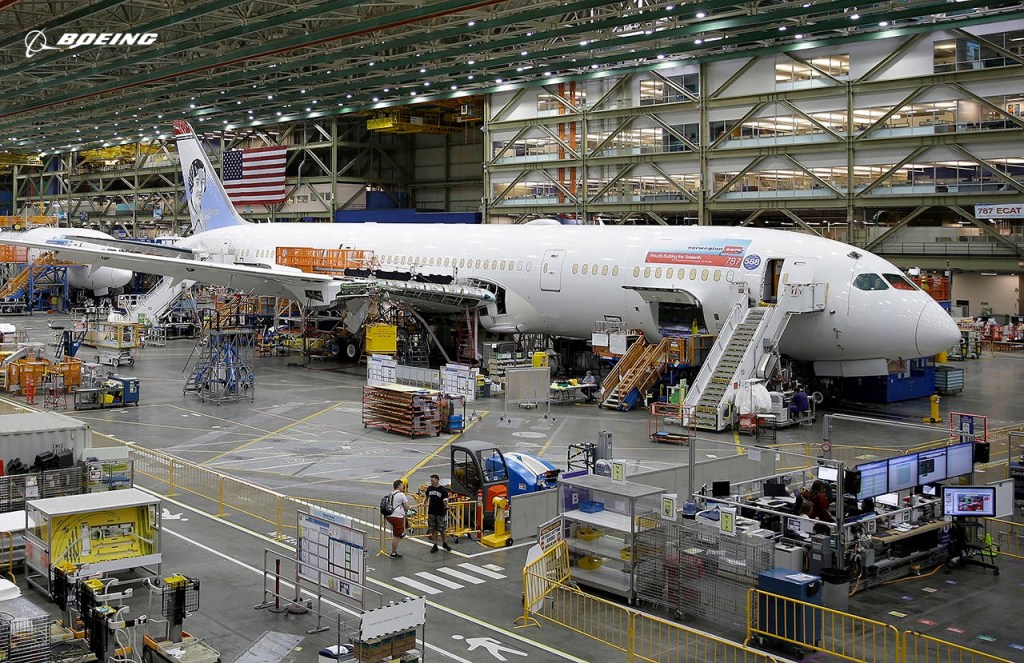

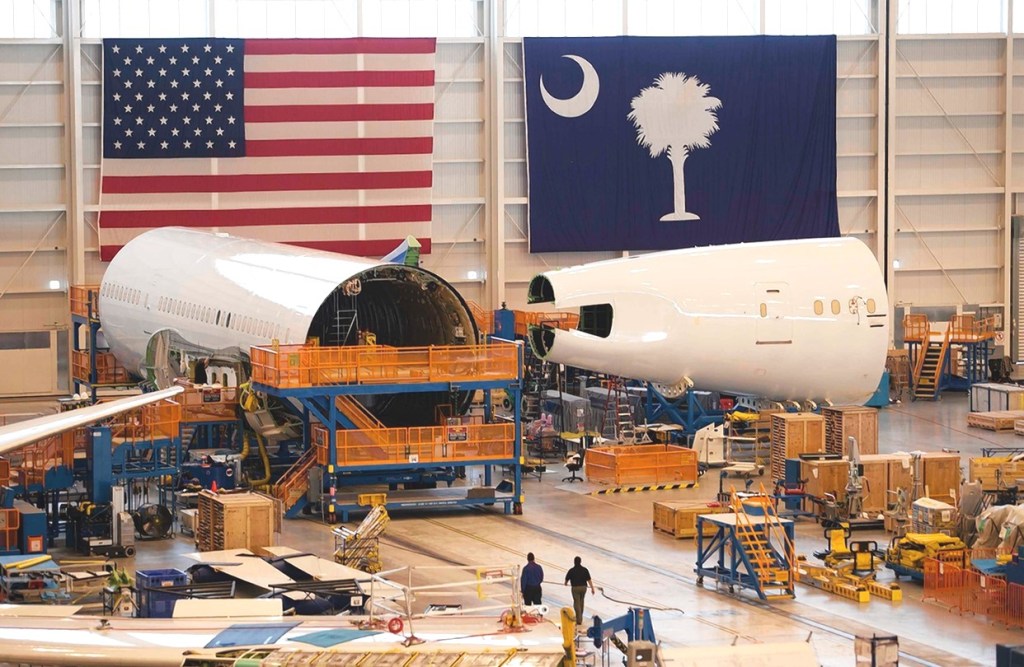


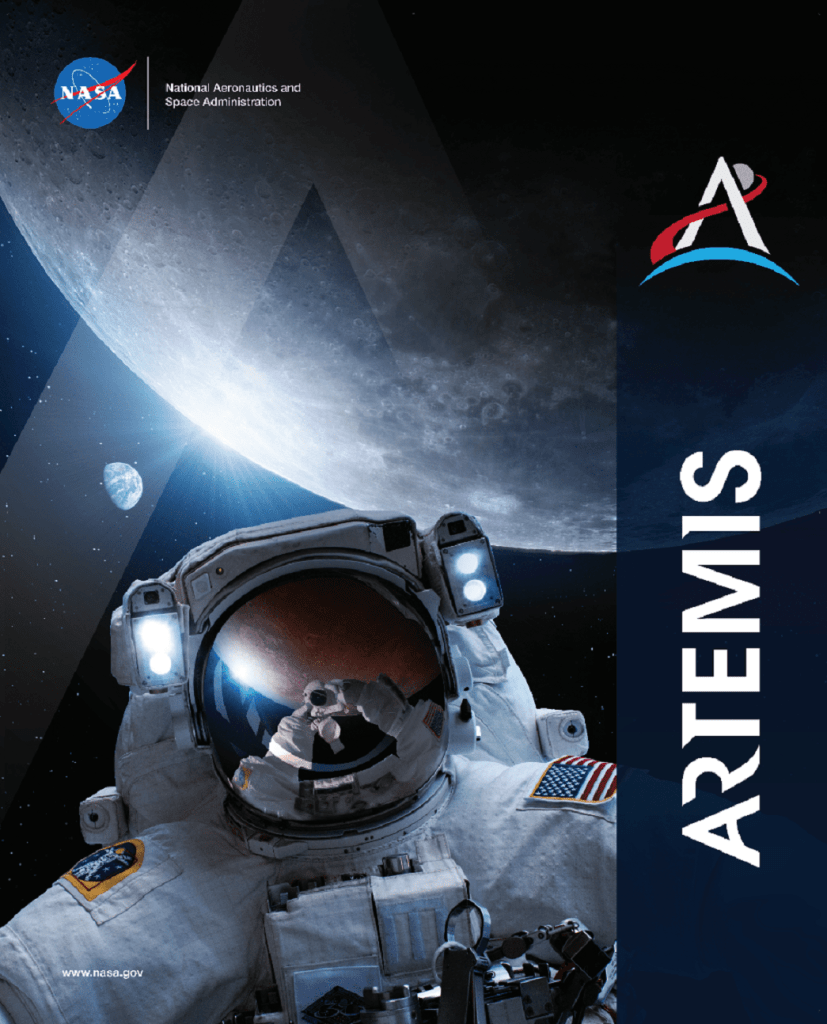


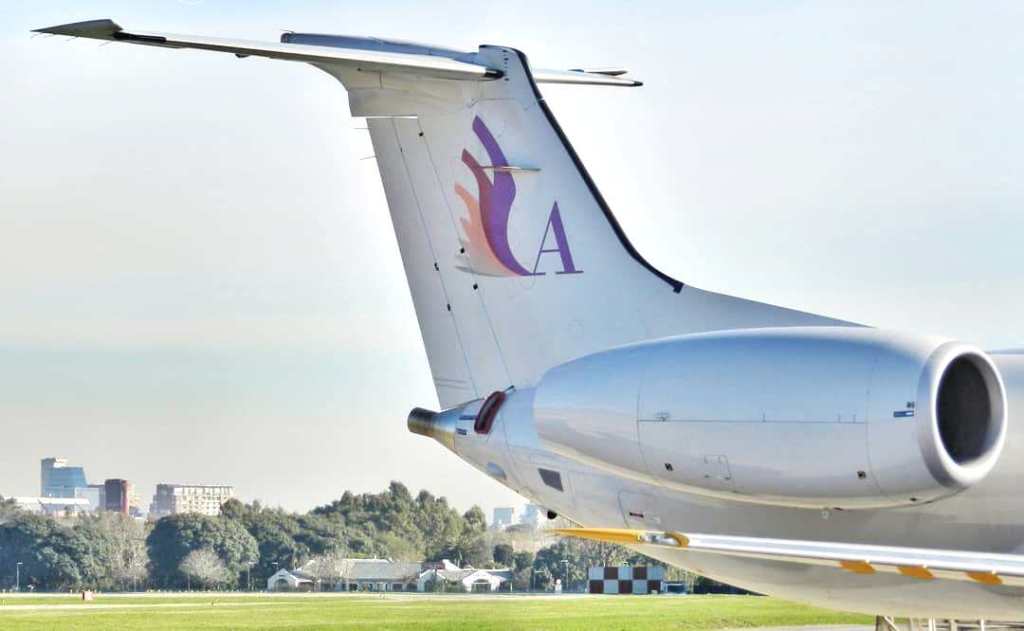


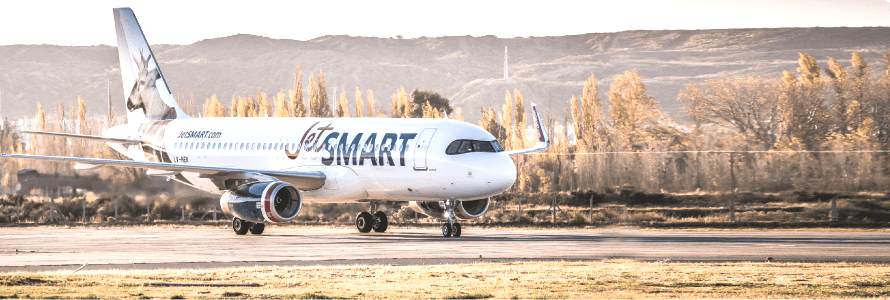


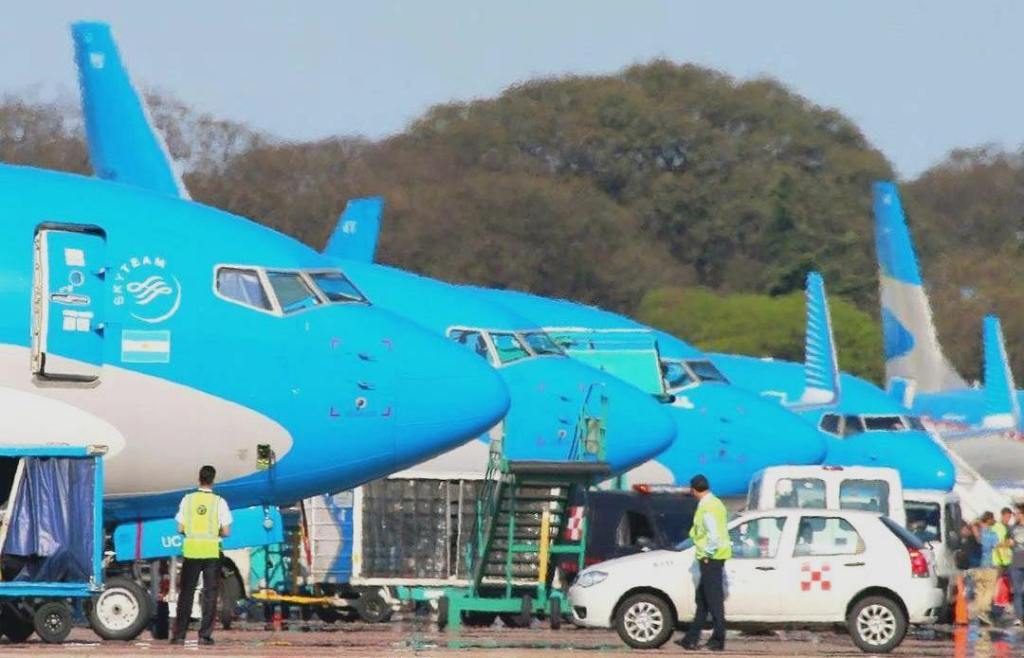
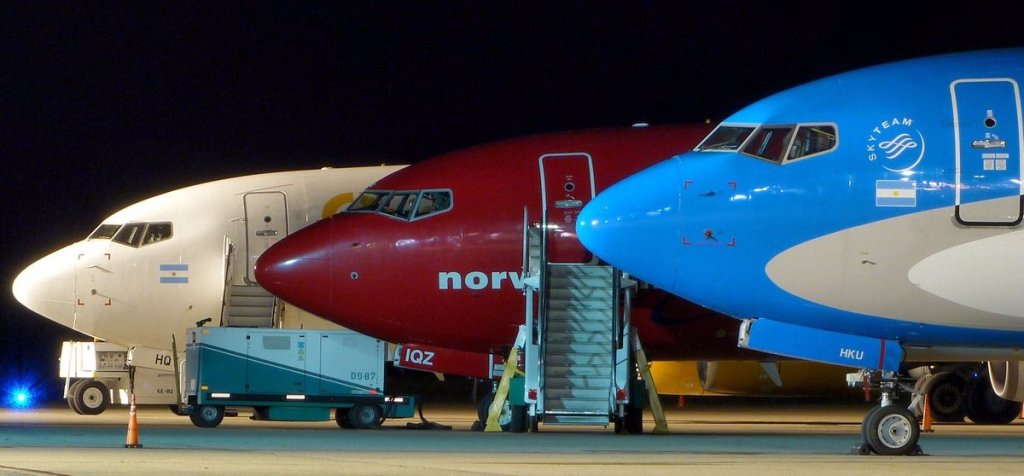
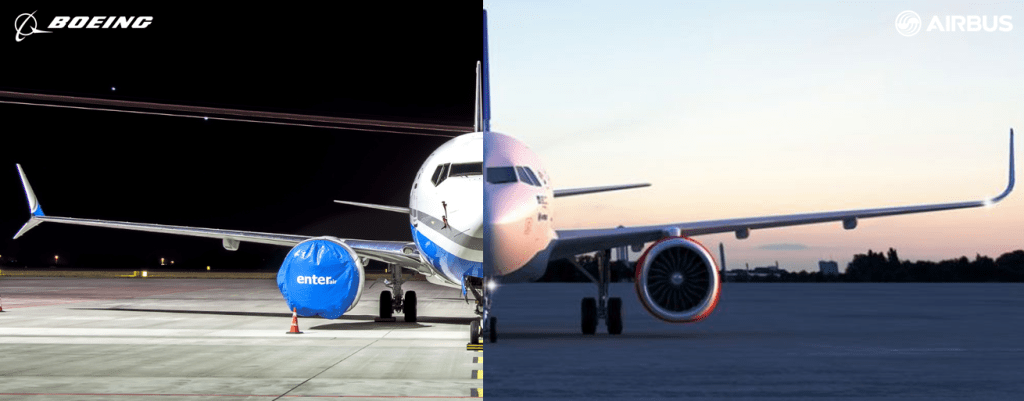
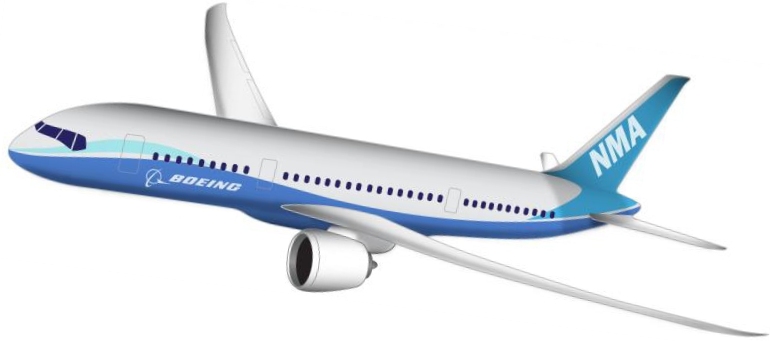
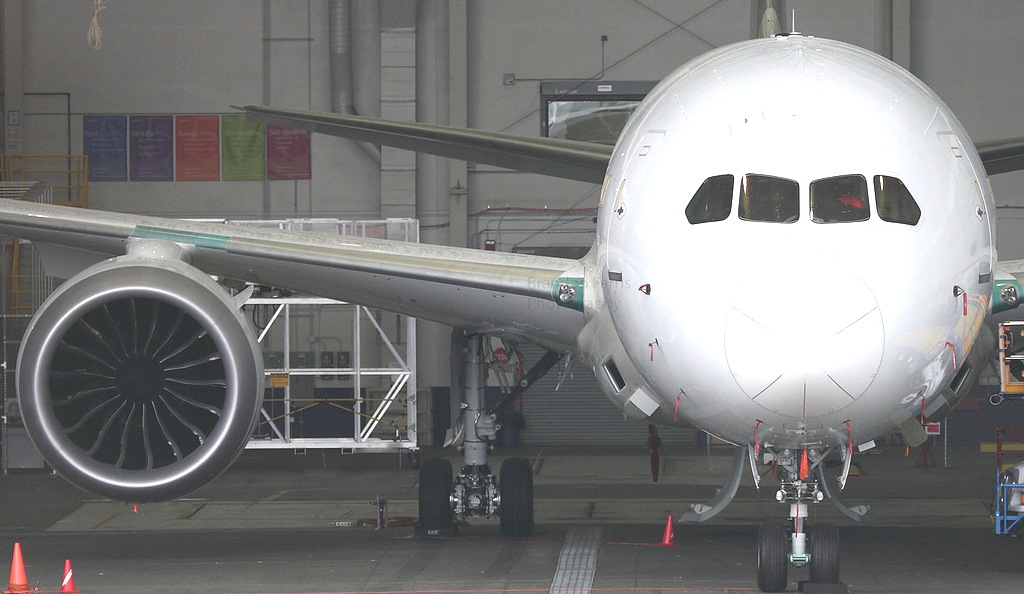
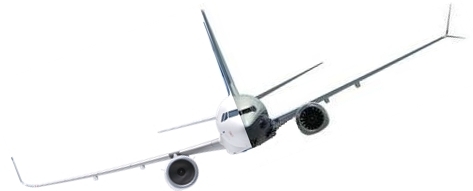
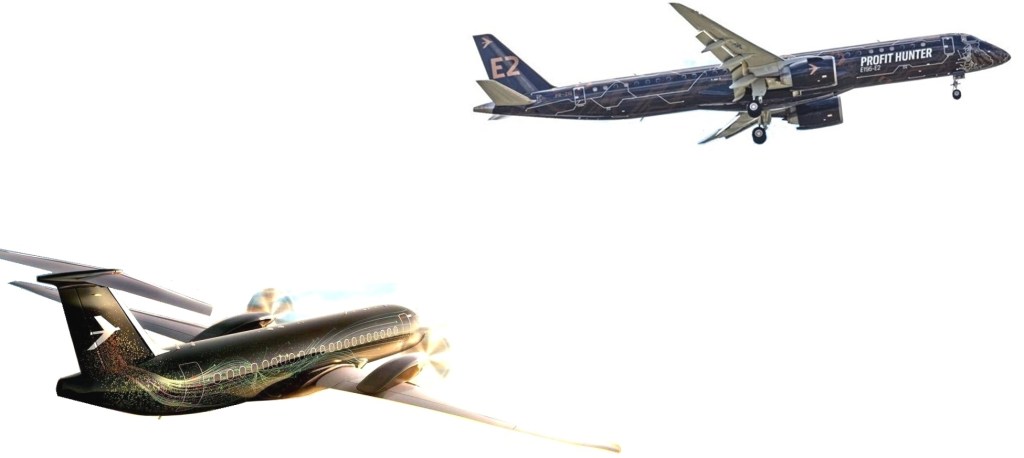
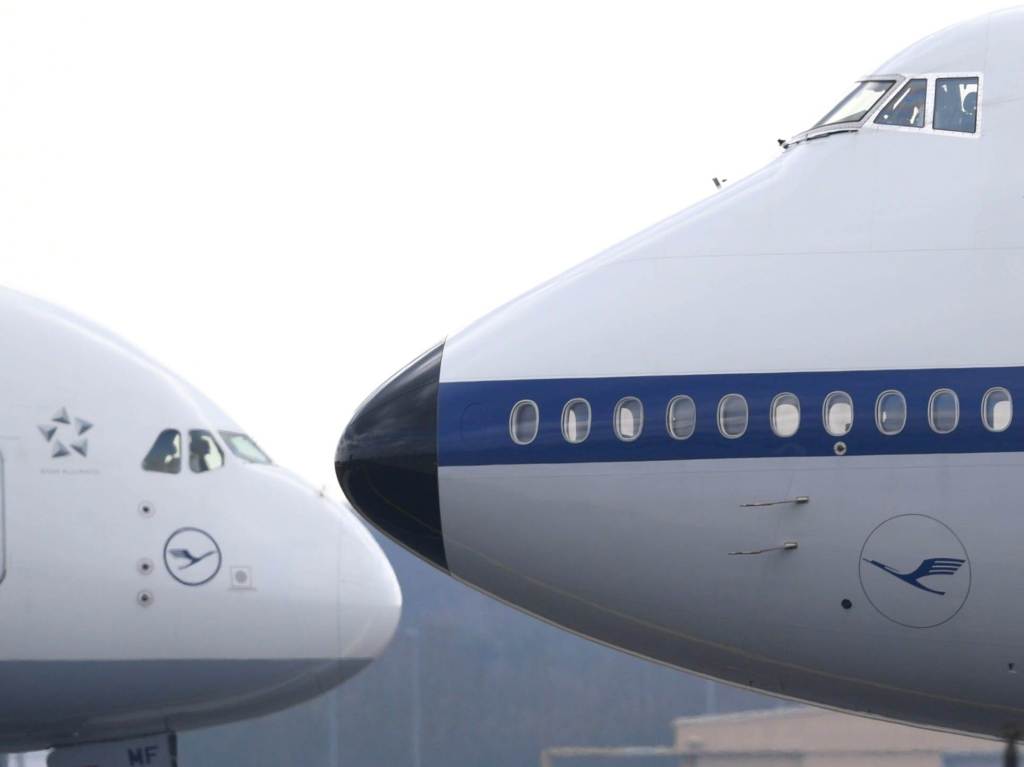




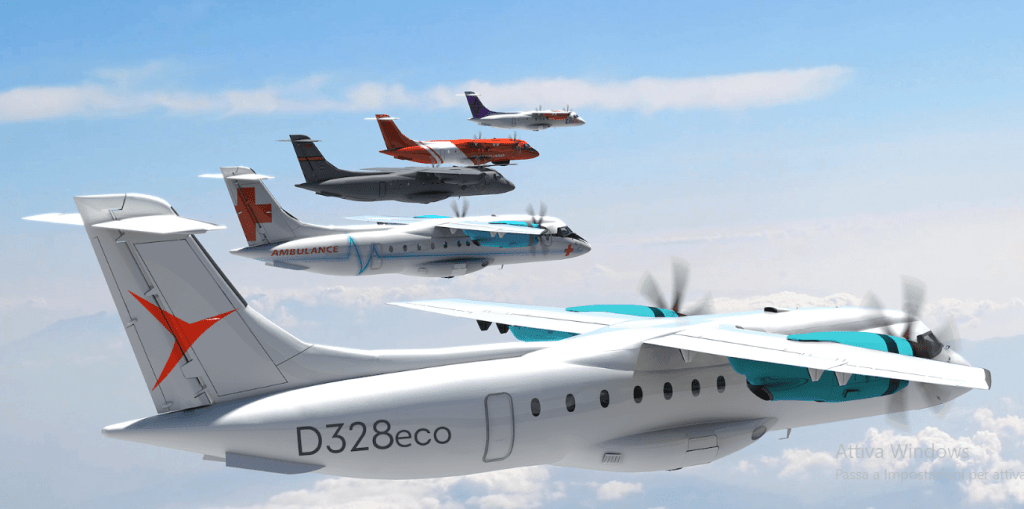
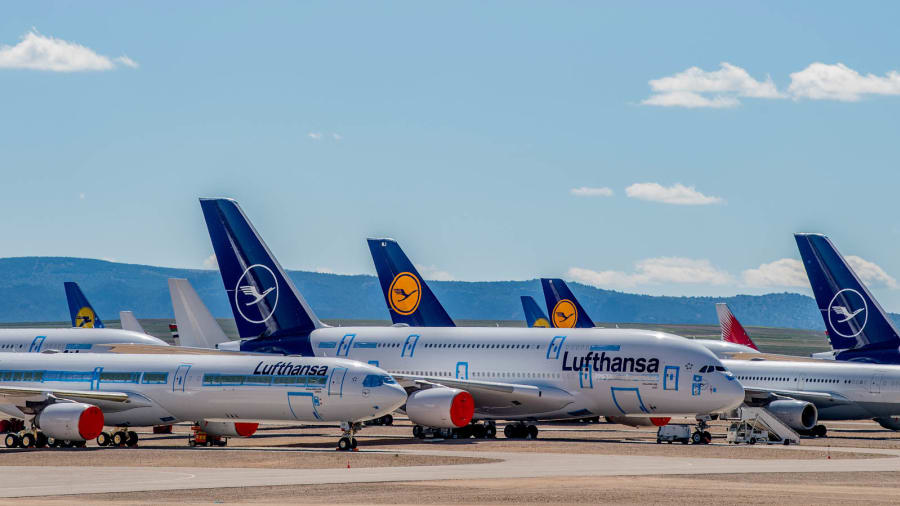
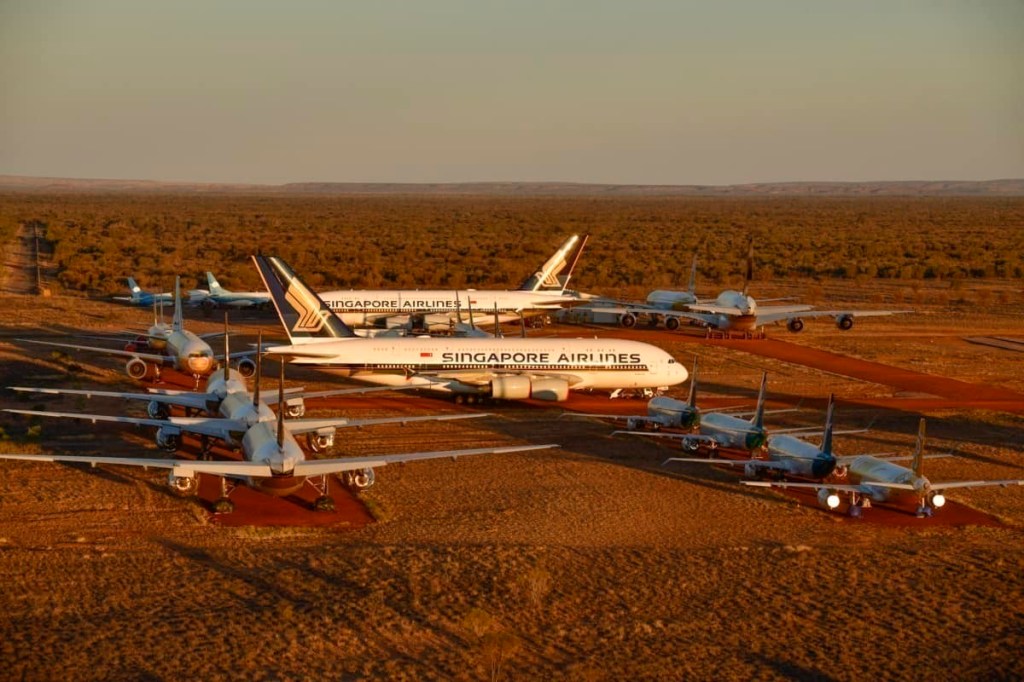
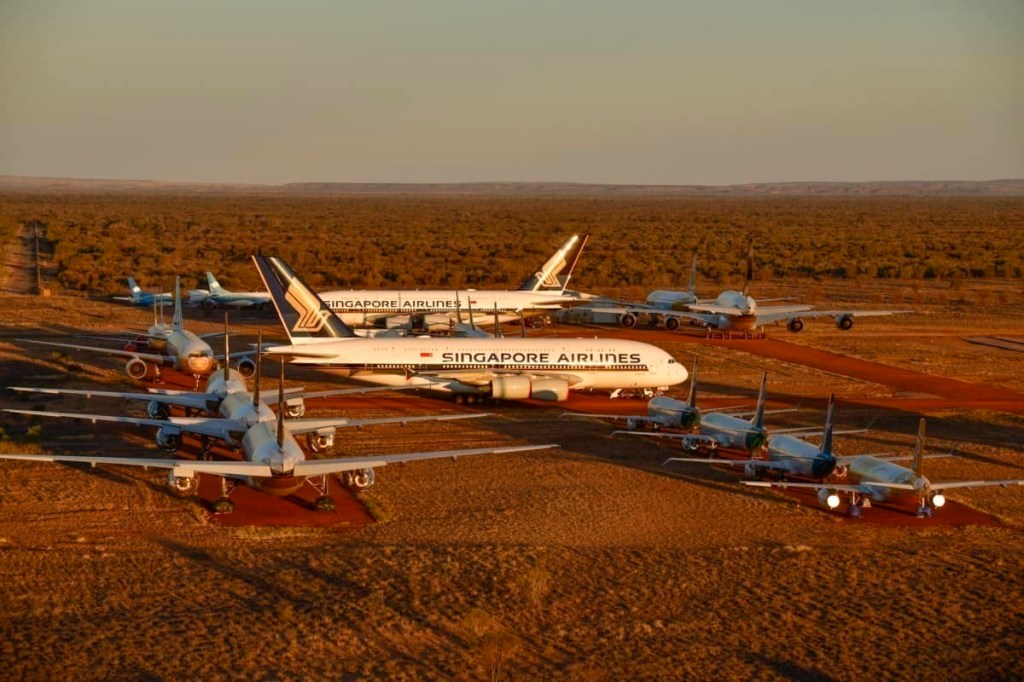

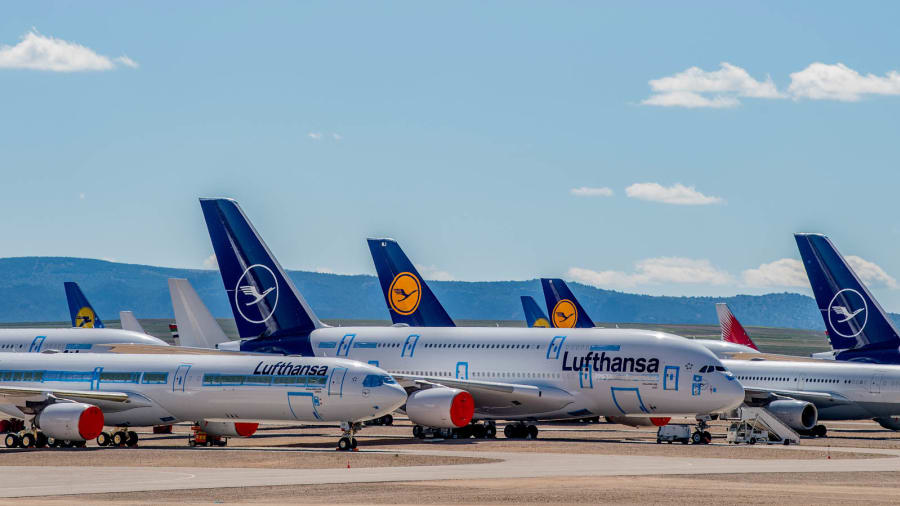
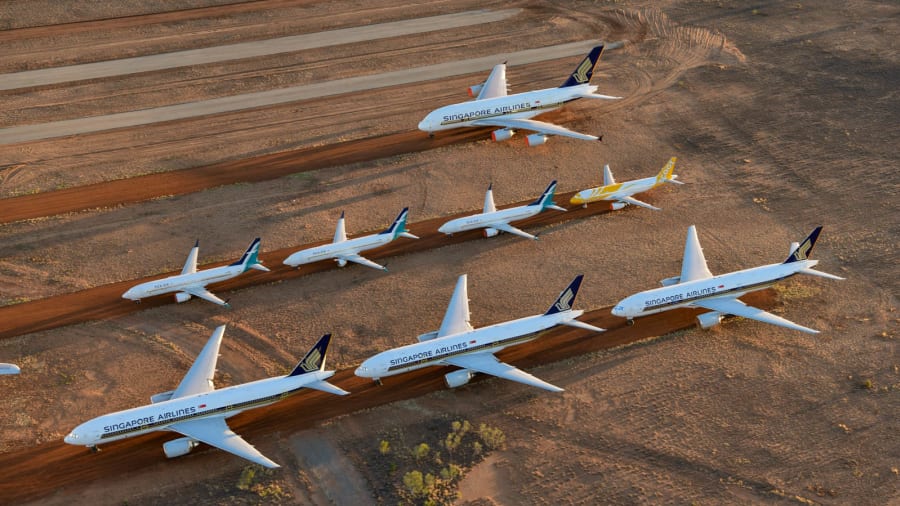
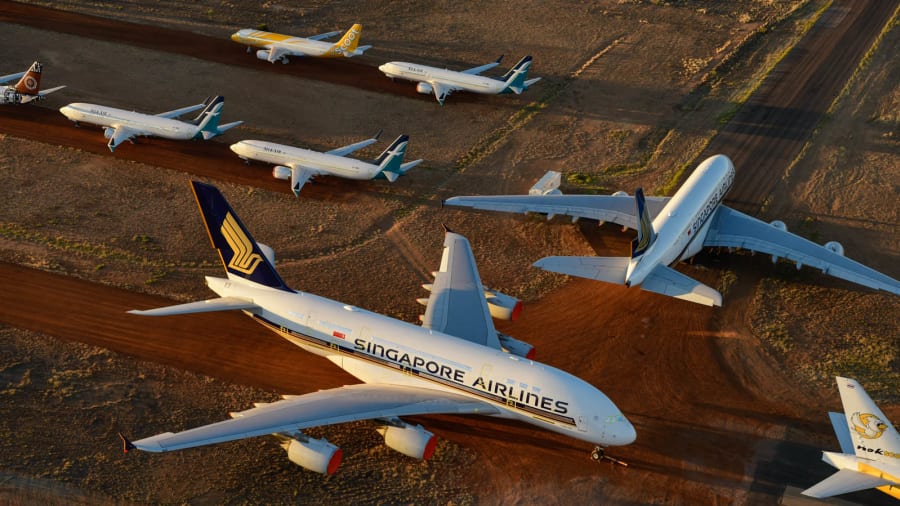
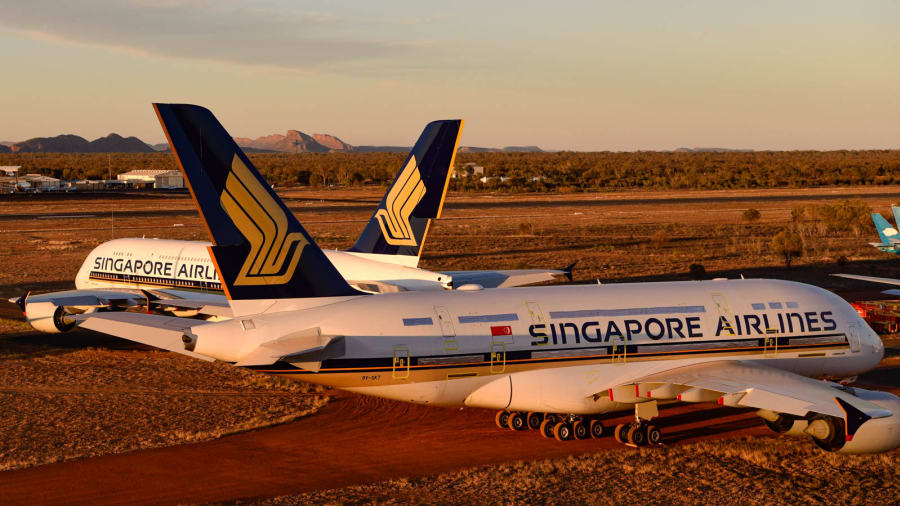

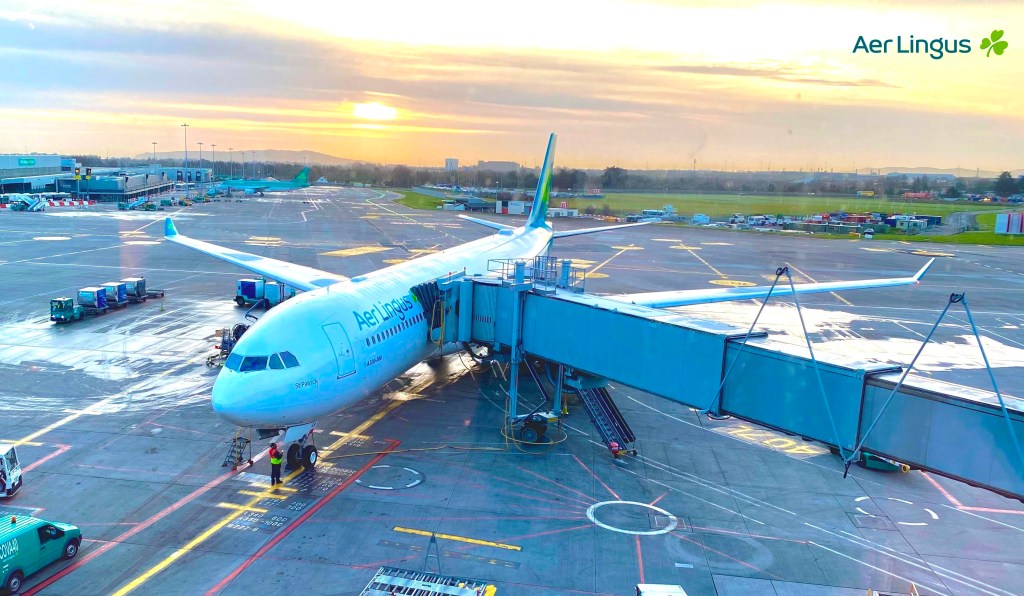

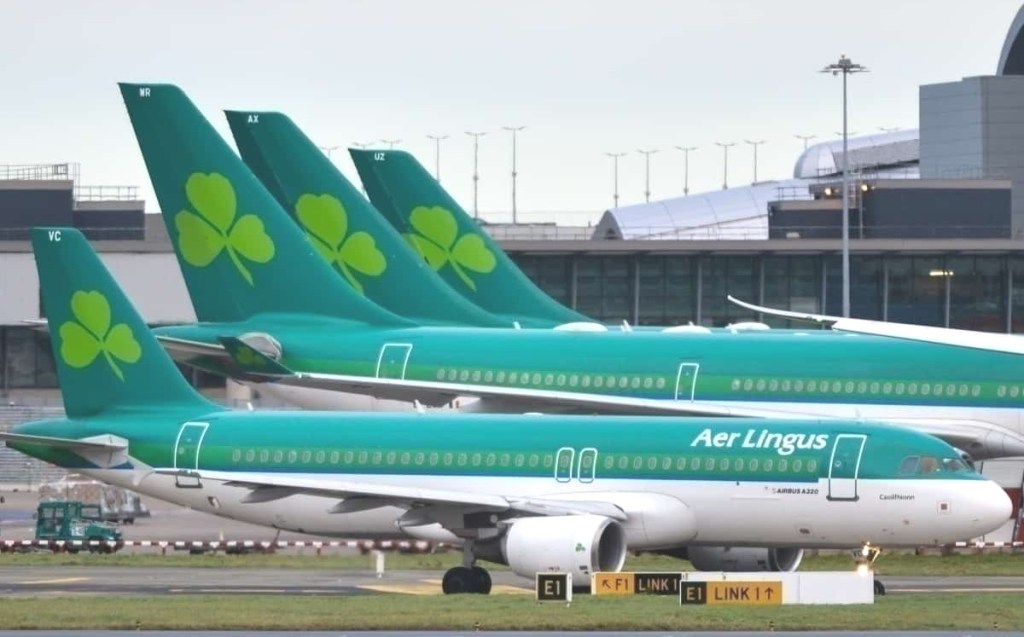

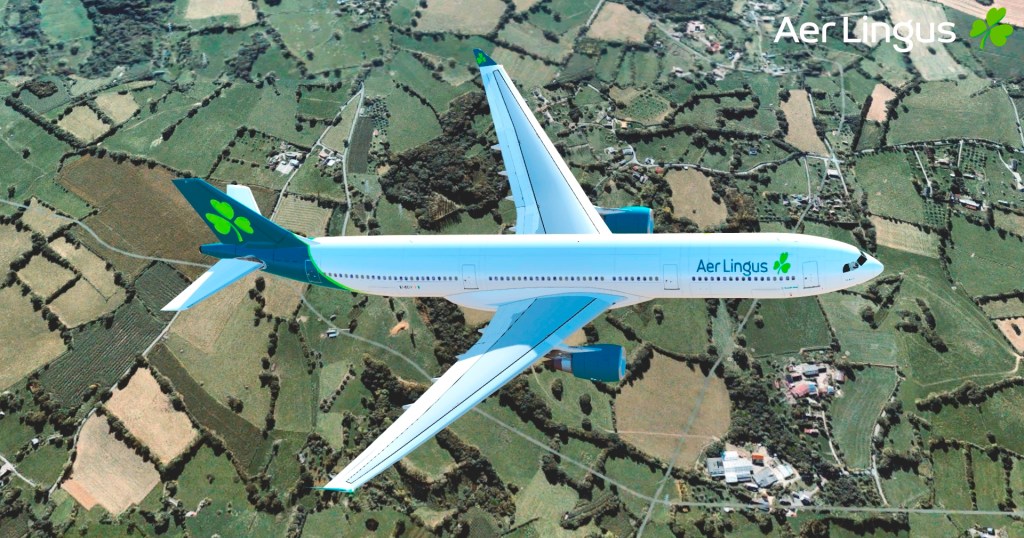

 airgways.com