Acuerdo Astral-SpiceXpress
AW | 2021 02 09 20:43 | AIRLINES ALLIANCE

Astral Aviation y SpiceXpress anuncian acuerdo interlínea

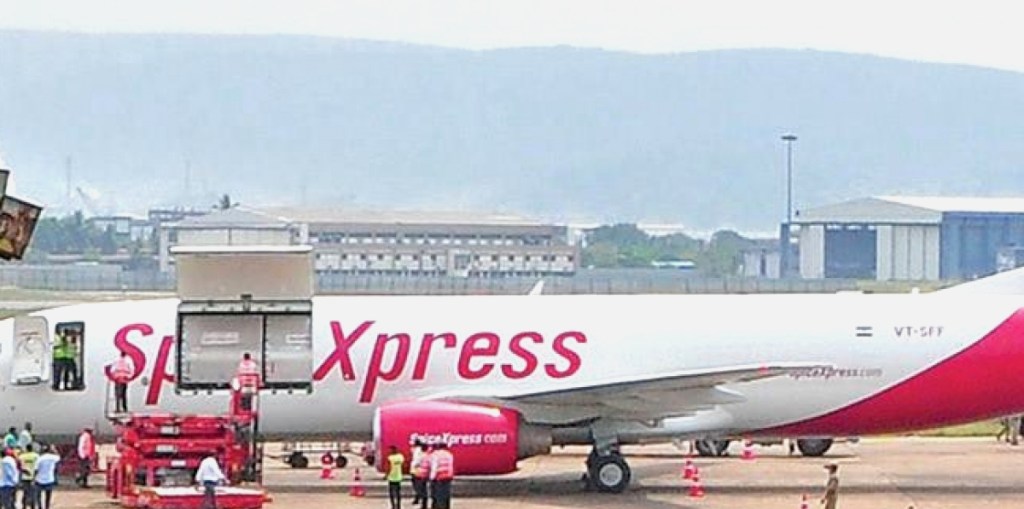
La pandemia ha puesto de manifiesto deficiencias en las cadenas de suministro mundiales y ha obligado a las empresas a hacer de las soluciones logísticas una inversión mayor y más estratégica. Astral Aviation Limited de Kenia y SpiceXpress, el brazo de carga aérea de Spicejet de la India, han firmado un acuerdo pionero de carga interlínea que conecta las redes de las dos compañías. Esta nueva asociación dará un gran impulso al tráfico de carga entre el subcontinente indio y Africa, proporcionando una vía más asequible para el transporte marítimo, incluidos los envíos generales de carga, mensajería y productos farmacéuticos, a través de las redes de las dos aerolíneas. Astral Aviation durante la pandemia transportada más de 15.000 toneladas de EPP, kits de prueba, ventiladores y otros productos relacionados.

Alianza rutas

Con este nuevo acuerdo interlínea, Astral Aviation está ampliando su red a la India, donde la aerolínea con sede en Nairobi tendrá servicios desde y hacia las ciudades indias de Mumbai, Bangalore, Chennai, Hyderabad y Delhi para conectar los envíos a través de su centro de Oriente Medio de Sharjah, en los Emiratos Arabes Unidos, y en adelante hacia Nairobi y el resto de Africa. Del mismo modo, SpiceXpress construirá y ampliará su acceso a Africa mediante el envío de envíos a los destinos africanos de Dar es Salaam, Mwanza y Zanzíbar en Tanzania; Entebbe, Uganda; Juba, Sudán del Sur; Mogadiscio y Hargeisa en Somalia; Pemba, Mozambique; Nairobi, Kenia; Johannesburgo, Sudáfrica; y Lusaka, Zambia.

«Gracias a este acuerdo entre líneas, habrá un comercio más fácil entre la India y Africa, lo que permitirá el movimiento de productos básicos a precios mucho más competitivos en los respectivos mercados, así como proporcionar más frecuencias programadas de vuelos en beneficio de nuestros clientes y comerciantes», dijo el Director Ejecutivo de Astral Aviation, Sanjeev Gadhia.

El CEO de SpiceXpress, Sanjiv Gupta, añadió: «Este acuerdo interlineal fortalecerá el comercio entre los dos continentes y proporcionará soluciones logísticas sin interrupciones mucho más rápidas. Ayudará a SpiceXpress a construir su red africana y garantizará la presencia de SpiceXpress en el continente africano de alto crecimiento».

La llegada del Boeing 767-200F de Air Transport Services Group, Inc. en octubre de 2020 indicó en gran medida el aumento de la conectividad para Astral Aviation. La aerolínea africana anunció su plan estratégico para el B767F desplegando su nuevo avión de carga en su ruta Nairobi–Sharjah, EAU a partir del 3 de Febrero de 2021, ofreciendo así una capacidad sin igual para 80 toneladas por semana de carga como flores y verduras a los Emiratos Árabes Unidos. Además, Astral también actualizará a la Boeing 767-200F en su ruta Nairobi –Johannesburgo, que actualmente opera con el Boeing 727-200F, aumentando así la capacidad total a 160 toneladas por semana a Sudáfrica. El carguero también ofrecerá capacidad en rutas que sean de alta prioridad para la distribución de la vacuna COVID-19 hacia y dentro de Africa, además de la carga humanitaria, con su éxito demostrando las lecciones que se han aprendido a lo largo de la pandemia. El carguero recién adquirido también complementa la flota existente al ofrecer nuevas oportunidades en la categoría de 40 toneladas, que antes estaba desa sirvió en Africa. El Boeing 767F es ideal para la red intraafricana de Astral, que incluye 15 destinos programados y ofrece nuevas oportunidades a Oriente Medio, que es una importante puerta de entrada para las importaciones y exportaciones aéreas del este de Africa. Astral opera una flota de carguero Fokker F27 con una capacidad de 5 toneladas, un carguero McDonald Douglas DC-9 con una capacidad de 15 toneladas, Boieng 727-F con una capacidad de 24 toneladas, B767-F con una capacidad de 40 toneladas dentro de su red intraafricana y un Boeing 747-400F alquilado en húmedo en el sector Nairobi–Londres y Liege.

Astral-SpiceXpress Agreement

Astral Aviation and SpiceXpress announce interline agreement

The pandemic has exposed deficiencies in global supply chains and has forced companies to make logistics solutions a larger and more strategic investment. Astral Aviation Limited of Kenya and SpiceXpress, the air cargo arm of Spicejet of India, have signed a pioneering interline cargo agreement connecting the two companies’ networks. This new partnership will give a major boost to cargo traffic between the Indian subcontinent and Africa, providing a more affordable avenue for maritime transport, including general shipments of cargo, couriers and pharmaceuticals, through the networks of the two airlines. Astral Aviation during the pandemic transported more than 15,000 tons of PPE, test kits, fans and other related products.

Alliance routes

With this new interline agreement, Astral Aviation is expanding its network to India, where the Nairobi-based airline will have services to and from the Indian cities of Mumbai, Bangalore, Chennai, Hyderabad and Delhi to connect shipments through its hub. from the Middle East to Sharjah, in the United Arab Emirates, and onward to Nairobi and the rest of Africa. Similarly, SpiceXpress will build and expand its access to Africa by shipping shipments to the African destinations of Dar es Salaam, Mwanza and Zanzibar in Tanzania; Entebbe, Uganda; Juba, South Sudan; Mogadishu and Hargeisa in Somalia; Pemba, Mozambique; Nairobi, Kenya; Johannesburg, South Africa; and Lusaka, Zambia.

«Thanks to this agreement between the lines, there will be easier trade between India and Africa, which will allow the movement of basic products at much more competitive prices in the respective markets, as well as providing more scheduled flight frequencies for the benefit of our customers. and merchants», said Astral Aviation CEO Sanjeev Gadhia.

SpiceXpress CEO Sanjiv Gupta added: «This interline agreement will strengthen trade between the two continents and provide much faster seamless logistics solutions. It will help SpiceXpress build its African network and ensure SpiceXpress’s presence on the African continent of high growth».

The arrival of Air Transport Services Group, Inc.’s Boeing 767-200F in October 2020 largely signaled increased connectivity for Astral Aviation. The African airline announced its strategic plan for the B767F by deploying its new cargo aircraft on its Nairobi-Sharjah, UAE route from February 3, 2021, thus offering an unmatched capacity for 80 tons per week of cargo such as flowers and vegetables. to the United Arab Emirates. In addition, Astral will also upgrade the Boeing 767-200F on its Nairobi–Johannesburg route, which currently operates the Boeing 727-200F, thus increasing total capacity to 160 tons per week to South Africa. The freighter will also offer capacity on routes that are high priority for COVID-19 vaccine distribution to and within Africa, in addition to humanitarian cargo, with its success demonstrating the lessons that have been learned throughout the pandemic. The newly acquired freighter also complements the existing fleet by offering new opportunities in the 40-ton category, previously unused in Africa. The Boeing 767F is ideal for Astral’s intra-African network, which includes 15 scheduled destinations and offers new opportunities to the Middle East, which is a major gateway for air imports and exports from East Africa. Astral operates a fleet of Fokker F27 freighter with a capacity of 5 tons, a McDonald Douglas DC-9 freighter with a capacity of 15 tons, Boieng 727-F with a capacity of 24 tons, B767-F with a capacity of 40 tons inside of its intra-African network and a Boeing 747-400F hired wet in the Nairobi – London and Liege sector.

Astral-SpiceXpress समझौता

एस्ट्रल एविएशन और स्पाइसएक्सप्रेस की घोषणा इंटरलाइन समझौता

महामारी ने वैश्विक आपूर्ति श्रृंखलाओं में कमियों को उजागर किया है और कंपनियों को रसद समाधानों को अधिक और अधिक रणनीतिक निवेश करने के लिए मजबूर किया है। केन्या की एस्ट्रल एविएशन लिमिटेड और भारत के स्पाइसजेट की एयर कार्गो शाखा स्पाइसएक्सप्रेस ने दोनों कंपनियों के नेटवर्क को जोड़ने के लिए एक अग्रणी इंटरलाइन कार्गो समझौते पर हस्ताक्षर किए हैं। यह नई साझेदारी भारतीय उपमहाद्वीप और अफ्रीका के बीच कार्गो यातायात को एक बड़ा बढ़ावा देगी, जो दो एयरलाइनों के नेटवर्क के माध्यम से माल, कोरियर और फार्मास्यूटिकल्स के सामान्य शिपमेंट सहित समुद्री परिवहन के लिए अधिक किफायती एवेन्यू प्रदान करेगी। महामारी के दौरान सूक्ष्म विमानन ने 15,000 टन से अधिक पीपीई, परीक्षण किट, पंखे और अन्य संबंधित उत्पादों का परिवहन किया।

एलायंस मार्गों

इस नए इंटरलाइन समझौते के साथ, एस्ट्रल एविएशन भारत में अपने नेटवर्क का विस्तार कर रहा है, जहां नैरोबी स्थित एयरलाइन के पास अपने हब के माध्यम से शिपमेंट को जोड़ने के लिए मुंबई, बैंगलोर, चेन्नई, हैदराबाद और दिल्ली के भारतीय शहरों से सेवाएँ और सेवाएं होंगी। पूर्व में शारजाह में, संयुक्त अरब अमीरात में और इसके बाद नैरोबी और अफ्रीका के बाकी हिस्सों में। इसी तरह, स्पाइसएक्सप्रेस तंजानिया के डार एस सलाम, म्वान्ज़ा और ज़ांज़ीबार के अफ्रीकी गंतव्यों के लिए शिपमेंट से अफ्रीका तक अपनी पहुंच का निर्माण और विस्तार करेगा; एन्टेबे, युगांडा; जुबा, दक्षिण सूडान; सोमालिया में मोगादिशु और हरजीसा; पेम्बा, मोजांबिक; नैरोबी, केन्या; जोहान्सबर्ग, दक्षिण अफ्रीका; और लुसाका, ज़ाम्बिया।

«लाइनों के बीच इस समझौते के लिए धन्यवाद, भारत और अफ्रीका के बीच आसान व्यापार होगा, जो संबंधित बाजारों में अधिक प्रतिस्पर्धी कीमतों पर बुनियादी उत्पादों की आवाजाही की अनुमति देगा, साथ ही साथ हमारे लाभ के लिए अधिक अनुसूचित उड़ान आवृत्तियों प्रदान करेगा।» ग्राहकों और व्यापारियों», एस्ट्रल एविएशन के सीईओ संजीव गढ़िया ने कहा।

स्पाइसएक्सप्रेस के सीईओ संजीव गुप्ता ने कहा: «यह इंटरलाइन समझौता दोनों महाद्वीपों के बीच व्यापार को मजबूत करेगा और बहुत सहज रसद समाधान प्रदान करेगा। यह स्पाइसएक्सप्रेस को अपने अफ्रीकी नेटवर्क का निर्माण करने और उच्च विकास के अफ्रीकी महाद्वीप पर स्पाइसएक्सप्रेस की उपस्थिति सुनिश्चित करने में मदद करेगा»

अक्टूबर 2020 में एयर ट्रांसपोर्ट सर्विसेज ग्रुप, इंक। बोइंग 767-200F के आगमन ने बड़े पैमाने पर एस्ट्रल एविएशन के लिए कनेक्टिविटी बढ़ा दी है। अफ्रीकी एयरलाइन ने 3 फरवरी, 2021 से अपने नैरोबी-शारजाह, यूएई मार्ग पर अपने नए मालवाहक विमानों को तैनात करके बी 767 एफ के लिए रणनीतिक योजना की घोषणा की, इस प्रकार फूल और सब्जियों के रूप में प्रति सप्ताह 80 टन कार्गो के लिए एक बेजोड़ क्षमता की पेशकश की। संयुक्त अरब अमीरात। इसके अलावा, एस्ट्रल अपने नैरोबी – जोहान्सबर्ग मार्ग पर बोइंग 767-200F को भी अपग्रेड करेगा, जो वर्तमान में बोइंग 727-200F संचालित करता है, इस प्रकार कुल क्षमता बढ़कर 160 टन प्रति सप्ताह दक्षिण अफ्रीका हो जाती है। मालवाहक उन मार्गों पर क्षमता की पेशकश करेगा, जो मानवीय कार्गो के अलावा, अफ्रीका के भीतर COVID-19 वैक्सीन वितरण के लिए उच्च प्राथमिकता वाले हैं, इसकी सफलता के साथ उन सबक को प्रदर्शित करना है जो महामारी के दौरान सीखे गए हैं। हाल ही में अधिग्रहीत फ्रेटर भी 40-टन श्रेणी में नए अवसरों की पेशकश करके मौजूदा बेड़े का पूरक है, जो पहले अफ्रीका में अप्रयुक्त था। बोइंग 767F एस्ट्रल के इंट्रा-अफ्रीकी नेटवर्क के लिए आदर्श है, जिसमें 15 अनुसूचित गंतव्य शामिल हैं और मध्य पूर्व के लिए नए अवसर प्रदान करते हैं, जो पूर्वी अफ्रीका से हवाई आयात और निर्यात के लिए एक प्रमुख प्रवेश द्वार है। एस्ट्रल 5 टन की क्षमता के साथ फोकर F27 फ्रीजर का एक बेड़ा संचालित करता है, एक मैकडॉनल्ड डगलस DC-9 मालवाहक 15 टन की क्षमता वाला, बोइेंग 727-एफ 24 टन की क्षमता वाला, B767-F 40 टन की क्षमता वाला। अपने इंट्रा-अफ्रीकी नेटवर्क और बोइंग 747-400F में नैरोबी – लंदन और लेज सेक्टर में गीला काम किया।


PUBLISHER: Airgways.com
DBk: Astral-aviation.com / Spicexpress.com / Airgways.com
AW-POST: 202102092043AR

A\W   A I R G W A Y S ®

Singapore respalda al Boeing 777X

AW | 2021 02 09 19:01 | AIRLINES / INDUSTRY

Singapore Airlines impulsa órdenes para Boeing 777-9

Singapore_Airlines_Isologotype

Como parte de un acuerdo con los constructores de aviación, ha anunciado que Singapore Airlines ha llegado a acuerdos con Airbus y Boeing sobre aplazamientos de aeronaves. En el caso de Boeing, esto implica un intercambio de órdenes de 14 Boeing 787-10 por 11 Boeing 777-9. Con esta actualización, Singapore Airlines ahora tiene planes de tener un total de 30 Boeing 787-10 (anteriormente 44) y 31 Boeing 777-9 (anteriormente 20). Las entregas de estos 11 Boeing 777-9 adicionales están previstas hacia el 2025/26.

Singapore Airlines utiliza el Boeing 787-10 como un avión regional, principalmente operando vuelos dentro de Asia. Mientras tanto, Singapore Airlines planea utilizar el 777-9 como un nuevo buque insignia de larga distancia.

Retrazos en línea 777X

La semana pasada The Boeing Company había perdido potencialmente más de un tercio de sus pedidos de la línea 777X. Boeing anunció que las entregas del Boeing 777X comenzarían a finales de 2023 como muy pronto, lo que representa un retraso de otros dos años. Con esta actualización, lo más probable es que las entregas de los Boeing 777-9 para Singapore Airlines no hubieran comenzado hasta 2024, en el mejor de los casos, dado que la aerolínea no es un cliente de lanzamiento para el avión. Muchas de estas transacciones de intercambio de órdenes implican aplazamientos, especialmente en situaciones en las que una aerolínea aumenta un pedido de un avión que no se está vendiendo bien.

Singapore backs the Boeing 777X

Singapore Airlines boosts orders for Boeing 777-9

As part of an agreement with the aviation builders, it has announced that Singapore Airlines has reached agreements with Airbus and Boeing on aircraft deferrals. In the case of Boeing, this implies an exchange of orders for 14 Boeing 787-10 for 11 Boeing 777-9. With this update, Singapore Airlines now has plans to have a total of 30 Boeing 787-10 (previously 44) and 31 Boeing 777-9 (previously 20). Deliveries of these 11 additional Boeing 777-9s are scheduled for 2025/26.

Singapore Airlines uses the Boeing 787-10 as a regional aircraft, primarily operating flights within Asia. Meanwhile, Singapore Airlines plans to use the 777-9 as a new long-haul flagship.

777X line delays

Last week The Boeing Company had potentially lost more than a third of its orders for the 777X line. Boeing announced that deliveries of the Boeing 777X would begin in late 2023 at the earliest, representing a delay of another two years. With this update, most likely deliveries of the Boeing 777-9s for Singapore Airlines would not have started until 2024, at best, given that the airline is not a launch customer for the aircraft. Many of these order exchange transactions involve postponements, especially in situations where an airline increases an order for an aircraft that is not selling well.


PUBLISHER: Airgways.com
DBk: Singaporeair.com / Boeing.com / Airgways.com
AW-POST: 202102091901AR

A\W   A I R G W A Y S ®

Bulgaria Air lanza 10 nuevas rutas

AW | 2021 02 09 18:38 | AIRLINES ROUTES

Inaugura diez destinos en Europa y Asia

Bulgaria_Air_Isologotype

Bulgaria Air lanza vuelos regulares directos desde Sofía, capital de la República de Bulgaria, a más de diez nuevos destinos en Europa y Asia. A contramarcha de los constantes informes de desafíos en la industria de la aviación debido a las restricciones de vuelos por la pandemia, Bulgaria Air asume una estrategia muy diferente y positiva y se complace en anunciar que la compañía está ampliando su cartera de destinos.

Bulgaria Air lanza nuevos vuelos directos hacia este 2Q2021entre Sofía y las islas de Corfú, Rodas y Creta, así como a Tesalónica (Grecia), Budapest (Rumania), Kiev (Ucrania), entre otros destinos principales. Las reservas para estos viajes exóticos ya están abiertas y los primeros vuelos comenzarán en primavera. Se planean tres vuelos exclusivos entre Sofía y Dubái para las vacaciones de Mayo, el 30/04, 05, 10/05 de 2021, y los vuelos regulares en la línea se operarán a partir del 30 de Septiembre de 2021 con dos vuelos a la semana (2Frq/S), todos los Jueves y Domingos con un horario conveniente y la posibilidad de conexión bidireccional con salida desde Varna. A finales de Abril 2021 se lanzarán los primeros vuelos regulares directos entre Sofía y Budapest y Kiev, y para las vacaciones, el 21/05 comenzará los vuelos entre Sofía y los nuevos destinos griegos: Tesalónica y las islas de Creta y Rodas. El primer vuelo directo de Bulgaria Air desde Sofía a la magnífica isla jónica de Corfú tendrá lugar el 11/06. La aerolínea ha reanudado sus vuelos regulares entre Sofía y San Petersburgo (Federación Rusia) y entre Sofía y Valencia (España), para la temporada de verano boreal de 2021, y los billetes están a la venta. Bulgaria Air anunciará la fecha de inicio de otra nueva línea regular directa a Tenerife (España), así como a muchos otros lugares exóticos.

La aerolínea búlgara ha comunicado que el desarrollo de todos sus vuelos se realizan con las medidas de seguridad vigentes, para hacer a los pasajeros un viaje cómodo y seguro, todos los vuelos de la compañía nacional funcionan de acuerdo con los más altos requisitos de higiene y después de una desinfección estricta con detergentes certificados, también ha innovado tecnológicamente con una máquina especial de UV Honeywell UV Cabin System II. La calidad del aire en los aviones de Bulgaria Air está garantizada por sistemas especiales de filtración HEPA, lo que limita la posible propagación de cualquier posible contaminación por aire.

Bulgaria Air launches 10 new routes

Opens ten destinations in Europe and Asia

Bulgaria Air launches direct regular flights from Sofia, capital of the Republic of Bulgaria, to more than ten new destinations in Europe and Asia. Against the constant reports of challenges in the aviation industry due to flight restrictions due to the pandemic, Bulgaria Air is taking a very different and positive strategy and is pleased to announce that the company is expanding its portfolio of destinations.

Bulgaria Air launches new direct flights to this 2Q2021 between Sofia and the islands of Corfu, Rhodes and Crete, as well as to Thessaloniki (Greece), Budapest (Romania), Kiev (Ukraine), among other main destinations. Reservations for these exotic trips are now open and the first flights will begin in the spring. Three exclusive flights between Sofia and Dubai are planned for the May holidays, on 04/30, 05, 10/05, 2021, and scheduled flights on the line will be operated from September 30, 2021 with two flights to the week (2Frq/S), every Thursday and Sunday with convenient hours and the possibility of two-way connection departing from Varna. At the end of April 2021 the first direct regular flights between Sofia and Budapest and Kiev will be launched, and for the holidays, on 05/21 will begin flights between Sofia and the new Greek destinations: Thessaloniki and the islands of Crete and Rhodes. Bulgaria Air’s first direct flight from Sofia to the magnificent Ionian island of Corfu will take place on 06/11. The airline has resumed its regular flights between Sofia and Saint Petersburg (Russian Federation) and between Sofia and Valencia (Spain), for the boreal summer season of 2021, and tickets are on sale. Bulgaria Air will announce the start date of another new direct regular line to Tenerife (Spain), as well as many other exotic locations.

The Bulgarian airline has communicated that the development of all its flights is carried out with the current security measures, to make passengers a comfortable and safe trip, all the flights of the national company operate in accordance with the highest hygiene and After strict disinfection with certified detergents, it has also innovated technologically with a special Honeywell UV Cabin System II UV machine. Air quality in Bulgaria Air aircraft is ensured by special HEPA filtration systems, limiting the possible spread of any possible air pollution.

Bulgaria Air пуска 10 нови маршрута

Отваря десет дестинации в Европа и Азия

AW-Bulgaria-Air_A320CEO

Bulgaria Air стартира директни редовни полети от София, столицата на Република България, до повече от десет нови дестинации в Европа и Азия. Срещу постоянните съобщения за предизвикателства в авиационната индустрия поради ограничения на полетите поради пандемията, Bulgaria Air приема съвсем различна и положителна стратегия и с удоволствие съобщава, че компанията разширява портфолиото си от дестинации.

Bulgaria Air стартира нови директни полети до този 2Q2021 между София и островите Корфу, Родос и Крит, както и до Солун (Гърция), Будапеща (Румъния), Киев (Украйна), наред с други основни дестинации. Резервациите за тези екзотични пътувания вече са отворени и първите полети ще започнат през пролетта. Три ексклузивни полета между София и Дубай са планирани за майските празници, на 30/04, 05, 10/05, всеки четвъртък и неделя с удобни часове и възможност за двупосочна връзка, заминаваща от Варна. В края на април 2021 г. стартират първите директни редовни полети между София и Будапеща и Киев, а за празниците, на 05/21 започват полети между София и новите гръцки дестинации: Солун и островите Крит и Родос. Първият директен полет на Bulgaria Air от София до великолепния йонийски остров Корфу ще се състои на 06/11. Авиокомпанията възобнови редовните си полети между София и Санкт Петербург (Руска федерация) и между София и Валенсия (Испания), за бореалния летен сезон 2021 г. и билетите се продават. Bulgaria Air ще обяви началната дата на друга нова директна редовна линия до Тенерифе (Испания), както и много други екзотични локации.

Българската авиокомпания съобщи, че развитието на всички нейни полети се извършва с действащите мерки за сигурност, за да направи пътниците комфортно и безопасно пътуване, всички полети на националната компания работят в съответствие с най-високата хигиена и след стриктна дезинфекция със сертифицирани перилни препарати, също така е иновация в технологично отношение със специална UV машина Honeywell UV Cabin System II UV машина. Качеството на въздуха в Bulgaria Air се осигурява от специални системи за филтриране HEPA, ограничаващи възможното разпространение на евентуално замърсяване на въздуха.


PUBLISHER: Airgways.com
DBk: Air.bg / Spotting LKTB / Airgways.com
AW-POST: 202102091838AR

A\W   A I R G W A Y S ®

KLM 1er vuelo combustible sintético

AW | 2021 02 09 18:06 | AIRLINES / AVIATION TECHNOLOGY

KLM estrena primer vuelo combustión sintética

KLM_Isologotype_png

KLM Royal Dutch Airlines ha anunciado el primer vuelo mundial sobre combustible sintético. La transición del combustible fósil a alternativas duraderas es uno de los mayores desafíos a los que se enfrenta la industria aérea. El Gobierno holandés y KLM Royal Dutch Airlines anunciaron este 08/02 que el vuelo comercial de la aerolínea de Amsterdam a Madrid el mes pasado fue el primer vuelo del mundo con combustible sintético. El desarrollo y el despliegue de alternativas sintéticas y de biocombustibles al queroseno se consideran clave para los esfuerzos a largo plazo para reducir las emisiones de efecto invernadero de la aviación.

KLM ha empleado el combustible regular mezclado con 500 litros (132 galones) de queroseno sintético producido por Royal Dutch Shell con dióxido de carbono, agua y fuentes de energía renovables, junto con combustible regular para alimentar el avión. «Hacer que la industria de la aviación sea más sostenible es un desafío al que nos enfrentamos todos. Hoy, con este mundo primero, estamos entrando en un nuevo capítulo de nuestra aviación», dijo la Ministro de Infraestructura holandés Cora van Nieuwenhuizen.

El combustible sostenible podría hacer la mayor contribución a las reducciones de emisiones en las nuevas flotas de aerolíneas. «La transición del combustible fósil a alternativas duraderas es uno de los mayores desafíos a los que se enfrenta la industria», expresó el CEO de KLM Airlines, Pieter Elbers.

KLM 1st flight synthetic fuel

KLM launches first synthetic combustion flight

KLM Royal Dutch Airlines has announced the world’s first flight on synthetic fuel. The transition from fossil fuel to durable alternatives is one of the biggest challenges facing the airline industry. The Dutch Government and KLM Royal Dutch Airlines announced on 02/08 that the airline’s commercial flight from Amsterdam to Madrid last month was the world’s first flight with synthetic fuel. The development and deployment of synthetic and biofuel alternatives to kerosene are seen as key to long-term efforts to reduce greenhouse emissions from aviation.

KLM has used the regular fuel blended with 500 liters (132 gallons) of synthetic kerosene produced by Royal Dutch Shell with carbon dioxide, water and renewable energy sources, along with regular fuel to power the aircraft. «Making the aviation industry more sustainable is a challenge we all face. Today, with this world first, we are entering a new chapter in our aviation», said Dutch Infrastructure Minister Cora van Nieuwenhuizen.

Sustainable fuel could make the biggest contribution to emission reductions in new airline fleets. «The transition from fossil fuel to durable alternatives is one of the biggest challenges facing the industry», said KLM Airlines CEO Pieter Elbers.

KLM 1e vlucht synthetische brandstof

KLM lanceert eerste vlucht met synthetische verbranding

KLM-Logo-Circle

KLM Royal Dutch Airlines heeft ‘s werelds eerste vlucht op synthetische brandstof aangekondigd. De overgang van fossiele brandstof naar duurzame alternatieven is een van de grootste uitdagingen voor de luchtvaartindustrie. De Nederlandse regering en KLM Royal Dutch Airlines maakten op 02/08 bekend dat de commerciële vlucht van de luchtvaartmaatschappij vorige maand van Amsterdam naar Madrid ‘s werelds eerste vlucht met synthetische brandstof was. De ontwikkeling en toepassing van synthetische en biobrandstofalternatieven voor kerosine worden gezien als de sleutel tot langetermijninspanningen om de uitstoot van broeikasgassen door de luchtvaart te verminderen.

KLM heeft de reguliere brandstof gemengd met 500 liter (132 gallon) synthetische kerosine geproduceerd door Royal Dutch Shell met kooldioxide, water en hernieuwbare energiebronnen, samen met reguliere brandstof gebruikt om het vliegtuig van stroom te voorzien. ,,Het verduurzamen van de luchtvaartindustrie is een uitdaging waar we allemaal voor staan. Met deze wereldprimeur gaan we vandaag een nieuw hoofdstuk in onze luchtvaart in», aldus minister van Infrastructuur Cora van Nieuwenhuizen.

Duurzame brandstof kan de grootste bijdrage leveren aan emissiereducties in nieuwe vloot van luchtvaartmaatschappijen. ,,De overgang van fossiele brandstof naar duurzame alternatieven is een van de grootste uitdagingen waar de industrie voor staat», zegt KLM Airlines CEO Pieter Elbers.


PUBLISHER: Airgways.com
DBk: Klm.com / Gov.nl / Airgways.com
AW-POST: 202102091806AR

A\W   A I R G W A Y S ®

American amplía 10 nuevas rutas

AW | 2021 02 09 12:13 | AIRLINES ROUTES

American amplía destinos a medida que continúa vacunación

American Airlines_Isologotype

American Airlines está incorporando diez nuevas rutas que incluyen dos destinos nacionales y ocho internacionales a medida que continúa el despliegue de la vacuna contra la pandemia, buscando garantizar una fuerte temporada de viajes en medio de una demanda basculante.

American es la aerolínea más grande en el Aeropuerto Internacional Miami/MIA, una de las principales puertas de entrada al sur de Florida, con la expansión que trae más viajeros a la región, mientras que también abre oportunidades para continuar más al sur en su expansión gracias a la creciente popularidad de Florida como destino de vacaciones con pocas restricciones relacionadas con lo sanitario. Las ciudades populares de América Latina tendrán más vuelos diarios. Israel se está convirtiendo en un bastión estadounidense con una nueva ruta desde Florida que se lanza sólo un mes después de que se lanzan vuelos entre Nueva York y Tel Aviv. La expansión se produce cuando la aerolínea se prepara para más servicios hacia Abril 2021, citando un despliegue lento de la vacuna y una demanda cuestionable para los viajes de verano. Alrededor de 13.000 trabajadores recibieron los avisos avanzados de furlough, con la aerolínea presionando para otra ronda del Programa de Apoyo a la Nómina.

Miami—Little Rock

American Airlines comenzará a volar entre Miami y Little Rock, Arkansas a partir del 5 de Junio de 2021. El servicio tendrá una frecuencia (1Frq/S) de una vez por semana los Sábados.

Miami—Tel Aviv, Israel

American comenzará a volar entre Miami y Tel Aviv, Israel el 4 de Junio de 2021, con un servicio de tres veces por semana (3Frq/S) operará los Miércoles, Viernes y Domingos, mientras que los vuelos de retorno serán los Lunes, Jueves y Sábados. En observación de las costumbres locales, los vuelos del sábado saldrán nocturnos. El Al Israel Airlines también sirve la ruta, que comenzó a volar a Miami en 2018, y será la única competencia de American. American dijo que tendrá una oferta kosher a bordo, lo que permitirá que la aerolínea compita mejor con la aerolínea de bandera de Israel.

Miami—Paramaribo, Suriname

American comenzará a volar entre Miami y Paramaribo, Surinam, el 1 de Julio de 2021. El servicio quinquenal operará los Lunes/Martes/ Jueves/Viernes/Domingos de ida, luego los Lunes/Martes/Miércoles/ Viernes/Sábados de retorno cuando el vuelo de regreso salga después de la medianoche. Surinam Airways es la única otra aerolínea que conecta las dos ciudades, actuando como la única competencia de American.

American expands 10 new routes

American Expands Destinations As Vaccination Continues

American Airlines is adding ten new routes that include two domestic and eight international destinations as rollout of the pandemic vaccine continues, seeking to ensure a strong travel season amid rocketing demand.

SKR749_large

American is the largest airline at Miami International Airport/MIA, one of the main gateways to South Florida, with expansion bringing more travelers to the region, while also opening opportunities to continue further south in its expansion. thanks to the growing popularity of Florida as a vacation destination with few sanitary restrictions. Popular cities in Latin America will have more daily flights. Israel is becoming an American stronghold with a new route from Florida launching just a month after flights between New York and Tel Aviv are launched. The expansion comes as the airline prepares for more services by April 2021, citing a slow rollout of the vaccine and questionable demand for summer travel. About 13,000 workers received furlough’s advanced notices, with the airline pushing for another round of the Payroll Support Program.

Miami — Little Rock

American Airlines will begin to fly between Miami and Little Rock, Arkansas on June 5, 2021. The service will have a frequency (1Frq/S) of once a week on Saturdays.

Miami—Tel Aviv, Israel

American will begin flying between Miami and Tel Aviv, Israel on June 4, 2021, with a service three times a week (3Frq/S) will operate on Wednesdays, Fridays and Sundays, while return flights will be on Monday, Thursday. and Saturdays. In observance of local customs, Saturday flights will depart at night. The Al Israel Airlines also serves the route, which began flying to Miami in 2018, and will be American’s only competition. American said it will have a kosher offer on board, which will allow the airline to better compete with Israel’s flag carrier.

Miami—Paramaribo, Suriname

American will begin flying between Miami and Paramaribo, Suriname, on July 1, 2021. The five-year service will operate on Monday/Tuesday/Thursday/Friday/Sunday outbound, then Monday/Tuesday/Wednesday/ Friday/Saturday back when the return flight leaves after midnight. Surinam Airways is the only other airline connecting the two cities, acting as American’s sole competitor.


PUBLISHER: Airgways.com
DBk: Aa.com / Airgways.com / Frank van der Bergh
AW-POST: 202102091213AR

A\W   A I R G W A Y S ®

Aerolíneas programación Aeroparque

AW | 2021 02 09 10:57 | AIRLINES / AIRPORTS / GOVERNMENT

Aerolíneas publica próxima programación vuelos Aeroparque

Aerolíneas Argentinas está incorporando su próxima programación de vuelos para el reinicio de las operaciones en el Aeropuerto Regional Jorge Newbery AEP/SABE. Tras la proximidad de la terminación de obras hacia el 15/03, la aeroestación estaría en condiciones de volver a operar servicios de domésticos y regionales.

AW-700338

El Aeropuerto Jorge Newbery continuará siendo la aeroestación de más tráfico de Argentina, estimando su apertura para el 15 de Marzo de 2021 restableciendo su operatibidad. Mientras tanto, Aeroparque también estará alcanzada por las normas sanitaria para su apertura.

Aerolíneas Argentinas publicó los cronograma de operaciones en la reacondicionada Aeroparque. El primer vuelo de Aerolíneas Argentinas en programación es el del Lunes 16 de Marzo de 2021 Buenos Aires/AEP—Córdoba/COR.

Remodelación Aeroparque

Los trabajos de remodelación insumieron una inversión de AR$ 5.000 millones de Pesos e incluyeron la prolongación de la pista principal, el balizamiento, las calles de rodaje y reformas en el hall central. Cambiará su calificación hacia terminal regional donde podrán operar aeronaves de mayor porte que las actuales como los Airbus A330-200 de Aerolíneas Argentinas. La última gran remodelación se había realizado hacia finales de los años 70, antes del Mundial de Fútbol 1978. Luego hubo obras de modernización parcial de algunas áreas. La demolición completa de la vieja pista, se realizó noviembre y parte de los restos y escombros se usaron para el relleno de la nueva, un corredor de hormigón que va en paralelo a las avenidas Cantilo y Costanera Norte.

Las remodelaciones están cumplidas en un alto porcentaje aunque faltan reformas el edificio central. Las obras que cambian por completo la estación aérea porteña estarían terminadas, en líneas generales, sobre las pistas y las calles de rodajes. Aunque los trabajos continuarán en el interior del edificio mientras se espera que el Organismo Regulador del Sistema Aeroportuario (ORSNA) verifique los trabajos y sugiera eventuales correcciones. Lo trabajos alcanzan un 70% del total proyectado. Una vez que concluidos, se realizarán las pruebas de toda la nueva infraestructura.

El sector de aterrizaje actualmente posee 2.700 metros de largo, 590 metros adicionales. Sumó 340 metros hacia el norte y 250 hacia el sur. Las dimensiones del ancho de la pista han sido modificados, actualmente mide 60 metros, mientras que antes tenía 40 metros. Y se agregarán 5 metros de hormigón y 7,5 metros de cada lado del concreto asfáltico.

Estos cambios harán que el aeroparque cambie su calificación a Regional lo cual implica la aceptación de maquinas de mayor porte, como los A330 de Aerolíneas, u otros costos operativos mayores que correrán por cuenta de las empresa que contraten los espacios. «La pista propiamente dicha está terminada. Ahora se está trabajando en los rodajes, que son las calles por las que los aviones acceden a ella, y en los márgenes. También en las franjas, que son esos paños de pasto a los costados, porque hay que nivelarlas», cuenta el Arquitecto Jorge Leggieri, gerente de Obras de Infraestructura Aeroportuaria del Organismo Regulador del Sistema Nacional de Aeropuertos (ORSNA).

Las calles de rodaje a las que se refiere son utilizadas también como salidas rápidas, que permiten a un avión ir a la plataforma después del aterrizaje. De esta manera se agiliza la operación y se libera la pista para nuevos despegues o aterrizajes. La obra incluye un nuevo hall de arribos y partidas para vuelos internacionales, con mayor infraestructura y confort para los pasajeros. Estará ubicado junto a dónde hoy se observa el estacionamiento norte. La necesidad de ampliar la terminal surge de la idea de que todos los vuelos a países de la región vuelvan a operar desde este aeropuerto metropolitano. Por eso, ganarán espacio las salas de embarque, los controles de seguridad y migratorios, las zonas de despacho y retiro de valijas y el área del check in. Otra parte importante de la renovación está vinculada al balizamiento. Como Ezeiza, el Aeroparque tendrá categoría 3, lo que le permitirá realizar despegues y aterrizajes en condiciones meteorológicas adversas. «Casi el total de los aeropuertos del país tienen una categoría 1 de balizamiento, lo que es suficiente para operar», explican desde la concesionaria Aeropuertos Argentina 2000.

Aeropuertos Argentina 2000 llevó adelante el proceso de diseño, licitación, contratación y dirección de obra. El ORSNA las evalúa y aprueba y, además, se encarga de fiscalizar y certificar. Los trabajos se financian con fondos públicos de asignación específica del Fideicomiso para el Fortalecimiento del Sistema Nacional de Aeropuertos (FFSNA).

Regionalización Aeroparque

El Aeropuerto Jorge Newbery se han realizado reformas estructurales en la Pista 13/31 desarrollando una nueva base de hormigón. Otras obras han incluido un nuevo hall de arribos y partidas para vuelos internacionales que han incorporado mayor infraestructura y comodidad para los pasajeros. Los cambios introducidos permitirán tener mayor espacio en las salas de embarque, los controles de seguridad y migratorios, las zonas de despacho y retiro de valijas y el área del check in.

La reapertura del Aeropuerto Jorge Newbery permitirá introducir mejoras al transporte aéreo y ampliar las perspectivas de las aerolíneas posicionando a la aeroestación en una de las más importantes de la región. La renovación del Aeroparque permitirá introducir más vuelos y más aerolíneas donde operarán JetSmart Airlines Argentina, Flybondi Líneas Aéreas, Andes Líneas Aéreas, entre otras compañías.

La operatividad de los vuelos estará enmarcada en potenciar los vuelos de cabotaje e incorporando más vuelos regionales hacia Sudamérica permitiendo jerarquizar al aeropuerto a un nivel como el Aeropuerto Sao Paulo/Congonhas, en Brasil.

El Gobierno de Argentina ha establecido la decisión de proveer al Aeroparque de una nueva terminal aérea para vuelos domésticos y regionales con el objetivo de potenciar el tráfico de pasajeros desde la aeroestación más importante del país.

Aerolíneas programming Aeroparque

Aerolíneas publishes next schedule for Aeroparque flights

Aerolíneas Argentinas is incorporating its next flight schedule for the restart of operations at the Jorge Newbery AEP/SABE Regional Airport. After the proximity of the completion of works towards 03/15, the air station would be in a position to return to operating domestic and regional services.

Jorge Newbery Airport will continue to be the busiest airstation in Argentina, with its opening scheduled for March 15, 2021, restoring its operability. Meanwhile, Aeroparque will also be reached by the health regulations for its opening.

Aerolíneas Argentinas published the schedule of operations in the reconditioned Aeroparque. The first scheduled flight is Monday March 16, 2021 Buenos Aires/AEP-Córdoba/COR.

Aeroparque Remodeling

The remodeling work involved an investment of AR$ 5,000 million pesos and included the extension of the main runway, the markings, the taxiways and renovations in the central hall. It will change its qualification to a regional terminal where it will be able to operate larger aircraft than the current ones, such as the Airbus A330-200 of Aerolíneas Argentinas. The last major remodeling had been carried out towards the end of the 70s, before the 1978 Soccer World Cup. Then there were partial modernization works in some areas. The complete demolition of the old runway was carried out in November and part of the remains and rubble were used to fill the new one, a concrete corridor that runs parallel to Cantilo and Costanera Norte avenues.

The remodeling is completed in a high percentage although the central building is lacking reforms. The works that completely change the Buenos Aires air station would be completed, in general, on the runways and taxiways. Although the works will continue inside the building while waiting for the Airport System Regulatory Body (ORSNA) to verify the works and suggest possible corrections. The works reach 70% of the total projected. Once completed, the entire new infrastructure will be tested.

The landing sector is currently 2,700 meters long, an additional 590 meters. It totaled 340 meters to the north and 250 to the south. The dimensions of the width of the track have been modified, currently it measures 60 meters, while previously it was 40 meters. And 5 meters of concrete and 7.5 meters on each side of the asphalt concrete will be added.

These changes will cause the airport to change its rating to Regional, which implies the acceptance of larger machines, such as the Airlines A330, or other higher operating costs that will be borne by the companies that contract the spaces. «The runway itself is finished. Now we are working on the filming, which are the streets through which the airplanes access it, and on the margins. Also on the strips, which are those grass patches on the sides, because they have to be leveled», says Architect Jorge Leggieri, Manager of Airport Infrastructure Works of the Regulatory Body of the National Airport System (ORSNA).

The taxiways to which it refers are also used as express exits, which allow an aircraft to go to the apron after landing. In this way the operation is streamlined and the runway is freed for new takeoffs or landings. The work includes a new arrivals and departures hall for international flights, with greater infrastructure and comfort for passengers. It will be located next to where the north parking lot is observed today. The need to expand the terminal arises from the idea that all flights to countries in the region will operate again from this metropolitan airport. For this reason, the departure lounges, the security and immigration controls, the dispatch and baggage pick-up areas and the check-in area will gain space. Another important part of the renovation is linked to the beaconing. Like Ezeiza, the Aeroparque will have category 3, which will allow it to take off and land in adverse weather conditions. «Almost all the airports in the country have a category 1 beacon, which is enough to operate», they explain from the concessionaire Airports Argentina 2000.

Airports Argentina 2000 carried out the process of design, bidding, contracting and construction management. The ORSNA evaluates and approves them and, in addition, is in charge of supervising and certifying. The works are financed with public funds assigned specifically by the Trust for the Strengthening of the National Airport System (FFSNA).

Aeroparque regionalization

At Jorge Newbery Airport, structural reforms have been carried out on Runway 13/31, developing a new concrete base. Other works have included a new arrivals and departures hall for international flights that have incorporated greater infrastructure and comfort for passengers. The changes introduced will allow for more space in the departure lounges, the security and immigration controls, the baggage dispatch and pick-up areas and the check-in area.

The reopening of Jorge Newbery Airport will make it possible to introduce improvements in air transport and broaden the perspectives of the airlines, positioning the air station as one of the most important in the region. The renovation of the Airport will allow the introduction of more flights and more airlines where JetSmart Airlines Argentina, Flybondi Líneas Aéreas, Andes Líneas Aéreas, among other companies will operate.

The operation of the flights will be framed in promoting domestic flights and incorporating more regional flights to South America, allowing the airport to be ranked at a level such as the Sao Paulo/Congonhas Airport, in Brazil.

The Government of Argentina has established the decision to provide the Aeroparque with a new air terminal for domestic flights and regional with the aim of boosting passenger traffic from the most important air station in the country.


PUBLISHER: Airgways.com
DBk: Argentina.gob.ar / Aa2000.com.ar / Visiteiffel / Airgways.com
AW-POST: 202102091057AR

A\W   A I R G W A Y S ®

Radarización en Argentina

AW | 2021 02 08 19:27 | AVIATION / GOVERNMENT

Tostado se incorpora al plan de radarización

El Ministerio de Defensa de Argentina ha comunicado que Tostado, Provincia de Santa Fe se incorpora al plan de radarización en esa ciudad del Departamento 9 de Julio. El Ministro de Defensa de la Nación, Agustín Rossi, ha expresado que Tostado será parte del plan de radarización que cuida la frontera noroeste del país, en un esquema que incluye esos equipos en las provincias limítrofes con Paraguay y Brasil, pero también más al sur, como en Chaco y la propia Provincia de Santa Fe.

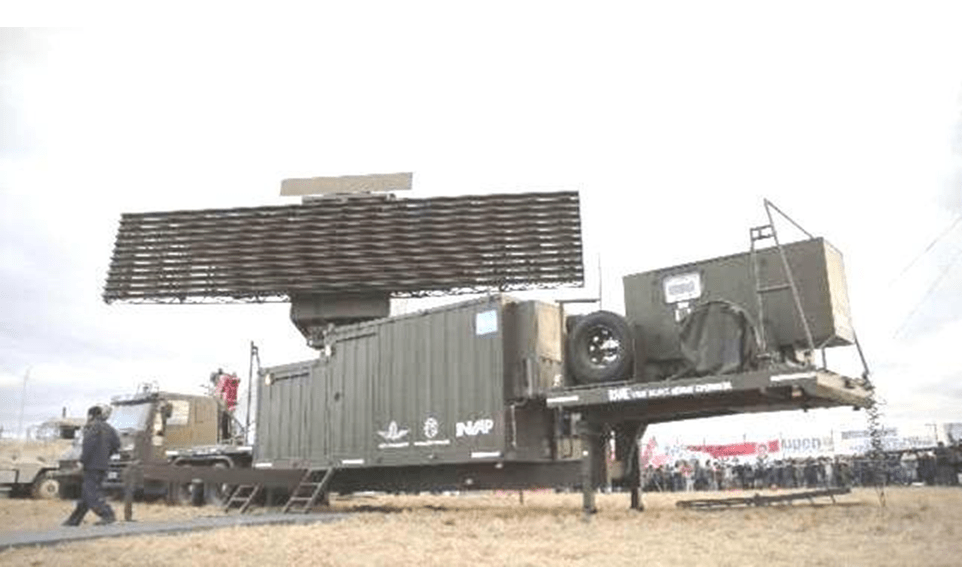
El plan de radarización ha contemplado toda la frontera norte del país. Actualmente, existen radares en San Pedro y Posadas (Misiones), otro en Resistencia, tres en Formosa (Las Lomitas, Pirané, Ingeniero Juárez). Se proyecta incorporar uno en Mercedes, Provincia de Corrientes, como así la instalación del propio radar en la Provincia de Santa Fe en la ciudad de Tostado. El Ministro de Defensa ha expresado que «el Gobernador Omar Perotti ya está al tanto de esta cuestión, y han comenzado las primeras tareas con una delegación del INVAP para analizar el tema y gente de la Fuerza Aérea se ha puesto en contacto con el intendente de esa localidad, se está estudiando el lugar de emplazamiento el terreno a usar. Son radares grandes los de la defensa, se llaman radares primarios FP 200, que detectan los vuelos que se identifican y los que no. Eso se va a instalar en Tostado».

Radarization in Argentina

Tostado joins the radarization plan

The Ministry of Defense of Argentina has communicated that Tostado, Province of Santa Fe is joining the radarization plan in that city of the Department 9 de Julio. The Minister of Defense of the Nation, Agustín Rossi, has expressed that Tostado will be part of the radarization plan that takes care of the northwestern border of the country, in a scheme that includes these teams in the provinces bordering Paraguay and Brazil, but also further south , as in Chaco and the Province of Santa Fe itself.

The radarization plan has considered the entire northern border of the country. Currently, there are radars in San Pedro and Posadas (Misiones), another in Resistencia, three in Formosa (Las Lomitas, Pirané, Ingeniero Juárez). It is planned to incorporate one in Mercedes, Province of Corrientes, as well as the installation of the radar itself in the Province of Santa Fe in the city of Tostado. The Minister of Defense has stated that «Governor Omar Perotti is already aware of this issue, and the first tasks have begun with an INVAP delegation to analyze the issue and people from the Air Force have contacted the mayor of In that locality, the location to be used is being studied. Defense radars are large, they are called FP 200 primary radars, which detect the flights that are identified and those that are not. This is going to be installed in Tostado».


PUBLISHER: Airgways.com
DBk: Argentina.gob.ar / Airgways.com
AW-POST: 202102081927AR

A\W   A I R G W A Y S ®

Airbus busca certificación ETOPS Beluga

AW | 2021 02 08 12:47 | INDUSTRY

Airbus Group introduciría vuelos ETOPS al Beluga XL

Airbus_Group_Logo_2014.svg - copia

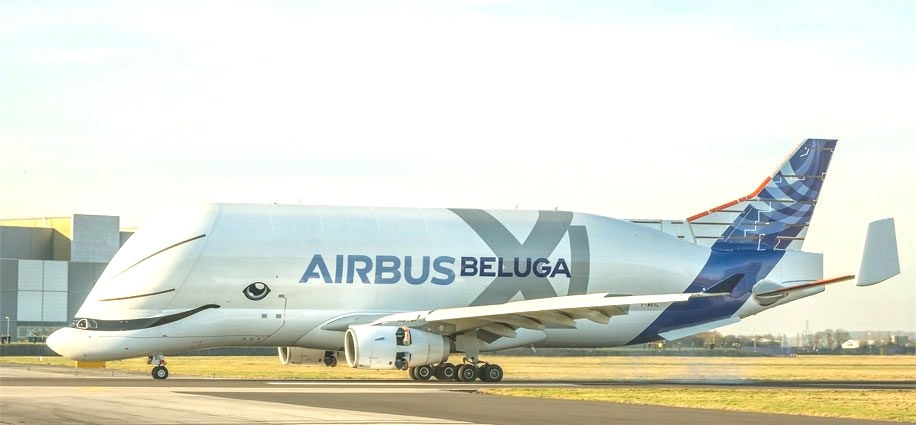
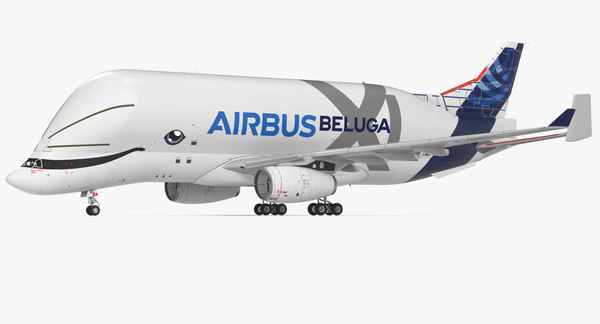
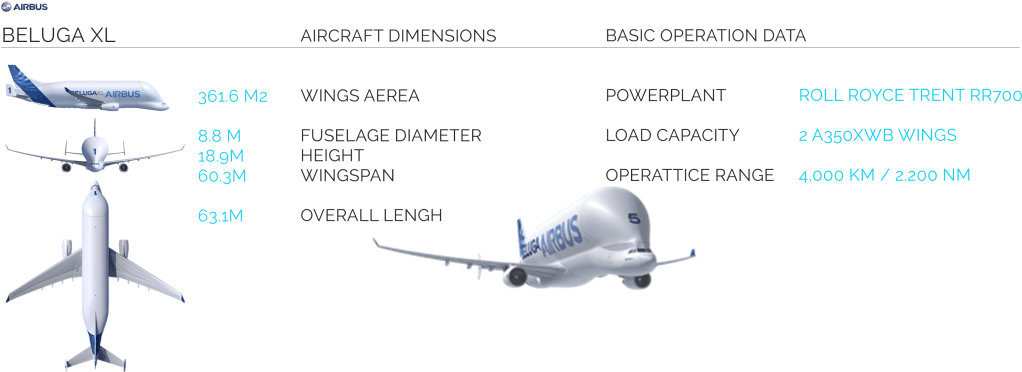
Airbus Group persigue la aprobación ampliada para operaciones bimotores (ETOPS) para el transportador de autopartes de gran tamaño Beluga XL con el fin de apoyar servicios de transportes de insumos y autopartes de aeronaves para vuelos transatlánticos con ETOPS 180. El constructor europeo ha desarrollado los Beluga XL (3) que están basados en el A330, el más reciente introducido en Octubre de 2020. Airbus estima la fabricación de otros tres aviones, para los que desarrollarán los dos últimos con rango operativo de 180min para operaciones ETOPS, según ha expresado el Ingeniero Jefe de Beluga XL, Pascal Vialleton. Airbus quiere tener los dos últimos aviones, que llegarán en 2022 y 2023, para tener la flexibilidad de realizar vuelos transatlánticos, apuntando a la posibilidad de transporte por satélite a las estaciones de lanzamiento en América del Norte.

La flota actual de A300-600ST Beluga será eliminada gradualmente a medida que lleguen los XL. La demanda de la flota de los series 600ST aumentó de 6.000h en 2014 a 8.600h en 2017, pero la XL ofrece alivio de capacidad porque es capaz de acomodar dos alas A350 a la vez. Cada Beluga XL operará alrededor de 1.000 vuelos y 1.700h por año. Esta estrategia de capacidad en lugar del 600ST, dijo Pascual Vialleton, es la razón principal de la renovación de la flota: «Todavía podemos usar el 600ST. Pero, ¿qué hacer con él después?». Dijo que Airbus ha iniciado un proyecto para proponer nuevos servicios para el 600ST, para el que se obtuvieron 180min ETOPS en 2010.

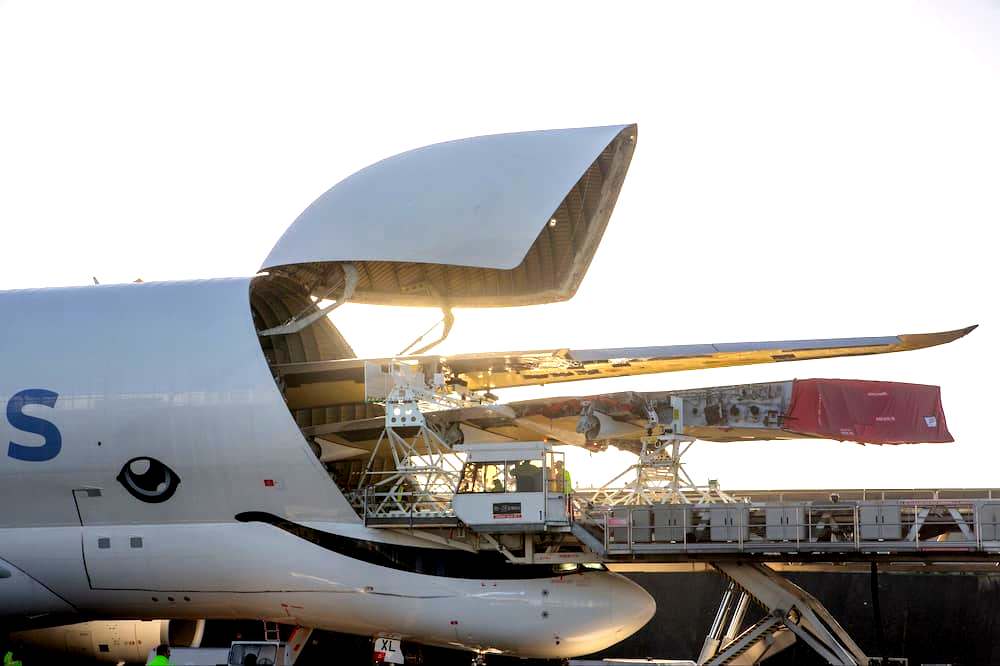
Airbus había señalado anteriormente que no estaba solicitando autorización ETOPS porque los saltos logísticos europeos relativamente cortos de la aeronave no lo justificaban, lo que generaría ahorros de costos de desarrollo. Pero el Beluga XL tiene un alcance sustancialmente mayor que el 600ST, y tener capacidad ETOPS permitiría que los aviones más grandes sirviera como soporte para futuros servicios 600ST. «Por eso estamos desarrollando ETOPS para el XL», dijo Pascual Vialleton. Sugiere que Airbus también ha considerado otras opciones para la flota 600ST, señalando que se puede utilizar para llevar lo que sea grande y necesite ser transportado, aunque a diferencia de aeronaves como el Antonov An-124, no puede descargar a nivel de tierra, por lo que una plataforma móvil almacenada en la aeronave podría ser necesaria para tales funciones.

Airbus está buscando mejorar las capacidades del Beluga XL tras su entrada en servicio en Enero 2021. Su avión de prueba de vuelo original pasará a formar parte de la flota XL operativa pero es probable que sea el último en ser introducido, uniéndose una vez que se haya eliminado su instrumentación de prueba a bordo. El avión ha estado realizando una serie de pruebas de vuelo, alrededor de 60 horas hasta ahora, para obtener la aprobación para el aterrizaje automático de Cat III en la aeronave. Esto requiere un gran esfuerzo para probar el aterrizaje automático en diversas condiciones, incluidas las pruebas de viento cruzado realizadas en Newcastle en diciembre del año pasado.

Airbus necesita justificar los objetivos de servicio de diseño de 33.000 ciclos, y señaló que había logrado solo 3.200 horas en el momento de la certificación de tipo. El sistema de aire acondicionado tuvo que ser reexaminado porque los pilotos del XL experimentaban un diferencial de temperatura en la cabina en invierno. Vialleton dijo que esto «realmente no era cómodo», pero la revisión de la ventilación significó cambiar el flujo de aire en la cabina, requiriendo pruebas de vuelo adicionales para asegurar que no haya efecto en la detección de humo en áreas como la bahía de aviónica. Airbus también ha abordado un problema de desgaste prematuro de las puertas y el funcionamiento certificado de la puerta principal de carga delantera con viento cruzado de hasta 30 nudos y viento de cola de 40 nudos, que Pascual Vailleton describió como bastante impresionante.

Airbus seeks ETOPS Beluga certification

Airbus Group would introduce ETOPS flights to the Beluga XL

Beluga XL_0005

Airbus Group is pursuing expanded approval for twin-engine operations (ETOPS) for the Beluga XL oversized auto parts carrier in order to support aircraft auto parts and supplies transportation services for transatlantic flights with ETOPS 180. The European manufacturer has developed the BelugaXL (3) which are based on the A330, the most recent one introduced in October 2020. Airbus estimates the manufacture of another three aircraft, for which they will develop the last two with an operating range of 180min for ETOPS operations. , as expressed by the Chief Engineer of Beluga XL, Pascal Vialleton. Airbus wants to have the last two aircraft, which will arrive in 2022 and 2023, to have the flexibility to conduct transatlantic flights, targeting the possibility of satellite transport to launch stations in North America.

The current fleet of Beluga A300-600STs will be phased out as the XL arrive. Demand for the 600ST series fleet increased from 6,000h in 2014 to 8,600h in 2017, but the XL offers capacity relief because it is capable of accommodating two A350 wings at once. Each Beluga XL will operate around 1,000 flights and 1,700h per year. This capacity strategy instead of the 600ST, Pascual Vialleton said, is the main reason for the renewal of the fleet: «We can still use the 600ST. But what to do with it next?», he said Airbus has started a project to propose new services for the 600ST, for which 180min ETOPS were obtained in 2010.

Airbus had previously stated that it was not requesting ETOPS authorization because the aircraft’s relatively short European logistics hops did not justify it, resulting in development cost savings. But the Beluga XL has a substantially greater range than the 600ST, and having ETOPS capability would allow the larger aircraft to serve as support for future 600ST services. «That is why we are developing ETOPS for the XL», said Pascual Vialleton. He suggests that Airbus has also considered other options for the 600ST fleet, noting that it can be used to carry whatever is large and needs to be transported, although unlike aircraft like the Antonov An-124, it cannot unload at ground level, for what a mobile platform stored in the aircraft might be necessary for such functions.

Airbus is looking to enhance the capabilities of the Beluga XL following its entry into service in January 2021. Its original flight test aircraft will become part of the operational XL fleet but is likely to be the last to be introduced, joining once has removed its onboard test instrumentation. The aircraft has been running a series of flight tests, around 60 hours so far, to gain approval for Cat III auto-landing on the aircraft. This requires a lot of effort to test the automatic landing in various conditions, including the crosswind tests carried out in Newcastle in December last year.

Airbus needs to justify the design service targets of 33,000 cycles, noting that it had achieved only 3,200 hours at the time of type certification. The air conditioning system had to be re-examined because the XL pilots experienced a differential in cabin temperature in winter. Vialleton said this was «really not comfortable», but the ventilation review meant changing the airflow in the cabin, requiring additional flight tests to ensure there is no effect on smoke detection in areas like the avionics bay. Airbus has also addressed an issue of premature door wear and certified front cargo main door performance with up to 30 knot crosswind and 40 knot tailwind, which Pascual Vailleton described as quite impressive.


PUBLISHER: Airgways.com
DBk: Airbus.com / Airgways.com
AW-POST: 202102081247AR

A\W   A I R G W A Y S ®

Ucrania eximida espacio aéreo por MH17

AW | 2021 02 08 11:45 | AIR INVESTIGATION / AVIATION SAFETY / GOVERNMENT

Ucrania desconocía peligros para aviación civil sobre Donbass

Logo Malaysia Airlines 1[1]

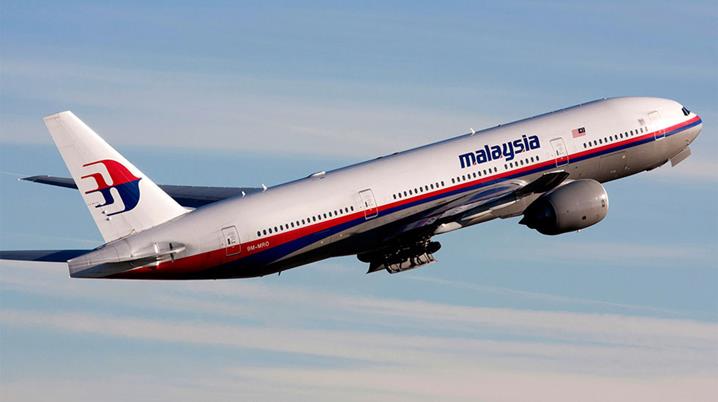
La Cámara de Representantes de los Países Bajos había pedido la investigación acerca del conflicto sobre las responsabilidades que podrían implicar al Gobierno de Ucrania sobre el espacio aéreo en el conflicto bélico del Donbass y el atentado del vuelo MH-017 de Malaysia Airlines. Las investigaciones estribaban en tener más claridad sobre el papel de Ucrania en el desastre. La Cámara quería saber, entre otras cosas, por qué el espacio aéreo sobre la zona de conflicto no estaba completamente cerrado. El Ministro de Asuntos Exteriores neerlandés Stef Blok dijo que el informe de la Fundación de Seguridad de Vuelo afirma que «no se han demostrado hechos suficientes para indicar que las autoridades ucranianas en ese momento responsables de la seguridad de la aviación civil sobre el este de Ucrania eran conscientes de una amenaza para la aviación civil por encima de Ucrania, excepto la parte del espacio aéreo que ya estaba cerrada».

Ucrania desconocía que la aviación civil estaba en peligro cuando el vuelo MH17 fue derribado sobre el este de ese país en Julio de 2014. Por lo tanto, no hay pruebas suficientes para hacer legalmente responsable a Ucrania de no cerrar completamente su espacio aéreo, según el Ministerio de Asuntos Exteriores, a cargo de Stef Blok.

Investigaciones

La Cámara de Representantes había solicitado la investigación en Octubre de 2019. Posteriormente, los Países Bajos pidieron a Rusia y Ucrania que cooperaran. «En la práctica, la aplicación de esta cooperación resultó tomar más tiempo de lo previsto», dice Stef Blok. El informe de la Fundación para la Seguridad de los Vuelos afirma que «se han establecido pruebas insuficientes que indican que las autoridades ucranianas responsables de la seguridad de la aviación civil en el este de Ucrania eran conscientes de una amenaza a la aviación civil por encima de esa parte del espacio aéreo que ya había sido cerrada o podría haber sido consciente de ella», escribe Stef Blok a la Cámara. Mientras, las autoridades rusas de aviación civil, que eran responsables del espacio aéreo ya cerrado adyacente a la zona de guerra en el este de Ucrania, tampoco veían ninguna amenaza para la aviación civil.

El MH17 fue derribado por un misil Buk. Provenía de una base militar rusa. Por lo tanto, los Países Bajos han considerado a Rusia responsable del derribo del avión de Malaysia Airlines. La investigación no cambia eso, según el Ministerio de Asuntos Exteriores. Tres rusos y un ucraniano también están siendo juzgados actualmente, sospechosos de participar, entre otras cosas, en el transporte del misil Buk.

El Boeing 777-200ER de Malaysia Airlines, que se dirigía desde Amsterdam hacia Kuala Lumpur, fue derribado el 17 de Julio de 2014 sobre el territorio ocupado por Rusia en la región de Donetsk. Las 298 personas a bordo que eran ciudadanos de 10 países murieron en el accidente. La mayoría de las víctimas, 196, eran ciudadanos de los Países Bajos.

La Junta de Seguridad holandesa el 13 de Octubre de 2015, emitió un informe sobre las causas del accidente. Se reveló que el avión había sido derribado por un sistema de misiles antiaéreos Buk.

El Equipo Conjunto de Investigación (JIT) en su informe publicado el 28 de Septiembre de 2016, confirmó que el avión había sido derribado por un Buk de fabricación rusa traído a Ucrania desde Rusia.

En Mayo de 2018, los Países Bajos y Australia acusaron oficialmente a Rusia de participar en el accidente del MH17.

El proceso de prueba MH17 comenzó el 9 de Marzo de 2020. Los primeros cuatro sospechosos en el caso MH17 son el terrorista ruso Igor Girkin (también conocido como «Strelkov»), quien en el verano de 2014 fue el llamado «Ministro de Defensa de la República Popular de Donetsk» («DPR»); General ruso Sergei Dubinsky (nom de guerre «Khmuryi»), quien dirigió la «inteligencia DPR;» Oleg Pulatov (nom de guerre «Gyurza»), que en 2014 encabezó «la 2a división del GRU del RP;», así como Leonid Kharchenko (nom de guerre «Krot»), que era un líder del «batallón de reconocimiento» de las fuerzas lideradas por Rusia.

El 19 de Junio de 2019, los investigadores del JIT acusaron a los cuatro oficiales de inteligencia militar controlados por la Federación Rusia de participar en un ataque con misiles que derribó el MH17.

Ukraine exempted airspace by MH17

Ukraine was unaware of dangers for civil aviation over Donbass

The House of Representatives of the Netherlands had requested the investigation into the conflict over the responsibilities that could involve the Government of Ukraine over the airspace in the war in Donbass and the attack on Malaysia Airlines flight MH-017. The investigations were based on having more clarity about Ukraine’s role in the disaster. The Chamber wanted to know, among other things, why the airspace over the conflict zone was not completely closed. Dutch Foreign Minister Stef Blok said the Flight Safety Foundation report states that «not enough facts have been shown to indicate that the Ukrainian authorities at the time responsible for civil aviation security over eastern Ukraine they were aware of a threat to civil aviation above Ukraine, except for the part of the airspace that was already closed».

Ukraine was unaware that civil aviation was in danger when flight MH17 was shot down over eastern Ukraine in July 2014. Therefore, there is insufficient evidence to hold Ukraine legally responsible for not completely closing its airspace, according to the Ministry of Foreign Affairs, in charge of Stef Blok.

Research

The House of Representatives had requested the investigation in October 2019. The Netherlands subsequently asked Russia and Ukraine to cooperate. «In practice, the implementation of this cooperation turned out to take longer than anticipated», says Stef Blok. The Foundation for Flight Safety report states that «insufficient evidence has been established indicating that the Ukrainian authorities responsible for civil aviation security in eastern Ukraine were aware of a threat to civil aviation above that part of the airspace that had already been closed or might have been aware of it», Stef Blok writes to the House. Meanwhile, the Russian civil aviation authorities, which were responsible for the already closed airspace adjacent to the war zone in eastern Ukraine, also saw no threat to civil aviation.

The MH17 was shot down by a Buk missile. It came from a Russian military base. Therefore, the Netherlands has held Russia responsible for the downing of the Malaysia Airlines plane. The investigation doesn’t change that, according to the Foreign Ministry. Three Russians and one Ukrainian are also currently on trial, suspected of participating, among other things, in the transport of the Buk missile.

Malaysia Airlines Boeing 777-200ER, which was heading from Amsterdam to Kuala Lumpur, was shot down on July 17, 2014 over Russian-occupied territory in the Donetsk region. All 298 people on board who were citizens of 10 countries died in the accident. Most of the victims, 196, were citizens of the Netherlands.

The Dutch Safety Board on October 13, 2015, issued a report on the causes of the accident. The plane was revealed to have been shot down by a Buk anti-aircraft missile system.

The Joint Investigation Team (JIT) in its report published on September 28, 2016, confirmed that the plane had been shot down by a Russian-made Buk brought to Ukraine from Russia.

In May 2018, the Netherlands and Australia officially accused Russia of participating in the MH17 accident.

The MH17 testing process started on March 9, 2020. The first four suspects in the MH17 case are the Russian terrorist Igor Girkin (also known as «Strelkov»), who in the summer of 2014 was the so-called «Minister of Defense of the Donetsk People’s Republic» («DPR»); Russian General Sergei Dubinsky (nom de guerre «Khmuryi»), who headed the «DPR intelligence;» Oleg Pulatov (nom de guerre «Gyurza»), who in 2014 headed «the 2nd division of the PR GRU»; as well as Leonid Kharchenko (nom de guerre «Krot»), who was a leader of the «reconnaissance battalion» of Russian-led forces.

On June 19, 2019, JIT investigators accused the four military intelligence officers controlled by the Russian Federation of participating in a missile attack that shot down the MH17.


PUBLISHER: Airgways.com
DBk: Houseofrepresentatives.nl / Flightsafety.org / Nu.nl / Ap.com / Airgways.com
AW-POST: 202102081145AR

A\W   A I R G W A Y S ®

Gobierno rescate para Aer Lingus

AW | 2021 02 08 10:47 | AIRLINES / GOVERNMENT

Gobierno irlandés inyecta € 150 millones para capitalizar la aerolínea

Aer Lingus_Isologotype_001

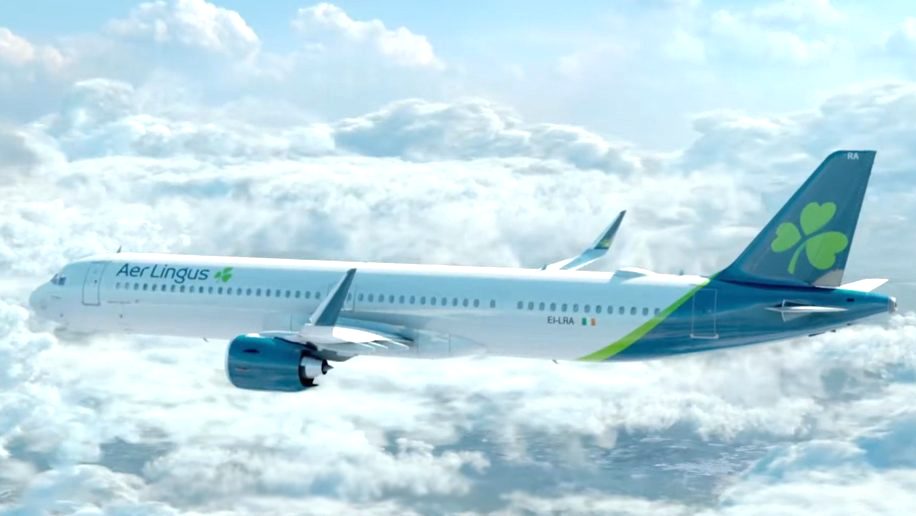
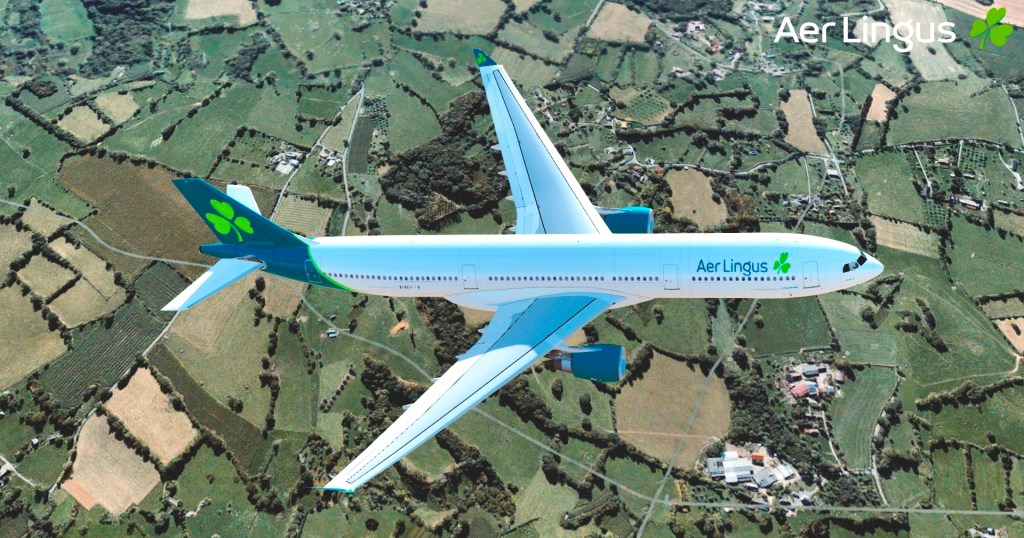
Aer Lingus ha solicitado y obtenido € 150 millones de Euros del Gobierno de Irlanda, a través del Fondo de Inversión Estratégica de Irlanda (ISIF), de un préstamo a tres años que se utilizará para fortalecer la posición de liquidez de la aerolínea para hacer frente al impacto de la crisis sanitaria mundial. La aerolínea pertenece al grupo IAG, a través de sus filiales, es el que menos ayudas oficiales ha pedido, aunque ha acudido a los mercados para captar liquidez para garantizar la supervivencia durante este período crítico. El préstamo es un asunto álgido, porque Ryanair es reacia ante las ayudas por parte del Estado entrando en conflicto con sus propios intereses de mercado, siendo en algunos casos la recurrencia a los estrados judiciales para reclamar supuestas indiferencias.

Aer Lingus se ha tenido que adaptar ante el avance de la low cost Ryanair. La compañía opera dos segmentos de mercado: el europeo, donde se ha tenido que reinventarse para detener la agresiva campaña de Raynair, y las rutas internacionales, fundamentalmente a Estados Unidos, donde siempre ha tenido grandes ventajas competitivas por la gran colonia irlandesa en la coste Este americana y el poseer un estratégico hub de operaciones más próximo a América en las rutas transatlánticas.

Actualmente, Aer Lingus ha creado una filial británica con la que pretende operar desde el Aeropuerto Manchester, vuelos trasoceánicos permitiendo desarrollar un hub muy importante y ventajoso que acerca a los británicos a la costa Este de Estados Unidos.

Government rescue for Aer Lingus

Irish government injects € 150 million to capitalize the airline

Aer Lingus has requested and obtained € 150 million Euros from the Government of Ireland, through the Irish Strategic Investment Fund (ISIF), for a three-year loan to be used to strengthen the airline’s liquidity position to address the impact of the global health crisis. The airline belongs to the IAG group, through its subsidiaries, it is the one that has requested the least official aid, although it has gone to the markets to capture liquidity to guarantee survival during this critical period. The loan is a critical issue, because Ryanair is reluctant to aid from the State, coming into conflict with its own market interests, in some cases resorting to the courts to claim alleged indifference.

Aer Lingus has had to adapt to the advance of the low cost Ryanair. The company operates two market segments: the European, where it has had to reinvent itself to stop Raynair’s aggressive campaign, and international routes, mainly to the United States, where it has always had great competitive advantages due to the great Irish colony in cost. This American and having a strategic hub of operations closer to America on the transatlantic routes.

Currently, Aer Lingus has created a British subsidiary with which it intends to operate trans-oceanic flights from Manchester Airport allowing the development of a very important and advantageous hub that brings the British closer to the East coast of the United States.

Tarrtháil Rialtais d’Aer Lingus

Insíonn an rialtas € 150 milliún chun an aerlíne a chaipitliú

Aer_Lingus_Isologotype

D’iarr agus fuair Aer Lingus € 150 milliún Euro ó Rialtas na hÉireann, trí Chiste Infheistíochta Straitéisí na hÉireann (ISIF), go n-úsáidfí iasacht trí bliana chun seasamh leachtachta na haerlíne a neartú chun aghaidh a thabhairt ar thionchar na géarchéime sláinte domhanda. Baineann an aerlíne leis an ngrúpa IAG, trína fochuideachtaí, is í an ceann a d’iarr an chabhair oifigiúil is lú, cé go ndeachaigh sí chuig na margaí chun leachtacht a ghabháil chun maireachtáil a ráthú le linn na tréimhse criticiúla seo. Is ceist chriticiúil í an iasacht, toisc go bhfuil drogall ar Ryanair cúnamh a fháil ón Stát, agus é ag teacht salach ar a leasanna mhargadh féin, i gcásanna áirithe dul i muinín na gcúirteanna chun neamhshuim líomhnaithe a éileamh.

Bhí ar Aer Lingus dul in oiriúint do dhul chun cinn Ryanair ar chostas íseal. Oibríonn an chuideachta dhá dheighleog mhargaidh: an Eoraip, áit a raibh uirthi í féin a athinsint chun feachtas ionsaitheach Raynair a stopadh, agus bealaí idirnáisiúnta, go dtí na Stáit Aontaithe den chuid is mó, áit a raibh buntáistí iomaíocha móra aici i gcónaí mar gheall ar an gcoilíneacht mhór Éireannach i gcostas. An Meiriceánach seo agus mol straitéiseach oibríochtaí aige níos gaire do Mheiriceá ar na bealaí trasatlantacha.

Faoi láthair, tá fochuideachta Briotanach cruthaithe ag Aer Lingus a bhfuil sé ar intinn aige eitiltí tras-aigéanacha a oibriú ó Aerfort Mhanchain ag ligean mol mol an-tábhachtach agus buntáisteach a fhorbairt a thabharfaidh na Breataine níos gaire do chósta Thoir na Stát Aontaithe.


PUBLISHER: Airgways.com
DBk: Aerlingus.com / Gov.ie / Isif.ie / Airgways.com
AW-POST: 202102081047AR

A\W   A I R G W A Y S ®