AW | 2017 11 10 17:41 | INDUSTRY
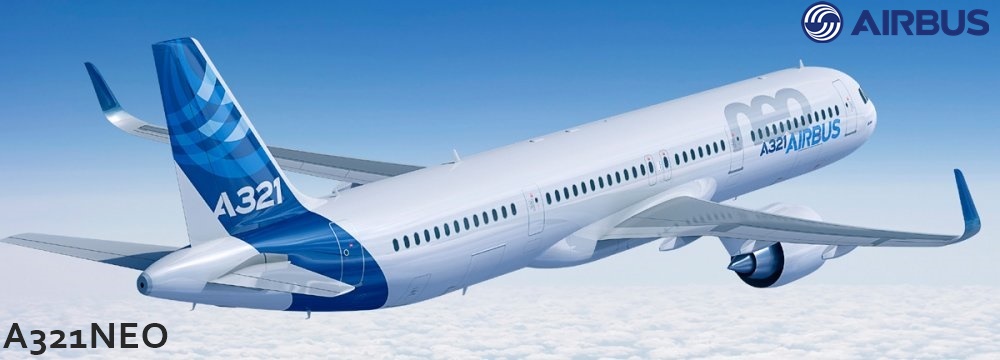
 Primer ensamblaje del Airbus A321NEO ACF con peso incrementado de 97 toneladas
La producción del primer Airbus A321NEO ACF (Airbus Cabin Flex) con peso incrementado de 97 toneladas y con la nueva configuración de puertas ha terminado en la factoría de Airbus en Hamburgo, Alemania.
Mejoras del A321NEO ACF
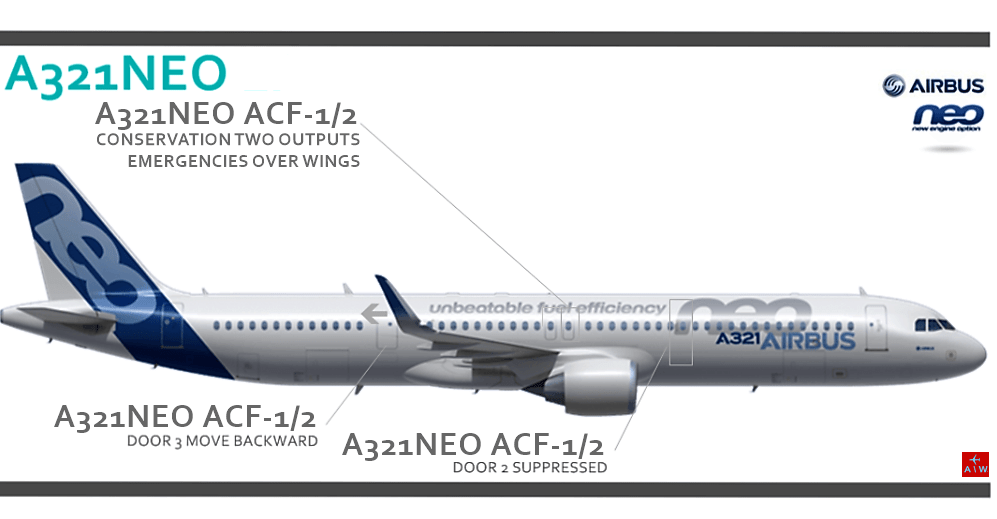
 El nuevo Airbus A321NEO ACF-1 salido de fábrica posee algunas modificaciones significativas que mejorarán las prestaciones como aeronave de rango medio de alcance. Entre las modificaciones más notables que incorpora el nuevo A321NEO figuran un peso incrementado para los despegues en 97 toneladas, permitiendo un mejor desarrollo de las operaciones con rango extendido. Una nueva configuración de la cabina de pasajeros, realizando modificaciones en el A321NEO, suprimiendo las puertas Nº2 delanteras para acomodar más pasajeros o una mejor distribución de las clases. Además no se suprimen las primeras salidas de emergencias sobre las alas como estaba establecido originalmente, conservando ambas salidas en ambos laterales del fuselaje del A321NEO. También se modificará la puerta Nº 3, retrasando cuatro cuadernas las puertas Nº 3, que se encuentran detrás del conjunto alar. Las puertas Nº 1 y Nº 4, las situadas en los extremos delantero y final de la cabina no sufrieron modificaciones. Incorporaría la opción de un tercer depósito de combustible para una mayor autonomía de vuelo.
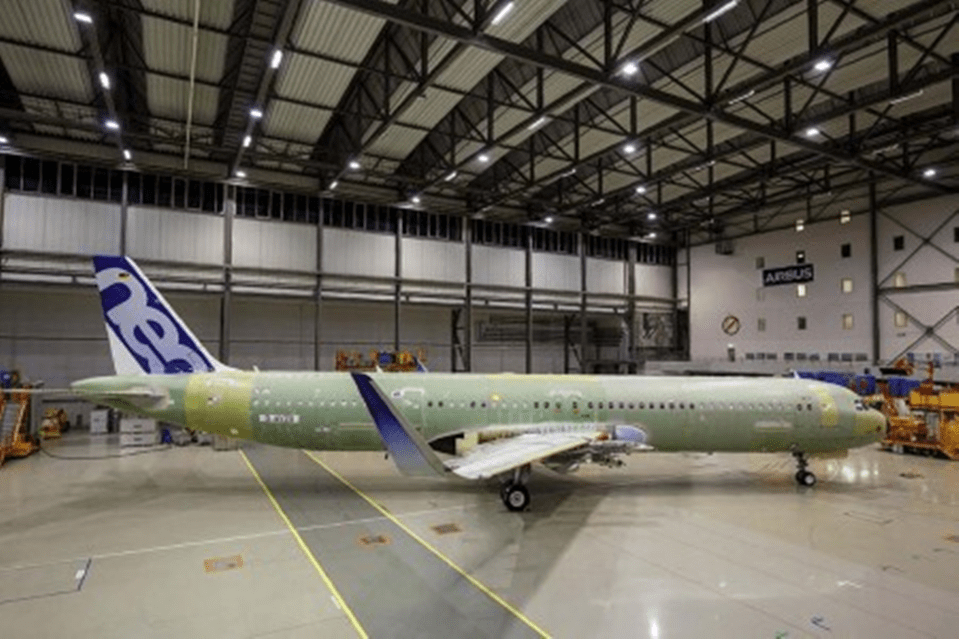
PRIMER AIRBUS A321NEO «FLEX» EN HAMBURGO, ALEMANIA
Como es una varianta «flexible» permitirán a los clientes solicitar una configuración de la aeronave dependiendo de los requerimientos de las aerolíneas. Para la nueva configuración, Premium Aerotec, la empresa alemana encargada de la producción de la denominada Sección 17 del fuselaje, el fuselaje detrás del conjunto alar, ha tenido que modificar el diseño de la misma así como la correspondiente sección del centro del avión. El nuevo diseño de la sección Nº 17 ha pasado de medir 9 metros de largo a 12 metros de longitud.
En Airbus señalan que la supresión de las puertas Nº 2 permite tener una cabina sin obstrucciones desde el morro hasta el ala, lo que da a las aerolíneas un mayor espacio para configurar sus clases business sin la limitación que significan dichas puertas.
El tercer depósito se instala en la bodega de carga junto a los otros dos que ya se ofrecen como opción. Cada uno de estos depósitos tiene la forma y ocupa el espacio de un contendor de equipajes.
La nueva configuración del A321NEO ACF es ofrecida como opción estándar de producción desde el año 2020. El primer A321NEO con esta configuración de puertas será entregado en el segundo trimestre de 2018 mientras que el primer A321NEO LR (ACF-2), la denominación de la versión de largo alcance, se entregará en el último trimestre de 2018.
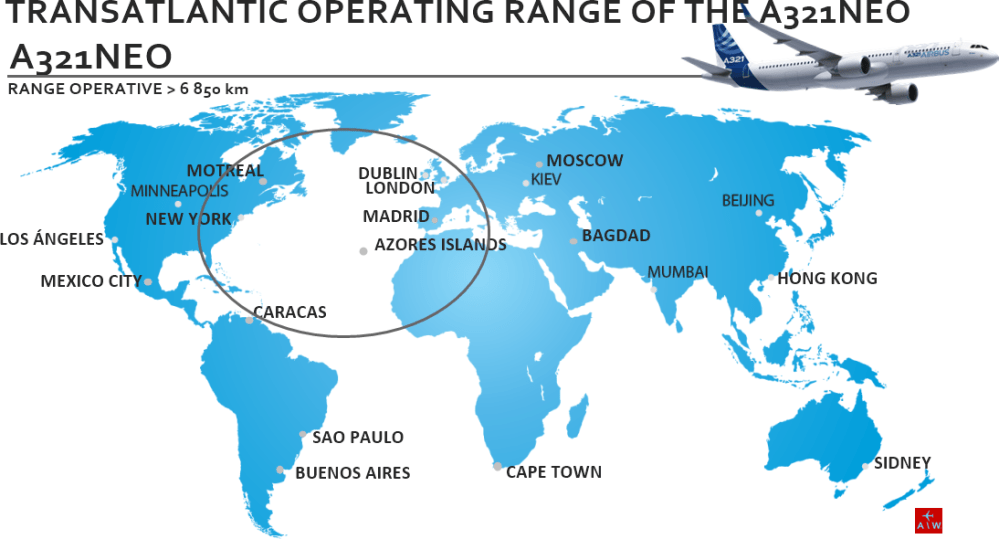
Mercado para el Rango Medio
El A321NEO ACF es la base de la variante de largo alcance que Airbus ha propuesto para sustituir a los Boeing 757-200ER con una mayor capacidad de combustible, por lo tanto traducida en una mayor cobertura de capacidad operativa para volar, permitiendo alcanzar destinos a los que llega el Boeing 757-200ER.
Esta variante puede incorporar un tercer depósito extra de combustible que permite aumentar la autonomía hasta los 7.400 km (740 km más) con 206 pasajeros, o bien, incorporando la opción de nuevas puertas, incrementar la capacidad de hasta 240 pax.
El primer A321NEO ACF en uno de los hangares de Airbus en Finkenwerder se encuentra a la espera de las pruebas en tierra previas a su primer vuelo. 

First Airbus 321NEO «Flex»
First assembly of the Airbus A321NEO ACF with an increased weight of 97 tons
The production of the first Airbus A321NEO ACF (Airbus Cabin Flex) with an increased weight of 97 tons and with the new door configuration has ended at the Airbus factory in Hamburg, Germany.
Improvements of the A321NEO ACF
The new Airbus A321NEO ACF-1 left the factory has some significant changes that will improve the performance as a mid-range aircraft. Among the most notable modifications incorporated in the new A321NEO are an increased weight for the take-offs in 97 tons, allowing a better development of operations with extended range. A new configuration of the passenger cabin, making modifications to the A321NEO, eliminating the front No. 2 doors to accommodate more passengers or a better distribution of the classes. In addition, the first emergency exits on the wings are not eliminated as was originally established, keeping both exits on both sides of the A321NEO fuselage. Door No. 3 will also be modified, with four frames delaying doors No. 3, which are behind the wing assembly. The doors Nº 1 and Nº 4, those located in the front and final ends of the cabin did not suffer modifications. It would incorporate the option of a third fuel tank for greater flight autonomy.
As it is a variant «flexible» will allow customers to request a configuration of the aircraft depending on the requirements of the airlines. For the new configuration, Premium Aerotec, the German company responsible for the production of the so-called Section 17 of the fuselage, the fuselage behind the wing assembly, had to modify the design of the same as well as the corresponding section of the center of the aircraft. The new design of section No. 17 has gone from measuring 9 meters in length to 12 meters in length.
In Airbus they point out that the elimination of doors No. 2 allows for an unobstructed cabin from the nose to the wing, which gives airlines more space to configure their business classes without the limitation that these doors mean.
The third deposit is installed in the cargo hold next to the other two that are already offered as an option. Each of these tanks has the shape and occupies the space of a baggage container.
The new configuration of the A321NEO ACF is offered as a standard production option from the year 2020. The first A321NEO with this configuration of doors will be delivered in the second quarter of 2018 while the first A321NEO LR (ACF-2), the denomination of the long-range version, will be delivered. will be delivered in the last quarter of 2018.
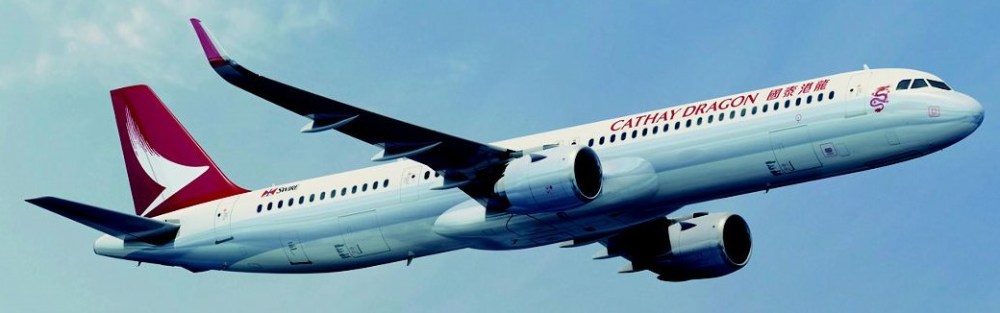
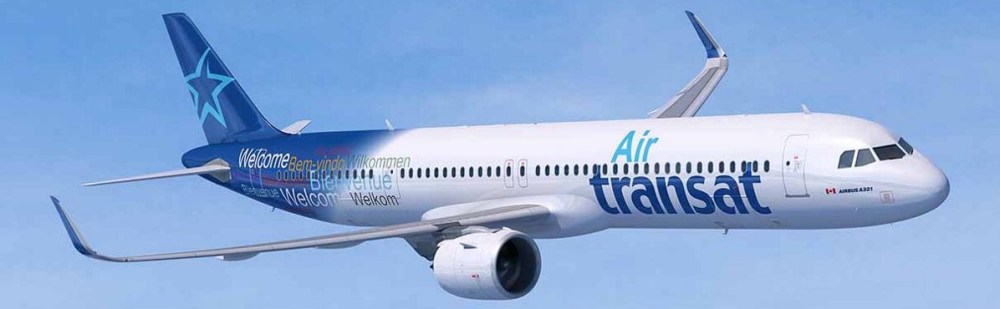
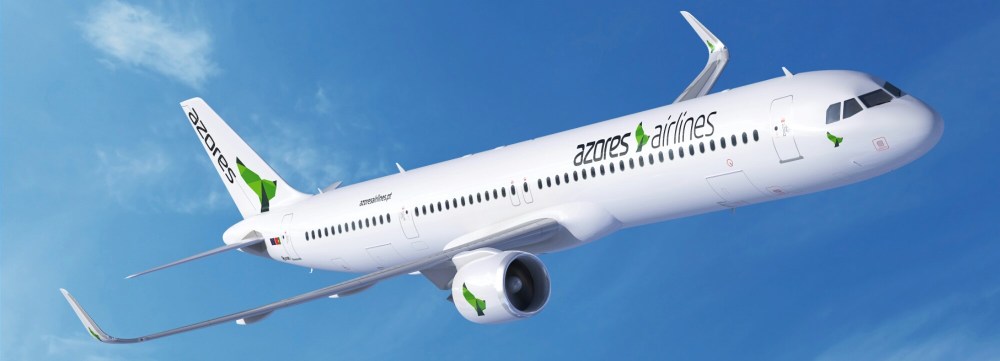
SOME CLIENTS OF THE NEW A321NEO
Market for the Middle Range
The A321NEO ACF is the basis of the long-range variant that Airbus has proposed to replace the Boeing 757-200ER with a greater fuel capacity, therefore translated into a greater coverage of operating capacity to fly, allowing destinations to be reached. that the Boeing 757-200ER arrives.
This variant can incorporate a third extra fuel tank that allows to increase the autonomy up to 7,400 km (740 km more) with 206 passengers, or, incorporating the option of new doors, increase the capacity of up to 240 pax.
The first A321NEO ACF in one of the Airbus hangars in Finkenwerder is waiting for ground tests prior to its first flight. A \ W
Ξ A I R G W A Y S Ξ
SOURCE: Airgways.com
DBk: Airbus.com / Airgways.com
AW-POST: 201711101741AR
A\W A I R G W A Y S ®
 airgways.com