Procedimientos aviación Indonesia

Indonesia among 'world's largest aviation markets': Boeing ...AW | 2020 05 21 12:03 | AVIATION

ABNR - Jakarta - Indonesia - Leading Law Firm Profile - Asia ...Recuperación de aeronaves en Indonesia en medio de las consecuencias económicas de la pandemia

La industria de la aviación ha sido una de las más afectadas durante la crisis de COVID-19, e Indonesia no es la excepción. Las aerolíneas indonesias informan una fuerte disminución en el número de viajeros, y algunas están considerando la reestructuración, como a través de la emisión de bonos de reestructuración. Los propietarios de aeronaves, arrendadores y administradores de seguridad ahora están sopesando los riesgos. Los tiempos desesperados requieren medidas desesperadas, que incluyen posiblemente la recuperación de aeronaves registradas en Indonesia, como lo demuestra un pico reciente en las consultas sobre este asunto de los propietarios de aviones, arrendadores y fideicomisarios de seguridad.

Esta actualización legal reitera los procedimientos para la recuperación de aeronaves registradas y operadas por arrendatarios en Indonesia y analiza algunas experiencias pasadas en asuntos de recuperación, en los que ABNR estuvo involucrado en los últimos años, y ofrece algunas conclusiones prácticas que pueden ser útiles para asuntos futuros.

Resumen de remedios disponibles

Indonesia es parte en la Convención de Ciudad del Cabo (CTC) y el Protocolo de la Convención sobre intereses internacionales en equipos móviles en asuntos específicos de equipos de aeronaves ( Protocolo), que ofrecen a los propietarios de aeronaves, arrendadores y fideicomisarios de seguridad los tres principales tipos de remedios disponibles bajo el CTC:

Remedios de autoayuda (no judiciales); alivio pendiente de determinación final; y anulación del registro y exportación de una aeronave mediante el uso de una Autorización de solicitud de anulación y exportación irrevocable (IDERA) o una Carta de designación certificada (CDL). De conformidad con el Artículo 54 (2) de la CTC, Indonesia ha declarado que todos y cada uno de los recursos disponibles para el acreedor en virtud de la CTC (que no se expresan bajo la disposición correspondiente de los mismos para exigir su aplicación al tribunal) pueden ejercerse sin acción judicial y sin licencia de la corte. Sin embargo, en la práctica, los remedios de autoayuda como tomar posesión física de una aeronave no están disponibles en Indonesia debido a la ausencia de una regulación de aviación que permita que una parte lo haga.

El alivio pendiente de la determinación final es una opción, pero puede no ser la ruta preferida en la práctica. De conformidad con el Artículo 79 de la Ley N° 1 de 2009 sobre Aviación (Ley de Aviación), un acreedor puede solicitar una acción temporal de un tribunal de distrito de Indonesia. Las partes se someterán a la jurisdicción de cierto tribunal de distrito según lo acordado en el acuerdo de arrendamiento de aeronaves pertinente, o un tribunal de distrito con competencia relativa en caso de que el acuerdo de arrendamiento de aeronaves no contenga ninguna disposición sobre la elección del foro. Sin embargo, los procedimientos judiciales suelen ser lentos y formalistas en Indonesia, probablemente explicando por qué este remedio es poco utilizado.

El propietario de una aeronave, el arrendador o el administrador de seguridad no deben estar obligados a presentar su reclamo a través de procedimientos judiciales siempre que:

El contrato de arrendamiento ha sido registrado en el Registro Internacional; el contrato de arrendamiento otorga al propietario o arrendador el derecho de rescindir unilateralmente el contrato de arrendamiento luego del incumplimiento del arrendatario; y el propietario, arrendador o administrador de seguridad posee una IDERA, que ha sido registrada y reconocida por la Dirección General de Aviación Civil (DGCA), o el administrador de seguridad posee una CDL. Todavía es común en las transacciones que involucran el arrendamiento de aeronaves registradas en Indonesia para que las partes preparen, además de IDERA y/o CDL, un poder notarial de baja, generalmente legalizado por un notario indonesio. Creemos que tiene poco valor preparar este documento, ya que IDERA y/o CDL ya incorporan un elemento de autorización (como se contempla en el poder notarial), y contrario al poder notarial en IDERA y/o CDL, un El poder notarial normal termina con la quiebra o la insolvencia aparente del otorgante o del abogado. Además, el otorgante de un poder normal siempre tiene el derecho de ejercer los poderes otorgados al abogado bajo el poder. Finalmente, aunque estos poderes normalmente indican lo contrario,

Indonesia ha hecho algunas reservas en virtud de la CTC, incluidos los artículos 39 y 40. Esto significa que los siguientes derechos o intereses no consensuales tienen prioridad bajo sus leyes sobre un interés en un objeto de aeronave equivalente al del titular de un interés internacional registrado y tendrá prioridad sobre un interés internacional registrado (ya sea dentro o fuera de los procedimientos de insolvencia):

Gravámenes a favor de los empleados de la aerolínea por salarios no pagados que surjan del momento de un incumplimiento declarado bajo un contrato para financiar o arrendar un objeto de la aeronave; gravámenes u otros derechos de una autoridad de Indonesia relacionados con impuestos u otros cargos impagos que surjan o estén relacionados con el uso de ese objeto de la aeronave, y que surjan desde el momento de un incumplimiento declarado bajo un contrato para financiar o arrendar ese objeto de la aeronave; y gravámenes u otros derechos a favor de los reparadores de un objeto de la aeronave en su posesión en la medida del servicio o servicios realizados y valor agregado a ese objeto de la aeronave.

Finalmente, nada en el CTC afectará el derecho de Indonesia o el de cualquier entidad del mismo, o cualquier organización intergubernamental de la que Indonesia sea miembro, u otro proveedor privado de servicios públicos en Indonesia, para arrestar o detener un objeto de aeronave bajo su ley para el pago de una cantidad adeudada al gobierno de Indonesia, cualquier entidad, organización o proveedor que esté directamente relacionado con los servicios o servicios prestados por él con respecto a ese u otro objeto de la aeronave.

El Código Civil de Indonesia también reconoce el «derecho de retención». Este derecho es un remedio legal disponible para ciertos tipos de acreedores que pueden negarse a renunciar a la posesión de bienes siempre que la deuda garantizada permanezca impaga. El derecho a retener la propiedad es una defensa para el acreedor; tiene derecho a retener la propiedad hasta que haya recibido el pago completo. Solo con el pago está obligado a renunciar a la posesión de los bienes.

Tenga en cuenta que no hay una disposición general en la ley sobre el derecho a retener bienes, pero hay algunos artículos específicos en el Código Civil de Indonesia sobre este derecho. Estos incluyen un artículo que establece que los empleados, que tienen acceso a una propiedad, para realizar el trabajo en la misma, tendrán derecho a retener dicha propiedad, hasta que se hayan pagado los costos totales y los salarios de los empleados, a menos que el cliente haya brindado suficiente seguridad para dichos costos. y salarios de los empleados. Por ejemplo, un deudor lleva su avión al hangar para su mantenimiento. Según la ley indonesia, la parte que realiza el mantenimiento tiene derecho a aferrarse a la aeronave hasta que el deudor le pague por el trabajo realizado.

Cabe señalar que el CTC no se ha implementado completamente en la legislación nacional. Además, aunque la Ley de Aviación reconoce el interés internacional que puede establecerse en una aeronave, Indonesia actualmente no cuenta con un mecanismo de implementación. Por lo tanto, es cuestionable si un interés internacional podría ser efectivo y exigible dentro del sistema legal indonesio. Sin embargo, aparte de las limitaciones prácticas a los remedios de autoayuda, así como el derecho de retención reconocido por el Código Civil de Indonesia, el hecho de que Indonesia no implemente completamente el CTC en la legislación nacional no debería significar que la recuperación no pueda llevarse a cabo en Indonesia.

En la medida en que la recuperación se realice en el marco de los procedimientos de insolvencia, es importante señalar que Indonesia ha formulado una declaración en virtud del Artículo XXX (3) del Protocolo. Como resultado, los liquidadores pueden negarse a dar su consentimiento para liberar la aeronave durante un período máximo de espera de 60 días.

Para evitar dudas, Indonesia no es parte en la Convención de Ginebra de 1948 sobre el reconocimiento internacional de los derechos de las aeronaves, ni en la Convención de Roma de 1933 sobre la unificación de ciertas normas relativas al arresto preventivo de aeronaves.

Dado que la cancelación del registro y la exportación de una aeronave a través de IDERA es el tipo de remedio más común y factible, este será el enfoque del resto de esta actualización legal.

Cancelación del registro y exportación de una aeronave a través de IDERA

La cancelación del registro y la exportación de una aeronave a través de IDERA consta de los siguientes pasos:

Aviso de incumplimiento y puesta a tierra con respecto a la aeronave
El primer paso en la recuperación de una aeronave es que el propietario de la aeronave, el arrendador o el administrador de seguridad presenten un aviso de incumplimiento, de acuerdo con los términos contractuales, especificando el incumplimiento relevante, exigiendo que dicho incumplimiento se resuelva en un tiempo específico o, si eso no es posible, que el/los) acuerdo(s) subyacente(s) está(n) terminado(s) y el arrendatario debe volar la aeronave y aterrizarla en un aeropuerto específico.

Aunque la mayoría de los contratos de arrendamiento que involucran aeronaves matriculadas en Indonesia se rigen por la ley extranjera (normalmente la ley del Reino Unido o de los Estados Unidos), sería prudente seguir la práctica indonesia de entregar un total de 3 avisos de incumplimiento, preferiblemente enviados por correo / correo certificado, permitiendo el arrendatario tiene un tiempo razonable para remediar el incumplimiento, antes de dar el siguiente paso para arrestar la aeronave. Además, cualquier otra comunicación formal o informal, como conferencias telefónicas o de video, correo electrónico y otros medios de comunicación ayudaría a funcionar como evidencia de que se consideraría que el propietario, el arrendador o el administrador de seguridad hicieron el máximo esfuerzo para permitir que el arrendatario para remediar el incumplimiento. La ley indonesia también requiere que se ponga a disposición una versión en idioma indonesio de cualquier acuerdo en el que un individuo o entidad indonesia sea parte, incluso si el acuerdo se rige por la ley extranjera. Si no se prepara una versión indonesia de los acuerdos de transacción, pueden surgir complicaciones adicionales durante el proceso de recuperación, especialmente cuando se trata con los tribunales indonesios.

Si el arrendatario no soluciona el incumplimiento dentro de un tiempo razonable después de enviar los avisos de incumplimiento, el propietario de la aeronave, el arrendador o el administrador de seguridad puede emitir un aviso de puesta a tierra al arrendatario, de conformidad con las disposiciones contractuales. El aviso de puesta a tierra indicará la ubicación donde el arrendatario debe mantener la aeronave. Si el arrendatario cumple con esto voluntariamente, el propietario, arrendador o fideicomisario de seguridad puede proceder con la cancelación del registro y la exportación de la aeronave. Sin embargo, si el arrendatario se niega a cumplir con el aviso de conexión a tierra, será necesario confiscar o arrestar la aeronave con la ayuda de los tribunales.

Arresto o incautación de la aeronave
En principio, será posible que un propietario, arrendador o administrador de seguridad busque ayuda provisional para el arresto o la incautación de la aeronave. Sin embargo, como se mencionó anteriormente, los procedimientos judiciales suelen ser lentos y formalistas en Indonesia, y las decisiones que siguen también son difíciles de hacer cumplir. Por lo tanto, siempre que sea posible, sería aconsejable evitar los procedimientos judiciales y, en su lugar, tratar de llegar a un acuerdo amistoso con un arrendatario antes de intentar arrestar o confiscar un avión con la ayuda de los tribunales.

El arresto o la incautación de una aeronave requerirá en la práctica la asistencia de las autoridades del aeropuerto. La mayoría de los aeropuertos de Indonesia son propiedad y están administrados por empresas estatales. Como resultado, el arresto o la incautación pueden ser más difíciles si el arrendatario también es una empresa estatal.

Baja de la aeronave
El procedimiento para la cancelación del registro y la exportación de aeronaves se realiza bajo la política de las autoridades y, en la práctica, se inicia mediante una solicitud de la Parte Autorizada (o el arrendatario) de una IDERA registrada y una Carta de Designado Certificado, para la cancelación del registro y la exportación de aeronave.

La DGCA requerirá que la Parte autorizada presente el formulario 47-26 (Solicitud de baja de la aeronave utilizando IDERA o CDL) al adjuntar también la IDERA o CDL registrada original en relación con la aeronave correspondiente. En este caso. La DGCA permitirá que el abogado de la Parte Autorizada ayude con la presentación.

En el caso de que no haya una IDERA o CDL registrada disponible para la aeronave correspondiente, para dar de baja la aeronave, la DGCA requerirá que el arrendatario o propietario correspondiente presente el formulario 47-17 (Solicitud de baja de la aeronave). En este caso, la DGCA solo permitirá que el arrendatario o propietario correspondiente haga la presentación directamente.

De acuerdo con la Ley de Aviación, todo este proceso debe completarse dentro de los cinco días hábiles posteriores a la fecha en que la DGCA considere que se han presentado todos los documentos requeridos, incluido el certificado de aeronavegabilidad de exportación que se analiza a continuación. Tras la emisión del certificado de baja, la aeronave ya no estará bajo el registro de Indonesia.

Exportación de la aeronave
Para exportar la aeronave, la Parte autorizada debe solicitar un certificado de exportación de aeronavegabilidad (Export COA).

En el caso de que la aeronave se encuentre dentro de Indonesia cuando se expida el certificado de baja, la solicitud para la Exportación C de A debe presentarse antes o simultáneamente con la solicitud del certificado de baja. La Exportación C de A indicará que la aeronave está en condiciones de volar fuera de Indonesia, y está sujeta a que la aeronave cumpla con las leyes y reglamentos, así como con los requisitos de la autoridad de aviación en el país de destino. El COA de exportación se emitirá antes de la emisión del certificado de baja. La Ley de Aviación no prescribe una fecha límite para la emisión del COA de exportación, pero en nuestra experiencia tomará alrededor de tres a cinco días hábiles para completar el proceso.

Dado que el avión volará si Indonesia con un registro no indonesio, además de lo anterior, será necesario obtener: (a) autorización diplomática del Ministerio de Relaciones Exteriores; (b) autorización de seguridad del Ministerio de Defensa; y (c) aprobaciones de vuelos internacionales de la DGCA, para llevar a cabo el vuelo en ferry y volar la aeronave fuera del territorio indonesio.

Finalmente, será necesario solicitar un permiso de exportación y un aviso de exportación de la Dirección General de Aduanas e Impuestos Especiales (DGCE ). Estos documentos de exportación pueden solicitarse simultáneamente con el proceso de cancelación de registro con la DGCA. El propietario de la aeronave, el arrendador o el administrador de seguridad tendrá que contratar a un agente de aduanas con licencia de Indonesia para obtener los documentos de exportación necesarios de la DGCE sin la asistencia del arrendatario.

En nuestra experiencia, la aeronave también puede volar fuera de Indonesia (es decir, una instalación de mantenimiento en Singapur) utilizando su registro indonesio existente, y luego se puede solicitar la emisión del certificado de baja correspondiente. Se necesitará menos documentación si la aeronave sale volando utilizando su registro indonesio existente, pero todavía se requiere el COA de exportación antes del vuelo en ferry.

Tenga en cuenta que si la aeronave se debe dar de baja cuando todavía está en Indonesia o ya fuera, dependerá completamente de las circunstancias del caso, así como de la preferencia de la parte autorizada, el propietario y/o el administrador de seguridad.

Experiencias prácticas y comida para llevar

En la práctica, las acciones de recuperación anteriores en las que ABNR estuvo involucrado fueron exitosas. Sin embargo, las reservas de Indonesia en virtud de los artículos 39 y 40 de la CTC sobre la base del Reglamento presidencial núm. 8 de 2007, aún no han sido reguladas y aplicadas por la legislación nacional. En consecuencia, también dado el derecho de retención en virtud del Código Civil de Indonesia, y la reserva de Indonesia en virtud del Artículo XXX (3) del Protocolo, la existencia de cargos pendientes, tasas, etc. relacionados con la aeronave generalmente puede retrasar (y en teoría podría incluso prevenir) la recuperación de una aeronave.

También es útil contar con personal en el terreno que represente al propietario, arrendador o administrador de seguridad (además de asesores legales y agentes), si es posible, que hablen el idioma indonesio y entiendan la cultura local, para comprometerse directamente con las autoridades pertinentes y partes interesadas como aeropuerto(s). Las discusiones por teléfono, correo electrónico y otros medios electrónicos con las autoridades de Indonesia son a menudo un desafío. Tenga en cuenta que debido a la crisis de COVID-19, se han impuesto restricciones sociales a gran escala y las autoridades, incluidas la DGCA y la DGCE, han implementado una política de trabajo desde el hogar, que seguirá siendo aplicable al menos hasta finales de mayo, haciendo interacciones con las autoridades pertinentes aún más difícil.

Como no existe un cronograma específico, el tiempo requerido para la recuperación de una aeronave en diferentes circunstancias puede variar de unas pocas semanas a unos pocos meses, dependiendo de la situación (ya sea por defecto o insolvencia, o si existe o no cooperación, ya sea las autoridades y / o arrendatario, etc.). Otro factor importante es si necesitaría una decisión judicial y procedimientos (que generalmente no se requieren, pero no podríamos predecir esto si las circunstancias fueran diferentes), si el arrendatario no está cooperando).

Conclusión

En resumen, la recuperación de aeronaves en Indonesia normalmente requerirá la cancelación del registro y la exportación de una aeronave mediante el uso de un IDERA. Si toda la documentación relevante está disponible, la recuperación de la aeronave a través de esta ruta debería ser factible en la práctica. Sin embargo, por varias razones legales y de otro tipo, el proceso en la práctica llevará mucho tiempo. En cualquier caso, requiere una planificación cuidadosa, basada en el asesoramiento adecuado y con el apoyo necesario sobre el terreno.

La operación y recuperación de aeronaves en Indonesia no es menos compleja que volar los aviones en sí mismos, lo que requiere atención a los detalles y el trabajo de pies hábil para garantizar el resultado deseado. La disponibilidad de asistencia técnica respaldada por el conocimiento local puede garantizar que el proceso llegue a una conclusión satisfactoria con un retraso mínimo. AW-Icon Paragraph-01

ABNR - Jakarta - Indonesia - Leading Law Firm Profile - Asia ...Indonesia aviation procedures

Recovery of aircraft in Indonesia amid the economic consequences of the pandemic

The aviation industry has been one of the hardest hit during the COVID-19 crisis, and Indonesia is no exception. Indonesian airlines report a sharp decline in the number of travelers, and some are considering restructuring, such as through the issuance of restructuring bonds. Aircraft owners, lessors, and security managers are now weighing the risks. Desperate times call for desperate measures, possibly including the recovery of Indonesian-registered aircraft, as evidenced by a recent spike in inquiries on this matter from aircraft owners, lessors and security trustees.

This legal update reiterates the procedures for the recovery of renter-operated and registered aircraft in Indonesia and analyzes some past experiences in recovery matters, in which ABNR has been involved in recent years, and offers some practical conclusions that may be useful in matters futures.

Summary of available remedies

Indonesia is a party to the Cape Town Convention (CTC) and the Protocol to the Convention on International Interests in Mobile Equipment in Specific Aircraft Equipment Matters (Protocol), which offer aircraft owners, lessors and security trustees the Three main types of remedies available under the CTC:

Self-help remedies (non-judicial); relief pending final determination; and cancellation of registration and export of an aircraft by using an Irrevocable Cancellation and Export Request Authorization (IDERA) or a Certified Designation Letter (CDL). Pursuant to Article 54 (2) of the CTC, Indonesia has stated that each and every remedy available to the creditor under the CTC (which is not expressed under the corresponding provision thereof to require its application to the court) can be exercised without court action and without court license. However, in practice, self-help remedies such as taking physical possession of an aircraft are not available in Indonesia due to the absence of aviation regulation allowing a party to do so.

Relief pending final determination is an option, but may not be the preferred route in practice. Pursuant to Section 79 of Aviation Act No. 1 of 2009 (Aviation Act), a creditor may request temporary action from an Indonesian district court. The parties will submit to the jurisdiction of a certain district court as agreed in the relevant aircraft leasing agreement, or a district court with relative jurisdiction in the event that the aircraft leasing agreement does not contain any provision on the choice of the forum. However, court proceedings are often slow and formalist in Indonesia, probably explaining why this remedy is underused.

An aircraft owner, lessor, or security administrator should not be required to file your claim through court proceedings as long as:

The lease agreement has been registered in the International Registry; the lease gives the owner or lessor the right to unilaterally terminate the lease after the lessee’s default; and the owner, lessor or security administrator has an IDERA, which has been registered and recognized by the General Directorate of Civil Aviation (DGCA), or the security administrator has a CDL. It is still common in transactions involving the leasing of Indonesian registered aircraft for parties to prepare, in addition to IDERA and / or CDL, a power of attorney for withdrawal, generally legalized by an Indonesian notary. We believe that there is little value in preparing this document, since IDERA and / or CDL already incorporate an authorization element (as contemplated in the power of attorney), and contrary to the power of attorney in IDERA and / or CDL, a normal power of attorney ends with the bankruptcy or apparent insolvency of the grantor or the lawyer. Furthermore, the normal power grantor always has the right to exercise the powers granted to the attorney under power. Finally, although these powers normally indicate otherwise, Indonesia has made some reservations under the CTC, including Articles 39 and 40. This means that the following non-consensual rights or interests take precedence under its laws over an interest in an aircraft object equivalent to that of the holder of a registered international interest and it will have priority over a registered international interest (either inside or outside of insolvency proceedings):

Levies in favor of airline employees for unpaid wages arising from the time of a declared default under a contract to finance or lease an object of the aircraft; liens or other rights of an Indonesian authority related to taxes or other unpaid charges arising out of or related to the use of that object of the aircraft, and arising from the time of a declared default under a contract to finance or lease that object of the aircraft; and liens or other rights in favor of the repairers of an object of the aircraft in their possession to the extent of the service or services performed and value added to that object of the aircraft.

Finally, nothing in the CTC will affect the right of Indonesia or any entity thereof, or any intergovernmental organization of which Indonesia is a member, or other private provider of public services in Indonesia, to arrest or detain an aircraft object under its control. law for the payment of an amount due to the Indonesian government, any entity, organization or provider that is directly related to the services or services provided by it with respect to that or any other object of the aircraft.

The Indonesian Civil Code also recognizes the «right of retention». This right is a legal remedy available to certain types of creditors who may refuse to relinquish possession of property as long as the secured debt remains unpaid. The right to retain property is a defense for the creditor; You have the right to retain the property until you have received full payment. Only with payment are you obliged to renounce possession of the goods.

Please note that there is no general provision in the law on the right to retain property, but there are some specific articles in the Indonesian Civil Code on this right. These include an article stating that employees, who have access to a property, to carry out work on it, shall be entitled to retain said property, until the full costs and wages of the employees have been paid, unless the client has provided sufficient security for said costs. and employee wages. For example, a debtor takes his plane to the hangar for maintenance. Under Indonesian law, the maintenance party has the right to hold onto the aircraft until the debtor pays for the work performed.

It should be noted that the CTC has not been fully implemented in national legislation. Furthermore, although the Aviation Law recognizes the international interest that can be established in an aircraft, Indonesia currently does not have an implementation mechanism. Therefore, it is questionable whether an international interest could be effective and enforceable within the Indonesian legal system. However, apart from the practical limitations to self-help remedies as well as the lien recognized by the Indonesian Civil Code, the fact that Indonesia does not fully implement the CTC in national law should not mean that recovery cannot take place in Indonesia.

To the extent that recovery is carried out under insolvency proceedings, it is important to note that Indonesia has made a declaration under Article XXX (3) of the Protocol. As a result, liquidators may refuse to consent to release the aircraft during a maximum waiting period of 60 days.

For the avoidance of doubt, Indonesia is not a party to the 1948 Geneva Convention on the International Recognition of Aircraft Rights, nor to the 1933 Rome Convention on the Unification of Certain Rules Relating to Preventive Arrest of Aircraft.

Since canceling the registration and exporting an aircraft through IDERA is the most common and feasible type of remedy, this will be the focus of the rest of this legal update.

Cancellation of registration and export of an aircraft through IDERA

Canceling the registration and export of an aircraft through IDERA consists of the following steps:

Notice of breach and grounding with respect to the aircraft
The first step in recovering an aircraft is for the aircraft owner, lessor, or security administrator to submit a notice of noncompliance, in accordance with the contractual terms, specifying the relevant noncompliance, requiring that such noncompliance be resolved in a specific time or, if that is not possible, that the underlying agreement (s) is / are terminated and the lessee must fly the aircraft and land it at a specific airport.

Although most lease contracts involving aircraft registered in Indonesia are governed by foreign law (usually the law of the United Kingdom or the United States), it would be prudent to follow the Indonesian practice of delivering a total of 3 notices of non-compliance, preferably sent by post / certified mail, allowing the lessee to have a reasonable time to remedy the breach, before taking the next step to arrest the aircraft. In addition, any other formal or informal communication such as video or phone conferences, email, and other means of communication would help to function as evidence that the owner, landlord, or security manager would be deemed to have made every effort to allow the lessee to remedy the default. Indonesian law also requires that an Indonesian language version of any agreement to which an Indonesian individual or entity is a party be made available, even if the agreement is governed by foreign law. If an Indonesian version of the settlement is not prepared, additional complications may arise during the recovery process, especially when dealing with Indonesian courts.

If the lessee does not remedy the breach within a reasonable time after sending the breach notices, the aircraft owner, lessor, or safety manager may issue a grounding notice to the lessee, in accordance with contractual provisions . The grounding notice will indicate the location where the lessee must maintain the aircraft. If the lessee complies with this voluntarily, the owner, lessor or security trustee may proceed with the cancellation of the registration and export of the aircraft. However, if the lessee refuses to comply with the grounding notice, it will be necessary to confiscate or arrest the aircraft with the help of the courts.

Arrest or seizure of the aircraft
In principle, it will be possible for an owner, lessor, or security administrator to seek provisional help for the arrest or seizure of the aircraft. However, as mentioned above, court proceedings are often slow and formalist in Indonesia, and the decisions that follow are also difficult to enforce. Therefore, whenever possible, it would be advisable to avoid court proceedings and instead try to reach an amicable settlement with a lessee before attempting to arrest or confiscate a plane with the help of the courts.

The arrest or seizure of an aircraft will in practice require the assistance of the airport authorities. Most of Indonesia’s airports are owned and operated by state-owned companies. As a result, arrest or seizure can be more difficult if the tenant is also a state company.

Unloading from the aircraft
The procedure for cancellation of registration and export of aircraft is carried out under the policy of the authorities and, in practice, is initiated by a request from the Authorized Party (or the lessee) of a registered IDERA and a Letter of Certified Designee , for cancellation of registration and export of aircraft.

The DGCA will require the authorized Party to submit form 47-26 (Request to cancel the aircraft using IDERA or CDL) by also attaching the original registered IDERA or CDL in relation to the corresponding aircraft. In this case. The DGCA will allow the Authorized Party’s attorney to assist with the filing.

In the event that a registered IDERA or CDL is not available for the corresponding aircraft, in order to deregister the aircraft, the DGCA will require the corresponding lessee or owner to submit form 47-17 (Request to cancel the aircraft). In this case, the DGCA will only allow the lessee or corresponding owner to make the presentation directly.

In accordance with the Aviation Law, this entire process must be completed within five business days after the date the DGCA considers that all the required documents have been submitted, including the export airworthiness certificate that is analyzed below. After the certificate of withdrawal is issued, the aircraft will no longer be under Indonesian registration.

Export of the aircraft
To export the aircraft, the Authorized Party must request an Export Airworthiness Certificate (Export COA).

In the event that the aircraft is within Indonesia when the withdrawal certificate is issued, the application for Export C of A must be submitted before or simultaneously with the withdrawal certificate application. Export C of A will indicate that the aircraft is in a position to fly out of Indonesia, and is subject to the aircraft complying with laws and regulations as well as the requirements of the aviation authority in the destination country. The export COA will be issued before the certificate of withdrawal is issued. The Aviation Law does not prescribe a deadline for the issuance of the export COA, but in our experience it will take around three to five business days to complete the process.

Since the plane will fly if Indonesia with a non-Indonesian registration, in addition to the above, it will be necessary to obtain: (a) diplomatic authorization from the Ministry of Foreign Affairs; (b) security authorization from the Ministry of Defense; and (c) DGCA international flight approvals, to carry out the ferry flight and fly the aircraft out of Indonesian territory.

Finally, it will be necessary to request an export permit and an export notice from the General Directorate of Customs and Special Taxes (DGCE). These export documents can be requested simultaneously with the registration cancellation process with the DGCA. The aircraft owner, lessor, or security manager will have to hire a licensed Indonesian customs broker to obtain the necessary export documents from the DGCE without the lessee’s assistance.

In our experience, the aircraft can also fly out of Indonesia (i.e. a maintenance facility in Singapore) using its existing Indonesian registration, and then the issuance of the corresponding deregistration certificate can then be requested. Less documentation will be required if the aircraft flies using your existing Indonesian registration, but the export COA is still required prior to the ferry flight.

Please note that whether the aircraft should be decommissioned while it is still in Indonesia or out, will depend entirely on the circumstances of the case, as well as the preference of the authorized party, the owner and / or the security administrator.

Hands-on experiences and takeaways

In practice, the previous recovery actions in which ABNR was involved were successful. However, Indonesia’s reservations under Articles 39 and 40 of the CTC based on Presidential Regulation No. 8 of 2007, have not yet been regulated and applied by national legislation. Accordingly, also given the right of retention under the Indonesian Civil Code, and the Indonesian reservation under Article XXX (3) of the Protocol, the existence of pending charges, fees, etc. Related to the aircraft can generally delay (and in theory could even prevent) the recovery of an aircraft.

It is also helpful to have on-site staff representing the landlord, landlord, or security manager (in addition to legal advisers and agents), if possible, who speak the Indonesian language and understand the local culture, to engage directly with relevant authorities and stakeholders such as airport (s). Discussions by phone, email and other electronic means with the Indonesian authorities are often challenging. Please note that due to the COVID-19 crisis, large-scale social restrictions have been imposed and authorities, including the DGCA and DGCE, have implemented a work from home policy, which will continue to apply at least until the end May, making interactions with relevant authorities even more difficult.

Since there is no specific schedule, the time required for the recovery of an aircraft in different circumstances can vary from a few weeks to a few months, depending on the situation (either default or insolvency, or whether or not there is cooperation, whether be the authorities and / or lessee, etc.). Another important factor is whether you would need a court decision and procedures (which are generally not required, but we could not predict this if the circumstances were different), if the tenant is not cooperating).

Conclusion

In summary, aircraft recovery in Indonesia will normally require cancellation of registration and export of an aircraft through the use of an IDERA. If all relevant documentation is available, retrieval of the aircraft via this route should be feasible in practice. However, for various legal and other reasons, the process in practice will take a long time. In any case, it requires careful planning, based on the right advice and with the necessary support on the ground.

Aircraft operation and recovery in Indonesia is no less complex than flying the planes themselves, requiring attention to detail and skillful footwork to ensure the desired result. The availability of technical assistance backed by local knowledge can ensure that the process reaches a satisfactory conclusion with minimal delay. AW-Icon Paragraph-02


Ξ A I R G W A Y S Ξ
SOURCE: Airgways.com
DBk: Lexology.com / Abnrlaw.com / Airgways.com / Thejakartapost.com
AW-POST: 202005211203AR

A\W   A I R G W A Y S ®
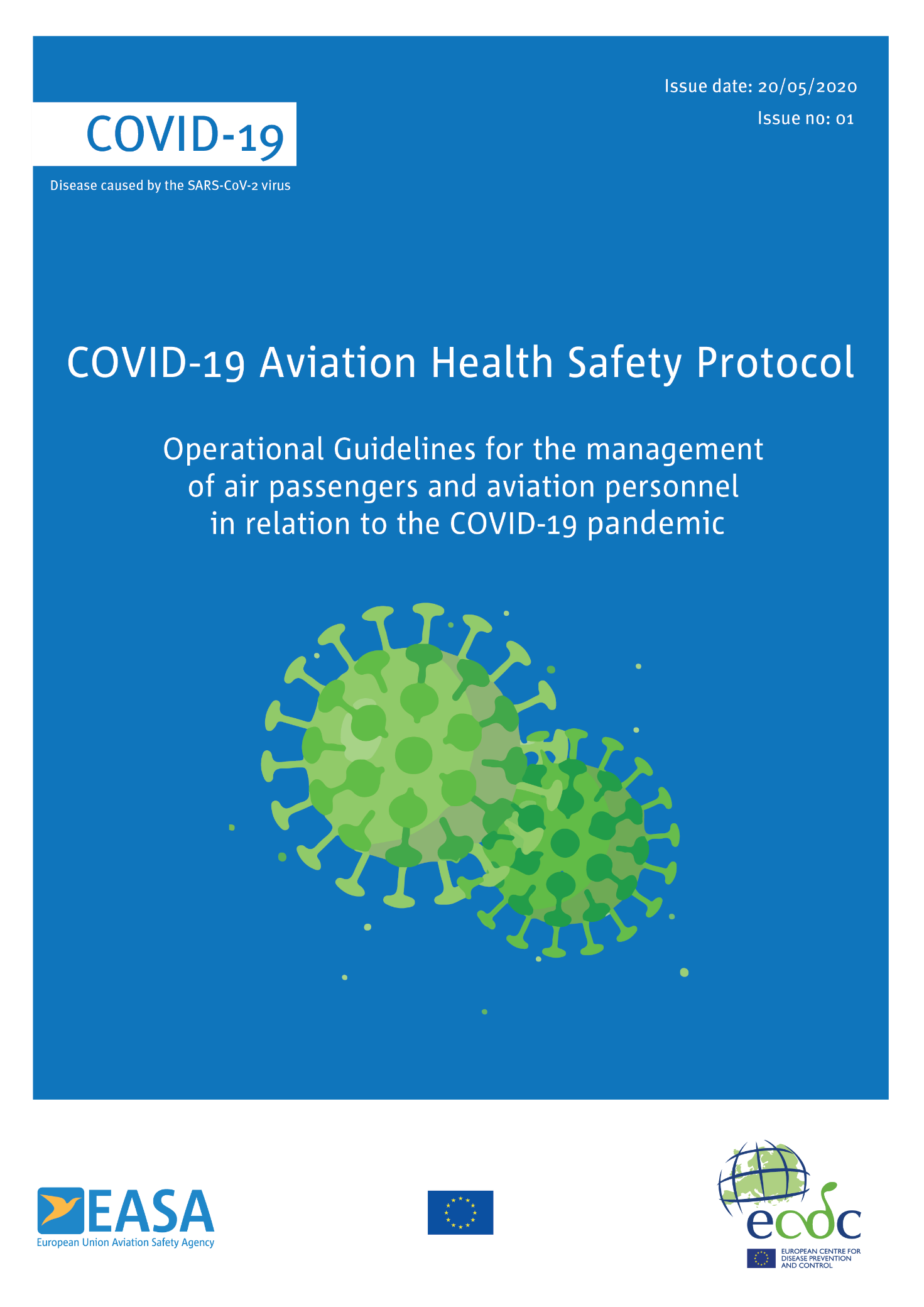
IATA acoge directrices EASA/ECDC

COVID-19 Aviation Health Safety Protocol | EASAAW | 2020 05 21 11:33 | AVIATION SAFETY / AVIATION ORGANISMS

IATA_Logo.svgLa IATA ha acogido protocolos seguridad de EASA/ECDC
La Asociación Internacional de Transporte Aéreo (IATA) ha acogido con beneplácito la publicación por parte de la Agencia Europea de Seguridad Aérea (EASA) y el Centro Europeo para la Prevención y Control de Enfermedades (ECDC) de las Directrices del Protocolo de Seguridad de la Salud de la Aviación COVID-19 para el reinicio seguro del aire transporte en Europa.

Las directrices de EASA y ECDC están alineadas con las recomendaciones proporcionadas tanto por el sector de la aerolínea como del aeropuerto para un enfoque en capas de medidas temporales para proteger la salud pública al tiempo que permite servicios aéreos viables para ayudar a impulsar la recuperación económica europea. Pero las directrices solo serán efectivas si todos los estados europeos ofrecen una implementación armonizada y se reconocen mutuamente los esfuerzos de los demás. No hacerlo dañaría la confianza del público en el sistema de aviación, con consecuencias negativas para la economía y el empleo.

Las medidas clave en las directrices de EASA incluyen:

1. Se debe mantener el distanciamiento físico en el aeropuerto. La infraestructura de la terminal, como la entrega y el reclamo de equipaje, y en seguridad, debe optimizarse para evitar las colas
2. Se recomienda el uso de máscaras en todo momento en el aeropuerto y a bordo, así como la provisión de equipo de protección personal (PPE) apropiado para el personal
3. Se recomiendan procedimientos de limpieza mejorados tanto en el aeropuerto como en la aeronave, especialmente para superficies que se tocan con frecuencia.
4. Cuando lo permitan la carga de pasajeros, la configuración de la cabina y los requisitos de masa y equilibrio, las aerolíneas deben garantizar, en la medida de lo posible, el distanciamiento físico entre los pasajeros. Los miembros de la familia y las personas que viajan juntas como parte del mismo hogar pueden sentarse uno al lado del otro.

“EASA y ECDC han brindado un marco razonable para reiniciar la aviación y proteger la salud pública. La guía es clara en que, si bien las aerolíneas deben tratar de mantener el distanciamiento físico donde sea posible, se permite flexibilidad en la disposición de los asientos. Y los requisitos de cuarentena no son necesarios. Pero es absolutamente esencial que todos los estados europeos apliquen estas directrices de manera armonizada y mutuamente reconocida. Las desviaciones y excepciones locales dañarán la confianza del público y dificultarán su funcionamiento efectivo. Esto sería perjudicial para la salud pública y la recuperación económica. IATA apoyará a los estados para implementar estas pautas de la manera más rápida y eficiente”, dijo Rafael Schvartzman, Vicepresidente Regional de IATA para Europa.

En una declaración que acompaña al Protocolo, EASA explicó que las medidas recomendadas se evaluarán y actualizarán periódicamente de acuerdo con los cambios en el conocimiento del riesgo de transmisión, así como con el desarrollo de otras medidas de diagnóstico o prevención. IATA está lista para apoyar a las autoridades en este proceso de refinamiento y optimización de las recomendaciones y directrices.

Estándares globales

Las directrices de la EASA y el ECDC harán una contribución importante a las discusiones que está llevando a cabo el Grupo de trabajo de recuperación de la aviación COVID-19 de la Organización Internacional de Aviación Civil (CART de la OACI), que tiene la tarea de desarrollar los estándares globales necesarios para el reinicio seguro de la aviación.

Para ayudar con el proceso CART, IATA ha estado trabajando continuamente con autoridades y socios de la industria para desarrollar posiciones comunes. Con el sector aeroportuario, un documento- con seguridad reinicio de Aviación: ACI y el Enfoque Común de la IATA se ha publicado. Además, los 31 CEO de la Junta de Gobernadores de la IATA acordaron una Declaración de los Cinco Principios para reiniciar la aviación.

1. La aviación siempre pondrá la seguridad primero
2. La aviación responderá con flexibilidad a medida que la crisis y la ciencia evolucionen
3. La aviación será un impulsor clave de la recuperación económica.
4. La aviación cumplirá sus objetivos ambientales
5. La aviación operará de acuerdo con estándares globales armonizados y mutuamente reconocidos por los gobiernos.

“La seguridad de nuestros pasajeros y tripulación es la principal preocupación. Ninguna medida por sí sola va a lograr eso. Es por eso que estamos adoptando un enfoque en capas que se guía por la ciencia y que está alineado con las recomendaciones de EASA. A medida que la situación médica y la ciencia evolucionen, trabajaremos en estrecha colaboración con los reguladores para garantizar que las medidas implementadas se adapten en consecuencia. Y nuestros cinco principios nos guiarán hacia un reinicio seguro y sostenible para los viajes aéreos y un impulso vital para la actividad económica”, dijo Schvartzman.

“En Europa, hemos estado encerrados durante muchas semanas. El sector turístico, que representa millones de empleos en toda Europa, depende particularmente del reinicio de la conectividad. El aislamiento forzado nos ha dejado anhelando volver a conectarnos con el mundo, para disfrutar una vez más de la libertad de explorar, compartir experiencias con nuestros seres queridos y escapar de las presiones de la vida cotidiana. Con estas pautas sensatas, todos podemos esperar la libertad que solo el vuelo puede proporcionar”, concluyó. AW-Icon Paragraph-01

EU avoids quarantine measures in flight resumption plan | Aviation ...IATA welcomes EASA/ECDC guidelines

IATA has embraced EASA/ECDC security protocols

The International Air Transport Association (IATA) has welcomed the publication by the European Aviation Safety Agency (EASA) and the European Center for Disease Prevention and Control (ECDC) of the Guidelines of the Safety Protocol of the COVID-19 Aviation Health for the safe restart of air transport in Europe.

The EASA and ECDC guidelines are aligned with the recommendations provided by both the airline and airport sectors for a layered approach of temporary measures to protect public health while enabling viable air services to help drive the European economic recovery. But the guidelines will only be effective if all European states offer a harmonized implementation and mutually acknowledge each other’s efforts. Failure to do so would harm public confidence in the aviation system, with negative consequences for the economy and employment.

Key measures in the EASA guidelines include:

1. The physical distance must be maintained at the airport. The infrastructure of the terminal, such as delivery and baggage claim, and security, must be optimized to avoid queues
2. The use of masks is recommended at all times in the airport and onboard, as well as the provision of appropriate personal protective equipment (PPE) for personnel.
3. Improved cleaning procedures are recommended at both the airport and on the aircraft, especially for frequently touched surfaces.
4. When permitted by passenger load, cabin configuration, and mass and balance requirements, airlines should ensure, to the extent possible, the physical distance between passengers. Family members and people traveling together as part of the same home can sit next to each other.

“EASA and ECDC have provided a reasonable framework to restart aviation and protect public health. The guide is clear that while airlines should try to maintain physical distance where possible, flexibility in seating arrangements is allowed. And quarantine requirements are not necessary. But it is absolutely essential that all European states apply these guidelines in a harmonized and mutually recognized way. Local deviations and exceptions will harm public confidence and hinder their effective operation. This would be detrimental to public health and economic recovery. IATA will support states to implement these guidelines in the fastest and most efficient way”, said Rafael Schvartzman, IATA Regional Vice President for Europe.

In a statement accompanying the Protocol, EASA explained that the recommended measures will be periodically evaluated and updated in accordance with changes in knowledge of the risk of transmission, as well as with the development of other diagnostic or preventive measures. IATA is ready to support the authorities in this process of refining and optimizing the recommendations and guidelines.

Global standards

The EASA and ECDC guidelines will make an important contribution to the discussions being conducted by the International Civil Aviation Organization (ICAO CART) Aviation Recovery Task Force COVID-19. to develop the global standards necessary for the safe restart of aviation.

To assist with the CART process, IATA has been continuously working with authorities and industry partners to develop common positions. With the airport sector, a document safely restarting Aviation: ACI and the IATA Common Approach – has been published. In addition, the 31 CEOs of the IATA Board of Governors agreed on a Declaration of the Five Principles to restart aviation.

1. Aviation will always put safety first
2. Aviation will respond flexibly as the crisis and science evolve
3. Aviation will be a key driver of economic recovery.
4. Aviation will meet its environmental objectives
5. Aviation will operate in accordance with harmonized global standards mutually recognized by governments.

«The safety of our passengers and crew is the main concern. No single measure is going to achieve that. That is why we are adopting a layered approach that is guided by science and aligned with EASA’s recommendations. As the medical and science situation evolves, we will work closely with regulators to ensure that the measures implemented are tailored accordingly. And our five principles will guide us toward a safe and sustainable restart for air travel and a vital boost to economic activity”, said Schvartzman.

“In Europe, we have been locked up for many weeks. The tourism sector, which represents millions of jobs across Europe, is particularly dependent on the restart of connectivity. Forced isolation has left us longing to reconnect with the world, to once again enjoy the freedom to explore, share experiences with loved ones, and escape the pressures of everyday life. With these sensible guidelines, we can all hope for the freedom that only flight can provide”, he concluded. AW-Icon Paragraph-02


Ξ A I R G W A Y S Ξ
SOURCE: Airgways.com
DBk: Easa.europa.eu / Iata.org / Airgways.com / Aviationpros.com / Aviationnews-online.com
AW-POST: 202005211133AR

A\W   A I R G W A Y S ®

Gobierno extiende ayuda South African

AW-WkWd_South_African_Airways_Airbus_A350-941_ZS-SDF_arriving_at_JFK_AirportAW | 2020 05 21 11:08 | AIRLINES / GOVERNMENT

south-african[1]Gobierno Sudáfrica reserva Ꞧ 10 bn para SAA a mediano plazo

El Gobierno de Sudáfrica ha reservado provisionalmente Ꞧ 3.8 mil millones (US$ 212 millones) para la aerolínea South African Airways y otros Ꞧ 164 millones para la subsidiaria regional SA Express para el año fiscal 2020.

SA Express_IsologotypeEl Subdirector General del Departamento de Empresas Públicas, Kgathatso Tlhakudi, dio la cifra durante una presentación el 20 Mayo 2020 ante el Comité de Cartera Parlamentaria sobre empresas públicas. Tlhakudi señaló que el presupuesto asignado por el Tesoro está bajo presión debido a gastos no planificados para hacer frente a la crisis del Coronavirus, y que se verá diferente en un par de semanas. Las cifras incluyeron Ꞧ 3.8 mil millones a South African Airways en 2020-21, parte de una suma de Ꞧ 9.9 mil millones reservada para el mediano plazo. La asignación de SAA incluye Ꞧ 4.3 mil millones para 2021-22 y Ꞧ 1.77 mil millones para 2022-23.

La aerolínea de bandera ha estado en proceso de rescate comercial desde Diciembre 2019, y el Ministro de Empresas públicas, Pravin Gordhan, espera crear una nueva aerolínea más sostenible de SAA. Tlhakudi también mencionó que Ꞧ 164 millones se habían reservado para el operador regional SA Express, que se enfrenta a una liquidación, principalmente para cubrir las obligaciones derivadas de la devolución anticipada de los aviones arrendados. AW-Icon Paragraph-01

South-African-AirwaysGovernment extends aid to South African

South African government reserves b 10 bn for SAA in the medium term

The Government of South Africa has provisionally reserved Ꞧ 3.8 billion (US$ 212 million) for South African Airways and another Ꞧ 164 million for regional subsidiary SA Express for the fiscal year 2020.

The Deputy Director-General of the Department of Public Companies, Kgathatso Tlhakudi, gave the figure during a presentation on May 20, 2020 before the Parliamentary Portfolio Committee on public companies. Tlhakudi noted that the budget allocated by the Treasury is under pressure due to unplanned spending to deal with the Coronavirus crisis and that it will look different in a couple of weeks. The figures included Ꞧ 3.8 billion for South African Airways in 2020-21, part of a sum of Ꞧ 9.9 billion reserved for the medium term. SAA’s allocation includes Ꞧ 4.3 billion for 2021-22 and Ꞧ 1.77 billion for 2022-23.

The flag carrier has been in the process of commercial rescue since December 2019, and the Minister of Public Companies, Pravin Gordhan, hopes to create a new, more sustainable SAA airline. Tlhakudi also mentioned that Ꞧ 164 million had been set aside for regional operator SA Express, which is facing liquidation, mainly to cover obligations arising from the early return of the leased aircraft. AW-Icon Paragraph-02

South Africa authorities halt flights of state-run SA Express over ...Die regering brei die steun uit na Suid-Afrikaans

Die Suid-Afrikaanse regering reserwe op die mediumtermyn 10 miljard vir die SAL

Die Regering van Suid-Afrika het voorlopig Ꞧ 3,8 miljard (US$ 212 miljoen) vir die Suid-Afrikaanse Lugdiens voorbehou en nog Ꞧ 164 miljoen vir die plaaslike filiaal SA Express vir die boekjaar 2020.

Die Adjunkdirekteur-Generaal van die Departement van Openbare ondernemings, Kgathatso Tlhakudi, het die figuur tydens ‘n voorlegging op 20 Mei 2020 voor die parlementêre portefeuljekomitee oor openbare ondernemings gegee. Tlhakudi het opgemerk dat die begroting wat deur die tesourie toegeken is, onder druk is weens onbeplande uitgawes om die Ccoronavirus-krisis te hanteer, en dat dit oor ‘n paar weke anders sal lyk. Die syfers bevat Ꞧ 3,8 miljard vir die Suid-Afrikaanse Lugdiens in 2020-21, wat deel uitmaak van ‘n bedrag van .9 9,9 miljard wat vir die mediumtermyn gereserveer is. Die SAL se toekenning sluit Ꞧ 4,3 miljard vir 2021-22 in en Ꞧ 1,77 miljard vir 2022-23.

Die vlagdraer is sedert Desember 2019 besig met kommersiële redding en die minister van openbare ondernemings, Pravin Gordhan, hoop om ‘n nuwe, meer volhoubare lugdiens van die SAL te stig. Tlhakudi het ook genoem dat Ꞧ 164 miljoen opsygesit is vir die plaaslike operateur SA Express, wat voor likwidasie te staan ​​kom, hoofsaaklik om verpligtinge uit die vroeë terugkeer van die gehuurde vliegtuig te dek. AW-Icon Paragraph-02


Ξ A I R G W A Y S Ξ
SOURCE: Airgways.com
DBk: Justice.gov.za / Flysaa.com / Flightglobal.com / Airgways.com / Reuters.com
AW-POST: 202005211108AR

A\W   A I R G W A Y S ®

Apertura vuelos aerolíneas surcoreanas

AW-Inquirer.net_7089AW | 2020 05 21 10:41 | AIRLINES MARKET / GOVERNMENT
Gobierno de Korea del Sur iniciará apertura de vuelos

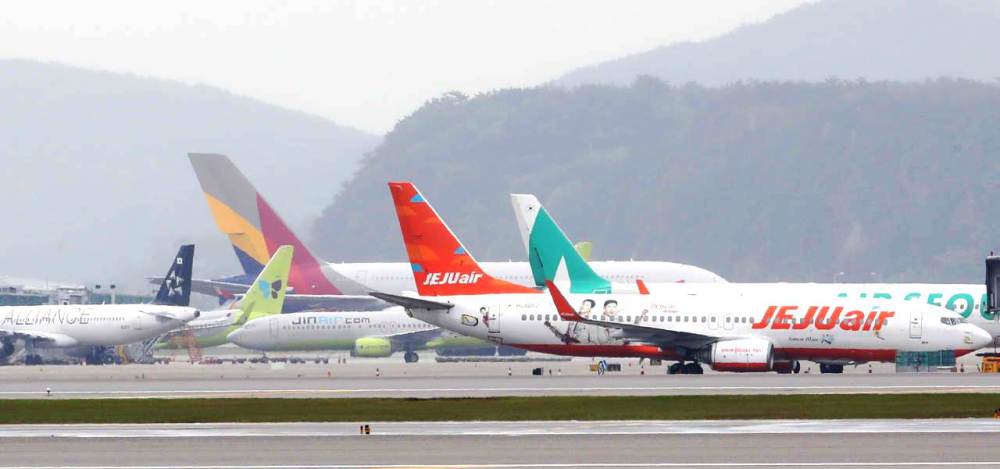
La aerolínea Asiana Airlines restaurará 13 rutas internacionales y agregará 57 vuelos más durante los días de semana en un esfuerzo por prepararse para aliviar las restricciones de entrada en un futuro próximo y aumentar su rentabilidad. De las 13 rutas restauradas, 12 irán a China. Además, el número de vuelos que van a ciudades del sudeste asiático como Hanói y Ho Chi Minh aumentará de las actuales tres veces a la semana a siete conexiones semanales, mientras que los vuelos a Phnom Penh y Manila aumentarán de tres veces a la semana a cuatro veces. semanal. «Aunque la demanda de vuelos internacionales es escasa en comparación con antes, hemos decidido reabrir algunas rutas para aquellas que necesitan ir en viajes de negocios y deberes oficiales del gobierno», dijo Asiana Airlines en un comunicado de prensa, y agregó que se pueden abrir más rutas basado en la demanda.

Los vuelos operados por Asiana Airlines que van a Seattle se reanudarán por primera vez en 77 días, con servicios tres veces por semana, a raíz de la creciente demanda de carga. Además, los vuelos que van a Frankfurt en Alemania aumentarán hasta cuatro veces por semana en comparación con los tres actuales.

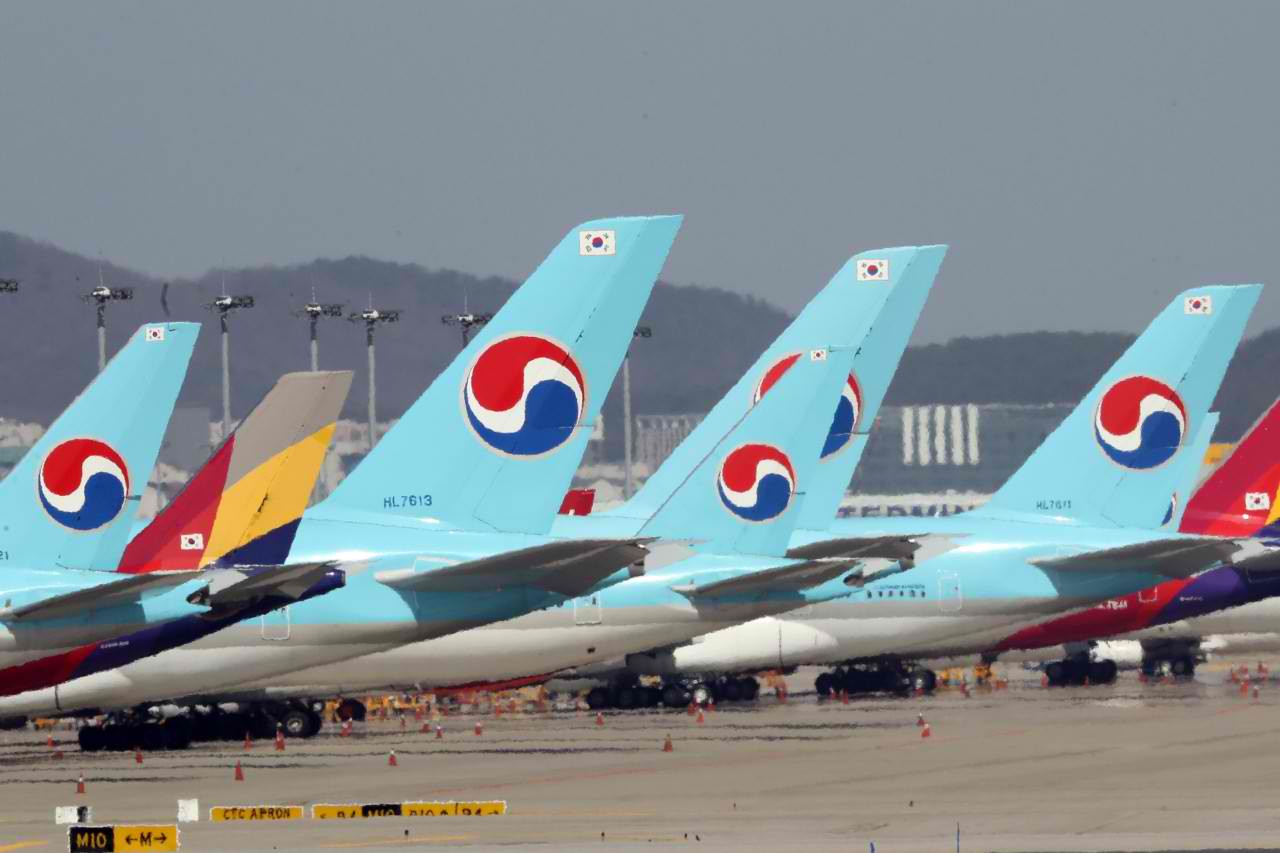
Desde Mayo 2020, Korean Air ha estado operando servicios de vuelo especiales para ciudadanos coreanos en Sydney y Vancouver a Incheon regularmente, al tiempo que agrega vuelos diarios entre Incheon y Nueva York. La aerolínea nacional dijo que a partir de junio reanudará los vuelos regulares a destinos en el sudeste asiático, incluidos Kuala Lumpur, Yangon, Hanói, Ho Chi Minh y Singapur.

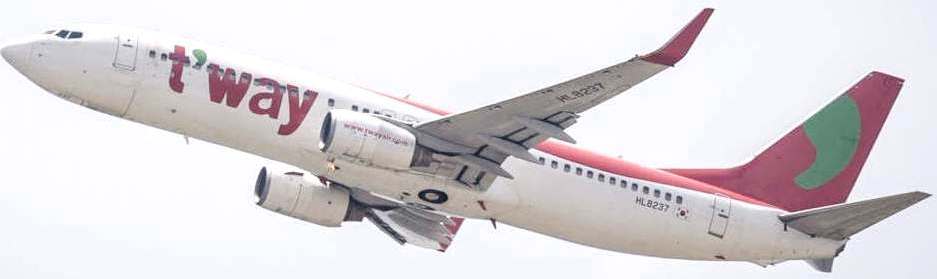
Compañías más pequeñas como Eastar Jet y Air Busan han suspendido todos los vuelos internacionales hasta finales de junio, mientras que Jin Air, Jeju Air, T’way Air y Air Seoul no han anunciado oficialmente una fecha para la reanudación del vuelo. AW-Icon Paragraph-01

Korean Air to submit self-rescue plan amid coronavirus pandemic ...Opening of South Korean airlines flights

South Korean government to start opening flights

Asiana Airlines will restore 13 international routes and add 57 more flights on weekdays in an effort to prepare to ease entry restrictions in the near future and increase profitability. Of the 13 restored routes, 12 will go to China. In addition, the number of flights going to Southeast Asian cities such as Hanoi and Ho Chi Minh City will increase from the current three times a week to seven weekly connections, while the flights to Phnom Penh and Manila will increase three times a week to four times. weekly. «Although demand for international flights is low compared to before, we have decided to reopen some routes for those who need to go on business trips and official government duties», Asiana Airlines said in a press release, adding that they can be opened. more routes based on demand.

Asiana Airlines-operated flights to Seattle will resume for the first time in 77 days, with services three times a week, in the wake of the growing demand for cargo. In addition, Aircraft - Korean Airflights to Frankfurt in Germany will increase up to four times a week compared to the current three.
Since May 2020, Korean Air has been operating special flight services for Korean citizens in Sydney and Vancouver to Incheon on a regular basis, while adding daily flights between Incheon and New York. The national airline said that from June it will resume regular flights to destinations in Southeast Asia, including Kuala Lumpur, Yangon, Hanoi, Ho Chi Minh and Singapore.

Smaller companies such as Eastar Jet and Air Busan have suspended all international flights until the end of June, while Jin Air, Jeju Air, T’way Air, and Air Seoul have not officially announced a date for the resumption of flight. AW-Icon Paragraph-02


AW-Gettyimages_T'way_001한국 항공 항공편 개설

AW-Asiana_Airlines_001한국 정부, 비행 개시

아시아나 항공은 가까운 장래에 입국 제한을 완화하고 수익성을 높이기 위해 주중에 13 개의 국제 노선을 복원하고 57 편의 항공편을 추가 할 예정입니다. 복원 된 13 개 노선 중 12 개가 중국으로 이동합니다. 또한 하노이와 호치민 시티와 같은 동남아시아 도시로가는 항공편의 수는 현재 주 3 회에서 주 7 회 연결로 증가하는 반면 프놈펜 및 마닐라로의 항공편은 주 3 회 증가 할 것입니다. 네번. 주간. 아시아나 항공은 «국제선에 대한 수요는 이전에 비해 낮지 만 출장이나 공식적인 정부 업무를 수행해야하는 사람들을 위해 일부 노선을 재개하기로 결정했다»고 보도 자료에서 보도했다. 수요에 따라 더 많은 경로.

아시아나 항공이 운항하는 시애틀 행 항공편은화물 수요 증가로 인해 일주일에 세 번 서비스를 통해 77 일 만에 처음 재개됩니다. 또한 독일 프랑크푸르트 행 항공편은 현재 3 대에 비해 일주일에 최대 4 번까지 증가 할 것입니다.

대한 항공은아요 이후 인천과 뉴욕 간 매일 운항편을 추가하면서 시드니와 밴쿠버에있는 한국인들을 위해 인천으로가는 특별 비행 서비스를 정기적으로 운영하고 있습니다. 국내 항공사는 6 월부터 쿠알라 룸푸르, 양곤, 하노이, 호치민, 싱가포르 등 동남아시아 지역으로 정기 항공편을 재개 할 것이라고 밝혔다.

Eastar JetAir Busan과 같은 소규모 회사는 6 월 말까지 모든 국제선 항공편을 중단했으며 Jin Air, Jeju Air, T’way AirAir Seoul은 공식적으로 항공편 재개 날짜를 발표하지 않았습니다. AW-Icon Paragraph-02


Ξ A I R G W A Y S Ξ
SOURCE: Airgways.com
DBk: Molit.go.kr / Airgways.com / Gettyimages.com
AW-POST: 202005211041AR

A\W   A I R G W A Y S ®

Codeshare American-Qatar

AW-AA-QA_001AW | 2020 05 21 10:05 | AIRLINES ALLIANCE

1200px-Qatar_Airways_logo.svgAmerican Airlines y Qatar Airways inician código compartido

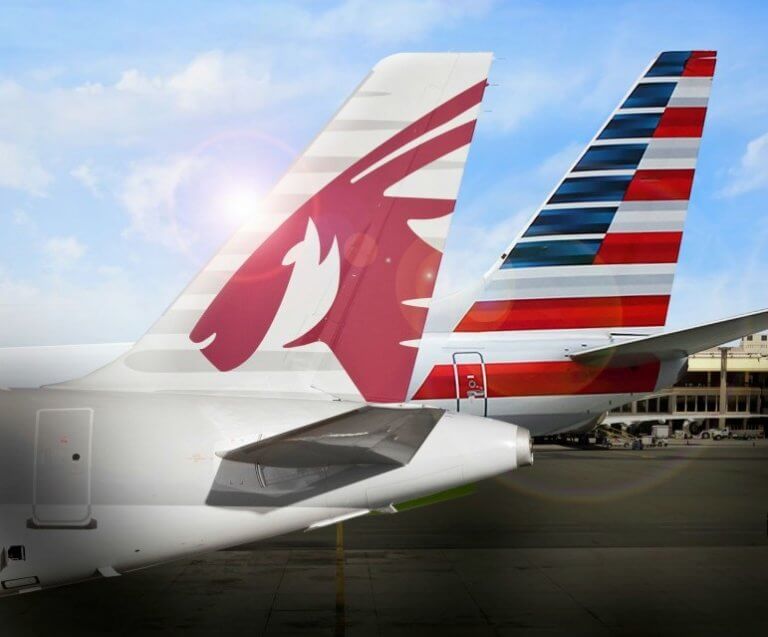
Las aerolíneas Qatar Airways y American Airlines han lanzado una asociación de código compartido. A principios de 2020, se había anunciado un nuevo acuerdo entre las compañías aéreas donde el CEO de American Airlines, Doug Parker, Printdeclaró que «los problemas que llevaron a la suspensión de nuestra asociación hace dos años se han abordado». Las aerolíneas compartieron por última vez en 2018, cuando se finalizó un acuerdo luego de una disputa sobre subsidios estatales.

La primera fase de la asociación estratégica peermitirá tener entre las aerolíneas con código compartido más de 1.000 rutas nacionales e internacionales. El nuevo acuerdo American-Qatar incorpora su código a las conexiones nacionales de American Airlines a través de Chicago y Dallas a 200 ciudades, incluidas Miami, Houston, Atlanta, Detroit, Minneapolis/St Paul, Seattle y San Francisco, así como a destinos adicionales en América Central y el Caribe.

La nueva asociación permitirá beneficiar a American en la Región de Oriente Medio. El acuerdo también se ampliará para permitir que el código de Qatar Airways se coloque en los servicios internacionales de American Airlines a Norte, Centro y Sudamérica y Europa, con el código compartido de American Airlines en los vuelos de Qatar Airways entre los Estados Unidos y Qatar, y más allá a los destinos en Medio Oriente, África y Asia. El Director Comercial de Qatar Airways, Simon Talling-Smith, ha expresado que el código compartido «es solo el primer paso para renovar nuestra asociación estratégica a largo plazo con American Airlines».

El Vicepresidente Senior de Estrategia de Red de American Airlines, Vasu Raja dijo: “Nos complace haber alcanzado este importante hito con Qatar Airways. Esperamos dar la bienvenida a los pasajeros de Qatar Airways a través de nuestra red nacional a medida que continuamos centrándonos en el bienestar de nuestros clientes, miembros del equipo y las comunidades a las que servimos durante este tiempo incierto. Este es solo el comienzo de una asociación sólida y tenemos un futuro muy brillante por delante”.

Qatar Airways dijo que «ambas aerolíneas también continuarán explorando la oportunidad para que American Airlines opere vuelos entre los Estados Unidos y Qatar, junto con una serie de iniciativas comerciales y operativas conjuntas para fortalecer aún más esta sociedad renovada». AW-Icon Paragraph-01

American Airlines, Qatar Airways end major spat; renew codeshare dealCodeshare American-Qatar

American Airlines and Qatar Airways initiate codeshare

Qatar Airways and American Airlines have launched a codeshare partnership. In early 2020, a new agreement had been announced between airlines where American Airlines AW-AA_7005CEO Doug Parker stated that «the problems that led to the suspension of our association two years ago have been addressed». The airlines last shared in 2018, when an agreement was finalized after a state subsidy dispute.

The first phase of the strategic partnership will allow more than 1,000 national and international routes to be shared with airlines with shared codes. The new American-Qatar agreement incorporates its code into American Airlines’ domestic connections through Chicago and Dallas to 200 cities, including Miami, Houston, Atlanta, Detroit, Minneapolis/St Paul, Seattle, and San Francisco, as well as additional destinations. in Central America and the Caribbean.

The new partnership will allow American to benefit in the Middle East Region. The agreement will also be expanded to allow the Qatar Airways code to be placed on American Airlines’ international services to North, Central, and South America and Europe, with the American Airlines, code-share on Qatar Airways flights between the United States and Qatar, and further to destinations in the Middle East, Africa, and Asia. Qatar Airways Chief Commercial Officer Simon Talling-Smith has said the codeshare «is just the first step in renewing our long-term strategic partnership with American Airlines».

American Airlines Senior Vice President of Network Strategy Vasu Raja said: “We are pleased to have reached this important milestone with Qatar Airways. We look forward to welcoming Qatar Airways passengers through our national network as we continue to focus on the well-being of our customers, team members, and the communities we serve during this uncertain time. This is just the beginning of a strong partnership and we have a very bright future ahead of us”.

Qatar Airways said «Both airlines will also continue to explore the opportunity for American Airlines to operate flights between the United States and Qatar, along with a series of joint commercial and operational initiatives to further strengthen this renewed partnership». AW-Icon Paragraph-02

american_plane_windowحصة الرمز الأمريكية-القطرية

شركة الخطوط الجوية الأمريكية والخطوط الجوية القطرية تبدآن في مشاركة الرمز

أطلقت الخطوط الجوية القطرية والخطوط الجوية الأمريكية شراكة تبادل الرموز. في أوائل عام 2020 ، تم الإعلان عن اتفاقية جديدة بين شركات الطيران حيث ذكر الرئيس التنفيذي لشركة أمريكان إيرلاينز دوغ باركر أن «المشاكل التي أدت إلى تعليق جمعيتنا قبل عامين تمت معالجتها».  شاركت الخطوط الجوية آخر مرة في عام 2018 ، عندما تم الانتهاء من الصفقة بعد نزاع على دعم الدولة.

ستسمح المرحلة الأولى من الشراكة الإستراتيجية بوجود أكثر من 1000 مسار وطني ودولي بين شركات الخطوط المشتركة للرمز. تتضمن اتفاقية أميريكام-قطر الجديدة رمزها في الروابط المحلية لشركة الخطوط الجوية الأمريكية من خلال شيكاغو ودالاس إلى 200 مدينة ، بما في ذلك ميامي وهيوستن وأتلانتا وديترويت ومينيابوليس / سانت بول وسياتل وسان فرانسيسكو ، بالإضافة إلى وجهات إضافية. في أمريكا الوسطى ومنطقة البحر الكاريبي.

ستسمح الشراكة الجديدة لأمريكا بالاستفادة في منطقة الشرق الأوسط. كما سيتم توسيع الاتفاقية للسماح بوضع رمز الخطوط الجوية القطرية على الخدمات الدولية للخطوط الجوية الأمريكية إلى أمريكا الشمالية والوسطى والجنوبية وأوروبا ، مع حصة الرمز الخاصة بالخطوط الجوية الأمريكية على رحلات الخطوط الجوية القطرية بين الولايات المتحدة وقطر. ، وكذلك إلى وجهات في الشرق الأوسط وأفريقيا وآسيا. وقال سيمون تالينغ سميث ، الرئيس التجاري للخطوط الجوية القطرية ، إن حصة الرمز «ليست سوى الخطوة الأولى في تجديد شراكتنا الاستراتيجية الطويلة الأمد مع الخطوط الجوية الأمريكية».

من جانبه ، قال نائب الرئيس الأول لإستراتيجية الشبكات بشركة الخطوط الجوية الأمريكية فاسو رجا : “يسعدنا أن نصل إلى هذا الإنجاز الهام مع الخطوط الجوية القطرية. نتطلع إلى الترحيب بركاب الخطوط الجوية القطرية من خلال شبكتنا الوطنية حيث نواصل التركيز على رفاهية عملائنا وأعضاء الفريق والمجتمعات التي نخدمها خلال هذه الفترة غير المستقرة. هذه مجرد بداية لشراكة قوية ولدينا مستقبل مشرق للغاية أمامنا «.

وقالت الخطوط الجوية القطرية «ستواصل كلتا الشركتين استكشاف فرصة قيام الخطوط الجوية الأمريكية بتشغيل رحلات بين الولايات المتحدة وقطر ، إلى جانب سلسلة من المبادرات التجارية والتشغيلية المشتركة لتعزيز هذه الشراكة المتجددة». AW-Icon Paragraph-02


Ξ A I R G W A Y S Ξ
SOURCE: Airgways.com
DBk: Airgways.com / Aa.com / Qatarairways.com
AW-POST: 202005211005AR

A\W   A I R G W A Y S ®

FAA cambios certificaciones aeronaves

AW-FAA_Gov_US-737 MAXAW | 2020 05 20 22:08 | AVIATION SAFETY / INDUSTRY
FAA-logoLa respuesta de la FAA al informe de accidente del Boeing 737 MAX conserva el gran papel de Boeing en la certificación de sus propios avionesAW-Icon_Boeing 737 MAX

La Administración Federal de Aviación (FAA) dijo el Martes 19 Mayo 2020 que planea cambios en la forma en que se certifican los nuevos modelos de aviones, pero preservará el papel central de The Boeing Company en ese proceso, a pesar de las críticas de que los errores de Boeing al certificar los Boeing 737 MAX permitieron fallas de diseño que mataron a 346 personas en dos accidentes aéreos.

En un informe publicado el Martes 19/05, la FAA respondió a las recomendaciones formuladas en Enero 2020 por un comité asesor establecido por la Secretaria de Transporte de Estados Unidos, Elaine Chao, que supervisa la FAA. En un comunicado, la FAA dijo que esas recomendaciones confirmaron que sus protocolos de seguridad existentes son sólidos, aunque hay áreas en las que se existen oportunidades para mejorar. Basándose en las lecciones extraídas de los accidentes de los Boeing 737-8 MAX, la agencia dará más escrutinio a los posibles errores de piloto asociados con la mayor automatización de los controles de vuelo de los aviones. Tratará de garantizar una revisión más completa de cómo los múltiples sistemas en un jet pueden interactuar para proporcionar una revisión más amplia de los riesgos de seguridad.

El informe de Enero 2020, que a diferencia de otras investigaciones sobre los accidentes de los Boeing 737 MAX reivindicaron explícitamente los procedimientos actuales de la FAA, fue recibido con escepticismo en ese momento, y la respuesta de la FAA el martes también fue recibida con precaución. La Senadora Maria Cantwell, D-Wash., miembro de alto rango del comité de transporte del Senado, dijo que la respuesta de la FAA se queda corta al corregir las deficiencias del sistema actual. Ese sistema delega en Boeing la mayor parte del trabajo de certificar sus propios aviones y, dijo Cantwell, no logra responsabilizar completamente al fabricante de la aeronave. Ella dijo que el Congreso tendrá que «abordar las deficiencias y problemas que existen en la autoridad de supervisión actual de la FAA».

El representante Peter DeFazio, Demócrata de Oregón, Presidente del Comité de Transporte de la Cámara de Representantes, dijo que estudiará el informe de la FAA, pero agregó que «ya sabemos que el proceso de certificación de la FAA necesita una revisión importante». Prometió introducir una legislación «para asegurarse de que las fallas en el sistema que llevaron a la muerte de 346 personas nunca vuelvan a ocurrir». En Enero 2020, tanto DeFazio como Cantwell, así como los miembros de la familia de quienes murieron en los accidentes, criticaron las recomendaciones del comité asesor y dijeron que defendía el sistema actual de certificación de aeronaves de la FAA mientras minimizaba las deficiencias que fallaron en los defectos del MAX. sistema de control de vuelo que condujo a los dos accidentes. Ese informe recomendó que la FAA continúe delegando en Boeing la mayor parte del trabajo detallado del proceso de certificación, y describió este sistema como riguroso y robusto al tiempo que permite que «la industria y la innovación de los Estados Unidos prosperen».

En la respuesta del Martes 19/05, la FAA acogió con beneplácito este «respaldo de la delegación como un método eficaz y eficiente para mejorar la seguridad». Sin embargo, el informe del grupo asesor también detallaba partes del proceso que deben ajustarse, incluidas las preocupaciones destacadas en varias historias del Seattle Times el año pasado. Por ejemplo, los ingenieros de Boeing que trabajaban para certificar el 737 MAX en nombre de la FAA enfrentaron una presión indebida por parte de sus gerentes para limitar el análisis y las pruebas de seguridad para que la compañía pudiera cumplir con su cronograma y reducir los costos. Según un empleado con conocimiento de la política interna, Boeing requirió que un ingeniero preocupado por la «presión indebida» de un gerente presentara primero una queja ante alguien de la cadena de mando dentro de la misma organización, que, en función del mismo costo o consideraciones de programación que estaban en la mente del gerente, podrían estar igualmente motivados para ignorar la queja.

En el lado del proceso de la FAA, los ingenieros de la agencia federal de aviación estadounidense que trabajan en la certificación del 737 MAX fueron presionados constantemente por sus gerentes para delegar más y más trabajo en Boeing. Se desanimó activamente a los dos grupos de ingenieros de seguridad de Boeing y de la FAA para que no hablaran directamente entre sí para analizar detalles técnicos, dejando esas comunicaciones a sus respectivos gerentes. En respuesta, la FAA dijo el Martes 19/05 que trabajará para educar a los gerentes de Boeing sobre la necesidad de evitar ejercer una presión indebida sobre los ingenieros que supervisan el trabajo de certificación. Las recomendaciones se refieren solo en general a cualquier fabricante de aviones que solicite la certificación de cualquier avión nuevo. Sin embargo, el informe discute explícitamente los accidentes MAX, por lo que está muy claro que Boeing y sus procesos de certificación son el tema principal del informe. La FAA dijo que también aclarará qué tipo de detalles técnicos se requieren que los ingenieros de Boeing comuniquen directamente a sus homólogos en la FAA.

AW-70000033El nuevo informe de la FAA también aborda otro problema derivado del accidente del 737 MAX en Indonesia en 2018, y el que ocurrió menos de cinco meses después en Etiopía. En ambos vuelos, los pilotos se vieron abrumados por las alertas de la tripulación de todos los sistemas automatizados y fueron superados por un nuevo sistema de control de vuelo en el avión, el Sistema de Aumento de Características de Maniobra (MCAS), que empujó repetidamente la nariz de cada avión después de ser activado por Un solo sensor defectuoso. La FAA dijo que examinará las suposiciones hechas sobre las respuestas de los pilotos en emergencias y «explorará formas de mejorar las evaluaciones de seguridad y las evaluaciones de la interacción hombre-máquina». La FAA dijo que considerará las capacidades de las tripulaciones de vuelo fuera de los Estados Unidos cuando analice el diseño de la cabina y el entrenamiento de los pilotos. También dijo que presentará una evaluación más integral de cómo los sistemas automatizados múltiples pueden interactuar para confundir a la tripulación. «Esto incluye la validación de los supuestos realizados en las evaluaciones de seguridad del sistema y la revisión del reconocimiento de la tripulación de vuelo en escenarios de fallas simples y múltiples», afirma la FAA en su informe.
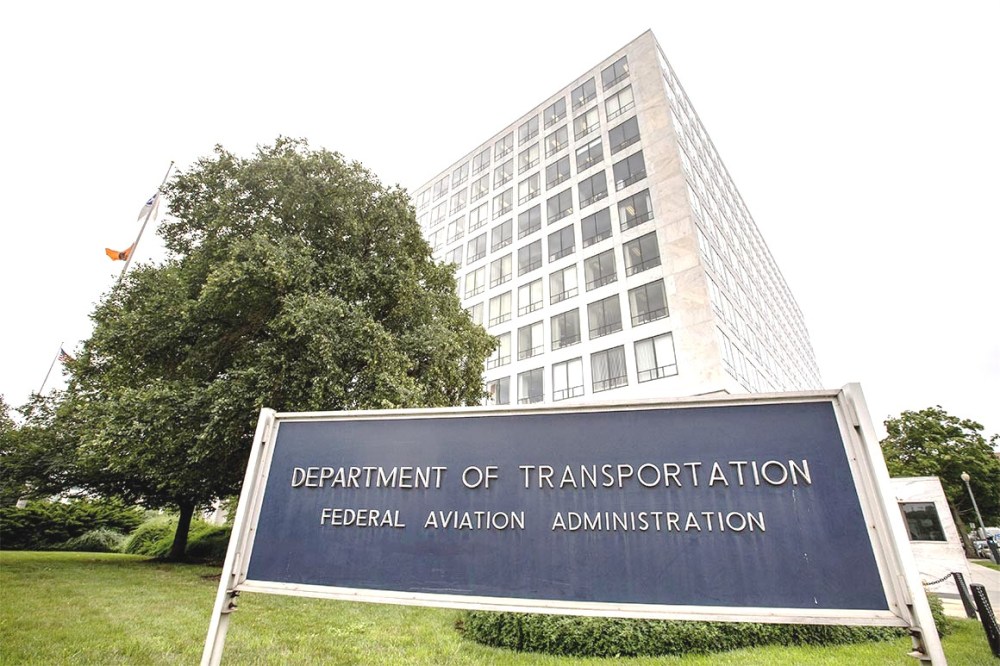
Otra crítica al sistema de certificación después de los choques de MAX fue que la FAA permitió que el avión fuera aprobado como un derivado del 737 original, certificado 50 años antes, en lugar de certificar el avión como un modelo completamente nuevo. Eso significaba que solo los cambios del modelo 737 inmediatamente anterior tenían que ser examinados durante la certificación, en lugar de garantizar que cada estructura y sistema en el avión cumpliera con los últimos estándares de seguridad de aeronavegabilidad. El comité asesor de Chao concluyó que si el Boeing 737 MAX hubiera sido certificado como un modelo completamente nuevo del avión, «no habría producido un escrutinio más riguroso y no habría producido un avión más seguro».

La FAA acogió con satisfacción ese hallazgo y señaló que «la aplicación de nuevas normas de aeronavegabilidad, en algunas circunstancias, puede aumentar los costos. El sistema actual para certificar un avión derivado como el MAX, equilibra estos resultados económicos y de seguridad», indica el informe de la FAA. Sin embargo, la FAA dijo que volverá a convocar a un equipo internacional con el objetivo de cerrar cualquier brecha relacionada con la forma en que los cambios acumulativos en múltiples interacciones del diseño de un avión podrían crear un riesgo inadvertido. Este equipo propondrá cambios para evaluar «cómo los cambios de diseño en un sistema pueden afectar a otros sistemas sin cambios», dijo la FAA.

En un comunicado, Boeing dijo que «estamos revisando estas acciones de cerca y seguimos comprometidos a trabajar con las partes interesadas del gobierno y la industria para mejorar la seguridad y el proceso de certificación».

Un ex alto funcionario de la FAA, que pidió no ser identificado para proteger su papel actual como consultor en asuntos de seguridad de la aviación, dijo que la respuesta general de la FAA parece «más de lo mismo», una determinación para mantener su progreso de décadas. cada vez menos supervisión práctica y delegar más de ese trabajo a Boeing. Señaló la visión futura de la FAA, descrita en 2017, de expandir aún más el sistema de delegación actual, una «transformación» de la agencia que vería que establezca las normas de seguridad pero luego lo deje casi en su totalidad al fabricante para descubrir que su avión está en conformidad. En el nuevo informe, el ex funcionario dijo: «No veo nada que sugiera que la FAA revertirá su determinación de continuar desconectándose de la certificación». AW-Icon Paragraph-01

AW-FAA_USFAA aircraft certification changes

Boeing_IsologotypeThe FAA’s response to the Boeing 737 MAX crash report retains Boeing’s great role in certifying its own aircraft.

The Federal Aviation Administration (FAA) said Tuesday, May 19, 2020, that it plans changes to the way new aircraft models are certified but will preserve The Boeing Company central role in that process, despite criticism that the mistakes Boeing’s certification of the Boeing 737 MAX allowed for design flaws that killed 346 people in two plane crashes.

In a report released Tuesday 05/19, the FAA responded to recommendations made in January 2020 by an advisory committee established by the United States Secretary of Transportation, Elaine Chao, which oversees the FAA. In a statement, the FAA said those recommendations confirmed that its existing security protocols are robust, although there are areas where there are opportunities for improvement. Based on lessons learned from Boeing 737-8 MAX crashes, the agency will give more scrutiny to possible Adrien Daste / Safranpilot errors associated with greater automation of aircraft flight controls. It will seek to ensure a more comprehensive review of how the multiple systems in a jet can interact to provide a more comprehensive review of security risks.

The January 2020 report, which unlike other investigations into Boeing 737 MAX crashes explicitly called for current FAA procedures, was greeted with skepticism at the time, and the FAA response on Tuesday was also received with caution. Senator Maria Cantwell, D-Wash., A senior member of the Senate transportation committee, said the FAA’s response falls short of correcting deficiencies in the current system. That system delegates most of the work to certifying its own aircraft to Boeing, and Cantwell said, fails to hold the aircraft manufacturer fully responsible. She said Congress will have to «address deficiencies and problems that exist in the FAA’s current oversight authority».

Rep. Peter DeFazio, Oregon Democrat, Chairman of the House Transportation Committee, said he will study the FAA report, but added that «we already know that the FAA certification process needs a major overhaul». He promised to introduce legislation «to ensure that the flaws in the system that led to the deaths of 346 people never happen again». In January 2020, both DeFazio and Cantwell, as well as family members of those who died in the accidents, criticized the advisory committee’s recommendations and said it defended the current FAA aircraft certification system while minimizing deficiencies that failed in the defects of the MAX the flight control system that led to the two accidents. That report recommended that the FAA continue to delegate most of the detailed work of the certification process to Boeing, and described this system as rigorous and robust while allowing «America’s industry and innovation to thrive».

In the response of Tuesday 19/05, the FAA welcomed this «endorsement of the delegation as an effective and efficient method to improve security». However, the advisory group’s report also detailed parts of the process that need to be adjusted, including concerns highlighted in several Seattle Times stories last year. For example, Boeing engineers working to certify the 737 MAX on behalf of the FAA faced undue pressure from their managers to limit safety testing and analysis so the company could meet its schedule and cut costs. According to an employee with knowledge of internal policy, Boeing required that an engineer concerned about «undue pressure» from a manager first file a complaint with someone in the chain of command within the same organization, who, based on the same cost or Scheduling considerations that were on the manager’s mind could equally be motivated to ignore the complaint.

On the FAA process side, engineers from the US federal aviation agency working on 737 MAX certification were constantly pressured by their managers to delegate more and more work to Boeing. The two groups of Boeing and FAA safety engineers were actively discouraged from speaking directly to each other to discuss technical details, leaving those communications to their respective managers. In response, the FAA said Tuesday 5/19 that it will work to educate Boeing managers about the need to avoid putting undue pressure on the engineers who oversee the certification work. The recommendations apply generally only to any aircraft manufacturer applying for certification of any new aircraft. However, the report explicitly discusses MAX accidents, making it very clear that Boeing and its certification processes are the focus of the report. The FAA said it will also clarify what kinds of technical details Boeing engineers are required to communicate directly to their FAA counterparts.

AW-700337800The new FAA report also addresses another problem stemming from the 737 MAX accident in Indonesia in 2018, and the one that occurred less than five months later in Ethiopia. On both flights, pilots were overwhelmed by crew alerts from all automated systems and were outmatched by a new flight-control system on the plane, the Maneuvering Enhancement Characteristics System (MCAS), which repeatedly pushed the nose of each aircraft after being activated by a single faulty sensor. The FAA said it will examine assumptions made about pilots’ responses in emergencies and «explore ways to improve safety evaluations and evaluations of human-machine interaction». The FAA said it will consider the capabilities of flight crews outside of the United States when analyzing cabin design and pilot training. He also said he will present a more comprehensive assessment of how multiple automated systems can interact to confuse the crew. «This includes validating the assumptions made in system safety assessments and reviewing flight crew recognition in single and multiple failure scenarios», the FAA states in its report.
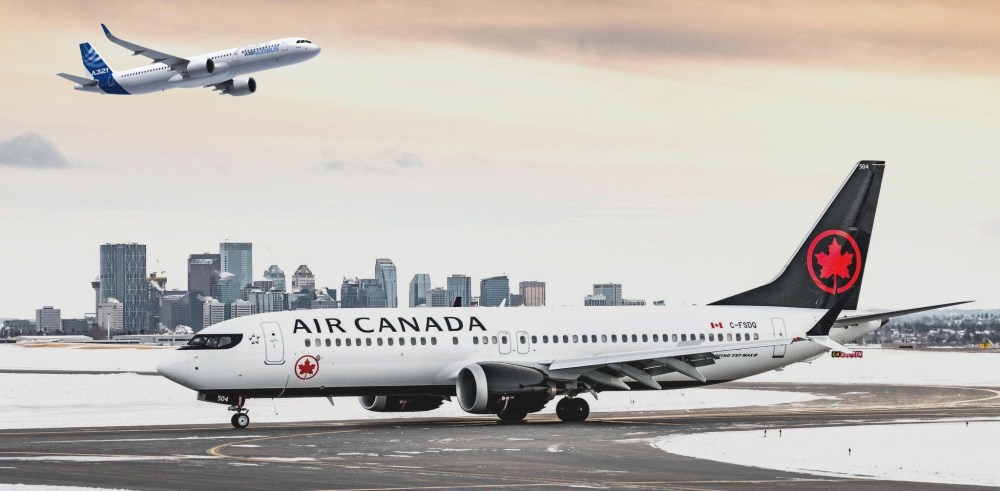
Another criticism of MAX’s crash crash certification system was that the FAA allowed the plane to be approved as a derivative of the original 737, certified 50 years earlier, rather than certifying the plane as a completely new model. That meant that only the immediately previous model 737 changes had to be examined during certification, rather than ensuring that every structure and system on the plane met the latest airworthiness safety standards. Chao’s advisory committee concluded that if the Boeing 737 MAX had been certified as a completely new model of the aircraft, it «would not have produced more rigorous scrutiny and would not have produced a safer aircraft».

The FAA welcomed that finding, noting that «applying new airworthiness standards, in some circumstances, can increase costs. The current system for certifying a derivative aircraft such as the MAX balances these economic and safety results», it says. the FAA report. However, the FAA said it will reconvene an international team with the goal of closing any gaps related to how cumulative changes in multiple aircraft design interactions could create inadvertent risk. This team will propose changes to assess «how design changes in one system can affect other systems without change», the FAA said.

In a statement, Boeing said, «We are closely reviewing these actions and remain committed to working with government and industry stakeholders to improve the safety and certification process».

A former top FAA official, who asked not to be identified to protect his current role as a consultant on aviation security matters, said the FAA’s overall response seems «more of the same», a determination to maintain his progress. of decades. less and less hands-on supervision and delegating more of that work to Boeing. He pointed to the FAA’s future vision, outlined in 2017, of further expanding the current delegation system, a «transformation» of the agency that would see it establish safety standards but then leave it almost entirely to the manufacturer to discover that your plane is in compliance. In the new report, the former official said: «I see nothing to suggest that the FAA will reverse its determination to continue to disconnect from certification». AW-Icon Paragraph-02


Ξ A I R G W A Y S Ξ
SOURCE: Airgways.com
DBk: Faa.gov / Seattletimes.com / Airgways.com / Boeing.com
AW-POST: 202005202208AR

A\W   A I R G W A Y S ®

Air Canada observa al A321NEO LR

AW-AC EdwardAW | 2020 05 20 21:39 | AIRLINES / INDUSTRY

66ba6f71a47eb5d085fb60ee2b6bdd63Air Canada estudia A321NEO LR después de cancelar lote Boeing 737 MAXAW-70099433
La compañía Air Canada está estudiando al Airbus A321NEO LR como un candidato para reemplazar el avión Boeing 737-9 MAX cancelado. La aerolínea canadiense ha cancelado 11 Boeing 737 MAX en Marzo 2020, por lo que podría tener flexibilidad para pedir otros aviones para cubrir el segmento vacío según el Director Financiero de la compañía Michael Rousseau. La firma Air Canada ha reducido de 61 a 50 las órdenes de aeronaves 737 MAX, inclinando las miradas hacia el competidor directo el A321NEO LR con mayores prestaciones operativas para rutas más largas, alcanzando el mercado transatlántico costa a costa entre América y Europa. «Nos dio alguna opción en potencialmente otros aviones que podríamos querer ver a mediados de la década», dijo Rousseau en la Conferencia de Transporte Global de Wolfe.

Rousseau no especificó los candidatos para reemplazar el MAX 9, pero se mostró optimista cuando se le preguntó sobre el A321NEO (New Engine Option). «El LR (Long Range) sería más interesante para nosotros que el NEO. El A321NEO LR ha superado cada vez más al 737-9 MAX en carga útil y alcance. Veremos cómo evoluciona el mercado. Son aviones buenos y rentables para nosotros. Nos gustan los A321», sostiene Michael Rousseau. El A321 LR es la versión más moderna en construcción que se considera dentro de la misma familia de los A321NEO, pero con la diferencia que posee prestaciones de autonomía más extensa de la versión básica. Actualmente Air Canada opera una flota de 15 A321CEO, la primera versión de este modelo.

Pulseando los cielos canadiense

La selección de Air Canada del 737 MAX en 2013 sobre la familia A320NEO fue una gran victoria para Boeing dado que Air Canada nunca operó el 737 Next Generation y no tiene un avión de la familia A320NEO en orden. Michael Rousseau es positivo sobre el Boeing 737-8 MAX que ha recibido 24 unidades. «Todavía nos gusta el avión. Es muy bueno para Air Canada. El 737 MAX puede ayudar a reconstruir el tráfico después de COVID-19. Creemos que los mercados de América del Norte vuelven primero. Aviones como la familia A320NEO y el 737 MAX son los dos aviones más eficientes para soportar ese mercado», expresa el Director Financiero de Air Canada.

Air Canada espera que la puesta a tierra del Boeing 737 MAX se levante más adelante este año, mejorando las opciones de financiamiento. «Una vez que no esté conectado a tierra, creemos que el mercado financiará el MAX. También EXIM Bank está de vuelta en el negocio», sostiene Michael Rousseau. Air Canada financiará futuras entregas de los Boeing 737 MAX a través de EXIM Bank y del Enhanced Equipment Trust Certificates (EETC). Un equipo mejorado de certificados de confianza es una forma de ETC que se emite y gestiona a través de vehículos especiales conocidos como paso a través de fideicomisos. Estos vehículos de propósito especial (SPE) permiten a los prestatarios agregar múltiples compras de equipos en una sola garantía de deuda.

«Ya hemos llegado a un acuerdo con Boeing. No habrá más ajustes de lo que ya habíamos negociado. La reducción del órdenes del Boeing 737 MAX no se debió al inicio del brote de Coronavirus, fue una decisión de flota puramente independiente que tomamos para darnos un poco más de flexibilidad de flota», concluye el Director Financiero de Air Canada, Michael Rousseau. AW-Icon Paragraph-01


AW-700003211

Air Canada watches the A321NEO LR

AW-A321neo_logoAir Canada studies A321NEO LR after canceling Boeing 737 MAX batch
The Air Canada company is studying the Airbus A321NEO LR as a candidate to replace the canceled Boeing 737-9 MAX aircraft. The Canadian airline has canceled 11 Boeing 737 MAXs in March 2020, so it may have the flexibility to order other planes to fill the empty segment, according to the company’s Chief Financial Officer Michael Rousseau. The Air Canada firm has reduced the orders for 737 MAX aircraft from 61 to 50, turning its gaze towards the direct competitor the A321NEO LR with greater operational benefits for longer routes, reaching the transatlantic market coast to coast between America and Europe. «It gave us some choice on potentially other planes we might want to see in the mid-decade», Rousseau said at the Wolfe Global Transportation Conference.

Rousseau did not specify the candidates to replace the MAX 9, but was optimistic when asked about the A321NEO (New Engine Option). «The LR (Long Range) would be more interesting to us than the NEO. The A321NEO LR has increasingly outperformed the 737-9 MAX in payload and range. We will see how the market evolves. They are good and profitable aircraft for us. We like the A321», says Michael Rousseau. The A321 LR is the most modern version under construction that is considered to be within the same family as the A321NEO, but with the difference that it has more autonomy features than the basic version. Currently, Air Canada operates a fleet of 15 A321CEOs, the first version of this model.

Pressing the Canadian skies

Air Canada’s selection of the 737 MAX in 2013 over the A320NEO family was a great victory for Boeing since Air Canada never operated the 737 Next Generation and does not have an A320NEO family aircraft on order. Michael Rousseau is positive about the Boeing 737-8 MAX that has received 24 units. «We still like the plane. It’s very good for Air Canada. The 737 MAX can help rebuild traffic after COVID-19. We think North American markets come back first. Planes like the A320NEO family and the 737 MAX are the two most efficient aircraft to support that market», says the Chief Financial Officer of Air Canada.

Air Canada expects the grounding of the Boeing 737 MAX to be lifted later this year, improving financing options. «Once it is not grounded, we believe the market will finance MAX. EXIM Bank is back in business, too», says Michael Rousseau. Air Canada will finance future deliveries of the Boeing 737 MAX through EXIM Bank and the Enhanced Equipment Trust Certificates (EETC). An enhanced team of trust certificates is a form of ETC that is issued and managed through special vehicles known as pass-through trusts. These special purpose vehicles (SPE) allow borrowers to add multiple equipment purchases into a single debt guarantee.

«We have already reached an agreement with Boeing. There will be no more adjustments than we had already negotiated. The reduction in the orders of the Boeing 737 MAX was not due to the start of the Coronavirus outbreak, it was a purely independent fleet decision that we took to give us a little more fleet flexibility», concludes Air Canada Chief Financial Officer Michael Rousseau. AW-Icon Paragraph-02

AW-780079

Air Canada regarde l’A321NEO LR

Air Canada étudie l’A321NEO LR après l’annulation du lot de Boeing 737 MAX

AW-A321neoLa compagnie Air Canada étudie l’Airbus A321NEO LR en tant que candidat pour remplacer l’avion Boeing 737-9 MAX annulé. La compagnie aérienne canadienne a annulé 11 Boeing 737 MAX en mars 2020, elle AW-70099433 - copiapourrait donc avoir la possibilité de commander d’autres avions pour remplir le segment vide, selon le directeur financier de la compagnie, Michael Rousseau. La firme d’Air Canada a réduit les commandes d’appareils 737 MAX de 61 à 50, tournant son regard vers le concurrent direct l’A321NEO LR avec de plus grands avantages opérationnels pour les routes plus longues, atteignant le marché transatlantique d’un océan à l’autre entre l’Amérique et l’Europe. «Cela nous a donné un choix sur d’autres appareils que nous pourrions souhaiter voir au milieu de la décennie», a déclaré Rousseau lors de la conférence Wolfe Global Transportation.

Rousseau n’a pas précisé les candidats pour remplacer le MAX 9, mais était optimiste lorsqu’il a été questionné sur l’A321NEO (nouvelle option de moteur). «Le LR (Long Range) serait plus intéressant pour nous que le NEO. L’A321NEO LR a de plus en plus surpassé le 737-9 MAX en charge utile et en autonomie. Nous verrons comment le marché évolue. Ce sont de bons avions rentables pour nous. Nous aimons l’A321», explique Michael Rousseau. L’A321 LR est la version la plus moderne en construction qui est considérée comme faisant partie de la même famille que l’A321NEO, mais avec la différence qu’elle a plus de fonctionnalités d’autonomie que la version de base. Actuellement Air Le Canada exploite une flotte de 15 A321CEO, la première version de ce modèle.

Presser le ciel canadien

La sélection par Air Canada du 737 MAX en 2013 sur la famille A320NEO a été une grande victoire pour Boeing, car Air Canada n’a jamais exploité le 737 Next Generation et n’a pas de famille A320NEO en commande. Michael Rousseau est positif sur le Boeing 737-8 MAX qui a reçu 24 unités. «Nous aimons toujours l’avion. C’est très bon pour Air Canada. Le 737 MAX peut aider à reconstruire le trafic après COVID-19. Nous pensons que les marchés nord-américains reviendront en premier. Des avions comme la famille A320NEO et le 737 MAX sont les deux avions les plus efficaces pour soutenir ce marché», a déclaré le chef des finances d’Air Canada.

Air Canada prévoit que la mise à la terre du Boeing 737 MAX sera levée plus tard cette année, améliorant ainsi les options de financement. «Une fois qu’il ne sera pas mis à la terre, nous pensons que le marché financera MAX. EXIM Bank est également de retour dans les affaires», explique Michael Rousseau. Air Canada financera les livraisons futures du Boeing 737 MAX par l’intermédiaire d’EXIM Bank et des certificats de fiducie d’équipement amélioré (EETC). Une équipe améliorée de certificats de fiducie est une forme d’ETC qui est émise et gérée par le biais de véhicules spéciaux appelés fiducies de transfert. Ces véhicules à usage spécial (SPE) permettent aux emprunteurs d’ajouter plusieurs achats d’équipement dans une seule garantie de dette.

«Nous sommes déjà parvenus à un accord avec Boeing. Il n’y aura pas plus d’ajustements que ce que nous avions déjà négocié. La réduction des commandes du Boeing 737 MAX n’était pas due au début de l’épidémie de coronavirus, c’était une décision de flotte purement indépendante que nous avons pris pour nous donner un peu plus de flexibilité de la flotte», conclut Michael Rousseau, directeur financier d’Air Canada.AW-Icon Paragraph-02


Ξ A I R G W A Y S Ξ
SOURCE: Airgways.com
DBk: Airgways.com / AC Edward / Aircanada.com / Forbes.com
AW-POST: 202005202139AR

A\W   A I R G W A Y S ®

Air France retira flota Airbus A380

Air France-KLM finances affected by A380 retirementAW | 2020 05 20 20:45 | AIRLINES / INDUSTRY

2000px-Air_France_Logo.svgAir France retira definitivamente toda la flota Airbus A380aw-700000380

El Airbus A380 se ha convertido en la última víctima de la pandemia mundial y está considerado adesaparecer del mercado como transporte de pasajeros. Air France a anunciado el 20 Mayo 2020 que eliminaría gradualmente toda su flota del avión Superjumbo A380 de manera definitiva entrando en vigencia de inmediato en lugar de la anterior desprogramación para fines de 2022, como se había programado previamente. Air France actualmente posee nueve Airbus A380-800 en su flota cinco son propiedad/leasing de Air France y cuatro están en arrendamientos operativos de alquiler. Se espera que este movimiento resulte en una amortización de € 500 millones de Euros (aproximadamente US$ 549 millones) ya que la aerolínea busca ahorrar efectivo de cualquier manera posible.

A380, en baja

La flota de las aeronaves A380 de muchas aerolíneas comenzarán a retirarse tan pronto como se inicien las operaciones aéreas. Air France es la primera aerolínea en retirar toda su aeronave innsignia del A380. En Abril 2020, la aerolínea alemana Lufthansa anunció que se retiraría de seis de sus 14 aviones A380 antes de lo previsto, y Emirates Airline, el mayor operador del mundo de la aeronave con más de 100 en su flota, está considerando retirar casi la mitad de ellos de manera temprano como resultado de la presiones que enfrenta ahora la industria de la aviación.

Airbus originalmente concibió el A380, con dos cubiertas completas, como respuesta al icónico Boeing 747. Incluso cuando Boeing cambió hacia una dirección de diseño más ágil con los aviones 777 y 787 de una sola plataforma, Airbus continuó desarrollando el A380 a fines de la década de 1990 y principios de la década de 2000. Con asientos para alrededor de 500 pasajeros en una configuración típica, Airbus lanzó el avión a las aerolíneas como una opción rica en capacidad para transportar grandes cantidades de pasajeros desde sus centros a destinos principales en rutas de alto tráfico. El A380 hizo su debut en 2005 y fue promocionado como el futuro de la aviación, con compañías como Singapore Airlines, Emirates Airline, British Airways y Qantas Airways.

Air France ha tenido el enorme avión en su flota desde 2009, usándolo para operar rutas desde su centro en París Charles De Gaulle a Los Ángeles, Nueva York/JFK y Shanghai/Pudong, entre otros destinos. Pero, como otros transportistas, siempre tuvo problemas para hacer que el avión fuera una parte rentable de su flota debido a los altos costos operativos y de mantenimiento.

Perspectivas de flota

Para reemplazar los jumbos, Air France mantendrá sus pedidos de Boeing 787 Dreamliners y Airbus A350 de próxima generación, los cuales son más eficientes en combustible que el A380 más grande. Los aviones de largo recorrido bimotor y bimotor también pueden operar las llamadas rutas más delgadas, itinerarios estacionales con menos tráfico regular y capacidad, a destinos secundarios más rentables que el A380. Probablemente tampoco ayudó que los A380 de Air France tenían interiores anticuados con las opciones de asientos más antiguas de la aerolínea instaladas, que costaría más de US$ 50 millones por avión para renovar. En cambio, la compañía parece haber decidido que sería mejor tomar una amortización en lugar de invertir más dinero en la actualización de la flota y esperar que los números de pasajeros se recuperen en el corto plazo.

La época dorada de la aviación se ha desvanecido atiendiendo el caso de los Superjumbos A380, el coloso del aire aproxima su ocaso en las aerolíneas del mundo entero. AW-Icon Paragraph-01

AW-Airbus-A380Air France withdraws Airbus A380

587b515e44060909aa603a88Air France permanently withdraws the entire Airbus A380 fleet

The Airbus A380 has become the latest victim of the global pandemic and is considered to disappear from the market as passenger transport. Air France announced on May 20, 2020, that it would gradually phase out its entire fleet of the Superjumbo A380 aircraft, definitively taking effect immediately instead of the previous deprogramming by the end of 2022, as previously scheduled. Air France currently owns nine Airbus A380-800s in its fleet. Five are owned/leased by Air France and four are under rental operating leases. This move is expected to result in an amortization of € 500 million Euros (approximately US$ 549 million) as the airline seeks to save cash in any way possible.

A380, down

The fleet of many airlines’ A380 aircraft will begin to retreat as soon as air operations begin. Air France is the first airline to withdraw all of its flagship aircraft from the A380. In April 2020, German airline Lufthansa announced that it would retire six of its 14 A380 aircraft ahead of schedule, and Emirates Airline, the world’s largest operator of the aircraft with more than 100 in its fleet, is considering withdrawing almost half of them early as a result of the pressures now facing the aviation industry.

Logo_Airbus_A380.svgA380/B747 víctimas del Coronavirus |

Airbus originally conceived the A380, with two full decks, in response to the iconic Boeing 747. Even when Boeing shifted to a more streamlined design direction with single-deck 777s and 787s, Airbus continued to develop the A380 towards the end of the decade from the 1990s and early 2000s. With seats for around 500 passengers in a typical configuration, Airbus launched the aircraft to airlines as a capacity-rich option for transporting large numbers of passengers from their hubs to major destinations on routes high traffic. The A380 made its debut in 2005 and was touted as the future of aviation, with companies such as Singapore Airlines, Emirates Airline, British Airways, and Qantas Airways.

Air France has had the massive plane in its fleet since 2009, using it to operate routes from its Paris hub Charles De Gaulle to Los Angeles, New York/JFK, and Shanghai/Pudong, among other destinations. But like other carriers, he always had trouble making the plane a profitable part of his fleet due to high operating and maintenance costs.

Fleet prospects

To replace the jumbos, Air France will keep its orders for the next-generation Boeing 787 Dreamliners and Airbus A350s, both of which are more fuel-efficient than the larger A380. Twin-engine and twin-engine long-haul aircraft can also operate so-called thinner routes, seasonal itineraries with less regular traffic and capacity, to more profitable secondary destinations than the A380. It also probably didn’t help that Air France’s A380s had dated interiors with the airline’s older seating options installed, which would cost more than US$ 50 million per plane to renovate. Instead, the company appears to have decided that it would be better to take amortization rather than invest more money in upgrading the fleet and expect passenger numbers to recover in the short term.

The golden age of aviation has faded with the case of the A380 Superjumbos, the air colossus is approaching its decline on airlines around the world. AW-Icon Paragraph-02


AW-Airbus-A380_001Air France retire l’Airbus A380

2007399E-MONOGRAMME AF QAir France retire définitivement toute la flotte d’Airbus A380
L’Airbus A380 est devenu la dernière victime de la pandémie mondiale et devrait disparaître du marché en tant que transport de passagers. Air France a annoncé le 20 mai 2020 qu’elle retirerait progressivement l’intégralité de sa flotte d’avions Superjumbo A380, prenant effet définitivement immédiatement au lieu de la déprogrammation précédente fin 2022, comme prévu. Air France détient actuellement neuf Airbus A380-800 dans sa flotte, dont cinq sont détenus/loués par Air France et quatre sont en location simple. Cette décision devrait entraîner un amortissement de 500 millions d’euros (environ 549 millions de dollars américains), la compagnie aérienne cherchant à économiser de l’argent de toutes les manières possibles.

A380, en baisse

a380-10La flotte des A380 de nombreuses compagnies aériennes commencera à reculer dès le début des opérations aériennes. Air France est la première compagnie aérienne à retirer tous ses avions phares de l’A380. En Avril 2020, la compagnie aérienne allemande Lufthansa a annoncé qu’elle retirerait six de ses 14 A380 plus tôt que prévu, et Emirates Airline, le plus grand exploitant mondial d’appareils Logo_Airbus_A380.svg (1)avec plus de 100 dans sa flotte, envisage de retirer près de la moitié d’entre eux tôt en raison des pressions qui pèsent actuellement sur l’industrie aéronautique.

Airbus a initialement conçu l’A380, avec deux ponts complets, en réponse à l’emblématique Boeing 747. Même lorsque Boeing est passé à une direction de conception plus rationalisée avec des 777 et 787 à un seul étage, Airbus a continué de développer l’A380 à la fin des années 1990. des années 1990 et du début des années 2000. Avec des sièges pour environ 500 passagers dans une configuration typique, Airbus a lancé l’avion aux compagnies aériennes comme une option riche en capacité pour transporter un grand nombre de passagers de leurs hubs vers les principales destinations sur les routes trafic élevé. L’A380 a fait ses débuts en 2005 et a été présenté comme l’avenir de l’aviation, avec des sociétés telles que Singapore Airlines, Emirates Airline, British Airways et Qantas Airways.

Air France possède l’avion massif dans sa flotte depuis 2009, l’utilisant pour exploiter des liaisons depuis son hub parisien Charles De Gaulle vers Los Angeles, New York  FK et Shanghai/Pudong, entre autres destinations. Mais comme les autres transporteurs, il a toujours eu du mal à faire de l’avion une partie rentable de sa flotte en raison des coûts d’exploitation et d’entretien élevés.

Perspectives de flotte

Pour remplacer les jumbos, Air France conservera ses commandes de Boeing 787 Dreamliners et d’Airbus A350 de nouvelle génération, tous deux plus économes en carburant que les A380 plus gros. Les avions long-courriers bimoteurs et bimoteurs peuvent également exploiter des routes dites plus minces, des itinéraires saisonniers avec un trafic et une capacité moins réguliers, vers des destinations secondaires plus rentables que l’A380. Cela n’a probablement pas aidé non plus que les A380 d’Air France aient daté les intérieurs avec les anciennes options de sièges de la compagnie aérienne AW-A380-Air-Franceinstallées, ce qui coûterait plus de 50 millions de dollars par avion à rénover. Au lieu de cela, la société semble avoir décidé qu’il serait préférable de prendre l’amortissement plutôt que d’investir plus d’argent dans la mise à niveau de la flotte et s’attendre à ce que le nombre de passagers rebondisse à court terme.

L’âge d’or de l’aviation s’est estompé avec le cas de l’A380 Superjumbos, le colosse de l’air s’approche de son déclin sur les compagnies aériennes du monde entier. AW-Icon Paragraph-02


Ξ A I R G W A Y S Ξ
SOURCE: Airgways.com
DBk: Airfrance.com / Airbus.com / Airgways.com / Aerotime.aero
AW-POST: 202005202045AR

A\W   A I R G W A Y S ®

Rusia completa investigación SU-1492

Aeroflot superjet 100 flight SU1492 - Aviation Accidents DatabaseAW | 2020 05 20 19:47 | AVIATION SAFETY

Ex-Viceministro de Aviación de la URSS mencionó la causa del accidente de Superjet en Sheremetyevo

Oleg Smirnov, ex-Presidente de la Comisión de Aviación Civil del Consejo Público del Rostransnadzor, ha expresado la versión de los motivos del accidente del Sukhoi Superjet SSJ-100 del vuelo SU-1492 en el Aeropuerto Sheremetyevo en Mayo 2019. «Las acciones del comandante de la aeronave Denis Evdokimov con los movimientos de la perilla de control de la aeronave indican que el sistema reaccionó de manera inapropiada, con un claro retraso. El sistema de control fue dañado por un rayo, que fue la razón del aterrizaje brusco de la aeronave», ha expresado la fuente de aviación civil de Rusia. Como ex viceministro de Aviación Civil de la Unión Soviética, Oleg Smirnov firmó una carta abierta a 350 pilotos y especialistas de la industria de la aviación exigiendo una nueva investigación del accidente aéreo.

Aeroflot SU-1492

El vuelo SU-1492 de Aeroflot era un vuelo regular de pasajeros desde Moscú-Sheremetyevo a Murmansk, Rusia. El 5 Mayo 2019, el avión Sukhoi Superjet 100 que operaba el vuelo estaba saliendo cuando fue alcanzado por un rayo. El avión sufrió una falla eléctrica y regresó a Sheremetyevo para un aterrizaje de emergencia, cuando al proceder el aterrizaje la aeronave rebotó en el aterrizaje y tocó con fuerza hacia abajo, haciendo que el tren de aterrizaje colapsara, el combustible se derrame fuera de las alas produciéndose el incendia de la aeronave, envolviendo la parte trasera del avión. El resultado de víctimas fueron 41 personas de los 78 ocupantes del vuelo SU-1492.

En Abril 2020, el Comité de Investigación de Rusia completó la investigación y envió el caso del vuelo SU-1492 de Aeroflot Russian Airlines a los Tribunales. La investigación rechazó la versión del mal funcionamiento técnico de la aeronave. A principios de Mayo 2020, el Comandante del avión Denis Evdokimov en su primera entrevista pidió perdón a los familiares de los pasajeros y la tripulación muertos y heridos. Siendo el único acusado en el caso de violación de las reglas de seguridad durante la operación de la aeronave, Denis Evdokimov no se considera culpable del desastre. AW-Icon Paragraph-01

Aeroflot Sukhoi Superjet 100 Catches Fire at Moscow Shermetyevo ...Rostransnadzor completes investigation SU-1492

Deputy Minister of Aviation of the USSR mentioned the cause of the Superjet accident in Sheremetyevo

Oleg Smirnov, ex-President of the Civil Aviation Commission of the Rostransnadzor Public Council, has expressed the version of the reasons for the accident of the Sukhoi Superjet SSJ-100 of flight SU-1492 at Sheremetyevo Airport in May 2019. «The actions of the Commander of the aircraft Denis Evdokimov with the movements of the aircraft control knob indicate that the system reacted inappropriately, with a clear delay. The control system was damaged by lightning, which was the reason for the sudden landing of the aircraft», said the Russian civil aviation source. As a former Deputy Minister of Civil Aviation of the Soviet Union, Oleg Smirnov signed an open letter to 350 pilots and specialists in the aviation industry demanding a new investigation into the plane crash.

Aeroflot SU-1492

Aeroflot flight SU-1492 was a regular passenger flight from Moscow-Sheremetyevo to Murmansk, Russia. On May 5, 2019, the Sukhoi Superjet 100 aircraft operating the flight was leaving when it was struck by lightning. The plane suffered a power failure and returned to Sheremetyevo for an emergency landing, when upon landing the aircraft rebounded on landing and knocked down hard, causing the landing gear to collapse, fuel spilling out of the wings. producing the fire of the aircraft, wrapping the rear of the plane. The result of victims were 41 people of the 78 occupants of flight SU-1492.

In April 2020, the Russian Investigation Committee completed the investigation and sent the case of Aeroflot Russian Airlines flight SU-1492 to the Courts. The investigation rejected the version of the technical malfunction of the aircraft. In early May 2020, the Commander of the plane Denis Evdokimov in his first interview apologized to the families of the dead and injured passengers and crew. Being the only defendant in the case of violation of safety rules during the operation of the aircraft, Denis Evdokimov does not consider himself guilty of the disaster. AW-Icon Paragraph-02

Investigators List 3 Possible Reasons for Deadly Superjet-100 Fire ...Ространснадзор завершил расследование СУ-1492

Federal Service for the Oversight of Transport (Rostransnadzor) of ...Заместитель министра авиации СССР упомянул причину аварии на суперджете в Шереметьево
Олег Смирнов, экс-президент Комиссии гражданской авиации при Общественном совете Ространснадзора, изложил версию причин гибели самолета Sukhoi Superjet SSJ-100 в аэропорту Шереметьево в мае 2019 года. «Действия Командир воздушного судна Денис Евдокимов с движениями ручки управления самолета указывает, что система отреагировала ненадлежащим образом, с явной задержкой. Система управления была повреждена молнией, что стало причиной внезапной посадки самолет», сказал российский источник гражданской авиации. Будучи бывшим заместителем министра гражданской авиации Советского Союза, Олег Смирнов подписал открытое письмо 350 пилотам и специалистам авиационной отрасли с требованием провести новое расследование авиакатастрофы.

Aeroflot SU-1492

Рейс Аэрофлота СУ-1492 был регулярным пассажирским рейсом из Москвы-Шереметьево в Мурманск, Россия. 5 мая 2019 года самолет Sukhoi Superjet 100, выполнявший рейс, улетал, когда его ударила молния. Самолет потерпел неудачу в силе и вернулся в Шереметьево для аварийной посадки, когда после приземления самолет отскочил при посадке и сильно сбил с ног, что привело к разрушению шасси и выливанию топлива из крыльев. производя огонь самолета, оборачивая заднюю часть самолета. В результате погибли 41 человек из 78 пассажиров рейса Су-1492.

В апреле 2020 года Российский следственный комитет завершил расследование и направил в суд дело Аэрофлота авиакомпании Русские авиалинии SU-1492. Следствие отклонило версию о технической неисправности самолета. В начале мая 2020 года командир самолета Денис Евдокимов в своем первом интервью извинился перед семьями погибших и пострадавших пассажиров и экипажа. Являясь единственным ответчиком в случае нарушения правил безопасности при эксплуатации самолета, Денис Евдокимов не считает себя виновным в катастрофе. AW-Icon Paragraph-02


Ξ A I R G W A Y S Ξ
SOURCE: Airgways.com
DBk: Rostransnadzor.com / Airgways.com / Sputniknews.com
AW-POST: 202005201947AR

A\W   A I R G W A Y S ®

Airgways, «extraordinary flights»

AW-Extraordinary events2a58f8320e03b2bba473052687598cceAW | 2020 05 20 16:50 | AW EDITORIAL

«Cuando volamos con Airgways suceden cosas extraordinarias».

«When we fly with Airgways extraordinary things happen».


2a58f8320e03b2bba473052687598cce - copiaAW-AW.com

Ξ A I R G W A Y S Ξ
SOURCE: Airgways.com
DBk: Airgways.com
AW-POST: 202005201650AR

AW-Icon WingsA/I/R/G/W/A/Y/S ®
“We love to fly, always”
Airgways.com

2a58f8320e03b2bba473052687598cce - copiaAW / PUBLIC RELATIONS
S O C I A L    M E D I A
Airgways@airgways.com
Facebook.com/airgways
Twitter.com/airgways

A\W   A I R G W A Y S ®