AW | 2020 05 29 12:05 | AIRLINES MARKET / GOVERNMENT
Reanudación del tráfico aéreo nacional en el Reino de Arabia Saudita
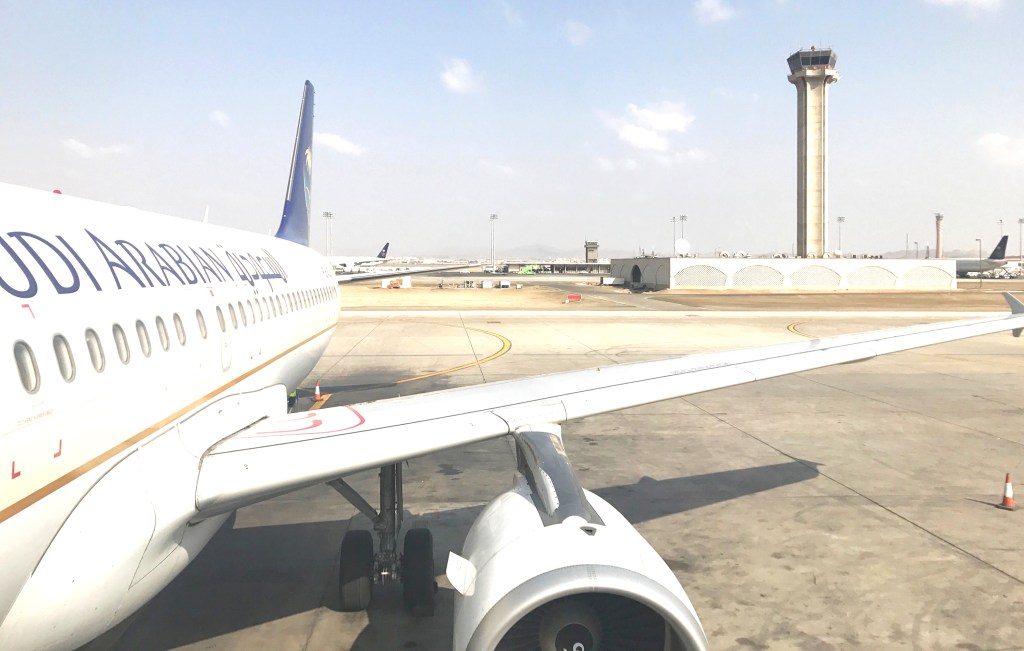
Las aerolíneas del Reino de Arabia Saudita reanudarán los vuelos nacionales la próxima semana después de meses de aterrizaje de aviones. Las líneas aéreas sauditas comenzarán nuevamente vuelos nacionales después de un escenario compplicadopara las compañías que también fueron muy afectadas por la actual pandemia, pero continúan con la planificación de reabrir a pesar de un número significativo de nuevas infecciones diariamente.
A partir del 31 Mayo 2020, algunos vuelos nacionales despegarán nuevamente; al principio habrá 60 vuelos diarios. Los viajes domésticos, los aspectos religiosos en los viajes a las mezquitas y el trabajo en las oficinas del sector público y privado también se reanudarán en esa fecha.
La noticia es la última señal de que el reino rico en petróleo muy afectado por la pandemia de coronavirus está tratando de abrirse nuevamente. Arabia Saudita instituyó varias medidas de bloqueo para frenar el virus a partir de marzo, incluidas las prohibiciones de vuelo. Arabia Saudita intentó reanudar la vida normal en Abril 2020, pero luego instituyó un toque de queda de cinco días y 24 horas para el feriado islámico Eid al-Fitr.
Air opening in Saudi Arabia
Resumption of national air traffic in the Kingdom of Saudi Arabia
Kingdom of Saudi Arabia airlines will resume domestic flights next week after months of landing the planes. Saudi airlines will start domestic flights again after a complicated scenario for companies that were also badly affected by the current pandemic, but continue planning to reopen despite a significant number of new infections on a daily basis.
Starting May 31, 2020, some domestic flights will take off again; initially there will be 60 daily flights. Domestic travel, religious aspects of mosque travel, and work in public and private sector offices will also resume on that date.
The news is the latest sign that the oil-rich kingdom badly affected by the coronavirus pandemic is trying to open up again. Saudi Arabia instituted several blocking measures to curb the virus starting in March, including flight bans. Saudi Arabia attempted to resume normal life in April 2020, but then instituted a five-day, 24-hour curfew for the Islamic holiday Eid al-Fitr.
فتح الهواء في المملكة العربية السعودية
استئناف الحركة الجوية الوطنية بالمملكة العربية السعودية
ستستأنف شركات الطيران في المملكة العربية السعودية الرحلات الداخلية الأسبوع المقبل بعد أشهر من هبوط الطائرات. ستبدأ شركات الطيران السعودية رحلاتها الداخلية مرة أخرى بعد سيناريو معقد للشركات التي تأثرت بشدة بالوباء الحالي ، لكنها تواصل التخطيط لإعادة فتحها على الرغم من عدد كبير من الإصابات الجديدة على أساس يومي.
اعتبارًا من 31 مايو 2020 ، ستقلع بعض الرحلات الداخلية مرة أخرى ؛ في البداية سيكون هناك 60 رحلة يومية. كما سيتم استئناف السفر المحلي والجوانب الدينية لسفر المساجد والعمل في مكاتب القطاعين العام والخاص في ذلك التاريخ.
الأخبار هي أحدث علامة على أن المملكة الغنية بالنفط التي تضررت بشدة من جائحة فيروس كورونا تحاول الانفتاح مرة أخرى. اتخذت المملكة العربية السعودية عدة إجراءات لمنع الفيروس من مارس ، بما في ذلك حظر الطيران. حاولت المملكة العربية السعودية استئناف الحياة الطبيعية في أبريل 2020 ، لكنها فرضت بعد ذلك حظر التجول لمدة خمسة أيام على مدار 24 ساعة بمناسبة عيد الفطر.
Ξ A I R G W A Y S Ξ PUBLISHER: Airgways.com DBk: Spa.gov.sa / Airgways.com / Zawya.com AW-POST: 202005291205AR
AW | 2020 05 29 11:37 | AIRLINES MARKET / GOVERNMENT
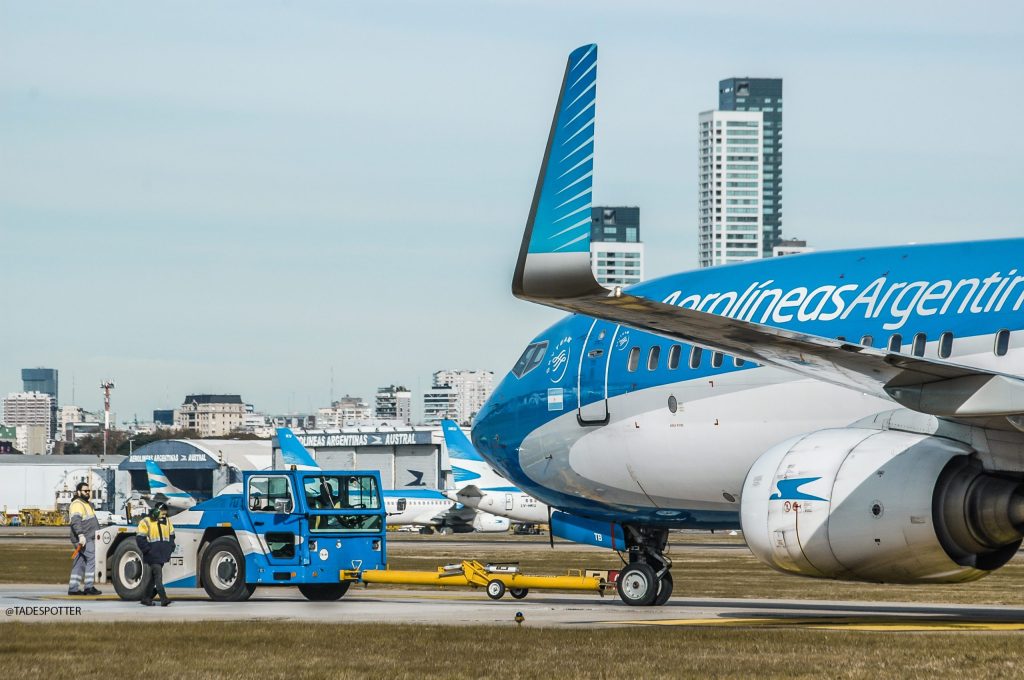
El tráfico aéreo en la Argentina se reabrirá el 1 Septiembre 2020
El Vicepresidente para América de la Asociación Internacional de Transporte Aéreo (IATA), Peter Cerdá, manifestó que Argentina mantiene su decisión de retomar los vuelos regulares a partir del 1 Septiembre 2020. Las líneas aéreas piden, como otros sectores, auxilio financiero para atravesar la crisis.
El Gobierno de Argentina ha manifestado la decisión de continuar con el desarrollo de la cuarentena y las limitaciones al tráfico aéreo hasta finales de Agosto 2020. La IATA ha comunicado este Jueves 28/05 que la Argentina mantiene su decisión de retomar los vuelos regulares a partir del 1 Septiembre próximo pese al pedido para que se adelantara el plazo a principios de Julio 2020.
En un contacto con la prensa por videoconferencia, el directivo dijo que esa fecha se mantiene, más allá de los pedidos realizados desde el organismo para modificar esa decisión. “Hemos estado en conversaciones continuas con el gobierno argentino, trabajando en tres áreas: el alivio financiero a la industria, fuertemente golpeada por la inactividad; la posibilidad de agilizar la fecha de reinicio; y la reactivación del tráfico aéreo, para que, cuando esto ocurra, lo realicemos de manera alineada y no de forma aislada”, dijo Peter Cerda.
Desde la IATA han expresado que el diálogo es abierto y constante con las autoridades argentinas y que esperan poder ir resolviendo las diferentes situaciones. Sabemos que el Ministerio de Transporte de Argentina tiene una agenda muy complicada, pero estamos trabajando con ellos para lograr que, así como se auxilió al transporte terrestre, se haga con el transporte aéreo y no perdamos a las aerolíneas.
Trabas a las economías
Argentina sorprendió a las aerolíneas al establecer a fines de Abril 2020 que la comercialización de pasajes aéreos recién se podrá realizar a para el 1 Septiembre. La medida, que fue legitimada por la Administración Nacional de Aviación Civil (ANAC) en el marco de la emergencia sanitaria por la pandemia de Coronavirus, trajo fuertes críticas del sector aerocomercial que, como la mayoría de las actividades, recibió un impacto negativo producto de las restricciones establecidas por el Ejecutivo. En ese marco, Cerda sostuvo que el Gobierno “debe auxiliar a las compañías aéreas para que puedan estar en condiciones de reiniciar las actividades, así como lo está haciendo con el transporte de ómnibus, al que hoy nos enteramos se ha decidido otorgarle un subsidio para su funcionamiento. Sabemos que el Ministerio de Transporte de Argentina tiene una agenda muy complicada, pero estamos trabajando con ellos para lograr que, así como se auxilió al transporte terrestre, se haga con el transporte aéreo y no perdamos a las aerolíneas”.
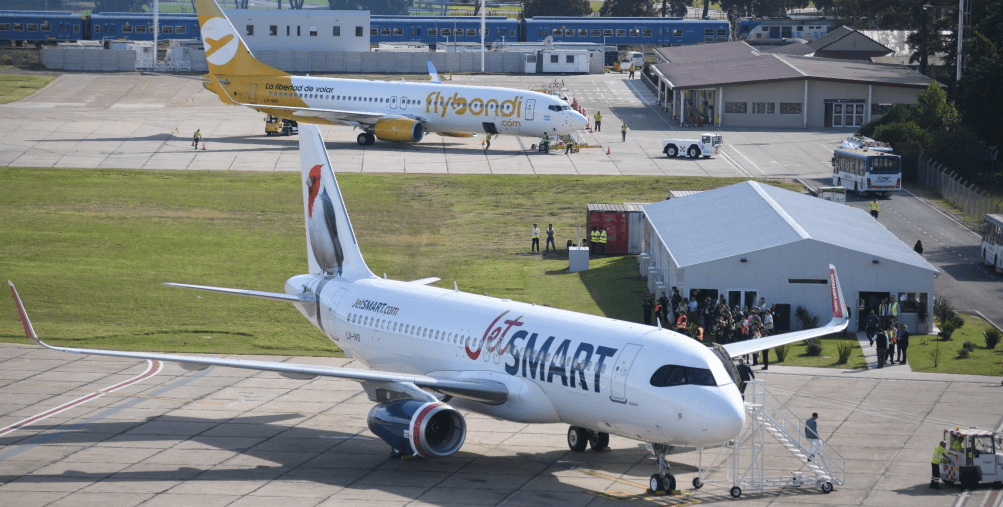
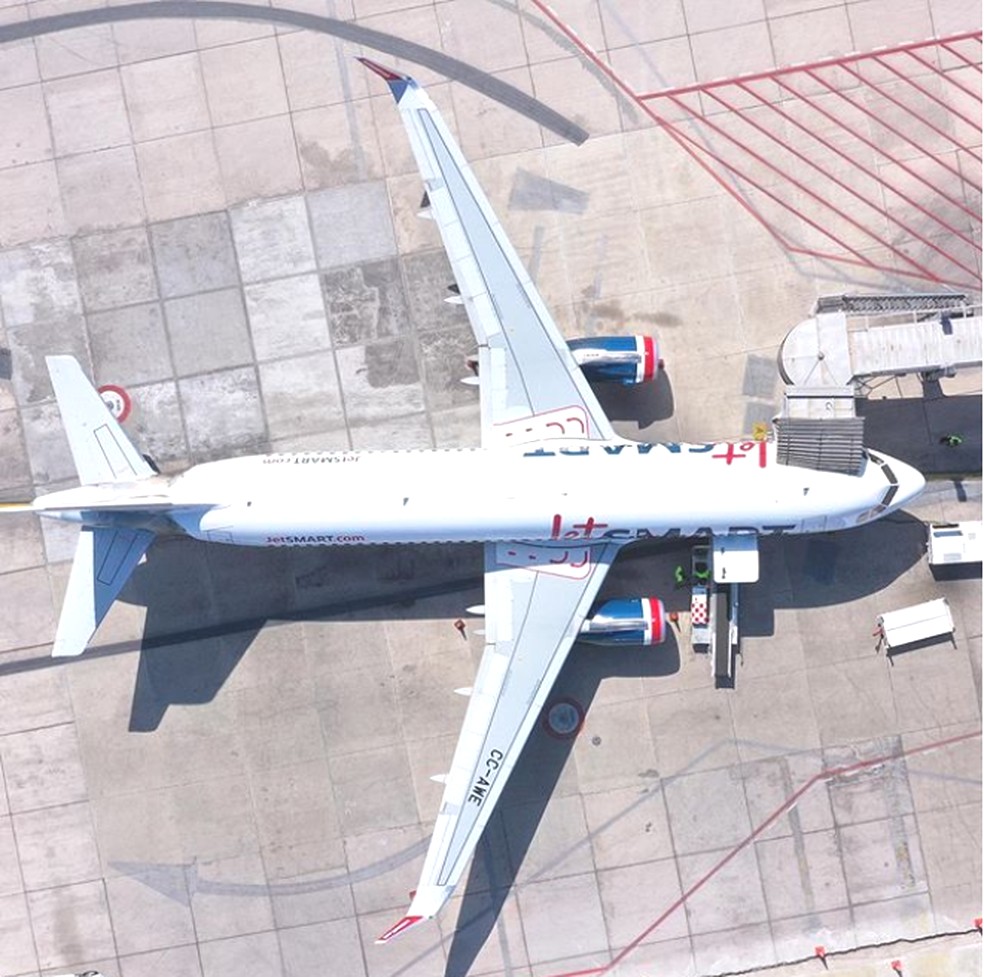
El organismo IATA había mencionado el caso de Air New Zealand, que había comunicado que no volverá a operar la ruta entre Auckland-Buenos Aires. “Perder una aerolínea no es solamente esa pérdida en sí, sino también el impacto que tiene en otras aerolíneas, tanto Aerolíneas Argentinas, por ejemplo, que trasladaba los pasajeros que Air New Zealand traía al país, como Latam Airlines Argentina o JetSmart Airlines, que también se nutrían de estos pasajeros. Es importante mantener la conectividad interior, pero también con el exterior, porque eso representa trabajo y conexión con el resto del mundo, algo que será fundamental a la hora de reactivar la economía. Es una preocupación que tenemos con Argentina, pero también con todos los países de la región”, expresó Peter Cerdá.
Impacto colateral
El organismo de aviación internacional señaló que “la pérdida de US$ 18 mil millones de dólares de las aerolíneas latinoamericanas, establecida hasta fines de Abril, ha quedado atrás porque el cierre de fronteras en la región se mantiene y los aviones seguirán en tierra por mucho tiempo más aún. Calculamos que, en algunos casos, el freno de la actividad será de cinco meses y muy pocas compañías están en condiciones de soportar esa inactividad”, advirtió.
Por este motivo es de capital importancia que los Estados intervengan en las asistencias a las industrias del turismo y la aviación para reducir el impacto colateral que sufrirían. Las aerolíneas en Argentina, particularmente necesitan que el Gobierno intervenga en auxiliar a las líneas aéreas dado el marco de la cuarentena cerrada y las limitaciones impuestas a la actividad aérea hasta finales de Agosto 2020.
Seguridad en vuelo
La IATA expresó que volar será seguro debido a que las compañías emitieron “un documento para alinear las medidas de seguridad y salud en todos los países, para el momento de la reactivación. Es necesario que podamos transmitir a los pasajeros que la aviación no está considerada fuente de transmisión del virus para recuperar la confianza y que la gente se decida a volver a volar y de esa manera poder encarar una reactivación de la industria”, remarcó el organismo internacional de aviación.
Argentina air reopening 09/2020
Air traffic in Argentina will reopen on September 1, 2020
The Vice President for America of the International Air Transport Association (IATA), Peter Cerda, stated that Argentina maintains its decision to resume regular flights from September 1, 2020. The airlines ask, like other sectors, for financial help to cross the crisis.
The Government of Argentina has stated the decision to continue with the development of quarantine and limitations on air traffic until the end of August 2020. IATA has communicated this Thursday 28/05 that Argentina maintains its decision to resume regular flights from from next September 1 despite the request for the deadline to be brought forward to the beginning of July 2020.
In a contact with the press by videoconference, the executive said that this date is maintained, beyond the requests made by the agency to modify that decision. «We have been in continuous talks with the Argentine government, working in three areas: financial relief for the industry, heavily hit by inactivity; the possibility of speeding up the restart date; and the reactivation of air traffic, so that when this occurs, we do it in an aligned manner and not in isolation”, said Peter Cerda.
From IATA they have expressed that the dialogue is open and constant with the Argentine authorities and that they hope to be able to resolve different situations. We know that the Argentine Ministry of Transport has a very complicated agenda, but we are working with them to ensure that, as well as ground transportation, it was done with air transportation and we did not lose the airlines.
Barriers to economies
Argentina surprised the airlines by establishing at the end of April 2020 that the commercialization of air tickets can only be carried out by September 1. The measure, which was legitimized by the National Civil Aviation Administration (ANAC) in the context of the health emergency due to the Coronavirus pandemic, brought strong criticism from the aero-commercial sector, which, like most activities, received a negative impact as a result of the restrictions established by the Executive. Within this framework, Cerda maintained that the Government «must help airlines so that they can be in a position to restart activities, just as it is doing with the transport of buses, which we found out today has decided to grant a subsidy to its operation. We know that the Argentine Ministry of Transportation has a very complicated agenda, but we are working with them to ensure that, as well as ground transportation, it was done with air transportation and we did not lose the airlines”.
The IATA agency had mentioned the case of Air New Zealand, which had communicated that it will no longer operate the route between Auckland-Buenos Aires. «Losing an airline is not only that loss itself, but also the impact it has on other airlines, both Aerolíneas Argentinas, for example, that transported the passengers that Air New Zealand brought to the country, such as Latam Airlines Argentina or JetSmart Airlines, which they also fed on these passengers. It is important to maintain internal connectivity, but also with the outside, because that represents work and connection with the rest of the world, something that will be essential when reactivating the economy. It is a concern that we have with Argentina, but also with all the countries in the region”, said Peter Cerdá.
Collateral impact
The international aviation agency noted that “the loss of US $ 18 billion from Latin American airlines, established until the end of April, has been left behind because the closure of borders in the region is maintained and the planes will continue to be on the ground for a long time. time even more. We estimate that, in some cases, the slowdown in activity will be five months and very few companies are in a position to withstand this inactivity”, he warned.
For this reason, it is of paramount importance that States intervene in assistance to the tourism and aviation industries to reduce the collateral impact that they would suffer. Airlines in Argentina particularly need the government to intervene to assist airlines given the framework of the closed quarantine and the limitations imposed on air activity until the end of August 2020.
Flight safety
IATA said that flying will be safe because the companies issued “a document to align safety and health measures in all countries, at the time of the reactivation. It is necessary that we can transmit to passengers that aviation is not considered a source of transmission of the virus to regain confidence and that people decide to fly again and thus be able to face a revival of the industry», said the international organization. aircraft.
Ξ A I R G W A Y S Ξ PUBLISHER: Airgways.com DBk: Iata.org / Argentina.gob.ar/transporte / Airgways.com AW-POST: 202005291137AR
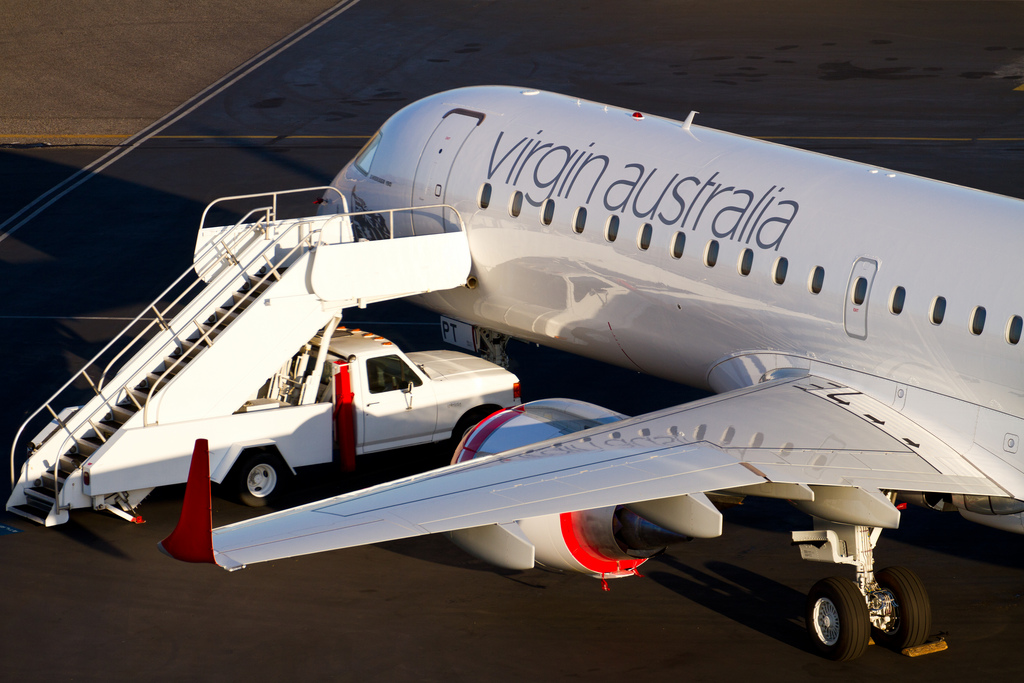
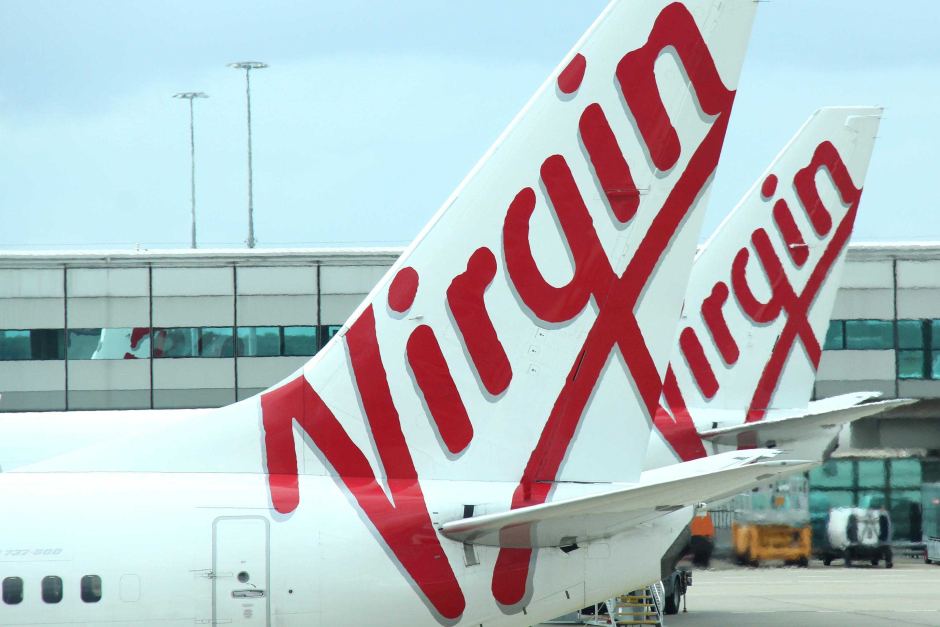
Fondo inversiones Brookfield busca interés por Virgin Australia
El administrador de activos canadiense Brookfield Asset Management Inc. hizo un lanzamiento para volver a entrar en la carrera para comprar Virgin Australia Airlines antes de que los administradores Deloitte elijan una lista final de postores durante el fin de semana.
Brookfield Asset Management Inc. es una compañía alternativa de administración de activos que se enfoca en bienes raíces, energía renovable, infraestructura y capital privado. La sede de la compañía se encuentra en Toronto, y también tiene oficinas corporativas en la ciudad de Nueva York, Londres, Río de Janeiro y Sídney.
Los postores han presentado las ofertas entre ellas la firma de capital privado Bain Capital, el equipo de Melbourne BGH Capital, el especialista estadounidense en aerolíneas de ultra bajo costo Indigo Partners Inc., Cyrus Capital, bajo la órbita de Richard Branson y Brookfield Asset Management Inc.
Brookfield, que gestiona activos por US$ 515 mil millones en todo el mundo, abandonó el proceso de venta el Lunes pasado por la preocupación de que Virgin podría quedarse sin efectivo antes de que se instalara un nuevo propietario. Sin embargo, se ha mantenido en contacto con Deloitte durante las últimas dos semanas y reafirmó su interés en relanzar Virgin Australia el Viernes 29/05.
Apertura de oferentes
El administrador Deloitte ahora tendrá que decidir si acepta la oferta de Brookfield como una oferta separada para presentar a los acreedores, o si puede reabrir el proceso formal de venta en el que hay otros cuatro postores. Fuentes cercanas a Brookfield dijeron que el fondo confía en que Deloitte tomará en serio su propuesta. Una fuente cercana a uno de los otros cuatro postores dijo que cualquier movimiento de Deloitte para permitir que Brookfield regrese al proceso formal de venta se vería casi seguro con una acción legal por parte de los postores preseleccionados, que están gastando millones de dólares trabajando en sus ofertas.
El gigante canadiense estaba preocupado por el saldo de efectivo de Virgin Australia Airlines y si el complejo proceso de venta podría completarse a tiempo con más de dos partes permitidas hasta la segunda ronda de la venta. Estas preocupaciones aún deben abordarse para que pueda volver a participar completamente en la venta, dijeron las fuentes.
Postura sindical
Los sindicatos que representan a los trabajadores de Virgin han visto a Brookfield como un pretendiente favorable, especialmente en comparación con los grupos de capital privado a quienes temen que puedan ser inversionistas fugitivos. «Brookfield es un postor serio y tiene un historial en todo el mundo de permanecer con activos de infraestructura durante un largo período de tiempo. Creemos que es positivo tener a este serio postor en la mezcla», dijo el Secretario Nacional del Sindicato de Trabajadores del Transporte, Michael Kaine.
Perspectivas en Virgin Australia
Se espera que Deloitte reduzca los cuatro postores formales a una lista de dos durante el fin de semana. Virgin Australia Airlines ha entrado en administración voluntaria en Abril 2020 con deudas de US$ 6.8 mil millones. Se ha especulado que las ofertas para la aerolínea rondan los US$ 3.5 mil millones a US$ 4 mil millones.
Han surgido visiones muy diferentes para el futuro de Virgin entre los principales postores. Cyrus Capital, que tiene un historial de inversiones en aerolíneas junto con el cofundador de Virgin, Richard Branson, tiene la intención de mantener a Virgin Australia como una aerolínea internacional de servicio completo que compite con Qantas Airways. Bain Capital ha señalado llevar a Virgin más abajo en el mercado más cercano a las raíces de su aerolínea económica, mientras que se espera que Indigo Partners Inc. realice una operación de costo ultra bajo en línea con sus otras aerolíneas en todo el mundo.
Brookfield Fund interest in Virgin Australia
Brookfield Investment Fund Seeks Interest in Virgin Australia
Canadian asset manager Brookfield Asset Management Inc. launched to re-enter the race to buy Virgin Australia Airlines before Deloitte managers pick a final list of bidders over the weekend.
Brookfield Asset Management Inc. is an alternative asset management company that focuses on real estate, renewable energy, infrastructure, and private equity. The company’s headquarters are in Toronto, and it also has corporate offices in New York City, London, Rio de Janeiro and Sydney.
Bidders have submitted bids including private equity firm Bain Capital, Melbourne team BGH Capital, US ultra-low-cost airline specialist Indigo Partners Inc., Cyrus Capital, under the orbit of Richard Branson and Brookfield Asset Management. Inc.
Brookfield, which manages US$ 515 billion in assets worldwide, abandoned the sale process last Monday over concerns that Virgin could run out of cash before a new owner is installed. However, he has been in contact with Deloitte for the past two weeks and reaffirmed his interest in relaunching Virgin Australia on Friday 29/05.
Bidders opening
Administrator Deloitte will now have to decide whether to accept Brookfield’s offer as a separate offer to present to creditors, or whether to reopen the formal sale process in which there are four other bidders. Sources close to Brookfield said the fund is confident Deloitte will take its proposal seriously. A source close to one of the other four bidders said any move by Deloitte to allow Brookfield to return to the formal sale process would almost certainly be seen with legal action by the shortlisted bidders, who are spending millions of dollars working on their offers.
The Canadian giant was concerned about Virgin Australia Airlines’ cash balance and whether the complex sale process could be completed in time with more than two parts allowed until the second round of the sale. These concerns have yet to be addressed so that he can fully participate in the sale again, the sources said.
Union position
Unions representing Virgin workers have seen Brookfield as a favorable suitor, especially compared to private equity groups who fear they may be runaway investors. «Brookfield is a serious bidder and has a worldwide history of remaining with infrastructure assets for a long period of time. We believe it is positive to have this serious bidder in the mix», said the National Secretary of the Union of Workers of the Transportation, Michael Kaine.
Perspectives at Virgin Australia
Deloitte is expected to reduce the four formal bidders to a list of two over the weekend. Virgin Australia Airlines has entered into voluntary administration in April 2020 with debts of US$ 6.8 billion. Offers for the airline have been speculated to be around US$ 3.5 billion to US$ 4 billion.
Very different visions for Virgin’s future have emerged among top bidders. Cyrus Capital, who has a history of investing in airlines alongside Virgin co-founder Richard Branson, intends to keep Virgin Australia as a full-service international airline that competes with Qantas Airways. Bain Capital has signaled taking Virgin further down the market closest to the roots of its budget airline, while Indigo Partners Inc. is expected to conduct an ultra-low-cost operation online with its other airlines around the world.
Ξ A I R G W A Y S Ξ PUBLISHER: Airgways.com DBk: Brookfield.com / Virginaustralia.com / Airgways.com AW-POST: 202005291020AR
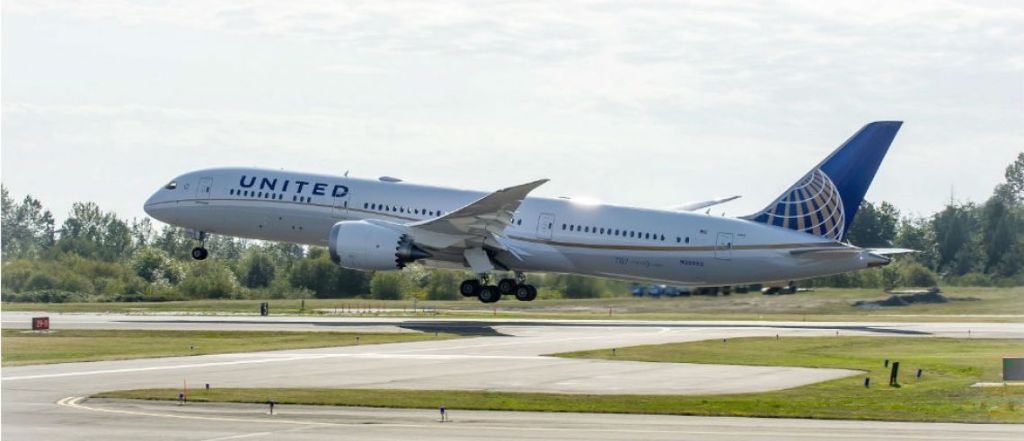
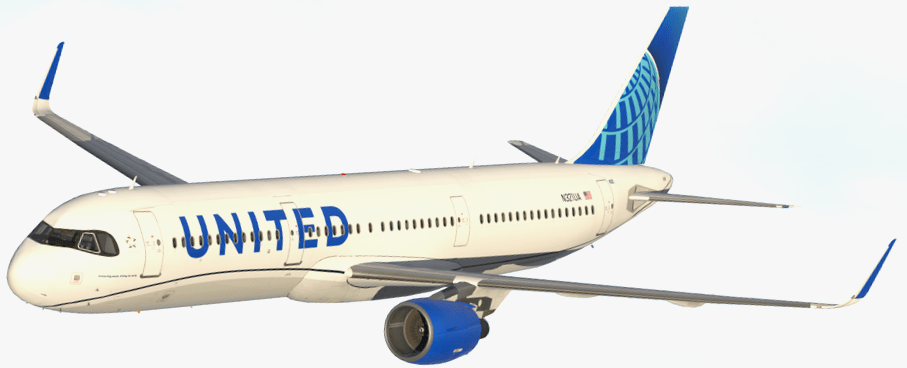
United Airlines tiene opciones para atravezar la crisis mundial
United Airlines atravezará la crisis bnuscando alternativas a la bancarrota, ha transmitido el CEO Scott Kirby. El nuevo CEO de la compañía tiene algunas opiniones importantes sobre el tema. Su historial de reputación de franqueza, a menudo favoreciendo respuestas honestas sobre las diplomáticas. En la 36ª Conferencia Anual de Decisiones Estratégicas de Bernstein, Scott Kirby compartió sus opiniones sobre varios problemas que enfrenta, incluida la seguridad a bordo, la falta de demanda y el aumento de la deuda.
El proceso de bancarrota de los Estados Unidos permite a las compañías reorganizar y eliminar sus deudas y contratos laborales más onerosos sin cambiar materialmente sus modelos. En algunos otros países, incluso en Europa, una aerolínea que no puede pagar sus deudas a menudo se cierra para siempre.
United Airlines capitalizó la Ley de Bancarrota de Estados Unidos en 2002, reorganizándose antes de su fusión con Continental Airlines, pero Scott Kirby dijo a los analistas que no tiene interés en volver a presentar una solicitud, excepto en las circunstancias más extremas. United Airlines dice que no a la quiebra y a los asientos intermedios bloqueados obligatorios.
La bancarrota podría permitir que United Airlines salir de los arrendamientos de aeronaves y los contratos laborales. Pero Kirby dijo que no vale la pena el costo que se asumiría con esta postura.
«No puedo imaginar por qué la gente piensa que es una buena estrategia comercial. La gente me pregunta: ‘¿Es esa la forma correcta de reestructurar el negocio?’ No creo eso en absoluto. Cero por ciento, ninguna posibilidad. Es peor para los accionistas, para los acreedores, para los empleados. Es peor para cada componente que tenemos», expresó el CEO de United.
Medidas en el aire
Varias aerolíneas estadounidenses, incluidas Delta Air Lines y JetBlue Airways, se han comprometido a bloquear los asientos intermedios hasta al menos Julio 2020 para promover el distanciamiento social en los aviones. En un momento, United sugirió que se uniría, pero más recientemente se retiró de la promesa. En cambio, está tratando de no asignar asientos intermedios en vuelos que no están llenos. «Si se reserva un vuelo a más del 70%, United está tratando de contactar a los clientes para decirles que no puede garantizar el distanciamiento y les está permitiendo cambiar de vuelo. Alrededor del 1% de los clientes elegibles aceptan la oferta de United», dijo Scott Kirby.
Cartera pedidos
Después de la recesión financiera, muchas aerolíneas estadounidenses renovaron sus flotas, agregando nuevos aviones, a menudo con mejores servicios, pero esa era ha terminado.
Mercado aéreo
La demanda de viajes nacionales se ha convertido en una creencia de que su recuperación podría ser más rápida que en el plano internacional. En el caso de United, dadas las restricciones en los vuelos transcontinentales, eso probablemente sea cierto, pero en las últimas semanas, el sistema internacional de United ha estado funcionando al menos tan bien como el negocio interno ya que la aerolínea ha capitalizado la sólida demanda de carga aérea. El Miércoles 27/05 United voló 48 vuelos de carga de fuselaje ancho a destinos de larga distancia. Así que por lo visto no está todo dicho acerca del desarrollo del desenvolvimiento de las compañías aéreas en el marco de la actual pandemia mundial.
United dodges bankruptcy
United Airlines has options to overcome the world crisis
United Airlines will go through the crisis looking for alternatives to bankruptcy, CEO Scott Kirby has broadcast. The new CEO of the company has some important opinions on the matter. His record of openness reputation, often favoring honest responses over diplomats. At Bernstein’s 36th Annual Strategic Decision Conference, Scott Kirby shared his thoughts on various issues he faces, including on-board security, lack of demand, and rising debt.
The United States bankruptcy process allows companies to reorganize and eliminate their most onerous debt and employment contracts without materially changing their models. In some other countries, including Europe, an airline that cannot pay its debts often closes forever.
United Airlines capitalized on the United States Bankruptcy Act in 2002, reorganizing before its merger with Continental Airlines, but Scott Kirby told analysts that he has no interest in reapplying except in the most extreme circumstances. United Airlines says no to bankruptcy and mandatory blocked intermediate seats.
Bankruptcy could allow United Airlines to get out of aircraft leases and employment contracts. But Kirby said it is not worth the cost that would be assumed with this stance.
«I can’t imagine why people think it’s a good business strategy. People ask me, ‘Is that the right way to restructure the business?’ I don’t believe that at all. Zero percent, no chance. It’s worse for shareholders, for creditors, for employees. It’s worse for every component we have», said the CEO of United.
Measurements in the air
Several U.S. airlines, including Delta Air Lines and JetBlue Airways, have pledged to block intermediate seats until at least July 2020 to promote social distancing on planes. At one point, United suggested it would join, but more recently withdrew from the promise. Instead, it is trying not to allocate intermediate seats on flights that are not full. «If you book a flight over 70%, United is trying to contact customers to tell them that it cannot guarantee distance and is allowing them to change flights. About 1% of eligible customers accept United’s offer», Scott Kirby said.
Orders portfolio
After the financial recession, many American airlines renewed their fleets, adding new planes, often with better services, but that era is over.
Air market
The demand for domestic travel has become a belief that its recovery could be faster than internationally. In the case of United, given the restrictions on transcontinental flights, that’s probably true, but in recent weeks, United’s international system has been working at least as well as domestic business as the airline has capitalized on strong demand. air cargo. On Wednesday 05/27 United flew 48 wide-body cargo flights to long-haul destinations. So apparently not everything has been said about the development of the disbursement of airlines in the framework of the current global pandemic.
Ξ A I R G W A Y S Ξ PUBLISHER: Airgways.com DBk: United.com / Airgways.com AW-POST: 202005290931AR
Boeing reactiva línea produccción del Boeing 737 MAX
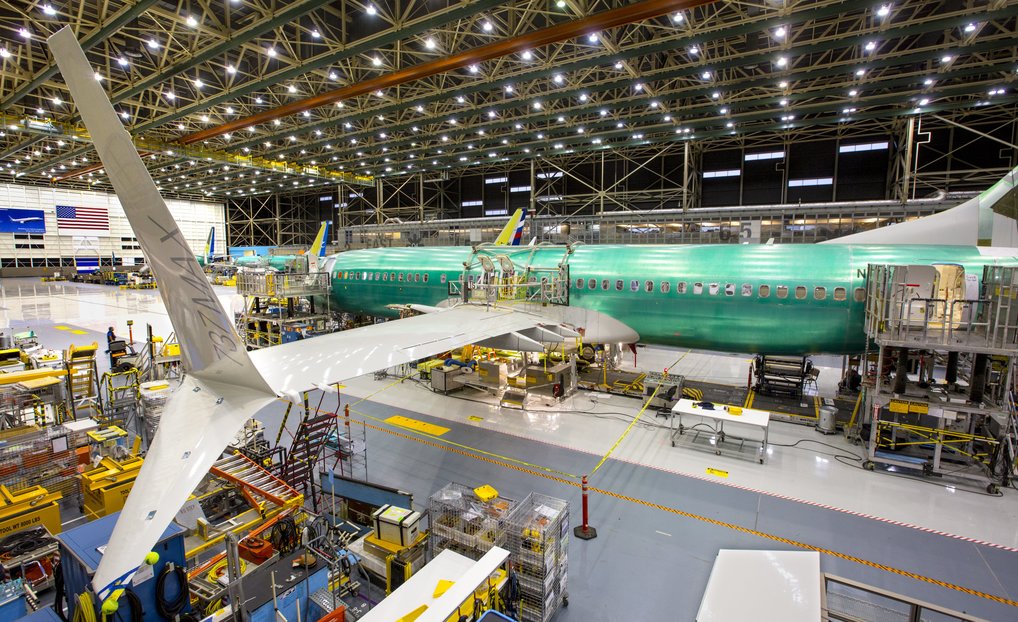
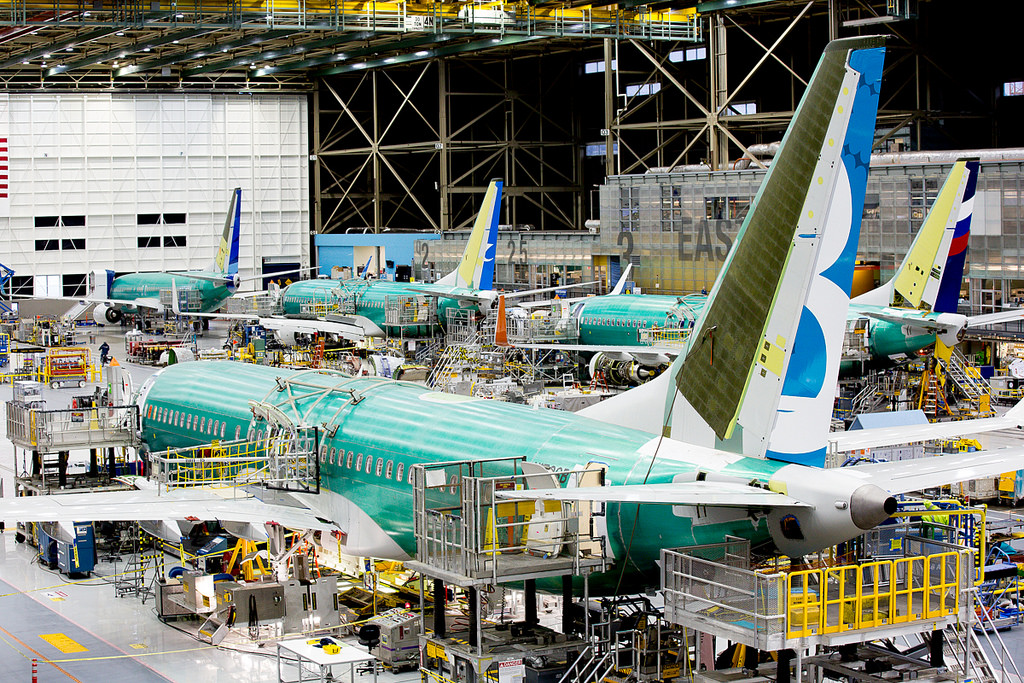
The Boeing Company ha reiniciado las operaciones en su línea de ensamblaje en Renton, Washington de su aeronave estrella el Boeing 737 MAX. «Hoy, los equipos en Renton comenzaron a calentar la línea de producción central de la fábrica», dijo el CEO de Boeing Commercial Airplanes, Stan Deal, en un mensaje a los empleados el Miércoles 27/05 por la tarde. El futuro negocio de Boeing se basa en el renacimiento de este avión insignia, que aún tiene una cartera de pedidos de más de 3.800 órdenes pendientes de entrega.
El anuncio del reinicio de la línea de ensamblaje del 737 MAX contrasta con la decisión de la factoría aeroespacial del anuncio de despuidos de más de 12.300 recortes de empleos en los Estados Unidos, con alrededor de 10.000 de la fuerza laboral en el Estado de Washington.
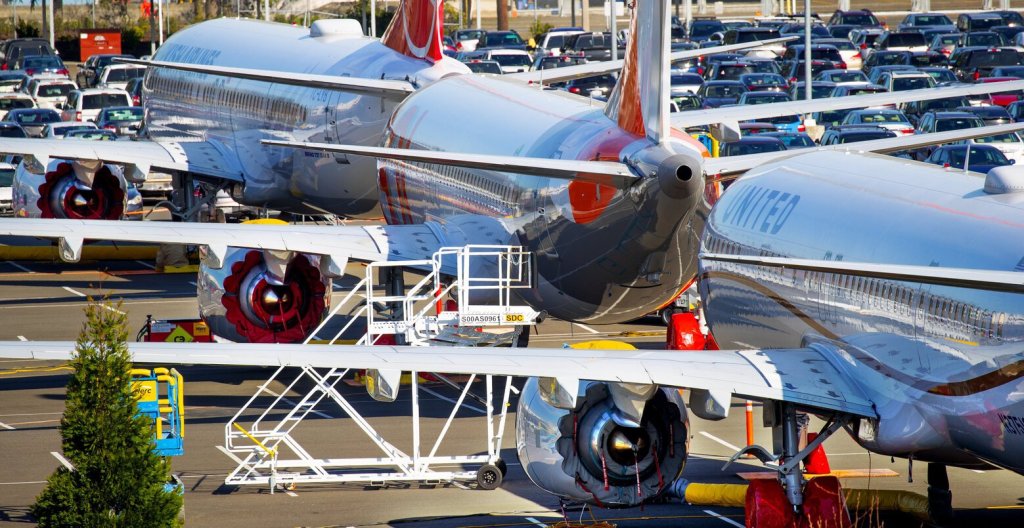
El Boeing 737 MAX se ha puesto a tierra desde poco después del accidente mortal de un Ethiopian Airlines en Marzo 2019, luego del primer accidente de un mismo aparato de la compañía Lion Air en Indonesia menos de cinco meses antes, con un número combinado de muertos de 346 personas.
Línea 737
El 737 en sus diversos modelos generalmente ha proporcionado aproximadamente la mitad de los ingresos de la división de Aviones Comerciales. Boeing no tiene otra alternativa que ofrecer en esta categoría de tamaño de avión doméstico de caballo de batalla y, especialmente ahora después del gran impacto financiero de la pandemia, no hay duda de que Boeing puede reactivar el nuevo avión.
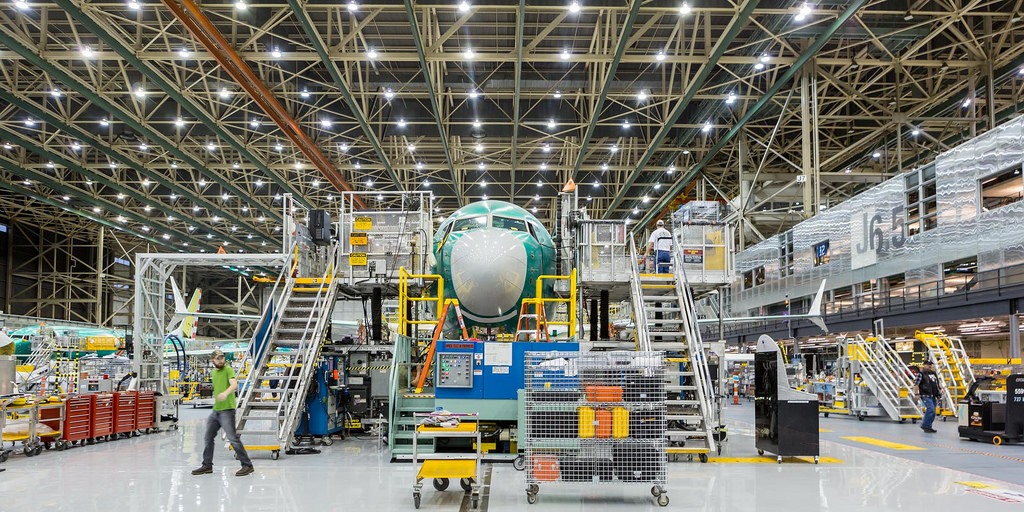
LÍNEA DE ENSAMBLAJE DEL BOEING 737 MAX EN LA FACTORÍA DE RENTON, WASHINGTON
A medida que los ingenieros trabajaron a lo largo de 2019 en una solución para el Sistema de Control del MCAS del 737 MAX, Boeing continuó construyendo el avión a una tasa de producción más baja. Pero cuando la aprobación de la Administración Federal de Aviación (FAA) para que el avión volviera a volar fue expulsada repetidamente, Boeing finalmente detuvo la producción del avión en Enero 2020.
Boeing todavía espera ganar la autorización de la FAA para el 737 MAX a fines del verano o principios del otoño boreal y aumentará lentamente desde el reinicio del Miércoles 27/05 de la línea de ensamblaje para estar listo.
Durante la interrupción de la producción, Boeing dijo que ha implementado más de una docena de iniciativas para mejorar la forma en que se construye el 737 MAX. Estos parecen tener como objetivo no solo hacer que el proceso sea más eficiente, sino también abordar problemas serios de control de calidad que han surgido repetidamente en Boeing en los últimos dos años, incluido el programa MAX. Estos han incluido casos de escombros y herramientas que quedan en las entrañas de los aviones terminados.
En Febrero 2020, Boeing encontró escombros en los tanques de combustible del plano alar de 737 MAX que habían sido estacionados y almacenados, lo que lo obligó a hacer inspecciones de escombros de objetos extraños (FOD) en los 385 aviones que habían sido construidos pero no entregados. También recomendó que las aerolíneas que habían recibido los aviones 737 MAX inspeccionaran los tanques laterales de sus aviones estacionados. A principios de este Mayo 2020, según una persona con conocimiento del incidente, se encontró una bolsa de tornillos dentro de un tanque de un ala de un 737 MAX.
En su mensaje, Stan Deal describió los cambios en el proceso de ensamblaje MAX: Un nuevo conjunto estándar de kits de herramientas y procesos de trabajo para cada puesto de trabajo en la fábrica. Nuevos centros de control al lado de la línea de ensamblaje en el piso de la fábrica, donde los ingenieros pueden brindar asistencia en tiempo real a los mecánicos. Un diseño de fábrica reconfigurado para eliminar equipos innecesarios y proporcionar a los equipos una línea de visión clara para el avión.
«Estas iniciativas nos ayudarán a alcanzar nuestras metas de cero incidentes de seguridad, cero FOD, 100% de calidad y 100% de cada trabajo completado en su posición. El reinicio de la línea anuncia un lento aumento de la producción durante el resto de este año», escribió Stan Deal en su mensaje. Reconociendo el colapso actual de la demanda de nuevos aviones debido a la pandemia de coronavirus, agregó que «Boeing planea hacer aumentos graduales de tasas el próximo año en consonancia con la recuperación de nuestros clientes en el mercado», concluye Stan Deal.
Perspectivas mercado
En Abril 2020, Boeing eliminó de su cartera de pedidos más de 200 pedidos para el 737 MAX, la mitad de esas cancelaciones directas y reconfiiguraciones de órdenes. Los expertos de la industria anticipan más cancelaciones a medida que las aerolíneas reducen su tamaño para igualar la drástica caída en los viajes aéreos. Sin embargo, al menos algunas aerolíneas dicen que querrán sus pedidos relativamente pronto. American Airlines ha retirado sus aviones más antiguos y cuando el negocio repunte, planea reemplazarlos con nuevos 737 MAX.
En una entrevista con Bloomberg News el Martes 26/05, el CEO de Ryanair, Michael O’Leary, dijo que está apostando por el regreso del 737 MAX para aprovechar cualquier recuperación el próximo año a medida que fallan las aerolíneas europeas rivales. «Es por eso que queremos seguir adelante y recibir el MAX. Claramente, habrá una gran caída en el tráfico en 2020, pero creemos que en 2021, habrá muchas oportunidades de crecimiento», dijo O’Leary.
Boeing restarts production of 737 MAX
Boeing reactivates production line of the Boeing 737 MAX
The Boeing Company has restarted operations on its Renton, Washington assembly line of its flagship Boeing 737 MAX. «Today, teams at Renton began heating the factory’s central production line», Boeing Commercial Airplanes CEO Stan Deal said in a message to employees on Wednesday afternoon, 05/27. Boeing’s future business is based on the rebirth of this flagship, which still has an order book of more than 3,800 pending orders.
The announcement of the restart of the 737 MAX assembly line stands in contrast to the aerospace factory’s decision to announce the layoffs of more than 12,300 job cuts in the United States, with about 10,000 of the workforce in Washington State.
The Boeing 737 MAX has been grounded since shortly after the fatal accident of an Ethiopian Airlines in March 2019, after the first accident of the same aircraft by the Lion Air company in Indonesia less than five months earlier, with a combined number of deaths of 346 people.
Line 737
The 737 in its various models has generally provided approximately half of the revenue of the Commercial Aircraft division. Boeing has no alternative to offer in this size category of domestic workhorse aircraft, and especially now after the major financial impact of the pandemic, there is no doubt that Boeing can revive the new aircraft.
As engineers worked through 2019 on a solution for the 737 MAX’s MCAS Control System, Boeing continued to build the aircraft at a lower production rate. But when the Federal Aviation Administration (FAA) approval for the plane to fly again was repeatedly ejected, Boeing finally stopped production of the plane in January 2020.
Boeing is still hoping to win FAA clearance for the 737 MAX in late summer or early fall and will slowly increase from the assembly line’s Wednesday 27/05 restart to be ready.
During production disruption, Boeing said it has implemented more than a dozen initiatives to improve the way the 737 MAX is built. These appear to aim not only to make the process more efficient, but also to address serious quality control issues that have repeatedly come up at Boeing in the past two years, including the MAX program. These have included cases of debris and tools left in the bowels of finished planes.
In February 2020, Boeing found debris in the 737 MAX wing plane fuel tanks that had been parked and stored, forcing it to do foreign object debris (FOD) inspections on the 385 aircraft that had been built but not delivered. It also recommended that the airlines that had received the 737 MAX aircraft inspect the side tanks of their parked aircraft. Earlier this May 2020, according to a person with knowledge of the incident, a bag of screws was found inside a wing tank of a 737 MAX.
In his message, Stan Deal described the changes to the MAX assembly process: A new standard set of toolkits and work processes for every job in the factory. New control centers next to the assembly line on the factory floor, where engineers can provide real-time assistance to mechanics. A factory reconfigured design to eliminate unnecessary equipment and provide equipment with a clear line of sight for the aircraft.
«These initiatives will help us meet our goals of zero security incidents, zero FOD, 100% quality, and 100% of every job completed at your location. Restarting the line heralds a slow increase in production for the remainder of this year, «wrote Stan Deal in his message. Acknowledging the current collapse in demand for new aircraft due to the coronavirus pandemic, he added, «Boeing plans to make gradual rate increases next year in line with the recovery of our customers in the market», Stan Deal concludes.
Market prospects
In April 2020, Boeing removed from its order book more than 200 orders for the 737 MAX, half of those direct cancellations and order reconfigurations. Industry experts anticipate more cancellations as airlines shrink to match the drastic drop in air travel. However, at least some airlines say they will want their orders relatively soon. American Airlines has recalled its older aircraft and when business picks up, it plans to replace them with new 737 MAXs.
In an interview with Bloomberg News on Tuesday 26/05, Ryanair CEO Michael O’Leary said he is betting on the return of the 737 MAX to take advantage of any recovery next year as rival European airlines fail. «That is why we want to go ahead and receive the MAX. Clearly, there will be a big drop in traffic in 2020, but we believe that in 2021, there will be a lot of growth opportunities», said O’Leary.
Ξ A I R G W A Y S Ξ PUBLISHER: Airgways.com DBk: Boeing.com / Seattletimes.com / Airgways.com / Bloomberg.com AW-POST: 202005290005AR
Embraer potenciará desarrollo de la aviación regional
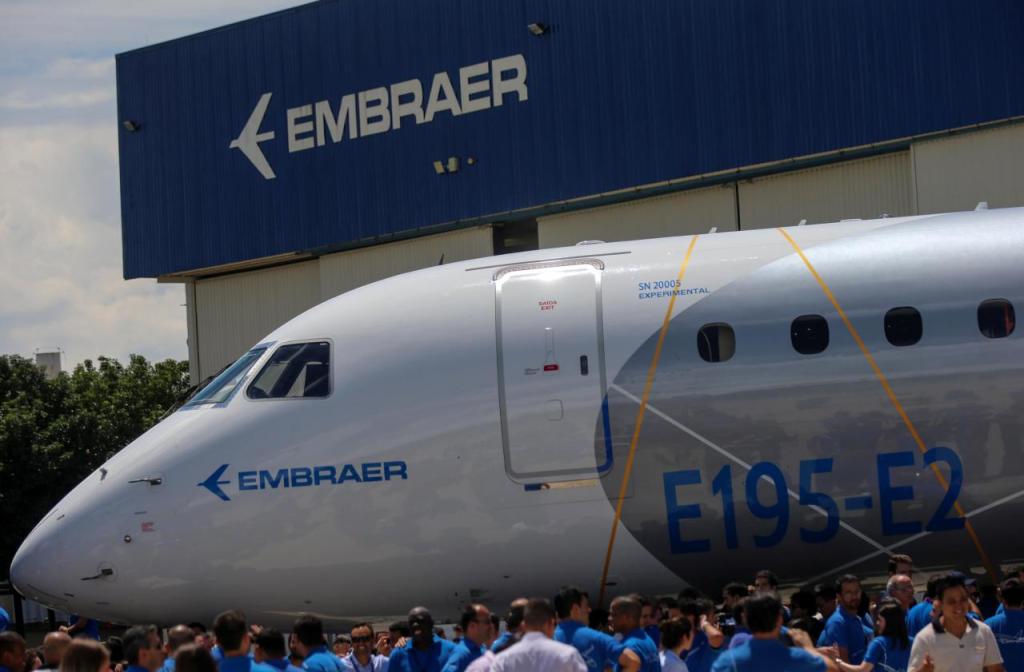
Embraer buscará desarrollo de la aviación de tercer nivel ante la crisis de la crisis sannitaria actual. El constructor brasileño ha señalado que la crisis por la pandemia del Coronavirus favorecerá al uso de flotas de aeronaves con capacidades entre 30 a 150 asientos, en comparativa a las aeronaves más grandes. Embraer ha explicado que los aviones de pequeña capacidad son ventajosos ya que la demanda de vuelos de corta distancia y nacionales es actualmente lo que mantiene el dinamismo del sector. A medida que la industria se recupera de esta crisis, las aerolíneas con aviones de tamaño adecuado serán las primeras en recuperarse. “Estos aviones tienen el tamaño ideal durante este período de demanda débil, pues ofrecen la capacidad y la frecuencia correctas para maximizar los factores de carga y la contribución final para que las aerolíneas puedan mantener el servicio en sus redes”, informó Embraer.
La web especializada de aviación comercial Cirium informó que el 35% de la flota comercial estuvo en servicio durante las semanas más álgidas de la pandemia; a partir del 19 Mayo 2020 ha existido un repunte de los servicios con un 41%. En este porcentaje, el 45% de los aviones eran de fuselaje estrecho y de hasta 150 asientos.
Actualmente el fabricante Embraer está negociando un paquete de rescate de cerca de US$ 600 millones de Dólares, el cual incluía solo instrumentos de deuda y donde el banco estatal de desarrollo Bndes proporcionará aproximadamente el 50%.
Embraer, industria brasileña
«Por el bien de la nación, la transferencia de Embraer al capital extranjero fue frustrada», señaló Adilson Araújo, Presidente de CTB (Central de Trabajadores de Brasil) durante el lanzamiento de la campaña para la reestatización de la compañía a través de Internet el Miércoles 27/05 por la noche. Adilson Araújo afirmó que el pueblo brasileño está experimentando una situación muy adversa después de la aprobación de EC 95, que congeló las inversiones públicas, las reformas laborales y de seguridad social, que restaron los derechos y logros de la clase trabajadora. La lucha iniciada por los trabajadores metalúrgicos en São José dos Campos (RJ), liderada por el sindicato de la categoría, cuenta con el apoyo de CTB y otros centros sindicales y adquiere gran importancia en este contexto. Defender Embraer es defender la soberanía nacional, el desarrollo de la ciencia, la tecnología y la economía brasileñas, así como el empleo, los salarios y los derechos de la clase trabajadora.
La industria Embraer fue creada por el Estado el 19 Agosto 1969 y fue privatizada en 1994. Con el consentimiento del Gobierno del Presidente Jair Bolsonaro, en 2019 se estableció los lineamientos para la creación de Boeing Brasil Commecial, un brazo de la multinacional estadounidense, que a raíz de un supuesto incumplimmiento en la ley contractual por parte de Embraer, rompió unilateralmente el contrato de compra con el surgimiento de la pandemia de Coronavirus, que afectó dramáticamente a la industria de la aviación.
Embraer opera una actividad líder en la industria de la aviación regional, que requiere grandes inversiones en investigación, ciencia y tecnología. En consecuencia, juega un papel fundamental en el desarrollo nacional y en el fortalecimiento del sector industrial. La privatización ha debilitado la fábrica de aviones brasileña.
Embed strategies in your abilities
Embraer will boost regional aviation development
Embraer will seek development of third-level aviation in the face of the current health crisis. The Brazilian constructor has indicated that the crisis due to the Coronavirus pandemic will favor the use of fleets of aircraft with capacities between 30 to 150 seats, compared to larger aircraft. Embraer explained that small capacity aircraft are advantageous since the demand for short-haul and domestic flights is currently what maintains the dynamism of the sector. As the industry recovers from this crisis, airlines with appropriately sized aircraft will be the first to recover. «These aircraft are ideally sized during this period of weak demand, offering the correct capacity and frequency to maximize load factors and the ultimate contribution for airlines to maintain service on their networks», Embraer reported.
The specialized commercial aviation website Cirium reported that 35% of the commercial fleet was in service during the hottest weeks of the pandemic; As of May 19, 2020, there has been a rebound in services with 41%. In this percentage, 45% of the planes were narrow-body and had up to 150 seats.
The manufacturer Embraer is currently negotiating a rescue package of about US$ 600 million, which included only debt instruments and where the state development bank Bndes will provide approximately 50%.
Embraer, Brazilian industry
«For the good of the nation, the transfer of Embraer to foreign capital was frustrated», said Adilson Araújo, President of CTB (Central de Trabajadores de Brasil) during the launch of the campaign to reestablish the company via the Internet on Wednesday 05/27 at night. Adilson Araújo affirmed that the Brazilian people are experiencing a very adverse situation after the approval of EC 95, which froze public investments, labor and social security reforms, which detracted from the rights and achievements of the working class. The struggle started by the metalworkers in São José dos Campos (RJ), led by the category union, has the support of CTB and other union centers and becomes very important in this context. To defend Embraer is to defend the national sovereignty, the development of science, technology and the Brazilian economy, as well as the employment, wages and rights of the working class.
The Embraer industry was created by the State on August 19, 1969 and was privatized in 1994. With the consent of the Government of President Jair Bolsonaro, in 2019 the guidelines were established for the creation of Boeing Brasil Commecial, an arm of the US multinational, which Following an alleged breach of contract law by Embraer, it unilaterally broke the purchase contract with the emergence of the Coronavirus pandemic, which dramatically affected the aviation industry.
Embraer operates a leading activity in the regional aviation industry, requiring large investments in research, science and technology. Consequently, it plays a fundamental role in national development and in the strengthening of the industrial sector. Privatization has weakened the Brazilian aircraft factory.
Incorporar estratégias em suas habilidades
Embraer impulsionará desenvolvimento da aviação regional
A Embraer buscará o desenvolvimento da aviação de terceiro nível diante da atual crise de saúde. O construtor brasileiro indicou que a crise devido à pandemia de Coronavírus favorecerá o uso de frotas de aeronaves com capacidades entre 30 a 150 assentos, em comparação com aeronaves maiores. A Embraer explicou que as aeronaves de pequena capacidade são vantajosas, já que a demanda por voos de curta distância e voos domésticos é atualmente o que mantém o dinamismo do setor. À medida que a indústria se recuperar dessa crise, as companhias aéreas com aeronaves de tamanho adequado serão as primeiras a se recuperar. «Essas aeronaves têm o tamanho ideal durante esse período de demanda fraca, oferecendo a capacidade e a frequência corretas para maximizar os fatores de carga e a contribuição final para permitir que as companhias aéreas mantenham o serviço em suas redes», informou a Embraer.
O site especializado em aviação comercial Cirium informou que 35% da frota comercial estava em serviço durante as semanas mais quentes da pandemia; em 19 de maio de 2020, houve uma recuperação nos serviços com 41%. Nessa porcentagem, 45% dos aviões eram de corpo estreito e tinham até 150 assentos.
O fabricante Embraer está atualmente negociando um pacote de resgate de cerca de US$ 600 milhões, que inclui apenas instrumentos de dívida e onde o banco estadual de desenvolvimento Bndes fornecerá aproximadamente 50%.
Embraer, indústria brasileira
«Para o bem do país, a transferência da Embraer para o capital estrangeiro foi frustrada», disse Adilson Araújo, presidente da CTB (Central de Trabalhadores do Brasil) durante o lançamento da campanha para restabelecer a empresa via Internet na Internet. Quarta-feira 27/05 à noite. Adilson Araújo afirmou que o povo brasileiro está passando por uma situação muito adversa após a aprovação da CE 95, que congelou os investimentos públicos, as reformas trabalhista e previdenciária, o que prejudicou os direitos e conquistas da classe trabalhadora. A luta iniciada pelos metalúrgicos em São José dos Campos (RJ), liderada pelo sindicato da categoria, conta com o apoio da CTB e de outros centros sindicais e se torna muito importante nesse contexto. Defender a Embraer é defender a soberania nacional, o desenvolvimento da ciência, tecnologia e economia brasileira, bem como o emprego, os salários e os direitos da classe trabalhadora.
A indústria da Embraer foi criada pelo Estado em 19 de agosto de 1969 e privatizada em 1994. Com o consentimento do governo do presidente Jair Bolsonaro, em 2019 foram estabelecidas as diretrizes para a criação da Boeing Brasil Commecial, um braço da multinacional americana, que Após uma alegada violação do direito contratual pela Embraer, ele quebrou unilateralmente o contrato de compra com o surgimento da pandemia de Coronavírus, que afetou drasticamente o setor de aviação.
A Embraer opera uma atividade líder no setor de aviação regional, exigindo grandes investimentos em pesquisa, ciência e tecnologia. Consequentemente, desempenha um papel fundamental no desenvolvimento nacional e no fortalecimento do setor industrial. A privatização enfraqueceu a fábrica de aeronaves brasileira.
Ξ A I R G W A Y S Ξ PUBLISHER: Airgways.com DBk: Embraer.com / Airgways.com AW-POST: 202005282157AR
AW | 2020 05 28 21:14 | AIR INVERTIGATION / AVIATION SAFETY
Pakistan PK8303 | Día 7
Equipo de Airbus recorre el lugar del accidente PK8303
Llegaron al lugar del accidente el Miércoles 27/05 por la mañana y pasaron varias horas, después de lo cual los investigadores visitaron el aeropuerto e inspeccionaron algunas instalaciones. El equipo de Airbus recorre el lugar del accidente de Karachi. Los expertos de Airbus continuaron examinando y recolectando evidencia sobre el accidente aéreo de Pakistan International Airlines (PIA) el 22 Mayo 2020 en un área residencial en la ciudad portuaria que mató a 97 personas, y solo dos pasajeros sobrevivieron al accidente del vuelo PK-8303, se informó el Jueves 28/05.
El portavoz de la aerolínea Pakistan International Airlines, Abdullah H. Khan, dijo que cuatro cuerpos más fueron identificados el miércoles y que un total de 47 cuerpos habían sido identificados y 43 de ellos fueron entregados a sus familiares para su entierro.
El equipo de 11 miembros de Airbus, el fabricante del avión A320-200, llegó el martes para ofrecer asistencia técnica a los investigadores pakistaníes en la sonda de choque PK-8303. El portavoz de la PIA dijo que el equipo de expertos franceses continuó su trabajo junto con los investigadores locales de la Junta de Accidentes e Investigación de Aeronaves (AAIB), visitó el lugar del accidente y reunió pruebas.
El 28 Mayo 2020, la Agencia de Seguridad de Aviación francesa Bureau d’Enquêtes et d’Analyses (BA) tuiteó el módulo de datos CVR que se recuperó este 28/05. La Civil Aviation Authority (CAA) de Pakistán solicitó a la BEA que lea los recuadros negros.
El 28 Mayo 2020, fuentes locales informaron que el módulo de datos del CVR se encontró debajo de partes de los restos mientras se retiraban los restos del lugar del accidente. El Ministro de Aviación de Pakistán anunció que se publicará un informe preliminar el 22 de Junio 2020. Hasta el momento se han identificado 51 cuerpos. La BEA francesa llevará FDR y CVR a Francia para su reparación, descarga y análisis.
Airbus reconnaissance crash PK8303
Pakistan PK8303 | Day 7
The Airbus team visits the accident site PK8303
They arrived at the scene of the accident on Wednesday 27/05 in the morning and several hours passed, after which investigators visited the airport and inspected some facilities. The Airbus team tours the Karachi crash site. Airbus experts continued to examine and collect evidence of the Pakistan International Airlines (PIA) plane crash on May 22, 2020 in a residential area in the port city that killed 97 people, and only two passengers survived the crash of flight PK-8303, was reported on Thursday 28/05.
Pakistan International Airlines (PIA) spokesman Abdullah H. Khan said four more bodies were identified on Wednesday and that a total of 47 bodies had been identified and 43 of them were handed over to relatives for burial.
The 11-member team from Airbus, the maker of the A320-200 aircraft, arrived on Tuesday to offer technical assistance to Pakistani investigators on the PK-8303 crash probe. The PIA spokesman said the team of French experts continued their work together with local investigators from the Aircraft Accident and Investigation Board (AAIB), visited the crash site and gathered evidence.
A320-200 PK8303 COCKPIT VOICE RECORDER (CVR) HAS BEEN FOUND FROM THE DEBRIS AND HANDED OVER TO AAIB TEAM
On May 28, 2020, the French Aviation Security Agency Bureau d’Enquêtes et d’Analyses (BA) tweeted the CVR data module that was retrieved on 05/28. The Civil Aviation Authority (CAA) of Pakistan requested the BEA to read the black boxes.
On May 28, 2020, local sources reported that the CVR data module was found underneath parts of the wreckage while wreckage was removed from the crash site. The Pakistani Aviation Minister announced that a preliminary report will be released on June 22, 2020. So far 51 bodies have been identified. The French BEA will bring FDR and CVR to France for repair, download and analysis.
Ξ A I R G W A Y S Ξ PUBLISHER: Airgways.com DBk: Airbus.com / Bea.aero / Caapakistan.com.pk / Gov.uk / Newspakistan.tv / Pakistantoday.com.pk / Afp.com / Airgways.com AW-POST: 202005282114AR
Gol Linhas Aéreas y Faber-Castell estimulan la creatividad infantil
GOL Linhas Aéreas en asociación con Faber-Castell a anunciado la iniciativa de marketing digital con la consigna «Colorear el día». Desarrollada por Purple Cow, la acción tiene como objetivo estimular la creatividad de los niños a través de contenido divertido y enseñarles nuevas herramientas para que puedan transmitir, a través de dibujos, mensajes positivos a Internet en medio de la pandemia de Coronavirus.
La plataforma ofrece lecciones de video de dibujo para niños, con los temas «Jugar en la creatividad» y «Cualquier forma es cualquier cosa», impartidos por artistas socios de Faber-Castell. Después de asistir a las clases, los pequeños artistas podrán enviar sus propias ilustraciones hasta finales de julio a través del sitio web del proyecto en la sección «Enviar su dibujo». Las imágenes serán seleccionadas para transformarse en «Buenas noticias» y, por lo tanto, publicadas en el muro del sitio web de la aerolínea.
Gol stimulates children’s creativity
Gol Linhas Aéreas and Faber-Castell stimulate children’s creativity
GOL Linhas Aéreas in association with Faber-Castell has announced the digital marketing initiative with the slogan «Coloring the day». Developed by Purple Cow, the action aims to stimulate children’s creativity through fun content and teach them new tools so that they can transmit positive messages to the Internet through drawings in the midst of the Coronavirus pandemic.
The platform offers video drawing lessons for children, with the themes «Playing in creativity» and «Any shape is anything», taught by partner artists of Faber-Castell. After attending classes, small artists will be able to submit their own illustrations until the end of July via the project website in the «Submit your drawing» section. The images will be selected to become «Good News» and therefore posted on the wall of the airline’s website.
Gol estimula a criatividade das crianças
Gol Linhas Aéreas e Faber-Castell estimulam a criatividade das crianças
A GOL Linhas Aéreas, em parceria com a Faber-Castell, anunciou a iniciativa de marketing digital com o slogan «Colorir o dia». Desenvolvida pela Purple Cow, a ação visa estimular a criatividade das crianças por meio de conteúdo divertido e ensinar novas ferramentas para que elas possam transmitir mensagens positivas para a Internet por meio de desenhos em meio à pandemia de Coronavírus.
A plataforma oferece aulas de desenho em vídeo para crianças, com os temas «Brincar com criatividade» e «Qualquer forma é qualquer coisa», ministrados por artistas parceiros da Faber-Castell. Após assistir às aulas, os pequenos artistas poderão enviar suas próprias ilustrações até o final de julho, através do site do projeto na seção «Envie seu desenho». As imagens serão selecionadas para se tornar «Boas Notícias» e, portanto, publicadas na parede do site da companhia aérea.
Ξ A I R G W A Y S Ξ PUBLISHER: Airgways.com DBk: Voegol.com.br / Purplecow.com.br / Airgways.com AW-POST: 202005282045AR
AW | 2020 05 28 20:26 | AVIATION SAFETY / INDUSTRY / ENGINEERING
Industria aviación estudiará comportamiento Coronavirus a bordo
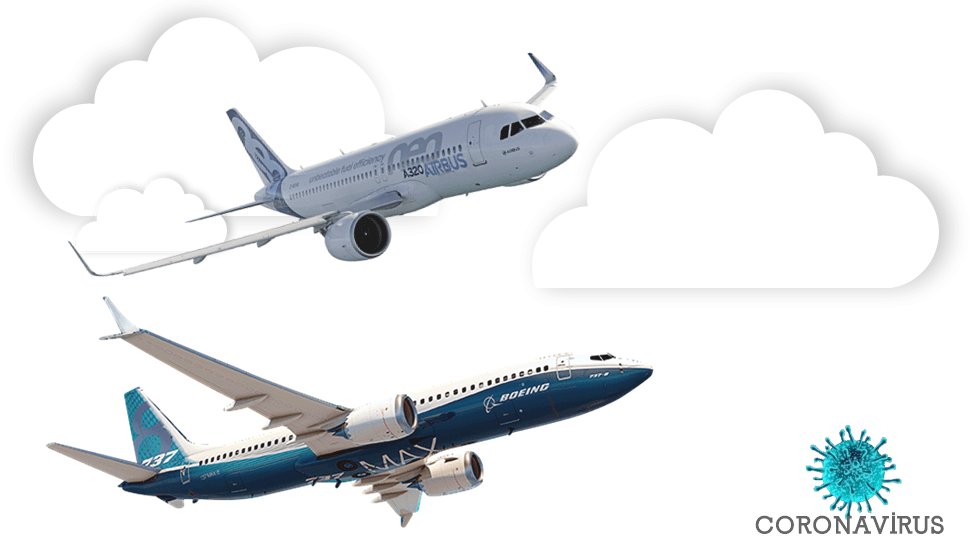
The Boeing Company y Airbus Group SE se asocian con académicos, ingenieros y expertos médicos para comprender mejor los riesgos potenciales de la actual pandemia de Coronavirus y los efectos en el transporte global. Estudiarán cómo se mueve el Covid-19 a bordo y si la luz UV, el material autolimpiante, puede detener la propagación del virus.
La pandemia de coronavirus ha afectado enormemente los viajes aéreos. En el contexto de países que levantan las restricciones y reanudan los viajes, dos fabricantes de líneas aéreas, Boeing y Airbus, esperan devolver a la industria su antigua gloria, pero quieren abordar una preocupación sobre cómo se mueve el virus a bordo de los vuelos. Los fabricantes están tomando medidas para comprender mejor los riesgos potenciales y proyectarse para una situación futura en la aviación comercial. Para este estudio, tanto Boeing como Airbus están buscando medios como la luz ultravioleta (UV) y materiales autolimpiantes para evitar la propagación de la pandemia actual. Sus hallazgos podrían ayudar a las aerolíneas, los funcionarios de salud y los reguladores a tomar decisiones sobre cómo prevenir la propagación del nuevo Coronavirus y futuras aplicaciones en emergencias de salud. El Coronavirus ha arrestado al mundo con 5.6 millones de infecciones y más de 355.000 muertes registradas en todo el mundo.
La industria de las aerolíneas ha sufrido grandes pérdidas desde que la pandemia ha llegado a casi todo el planeta. Según el Consejo de Aeropuertos Internacionales, la industria ha perdido 4.6 mil millones de pasajeros y casi US$ 100 mil millones solo este año. Las industrias aéreas están cerrando. Por ejemplo, la aerolínea charter con sede en Florida Miami Air se declaró en quiebra y cerró sus operaciones el 8 de Mayo 2020.
Las aerolíneas han estado tratando de convencer a los usuarios del transporte de que las máscaras y el aire filtrado de la cabina brindan protección confiable contra infecciones durante el vuelo. Los Centros para el Control y la Prevención de Enfermedades (CDC) han dicho que la mayoría de los virus y otros gérmenes no se propagan fácilmente en los vuelos debido a cómo circula el aire a bordo. Pero existen riesgos como la dificultad de mantener la distancia social en vuelos con muchas personas. Además, los viajes aéreos requieren pasar tiempo en las líneas de seguridad y las terminales del aeropuerto, lo que aumenta las posibilidades de exposición al virus a través de personas o superficies contaminadas. La agencia federal de salud dijo que discutió recomendaciones sobre Covid-19 y viajes seguros con la Administración Federal de Aviación, Boeing y Airbus.
Perspectivas sanitarias
Los expertos creen que todavía hay mucho que aprender a hacer. «En este momento hay muchas incógnitas», dijo John Scott Meschke, un microbiólogo que enseña en la Escuela de Salud Pública de la Universidad de Washington. Charles Haas, Profesor de Ingeniería Ambiental en la Universidad de Drexel, dijo: «No entendemos si la distancia de 6 pies recomendada por los CDC es lo suficientemente buena como para limitar la propagación a través de las gotas de una persona infectada a bordo».
Boeing está investigando si la luz ultravioleta y los recubrimientos antimicrobianos para las superficies tocadas con frecuencia pueden evitar la propagación del nuevo coronavirus. El fabricante está interesado en un estudio de la Universidad de Colorado, Boulder. El objetivo del proyecto es determinar la dosis de luz ultravioleta necesaria para desinfectar las aeronaves entre vuelos. Airbus, por otro lado, está hablando con investigadores de los E Estados Unidos que buscan incluir materiales autolimpiantes, un desinfectante que pueda durar cinco días y dispositivos sin contacto en los baños. Por ahora, las aerolíneas estadounidenses han tomado medidas como pedirles a los viajeros que se enmascaren y reducir la cantidad de pasajeros. «Si todos usan una máscara, entonces hay muy poco para salir al aire», dijo Linsey Marr, Profesora de Ingeniería de Virginia Tech, a quien Airbus contactó recientemente para obtener información sobre el tema.
Boeing/Airbus to study COVID-19 behavior on board
The industry will study the behavior Coronavirus on board aircraft
The Boeing Company and Airbus Group SE partner with academics, engineers, and medical experts to better understand the potential risks of the current Coronavirus pandemic and the effects on global transportation. They will study how Covid-19 moves on board and whether UV light, the self-cleaning material, can stop the virus from spreading.
The coronavirus pandemic has greatly affected air travel. In the context of countries lifting restrictions and resuming travel, two airline manufacturers, Boeing and Airbus, hope to return the industry to its former glory, but want to address a concern about how the virus moves on board flights. Manufacturers are taking steps to better understand the potential risks and to project themselves for a future situation in commercial aviation. For this study, both Boeing and Airbus are looking for means such as ultraviolet (UV) light and self-cleaning materials to prevent the spread of the current pandemic. Their findings could help airlines, health officials, and regulators make decisions about how to prevent the spread of the new Coronavirus and future applications in health emergencies. The Coronavirus has arrested the world with 5.6 million infections and more than 355,000 registered deaths worldwide.
The airline industry has suffered heavy losses since the pandemic has reached almost the entire planet. According to the International Airports Council, the industry has lost 4.6 billion passengers and almost US$ 100 billion this year alone. The airline industries are closing. For example, Florida-based charter airline Miami Air filed for bankruptcy and closed operations on May 8.
Airlines have been trying to convince transport users that masks and filtered cabin air provide reliable protection against infection in flight. The Centers for Disease Control and Prevention (CDC) have said that most viruses and other germs do not spread easily on flights because of how air circulates on board. But there are risks such as the difficulty of maintaining social distance on flights with many people. In addition, air travel requires spending time at security lines and airport terminals, increasing the chances of exposure to the virus through contaminated people or surfaces. The federal health agency said it discussed recommendations on Covid-19 and safe travel with the Federal Aviation Administration, Boeing and Airbus.
Health perspectives
Experts believe that there is still much to learn to do. «There are so many unknowns right now,» said John Scott Meschke, a microbiologist who teaches at the University of Washington School of Public Health. Charles Haas, Professor of Environmental Engineering at Drexel University, said: «We do not understand if the CDC-recommended 6-foot distance is good enough to limit the spread through drops of an infected person on board».
Boeing is investigating whether ultraviolet light and antimicrobial coatings for frequently touched surfaces can prevent the spread of the new coronavirus. The manufacturer is interested in a study from the University of Colorado, Boulder. The objective of the project is to determine the dose of ultraviolet light necessary to disinfect aircraft between flights. Airbus, on the other hand, is speaking with researchers from the United States seeking to include self-cleaning materials, a disinfectant that can last for five days, and non-contact devices in bathrooms. For now, U.S. airlines have taken steps such as asking travelers to mask themselves and reducing the number of passengers. «If everyone wears a mask, then there’s very little to get on the air», said Linsey Marr, a Virginia Tech professor of engineering, who Airbus recently contacted for information on the matter.
Ξ A I R G W A Y S Ξ PUBLISHER: Airgways.com DBk: Airbus.com / Boeing.com / Airgways.com AW-POST: 202005282026
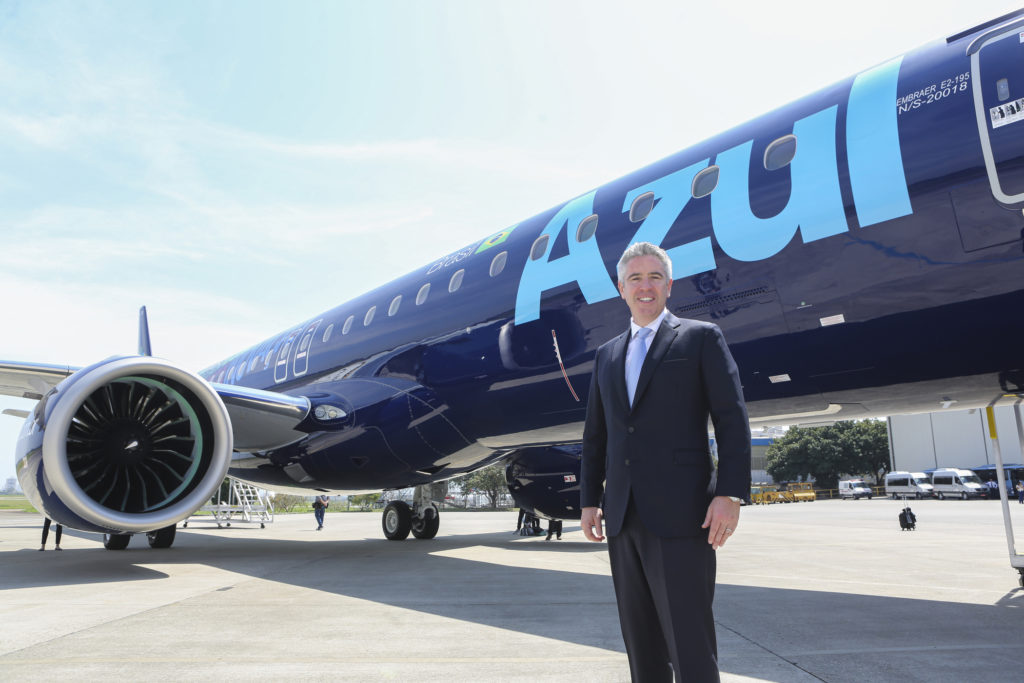
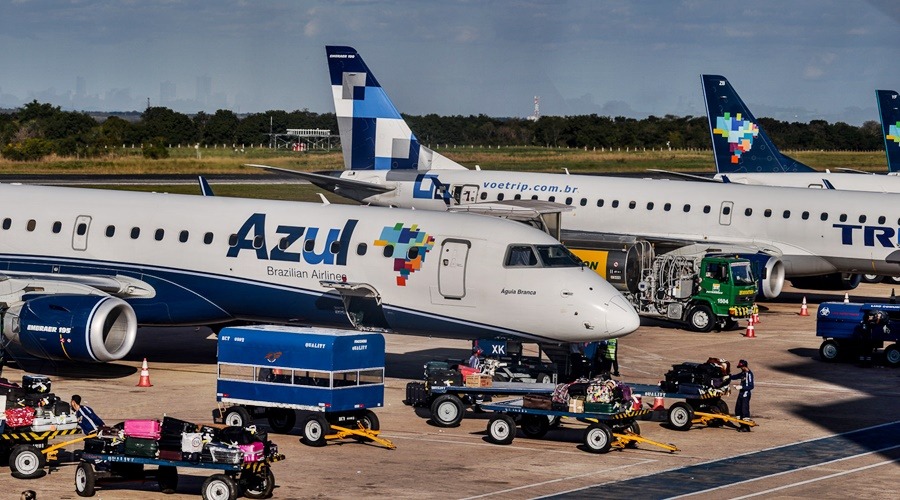
Azul Linhas Aéreas ha expresado la intención de continuar la desprogramación de la flota de Embraer E195-E1 para ser transferida a las aerolíneas LOT Polish Airlines y la futura compañía feeder de JetBlue Airways, Breeze Airways del CEO David Neeleman.
En Enero 2020, antes de la pandemia, Azul Linhas Aéreas había anunciado que transferiría un total de 53 E195-E1 de su flota actual las líneas aéreas LOT y Breeze. Según el acuerdo de subarrendamiento, todos los E-195-E1 estaban programados para abandonar la flota de Azul para finales de 2022, para dar ingreso a la flota de aeronaves de nueva generación Embraer E195-E2. En ese momento, tanto David Neeleman como ejecutivos polacos de LOT firmaron el acuerdo.
Azul Linhas Aéreas había expresado al constructor brasileño el aplazamiento hasta 2024 de las entregas de más de cincuenta nuevos aviones Embraer E2, que originalmente estaban programados para arribar a la aerolínea entre 2020-2023, a razón de un nuevo avión cada dos semanas, reemplazando paulatinamente la flota actual de la flota compuesto por los Embraer 190-E1 y E195-E1.
LOT Polish Ailrines
Rafał Milczarski, CEO de la aerolínea polaca expresó: “Los E195 son fundamentales para la misión de nuestra flota de corto alcance. Altamente elogiados por nuestros pasajeros, han demostrado su fiabilidad y rentabilidad en los últimos años y eso es lo que buscamos al desarrollar la red de vuelos desde nuestras bases en Varsovia y Budapest. Gracias a esto, en 2021, LOT será el mayor operador de aviones Embraer en Europa y uno de los más grandes del mundo”.
Proyecto Breeze
Los planes para la proyección de la start-up de Breeze Airways de la mano de JetBlue Airways continúa en stand-by mientras se descomprime la pandemia de Coronavirus. Cuando la situación mejore considerablemente, podrán continuar con la incorporación de los E-jets a la nueva aerolínea estadounidense.
Acuerdo transferencia
El CEO John Rodgerson, de Azul Linhas Aéreas, ha expresado que el acuerdo continúa vigente aguardando la reanudación de la demanda de la aviación comercial. “Tenemos una gran relación con Embraer y estamos muy entusiasmados con E2. Desafortunadamente, tuvimos que posponer nuestros planes para tomar más de estos aviones hasta que la economía se recupere. Es importante resaltar que también tenemos 51 aviones que abandonan nuestra flota naturalmente antes de que lleguen estos E2. En cualquier caso, todavía hay posibles subarrendamientos para LOT y Breeze cuyo contrato aún es válido. A medida que el tamaño del mercado cambia después de COVID-19, queremos estar preparados”, dijo John Rodgerson.
Las negociaciones continuarán avanzando a medida que se despejan los cielos del mundo. La actual flota de aviones Embraers de Azul Linhas Aéreas son Embraer E190AR/E190LR (6) y E195AR/E195LR (39), con un total de 45 unidades de su flota activa. Todas las aeronaves se encuentran arrendadas de las compañías de lessor. Igualmente la negociación para transferir las aeronaves E190/E195 dejarán márgenes de ganancias a Azul Linhas Aéreas para continuar avanzando con la desprogramación de la primera generación de la línea de E-jets.
Azul continues deprogramming E195-E1
Azul Linhas Aéreas maintains contracts for transfer of fleet E195-E1
Azul Linhas Aéreas has expressed the intention to continue the deprogramming of the Embraer E195-E1 fleet to be transferred to LOT Polish Airlines and future JetBlue Airways feeder company, CEO David Neeleman Breeze Airways.
In January 2020, prior to the pandemic, Azul Linhas Aéreas had announced that it would transfer a total of 53 E195-E1s from its current fleet to LOT and Breeze airlines. Under the sublease agreement, all E-195-E1s were scheduled to leave Azul’s fleet by the end of 2022, to enter the Embraer E195-E2 new generation aircraft fleet. At the time, both David Neeleman and Polish LOT executives signed the deal.
Azul Linhas Aéreas had expressed to the Brazilian constructor the postponement until 2024 of the deliveries of more than fifty new Embraer E2 aircraft, which were originally scheduled to arrive at the airline between 2020-2023, at the rate of a new aircraft every two weeks, gradually replacing the current fleet of the fleet consisting of the Embraer 190-E1 and E195-E1.
LOT Polish Ailrines
Rafał Milczarski, CEO of the Polish airline said: “The E195s are fundamental to the mission of our short-range fleet. Highly praised by our passengers, they have proven their reliability and cost effectiveness in recent years, and that is what we seek when developing the flight network from our bases in Warsaw and Budapest. Thanks to this, in 2021, LOT will be the largest operator of Embraer aircraft in Europe and one of the largest in the world”.
Breeze project
Plans for the projection of the Breeze Airways start-up by JetBlue Airways continue on stand-by while the Coronavirus pandemic is unpacked. When the situation improves considerably, they can continue with the incorporation of the E-jets to the new American airline.
Transfer agreement
The CEO John Rodgerson, of Azul Linhas Aéreas, has expressed that the agreement continues in force awaiting the resumption of demand for commercial aviation. “We have a great relationship with Embraer and we are very excited about E2. Unfortunately, we had to postpone our plans to take more of these planes until the economy recovers. Importantly, we also have 51 aircraft that naturally leave our fleet before these E2s arrive. In any case, there are still possible subleases for LOT and Breeze whose contract is still valid. As the market size changes after COVID-19, we want to be prepared», said John Rodgerson.
Negotiations will continue to move forward as the world’s skies clear. Azul Linhas Aéreas’ current fleet of Embraers are Embraer E190AR/E190LR (6) and E195AR/E195LR (39), with a total of 45 units from its active fleet. All aircraft are leased from lessor companies. Likewise, the negotiation to transfer the E190/E195 aircraft will leave profit margins to Azul Linhas Aéreas to continue advancing with the deprogramming of the first generation of the E-jet line.
Azul continua a desprogramação de E195-E1
Azul Linhas Aéreas mantém contratos de transferência frota E195-E1
A Azul Linhas Aéreas expressou a intenção de continuar a desprogramação da frota Embraer E195-E1 a ser transferida para a LOT Polish Airlines e a futura empresa de alimentadores da JetBlue Airways, CEO David Neeleman Breeze Airways.
Em janeiro de 2020, antes da pandemia, a Azul Linhas Aéreas havia anunciado que transfereria um total de 53 E195-E1s de sua frota atual para as companhias aéreas LOT e Breeze. Sob o contrato de sublocação, todos os E-195-E1 estavam programados para deixar a frota da Azul até o final de 2022, para entrar na frota de aeronaves de próxima geração Embraer E195-E2. Na época, David Neeleman e executivos poloneses da LOT assinaram o acordo.
A Azul Linhas Aéreas havia expresso ao construtor brasileiro o adiamento até 2024 das entregas de mais de cinquenta novas aeronaves Embraer E2, que estavam originalmente programadas para chegar à companhia aérea entre 2020-2023, à taxa de uma nova aeronave a cada duas semanas, substituindo gradualmente a frota atual da frota composta pelo Embraer 190-E1 e E195-E1.
LOT Ailrines polonês
Rafał Milczarski, CEO da companhia aérea polonesa, afirmou: “Os E195 são fundamentais para a missão de nossa frota de curto alcance. Altamente elogiados por nossos passageiros, eles comprovaram sua confiabilidade e relação custo-benefício nos últimos anos, e é isso que buscamos ao desenvolver a rede de vôos a partir de nossas bases em Varsóvia e Budapeste. Graças a isso, em 2021, a LOT será a maior operadora de aeronaves da Embraer na Europa e uma das maiores do mundo”.
Projeto Breeze
Os planos para a projeção da partida da Breeze Airways pela JetBlue Airways continuam em espera enquanto a pandemia de Coronavírus é descompactada. Quando a situação melhorar consideravelmente, eles podem continuar com a incorporação dos jatos E na nova companhia aérea americana.
Contrato de transferência
O CEO John Rodgerson, da Azul Linhas Aéreas, expressou que o acordo continua em vigor aguardando a retomada da demanda por aviação comercial. “Temos um ótimo relacionamento com a Embraer e estamos muito animados com a E2. Infelizmente, tivemos que adiar nossos planos de pegar mais desses aviões até que a economia se recuperasse. Importante, também temos 51 aeronaves que naturalmente deixam nossa frota antes da chegada desses E2s. De qualquer forma, ainda existem possíveis sublocações para o LOT e o Breeze cujo contrato ainda é válido. À medida que o tamanho do mercado muda após o COVID-19, queremos estar preparados», afirmou John Rodgerson.
As negociações continuarão avançando à medida que os céus do mundo estiverem claros. A atual frota de Embraers da Azul Linhas Aéreas é a Embraer E190AR/E190LR (6) e E195AR/E195LR (39), com um total de 45 unidades de sua frota ativa. Todas as aeronaves são arrendadas de empresas arrendadoras. Da mesma forma, a negociação para transferir as aeronaves E190/E195 deixará margens de lucro para a Azul Linhas Aéreas para continuar avançando com a desprogramação da primeira geração da linha de E-jet.
Ξ A I R G W A Y S Ξ PUBLISHER: Airgways.com DBk: Voeazul.com.br / Embraer.com / Airgways.com AW-POST: 202005281818AR















 airgways.com