Interfaces Seamless Air Alliance
Resultado de imagen para Seamless Air Alliance interfacesAW | 2020 03 06 08:20 | AVIATION

Resultado de imagen para Seamless Air Alliance logoEl nuevo estándar promete a las aerolíneas más flexibilidad al actualizar la conectividad en vuelo

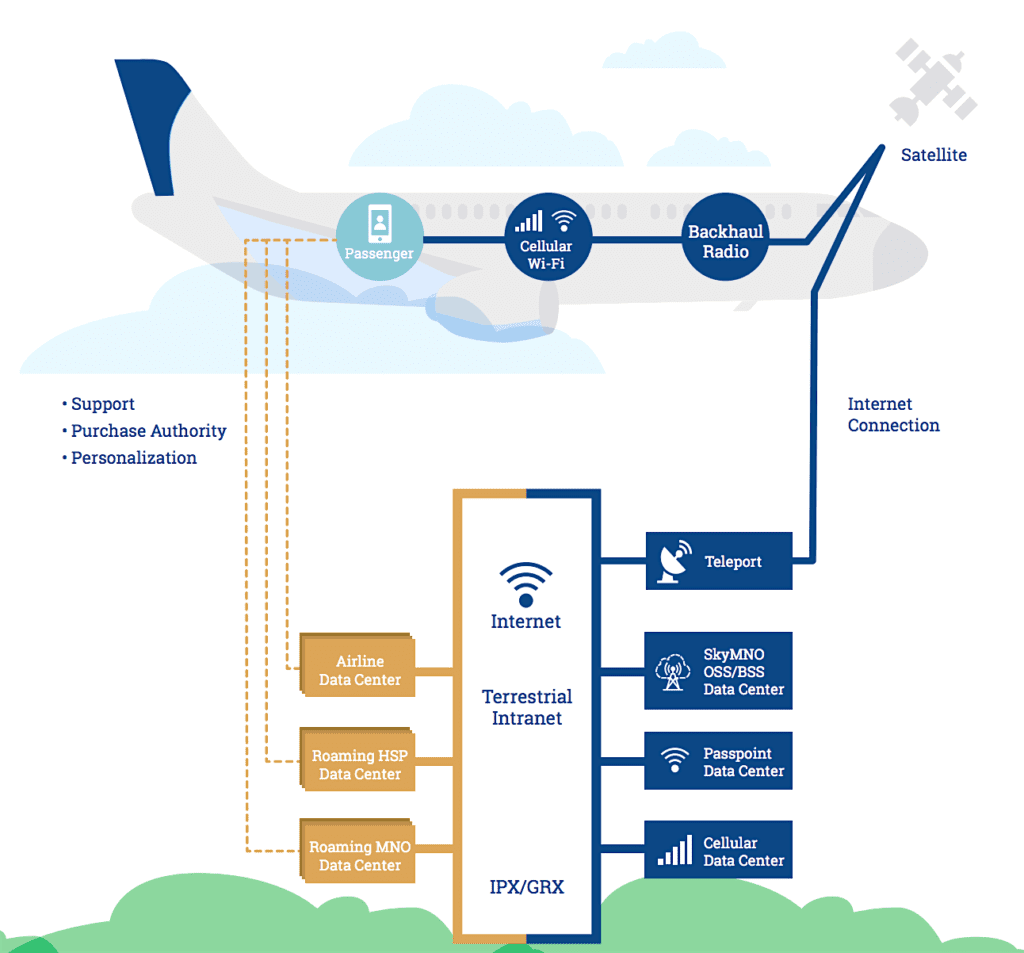
Seamless Air Alliance ha publicado un nuevo estándar de conectividad en vuelo (IFC), Seamless Release 1.0, para introducir el uso de interfaces abiertas como Hotspot 2.0 y roaming celular nativo para los componentes funcionales que permiten a las aerolíneas dar acceso a los pasajeros a La Internet.

Seamless Air Alliance fue establecida en 2018 por Airbus, Airtel, Delta, Sprint y OneWeb como una coalición con el objetivo de reducir el precio y aumentar la disponibilidad del servicio de conectividad en vuelo, la tecnología y las actualizaciones. Ahora, con Seamless Release 1.0, el grupo ha establecido el primer estándar de conectividad en vuelo del mundo que abarca estándares abiertos específicos de uso global y aceptados para la interconexión de redes celulares y conectividad Wi-Fi en sistemas de aviones conectados.

El CEO de Seamless Air Alliance, Jack Mandala, dijo a Avionics International que el mayor beneficio que su estándar brinda a los proveedores de equipos de IFC es un mercado más grande. “Esto se logra de varias maneras. Primero, los estándares abiertos, por definición, brindarán confianza a las aerolíneas para avanzar con las inversiones, sabiendo que sus sistemas pueden actualizarse a medida que avanza la tecnología, y desatando una acumulación de compromisos de las aerolíneas. Los ciclos de actualización y un flujo de ingresos más frecuente y predecible para los proveedores. En tercer lugar, los proveedores de tecnología pueden especializarse en un componente individual sin la necesidad de diseñar, desarrollar y producir todo el sistema», dijo Mandala.

Seamless Air Alliance ha crecido hasta un total de 29 miembros, incluidas cinco aerolíneas: AeroMexico, Air France KLM, Delta, Etihad y GOL. Algunos de los proveedores de equipos y servicios de conectividad en vuelo más grandes de la industria también son miembros, incluidos Astronics, Collins Aerospace, Inmarsat, Intelsat, SES y SITAONAIR, entre otros. El resumen de tecnología del grupo para la Versión 1.0 explica cómo el estándar presenta el uso de protocolos de red móvil y de itinerancia abierta y de interconexión de telefonía móvil definidos por la Asociación GSM, una organización de la industria que representa a más de 750 operadores de redes móviles en todo el mundo. GSMA describe el roaming como la habilitación de un suscriptor móvil para hacer y recibir automáticamente llamadas de voz, enviar y recibir datos, o acceder a otros servicios cuando viaja fuera del área de cobertura geográfica de su red doméstica, mediante el uso de una red visitada, que es exactamente el tipo de marco que Seamless busca llevar a los pasajeros que usan conectividad en vuelo.

La versión 1.0 también admite el uso de Hotspot 2.0 para establecer la autenticación automática para los sistemas de Wi-Fi a bordo y el roaming celular nativo, que el resumen de tecnología de SAA describe como asegurar la integración simple de RAN [Red de acceso de radio] a bordo y funciones centrales con cualquier operador celular. El estándar no será un factor limitante para la innovación entre los proveedores competidores de IFC y, en cambio, podría avanzarlo.

«Los estándares abiertos 1.0 sin problemas no afectarán la función interna del módem, la antena o cualquier otro componente del sistema. Esto es intencional para proteger la propiedad intelectual de cada proveedor individual y alentarlos a innovar y mejorar. realizando productos al mercado. En el negocio de los chips lo llamamos ganar el zócalo. Seamless 1.0 define las entradas, salidas y requisitos de interfaz para que la salsa secreta dentro de cualquier componente individual esté completamente protegida», ha expresado el ejecutivo.

La arquitectura del sistema para Seamless Release 1.0 se divide en ocho componentes funcionales diferentes que pueden transmitir datos en formatos consistentes utilizando interfaces que actúan como enlaces entre cada componente. Según el resumen de tecnología, a medida que emerge una nueva tecnología, se realizan revisiones dentro del componente funcional efectuado para abarcar el avance en la capacidad.

La versión 1.0 de SAA llega cuando muchos proveedores diferentes de servicios de conectividad en vuelo y fabricantes de equipos continúan trabajando en el lanzamiento de nuevas redes satelitales y aéreas a tierra. Actualmente, Gogo está desarrollando nuevas antenas y módems diseñados para habilitar su red 5G aire-tierra de próxima generación para 2021. Inmarsat planea lanzar hasta siete nuevos satélites para 2023 como parte de su futura hoja de ruta de satélites. Panasonic Avionics se está preparando para el lanzamiento de su próxima generación del servicio Satellite Extreme Throughput (XTS) este año. SES, Hughes Networks y Viasat también tienen redes de próxima generación en desarrollo. «A través de la cooperación de los proveedores de servicios, los sistemas existentes se pueden actualizar para admitir la conectividad sin fisuras utilizando el marco de roaming común que se crea en la versión 1.0. El segundo objetivo de intercambiabilidad, debería ver ejemplos en el mercado para esta fecha el próximo año. Las nuevas implementaciones pueden seguir de inmediato, el equilibrio se realizará progresivamente a medida que el ciclo de vida de IFC brinde oportunidades», dijo Mandala.  AW-Icon AW001

AW-SeamlessAirAllianceSeamless Air Alliance interfaces

The new standard promises airlines more flexibility when updating flight connectivity

Seamless Air Alliance has published a new flight connectivity standard (IFC), Seamless Release 1.0, to introduce the use of open interfaces such as Hotspot 2.0 and native cell roaming for functional components that allow airlines to give passengers access to La Internet.

Seamless Air Alliance was established in 2018 by Airbus, Airtel, Delta, Sprint and OneWeb as a coalition with the aim of reducing the price and increasing the availability of the flight connectivity service, technology, and updates. Now, with Seamless Release 1.0, the group has established the world’s first in-flight connectivity standard that encompasses specific globally accepted and accepted standards for interconnecting cellular networks and Wi-Fi connectivity in connected aircraft systems.

The CEO of Seamless Air Alliance, Jack Mandala, told Avionics International that the greatest benefit that its standard provides to IFC equipment suppliers is a larger market. “This is achieved in several ways. First, open standards, by definition, will give airlines confidence to move forward with investments, knowing that their systems can be updated as technology advances, and unleashing an accumulation of airline commitments. Update cycles and a more frequent and predictable revenue stream for suppliers. Third, technology providers can specialize in an individual component without the need to design, develop and produce the entire system», said Mandala.

Resultado de imagen para Seamless Air Alliance

Seamless Air Alliance has grown to a total of 29 members, including five airlines: AeroMexico, Air France KLM, Delta, Etihad, and GOL. Some of the largest providers of flight connectivity equipment and services in the industry are also members, including Astronics, Collins Aerospace, Inmarsat, Intelsat, SES, and SITAONAIR, among others. The group’s technology summary for Version 1.0 explains how the standard presents the use of mobile network and open roaming and mobile phone interconnection protocols defined by the GSM Association, an industry organization that represents more than 750 operators of mobile networks worldwide. GSMA describes roaming as enabling a mobile subscriber to automatically make and receive voice calls, send and receive data, or access other services when traveling outside the geographic coverage area of ​​your home network, by using a visited network, which is exactly the type of frame that Seamless seeks to carry passengers who use in-flight connectivity.

Version 1.0 also supports the use of Hotspot 2.0 to establish automatic authentication for on-board Wi-Fi systems and native cellular roaming, in which the SAA technology summary describes how to ensure the simple integration of RAN [Access Network radio] on board and central functions with any cellular operator. The standard will not be a limiting factor for innovation among competing IFC suppliers and, on the other hand, could advance it.

«Open standards 1.0 without problems will not affect the internal function of the modem, the antenna or any other system component. This is intentional to protect the intellectual property of each individual provider and encourage them to innovate and improve. Making products to the market. We call the chip business winning the socket. Seamless 1.0 defines the inputs, outputs and interface requirements so that the secret sauce within any individual component is fully protected”, said the executive.

The system architecture for Seamless Release 1.0 is divided into eight different functional components that can transmit data in consistent formats using interfaces that act as links between each component. According to the technology summary, as new technology emerges, revisions are made within the functional component carried out to cover the progress in the capacity.

Version 1.0 of SAA arrives when many different flight connectivity service providers and equipment manufacturers continue to work on the launch of new satellite and air networks on the ground. Gogo is currently developing new antennas and modems designed to enable its next-generation 5G air-to-ground network by 2021. Inmarsat plans to launch up to seven new satellites by 2023 as part of its future satellite roadmap. Panasonic Avionics is preparing for the launch of its next-generation Satellite Extreme Throughput (XTS) service this year. SES, Hughes Networks and Viasat also have next-generation networks in development. «Through the cooperation of service providers, existing systems can be updated to support seamless connectivity using the common roaming framework created in version 1.0. The second interchangeability objective, you should see examples in the market by this date next year. New implementations can continue immediately, the balance will be progressively carried out as the IFC life cycle provides opportunities», Mandala said. AW-Icon AW002


Ξ A I R G W A Y S Ξ
SOURCE: Airgways.com
DBk: Seamlessalliance.com / Aviationtoday.com / Airgways.com
AW-POST: 202003060820AR

A\W   A I R G W A Y S ®
Airbus O&D 02/2020

Resultado de imagen para A320neo swissAW | 2020 03 06 08:08 | INDUSTRY

Logo_Airbus_2014.svg - copiaAirbus entragas modestas para Febrero 2020
Desde el comienzo del 2020 Airbus Group SE registra 274 pedidos netos de aviones comerciales de su A220, A320 y A350 líneas de productos XWB en la actividad. Durante el mes de Febrero 2020, Airbus no registrado nuevos pedidos.

En 02/2020 de Airbus entregó 55 aviones a 35 clientes. Entregas de pasillo único en 02/2020 involucrados 40 Familia A320 aviones compuesto de A320NEO (37), A320CEO (3) y A220 (4). En cuanto a las aeronaves de fuselaje ancho, fueron entregados A350-900 (7) y A350-1000 (2); junto con A330CEO/NEO (2).

Nuevos clientes

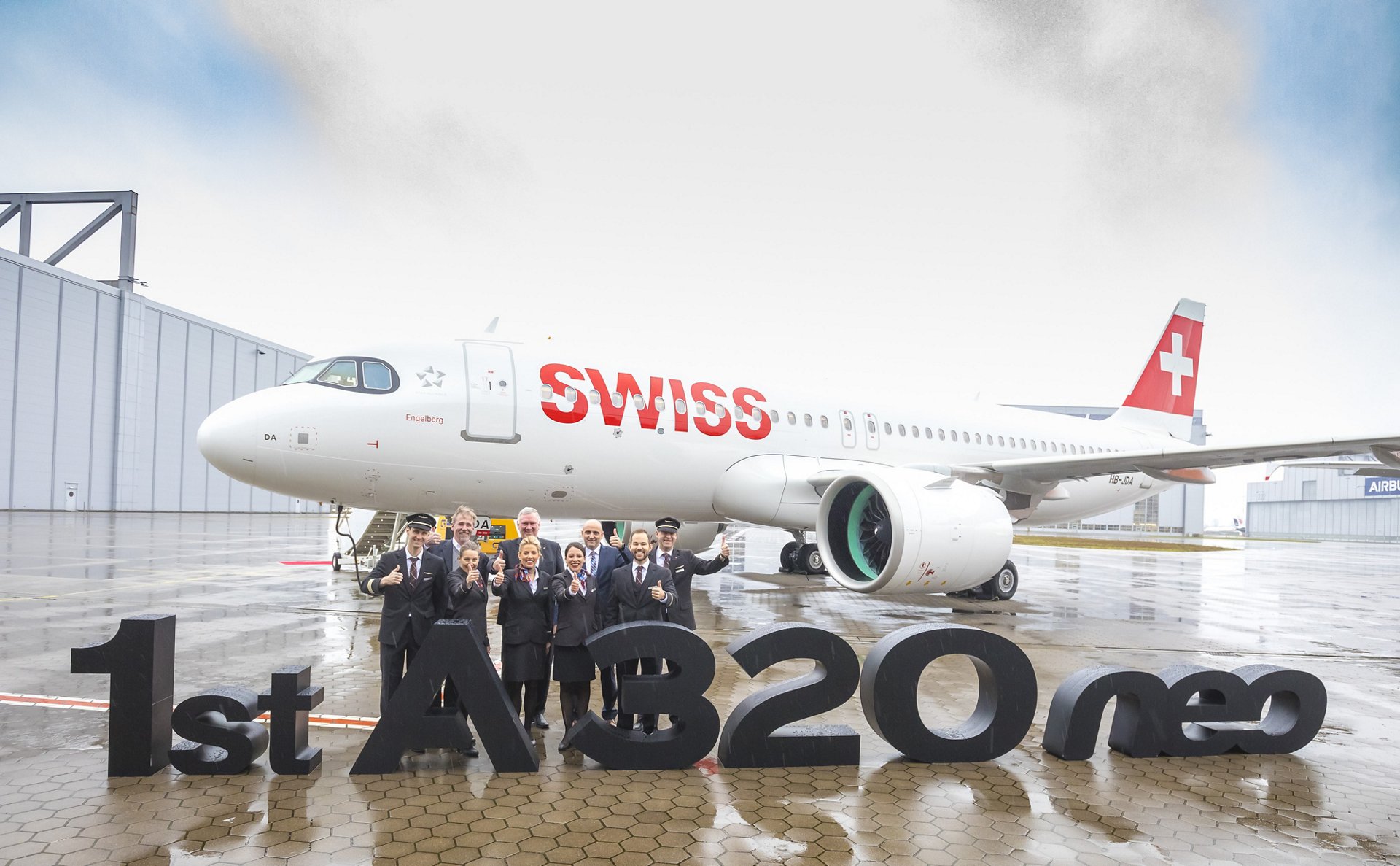
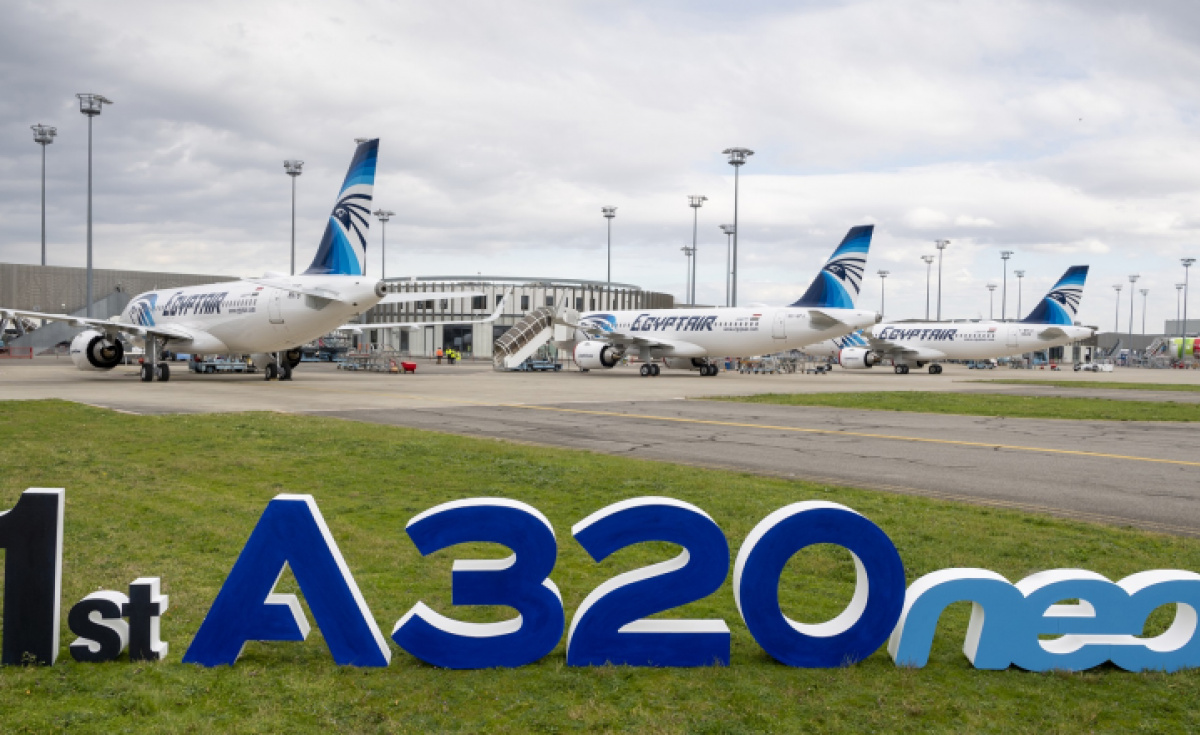
Airbus ha registrado tres nuevas líneas aéreas como operadores de A320NEO este mes: Swiss International Air Lines se convirtió en un nuevo operador A320NEO después de la entrega de la primera de sus 25 órdenes de la últoma variante del A320. EgyptAir, la compañía aérea nacional de Egipto, recibió su primer A320NEO en arrendamiento de AerCap y registró la primera entrega A320NEO a Flyadeal, la aerolíneas de bajo coste de Arabia Saudita en arrendamiento de Avolon. Entre las entregas notables del mes de Febrero, fue el primer A350-900 entregado a Aeroflot Russian Airlines, con un total de 22 aviones del tipo de orden.

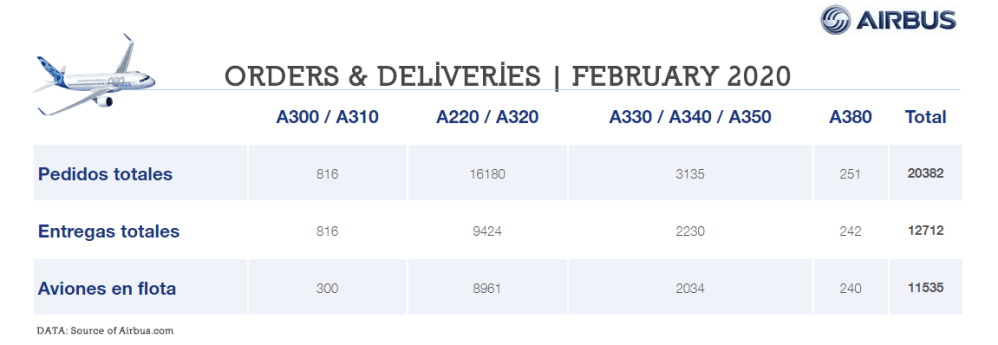
La acumulación de aviones a fecha 29 Febrero 2020 de Airbus se situó en 7.670. Este total se compone de 6.209 aviones de la Familia A320 y A220 (547), así como A330 (328), A350 (577) y A380 (9). Los pedidos totales generales registrados por Airbus desde su creación hasta 20.382 aviones comerciales, que incluye: aviones de la Familia A320 (15.522 ), A330 (1.823), A350 (935), A220 (658) A380 (251). AW-Icon AW001

Resultado de imagen para A320neo EgiptairAirbus O&D 02/2020

AW-Airbus_Isologotype GlobeblueAirbus modest deliveries for February 2020
Since the beginning of 2020 Airbus Group SE registers 274 net orders for commercial aircraft of its A220, A320, and A350 XWB product lines in the activity. During the month of February 2020, Airbus did not register for new orders.

On 02/2020, Airbus delivered 55 aircraft to 35 customers. Single aisle deliveries in 02/2020 involved 40 A320 Family aircraft consisting of A320NEO (37), A320CEO (3) and A220 (4). As for the wide-body aircraft, A350-900 (7) and A350-1000 (2) were delivered; together with A330CEO/NEO (2).

AW-Airbus_O&D_02-2020

New customers

Airbus has registered three new airlines as A320NEO operators this month: Swiss International Air Lines became a new A320NEO operator after the delivery of the first of its 25 orders from the latest A320 variant. EgyptAir, the national airline of Egypt, received its first A320NEO in leasing from AerCap and registered the first A320NEO delivery to Flyadeal, the low-cost airlines of Saudi Arabia in leasing from Avolon. Among the notable deliveries of the month of February, it was the first A350-900 delivered to Aeroflot Russian Airlines, with a total of 22 aircraft of the order type.

The accumulation of airplanes as of February 29, 2020, of Airbus, stood at 7,670. This total consists of 6,209 A320 and A220 Family aircraft (547), as well as A330 (328), A350 (577) and A380 (9). The general total orders registered by Airbus from its creation up to 20,382 commercial airplanes, which includes: A320 (15,522), A330 (1,823), A350 (935), A220 (658) A380 (251) aircraft. AW-Icon AW002


Ξ A I R G W A Y S Ξ
SOURCE: Airgways.com
DBk: Airbus.com / Airgways.com
AW-POST: 202003060808AR

A\W   A I R G W A Y S ®

Aproximación certificación 737 MAX

AW-7007337MAXAW | 2020 03 05 23:16 |AVIATION SAFETY / AVIATION ORGANISMS

Boeing-Company-LogoLa FAA ha comunicado que vuelo recertificación del Boeing 737 MAX podría llegar en pocas semanas
El Jefe de la Administración Federal de Aviación (FAA) de Estados Unidos, Stephen Dickson, ha comunicado este Jueves 5 Marzo 2020 que existe la posibilidad de recertificación para el Boeing 737 MAX en unas pocas semanas, lo que representaría un hito clave para el regreso del avión en conflicto. «Estamos trabajando en los últimos problemas de revisión de software y documentación, y luego creo que en unas pocas semanas deberíamos ver un vuelo de certificación», dijo el Administrador de la FAA en una conferencia de aviación en Washington.

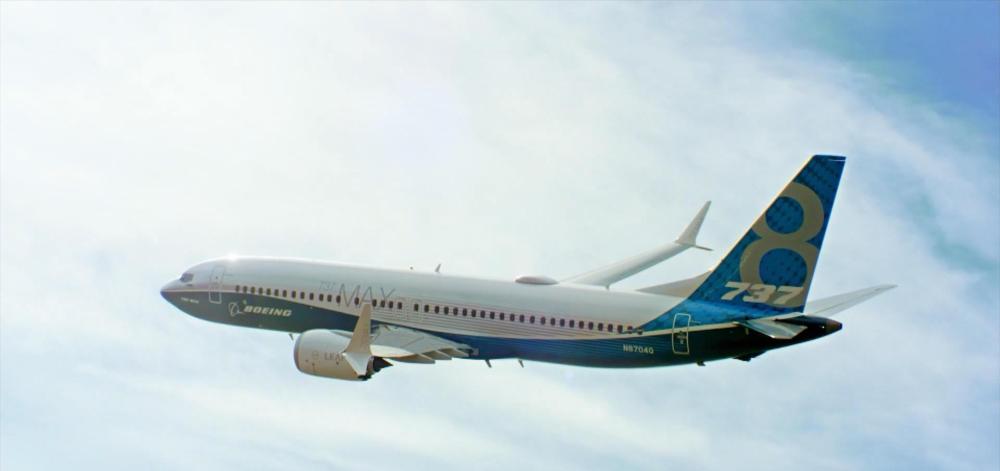
boeing-737-max (1)A principios de Febrero 2020, la FAA había comunicado que los vuelos de certificación del Boeing 737 MAX comenzarán en las próximas semanas y que los reguladores internacionales de seguridad aérea están cerca de acordar las soluciones finales necesarias antes de que la cuarta generación de aeronaves 737 pueda regresar al servicio. La FAA ha confirmado y actualizado la vigencia de sus dichos este Jueves 05/03, aumentando las expectativas del retorno de uno de los aviones más vendidos en el mundo.
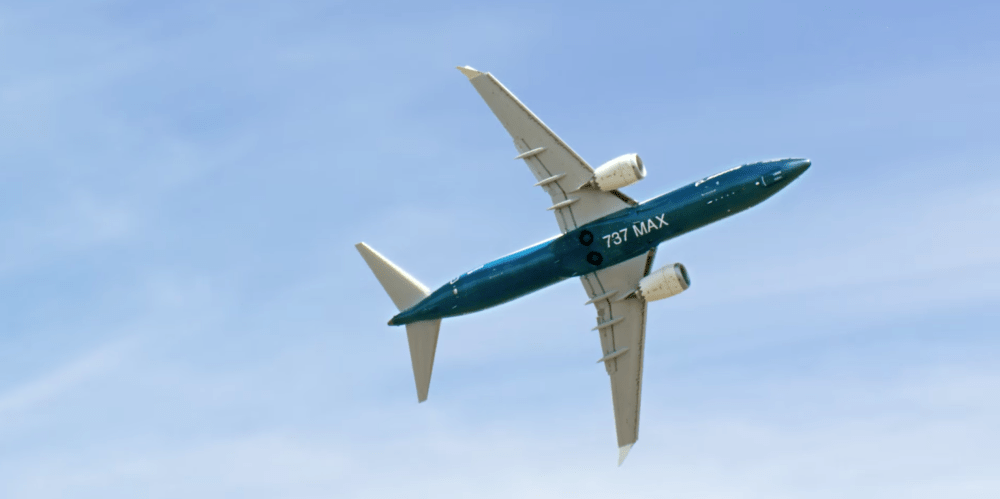
Boeing dijo en su informe del cuarto trimestre (4Q2019) que ve que el 737 MAX regresará a mediados de 2020. Las aerolíneas han cancelado la programación de sus vuelos con las aeronaves Boeing 737 MAX al menos tentativamente hasta Junio 2020.

El Boeing 737 MAX ha estado en tierra durante casi un año después de dos accidentes fatales que mataron a 346 personas en dos accidentes aéreos en Indonesia y Etiopía. El próximo 10 Marzo se complirá el primer aniversario del segundo accidente aéreo de un Boeing 737-8 MAX en Etiopía. AW-Icon AW001

737maxfeat-1Approach certification Boeing 737 MAX

Boeing-Logo.svgThe FAA has reported that Boeing 737 MAX recertification flight could arrive in a few weeks
The Head of the Federal Aviation Administration (FAA) of the United States, Stephen Dickson, announced on Thursday, March 5, 2020, that there is the possibility of recertification for the Boeing 737 MAX in a few weeks, which would represent a key milestone for the return of the plane in conflict. «We are working on the latest software and documentation review problems, and then I think that in a few weeks we should see a certification flight», said the FAA Administrator at an aviation conference in Washington.

At the beginning of February 2020, the FAA had announced that the certification flights of the Boeing 737 MAX will begin in the coming weeks and that international air safety regulators are close to agreeing on the final solutions needed before the fourth generation of 737 aircraft can return to service The FAA has confirmed and updated the validity of its sayings this Thursday 05/03, increasing the expectations of the return of one of the best-selling aircraft in the world.

Boeing said in its fourth-quarter report (4Q2019) that it sees that 737 MAX will return in mid-2020. The airlines have canceled the programming of their flights with the Boeing 737 MAX aircraft at least tentatively until June 2020.

The Boeing 737 MAX has been on the ground for almost a year after two fatal accidents that killed 346 people in two plane crashes in Indonesia and Ethiopia. The first anniversary of the second plane crash of a Boeing 737-8 MAX in Ethiopia will be completed next March 10. AW-Icon AW002


Ξ A I R G W A Y S Ξ
SOURCE: Airgways.com
DBk: Faa.gov / Boeing.com / Airgways.com
AW-POST: 202003052316AR

A\W   A I R G W A Y S ®

Azul desprograma Embraer E195-E1

Viracopos International Airport - CampinasAW | 2020 03 05 17:27 | AIRLINES

azul_brazilian_airlines_logo-svg - copiaAzul Linhas Aéreas inicia proceso desprogramación Embraer E195-E
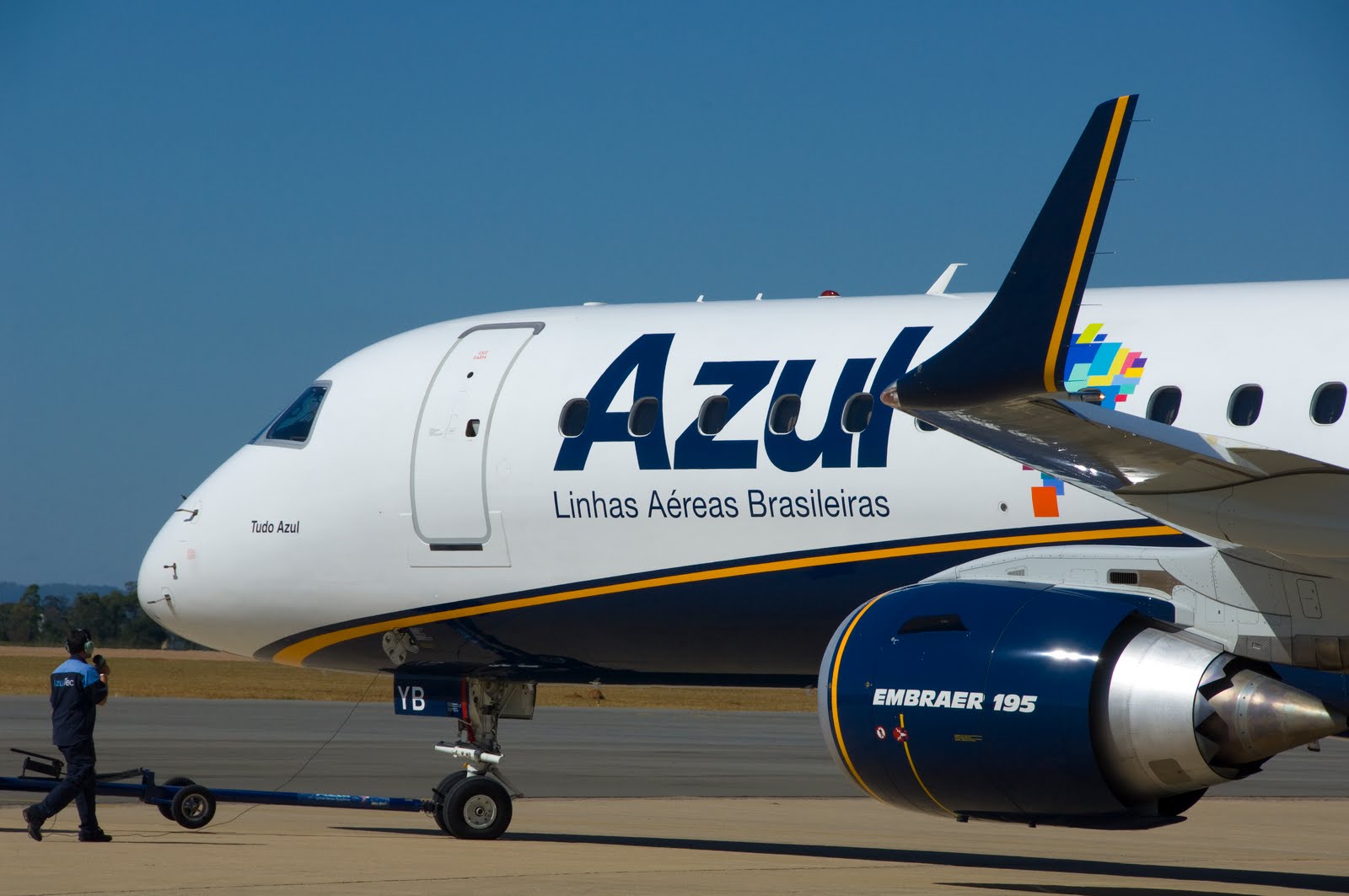
Azul Linhas Aéreas de Brasil ha recibido la aprobación de sus accionistas para subarrendar 53 aeronaves Embraer E195-E1 al nuevo operador estadounidense Breeze Airways y a la compañía polaca LOT Polish Airlines. La Junta General de la aerolínea low cost brasileña obtuvo una amplia mayoría con 97% de los votos para aprovar el traslado de las unidades de aeronaves Embraer E-Jets de primera generación a la nueva línea aérea estadounidense del mismo grupo liderado por David Neeleman.

Plan quinquenal

Azul Linhas Aéreas anunció su plan estratégico de cinco años para la renovación de la flota en Enero 2020. El plan permitirá que la aerolínea opere solo aviones de segunda generación Embraer E195-E2 (E190-400) para 2022. “Me gustaría agradecer a nuestros accionistas por ayudarnos a acelerar la transformación de nuestra flota, la principal fuente de nuestro crecimiento y expansión de márgenes en los próximos años», ha expresado John Rogerson

Actualización flota

Azul Linhas Aéreas actualmente mantieno operativas 145 aeronaves: Embraer E195-E1 (56), E195-E2 (4), Boeing 737-300F (2), ATR 72-600 (33), Airbus A320NEO (39), A321NEO (1), A330-200 (8) y A330-900 (2). Las estimaciones de desprogramación de aeronaves para el corto plazo: 28 Embraer E195-E1, A330 (1), A320NEO (9) y E195-E2 (25) para finales de este año. La aerolínea proyecta incorporar un total de 75 Embraer E195-E2, 80 A320NEO, 12 Airbus A330-200 y 33 ATR 72-600 para 2024.

El CEO de Azul ha expresado algunas palabras cariñosas para los E195-E1 que partían: “Durante los últimos once años el E195 ha sido la base del modelo de negocios de Azul y continuará brindando una gran experiencia a los clientes de LOT y Breeze. Ahora que hemos construido la red más amplia en Brasil, estamos listos para agregar aviones E2 más grandes y más eficientes en combustible a nuestra flota».

Acerca de E195-E2

La familia Embraer E-Jet E2 son aviones de reacción de mediano alcance desarrollados por Embraer, sucediendo al E-1. El programa se lanzó en el Salón Aeronáutico de París en 2013. La primera variante, el E190-E2, realizó su primer vuelo el 23 Mayo 2016 y se certificó el 28 Febrero 2018 antes de entrar en servicio con Widerøe el 24 Abril 2018. Las tres variantes de doble chorro comparten el mismo fuselaje de cuerpo estrecho de cuatro lados con diferentes longitudes y tres alas nuevas diferentes, turbofans Pratt & Whitney PW1000G en dos tamaños, controles de vuelo por cable con nueva aviónica y una cabina actualizada. El E195-E2 (EMB 190-400) se extenderá en tres filas de asientos desde el E195 en 2.85 m (9.4 pies), y acomodará hasta 146 asientos. En Febrero 2016, Embraer anunció que había decidido aumentar la envergadura del E195-E2 en 1.4 m (4.6 pies) para una mayor elevación, junto con un aumento de MTOW de 2t (4,400 lb) para extender su alcance en 450 nmi (830 km) al comienzo del nivel del mar, y 250 nmi (460 km) en condiciones cálidas y altas. La variante se lanzó el 7 Marzo 2017 y Azul fue confirmado como su operador de lanzamiento. Las modernas aeronaves de segunda generación E195-E2 (E190-400) representan un ahorro de combustible correspondiente a un 1.4% menor al especificado originalmente para un 25.4% menos por asiento que el E195-E1. AW-Icon AW001

Resultado de imagen para Azul E195Azul deprogram Embraer E195-E1

Azul Linhas Aéreas starts the process of deprogramming E195-E1

azul1000x288 - copiaAzul Linhas Aéreas de Brasil has received approval from its shareholders to sublet 53 Embraer E195-E1 aircraft to the new US operator Breeze Airways and to the Polish company LOT Polish Airlines. The General Board of the Brazilian low-cost airline obtained a large majority with 97% of the votes to approve the transfer of the first generation Embraer E-Jets aircraft units to the new US airline of the same group led by David Neeleman.

Plan Quinquennial

Azul Linhas Aéreas announced its five-year strategic plan for fleet renewal in January 2020. The plan will allow the airline to operate only second-generation Embraer E195-E2 (E190-400) aircraft by 2022. “I would like to thank our shareholders for helping us accelerate the transformation of our fleet, the main source of our growth and margin expansion in the coming years», said John Rogerson

Updating fleet

Azul Linhas Aéreas currently maintaining 145 aircraft: Embraer E195-E1 (56), E195-E2 (4), Boeing 737-300F (2), ATR 72-600 (33), Airbus A320NEO (39), A321NEO (1), A330-200 (8) and A330-900 (2). Aircraft deprogramming estimates for the short term: 28 Embraer E195-E1, A330 (1), A320NEO (9) and E195-E2 (25) by the end of this year. The airline plans to incorporate a total of 75 Embraer E195-E2, 80 A320NEO, 12 Airbus A330-200 and 33 ATR 72-600 by 2024.

The CEO of Azul has expressed some affectionate words for the starting E195-E1: “For the past eleven years the E195 has been the basis of Azul’s business model and will continue to provide a great experience for LOT and Breeze customers. Now that we have built the largest network in Brazil, we are ready to add larger and more fuel-efficient E2 aircraft to our fleet».

About E195-E2

The Embraer E-Jet E2 family is medium-range jet aircraft developed by Embraer, succeeding in the E-1. The program was launched at the Paris Air Show in 2013. The first variant, the E190-E2, made its first flight on May 23, 2016, and was certified on February 28, 2018, before entering service with Widerøe on April 24, 2018. Three double jet variants share the same four-sided narrow-body fuselage with different lengths and three different new wings, Pratt & Whitney PW1000G turbofans in two sizes, wired flight controls with new avionics and an updated cabin. The E195-E2 (EMB 190-400) will extend into three rows of seats from the E195 at 2.85 m (9.4 feet) and will accommodate up to 146 seats. In February 2016, Embraer announced that it had decided to increase the wingspan of the E195-E2 by 1.4 m (4.6 feet) for greater elevation, along with a 2t (4,400 lb) MTOW increase to extend its reach by 450 nmi (830 km) ) at the beginning of sea level, and 250 nmi (460 km) in warm and high conditions. The variant was launched on March 7, 2017, and Azul was confirmed as its launch operator. The modern second-generation aircraft E195-E2 (E190-400) represents a fuel-saving corresponding to 1.4% less than originally specified for 25.4% less per seat than the E195-E1. AW-Icon AW002


AW-70004555Azul desprograma Embraer E195-E1

Azul Linhas Aéreas inicia processo de desprogramação do Embraer E195-E

Azul_IsologotypeA Azul Linhas Aéreas do Brasil recebeu aprovação de seus acionistas para sublocar 53 aeronaves Embraer E195-E1 para o novo operador americano Breeze Airways e para a empresa polonesa LOT Polish Airlines. A Assembléia Geral da companhia aérea brasileira de baixo custo obteve uma grande maioria com 97% dos votos para aprovar a transferência das unidades de aeronaves Embraer E-Jets de primeira geração para a nova companhia aérea americana do mesmo grupo liderada por David Neeleman.
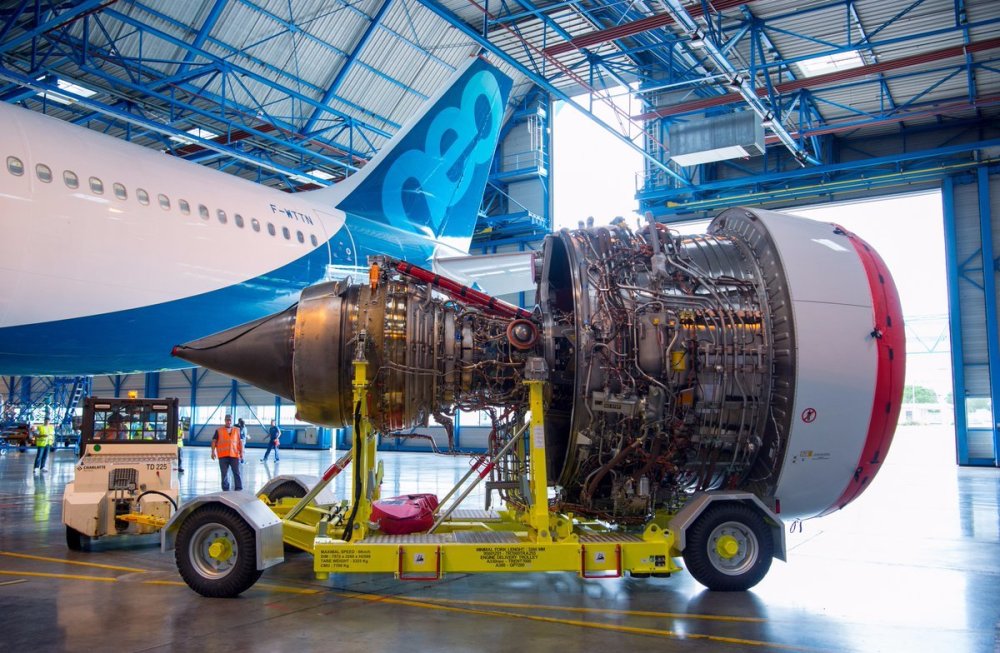
Plano Quinquenal

A Azul Linhas Aéreas anunciou seu plano estratégico de cinco anos para renovação da frota em janeiro de 2020. O plano permitirá que a companhia aérea opere apenas aeronaves Embraer E195-E2 (E190-400) de segunda geração até 2022. “Gostaria de agradecer a nossa acionistas por nos ajudar a acelerar a transformação de nossa frota, a principal fonte de crescimento e expansão de margem nos próximos anos», afirmou John Rogerson

Atualização da frota

A Blue Linhas Aéreas atualmente mantém 145 aeronaves: Embraer E195-E1 (56), E195-E2 (4), Boeing 737-300F (2), ATR 72-600 (33), Airbus A320NEO (39), A321NEO (1), A330-200 (8) e A330-900 (2). Estimativas de desprogramação de aeronaves para o curto prazo: 28 Embraer E195-E1, A330 (1), A320NEO (9) e E195-E2 (25) até o final deste ano. A companhia aérea planeja incorporar um total de 75 Embraer E195-E2, 80 A320NEO, 12 Airbus A330-200 e 33 ATR 72-600 até 2024.

O CEO da Azul expressou algumas palavras afetuosas para o E195-E1 que começou: “Nos últimos onze anos, o E195 tem sido a base do modelo de negócios da Azul e continuará a fornecer uma ótima experiência para os clientes LOT e Breeze. Agora que construímos a maior rede do Brasil, estamos prontos para adicionar aeronaves E2 maiores e mais eficientes em termos de combustível à nossa frota».

Sobre o E195-E2

A família Embraer E-Jet E2 são aeronaves a jato de médio alcance desenvolvidas pela Embraer, sucedendo ao E-1. O programa foi lançado no Paris Air Show em 2013. A primeira variante, o E190-E2, fez seu primeiro voo em 23 de maio de 2016 e foi certificada em 28 de fevereiro de 2018 antes de entrar em serviço na Widerøe em 24 de abril de 2018. Três variantes de jato duplo compartilham a mesma fuselagem de corpo estreito de quatro lados com diferentes comprimentos e três novas asas diferentes, turbofans Pratt & Whitney PW1000G em dois tamanhos, controles de vôo com novos aviônicos e uma cabine atualizada. O E195-E2 (EMB 190-400) se estenderá em três filas de assentos do E195 a 2,85 m (9,4 pés) e acomodará até 146 assentos. Em fevereiro de 2016, a Embraer anunciou que havia decidido aumentar a envergadura do E195-E2 em 1,4 m (4,6 pés) para maior altitude, juntamente com um aumento de 2t (4.400 lb) no MTOW para estender seu alcance em 450 nmi (830 km) no início do nível do mar e 250 nmi (460 km) em condições quentes e altas. A variante foi lançada em 7 de março de 2017 e a Azul foi confirmada como sua operadora de lançamento. A moderna aeronave de segunda geração E195-E2 (E190-400) representa uma economia de combustível correspondente a 1,4% a menos do que o originalmente especificado e 25,4% a menos por assento do que o E195-E1. AW-Icon AW002


Ξ A I R G W A Y S Ξ
SOURCE: Airgways.com
DBk: Voeazul.com.br / Airgways.com
AW-POST: 202003051727AR

A\W   A I R G W A Y S ®

Airbus recortaría producción A330NEO

Resultado de imagen para A330neo assembly lineAW | 2020 03 05 16:39 | INDUSTRY

Logo_Airbus_2014.svg - copiaAirbus recortaría línea producción del A330NEO afectada por crisis sanitaria mundialAW-700644
Airbus Group SE está considerando un recorte en la línea de producción de aviones A330NEO después de que el cliente más grande haya informado que una caída en el viaje impulsada por el coronavirus lo había obligado a diferir las entregas.

El fabricante de aviones puede tomar una decisión tan pronto como en Marzo 2020. En una presentación en febrero, la aerolínea de descuento malaya AirAsia X, que representa aproximadamente un cuarto de los pedidos pendientes del A330NEO, dijo que pospondría las entregas del modelo. La perspectiva de una reducción de la tasa, que viene inmediatamente después de un recorte previo en la producción anual del A330 a 40 aeronaves, ilustra cuán rápido es el daño de la desaceleración de los viajes que está afectando a la industria aeroespacial. AirAsia X, parte del Grupo Air Asia, es uno de los mayores operadores extranjeros en China, el epicentro del brote, donde los vuelos han caído hasta en un 80%. AirAsia X dijo el 27 Febrero 2020 que el mercado de China representa el 30% de su capacidad y que espera vientos en contra del brote durante el primer semestre de este año. La compañía dijo que podría cambiar a aviones de pasillo único en rutas más delgadas para alinearse mejor con la demanda. AirAsia X también buscará devolver algunos aviones más antiguos a los arrendadores temprano, dijo en un documento. «Las rutas dentro de un radio de seis horas desde nuestro centro de Kuala Lumpur serán reemplazadas por aviones A321 cuando el mercado se recupere», expresan dessde la compañía.

«No hay un solo programa de aeronave que podría no sentir algún impacto de Covid-19», dijeron los analistas de Jefferies International en una nota. Al mismo tiempo, el A330 se ve especialmente vulnerable, según el banco de inversión, con sus 30 rutas principalmente en Asia y ocho de las 10 más concurridas se encuentran muy expuestas a la epidemia del Coronavirus.

El Presidente Ejecutivo de Airbus Group SE, Guillaume Faury, dijo a los senadores franceses el Miércoles 04/03 que espera un año aún más duro en las rutas de larga distancia.

Mercado fuselaje ancho

El mercado de los wideboris había disminuído considerablemente en el mercado mundial, entrando en una etapa débil cuando el coronavirus comenzó a impartar directamente. En Febrero 2020, Airbus redujo los planes de producción de 2020 para aviones A330 de 53% en 2019 a aproximadamente un 25% la carencia de producción. La línea A350 mantendría la producción en 9 o 10 por unidades por mes. Una escasa cartera de pedidos para el A330NEO hace que un posible retroceso sea especialmente complicado para un modelo que no se ha vendido particularmente bien.

Mientras que los cuerpos anchos generan más ganancias por avión, las aerolíneas están cambiando a aviones de pasillo único más pequeños y más eficientes en combustible que pueden recorrer largas distancias. Airbus ha visto aumentar la demanda de su familia narrowbodies A320NEO/A321NEO, especialmente para variantes más grandes y de mayor alcance.

Los transportistas de todo el mundo han reducido los vuelos y los aviones inactivos después de la propagación del coronavirus más allá de China, y se preparan para ver cómo se mantiene la demanda durante la próxima temporada de vacaciones de Pascua. Deutsche Lufthansa AG, Ryanair Holdings Plc y la matriz de British Airways, IAG SA, han reducido la capacidad a medida que las empresas reducen los viajes de negocios y los viajeros optaron por quedarse en casa. «Es demasiado pronto para decir si habrá un efecto dominó en el lado industrial de esta industria. La historia nos dice que la resistencia está ahí. Con el SARS, por ejemplo, en ocho meses estábamos experimentando un tráfico que era más alto que cuando comenzó», dijo el martes el Jefe Comercial de Airbus, Christian Scherer, en un evento en Bruselas. AW-Icon AW001

Resultado de imagen para A330neo assembly lineAirbus would cut A330NEO production

Airbus would cut production line of the A330NEO affected by the global health crisis

Airbus Group SE is considering a cut in the A330NEO aircraft production line after the largest customer has reported that a fall in the coronavirus-driven trip had forced it to defer deliveries.

The aircraft manufacturer can make a decision as early as March 2020. In a presentation in February, the Malaysian discount airline AirAsia X, which accounts for approximately a quarter of the A330NEO’s pending orders, said it would postpone deliveries of the model. The prospect of a rate reduction, which comes immediately after a previous cut in the annual production of the A330 to 40 aircraft, illustrates how fast is the damage from the deceleration of travel that is affecting the aerospace industry. AirAsia X, part of the Air Asia Group, is one of the largest foreign operators in China, the epicenter of the outbreak, where flights have fallen by up to 80%. AirAsia X said on February 27, 2020, that the Chinese market represents 30% of its capacity and expects winds against the outbreak during the first half of this year. The company said it could switch to single-aisle aircraft on thinner routes to better align with demand. AirAsia X will also seek to return some older planes to landlords early, he said in a document. «The routes within a six-hour radius from our center in Kuala Lumpur will be replaced by A321 aircraft when the market recovers», they say from the company.

«There is not a single aircraft program that might not feel any impact from Covid-19», Jefferies International analysts said in a note. At the same time, the A330 is especially vulnerable, according to the investment bank, with its 30 routes mainly in Asia and eight of the 10 busiest are very exposed to the Coronavirus epidemic.

The Executive President of Airbus Group SE, Guillaume Faury, told the French senators on Wednesday 04/03 that he expects an even harder year on long-distance routes.

Wide fuselage market

The widebodies market had declined considerably in the world market, entering a weak stage when the coronavirus began to impart directly. In February 2020, Airbus reduced 2020 production plans for A330 aircraft from 53% in 2019 to approximately 25% lack of production. The A350 line would keep production at 9 or 10 per unit per month. A small order book for the A330NEO makes a possible setback particularly complicated for a model that has not sold particularly well.

While wide bodies generate more profits per plane, airlines are switching to smaller, more fuel-efficient single-aisle planes that can travel long distances. Airbus has seen the demand for its narrowbodies A320NEO/A321NEO family increase, especially for larger and more powerful variants.

Carriers around the world have reduced inactive flights and airplanes after the spread of the coronavirus beyond China, and prepare to see how demand is maintained during the upcoming Easter holiday season. Deutsche Lufthansa AG, Ryanair Holdings Plc and the British Airways parent company, IAG SA, have reduced capacity as companies reduce business trips and travelers choose to stay at home. «It is too early to say if there will be a domino effect on the industrial side of this industry. History tells us that resistance is there. With the SARS, for example, in eight months we were experiencing traffic that was higher than when it started», Airbus Chief Commercial, Christian Scherer, said Tuesday at an event in Brussels. AW-Icon AW002


Ξ A I R G W A Y S Ξ
SOURCE: Airgways.com
DBk: Airbus.com / Airgways.com
AW-POST: 202003051639AR

A\W   A I R G W A Y S ®

IATA advierte impacto COVID-19

Resultado de imagen para IATA traffic airports asiaAW | 2020 03 05 15:50 | AIRLINES MARKET / AVIATION SAFETY

AW-Virus_001Las aerolíneas enfrentarán un shock de US$ 113 mil millones por la epidemiaa coronavirus
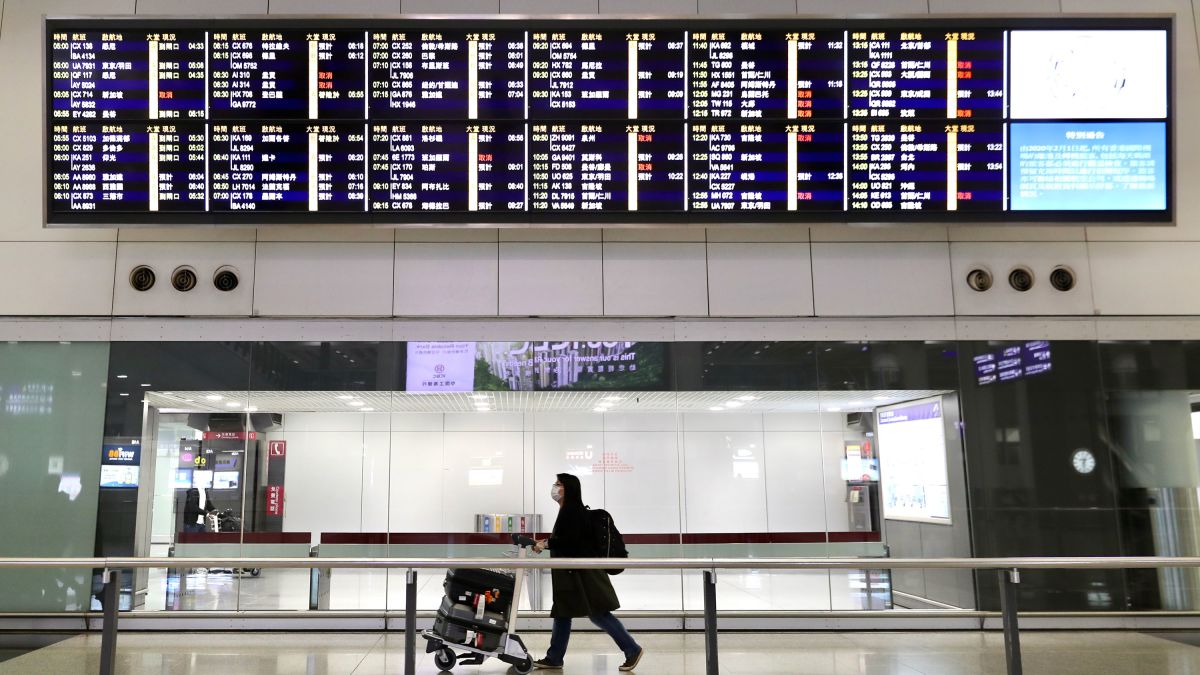
Según la Asociación Internacional de Transporte Aéreo (IATA), las aerolíneas podrían perder alrededor de entre US$ 63 millones a US$ 113 mil millones en ventas si el coronavirus continúa propagándose. La IATA advirtió que las pérdidas serían similares a las experimentadas por la industria de la aviación durante la crisis financiera mundial de 2008, ya que aumentó drásticamente su estimación del daño causado por el brote. Las aerolíneas podrían perder el 19% de sus negocios si el virus no se contiene pronto.

Hace solo dos semanas, IATA esperaba ventas perdidas en el rango de US$ 30 mil millones. «El giro de los acontecimientos como resultado del [coronavirus] es casi sin precedentes. En poco más de dos meses, las perspectivas de la industria en gran parte del mundo han empeorado dramáticamente. No está claro cómo se desarrollará el virus, pero esto es una crisis», dijo en un comunicado Alexandre de Juniac, CEO de IATA.

Impactos regionales

La epidemia del Coronavirus impactaría en las regiones del mundo de manera diferente, teniendo en cuenta al hemisferio norte con más posibilidades de propagación por la estación invernal. Las aerolíneas en Europa y Asia soportarían la peor parte del dolor, según IATA. Los transportistas en la Región Asia-Pacífico podrían perder ventas por valor de alrededor de unos US$ 58 mil millones. Si el virus se contiene pronto y las economías de todo el mundo se recuperan rápidamente, las pérdidas totales de la industria podrían limitarse a US$ 63 mil millones, según estimaciones de la IATA. Actualmente más de 94.000 casos confirmados del nuevo coronavirus en todo el mundo, y casi 3.300 muertes, principalmente en China, Corea del Sur, Japón, Italia e Irán también están sufriendo brotes importantes.

Las restricciones de viaje y la falta de demanda de los clientes ha alentado a docenas de aerolíneas importantes a cancelar vuelos hacia y desde China continental debido al coronavirus. Los vuelos transatlánticos, así como la capacidad en rutas dentro de Europa y Estados Unidos, también se han reducido.

Flybe, primera víctima

Las líneas aéreas débiles que no pueden obtener el respaldo de inversores o gobiernos podrían sufrir la quiebra o fusiones, convertirse en objetivos de adquisición, especialmente en Europa, donde la consolidación de la industria está en marcha.

La aerolínea británica Flybe colapsó este Jueves 05/03 cuando la caída de la demanda acabó con las esperanzas de un rescate respaldado por el gobierno del Reino Unido. La aerolínea escocesa Loganair dijo que tomaría más de 16 rutas de Flybe en los próximos meses.

Transportistas asiáticos menores

Los analistas dicen que es poco probable que Flybe sea la última víctima. Josef Pospisil, Director Gerente de Fitch Ratings, dijo que la mayoría de las grandes aerolíneas tienen balances lo suficientemente sólidos como para resistir el impacto de la demanda causado por el coronavirus. Pero los operadores más pequeños, especialmente aquellos con sede en Asia, son más vulnerables. AW-Icon AW001

Resultado de imagen para IATA traffic coronavirusIATA warns impact COVID-19

Airlines will face a shock of $ 113 billion from the coronavirus epidemic

According to the International Air Transport Association (IATA), airlines could lose around US$ 63 million to US$ 113 billion in sales if the coronavirus continues to spread. IATA warned that the losses would be similar to those experienced by the aviation industry during the global financial crisis of 2008, as it dramatically increased its estimate of the damage caused by the outbreak. Airlines could lose 19% of their businesses if the virus is not contained soon.

Just two weeks ago, IATA expected lost sales in the range of US$ 30 billion. «The turn of events as a result of [coronavirus] is almost unprecedented. In just over two months, industry outlook in much of the world has worsened dramatically. It is unclear how the virus will develop, but this is a crisis», Alexandre de Juniac, CEO of IATA, said in a statement.

Resultado de imagen para IATA traffic coronavirusRegional impacts

The Coronavirus epidemic would impact regions of the world differently, taking into account the northern hemisphere with more possibilities of propagation through the winter season. Airlines in Europe and Asia would withstand the worst part of the pain, according to IATA. Carriers in the Asia-Pacific Region could lose sales worth around US$ 58 billion. If the virus is contained soon and economies around the world recover quickly, total industry losses could be limited to US$ 63 billion, according to IATA estimates. Currently, more than 94,000 confirmed cases of the new coronavirus worldwide, and nearly 3,300 deaths, mainly in China, South Korea, Japan, Italy, and Iran are also suffering major outbreaks.

Travel restrictions and lack of customer demand have encouraged dozens of major airlines to cancel flights to and from mainland China due to the coronavirus. Transatlantic flights, as well as capacity on routes within Europe and the United States, have also been reduced.

Flybe, the first victim

Weak airlines that cannot obtain the backing of investors or governments could suffer bankruptcy or mergers, become acquisition targets, especially in Europe, where the consolidation of the industry is underway.

The British airline Flybe collapsed on Thursday 05/03 when the fall in demand ended hopes of a rescue backed by the UK government. The Scottish airline Loganair said it would take more than 16 Flybe routes in the coming months.

Asian minor carriers

Analysts say that Flybe is unlikely to be the last victim. Josef Pospisil, Managing Director of Fitch Ratings, said that most major airlines have balances strong enough to withstand the impact of the demand caused by the coronavirus. But smaller operators, especially those based in Asia, are more vulnerable. AW-Icon AW002


Ξ A I R G W A Y S Ξ
SOURCE: Airgways.com
DBk: Iata.org / Cnn.com / Airgways.com
AW-POST: 202003051550AR

A\W   A I R G W A Y S ®

Flybe deja de volar

AW-7008_TheguardianAW | 2020 03 05 07:03 | AIRLINES

1200px-Flybe_(purple).svgFlybe aerolínea regional británica deja de volar

La aerolínea regional británica Flybe desafiado por la creciente competencia, Brexit había buscado ayuda del Gobierno. Pero a la vuelta, recientemente el coronavirus ha terminado con la ilusión de continuar volando los cielos regionales.

Flybe, una aerolínea regional que había volado a algunos de los rincones más desatendidos de Gran Bretaña, así como a destinos de vacaciones, ha dejado de operar. En un aviso en su sitio web fechado el Jueves 05/03, Flybe dijo que todos sus vuelos habían sido cancelados y que no podría hacer otros arreglos para sus pasajeros. Dijo que la compañía había sido puesta en administración, y dirigió preguntas a Ernst & Young, la firma de auditoría. «Este es un día triste para la aviación del Reino Unido y sabemos que la decisión de Flybe de detener el comercio será muy angustiante para todos sus empleados y clientes», dijo Richard Moriarty, Director Ejecutivo de la Autoridad de Aviación Civil de Gran Bretaña, en un comunicado separado de los británicos. regulador.

La industria de viajes en general se ha visto muy afectada por el brote mundial de coronavirus, que ha llevado a las aerolíneas grandes y pequeñas a reducir los vuelos mientras los turistas se quedan en casa. Pero la aerolínea también enfrentó otras presiones, incluida una intensa competencia con otras aerolíneas de bajo costo. También se vio afectado por la incertidumbre en los años previos a la salida de Gran Bretaña de la Unión Europea, que se completó formalmente hace más de un mes. Ese proceso, conocido como Brexit, fue ampliamente considerado como un factor en el colapso del año pasado de Thomas Cook, la agencia de viajes británica .

Flybe había estado discutiendo con funcionarios del gobierno británico sobre un rescate. En Enero 2020, preocupado porque la desaparición de Flybe reduciría el servicio de las aerolíneas a algunos rincones del país, Sajid Javid, entonces Canciller de Hacienda, dijo que el gobierno tomaría nuevas medidas para apoyar la conectividad en Gran Bretaña. «Agradezco la confirmación de Flybe de que continuarán operando normalmente, salvaguardando trabajos en el Reino Unido y asegurando que los vuelos continúen sirviendo a las comunidades en todo el Reino Unido», dijo en un comunicado en ese momento. El Sr. Javid dejó el cargo un mes después.

Pero otras aerolíneas, incluida la propia Virgin, están más directamente expuestas que Flybe a la crisis, primero cancelan las principales rutas chinas y luego ven la caída de la demanda que se extiende a través de las redes globales, como advirtió la Asociación Internacional de Transporte Aéreo (Iata) esta semana. El Miércoles 04/03, Virgin anunció medidas de emergencia, incluida la reducción de los salarios de los ejecutivos, e instó a otros miembros del personal a tomar vacaciones no pagadas, luego de que las reservas se redujeran a la mitad en los últimos días. Ryanair y EasyJet han cancelado cientos de vuelos a Italia y otros destinos, mientras que IAG y BA incluso han cortado los servicios transatlánticos.

Aparentemente, ninguna aerolínea es inmune, subrayada por la vista de ejecutivos de aerolíneas estadounidenses que se reunieron con Donald Trump esta semana para discutir el impacto en un país donde la aviación nacional es mucho más grande que los viajes internacionales.

IATA está en el proceso de revisar rápidamente sus estimaciones, con apenas una quincena de antigüedad, de un golpe a los ingresos de US$ 30 mil millones (£ 23 mil millones). Nadie sabe, según analistas y ejecutivos, cuánto costará esta crisis a las aerolíneas. Pero muchos advierten que ya parece peor para el resultado final de la industria que después del 11 de septiembre de 2001. AW-Icon AW001

aw-70087551Flybe stops flying

Flybe British regional airline stops flying

1200px-Flybe_(purple).svg

The British regional airline Flybe challenged by growing competition, Brexit had sought help from the Government. But on the way back, the coronavirus has recently ended the illusion of continuing to fly regional skies.

Flybe, a regional airline that had flown to some of Britain’s most neglected corners, as well as vacation destinations, has ceased operations. In a notice on its website dated Thursday 05/03, Flybe said all of its flights had been canceled and that it could not make other arrangements for its passengers. He said the company had been put into administration and directed questions to Ernst & Young, the audit firm. «This is a sad day for UK aviation and we know that Flybe’s decision to stop the trade will be very distressing for all its employees and customers», said Richard Moriarty, Executive Director of the Civil Aviation Authority of Great Britain, in a separate statement from the British. regulator.

The travel industry, in general, has been greatly affected by the worldwide outbreak of coronavirus, which has led large and small airlines to reduce flights while tourists stay at home. But the airline also faced other pressures, including intense competition with other low-cost airlines. It was also affected by uncertainty in the years before Britain’s departure from the European Union, which was formally completed more than a month ago. That process, known as Brexit, was widely regarded as a factor in last year’s collapse of Thomas Cook, the British travel agency.

Flybe had been arguing with British government officials about a rescue. In January 2020, worried that the disappearance of Flybe would reduce the service of the airlines to some corners of the country, Sajid Javid, then Chancellor of the Treasury, said the government would take new measures to support connectivity in Britain. «I appreciate Flybe’s confirmation that they will continue to operate normally, safeguarding jobs in the United Kingdom and ensuring that flights continue to serve communities throughout the United Kingdom», he said in a statement at the time. Mr. Javid left the office a month later.

But other airlines, including Virgin itself, are more directly exposed than Flybe to the crisis, first, cancel the main Chinese routes and then see the fall in demand that extends through global networks, as the International Association warned. of Air Transport (IATA) this week. On Wednesday 04/03, Virgin announced emergency measures, including reducing executive salaries, and urged other staff members to take unpaid vacations, after reservations were halved in recent days. Ryanair and EasyJet have canceled hundreds of flights to Italy and other destinations, while IAG and BA have even cut transatlantic services.

Apparently, no airline is immune, underlined by the view of US airline executives who met with Donald Trump this week to discuss the impact in a country where national aviation is much larger than international travel.

IATA is in the process of quickly reviewing its estimates, just a fortnight ago, of a blow to revenues of US$ 30 billion (£ 23 billion). Nobody knows, according to analysts and executives, how much this crisis will cost the airlines. But many warn that it already seems worse for the final result of the industry than the aftermath of September 11, 2001. AW-Icon AW002


Ξ A I R G W A Y S Ξ
SOURCE: Airgways.com
DBk: Nytimes.com / Theguardian.com / Airgways.com
AW-POST: 202003050703AR

A\W   A I R G W A Y S ®

Comité Transporte agiliza ley seguridad

Image result for capitol building Washington DCAW | 2020 03 04 23:01 | AVIATION SAFETY / GOVERNMENT
transportationcmteLos legisladores de la Cámara de Representantes están cerca de presentar un proyecto de ley para aumentar la supervisión de la FAAAW-Icon_Boeing 737 MAX
Los legisladores en Washington DC están considerando una variedad de opciones para combatir lo que los críticos describen como cultura de seguridad fallida en The Boeing Company. Los legisladores de la Cámara de Representantes de Transporte planean presentar este mes de Marzo 2020 un proyecto de ley que apunta a aumentar la supervisión de los aviones por parte de la Administración Federal de Aviación (FAA), una medida que se deriva de las críticas de que los reguladores le dieron demasiado poder a Boeing cuando aprobaron el 737 MAX del fabricante de aviones hace tres años. Se están centrando en la relación defectuosa entre la empresa y la Administración Federal de Aviación (FAA). Un grupo de senadores demócratas liderados por el senador Richard Blumenthal (D-CT) presentó un proyecto de ley la semana pasada para reformar el papel de la FAA en la certificación de aviones estadounidenses.

El Departamento de Transporte está investigando el proceso que certificó el avión, que ha estado en tierra desde que estuvo involucrado en dos accidentes fatales, matando a 346 pasajeros y tripulantes en Octubre 2018 y Marzo 2019. El Maneuvering Characteristics Augmentation System (MCAS) fue diseñado para hacer que el Boeing 737 MAX sea similar a los modelos 737 anteriores. Sus motores, más eficientes en consumo de combustible y potentes que en modelos anteriores, se elevaron y avanzaron en el fuselaje, lo que provocó que volara con una tendencia de nariz hacia arriba. Para compensar, Boeing instaló MCAS, que ajustaba automáticamente la nariz hacia abajo cuando los datos de un solo sensor lo consideraban necesario.

Image result for committee transportation and infrastructureEl Presidente del Comité de Transporte e Infraestructura de la Cámara de Representantes, Peter DeFazio (D-OR), ha expresado: «No estamos muy lejos de tener una propuesta legislativa». Actualmente cumple su 17º mandato en el Congreso. DeFazio ha estado entre los legisladores más activos del Congreso para presionar a Boeing y a la FAA en busca de evidencia que explique por qué dos aviones Boeing 737 MAX se estrellaron en circunstancias similares en cinco meses, matando a los 346 pasajeros y la tripulación a bordo. DeFazio declinó especificar las características de la legislación por venir, pero se está concentrando en las estructuras de ingeniería, gestión y regulación de Boeing, que considera factores contribuyentes a los accidentes fatales. «Claramente, Boeing carecía de una cultura de seguridad. Necesitan una verdadera limpieza de la casa. La presión vino desde Wall Street, al CEO, al directorio, y todos sus dividendos estaban en riesgo, y pusieron presiones hasta el final», dijo DeFazio.

Esencialmente una conspiración

En Enero 2020 Boeing lanzó cientos de mensajes internos embarazosos que sugerían que la compañía estaba tratando de evitar el escrutinio regulatorio sobre un nuevo sistema anti-bloqueo en su 737 MAX. Esos correos electrónicos también sugerían que los empleados dudaban de la seguridad de ese sistema. Un correo electrónico de Junio 2013 detalló las comunicaciones de reuniones entre los empleados de Boeing que sugirieron que MCAS se caracterizara no como un nuevo sistema, sino como una función de un sistema ubicuo conocido como ajuste de velocidad. «Además del diseño defectuoso, hubo esencialmente una conspiración en Boeing. En 2013 tuvieron una reunión, un grupo de personas, y dijeron: ‘Bueno, tenemos que poner este sistema [MCAS] en el avión para que vuele idéntico a los otros 737 porque el CEO prometió a American Airlines y otros sin entrenamiento de pilotos, o de lo contrario tenemos grandes penalidades», dijo DeFazio, refiriéndose al correo electrónico de Junio 2013.

Boeing fue criticado por su desarrollo del avión, que incluía un Sistema de Control de Vuelo, conocido como MCAS, que luego estuvo implicado en ambos accidentes mortales. Los pilotos se quejaron de que no sabían que el sistema existía hasta después del accidente de Lion Air en Indonesia.

El Comité de la Cámara todavía está tratando de entrevistar a más empleados de Boeing y muchas comunicaciones de la FAA sobre el 737 MAX. Si bien la investigación continuará, los resultados informarán la legislación propuesta. “Tiene que haber mucho más escrutinio y supervisión”, dijo DeFazio.

La FAA, por su parte, dijo que ha proporcionado más de 37.000 páginas de documentos relacionados con el 737 MAX al comité y que planea divulgar otros documentos en un futuro próximo. “La FAA ha sido transparente en un grado sin precedentes con el Comité sobre asuntos relacionados con el Boeing 737 MAX. Además, seguimos haciendo que el personal de la FAA esté disponible para entrevistas en persona para responder preguntas de los miembros del personal del Comité”, dijo la agencia en un comunicado.

Boeing dijo en un comunicado: “La seguridad es nuestra prioridad número uno, y como miembros del Congreso trabajan en legislación, estamos comprometidos a trabajar con ellos y la FAA para promover la seguridad de la aviación”. Los comunicados entre los empleados de la compañía se encontraban preocupados por las capacitaciones en torno al Boeing 737 MAX. Por ejemplo, un empleado de Boeing le preguntó a un colega en un mensaje de Febrero 2018: “¿Pondría a su familia en un avión entrenado en el simulador MAX? Yo no lo haría». Su compañero de trabajo respondió: “No”. En el mismo intercambio, uno de los empleados dice: “Nuestra arrogancia es nuestra desaparición”.

Perspectivas

La legislación tiene el potencial de llevar más escrutinio a futuros aviones, como el Boeing 777X, que comenzó a realizar pruebas de vuelo en Enero 2020. “Estamos cerca de proponer legislación, pero no estamos esperando terminar toda nuestra investigación y entrevistas”, dijo DeFazio en una entrevista el Miércoles 04/03. AW-Icon AW001

capitol-wideTransportation Committee streamlines security law

sharelogoLawmakers from the House of Representatives are close to submitting a bill to increase FAA oversight
Lawmakers in Washington DC are considering a variety of options to combat what critics describe as a failed safety culture at The Boeing Company. The legislators of the House of Representatives plan to present this March 2020 a bill that 100_737MAX8-1aims to increase aircraft supervision by the Federal Aviation Administration (FAA), a measure that derives from criticism that regulators gave Boeing too much power when they approved the aircraft manufacturer’s Boeing 737 MAX three years ago. They are focusing on the faulty relationship between the company and the Federal Aviation Administration (FAA). A group of Democratic senators led by Senator Richard Blumenthal (D-CT) introduced a bill last week to reform the FAA’s role in the certification of US aircraft.
The Department of Transportation is investigating the process that certified the plane, which has been on the ground since it was involved in two fatal accidents, killing 346 passengers and crew in October 2018 and March 2019. The Maneuvering Characteristics Augmentation System (MCAS) was designed to make the Boeing 737 MAX similar to the previous 737 models. Its engines, more efficient in fuel consumption and powerful than in previous models, rose and advanced in the fuselage, which caused it to fly with a tendency of nose up. To compensate, Boeing installed MCAS, which automatically adjusted the nose down when data from a single sensor considered it necessary.

The Chairman of the Transportation and Infrastructure Committee of the House of Representatives, Peter DeFazio (D-OR), has stated: «We are not far from having a legislative proposal». He is currently serving his 17th term in Congress. DeFazio has been among the most active legislators in Congress to pressure Boeing and the FAA in search of evidence explaining why two Boeing 737 MAX planes crashed under similar circumstances in five months, killing all 346 passengers and the crew on board. DeFazio declined to specify the characteristics of the legislation to come but is concentrating on the engineering, management and regulation structures of Boeing, which considers factors contributing to fatal accidents. «Clearly, Boeing lacked a safety culture. They need a real house cleaning. The pressure came from Wall Street to the CEO, to the board, and all of their dividends were at risk and put pressure until the end», DeFazio said.

Essentially a conspiracy

In January 2020, Boeing launched hundreds of embarrassing internal messages that suggested the company was trying to avoid regulatory scrutiny on a new 737 MAX anti-lock system. Those emails also suggested that employees doubted the security of that system. An email from June 2013 detailed the communications of meetings between Boeing employees that suggested that MCAS be characterized not as a new system, but as a function of a ubiquitous system known as speed adjustment. «In addition to the defective design, there was essentially a conspiracy in Boeing. In 2013 they had a meeting, a group of people, and they said: ‘Well, we have to put this system [MCAS] on the plane to fly identical to the other 737 because the CEO promised American Airlines and others without pilot training, or else we have great penalties», DeFazio said, referring to the June 2013 email.

Boeing was criticized for its development of the plane, which included a Flight Control System, known as MCAS, which was later implicated in both fatal accidents. The pilots complained that they did not know that the system existed until after the Lion Air accident in Indonesia.

The House Committee is still trying to interview more Boeing employees and many FAA communications about the 737 MAX. While the investigation will continue, the results will inform the proposed legislation. «There has to be much more scrutiny and supervision», said DeFazio.

The FAA, meanwhile, said it has provided more than 37,000 pages of documents related to 737 MAX to the committee and plans to release other documents in the near future. “The FAA has been transparent to an unprecedented degree with the Committee on matters related to the Boeing 737 MAX. In addition, we continue to make FAA staff available for in-person interviews to answer questions from Committee staff members”, the agency said in a statement.

Boeing said in a statement: «Safety is our number one priority, and as members of Congress work on legislation, we are committed to working with them and the FAA to promote aviation security». The communiqués among the company’s employees were concerned about the training around the Boeing 737 MAX. For example, a Boeing employee asked a colleague in a February 2018 message: “Would you put your family on a plane trained in the MAX simulator? I wouldn’t do it». His co-worker replied: «No». In the same exchange, one of the employees says: «Our arrogance is our disappearance».

Prospects

The legislation has the potential to carry more scrutiny to future airplanes, such as the Boeing 777X, which began conducting flight tests in January 2020. “We are close to proposing legislation, but we are not expecting to finish all our research and interviews”, said DeFazio. in an interview on Wednesday 04/03. AW-Icon AW002


Ξ A I R G W A Y S Ξ
SOURCE: Airgways.com
DBk: Transportation.house.gov / Boeing.com / Faa.gov / Airgways.com / Yahoo.com
AW-POST: 202003042301AR

A\W   A I R G W A Y S ®

Acuerdo Boeing-Scottish Enterprise

Resultado de imagen para Boeing Scotland AllianceAW | 2020 03 04 21:55 | INDUSTRY

Boeing-Company-LogoBoeing aterriza en Escocia con una nueva alianza estratégica

The Boeing Company y Scottish Enterprise han firmado un nuevo acuerdo estratégico, llamado Boeing Scotland Alliance, que explorará oportunidades para trabajar juntos en Escocia, con el objetivo de duplicar la Resultado de imagen para Boeing Scotland Alliance logocadena de suministro de Boeing, que podría valer decenas de millones de libras para la economía escocesa, y creando 200 nuevos empleos de calidad en los próximos cinco años.

Se espera que la Alianza con Boeing, la compañía aeroespacial más grande del mundo y el mayor exportador de manufactura de EE.UU., cree nuevas oportunidades significativas para compañías, universidades y regiones de Escocia para beneficiar a la economía en general.

La Alianza se centrará inicialmente en sectores como el espacio, la fabricación avanzada y las tecnologías digitales. También explorará iniciativas conjuntas de sostenibilidad dentro del sector de la aviación que respalden la transición de Escocia a una economía neta cero para 2045. La Alianza también explorará innovaciones en áreas como la reducción del tiempo de fabricación, el desperdicio de materiales y el uso de energía que conducen a un menor peso y a una disminución de la aeronave. emisiones de carbono a través de una mayor eficiencia de combustible.

Hito importante

La secretaria de Economía, Fiona Hyslop, dijo: “El anuncio de hoy representa otro hito importante en el viaje de innovación de fabricación de Escocia. Esta alianza estratégica con Boeing crea oportunidades para empresas, universidades, colegios y empleo en toda Escocia. Es un fuerte respaldo a la colaboración del sector público, la construcción de relaciones de cadena de suministro de alto valor y la aceptación de la excelencia académica para ofrecer a la industria. La Alianza promueve nuestra visión de ver a Escocia como una nación manufacturera y valida nuestra decisión de invertir £ 48 millones para establecer el National Manufacturing Institute Scotland (NMIS)».

Resultado de imagen para Boeing Scotland AllianceSir Martin Donnelly, Presidente de Boeing Europa y Director Gerente de Boeing Reino Unido e Irlanda, dijo: “Este es un plan para que Boeing trabaje con proveedores y universidades en Escocia, aprovechando y contribuyendo a la profunda experiencia ya existente aquí en fabricación avanzada. Boeing se enorgullece de seguir desarrollando nuevas inversiones y relaciones en todo el Reino Unido en nuestra asociación cada vez mayor. Esto sigue a nuestra inversión conjunta de £ 100 millones en instalaciones RAF en Moray. Esperamos nuevas asociaciones por venir, aprovechando la fortaleza de la impresionante cadena de suministro de la aviación escocesa y la excelencia en la investigación de alta tecnología».

David Smith, Director de Oportunidades Nacionales de Scottish Enterprise, comentó: “Este acuerdo de alianza se basa en la actividad comercial existente entre Boeing y Escocia y es el resultado de muchos meses de discusión con Boeing. Es una noticia fantástica para Escocia y nos permite llevar adelante una amplia gama de nuevas posibilidades con Boeing, comenzando con el proyecto de I+D aeroespacial. La profundización de nuestra asociación estratégica con una de las empresas manufactureras más grandes del mundo generará nuevos empleos y mayores oportunidades para las PYME escocesas, lo que beneficiará directamente a las personas, familias, comunidades y regiones de Escocia».

Crucial para la economía de Escocia

La fabricación es crucial para la economía de Escocia, emplea a más de 180.000 personas y representa más de la mitad de las exportaciones internacionales y la mitad del gasto en I+D. Se alentará a las organizaciones clave en los sectores público, privado y académico a unirse a las discusiones de la Alianza para maximizar las oportunidades identificadas. Escocia ha creado fuertes relaciones con Boeing a lo largo del tiempo, particularmente con la Universidad de Strathclyde, Scottish Enterprise, Outfit Moray y otros, todos los cuales fueron fundamentales para que el acuerdo de la Alianza llegara a buen puerto.

El profesor Sir Jim McDonald, Director y Vicerrector de la Universidad de Strathclyde, dijo: “Estamos encantados de ser parte de traer a Boeing aquí a Escocia para trabajar con el National Manufacturing Institute Scotland. Es un testimonio de todo el esfuerzo realizado para revitalizar la reputación del país en la fabricación avanzada. La Universidad de Strathclyde tiene una fuerte relación con Boeing que se ha desarrollado a lo largo de décadas de las dos organizaciones que colaboran en proyectos innovadores de investigación y desarrollo. La Universidad de Strathclyde tiene una fuerte relación con Boeing que se ha desarrollado a lo largo de décadas de las dos organizaciones que colaboran en proyectos innovadores de investigación y desarrollo. La compañía es uno de los miembros fundadores de nuestro Centro de Investigación de Formación Avanzada y estamos entusiasmados de continuar desarrollando la relación que respalda el crecimiento de la cadena de suministro de fabricación en Escocia».

Proyecto de I+D

Una de las actividades iniciales apoyadas por esta nueva Alianza es un proyecto de I+D de £ 11.8 millones entre Boeing y el Centro de Investigación de Formación Avanzada de la Universidad de Strathclyde , parte del Instituto Nacional de Fabricación de Escocia. El proyecto cuenta con el apoyo de £ 3.5 millones de fondos de I+D de Scottish Enterprise y verá a Boeing establecer un equipo de I+D en Escocia para considerar la fabricación de componentes metálicos como la base para futuros componentes de aviones.

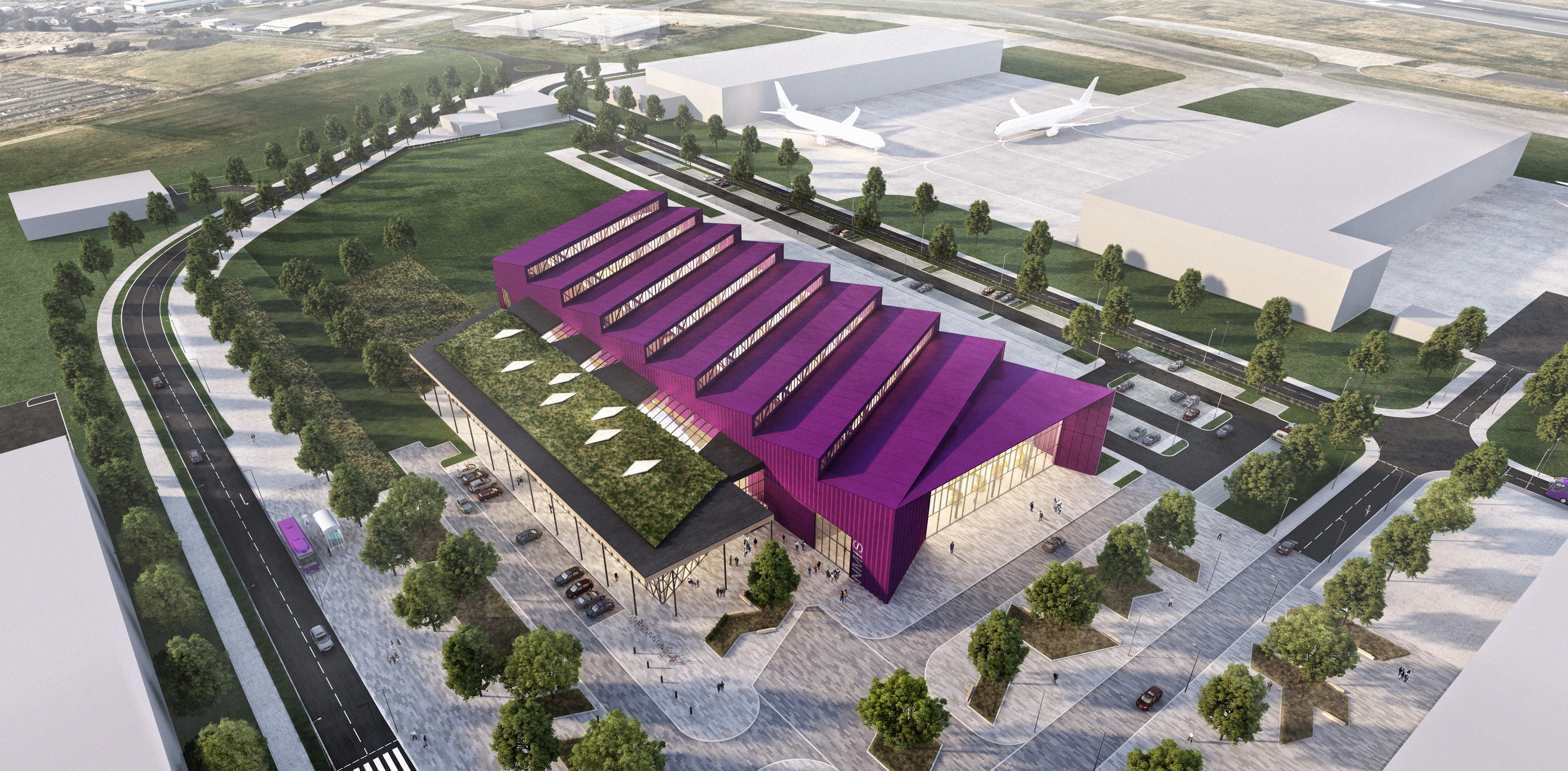
A través de este proyecto, Boeing también se convierte en uno de los primeros socios industriales estratégicos para NMIS. El proyecto se alojará inicialmente en un espacio de trabajo temporal en Renfrewshire antes de reubicarse en el nuevo edificio de NMIS una vez completado. NMIS es el inquilino principal del sitio del Distrito de Innovación de Fabricación Avanzada de Escocia (AMIDS) desarrollado por el Consejo de Renfrewshire.

El líder del Consejo de Renfrewshire, Iain Nicolson, dijo: «Es una noticia fantástica que Boeing UK esté eligiendo Renfrewshire, NMIS y el Advanced Manufacturing Innovation District Scotland (AMIDS) como la ubicación de su nuevo proyecto de investigación y desarrollo y estoy seguro de que esta alianza estratégica traerá nuevas y emocionantes novedades empleos y oportunidades para la región. La llegada de Boeing es un paso significativo en el desarrollo de AMIDS, el distrito dedicado a la innovación de fabricación de Escocia, y creo que muchos más fabricantes estarán interesados ​​en ubicar su negocio en este entorno único del campus que fomenta la colaboración, promueve la sostenibilidad y permite a las empresas para aprovechar las nuevas tecnologías de fabricación y acceder a la investigación de vanguardia».

NMIS es un centro internacional de experiencia en fabricación liderado por la industria de £ 65 millones dirigido por el Gobierno de Escocia en asociación con Scottish Enterprise, Highlands and Islands Enterprise, Skills Development Scotland, Scottish Funding Council, University of Strathclyde y Renfrewshire Council. Operado por la Universidad de Strathclyde como una instalación nacional para Escocia, NMIS es donde la investigación, la industria y el sector público trabajan juntos para transformar las habilidades, la productividad y la innovación para atraer inversiones y hacer de Escocia un líder mundial en fabricación avanzada. AW-Icon AW001

Resultado de imagen para Boeing Scotland AllianceBoeing-Scottish Enterprise sign agreement

Boeing lands in Scotland with a new strategic alliance

The Boeing Company and Scottish Enterprise have signed a new strategic agreement, called the Boeing Scotland Alliance, which will explore opportunities to work together in Scotland, with the aim of doubling the Boeing supply chain, which could be worth tens of millions of pounds for the Scottish economy, and creating 200 new quality jobs in the next five years.

The Alliance with Boeing, the world’s largest aerospace company and the largest US manufacturing exporter, is expected to create significant new opportunities for companies, universities, and regions in Scotland to benefit the economy in general.

The Alliance will initially focus on sectors such as space, advanced manufacturing, and digital technologies. It will also explore joint sustainability initiatives within the aviation sector that support Scotland’s transition to a net-zero economy by 2045. The Alliance will also explore innovations in areas such as reduced manufacturing time, waste of materials and energy use. which leads to a lower weight and a decrease in the aircraft. carbon emissions through greater fuel efficiency.

Important milestone

The Secretary of Economy, Fiona Hyslop, said: “Today’s announcement represents another important milestone in Scotland’s manufacturing innovation journey. This strategic alliance with Boeing creates opportunities for companies, universities, colleges, and employment throughout Scotland. It is strong support for public sector collaboration, the construction of high-value supply chain relationships and the acceptance of academic excellence to offer the industry. The Alliance promotes our vision of seeing Scotland as a manufacturing nation and validates our decision to invest £ 48 million to establish the National Manufacturing Institute Scotland (NMIS)».

Sir Martin Donnelly, President of Boeing Europe and Managing Director of Boeing United Kingdom and Ireland, said: “This is a plan for Boeing to work with suppliers and universities in Scotland, leveraging and contributing to the deep experience already existing here in advanced manufacturing. Boeing is proud to continue developing new investments and relationships throughout the United Kingdom in our growing partnership. This follows our joint investment of £ 100 million in RAF facilities in Moray. We look forward to new partnerships to come, taking advantage of the strength of the impressive Scottish aviation supply chain and excellence in high-tech research».

David Smith, Director of National Opportunities at Scottish Enterprise, commented: “This alliance agreement is based on the commercial activity between Boeing and Scotland and is the result of many months of discussion with Boeing. This is fantastic news for Scotland and allows us to carry out a wide range of new possibilities with Boeing, starting with the aerospace R&D project. The deepening of our strategic partnership with one of the world’s largest manufacturing companies will generate new jobs and greater opportunities for Scottish SMEs, which will directly benefit the people, families, communities, and regions of Scotland».

Crucial to the economy of Scotland

Manufacturing is crucial for Scotland’s economy, employs more than 180,000 people and accounts for more than half of international exports and half of I+D spending. Key organizations in the public, private and academic sectors will be encouraged to join the Alliance discussions to maximize the opportunities identified. Scotland has created strong relationships with Boeing over time, particularly with the University of Strathclyde, Scottish Enterprise, Outfit Moray and others, all of which were essential for the Alliance agreement to come to fruition.

Professor Sir Jim McDonald, Director, and Vice-Chancellor of the University of Strathclyde said: “We are delighted to be part of bringing Boeing here to Scotland to work with the National Manufacturing Institute Scotland. It is a testament to all the efforts made to revitalize the country’s reputation in advanced manufacturing. The University of Strathclyde has a strong relationship with Boeing that has developed over the decades of the two organizations that collaborate on innovative research and development projects. The University of Strathclyde has a strong relationship with Boeing that has developed over decades of the two organizations that collaborate on innovative research and development projects. The company is one of the founding members of our Advanced Training Research Center and we are excited to continue developing the relationship that supports the growth of the manufacturing supply chain in Scotland».

I+D project

One of the initial activities supported by this new Alliance is an £ 11.8 million R&D project between Boeing and the Advanced Training Research Center of the University of Strathclyde, part of the National Manufacturing Institute of Scotland. The project is supported by £ 3.5 million of R&D funds from Scottish Enterprise and will see Boeing establish an I+D team in Scotland to consider the manufacture of metal components as the basis for future aircraft components.

Through this project, Boeing also becomes one of the first strategic industrial partners for NMIS. The project will initially be housed in a temporary workspace in Renfrewshire before relocating to the new NMIS building once completed. NMIS is the principal tenant of the site of the District of Advanced Manufacturing Innovation of Scotland (AMIDS) developed by the Renfrewshire Council.

Renfrewshire Council leader Iain Nicolson said: «It is fantastic news that Boeing UK is choosing Renfrewshire, NMIS and the Advanced Manufacturing Innovation District Scotland (AMIDS) as the location of its new research and development project and I am sure that that this strategic alliance will bring new and exciting new jobs and opportunities to the region. The arrival of Boeing is a significant step in the development of AMIDS, the district dedicated to manufacturing innovation in Scotland, and I believe that many more manufacturers will be interested In locating your business in this unique campus environment that fosters collaboration, promotes sustainability and allows companies to take advantage of new manufacturing technologies and access cutting-edge research».

NMIS is a £ 65 million industry-led international manufacturing experience center run by the Government of Scotland in partnership with Scottish Enterprise, Highlands and Islands Enterprise, Skills Development Scotland, Scottish Funding Council, University of Strathclyde and Renfrewshire Council. Operated by the University of Strathclyde as a national facility for Scotland, NMIS is where research, industry and the public sector work together to transform skills, productivity and innovation to attract investment and make Scotland a world leader in advanced manufacturing. AW-Icon AW002


Ξ A I R G W A Y S Ξ
SOURCE: Airgways.com
DBk: Strath.ac.uk / Boeing.com / Airgways.com
AW-POST: 202003042155AR

A\W   A I R G W A Y S ®

Airbus renegocia contrato A220

Resultado de imagen para Airbus MontrealAW | 2020 03 04 21:20 | INDUSTRY

Logo_Airbus_2014.svg - copiaAirbus Group renegocia contratos para reducir los costos heredados de Bombardier Inc.AW-A220
Airbus Group SE está presionando a los proveedores en su Programa A220 para renegociar los contratos y reducir el precio de las piezas para ayudar a reducir los costos y hacer rentable el antiguo modelo de Bombardier Inc. Airbus está presionando para que los costos se reduzcan contra los costos. Las expectativas de mayores ventas de A220, ya que ofrece una máquina de marketing formidable y ofrece el modelo junto con su cuerpo interno estrecho de la serie A320. La puesta a tierra del Boeing 737 MAX también ha presentado la oportunidad de aprovechar más el mercado de pasillo único.

Safran SA dijo que está en conversaciones con Airbus para reducir costos en la cabina A220, mientras que el productor de motores Pratt & Whitney y su socio MTU Aero Engines AG han acordado ofrecer un 10% de ahorro, dijeron personas con conocimiento del plan. Senior Plc dice que podría ganar más trabajo al lanzar la producción en sitios de bajo costo. «Airbus claramente tiene mucha más confianza en su capacidad para vender el A220. Poder recurrir a proveedores con volúmenes más grandes en el mediano plazo es una gran palanca para reducir los costos», dijo Benjamin Heelan, analista de Bank of America Merrill Lynch.

Airbus se esfuerza por lograr el equilibrio en el Programa A220 después de pagar a Bombardier con sede en Montreal US $ 591 millones para aumentar su participación al 75%. Si bien las alas compuestas del avión, la espaciosa cabina y la cabina de vanguardia lo convierten en un líder tecnológico, el jefe de Airbus Canadá, Philippe Balducchi, dijo en enero de 2020 que los costos generales deberían reducirse en un porcentaje significativo de dos dígitos.

Una portavoz de Airbus, con sede en Toulouse, Francia, dijo que se han logrado avances significativos con algunos proveedores, pero que aún está en conversaciones con otros.

Perspectivas de Airbus Canada

La compañía invertirá hasta mil millones de euros (US$ 1,1 mil millones) en el Programa A220 para este año 2020. Los planes podrían generar algunos ahorros si se observa el diseño de los componentes o aumenta la similitud con el A320. El apalancamiento de Airbus con los proveedores puede ser alto en este momento porque muchos también prestan servicios a Boeing, donde la crisis del 737 MAX ha frenado la demanda.

El presidente ejecutivo de Safran, Philippe Petitcolin, dijo en una llamada el jueves 27/02 que el desafío es reducir los costos sin comprometer la calidad del interior del avión. El grupo con sede en París suministra los asientos superiores, galeras, fregaderos y contenedores de almacenamiento del A220, así como sistemas de oxígeno, eliminación de residuos, aislamiento de agua y sonido.

Una portavoz de MTU con sede en Munich remitió las preguntas a Pratt & Whitney. Un representante de United Technologies Corp., propietario de Pratt y Collins Aerospace, declinó hacer comentarios. Collins es otro proveedor importante en el avión, que proporciona computadoras a bordo, fuentes de alimentación y actuadores que controlan las aletas.

El CEO senior David Squires dijo en una entrevista el lunes 02/03 que la firma del Reino Unido también está en conversaciones con Airbus para reducir los costos de A220. Si bien ahora proporciona sistemas y conductos de aire acondicionado, la recalibración puede presentar una oportunidad para ofertar por aeroestructuras a través de su operación de bajo costo en el sudeste asiático, dijo.

Lo más probable es que Airbus vuelva a visitar toda la cadena de suministro A220, dijo Heelan de BAML, ya que apunta a la producción a mediados de 2020 de 10 aviones por mes en la antigua planta de Bombardier en Mirabel, cerca de Montreal, y cuatro en el sitio de Airbus en Mobile, Alabama.

Bombardier, que gastó US$ 6 mil millones en el Programa CSeries (A220), originalmente buscó el punto de equilibrio este año, pero dijo que el 16 de enero de 2020 el objetivo había caído, lo que condujo a la salida del Programa A220.

Señales de ventas

Airbus obtuvo un pedido de Nigerian Green Africa Airways el 13 de febrero de 2020. Las aerolíneas Air France-KLM también han expresado interés en un A220 más grande, con aproximadamente 160 asientos de pasajeros. El CEO de Airbus, Guillaume Faury, dijo el mes pasado que actualmente no está trabajando en un modelo de estiramiento, pero lo ve como un desarrollo probable. AW-Icon AW001

Resultado de imagen para Airbus CanadaAirbus renegotiates contracts Program A220

AIRBUS CANADAAirbus Group renegotiates contracts to reduce costs inherited from Bombardier Inc.

Airbus Group SE is putting pressure on suppliers in its A220 Program to renegotiate contracts and reduce the price of parts to help reduce costs and make the old Bombardier Inc. model profitable. Airbus is pushing for costs to be reduced against costs. the expectations of higher sales of A220, as it offers a formidable marketing machine and offers the model along with its narrow internal body of the A320 series. The grounding of the Boeing 737 MAX has also presented the opportunity to take more advantage of the single-aisle market.

Safran SA said it is in talks with Airbus to cut costs in the A220 cabin, while engine producer Pratt & Whitney and its partner MTU Aero Engines AG have agreed to offer 10% savings, people with knowledge of the plan said. Senior Plc says it could earn more work by launching production at low-cost sites. «Airbus clearly has much more confidence in its ability to sell the A220. Being able to turn to suppliers with larger volumes in the medium term is a great lever to reduce costs», said Benjamin Heelan, an analyst at Bank of America Merrill Lynch.

Airbus strives to achieve balance in the A220 Program after paying Montreal-based Bombardier US $ 591 million to raise its stake to 75%. While the composite wings of the plane, the spacious cabin, and the state-of-the-art cabin make it a technological leader, Airbus Canada Chief Philippe Balducchi said in January 2020 that overall costs should be reduced by a significant two-digit percentage.

An Airbus spokeswoman, based in Toulouse, France, said significant progress has been made with some suppliers but is still in talks with others.

Resultado de imagen para Airbus CanadaAirbus Canada perspectives

The company will invest up to one billion euros (US$ 1.1 billion) in the A220 Program for this year 2020. The plans could generate some savings if the design of components is observed or the similarity with the A320 is increased. Airbus leverage with suppliers may be high at this time because many also serve Boeing, where the 737 MAX crisis has slowed demand.

Safran chief executive Philippe Petitcolin said in a call on Thursday 27/02 that the challenge is to reduce costs without compromising the quality of the interior of the plane. The Paris-based group supplies the upper seats, galleys, sinks, and storage containers of the A220, as well as oxygen systems, waste disposal, water, and sound insulation.

A spokeswoman for Munich-based MTU referred the questions to Pratt & Whitney. A representative from United Technologies Corp., owner of Pratt and Collins Aerospace, declined to comment. Collins is another important supplier on the plane, which provides onboard computers, power supplies and actuators that control the fins.

Senior CEO David Squires said in an interview on Monday 02/03 that the UK firm is also in talks with Airbus to reduce A220 costs. While it now provides air conditioning systems and ducts, recalibration may present an opportunity to bid for aerostructures through its low-cost operation in Southeast Asia, he said.

Most likely, Airbus revisits the entire A220 supply chain, Heelan of BAML said, as it aims at mid-2020 production of 10 airplanes per month at the old Bombardier plant in Mirabel, near from Montreal, and four on the Airbus site in Mobile, Alabama.

Bombardier, who spent US$ 6 billion on the CSeries Program (A220), originally sought the breakeven point this year but said that on January 16, 2020, the target had fallen, which led to the exit of the A220 Program.

Sales signals

Airbus obtained an order from the Nigerian Green Africa Airways on February 13, 2020. Air France-KLM airlines have also expressed interest in a larger A220, with approximately 160 passenger seats. Airbus CEO Guillaume Faury said last month that he is currently not working on a stretch model, but sees it as a likely development. AW-Icon AW002


Ξ A I R G W A Y S Ξ
SOURCE: Airgways.com
DBk: Airbus.com / Airgways.com / Bloomberg.com
AW-POST: 202003042120AR

A\W   A I R G W A Y S ®