Avanza fusión Aerolíneas/Austral
AW-77000-ClarinAW | 2020 05 13 16:14 | GOVERNMENT / AIRLINES

Reunión Sindicato-Aerolíneas para definir futuro de sinergia

Aerolíneas Argentinas-Austral-IsologottypeLa reunión de Aerolíneas Argentinas y los seis sindicatos aeronáuticos se reunieron este 13 Mayo 20202 donde participaron de un encuentro en el que consideraron que el plan de fusión tiene que priorizar la continuidad laboral. El Presidente de Aerolíneas, Pablo Ceriani, y los titulares de seis de los siete gremios de Aerolíneas Argentinas y Austral Líneas Aéreas mantuvieron un encuentro para avanzar en la fusión de ambas empresas y hubo acuerdo en que la viabilidad de la compañía para hacer un cambio en el modelo de negocios y ganar eficiencia.AR-70

El encuentro que se ha desarrollado por dos horas, el CEO de la empresa aérea ha asegurado a los trabajadores que la visión de eficiencia no implica despidos, sino la eliminación de improductividades estructurales, lo que en su opinión se puede conseguir mediante la apertura de dos nuevas líneas. Además, se llevarán adelante los cambios necesarios para hacer sustentable a la compañía, con la gente adentro y en el marco de un plan de crecimiento.

Tras el encuentro y a través de un comunicado, la Asociación del Personal Aeronáutico (APA); la Asociación de Pilotos de Líneas Aéreas (APLA); la Asociación del Personal Técnico Aeronáutico (APTA); la Unión de Aviadores de Líneas Aéreas (UALA) y la Unión del Personal Superior Aeronáutico (UPSA) destacaron que hubo un compromiso de continuidad laboral por parte del directivo. En el documento emitido por los gremios se destacó: «Hemos mantenido una reunión con el presidente del Grupo AR/AU, Pablo Ceriani, tras el pedido que efectuáramos la semana pasada en tal sentido. En el marco de este encuentro, Ceriani ratificó el proceso de fusión de Aerolíneas Argentinas y Austral, y manifestó que no se producirán despidos durante el mismo».

El titular del Grupo Aerolíneas expresó a través de su cuenta de Twitter: «Primera reunión con los gremios aeronáuticos para trabajar sobre la fusión de @Aerolíneas AR y Austral. Vamos a hacer los cambios necesarios para hacer sustentable a la compañía, con la gente adentro y en el marco de un plan de crecimiento».

Nuevas Unidades Negocios

Para la concreción del plan serán fundamentales las dos nuevas unidades de negocios, de Carga y de Mantenimiento, que funcionarán dentro de la aerolínea unificada y permitirán aumentar nuestros ingresos. En el escrito se expresó la intención de generar una Unidad de negocio de Cargas, para la cual se necesitarán acuerdos laborales para este tipo específico de operación; como también se hizo referencia a la creación de una Unidad de Mantenimiento dentro de la estructura de Aerolíneas Argentinas para brindar servicios a terceros.

Perspectivas

Finalmente el comunicado detalló que «el Presidente de Aerolíneas Argentinas/Austral nos convocó a los sindicatos a participar de las mesas técnicas para poder avanzar con la mayor celeridad posible dado el delicado estado financiero de la compañía como consecuencia de años de descapitalización y de la crisis generada por la pandemia de Coronavirus para la industria aerocomercial en todo el mundo».

La fusión entre Aerolíneas Argentinas y Austral Líneas Aéreas, las dos empresas que forman parte del Grupo Aerolíneas pero que funcionan en la actualidad como dos unidades independientes, fue anunciada el 5 Mayo 2020 por la compañía en una carta dirigida a los empleados, donde refería a la necesidad de la medida ante la crisis que atraviesa la industria como consecuencia de las restricciones impuestas por el Coronavirus. AW-Icon Paragraph-01

AW-Meeting AR-Unions Aerolíneas_DOCAerolíneas/Austral merger advances

Syndicates-Aerolíneas meeting to define future of synergy

The meeting of Aerolíneas Argentinas and the six aeronautical unions met on May 13, 20202 where they participated in a meeting in which they considered that the merger AW-7000737mplan must prioritize work continuity. The President of Aerolíneas, Pablo Ceriani, and the heads of six of the seven guilds of Aerolíneas Argentinas and Austral Líneas Aéreas held a meeting to advance the merger of both companies and there was agreement that the viability of the company makes a change in the business model and gain efficiency.
The meeting that has been held for two hours, the CEO of the airline has assured workers that the vision of efficiency does not imply layoffs, but the elimination of structural unproductivities, which in his opinion can be achieved by opening two new lines. In addition, the necessary changes will be carried out to make the company sustainable, with the people inside and within the framework of a growth plan.

After the meeting and through a statement, the Aeronautical Personnel Association (APA); the Association of Airline Pilots (APLA); the Association of Aeronautical Technical Personnel (APTA); The Union of Airline Aviators (UALA) and the Union of Senior Aeronautical Personnel (UPSA) highlighted that there was a commitment to work continuity on the part of the manager. In the document issued by the unions, it was highlighted: «We had a meeting with the president of the AR/AU Group, Pablo Ceriani, following the request we made last week in this regard. In the framework of this meeting, Ceriani ratified the process of the merger of Aerolíneas Argentinas and Austral, and stated that there will be no layoffs during the same».

The head of the Aerolíneas Group expressed through his Twitter account: «First meeting with the aeronautical unions to work on the merger of @Aerolineas AR and Austral. We are going to make the necessary changes to make the company sustainable, with the people inside and within the framework of a growth plan».

New Business Units

The two new business units, Cargo and Maintenance, which will operate within the unified airline and will allow us to increase our income, will be essential for the plan to be carried out. In the letter, the intention was expressed to generate a Cargo Business Unit, for which labor agreements will be needed for this specific type of operation; as well as reference was made to the creation of a Maintenance Unit within the structure of Aerolíneas Argentinas to provide services to third parties.

Perspective

Finally, the statement detailed that «the President of Aerolíneas Argentinas/Austral summoned us to the unions to participate in the technical tables to be able to advance as quickly as possible given the delicate financial state of the company as a consequence of years of decapitalization and the crisis generated by the Coronavirus pandemic for the airline industry worldwide».

The merger between Aerolíneas Argentinas and Austral Líneas Aéreas, the two companies that are part of the Aerolineas Group but currently operates as two independent units, was announced on May 5, 2020, by the company in a letter addressed to employees, where it referred to the need for the measure in the face of the crisis that the industry is going through as a consequence of the restrictions imposed by the Coronavirus. AW-Icon Paragraph-02


Ξ A I R G W A Y S Ξ
SOURCE: Airgways.com
DBk: Aerolineas.com / Ambito.com / Airgways.com
AW-POST: 202005131614AR

A\W   A I R G W A Y S ®
CE dispensa marcación asientos libres

yogaAW | 2020 05 13 15:33 | AVIATION ORGANISMS

Bruselas no exigirá a las aerolíneas dejar asientos libres para vuelos

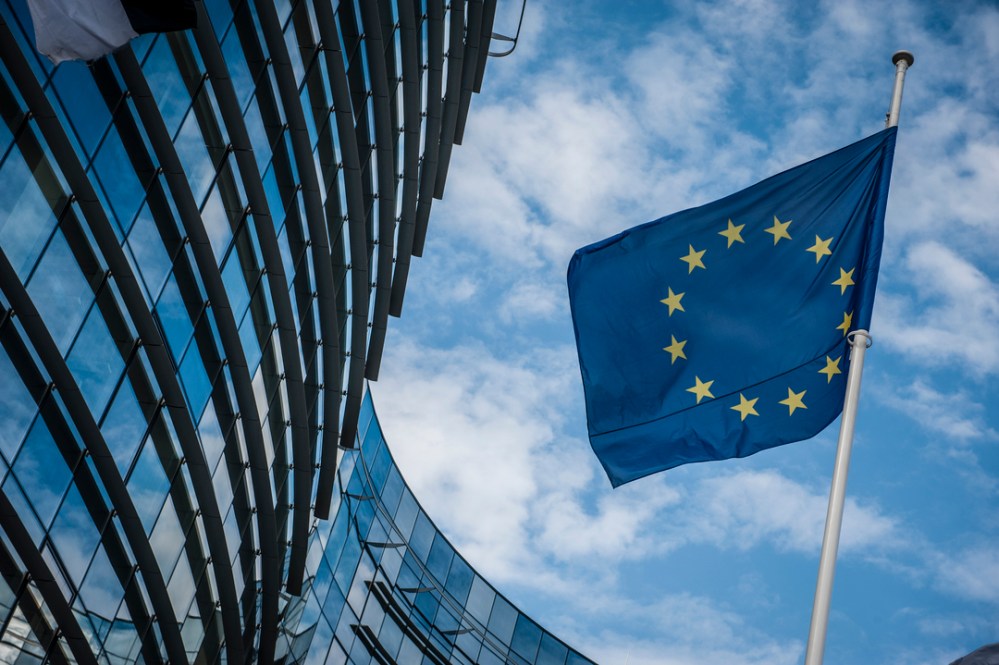
logo_enLa Comisión Europea (CE) ha publicado este Miércoles 13 Mayo 2020 una serie de recomendaciones con el objetivo de hacer más flexibles y atractivos las tarifas aéreas que las compañías ofrecen a sus pasajeros para compensar la cancelación de vuelos por la pandemia. El sector aéreo había advertido que esta medida acabaría con los vuelos baratos. Además, desde el sector están sugiriendo la posibilidad de que los Gobiernos europeos pongan en marcha esquemas de avales públicos que garantice su desembolso en casos de insolvencia.
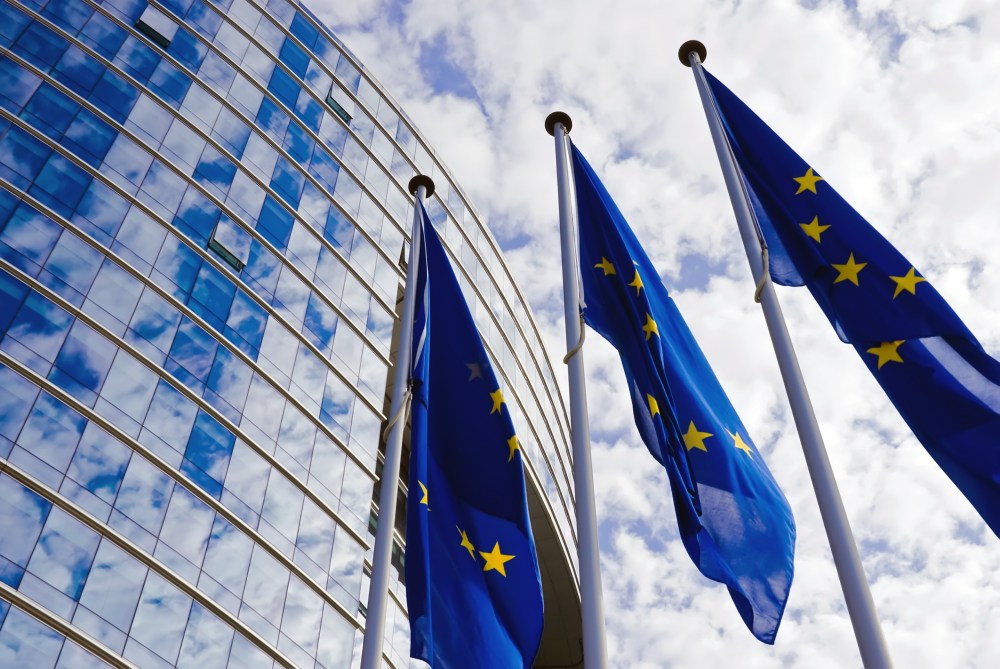
La legislación europea permite a las aerolíneas en caso de cancelación de vuelos ofrecer a los consumidores afectados vales para la compra de futuros viajes en lugar de la devolución de dinero, pero esta opción es voluntaria debe ser aceptada por los afectados, que en cualquier caso siempre podrán exigir el reembolso en efectivo. El objetivo es poder hacer más atractivos los cupones como alternativa al desembolso de dinero incrementaría su aceptación por parte de pasajeros y viajeros. Esto ayudaría a aliviar los problemas de liquidez de compañías aéreas y en última instancia conduciría a una mejor protección de los intereses de los pasajeros.

La Vicepresidenta Margrethe Vestager de la Comisión Von der Leyen, como Vicepresidenta Ejecutiva de la Comisión Europea, ha incidido en la enorme presión a la que está sometida la industria que depende del turismo, como hoteles y aerolíneas, que ahora deben reembolsar miles de cancelaciones. «Los consumidores europeos tienen derecho a un reembolso en efectivo», ha dicho la política danesa. Estos cupones deberán ser más atractivos para que los consumidores los acepten. «Se trata de dar una opción para mejorar la temporada para muchos europeos cuya vida depende del turismo y también para quienes quieren viajar, pero solo funcionará si cada uno de nosotros hace su parte», ha advertido la vicepresidenta.

Por ejemplo, Bruselas señala que los Estados miembros «deberían considerar activamente el establecimiento de esquemas de garantías para cupones con el objetivo de asegurar que en casos de insolvencia del emisor de los vales, los pasajeros o viajeros sean reembolsados». La Comisión Europea remarca que estas ayudas públicas supondrían una ventaja para los operadores beneficiarios en la medida en la que mejoraría su posición de liquidez. En consecuencia, debería ser aprobada por los servicios europeos de Competencia. Sin embargo, Bruselas garantiza que aceptaría avales públicos que cubran el 100% del valor de los cupones. Con respecto a las propias características de estos vales, el Ejecutivo europeo plantean que tengan un periodo mínimo de validez de doce meses. Además, su valor debería ser reembolsado a los afectados como muy tarde 14 días después de que expire dicho plazo si el cupón no ha sido todavía utilizado. También propone que las aerolíneas concedan a los pasajeros vales con un valor superior a la reserva original, por ejemplo a través de una suma adicional o con un servicio nuevo que antes no estaba incluido.

Recomendaciones para volar

Esta recomendación forma parte de un paquete más amplio de orientaciones que Bruselas traslada este miércoles a los Estados miembro y a la industria para tratar de coordinar una reapertura gradual de las fronteras interiores que permita relanzar el turismo ya este verano.

El Ejecutivo comunitario, que no tiene competencias en materia de salud y gestión de fronteras, apuesta por una salida progresiva y coordinada del cierre de fronteras y recuerda a las capitales que es fundamental ofrecer información en tiempo real a los turistas para recuperar su confianza y vuelvan a viajar este verano y más adelante. En este sentido, defiende el uso de aplicaciones móviles que ayuden a rastrear la propagación del Coronavirus y asegurar su interoperabilidad en toda la Unión Europea (UE) para que los europeos que viajan puedan ser alertados del riesgo de contagio durante su viaje. El rastreo a través de estas aplicaciones ha de ser voluntario y transparente, seguro y usar datos anónimos.

Además, advierte de que si los operadores de transporte o su personal deben ser responsables de asegurar que se cumplan las normas de distancia social o impedir el viaje a un usuario que se niega a llevar mascarilla será necesario que se defina claramente el marco legal para hacerlo. Entretanto, la Comisión apuesta por protocolos sanitarios y medidas de seguridad coordinadas para limitar el riesgo de contagio en los transportes, en donde pide que de manera general pasajeros y trabajadores lleven mascarilla sobre todo donde no se puede garantizar la distancia social y que se aumenten las frecuencias para reducir la concentración de pasajeros.

Para las aerolíneas, Bruselas adelanta que la Agencia Europea de Seguridad Aérea (EASA) y las autoridades competentes trabajan con el Centro Europeo de Prevención de Enfermedades para presentar en las próximas semanas directrices específicas a nivel técnico y operacional para ayudar al sector con las nuevas medidas. Entre los ejemplos que espera que queden detallados en el protocolo de salud y seguridad para el sector de la aviación, la Comisión enumera en su comunicación limitar la interacción abordo, explorar la asignación más adecuada de asientos en función de las limitaciones técnicas, dar prioridad al uso de documentos y métodos de pago digitales y evitar la concentración de pasajeros, pero no menciona la supresión de asientos para garantizar la distancia física entre pasajeros. AW-Icon Paragraph-01

AW-Eurologport_euCE dispenses marking free seats

Brussels will not require airlines to vacate seats for flights

The European Commission (EC) has published this Wednesday, May 13, 2020, a series of recommendations with the aim of making the air-fares that companies offer their passengers more flexible and attractive to compensate for flight cancellations due to the pandemic. The airline industry had warned that this measure would end cheap flights. In addition, the sector is suggesting the possibility that European governments put into place public guarantee schemes that guarantee their disbursement in cases of insolvency.

European legislation allows airlines in the event of flight cancellation to offer affected consumers vouchers for the purchase of future trips instead of money back, but this option is voluntary and must be accepted by those affected, who in any case always may require cash reimbursement. The objective is to be able to make the coupons more attractive as an alternative to the disbursement of money that would increase their acceptance by passengers and travelers. This would help alleviate airline liquidity problems and ultimately lead to better protection of passengers’ interests.

Vice President Margrethe Vestager of the Von der Leyen Commission, as Executive Vice President of the European Commission, has had an impact on the enormous pressure that the tourism-dependent industry is under, such as hotels and airlines, which must now reimburse thousands of cancellations. «European consumers are entitled to a cash refund», Danish policy has said. These coupons should be more attractive for consumers to accept. «It is about giving an option to improve the season for many Europeans whose lives depend on tourism and also for those who want to travel, but it will only work if each one of us does our part», said the vice president.

For example, Brussels notes that member states «should actively consider establishing guarantee schemes for coupons with the aim of ensuring that in cases of insolvency of the voucher, passengers or travelers are reimbursed». The European Commission emphasizes that these public aids would be an advantage for beneficiary operators to the extent that it would improve their liquidity position. Consequently, it should be approved by the European Competition Services. However, Brussels guarantees that it would accept public guarantees that cover 100% of the value of the coupons. Regarding the characteristics of these vouchers, the European Executive proposes that they have a minimum period of validity of twelve months. In addition, its value should be reimbursed to those affected no later than 14 days after the expiration of that period if the coupon has not yet been used. It also proposes that airlines grant passengers vouchers with a value higher than the original reservation, for example through an additional sum or with a new service that was not previously included.

Recommendations for flying

This recommendation is part of a broader package of guidelines that Brussels is transferring this Wednesday to member states and industry to try to coordinate a gradual reopening of internal borders that will allow tourism to relaunch this summer.

The Community Executive, which does not have competences in matters of health and border management, is committed to a progressive and coordinated exit from the closure of borders and reminds the capitals that it is essential to offer real-time information to tourists to regain their confidence and return to travel this summer and later. In this sense, it defends the use of mobile applications that help track the spread of the Coronavirus and ensure its interoperability throughout the European Union (EU) so that traveling Europeans can be alerted to the risk of contagion during their trip. Tracking through these applications must be voluntary and transparent, secure, and use anonymous data.

In addition, it warns that if transport operators or their personnel should be responsible for ensuring that social distance regulations are complied with or preventing the travel of a user who refuses to wear a mask, it will be necessary to clearly define the legal framework for doing so. Meanwhile, the Commission is betting on health protocols and coordinated security measures to limit the risk of contagion in transport, where it asks that passengers and workers wear a mask in general, especially where social distance cannot be guaranteed and that the frequencies to reduce the concentration of passengers.

For airlines, Brussels anticipates that the European Aviation Safety Agency (EASA) and the competent authorities are working with the European Center for Disease Prevention to present in the next few weeks specific guidelines at the technical and operational levels to help the sector with the New measures. Among the examples that it expects to be detailed in the health and safety protocol for the aviation sector, the Commission lists in its communication limiting interaction on board, exploring the most appropriate seat allocation based on technical limitations, giving priority to the use of documents and digital payment methods and avoid the concentration of passengers, but does not mention the suppression of seats to guarantee the physical distance between passengers. AW-Icon Paragraph-02


Ξ A I R G W A Y S Ξ
SOURCE: Airgways.com
DBk: EC.europa.eu / Airgways.com
AW-POST: 202005131533AR

A\W   A I R G W A Y S ®

DOT flexibiliza gastos aeroportuarios

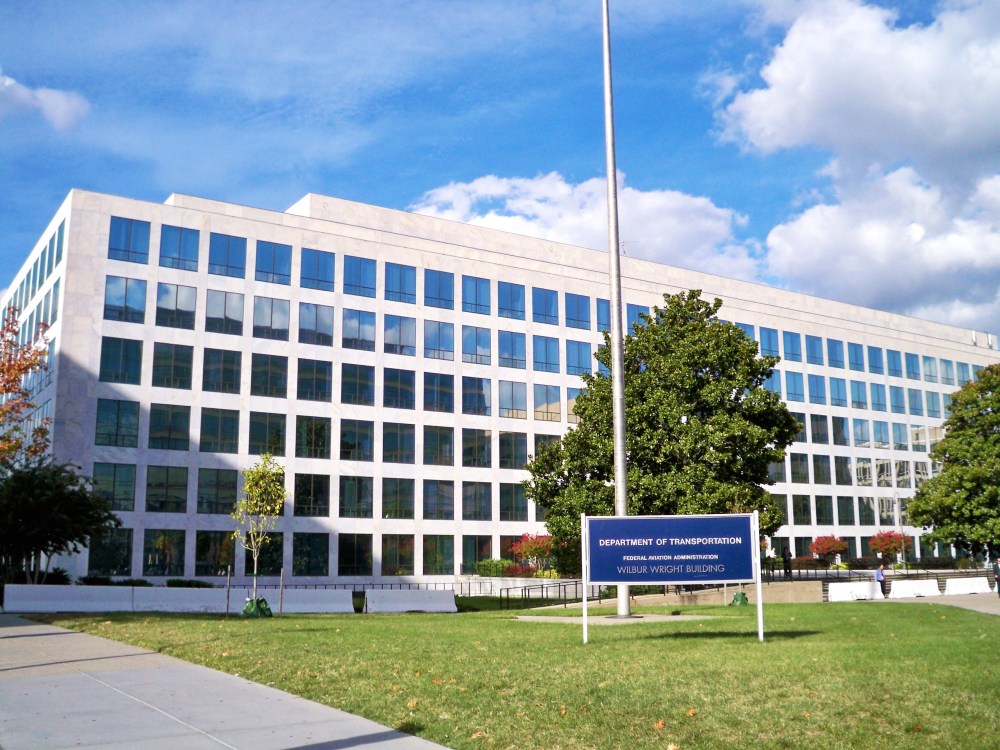
DOT-FAA_Headquarters_by_Matthew_BisanzAW | 2020 05 13 14:57 | GOVERNMENT / AIRLINES

DOT_IsologotypeDOT facilita los mandatos del servicio aeroportuario para las aerolíneas en dificultades

El Departamento de Transporte (DOT) de los Estados Unidos está flexibilizando algunos requisitos que impuso a las aerolíneas que recibieron ayuda en virtud de gastos por la actual crisis sanitaria de la pandemia de Coronavirus, estos incluyen los mandatos de prestaciones de los servicio aeroportuarios. Alrededor de diecisiete aerolíneas grandes y pequeñas solicitaron exenciones de ese requisito en la ley (PL 116-136), obligando al DOT a pesar sobre las solicitudes en cientos de destinos, incluidos muchos aeropuertos más pequeños o aquellos cercanos otros grandes aeropuertos metropolitanos. La factura de gastos de aproximadamente US$ 2 billones requirió que las aerolíneas que reciben ayuda continúen algún nivel de servicio a los mismos aeropuertos que prestaron servicios antes de la pandemia, pero cerraron los viajes aéreos.

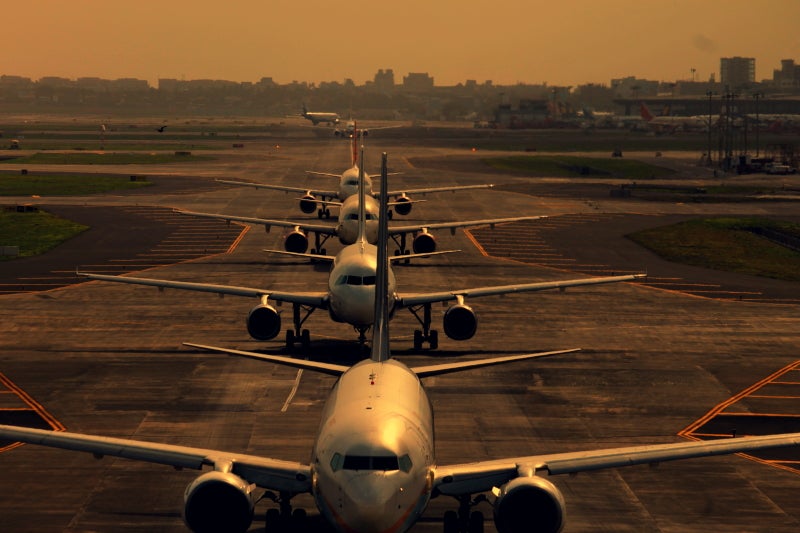
Las aerolíneas a menudo se vieron obligadas a enviar vuelos casi vacíos para cumplir con esas obligaciones de servicio impuestas por el Gobierno por la Ley CARES y han argumentado que mantener los vuelos los pone en mayor riesgo financiero. El Martes 12/05, el Departamento de Transporte dijo que permitiría a las compañías aéreas crear una lista priorizada de destinos para dejar de prestar servicios. El DOT tendría derecho a rechazar una solicitud si significara que el aeropuerto afectado ya no recibiría ningún servicio aéreo. A American Airlines y Delta Air Lines, por ejemplo, se les permitió elegir 11 aeropuertos donde podrían detener el servicio, siempre que otra aerolínea continúe ofreciendo vuelos a esos destinos. El DOT solicitó a las aerolíneas que presenten su lista de solicitudes de exención antes de las 5 p.m. del 18 Mayo 2020. «Para los operadores aéreos esto podría significar un alivio para reducir sus obligaciones de servicio, reduciendo así la carga financiera de los operadores y brindando flexibilidad para administrar las operaciones y la dotación de personal en sus redes”, escribió el DOT en un comunicado anunciando la nueva política.

Además, ha comunicado que los aeropuertos continuarán recibiendo servicios de al menos una aerolínea cubierta. El DOT tiene una larga historia de requerir al menos un nivel mínimo de servicio a los aeropuertos. La Ley de Desregulación de Líneas Aéreas de 1978 incluía una disposición que garantizaba que las pequeñas comunidades atendidas por compañías aéreas antes de la desregulación continuaran recibiendo cierto nivel de servicio.

Joel Bacon, Vicepresidente Ejecutivo de Gobierno y Asuntos Públicos de la Asociación Estadounidense de Ejecutivos de Aeropuertos, dijo que «no tiene mucho sentido volar aviones casi vacíos, pero que su organización está observando de cerca la regla. Definitivamente existen preocupaciones sobre el mantenimiento de opciones viables de servicios aéreos a corto plazo, pero un reconocimiento de que las aerolíneas necesitan sobrevivir a la crisis inmediata para poder brindar servicios en el futuro. A largo plazo, está claro que proteger el servicio aéreo y la conectividad al sistema será un desafío que todos tendremos que enfrentar».

Reembolsos

El Departamento también emitió el Martes 12/05 por segunda vez un aviso instando a las aerolíneas a dar reembolsos por servicios modificados o cancelados debido a la pandemia. La nota de tres páginas reiteró que los pasajeros que eligen no viajar por motivos de seguridad generalmente no tienen derecho a un reembolso o un vale de viaje para uso futuro en la aerolínea. Esa orientación se produjo después de que el senador Richard Blumenthal, D-Conn., Se quejó en una audiencia en el Senado de Comercio, Ciencia y Transporte la semana pasada de que las aerolíneas no estaban reembolsando los boletos a los pasajeros preocupados por su salud, y después de que el DOT recibió unas 25.000 quejas de servicios aéreos y consultas en Marzo y Abril 2020, en comparación con las 1.500 quejas que recibe en un mes típico. AW-Icon Paragraph-01

capitol-wideDOT eases airport expenses

DOT facilitates airport service mandates for airlines in distress

DOT_Isologotype_01The United States Department of Transportation (DOT) is easing some requirements that it imposed on airlines that received aid under costs due to the current health crisis of the Coronavirus pandemic, these include the mandates for the provision of airport services. About seventeen large and small airlines requested exemptions from that requirement in the law (PL 116-136), forcing DOT to weigh on requests at hundreds of destinations, including many smaller airports or those near other large metropolitan airports. The roughly US$ 2 trillion expense bill required aid airlines to continue some level of service to the same airports that served before the pandemic but closed air travel.
Airlines have often been forced to send nearly empty flights to meet those government-mandated service obligations under the CARES Act, and have argued that maintaining flights puts them at greater financial risk. On Tuesday 12/05, the Department of Transportation said it would allow airlines to create a prioritized list of destinations to stop providing services. DOT would have the right to reject an application if it meant that the affected airport would no longer receive any air service. American Airlines and Delta Air Lines, for example, were allowed to choose 11 airports where they could stop service, as long as another airline continues to offer flights to those destinations. DOT requested airlines to submit their waiver request list by 5 p.m. dated May 18, 2020. «For air operators this could be a relief to reduce their service obligations, thus reducing the financial burden on operators and providing flexibility to manage operations and staffing in their networks», wrote DOT. in a statement announcing the new policy.

In addition, it has communicated that the airports will continue to receive services from at least one covered airline. DOT has a long history of requiring at least a minimum level of service to airports. The Airline Deregulation Act of 1978 included a provision that ensured that small communities served by airlines prior to deregulation continued to receive a certain level of service.

Joel Bacon, Executive Vice President of Government and Public Affairs for the American Association of Airport Executives, said «There is little point in flying near-empty planes, but that your organization is closely watching the rule. There are definitely concerns about maintaining options. viable air services in the short term, but an acknowledgment that airlines need to survive the immediate crisis in order to provide services in the future.In the long term, it is clear that protecting air service and connectivity to the system will be a challenge that all we will have to face».

Refunds

The Department also issued a notice Tuesday, May 12, for the second time, urging airlines to reimburse for services modified or canceled due to the pandemic. The three-page note reiterated that passengers who choose not to travel for security reasons are generally not entitled to a refund or a travel voucher for future use by the airline. That orientation came after Senator Richard Blumenthal, D-Conn., Complained at a hearing in the Senate of Commerce, Science and Transportation last week that airlines were not reimbursing tickets to passengers concerned about their health. , and after DOT received some 25,000 air service complaints and inquiries in March and April 2020, compared to the 1,500 complaints it receives in a typical month. AW-Icon Paragraph-02


Ξ A I R G W A Y S Ξ
SOURCE: Airgways.com
DBk: Transportation.gov / Airgways.com
AW-POST: 202005131457AR

A\W   A I R G W A Y S ®

Nueva Legislación EEUU para reembolso

Covid-19: airport slot rules are changing to ease pressure on ...AW | 2020 05 13 14:35 | AVIATION / GOVERNMENT
Estados Unidos reglamenta nueva legislación de Reembolso en aviación

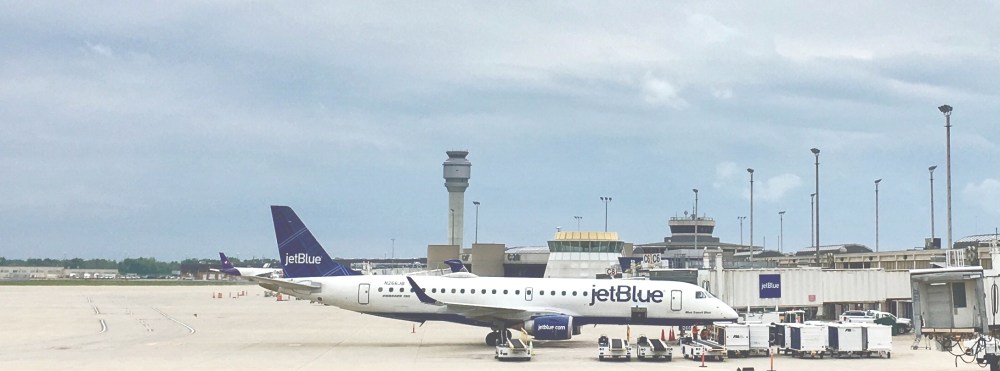
Una nueva legislación del Senado de Estados Unidos requeriría que las aerolíneas reembolsen los pasajes aéreas cuando los pasajeros elijan no volar. Los Senadores Edward Markey (D-MA), Elizabeth Warren (D-MA), Richard Blumenthal (D-CT), Chris Murphy (D-CT) y Kamala Harris (D-CA) presentaron la “Ley de Reembolsos en efectivo por Cancelaciones de Coronavirus” de 2020.

Lo que proponen es exigir a las aerolíneas y agencias de viajes que ofrezcan reembolsos en efectivo durante la pandemia de Coronavirus por todos los boletos cancelados, ya sea cancelados por la aerolínea o voluntariamente por el pasajero.

El Departamento de Transporte ha comunicado la requisitoria legal para proporcionar reembolsos cuando la aerolínea cancela un viaje, aunque esta ley tiene existencia, la agencia la remarca sobre la crítica válida de los usuarios de que las aerolíneas han sido reacias a emitir reembolsos válidos. Los usuarios de líneas aéreas deberían cancelar tickets aéreos cuando la situación lo requiera como lo es en una crisis sanitaria global, pero la ley ha arribado un tanto algo tardía.

La nueva reglamentación de la Ley de Reembolsos por Cancelaciones por Coronavirus es retroactiva al 1 Marzo 2020, permitiendo a los clientes intercambiar el ticket aéreo que aceptaron para un reembolso. El plazo estimado para reembolsos es hasta 180 días después del final de las declaraciones de emergencia COVID-19 a nivel nacional, requeriendo además que los cupones aceptados voluntariamente por los consumidores en lugar de un reembolso no tengan fecha de vencimiento.

Desde el ámbito político argumentan que decidir no volar es la opción correcta para la salud pública. El Senador Markey expresa que «los estadounidenses necesitan dinero en efectivo en sus bolsillos para pagar los alimentos, la vivienda y las recetas, no los créditos temporales para viajes futuros».

Aerolíneas

Las aerolíneas recibieron rescates, por lo que tienen la responsabilidad de emitir reembolsos como medidad para garantizar los reclamos de los usuarios y proveer ayuda económica a las compañías aéreas. Un modelo que ofrece mayor flexibilidad es el que Southwest Airlines ofrece a sus pasajeros. En el caso de American Airlines, el cEO de la aerolínea, Doug Parker, explicó que las tarifas de cambio son fundamentales para su modelo de cobrar diferentes precios a diferentes clientes, y que si el gobierno decidiera limitar las tarifas de cambio, entonces no ofrecerían reembolsos en absoluto, haciendo que todos, excepto los boletos de tarifa completa, se parezcan más a la economía básica. Sin embargo, en este caso, la legislación propuesta requeriría reembolsos, no limitaría las tarifas de cambio. AW-Icon Paragraph-01

AW-Metroairportnews.com_7660New US Legislation for reimbursement

The United States Regulates New Aviation Refund Legislation

New legislation in the United States Senate would require airlines to refund airfare when passengers choose not to fly. Senators Edward Markey (D-MA), Elizabeth Warren (D-MA), Richard Blumenthal (D-CT), Chris Murphy (D-CT) and Kamala Harris (D-CA) introduced the Cash Refunds for 2020 Coronavirus Cancellations.

What they propose is to require airlines and travel agencies to offer cash refunds during the Coronavirus pandemic for all canceled tickets, either canceled by the airline or voluntarily by the passenger.

The Department of Transportation has communicated the legal requirement to provide refunds when the airline cancels a trip, although this law exists, the agency highlights it on the valid criticism of the users that the airlines have been reluctant to issue valid refunds. Airline users should cancel airline tickets when the situation requires it as it is in a global health crisis, but the law has come somewhat late.

The new regulation of the Coronavirus Cancellation Refunds Law is retroactive to March 1, 2020, allowing customers to exchange the air ticket they accepted for a refund. The estimated time for refunds is up to 180 days after the end of national COVID-19 emergency declarations, further requiring that coupons voluntarily accepted by consumers instead of a refund have no expiration date.

From the political sphere, they argue that deciding not to fly is the correct option for public health. Senator Markey says Americans «need cash in their pockets to pay for food, housing, and prescriptions, not temporary credits for future travel».

Airlines

The airlines received bailouts, so they are responsible for issuing refunds as a measure to guarantee user claims and provide financial assistance to airlines. A model that offers greater flexibility is the one that Southwest Airlines offers to its passengers. In the case of American Airlines, the airline’s CEO, Doug Parker, explained that exchange rates are fundamental to his model of charging different prices to different customers and that if the government decided to limit exchange rates, then they would not offer refunds at all (making everyone except full-fare tickets more like the basic economy). However, in this case, the proposed legislation would require refunds, not limit exchange rates. AW-Icon Paragraph-02


Ξ A I R G W A Y S Ξ
SOURCE: Airgways.com
DBk: Transportation.gov/ Airgways.com / Airport-technology.com / Metroairportnews.com
AW-POST: 202005131435AR

A\W   A I R G W A Y S ®

90º Años Aéropostale-Atlántico Sur

AW-AéropostaleAW | 2020 05 12 13:38 | AVIATION HISTORY

Latecoère 2890º Aniversarios del primer vuelo comercial del Atlántico sur

El vuelo transatlántico de la compañía Aéropostale cumple su 90º Aniversarios. El 12 y 13 Mayo de 1930, a las 9 p.m., Jean Mermoz concluyó su primer viaje aéreo comercial en el Atlántico Sur, convirtiéndose así en uno de los héroes de la aviación.

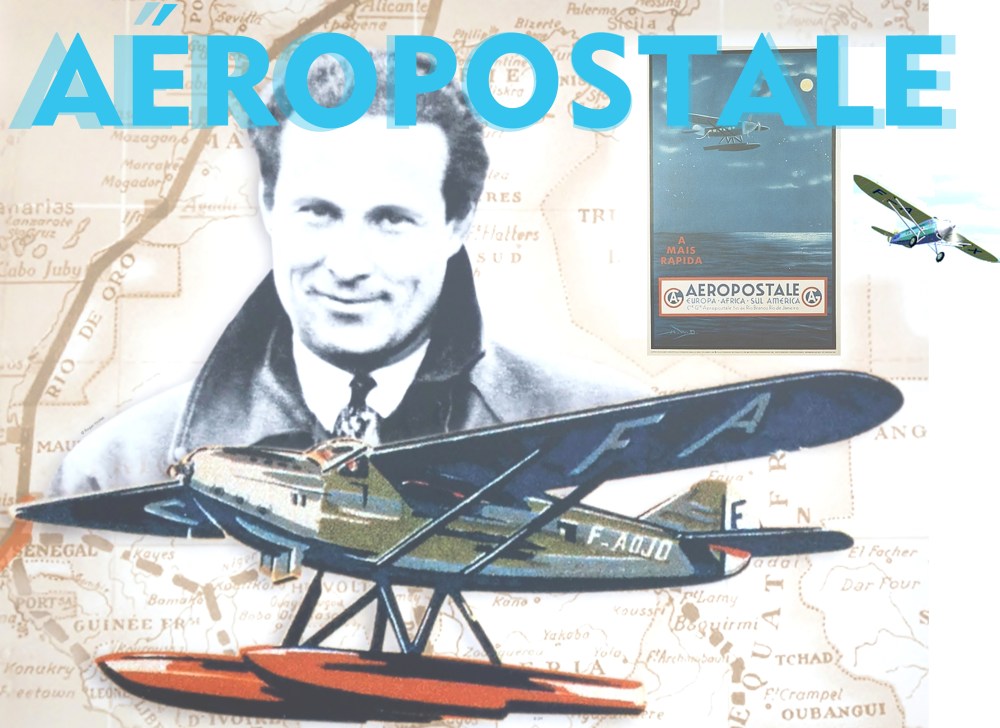
Les 31 meilleures images de Aeropostale | Affiche, Affiche de ...Aéropostale, formalmente Compagnie Générale Aéropostale fue una compañía de aviación pionera que funcionó desde 1918 hasta 1933. Fue fundada en 1918 en Toulouse, Francia, como Société des Lignes Latécoère, también conocida como Lignes Aeriennes Latécoère o simplemente «La Ligne», La Línea.
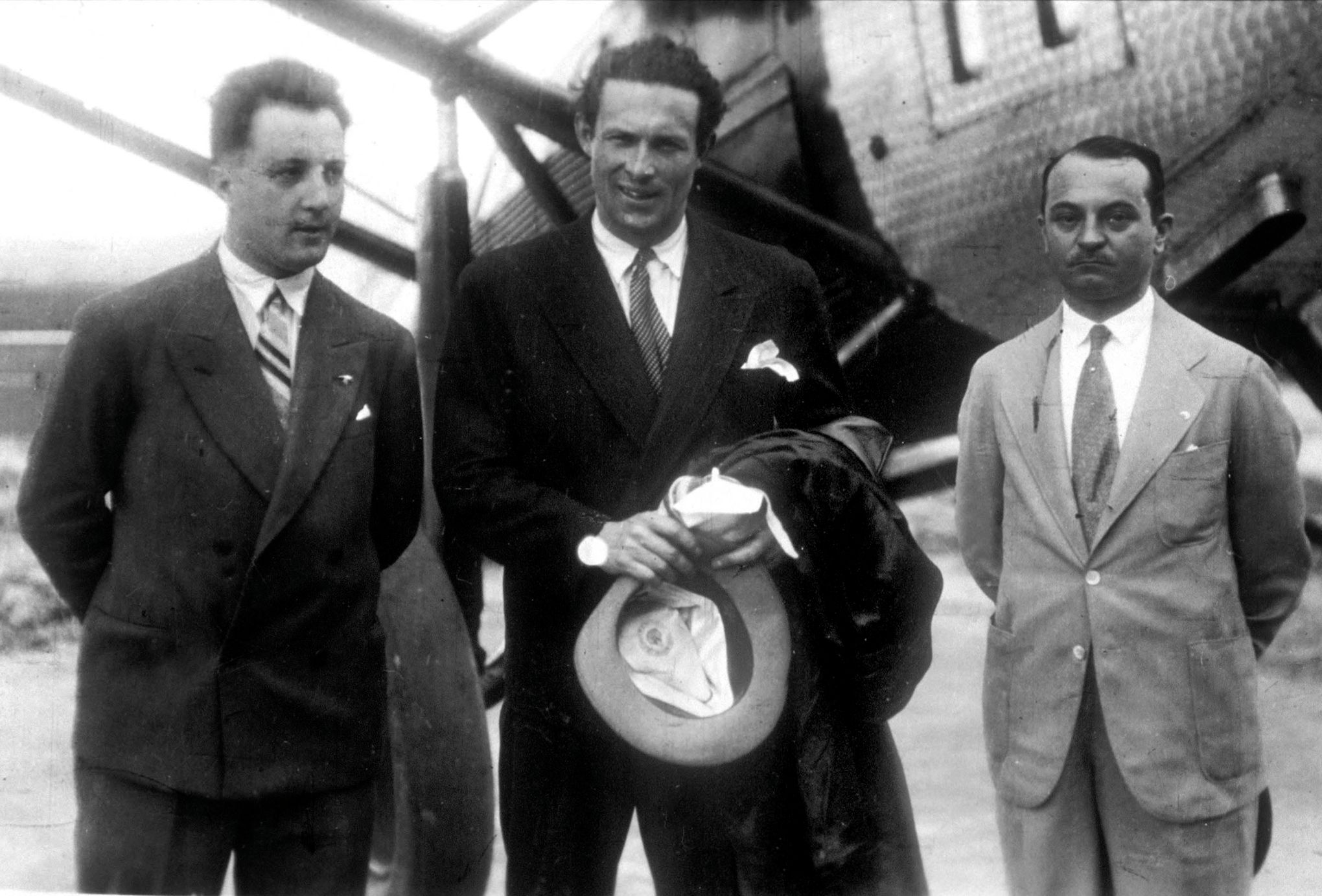
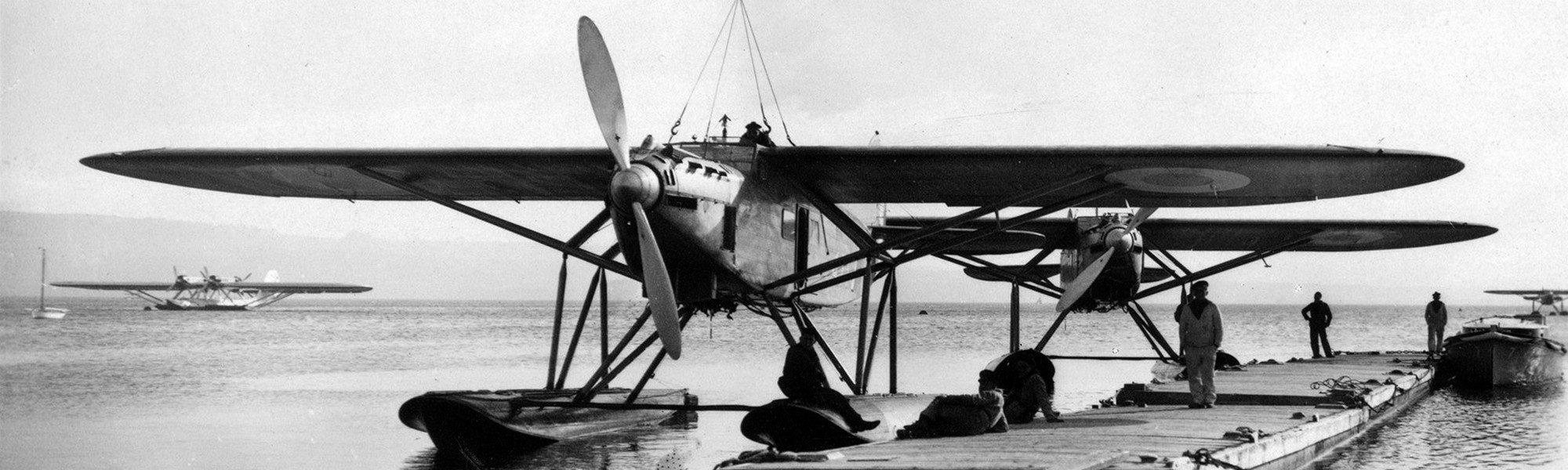
Este momento histórico fue muy importante para la historia de la aviación. A bordo del hidroavión Laté 28-3, el aviador francés, acompañado por el navegante Jean Dabry y el técnico de radio Léopold Gimié, recorrió casi 3.500 kilómetros entre Saint-Louis (Senegal) y Natal en Brasil, con 130 kilos de correo a bordo, en casi 24 horas de viaje. Mermoz fue responsable de establecer líneas aéreas regulares entre Francia, España, Marruecos y Senegal, que soñaba con extenderse a América del Sur. En 1930, Jean Mermoz, también conocido como «El Arcángel», ya había realizado varias hazañas en Aéropostale, como los primeros vuelos nocturnos entre Río de Janeiro y Buenos Aires y el desbordamiento de la peligrosa cordillera de los Andes. En ese momento, el correo entre África y América del Sur fue transportado por barco en un viaje de cuatro días. Las regulaciones francesas han prohibido el vuelo comercial sobre el Atlántico por razones de seguridad. Por esta razón, fue necesario transformar el Latécoère-28 en un hidroavión, equipado con flotadores y motores reforzados. Jean Mermoz frecuentaba «La Grande Vallee», mientras descansaba en la balanza de Río de Janeiro, cuando fue invitado por Marcel Reine, otro brillante piloto de Latécoère, propietario de la antigua granja en Itaipava, Petrópolis. Hoy es propiedad de José Augusto Cavalcanti Wanderley, quien ha estado visitando la casa histórica desde 2017.

Mermoz, pilote de légende de l'Aéropostale, disparaît le 7 ...

Jean Mermoz murió en 1936, a la edad de 35 años, como inspector de Air France, él y su tripulación desaparecieron en el Atlántico, durante su cruce número 25 del Atlántico Sur, a bordo de un hidroavión Laté 300, hasta entonces el El equipo más grande jamás construido en ese momento, con cuatro motores Hispano-Suiza, aunque se considera poco confiable en sus operaciones de vuelo. Su amigo y piloto Antoine de Saint-Exupéry describió el perfil de Mermoz como un hombre ardiente, valiente y muy noble.

Historia

El fundador de Aéropostale, Pierre-Georges Latécoère, imaginó una ruta aérea que conecta Francia con las colonias francesas en África y América del Sur. Las actividades de la empresa eran especializarse, pero no estar restringidas de ninguna manera a los servicios postales aéreos.

Entre 1921 y 1927, la «Línea» funcionó como Compagnie générale d’Entreprises Aéronautiques (CGEA). En abril de 1927, Latécoère, que tenía problemas con sus aviones, dañados debido a los largos vuelos a Sudamérica, decidió vender el 93% de su negocio a otro empresario francés con sede en Brasil llamado Marcel Bouilloux-Lafont. Sobre esa base, Bouilloux-Lafont fundó la Compagnie générale aéropostale, más conocida por el nombre más corto Aéropostale.

El 25 Diciembre 1918, la compañía comenzó a servir su primera ruta entre Toulouse y Barcelona en España. En Febrero 1919 la línea se extendió a Casablanca. Para 1925 se extendió a Dakar, donde el correo fue enviado por vapor a Sudamérica. En Noviembre 1927 se iniciaron vuelos regulares entre Río de Janeiro y Natal. La expansión continuó hasta Paraguay y en Julio 1929 se inició una ruta programada regularmente a través de las montañas de los Andes hacia Santiago, Chile, que luego se extendió hasta Tierra del Fuegoen la parte sur de chile. Finalmente, del 12 al 13 Mayo 1930, el viaje a través del Atlántico Sur finalmente tuvo lugar: un avión de correo Latécoère 28 equipado con flotadores y un motor Hispano-Suiza de 650 caballos de fuerza (480 kW) realizó el primer vuelo sin escalas. El piloto de Aeropostale, Jean Mermoz, voló 3.058 kilómetros (1.900 millas) de Dakar a Natal en 19 horas, 35 minutos, con su avión con 122 kilogramos (269 lb) de correo.

Después de un escándalo en el que Aeropostale hizo mal uso de los pagos postales del Gobierno de Francia, la compañía se disolvió en 1932 y se fusionó con varias otras compañías de aviación: Air Orient, Société Générale de Transport Aérien, Air Union y Compagnie Internationale de Navigation para finalmente crear la actual Air France. AW-Icon Paragraph-01

L'Aéropostale et l'Hôtel de La Poste Saint-Louis Sénégal90th Anniversaries Aerial Post-South Atlantic

90th Anniversaries of the first commercial flight of the South Atlantic

The transatlantic flight of the Aéropostale company celebrates its 90th Anniversary. On May 12 and 13, 1930, at 9 p.m., Jean Mermoz completed his first commercial air journey in the South Atlantic, thus becoming one of the aviation heroes.

Aéropostale, formally Compagnie Générale Aéropostale was a pioneering aviation company that operated from 1918 to 1933. It was founded in 1918 in Toulouse, France, as Société des Lignes Latécoère, also known as Lignes Aeriennes Latécoère or simply «La L'Aéropostale Rulebook - 1jour-1jeu.comLigne», The Line.

This historical moment was very important for the history of aviation. Aboard the Laté 28-3 hydroplane, the French aviator, accompanied by navigator Jean Dabry and radio technician Léopold Gimié, traveled almost 3,500 kilometers between Saint-Louis (Senegal) and Natal in Brazil, with 130 kilos of mail on board, in almost 24 hours of travel. Mermoz was responsible for establishing regular airlines between France, Spain, Morocco, and Senegal, which he dreamed of expanding to South America. In 1930, Jean Mermoz, also known as «The Archangel», had already performed several feats in Aéropostale, such as the first night flights between Rio de Janeiro and Buenos Aires and the overflow of the dangerous Andes mountain range. At that time, mail between Africa and South America was transported by ship on a four-day trip. French regulations have banned commercial flight over the Atlantic for security reasons. For this reason, it was necessary to transform the Latécoère-28 into a hydroplane, equipped with floats and reinforced engines. Jean Mermoz frequented «La Grande Vallee» while resting on the scales of Rio de Janeiro, when he was invited by Marcel Reine, another brilliant pilot from Latécoère, owner of the old farm in Itaipava, Petrópolis. Today it is owned by José Augusto Cavalcanti Wanderley, who has been visiting the historic house since 2017.

Jean Mermoz died in 1936, at the age of 35, as an Air France inspector, he and his crew disappeared in the Atlantic, during their 25th crossing of the South Atlantic, aboard a Laté 300 hydroplane, until then the team largest ever built at the time, with four Hispano-Suiza engines, although it is considered unreliable in its flight operations. His friend and pilot Antoine de Saint-Exupéry described Mermoz’s profile as an ardent, brave, and very nobleman.

History

Aéropostale founder Pierre-Georges Latécoère imagined an air route that connects France with the French colonies in Africa and South America. The company’s activities were to specialize, but not be restricted in any way to air postal services.
Between 1921 and 1927, the «Line» functioned as Compagnie générale d’Entreprises Aéronautiques (CGEA). In April 1927, Latécoère, who had problems with his planes, damaged due to long flights to South America, decided to sell 93% of his business to another Brazilian-based French businessman named Marcel Bouilloux-Lafont. On that basis, Bouilloux-Lafont founded the Compagnie générale Aéropostale, better known by the shorter name Aéropostale.

L'Aéropostale et l'Hôtel de La Poste Saint-Louis SénégalTHE AÉROPOSTALE  IN HôTEL DE LA POSTE SAINT LOUIS  IN SÉNEGAL
On December 25, 1918, the company began serving its first route between Toulouse and Barcelona in Spain. In February 1919 the line was extended to Casablanca. By 1925 it spread to Dakar, where the mail was shipped by steam to South America. Regular flights between Rio de Janeiro and Natal began in November 1927. The expansion continued to Paraguay and in July 1929 a regularly scheduled route began through the Andes Mountains to Santiago, Chile, which then extended to Tierra del Fuego in the southern part of Chile. Finally, from May 12 to 13, 1930, the journey across the South Atlantic finally took place: a Latécoère 28 mail plane equipped with floats and a 650 horsepower (480 kW) Hispano-Swiss engine made the first nonstop flight. Aeropostale pilot Jean Mermoz flew 3,058 kilometers (1,900 miles) from Dakar to Natal in 19 hours, 35 minutes, with his plane carrying 122 kilograms (269 lb) of mail.

After a scandal in which Aeropostale misused postal payments from the French Government, the company dissolved in 1932 and merged with several other aviation companies: Air Orient, Société Générale de Transport Aérien, Air Union and Compagnie Internationale of Navigation to finally create the current Air France. AW-Icon Paragraph-02


Ξ A I R G W A Y S Ξ
SOURCE: Airgways.com
DBk: Hoteldelapostesaintlouis.com / Airgways.com
AW-POST: 202005121338AR

A\W   A I R G W A Y S ®

Aerolíneas reacias distanciamiento

Voo quase cheio da Iberia gera indignação entre os passageiros ...AW | 2020 05 12 12:27 | AVIATION SAFETY / AIRLINES
Las aerolíneas descartan distanciamiento social tras escándalo en un vuelo en España

En medio de las diferentes versiones sobre cómo serán los vuelos en el futuro, cuando las fronteras del mundo se vuelvan a abrir y las personas puedan viajar una vez más, ayer la Guardia Civil de España denunció a la aerolínea Iberia porque en uno de sus vuelos, a su entender, no se respetaba la distancia decretada para evitar los contagios de coronavirus. Sin embargo la empresa rechazó la acusación y desató la polémica. Tras el escándalo por un vuelo sin distancia social en España, las aerolíneas descartan dejar asientos libres.

Mientras las autoridades sanitarias de varios países aseguran que la forma en la que se viajó hasta ahora es imposible de sostener post-Coronavirus, desde las diferentes aerolíneas advierten que los pedidos de dejar asientos libres o de confeccionar una nueva disposición en los aviones o incluso de instalar mamparas separadoras son inviables. Sí entienden que de ahora en más los tapabocas serán obligatorios a bordo, los servicios serán cancelados y se deberá tomar la temperatura de los pasajeros al subir, pero nada más. Aseguran que la propuesta de algunos gobiernos de dejar asientos sin ocupar supondría la quiebra de la mayor parte de las compañías o subir los pasajes un 50%, después de que la Guardia Civil de España denunciara a la aerolínea Iberia por un vuelo entre Madrid y Canarias que iba casi lleno, sin cumplir el distanciamiento social.

«El avión es probablemente una de las mejores formas de viajar en un mundo pos Covid-19 porque el sistema de ventilación de las cabinas ya está diseñado para purificar el aire, que circula de arriba a abajo, no de adelante hacia atrás o de izquierda a derecha. Durante el vuelo, el aire de la cabina se recicla cada 2 o 3 minutos. Nuestros aviones están equipados con los mismos filtros que se utilizan en los hospitales», indicó el Consejero Delegado de Airbus, Guillaume Faury.

Por su parte, Alexandre de Juniac, Director General de la Asociación Internacional de Transporte Aéreo (IATA), que agrupa a la mayor parte de las aerolíneas, también apela a este sistema de filtros para hablar de la seguridad en los vuelos y destaca que limpia el aire del interior de la cabina y captura partículas que puedan contener el virus con una eficiencia del 99,97%. «La evidencia, aunque limitada, sugiere que el riesgo de transmisión del virus a bordo de un avión es bajo, incluso sin medidas especiales», expresa.

La justificación a la que recurren al hablar de la imposibilidad de reducir la cantidad de pasajeros es la económica. Según la asociación, dejar asientos vacíos podría reducir la capacidad de pasaje a un 62% y para ser rentable el sector precisa que esa ocupación sea del 77%. De seguir adelante con esta medida, se incrementaría en casi un 50 por ciento los precios y eso afectaría las compras. De hecho, los cálculos indican que solo cuatro aerolíneas de una muestra de 122 podrían resistir a esas condiciones.

«Las aerolíneas tienen experiencia y saben que ya existe un riesgo muy bajo de transmisión de virus a bordo. Cualquier forma de distanciamiento físico es innecesario, ineficaz y simplemente impracticable dado que se puede lograr el mismo resultado deseado usando máscaras faciales en un ambiente de cabina ya esterilizado», señala Thomas Reynaert, Director Gerente de Airlines for Europe (A4E).

Ante la incertidumbre sobre el tema, hoy en España se conoció una medida oficial que ordena a todos los turistas que ingresen al país después del 15 de mayo a cumplir con una cuarentena de 14 días. Además, se exige a quienes vendan pasajes u hoteles que informen de esta decisión a los clientes. AW-Icon Paragraph-01

Passageiros chocados ao entrarem em avião da Iberia praticamente ...Reluctant airlines distancing flights

Airlines rule out social distancing after scandal on a flight in Spain

In the midst of the different versions of what flights will be like in the future when the world’s borders are reopened and people can travel once more, yesterday the Spanish Civil Guard denounced the Iberia airline because, on one of its flights In his opinion, the distance prescribed to avoid coronavirus infections was not respected. However, the company rejected the accusation and sparked controversy. After the scandal over a flight without social distance in Spain, the airlines ruled out leaving seats free.

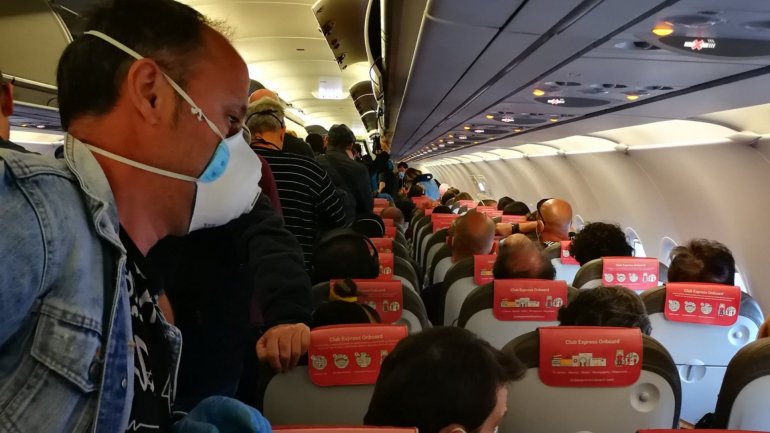
While the health authorities of several countries assure that the way in which they have traveled so far is impossible to sustain post-Coronavirus, from the different airlines they warn that the requests to leave seats free or to make a new provision in the planes or even to installing partition walls are not feasible. They do understand that from now on, the masks will be mandatory on board, the services will be canceled and the temperature of the passengers must be taken when boarding, but nothing more. They assure that the proposal of some governments to leave seats unoccupied would mean the bankruptcy of most of the companies or raise the tickets by 50%, after the Spanish Civil Guard denounced the Iberia airline for a flight between Madrid and the Canary Islands It was almost full, without fulfilling the social distance.

«The plane is probably one of the best ways to travel in a post-COVID-19 world because the cabin ventilation system is already designed to purify the air, which circulates from top to bottom, not front to back or left. to the right. During the flight, the cabin air is recycled every 2-3 minutes. Our aircraft are equipped with the same filters that are used in hospitals», said Airbus Chief Executive Officer Guillaume Faury.

For his part, Alexandre de Juniac, Director-General of the International Air Transport Association (IATA), which groups most of the airlines, also appeals to this filter system to talk about flight safety and stresses that it cleans the air inside the cabin and captures particles that could contain the virus with an efficiency of 99.97%. «The evidence, although limited, suggests that the risk of transmission of the virus on board an aircraft is low, even without special measures», he says.

The justification they resort to when talking about the impossibility of reducing the number of passengers is the economic one. According to the association, leaving empty seats could reduce passenger capacity to 62%, and be profitable, the sector requires that this occupation by 77%. If this measure continues, prices will increase by almost 50 percent and this will affect purchases. In fact, calculations indicate that only four airlines out of a sample of 122 could resist those conditions.

«The airlines are experienced and know that there is already very low risk of virus transmission on board. Any form of physical distancing is unnecessary, ineffective, and simply impractical given that the same desired result can be achieved using face masks in a cabin environment. already sterilized», says Thomas Reynaert, Managing Director of Airlines for Europe (A4E).

Given the uncertainty on the subject, today in Spain an official measure was known that orders all tourists to enter the country after May 15 to comply with a 14-day quarantine. In addition, those who sell tickets or hotels are required to inform customers of this decision. AW-Icon Paragraph-02


Ξ A I R G W A Y S Ξ
SOURCE: Airgways.com
DBk: Lanacion.com.ar / Airgways.com / Javi Martín Ramos
AW-POST: 202005121227AR

A\W   A I R G W A Y S ®

Jet Airways buscará nuevo comprador

American-Express-Lounge-Delhi-Airport-Terminal-3-_6AW | 2020 05 12 12:07 | AIRLINES / GOVERNMENT
Amendments by the Insolvency and Bankruptcy Board of IndiaJunta de insolvencia permitirá nuevos oferentes para Jet Airways
Jet Airways anunció que hará otro intento de encontrar un comprador. La compañía relajará el requisito de patrimonio neto, dando a los postores 15 días para hacer una oferta. El Comité de Acreedores (CoC) de Jet Airways está dispuesto a invitar a una nueva expresión de interés (EoI) para la aerolínea.

Durante la reunión electrónica con el CoC, el profesional de resolución propuso una nueva ronda de EoI. El 15 Marzo, los prestamistas tuvieron 90 días más para encontrar un comprador bajo el proceso de insolvencia liderado por NCLT. En Abril 2020, la Junta de Insolvencia y Quiebra de la India había dicho que el período de cierre no se contará en el cronograma establecido para finalizar los planes de resolución para las empresas estresadas en el proceso de insolvencia. AW-Icon Paragraph-01

Jet Airways will search for a new buyer

Insolvency board to allow new bidders for Jet Airways

Jet Airways announced that it will make another attempt to find a buyer. The company will relax the net worth requirement, giving bidders 15 days to bid. Jet Airways’ Creditors Committee (CoC) is ready to invite a new expression of interest (EoI) for the airline.

During the electronic meeting with the CoC, the resolution professional proposed a new round of EoI. On March 15, lenders had an additional 90 days to find a buyer under the NCLT-led insolvency process. In April 2020, the Insolvency and Bankruptcy Board of India had said that the closing period will not count in the established timeline for finalizing resolution plans for companies stressed in the insolvency process. AW-Icon Paragraph-02


Ξ A I R G W A Y S Ξ
SOURCE: Airgways.com
DBk: Ibbi.gov.in / Jetairways.com / Airgways.com
AW-POST: 202005121207AR

A\W   A I R G W A Y S ®

Boeing advierte impacto aerolíneas

AW-Boeing_Headquarters_100thAW | 2020 05 12 11:55 | INDUSTRY / AIRLINES MARKET

Boeing_Isologotype_SkyThe Boeing Company advierte que aerolíneas estadounidense podrían ir a la quiebra por crisis de la pandemia
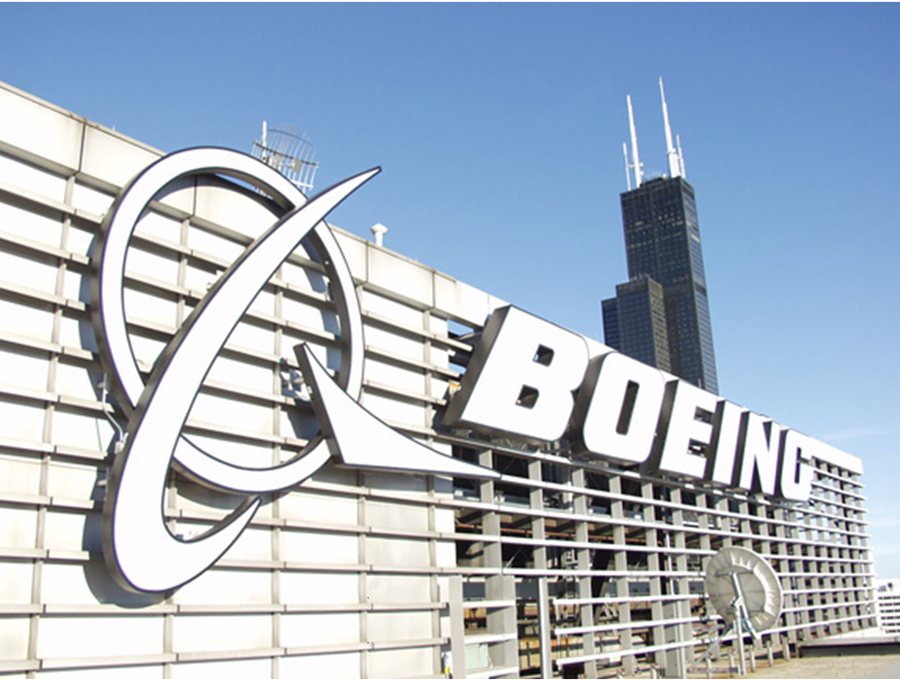
La pandemia de Coronavirus podría obligar a la quiebra de una importante aerolínea de Estados Unidos, ha expresado el CEO de The Boeing Company, David Calhoun. «Algo ocurrirá cuando llegue Septiembre. Los niveles de tráfico no volverán al 100 por ciento. Ni siquiera volverán al 25 por ciento. Por lo tanto, definitivamente habrá que hacer ajustes por parte de las aerolíneas», dijo el CEO de Boeing.

La industria de las aerolíneas está teniendo un momento apocalíptico que podría obligar a una importante aerolínea estadounidense a la quiebra. «La amenaza para la industria de las aerolíneas es grave. No hay duda al respecto. Y el apocalíptico en realidad describe con precisión el momento», dijo Calhoun sobre el impacto del Coronavirus.

La industria de las aerolíneas obtuvo ganancias récord durante una década, debido a los menores precios del combustible para aviones y la consolidación a través de una serie de fusiones. Eso terminó con la pandemia de coronavirus, que ha devastado la industria y ha llevado a una caída del 95% en la demanda de viajes aéreos. American Airlines, United Airlines, Southwest Airlines y Delta Air Lines informaron enormes pérdidas trimestrales, su primera en años. Los ejecutivos de las aerolíneas han dicho que la pandemia es la peor crisis de la industria y han comparado su impacto con los eventos del 11 Septiembre 2001.

A pesar de miles de millones de dólares en fondos de emergencia como parte de la Ley CARES del Gobierno de Estados Unidos, el futuro de la industria sigue siendo incierto, con muchos ejecutivos de aerolíneas que pronostican que el tráfico no volverá a los niveles anteriores durante tres o cinco años, lo que genera preguntas sobre la supervivencia de algunos importantes transportistas. «No quiero ser demasiado predictivo sobre ese tema. Pero sí, lo más probable. Algo ocurrirá cuando llegue septiembre. Los niveles de tráfico no volverán al 100 por ciento. Ni siquiera volverán al 25 por ciento. Por lo tanto, definitivamente habrá que hacer ajustes por parte de las aerolíneas», dijo Calhoun cuando se le preguntó si creía que una importante aerolínea estadounidense tendría que cerrar.

La experiencia del viaje aéreo será muy diferente, reconoció. Si bien recomendó que los reguladores requieran máscaras faciales, dijo que el interior de la cabina de un avión estaba diseñado para evitar la transmisión de exactamente este tipo de pandemias. «La cabina misma reemplaza su aire cada dos o tres minutos. En el momento en que aplicas esas protecciones y consideras las acciones responsables del público, creo que gradualmente vuelves al mismo nivel de confianza que hemos tenido antes», expresa el máximo ejecutivo de Boeing.

Boeing vs Berkshire Hathaway

David Calhoun no comparte la misma opinión sobre el futuro de las aerolíneas que el inversionista multimillonario Warren Buffet, quien recientemente vendió su participación total de US$ 4 mil millones en aerolíneas estadounidenses, en ese momento que no creía que las personas volarían tantas millas de pasajeros como lo hicieron el año pasado. «El mundo ha cambiado para las aerolíneas. No sé si los estadounidenses ahora han cambiado sus hábitos o cambiarán sus hábitos debido a la extensión período», dijo Buffett a principios de este mes en la reunión anual de accionistas para su firma de inversiones, Berkshire Hathaway.

«No comparto la opinión. Comparto la agitación a corto plazo. El término a corto plazo para mí no significa unos pocos meses. Creo que son tres años completos antes de que regresemos a los niveles de tráfico que tuvimos en 2019, y luego probablemente otros dos antes de comenzar para volver a las tasas de crecimiento que solíamos tener. Y espero que en algún lugar entre aquí y allá, haya una vacuna, y que el momento de gran ansiedad comience a disminuir realmente. Pero sigo creyendo en el futuro de la industria», dijo David Calhoun.

Perspectivas de Boeing

100_737MAX8La problemática flota de aviones Boeing 737 MAX de la compañía permanece en tierra en todo el mundo, después de dos accidentes aéreos. Expresa sus sinceras condolencias por los deudos y familiares de los accidentes aéreos de los vuelos de Lion Air y Ethiopian Airlines: «En recuerdo de los dos accidentes, que fueron tan reales como puede ser, nuestras sinceras penas hacia todos los que fueron afectados por esos accidentes», expresó David Calhoun.

El CEO de Boeing analiza su crítica para estas fechas: «Hicimos una mala suposición, con respecto a la envoltura de diseño para ese avión, en ese momento en el tiempo, bajo esa condición. Nuestra suposición acerca de cómo reaccionaría un piloto en un momento muy tenso y difícil fue errónea. Simple como eso. Pero Creo que eso se ha solucionado. También creo en la cultura de Boeing. Creo que, de hecho, todos nuestros empleados creen profundamente en la seguridad. Y hemos llevado una lupa a todo lo que hacemos, todo, para que no nunca permitas que algo así suceda en el futuro. Tengo confianza en el MAX. El trabajo de certificación, el trabajo de la FAA, ha sido tan minucioso como cualquier cosa que haya visto. Hemos trabajado todos los escenarios posibles en los programas de prueba. Y lo hace extremadamente bien».

Ayudas por pandemia

David Calhoun también ha expresado con orgullo de lo mágico que fue para Boeing ayudar durante la pandemia, entregando suministros de emergencia de primera línea. «Los pilotos que vuelan estos aviones alrededor del mundo, para entregar estos suministros, es nuestra línea de frente que ayuda a la línea de atención médica. Es bastante mágico cuando sucede, y es muy motivador para mí, por supuesto, pero sobre todo para nuestra gente. Y necesitan ese tipo de motivación», dijo Calhoun. AW-Icon Paragraph-01

David Calhoun, un experto en crisis se encargará de enderezar el ...Boeing warns impact airlines

The Boeing Company warns that US airlines could go bankrupt due to pandemic crisis

Boeing_Isologo.svgThe Coronavirus pandemic could force the bankruptcy of a major U.S. airline, The Boeing Company CEO David Calhoun has said. «Something will happen when September arrives. Traffic levels will not return to 100 percent. They will not even return to 25 percent. Therefore, adjustments will definitely have to be made by the airlines», said the Boeing CEO.

The airline industry is having an apocalyptic moment that could force a major American airline into bankruptcy. «The threat to the airline industry is serious. There is no question about it. And the apocalyptic actually accurately describes the moment», Calhoun said of the Coronavirus impact.

The airline industry made record profits for a decade, due to lower jet fuel prices and consolidation through a series of mergers. That ended the coronavirus pandemic, which has devastated the industry and led to a 95% drop in demand for air travel. American Airlines, United Airlines, Southwest Airlines, and Delta Air Lines reported huge quarterly losses, their first in years. Airline executives have said the pandemic is the worst crisis in the industry and compared its impact to the events of September 11, 2001.

Despite billions of dollars in emergency funding as part of the United States Government’s CARES Act, the future of the industry remains uncertain, with many airline executives predicting that traffic will not return to previous levels during three or five years, raising questions about the survival of some major carriers. «I don’t want to be overly predictive on that topic. But yes, most likely. Something will happen when September comes. Traffic levels will not return to 100 percent. They will not even return to 25 percent. Therefore, there will definitely need to be done. adjustments by airlines», Calhoun said when asked if he believed a major US airline would have to close.

The experience of air travel will be very different, he acknowledged. While he recommended that regulators require face masks, he said that the interior of an aircraft cabin was designed to prevent the transmission of exactly these types of pandemics. «The cabin itself replaces its air every two to three minutes. The moment you apply those protections and consider responsible public actions, I think you gradually return to the same level of confidence we’ve had before», says Boeing chief executive.

Boeing vs Berkshire Hathaway

David Calhoun does not share the same opinion on the future of airlines as billionaire investor Warren Buffet, who recently sold his entire US$ 4 billion stakes in US airlines, at the time that he did not believe people would fly as many miles of passengers. like they did last year. «The world has changed for airlines. I don’t know if Americans have now changed their habits or will change their habits due to the extended period», Buffett said earlier this month at the annual shareholder meeting for his investment firm, Berkshire. Hathaway.

«I don’t share the opinion. I share the short-term turmoil. The short-term term for me doesn’t mean a few months. I think it’s a full three years before we return to the traffic levels we had in 2019, and then probably the others two before we start to get back to the growth rates that we used to have. And I hope that somewhere between here and there, there’s a vaccine and that the time of great anxiety is really going to slow down. But I still believe in the future of the industry», said David Calhoun.

Boeing prospects

The company’s troublesome Boeing 737 MAX aircraft fleet remains grounded around the world after two plane crashes. Expresses its sincere condolences for the relatives and relatives of the plane crashes on Lion Air and Ethiopian Airlines flights: «In remembrance of the two crashes, which were as real as can be, our sincere regrets towards all those affected by those accidents», said David Calhoun.

The Boeing CEO analyzes his criticism for these dates: «We made a bad assumption, regarding the design envelope for that aircraft, at that moment in time, under that condition. Our assumption about how a pilot would react at a given moment very tense and difficult it was wrong. Simple like that. But I think that has been fixed. I also believe in the Boeing culture. I think that in fact, all of our employees deeply believe in safety. And we have brought a magnifying glass to everything that we do, everything so that you never allow something like that to happen in the future. I have confidence in the MAX, the certification work, the FAA’s work, has been as thorough as anything I’ve seen. We’ve worked every possible scenario in the test programs. And it does it extremely well».

Pandemic aid

David Calhoun has also proudly expressed how magical it was for Boeing to help out during the pandemic, delivering first-line emergency supplies. «The pilots who fly these planes around the world, to deliver these supplies, is our front line that helps the healthcare line. It is quite magical when it happens, and it is very motivating for me, of course, but especially for our people. And they need that kind of motivation», Calhoun said. AW-Icon Paragraph-02


Ξ A I R G W A Y S Ξ
SOURCE: Airgways.com
DBk: Boeing.com / Nbcnews.com / Airgways.com
AW-POST: 202005121155AR

A\W   A I R G W A Y S ®

Arbitraje Embraer-Boeing

AW-Embraer_FleetsAW | 2020 05 12 11:23 |INDUSTRY / GOVERNMENT

embraer logoEmbraer inicia proceso de arbitraje contra Boeing por rescisión de contrato

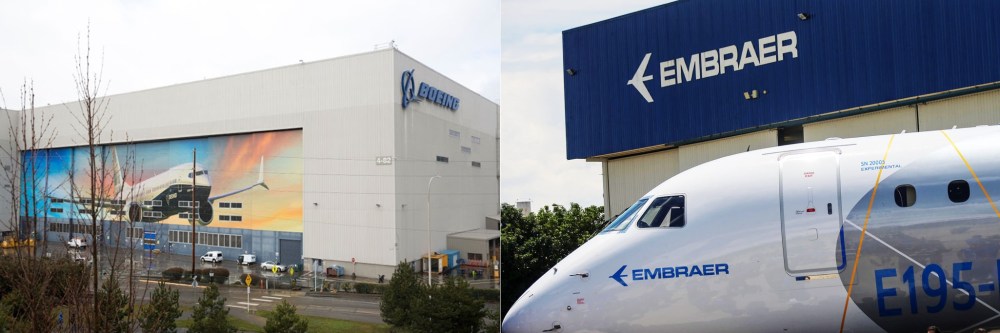
Embraer SA abrió un proceso de arbitraje después de que The Boeing Company rescindió un contrato que preveía la formación de una empresa denominada conjunta Boeing Brasil Commercial con una participación del 80% en la empresa estadounidense y del 20% en la empresa brasileña. Los expertos evalúan el arbitraje entre Embraer y Boeing para la terminación del contrato. Las operaciones se anunciaron en 2018. Ahora, Boeing ha declarado que Embraer no ha cumplido algunas obligaciones contractuales establecidas para cerrar el acuerdo.

Para los especialistas, las empresas tendrán la misión de llevar a cabo un arbitraje, sin llevar justicia, lo que hará que el proceso de terminación sea mucho más burocrático. La disputa entre las dos aerolíneas en la industria de la aerolínea debe presentarse y resolverse mediante arbitraje administrado por  Centro Internacional para la Resolución de Disputas (ICDR). La negociación tendrá lugar en la ciudad de Nueva York.

Para el abogado Érico Carvalho, socio de Advocacia Velloso, el arbitraje para resolver este conflicto contractual en la industria de las aerolíneas puede ser una calle de doble sentido. “Aunque los detalles del litigio no son públicos, Embraer debe tener argumentos sólidos para iniciar los procedimientos arbitrales contra Boeing. Pero también es posible, dependiendo de los términos contractuales, que Boeing presente una reconvención al Tribunal Arbitral solicitando una compensación de Embraer por no cumplir ciertas condiciones previas, en línea con el razonamiento revelado por la compañía norteamericana para la terminación de la empresa conjunta», expresa el abogado. El experto también señala que, en caso de una victoria de Boeing, también es posible que se solicite al STJ en el futuro que ratifique el laudo arbitral emitido por el ICDR como el primer paso hacia su ejecución en territorio nacional contra Embraer.

En cuanto al abogado Antonio Coutinho, socio de Piquet, Magaldi y Guedes Advogados, el uso del procedimiento de arbitraje no debería sorprender, ya que se usa como norma en los contratos internacionales. Él expresa: “Especialmente ante esta magnitud de valores. Boeing nunca se sometería a discutir el contrato ante los tribunales brasileños, del mismo modo que Embraer no lo haría ante los tribunales estadounidenses. Es por eso que hay tribunales de arbitraje internacional, exentos, con reglas previamente establecidas y una reputación indiscutible». Señala que un buen contrato debe indicar a los tribunales de arbitraje internacional para garantizar el mejor procedimiento y la consiguiente decisión sobre el tema.

Para Ricardo Fenelon, abogado y ex director de ANAC, por un lado, desde un punto de vista objetivo, Boeing tendrá el desafío de demostrar que Embraer no cumplió ciertas condiciones contractuales dentro del plazo previamente acordado por las partes. Por otro lado, Embraer tendrá que demostrar que ha cumplido con sus obligaciones o que Boeing ha adoptado un comportamiento para evitar la continuación de las negociaciones. “Boeing probablemente tendrá mucho trabajo para demostrar que la terminación no tiene nada que ver con el momento actual, con la mayor crisis en la historia de la industria de las aerolíneas. Muchas aerolíneas se encuentran en una situación financiera delicada y es probable que pospongan o cancelen los pedidos de nuevas aeronaves, causando más impactos negativos para todos los fabricantes. Embraer es el tercer fabricante de aviones más grande del mundo, genera más de 18,000 empleos, además del desarrollo de tecnología. Sin embargo, lo que hemos visto en los últimos días es que el Gobierno Federal está atento y vigilando el tema. Aparte de eso, tanto el Presidente de la República como el CEO de la compañía no descartaron una negociación con otra compañía», dice Ricardo Fenelon. Para el especialista, la terminación del contrato que preveía la formación de una empresa conjunta sin duda tiene un impacto negativo en la industria de las aerolíneas brasileñas. AW-Icon Paragraph-01

AW-Embraer_FAL_001Embraer-Boeing arbitration

Embraer begins arbitration proceedings against Boeing for termination of the contract

embraer logo (1)Embraer SA opened an arbitration process after The Boeing Company terminated a contract that provided for the formation of a joint venture Boeing Brasil Commercial with an 80% stake in the US company and a 20% stake in the Brazilian company. Experts evaluate the arbitration between Embraer and Boeing for the termination of the contract. The operations were announced in 2018. Now, Boeing has stated that Embraer has failed to meet some contractual obligations established to close the deal.
For specialists, companies will have the mission of carrying out arbitration, without bringing justice, which will make the termination process much more bureaucratic. The dispute between the two airlines in the airline industry must be submitted and resolved through arbitration administered by the International Center for Dispute Resolution (ICDR). The negotiation will take place in New York City.

For lawyer Érico Carvalho, partner of Advocacia Velloso, arbitration to resolve this contractual conflict in the airline industry can be a two-way street. «Although the details of the litigation are not public, Embraer must have solid arguments to initiate arbitration proceedings against Boeing. But it is also possible, depending on the contractual terms, that Boeing submits a counterclaim to the Arbitral Tribunal requesting compensation from Embraer for not meeting certain preconditions, in line with the reasoning revealed by the North American company for the termination of the joint venture», The expert also points out that, in the event of a Boeing victory, it is also possible that the STJ will be asked in the future to ratify the arbitration award issued by the ICDR as the first step towards its execution in national territory against Embraer.

As for the lawyer Antonio Coutinho, partner of Piquet, Magaldi, and Guedes Advogados, the use of the arbitration proceedings should not be surprising since it is used as a standard in international contracts. He expresses: “Especially in the face of this magnitude of values. Boeing would never submit to discussing the contract in Brazilian courts, just as Embraer would not do so in US courts. That is why there are exempt international arbitration tribunals with previously established rules and an indisputable reputation». He points out that a good contract must indicate to the international arbitration tribunals to guarantee the best procedure and the consequent decision on the matter.

For Ricardo Fenelon, lawyer and former director of ANAC, on the one hand, from an objective point of view, Boeing will have the challenge of demonstrating that Embraer did not comply with certain contractual conditions within the period previously agreed by the parties. On the other hand, Embraer will have to demonstrate that it has fulfilled its obligations or that Boeing has adopted a behavior to avoid the continuation of the negotiations. «Boeing will probably have a lot of work to show that the termination has nothing to do with the current moment, with the biggest crisis in the history of the airline industry. Many airlines are in dire financial straits and are likely to postpone or cancel orders for new aircraft, causing more negative impacts for all manufacturers. Embraer is the third-largest aircraft manufacturer in the world, generating more than 18,000 jobs, in addition to technology development. However, what we have seen in recent days is that the Federal Government is vigilant and monitoring the issue. Apart from that, both the President of the Republic and the CEO of the company did not rule out a negotiation with another company», says Ricardo Fenelon. For the specialist, the termination of the contract that provided for the formation of a joint venture undoubtedly has an impact negative in the Brazilian airline industry. AW-Icon Paragraph-02

Boeing-EmbraerArbitragem Embraer-Boeing

1280px-Embraer_logo.svgEmbraer inicia processo de arbitragem contra a Boeing por rescisão de contrato
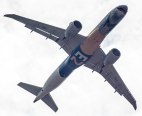
A Embraer SA iniciou um processo de arbitragem depois que a The Boeing Company rescindiu um contrato que previa a formação de uma joint venture Boeing Brasil Commercial com 80% de participação na empresa norte-americana e 20% na empresa brasileira. Especialistas avaliam a arbitragem entre a Embraer e a Boeing para a rescisão do contrato. As operações foram anunciadas em 2018. Agora, a Boeing afirmou que a Embraer não cumpriu algumas obrigações contratuais estabelecidas para fechar o negócio.

800px-Farnborough_Airshow_2018_(43420664341)_(cropped)Para especialistas, as empresas terão a missão de realizar a arbitragem, sem trazer justiça, o que tornará o processo de rescisão muito mais burocrático. A disputa entre as duas companhias aéreas no setor aéreo deve ser arquivada e resolvida por meio de arbitragem administrada pelo Centro Internacional de Resolução de Disputas (ICDR). A negociação será realizada na cidade de Nova York.
Para o advogado Érico Carvalho, sócio da Advocacia Velloso, a arbitragem para resolver esse conflito contratual no setor aéreo pode ser uma via de mão dupla. «Embora os detalhes do litígio não sejam públicos, a Embraer deve ter argumentos sólidos para iniciar um processo de arbitragem contra a Boeing. Mas também é possível, dependendo dos termos contratuais, que a Boeing submeta uma reconvenção ao Tribunal Arbitral solicitando indenização da Embraer por não atender a certas condições prévias, de acordo com o raciocínio revelado pela empresa norte-americana para o término da joint venture», O especialista ressalta ainda que, no caso de uma vitória da Boeing, também é possível que o STJ seja solicitado no futuro a ratificar a sentença arbitral emitida pelo ICDR como o primeiro passo para sua execução em território nacional contra a Embraer.

Quanto ao advogado Antonio Coutinho, sócio de Piquet, Magaldi e Guedes Advogados, o uso do procedimento de arbitragem não deve surpreender, pois é utilizado como padrão em contratos internacionais. Ele expressa: “Especialmente diante dessa magnitude de valores. A Boeing nunca se submeteria a discutir o contrato nos tribunais brasileiros, assim como a Embraer não o faria nos tribunais dos EUA. É por isso que existem tribunais internacionais de arbitragem isentos com regras previamente estabelecidas e uma reputação incontestável». Ele ressalta que um bom contrato deve indicar os tribunais internacionais de arbitragem para garantir o melhor procedimento e a conseqüente decisão sobre o assunto.

Para Ricardo Fenelon, advogado e ex-diretor da ANAC, por um lado objetivo, a Boeing terá o desafio de demonstrar que a Embraer não cumpriu determinadas condições contratuais no período previamente acordado pelas partes. Por outro lado, a Embraer terá que demonstrar que cumpriu suas obrigações ou que a Boeing adotou um comportamento para evitar a continuação das negociações. «A Boeing provavelmente terá muito trabalho para mostrar que o término não tem nada a ver com o momento atual, com a maior crise da história do setor aéreo. Muitas companhias aéreas estão em apuros financeiros e provavelmente adiarão ou cancelarão pedidos de novas aeronaves, causando mais impactos negativos para todos os fabricantes. A Embraer é o terceiro maior fabricante de aeronaves do mundo, gerando mais de 18.000 empregos, além do desenvolvimento de tecnologia. No entanto, o que vimos nos últimos dias é que o Governo Federal está vigilante e acompanha a questão. Além disso, o presidente da República e o CEO da empresa não descartaram uma negociação com outra empresa», diz Ricardo Fenelon. Para o especialista, a rescisão do contrato que previa a formação de uma joint venture sem dúvida tem um impacto negativo no setor aéreo brasileiro. AW-Icon Paragraph-02


Ξ A I R G W A Y S Ξ
SOURCE: Airgways.com
DBk: Embraer.com / Airgways.com
AW-POST: 202005121123AR

A\W   A I R G W A Y S ®

Qatar vuelos cortesía médica

Details | oneworldAW | 2020 05 12 10:28 | AIRLINES

Ficheiro:Qatar Airways logo.svg – Wikipédia, a enciclopédia livreQatar Airways ofrece 100.000 vuelos internacionales gratuitos a trabajadores de primera línea
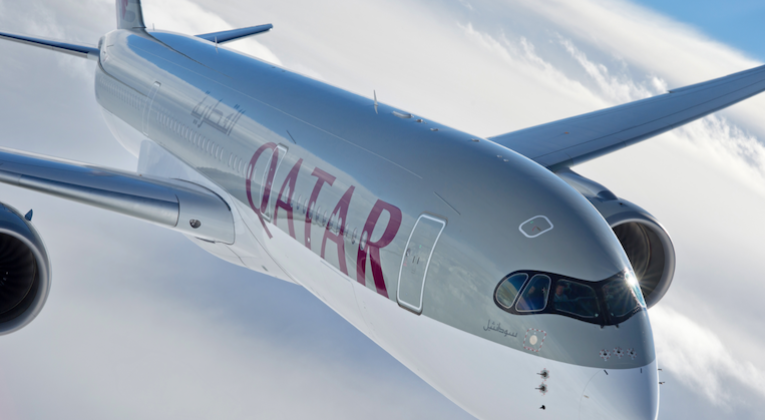
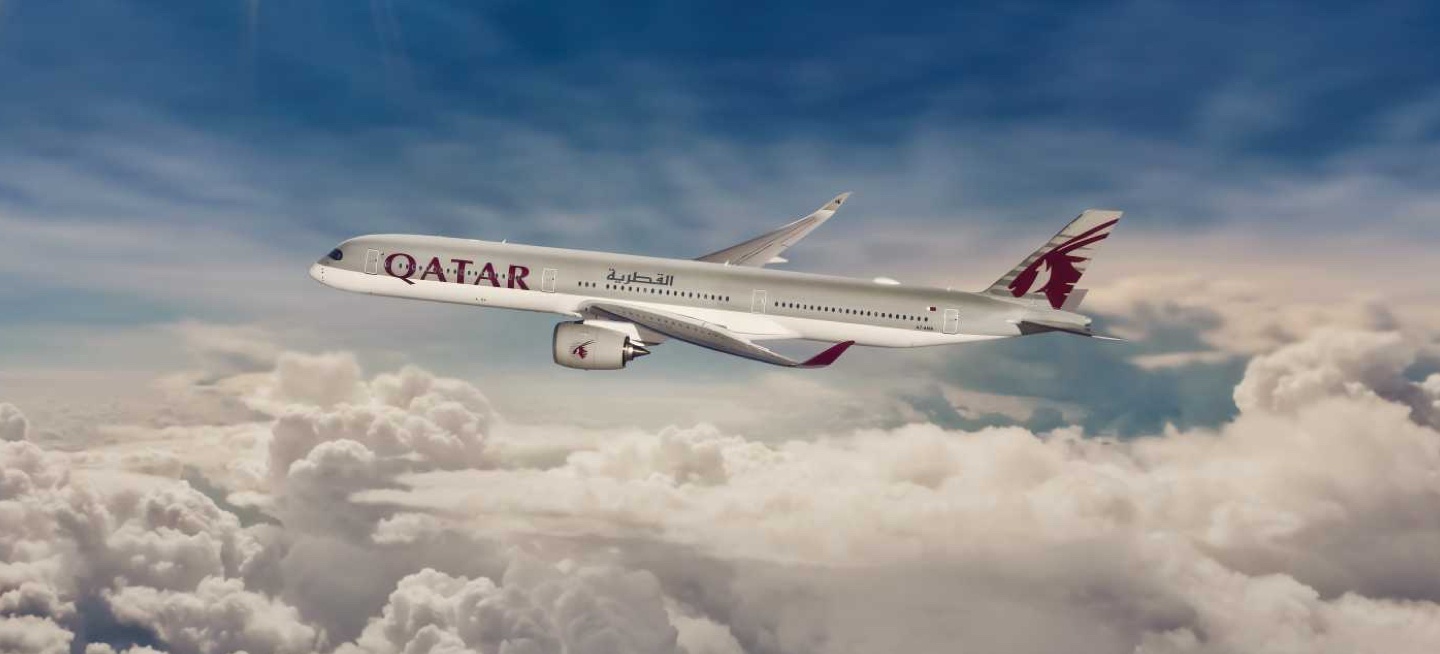
Qatar Airways, la aerolínea de la República de Qatar, ha ofrecido vuelos de cortesía para 100.000 trabajadores de atención médica de primera línea como parte de la iniciativa en el Día Internacional de las Enfermeras, para agradecer a quienes más nos han ayudado. Los boletos que se ofrecen son el regreso económico a cualquier destino de Qatar Airways, incluidos Australia, Europa y Medio Oriente. Quienes califiquen obtendrán dos boletos de cortesía para que puedan viajar con un acompañante. «También disfrutarán de un 35% de descuento en los establecimientos libres de impuestos de Qatar en nuestro centro de última generación en Doha, el Aeropuerto Internacional Hamad», dijo Qatar. AW-Icon Paragraph-01

Qatar Airways – the world's best airline – OpenSkiesQatar flights medical courtesy

Qatar Airways offers 100,000 free international flights to front-line workers

Qatar Airways, the airline of the Republic of Qatar, has offered courtesy flights to 100,000 front-line healthcare workers as part of the initiative on International Nurses Day, to thank those who have helped us the most. The tickets offered are the economical return to any destination of Qatar Airways, including Australia, Europe, and the Middle East. Those who qualify will receive two courtesy tickets so they can travel with a companion. «We also enjoy a 35% discount on Qatari tax-free guests at our state-of-the-art facility in Doha, Hamad International Airport», Qatar said. AW-Icon Paragraph-02


Ξ A I R G W A Y S Ξ
SOURCE: Airgways.com
DBk: Qatarairways.com / Airgways.com
AW-POST: 202005121028AR

A\W   A I R G W A Y S ®